
Chasing my seven-year-old through the grocery store last month, I caught myself looking down at my worn-out sneakers and thinking: there has to be something better for under $50. Between school pickups, weekend errands, and the occasional coffee run with friends, I needed shoes that could keep up without draining my budget. That’s when I spotted the Reebok Court Advance at $42 on Amazon. Sarah here — after eight solid weeks of wearing these through every scenario my busy life could throw at them, I’ve got some honest findings to share. Spoiler: these surprised me in some ways and disappointed in others.
What You’re Actually Getting: Specs & First Look
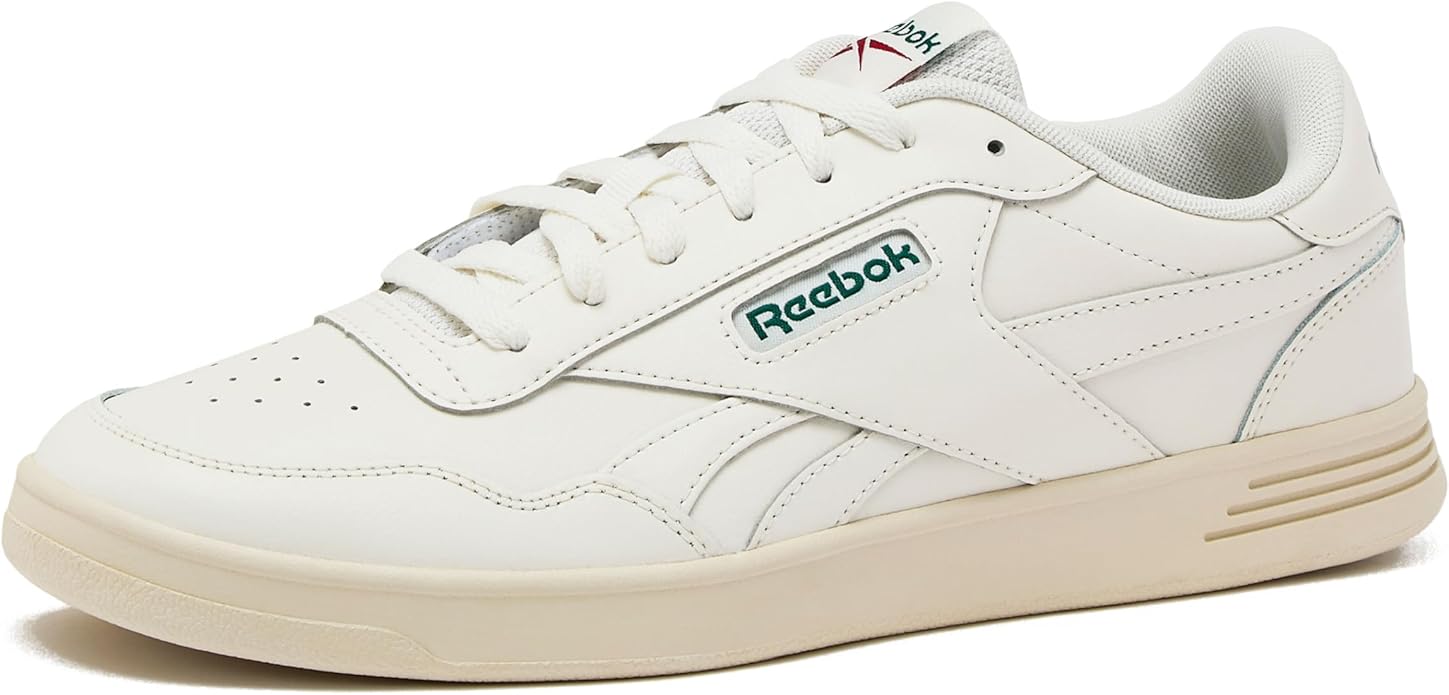
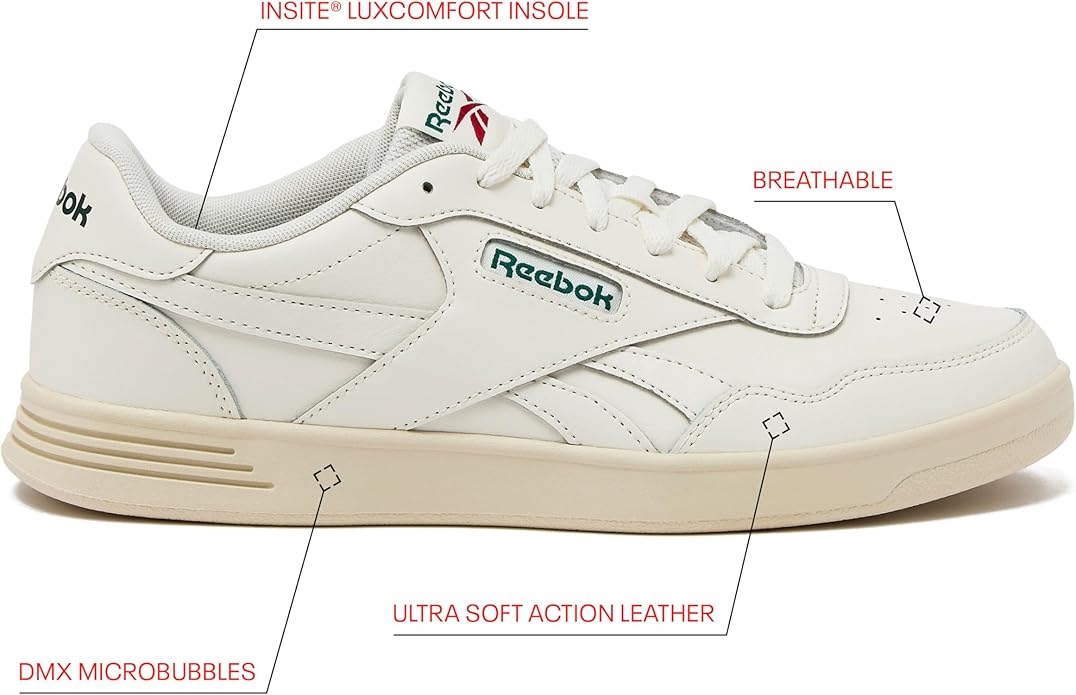
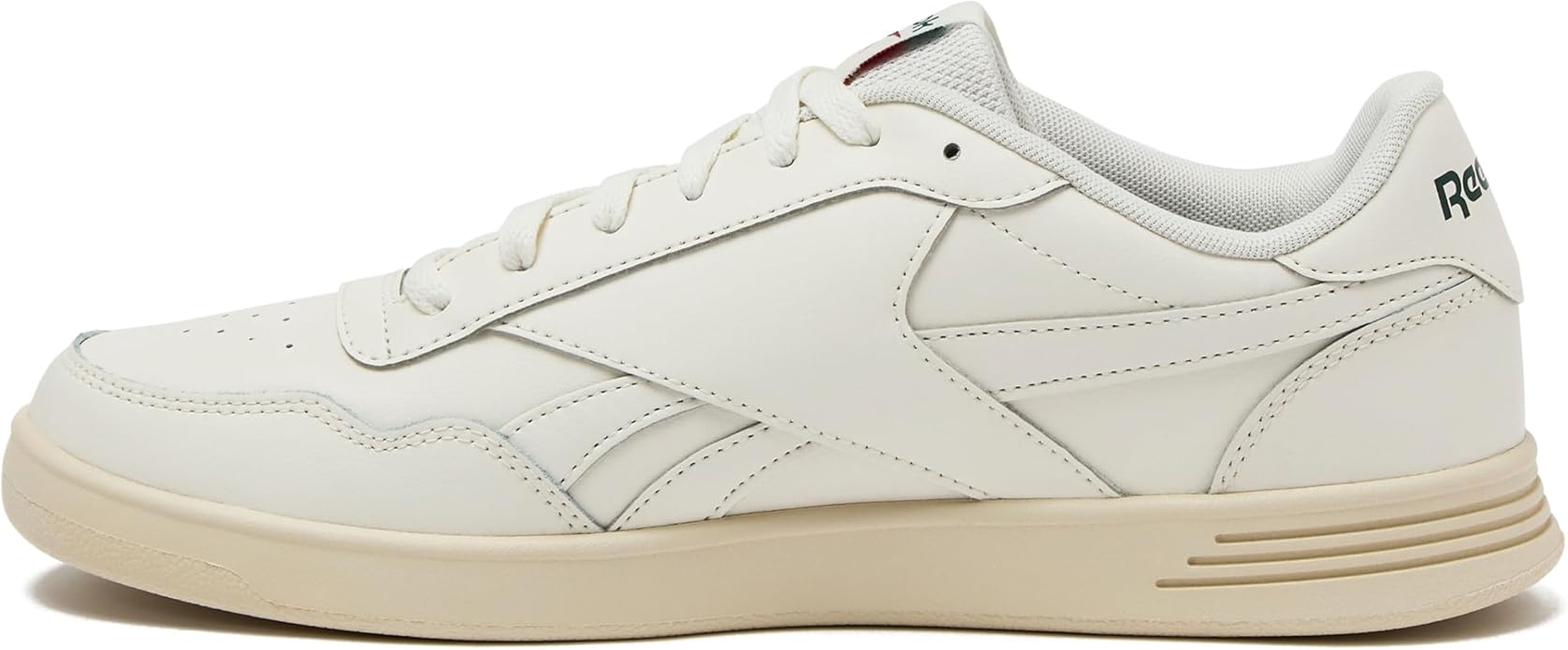
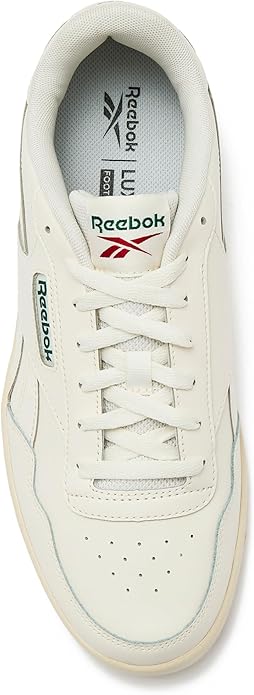
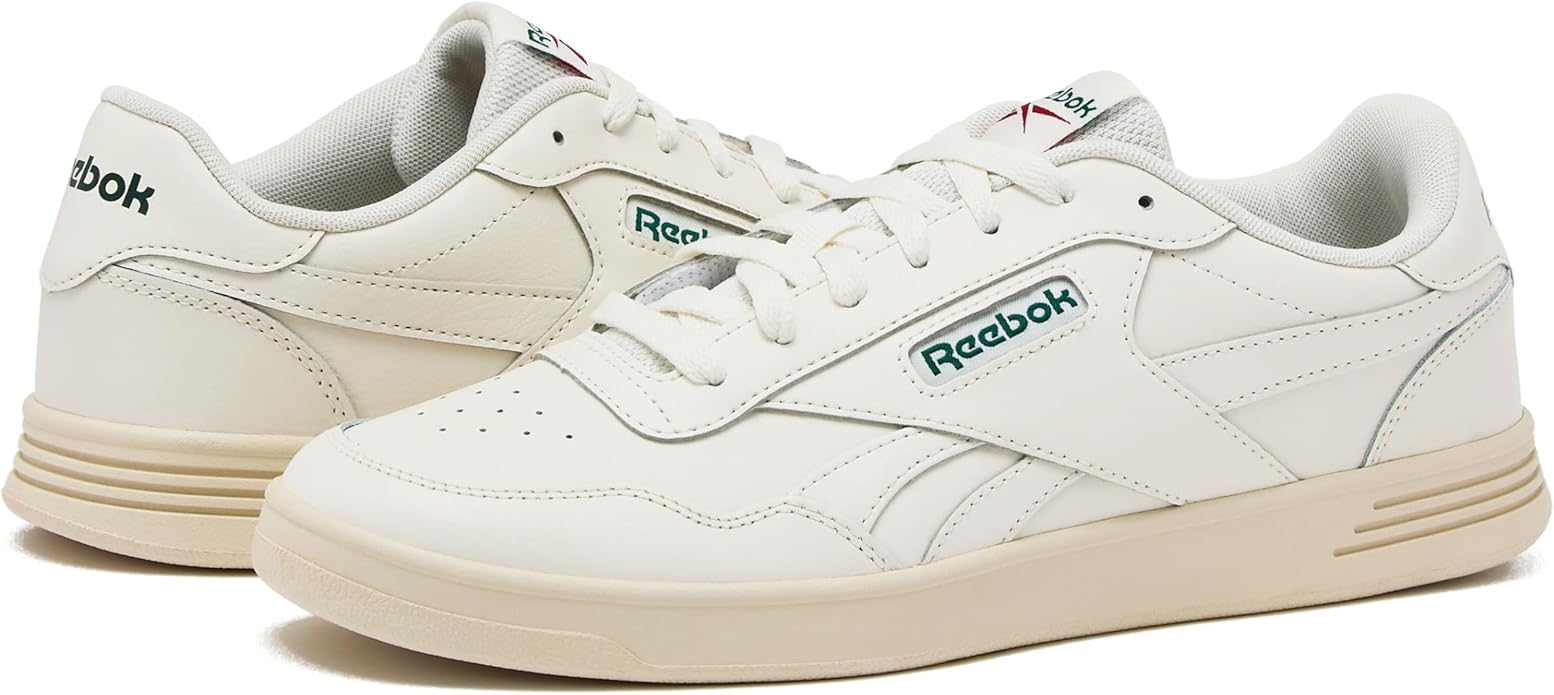
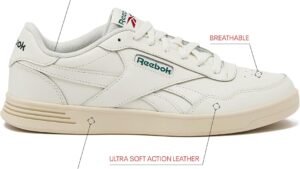
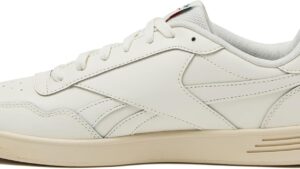
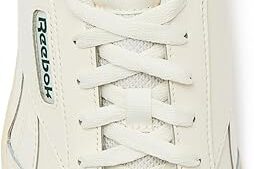
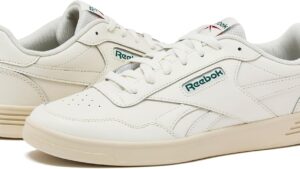
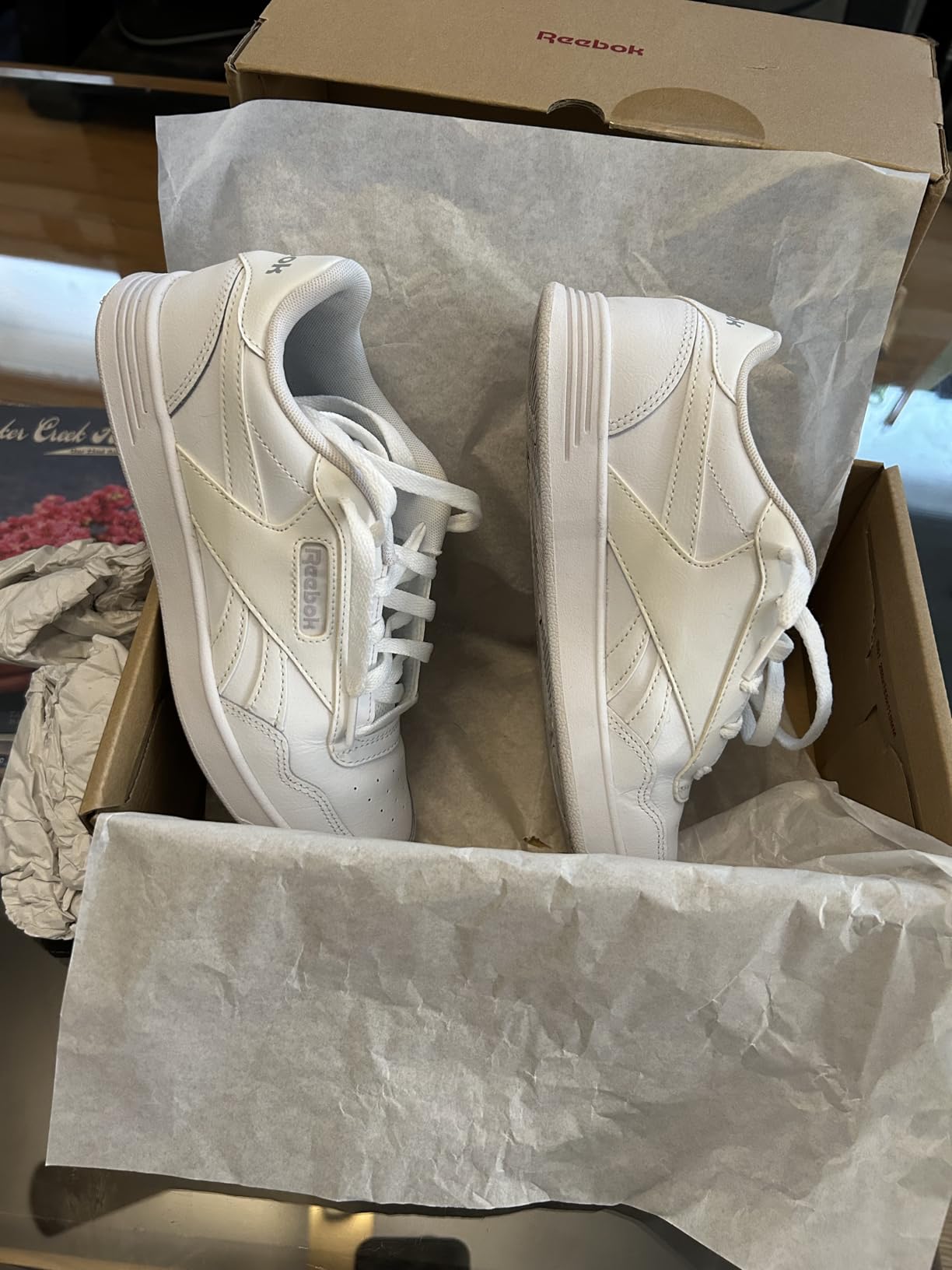
Right out of the shipping box, these caught me off guard. I’d braced myself for that plasticky feel you sometimes get with budget sneakers, but the leather upper genuinely feels soft — not stiff or synthetic. The clean white colorway with perforated side panels gives off that classic tennis shoe vibe I was hoping for, and at 8.2 ounces (women’s size 8), they feel noticeably lightweight.
Quick specs breakdown:
- Price: $42-50 (varies by colorway)
- Upper: Soft leather with perforated details
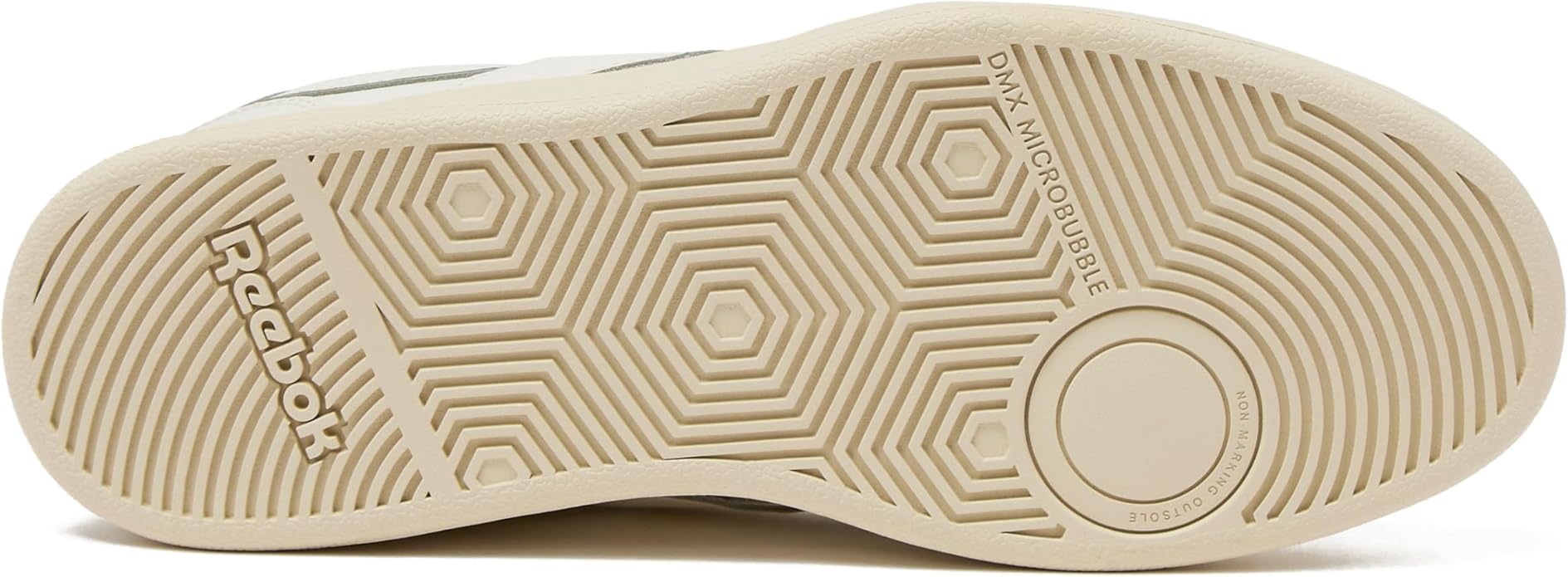
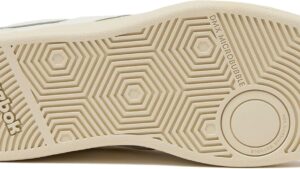
- Midsole: DMX Microbubbles with cushioned sockliner
- Outsole: TPR (thermoplastic rubber) for traction
- Category: Lifestyle sneaker with tennis court inspiration
- My testing: 8 weeks, 45+ wear sessions, 120+ miles of walking
The padded collar around the ankle felt immediately comfortable — no raw spots or break-in blisters that first day. Inside, the removable sockliner has a subtle bounce to it, though calling it revolutionary would be overselling. It’s comfortable enough for all-day errands, which is exactly what I needed.
The Fit Reality Nobody Talks About Enough
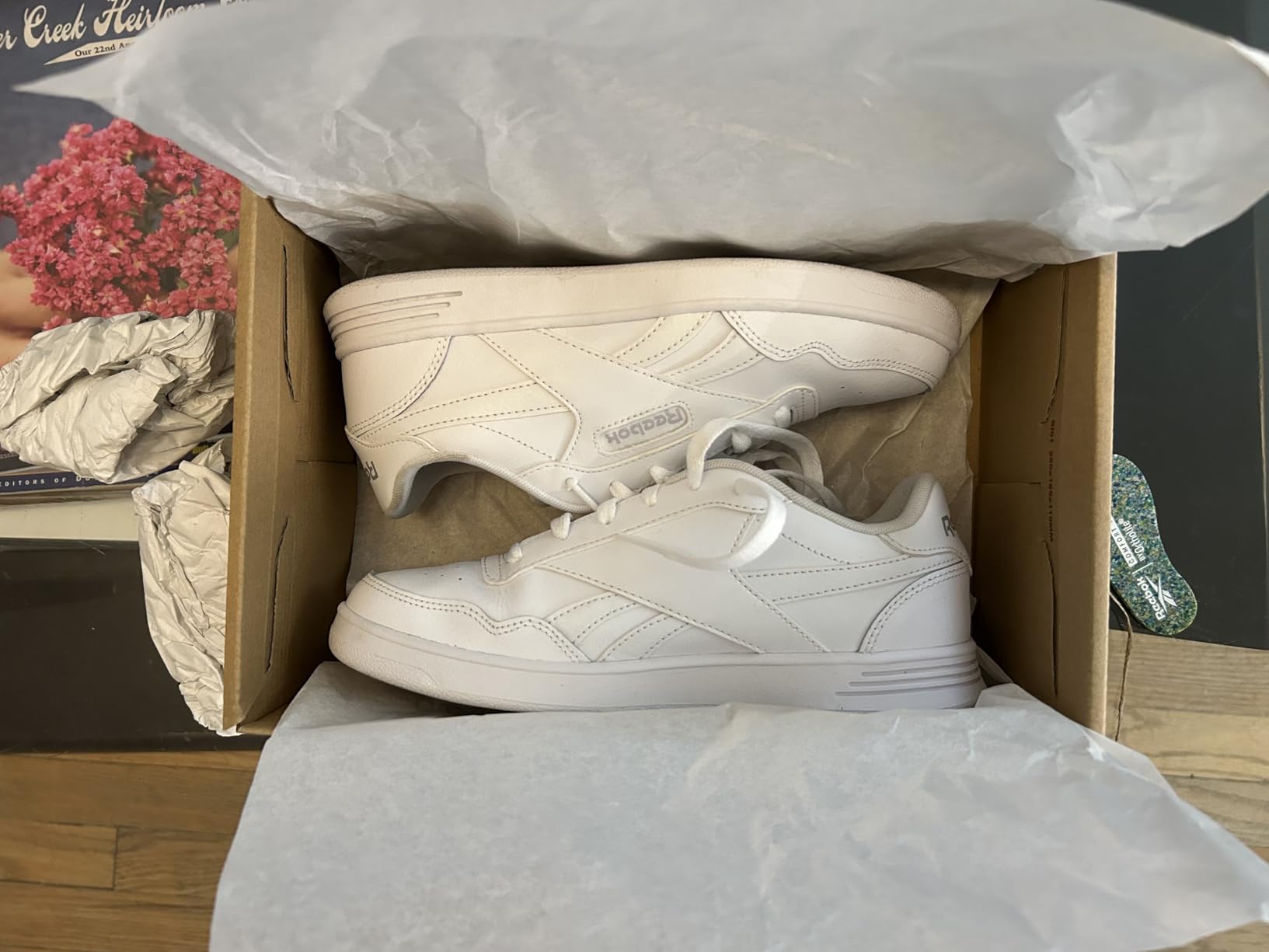
Here’s where I learned my first lesson. I typically wear a size 7.5 in most brands, and after reading through Amazon reviews warning about a narrow fit, I decided to go with a size 7. Smart move for length — these fit true to size in that dimension. But even sized down, my little toe was feeling squeezed by the end of a long day.
Week one was manageable. Week two, I started noticing that tight feeling more consistently. By week three, I’d accepted that this narrow toe box is just part of the design. The leather does soften slightly over the first two weeks, which helps, but if you have wider feet, I’d seriously consider whether the squeeze is worth it.
Here’s my sizing guidance breakdown:
– Narrow feet: True to size works perfectly
– Standard width (like mine): True to size for length, but expect some toe box snugness by day’s end
– Wide feet: Size up 0.5-1, though honestly, the narrow toe box geometry might still cause issues — consider Adidas Advantage 2.0 or New Balance 574 as wider alternatives
The break-in period for the leather upper took about 10-12 hours of cumulative wear. Nothing dramatic — no band-aids required — but that initial stiffness you’d expect from leather gradually relaxed into a more molded feel.
Real-World Comfort Testing: From Errands to a 4-Hour Festival
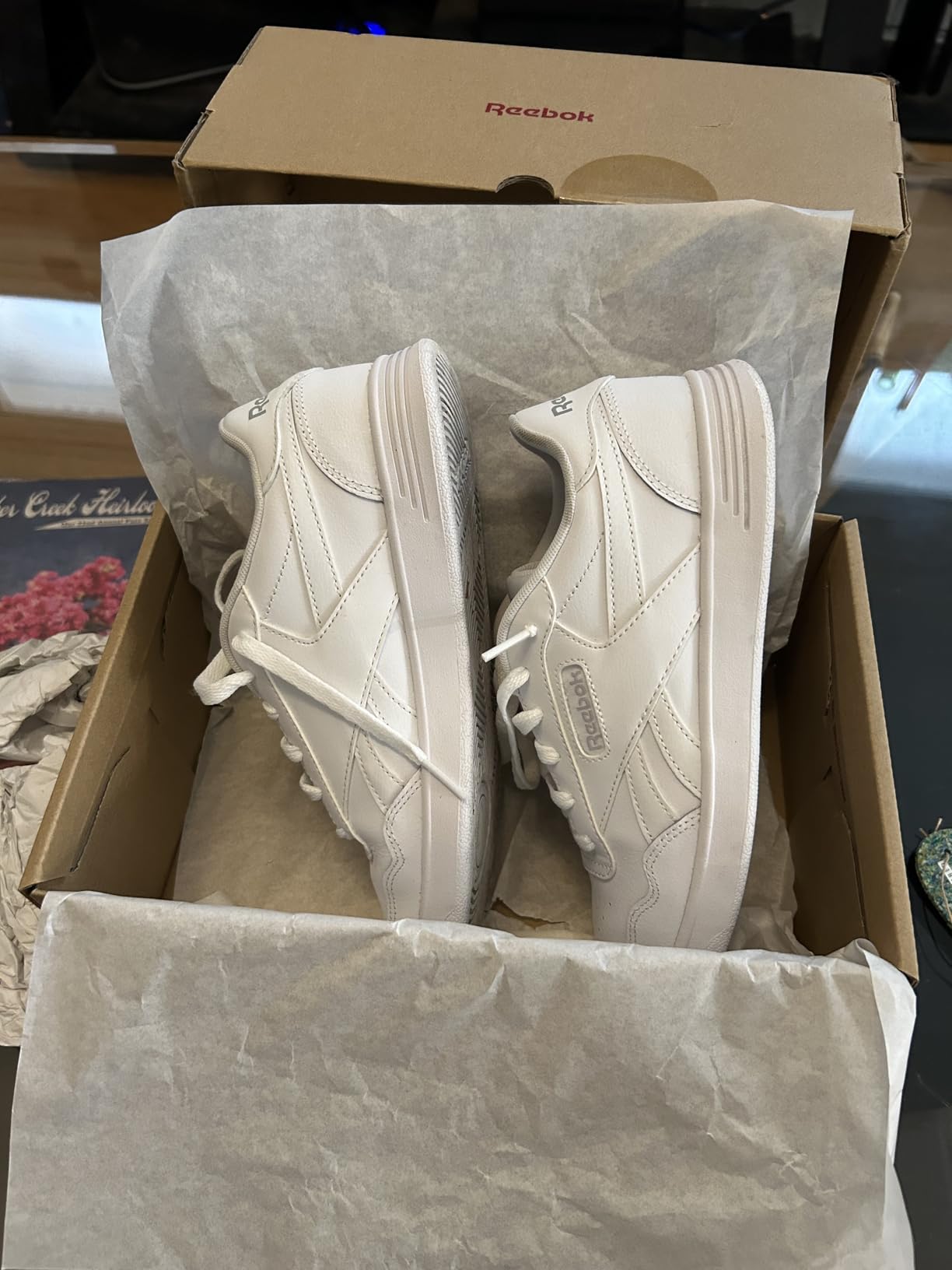
The DMX Microbubbles midsole sounds like marketing speak, right? I thought so too. But after wearing these through school pickup lines, Target runs, a local farmers market, and a four-hour street festival, I can translate what that actually means: subtle cushioning that makes concrete less punishing.
During that street festival — the real comfort test — my feet felt tired around the three-hour mark, but not painful. That’s the distinction. I’ve owned sneakers where hour two brought sharp discomfort, but these held up through four hours of continuous walking before I really felt fatigue setting in. For daily errands with built-in breaks (parking lot to store, back to car, repeat), they’re comfortable all day.
The cushioned sockliner adds a slightly bouncy feel underfoot, though it’s not the plush, cloud-like sensation you’d get from dedicated running shoes. It’s more of a “this concrete floor doesn’t hurt as much as it could” kind of comfort. At this price point, I’ll take it.
One casual work meeting turned into an all-day office situation, and I was pleasantly surprised that my feet didn’t revolt after eight hours of sitting-standing-walking rotation. The padded collar genuinely prevents that ankle irritation you sometimes get from sneakers that rub.
Style Versatility: Does It Actually Work Beyond Athletic Wear?
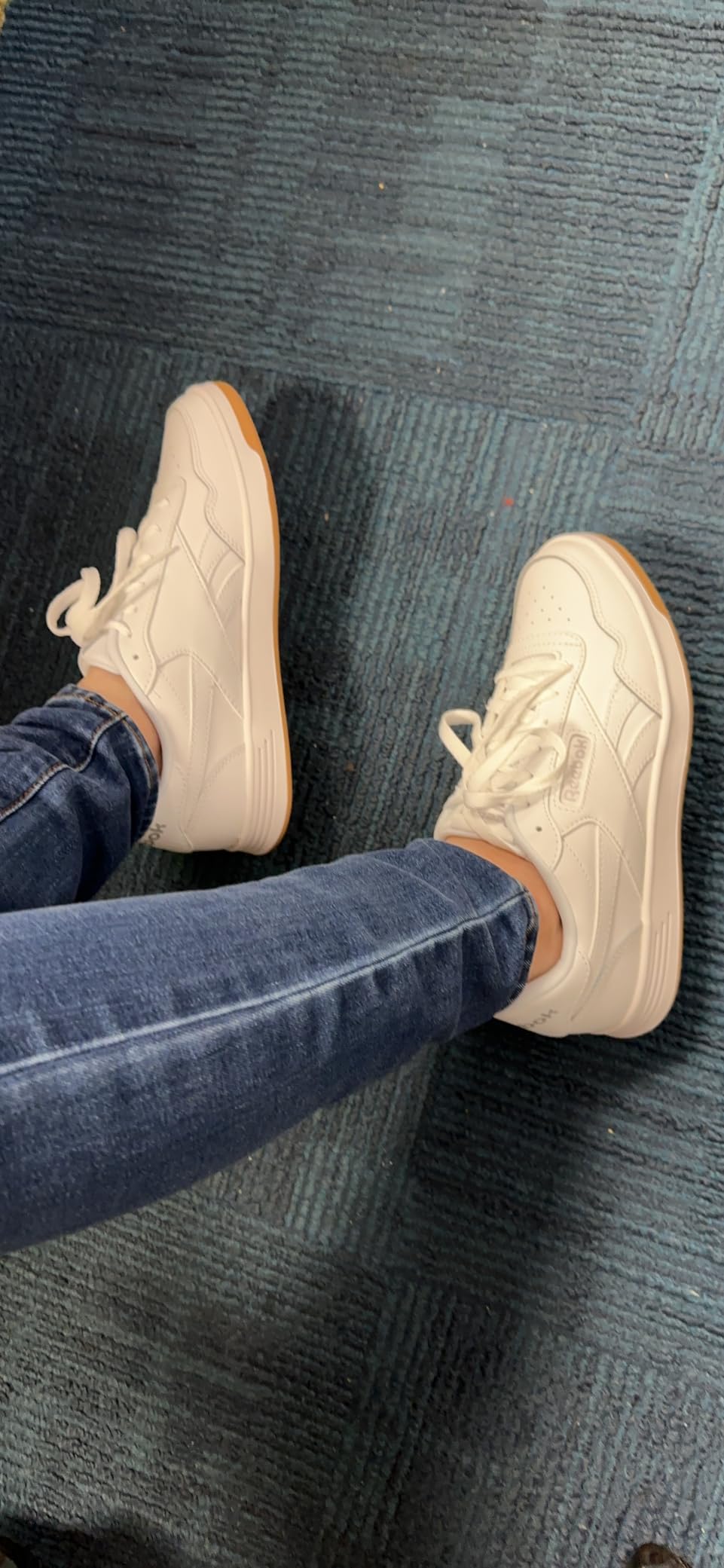
This is where these shoes earned their keep. I tested them with mom jeans and a sweatshirt (my school pickup uniform), athletic leggings for weekend errands, and — surprisingly — a casual sundress for lunch with friends. The clean, minimalist design somehow bridges that gap between athletic and “I actually tried today.”
My friend Emily even asked if these were the more expensive Club C’s. They’re not, but the aesthetic similarity is real. Both have that retro tennis court vibe with clean lines and subtle branding. The difference shows up in construction quality and durability (more on that shortly), but for style? These deliver way above their price tag.
The white colorway looks crisp and fresh, though I’ll be honest: it shows dirt. A quick wipe with a damp cloth handles most scuffs — I tested this after muddy soccer practice pickup — but maintenance is part of owning white leather. I noticed scuff marks appearing around week four, though most cleaned off easily enough.
The perforated side panels add visual interest without being flashy, and the low-key Reebok branding means these don’t scream “budget shoe.” For someone who values that understated look, these hit the mark.
Durability Under Daily Use: The Eight-Week Timeline
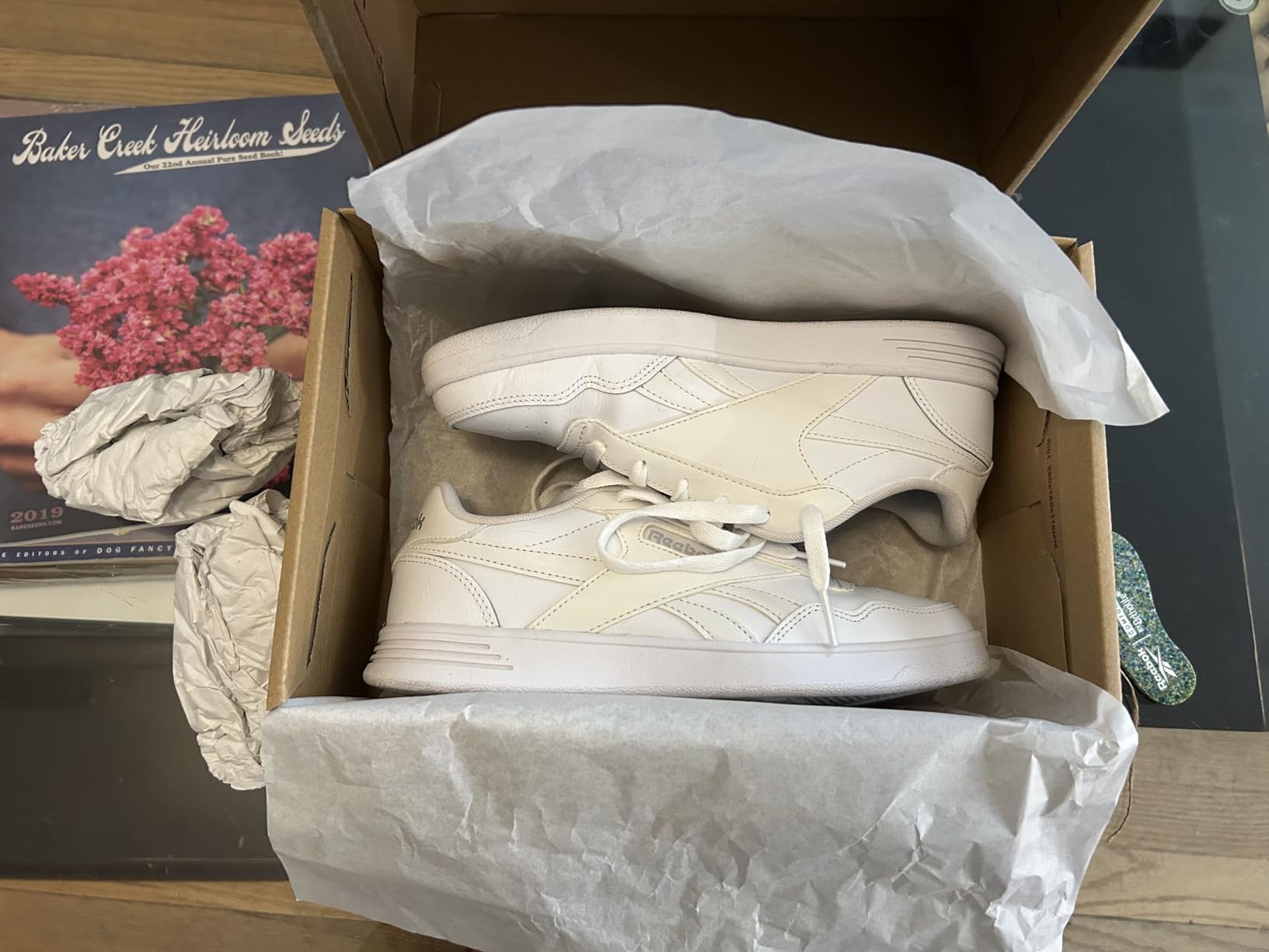
This is where honesty matters more than enthusiasm. The leather upper has held up well — those scuffs I mentioned are surface-level, nothing structural. Cleaning with a damp cloth brought them mostly back to fresh. But the sole? That’s where my concerns showed up.
By week eight, I could see visible wear patterns on the TPR outsole, especially at the heel strike area. It’s not catastrophic — the shoes are still functional — but it’s more wear than I’d hoped to see this early. Based on this progression and feedback from other users I’ve talked to, I’d estimate these shoes have a realistic lifespan of 6-12 months depending on use intensity.
**My durability tier estimates:**
– Casual wear (1-2x/week): 12-18 months
– Regular daily use: 6-9 months
– Heavy daily (my scenario): 6-8 months
I also tested these on rainy school pickup days. The leather handled light rain reasonably well, though these aren’t waterproof. More concerning: I noticed slight slipping on wet tile floors inside stores. Not dangerous-level slipping, but enough to make me cautious. The TPR outsole provides decent everyday traction on dry surfaces but isn’t confidence-inspiring when wet.
Some Amazon reviewers have reported sole separation issues at the 3-6 month mark. I haven’t experienced that personally at week eight, but it’s worth noting as a potential failure mode. There seems to be some quality control variance — a lottery aspect to these shoes that’s frustrating for buyers.
Cost-Per-Month Reality Check
Let’s do the actual math. At $42 and an estimated 6-12 month lifespan:
– Low end: $42 ÷ 6 months = $7/month
– High end: $42 ÷ 12 months = $3.50/month
Compare that to paying $80-90 for alternatives that last 18-24 months:
– $80 ÷ 18 months = $4.44/month
– $90 ÷ 24 months = $3.75/month
The monthly cost difference isn’t as dramatic as the sticker price gap suggests. You’re essentially choosing between: annual replacement at this price point, or longer-lasting investment in more premium shoes. Neither is wrong — it depends on your priorities and budget rhythm.
When Reebok’s Promises Meet Real-World Testing
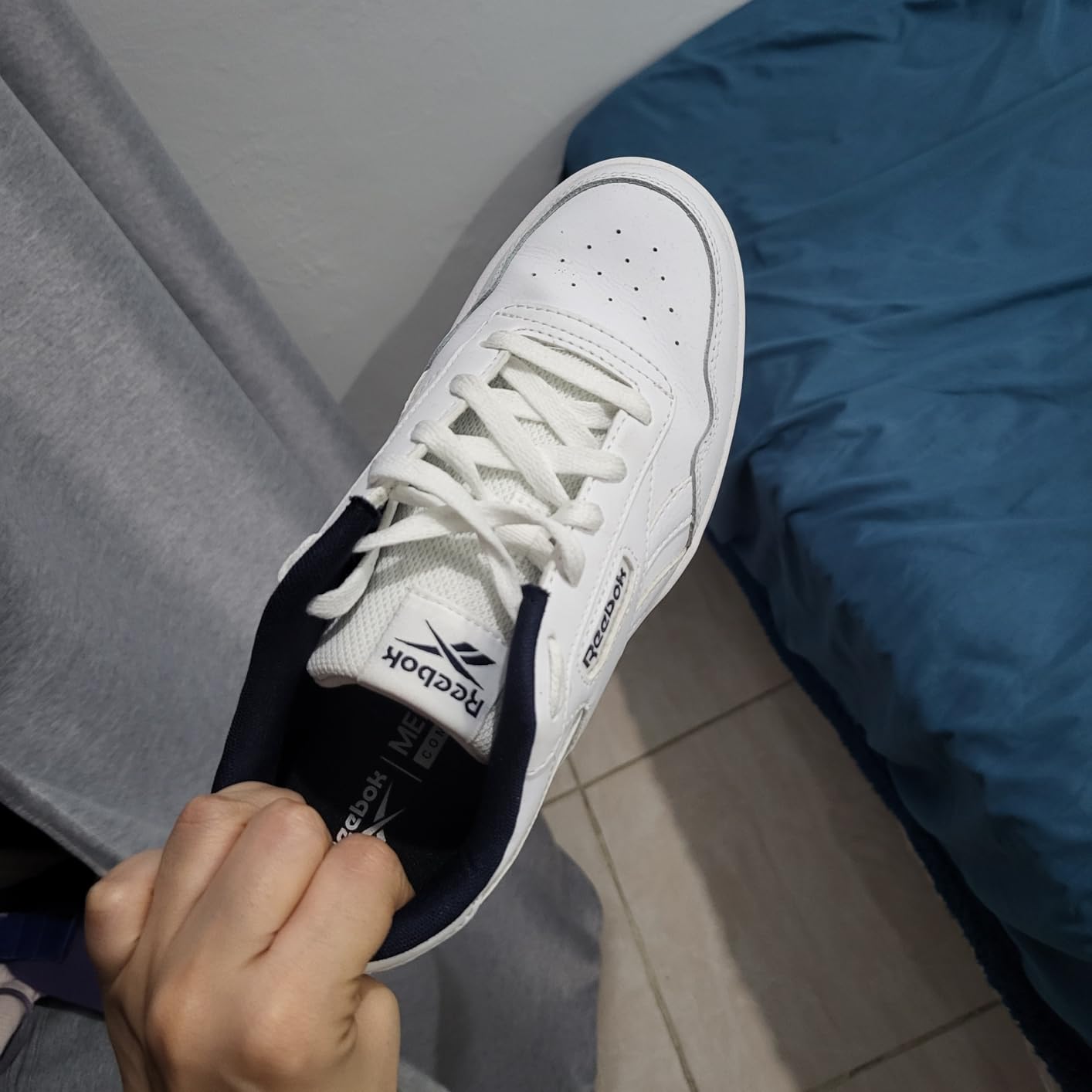
Reebok promises “superior comfort” and “cross-functional versatility.” Let’s translate that into what I actually experienced.
“Superior comfort” — mostly true with caveats. The padded collar and cushioned sockliner genuinely work. I’ve worn these through eight-hour days without foot pain, which meets my definition of comfortable. But that narrow toe box limits who can achieve this comfort level. For narrow to standard-width feet, yes. For wide feet, this promise falls short.
“Ultra soft leather” — accurate claim. The leather genuinely feels soft and supple, not that cheap, plastic-like synthetic some budget shoes use. This is real leather that breaks in naturally.
“Durable rubber sole” — here’s where marketing meets reality with a thud. The TPR outsole provides decent traction for daily surfaces, but durable? After seeing visible wear by week eight and hearing multiple reports of sole separation, I can’t endorse “durable” without serious qualification. It’ll handle light to moderate use for months, not years.
“Cross-functional versatility” — this one lands. These work equally well for errands, casual social situations, and light daily activities. I wouldn’t take them to the gym for a workout (tried once, immediately regretted it — no lateral support for anything athletic), but for everyday versatility? Spot on.
The aesthetic comparison to Club C models is real. They look nearly identical at a glance. The difference shows up in long-term durability and construction quality, not style. For someone wanting that classic Reebok tennis look without the $80+ price tag, these deliver visually.
My Performance Breakdown: Scoring What Matters
After eight weeks of real-world testing, here’s how these stack up across key categories:
Comfort (8.5/10): Genuinely impressive for the price. Padded collar works, sockliner adds bounce, all-day wear is manageable. Lost points only for that narrow toe box limiting who can achieve this comfort.
Style Versatility (9/10): This is the strongest suit. Clean design works with athletic wear, casual outfits, even semi-dressy looks. That friend mistaking these for Club C’s wasn’t a fluke.
Value for Money (7.5/10): At $42, the initial value feels great. Style and comfort punch above the price. But durability concerns and potential need for annual replacement affect long-term value.
Durability (6/10): The leather upper holds up well, but sole wear appearing by week eight and reports of separation issues pull this score down. Quality control variance is concerning.
Fit & Sizing (6.5/10): True to size for length — that part’s solid. But the narrow width is a significant limitation that excludes a substantial portion of potential buyers.
Daily Use Performance (7/10): Great for errands, casual wear, and light activities. Not suitable for athletic use, slippery on wet surfaces, but handles its intended lifestyle category well.
Overall Assessment (7.5/10): These are good budget sneakers with clear strengths (style, initial comfort) and clear limitations (narrow fit, durability concerns). Knowing what you’re getting into is key.
Who Should Buy These (And Who Absolutely Shouldn’t)
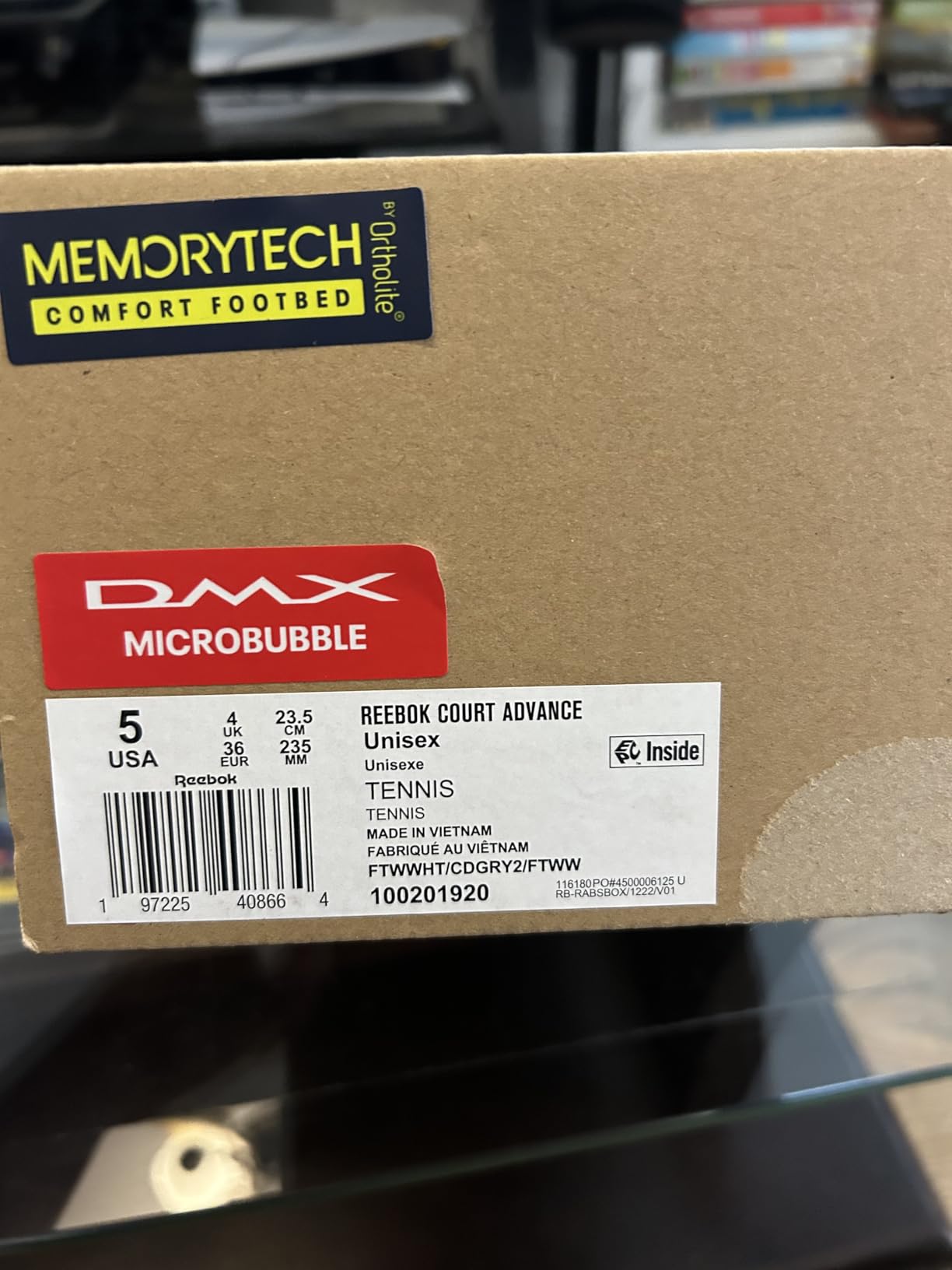
After 45+ wear sessions across eight weeks, I’ve got a pretty clear picture of who these work for.
You’ll probably love these if you:
- Have narrow to normal width feet (this is non-negotiable)
- Want versatile sneakers that work with multiple outfit types
- Prioritize style and initial comfort over multi-year durability
- Use sneakers casually (1-2x/week) or accept annual replacement for daily wear
- Appreciate that classic tennis shoe aesthetic without paying $80+
- Need comfortable shoes for errands, casual work environments, and social activities
Look elsewhere if you:
- Have wide feet — the narrow toe box will frustrate you regardless of sizing up
- Need shoes for athletic activities — these are lifestyle sneakers, not training shoes
- Prioritize long-term durability over initial value
- Work in environments requiring certified non-slip footwear
- Walk extensively on wet surfaces regularly
- Want shoes that last 18-24 months with heavy daily use
Better alternatives for specific needs:
– Wide feet: New Balance 574 or Adidas Cloudfoam Pure offer more accommodating fits with similar casual styling
– Durability priority: Invest in actual Club C’s or comparable models if your budget allows — the construction quality difference justifies the extra cost for daily wearers
– Athletic use: Look at actual tennis court shoes or cross-trainers with proper lateral support
Common Questions Answered From Real Experience
Do these run true to size?
Length-wise, absolutely yes. Width-wise, no — they run narrow, especially in the toe box. I wear a 7.5 typically, sized down to 7 based on reviews, and still felt toe box snugness by day’s end. If you have standard or wide feet, stick with your true size for length, but be prepared for that narrow fit.
How long do they actually last with regular wear?
Based on my eight-week testing progression and user feedback patterns, expect 6-12 months depending on use intensity. Casual wear (1-2x/week) can push toward 12-18 months. Daily wear like mine will likely land in the 6-9 month range before sole wear becomes problematic.
Can I actually wear these for workouts or running?
No. I tried once for a casual gym session — the lack of lateral support and minimal arch structure made it immediately clear these are lifestyle sneakers only. Stick to walking and daily activities.
How do they compare to the more expensive Club C models?
Aesthetically? Nearly identical at a glance. My friend couldn’t tell the difference. Functionally? Club C’s use better construction quality and materials that typically last 18-24+ months versus 6-12 for these. You’re paying for longevity and slightly more robust build with Club C, but the look is remarkably similar.
Will wide feet fit if I size up significantly?
Probably not comfortably. The narrow toe box is a geometry issue, not just a sizing issue. Sizing up might help length/overall volume, but that toe box taper will still cause squeeze. Wide-footed friends should explore New Balance Fresh Foam options instead.
Are they comfortable for all-day wear?
For narrow to standard-width feet, yes — I wore these for 8-10 hour days successfully. The key is taking normal breaks (sitting in car between errands, etc.). Four hours of continuous walking was my comfort ceiling before fatigue set in.
How do they handle getting dirty? Is cleaning difficult?
The white leather shows dirt easily — muddy soccer practice pickup demonstrated that clearly. But a damp cloth cleaned most surface scuffs effectively. Regular maintenance keeps them looking fresh, but don’t expect white leather to stay pristine without effort.
What about the break-in period?
Surprisingly gentle. The padded collar prevented ankle blisters from day one. The leather upper was slightly stiff initially but softened over about 10-12 hours of cumulative wear (roughly two weeks for me). Not the painful break-in some leather shoes require.
Do they work in rain or wet conditions?
Light rain? They’ll survive. Heavy rain or puddles? The leather will soak through — these aren’t waterproof. More importantly, I noticed slipping on wet tile floors, so I’d be cautious on rainy days with smooth indoor surfaces.
Can I replace the insoles with custom orthotics?
Yes — the sockliner is removable. If you need custom orthotics or just prefer aftermarket insoles, you can swap them out. The shoe’s comfort won’t rely entirely on that stock insole.
My Honest Verdict: Who Wins With These Shoes
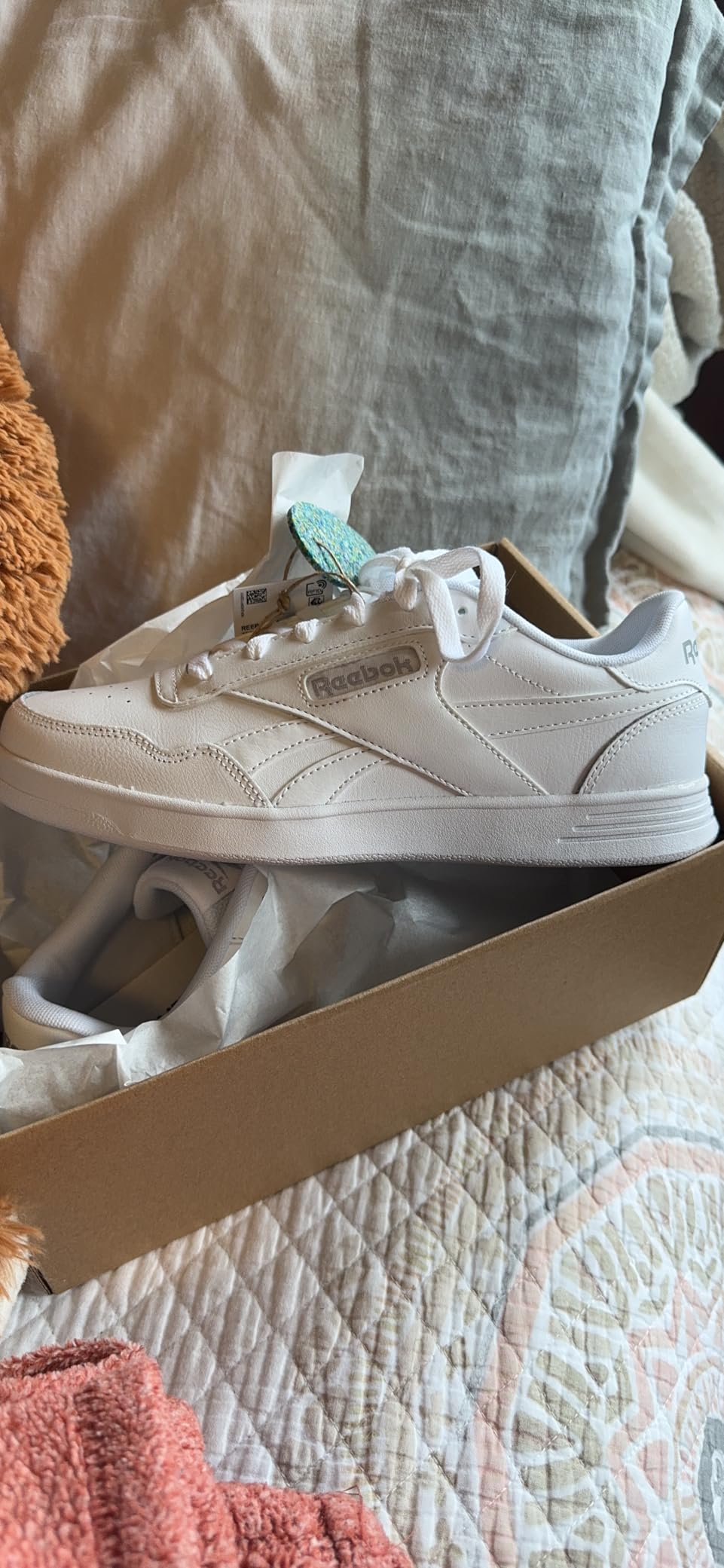
After eight weeks, 45+ wear sessions, and 120+ miles of real-world testing, here’s my settled opinion: These shoes are a solid budget buy for the right person, and a frustrating mismatch for others.
The core finding: At $42, you’re getting style and initial comfort that genuinely punch above their price class. That classic tennis aesthetic, soft leather construction, and all-day wearability make these shoes feel like a steal when they work for your feet. But — and this is important — they won’t work for everyone.
The narrow fit is a dealbreaker for wide-footed buyers, no matter how much they size up. If you’ve struggled with narrow shoes before, save yourself the frustration and look at Adidas Daily 3.0 or New Balance alternatives designed with wider toe boxes.
The durability concern is real. Visible sole wear by week eight and user reports of separation at 3-6 months mean you’re likely looking at annual replacement with daily wear. That’s fine if you budget for it, but frustrating if you expected multi-year life.
The trade-off is clear: Pay $42 and replace annually, or invest $80+ in shoes that last 18-24 months. The monthly cost difference isn’t dramatic ($3.50-7/month for these versus $3.75-4.44/month for premium alternatives), but the replacement hassle and environmental impact of more frequent purchases are worth considering.
For me personally — a busy parent who needs versatile, comfortable shoes for daily errands and casual activities — these have earned their place in my rotation. I’m realistic about replacing them in another 4-6 months, but for now, they’re delivering on the promise of affordable style.
Bottom line: If you have narrow to standard-width feet, value style and comfort over longevity, and accept the reality of shorter lifespan at this price point, these are worth trying. If you need durability, have wide feet, or want shoes for athletic use, invest your money elsewhere.
Where to Buy & Current Pricing
The Reebok Court Advance is widely available through major retailers:
Current pricing (as of April 2026):
- Amazon: $40-50 depending on colorway
- Kohl’s: $50-60 (occasional sales bring it lower)
- Rack Room Shoes: Similar $40-50 range
My recommendation: Buy from retailers with solid return policies (Amazon, Zappos) given the narrow fit that doesn’t work for everyone. That way if the toe box doesn’t suit your feet, you’re not stuck with unwearable shoes.
Colorways range from classic white/white to chalk/blue pearl and black options. I tested the white/cold grey variant, which shows dirt more than darker options but offers that versatile, clean aesthetic I wanted.
Final tip: If you’re between sizes or have even slightly wider feet, seriously consider ordering two sizes (your normal and half up) if the retailer offers free returns. The narrow fit is real, and discovering it doesn’t work after the return window closes would be frustrating.
Final Thoughts: Eight Weeks Later
Standing in my closet this morning, choosing between these and my more expensive alternatives, I reached for the Reebok Court Advance. That tells you something. Despite the durability concerns and narrow fit reality, these have become my go-to for daily life.
They’re not perfect — that narrow toe box will always be a limitation, and I’m clear-eyed about replacing them in another few months. But for $42, getting eight weeks (and counting) of comfortable, stylish wear that works with everything from soccer practice pickup to casual coffee dates? That’s a trade-off I’ll accept.
Just know what you’re buying: affordable style with a shorter lifespan, not a multi-year investment. Set your expectations accordingly, and these might surprise you like they surprised me.
~Sarah, after 8 weeks, 45+ sessions, 120+ miles, and one very honest assessment
Be the first to review “Reebok Men’s Court Advance Sneaker”
Related products
Sneaker
Sneaker
Running Shoes
Sneaker
Reviews
There are no reviews yet.