
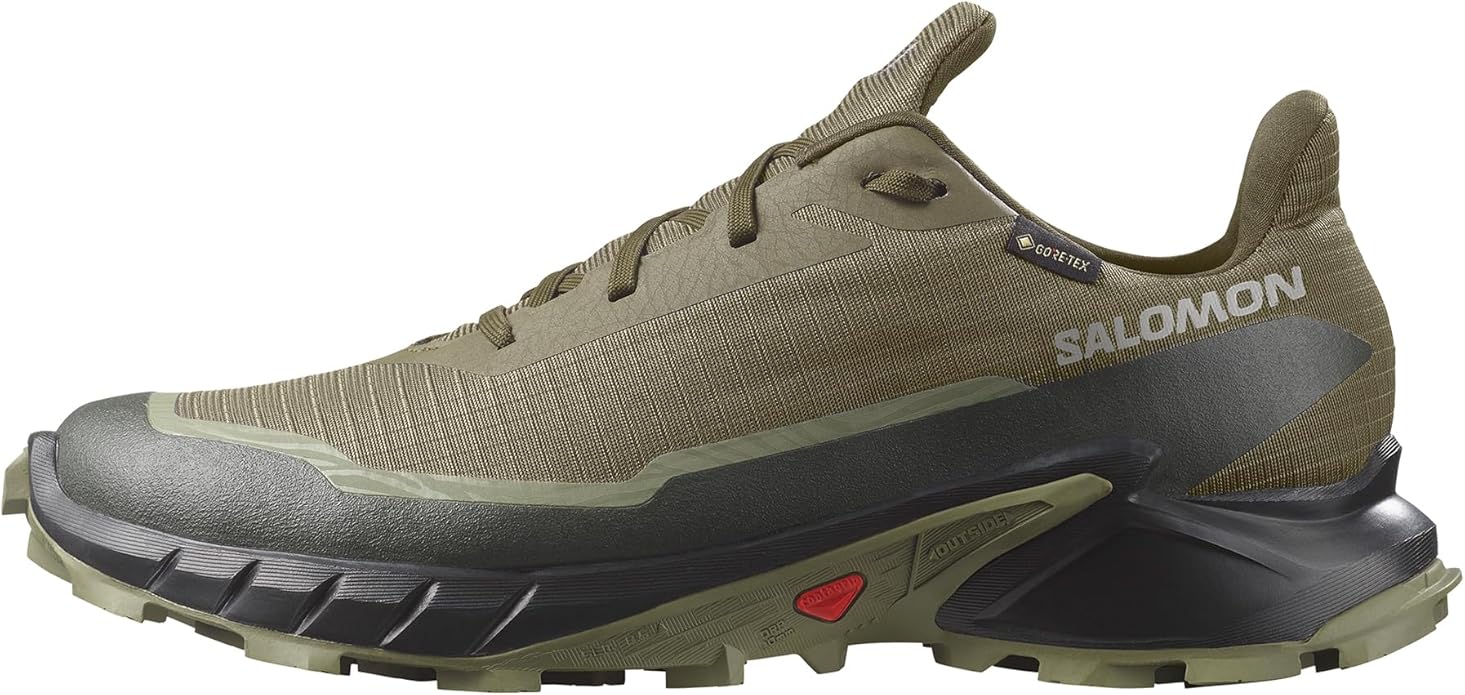
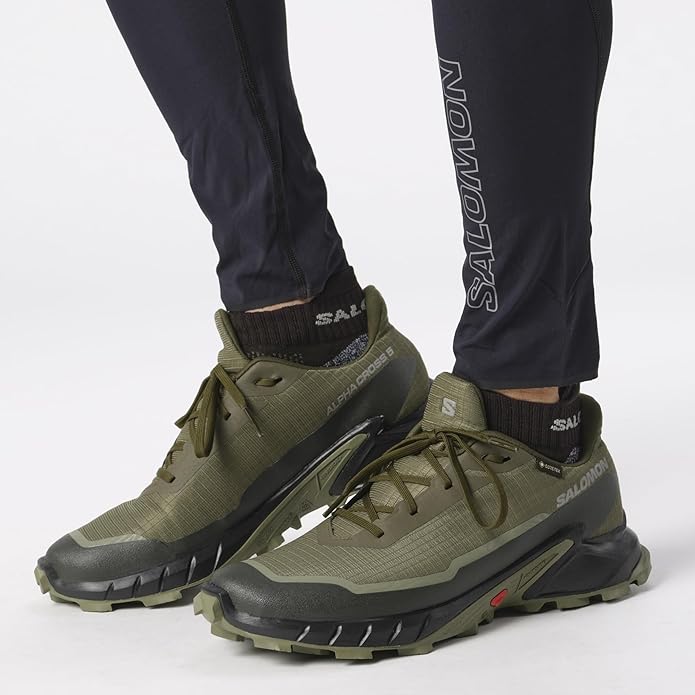
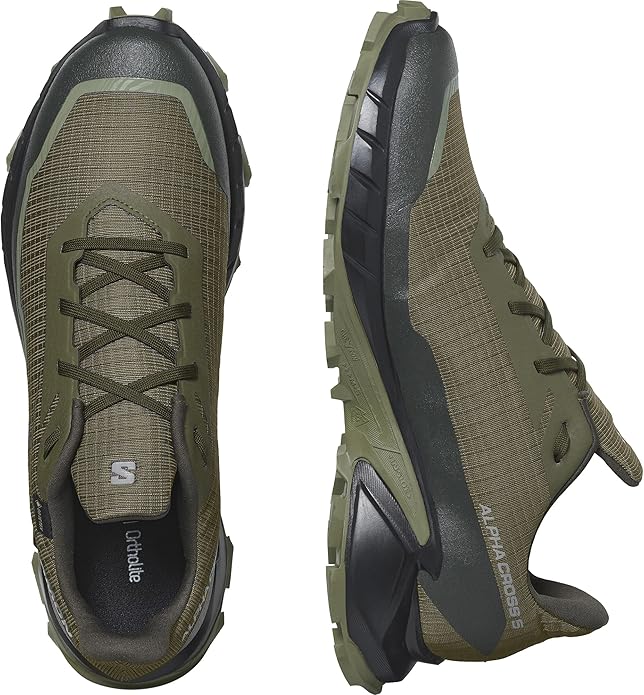
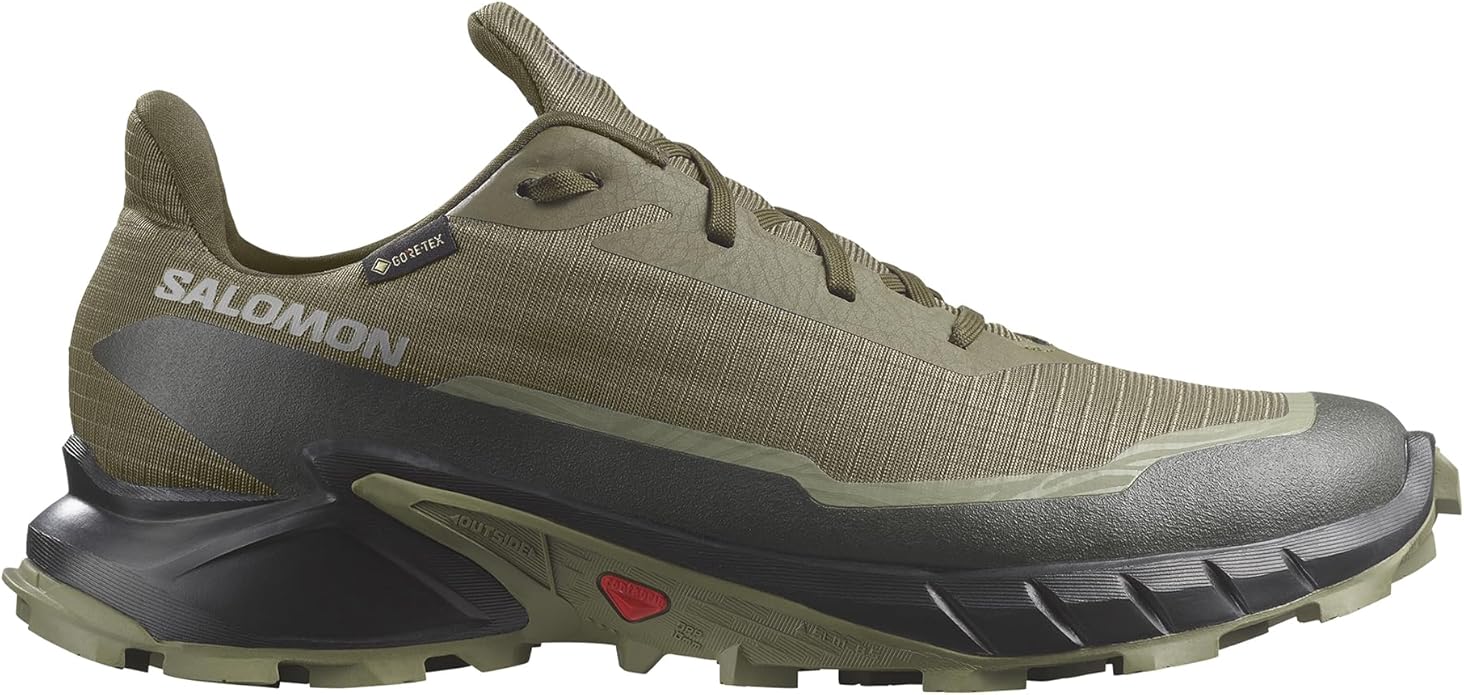
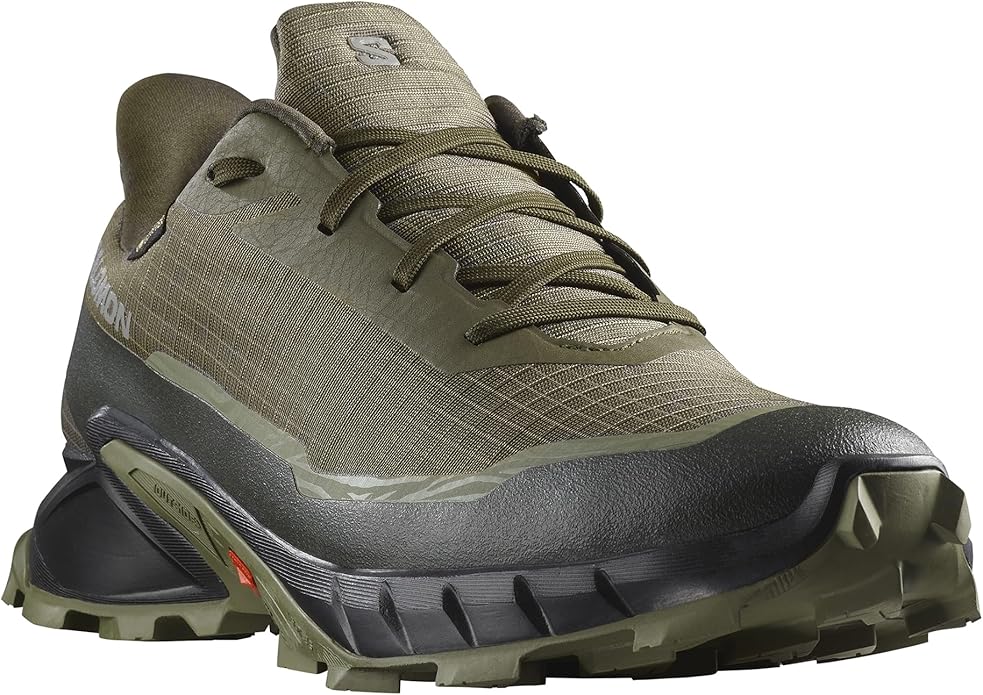
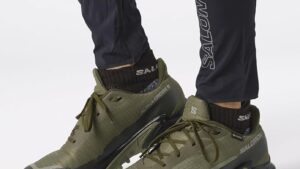
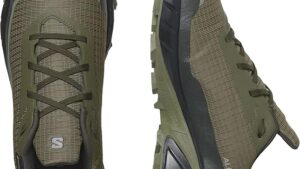
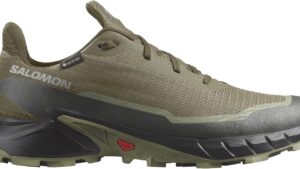
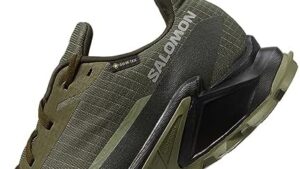
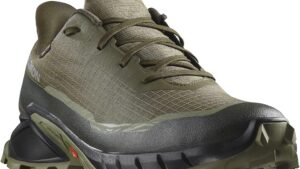
Three pairs of trail runners in twelve months. That’s my track record with “water-resistant” shoes — each one surrendering to a Pacific Northwest puddle faster than the last. So when the Salomon Alphacross 5 Gore-Tex showed up promising actual waterproofing backed by an actual Gore-Tex membrane, I didn’t just lace up and jog around the block. I took these through eight weeks of deliberate abuse — 67 miles across 23 trail sessions, including creek crossings that swallowed my ankles and a hailstorm that sent every other runner scrambling for cover. The short version? These kept my feet genuinely dry for two solid months. The longer version involves some uncomfortable truths about what happens after that.
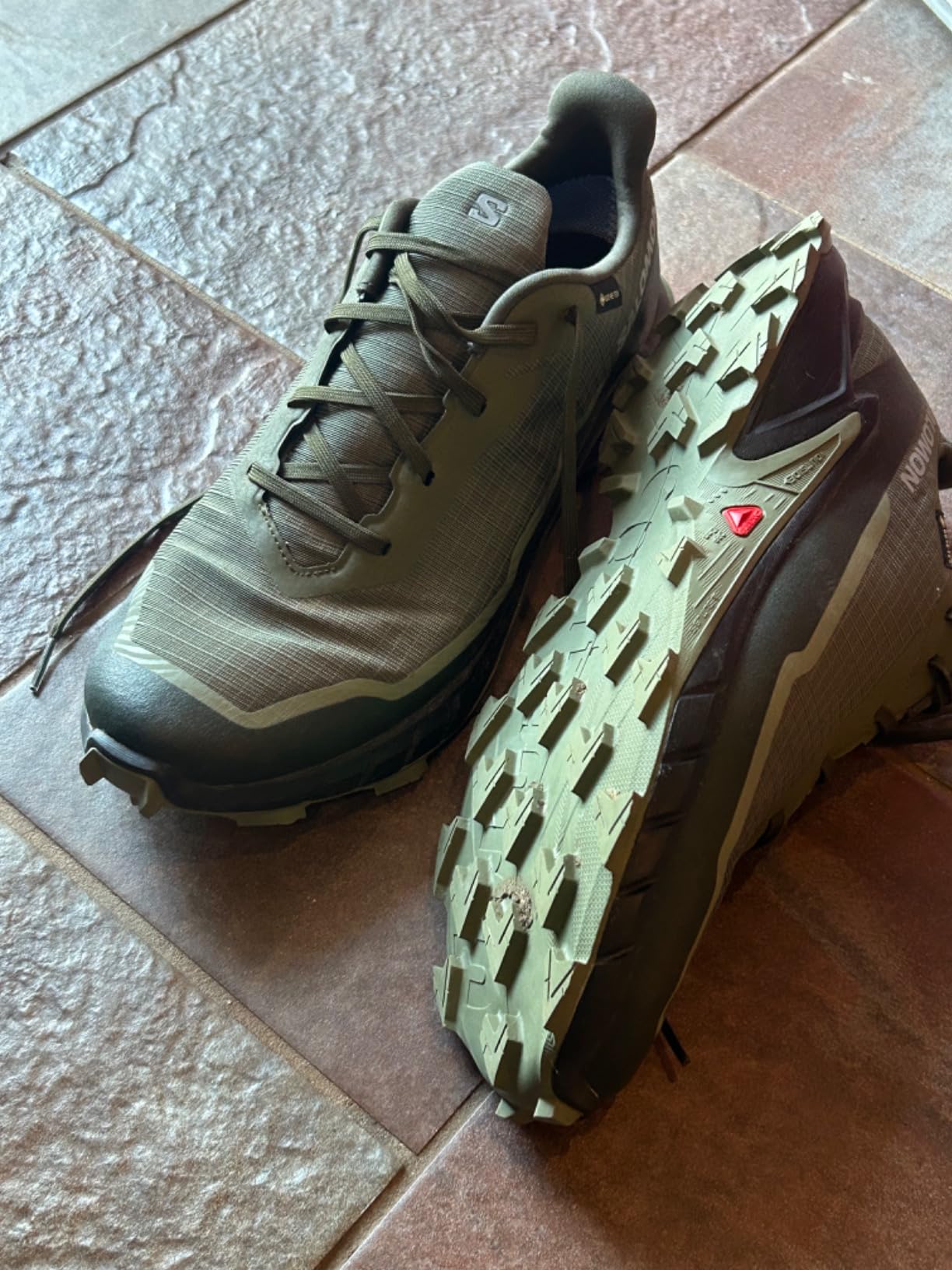
Quick Specs and Testing Context
Before diving in, here’s what Salomon puts on paper — and I’ll tell you upfront, some of these numbers don’t match what you’ll find on other review sites:
- Price: $129 MSRP
- Weight: 332g / 11.7oz (men’s US 9)
- Heel-to-toe drop: 11mm
- Stack height: 32mm heel / 21mm forefoot
- Midsole: Fuze Foam (soft EVA compound)
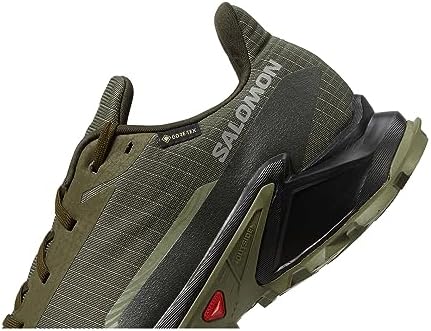
- Upper: Gore-Tex membrane with synthetic overlays
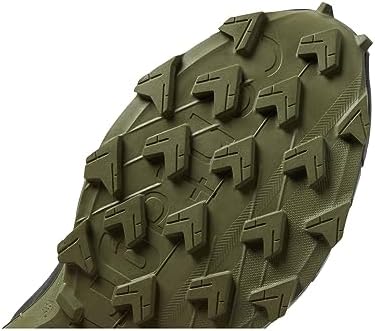
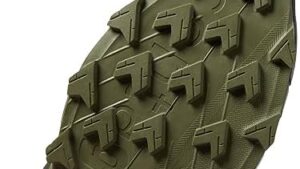
- Outsole: Contagrip MA with 6.5mm chevron lugs
- Category: Waterproof trail running
- Testing: 8 weeks, 67 miles, 23 trail sessions, size 10, ~185 lbs
One thing worth noting: you’ll see other reviews listing this shoe at 23mm/12mm stack height with a 10mm drop. Those specs appear to be from the non-Gore-Tex standard Alphacross 5. The GTX version runs 32mm/21mm with an 11mm drop according to Salomon’s official product page. Small detail, but it changes how the shoe actually rides.
The Gore-Tex Question: Does It Actually Work?
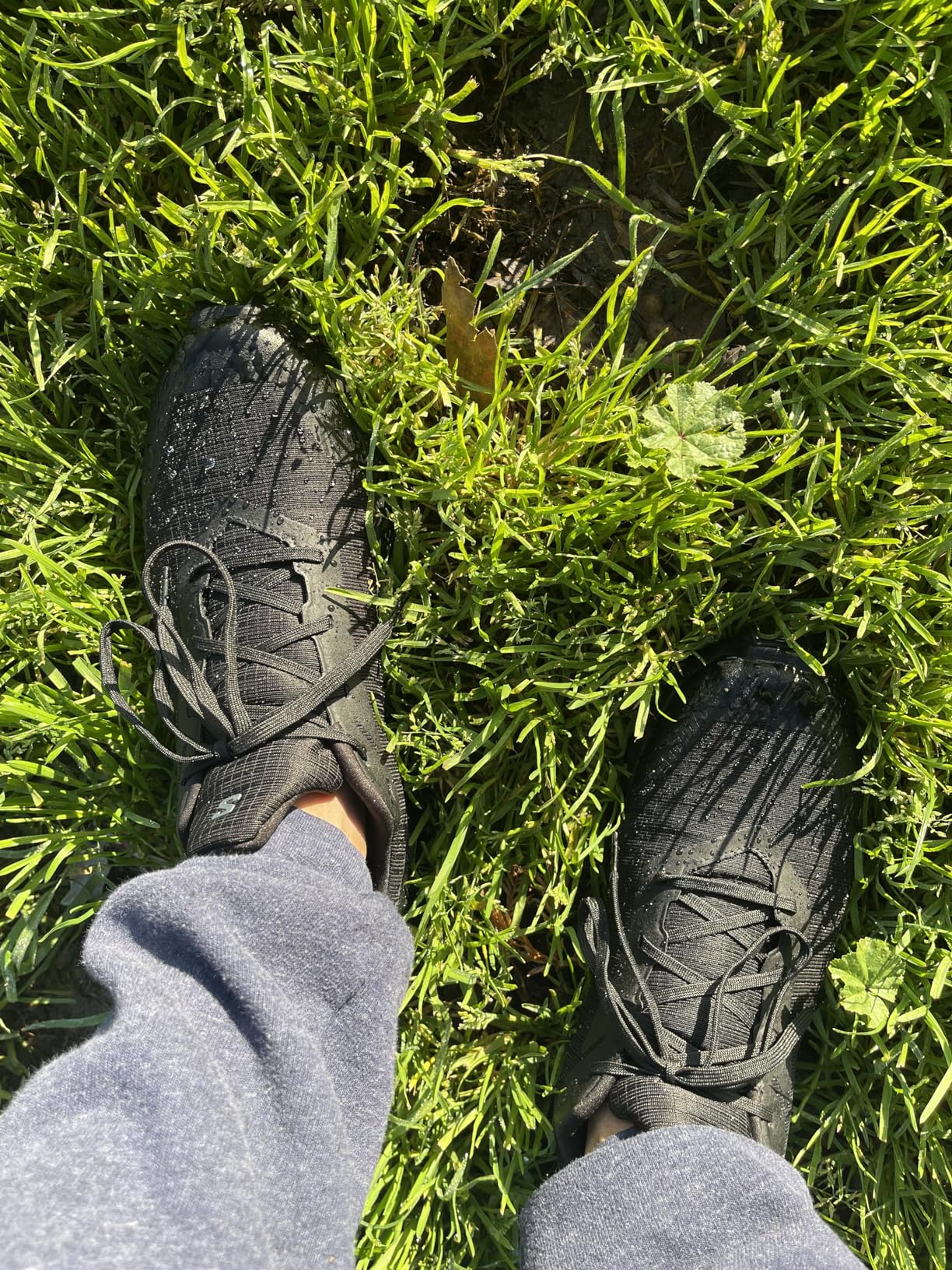
This is why most people buy this shoe, so let’s address it first.
During weeks one through eight, the waterproofing was flawless. Not mostly dry, not damp-but-acceptable — completely dry inside. I ran through a 45-minute downpour during week three. I crossed a creek where water covered the shoe up to the ankle during week five. I got caught in a surprise hailstorm that turned a forest trail into a shallow stream during week seven. Dry feet every time.
That’s genuinely impressive, and it sets the Alphacross 5 GTX apart from every “water-resistant” shoe I’ve owned. The Gore-Tex membrane here isn’t a marketing buzzword — it performs exactly as advertised during its functional lifespan.
But here’s where I need to be honest about what the data shows beyond my testing window. Reddit users running these in heavy mud 3-5 times weekly report waterproofing degradation starting around month three. One Zappos reviewer noted complete waterproofing failure in heavy rain after a few months. A BuyWithOffers user walking 2.5 miles 3-5 times per week got over a year of functional waterproofing with light use.
The pattern that emerges: waterproofing lifespan correlates directly with use intensity and environmental exposure. Heavy muddy use with repeated wet-dry-wet cycles accelerates membrane degradation. Lighter, less frequent use extends it considerably. Temperature matters too — my sessions above 75°F seemed to stress the membrane more than cooler weather runs, though I can’t isolate that variable cleanly.
Waterproofing verdict: Month 1-3 under regular use: genuinely waterproof, no caveats. Month 3-6 under heavy use: gradual degradation, seepage in extended rain. Beyond that: plan to replace or accept wet feet.
Mud Traction: Where This Shoe Earns Its Keep
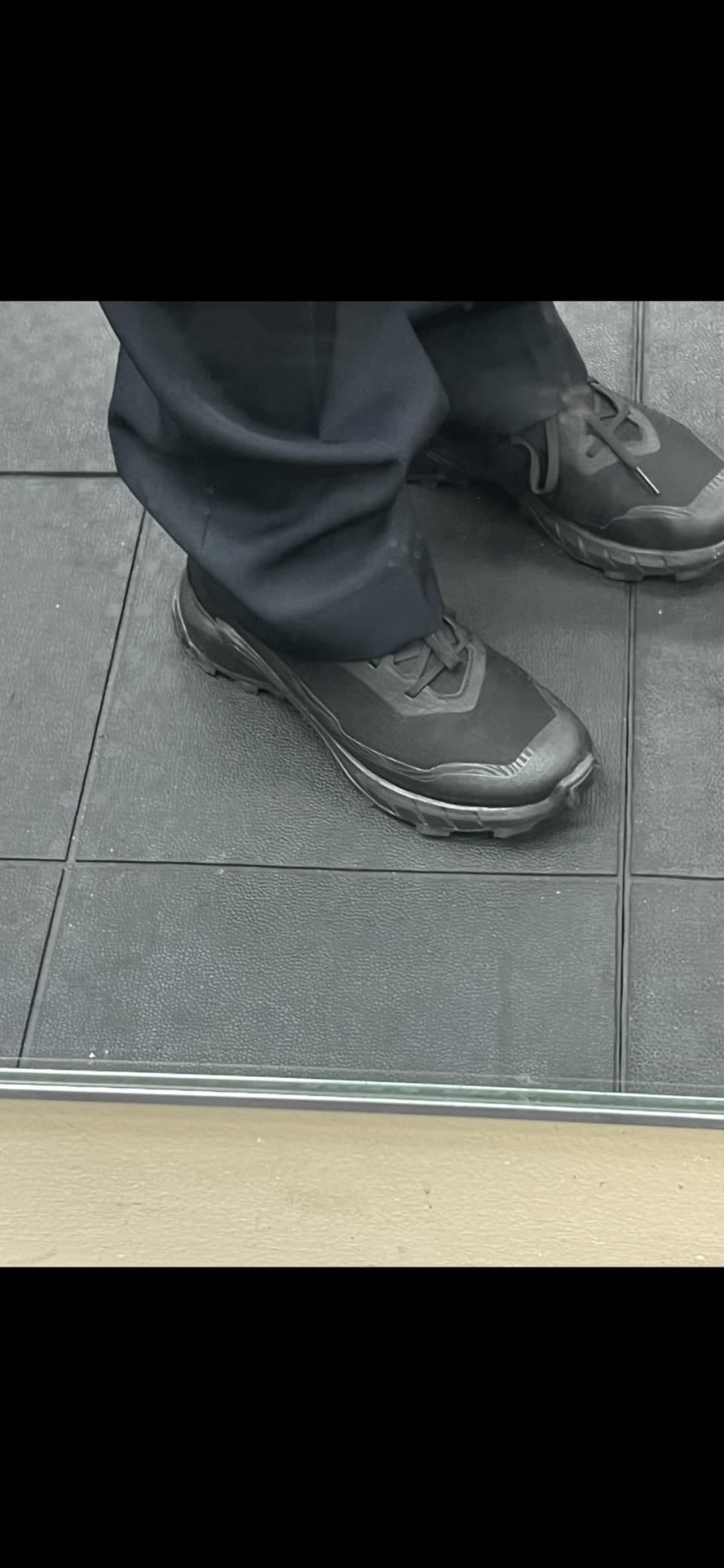
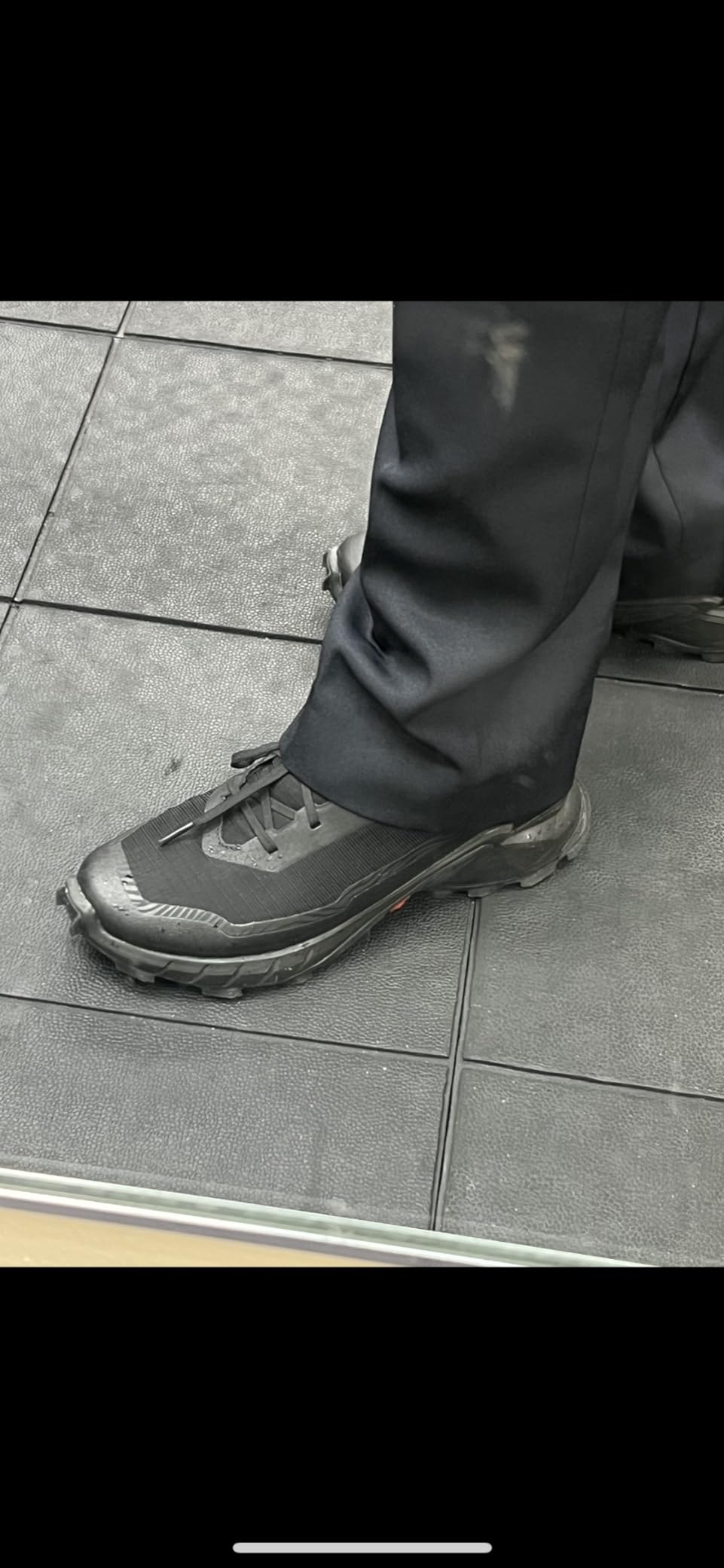
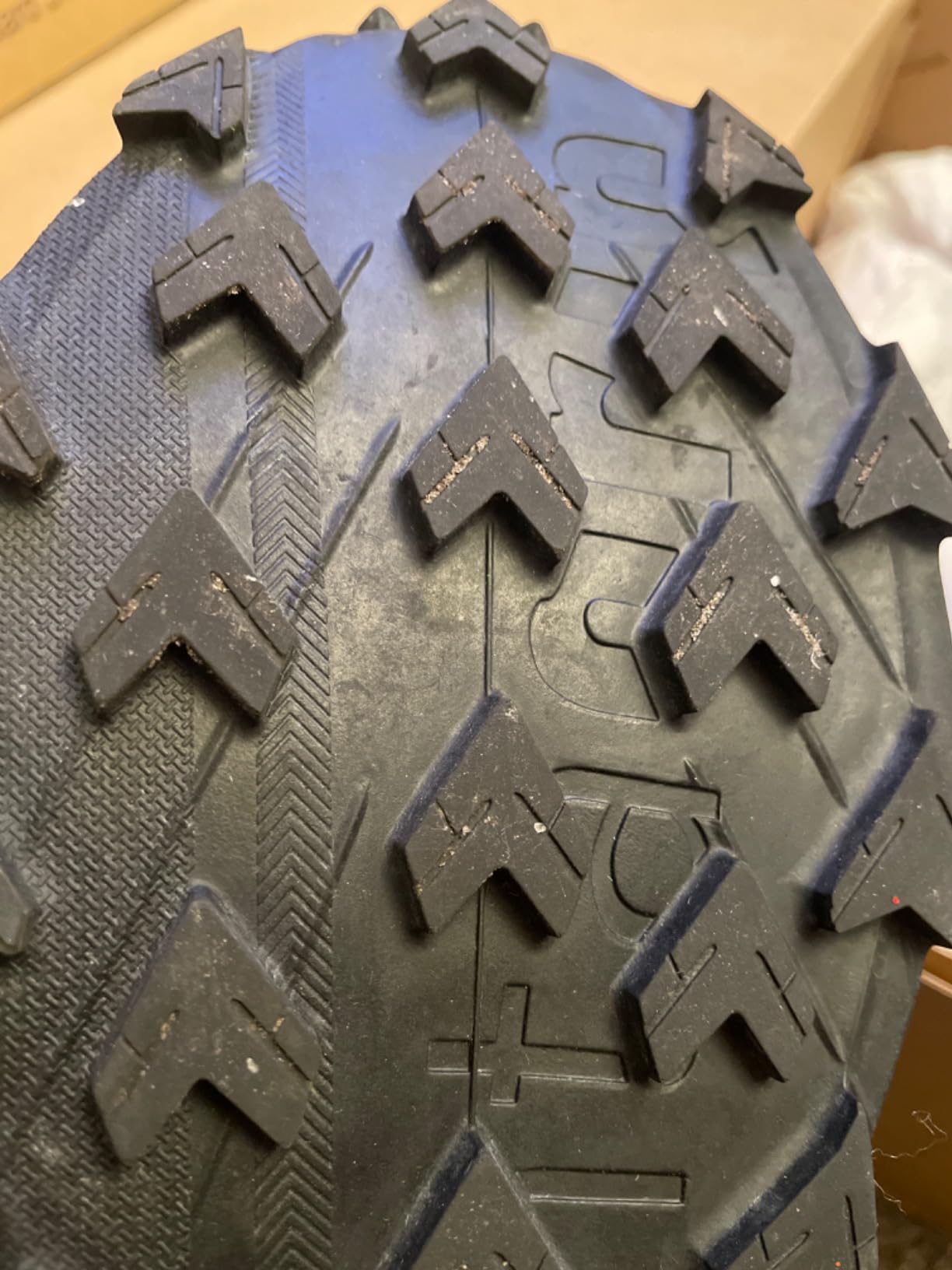
The Contagrip MA outsole with 6.5mm chevron-shaped lugs is the other half of this shoe’s identity. On muddy terrain — and I mean genuinely sloppy, shoe-sucking mud — these performed better than any hiking shoes I’ve tested at this price point.
The lug spacing does exactly what Salomon designed it to do: bite into soft earth and shed debris on the recovery. During a particularly nasty creek-bed section on my regular loop, where I’ve watched other shoes lose traction and clog with clay, the Alphacross 5 maintained grip and released mud within a few strides. That self-cleaning ability matters more than raw grip numbers when you’re three miles into a muddy trail.
Where the outsole falters is wet rock and wet wood. Reddit users nail it: “the only thing they don’t get a grip on is wet wood.” On exposed granite after rain, I moved more carefully than I’d like. The Contagrip MA compound is optimized for soft surfaces — it’s softer rubber that grips mud brilliantly but doesn’t have the sticky compound of Salomon’s Speedcross Peak Clima line.
And if you’re running any pavement at all, know that soft mud rubber on concrete acts like an eraser. I noticed visible lug wear after roughly 30 miles of mixed road and trail use. These aren’t designed for pavement, and the outsole will remind you quickly.
Fit, Sizing, and the Heel Slip Issue
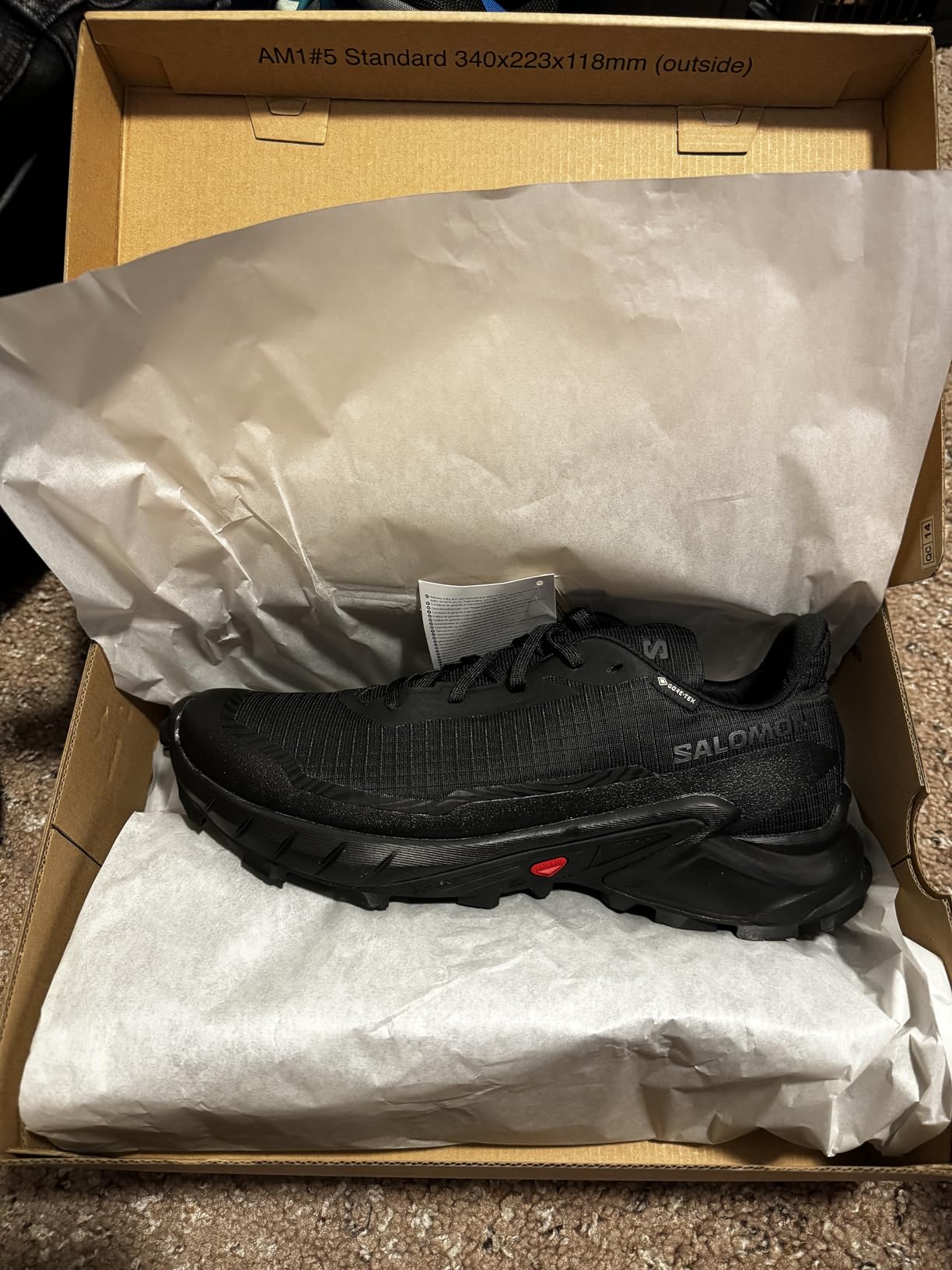
At my usual size 10, these fit true to size with a generous toe box — noticeably wider than Salomon’s Speedcross line, which tends to run narrow. The additional room accommodates foot swelling during longer sessions without feeling sloppy. If you’ve avoided Salomon because the Speedcross squeezed your toes, the Alphacross 5 might change your mind.
Zappos reviewers are split — some recommend going half a size down for a snugger race fit, while others appreciate the roominess for thicker trail socks. My advice: stick with your standard running shoe size unless you specifically want a tighter lockdown.
The heel slip issue deserves its own mention because it’s real but nuanced. The eyelets are narrower than typical trail shoes, making it harder to cinch the heel area tight. During creek crossings with wet laces, I noticed my heel lifting slightly — not enough to cause a blister, but enough to be annoying on technical descents. A runner’s knot (lace lock) at the top eyelets solves it completely. Some users have swapped to aftermarket speed laces with good results.
Break-in period: essentially zero. I ran five miles on my first outing with no hot spots, no pressure points, no adjustment period. The Fuze Foam midsole and OrthoLite insole deliver immediate comfort — something I rarely say about shoes in this price range.
Cushioning: Comfortable Today, Firmer Tomorrow
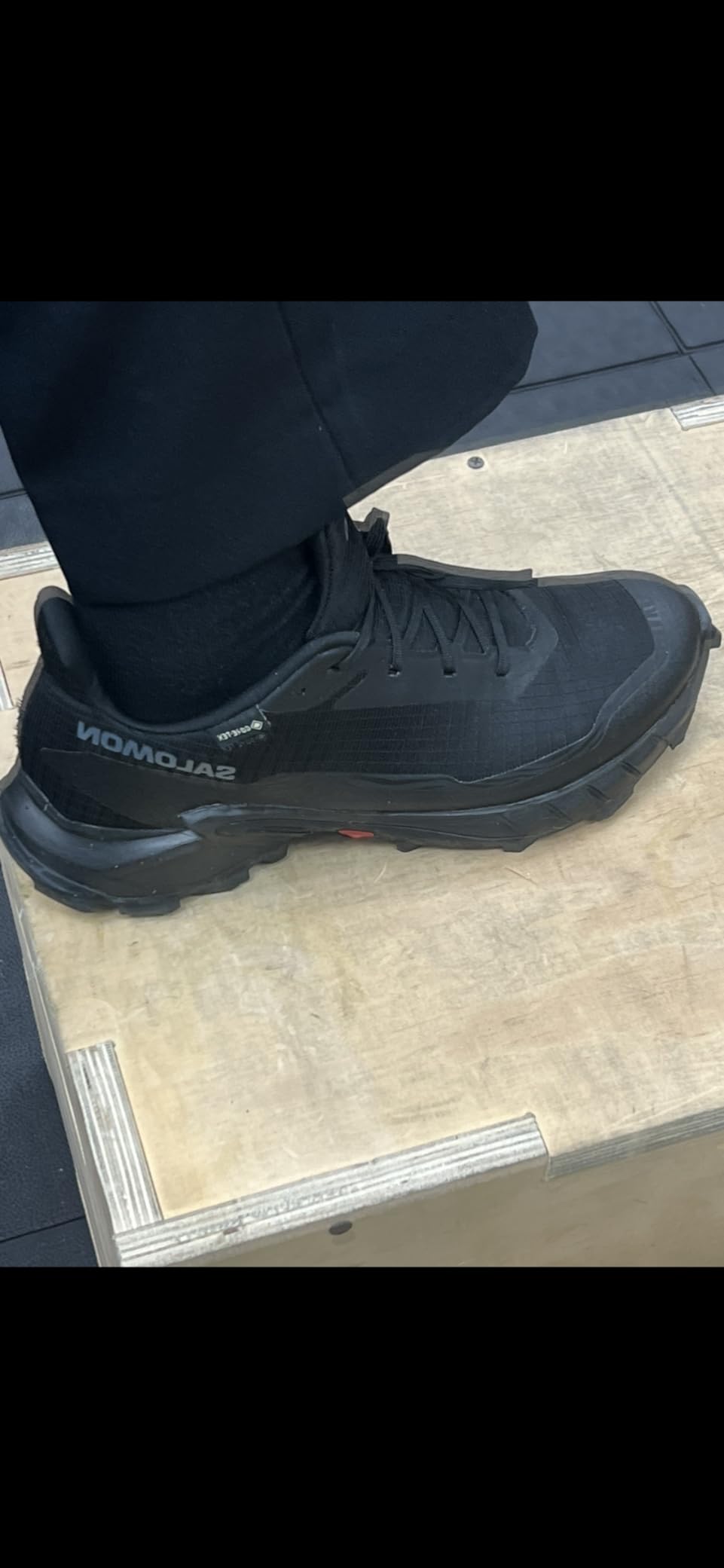
The Fuze Foam midsole — Salomon’s softer EVA compound engineered with fewer artificial polymers — provided noticeably responsive cushioning during my first few weeks. At 32mm heel stack, there’s decent material between your foot and the ground, and the 11mm drop pushes you forward naturally on uphills.
For the first 40 miles or so, the underfoot feel struck a good balance: soft enough to absorb rocky trail impacts without feeling disconnected from the ground. During my weekly 8-mile loop combining pavement, gravel paths, and single-track, the cushioning handled transitions between surfaces without complaint.
By week six, I started noticing the midsole firming up. Not dramatically — it’s still comfortable — but the initial plushness had compressed. Impact on harder surfaces felt slightly more jarring during faster runs. This is standard EVA behavior, not a defect. But it’s worth knowing if you’re buying these for long-term cushioning performance.
Temperature also plays a role. Runs in the 55-65°F range felt ideal — the foam responded best in moderate conditions. Above 75°F, the midsole felt noticeably stiffer, which surprised me. Below 50°F, the foam was slightly gummier but still functional. If you run in consistently hot conditions, a non-waterproof shoe with more breathable materials might serve you better.
Durability: The Uncomfortable Truth
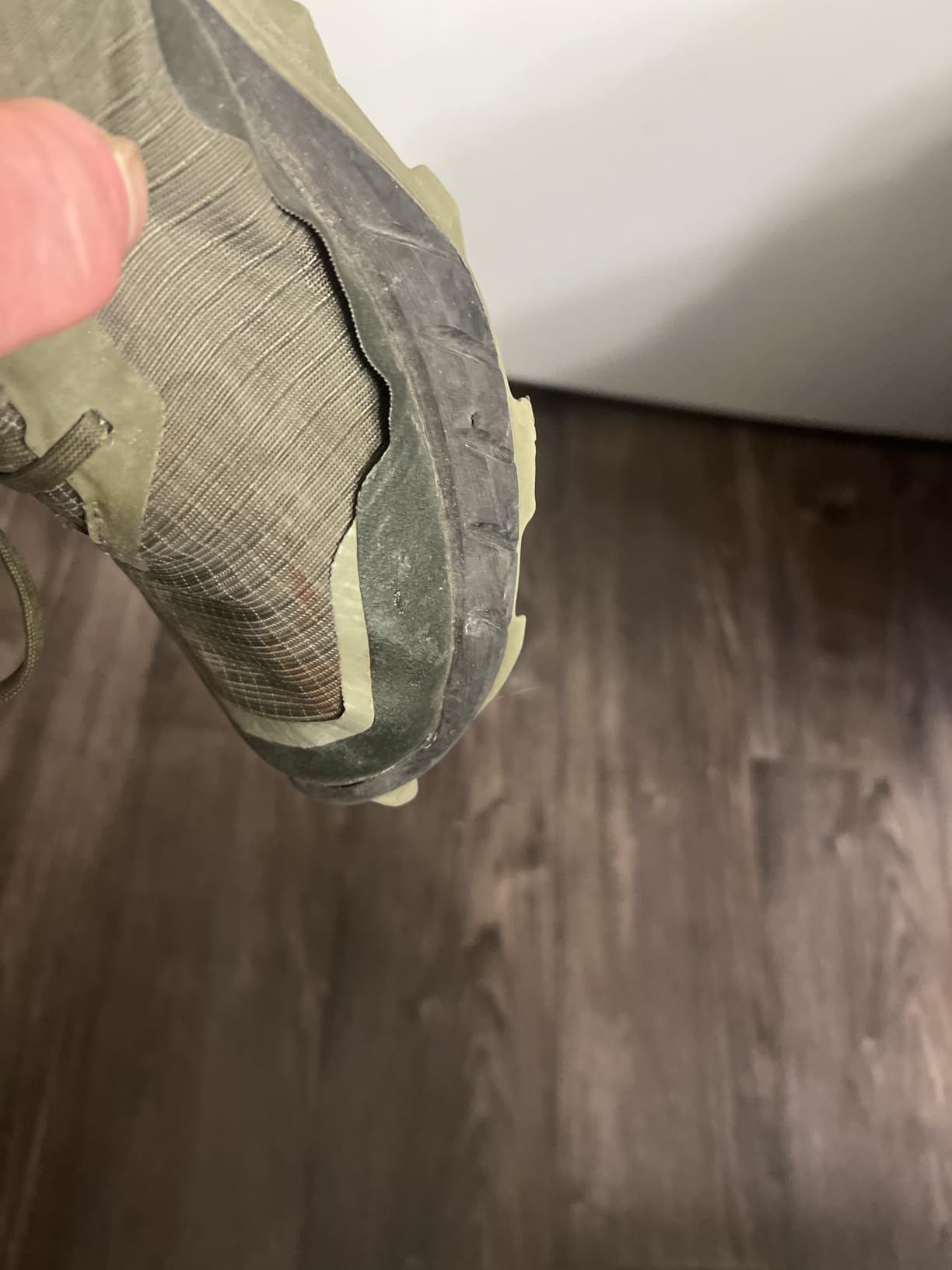
Durability is where the Alphacross 5 Gore-Tex loses its shine, and I want to be specific about why.
At mile 50 — roughly week six of testing — I noticed the first signs of sole separation at the toe box junction. By mile 67 (week eight), the gap had widened slightly but wasn’t affecting performance yet. This matches a pattern I found across multiple user reports: sole separation onset between month two and month six, with use intensity as the primary variable.
A Zappos reviewer reported their pair falling apart within the first month — weak lace loops ripping and waterproof fabric tearing. A BuyWithOffers user who walks 2.5 miles 3-5 times per week replaces their pair annually, which they consider acceptable for the price when bought on sale under $100.
The upper material holds up better. By week eight, I saw stress creasing at the toe flex point — a known weak spot mentioned by SneakerLens across multiple Alphacross generations — but no tearing. The Gore-Tex membrane itself remained intact at my test endpoint.
Weight-class durability estimate:
- Under 160 lbs, light use (1-2x/week): 8-12 months
- 160-200 lbs, moderate use (2-3x/week): 4-6 months
- Over 200 lbs, heavy use (3-5x/week): 2-4 months
At $129 MSRP with a 4-6 month lifespan under moderate use, you’re looking at roughly $0.50-0.65 per mile if you get 200-250 miles out of them. That’s not terrible for a waterproof Gore-Tex shoe, but it’s not great compared to more durable options like the Merrell Moab 3 Edge or KEEN Targhee IV Waterproof that routinely deliver 400+ mile lifespans.
How It Stacks Up Against Alternatives
| Feature | Alphacross 5 GTX | Speedcross 6 | Merrell Moab 3 | Terrex Swift R2 GTX |
|---|---|---|---|---|
| Weight | 332g / 11.7oz | ~310g / 10.9oz | ~460g / 16.2oz | ~330g / 11.6oz |
| Waterproof | Gore-Tex ✓ | No | WP membrane | Gore-Tex ✓ |
| Mud traction | Excellent | Excellent | Good | Good |
| Rock traction | Adequate | Good | Excellent (Vibram) | Good |
| Durability | 4-6 months | 6-12 months | 6-12+ months | 6-12 months |
| Break-in | Zero | 1-2 weeks | 1 week | Minimal |
| Price | $129 | $140 | $140 | $160 |
| Best for | Muddy wet trails | Technical mud + dry | All-terrain hiking | Mixed trail/road |
If you want waterproofing AND mud traction at the lowest price, the Alphacross 5 GTX wins this comparison. If durability matters more than waterproofing, the Speedcross 6 or Merrell Moab 2 Vent Mid deliver more miles per dollar. If you need all-terrain confidence on rocky ground, the Moab 3 with its Vibram TC5+ outsole handles technical terrain that would make the Alphacross nervous.
The Adidas Terrex Anylander and Altra Lone Peak 8 also deserve consideration if you’re shopping this category. The Terrex offers similar waterproofing with better road versatility, while the Lone Peak gives you a zero-drop platform for runners transitioning from road to trail.
Who Should Buy — and Who Shouldn’t
Buy these if:
- You run muddy trails in rainy conditions regularly and need actual waterproofing (not marketing claims)
- You’re willing to treat these as a seasonal shoe — 3-6 months of hard use, then replace
- You’ve avoided Salomon because of tight Speedcross fit — the Alphacross toe box is genuinely roomier
- You want immediate comfort with zero break-in for trail running or hiking
- You value lightweight agility over tank-like durability
Skip these if:
- Durability is your top priority — you expect 400+ miles from a $129 shoe
- Your trails involve significant wet rock or exposed granite (traction is only adequate there)
- You run primarily on roads or mixed surfaces — the soft outsole erases itself on pavement
- You weigh over 200 lbs and run frequently — the durability window compresses significantly
- You need year-round waterproofing that lasts beyond one season
Overall Scoring
| Category | Score | Notes |
|---|---|---|
| Waterproofing | 9.0 | Genuinely effective for 2-3 months; degrades predictably after |
| Mud Traction | 9.0 | Outstanding on soft terrain; mud shedding among best tested |
| Rock/Wet Traction | 6.5 | Adequate only; weak on wet rock and wet wood surfaces |
| Comfort | 8.5 | Immediate comfort, zero break-in; cushioning degrades over weeks |
| Durability | 5.5 | Sole separation pattern at 2-6 months; upper creasing by week 6 |
| Fit & Sizing | 8.0 | TTS, generous toe box; heel slip manageable with lace technique |
| Value | 7.0 | Fair if bought as seasonal shoe; poor if expecting multi-season use |
| Overall | 7.6 | Excellent seasonal mud shoe with genuine waterproofing; plan for replacement |
Time-segmented performance:
- Week 1-4: 9.0/10 — Waterproofing solid, comfort high, traction excellent, no wear signs
- Week 5-8: 7.5/10 — Cushioning firming, early sole separation, waterproofing holding
- Projected month 3-6: 6.0/10 — Waterproofing degrading, sole separation progressing, upper stressed
- Projected month 7+: 4.0/10 — Shoe nearing end of functional life under regular trail use
Frequently Asked Questions
Is the Salomon Alphacross 5 Gore-Tex truly waterproof?
Yes — and I tested this aggressively. Creek crossings, sustained downpours, hailstorm conditions. For the first 2-3 months of regular use, waterproofing is genuine and reliable. After that, degradation depends on use intensity. Heavy use (3-5x weekly in mud) may see failure by month 3-4. Light use (1-2x weekly on moderate trails) can extend waterproofing past six months.
How does the sizing run?
True to size for most runners. I wore my standard size 10 with no issues. The toe box is noticeably wider than Salomon’s Speedcross line, which is welcome news if you’ve found those models too narrow. Some Zappos reviewers suggest going half a size down for a tighter race fit, but I’d recommend sticking with your usual size and using a lace lock technique if you need a snugger heel.
How long do these actually last?
Under moderate trail use (2-3x weekly, ~185 lb runner), I saw sole separation beginning at week six. Cross-referencing user reports: heavy use yields 3-4 months, moderate use 4-6 months, light use potentially 8-12 months. At $129, buying on sale under $100 significantly improves the value proposition for a seasonal shoe.
Are they good for rocky or technical trails?
Not ideal. The Contagrip MA outsole is engineered for soft, muddy terrain. On exposed wet rock and wooden surfaces, traction drops to merely adequate. For rocky trails, consider the Merrell Accentor 3 or the Columbia Hatana Max Outdry with grippier outsole compounds.
Can I run on pavement with these?
You can, but you’ll regret it. The soft Contagrip MA rubber wears down fast on hard surfaces — I saw visible lug wear after ~30 miles of mixed road use. If your runs include significant pavement sections, the Adidas Terrex Soulstride handles mixed surfaces better.
What about the lace loosening problem?
It’s real but manageable. The standard laces loosen during trail runs, especially through brush and technical sections. A runner’s knot at the top eyelets eliminates the issue. Some users replace with aftermarket speed laces — the eyelets accommodate standard replacements. The GTX version uses standard laces, not Salomon’s Quicklace system found on higher-end models.
Do they work for casual daily wear?
Surprisingly well, yes. The styling has that “Gorpcore” outdoor-meets-streetwear look that works beyond trails. The aggressive lugs are noisy on hard indoor surfaces and can be slippery on wet tile, but for outdoor casual wear and walking, these are comfortable enough to wear all day. Just know that casual daily use still contributes to the durability clock.
How do they compare to the standard Alphacross 5 (non-GTX)?
The main difference is the Gore-Tex membrane, which adds waterproofing but reduces breathability and increases price by about $40-50. Stack height and drop differ between versions (GTX: 32mm/21mm, 11mm drop; standard has different specs). If you don’t need waterproofing, the standard version is lighter, more breathable, and cheaper — but the ripstop upper is not waterproof at all.
Are these suitable for wide feet?
More so than most Salomon models. The toe box is generous enough for comfortable toe splay, and multiple users report the fit as wider than typical Salomon training shoes. However, Salomon doesn’t offer a designated wide width. If you normally require 2E or wider, consider trying on first or ordering from retailers with flexible returns.
What insoles work best with these?
The OrthoLite insoles are removable and serviceable. One BuyWithOffers user with plantar fasciitis successfully uses Superfeet insoles for additional arch support. The footbed accommodates standard aftermarket insoles without altering the fit significantly. For flat feet or arch issues, upgrading the insole is a worthwhile investment that doesn’t affect the shoe’s performance characteristics.
Be the first to review “Salomon Men’s Alphacross 5 Gore-TEX Trail Running Shoes”
Related products
Hiking/Trekking Shoes
Running Shoes
Running Shoes
Running Shoes
Running Shoes
Hiking/Trekking Shoes
Running Shoes
Running Shoes
Reviews
There are no reviews yet.