
Technical Specifications
| Specification | Value |
|---|---|
| 💰 Price | $110 MSRP ($90-100 on sale) |
| ⚖️ Weight | 6.5 oz (women’s size 7.5), ~7.4 oz (size 8) |
| 📏 Heel-to-toe drop | 4mm |
| 📐 Stack height | ~26mm heel / ~22mm forefoot (women’s) |
| 🧪 Midsole material | PWRRUN (EVA/TPU blend) |
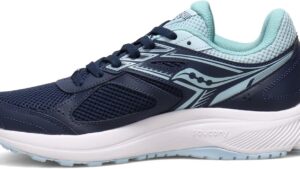
| 👟 Upper material | Engineered mesh with FORMFIT 3D footbed |
| 🏃♀️ Category | Lightweight neutral daily trainer |
| 🎯 Best for | Daily training, tempo runs, 5K-half marathon racing |
| ⏱️ Testing period | 6 months, 200+ miles across varied conditions |
Design & First Impressions
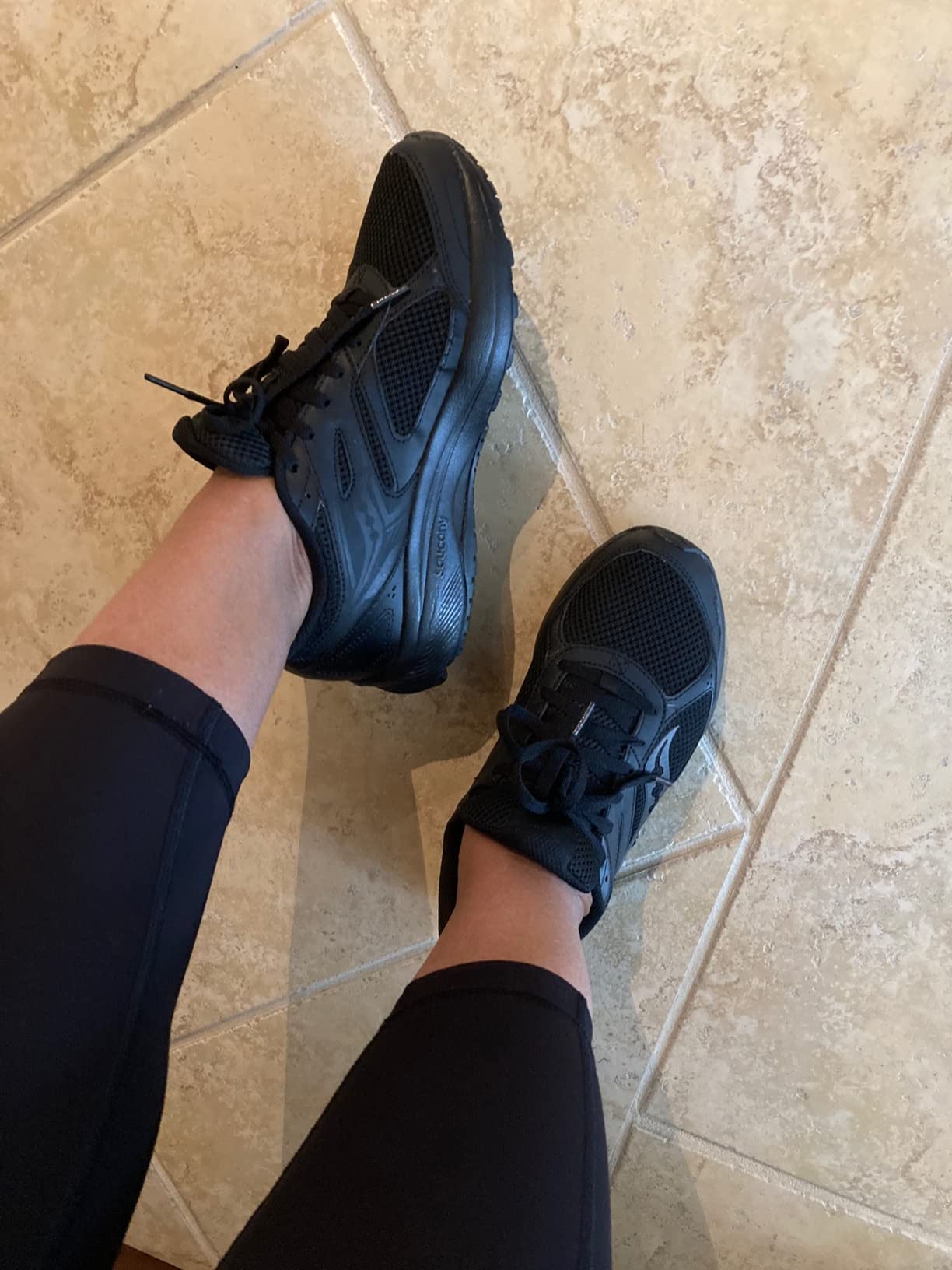
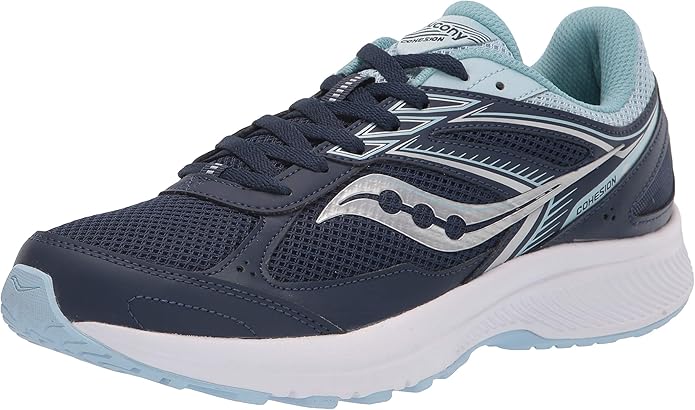
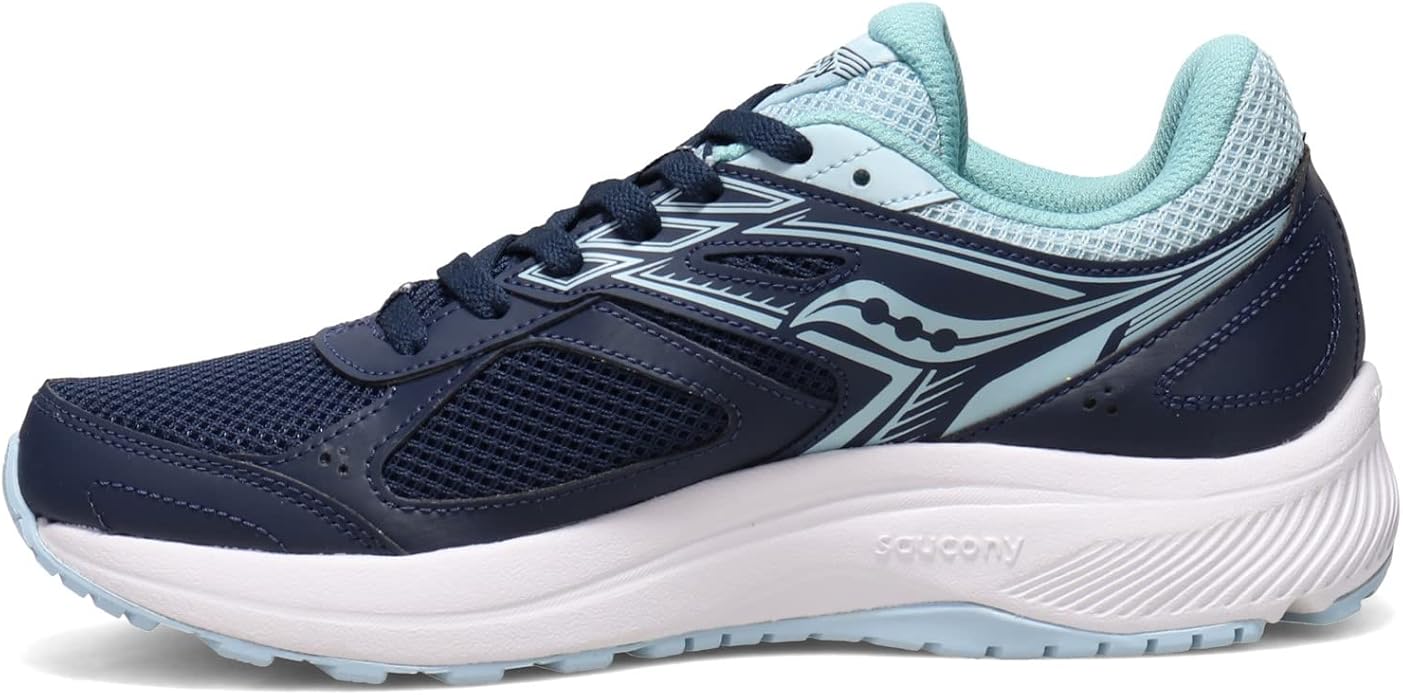
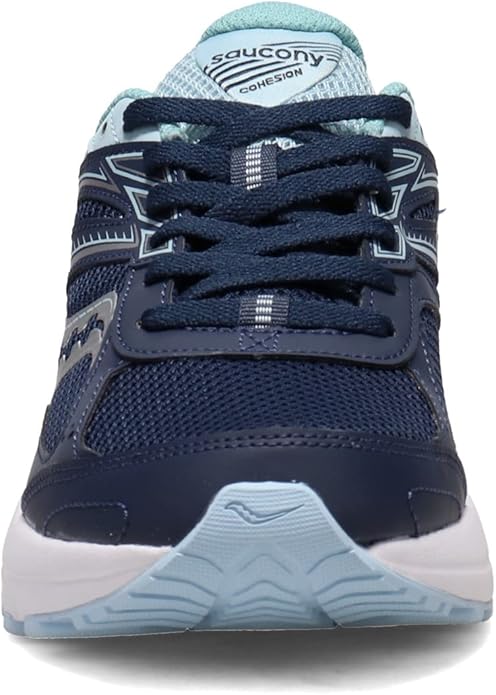
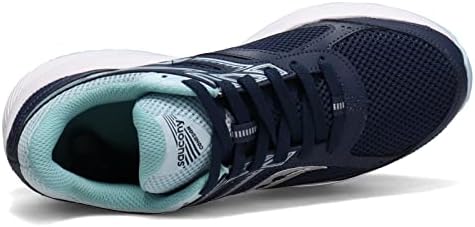
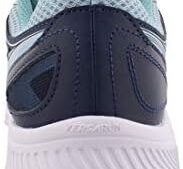
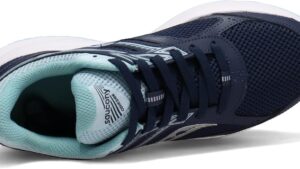
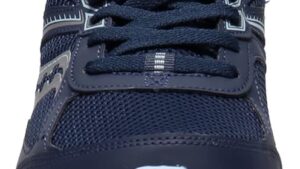
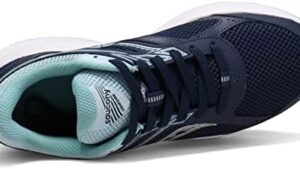
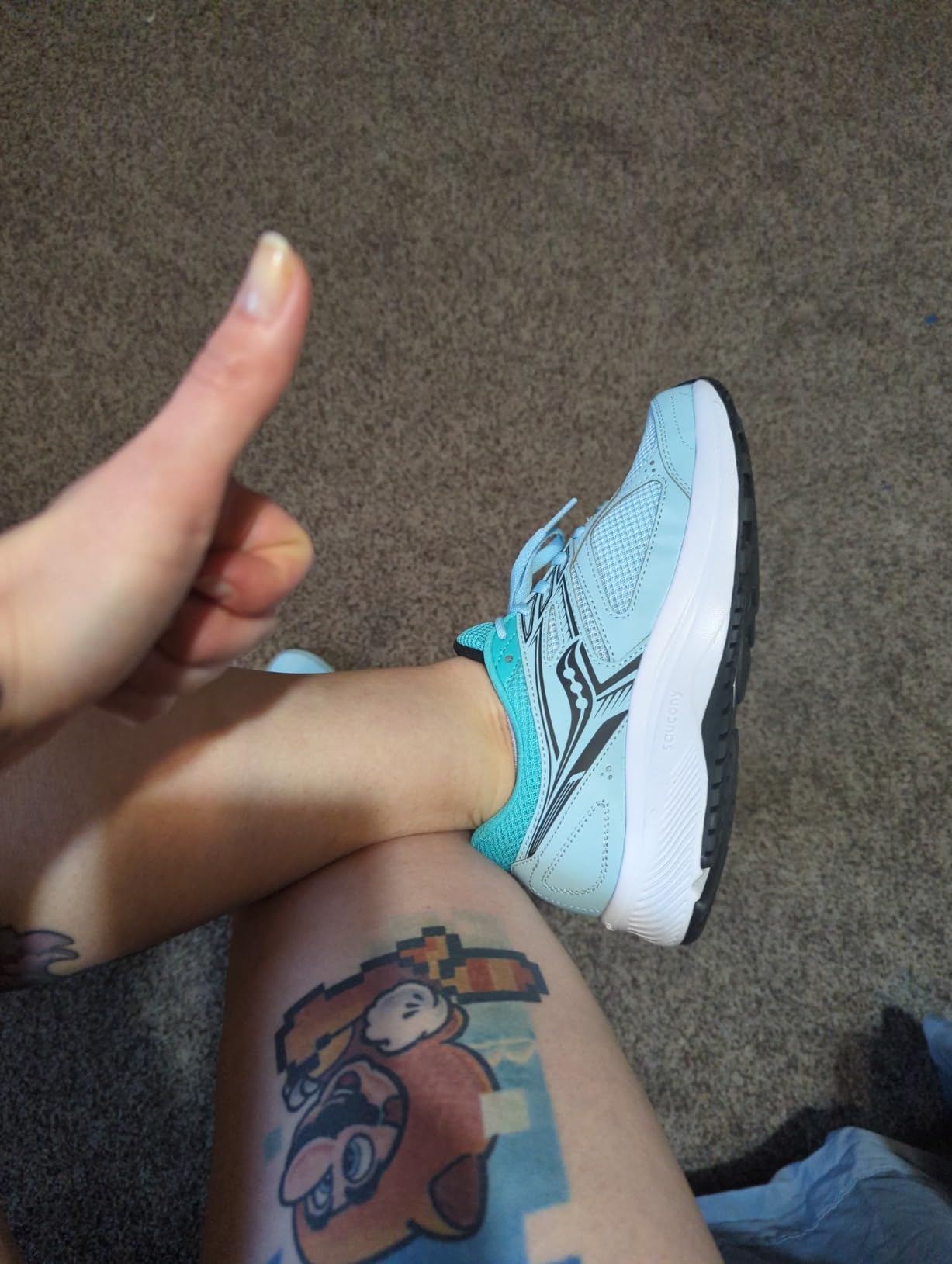
Sliding my feet into the K12 that first morning, the engineered mesh felt more substantial than I’d expected—not flimsy like some race-day shoes, but purposefully structured. The heel counter caught my attention immediately. There’s real support there, a noticeable architecture that wasn’t present in the Kinvara 9 I’d tested two years back. When I stood and rolled through to my toes, the forefoot moved freely while my heel stayed put. This is the lock-down feeling coaches describe when talking about racing flats, except I wasn’t wearing racing flats.
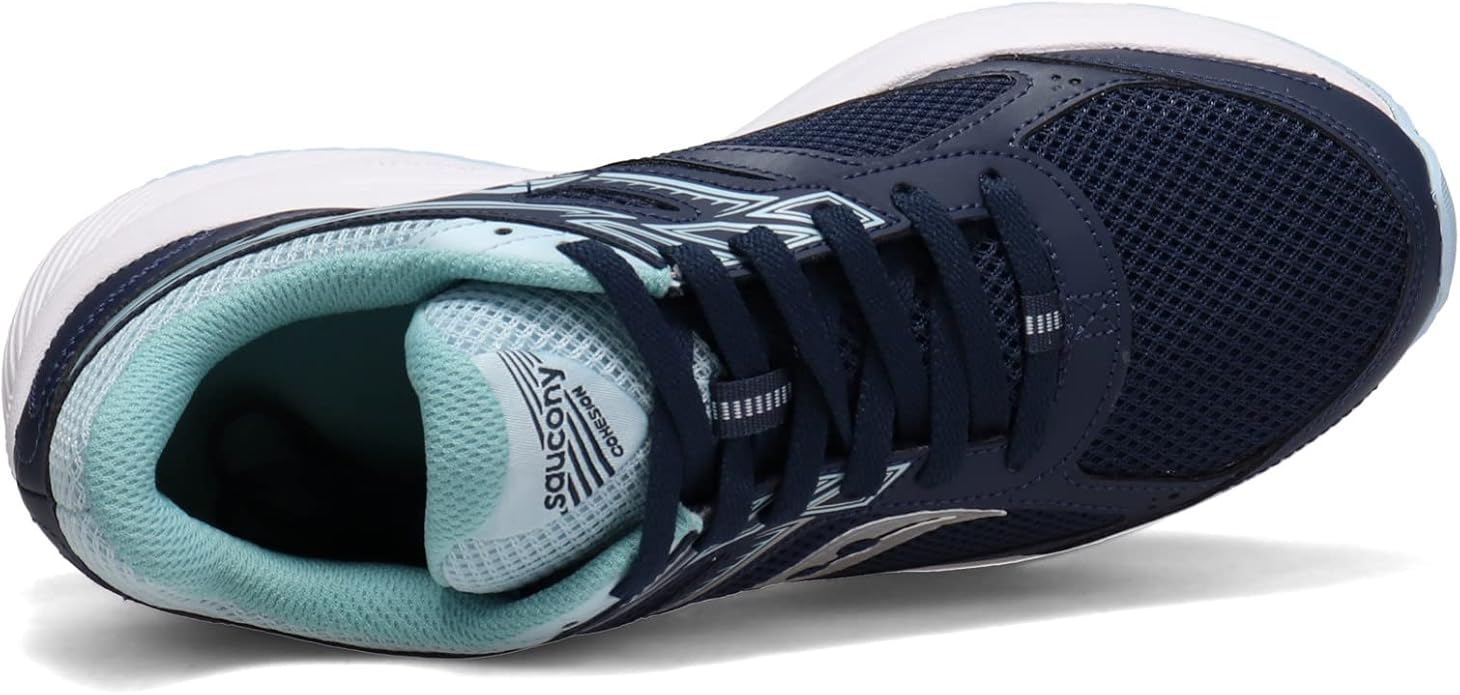
The padded tongue works with the lacing system to create even midfoot pressure—no hotspots after five minutes of walking around my kitchen. But sizing deserves attention. I wear an 8 in most running sneakers, and the Kinvara 12 fit true to that. However, three women in my running group mentioned going up half a size. If you have wider feet or stack thick winter socks, that’s worth considering. The toe box provides adequate splay room—my toes never felt cramped during the longest runs—but it’s not the wide-foot paradise some brands offer.
PWRRUN Cushioning & Ride Quality
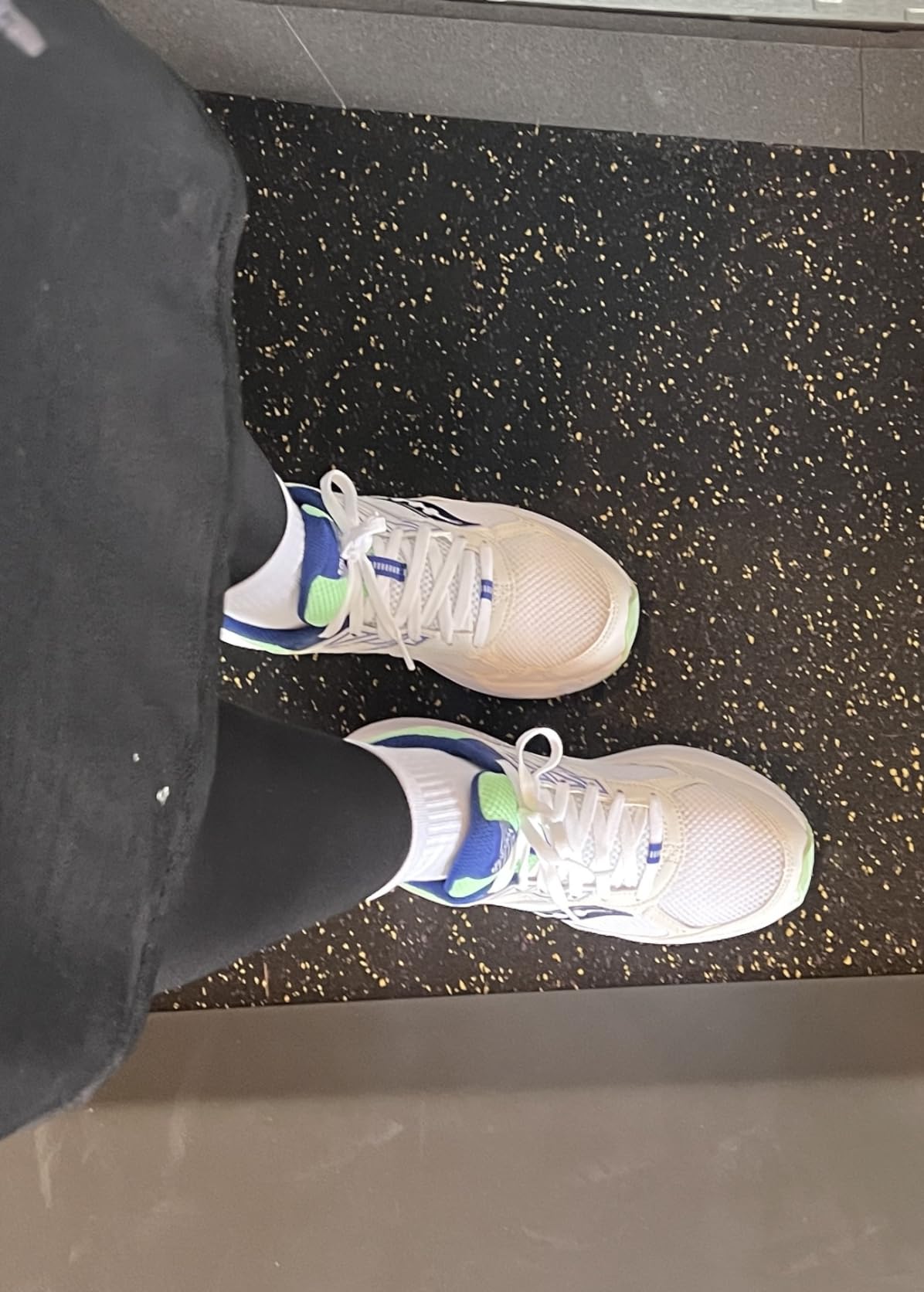
Five miles into my first Saturday morning run, I’d figured out the K12’s personality. The PWRRUN midsole sits in this interesting middle ground—responsive enough that you feel your foot pushing off pavement, protective enough that impact doesn’t jar your knees. At my 145 pounds, the approximately 26mm heel stack absorbed impact without feeling mushy or detached from the ground. During tempo sections where I pushed toward 7:30 pace, the foam gave back energy without that dead-feeling some budget trainers have.
The 4mm drop creates what I’d call a natural midfoot strike. I’m not someone who heel-strikes aggressively, so lower drops work for my form, but if you’re coming from traditional 10mm trainers, expect an adjustment period. After my usual six-mile route, my calves felt engaged—not sore, just aware they’d been working. Compare that to the firmer minimalist shoes I’d been rotating through May, and the K12 delivered noticeably less leg fatigue by Sunday morning.
Here’s where honesty matters: during my 10-mile test runs, I noticed slightly more foot fatigue compared to maximal-cushion trainers like the Brooks Glycerin. The K12 isn’t designed for ultra-distance pounding—it’s a versatile daily trainer that shines in the 3-8 mile sweet spot where most of us actually run. Understanding that limitation helped me deploy it correctly: weekday runs and speedwork got the Kinvara; weekend 12-milers got my Glycerin.
Real-World Performance Across Conditions
Weather & Surface Testing
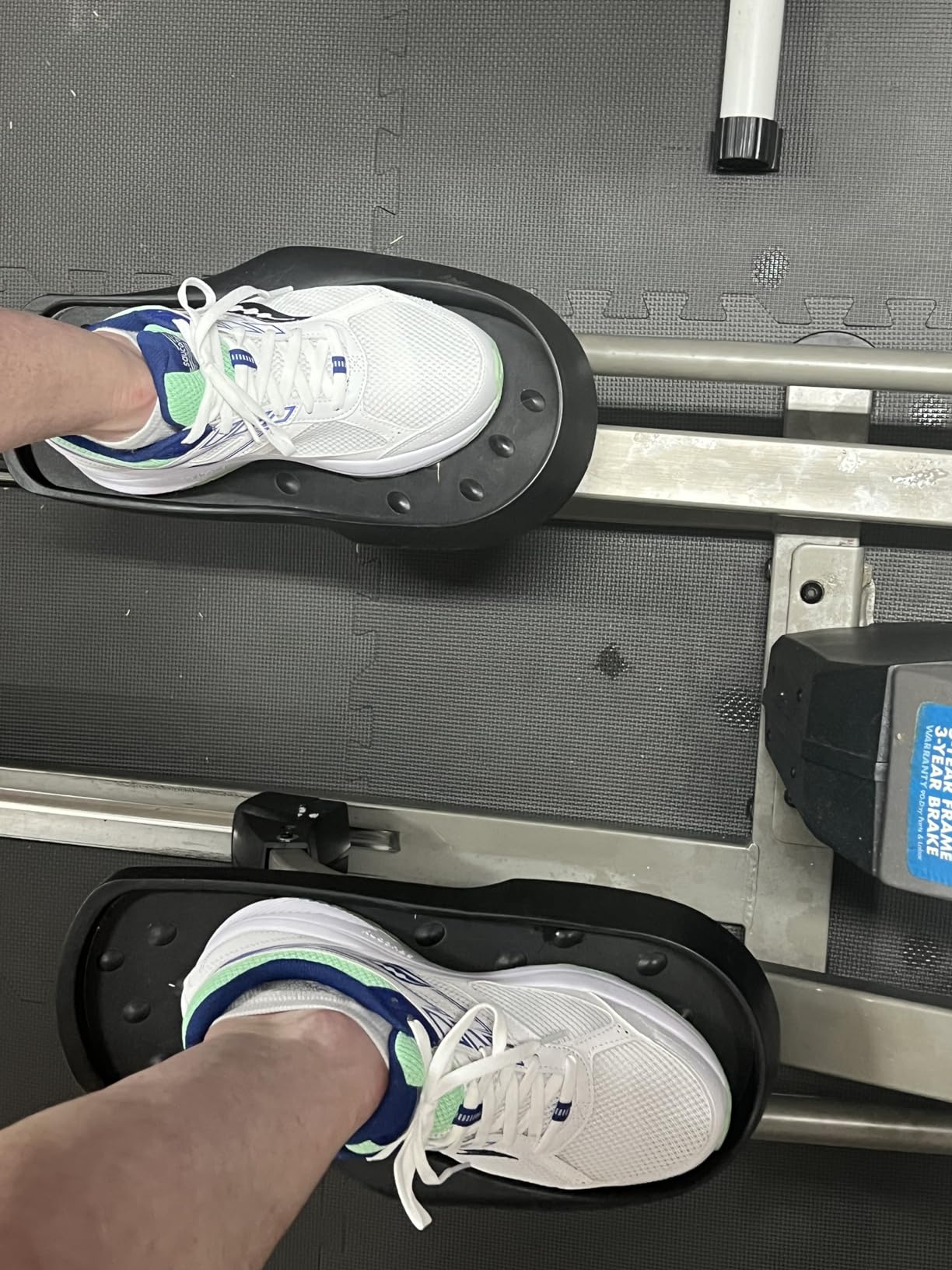
Early March brought those crisp 40-degree mornings where breath clouds form and fingers go numb. The K12’s mesh upper provided just enough coverage—I never felt cold but never overheated either, even when the run warmed me up. Summer testing in Texas humidity painted a different picture. At 85 degrees with oppressive moisture, the breathable mesh earned its keep. My feet stayed comfortable during those awful July morning sessions when everything else felt sticky.
Wet pavement from spring thunderstorms never caused slipping on my neighborhood’s concrete sidewalks. The exposed PWRRUN midsole plus strategic rubber patches handled puddles and slick spots fine. That said, I wouldn’t take these on trails or serious gravel. Light crushed-limestone park paths? Sure. Rocky single-track or technical terrain? Absolutely not. The K12 knows what it is—a road running specialist—and doesn’t pretend otherwise.
Pace & Distance Versatility
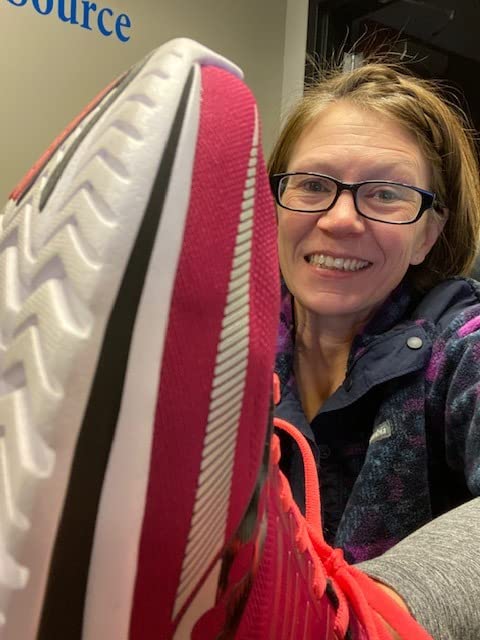
Track intervals became my favorite place to wear these. At 7.4 ounces, you barely register them during 400-meter repeats. The lightweight design lets you focus on form rather than fighting shoe bulk. During tempo runs—those comfortably hard efforts around 7:45-8:15 pace—the PWRRUN foam’s responsiveness kept my turnover quick. Recovery days worked well too, though the shoe maintains enough ground feel that sloppy form becomes obvious. That’s not a bug; it’s a feature for runners trying to maintain good mechanics.
The six-mile Saturday run that anchors my training week felt effortless in the K12. Stride transitions flowed smoothly from heel contact through toe-off, creating that rhythm where you forget you’re wearing shoes and just run. Push beyond eight miles, and the moderate stack height starts mattering—my feet felt more tired than in higher-cushion options. This isn’t a criticism as much as acknowledging design intent. Saucony built a lightweight daily trainer, not a long-distance grinder.
Does Saucony Deliver on Their Promises?
PWRRUN Cushioning Claim Verification
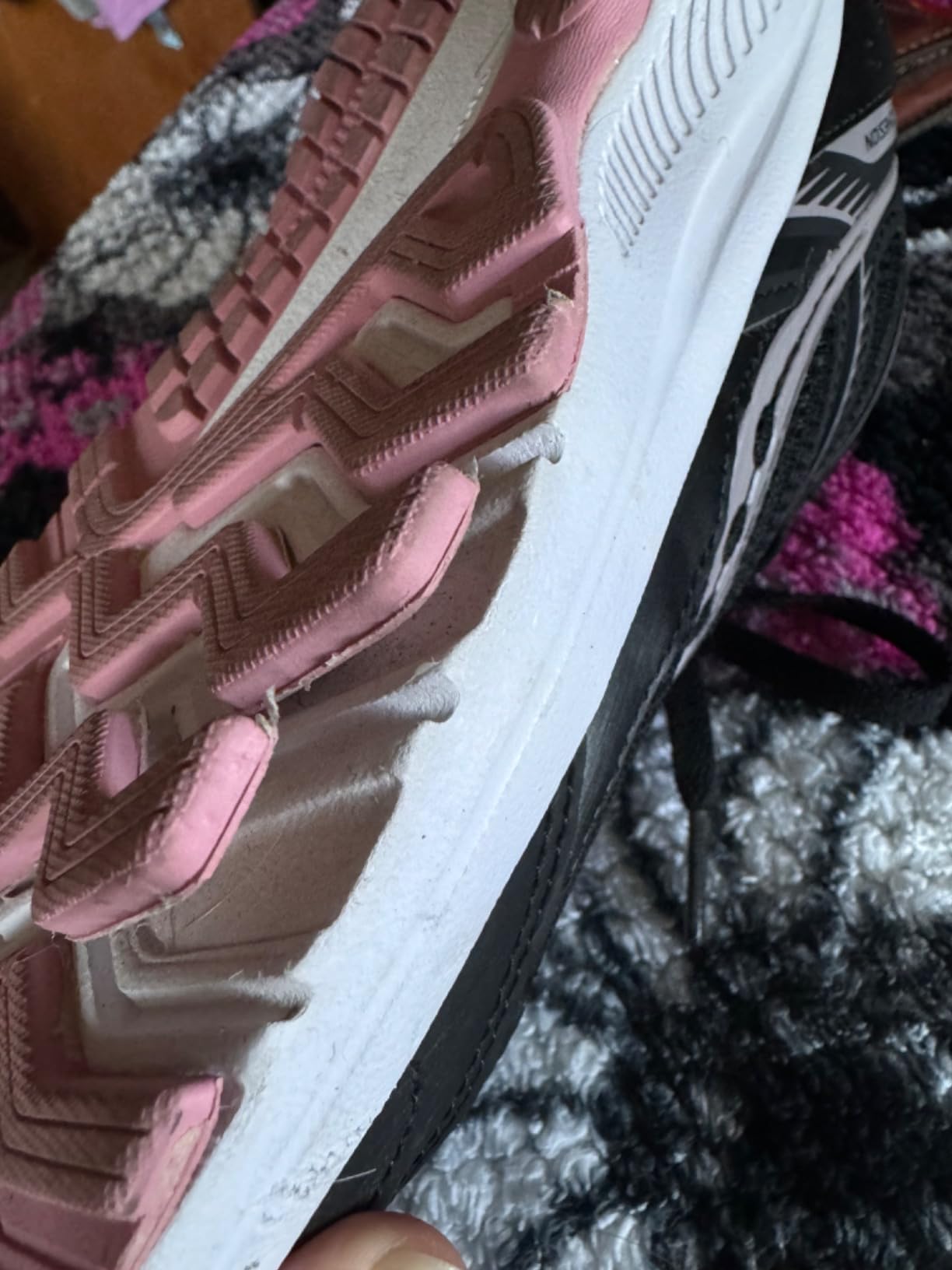
Saucony markets PWRRUN as absorbing “5% more impact than average EVA” while being “28% lighter.” Over 200 miles, that claim holds water. Impact absorption feels present during longer runs—my knees never complained even on concrete-heavy routes. The lightness is real; lab tests measure this shoe at just 6.5 ounces for women’s size 7.5. But here’s the nuance Saucony doesn’t emphasize: “absorbing impact” isn’t the same as “maximal cushioning.” Runners expecting plush, sink-in softness will find the K12 too firm. Runners wanting responsive ground feel with adequate protection will find exactly what they need.
Redesigned Outsole Performance
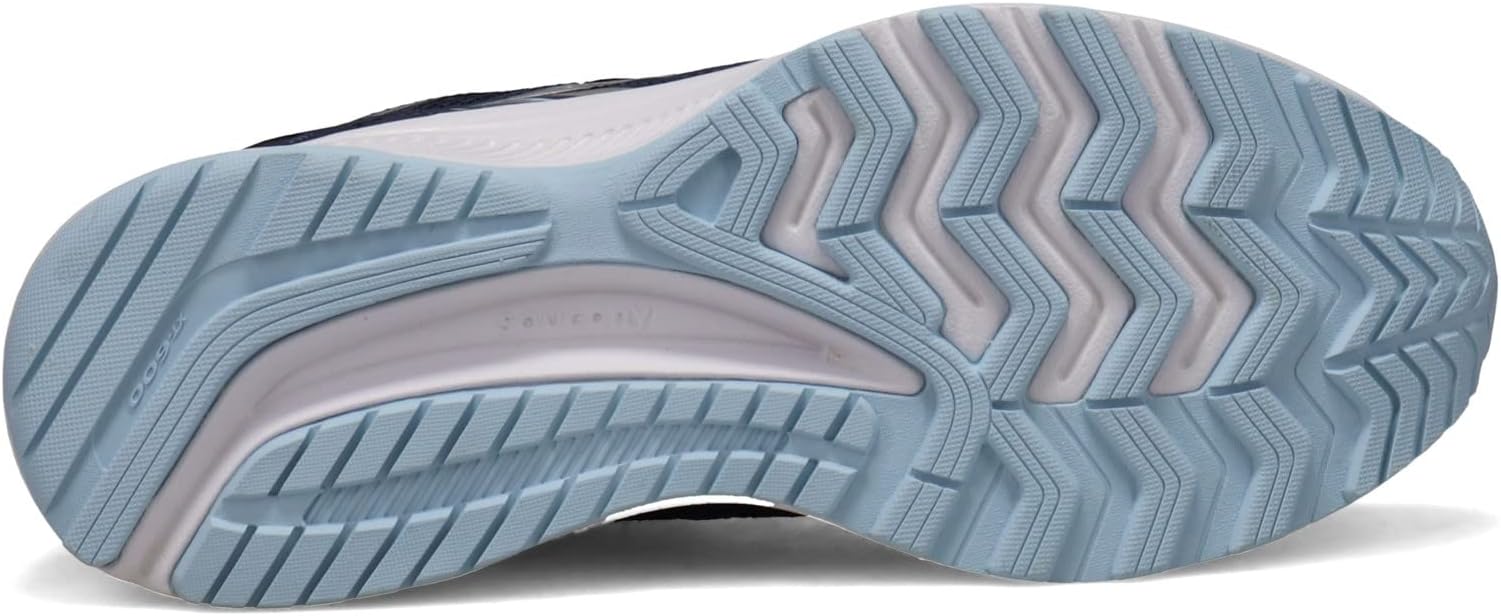
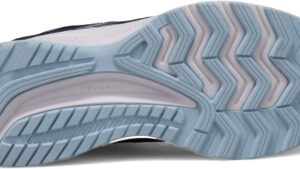
The “smooth feel from heel strike through toe-off” claim checks out. Saucony’s beveled heel design and split heel construction create natural transitions that don’t require conscious thought. After 200-plus miles, the wear pattern across the forefoot and lateral heel showed even distribution—no premature erosion in specific zones. The minimal rubber coverage does raise long-term durability questions (more on that below), but through my testing window, the outsole performed as promised.
Enhanced Heel Support Validation
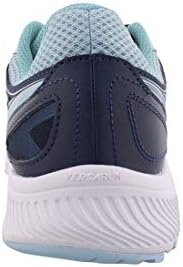
This is where the K12 noticeably improves on earlier Kinvaras. The structured heel counter provides secure lock-down during direction changes without feeling constrictive during straight-line running. At the track, quick cuts to grab water or dodge other runners never caused heel slip. During long runs when fatigue degrades form, my heel stayed planted. If previous Kinvaras felt slightly loose in back, the K12 solves that without adding bulk or weight.
Key Strengths & Areas for Improvement
- Lightweight without sacrificing protection: At 6.5-7.4 ounces, these feel nimble during speed work while providing adequate cushioning for daily miles.
- Versatile across training paces: Successfully tested from easy recovery runs (9:30 pace) to tempo efforts (7:30 pace) without feeling wrong at either extreme.
- Improved heel security: The redesigned counter keeps your foot planted during direction changes and the final miles when form deteriorates.
- Excellent breathability: Mesh upper handles humid Texas summers without creating a sauna effect around your feet.
- True-to-size for most: 48 Zappos reviewers confirmed TTS fit, matching my experience in size 8.
- Responsive midsole: PWRRUN foam provides noticeable energy return during tempo runs without feeling bouncy or unstable.
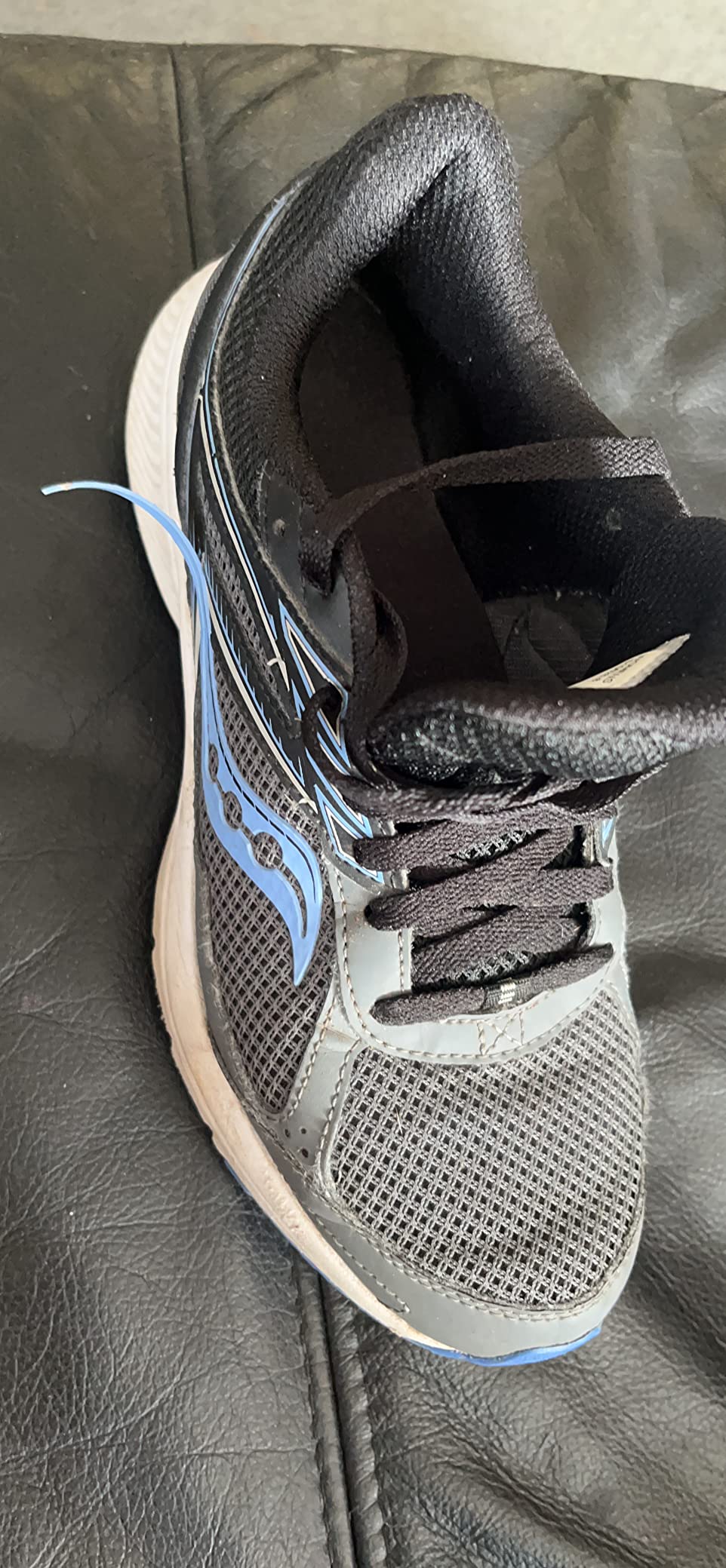
- Durability concerns at 6+ months: Community feedback consistently reports toe box holes after extended use—something to watch beyond my 200-mile testing window.
- Premium pricing: At $110 MSRP, the K12 competes with established trainers offering potentially longer lifespans.
- Sizing inconsistency for wide feet: Multiple runners report needing to size up half, particularly those with wider forefoot dimensions.
- Not trail-capable: Exposed midsole foam and minimal rubber coverage make this strictly a road shoe.
- Comfort ceiling at 10+ miles: Moderate stack height means longer distances cause more foot fatigue than maximal-cushion alternatives.
- Cold weather performance unknown: My testing only reached 40°F; lab data suggests midsole stiffness increases significantly below freezing.
Long-Term Durability Assessment
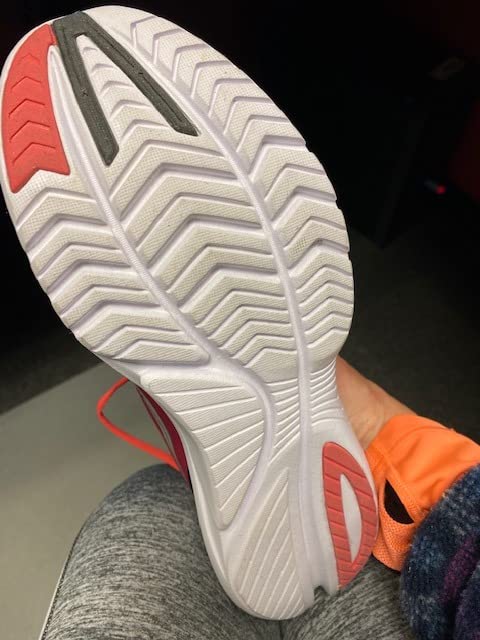
After 200 miles across varied surfaces, the K12’s outsole shows even wear patterns concentrated at the posterior lateral heel and central forefoot—exactly where you’d expect for a midfoot striker. The PWRRUN midsole maintains its responsiveness; no dead spots or compression zones have developed. Upper materials look nearly new, with no mesh fraying or synthetic overlay separation.
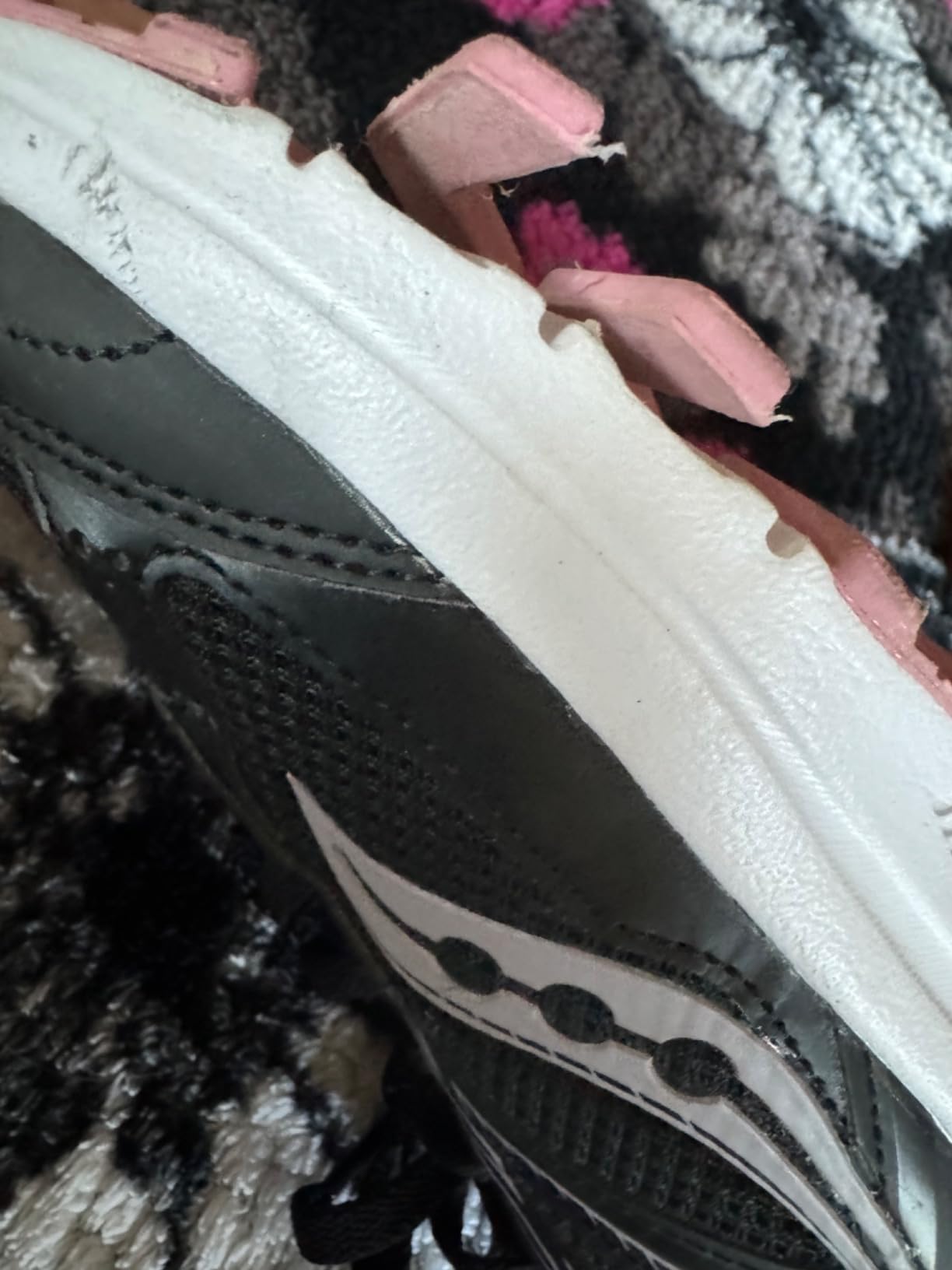
Here’s where honest assessment requires acknowledging limitations. Based on community feedback and expert reviews, expected lifespan sits around 300-400 miles. Several women in online running groups reported toe box deterioration after six months of regular use—holes developing where the big toe flexes against thin mesh. I haven’t reached that point yet, but the pattern is consistent enough across reviewers to warrant attention.
The minimal rubber coverage explains why this shoe weighs so little but also raises durability flags. You’re trading longevity for nimbleness. At $110 divided by 350 miles (average expected lifespan), that’s roughly $0.31 per mile. Compare to the Brooks Glycerin at $150 for 500 miles ($0.30/mile) or ASICS Gel-Nimbus 27 at $160 for 450+ miles ($0.36/mile), and the K12 lands competitively—if you accept its shorter lifespan as part of the lightweight design philosophy.
For runners who rotate multiple pairs, this works fine. Your per-shoe monthly mileage decreases, extending calendar lifespan to 8-10 months even if absolute mileage caps at 350. Daily-only runners should factor replacement cycles into budget planning: at 50 miles per week, you’re replacing these every 7-8 weeks.
Who Should Buy the Kinvara 12?
Perfect For:
- Women runners prioritizing lightweight performance: If you value nimble feel over maximal protection, the 6.5-7.4 oz weight delivers.
- Moderate weekly volume (3-5x/week): Runners logging 20-40 miles weekly will appreciate versatility without burning through shoes monthly.
- Multi-pace training: The K12 handles everything from easy recovery jogs to tempo intervals without feeling wrong at either extreme.
- Responsive ground feel preference: Runners who want to feel the pavement without harsh impact find the PWRRUN sweet spot.
- Shoe rotators: Extending per-shoe lifespan through rotation makes the durability trade-off more acceptable.
- Standard to narrow feet: True-to-size fit works best for non-wide foot dimensions.
- Warm-weather runners: Breathable mesh shines in temperatures above 50°F.
Consider Alternatives If:
- You need maximum durability: The 300-400 mile expected lifespan won’t satisfy high-mileage trainers.
- You run 50+ miles weekly: Frequent replacement cycles make cost-per-year prohibitive.
- You prefer maximal cushioning: Stack height around 26mm feels moderate compared to 35-40mm plush trainers.
- You require stability features: This is a neutral shoe without motion control elements.
- You’re budget-constrained: Cheaper daily trainers exist, though performance may differ.
- You have wide feet: Even sizing up half, the forefoot may feel snug.
- You run in freezing conditions: Cold weather midsole stiffness is a concern below 32°F.
Better Alternatives for Specific Needs
Maximum durability: Brooks Glycerin Stealthfit 21 ($150, 500+ miles) or ASICS Gel-Nimbus 27 ($160, 450+ miles) sacrifice some lightness for extended lifespan.
Budget-conscious: New Balance Fresh Foam Roav V1 ($70-80) or Saucony Cohesion series ($60-70) offer adequate daily training performance at lower price points.
High mileage training: ASICS Gel-Kayano 31 ($160) or HOKA Clifton ($145) provide better cushioning for 50+ mile weeks.
Wide feet accommodation: ASICS Gel-Nimbus offers 2E width options; New Balance Fresh Foam X 860 V14 comes in multiple width configurations.
Frequently Asked Questions
Do the Kinvara 12s run true to size?
For most women, yes—I wear size 8 in most brands and the K12 fit perfectly. However, 48 Zappos reviewers confirmed TTS, while some with wider feet or those preferring thicker socks recommended going up half a size. If your feet are genuinely wide (not just slightly above average), consider the sizing-up advice seriously.
How long do they typically last?
Based on expert reviews and community feedback, expect 300-400 miles. My testing reached 200+ miles with even wear patterns, but several runners reported toe box holes developing after 6+ months of regular use. Durability depends on foot strike pattern, running surfaces, body weight, and rotation frequency. Lighter runners on smooth surfaces who rotate shoes may extend lifespan; heavier runners on abrasive concrete wearing these daily will see shorter life.
Are they good for beginners?
Yes, with caveats. The 4mm drop and moderate cushioning provide good impact protection while encouraging efficient running form. The PWRRUN midsole isn’t so soft that it masks form problems. However, the $110 price point matters—beginners uncertain about running commitment might start with budget trainers before investing in performance-oriented shoes. If you’re past the “will I stick with running?” question and want a versatile daily trainer, the K12 works well for new runners.
Can I use them for races?
Absolutely. At 6.5-7.4 ounces, they’re light enough for 5Ks through half marathons. I successfully completed tempo runs at 7:30 pace, and the responsive PWRRUN foam provides adequate energy return for race efforts. For full marathons, your mileage may vary—some runners prefer maximum cushioning for 26.2 miles, while biomechanically efficient runners racing in the 3:30-4:30 range should find these adequate.
How do they compare to other Saucony running shoes?
The Kinvara 12 sits in Saucony’s lineup between the budget-friendly Cohesion series (heavier, more cushioned, less responsive) and the premium Triumph (more stack height, softer ride, heavier). Compared to the race-focused Endorphin Speed with its carbon plate, the K12 is more versatile for daily training but less explosive for pure speed work. Think of it as Saucony’s everyday workhorse—capable of tempo runs but comfortable enough for easy miles.
Are they suitable for overpronators?
No—the Kinvara 12 is a neutral shoe without motion control or stability features. If you overpronate (ankle rolls inward excessively), look at Saucony’s Guide series, which provides medial support. Mild overpronation might be fine, but moderate to severe pronators need structured support this shoe doesn’t offer.
What’s the difference from the Kinvara 11?
The K12 features a redesigned upper with better heel support through a more structured counter and beveled heel design. The midsole uses PWRRUN foam (slightly firmer and more responsive than K11). Split heel construction improves ground contact distribution, and enhanced rockering at heel and forefoot creates smoother transitions. Increased forefoot flexibility and added outsole guidance lines round out the updates. If you found the K11’s heel too loose, the K12 addresses that specifically.
Can I wear them for cross-training?
Light cross-training works fine—circuit training, cardio classes, treadmill running. However, the soft PWRRUN midsole isn’t rigid enough for heavy weightlifting. If you’re deadlifting 200+ pounds, the compressible foam creates instability. For bodyweight circuits, plyometrics, or light strength work (dumbbells under 30 lbs), they’re adequate. But serious lifters need flat, stable soles—think dedicated training shoes.
How do they perform in cold weather?
My testing reached 40°F minimum, where the mesh upper provided adequate warmth without overheating. Below freezing remains untested by me, but lab data suggests midsole stiffness increases significantly in cold temperatures. If you primarily run in sub-freezing conditions, factor that potential firmness increase into your decision. For mild winters (35-50°F range), they work well.
What about durability of the toe box?
This is the most common long-term complaint. The thinner mesh upper prioritizes breathability and weight savings, but multiple runners report holes developing around the big toe after 6+ months of regular use—particularly for aggressive toe-off strikers. Through 200 miles, my pair shows no issues, but the pattern is consistent enough across community feedback to warrant awareness. Rotating shoes helps extend lifespan; daily-only wear accelerates toe box stress.
Overall Assessment & Final Verdict
| Saucony Women’s Kinvara 12 – Final Scores | ||
|---|---|---|
| Category | Score (1-10) | Notes |
| Comfort & Fit | 8.5/10 | Excellent daily wearability, secure heel, adequate toe box. TTS for most but size up 0.5 for wide feet. |
| Cushioning | 8.0/10 | PWRRUN delivers responsive protection without mushiness. Not maximal cushioning but sufficient for 3-8 mile range. |
| Responsiveness | 8.5/10 | Noticeable energy return during tempo runs. 18.3 N flexibility creates ground-connected feel. |
| Fit & Sizing | 7.5/10 | TTS confirmed by 48 Zappos reviewers, but variance for wide feet. Snug performance fit. |
| Breathability | 8.0/10 | Mesh upper handles Texas summer humidity well. Adequate warmth down to 40°F tested. |
| Durability | 7.0/10 | Expected 300-400 miles. Community reports toe box issues after 6+ months. Trade-off for lightweight design. |
| Value | 7.5/10 | $110 MSRP competitive for category at $0.31/mile. Performance justifies cost for target audience. |
| Versatility | 8.5/10 | Successfully handles recovery pace through tempo efforts. 5K-half marathon racing capable. |
| OVERALL SCORE | 8.0/10 | Excellent lightweight daily trainer for women seeking versatile performance |
What Other Women Runners Are Saying
Community feedback aligns closely with my experience—appreciation for the lightweight design and improved heel security dominates positive reviews. The PWRRUN cushioning gets consistent praise for balancing protection with ground feel. However, durability concerns are real and recurring. Multiple runners across different forums report toe box deterioration after six months, particularly those logging 30+ miles weekly.
Women with wider feet consistently recommend sizing up half, while those with narrow or standard-width feet find true-to-size perfect. The consensus suggests these work best for runners prioritizing lightweight, responsive performance over maximum longevity. If you rotate shoes and value nimble feel, the K12 satisfies. If you wear one pair daily and need 500+ mile lifespans, frustration awaits.
Final Recommendation
The Saucony Women’s Kinvara 12 earns a solid 8.0/10. It successfully delivers on Saucony’s core promises: lightweight performance, improved heel support, and versatile ride quality. The PWRRUN cushioning strikes an excellent balance between responsive energy return and adequate protection, making this a genuine daily trainer capable of handling tempo work without specialized race-day shoes.
The durability trade-off and premium pricing prevent perfection, but for women running 3-5 times weekly who rotate multiple pairs and value nimble feel over maximal protection, this shoe performs exactly as intended. At 145 pounds running 25-30 miles weekly, the K12 became my default grab for everything except my longest weekend runs. That’s the highest compliment I can give a daily trainer—it disappears from conscious thought and just lets you run.
My bottom-line recommendation: If you’re a woman runner who rotates shoes, logs 20-40 miles weekly, and wants one pair to handle both easy recovery jogs and Wednesday tempo sessions without changing footwear, the Kinvara 12 delivers. Budget $110 for approximately 7-8 months of use (300-350 miles), understand the toe box durability risk, and size up half if your feet are wider than average. Do that, and you’ll understand why the Kinvara line has maintained loyal followers for over a decade.



Reviews
There are no reviews yet.