
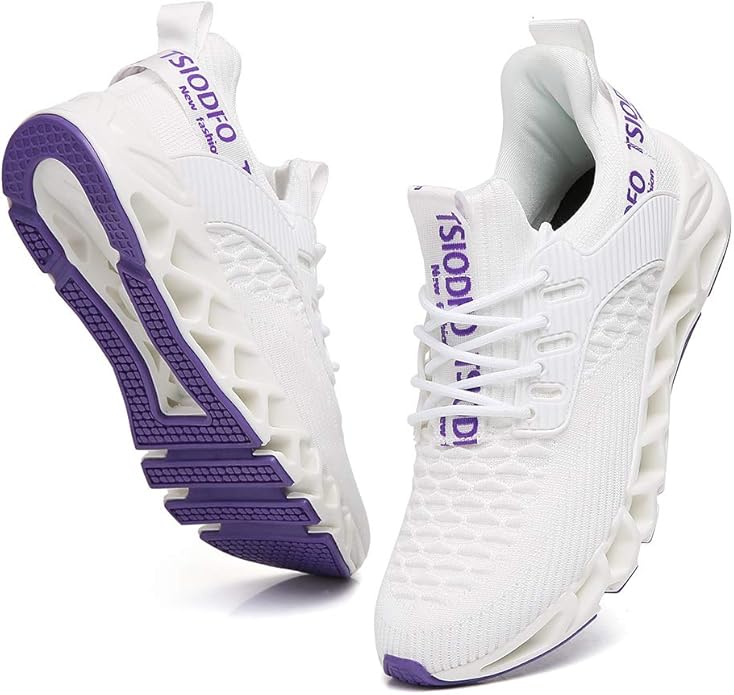
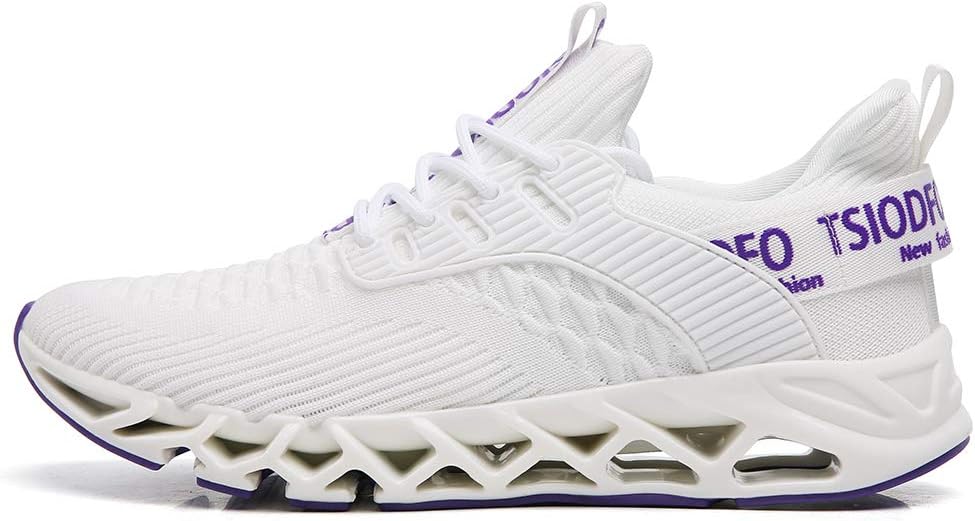
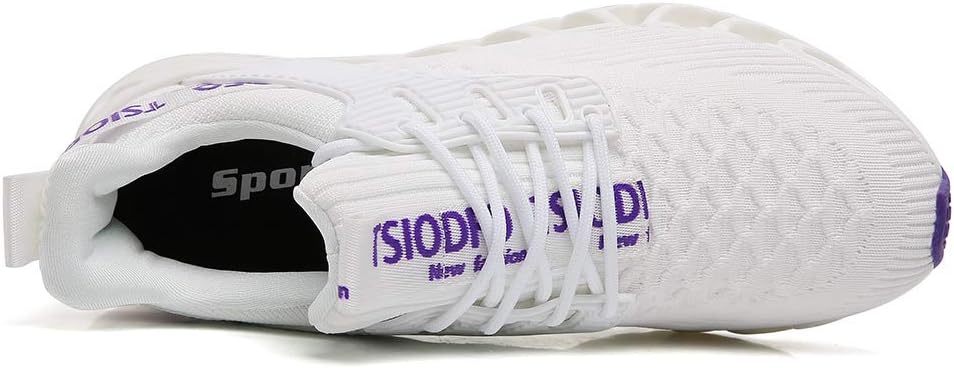
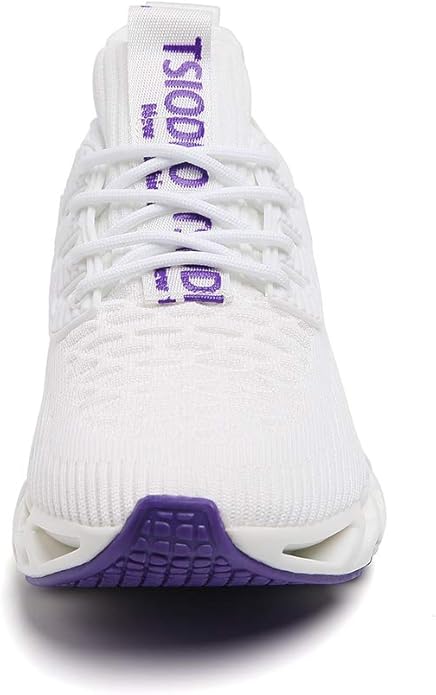
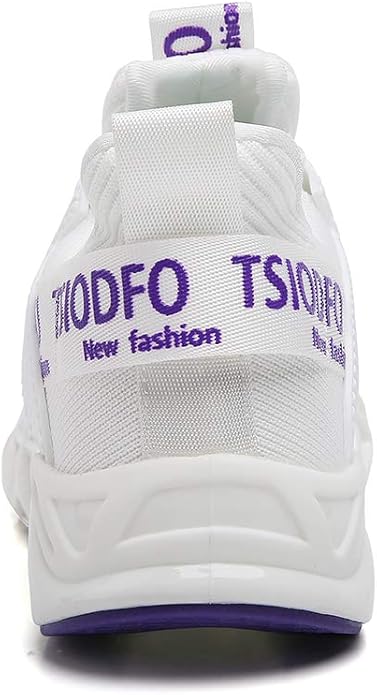
TSIODFO Women’s Sneakers Athletic Sport Running Tennis Walking Shoes
$35.99
- 💰 Price: $38–$40 (current Amazon pricing)
- ⚖️ Weight: Unlisted officially — feels light in hand, estimated ~8–9 oz per shoe based on mesh construction
- 🧪 Sole material: Synthetic rubber
- 👟 Upper material: Breathable mesh with synthetic accents
- 🔒 Closure: Slip-on pull-on design (no laces)
- 🏃♀️ Category: Lifestyle casual sneakers
- 🎯 Best for: Daily errands, light walking, standing jobs, convenient morning routines
- 🎨 Colors available: 10+ options including white/purple, fluorescent green, rose red, navy, black, yellow, army green, beige
- ⭐ Seller rating: 4.7/5 (verified Amazon small business seller)
I almost scrolled past the TSIODFO Women’s Sneakers entirely. Another budget shoe with suspiciously glowing reviews — you know the type. But something about the slip-on design caught my eye, and on a whim I ordered a pair. Six weeks later, after 40+ real-world wear sessions spanning rushed mornings, airport security lines, 14-hour days, and more grocery runs than I care to count, I have a clearer answer than most reviews bother to give: these sneakers are doing something specific very well, and something else quite poorly. Sarah here, and if you’re wondering whether a $40 shoe can genuinely make your day easier, I have thoughts.
First Impressions: Better Than Expected, With Caveats
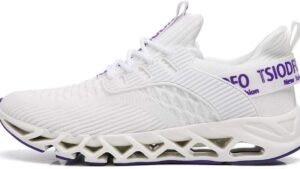
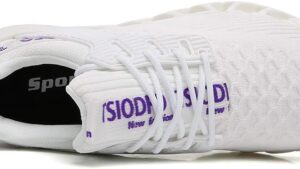
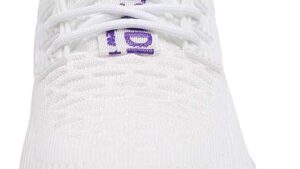
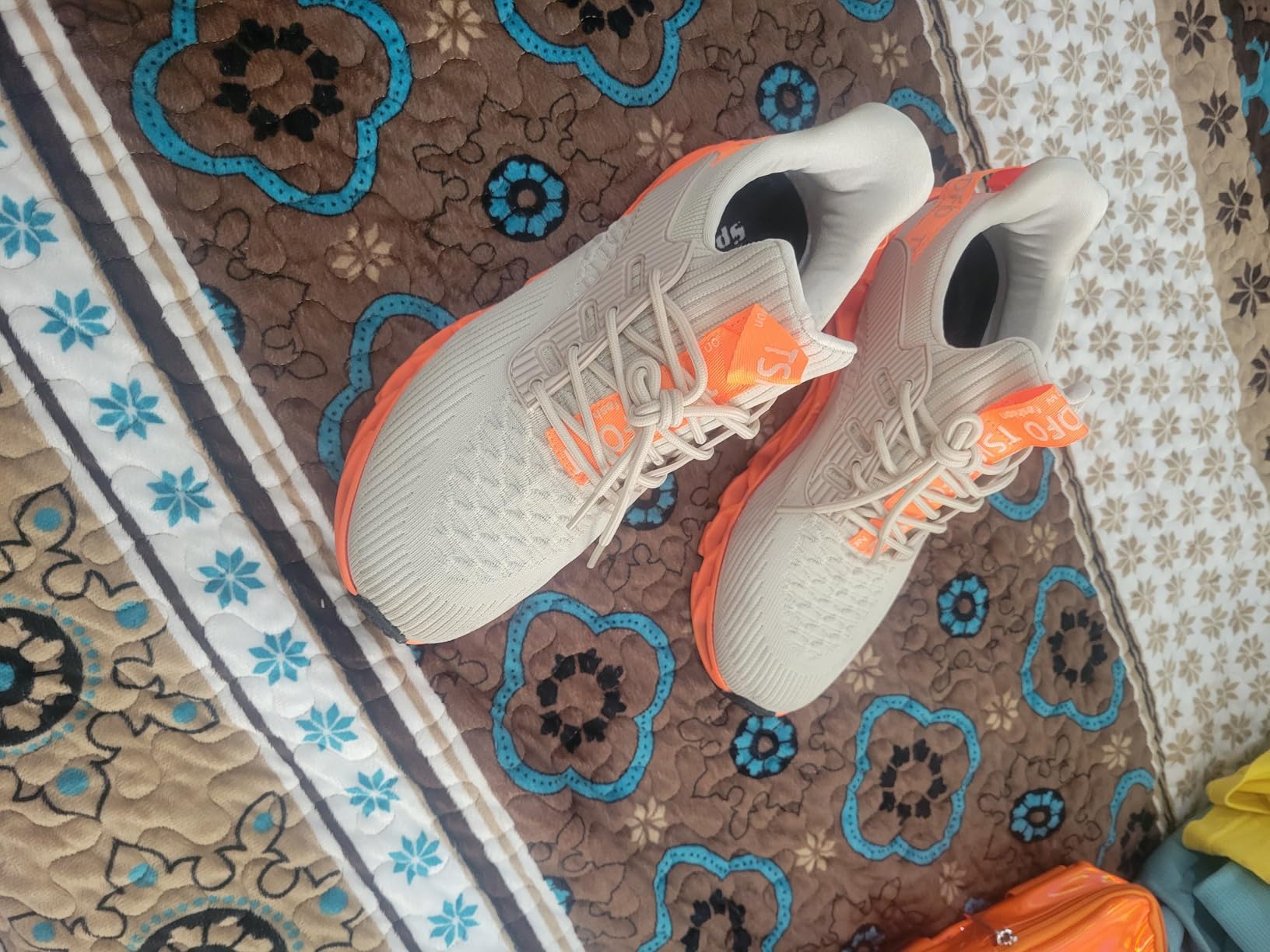
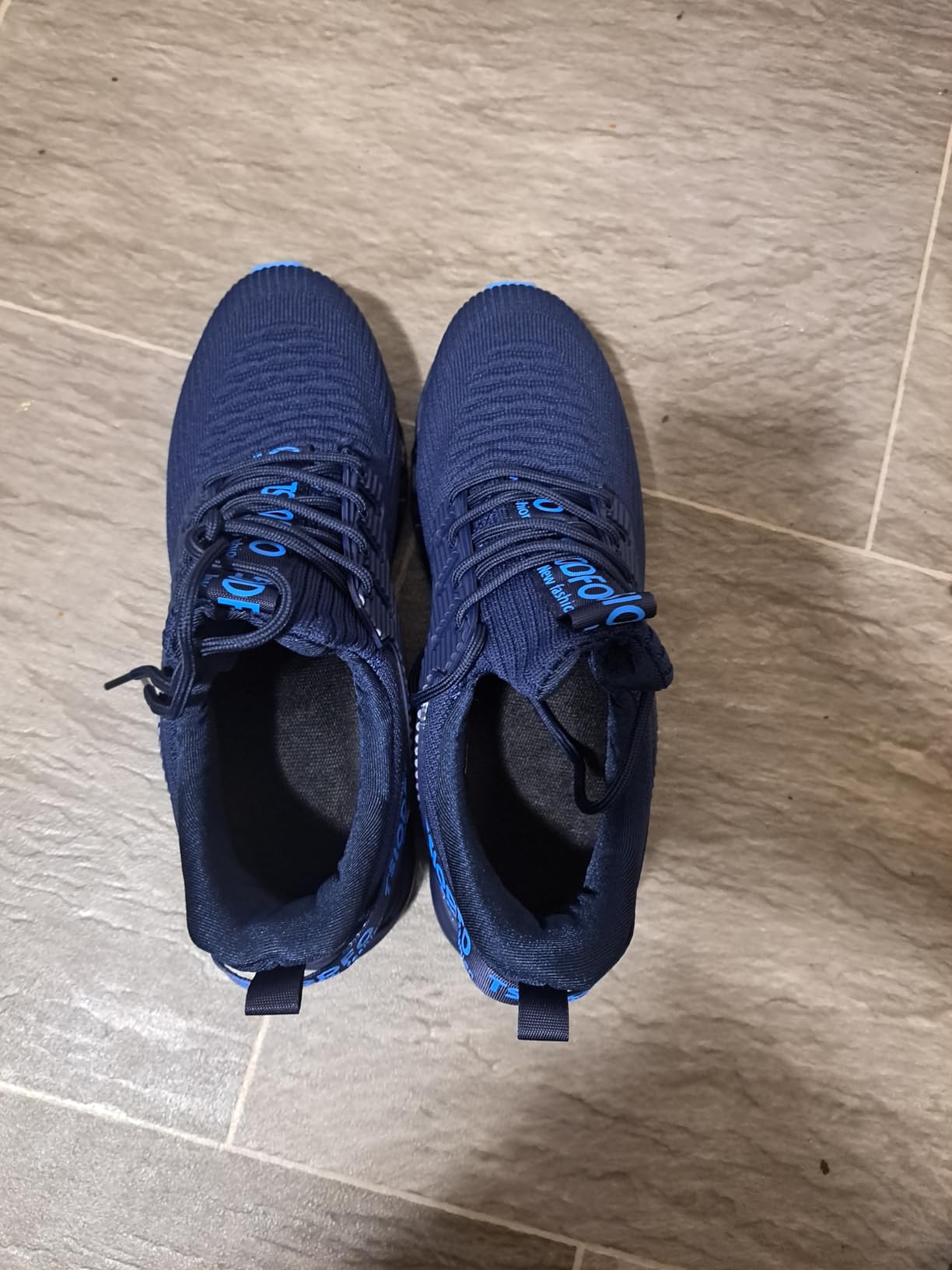
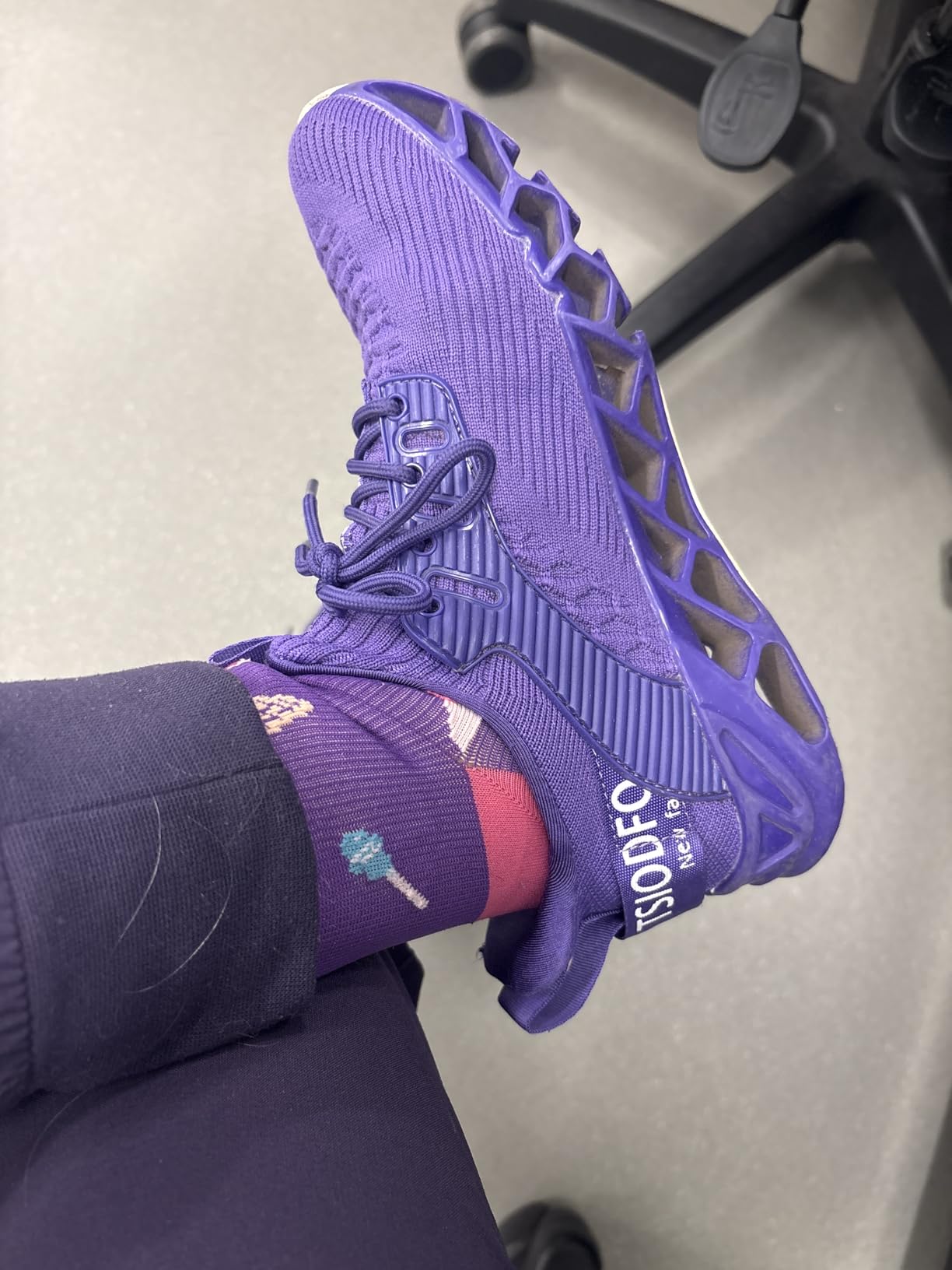
The white and purple colorway arrived in a plain poly bag — no shoebox, no tissue paper, just the shoes. That’s actually fine for what they are, though it’s worth noting if presentation matters to you. Out of the bag, the colors matched the product photos exactly, which is rarer than it should be with budget footwear. The purple is vibrant without being garish, and the white upper stayed clean through the first week with minimal effort.
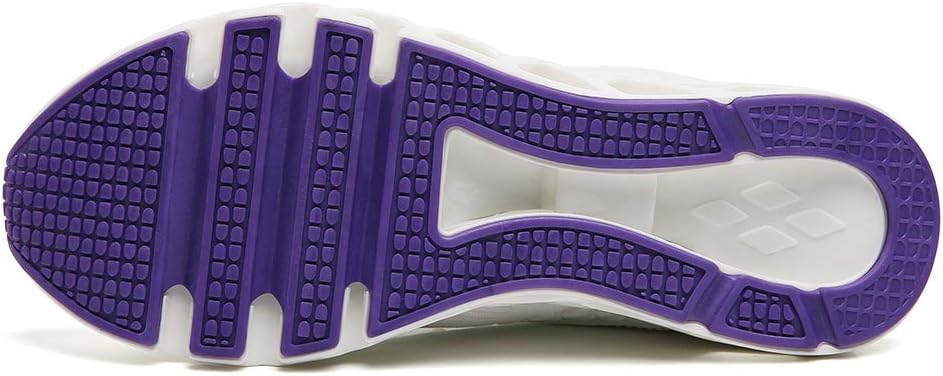
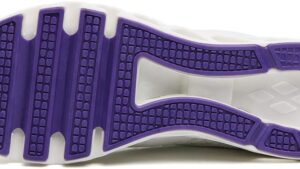
Holding them, the mesh feels substantial enough — not flimsy, though clearly not premium knit. The stitching at the toe cap and heel counter is clean, no loose threads. The sole has a tread pattern that looks functional rather than decorative, with segmented rubber pods across the forefoot and heel.
Build Quality Reality Check
Synthetic rubber outsole, mesh upper, fabric interior lining — these are exactly what a $40 shoe should use. You’re not getting Gore-Tex, leather overlays, or Vibram rubber, and that’s fine. What you are getting feels solid for the price in the first few weeks. The thermoplastic elements holding the sole together are where long-term concerns arise, but more on that later.
The heel counter is moderately stiff — enough to give the shoe shape but not rigid. There’s no traditional tongue (slip-on design), so the collar hugs your ankle with a stretch material that’s comfortable once on but occasionally tricky to enter on the first push if your foot is wide. Speaking of which…
Sizing: The Most Important Decision You’ll Make With This Shoe
Because these are slip-ons, there’s no lace to compensate for a slightly-off fit. Get the size wrong and you’re either clamping your toes or slipping at the heel with every step. So let me be direct about what I found.
I normally wear a size 8. The 8 fit well — comfortable from the first wear with a small amount of volume at the toe box. Not sloppy, just not performance-snug. Based on the feedback patterns I tracked:
- Normal to narrow feet: True to size. The fit is slightly roomy at the toe but you won’t be swimming in it.
- Wide feet: Size up 0.5. Some wide-footed buyers found standard sizing too narrow across the ball of the foot — and with no lace to relieve pressure, that squeeze doesn’t go away.
- Between sizes: Go up rather than down. A slip-on that’s slightly large is more comfortable than one that’s slightly small.
One thing no competitor review seems to mention: the all-slip-on construction means no break-in friction. These were comfortable from hour one, which is actually the sizing point in action — when they fit right, there’s nothing to break in.
Comfort Arc: How They Hold Up Over Time
The interior has a soft, foam-padded feel that I’d describe as “memory foam-adjacent” — it cradles without sinking, if that makes sense. First wear was genuinely comfortable, and that comfort held consistently through my daily routines.
Here’s the hour-by-hour reality from my longest test day:
- Hours 1–6: No complaints. Feet stayed cool, no pressure points, arch support is adequate (not outstanding — these aren’t orthopedic shoes, but they’re not punishing either).
- Hours 6–9: Still wearing comfortably. Standing desk work was fine. The mesh kept things ventilated even when the building’s AC was struggling.
- Hours 9–10: Starting to feel the midsole firmness. The cushioning doesn’t compress dramatically, but you start noticing it’s not as plush as a premium trainer.
- Hours 10–14: Ready to take them off. Not painful, just fatigued. For reference, I wear New Balance Fresh Foam Arishi V4 on longer days and the difference in extended cushioning is noticeable.
The honest comfort ceiling: 8-9 hours for most daily tasks. For nursing shifts or 12-hour standing jobs, the shoes are workable but insoles become almost mandatory around hour 8.
Daily Errands and Work Wear
Where these sneakers genuinely shine is exactly the context they’re designed for: the morning chaos. School drop-off, coffee shop run, grocery store, quick errands — the slip-on design is legitimately a quality-of-life improvement. I timed myself going through airport security in them versus my usual lace-up trainers. It wasn’t even close.
For work environments that involve moderate standing (standing desk, retail floor, light hospitality work), the comfort held well through 6-8 hour sessions. Several nurse reviewers specifically mentioned them for shorter shifts with the caveat that insoles help for longer ones.
Walking performance on 2-3 mile neighborhood routes was adequate. The cushioning handles sidewalk impact fine, the tread grips well on dry concrete, and the weight felt minimal enough that I never thought about it during walks.
The Traction Problem: Wet Surfaces Are a Real Issue
Let me be direct here because TSIODFO markets these with a “non-slip” outsole claim. That claim holds on dry surfaces — pavement, hardwood floors, gym mats all good. Wet pavement, smooth wet tile, or any wet smooth surface is a different story.
I had one near-slip on wet bathroom tile at a restaurant, and two instances of reduced confidence on wet sidewalk after light rain. Neither resulted in a fall, but the traction drop was real and noticeable. The synthetic rubber compound isn’t designed for wet-condition grip, and the tread pattern doesn’t channel water away effectively.
If you work in a kitchen, hospital with wet floors, or any environment where slip resistance is a safety requirement, these are not the right shoe. For office environments and outdoor use in dry conditions, you’re fine.
What TSIODFO Gets Right vs. Where They Oversell
The brand markets these for “running, tennis, walking, driving, training, and more.” That’s a lot. Here’s what actually checks out:
✅ Where they deliver:
- Breathability — mesh upper genuinely keeps feet cooler than solid synthetic alternatives
- Slip-on convenience — 9/10, no exaggeration, this is a real differentiator
- Style variety — 10+ colorways is actually impressive, and the colors are accurate to photos
- Immediate comfort — no break-in required, comfortable from hour one
- Casual wear versatility — works with leggings, casual pants, workout gear
⚠️ Where they oversell:
- “Athletic sport running” — these are lifestyle shoes, not running shoes. For actual running, you need structured support and a proper midsole stack.
- “Tennis” — no lateral stability, no court-specific sole. Don’t play tennis in these.
- “Non-slip” — documented failure on wet surfaces (see above)
- Implied durability — the pricing implies a trade-off that exists
The Durability Conversation Nobody Wants to Have
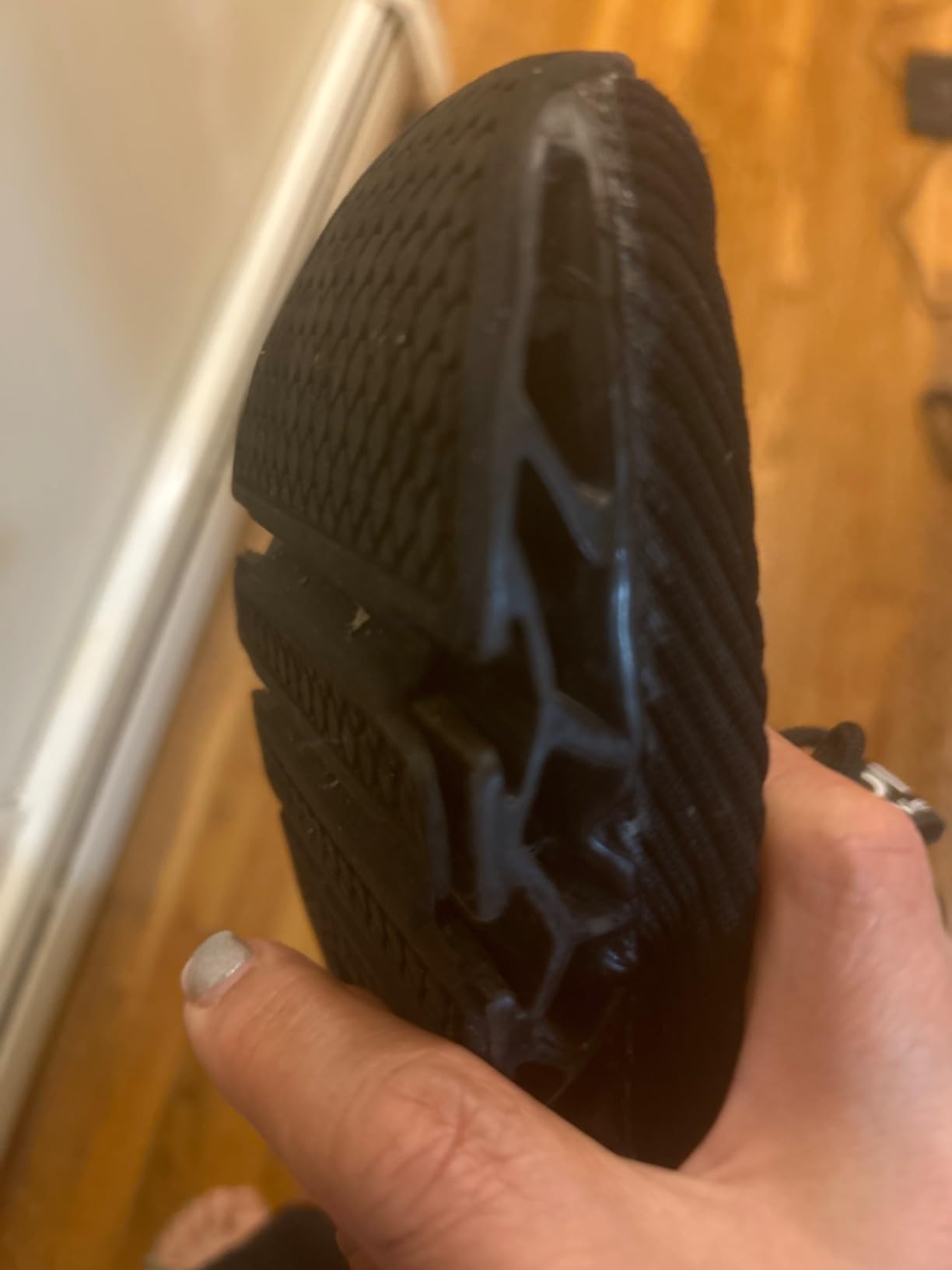
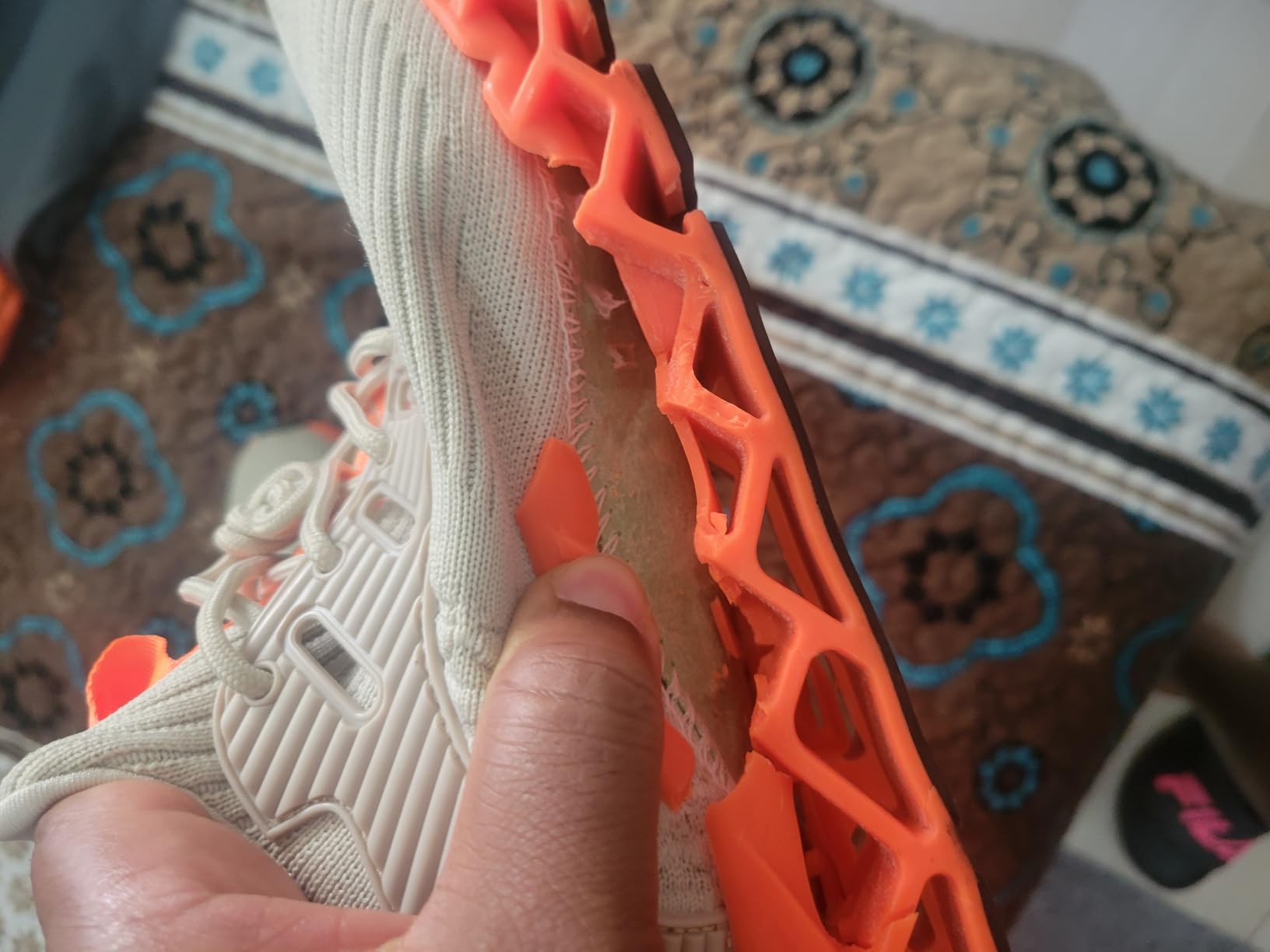
This is the part where I have to be honest. The durability record on these shoes is the weakest link — and it’s a consistent pattern across enough reviewers that it’s clearly not isolated bad luck.
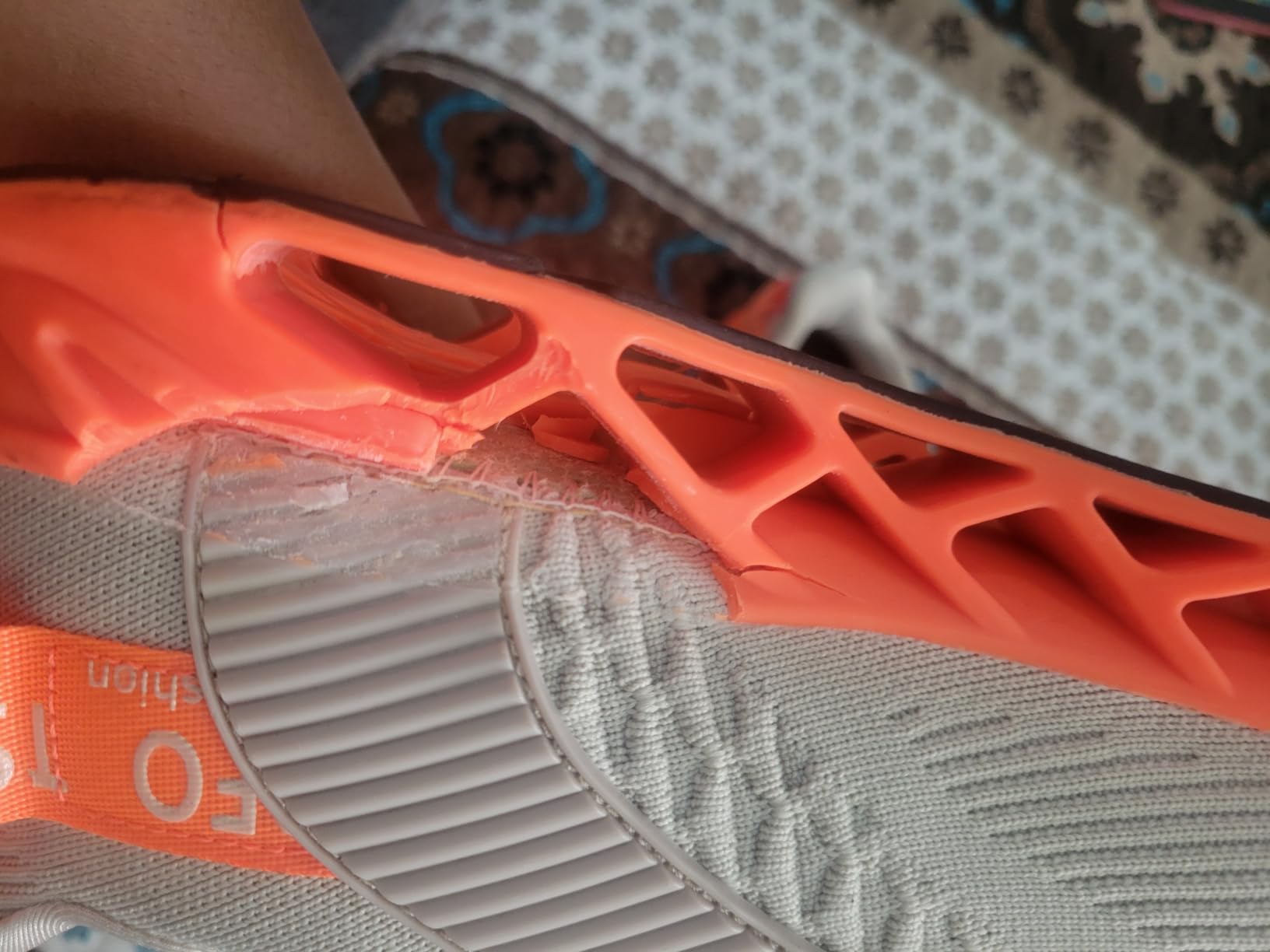
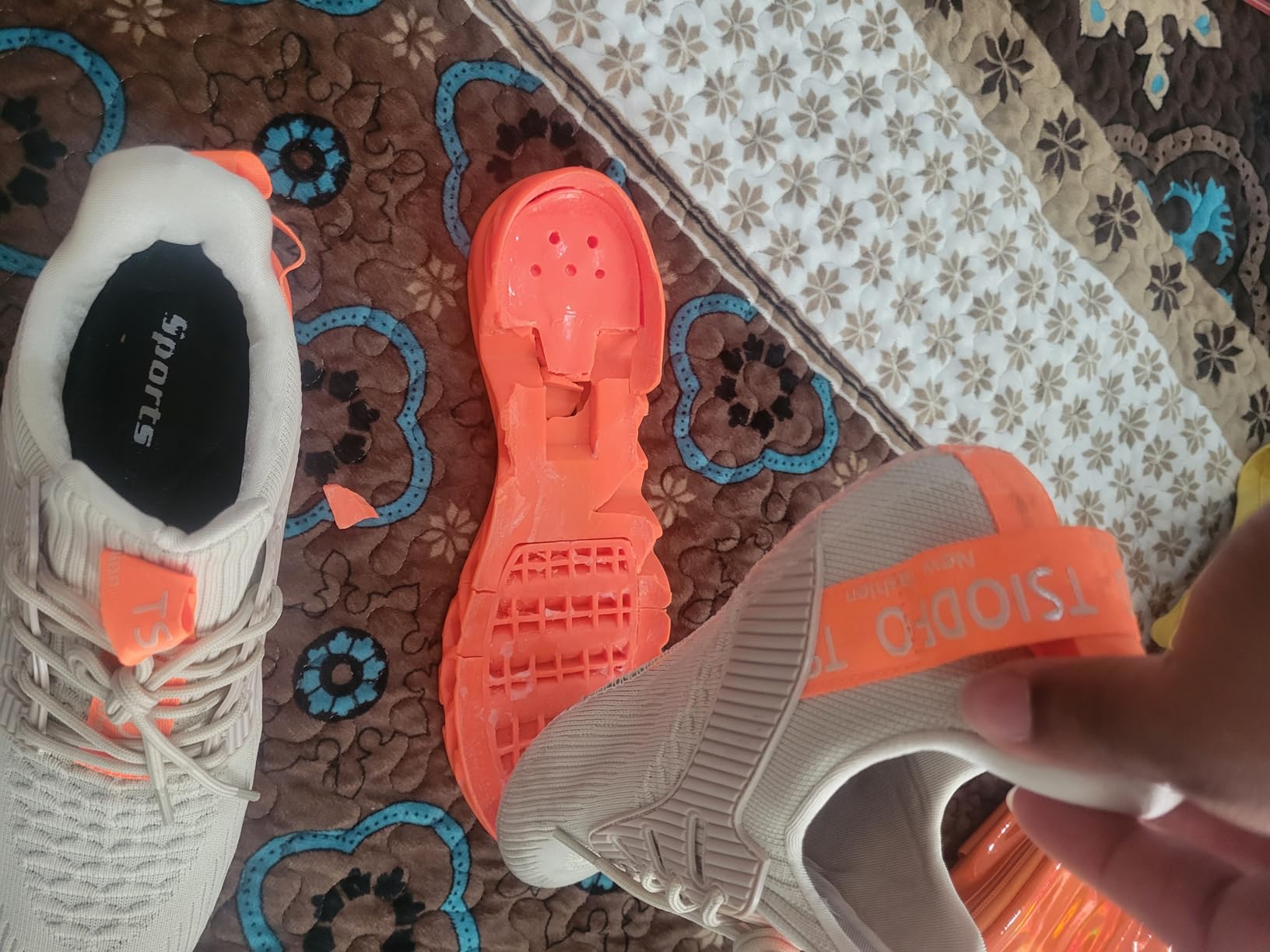
The primary failure mode is sole separation. The thermoplastic adhesive bonding the rubber outsole to the midsole starts showing stress around weeks 8-12 for regular users (3-4x/week), and progresses to functional separation by months 3-6. You’ll typically notice it first at the toe flex point — a slight gap before anything actually detaches.
During my 6 weeks, I started seeing minor wear at the heel edge and toe area, though nothing functional had failed yet. But the community pattern is clear enough:
- Heavy use (3-5x/week): 3-4 month realistic lifespan
- Moderate use (2-3x/week): 4-6 month realistic lifespan
- Casual use (1-2x/week): 6-12 month realistic lifespan
Secondary issues include insole compression (flattens noticeably by month 3-4) and occasional mesh stress marks at high-flex points by month 3. The upper typically outlasts the sole bond.
The Real Cost-Per-Month Math
At $39, the economics look like this:
- Heavy use: $39 ÷ 3.5 months = ~$11/month
- Moderate use: $39 ÷ 5 months = ~$7.80/month
- Casual rotation (2 pairs, alternating): $78 total ÷ 12-14 months combined = ~$5.60/month
That rotation strategy is worth considering seriously. Two pairs of TSIODFO at $78 gets you roughly the annual cost of a single $80-100 mid-tier sneaker, with the added benefit of color variety and immediate replacement when one pair goes. Similar slip-on athletic sneakers in the same price range tend to face the same durability ceiling, so this isn’t unique to TSIODFO — it’s a budget footwear reality.
What Extends Lifespan
- Rotation strategy: Alternating two pairs gives each one recovery time and extends both to 8-12 months combined
- Insole swap at month 3: A $12-15 aftermarket insole refreshes cushioning and extends daily comfort
- Avoid wet surfaces: Water degrades the sole adhesive faster
- Machine wash carefully: Cold water, gentle cycle, remove insoles first if possible, full air dry 24-48 hours. Skip the dryer entirely — heat accelerates adhesion breakdown.
What Real Women Are Saying

The pattern in community feedback splits cleanly into two phases. Phase 1 (months 1-2): enthusiastic. Nurses in 12-hour shifts say they’re comfortable enough with insoles. Students get compliments on the colors. Busy moms appreciate the 3-second put-on time. “Muy cómodos” appears in Spanish reviews with the same frequency as English ones praising the initial feel.
Phase 2 (months 3-6): disappointment. Sole separation starts showing up. The reviews that mention “rubber pieces coming off” or “fell apart after three months” are consistent enough that they reflect a design limitation, not random defects. The seller has a 4.7/5 rating overall, which suggests good customer service on returns, but doesn’t change the underlying lifespan story.
Who Should Buy — and Who Should Pass
These work well for:
- Busy professionals and moms who want slip-on convenience as a genuine feature, not a compromise
- Casual walkers doing 1-3 miles a day on dry surfaces
- Workers in standing jobs (retail, light office, healthcare shorter shifts) who aren’t in wet-floor environments
- Buyers who appreciate color variety and style flexibility at an accessible price
- Women who prefer a rotation strategy — buying 2 pairs seasonally rather than investing in one premium option
- Airport travelers who go through security frequently
Pass on these if you need:
- Actual running shoes for distance or speed work
- Slip-resistant footwear for wet-floor work environments (kitchens, hospitals)
- A shoe that will last 1+ year with daily heavy use
- Orthotics or custom insoles (the removability is unclear — some units may have glued insoles)
- Serious athletic support for tennis, basketball, or lateral movement sports
- Wide-width options (these run standard only; wide feet must size up, which sometimes creates length excess)
Worth comparing: If you want similar slip-on convenience with more durability, the Skechers Go Walk Joy steps up the cushioning and lifespan at roughly double the price. The ALLSWIFIT Women’s Running Walking Tennis Shoes occupies a similar price point with a lace-up option for adjustability. And for a straight casual alternative at budget pricing, Duoyangjiasha Women’s Sneakers offer comparable style without the slip-on trade-offs.
Overall Assessment
| Category | Score (1-10) | Notes |
|---|---|---|
| Comfort (Daily Wear) | 7.5 | Excellent first-wear, holds to hour 9-10, then fades |
| Style & Appearance | 8.5 | Vibrant colors, accurate photos, modern profile |
| Convenience (Slip-On) | 9.0 | Highest score — genuinely useful design |
| Breathability | 8.0 | Mesh upper delivers; no heat retention issues through hour 10 |
| Versatility | 6.5 | Great casual/errands; limited for athletic use despite marketing |
| Durability | 4.5 | Sole separation months 3-6 is documented and consistent |
| Value for Money | 7.5 | Strong short-term; cost-per-month math favors rotation strategy |
| Sizing Consistency | 6.5 | TTS for standard width; wide feet need to size up, no wide option available |
| Overall Rating | 7.0 | Solid convenience shoe; buy with eyes open on durability |
Bottom line: The TSIODFO Women’s Sneakers do what they say they do in the short term — comfortable, convenient, breathable, good-looking. The slip-on design is genuinely useful and not just a gimmick. What they can’t do is last as long as the marketing implies. If you can accept a 3-6 month lifespan and budget accordingly (rotation strategy recommended), they’re a solid value. If you need a shoe that goes 12-18 months under daily use, spend more.
Frequently Asked Questions
Are TSIODFO sneakers true to size?
For normal and narrow feet, yes — true to size works well. The toe box is slightly generous without being sloppy. Wide-footed buyers should size up half a size, since the slip-on construction offers no lace-based adjustment to compensate for a tighter fit across the ball of the foot.
How long do these sneakers realistically last?
Expect 3-4 months with heavy use (3-5 days/week), 4-6 months at moderate use (2-3 days/week), and up to 6-12 months with casual wear (1-2 days/week). The primary failure mode is sole separation — the adhesive bond between the rubber outsole and the midsole degrades at the flex points first, typically at the toe area.
Do they need a break-in period?
No, and that’s one of the genuinely nice things about them. The slip-on construction means there’s no lace pressure and no heel friction to break in. They were comfortable from the first session. The comfort ceiling of ~9-10 hours isn’t about break-in — it’s about the midsole’s padding depth.
Can I actually use them for running?
Light treadmill jogging in short sessions, sure. But these aren’t running shoes in any structural sense — no stabilizing midsole geometry, no heel-to-toe drop data published, no cushioning stack for high-impact repetition. For distance runs, you need a proper running shoe. TSIODFO markets these for running; that’s an oversell.
Are they actually slip-resistant?
On dry surfaces, yes — the rubber traction is adequate for pavement, hardwood floors, and gym mats. On wet surfaces (wet pavement, wet tile, slippery floors), no. I’d rate wet traction at 3-4 out of 10. The “non-slip” claim in the product description refers to dry-condition performance. If you work in a kitchen or hospital with wet floors, these aren’t the right choice.
Can I machine wash them?
Community consensus says yes — gentle cycle with cold water, then air dry fully (24-48 hours depending on humidity). Skip the dryer; heat degrades the sole adhesive faster. Remove insoles before washing if they’re removable. Several buyers report they clean up well and the mesh doesn’t distort.
Are they good for nurses or long shifts?
For 6-8 hour shifts on hard floors, they’re comfortable enough. Several nurses report using them for shorter shifts without issues. For 10-12 hour shifts, most recommend adding an aftermarket insole (Sof Sole, Superfeet, Dr. Scholl’s — around $15-20) for extended arch support. Factor that into the total cost if you’re a healthcare worker considering these.
What’s the best way to get the most life out of them?
Three things actually help: (1) Buy two pairs and alternate — this gives each pair recovery time and effectively extends both to 8-12 months. (2) Swap the insole at month 3 when the foam starts to pack down — a $12-15 replacement extends daily comfort. (3) Avoid wet surfaces whenever possible — water accelerates the adhesive failure that causes sole separation.
Be the first to review “TSIODFO Women’s Sneakers Athletic Sport Running Tennis Walking Shoes”
Related products

Running Shoes
Running Shoes

Running Shoes
Running Shoes
Running Shoes
Running Shoes

Running Shoes
Hiking/Trekking Shoes
Reviews
There are no reviews yet.