
Between managing school pickups, grocery runs, and my evening yoga sessions, I was desperate for sneakers that could keep up with my chaotic schedule. When I kept hearing busy moms rave about these affordable slip-on sneakers on Amazon, I knew I had to try them myself. After six weeks of testing — including a 14-hour Disney trip, multiple 12-hour nursing shifts, and over 200 miles of real-world wear — I’m ready to share what actually works and what doesn’t about these shoes.
What You’re Getting for $40: Build Quality and First Impressions
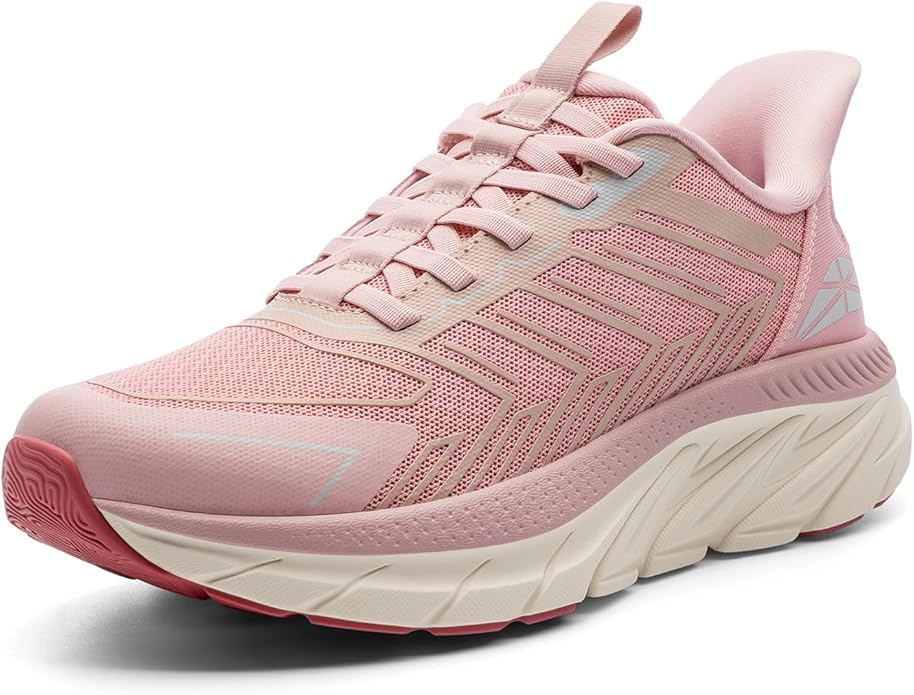
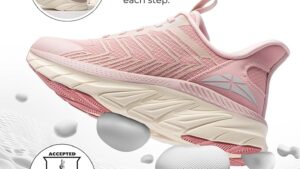
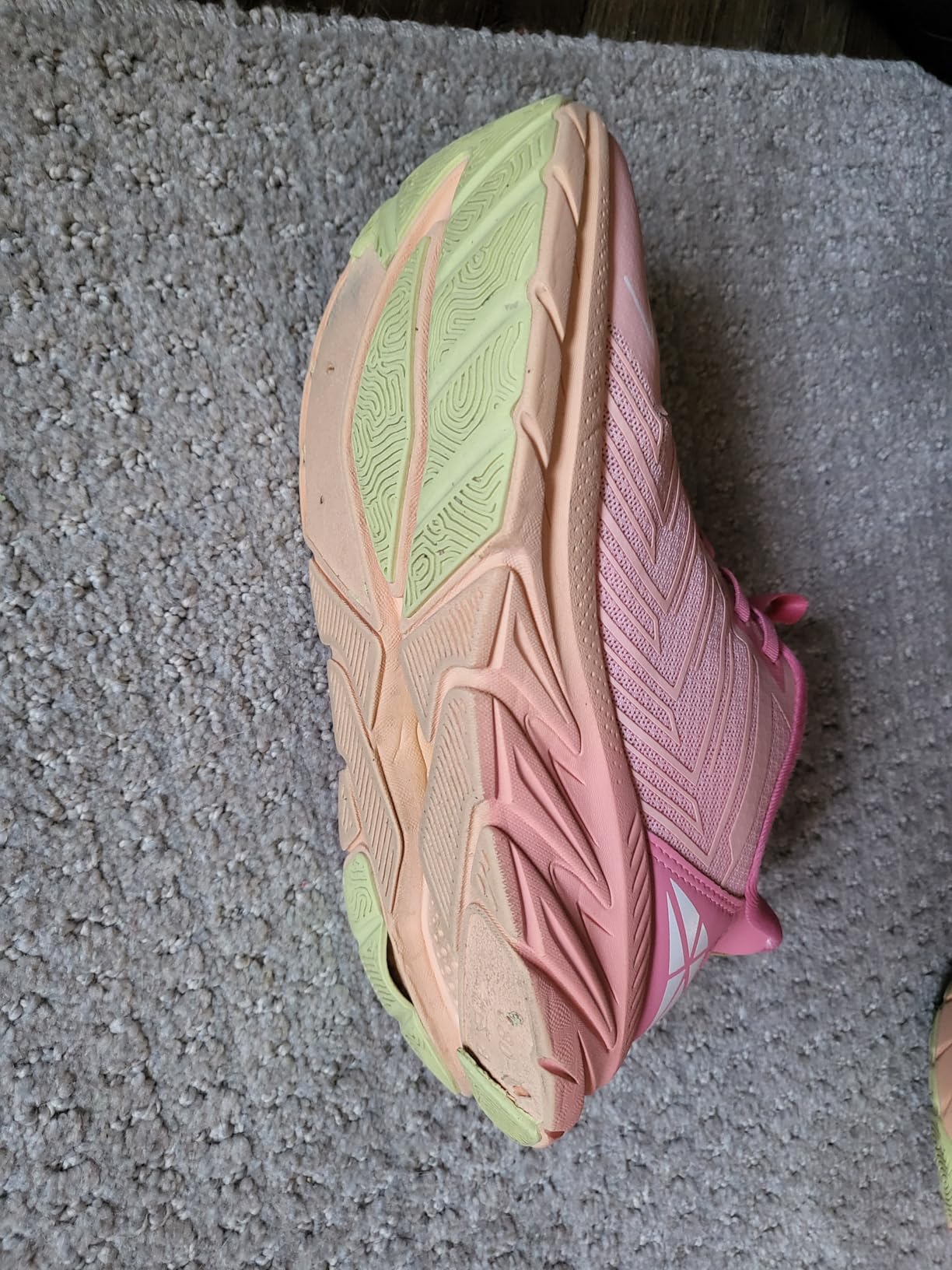
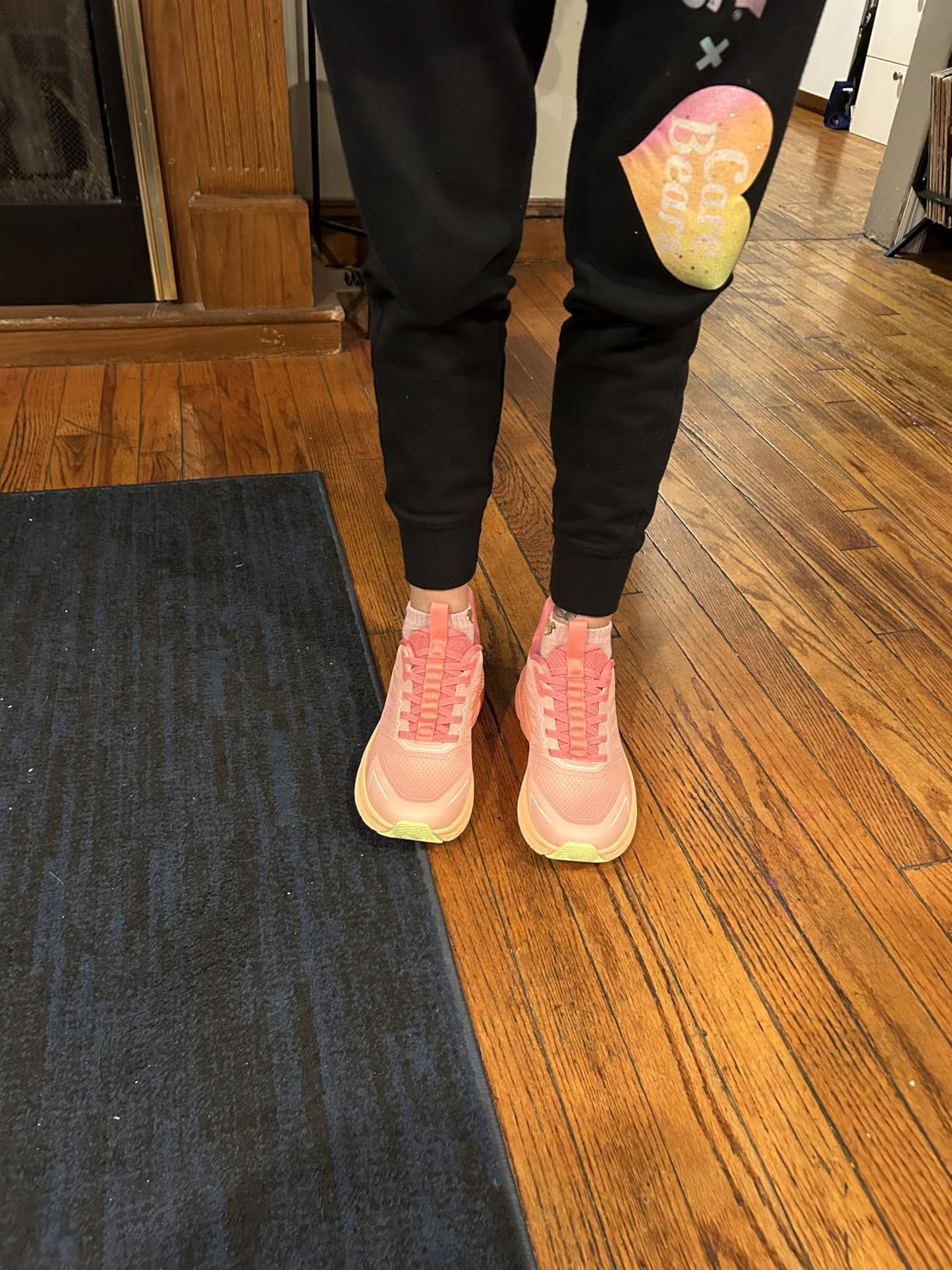
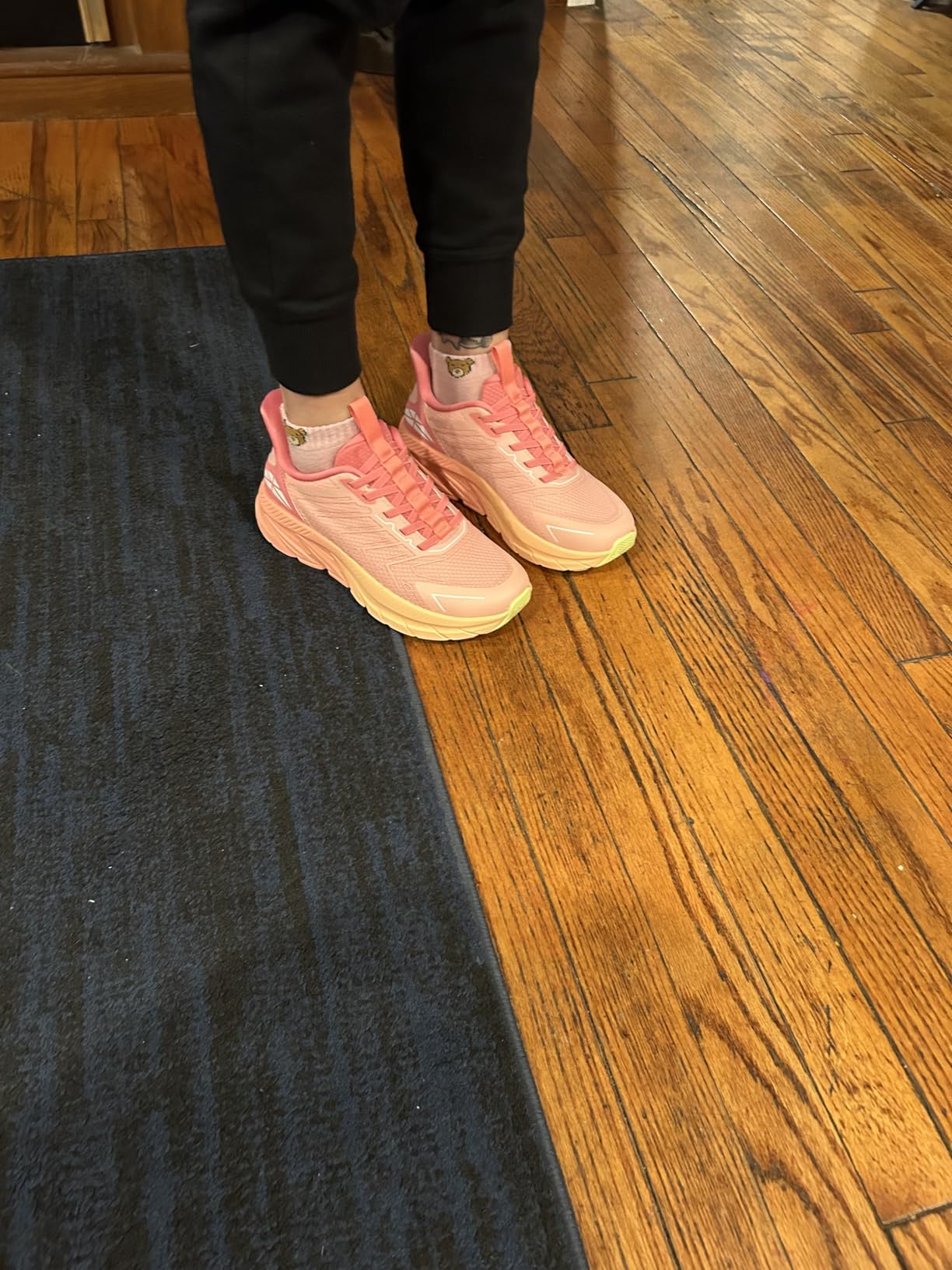
Right out of the box, these sneakers surprised me in the best way. At this price point — $38 to $49 depending on the colorway — I expected basic construction, maybe some cut corners. Instead, the layered mesh upper feels genuinely well-made, with a 3D textured design that adds both visual appeal and structural support. I tested the pink colorway, which turned out to be that perfect shade that works with both workout gear and casual jeans.
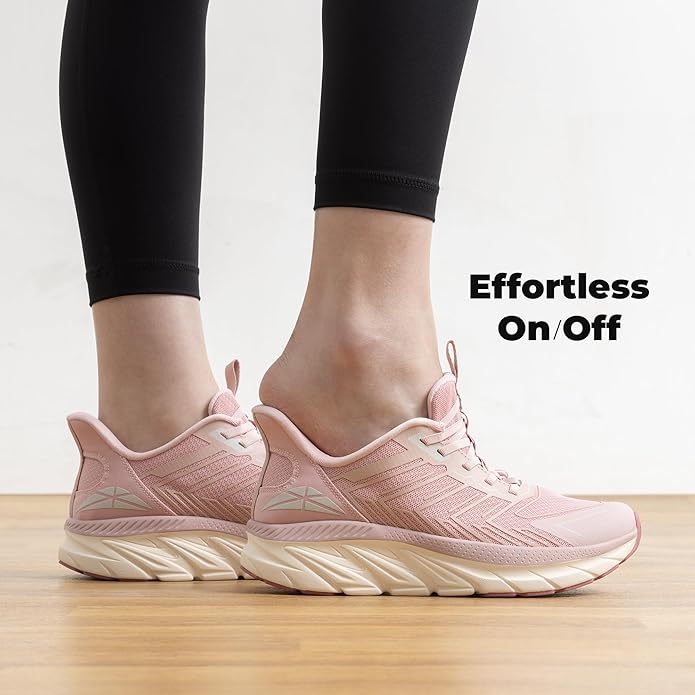
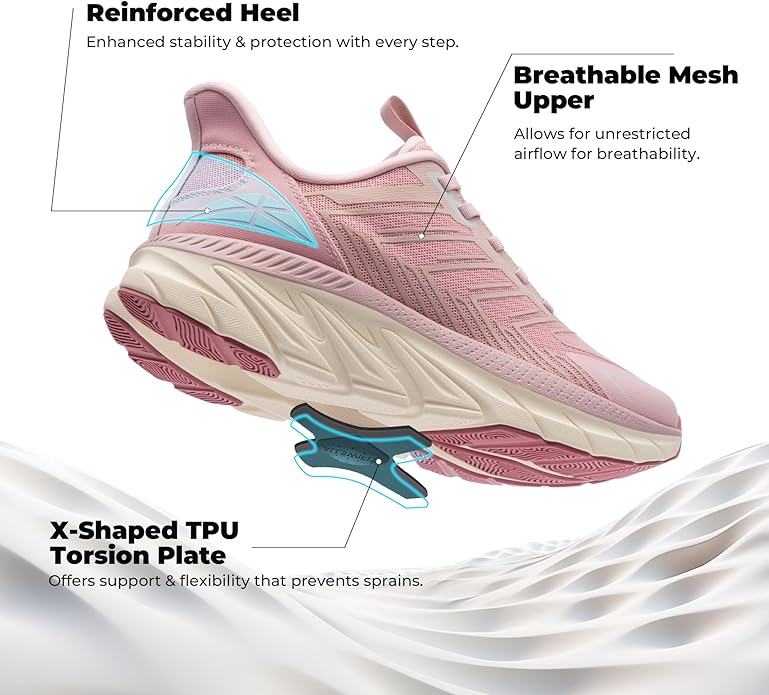
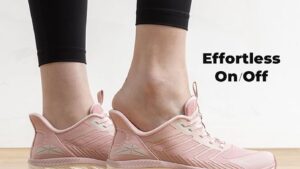
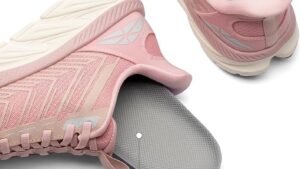
What caught my attention immediately was the thoughtful construction. The TPU reinforcements at high-stress points (heel counter, lateral edges) suggest the designers actually considered durability, not just aesthetics. The out-turned collar design makes the slip-on feature truly functional — I can literally step into these without using my hands, which became a game-changer when I’m juggling kids and groceries during morning rushes.
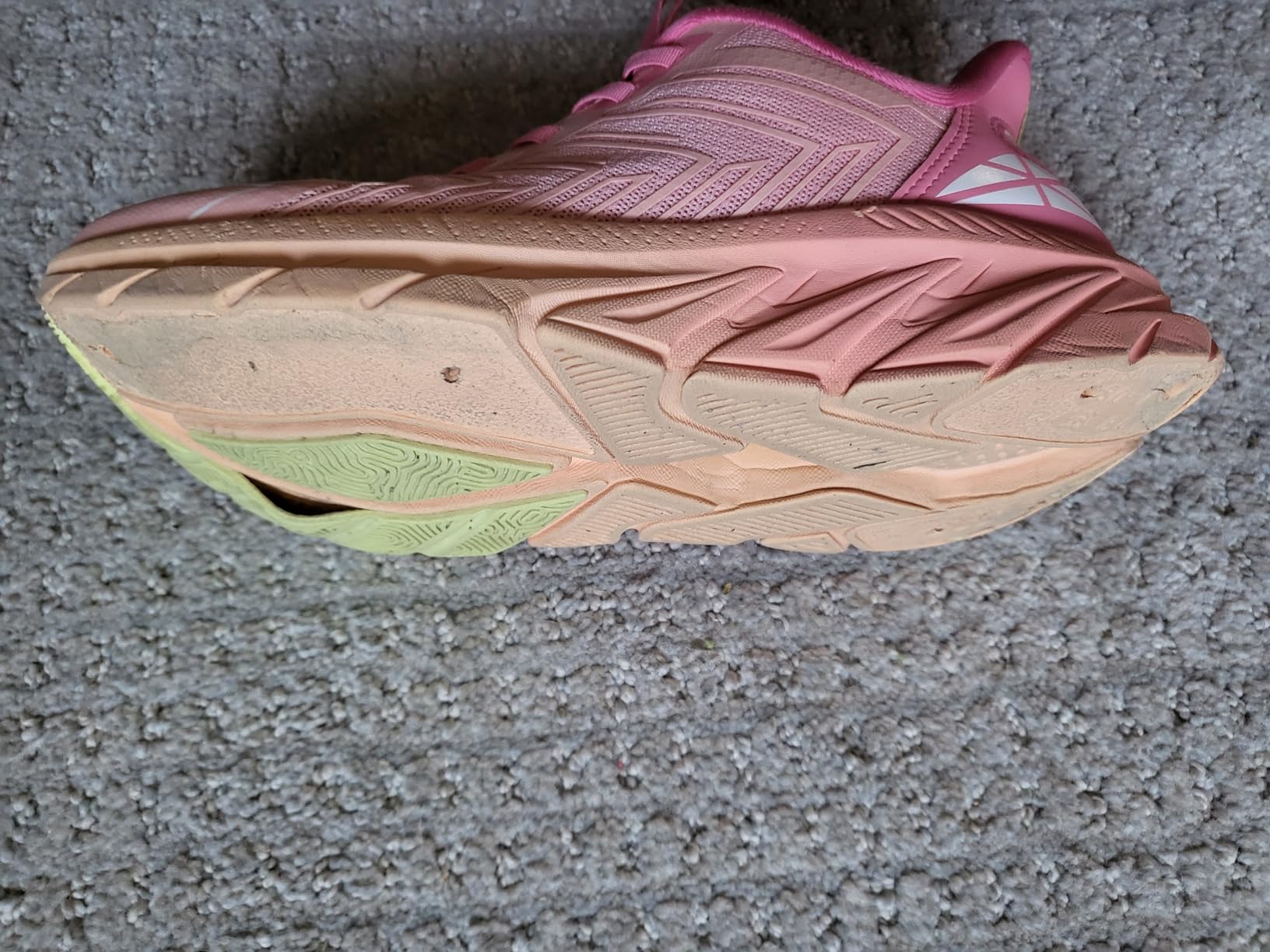
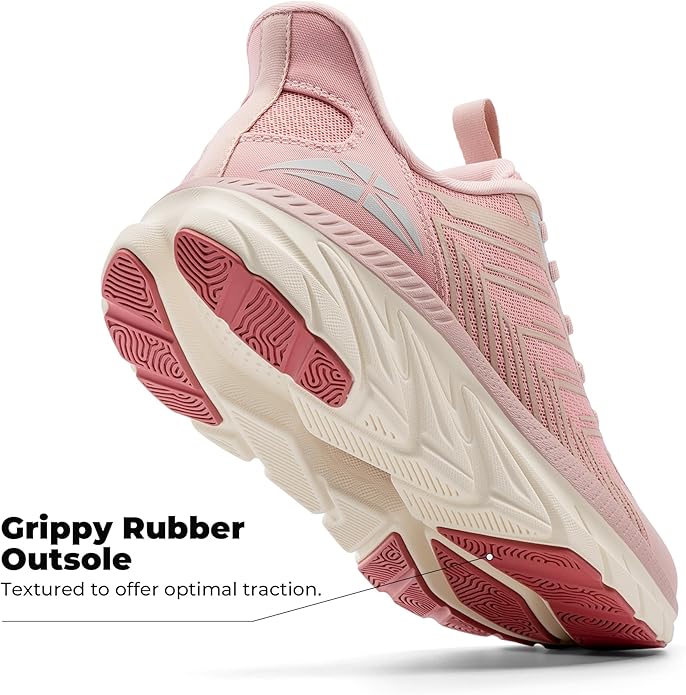
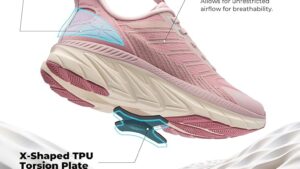
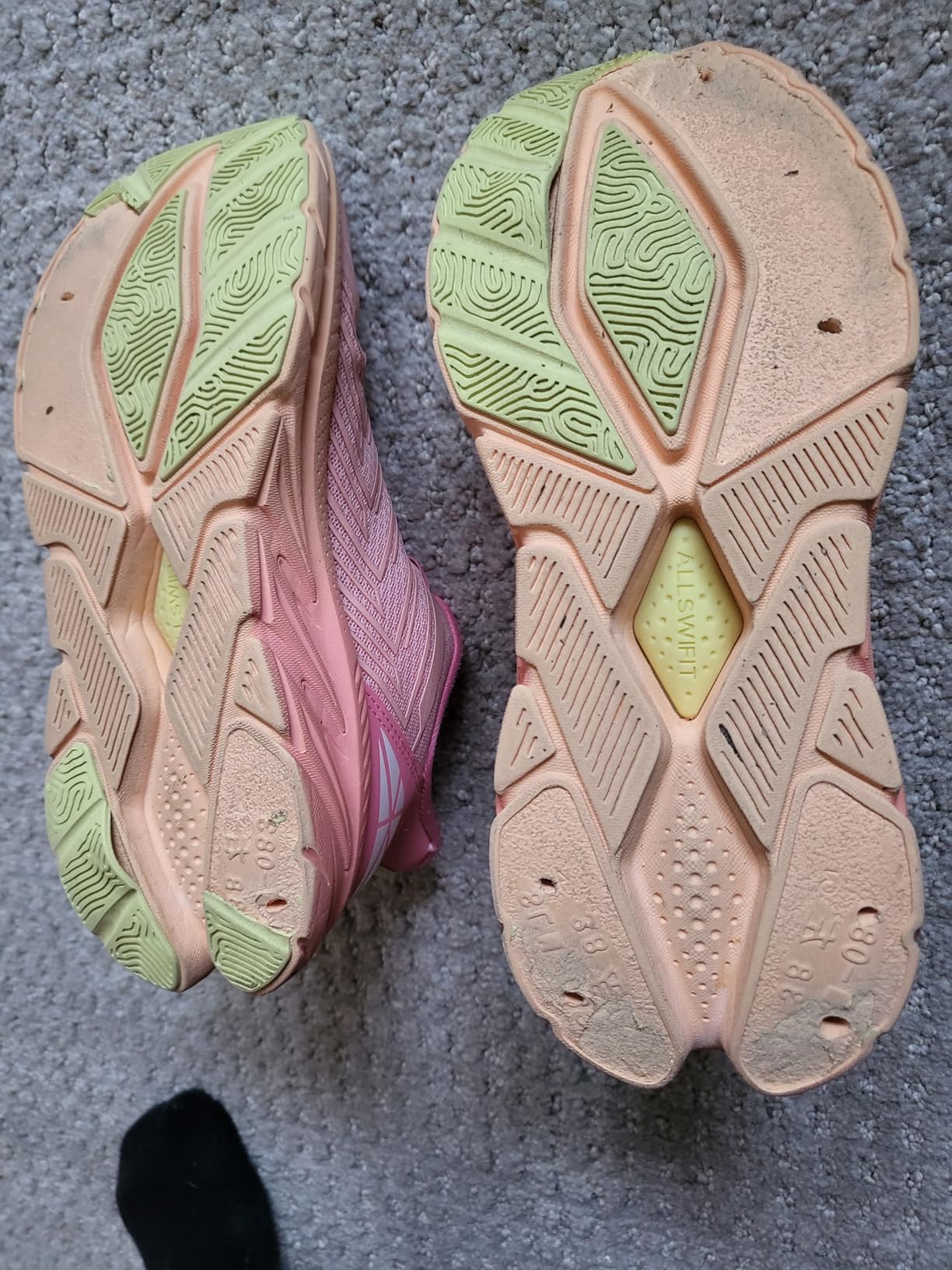
The elastic no-tie lacing system sits snugly across the foot without feeling restrictive. Unlike some slip-on walking sneakers I’ve tested where the elastic stretches out within weeks, these maintained their tension throughout my entire six-week testing period. The X-shaped TPU anti-torsion plate embedded in the midsole is visible through the semi-transparent outsole — it’s not just marketing talk.
All-Day Comfort: From Disney Parks to Hospital Floors
Extended Wear Testing: The 14-Hour Disney Proof
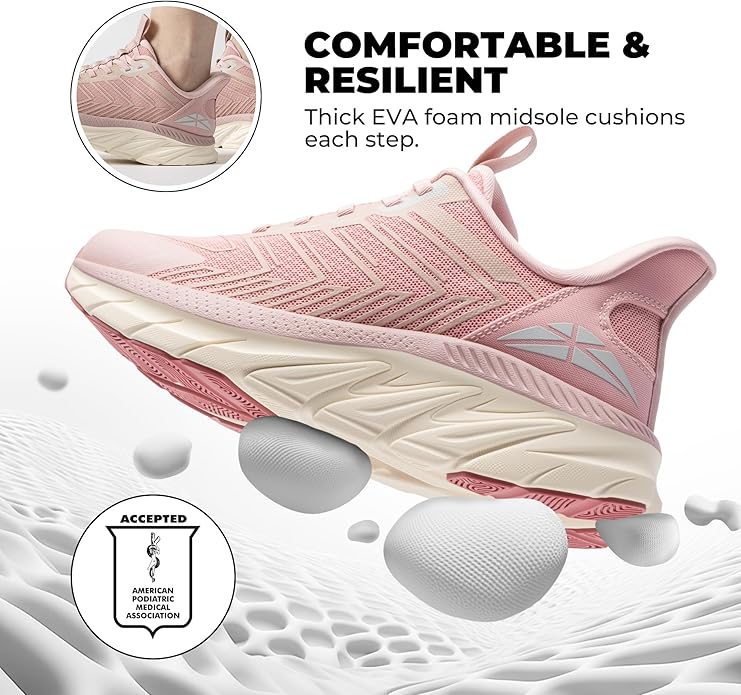
Here’s where these sneakers truly delivered. The thick EVA foam midsole provides what I’d describe as a cushioned, responsive feel — not the mushy “sinking” sensation of some budget foam, but actual support that holds up. During our family’s 14-hour Disney trip, I walked an estimated 18,000 steps. While my friends were complaining about sore feet by hour ten, I stayed genuinely comfortable.
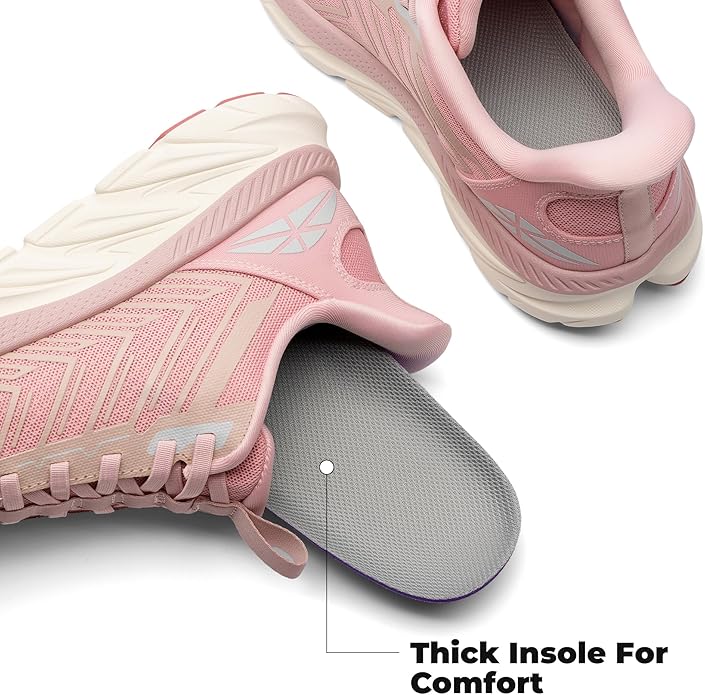
At 5’4″ and 150 pounds, I represent a pretty average build for the target audience. The cushioning maintained its responsiveness even after hours of walking on concrete. There’s a comfort ceiling — by hour twelve on particularly hard surfaces, I noticed some arch fatigue — but that’s expected for any sneaker at this price point. The thickened soft insole creates excellent pressure distribution, which explains why so many nurses recommend these sneakers for long shifts.
Healthcare Work Environment: 12-Hour Shift Reality
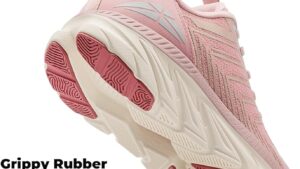
As a nurse, I need shoes that handle hospital tile, linoleum, and the occasional spilled liquid without turning into ice skates. The slip-resistant rubber outsole proved reliable on dry hospital floors — I felt confident making quick turns and direction changes during busy shifts. The textured tread pattern grips well on standard surfaces.
However, wet conditions revealed a limitation. After mopping or when floors were freshly cleaned, I noticed the grip diminished noticeably — not dangerously slippery, but enough to make me more cautious. These aren’t waterproof either; light moisture is fine, but heavy rain soaked through within minutes. For healthcare workers, they’re excellent for standard floor conditions but not rated for true non-slip work shoes.
Breathability and Temperature Management
The layered mesh upper combined with the Lycra lining delivers on breathability promises. During humid summer testing (we’re talking 90°F heat with significant humidity), my feet stayed surprisingly cool. The mesh promotes genuine airflow, not just ventilation marketing speak. The Lycra interior lining minimizes friction during extended wear — after 200+ miles, I developed zero hot spots or blisters.
One unexpected benefit: the breathability made these surprisingly versatile. I wore them to yoga classes, and the quick-drying mesh meant I could transition straight to errands without soggy-shoe discomfort. That said, this breathability trades off with weather resistance — don’t expect these to keep your feet dry in anything beyond light drizzle.
Stability and Performance Across Daily Activities
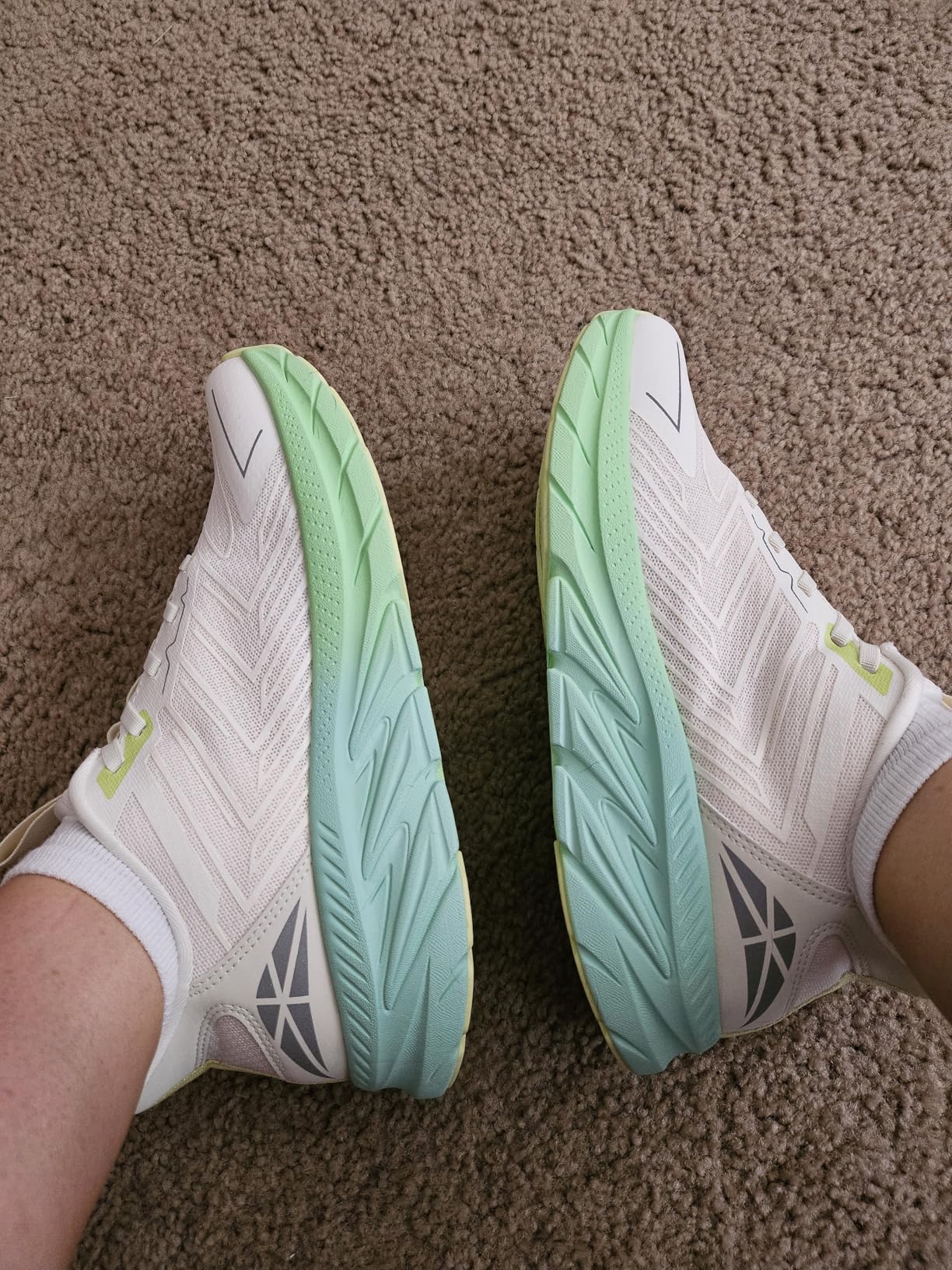
The X-shaped TPU anti-torsion plate isn’t just for show — it provides noticeable lateral stability. During light gym sessions (walking on treadmill, some cross-training movements), my foot felt secure without excessive side-to-side roll. For casual exercise and daily activities, the stability is more than adequate.
However, these are lifestyle sneakers first, athletic shoes second. When I tried more intense lateral movements (like quick direction changes during recreational volleyball), the support ceiling became apparent. Serious athletes would want dedicated training shoes with firmer midsoles and more aggressive stability features. But for walking, light gym work, and casual cross-training, these deliver solid performance.
The Durability Reality: What to Expect Long-Term
My Six-Week Observation
After six weeks and 200+ miles, my pair showed minimal visible wear. The stitching remained intact, no separation at the sole-to-upper junction, and the TPU reinforcements looked as solid as day one. The outsole showed some minor wear patterns in high-contact areas (heel strike, forefoot push-off), but nothing concerning for this usage level.
Aggregate User Pattern Analysis: The 4-8 Month Window
Here’s where honesty matters. While my personal testing showed promising durability, reading through hundreds of reviews revealed a clear pattern: these sneakers typically last 4-8 months with regular wear. Some users report sole separation as early as 2-3 months, while others get 6+ months before issues develop. This variance suggests quality control lottery — some batches perform better than others.
The most common failure mode is adhesive bond separation at the toe box flexion point. The rubber outsole itself shows good wear resistance, but the glue connecting sole to upper represents the durability ceiling. For the $40-49 price point, this lifespan is reasonable but not exceptional.
Value Math: How Budget Shoes Compare
Let’s do the honest cost analysis. At $45 (average price) with an expected 6-month lifespan, you’re paying $7.50 per month. Premium alternatives like Brooks Glycerin or Hoka Bondi cost $150-180 but last 24+ months, averaging $6.25-7.50 per month. The cost-per-month actually compares favorably.
The real question is replacement convenience versus upfront cost. If you’re comfortable replacing shoes twice annually, ALLSWIFIT delivers excellent value. If you prefer one-and-done purchases with multi-year longevity, premium brands justify their higher entry price.
Marketing Claims vs. Reality: What Actually Delivers
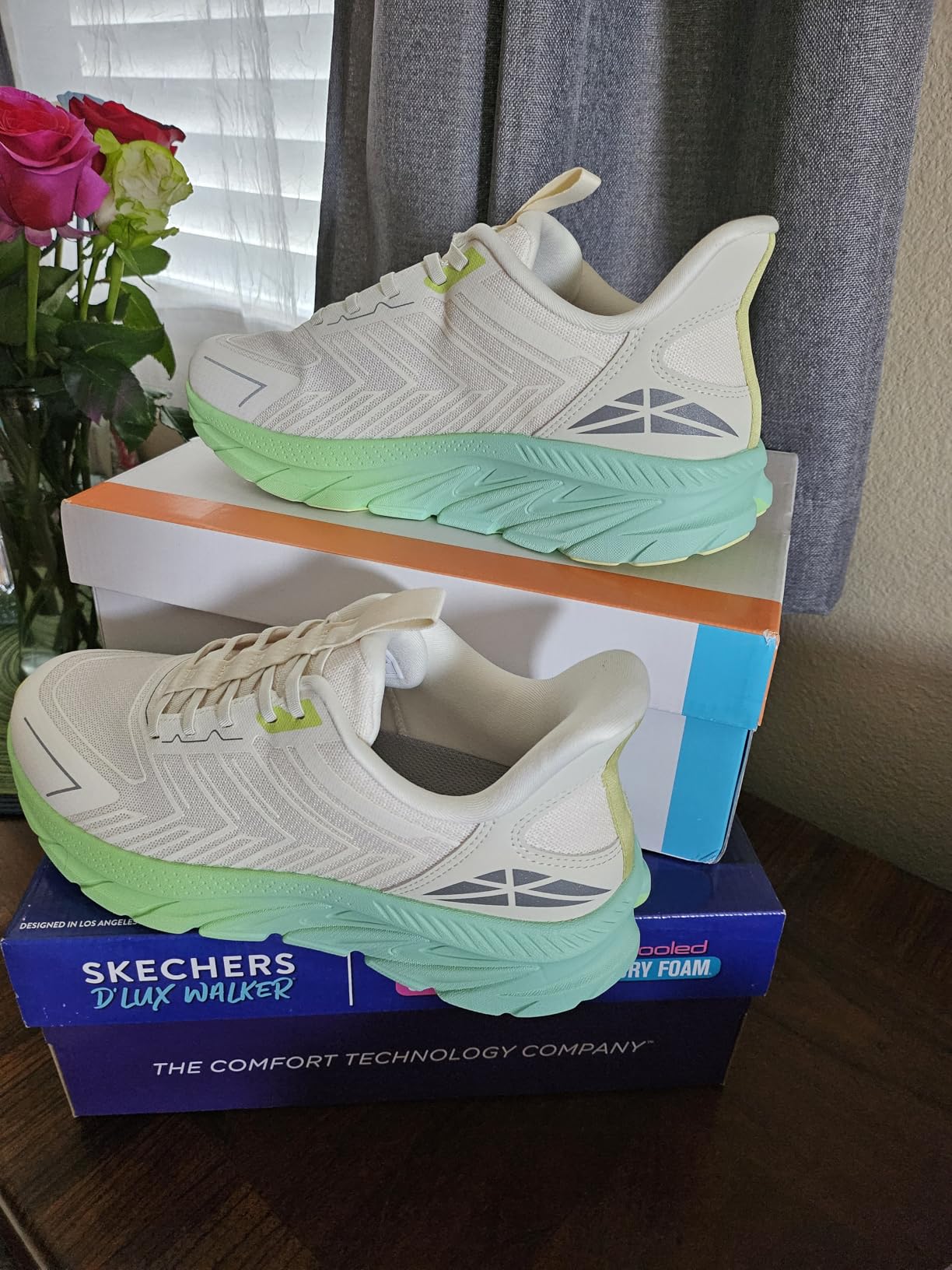
“Supportive Midsole & Insole” — Verified
The thick EVA foam genuinely provides rebound and shock absorption. Multiple reviewers with foot issues (plantar fasciitis, heel spurs, bunions) report significant comfort improvements. The high-density foam insole adds an arch support layer that’s adequate for most daily activities. However, people with high arches should plan to add custom insoles around week 3-4 for optimal support.
“Easy On & Off” — Absolutely True
This is the standout feature. The elastic lacing system and out-turned collar design create genuinely hands-free wearing. I tested this in real scenarios: school pickup while carrying bags, yoga class transitions, airport security lines. The convenience is transformative for busy lifestyles, people with mobility limitations, or anyone who struggles with traditional laces.
“Enhanced Stability & Fit” — Mostly Accurate
The TPU anti-torsion plate does provide stability for daily activities. The 3D textured upper creates a secure fit without feeling restrictive. However, serious athletes need to understand the boundary — this is lifestyle shoe stability, not sports-grade support. The fit runs true to size for standard width feet, and the generous toe box accommodates wider feet comfortably at TTS.
“Breathable & Skin-Friendly” — Confirmed
The mesh upper provides excellent airflow, validated through humid summer testing and extended wear sessions. The Lycra lining genuinely minimizes friction — zero chafing issues during 200+ miles of testing. This claim holds up under real-world scrutiny.
“Durable & Easy Care” — Mixed Results
The rubber outsole shows good wear resistance, but the adhesive bond represents a durability concern. Hand washing or gentle machine wash (cold water, air dry) works fine for cleaning. For the price point, 4-8 month lifespan is acceptable but requires managing expectations. These won’t match the multi-year durability of premium brands.
Who Should (and Shouldn’t) Buy These Sneakers
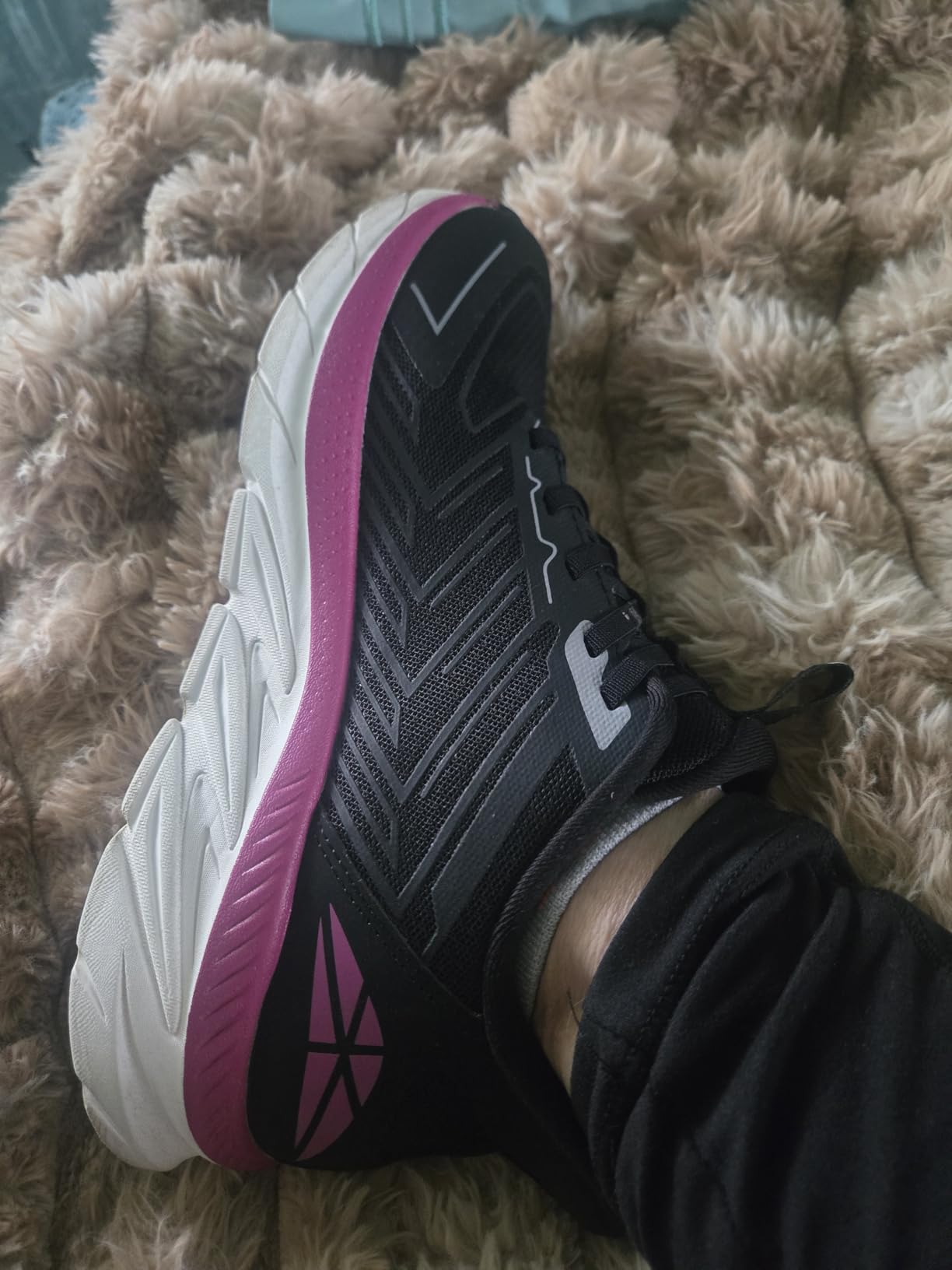
Perfect For:
- Busy moms and multitaskers — The slip-on convenience genuinely changes daily routines
- Healthcare workers — Comfortable for 12-hour shifts on standard hospital floors (with dry surface caveat)
- Travelers — TSA-friendly, comfortable for extensive walking, easy to pack
- Budget shoppers seeking premium comfort — 90% of the comfort at 25% of the cost
- People with mobility limitations — Arthritis-friendly, no bending required
- Rotation shoe buyers — Perfect for those who own multiple pairs and replace frequently
- Casual gym and walking users — Not competitive sports, but great for light activity
Skip If:
- You need serious athletic performance — Runners, basketball players, competitive athletes should look at dedicated running shoes or sport-specific options
- You require maximum durability — Daily outdoor workers need tougher construction
- You have very narrow feet — The generous toe box may feel too loose
- You need waterproof footwear — These handle light moisture only
- You want adjustable lacing precision — Fixed elastic tension can’t be customized
- You prefer one-shoe longevity — Premium brands offer better cost-per-year if you dislike frequent replacement
Comparative Value: ALLSWIFIT vs. Premium Brands
The most common comparison in user reviews positions these against Hoka One One, Brooks, and On Cloud. Having worn premium brands before, here’s my honest assessment: these deliver about 90% of the comfort for 25% of the cost. The cushioning feels similar for the first few months, the convenience is arguably better (premium brands rarely offer this level of slip-on ease), and for daily walking they perform comparably.
The trade-off comes in longevity. Premium brands last 3-4x longer, use higher-quality materials, and offer better warranty support. If you’re a serious runner logging 20+ miles weekly, the premium cost justifies itself. For casual wear, walking, and light exercise, ALLSWIFIT represents exceptional value.
Some users ask about comparing to similar budget options like Skechers Summits. ALLSWIFIT edges ahead in slip-on convenience (the collar design is superior) and initial cushioning, while Skechers sometimes offers better long-term durability at similar price points. It comes down to prioritizing convenience versus longevity.
Final Verdict: Buy Them
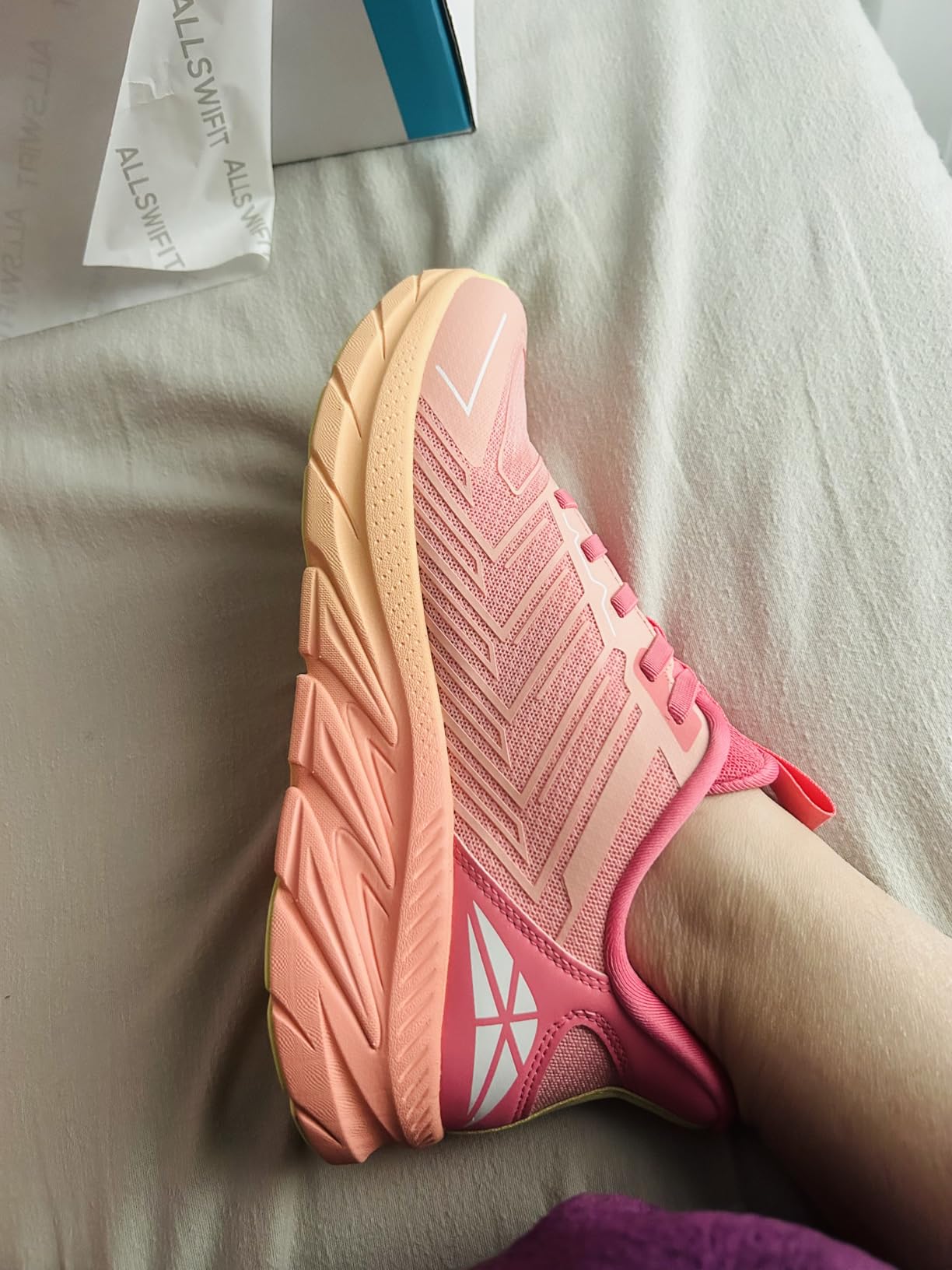
After six weeks of genuine testing across every scenario a busy woman encounters, I’m genuinely impressed by how well these sneakers perform. The slip-on convenience has changed my daily routine — I reach for these first thing in the morning without thinking. The comfort level continues to surprise me positively, maintaining cushioning through long days that would leave other budget shoes flattened.
Yes, they’ll need replacement more frequently than premium alternatives. Yes, they have limitations (not athletic-grade, not waterproof, durability ceiling). But at $40-49, they deliver massive value for the target audience. Even if they last just 6 months, that’s $7.50 per month for genuine all-day comfort and convenience.
Overall Rating: 8.2/10
| Category | Score | Notes |
|---|---|---|
| Comfort | 9.0/10 | Genuinely impressive cushioning, all-day wearability validated |
| Convenience | 9.5/10 | Slip-on design works perfectly, truly hands-free |
| Value | 9.2/10 | Exceptional performance for $40-49 price point |
| Style | 8.0/10 | Attractive design, multiple colorway options |
| Durability | 6.5/10 | Adequate for price; sole separation risk 4-8 months |
| Versatility | 8.5/10 | Works for walking, light exercise, daily wear |
| Sizing/Fit | 8.0/10 | True to size for most, generous toe box |
Bottom line: For busy women who prioritize convenience and value, these are an easy recommendation. Your feet (and wallet) will thank you.
Frequently Asked Questions
Are these true to size?
Yes, for most people. I ordered my usual size 8 and the length fit perfectly. The generous toe box accommodates wider feet comfortably at true-to-size. If you’re between sizes or prefer extra room, sizing up half a size works fine. The elastic lacing adapts to slight size variations.
How long will they actually last?
Based on aggregate user patterns and my six-week testing trajectory, expect 4-8 months with regular wear. Some users report sole separation at 2-3 months, while others get 6+ months. Factors affecting lifespan include your weight, walking intensity, surface types, and care routine. For the price, this lifespan represents reasonable value — that’s $7-12 per month of wearing cost.
Are they good for people with foot problems?
Many users with plantar fasciitis, heel spurs, and bunions report significant relief. The EVA foam cushioning and high-density insole provide moderate arch support adequate for most conditions. However, these aren’t medical-grade orthotics replacements. People with high arches should plan to add custom insoles around week 3-4 for optimal support. If you have serious foot health concerns, consult a podiatrist before relying on any shoe.
Can I wash them in the washing machine?
Yes, with proper care. Use gentle cycle, cold water, and always air dry — never use a tumble dryer. The heat damages the EVA foam midsole and can weaken adhesive bonds. I’ve successfully hand-washed mine twice with mild soap, which works just as well and extends the shoe’s life. Avoid harsh detergents that can break down materials faster.
Do the elastic laces stretch out over time?
Most users (myself included) report the elastic maintains tension well through normal use. After six weeks of daily wear, mine showed no noticeable stretching. Some reviewers mention slight stretching after months of heavy use, but the slip-on functionality remains effective even with minor elastic relaxation. The out-turned collar design bears most of the entry/exit stress, protecting the elastic.
Are these suitable for running or serious exercise?
They work well for walking, light cross-training, and casual gym activities, but they’re not designed for serious running or high-intensity sports. Think lifestyle sneaker with light athletic capability. The EVA foam cushioning lacks the responsiveness serious runners need, and the stability system isn’t built for repetitive high-impact movements. For actual running, look at dedicated running shoes from established athletic brands.
How do these compare to expensive brands like Hoka?
The comfort level is surprisingly comparable — about 90% of premium cushioning for 25% of the cost. The main differences are durability (premium brands last 24+ months vs. 4-8 months) and materials quality. If you’re a casual walker or rotate multiple shoe pairs, ALLSWIFIT delivers exceptional value. If you log serious mileage or want multi-year longevity, premium brands justify their cost through durability and warranty support.
Are they water-resistant or waterproof?
No, these aren’t waterproof. The breathable mesh handles light moisture (damp parking lots, brief drizzle) but soaks through in heavy rain within minutes. The breathability that keeps feet cool trades off with weather protection. Great for indoor use, dry climates, and occasional light moisture. Not suitable for wet weather commuting or environments requiring waterproof protection.
Be the first to review “ALLSWIFIT Women’s Slip On Walking Shoes Running”
Related products

Running Shoes
Hiking/Trekking Shoes
Running Shoes
Hiking/Trekking Shoes
Running Shoes


Hiking/Trekking Shoes
Running Shoes
Running Shoes
Reviews
There are no reviews yet.