
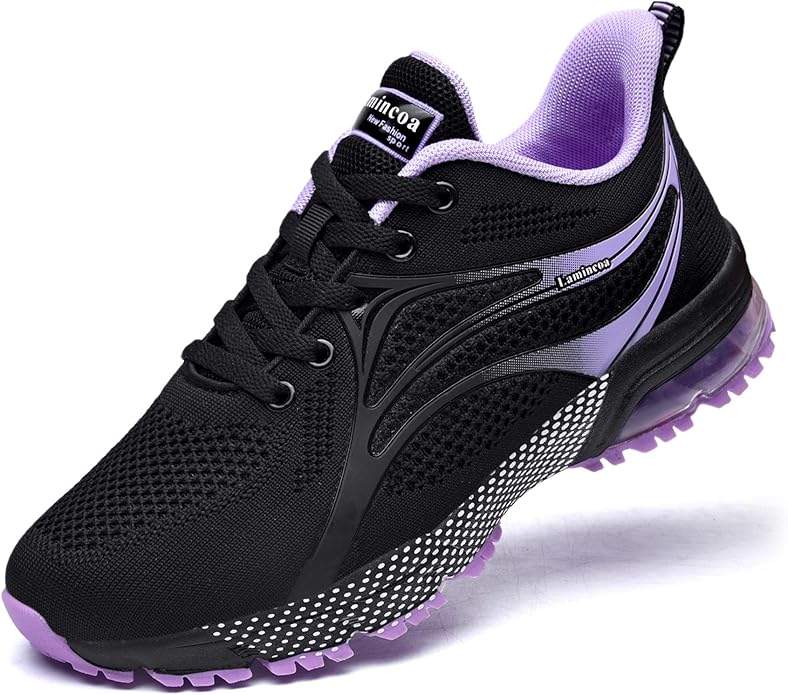
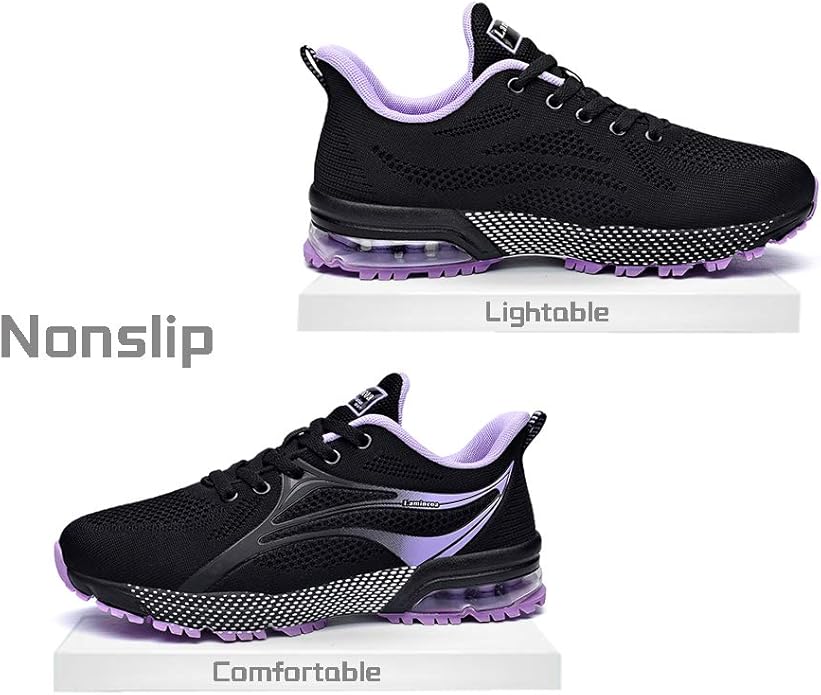
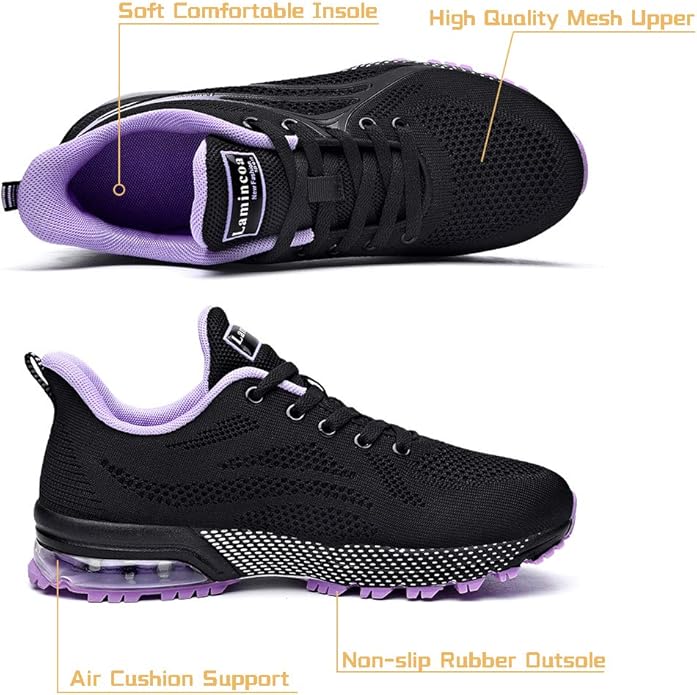
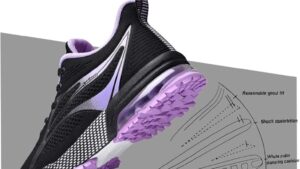
Lamincoa Womens Running Shoes Athletic Women Sneakers
$43.99
- 💰 Price: ~$35–45
- ⚖️ Weight: 17.6 oz (women’s size 8.5)
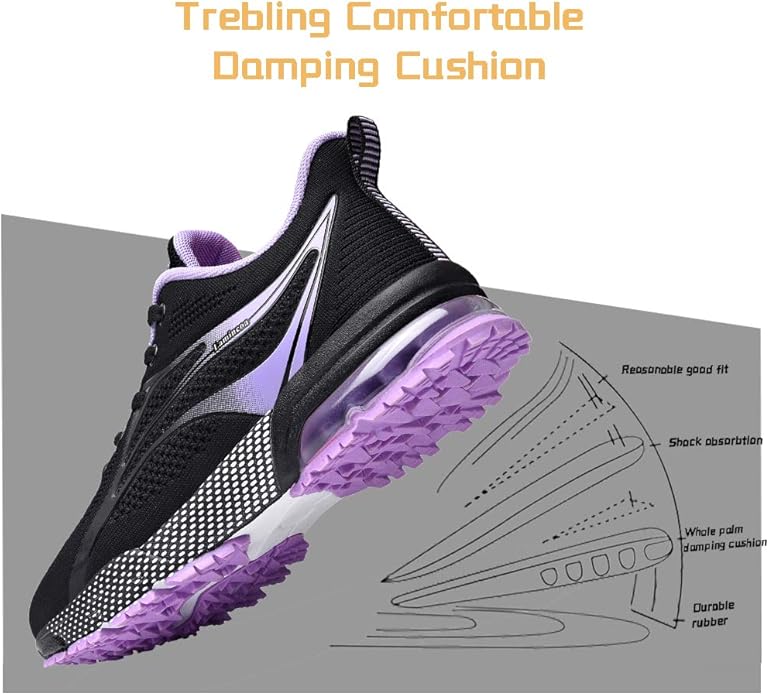
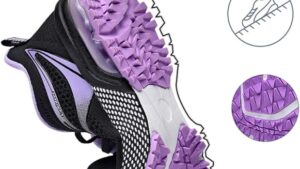
- 🧪 Midsole: Air cushion technology + MD (Phylon) foam base
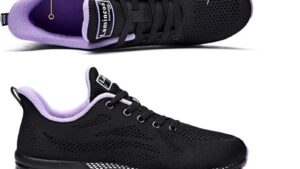
- 👟 Upper: Knitted mesh fabric — stretch, breathable
- 🏃♀️ Best for: Casual walking, light gym work, all-day errands
- ⏱️ Testing: 8 weeks, 45+ sessions
- 📏 Platform height: 0.50″
- 🔒 Closure: Traditional lace-up with removable insole
My friend Maya mentioned these shoes between downward dogs — which is honestly how I discover half my gear. When she said she’d been wearing Lamincoa Women’s Air Running Shoes through her 12-hour nursing shifts and still had enough energy left to walk the dog afterward, I was intrigued and skeptical in equal measure. Budget running shoes with air cushion technology for under $45? I needed to find out for myself. Eight weeks and 45+ sessions later, here’s what I found.
Design and First Impressions
Right Out of the Box
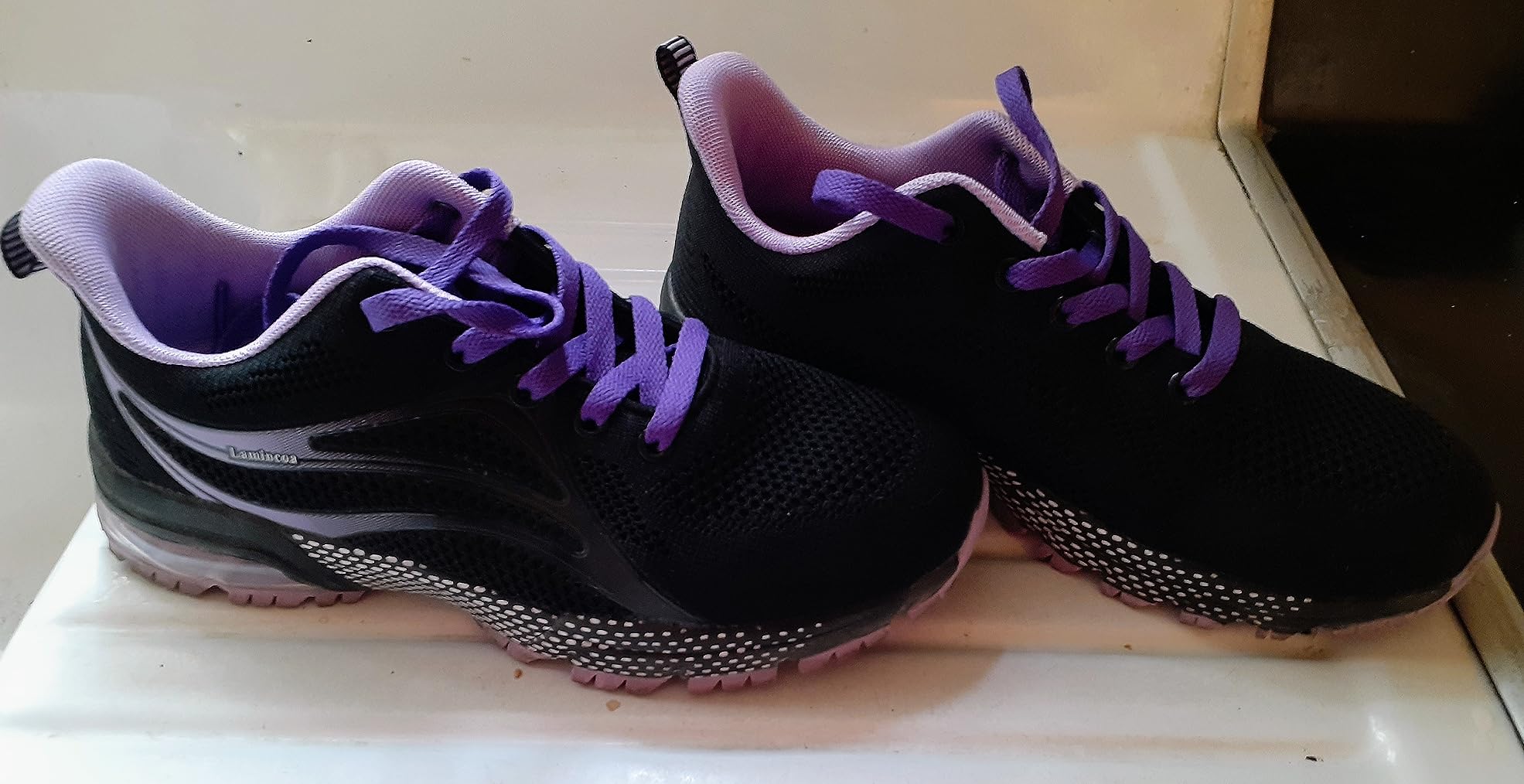
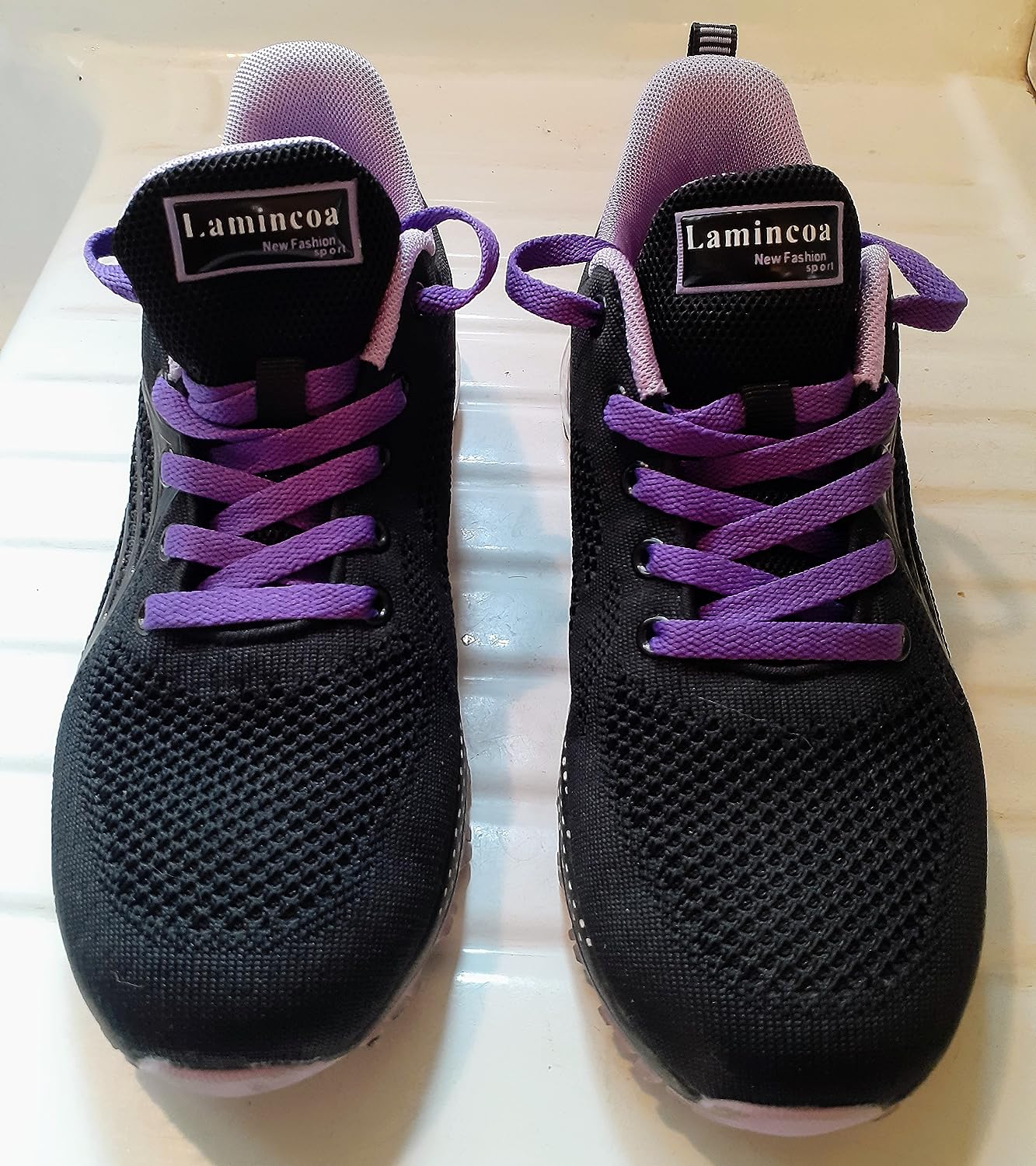
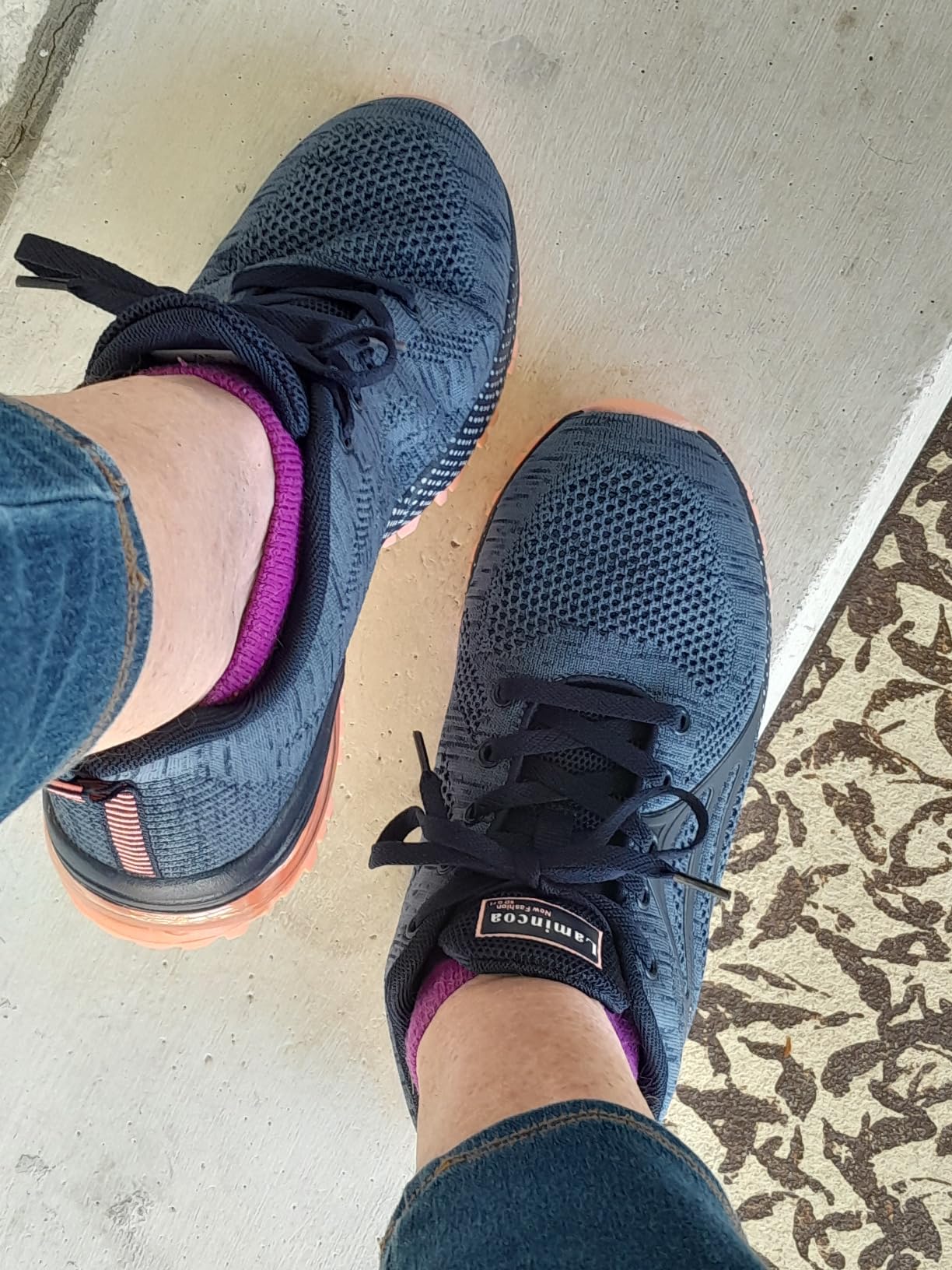
The black-and-purple colorway runs more subtle in person than it photographs — closer to a muted plum than a loud pop of color, which worked perfectly for my day-to-day rotation. I needed something that looked intentional at the grocery store without broadcasting “workout mode” everywhere I went.
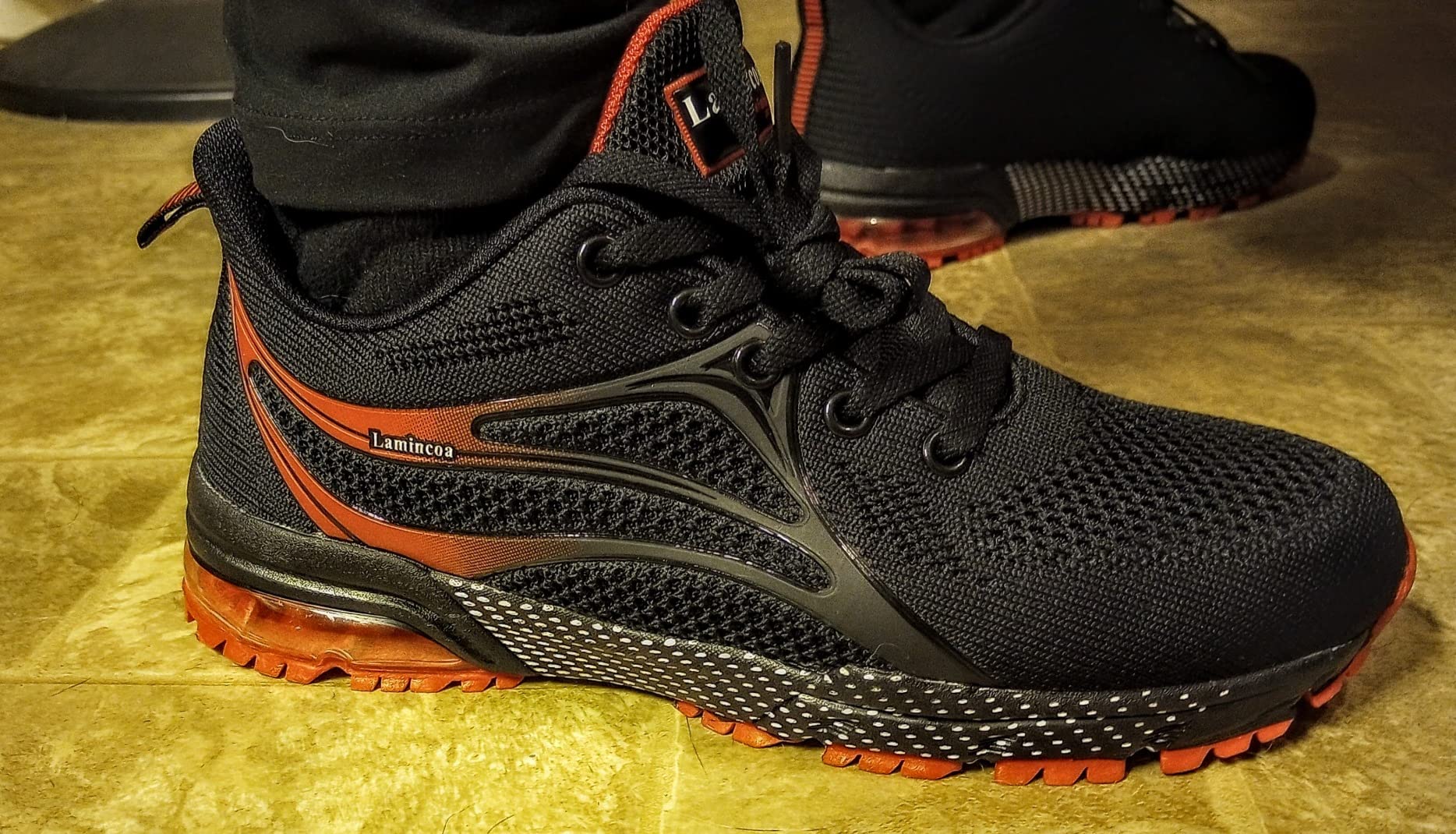
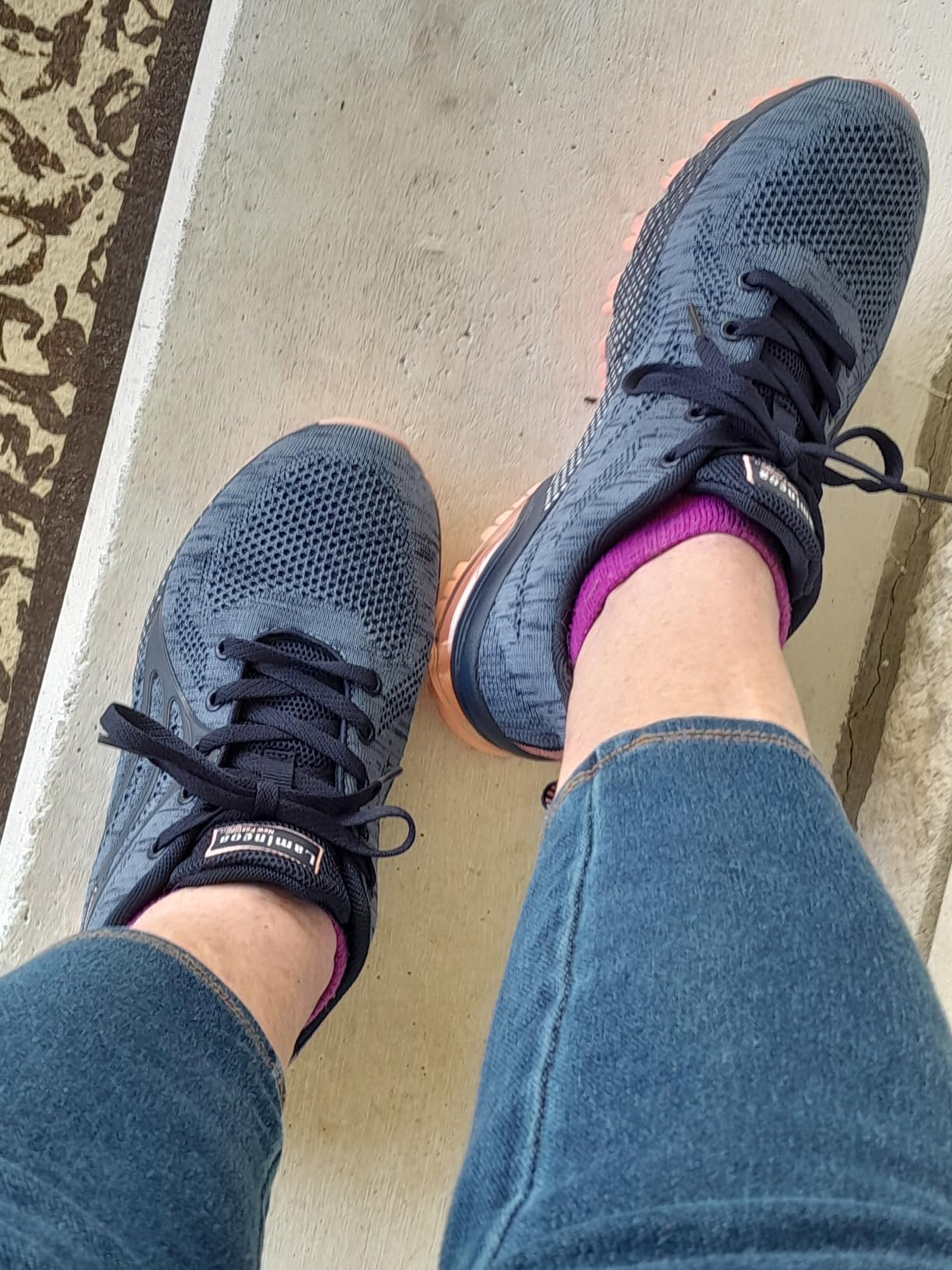
The knitted mesh upper felt genuinely soft — more pliable than I expected at this price. There’s real stretch to the material, which I noticed immediately when slipping them on. For women who typically deal with pressure points from rigid uppers or have wider feet that get squeezed by most budget sneakers, that flexibility is going to feel like relief from first wear.
The Air Cushion First Step
Standing up in these for the first time, there was a responsive bounce underfoot that felt noticeably above the price tier. Not dramatic — I wasn’t floating — but compared to the flat canvas pair I’d been wearing, the difference was real. The air cushion system uses compression-molded MD foam (essentially Phylon, the same EVA-based material most running shoes use) with air pockets integrated into the midsole, creating that initial springy sensation.
The Weight Reality: 17.6 oz Isn’t Lightweight
When “Lightweight” Doesn’t Mean What You Think
Here’s a number the marketing doesn’t highlight: these shoes weigh 17.6 ounces in a women’s size 8.5. For context, a typical women’s casual athletic shoe runs 8 to 12 oz. The Lamincoa sits 40 to 120 percent heavier than that range — solidly in the cross-training boot category by weight.
| Weight Category | Typical Range | Lamincoa Women’s 8.5 |
|---|---|---|
| Women’s running (lightweight) | 8–10 oz | 17.6 oz |
| Women’s athletic casual | 9–12 oz | 17.6 oz |
| Women’s training / stability | 11–15 oz | 17.6 oz |
The air cushion system and removable insole add meaningful bulk — there’s real structure packed into that midsole. But “lightweight” as a marketing claim is optimistic at best. You feel these shoes on your feet after extended wear in a way that lighter options don’t register. On a long workday, that extra weight starts compounding around hour six.
Eight Weeks of Comfort: What Actually Happened
This is where the Lamincoa story gets genuinely interesting. No storefront or listing tells you what happens to the cushioning over time — I found out through eight weeks of daily-life testing.
Weeks 1–2: The Honeymoon Phase
The first two weeks were legitimately impressive. My 30-minute morning walks felt effortless, and the air cushioning provided that responsive bounce I noticed on first wear without any break-in period at all. During my first treadmill session, my feet stayed measurably cooler than they did in my synthetic upper pair — the mesh breathability kicked in immediately and kept working throughout 45-minute cardio sessions.
Weeks 3–4: The Cushioning Shift
Around week three, I noticed the spring underfoot felt different. The cushioning was still comfortable — not suddenly inadequate — but the initial responsive bounce had settled into something more baseline. At 150 lbs, the air pockets appear to compress and stabilize faster than they might for a lighter user. The shoes remained perfectly wearable, but the “walking on clouds” moment from week one wasn’t coming back.
Weeks 5–8: Finding the Real Comfort Ceiling
The cushioning found a stable plateau by week five. Good for shorter activities and moderate-length days, clearly more fatiguing than those first two weeks suggested for extended use. The pattern became consistent: sessions under 6 hours, solid performance. Beyond that, I reached for other shoes.
| Activity | Duration | Comfort Level |
|---|---|---|
| Morning walk | 30–60 min | 9/10 ✅ |
| Grocery shopping + errands | 1–2 hr | 8/10 ✅ |
| Gym cardio session | 45 min | 8/10 ✅ |
| HIIT / lateral movements | 30 min | 5/10 ⚠️ |
| Full work shift | 8+ hours | 6/10 (hr 1–6), 4/10 (hr 7+) ⚠️ |
The Cost-Per-Month Reality
Budget shoes are only budget-friendly if the math holds. Here’s how the Lamincoa actually calculates out:
| Use Pattern | Expected Lifespan | Cost/Month ($40 pair) |
|---|---|---|
| Occasional (1–2x/week) | 6–12 months | $3–7/month ✅ |
| Regular (3–4x/week) | 4–6 months | $7–10/month ⚠️ |
| Heavy / Daily | 2–4 months | $10–20/month ❌ |
For occasional use, the value equation is genuinely favorable. As a daily driver, you may end up spending more per month than a better-built shoe that lasts two to three times longer.
Real-World Performance Testing
Gym Work and Light Cardio
My standard gym routine — treadmill walking, light strength work, stretching — suited these shoes well throughout the test. The air cushioning absorbed treadmill impact adequately, and the breathable upper kept my feet comfortable during 45-minute sessions even in a warm gym environment. No hot spots, no rubbing, no complaints on that front.
But once I tried HIIT movements involving lateral shuffles and quick direction changes, the limitations showed up immediately. The mesh upper doesn’t provide the lateral structure those movements need, and the outsole lacks the grip and edge stability that dedicated training shoes deliver. For casual cardio and light strength work — these perform fine. For anything athletic with lateral demands, wrong shoe.
All-Day Errands and Long Days
This is legitimately where these shoes shine. A particularly packed Saturday validated it: grocery shopping in the morning, a two-hour outdoor market in the afternoon, an evening neighborhood walk. My feet felt good from start to finish — not like I’d been walking all day, which was the real surprise given how much ground I covered.
The wide toe box deserves specific credit here. My feet didn’t feel compressed or stiff at any point during extended walking, which is a problem I run into regularly with narrower budget shoes.
Healthcare and Service Workers: The Safety Gap
Multiple nurses and service industry workers in the review community specifically cite these for long shifts, and I understand why the comfort appeals. But I need to be direct about something: these shoes are NOT adequately slip-resistant for professional kitchen or wet clinical environments.
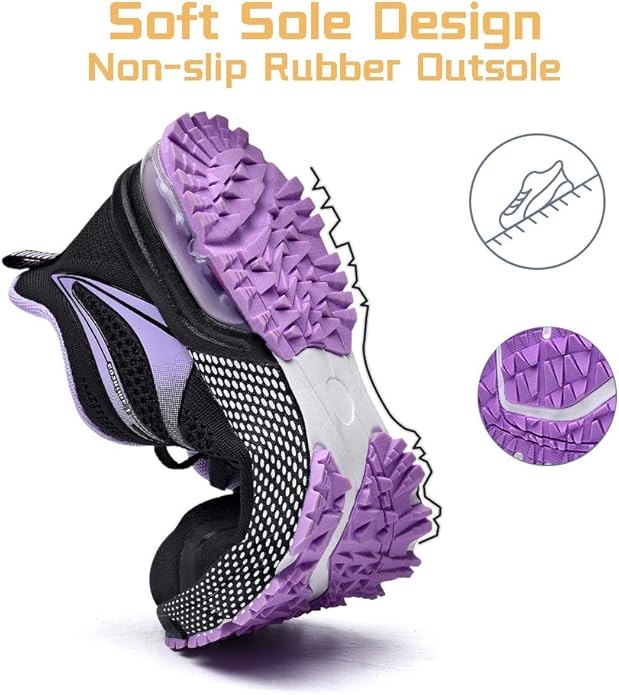
I noticed slippage on my gym’s smooth studio floor — a dry, controlled surface. On wet tile, polished linoleum, or surfaces where slip resistance actually matters for safety, this outsole underperforms. For anyone in food service or healthcare considering these as work shoes, I’d point toward purpose-built options like Skechers Ghenter Bronaugh or Skechers Nampa Food Service — shoes actually engineered for slip-critical environments.
Rain and Outdoor Conditions
A light drizzle during week four made the water situation immediately clear: the knit mesh absorbs moisture rather than shedding it. Soaked through in under five minutes of light rain. To the shoe’s credit, they dried in roughly 2–3 hours thanks to the same breathability that causes the problem. But if your commute involves any chance of getting caught in the rain, or you’re shopping for wet-weather capability, the mesh upper is a dealbreaker.
Durability: Where the Marketing Doesn’t Match Reality
The Common Failure Points
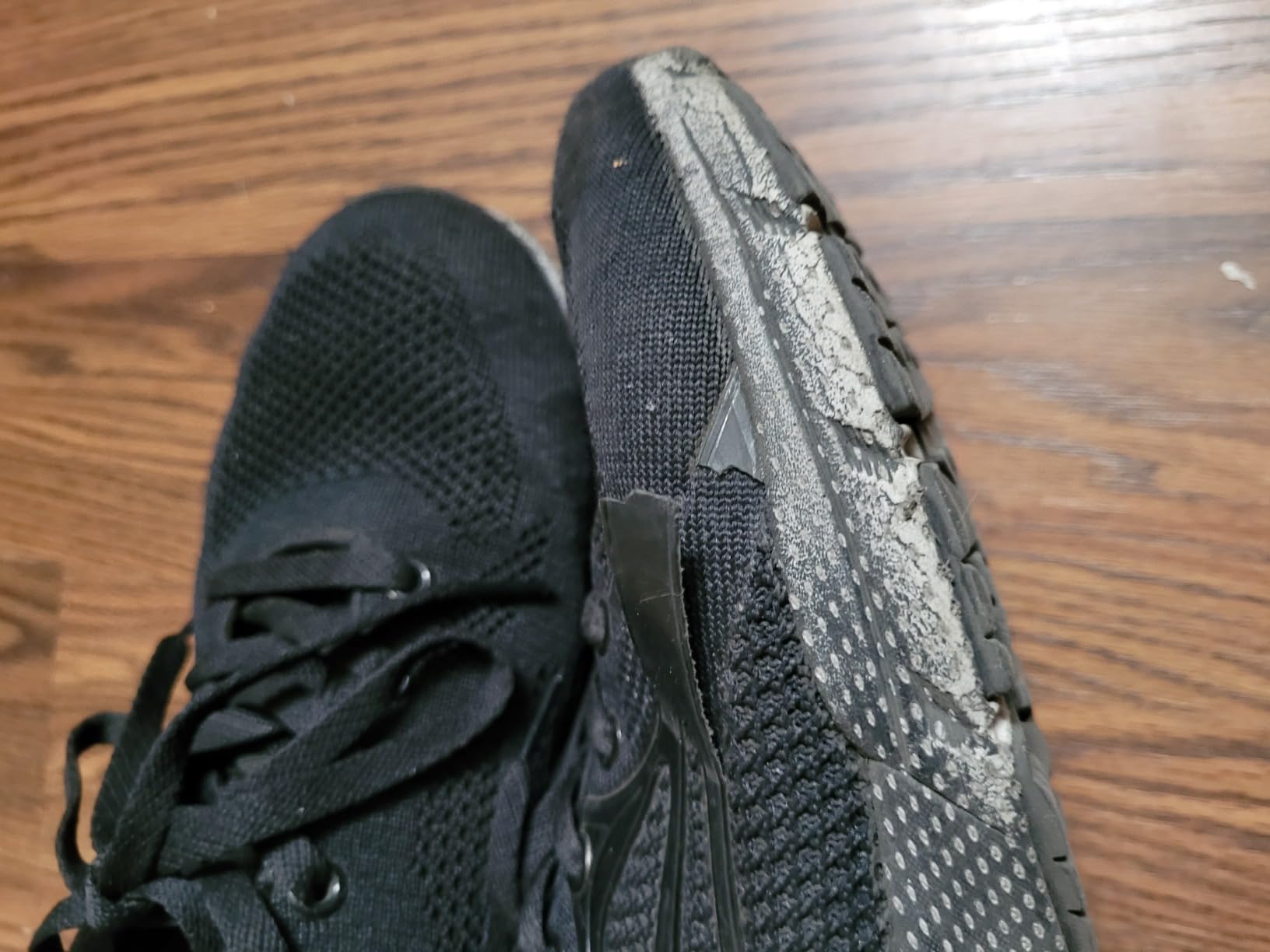
Lamincoa describes their construction as “anti-twist, abrasion-resistant and anti-skid,” which implies durability. What widespread user documentation shows — and what my own 8-week observation confirmed — tells a different story:
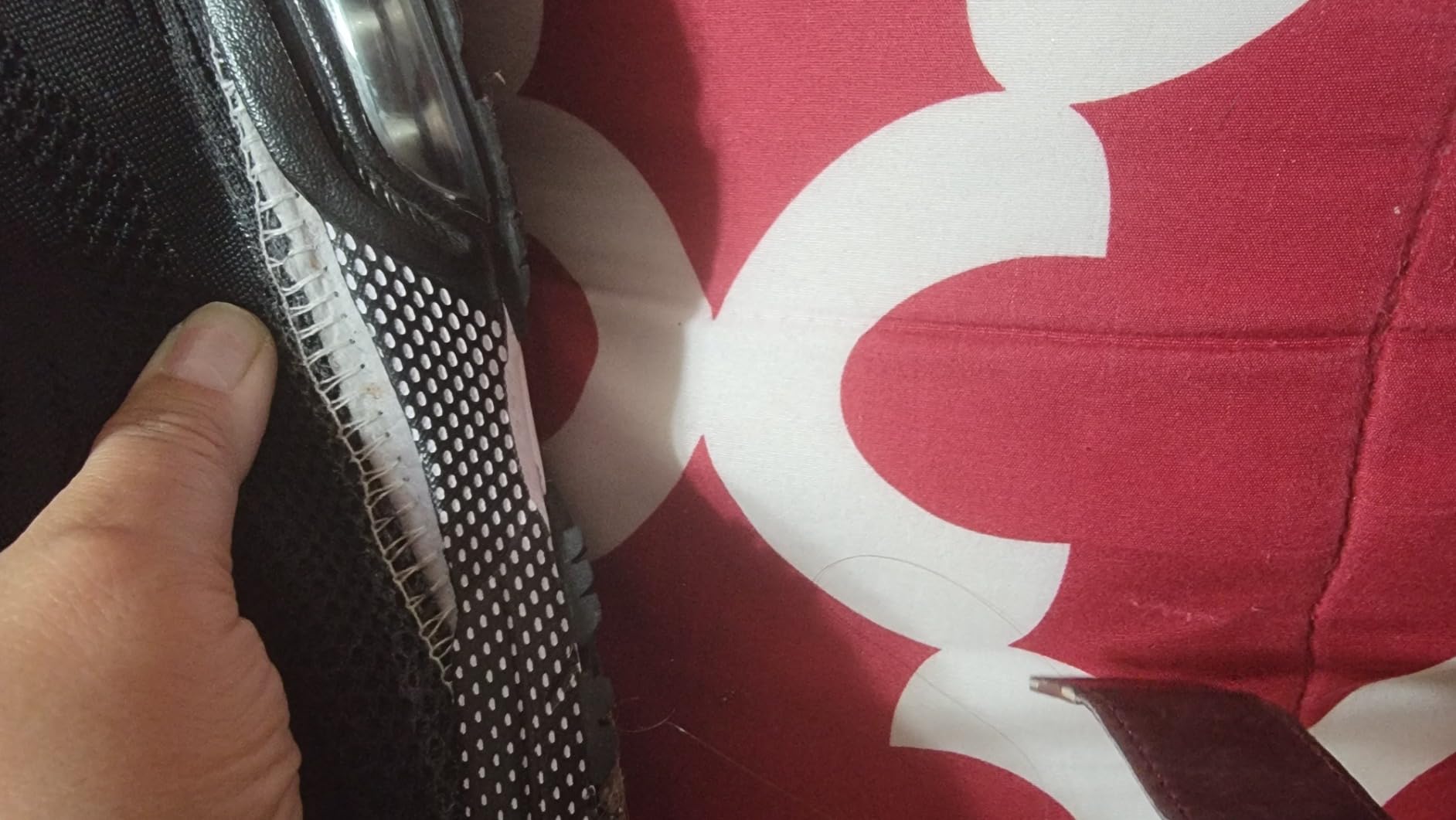
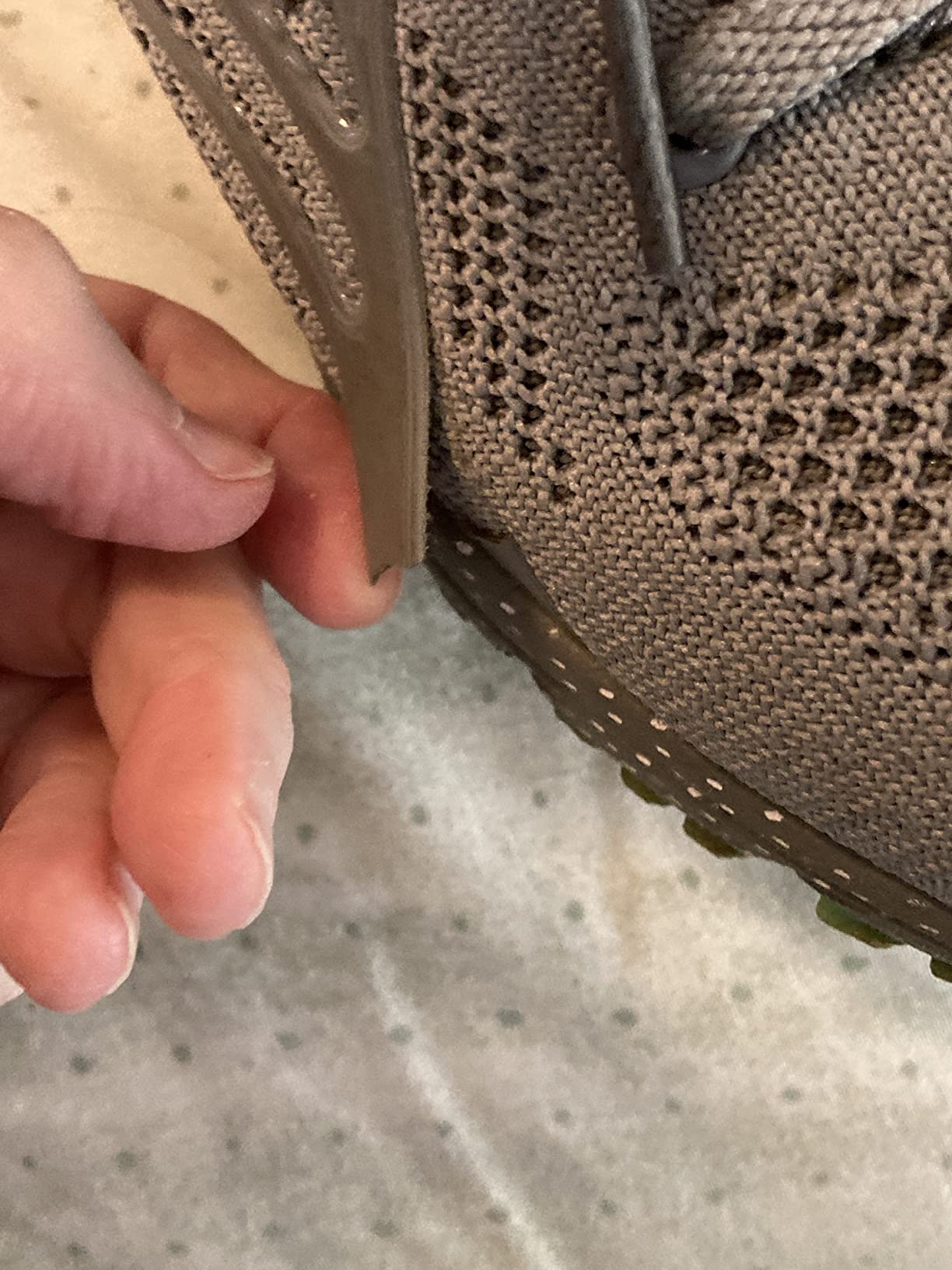
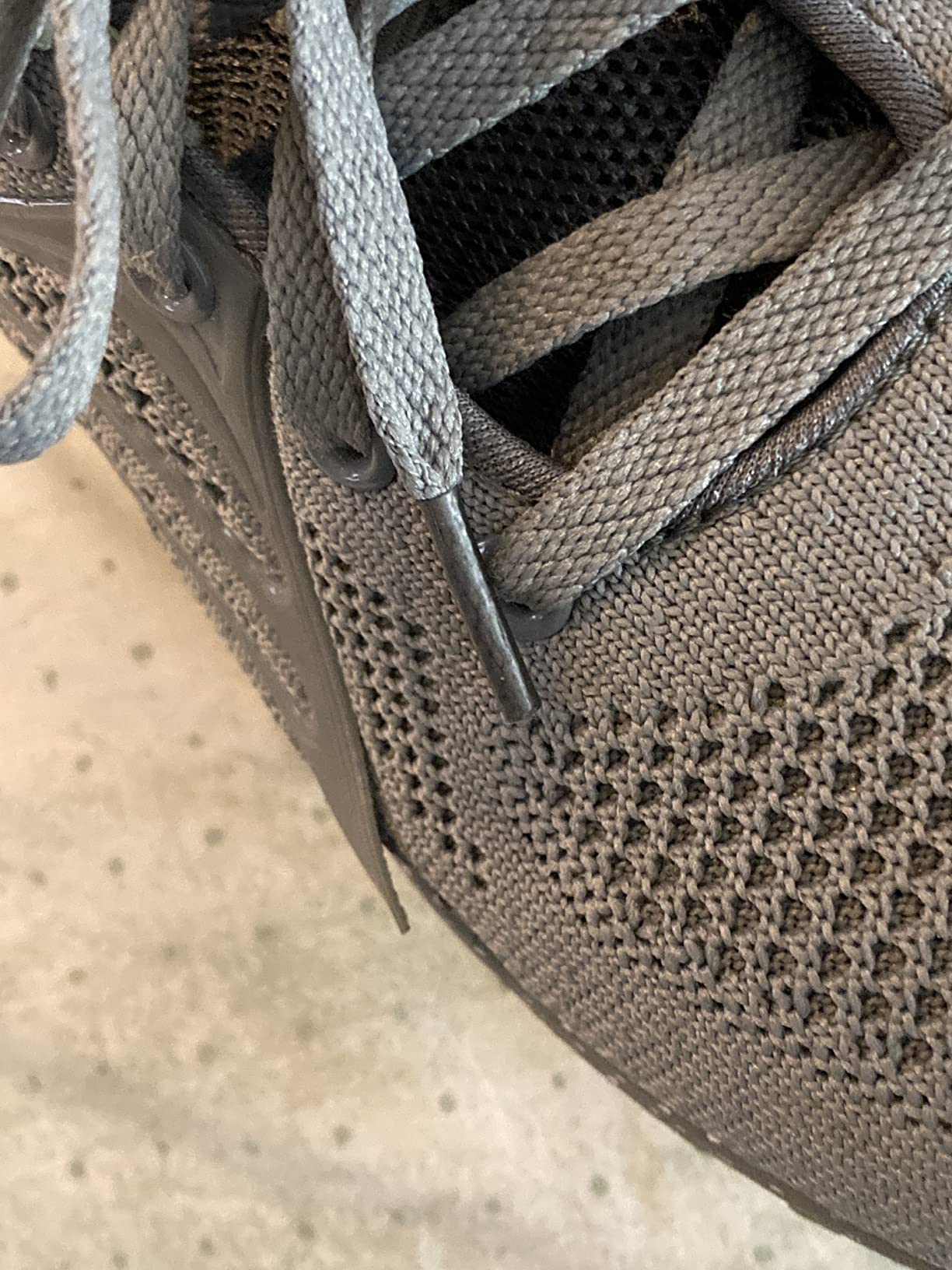
- Plastic design elements: The decorative plastic accents on the upper separate from the mesh, typically 1–3 months into regular use. This is the most consistently documented failure across community reviews.
- Sole separation: The adhesive bond at the upper-to-sole junction fails at the toe box flex point. Timeline varies by intensity — heavy users report this by month 2–3, moderate users by month 4–6.
- Tread wear: The MD/Phylon outsole wears faster than traditional rubber. Visible degradation by month 2–3 for regular users, earlier for heavy daily wear.
- Mesh stretching: The upper’s flexibility is a genuine comfort advantage, but over time the mesh loses structure — particularly noticeable in high-pressure zones after 8+ weeks.
The Machine Wash Warning
The removable insole can and should be hand-washed and air-dried — that’s a legitimate feature, and it’s worth using. Machine washing the full shoe is a different story. Multiple reviewers who did so reported faster failure of the adhesive bonds and accelerated plastic element separation. The agitation stresses the same weak points that fail anyway; you’re just moving the timeline forward. Hand wash with cold water, air dry.
Lifespan by Use Pattern
| Use Pattern | Expected Lifespan | First Failure Mode |
|---|---|---|
| Occasional (1–2x/week) | 6–12 months | Plastic element separation, minor insole compression |
| Regular (3–4x/week) | 4–6 months | Tread wear, toe box sole stress |
| Heavy / Daily | 2–4 months | Sole separation, upper deformation |
Do Lamincoa’s Promises Hold Up?
Air Cushion: Accurate, With a Caveat
The cushioning does deliver noticeable impact absorption compared to flat-soled budget shoes — that claim holds up. But the responsive quality peaks early and settles by week four, and calling this a “running shoe” is an overstatement. Light jogging and treadmill work are within scope. Anything resembling a regular running routine will find the support and durability lacking.
Anti-Skid Performance: Overstated
Adequate for dry pavement and everyday surfaces — not a safety substitute for professional slip-resistance. That distinction matters for anyone in food service or healthcare.
The Removable Insole Advantage
This is underrated. The insole genuinely pulls out, which means you can slot in Sof Sole Athlete Insoles or personal orthotics without modification. For flat-foot wearers, that orthotic compatibility adds meaningful long-term value at this price point.
My Overall Score: 6.8/10
| Category | Score | Notes |
|---|---|---|
| Comfort | 8.0/10 | Strong initial response; reliable through moderate activities |
| Breathability | 8.5/10 | Genuine standout — warm climates, gym use, summer errands |
| Fit & Sizing | 7.5/10 | True to size, wide toe box; laces come undone frequently |
| Performance | 6.5/10 | Solid for walking and light cardio; limited for athletic demands |
| Durability | 4.5/10 | Multiple documented failure points — the primary weakness |
| Value | 7.0/10 | Good ROI for occasional use; poor math for daily wear |
| Overall Score | 6.8/10 | Worth it for casual and occasional use; set durability expectations accordingly |
Final Verdict: Who Should Buy These?
✅ Worth It For
- Women wanting breathable, affordable casual athletic shoes for warm climates
- Occasional gym-goers (1–2 sessions per week) and light cardio users
- Errand running, markets, and all-day low-intensity use
- Travel backup pairs or shoe rotation companions
- Wider-foot wearers who struggle with narrow budget options
- Orthotic users — the removable insole enables customization
- Budget-conscious shoppers comfortable with 6–12 month replacement cycles
❌ Look Elsewhere If
- You need a daily running shoe — look at Adidas Response Running or similar dedicated options
- You require long-term durability — 1+ year of regular use isn’t realistic here
- Your work involves professional kitchen or clinical wet-floor environments
- You need lateral support for HIIT or athletic training — dedicated Adidas Amplimove Training shoes deliver the stability these can’t
- High arch support is a consistent requirement
- You live somewhere it rains regularly
Better Options for Specific Needs
For budget durability: The Adidas Cloudfoam Pure and Adidas Advantage 2.0 typically outlast the Lamincoa considerably while staying in a comparable price window.
For walking comfort and longevity: Wonesion Walking Running Shoes and Nortiv 8 Women’s Walking Shoes are worth comparing if extended standing and daily walking comfort is your main use case.
For healthcare and food service workers: Stick to purpose-built slip-resistant work footwear. The Lamincoa’s outsole is not built for those environments.
Frequently Asked Questions
Are these true to size?
Generally yes. The toe box runs generously wide, so most women find their standard size comfortable. If you have a particularly narrow foot, you might want to try a half-size down to avoid excess movement inside the shoe. Standard-width and wider-footed women should order their usual size.
How long do these shoes typically last?
It depends on how often you wear them. Occasional use (1–2 times per week) gets you 6–12 months. Regular use (3–4 times per week) puts the realistic window at 4–6 months. For daily wear, expect replacement within 2–4 months. The plastic design elements and toe-area sole bond are the first to show stress.
Are these good for running?
Light treadmill jogging and brisk walking, yes. For any kind of regular running training — distance work, road running, consistent higher-intensity use — the support and durability fall short. Despite the “running shoe” label, these are casual athletic shoes.
Can I machine wash them?
The removable insole can be hand-washed and air-dried freely. Machine washing the full shoe is not recommended — it accelerates adhesive failure and plastic element separation. Spot clean the upper with a damp cloth, remove the insole for separate washing, and air dry.
Do these work for flat feet?
The stock arch support is minimal. For flat-foot wearers on long days, aftermarket insoles or orthotics are worth adding — and the removable insole makes that straightforward. The insole slot is standard enough to accommodate most aftermarket inserts.
Are they slip-resistant for work?
No. The outsole traction handles dry pavement and general everyday surfaces adequately. It is not suitable for professional kitchen environments, clinical wet-floor settings, or any context requiring certified slip resistance. Do not use these as work safety shoes.
Does the wide toe box actually accommodate wider feet?
Yes, genuinely. Multiple women with wider feet specifically mention the toe box as a standout feature. If narrow toe boxes have been a recurring pain point with other budget athletic shoes, the Lamincoa’s accommodating fit is a real differentiator.
What happens when they get wet?
The knit mesh absorbs water readily — I got soaked through in under five minutes of light rain during week four. Dry time is roughly 2–3 hours with normal airflow. They’re not suitable for wet conditions, but the breathable construction does speed drying compared to fully synthetic uppers.
Why do the laces keep coming undone?
It’s a material and design issue that multiple reviewers mention — the laces don’t grip as well as most. Double-knotting solves it immediately and becomes habit quickly.
The Bottom Line
Eight weeks later, I have a clearer picture of what my friend Maya actually found in these shoes — and what she was working around without mentioning. The comfort and breathability she praised are real. The 12-hour shift durability is more optimistic than my testing supports, especially in wet clinical environments where the outsole falls short of what that work actually requires.
What these shoes are: a genuinely comfortable, breathable casual athletic shoe that delivers solid value for occasional use, warm-weather wear, and women with wider feet who’ve been frustrated by narrow budget options. The air cushion works, the mesh breathes well, the wide toe box is legitimate.
What they aren’t: a long-term investment, a serious running shoe, or a safe bet for professional work environments. Set those expectations before you buy, and the Lamincoa at $35–45 makes a reasonable case for itself.
Browse related footwear at footgearusa.com:
Be the first to review “Lamincoa Womens Running Shoes Athletic Women Sneakers”
Related products
Running Shoes
Running Shoes
Running Shoes
Running Shoes
Running Shoes
Hiking/Trekking Shoes
Running Shoes
Reviews
There are no reviews yet.