
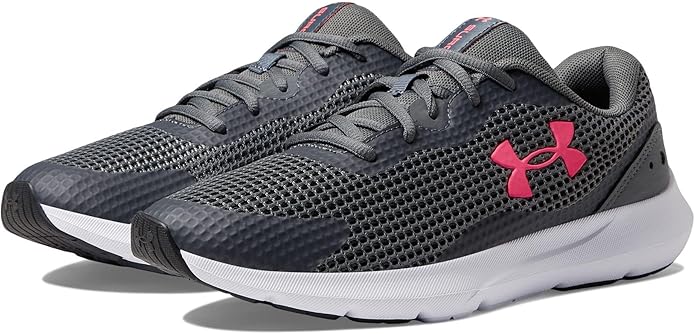
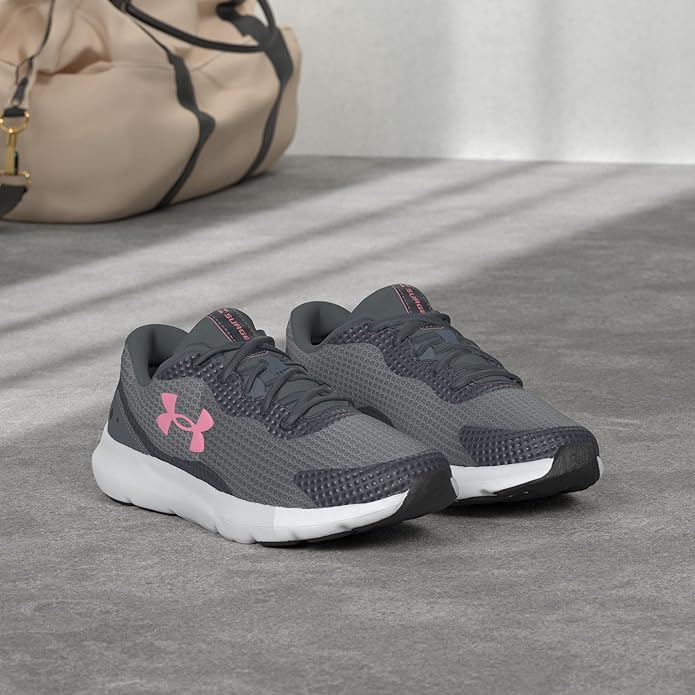
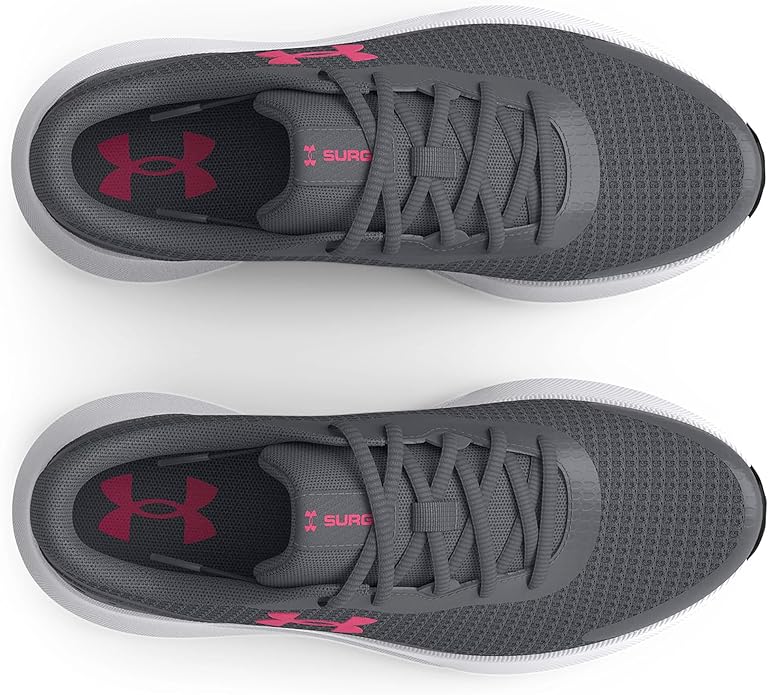
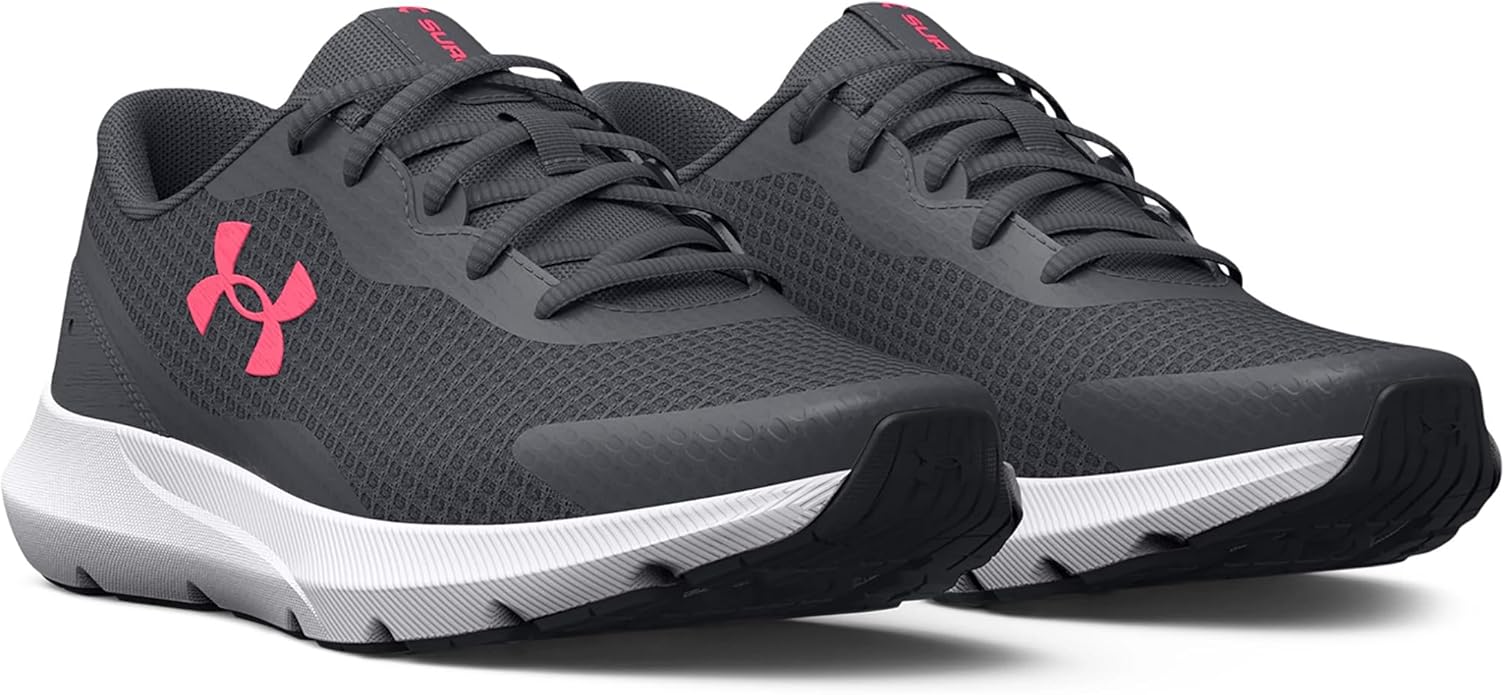
My running shoes died on a Tuesday. Not a dramatic blowout — just that slow-motion surrender where the cushioning gives up and every step on concrete reminds you they’re done. Sarah here, and between school drop-offs, grocery runs, and whatever else a weekday throws at a working mom, I needed a replacement fast. The Under Armour Women’s Surge 3 kept showing up in my search results at $42, which felt almost too affordable to take seriously. I spent the next 6 weeks — 45+ days, 200+ miles of walking and light jogging — finding out whether that skepticism was warranted.
Technical Specifications
- 💰 Price: $42
- ⚖️ Weight: 8.2 oz (women’s size 8)
- 📏 Heel-to-toe drop: 8mm
- 📐 Stack height: 22mm heel / 14mm forefoot
- 🧪 Midsole material: EVA foam
- 👟 Upper material: Mesh with synthetic overlays
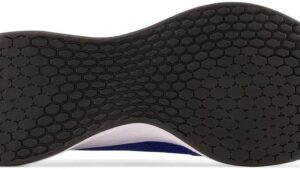
- 🏃♀️ Outsole: Strategically placed rubber pods
- 🎯 Best for: Daily errands, light jogging, gym sessions, all-day mixed activity
- ⏱️ Testing period: 6 weeks, 45+ days, 200+ miles walking and light running
At $42 with an 8.2 oz build, the Surge 3 is clearly positioned as an everyday workhorse. The EVA midsole and rubber pod outsole are honest choices — budget-conscious but functional. Before we get into comfort and fit, know that Runnea’s professional panel rates this shoe 9.0/10 for lightness and 8.0/10 for grip. Those numbers held up across everything I threw at it.
Design and Build: What You’re Actually Getting
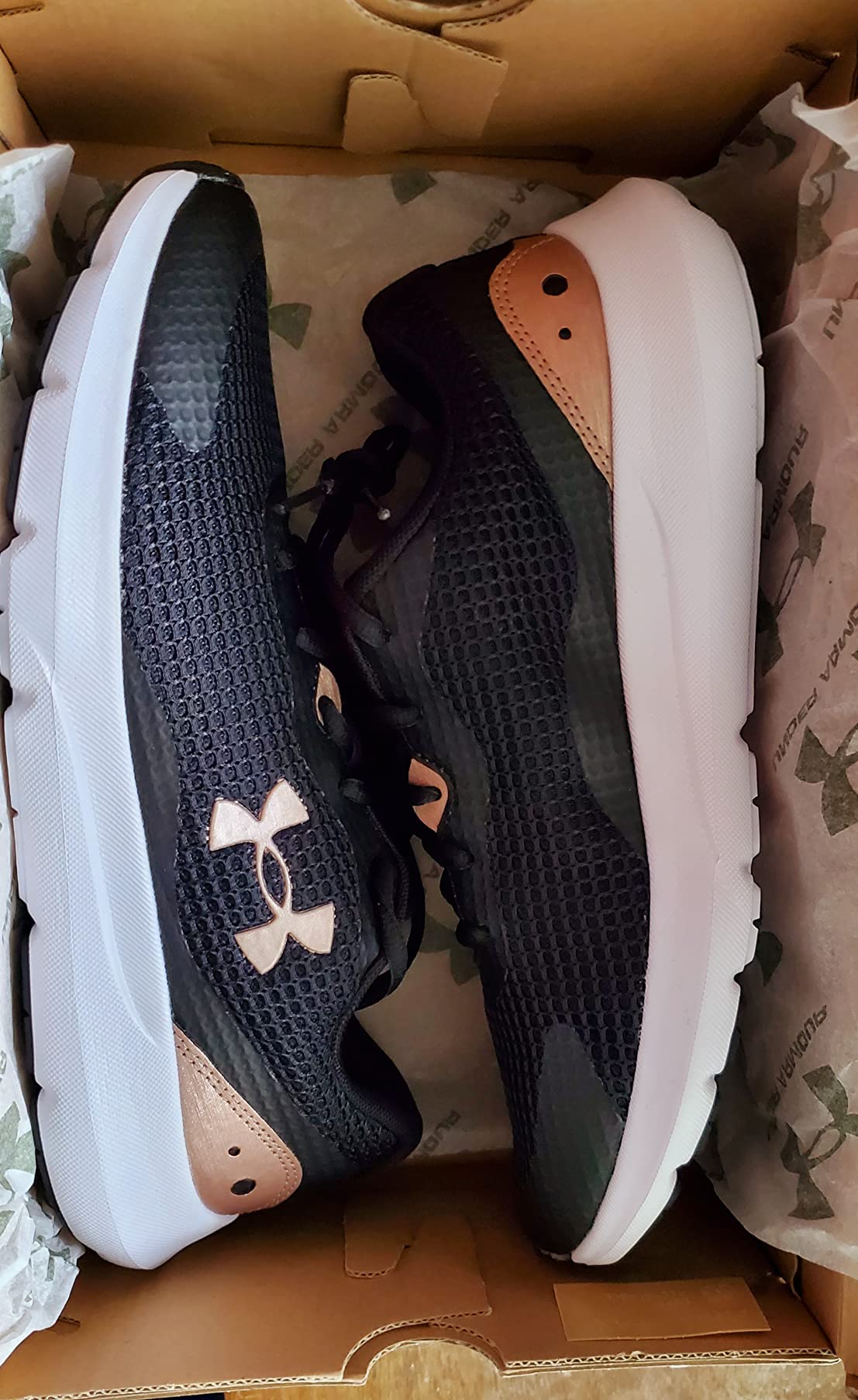
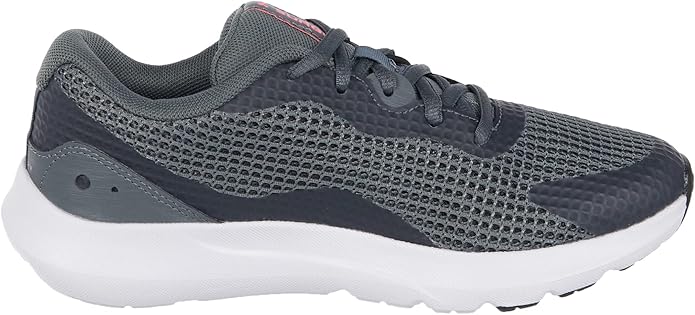
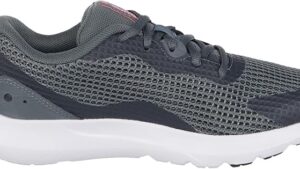
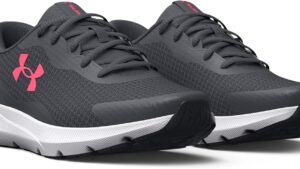
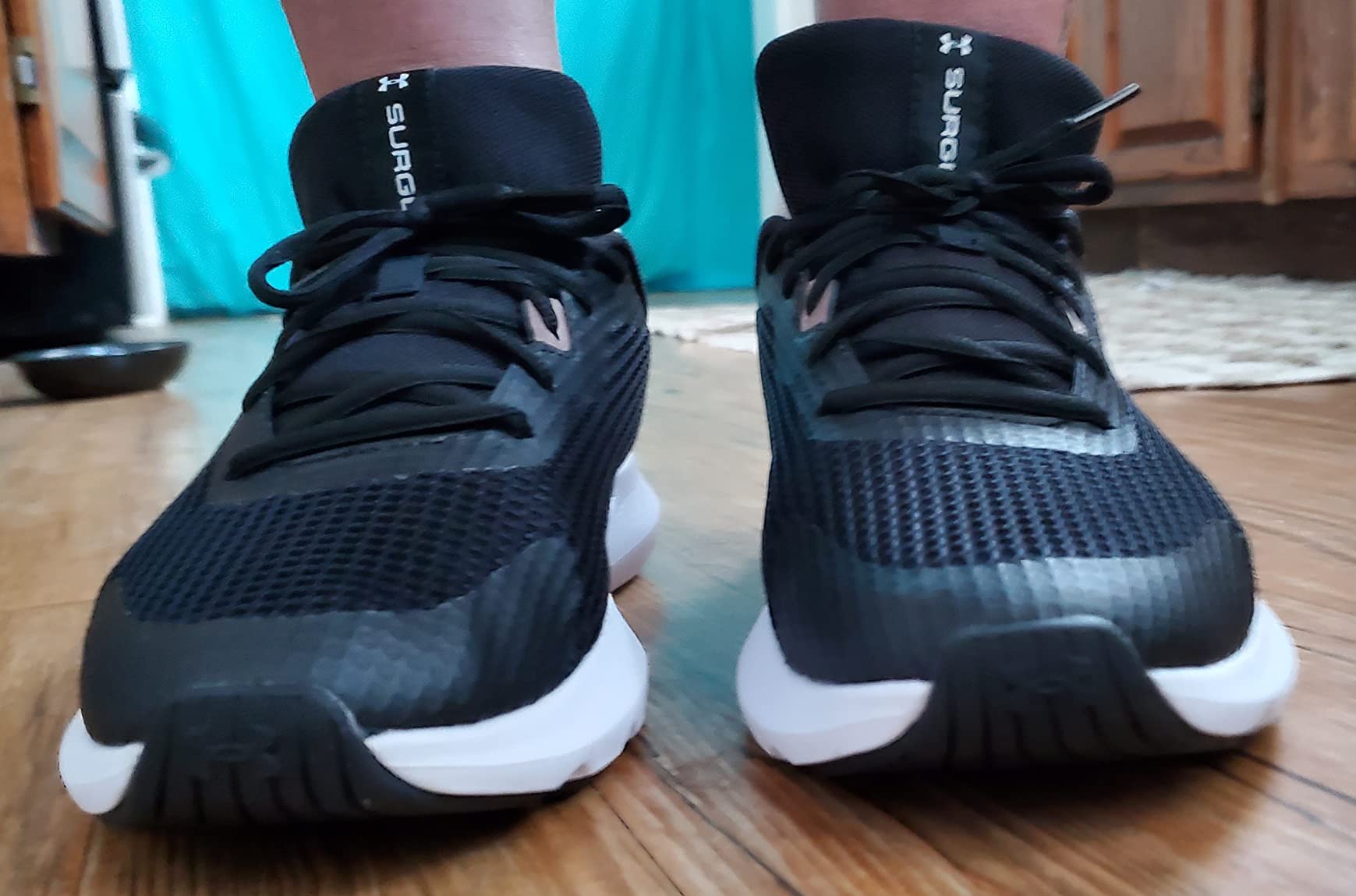
Out of the box, the Surge 3 is noticeably light — you pick it up and immediately think “okay, these won’t drag my feet down.” The mesh upper lets air through visibly, which matters when you’re wearing them from 7 AM school drop-off through a 2 PM gym session.
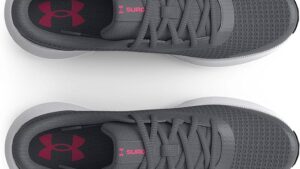
The synthetic overlays give the shoe some structure without making it stiff. Stitching quality looks solid throughout — no loose threads or rough seams where the upper meets the collar. The construction doesn’t feel premium because it isn’t, but it also doesn’t feel cheap. It feels like exactly what it is: a well-designed budget running shoe that doesn’t try to be something it’s not.
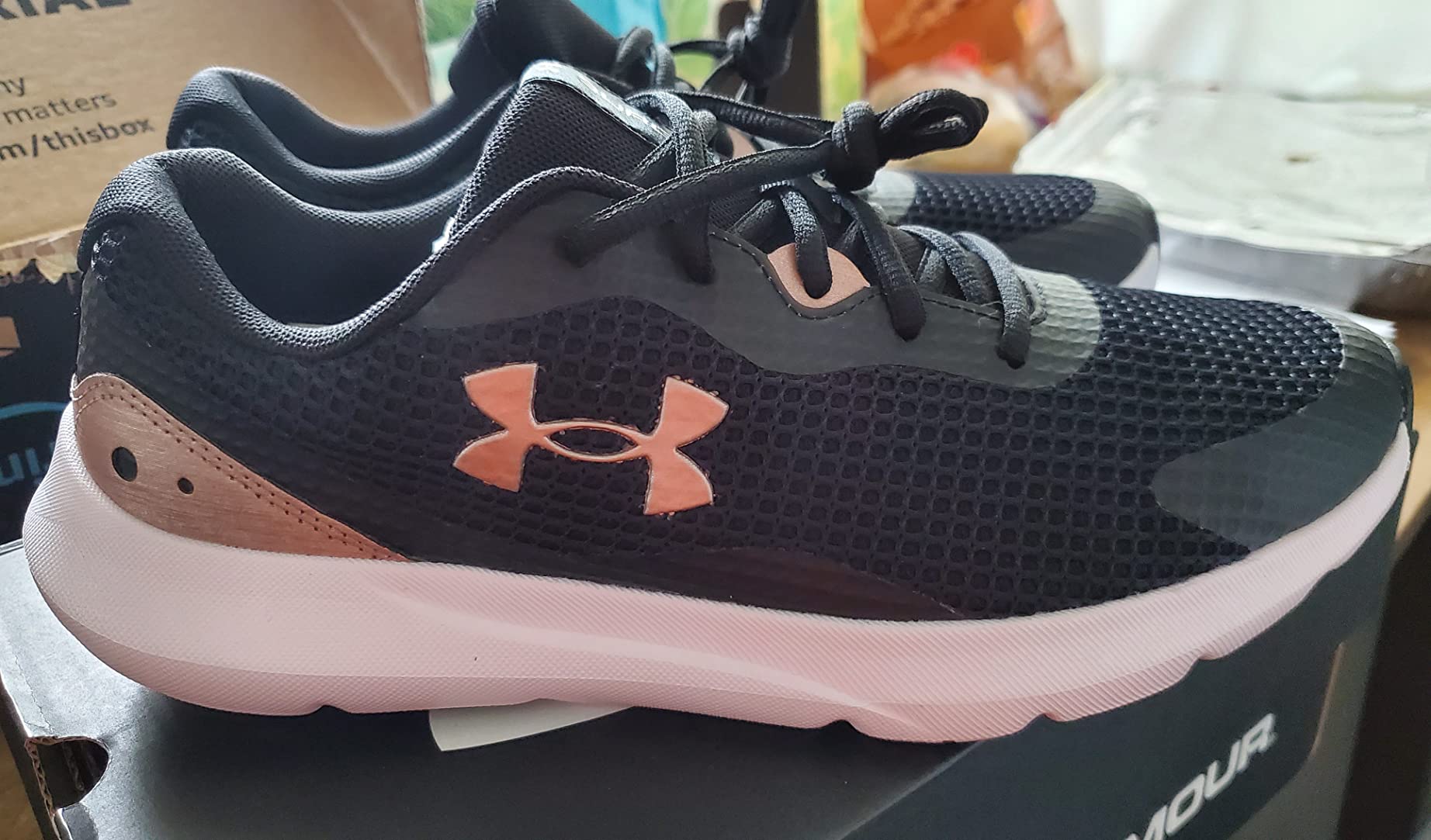
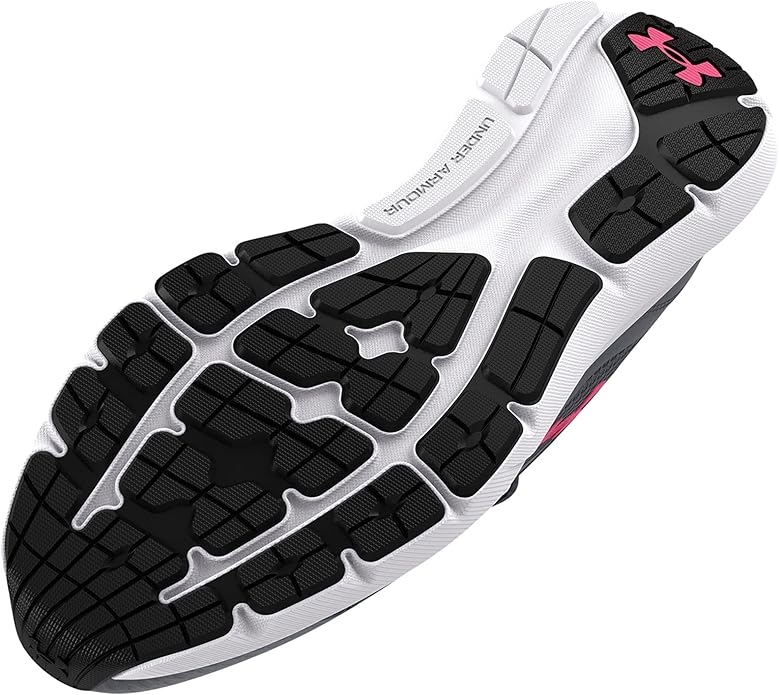
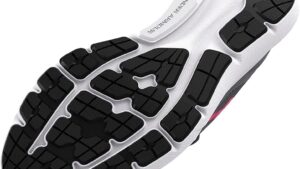
The EVA midsole sits at 22mm heel / 14mm forefoot — an 8mm drop that puts your heel slightly elevated without the dramatic ramp of a traditional running shoe. For daily wear, that geometry works. You’re not fighting the shoe with every step. The rubber pods on the outsole cover the high-wear zones — heel strike, ball of foot, lateral edge — without covering everything, which is how they shave weight without sacrificing practical traction.
The Sizing Question (Both Answers Are Right)
Here’s where things get interesting — and where I need to give you a more nuanced answer than most reviews do.
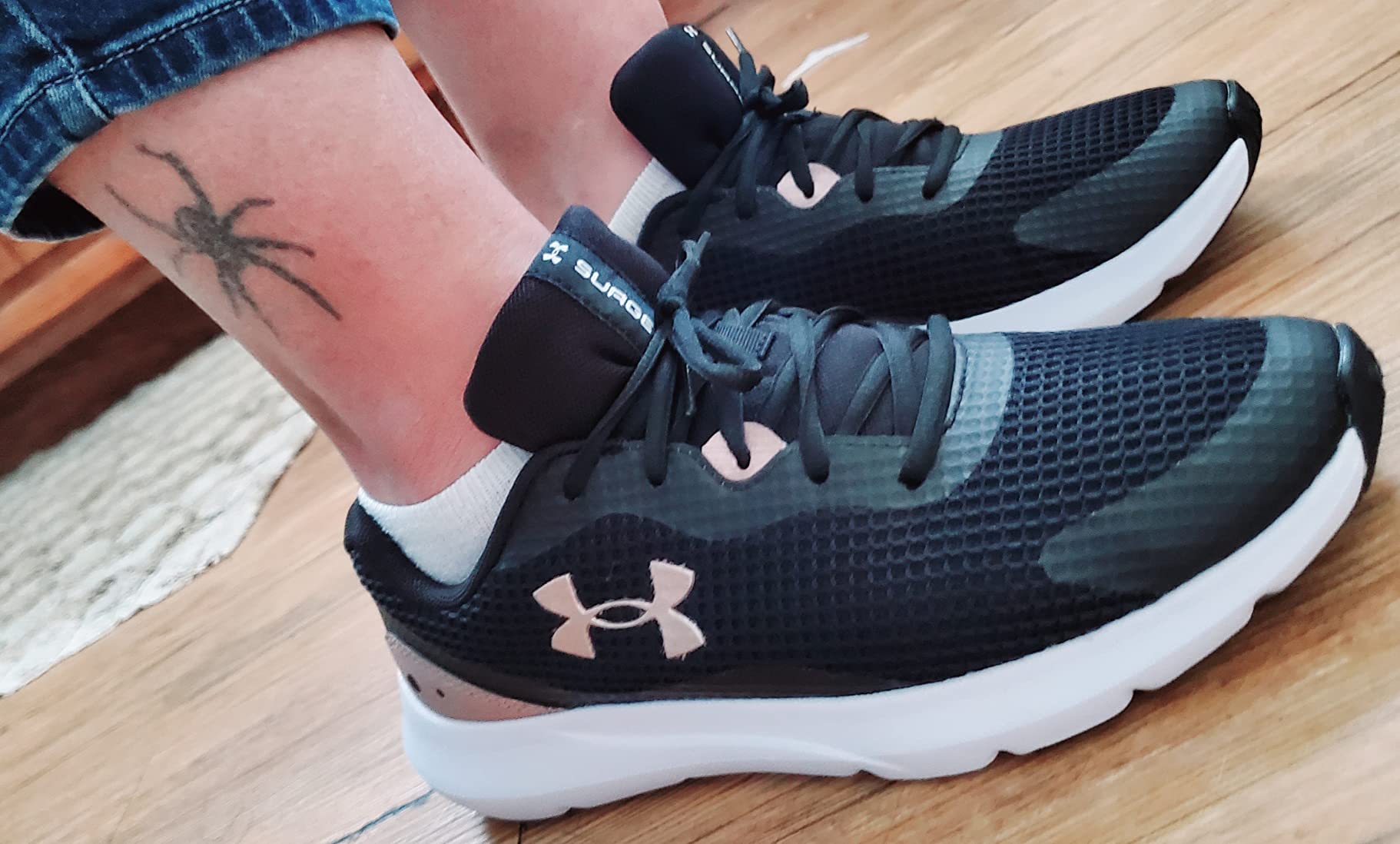
I ordered an 8.5 for my normal size 8, based on reviews saying these run small. But Zappos has 205 reviews for the Surge 3, and 96% of buyers say it fits true to size. 98% say the width feels right. How can both be true?
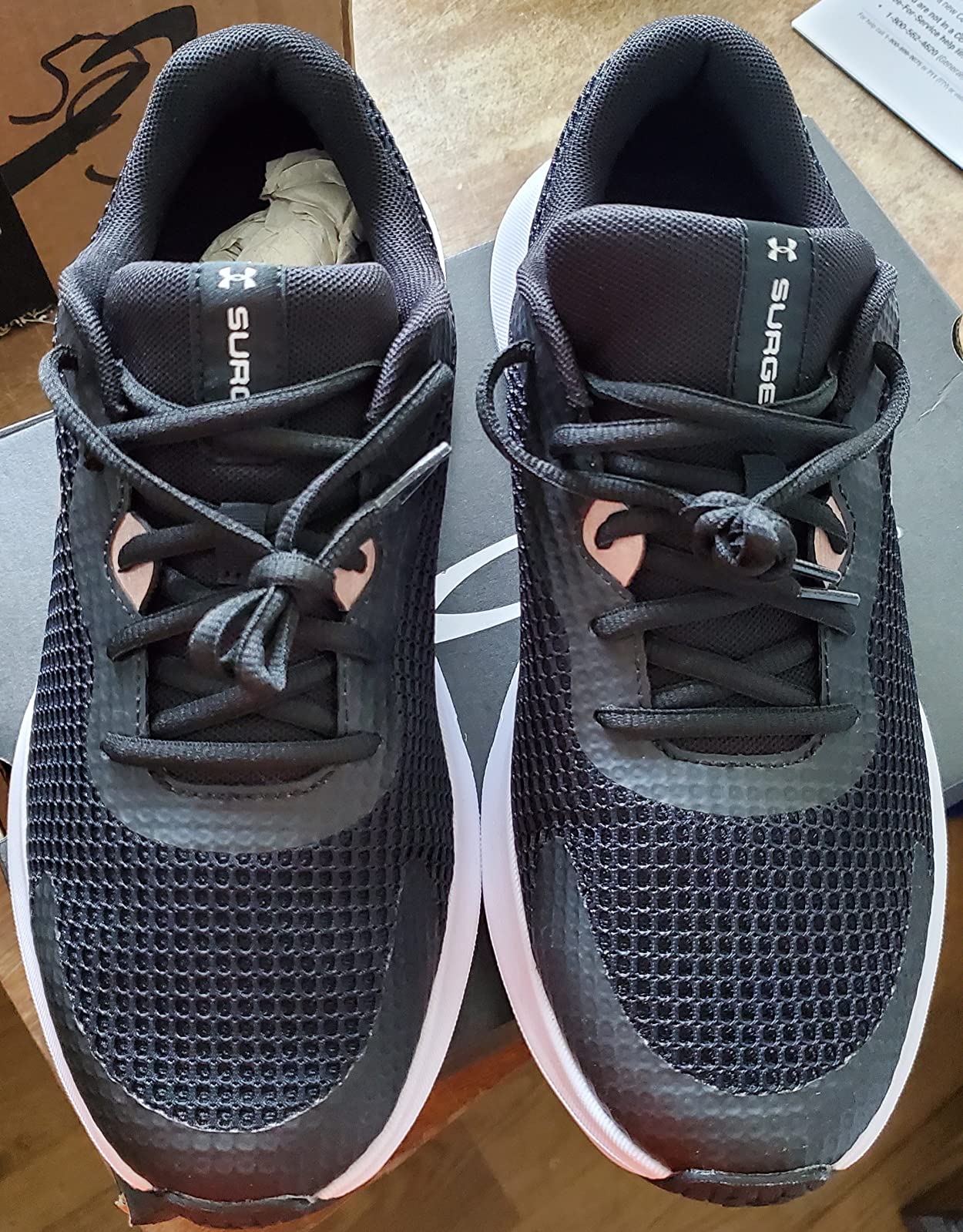
The answer: the shoe runs true to size in length, but the toe box is definitively narrow. At your correct size, your toes are in there — comfortably, but firmly. Some people interpret that snugness as “running small” and size up. Others stay TTS and find the mesh stretches enough by week 3 that it feels broken in.
What this means for you:
- Standard width, between sizes: Size up 0.5 for immediate comfort
- Standard width, decisive about your size: Order TTS, expect 2-3 weeks for the mesh to ease up
- Narrow feet: TTS is fine; the snug toe box might actually feel secure
- Wide feet: Skip these entirely. The toe box is genuinely narrow — not “budget narrow” but “designed narrow” — and it doesn’t open up meaningfully even after break-in
The ankle collar padding is one of the genuine standouts here. New shoes often create friction at the heel — blisters, rubbing, that annoying scraping sensation on day one. The Surge 3 has none of that. The padding is thick enough that I wore these for 8-hour days in week one without any heel irritation, even before they were broken in.
Comfort: The Hours-Matter Reality
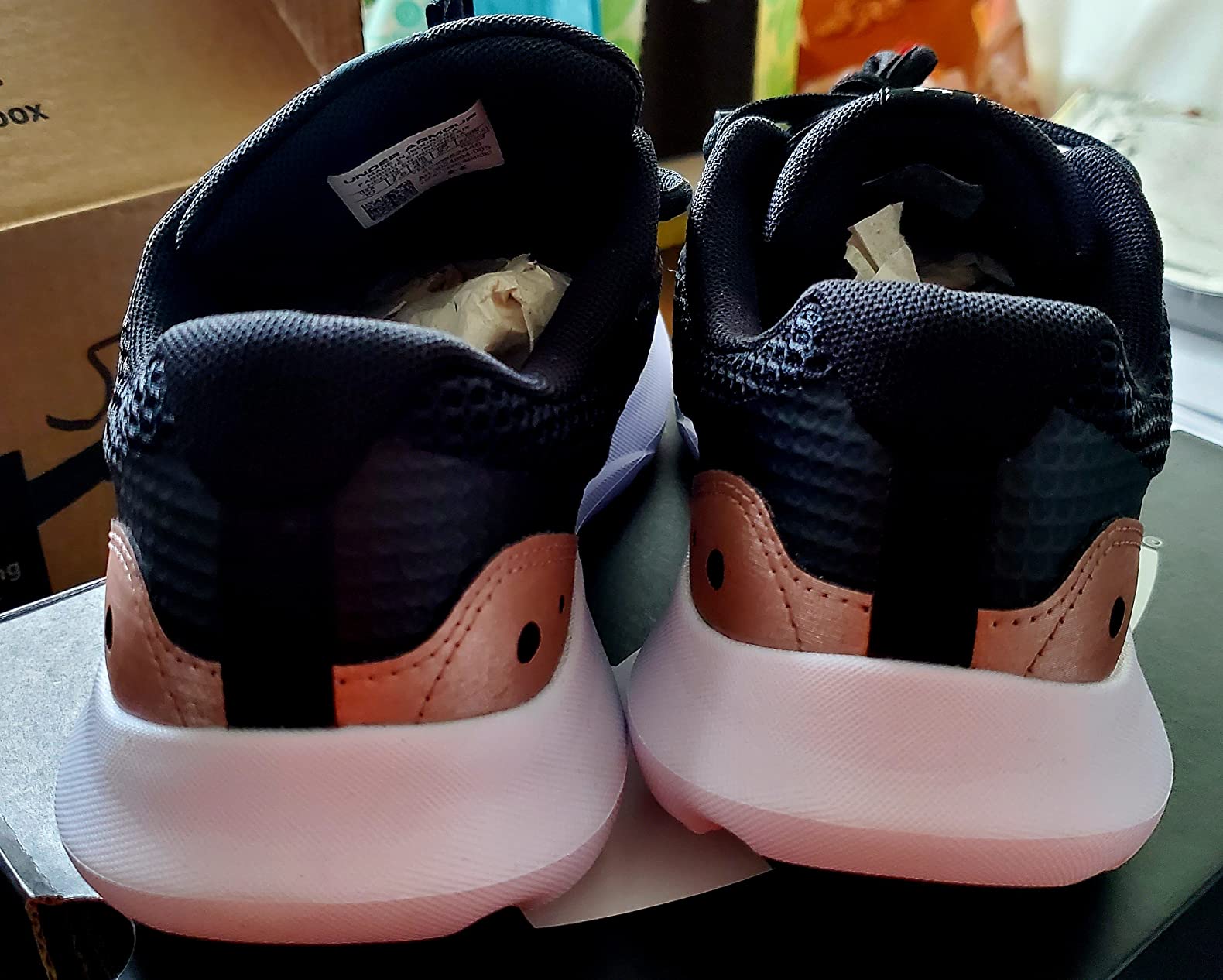
The EVA midsole provides decent cushioning — functional, not luxurious. Runnea rates it 7.0/10 for cushioning. I’d agree with that score. It’s not the springy, energy-returning feel you get from premium foam, but it absorbs impact adequately for daily wear and light running.
What nobody’s being straight about: there’s a comfort ceiling here, and it matters for how you use these shoes.
The arch support hits a sweet spot for the first four to five hours. During my grocery runs, school pickups, and morning jogs, I genuinely forgot I was wearing budget shoes. The feet felt good. But one buywithoffers reviewer documented something I noticed too: after 5-6 hours of continuous wear, feet start to fatigue. Not pain — just that creeping heaviness that tells you the arch support has done what it can.
For most working moms, this is fine. My days are split — a couple hours in the morning, gym at noon, errands in the afternoon. The shoe resets between activities. But if you’re a nurse or teacher expecting to stand for eight straight hours without sitting down, these have a ceiling that one pair won’t clear. Rotate with a second pair, or add orthotic insoles at the four-hour mark.
One finding I didn’t see anywhere else: a buywithoffers user with plantar fasciitis mentioned they hadn’t needed their orthotic inserts since switching to the Surge 3. The arch support positioning — not aggressive, not flat — hit just right for their foot. Not a guarantee for everyone, but worth knowing if you have mild arch issues.
Real-World Performance: Walking, Errands, and Light Running
For daily walking, these are genuinely excellent. The rubber pods cover the right contact points — I never felt unstable on wet pavement during spring showers, and grocery store tile floors felt completely solid. The 8.2 oz weight makes a noticeable difference when you’re carrying bags and chasing a six-year-old through a parking lot. Heavy shoes compound fatigue; these don’t.
Sidewalk walking at a 15-20 minute/mile pace felt comfortable throughout my test period. On soft grass at the school pickup area, equally stable. Light gravel paths felt fine. Where I’d exercise caution: wet leaves on a shaded path — not inherently dangerous, but worth slowing down. The rubber pods aren’t designed for technical terrain.
For light running, the Surge 3 sits comfortably in “casual jogging” territory. My 2-3 mile neighborhood runs at a 9:30-10:00 pace felt good — the EVA cushioning handles that pace and distance without complaint. The 8mm drop felt natural for my running gait. Runnea’s 8.0/10 flexibility rating shows up here: the shoe bends at the forefoot the way a foot should, not fighting you through the push-off phase.
Gym sessions worked well too — elliptical, treadmill, light dumbbell work. The stability (8.0/10 per Runnea) gives you enough lateral control for basic strength movements. Heavy squats or deadlifts, though, would want a flatter, stiffer sole. These are cross-training shoes for light-moderate intensity, not powerlifting platforms.
Durability After 6 Weeks
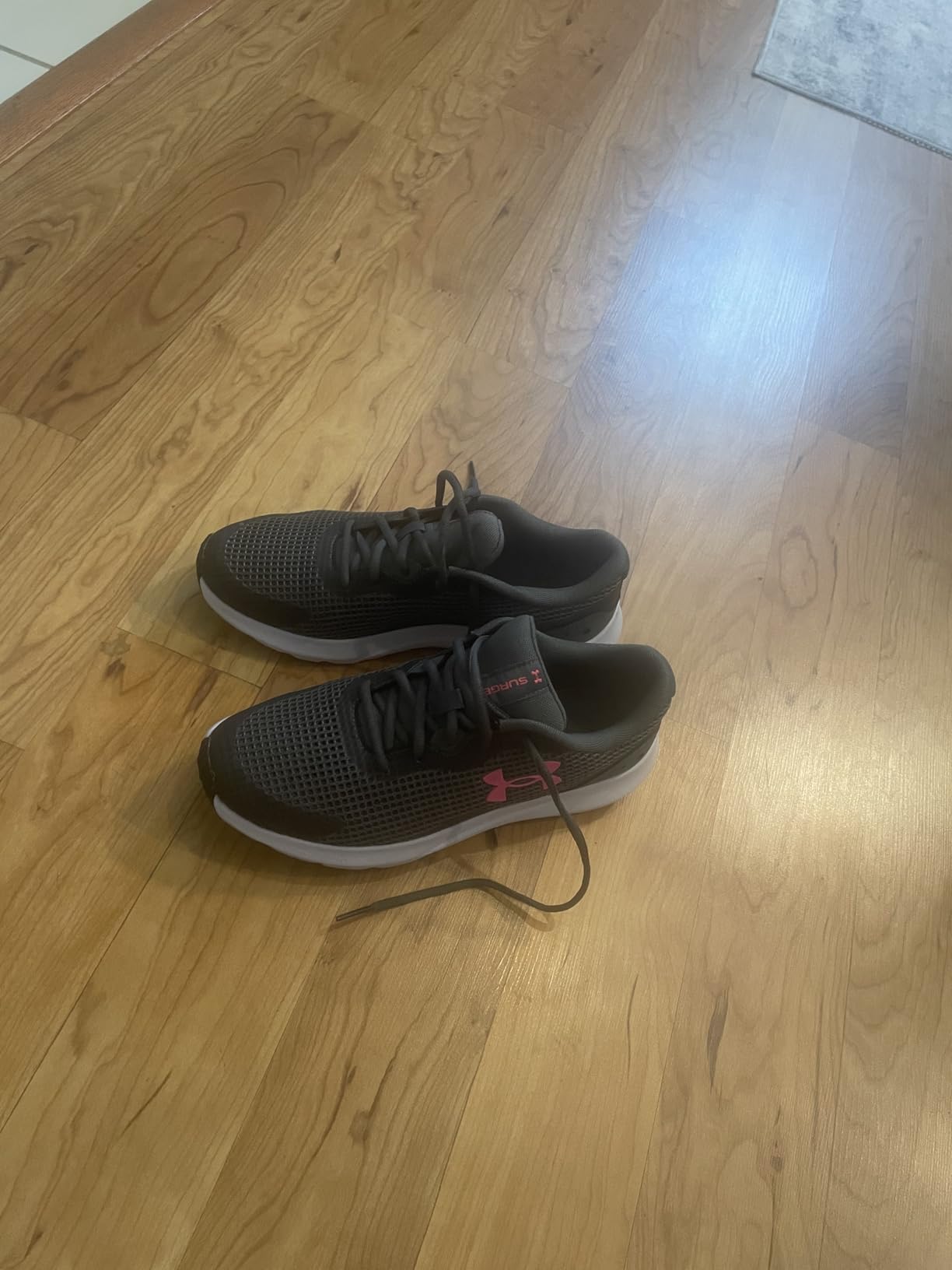
At 45+ days and 200+ miles, the mesh upper is holding up well — minimal pilling in high-friction areas, no tearing, no compromised stitching. The outsole rubber shows expected wear patterns but nothing alarming. The heel padding has compressed slightly but still functions.
The area to watch: at around week 5, I noticed the first signs of sole-upper separation at the toe box junction. Very minor — visible if you look for it, but not affecting performance. This is the Surge 3’s known failure mode. The adhesive bond at that junction takes more stress than the rest of the shoe, and it shows up early.
Based on the wear pattern at 6 weeks, here’s how I’d project the lifespan:
Light use (2-3 days per week, mostly walking): 12-18 months. Sole separation becomes noticeable around month 6-9 but might not cause functional failure until later.
Regular use (5+ days per week, mixed activities): 6-12 months. Most users will hit this category. Expect visible separation by month 3-4 and replacement by month 6-9.
Heavy daily use (daily wear plus gym plus running): 3-6 months. Aggressive use accelerates the adhesive failure at the toe junction.
The cost math at $42: at regular use lifespan, that’s roughly $0.47/day. At light use, $0.23/day. Compare that to premium sneakers at $120+ that might last 18-24 months — the per-day cost isn’t dramatically different, and you can rotate two Surge 3 pairs for under $90 total, which resets your comfort ceiling daily.
Does Under Armour Deliver on Their Promises?
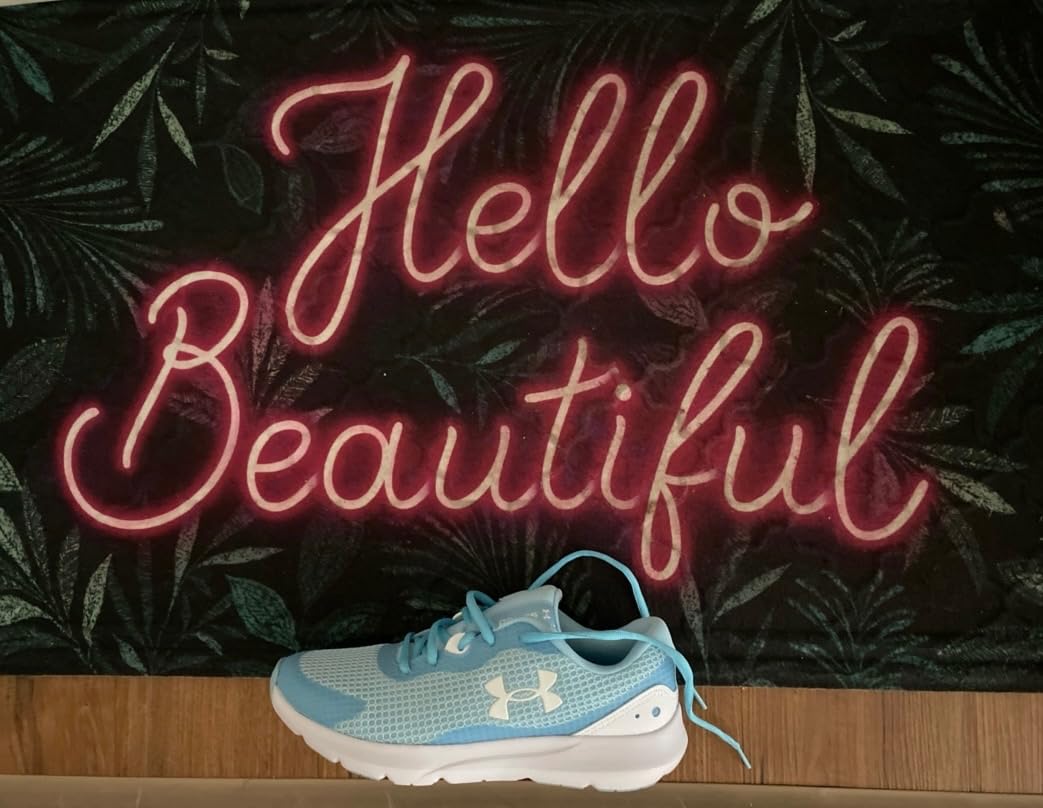
| Claim | Verdict | Reality |
|---|---|---|
| “Lightweight, breathable mesh upper” | ✅ True | 8.2 oz confirmed, mesh airflow genuine in 80°F humidity |
| “Enhanced cushioning around ankle collar” | ✅ Mostly True | Padding is noticeably thicker than budget competitors — zero heel irritation in week one |
| “Responsive EVA midsole” | ⚠️ Partially True | Functional and lightweight, yes. Bouncy energy return? No — Runnea 7.0/10 responsiveness is accurate |
| “Strategically placed rubber pods” | ✅ True | Smart weight-saving design — traction reliable across all daily surfaces tested |
| “All-day comfort” | ⚠️ Conditional | Excellent for split-schedule days. 5-6 hour ceiling for continuous standing |
My Overall Assessment
Six weeks in, I’m recommending the Surge 3 — with the right expectations. This isn’t a shoe that quietly handles every situation. It has real limitations in toe box width, continuous comfort duration, and long-term durability. But within its lane — budget daily wear for active women who mix errands, light runs, and gym sessions — it delivers genuinely well.
Performance Scores
| Category | Score | Notes |
|---|---|---|
| Comfort | 8.0 | Excellent hours 1-4; solid hours 4-6; fatigue above 6 consecutive hours |
| Fit & Sizing | 6.5 | TTS in length, narrow toe box — wide feet excluded, break-in required |
| Durability | 7.0 | Sole separation is the failure mode; 6-12 months regular use |
| Performance | 7.5 | Great for daily walking and light jogging; limited for distance running |
| Style | 8.5 | Clean modern look that works gym-to-errands without looking sporty-clunky |
| Value | 9.0 | $0.23-0.47/day cost-per-wear; exceptional at the price point |
| Overall | 7.7/10 | Strong buy for daily wear and light activity; not for serious athletes or wide feet |
Runnea’s external ratings track closely with my experience: 9.0 lightness, 7.0 cushioning, 8.0 flexibility, 7.0 responsiveness, 8.0 stability, 8.0 grip. These aren’t flukes — the shoe performs consistently across multiple assessment frameworks.
What Other Women Are Saying
The Zappos review pool tells a consistent story. 96% of 205 buyers say the fit is true to size; 98% say the width is right. Healthcare workers buy multiples for shift rotation. Spanish-speaking reviewers keep repeating “muy cómodos” — very comfortable. The 1-star reviews are about fraying and durability, which tracks with the construction tier.
The repeat-purchase pattern is meaningful: when you see “bought my second pair in a different color,” that’s someone who had a genuine positive experience. At $42, buying two pairs in different colors for rotation is still cheaper than one mid-tier shoe.
Who Should Buy This (and Who Shouldn’t)
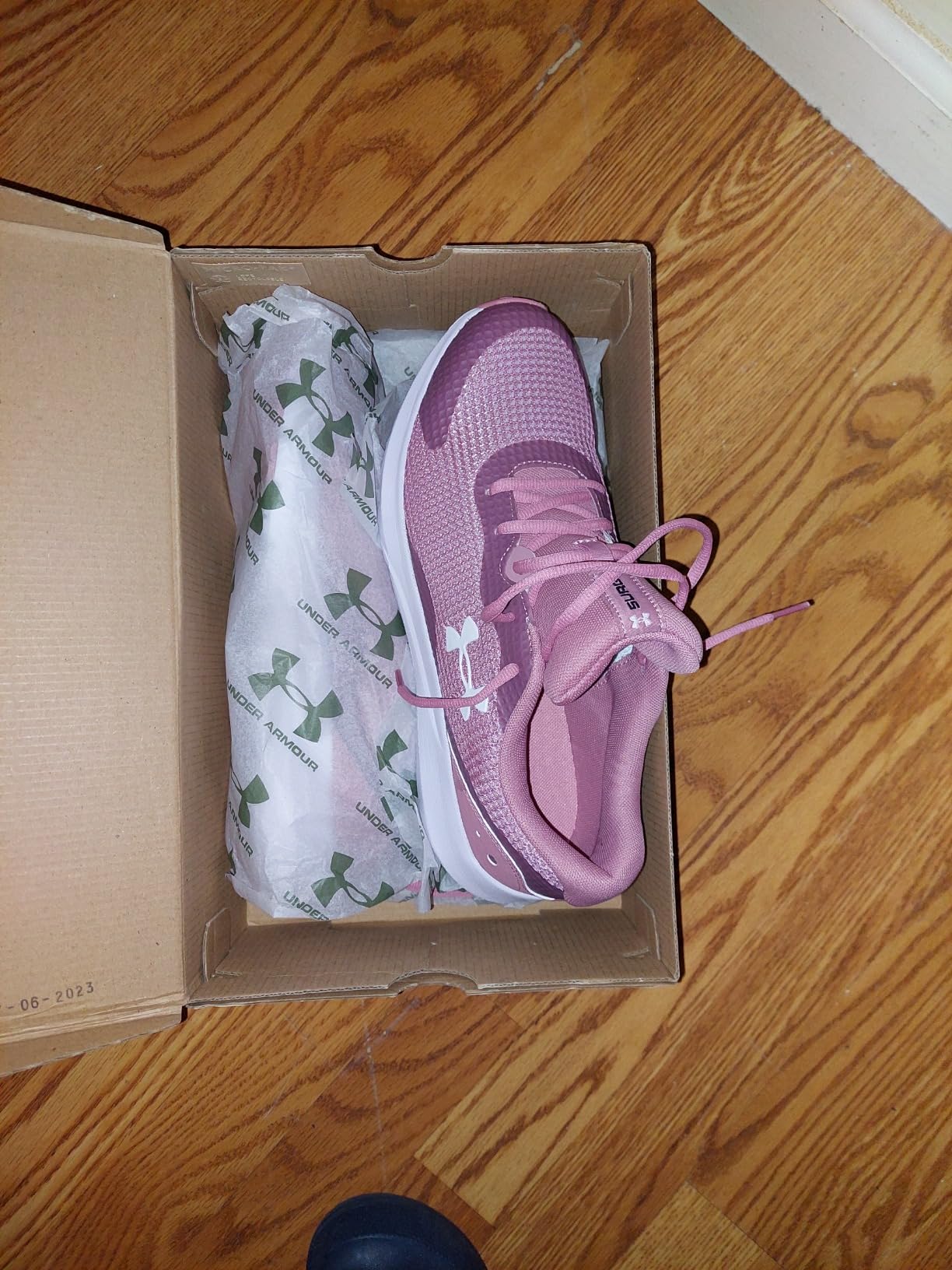
| ✅ Buy If You Are… | ❌ Skip If You Are… |
|---|---|
|
|
Better Alternatives for Specific Needs
- For serious distance running: Nike Air Winflo 9 or Adidas Response Running offer more cushioning depth for 5+ mile runs
- For wide feet: Ryka Devotion Plus 3 is purpose-built for women’s feet with better forefoot room
- For maximum cushion comfort: Adidas Cloudfoam Pure or PUMA Softride Mayve offer softer foam underfoot
- For all-day walking comfort: Skechers Go Walk Joy is designed specifically for extended daily walking
- For durability longevity: ASICS Gel-Venture 10 uses more durable outsole rubber for longer lifespan
- For more UA options: The UA Charged Assert 9 and HOVR Rise 4 offer UA’s more advanced cushioning technologies if you want to stay in the brand
Frequently Asked Questions
Do Under Armour Surge 3 run true to size?
Yes in length — Zappos’ 205-buyer survey shows 96% fit true to size. But the toe box is genuinely narrow, so some women interpret the forefoot snugness as “runs small” and size up 0.5. If you have standard or narrow feet and don’t mind a 2-3 week break-in period, order your normal size. If you’re between sizes or prefer immediate comfort from day one, go half a size up. Wide feet should avoid this shoe entirely.
How long does the Surge 3 last with daily wear?
At regular use (5+ days per week, mixed activities), expect 6-12 months. Light use extends this to 12-18 months. The primary failure mode is sole-upper separation at the toe box junction — signs start at week 5-6 as cosmetic, become functional around month 3-6 at regular use. The $42 price point makes a planned replacement schedule reasonable.
Are these good for 12-hour work shifts?
Not for one pair without breaks. The comfort ceiling is around 5-6 hours of continuous standing. Healthcare workers who love the Surge 3 typically rotate two pairs — alternating between shifts or within a shift keeps the cushioning feeling fresh. If you’re on a mixed schedule with seated periods, you may be fine. Continuous 10-12 hour standing on one pair will hit the fatigue wall.
Can I run in these?
For 2-3 mile easy jogs at a comfortable pace, absolutely. The 8mm drop and EVA cushioning handle light running well. But if you’re training for a 5K or beyond, or running at a faster pace, the cushioning starts to thin around mile 3-4. For more serious distance, look at dedicated New Balance Fresh Foam or trail-specific options.
Do they work for the gym?
For most gym use, yes. Elliptical, treadmill, rowing machine, light dumbbells — all solid. The stability (8.0/10 per Runnea) handles lateral movements adequately. Where they fall short: heavy compound lifting that benefits from a rigid, flat sole. CrossFit-style movements with significant lateral load also exceed what the sole can comfortably stabilize.
Do they work for wide feet?
No, and I want to be direct about this. The toe box is narrow by design — not a manufacturing variation, not something that fully opens up after break-in. Multiple sources confirm this, including Zappos users with wider feet. Sizing up helps some, but the fundamental forefoot shape stays narrow. Better options exist for wide feet at this price point.
What about arch support for plantar fasciitis?
The arch support is moderate — not aggressive therapeutic support, but more than a flat canvas shoe. One user with plantar fasciitis reported not needing their orthotics with the Surge 3, which suggests the arch geometry works for some people. That said, it’s not guaranteed. If you have active plantar fasciitis symptoms, try before committing, or make sure you can return the pair.
Why do some reviews say “runs small” while Zappos says “true to size”?
Because both descriptions are accurate to different experiences. The shoe is true to size in length — your foot sits in the correct lengthwise position. But the narrow toe box creates a forefoot squeeze even at the right length. People who feel that squeeze naturally say “runs small” and size up to escape it. People who stay TTS and break in over 2-3 weeks often say it fits correctly after break-in. Neither group is wrong.
Final Verdict
After 6 weeks and 200+ miles, the Under Armour Women’s Surge 3 earns its place as a practical daily shoe for busy women on a budget. It’s honest about what it is: lightweight, breathable, decently cushioned, and priced so you can actually afford to replace it when the time comes.
The real recommendation? Order your correct size if you have standard feet and can live with a snug first week. Size up 0.5 if you’re between sizes or want immediate comfort. Either way, these work best as part of a rotation — one pair for gym days, one for the daily grind — rather than as a single shoe trying to do everything.
At $42, the Surge 3 doesn’t pretend to be a premium shoe. But it’s genuinely comfortable for the kinds of days most of us actually have — school pickups, errands, a quick jog, maybe a gym session squeezed into the afternoon. For that life, it’s a solid 7.7 out of 10.
Be the first to review “Under Armour Women’s Surge 3 Running Shoe”
Related products
Running Shoes
Running Shoes
Running Shoes
Running Shoes
Running Shoes
Running Shoes


Hiking/Trekking Shoes
Running Shoes
Reviews
There are no reviews yet.