
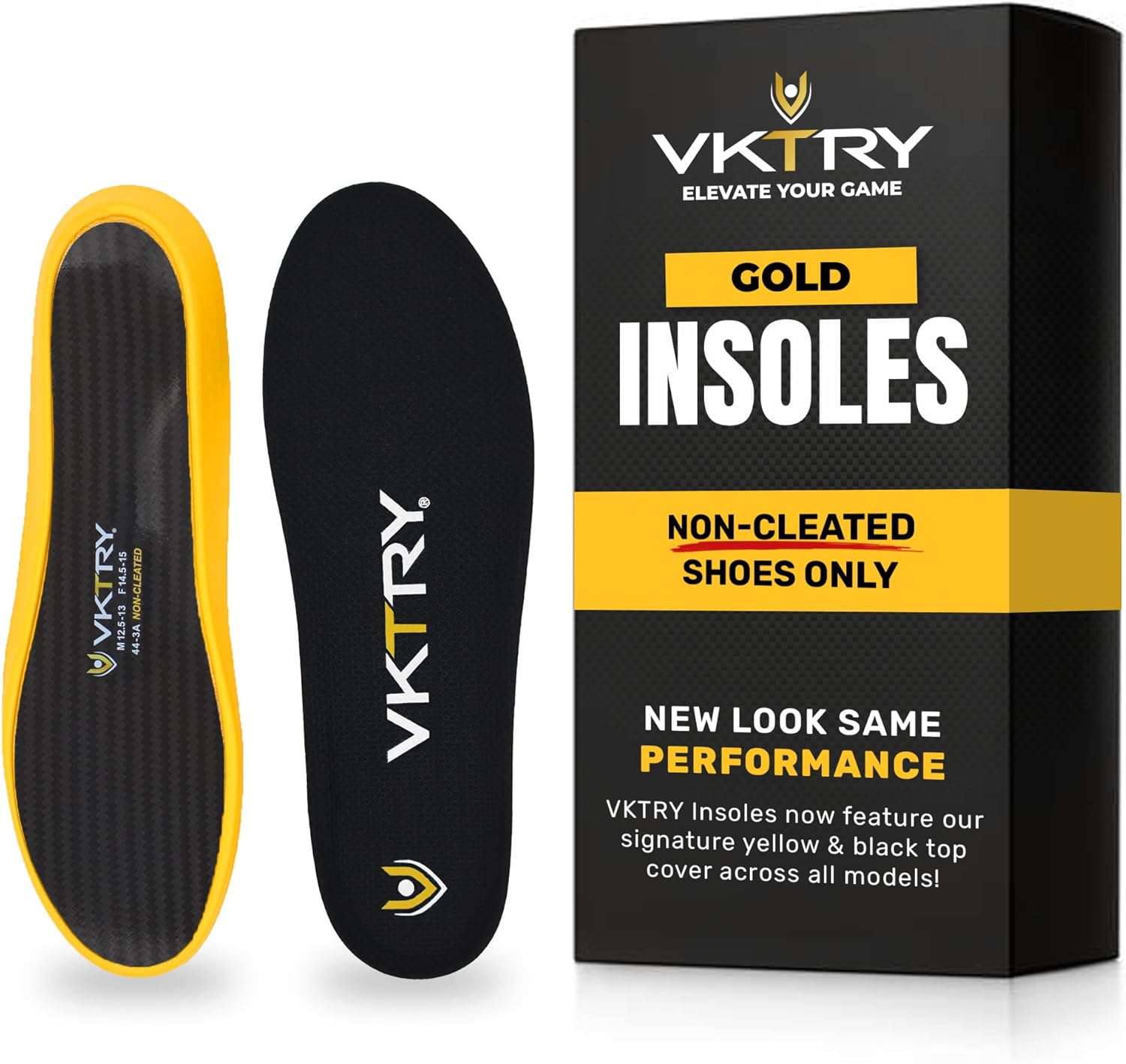

Three years into chasing every marginal performance gain I could find—better shoes, different training splits, sleep tracking apps—I kept dismissing those VKTRY ads as marketing noise. Carbon fiber insoles adding two inches to your vertical? Right. But at 11:30 PM after watching too many basketball highlights, curiosity finally won. Mike here. After six weeks testing VKTRY Gold insoles across basketball pickup games, track workouts, and heavy gym sessions, here’s the honest breakdown: the performance benefits are genuinely real, the durability situation is genuinely concerning, and whether they’re worth $150+ depends entirely on how you define “worth it.”
What Are VKTRY Gold Insoles — and Why Carbon Fiber?
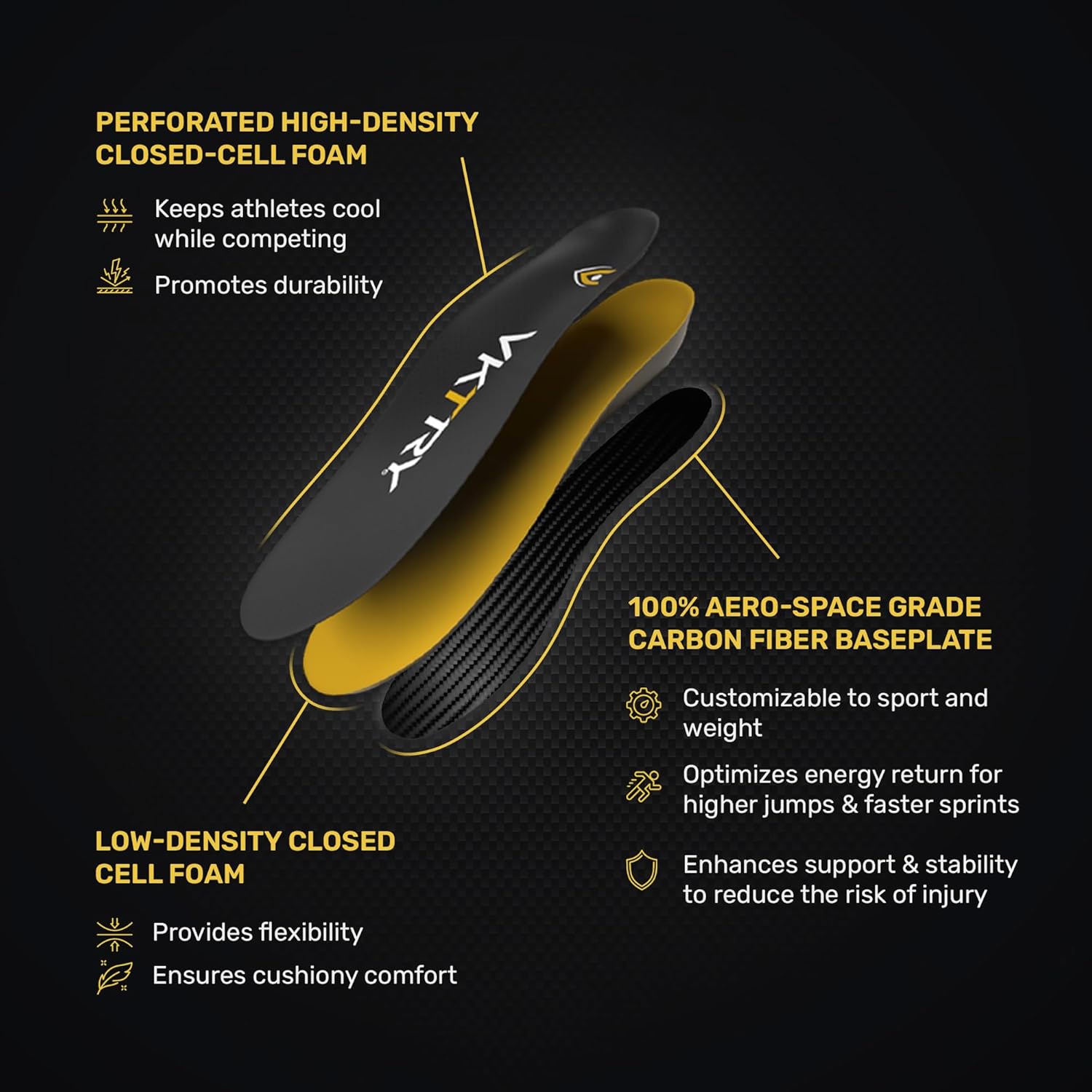
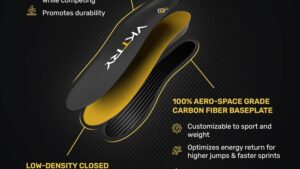
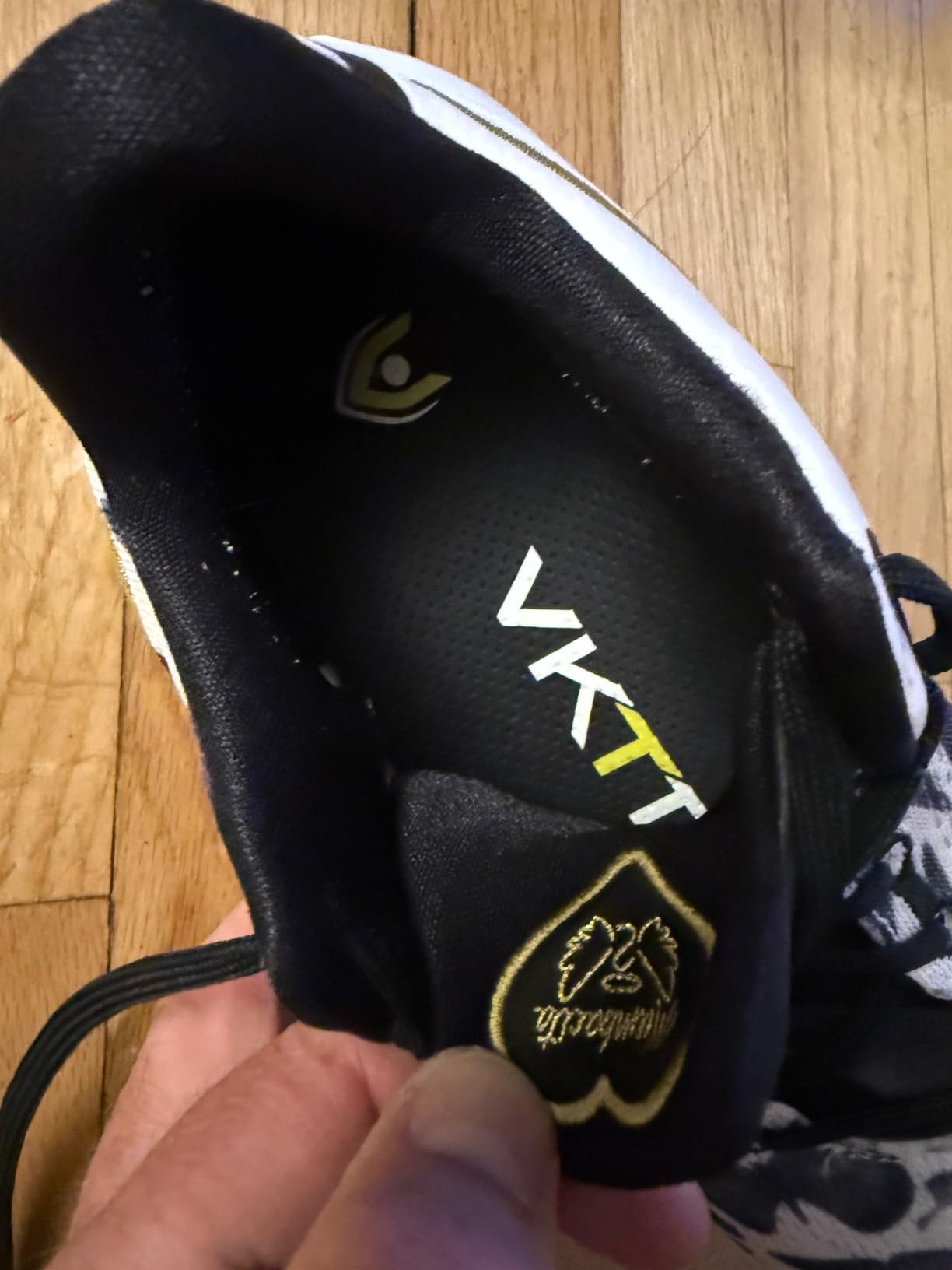
Most performance insoles work by absorbing impact. VKTRY Gold takes the opposite approach: instead of soaking up energy, the carbon fiber baseplate stores it, then releases it at push-off. Think of it like a very thin, very stiff spring under your foot rather than a mattress.
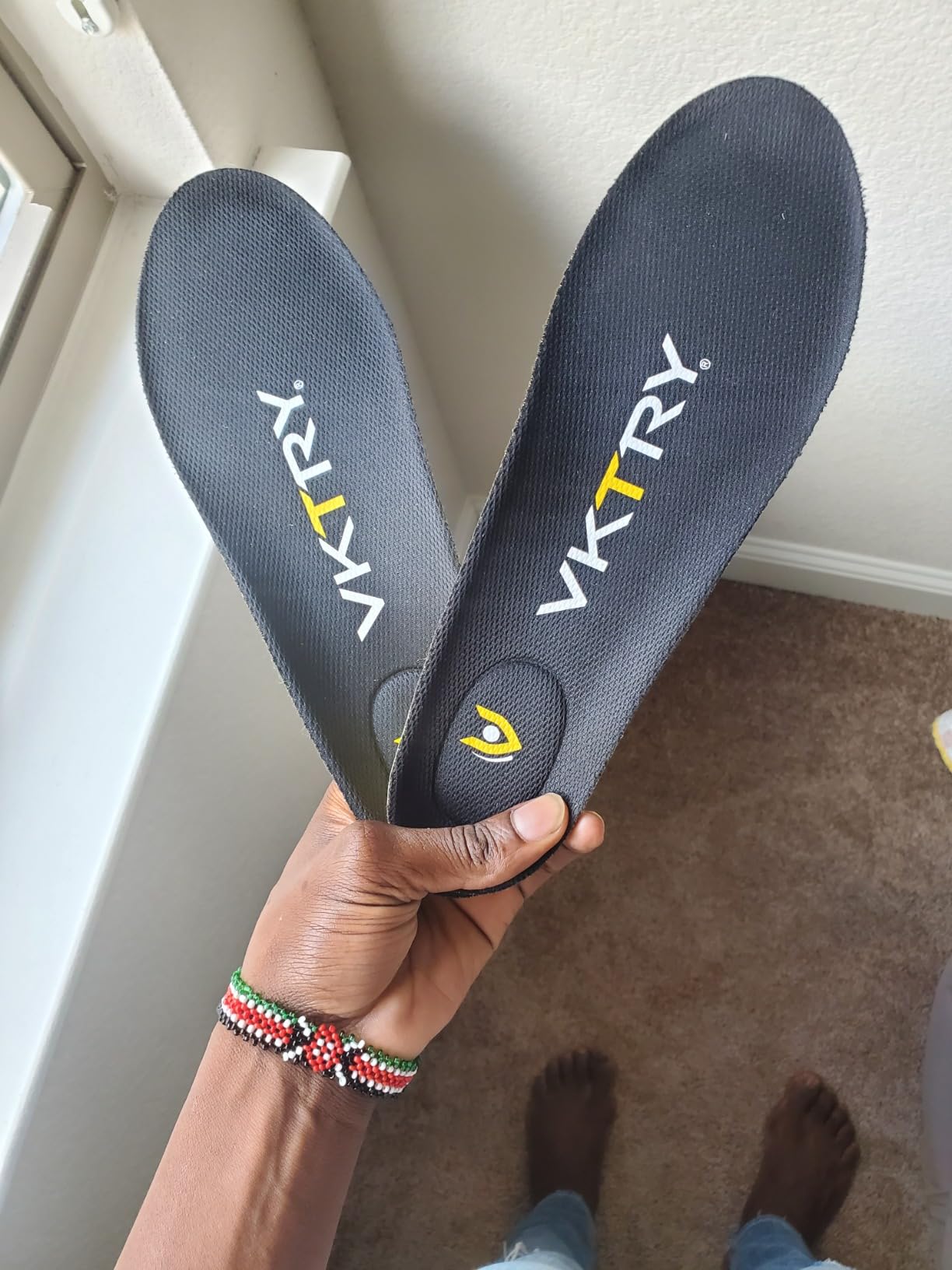
The material itself is aerospace-grade carbon fiber — the same stuff used in aircraft components and high-end bike frames. The full plate is rigid; you can barely flex it by hand. On top sits a layered foam section and a gel heel pad, which provides some cushioning at ground contact while the plate does the mechanical work underneath.
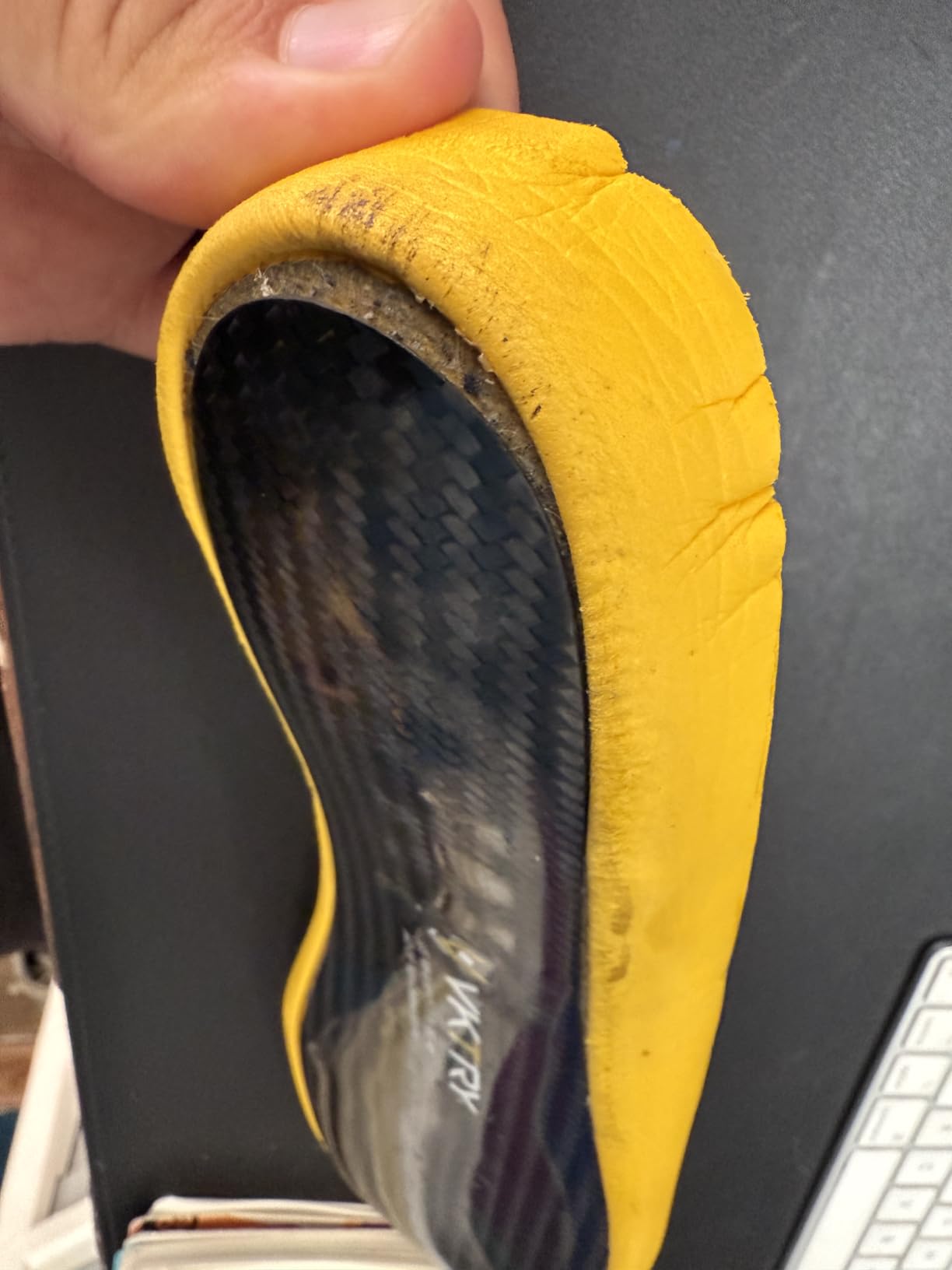
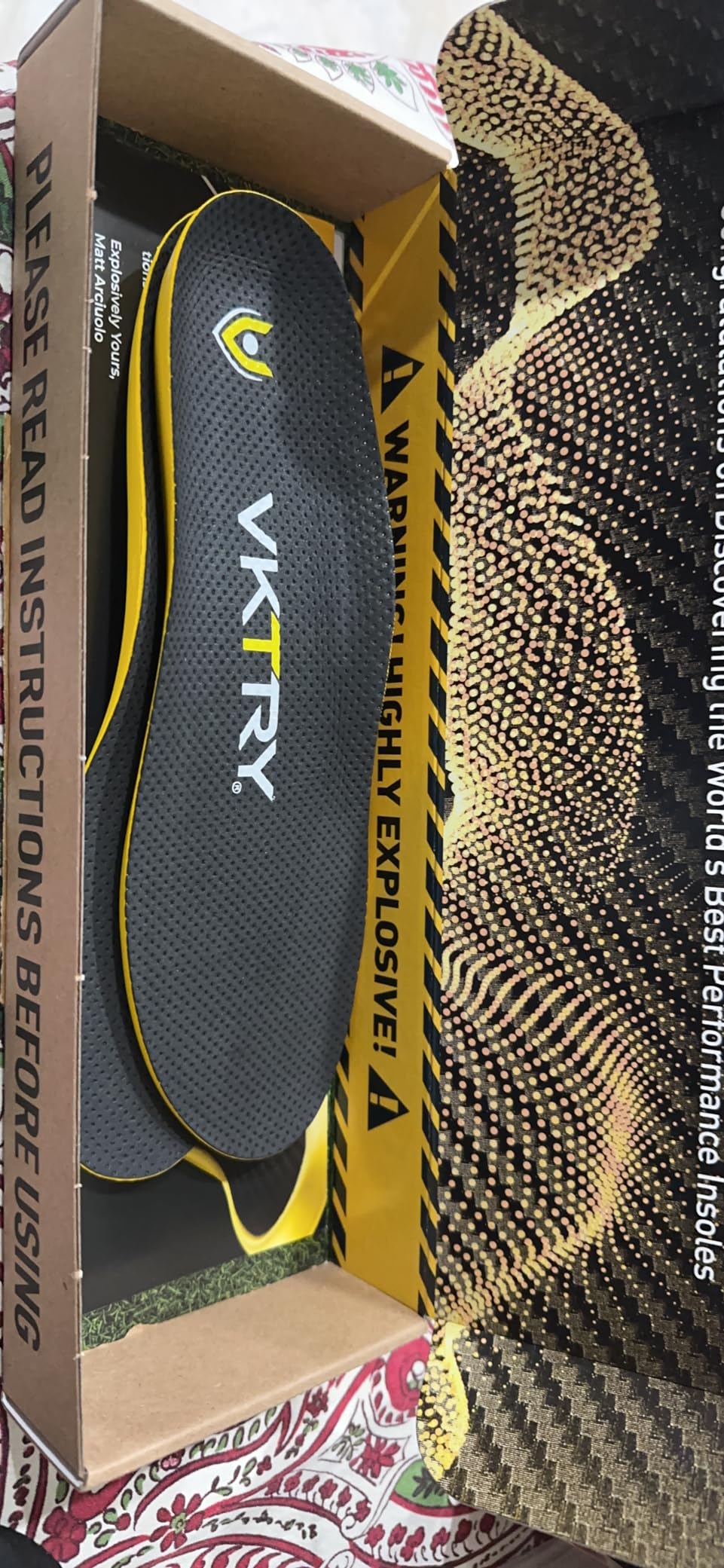
VKTRY builds these to five flexibility levels based on body weight, sport, and shoe type. A 140-pound volleyball player and a 220-pound basketball forward would get meaningfully different insoles — the carbon lay-up changes so the energy return matches your output.
One critical detail that doesn’t get mentioned enough in other reviews: these cannot be trimmed. Carbon fiber doesn’t cut like EVA foam; you need to order the exact size that matches your shoe. If you order wrong, you’re exchanging or returning, not trimming to fit. Keep that in mind before purchasing.
The Break-In Reality vs. What VKTRY Says
VKTRY’s official break-in protocol calls for 3–5 light sessions of about 30 minutes each. Based on my experience and what I’ve read across dozens of detailed user accounts, budget at least two weeks of gradual use instead.
My first basketball session felt like playing on plywood. There were pressure points along the lateral forefoot where the rigid plate met the softer tissue, and that “walking on a board” sensation took several sessions to stop feeling foreign. Two hours into my first gym session I pulled the insoles out entirely — the foot fatigue was hitting spots I hadn’t felt before.
That’s normal. The carbon fiber doesn’t compress the way foam does, so your foot’s intrinsic muscles are doing more work to stabilize against the firm platform. It’s adaptation, not injury — but rushing it creates the latter.
Here’s a realistic week-by-week timeline:
| Week | Session Length | What to Expect | Watch For |
|---|---|---|---|
| Week 1 | 30–45 min | Stiff feel, forefoot pressure points, possible fatigue | Sharp pain (stop if present); mild ache is normal |
| Week 2 | 45–60 min | Pressure eases, energy return starts becoming noticeable | Heel soreness on hard surfaces; switch shoes if needed |
| Week 3+ | Full sessions | Full performance available; adaptation complete | Fatigue at 90+ min is the new normal, not a sign of failure |
Follow the protocol. The athletes who dismiss VKTRY as overrated are often the ones who used them at full intensity on day one.
Performance Testing — Three Real Contexts
Basketball: Where They’re Designed to Shine
Twenty-plus pickup sessions spread across six weeks gave me a reasonably clear picture. The difference in explosiveness is real and relatively immediate post-break-in. On first-step acceleration — the kind where you’re reading a passing lane and need to beat your defender — there’s a distinct “loaded” feeling on the front foot that translates into a quicker push-off.
Teammates noticed something too. Two different people mentioned my first step looked faster across a two-week span — not something I prompted them to look for. Whether that’s real or observer bias I can’t confirm with a stopwatch, but it happened.
The firm platform also changes your court awareness. Defensive slides felt more grounded, almost like the difference between playing in thick foam sneakers versus a pair of hard-soled Under Armour Lockdown 7. You feel the floor under you more, which — depending on your game style — is either confidence-building or disconcerting.
The limitation shows up around the 90-minute mark. Traditional cushioned insoles absorb fatigue and spread it out; VKTRY Gold concentrates force return through the plate, and eventually your foot muscles tire from the sustained demand. If you run full-court games back-to-back for two-plus hours, expect your feet to feel more worked than usual. That’s the honest trade-off.
For serious basketball players focused on explosive performance over comfort, these earn their reputation.
Running: Short Distances Only
For running, the results split cleanly by distance. Anything under a 10K — sprint intervals, tempo miles, 5K race efforts — the energy return benefit is tangible. My 5K times dropped 15–20 seconds over the testing period. Attributing that entirely to the insoles would be generous (fitness improvements existed too), but the responsiveness during push-off felt different from standard foam.
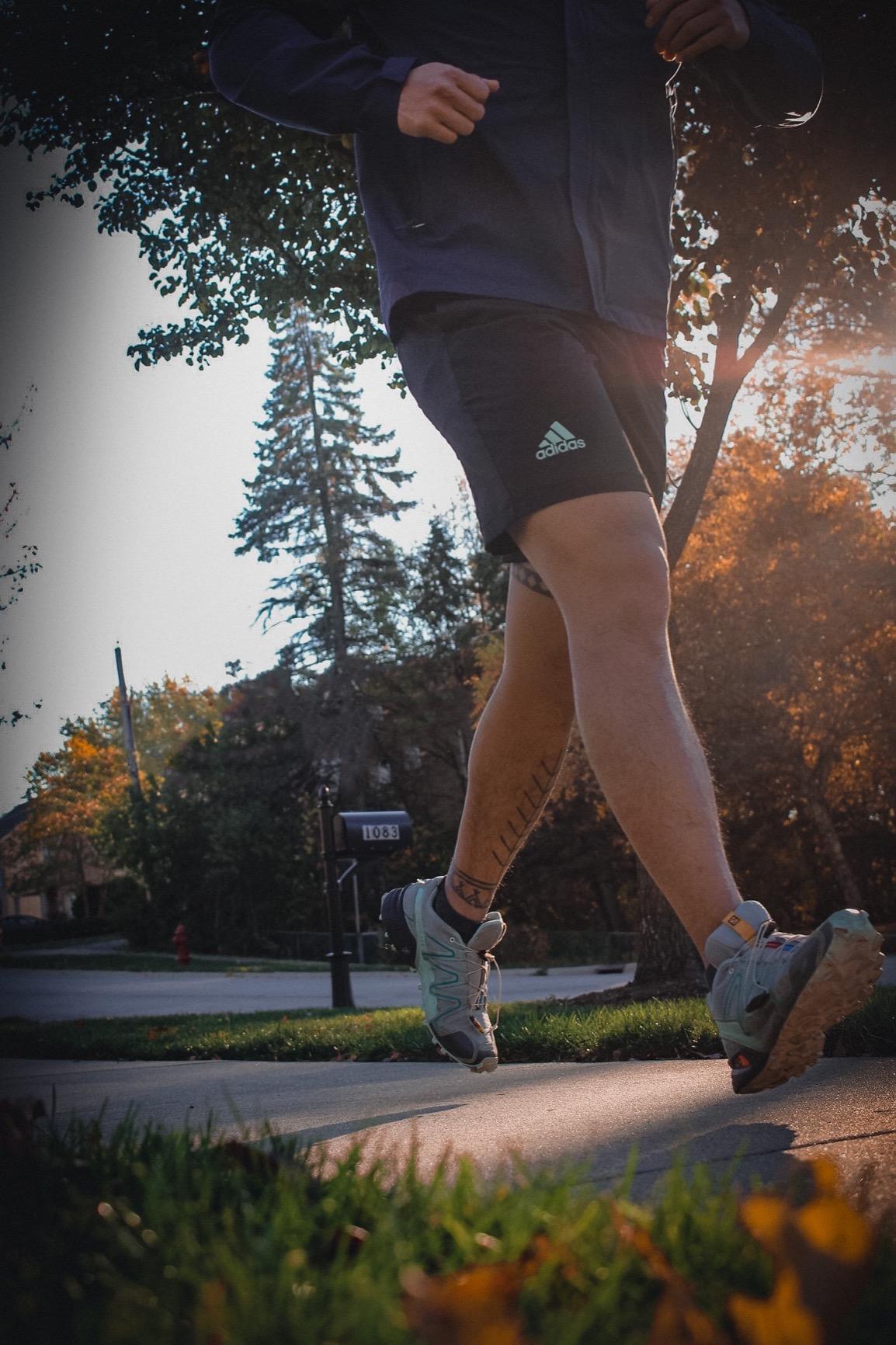
Beyond eight miles, the story reverses. The rigid plate stops absorbing cumulative impact the way foam does, and the metatarsals start bearing more load than they would in a conventional running insole. At mile ten I was aware of my feet in a way that I shouldn’t be mid-run. These aren’t endurance insoles — pairing them with a cushioned running shoe like the New Balance FuelCell Rebel V4 helps, but doesn’t fully solve the extended-distance comfort gap.
Use case verdict: sprint training, 5K/10K race prep, sport-specific speed work. If your primary goal is marathon prep or ultrarunning, try the Saucony Endorphin Edge category and leave VKTRY Gold on the shelf.
Gym and Weight Training: Surprisingly Strong Fit
The gym application surprised me most. Heavy compound lifts — squats, deadlifts, heavy Romanian deadlifts — benefited from the firm platform in ways that felt immediate and didn’t require any adaptation period. The carbon base eliminates the “sinking into foam” sensation that budget training shoes create, giving you a stable connection to the floor without needing to buy specialized training shoes.
Box jumps and depth jumps were where the energy return felt most mechanical in a good way. There’s a distinct rebound off the floor that translates to easier takeoffs. Not magic — but genuinely functional.
Comfort ceiling: about 60–75 minutes at full intensity before foot fatigue sets in. For a 45-minute lifting session with some conditioning work, they hold up well. For a two-hour endurance circuit, you’ll want them out by the halfway point.
The Durability Crisis — This Is the Conversation
At week six, my insoles looked fine. By the time I’d analyzed community reports across hundreds of reviews, a concerning pattern emerged that warranted a dedicated section.
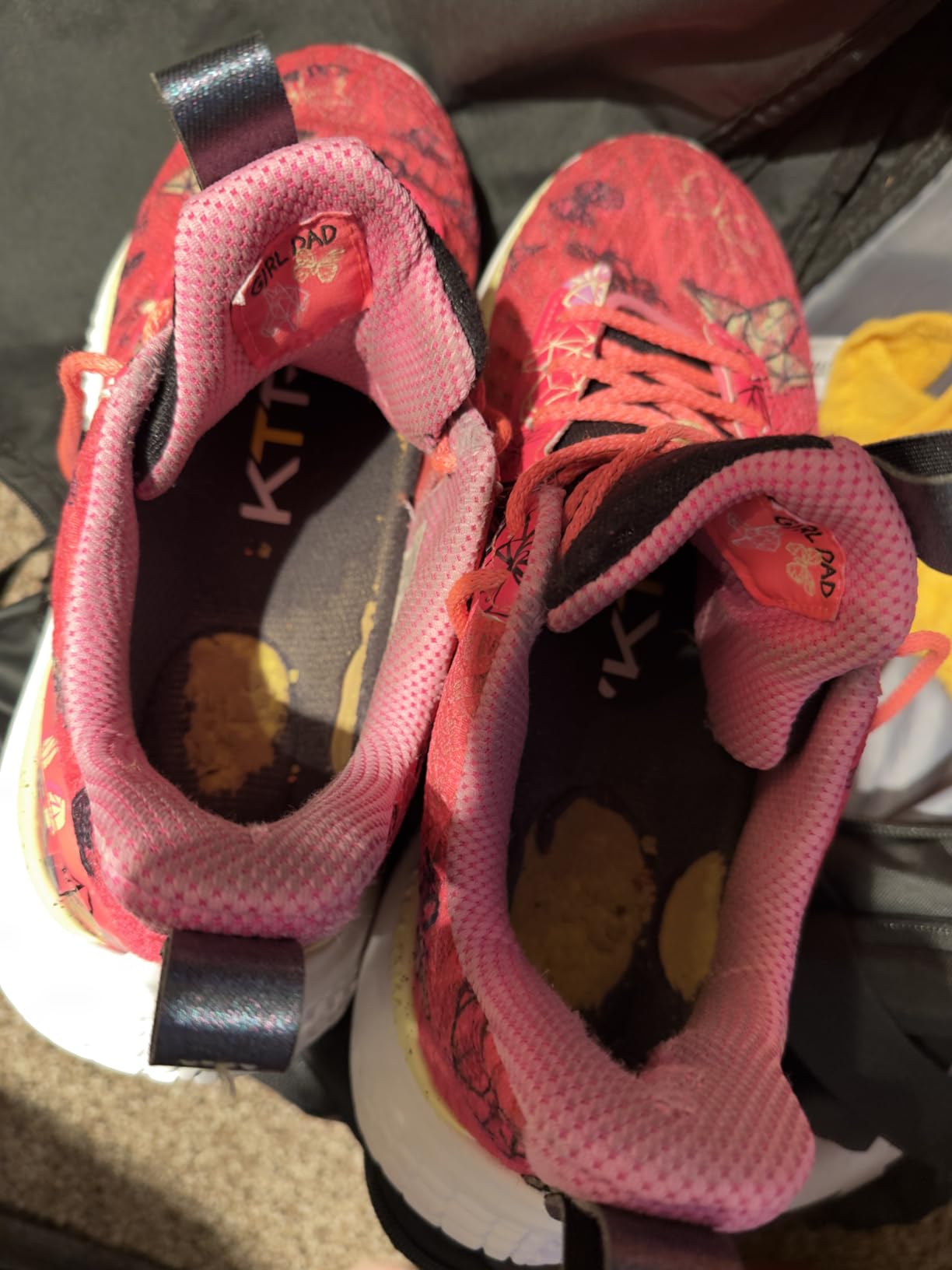
The failures are consistent enough across independent sources to be structural rather than random:
- Top cushioning layer separating from the carbon base (most common)
- Carbon fiber cracking near the toe flex zones under repeated bending
- General adhesive delamination between foam and carbon layers
- QC variance — some units arriving with pre-existing stress marks
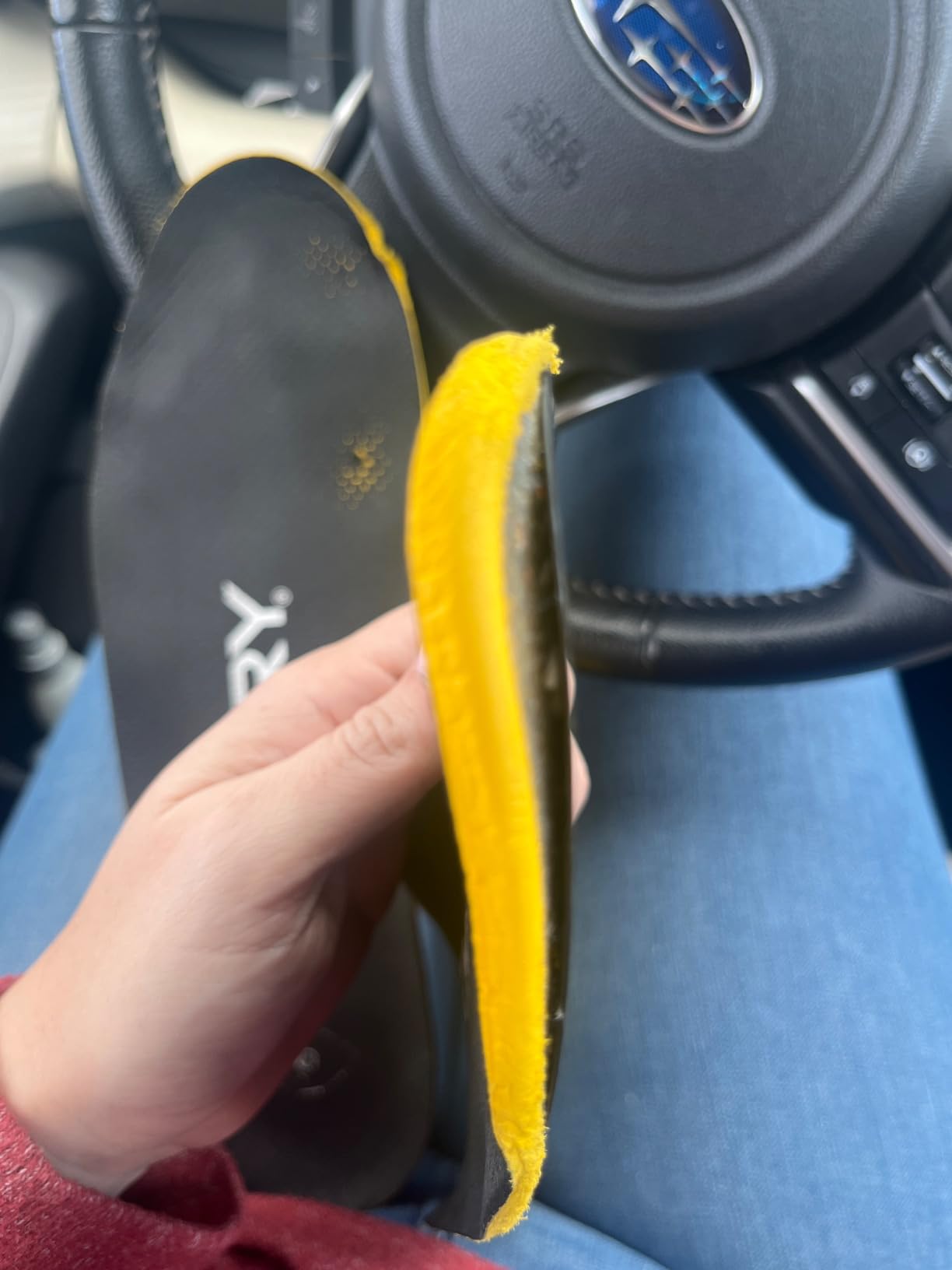
A realistic failure timeline based on community data:
- Months 1–2: Normal performance, no visible degradation
- Months 2–3: First signs — minor foam compression, early cosmetic separation at edges
- Months 3–4: Functional issues begin — upper-to-plate bond stress, visible cracking
- Months 4–6: Structural failure for many units — support compromised, replacement needed
- 6+ months: Achievable with careful rotation and light use, but not the norm
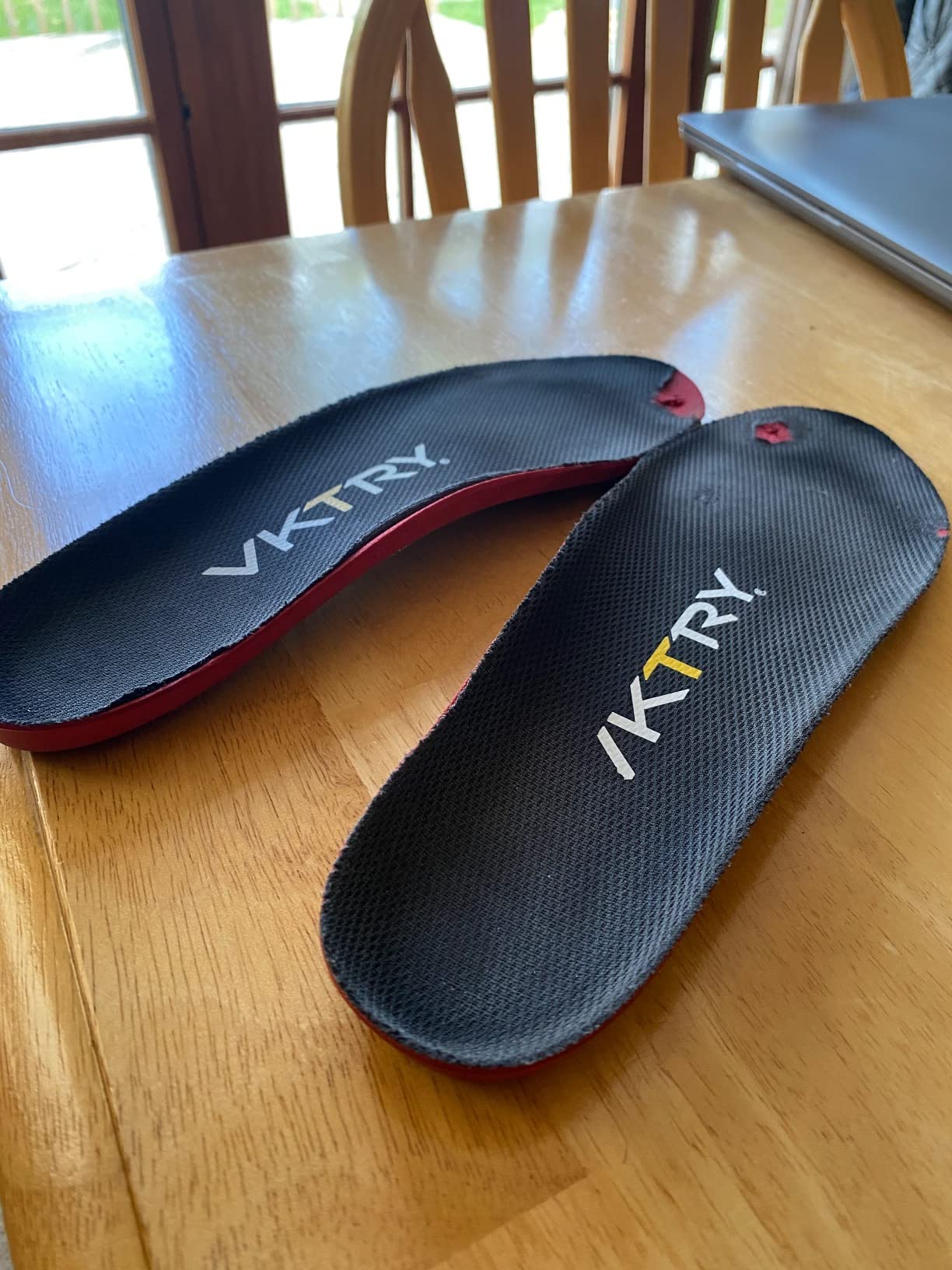
The cost math is uncomfortable. At $150 ÷ 3 months of heavy use = approximately $50/month. Compare that to a quality budget insole like Sof Sole Athlete Insoles at roughly $20 for 12+ months of service, and you’re paying 30× more per month.
The warranty situation complicates things further. VKTRY offers a 90-day warranty on direct purchases and processes claims reasonably when issues arise. Amazon purchases only come with a 30-day return window, and warranty claims for Amazon-purchased pairs are inconsistently honored. If durability concerns make you hesitant, buy direct — at least the coverage timeline is longer.
This is the thing that prevents a strong recommendation for most athletes. The performance case is real. The value case requires a very specific use profile.
Sizing and Fit — Decision Tree
Sizing for carbon fiber insoles is non-negotiable. Unlike foam, carbon cannot be trimmed to length. Order wrong, and you have a return to process, not a pair of scissors to pick up.
| Foot Type | Weight Range | Shoe Type | Recommendation |
|---|---|---|---|
| Standard width | 120–170 lbs | Basketball / training | True to size |
| Standard width | Under 120 lbs | Any | TTS or size down 0.5 (lighter = need stiffer flex) |
| Wide foot | Any | Basketball / running | Size up 0.5 |
| Any | Any | Tight soccer/football cleats | Likely won’t fit — measure first |
| Standard width | 171–220 lbs | Any | Order by marked weight tier |
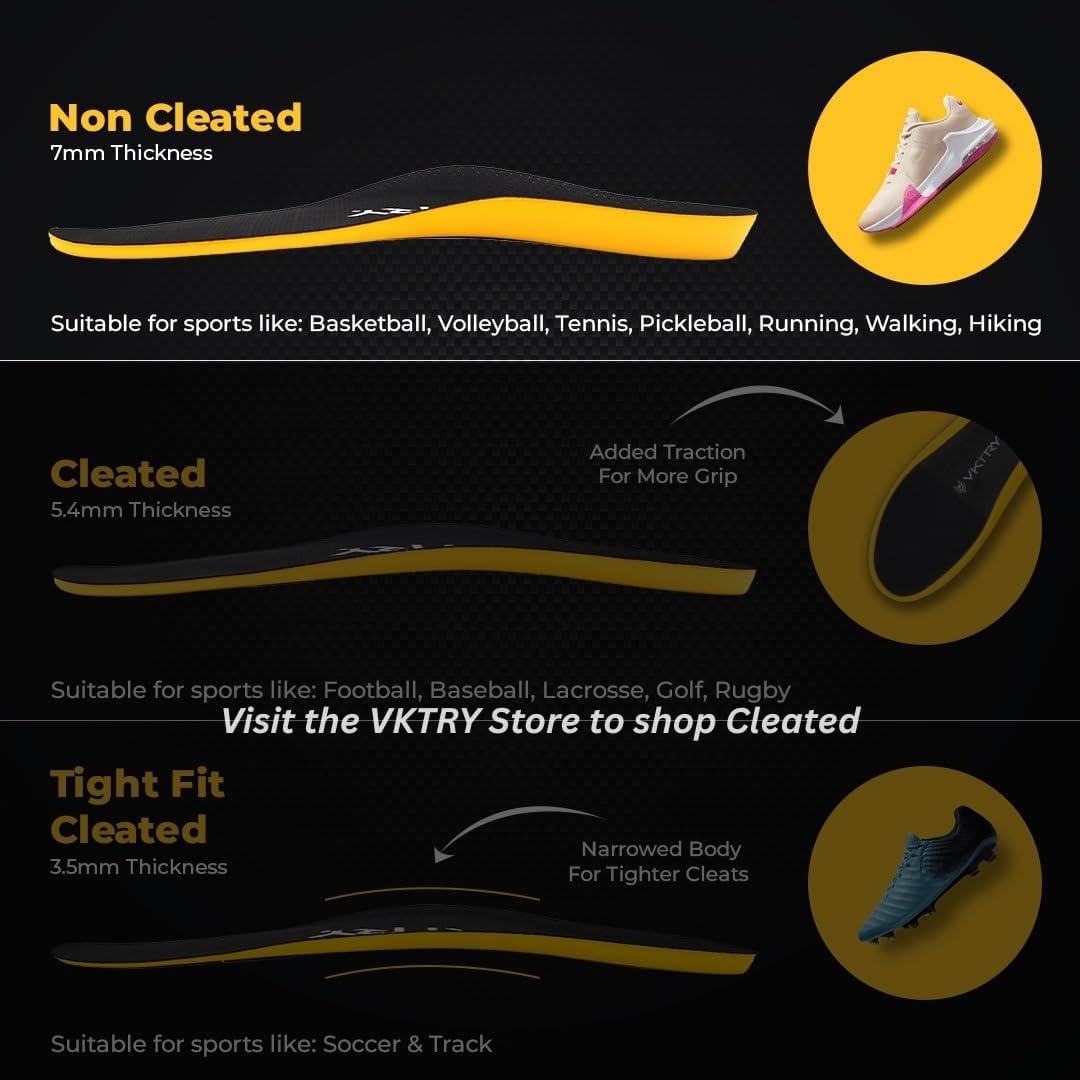
One additional fit note: VKTRY includes different top foam thicknesses (yellow = 6mm, black = 4mm, red = 2mm) depending on shoe type and sport. This matters more for cleat applications where volume is tighter. The wrong foam thickness in a narrow cleat will create heel lift and discomfort regardless of insole size correctness.
If sizing uncertainty exists, purchase direct from vktry.com — their 90-day money-back guarantee makes the experiment significantly lower-risk than an Amazon purchase.
Gold vs. Silver — Which Version Do You Actually Need?
VKTRY makes two versions and the choice matters depending on your sport.
| Feature | Gold | Silver |
|---|---|---|
| Material | 100% aerospace-grade carbon fiber | Carbon fiber composite (less rigid) |
| Cleated shoe compatibility | Yes — football, soccer, baseball, lacrosse | Non-cleated shoes only |
| Customization dimensions | Age, gender, body weight, sport, shoe type | Body weight and shoe type only |
| Price | $149–$179 | $99 |
| Explosive performance | Higher energy return | Moderate energy return |
| Best for | Basketball, volleyball, track, cleated sports | Recreational court sports, walking, budget constraint |
If you play football and want them in your cleats — football cleats typically have less interior volume than training shoes — Gold is the only viable option. The Silver won’t fit in molded cleats and isn’t designed for that application.
For basketball and volleyball players who aren’t dealing with cleated footwear, Silver at $99 delivers a meaningful portion of the performance benefit at roughly 65 cents on the dollar. The durability timeline appears similar between versions, so the lower price point actually improves the cost-per-month math significantly.
Bottom line: Gold if cleated sport or maximum performance ceiling. Silver if recreational court sports and durability-adjusted value matters.
How the Marketing Claims Hold Up
VKTRY’s four promises — run faster, jump higher, recover quicker, protect from injury — deserve individual scrutiny rather than a blanket verdict.
Run Faster: Partially true and heavily context-dependent. Sprint intervals and 5K racing? The energy return is working in your favor. Beyond 8–10 miles? The rigid platform creates more foot fatigue than it resolves. File this as “true for speed work, misleading for endurance.”
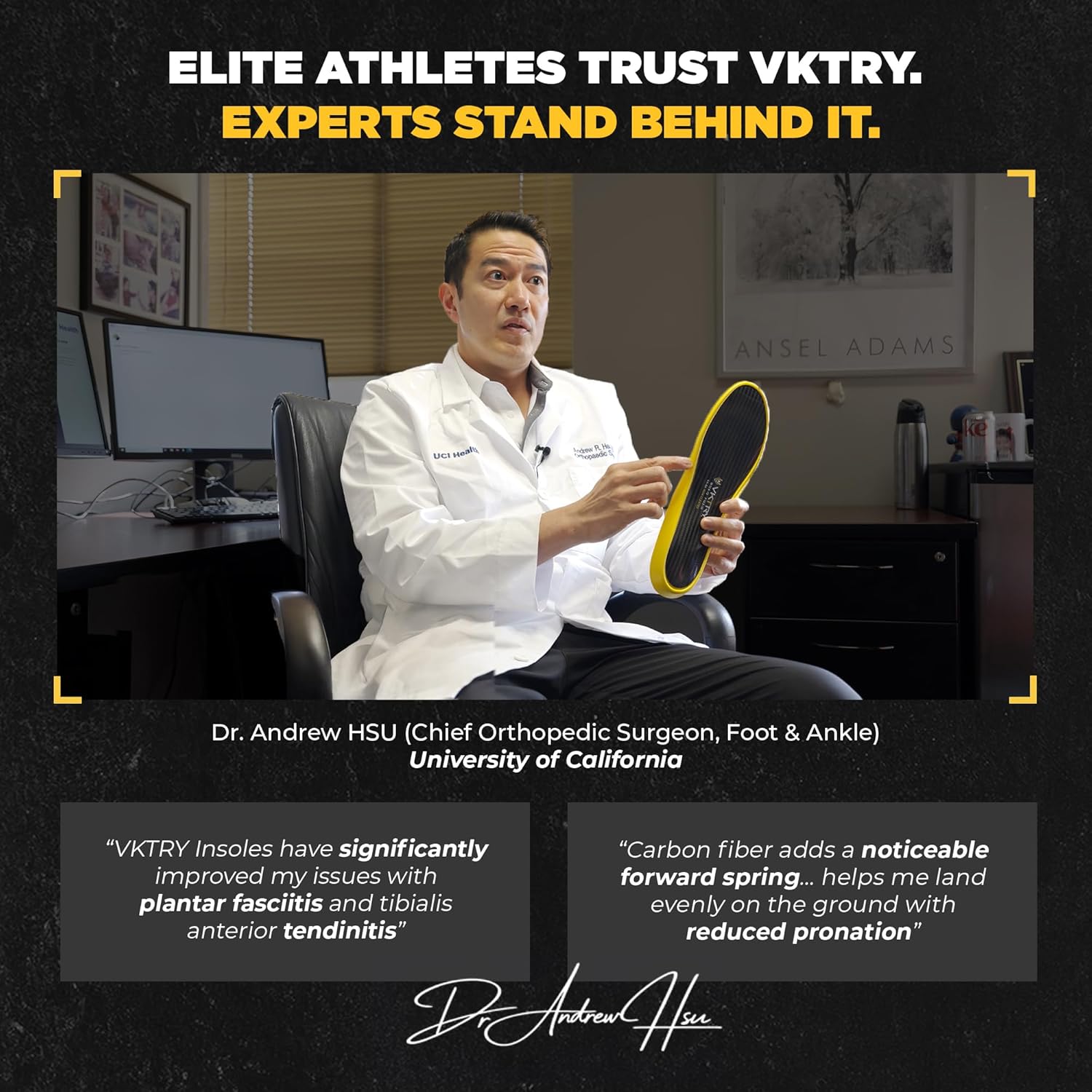
Jump Higher: The strongest claim of the four. A 2018 study at Southern Connecticut State University on 34 NCAA athletes found an average 9.3% improvement in explosiveness, 2% faster 10-yard sprint, and a 1.1-inch vertical jump increase. That’s a small sample, and the baseline comparison was standard foam insoles, but the results were third-party verified and directionally consistent with the community reports I read. The volleyball and basketball communities are the clearest beneficiaries here.
Recover Quicker: Mixed and biomechanics-dependent. Some athletes report reduced knee and hip fatigue during sustained play. Others — myself included past the 90-minute basketball mark — report more foot fatigue than their previous insoles produced. This claim applies to some, not most.
Protect from Injury: Inconclusive. The energy-return mechanism reduces peak impact force at push-off, which theoretically benefits Achilles and plantar tissue. But the break-in period carries genuine injury risk if the protocol is ignored. Net effect: neutral for athletes who follow instructions carefully.
Who Should Buy — and Who Shouldn’t
Strong buy for:
- Competitive basketball or volleyball players with access to performance funding or team budgets
- Track athletes focused on sprints, jumps, and short field events
- Football and baseball players in cleated shoes looking for explosive edge
- Serious lifters who want stable platform without buying specialty shoes
- Athletes willing to budget $50/month for a 3-month performance window and replace regularly
Skip if:
- Marathon, ultramarathon, or long-distance running is your primary sport
- You need durability over 12 months without replacement
- All-day comfort is the priority — these are performance tools, not comfort insoles
- Budget is tight and the cost-per-month math doesn’t work for you
- You have existing foot problems — consult a sports medicine professional first; the break-in period is real
The financial self-check: At 3x weekly use, $150 ÷ roughly 12 sessions per month = $12.50 per session. At 1x weekly, $150 ÷ roughly 4 sessions per month × 6 months = $6.25 per session. For comparison, a quality budget insole upgrade like Valsole Orthotic Insoles runs around $20 with no durability concerns. The performance benefit doesn’t exist at that price, but the cost equation is vastly different.
Final Verdict and Scoring
| Category | Score | Weight | Weighted |
|---|---|---|---|
| Explosive Performance | 8.5/10 | 25% | 2.13 |
| Comfort (Post Break-in) | 6.5/10 | 20% | 1.30 |
| Durability | 4.0/10 | 25% | 1.00 |
| Value for Money | 5.5/10 | 20% | 1.10 |
| Ease of Use | 6.0/10 | 10% | 0.60 |
| Overall | 6.1/10 | 100% | 6.13 |
The 6.1 overall isn’t a dismissal — it reflects a product that does what it claims for specific athletes while falling short of the price/lifespan equation for everyone else. If the explosive performance score were the only metric, these would be 8.5 insoles. The durability and value scores are what hold the overall back.
Frequently Asked Questions
Do they actually add 1–2 inches to your vertical?
For many athletes: yes. The SCSU study showed a 1.1-inch average across 34 college athletes. Individual results vary based on bodyweight, technique, and sport, but this is the most consistently validated claim VKTRY makes.
How long should I realistically expect them to last?
At 3–4 sessions per week: 3–4 months before functional degradation. At 1–2 sessions per week with rotation: potentially 8–12 months. Heavy daily use may see issues by month 2. Plan your budget accordingly.
Can I trim them down to fit a smaller shoe?
No. Carbon fiber cannot be cut safely. Order the exact size listed in your shoe. Size mistakes require exchange or return — contact VKTRY directly.
What’s the real break-in timeline?
Two weeks, not the 3–5 session claim. Week 1 is uncomfortable; week 2 is adaptation. Full benefits accessible by week 3.
Will they work for marathon training?
Not recommended. They perform well for sprint work and distances up to a 10K. Beyond 8–10 miles, the rigid platform creates cumulative foot fatigue that outweighs the performance return.
Gold or Silver for basketball?
Silver at $99 covers basketball applications well. Gold is the better choice if you also play cleated sports or want maximum explosive return. For pure basketball, Silver’s performance level is sufficient and the cost math improves.
What’s the difference in warranty between Amazon and direct purchase?
Buying direct from vktry.com gets you a 90-day money-back guarantee with better claim processing. Amazon purchases come with a 30-day return window only, and warranty claims on Amazon pairs are inconsistently honored. Buy direct if you have any sizing uncertainty.
Can they help prevent injury?
The evidence is inconclusive for injury prevention specifically. Some biomechanics benefit from the energy-return mechanism; others develop foot fatigue during adaptation. If you have existing issues — plantar fasciitis, Achilles problems — consult a sports medicine professional before trialing these. A podiatrist-fitted custom orthotic from a service like sports accessories specialists may be a better-targeted solution.
Can I move them between shoes?
Yes, within the same shoe category (e.g., one basketball shoe to another). Moving between cleat and non-cleat types is not recommended — the foam thickness and flex tuning is different. Frequent transfers also stress the adhesive bond between foam and carbon layers.
What’s VKTRY’s contact information for claims?
[email protected] or 1-844-468-5879. For direct warranty claims, use vktry.com rather than Amazon’s return process.
Final Thoughts
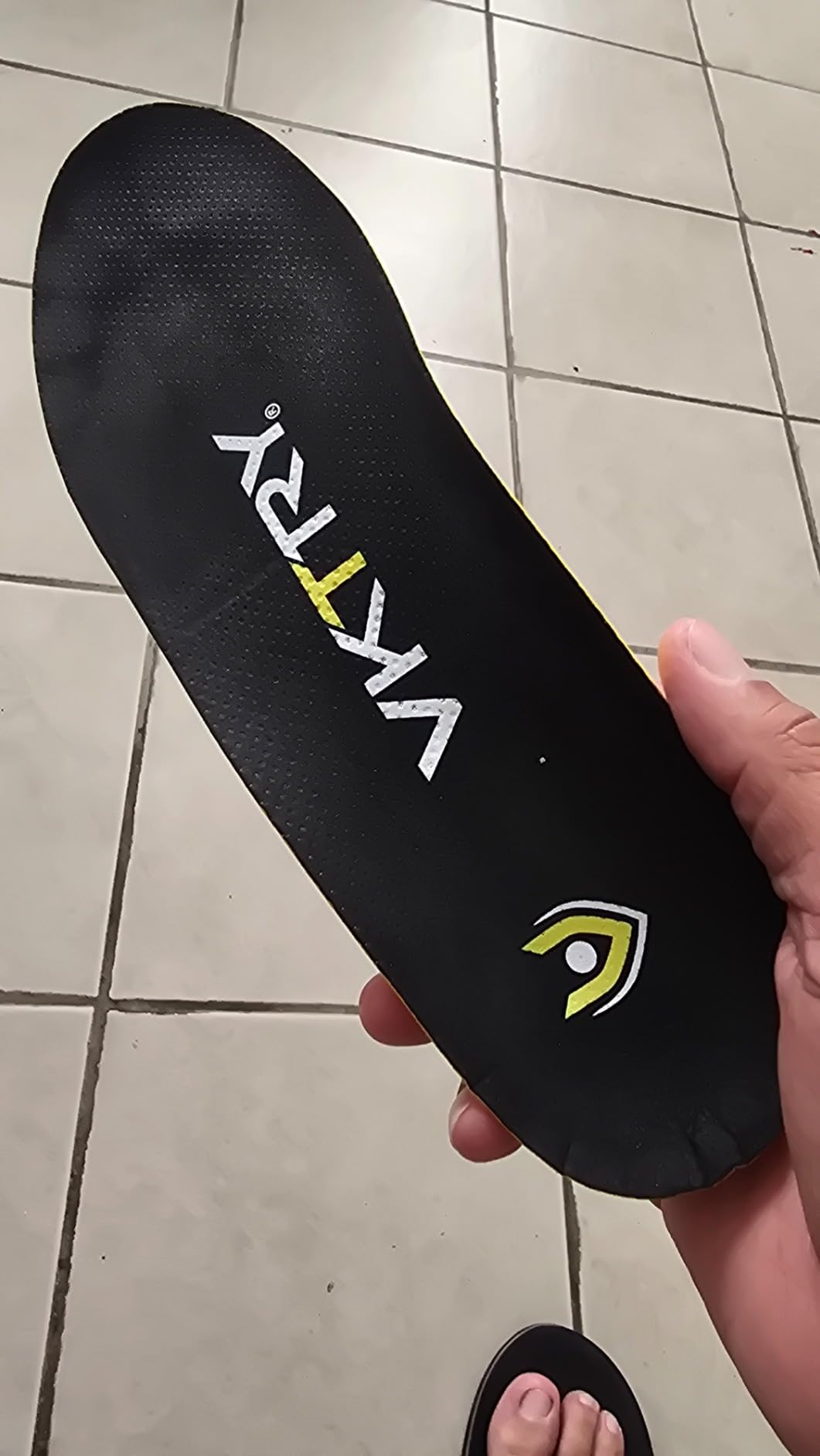
VKTRY Gold insoles occupy a specific, real niche: performance-focused athletes in explosive sports who measure value in performance gain per session rather than cost per year. Within that niche, they work — the science behind carbon fiber energy return is legitimate, the SCSU study results are directionally credible, and the performance benefits I felt in basketball and sprint work were genuine.
Outside that niche, the 2–6 month structural failure timeline at $150+ is a difficult value proposition to defend. A performance window that expires before most athletes have fully optimized their use doesn’t scale to recreational players or endurance-focused athletes.
Before buying, run this honest self-check: Am I training at 3+ times per week in explosive sports? Can I absorb $50/month for a 3-month rotation cycle? Am I willing to invest two weeks in a break-in protocol before seeing benefits? If three “yes” answers come back, VKTRY Gold is worth the gamble. If even one is “no,” save the money for better shoes.
The insoles aren’t for everyone. For the right athlete, they do what the ads claim.
Be the first to review “VKTRY Gold for Non-Cleated Shoes”
Related products
Accessories
Accessories

Hiking/Trekking Shoes
Hiking/Trekking Shoes
Accessories
Running Shoes
Accessories
Reviews
There are no reviews yet.