
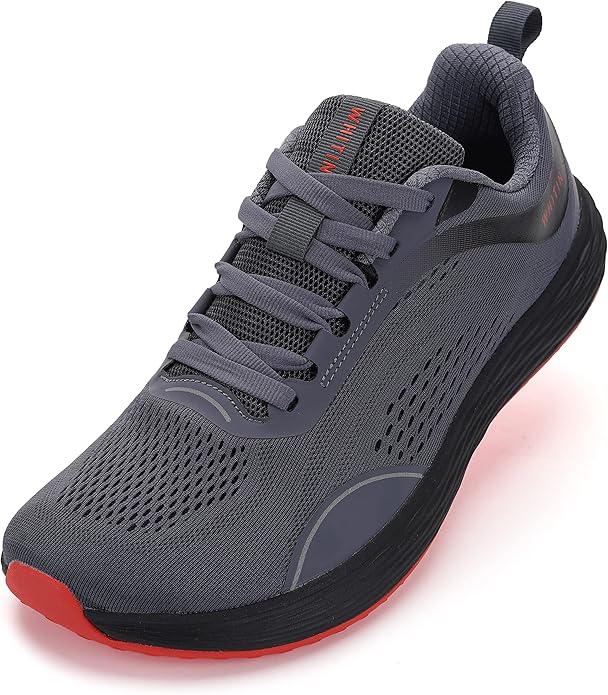
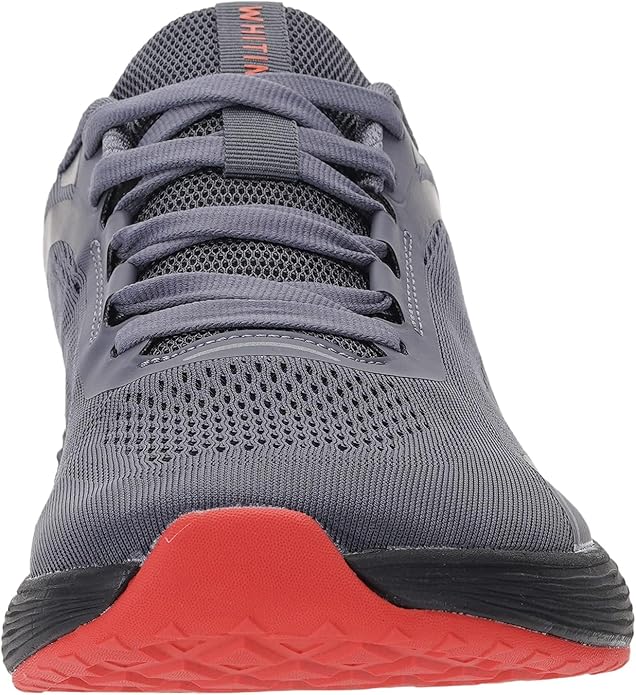
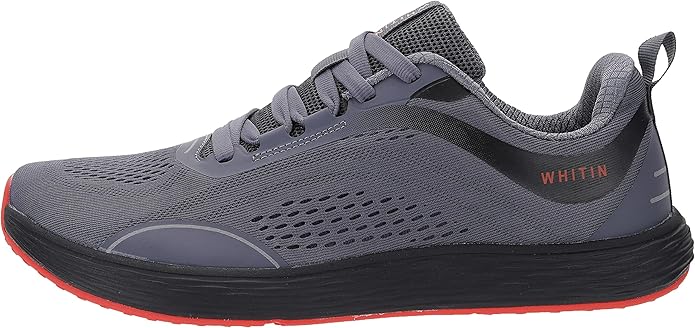
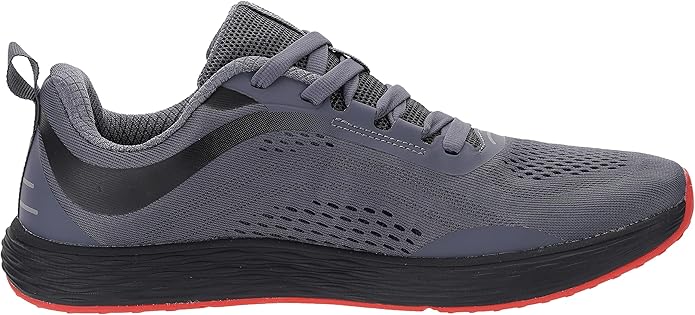
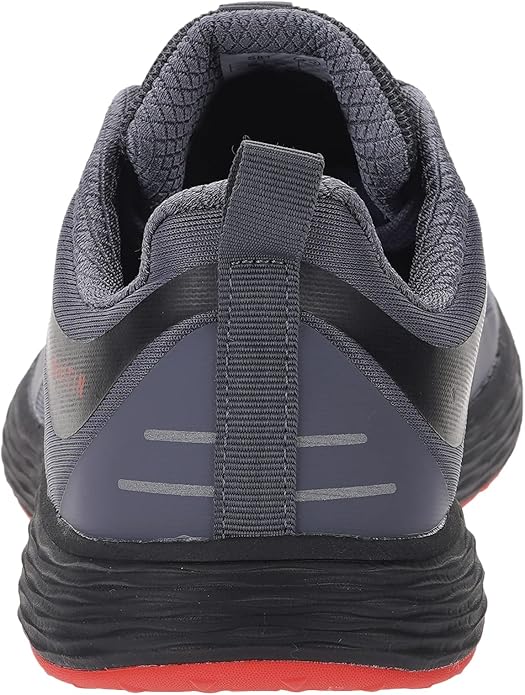
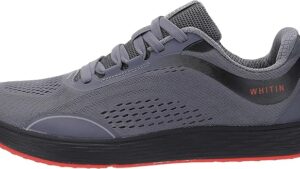
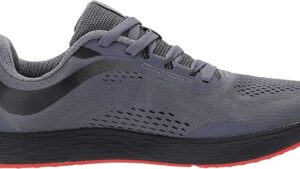

Three athletes in my Tuesday evening group mentioned switching to the same budget zero-drop shoe within a single month. When the third person brought it up — completely unprompted — I figured I owed it to my curiosity to actually test the thing. Mike here, fifteen years coaching recreational runners and going through more test pairs than I care to count. The WHITIN Men’s Zero Drop Running Shoes retail for $45. That’s it. No launch event, no influencer collab. Just a remarkably affordable shoe making a specific promise: zero drop, wide toe box, accessible price. I spent eight weeks finding out whether that promise holds.
Quick Specs & Testing Scope
Before getting into how it actually runs, here’s the technical baseline:
- Price: $45
- Weight: ~9.4 oz (size 9) — lighter at smaller sizes
- Heel-to-toe drop: 0mm, confirmed with a ruler
- Stack height: 15mm heel / 15mm forefoot (truly identical)
- Midsole: EVA foam
- Upper: Mesh with synthetic overlays
- Best for: Minimalist transition, wide feet, gym lifting, casual running
My testing covered 8 weeks, 45 sessions, roughly 120 miles total. That breaks down to 40+ miles of road running, 25+ gym training sessions, about 15 miles of trail walking, and 60+ days of casual wear mixed in. I tested in a men’s size 10 — my usual size in most running shoes.
First Impressions: Fit & Construction
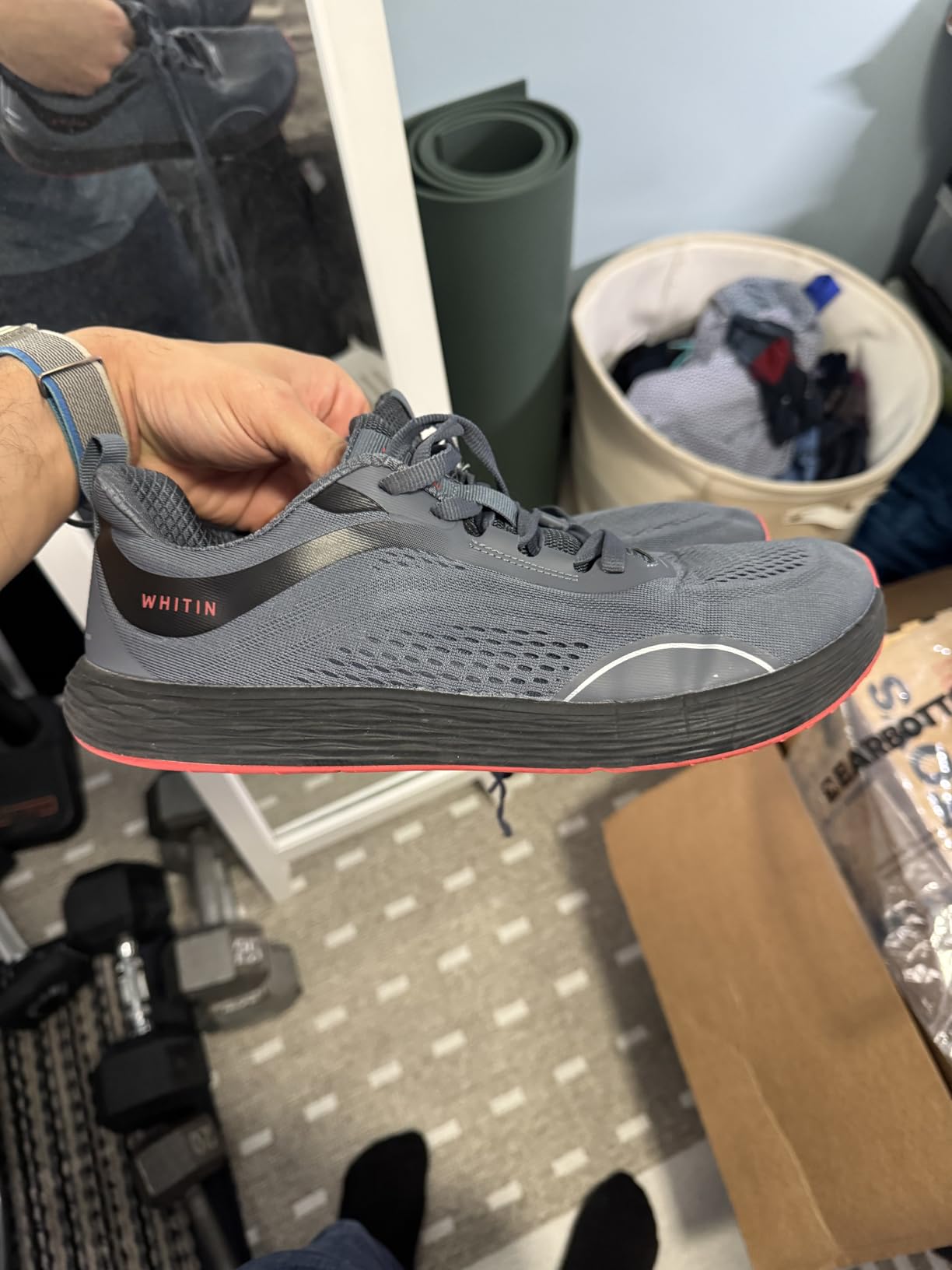
The shoes ship without a box — just wrapped in plastic with cardboard form inserts inside. Some people find this off-putting; I thought it was honest. No premium packaging to amortize into a $45 price point. The construction on first handling was better than I expected. Mesh upper with clean stitching, no obvious loose threads or glue seams. The synthetic overlays at the heel and forefoot felt reasonably substantial.
Then the fit. I ordered my standard size 10, and the length was right. But the toe box — that’s the defining feature here. Compared to the traditional running shoes I usually test, the forefoot room was dramatically different. Toes could actually splay outward rather than compressing together. For anyone who’s been quietly tolerating crowded toe space in regular shoes, the first few seconds in this shoe register as a genuine relief.
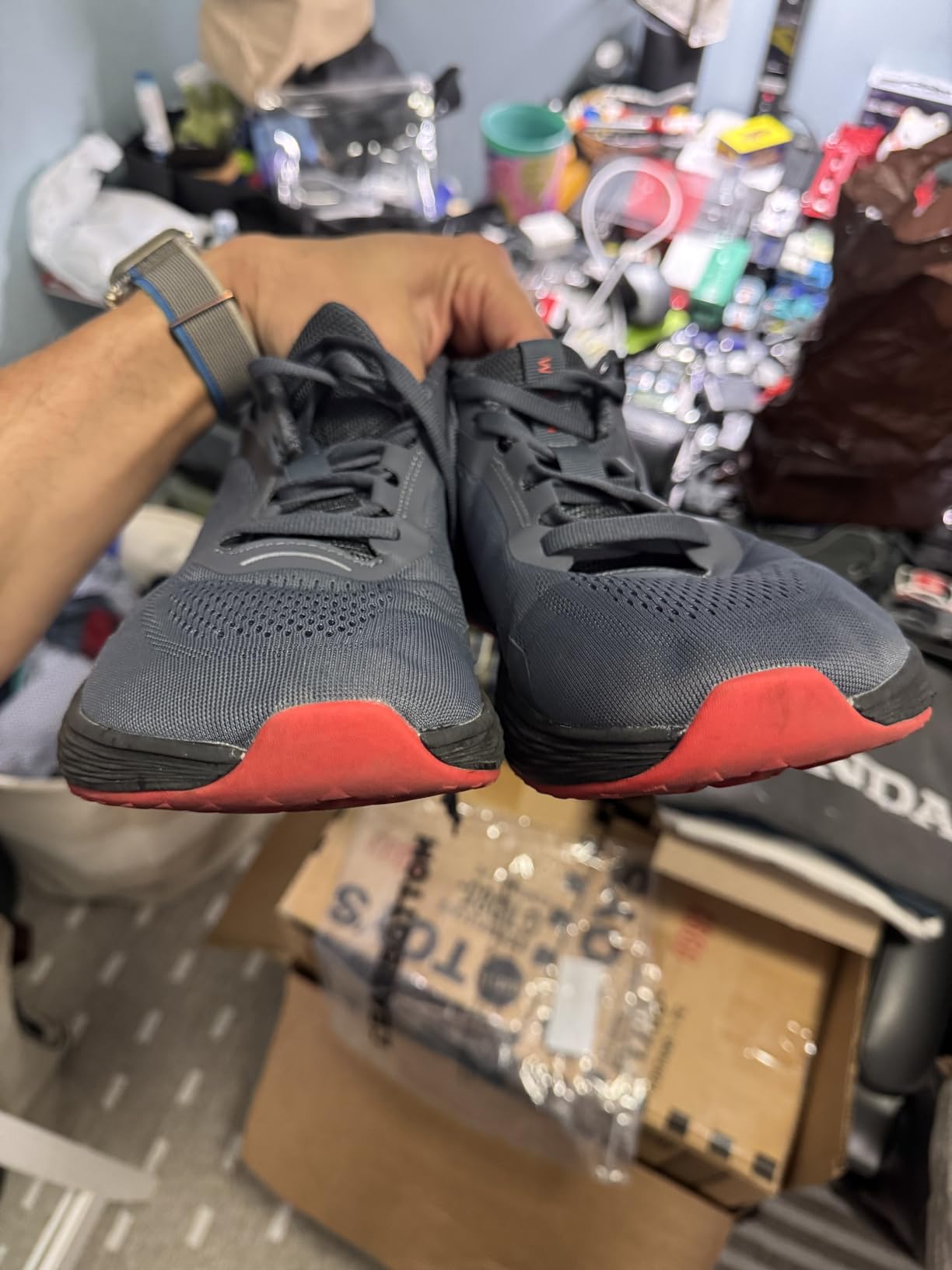
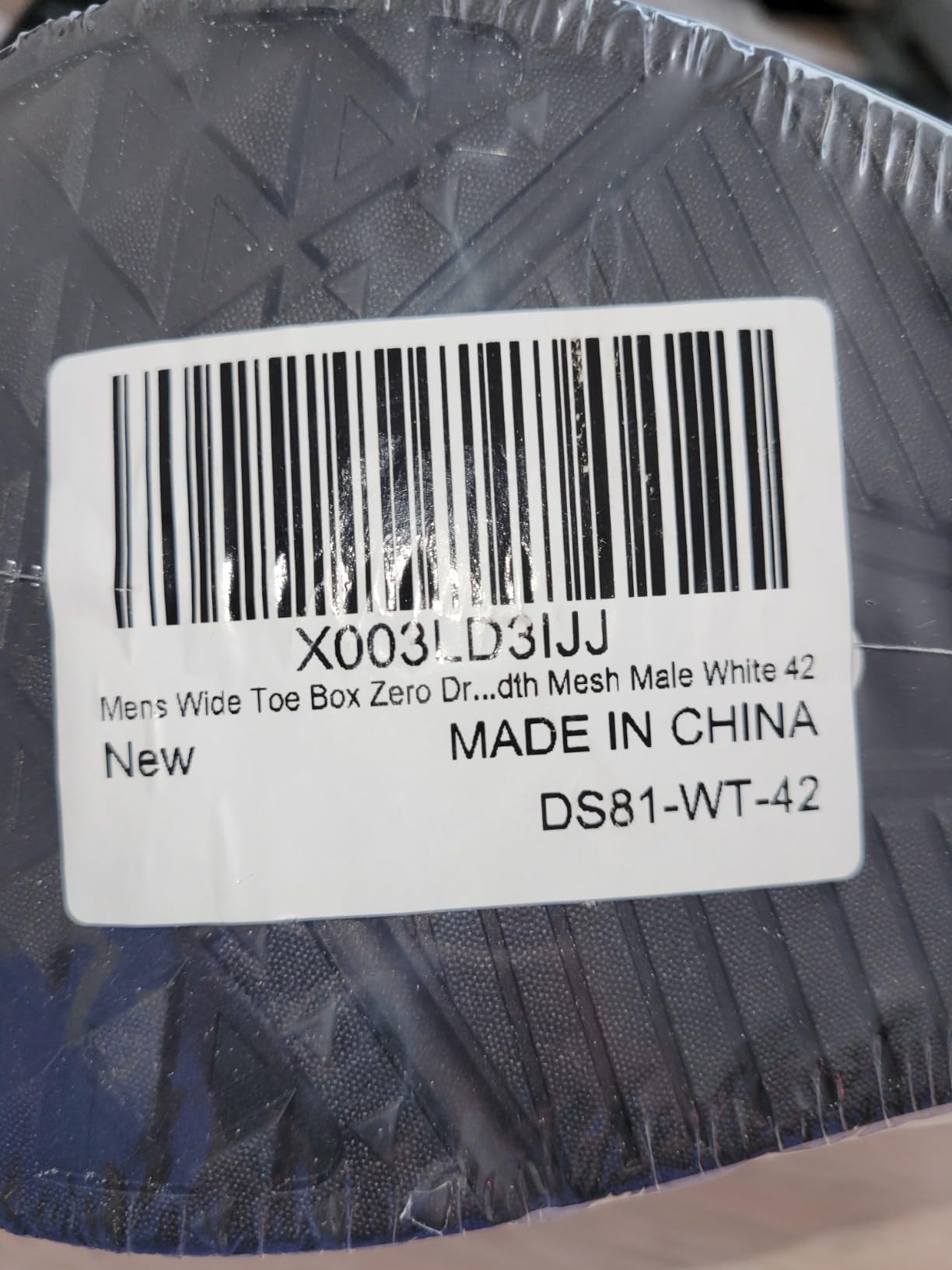
Sizing runs true for most. The caveat: WHITIN builds on EU sizing without half-size options, so there can be minor gaps between standard US sizes. If you have a wider-than-average midfoot, going half a size up works. For standard width, order your normal size and check the toe box room on first wear.
One quality control flag worth knowing: some buyers have reported laces glued to the eyelets. My pair was fine, but it’s worth checking lace mobility the moment you open the package.
The Zero-Drop Transition — What to Actually Expect
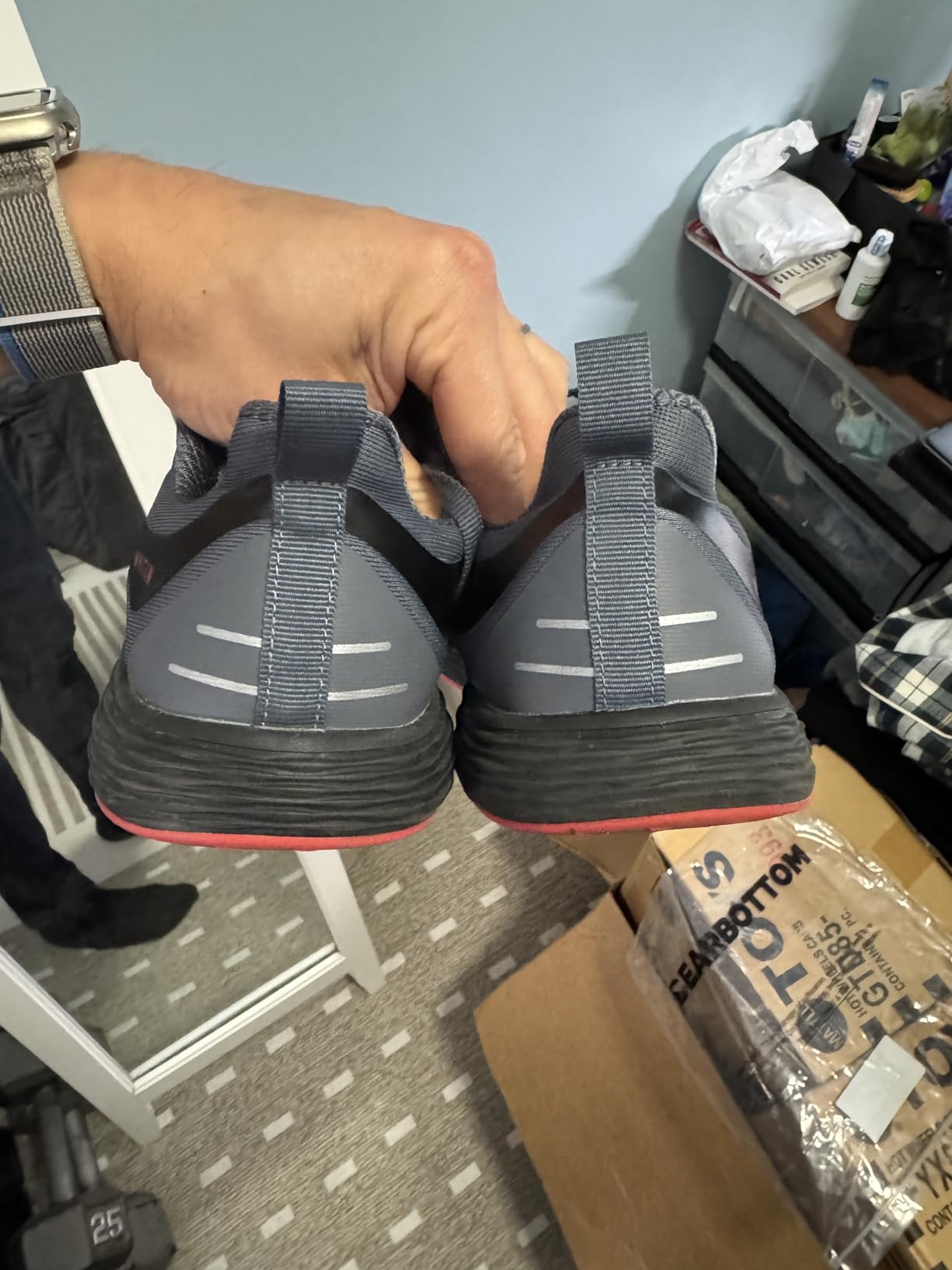
If you’ve been running in shoes with 8-12mm heel elevation — which most traditional running shoes have — your calves and Achilles tendons have been adapting to that elevated position for however long you’ve been wearing them. Removing that elevation doesn’t hurt anyone, but your body takes time to catch up.
I treated the first two weeks as orientation rather than real training in these shoes. Twenty-minute walks initially, then short easy runs, gradually extending duration. By week three, the calf tightness that showed up in week one had mostly resolved, and I started feeling something genuinely useful: a natural tendency toward midfoot landing rather than heel striking. That’s not magic — it’s geometry. When there’s no heel platform elevating your foot, heel-first landing becomes less comfortable, so your stride adjusts.
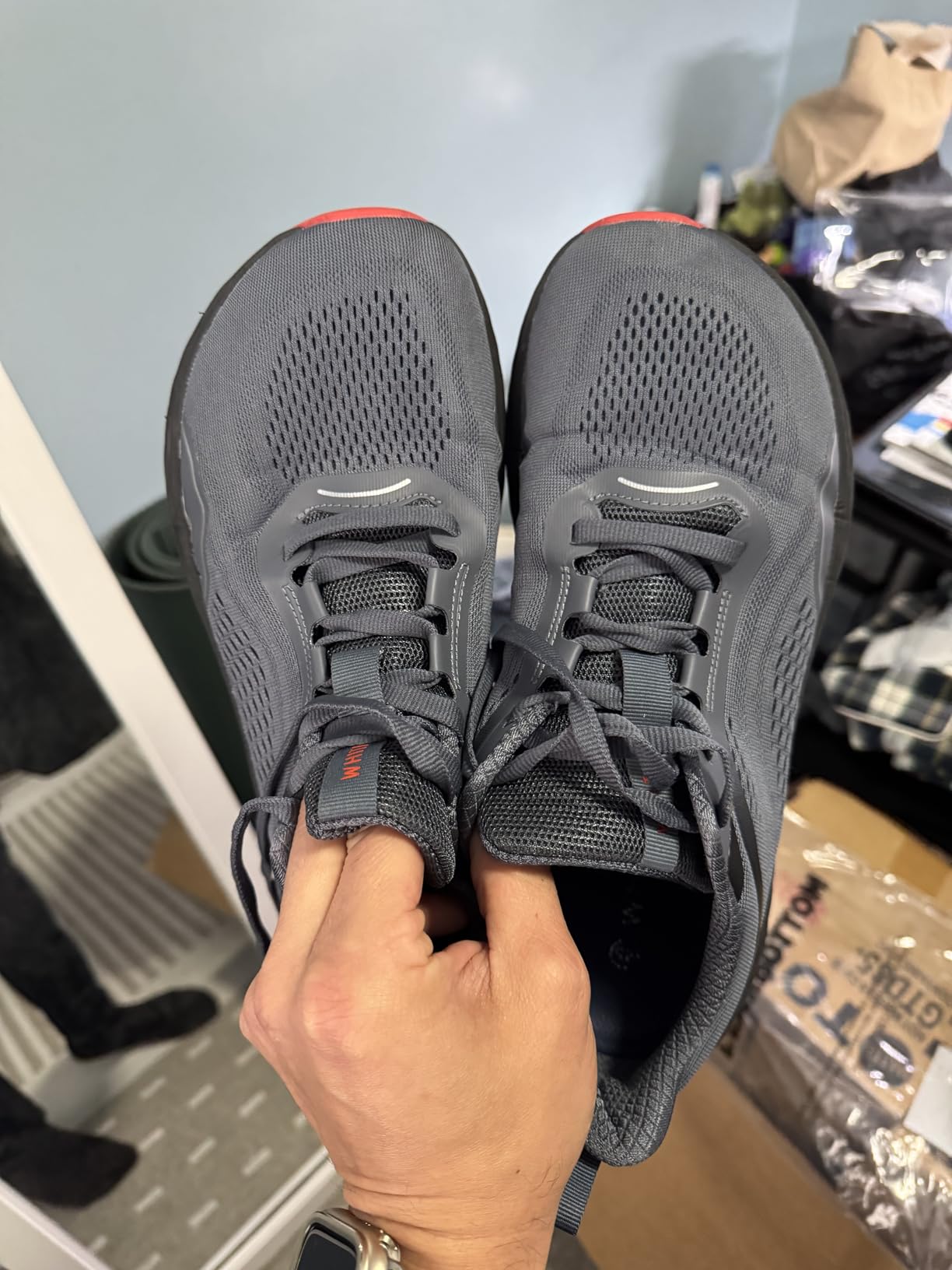
The ground feel from the 15mm EVA stack is what I’d call moderate minimalism. Not barefoot-harsh — there’s enough between your foot and the pavement to absorb sharp impacts. But you definitely feel texture. Cracks in the sidewalk, gravel, the subtle texture of different asphalt — it all registers. For people building proprioceptive awareness or rehabbing running form, that feedback is useful. For people expecting a Hoka-style cushioned ride, these will feel uncomfortably firm.
Performance Breakdown by Use Case
Road Running: 40+ Miles
For easy and moderate-effort runs in the 3-7 mile range, these performed well. The 9.4 oz weight becomes noticeable across miles in a positive way — less bulk to move, less leg fatigue in the back half of longer efforts. Traction on dry asphalt and concrete was adequate.
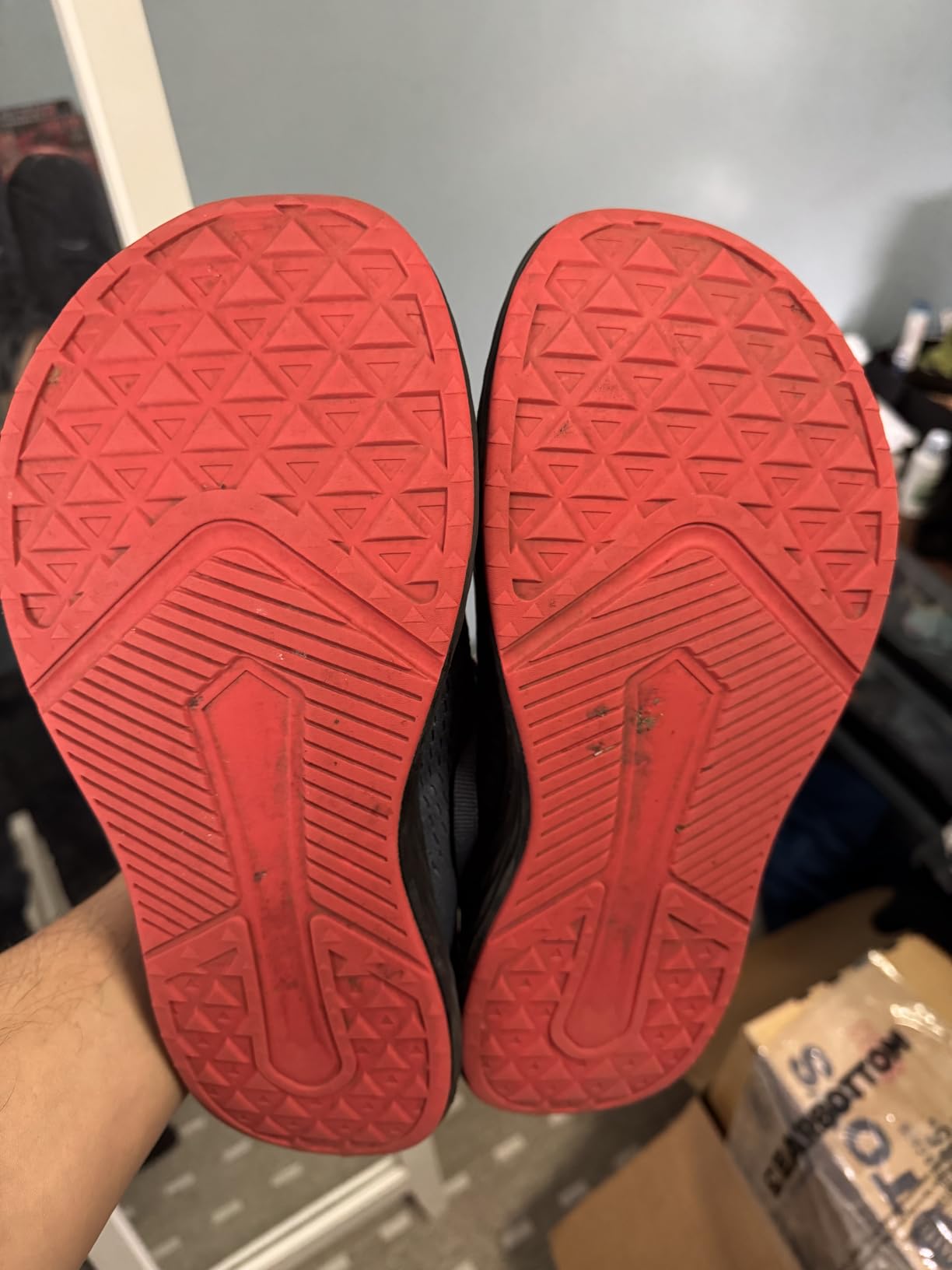
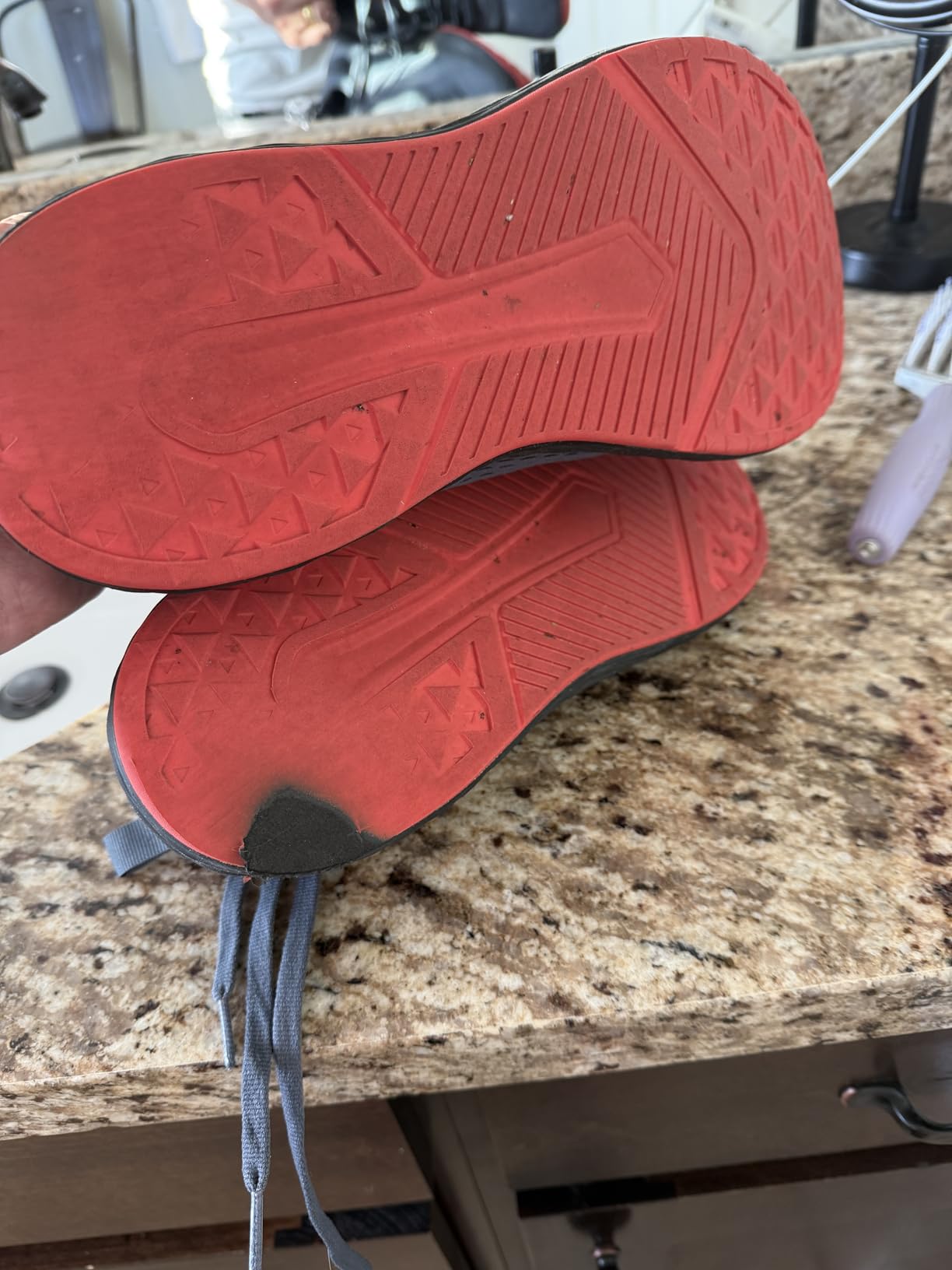
Wet pavement is a different story. I had two sessions where light rain made the rubber outsole noticeably slippery. This matches what dozens of Amazon reviewers describe consistently. The outsole compound that works fine in dry conditions lacks the grip compound for wet surfaces. It’s a real limitation, not a minor caveat. If you run regularly in rain or live somewhere with frequent wet pavement, factor this in seriously.
The EVA midsole started showing packing by around week 5-6. Not dramatic, but the cushioning feel softened noticeably from the initial firmness. For casual mileage, this is fine. High-mileage runners will hit this midsole compression well before they’d replace a premium shoe.
Gym & Strength Training: 25+ Sessions
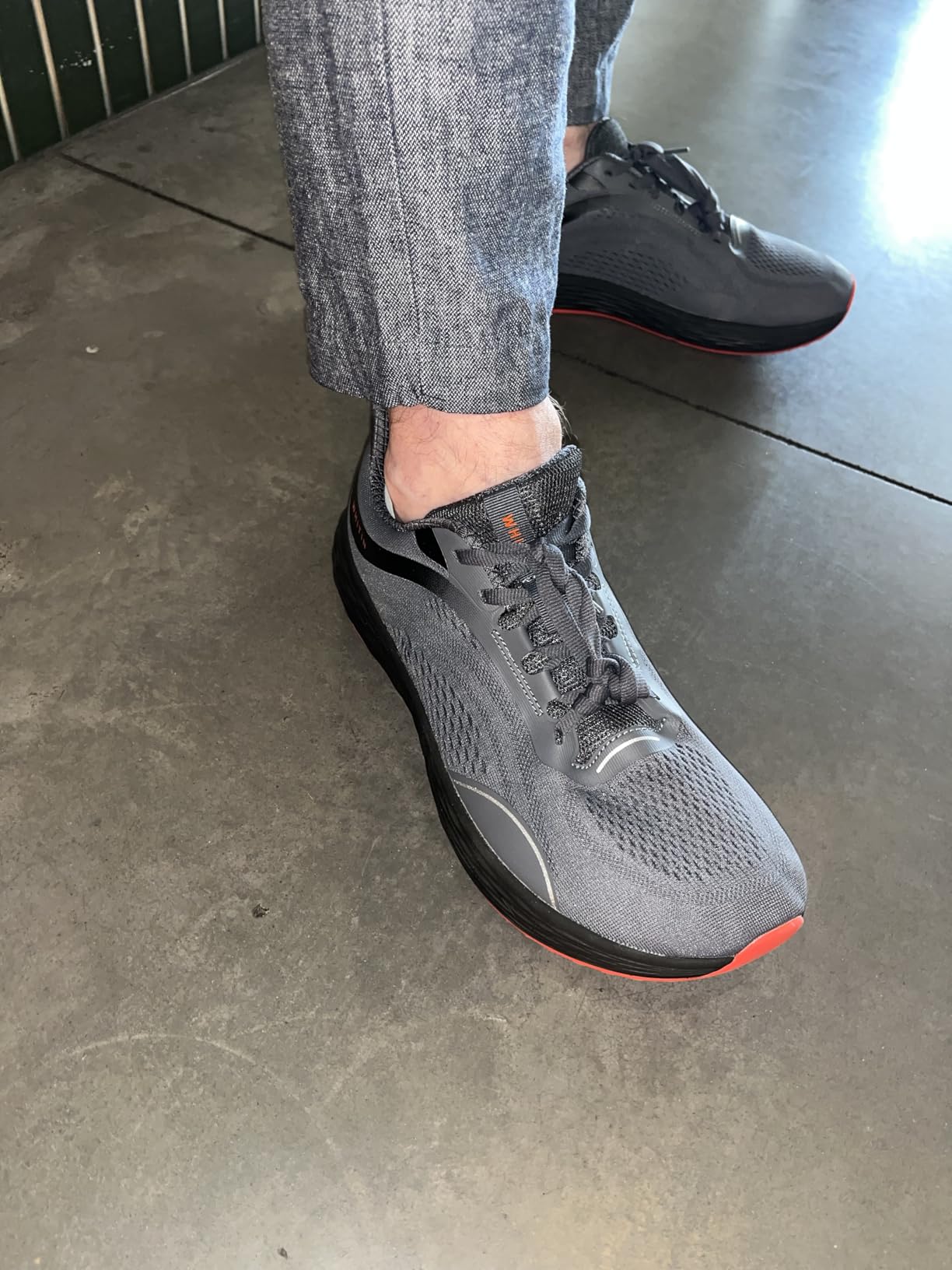
This is where the WHITIN genuinely excels. The flat sole and wide toe box are near-ideal for training movements like squats and deadlifts. No heel elevation means no forward lean compensation; you get a stable, grounded platform. The wide toe box allows natural toe splay during balance-demanding movements — single-leg work, step-ups, anything requiring proprioceptive feedback from the forefoot.
For high-intensity lateral movements — agility drills, jump training, anything with quick direction changes — the minimal upper support showed its limits. These aren’t lateral support shoes. But for the standard gym-goer who wants a stable lifting platform without paying for dedicated weightlifting shoes, these are surprisingly effective.
Daily Wear: 60+ Days
Comfortable for long wear periods. The breathability holds up well — even across extended wear in warm weather, feet stayed reasonably cool and dry. Several clients who tried these mentioned wearing them for 10-12 hour work shifts with good results; that lines up with my experience of the upper’s airflow staying effective over time. The minimalist design is also versatile enough for casual wear without looking out of place outside of athletic contexts.
Build Quality & Durability: The Honest Numbers
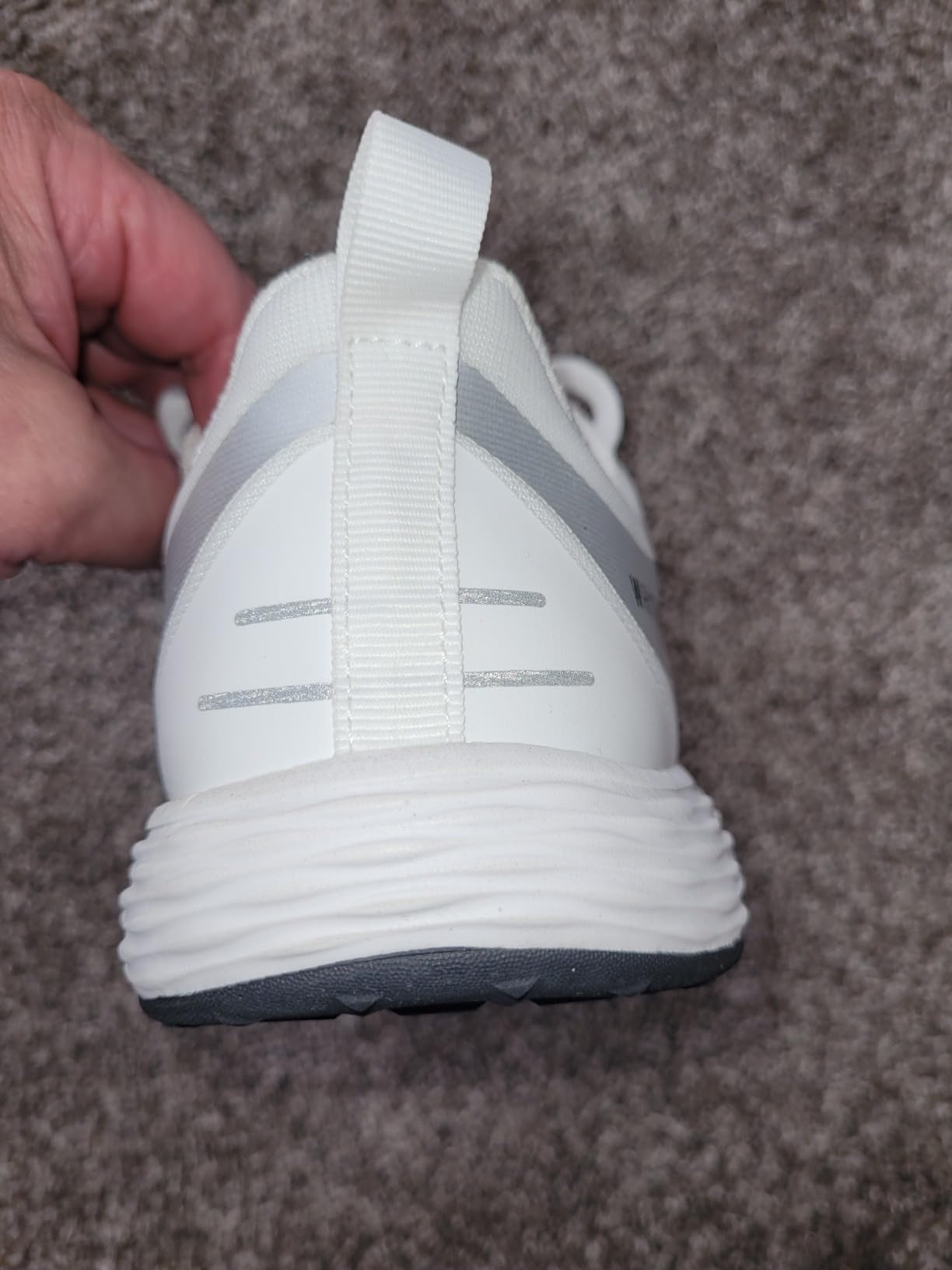
The upper construction is better than the outsole. Mesh held up well across 8 weeks; stitching stayed clean. The synthetic overlays at high-stress areas add reasonable durability.
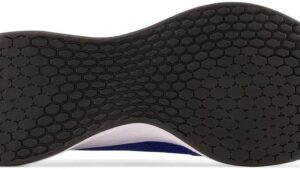
The outsole is a different story. It’s thin rubber by design — the weight and cost have to come from somewhere. Based on my wear patterns at week 7-8 and consistent community reporting, expect the following:
- Light use (walking, occasional gym): 6-12 months
- Moderate use (3-4 short runs per week): 3-5 months
- Heavy use (daily running + gym): 2-3 months
At $45, that math still works out reasonably. At $45 ÷ 200 miles, you’re paying about $0.22 per mile. A $140 shoe lasting 400 miles runs about $0.35 per mile. Budget runners who swap pairs frequently may actually come out ahead.
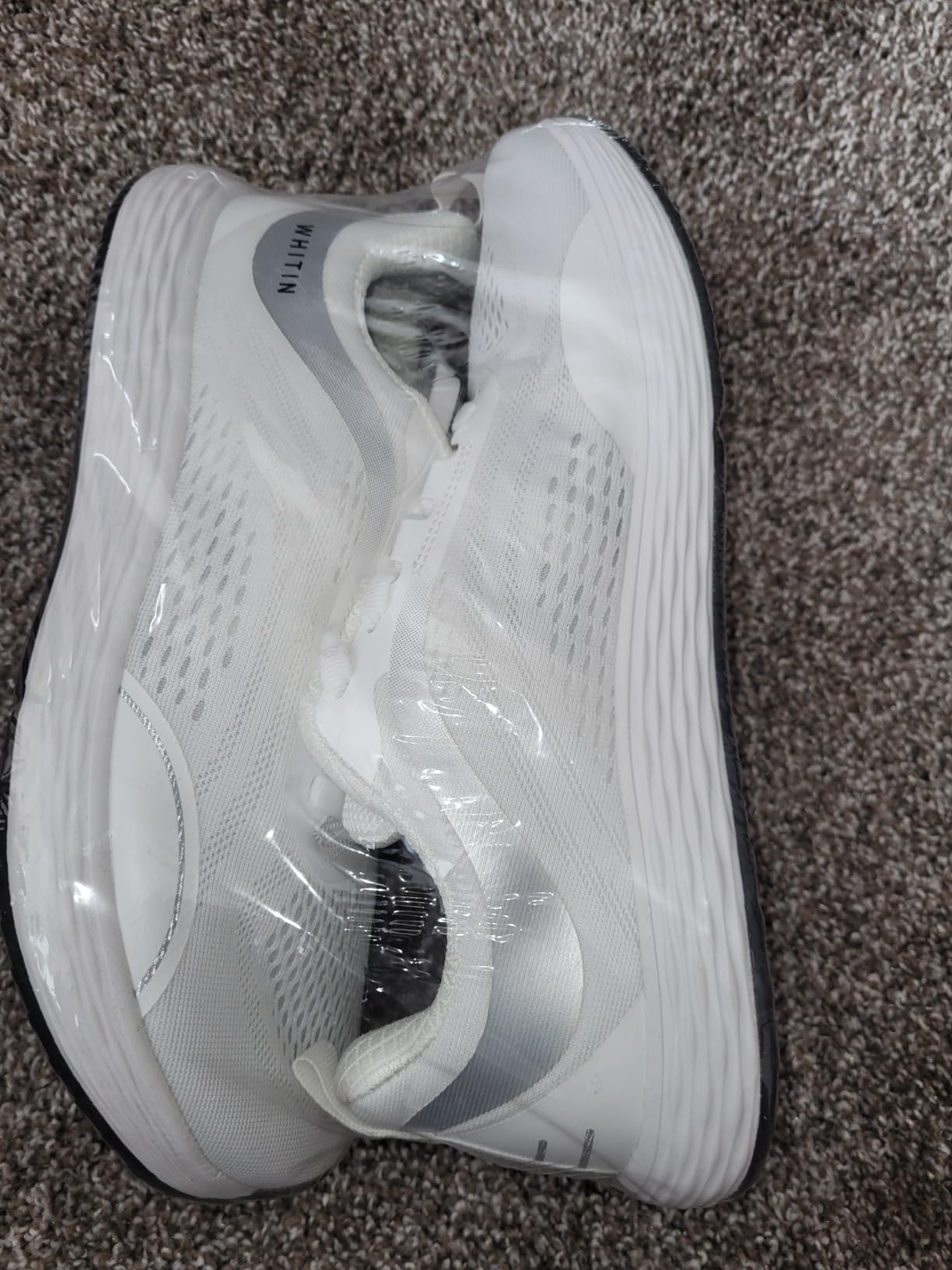
The insoles are basic but functional. Many long-term WHITIN wearers swap them out for aftermarket options, especially if they have arch support needs. The cavity accommodates standard-width insoles without issue.
Claims vs. Reality
“Wide toe box allows toes to spread naturally” — CONFIRMED. This is the shoe’s strongest feature and not overstated. The width is real and immediately perceptible. Runners with bunions, hallux issues, or simply wider feet consistently praise this aspect across hundreds of reviews — and my experience matches.
“Zero drop construction for natural running form” — CONFIRMED. The spec is accurate. The experience benefit depends on the runner; it’s a tool, not a miracle, but the structural claim holds.
“Lightweight material reduces weight significantly” — MOSTLY CONFIRMED. At 9.4 oz it’s lighter than traditional trainers but not the lightest option in the minimalist category. “Significantly” is doing some marketing work there.
“Slip-resistant rubber outsole” — MIXED. Reliable on dry surfaces. Not reliable on wet pavement, wet tile, or wet grass. The outsole compound clearly wasn’t engineered for all-conditions grip.
Performance Scores
| Category | Score | Reasoning |
|---|---|---|
| Comfort | 8.5/10 | Wide toe box is exceptional; breathability holds over long wear; zero-drop requires adjustment but feels natural post-adaptation |
| Performance | 7.5/10 | Solid for gym, casual running, daily wear; wet traction limitation and midsole compression cap the score |
| Durability | 6.5/10 | 150-250 mile outsole lifespan is the known tradeoff; acceptable at $45, not acceptable if you need 400+ miles per pair |
| Value | 9/10 | At $45, it’s the most accessible entry point in the zero-drop category; cost-per-mile math works for casual users |
| Style | 7.5/10 | Clean minimalist design that transitions between athletic and casual; color options are limited but versatile |
| Overall | 7.8/10 | Executes its core mission — zero drop access, wide toe box comfort — at an exceptional price point |
Who Should Buy This Shoe (And Who Shouldn’t)
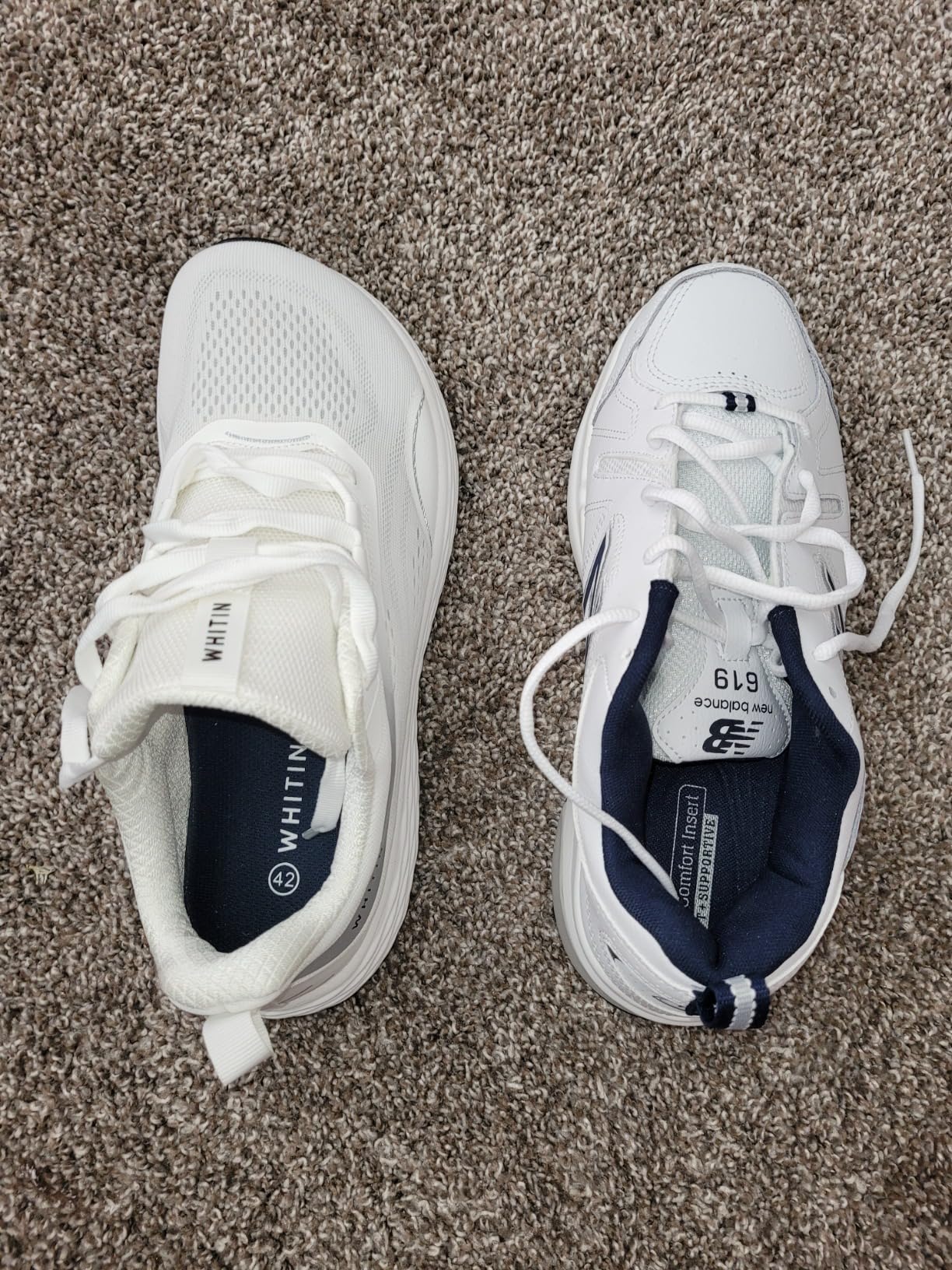
Buy these if you:
- Have wide feet, bunions, or toe crowding issues — this is genuinely the shoe’s best use case
- Want to try zero-drop running without committing $140+ to an Altra Lone Peak 8 or similar
- Lift weights regularly and want a stable, flat platform for squats and deadlifts
- Run easy distances (15-20 miles per week max) on dry surfaces
- Want a breathable daily shoe that doesn’t crowd your toes
Look elsewhere if you:
- Run 25+ miles per week and need durability beyond 200 miles per pair
- Prefer plush, cushioned rides — the firmness here is intentional but polarizing
- Run regularly in rain or wet conditions (the outsole grip is a real liability)
- Need consistent QC and half-size options
- Want a shoe that lasts a full marathon training block without replacement
Alternatives worth considering: For a step up in durability at budget-adjacent prices, the Airhas Barefoot Zero Drop is worth comparing. If you want wide toe box options in a women’s minimalist style, Joomra Wide Barefoot or Jackshibo Wide Toe Box offer similar philosophy at comparable price points. For true barefoot feel with more refined construction, HF LazuliPro Barefoot offers a step up.
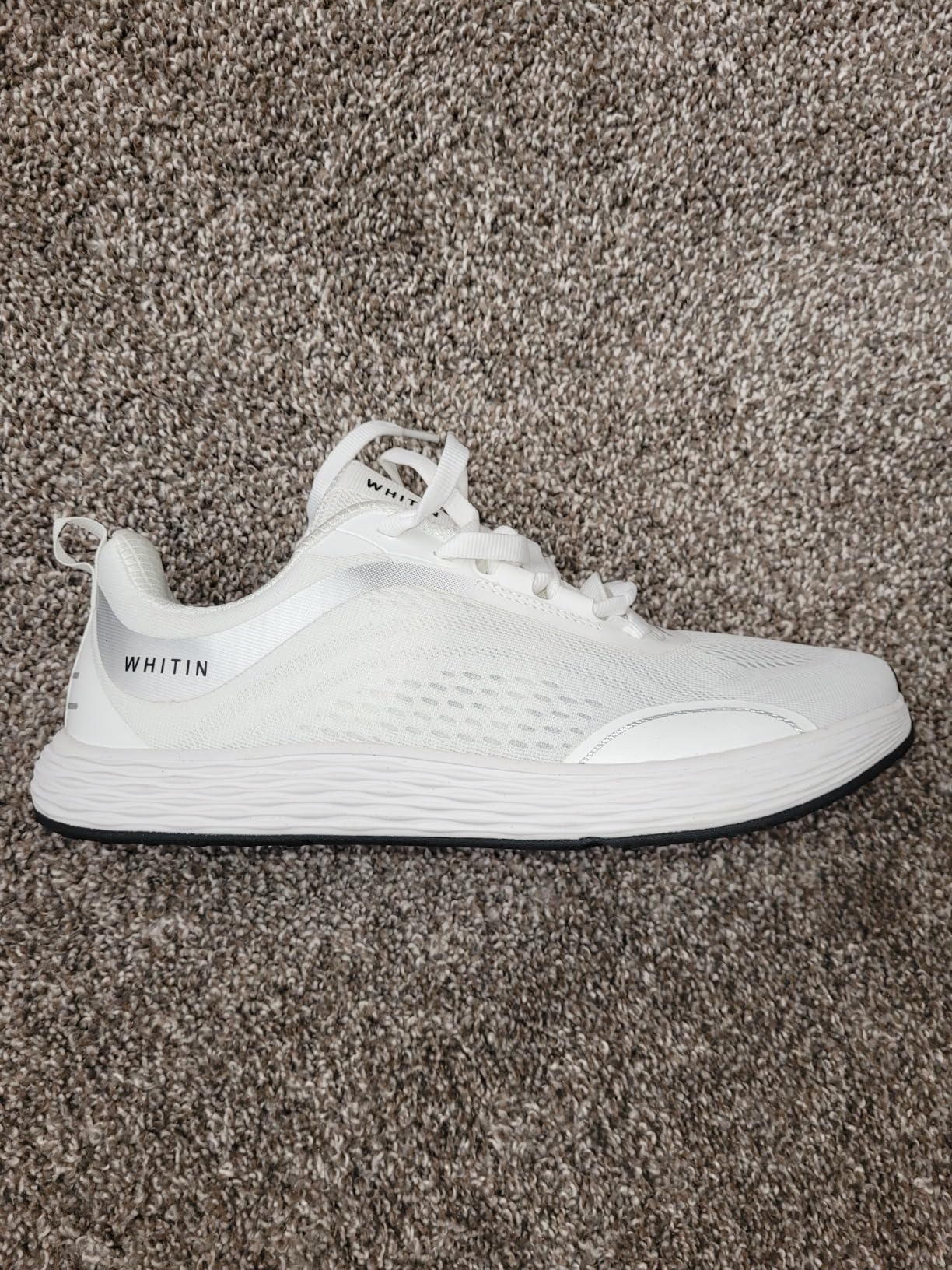
Frequently Asked Questions
Q: I’ve never worn zero-drop before. How long does the adjustment take?
A: Expect 2-3 weeks of noticeable calf and Achilles tightness. Start with short walks rather than runs, extend duration gradually. By week three most people have adapted enough for easy runs. Not dangerous, but don’t rush it.
Q: True to size, or should I size up or down?
A: True to size for most people. WHITIN builds on EU sizing so there are no half sizes — if you’re typically between sizes, go up. Check toe box room on first wear; there should be a thumb’s width of space at the front.
Q: Are these actually zero drop, or is that marketing?
A: Genuinely 0mm. Heel and forefoot sit at identical heights from the ground. Verified with a ruler by multiple reviewers.
Q: Can I use these for marathon training?
A: Not recommended. Lifespan is 150-250 miles under regular use; you’d likely need replacement mid-training block. They’re also not designed for 20+ mile long run cushioning demands. Better suited to base-building or transition phases.
Q: What’s the ground feel like? Are they actually barefoot-y?
A: Moderate minimalism. You feel ground texture — pebbles, cracks, surface changes — but the 15mm EVA prevents sharp impact shock. Not barefoot-harsh, but noticeably more connected than conventional shoes.
Q: Good for people with plantar fasciitis?
A: Mixed results. Some find the natural foot positioning beneficial; others need more arch support than these provide. The wide toe box can help if toe crowding was contributing to symptoms. Consult a podiatrist before using these therapeutically.
Q: How are they for weightlifting specifically?
A: Genuinely good. The flat sole provides a stable squatting platform; no heel elevation means no forward lean compensation. The wide toe box adds balance benefit for single-leg movements. For lifting-focused use, these punch above their price point.
Q: The grip — is it actually slippery on wet pavement?
A: Yes. Multiple independent reviewers and customer reports confirm this. On dry surfaces the outsole performs fine; on wet pavement, wet tile, or wet grass, the rubber compound lacks grip. If your routes involve regular rain running, this is a meaningful limitation.
Q: How long do they actually last?
A: The outsole is the limiting factor. Light casual use may get you 6-12 months. Regular running (3-4x per week) expect 3-5 months. Heavy daily use, 2-3 months. The upper construction is more durable than the outsole; you’ll wear through the bottom before the top fails.
Q: Any QC issues I should know about?
A: Some batches have reported laces glued to eyelets, preventing normal lace adjustment. Check this immediately on arrival. The fix is straightforward if you catch it; the problem is if you don’t notice until after the return window closes.
Be the first to review “WHITIN Men’s Zero Drop Running Shoes Wide Toe Box”
Related products
Running Shoes

Running Shoes
Running Shoes
Running Shoes
Running Shoes
Running Shoes
Running Shoes
Running Shoes
Reviews
There are no reviews yet.