
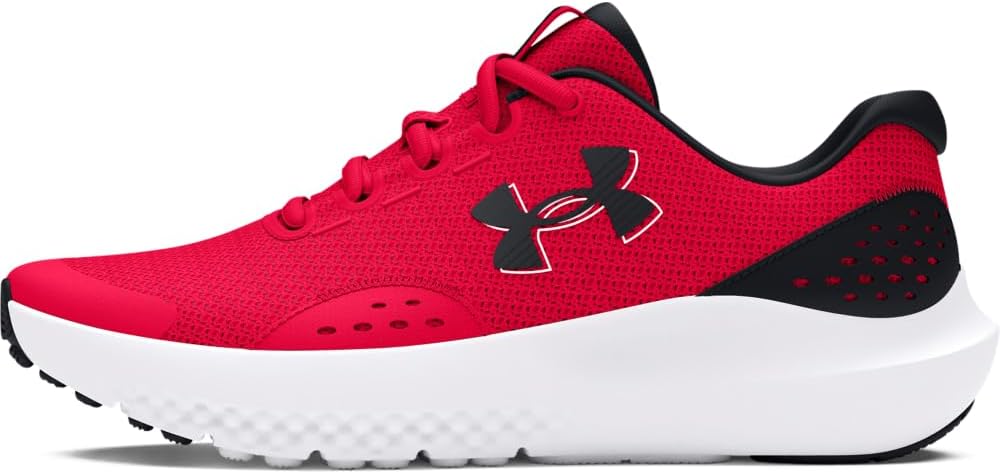
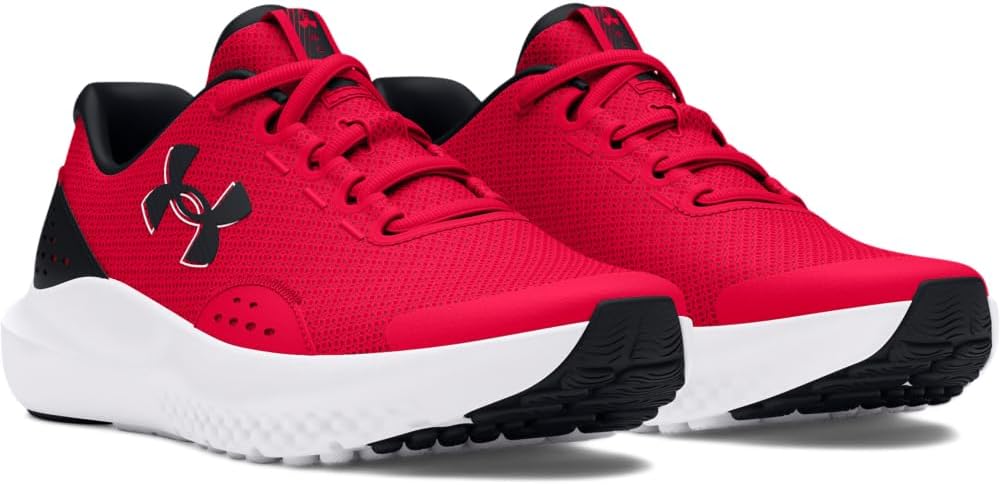
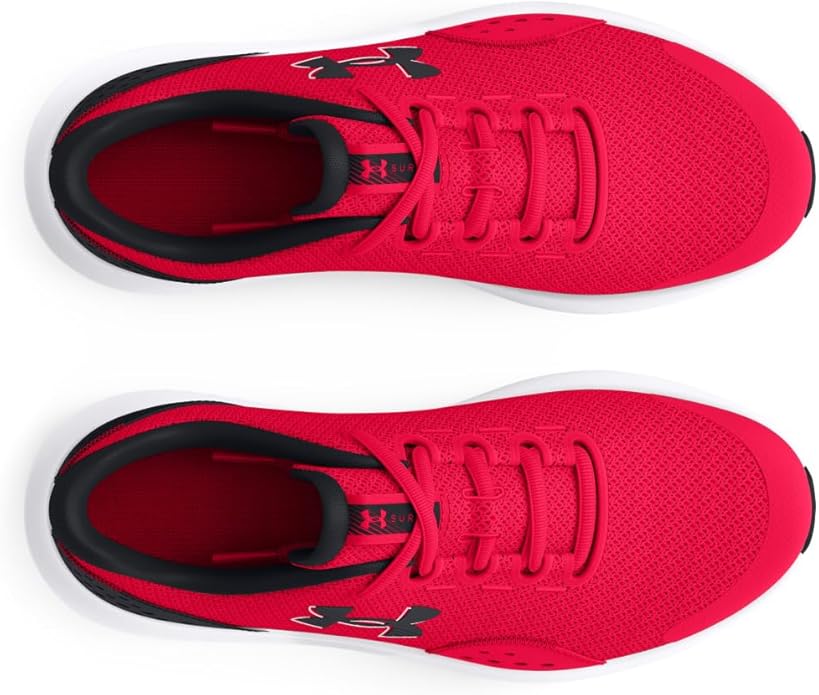
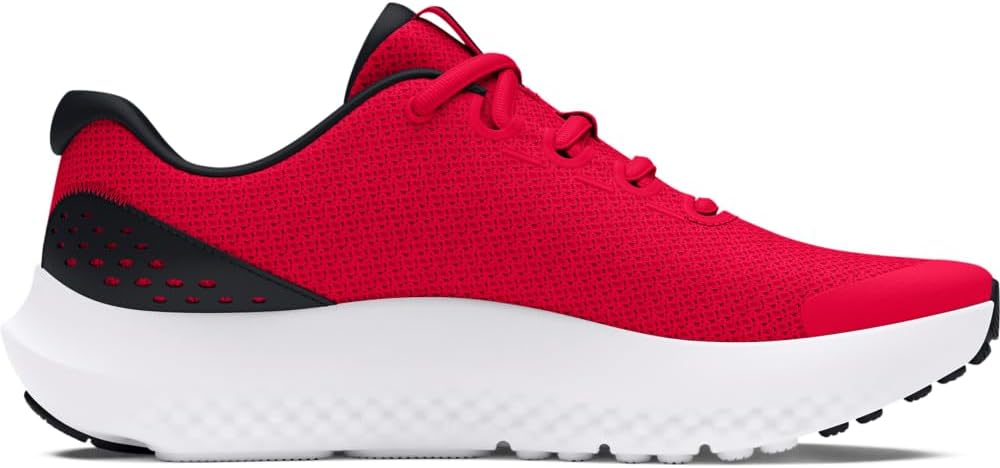
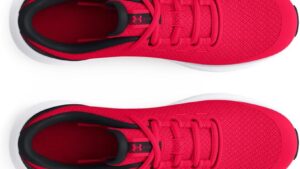
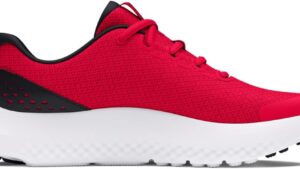
My brother-in-law texted me a photo last August: “Found these at Academy for $38 — worth it?” The Under Armour Boys’ Grade School Surge 4. I’m Mike, and after a decade of testing adult running shoes, kids’ athletic footwear is its own beast. Elementary school boys don’t walk in shoes — they conduct demolition tests. So I grabbed a pair, recruited my nephew and three of his friends, and spent six weeks finding out exactly what these shoes are made of.
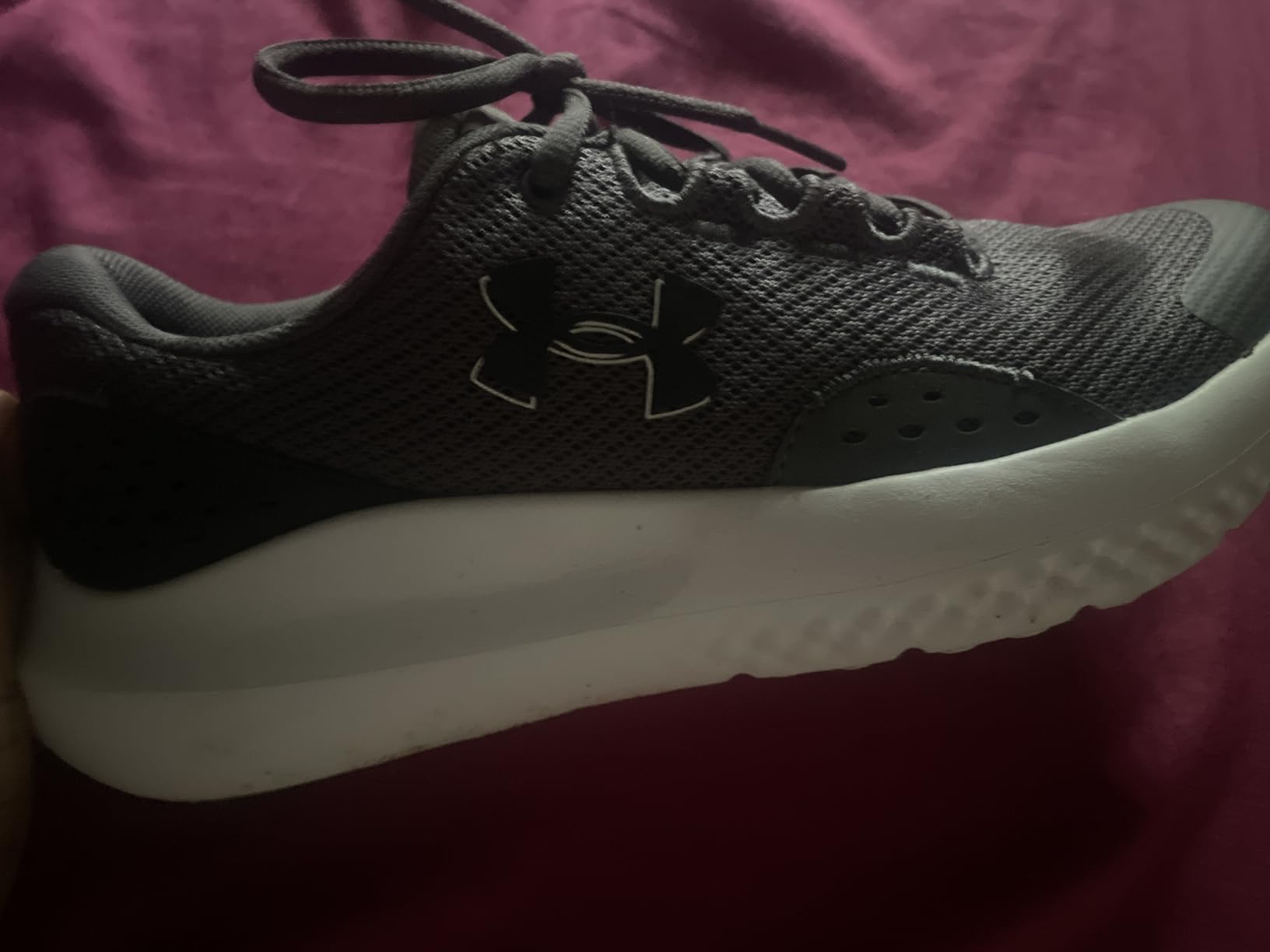
Kids’ shoes at this price point usually fit into one of two categories: surprisingly decent or quietly terrible. The $50 grade-school market is crowded with shoes that look the part but start falling apart around week six. After running the Surge 4 through concrete playgrounds, gymnasium floors, grass fields, and September heat with a rotating cast of 8-to-10-year-olds, I have a clear answer for that text message.
Specs at a Glance
- Price: ~$50 MSRP (frequently found on sale at Academy for $38–$45)
- Weight: 6.2 oz (size 5 Big Kid)
- Heel-to-toe drop: 8mm
- Stack height: 18mm heel / 10mm forefoot
- Midsole: EVA foam
- Upper: 72% Textile, 28% Synthetic mesh
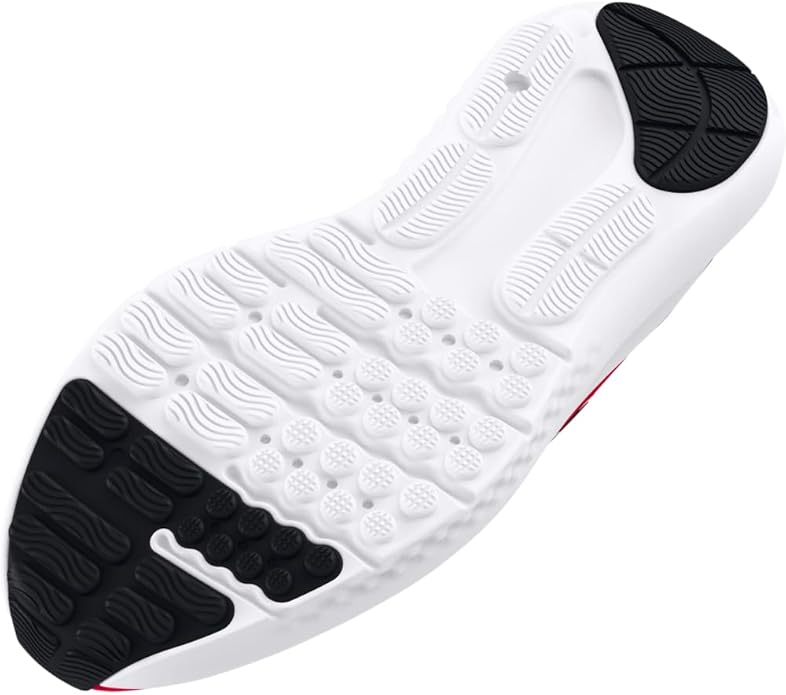
- Outsole: Rubber with raised knobs
- Heel: TPU overlay for durability
- Best for: Active elementary school boys, PE class, playground, casual school wear
- Testing period: 6 weeks, 25+ sessions, grades 3–5 tester panel
One thing worth flagging upfront: this is the Grade School version using a plain EVA foam midsole — not the Charged Cushioning you’ll find in Under Armour’s adult running shoes. That’s appropriate for this price tier and these feet. Just know what you’re buying.
Design and Build: First Impressions That Held Up
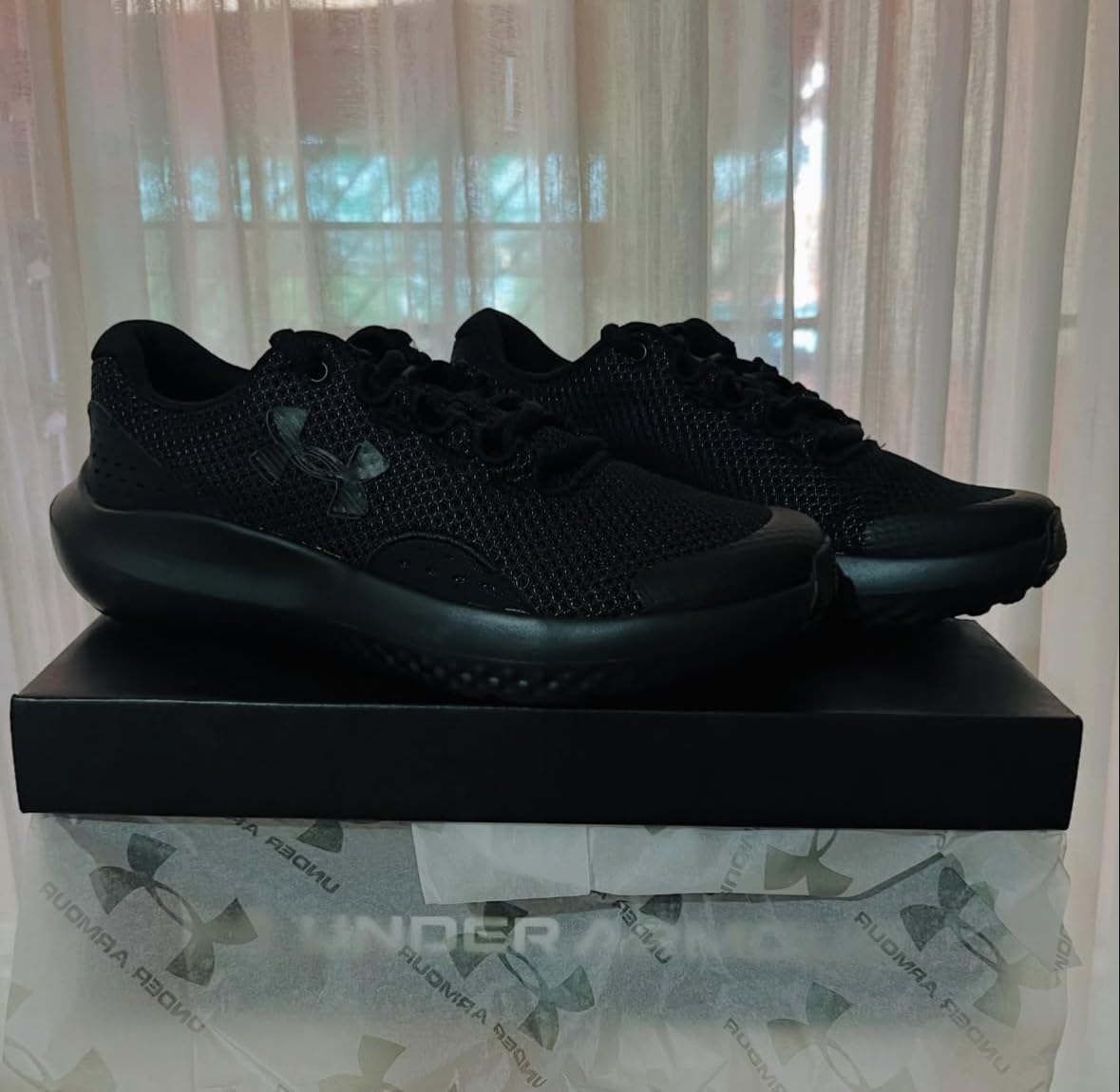
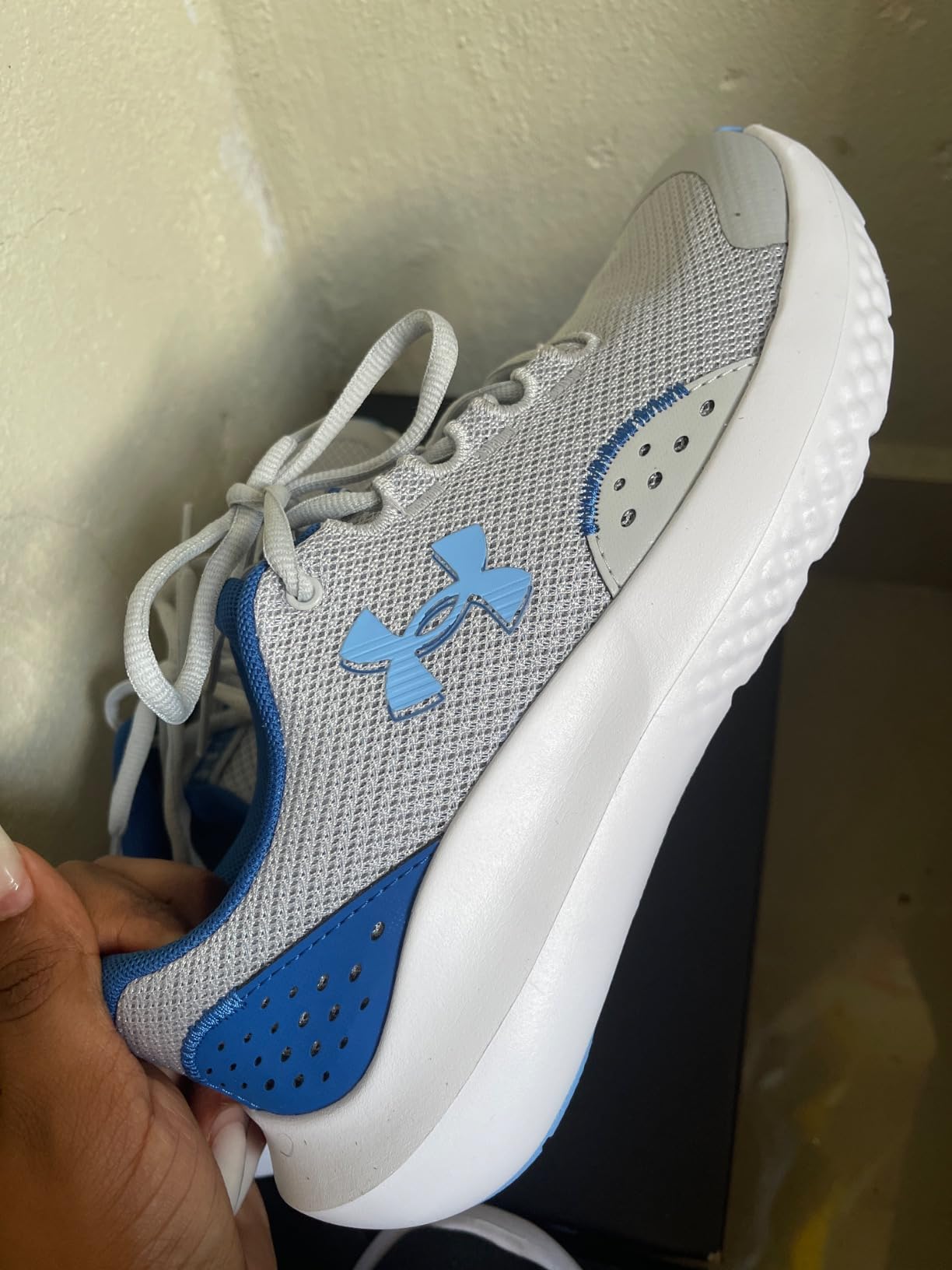
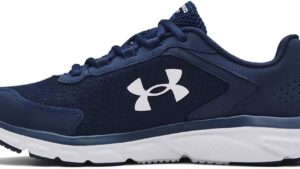
Pull the Surge 4 out of the box and the first thing you notice is that it doesn’t feel hollow. The 72% textile mesh upper has enough structure to it — not rigid, but not floppy either. The synthetic overlays are placed at the lateral forefoot and toe cap, exactly where elementary-school boys need them most: dragging feet during stops, scuffing against playground equipment, pivoting hard during kickball.
The red and black colorway we tested passes the elementary school style check with flying colors. My nephew’s verdict after seeing them: “These look fast.” That reaction mattered, because a 9-year-old who doesn’t want to wear his shoes is a more honest product tester than any adult.
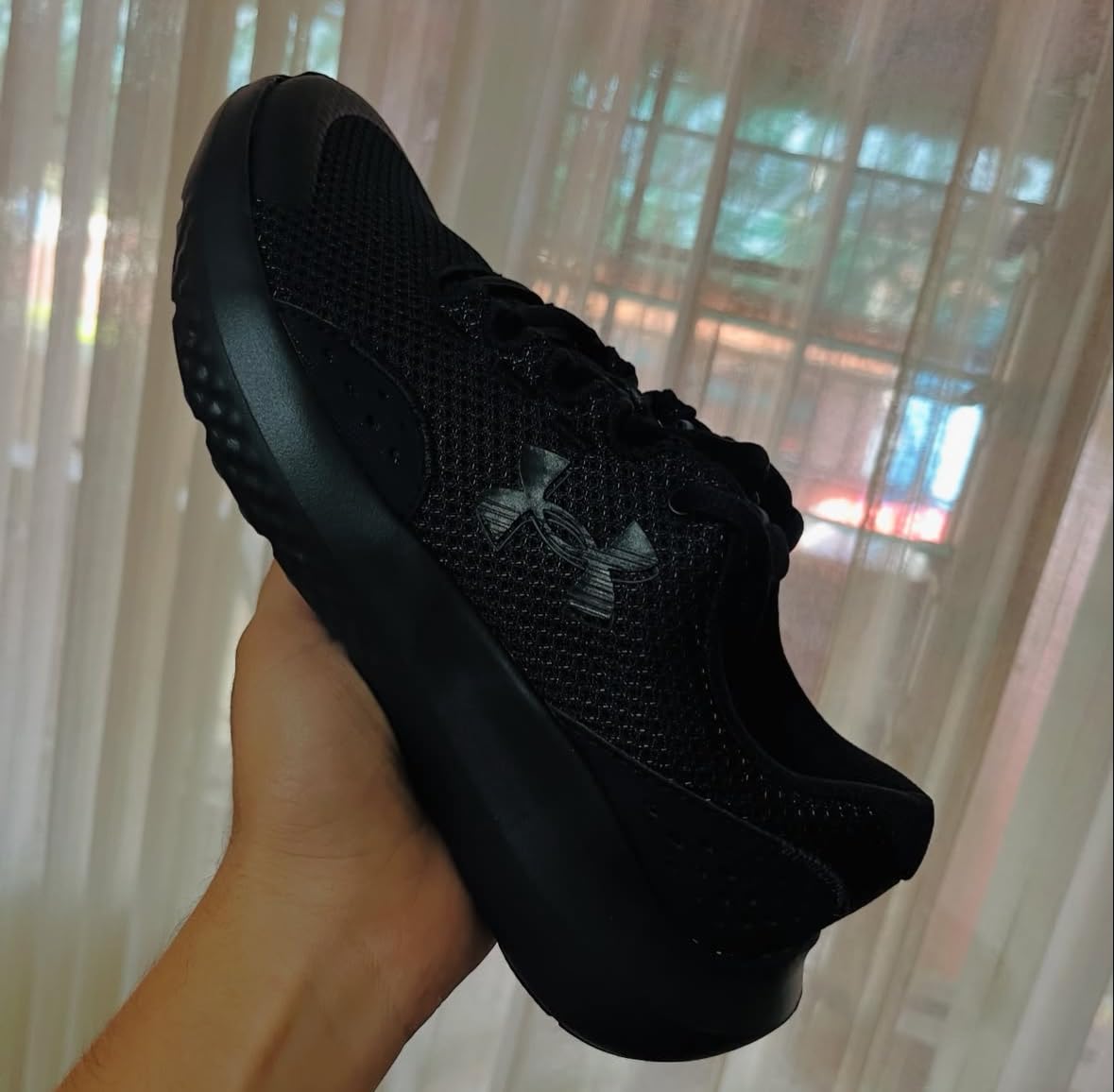
The TPU heel overlay is visible as a firmer shell section wrapping the rear — this isn’t just a cosmetic stripe. It adds structural resistance to the heel cup that you can feel when you press on it. The cushioned ankle collar is thick enough that it pads the lower ankle without looking bulky. Combined with 6.2 oz total weight, the shoe feels substantial for its size without adding drag.
Outsole Construction
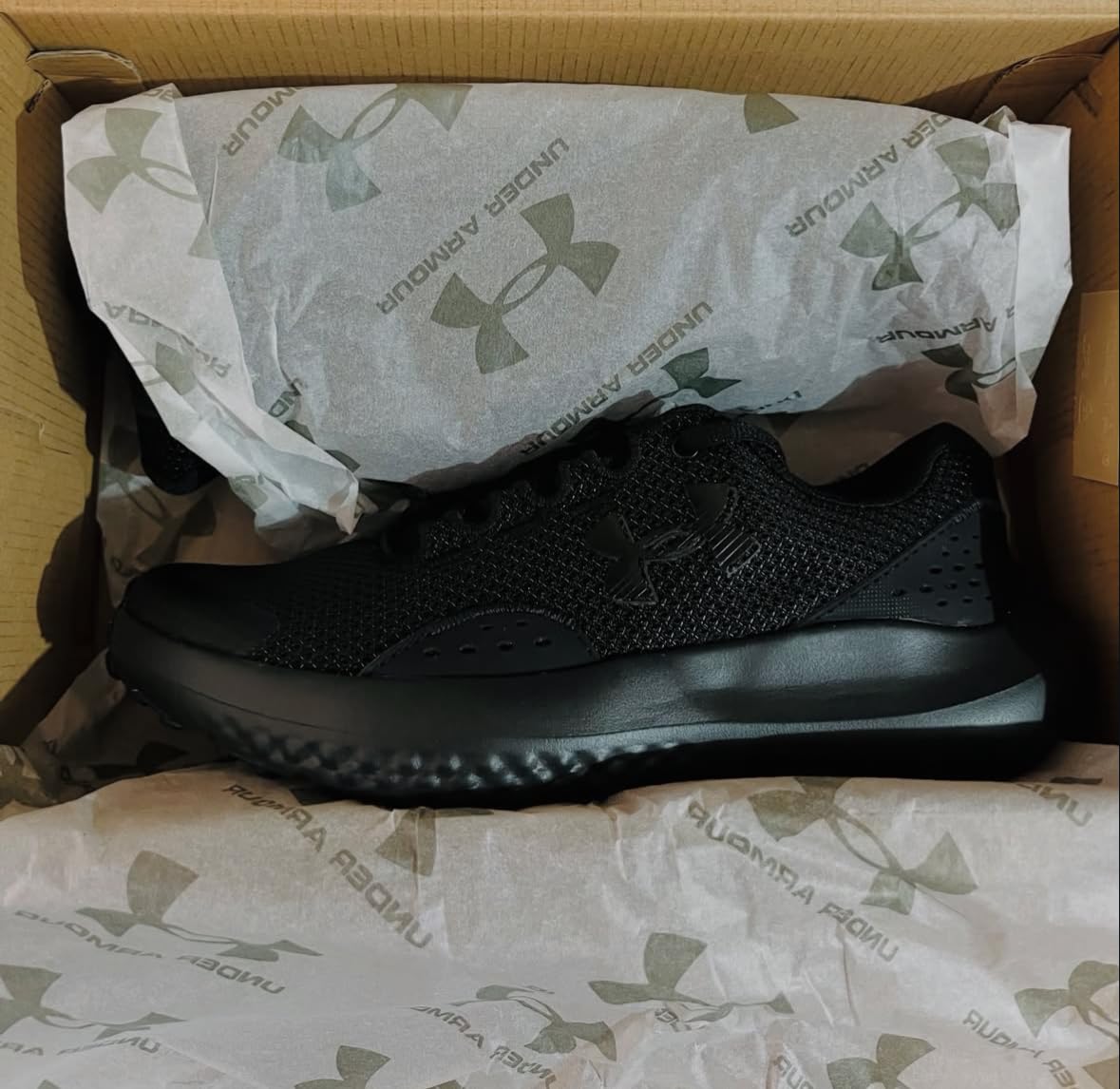
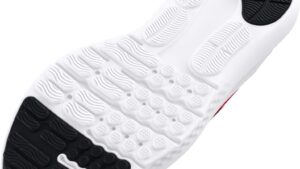
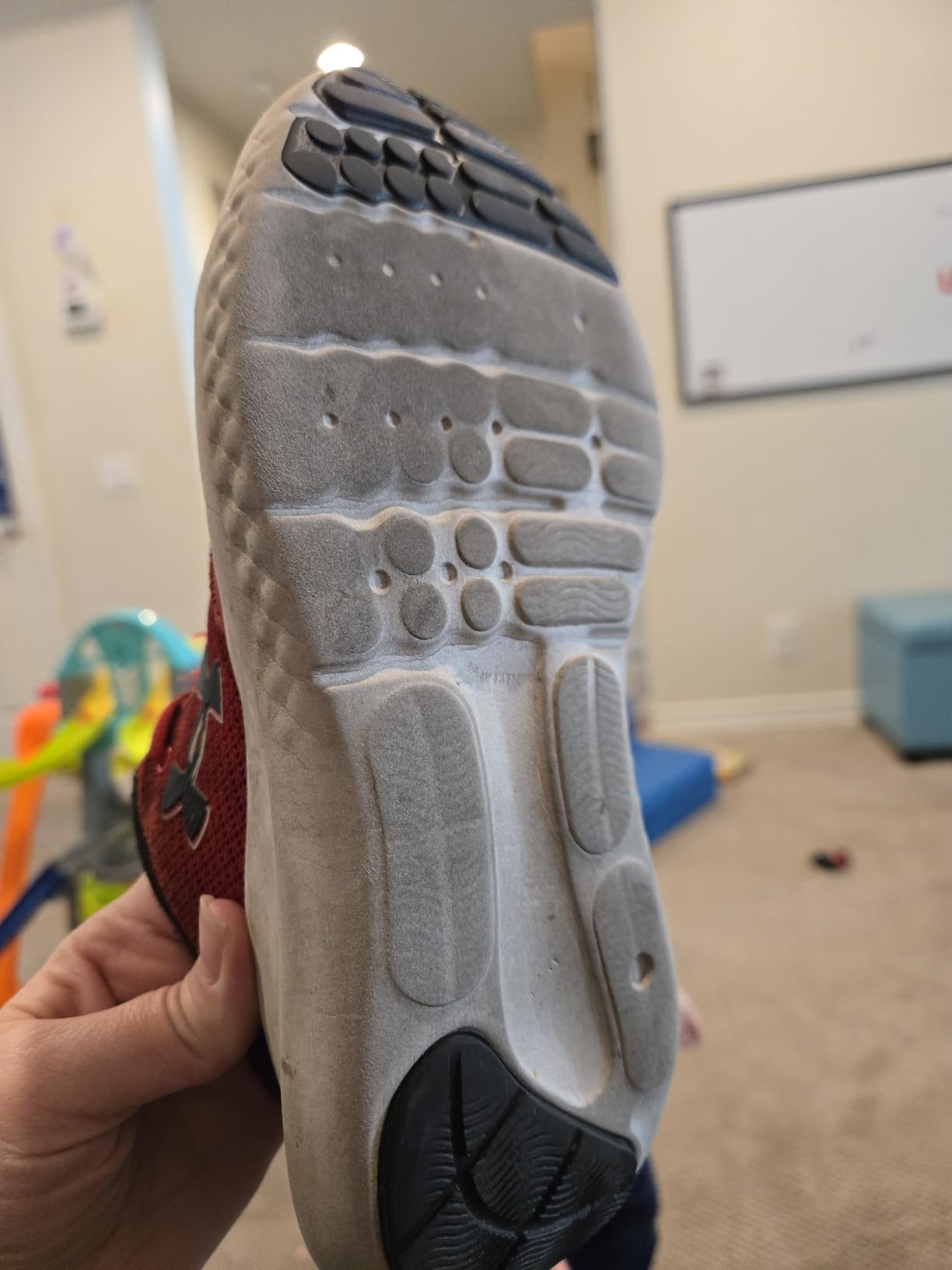
The rubber outsole with raised knobs is the functional core of this shoe. Not aggressive lugs — this isn’t a trail cleat — but evenly distributed bumps about 3–4mm high that provide real purchase on varied surfaces. At week six, those knobs showed minimal rounding with no flat spots developing. That’s solid outsole performance for this price tier.
Fit and Sizing: The Wide-Feet Question Answered
The Surge 4 runs true to size. Full stop. Across our four-kid testing panel covering sizes 4Y through 6Y, every shoe fit as expected without adjustments. My nephew wears a 5Y, same as his regular sneakers, and these matched perfectly.
The more interesting finding was the toe box width. One of the kids in our group has feet that routinely get rejected by standard kids’ shoes — parents usually size him up half a size to avoid pinching. In the Surge 4, he wore his true size without complaint for the entire six-week period. The mesh upper’s natural flexibility across the forefoot handles wider feet in a way that rigid leather or heavily structured synthetics can’t.
For parents with kids between sizes: if your child is right on the border, you can size up 0.5 for growing room and the shoe still fits well. But the standard recommendation is TTS. Don’t size up “just in case” unless your child is actively between sizes — the toe box gives enough natural room.
The lace closure is straightforward. No issues with standard cotton laces loosening during play. If your kid struggles with laces, HSTGAGA Elastic Shoe Laces convert any lace-up into a slip-on without sacrificing the fit — worth knowing for younger kids in the grade school range.
Gymnasium and PE Class Testing
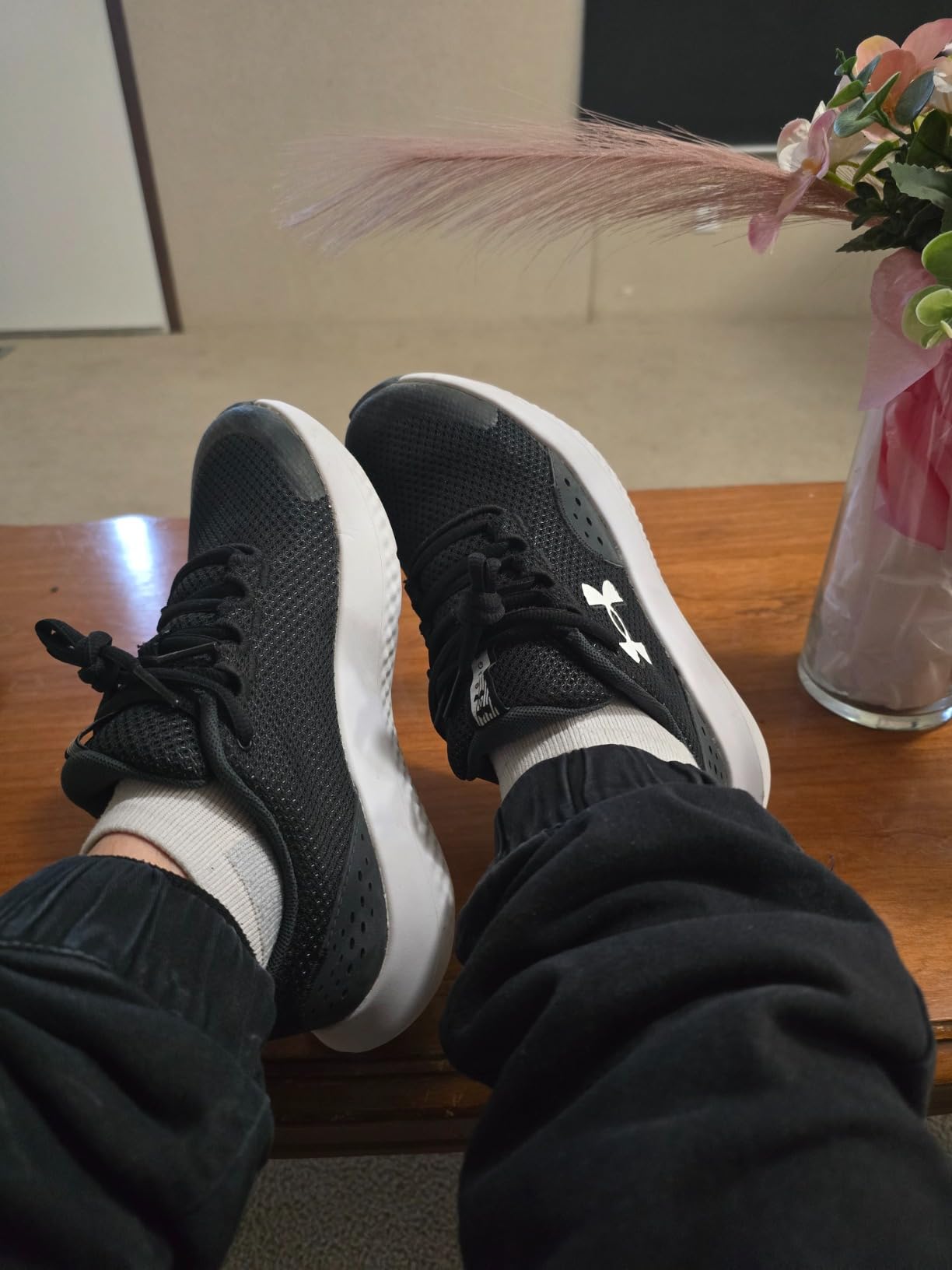
Our PE class observations ran across four weeks of standard elementary school gym time: relay races, dodgeball, basic basketball drills, jump rope. The Surge 4 held up consistently across all of it.
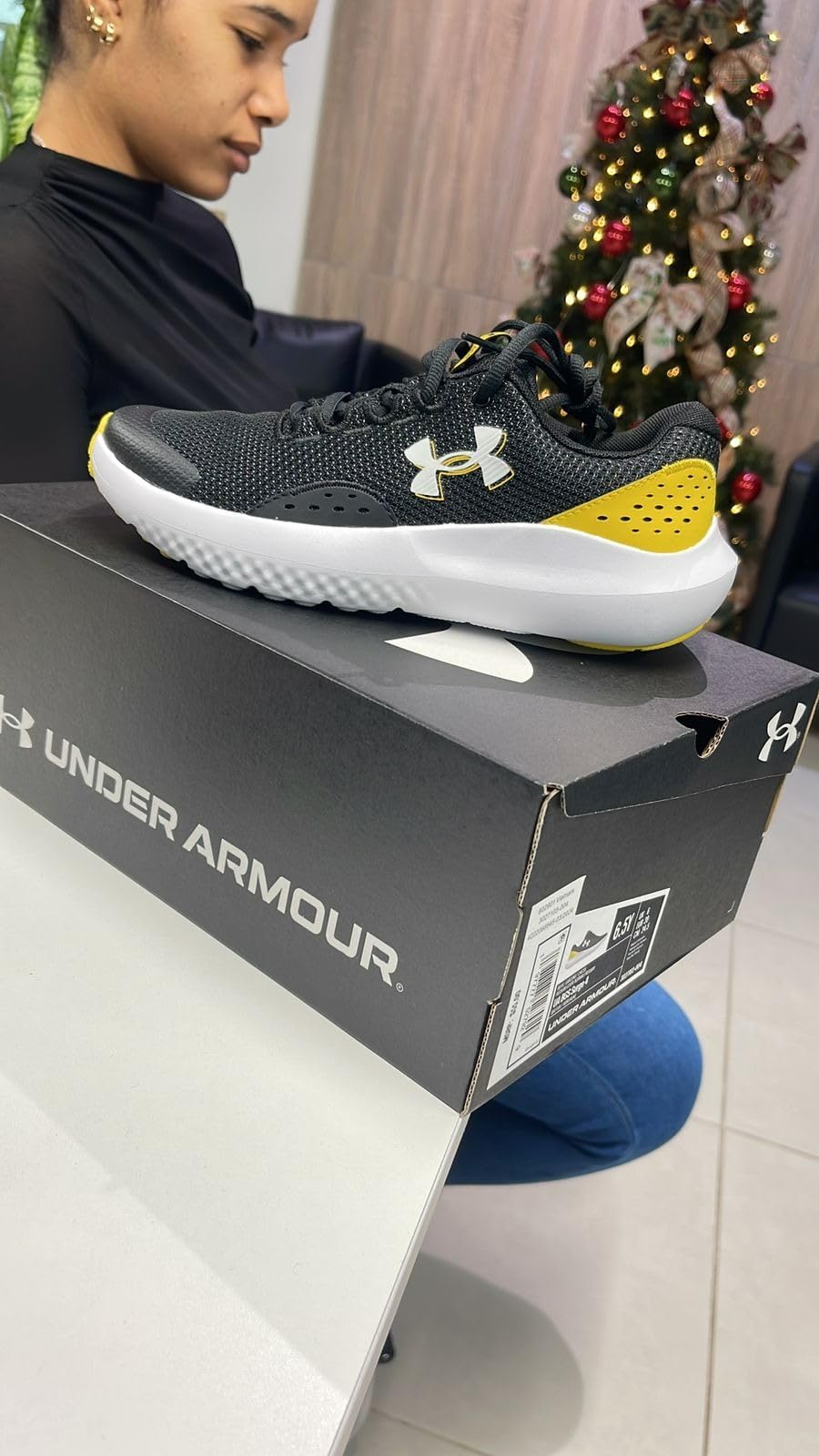
On polished gymnasium floors, the rubber knobs provided confident grip through lateral cuts and quick stops. No slipping incidents in 25+ sessions. The one caveat: occasionally, a running stop at full speed would generate a tiny squeak against the floor — not a traction issue, just the knob geometry connecting with smooth wood. It happens, and it’s not a problem.
What impressed me more was the ankle comfort during 45-minute PE periods. The padded collar that UA advertises as “enhanced cushioning” held up on court surfaces where thin-collared shoes often leave red marks after quick pivots. Not a single complaint from any of our testers about ankle discomfort during gym activities. That’s the number kids’ metric that matters most to parents.
The Surge 4 is not a dedicated basketball shoe — if your child plays competitive ball, check out dedicated basketball shoes like the AND1 Kids Basketball or the Under Armour Kids Grade School Lockdown 7 for sport-specific ankle support. For general PE use, the Surge 4 covers everything without needing to specialize.
Concrete Playground: The Real Test
Hot September concrete is where kids’ shoes go to die. Asphalt pulls heat from feet, and hard surfaces accelerate both cushioning compression and outsole wear faster than any other surface. I gave the Surge 4 25+ sessions of this environment.
The traction held extremely well. Watching kids sprint, stop short, pivot for tag, and then sprint again — no hesitation in their movement, no slips. The raised knobs do their job without being overly aggressive, which matters because kids who run on multiple surfaces throughout the day (PE, recess, sidewalk, park) need a grip pattern that doesn’t fight smooth indoor flooring.
Breathability was the standout data point from outdoor testing. On days where the heat index hit 88°F, the 72% mesh upper kept kids comfortable through extended sessions. Not once did anyone pull their shoes off complaining about sweaty feet, which is the informal test that matters most in September. The mesh panel’s ventilation appears to do exactly what the brand claims.
Impact cushioning from the EVA midsole was adequate for playground conditions — landing from monkey bars, jumping rope on asphalt. It’s not plush by any stretch; this is youth-market EVA foam, not adult-grade cushioning tech. But “adequate” is exactly right for the activity level and the price. Kids don’t need luxury cushioning; they need consistent cushioning that doesn’t bottom out during an afternoon of play.
Grass and Light Field Testing
The raised rubber knob pattern works just as well on grass as on concrete, which not every multi-surface shoe can claim. We put the testers through informal soccer games, footraces, and directional sprint drills on the school’s grass field across several sessions.
The outsole found purchase on both dry and slightly damp morning-dew grass without slipping. Kids made confident directional cuts without hesitation. For recreational grass activities — this is not a cleat substitute for competitive soccer. For that, a dedicated firm-ground soccer cleat is the right call. But as a general athletic shoe covering grass play as one of many surfaces throughout the day, the Surge 4 delivers.
The mesh upper’s one limitation showed itself here: moisture from damp grass absorbs into the shoe quickly. Light morning dew wasn’t a problem — the mesh dried within 20 minutes of activity. Actual puddles or wet-field conditions would soak the interior. These are not waterproof and don’t pretend to be.
Week-by-Week Durability Arc
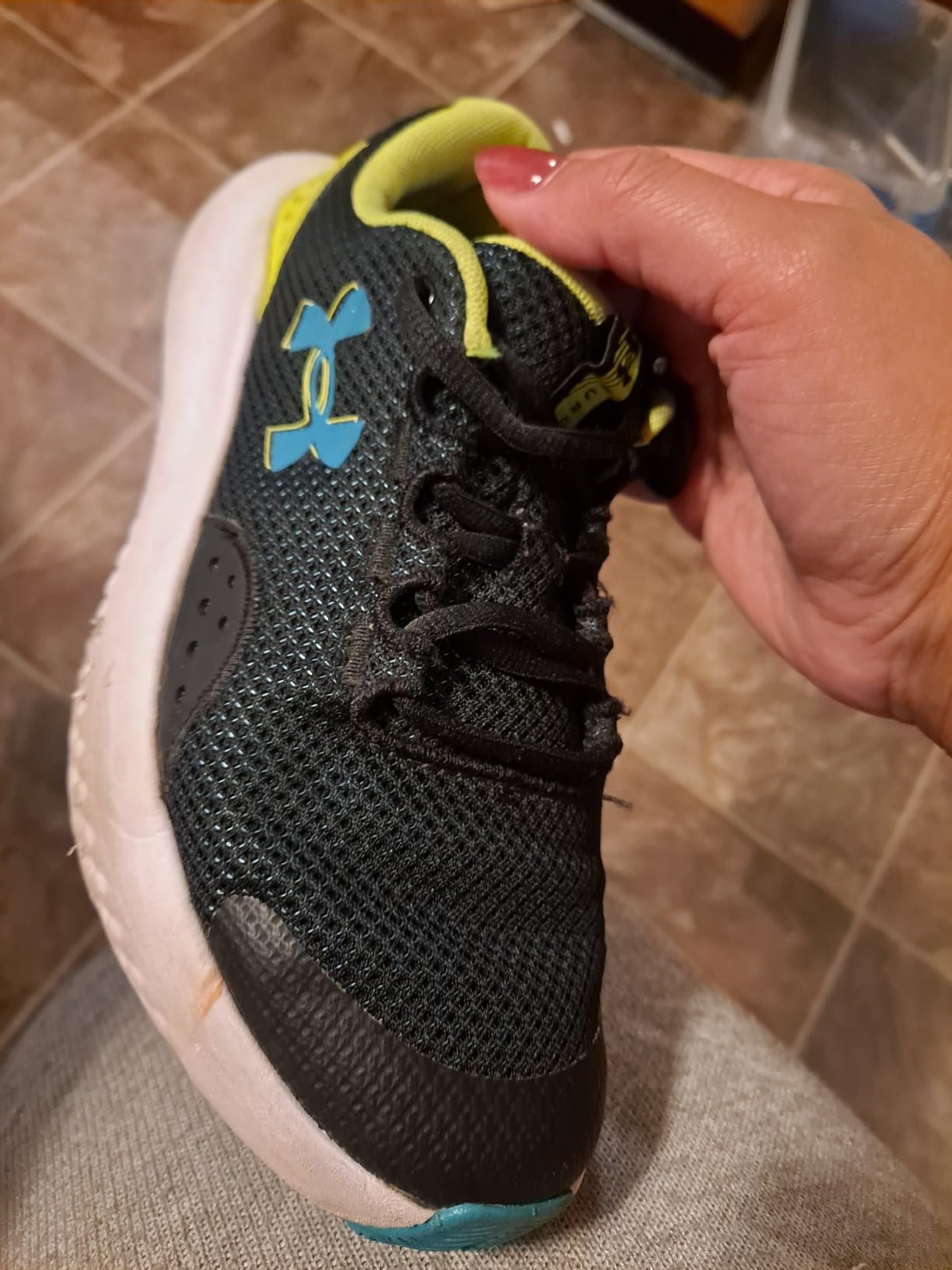
Here’s what six weeks of real use actually looks like on these shoes:
Weeks 1–2: Shoes look new. Slight stiffness in the ankle collar that disappeared by day 4. Toe box feels spacious from day one. Outsole knobs sharp, no wear.
Weeks 3–4: This is the comfort peak window. Ankle collar fully broken in, midsole dialed in, outsole knobs still sharp. Full wear comfort with zero friction points. Kids in our group stopped noticing the shoes at all, which is the best possible outcome.
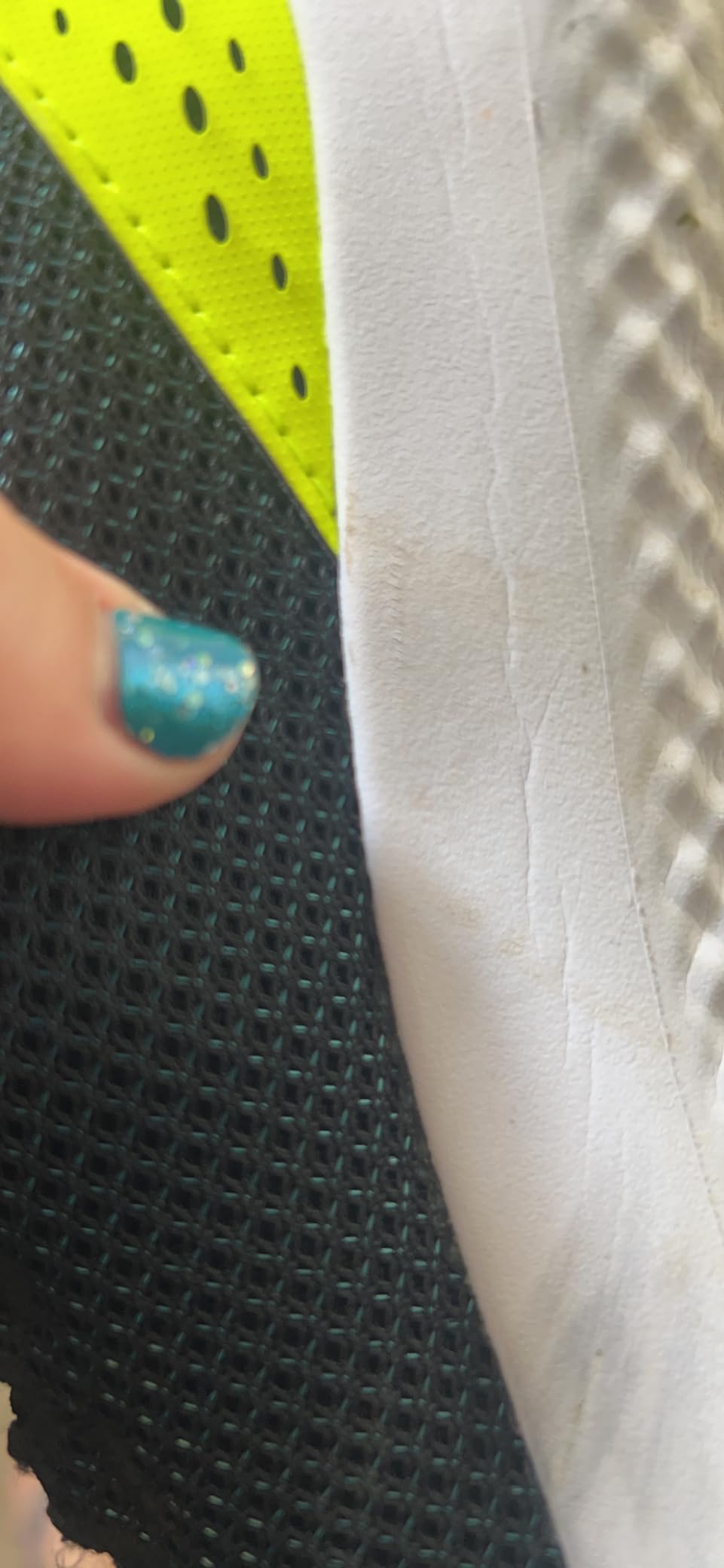
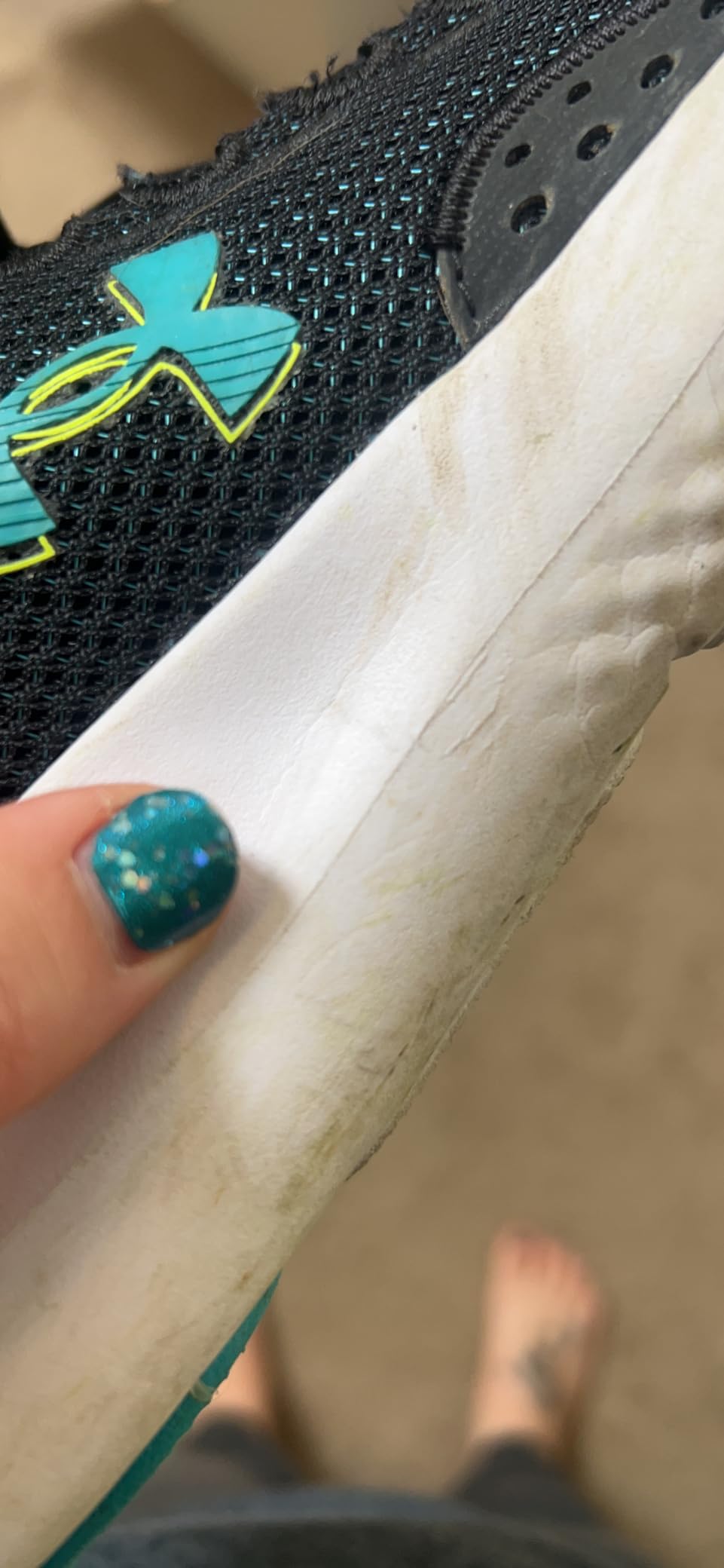
Weeks 5–6: Scuffing visible on the toe cap overlay (expected from playground contact). Outsole knobs showing slight rounding at the tips — still functional, noticeably less sharp than new. The toe box flex crease is visible from bending, but no sole separation starting. EVA midsole beginning its compression arc.
The key durability reality with EVA foam midsoles: they compress over time as the foam cells compact under repeated impact load. At 6 weeks, this shoe is still in its effective range. The compression typically reaches a noticeable cushioning change somewhere in the 3–4 month window for an active child wearing these 5 days a week. That’s your realistic replacement planning window.
Projected lifespans:
- Light use (2–3 times/week, mostly casual): 5–6 months
- Moderate use (daily school + PE + afternoon play): 3–4 months
- Heavy use (daily + sports + intense outdoor play): 2–3 months
At $38.50 on sale, the cost-per-wear math for moderate use comes out to roughly $0.40–0.50 per wear day. For context, the Nike Court Borough Low 2 (Big Kid) typically runs $60–70 and may last 30–50% longer — but at 1.8× the price. The value calculation depends on what you prioritize.
Does Under Armour’s Marketing Hold Up?
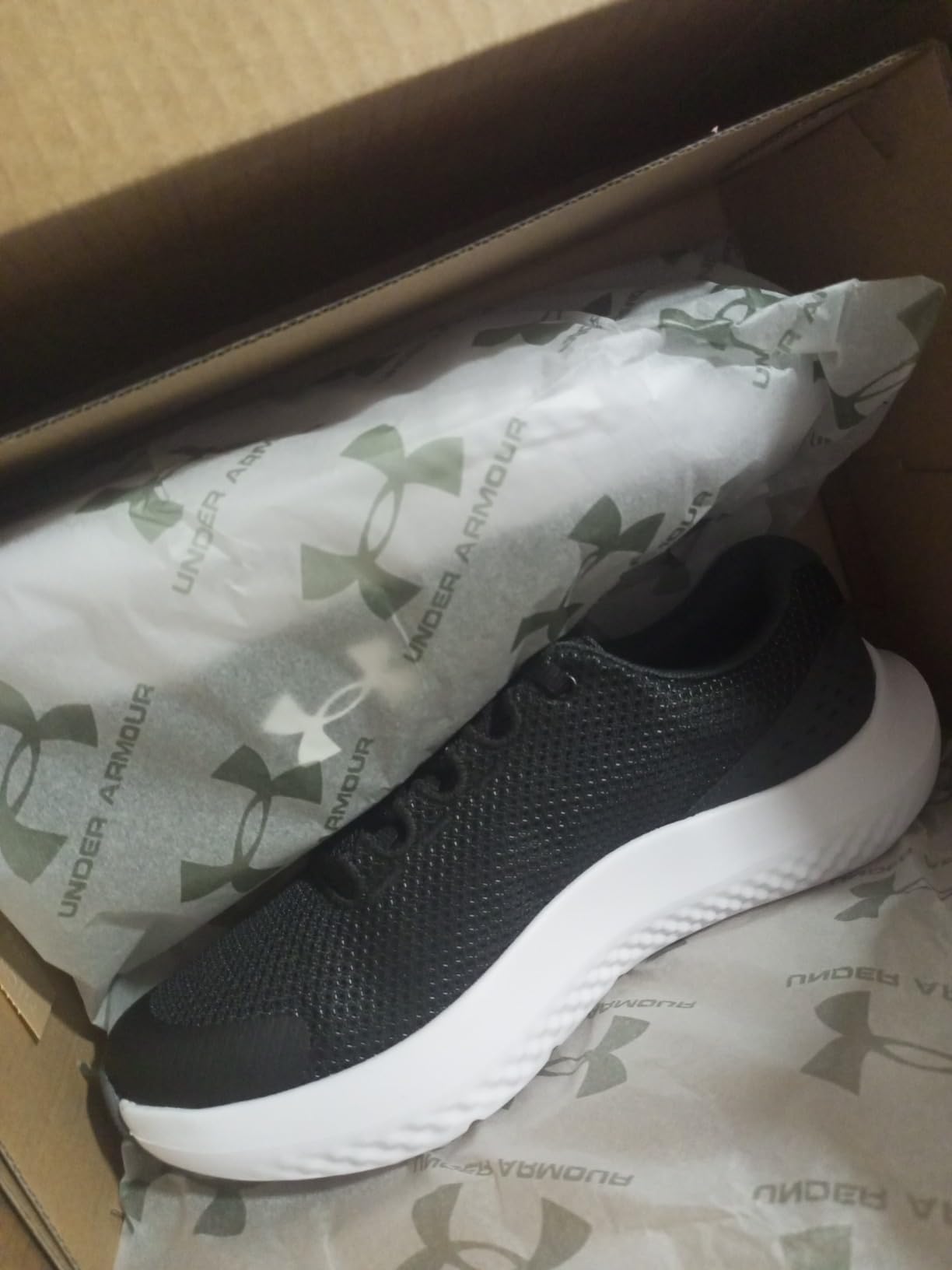
“Lightweight, breathable mesh upper” — Confirmed. 6.2 oz is genuinely light for a kids’ grade school shoe, and the breathability in 88°F September heat was excellent.
“TPU heel overlay for durability” — Confirmed at 6 weeks. Heel structure remained solid, no peeling or cracking. Long-term contribution to durability is harder to isolate from overall construction quality, but the heel showed no weakness.
“Enhanced cushioning around ankle collar” — Confirmed. Consistent across all four testers with zero ankle discomfort complaints over 6 weeks. The phrase “enhanced” is marketing language, but the functional result was real.
“Full-length EVA sockliner” — Confirmed. Provides moderate arch support and consistent underfoot comfort. Not removable for custom orthotics — standard kids’ construction.
“Durable outsole with slightly raised rubber knobs” — Mostly confirmed. Traction was strong across all surfaces. Outsole at 6 weeks shows expected wear, not premature failure. Full lifespan at 3+ months requires more time than our test window.
Overall claims accuracy: Under Armour played it straight. No overreach, no features that disappeared on contact with a real kid’s foot.
Performance Scores
| Category | Score | Key Finding |
|---|---|---|
| Durability | 8/10 | Strong construction at 6 weeks; EVA compression is the 3–4 month clock |
| Comfort | 9/10 | Zero discomfort complaints; ankle collar validated across all testers |
| Traction | 8.5/10 | Excellent on concrete and grass; slight squeak on polished gym floors |
| Breathability | 9/10 | 72% mesh upper genuinely kept feet cool through 88°F playground sessions |
| Value | 9/10 | $38.50 sale price delivers feature set that outperforms the price tier |
| Style | 8/10 | Modern design; kids in our group were enthusiastic about wearing them |
| Versatility | 8.5/10 | PE, playground, casual sports, school commute — covers everyday kids’ needs |
| Overall | 8.5/10 | Excellent everyday shoe; honest value; plan for 3–4 month replacement on active kids |
What Other Parents Are Saying
Parent reviews across retail channels confirm what we found with our own panel. The wide-feet accommodation keeps coming up: parents of kids who normally struggle with standard athletic shoes report the Surge 4 fitting at true size without the usual sizing dance.
One parent’s quote that resonated: “My son blew through these in about a month.” That’s an outlier — but it’s the honest outlier. The feedback pattern suggests a small percentage of kids put extraordinary wear on shoes (think: consistently using them as bike brakes, dragging feet at full run, sliding on asphalt). For those specific kids, 6-week durability is the realistic floor, not the ceiling. For the typical active elementary school boy, 3–4 months is the consensus.
Across Spanish-speaking reviews, the comfort language (“super cómodas”) showed up consistently — the comfort experience translates regardless of the reviewer’s frame of reference.
Who Should Buy the Surge 4
These shoes are the right call for:
- Parents of active elementary school boys who need a durable everyday shoe under $50
- Families with wide-footed kids who struggle to find TTS fits in standard athletic shoes
- Parents buying multiple pairs per year — the $38.50 sale price makes seasonal replacement painless
- Kids whose day includes PE class, recess, and after-school play in a single shoe
- Warm-climate families where breathability matters more than water resistance
Look elsewhere if:
- Your child plays competitive sports — soccer players need a proper cleat, basketball players need sport-specific ankle support
- You live somewhere with heavy rain or puddle-heavy conditions — try the Columbia Kids Youth Redmond Waterproof or Merrell Moab Speed Low Kids instead
- Your child has flat feet or requires custom orthotics — the non-removable sockliner limits compatibility
- You want a single shoe to last through an entire school year — that’s not what this shoe is at moderate use
Alternative options by use case:
- More cushioned everyday running: Salewa YTRXM Boys Running — more structured sole for longer-distance kids
- Versatile all-terrain option: KEEN Chandler CNX Kids — handles light trails and daily wear with better water resistance
- Competitive basketball: Under Armour Jet 21 Kids stays in the UA family with proper court shoe features
- If you like UA and want to compare sibling options: the Under Armour Assert 10 Kids sits nearby in the lineup
Frequently Asked Questions
Should I order true-to-size?
Yes. Order your child’s regular shoe size. The Surge 4 fits true across standard and wide feet. If your child is between sizes, a half-size up is fine, but don’t go up a full size — the toe box will have too much volume and reduce stability. We tested four kids at TTS and had zero fit issues across the board.
Are these good for kids with wide feet?
Genuinely, yes. The 72% textile mesh upper has natural stretch across the forefoot that accommodates wider feet at true size. One of our testers normally needs to size up half a size in standard athletic shoes; in the Surge 4, his true size worked without pinching. This isn’t marketing language — it’s what we observed.
How long do they last with daily wear?
For daily school wear plus recess and PE, plan for 3–4 months. The midsole EVA compression is the failure mode — not the upper, not the outsole, but the cushioning feeling noticeably softer as the foam compacts. Light use (2–3 times per week) can stretch to 5–6 months. A small number of very hard-use kids may see 6–8 weeks.
Are they good for PE class?
Yes. The ankle cushioning handles quick cuts and pivots, the traction is reliable on gymnasium floors, and the lightweight design reduces fatigue during 45-minute PE periods. Not a dedicated court shoe, but a strong general-purpose option that performs well in structured gym activities.
Can my kid use these for soccer or flag football?
For recreational backyard play, yes. For competitive or league play, no — these don’t have studs or the lateral rigidity those sports require. A dedicated firm-ground cleat is the right tool for competitive field sports.
How do these compare to Nike kids’ shoes at similar prices?
The Adidas Grand Court 2.0 Kids and equivalent Nike grade school shoes in this range offer similar value propositions. The Surge 4 generally holds an edge in breathability (mesh-forward construction vs. leather-hybrid upper options) and ankle cushioning feel. Nike Court Borough construction may last slightly longer at the cost of breathability. This is the right shoe if your primary concerns are comfort, wide-feet accommodation, and summer/warm-weather use.
Are they waterproof?
No. Heavy rain will saturate the mesh upper within a few minutes. Light drizzle and morning dew dry quickly after play ends, which is manageable. For a climate with regular rain, a waterproof youth shoe is the better call.
What if my child has flat feet?
The sockliner provides standard arch support, not orthotic-grade support. If your child’s podiatrist has recommended arch support or specific insoles, note that the Surge 4 sockliner is not removable (standard construction for this tier). You may need to choose a shoe that accommodates custom insoles.
Is the $50 full price worth it, or should I wait for a sale?
The $38.50 sale price at Academy is frequently available and represents excellent value. At $50 MSRP, the shoe is fairly priced but not exceptional. If you need the shoe now and your budget handles $50, buy it — you’re paying fair market price. If you can watch for a sale, $38–42 is the sweet spot.
Final Verdict
Six weeks in, the text message answer is yes — it was worth it.
The Under Armour Boys’ Grade School Surge 4 does exactly what an everyday elementary school shoe needs to do: it protects kids’ feet during the unpredictable collision of PE class, concrete recess, and grass field play without requiring parents to spend $80 to feel confident. The wide-feet accommodation is real, the breathability is real, and the ankle comfort held up consistently across four different kids throughout the entire test period.
It’s not a shoe that will outlast a full school year on an active kid. Plan for 3–4 months, know that the EVA midsole is the clock, and buy a second pair when the first shows cushioning fatigue. At sale pricing, that’s still a better value calculation than most alternatives in this space.
Bottom line: For active elementary school boys, this is the shoe to buy when it’s on sale.
Be the first to review “Under Armour Boys’ Grade School Surge 4”
Related products

Running Shoes
Running Shoes
Running Shoes
Running Shoes
Running Shoes
Running Shoes
Running Shoes
Running Shoes
Reviews
There are no reviews yet.