
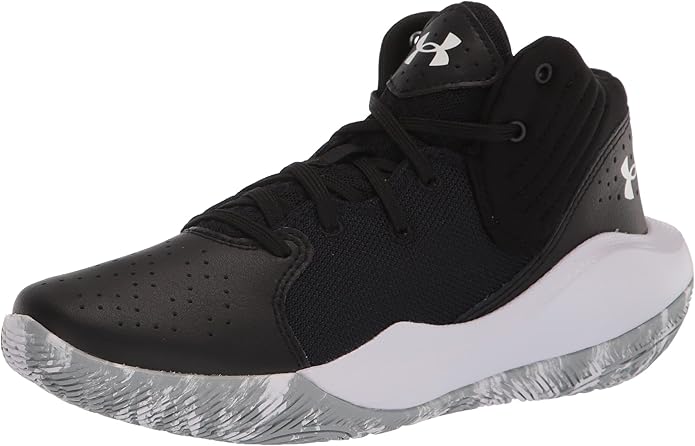
Leather upper on a kids’ basketball shoe in 2026 — sounds like a step backwards until you watch your third pair of mesh sneakers disintegrate before the season ends. I’m Mike, and I’ve bought enough youth basketball shoes over the years to have strong opinions about durability. When I spotted the Under Armour Kids’ Grade School Jet ’21 at a price that didn’t make me wince, I picked up a pair with zero expectations and spent 8 weeks putting them through 25+ games and practices with my 10-year-old. Here’s the honest parent’s read.
Quick Specs
- 💰 Price: $50–70 (varies by size/colorway)
- ⚖️ Weight: 8.2 oz (Grade School size 4)
- 🧪 Midsole: EVA foam cushioning
- 👟 Upper: Leather with synthetic overlays
- 🏀 Category: Youth basketball shoes
- 🎯 Best for: Grade school players, ages 6–12
- 📏 Size range: Grade School 3.5–7
- ⏱️ Testing: 8 weeks, 25+ games and practices
First Look: Does It Feel Like a Basketball Shoe?
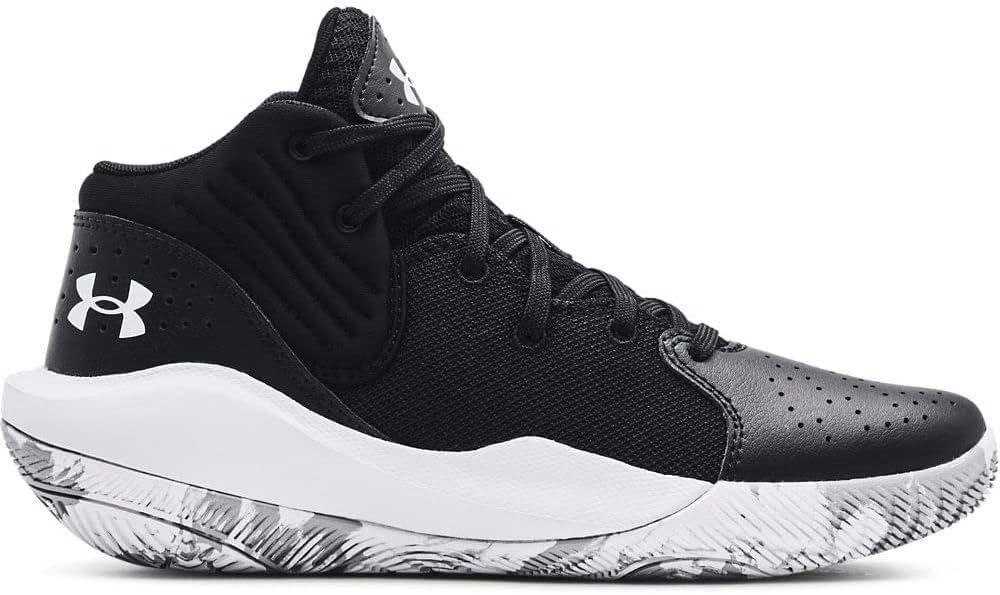
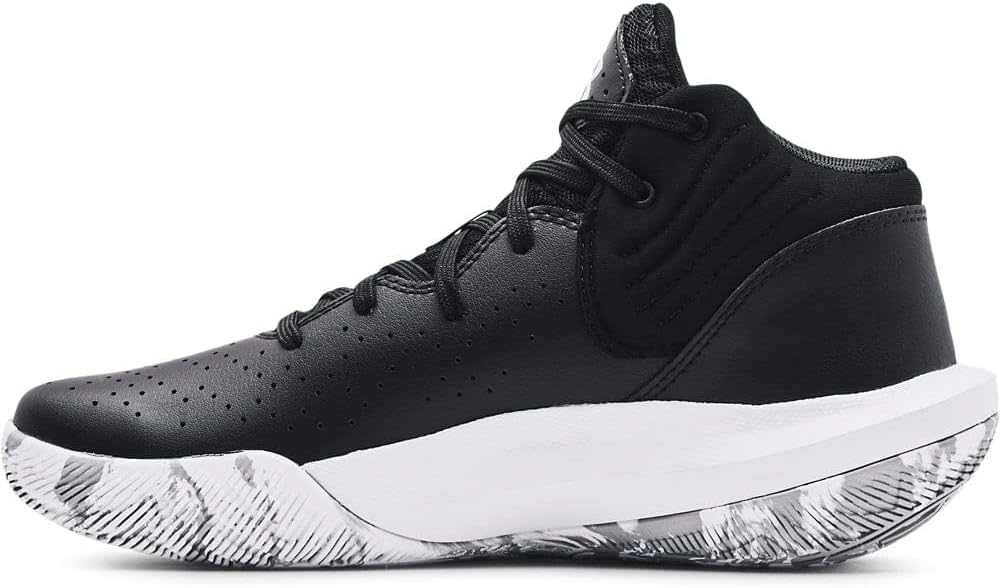
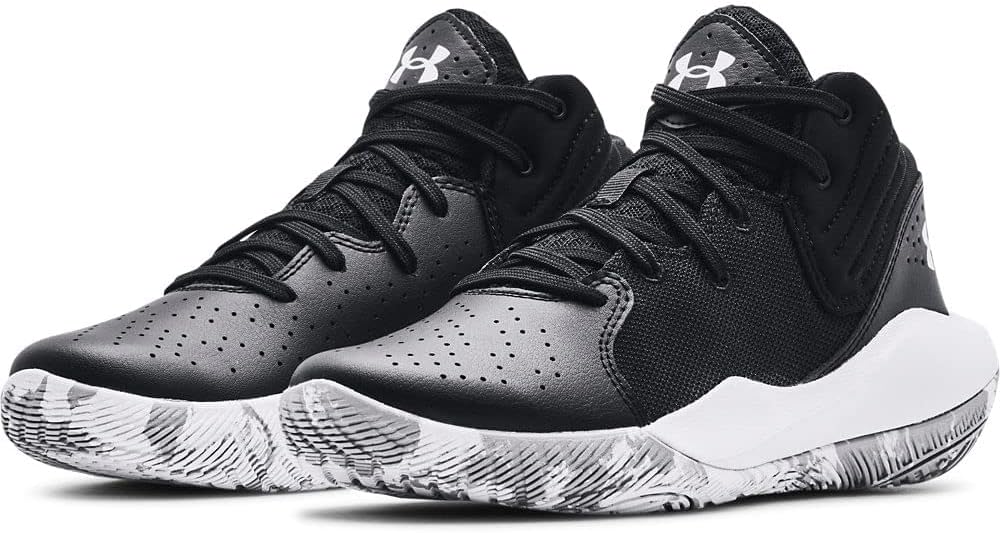
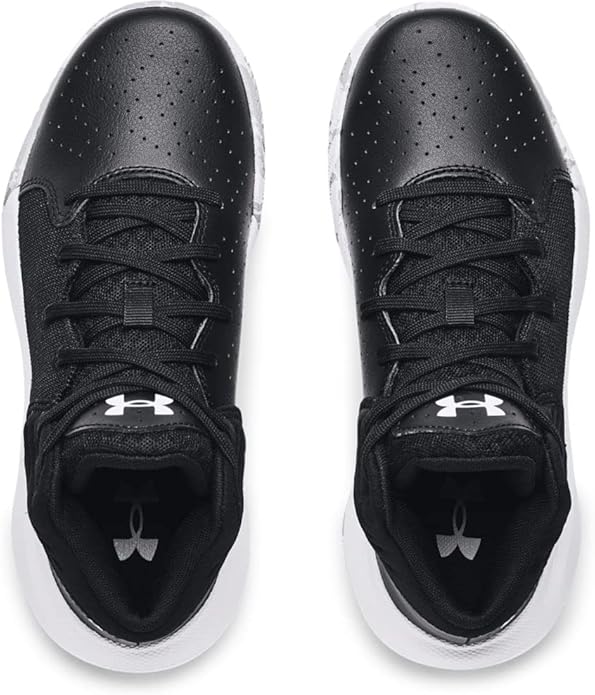
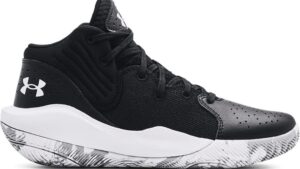
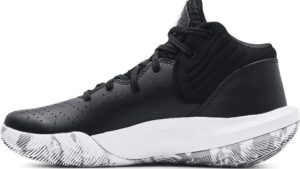
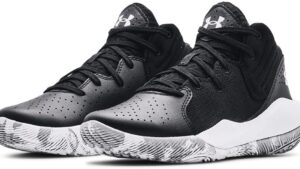
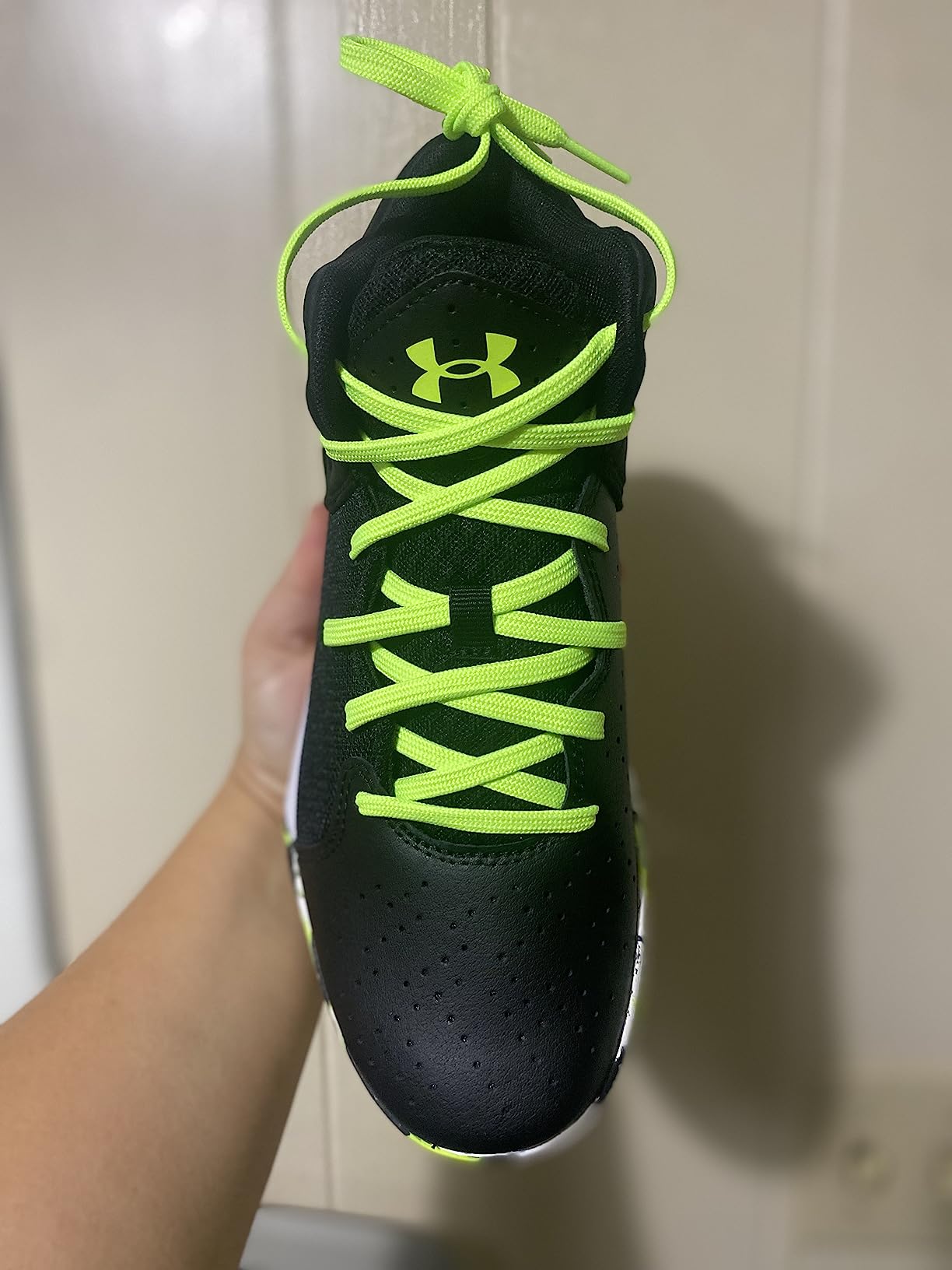
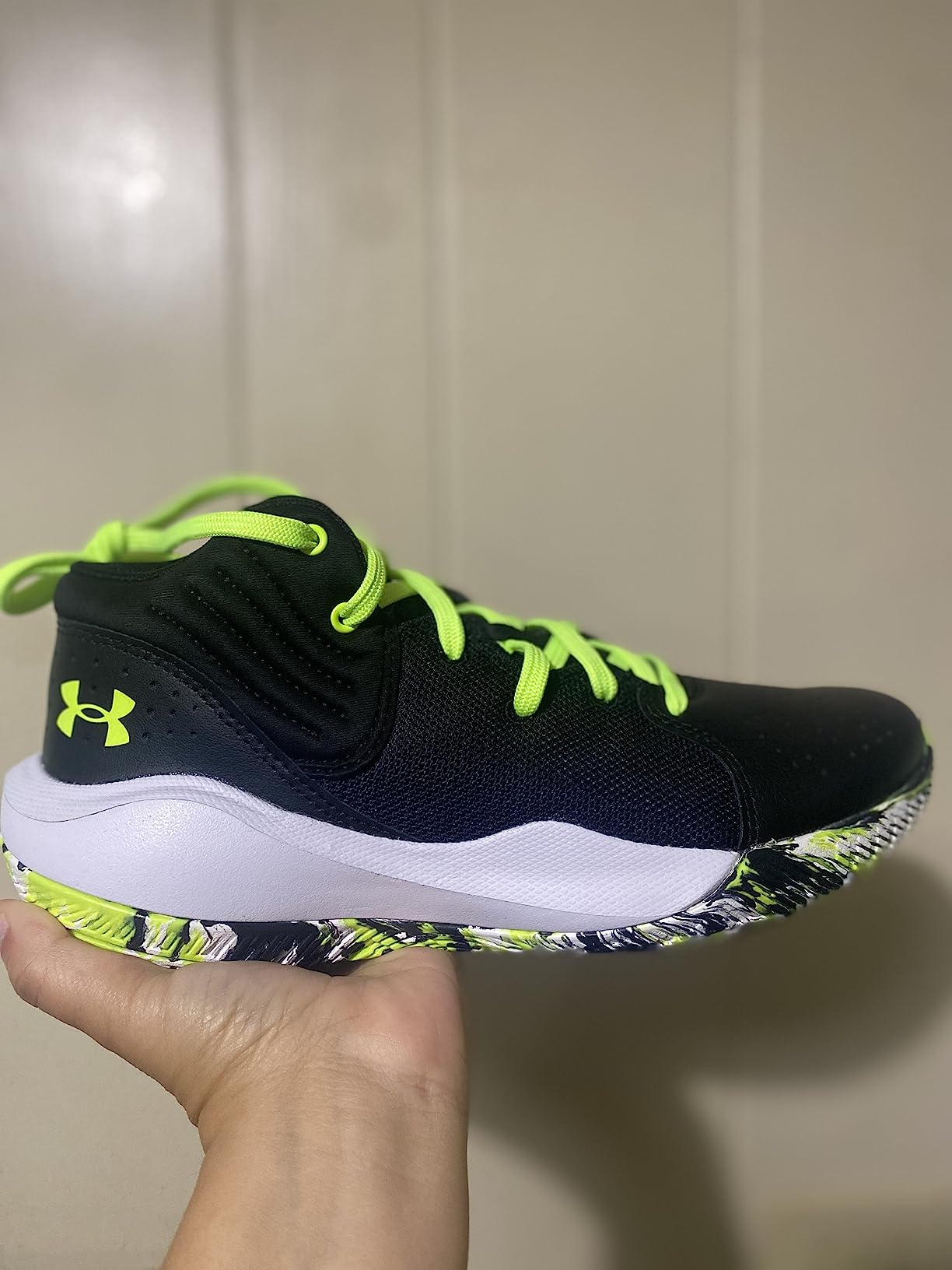
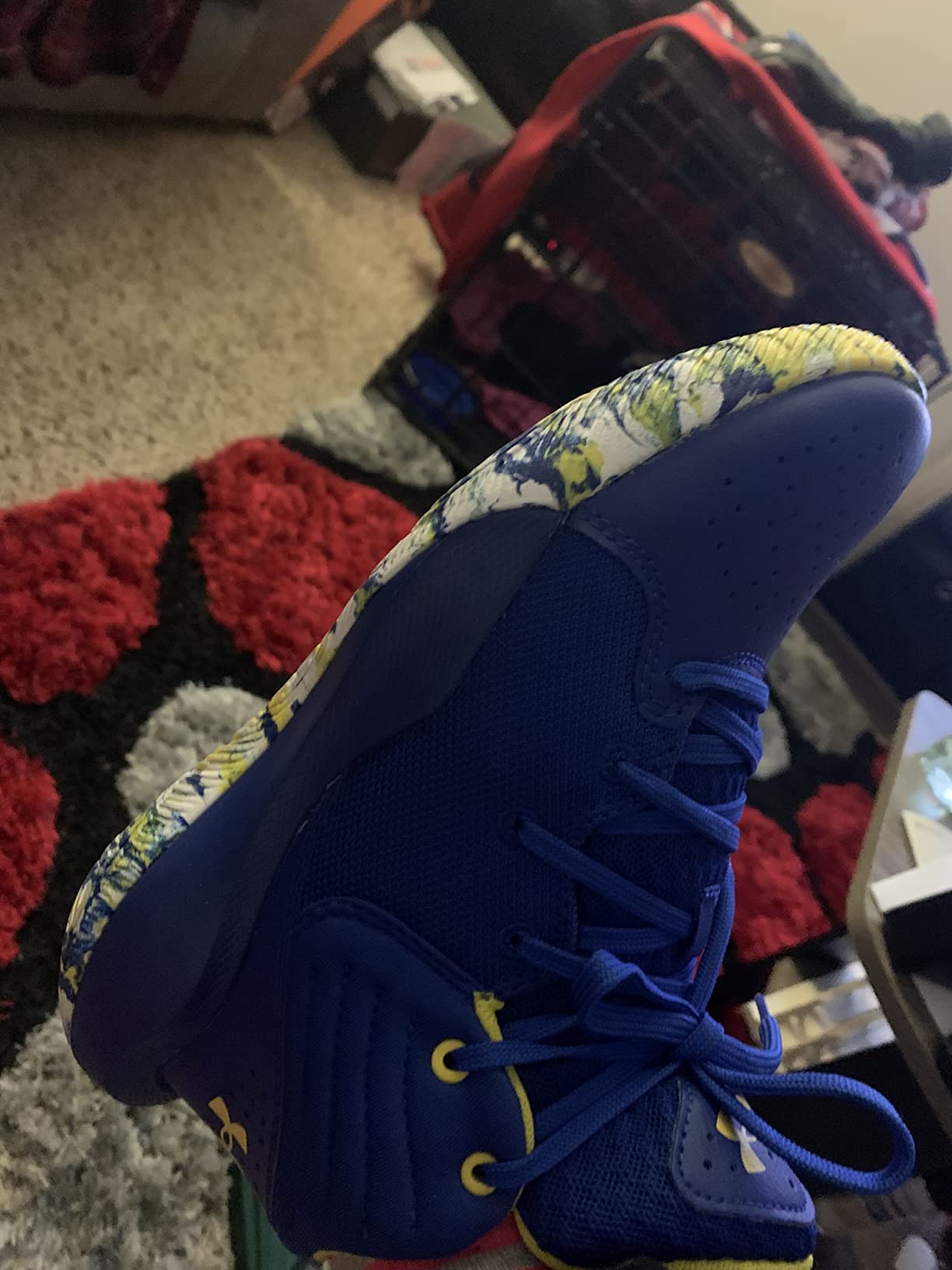
Pull these out of the box and the first thing you notice is the weight in your hand. Solid. Not heavy — 8.2 ounces for a grade school size 4 — but there’s a substance to it that cheap mesh shoes don’t have. The leather upper is obviously not premium cow hide, but it has structure where it counts: around the toe box, up through the midfoot, into the heel collar. The synthetic overlays layer on additional reinforcement without adding bulk.
My son’s immediate reaction was positive — he said it “looked like a real basketball shoe,” which at age ten is a pretty significant endorsement. The collar height sits at a reasonable mid point, not as aggressive as a high-top but not so low that ankle coverage is an afterthought. It reads basketball, not lifestyle sneaker trying to look like basketball.
Fit and Sizing: Read This Before You Order
The Jet ’21 fits true to length — meaning if your kid normally wears a size 5, order a size 5. That’s the good news. The not-so-good news is that these run noticeably narrow, and that distinction matters a lot at checkout.
Here’s the sizing decision tree I’d give any parent:
Standard-width feet: Order your normal size. These will fit well, and after 3–4 wears the leather relaxes slightly for a more custom feel.
Narrow feet: TTS works great here — actually, kids with narrow feet will appreciate the snug fit without the sloppy heel-slipping you sometimes get in wider-cut shoes.
Wide feet: Size up half a size. Understand that even sized-up, the toe box will still feel narrower than a comparable Adidas kids basketball shoe. For mildly wide feet, the half-size-up strategy works. For genuinely wide feet, you’d be more comfortable in something designed for that width.
Very wide feet: Skip this one entirely. The AND1 Kids Basketball line and the ASICS Upcourt 3 Kids both run in a more accommodating width.
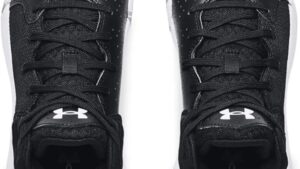
Entry takes getting used to. The structured leather upper is stiff initially, and some kids struggle to get their foot in during the first few wears. Lacing slightly loose helps. By the second week it’s a non-issue — but if your kid needs to change shoes independently at school before games, expect some adjustment time early on.
Court Performance: Traction and Ground Feel
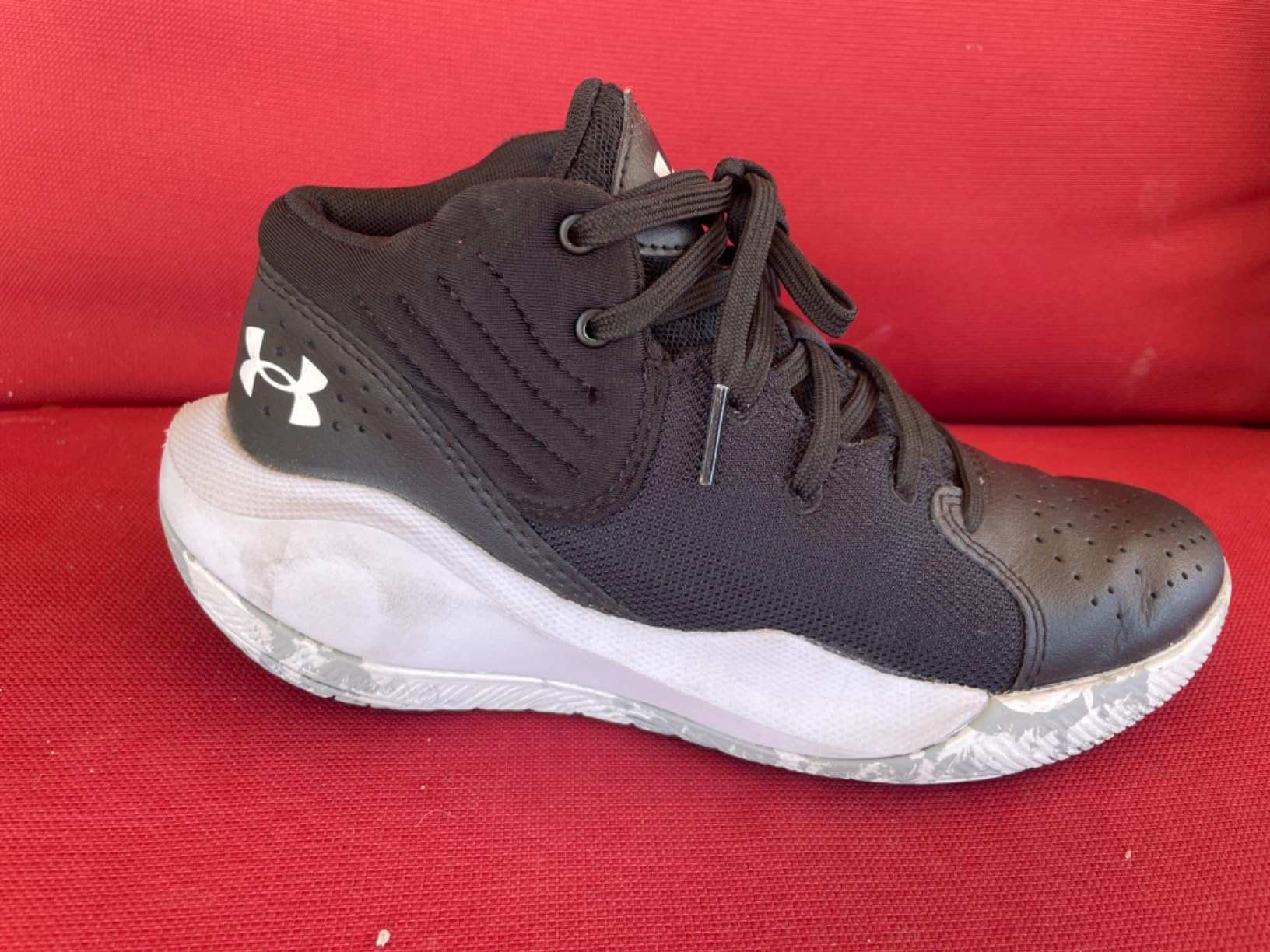
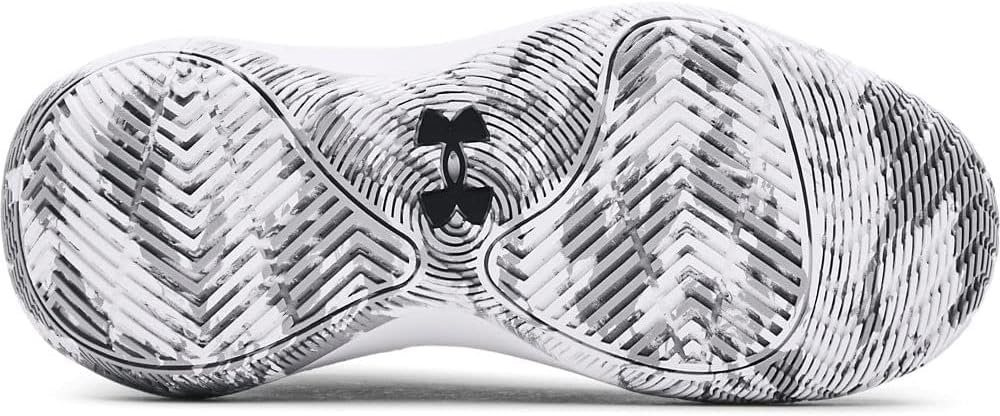
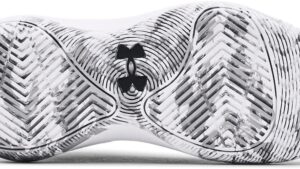
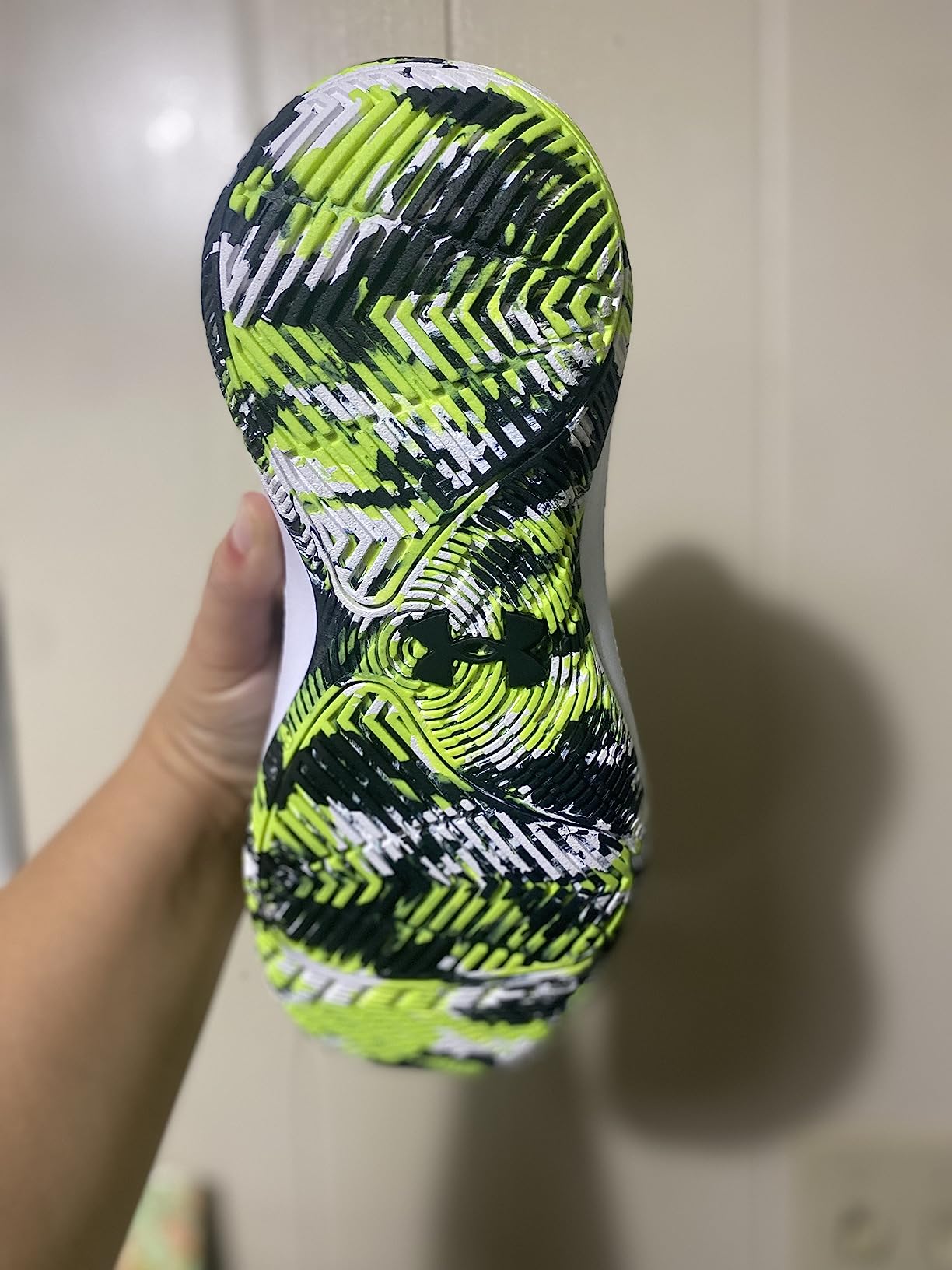
Over 25+ sessions across 5 different facilities — from a recently resurfaced rec center floor to a dusty church gym that’s seen better days — the rubber outsole delivered what I’d call honest, dependable performance. Not elite-level grip, but consistently adequate for grade school basketball.
On clean, well-maintained hardwood: the traction is genuinely solid. Cuts, defensive slides, contested layup runs — no slipping, no hesitation. My son reported being able to stop sharply without thinking about his feet, which is exactly what you want for a kid still developing court instincts.
On dusty or worn courts — the reality in a lot of youth facilities — the grip steps down a level. It’s still fine for youth-level play, but you’ll want to wipe the soles during timeouts. Nothing catastrophic, just standard maintenance for rubber-soled basketball shoes on imperfect surfaces.
The ground feel is one of the Jet ’21’s underrated benefits. Some heavily cushioned shoes create a disconnected, pillowy sensation that can confuse kids learning to plant and pivot. These deliver clear court feedback — players can feel where they’re putting weight — which genuinely helps with footwork development at this age.
Ankle Support: Where These Earn Their Keep
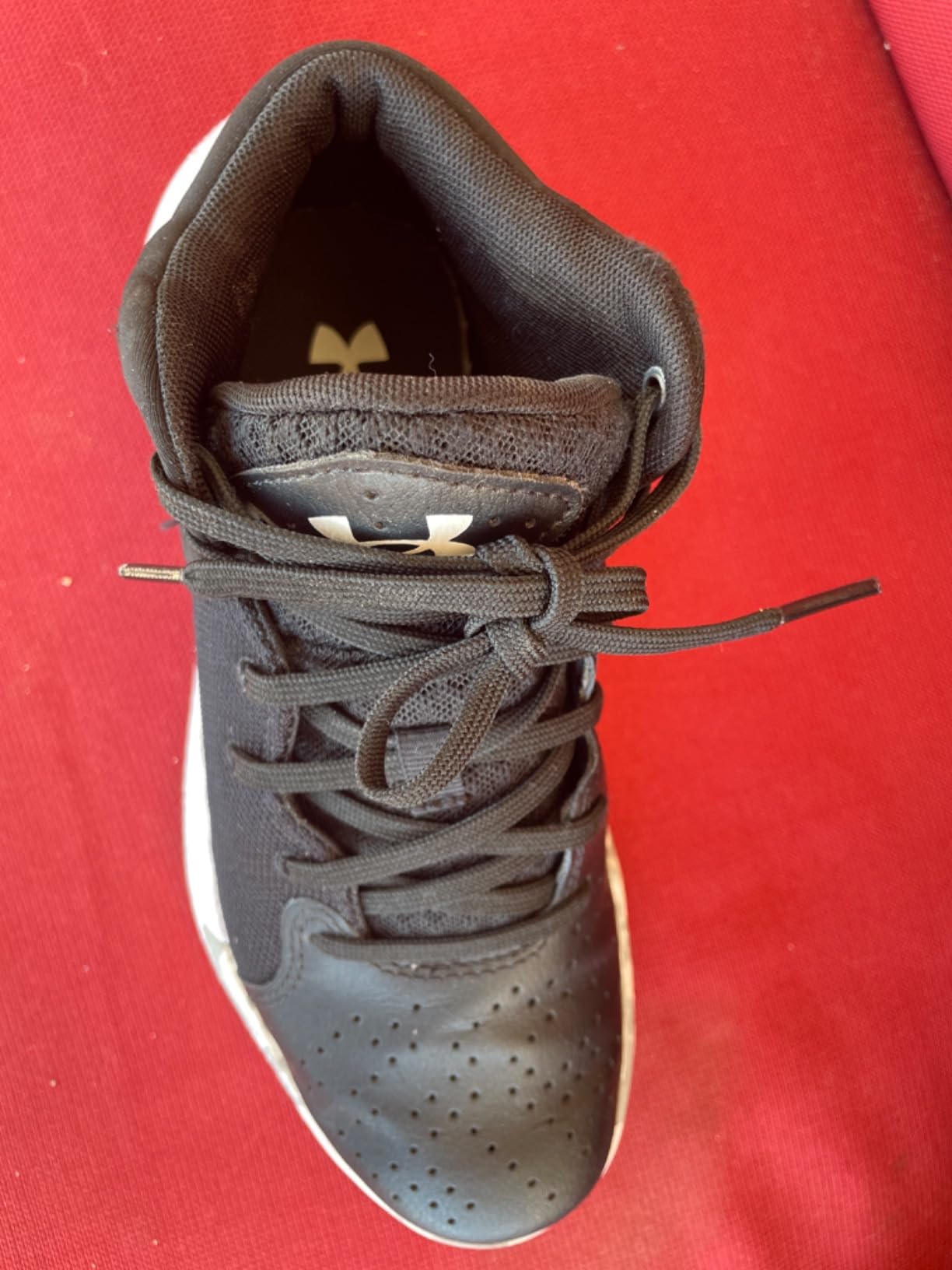
Zero ankle rolls across 8 weeks and 25+ sessions. Not one. That’s not marketing copy — that’s just what happened. The padded collar wraps the ankle at a height that actually protects it, and the heel counter holds the foot in a stable position during lateral movement without feeling like a cast.
My son is a point guard, which means a lot of direction changes, crossover cuts, and defensive positioning. These are the moments where ankle support either shows up or doesn’t. The Jet ’21 showed up consistently. Ankle fatigue after full games was absent; after particularly intense back-to-back drills in practice he reported zero soreness.
If you’re comparing ankle support levels within UA’s kids lineup: the Under Armour Kids Lockdown 7 offers more aggressive ankle collar support for higher-competition play, and the older Under Armour Lockdown 6 remains a solid option if you find it discounted. But for recreational to competitive grade school play, the Jet ’21’s support level is well-calibrated.
Cushioning: Honest About “Adequate”
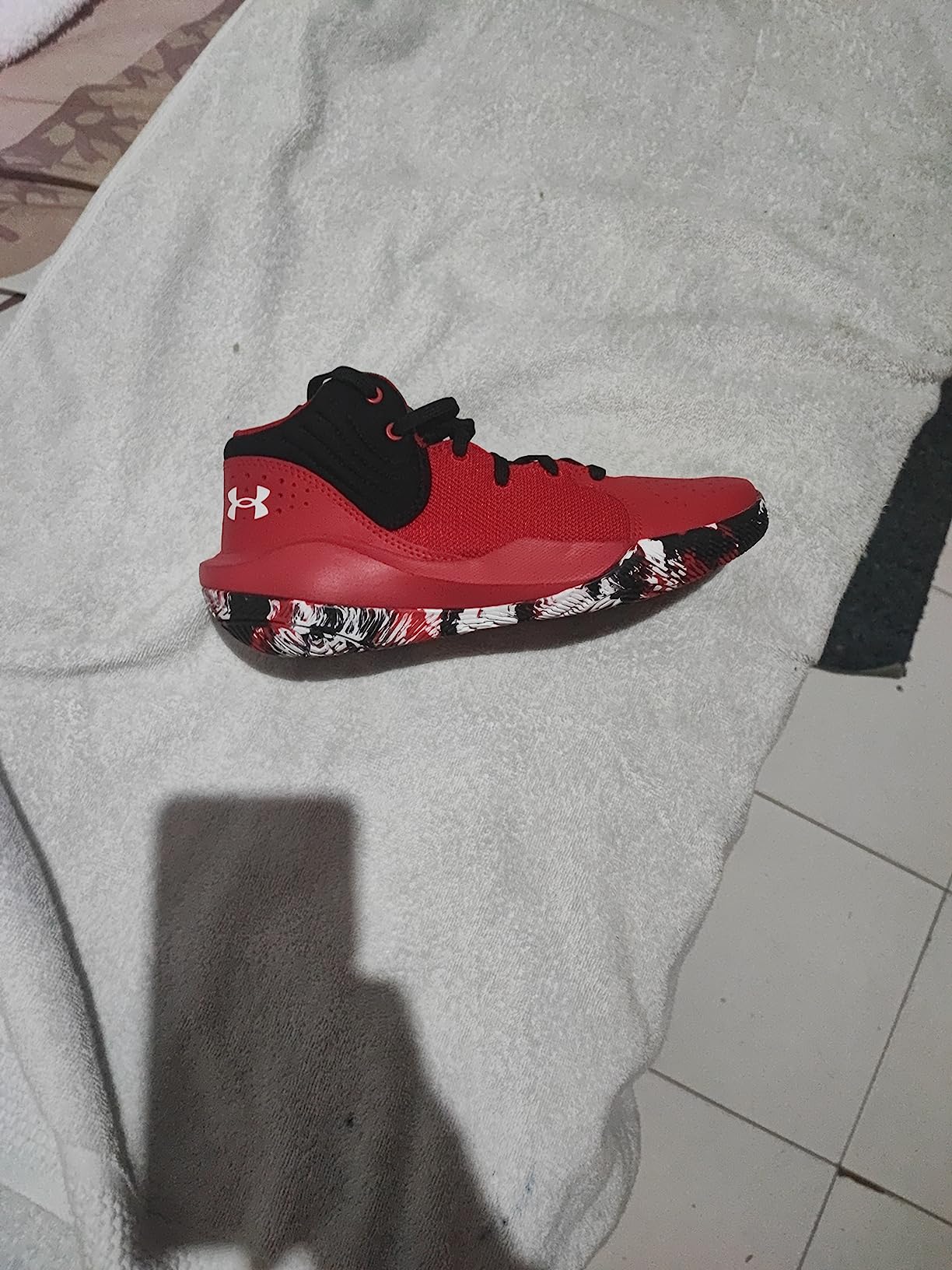
The EVA midsole does what EVA is designed to do: absorb impact, stay responsive, and not add unnecessary weight. What it doesn’t do is provide the bouncy, cloud-like cushioning of premium foams. And at this price point and product category, that’s entirely the right call.
Here’s the practical read: During 32-minute games, my son had zero comfort complaints. The midsole was doing its job. During 60-minute practice sessions with heavy drilling — sprints, defensive slides, lots of jumping — the firmness became more noticeable by the final 20 minutes. Not painful, but the shoe was communicating that it had limits.
For tournament play with multiple games in a day, that limit becomes more relevant. If your kid is playing three games on a Saturday, the EVA will feel firmer by game three than it did in game one. An aftermarket insole (standard $15–20 replacement) extends that comfort window meaningfully.
If maximum cushioning is the primary decision factor, the Adidas Don Issue 4 Kids runs softer. But for the majority of recreational to weekly-competitive grade school play, the Jet ’21’s cushioning is genuinely sufficient.
Breathability: The Real Trade-Off
Leather breathes poorly. That’s not a flaw in the Jet ’21 specifically — it’s a material property. If you’re expecting mesh-level airflow from a leather-upper shoe, you’re going to be disappointed. The synthetic overlays don’t compensate significantly because they cover panel areas that would otherwise have airflow.
What this means in practice: For games in the 30–40 minute range, in a normally-ventilated gym, the heat buildup is manageable. Not comfortable in the way a mesh shoe is comfortable, but manageable. After a full 60-minute practice in a warm gym, socks come out noticeably damp. That’s the honest result.
This trade-off is most significant in summer league scenarios — outdoor tournaments, poorly-ventilated gyms running hot, multiple consecutive sessions. In those conditions, the breathability issue is a genuine consideration. Moisture-wicking socks (synthetic or merino wool athletic socks rather than cotton) help substantially. Rotating between two pairs so each gets 24 hours to air out is even more effective.
For fall/winter league play in temperate conditions, breathability largely ceases to be a meaningful concern. The leather actually provides a degree of warmth that’s welcome in cold gymnasiums.
Build Quality and Durability: The Standout Feature
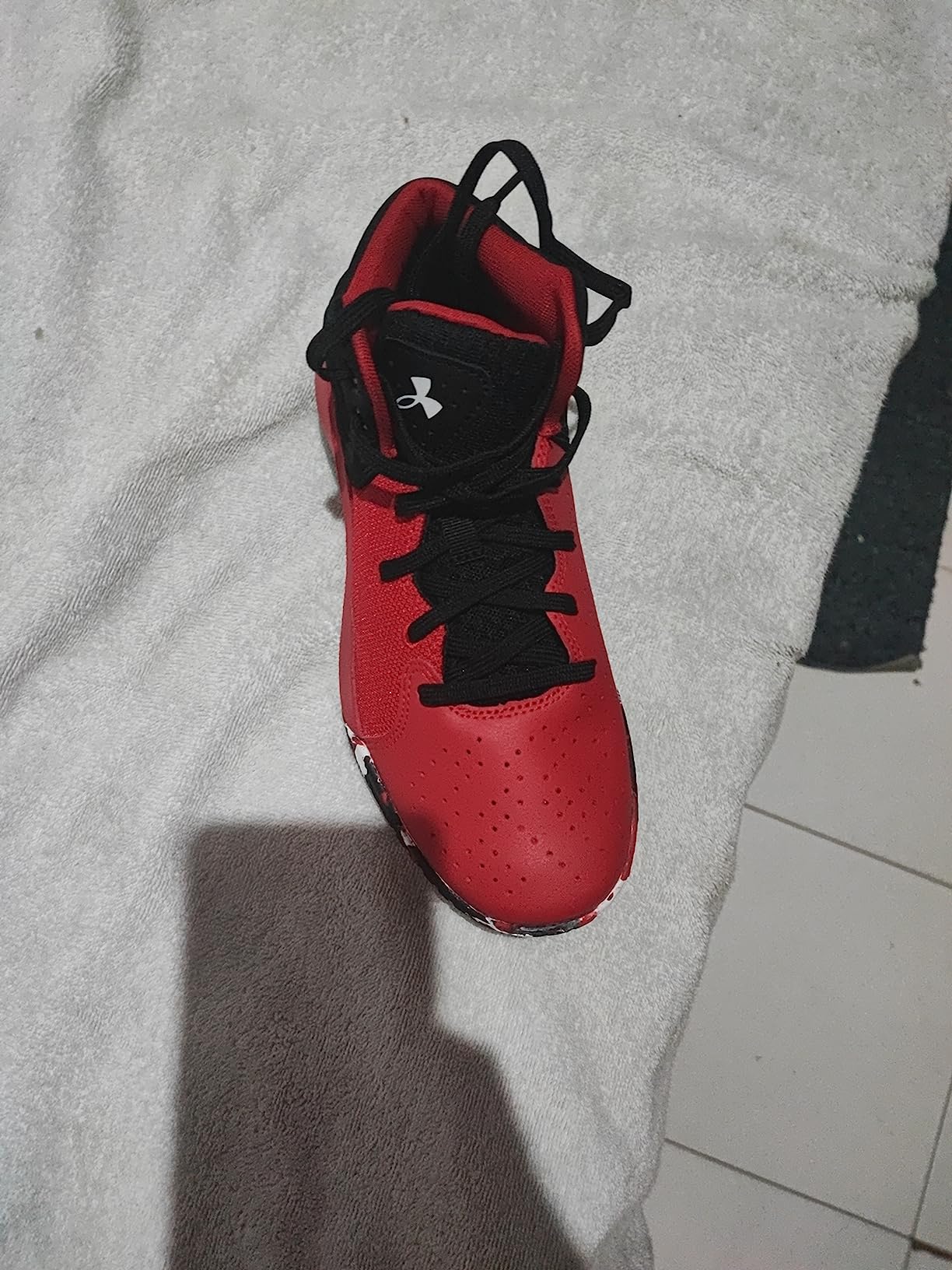
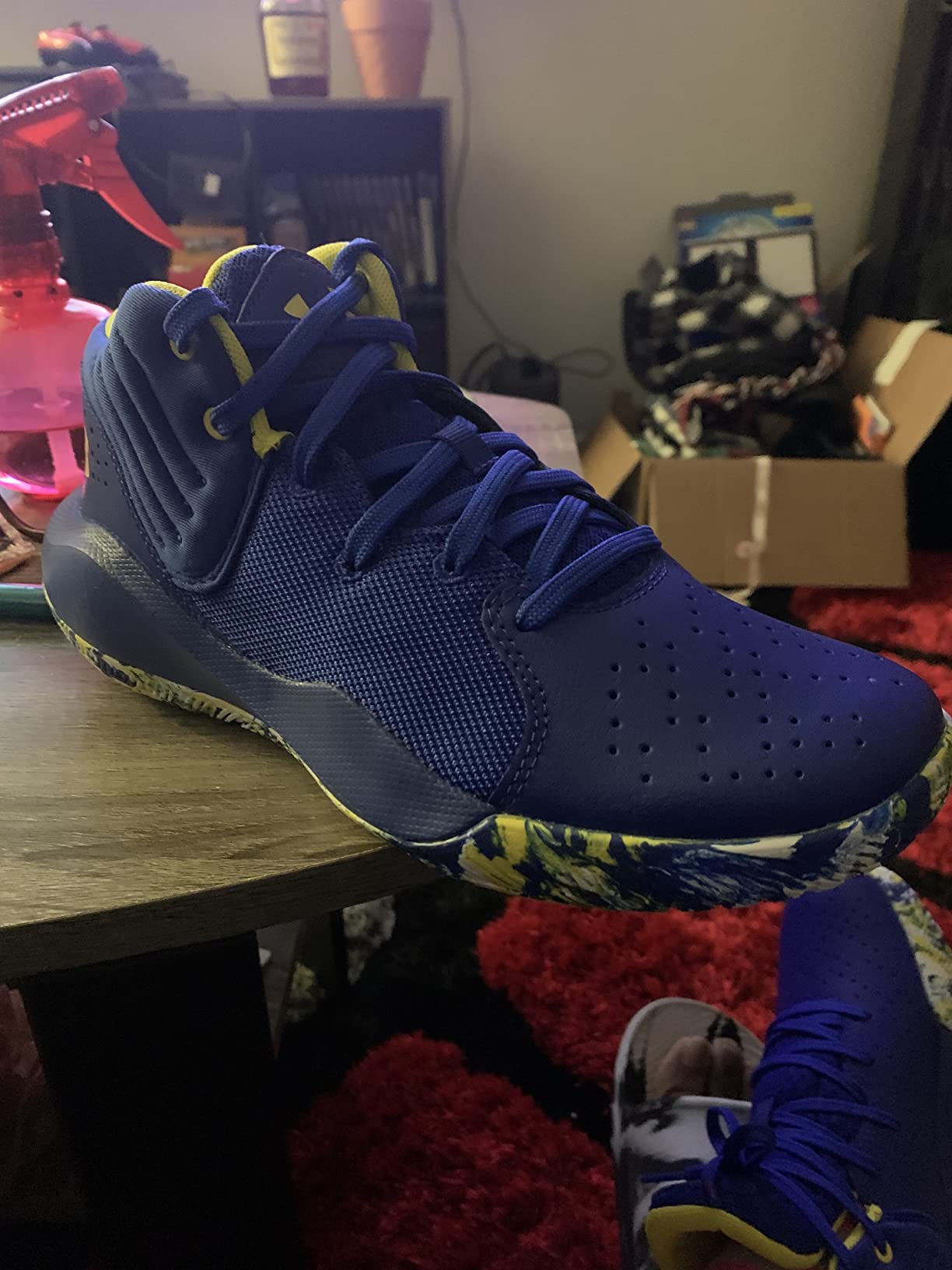
At eight weeks, with 25+ sessions behind them, the Jet ’21s showed no sole separation, minimal upper wear, intact stitching throughout, and color retention that’s better than most mesh shoes manage at the same point. The leather upper has minor scuffing, which is cosmetic — the structural integrity is completely sound.
The laces are the weak point. Fraying began around the 20-use mark, which is earlier than I’d like. It’s a minor issue practically — replacement laces are a few dollars at any sporting goods store — but it’s worth knowing about before you assume the whole shoe will outlast the season without any maintenance.
Extrapolated durability estimates based on 8-week observations:
- Casual play (1–2 sessions/week): 12–18 months before meaningful wear
- Moderate play (3–4 sessions/week): 8–12 months
- Heavy/travel ball (5+ sessions/week): 6–8 months
Reality check: Grade school kids often outgrow shoes faster than they wear them out. The Jet ’21’s durability likely won’t be the deciding factor in when you replace them — your kid’s foot growth will be. That makes the value math even more favorable.
Cost-per-month breakdown:
- $70 ÷ 8 months (heavy use) = $8.75/month
- $70 ÷ 12 months (moderate) = $5.83/month
- $60 ÷ 18 months (casual) = $3.33/month
Comparable kids’ basketball shoes in the $80–100 range at similar lifespan deliver $6–12/month. The Jet ’21 is genuinely cost-competitive, not just “affordable.”
Jet ’21 vs Jet ’23: Which Should You Buy?
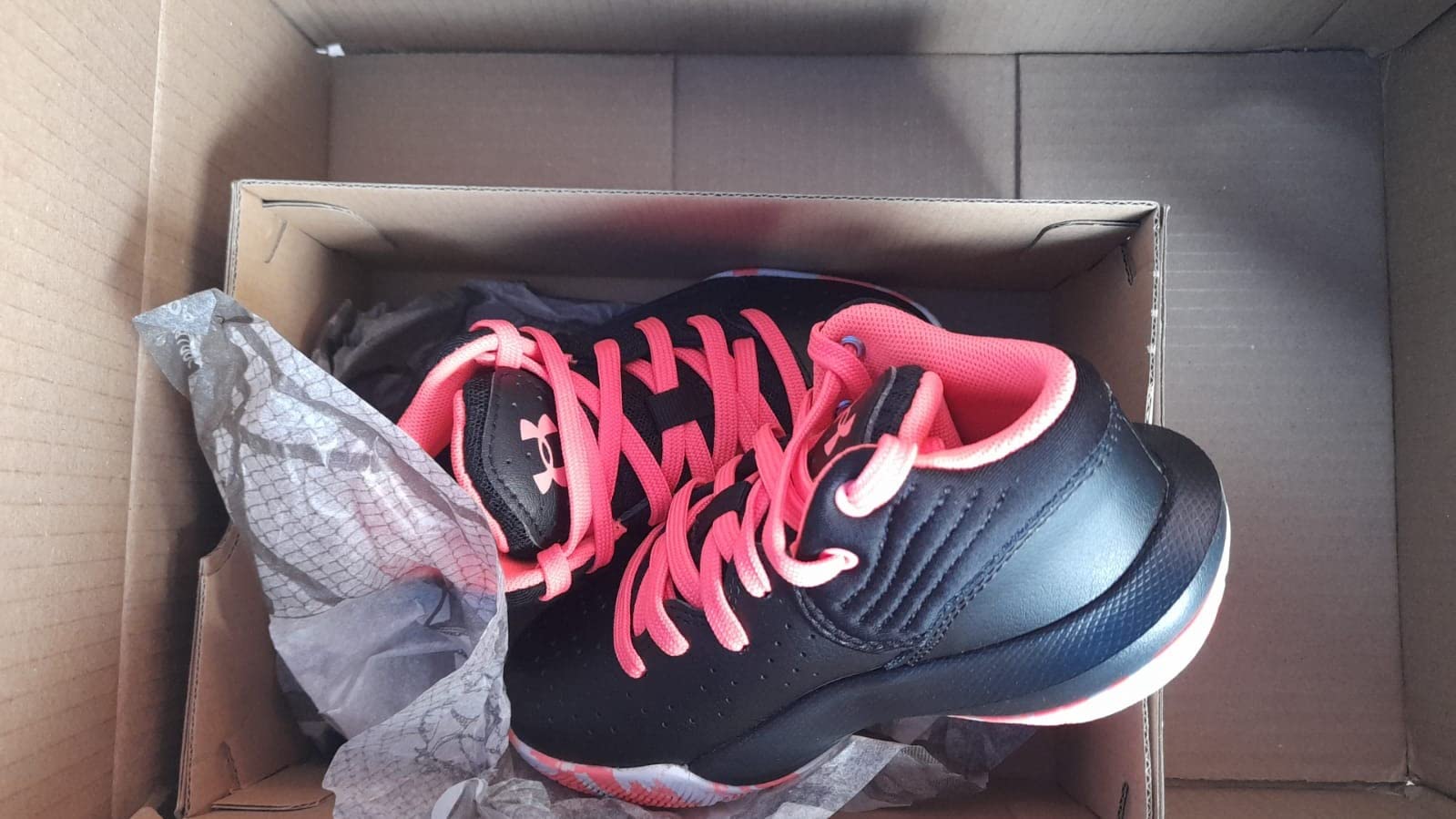
The clearest difference between generations: upper material. The Jet ’21 uses a leather upper with synthetic overlays. The Jet ’23 switched to a polyester upper — softer out of the box, more breathable, but potentially less durable over time.
Neither is objectively better. They’re designed for different priorities:
Choose Jet ’21 if: Durability is your primary concern. You’re in a cooler climate or temperate gym. You find it on clearance at $40–55 (which happens frequently as ’23 takes shelf space). Your kid plays fall/winter league rather than summer ball.
Choose Jet ’23 if: Breathability matters more than longevity. Your kid plays in hot, humid conditions regularly. You’re buying at full retail and both are similarly priced. Your kid tends to outgrow shoes quickly anyway — the durability advantage of the ’21 won’t have time to show.
At a significant price difference, the Jet ’21 is the smarter buy. If prices are within $10 of each other, the Jet ’23’s breathability edge might tip the decision for summer-focused players.
Who Should Buy the Jet ’21?
This is a strong choice for:
- Parents who’ve burned through flimsy mesh shoes and want something that lasts
- Kids with standard or narrow foot width
- Recreational to competitive grade school players (ages 6–12)
- Fall/winter league or temperate climate play
- Families who want solid ankle support without paying premium prices
- Anyone who finds them at clearance pricing — at $45–55, the value is exceptional
Look elsewhere if:
- Your kid has wide feet — sizing up helps marginally but the last is narrow by design
- You need maximum cushioning for high-impact, high-volume training
- Summer league / high-heat conditions where breathability is critical
- Your budget is very tight — the AND1 Takeoff 3.0 Kids and AND1 Showout Kids offer basic court functionality at lower price points
Wide-feet alternatives worth considering: The Adidas Kids Hoops Mid Top runs with a more generous toe box and is priced competitively. The Lackblue Kids Basketball shoes also accommodate wider feet if budget is a primary factor.
Scoring
| Category | Score | Notes |
|---|---|---|
| Court Traction | 7.5/10 | Reliable on clean hardwood; adequate on dusty courts |
| Ankle Support | 8.0/10 | Padded collar + heel counter — zero rolls in testing |
| Cushioning | 6.5/10 | EVA adequate for youth play; firms up during extended sessions |
| Durability | 8.5/10 | Leather upper + clean construction — strongest feature |
| Fit & Comfort | 7.0/10 | TTS length; runs narrow — standard/narrow feet ideal |
| Breathability | 6.0/10 | Leather = below average airflow; damp socks after 60+ min |
| Value for Money | 8.0/10 | $3–9/month cost depending on use; strong durability-to-price ratio |
| Style Appeal | 7.5/10 | Clean basketball design; multiple colorways; kids approve |
| OVERALL | 7.5/10 | Reliable, practical youth basketball shoe — excellent durability value |
Frequently Asked Questions
Are the Under Armour Jet ’21 true to size?
True to length, but the fit runs narrow. For standard-width feet, order your normal size and expect a snug feel that loosens slightly after a few wears. For wide feet, try sizing up half a size — though be aware the toe box remains narrower than most other basketball shoes at this price. Very wide feet will be better served by alternatives like the Adidas Kids Hoops or AND1 Kids Basketball options, which have more generous widths.
How long will these shoes last?
Based on 8 weeks of testing with observable wear data: expect 12–18 months at 1–2 sessions per week (casual), 8–12 months at 3–4 sessions weekly (competitive league), 6–8 months at 5+ sessions weekly (travel ball). The leather upper is the durability driver — it resists abrasion significantly better than mesh. Laces will need replacing around month 4–5 at moderate use. Practically speaking, most grade school kids outgrow the shoe before it fails.
Is there a break-in period?
Short one. The structured leather upper is stiff out of the box. Most kids are comfortable by wear 3–5. The first couple sessions may feel snug entering the shoe — lacing slightly loosely and wearing the shoe around the house before the first game session speeds this up considerably. No hot spots or blisters were observed during the break-in period in testing.
How do these hold up on dusty or outdoor courts?
On dusty indoor courts: adequate. The rubber outsole maintains grip but benefits from sole wiping during timeouts — standard practice for any basketball shoe on poorly-maintained surfaces. For occasional outdoor play, the rubber holds up for a few weeks, but consistent concrete/asphalt use will accelerate outsole wear noticeably. These are designed primarily for indoor courts.
What’s the difference between the Jet ’21 and Jet ’23?
The Jet ’21 uses a leather upper; the Jet ’23 switched to polyester. Leather = more durable, less breathable. Polyester = more breathable, potentially less long-lasting. For fall/winter league play where breathability is less critical, the Jet ’21 is often the better value if you can find it at clearance pricing. For summer leagues or warm climates, the Jet ’23’s breathability advantage is more meaningful.
Are these good for kids with wide feet?
Not ideal. The shoe fits narrow even at standard size, and sizing up half a size improves length but doesn’t solve the narrow toe box. Wide-footed kids will find it tight even with sizing adjustments. Better width options include the Adidas Don Issue 4 Kids and the AND1 Showout Kids Basketball.
Can my daughter wear these?
Yes — the Jet ’21 is unisex. Multiple colorways work for girls. The sizing chart follows standard Grade School sizing (same for boys and girls). Parent reviews confirm both boys and girls wear these successfully. The ankle collar height and proportions aren’t gender-specific.
Do the laces stay tied during games?
Yes, the laces held during play without coming undone. The durability issue is fraying rather than untying — around 20 uses, fraying at the aglet area becomes visible. Standard basketball lace replacements fit perfectly and are inexpensive.
Are these suitable for children with flat feet or orthotic needs?
The insole is removable, making it orthotic-compatible in principle. The stock insole offers modest arch support — standard for this price category. Kids who require dedicated arch support will benefit from swapping in an aftermarket insole. No specific flat-foot issues were flagged during testing.
What are the best alternatives if these don’t work for my kid?
- Wide feet: Adidas Kids Hoops Mid Top — more generous width, similar price
- Max cushioning: Adidas Don Issue 4 Kids — significantly more cushioning
- Budget: AND1 Takeoff 3.0 Kids or AND1 Pulse 3.0 — basic function at lower price
- Court feel focus: ASICS Upcourt 3 Kids — good ground feedback for developing players
Final Verdict
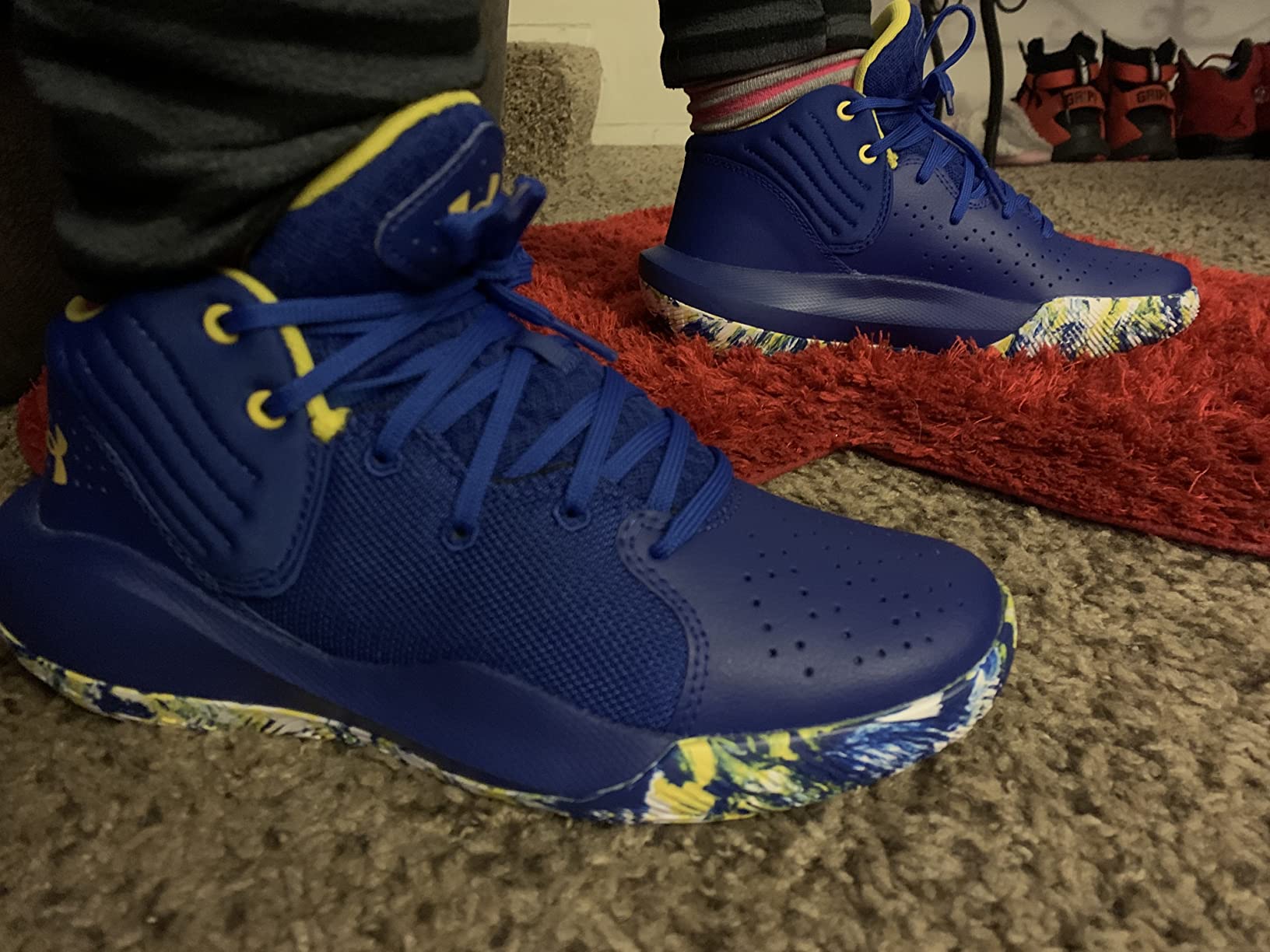
Eight weeks, 25+ sessions, five facilities. The Jet ’21 came out looking like a shoe that’s done this before — because it has. Under Armour built this on a straightforward foundation: leather upper for durability, EVA cushioning for adequate protection, padded collar for ankle stability. No trendy foam tech, no marketing buzzwords. What you get is a basketball shoe that will probably outlast your kid’s current shoe size.
The narrow fit is a real limitation that will exclude some buyers. The breathability trade-off from the leather upper is a real consideration for hot-weather play. These aren’t hidden issues — they’re design decisions you should know about before ordering.
But for parents who’ve bought their share of youth basketball shoes that disintegrated by February, the Jet ’21 offers something genuinely valuable: predictable durability at a price that doesn’t require justification. At $50–70, it holds its value well. Find it at clearance for $40–55, and the decision gets even easier.
Bottom line: If your kid has average or narrow feet and plays in a temperate gym, the Under Armour Jet ’21 is one of the more reliable options in youth basketball at this price point. Measure your kid’s foot first, and factor in the breathability limitation if you’re shopping for summer leagues. Otherwise, this is a practical, durable choice that won’t surprise you.
Be the first to review “Under Armour Kids’ Grade School Jet ’21 Basketball Shoe”
Related products
Basketball Shoes
Nike mens Lebron Witness VI Basketball Trainers Cz4052 Shoes
Basketball Shoes
Basketball Shoes
Basketball Shoes
Basketball Shoes
Basketball Shoes
Basketball Shoes
Basketball Shoes
Reviews
There are no reviews yet.