
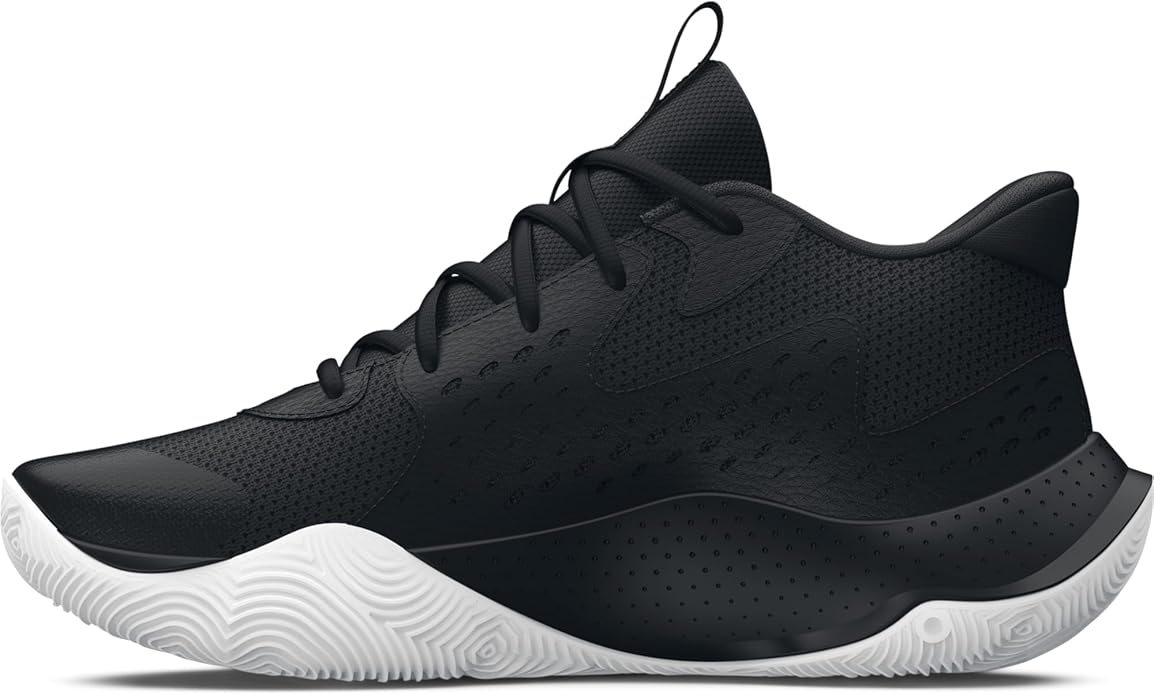
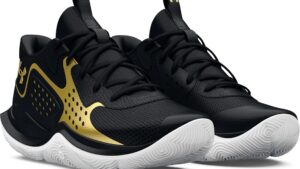
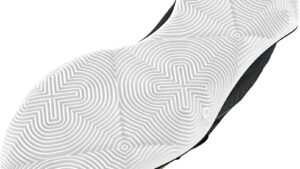
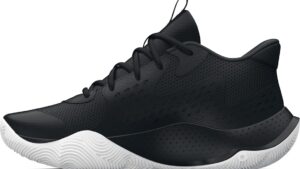
Three pairs of basketball shoes in one season. That’s what our family burned through before I started actually paying attention to what we were buying. Two “budget” options that fell apart at the seams around month three, and one mid-range pair that my daughter immediately declared uncomfortable and refused to wear past week one. I’m Sarah — mom, weekend pickup player, and apparently now someone who tests basketball shoes professionally for her family. After doing my homework on the Under Armour Jet ’23, I put them through six weeks of real-court testing with multiple players across different ages and playing levels. Here’s whether they broke the cycle.
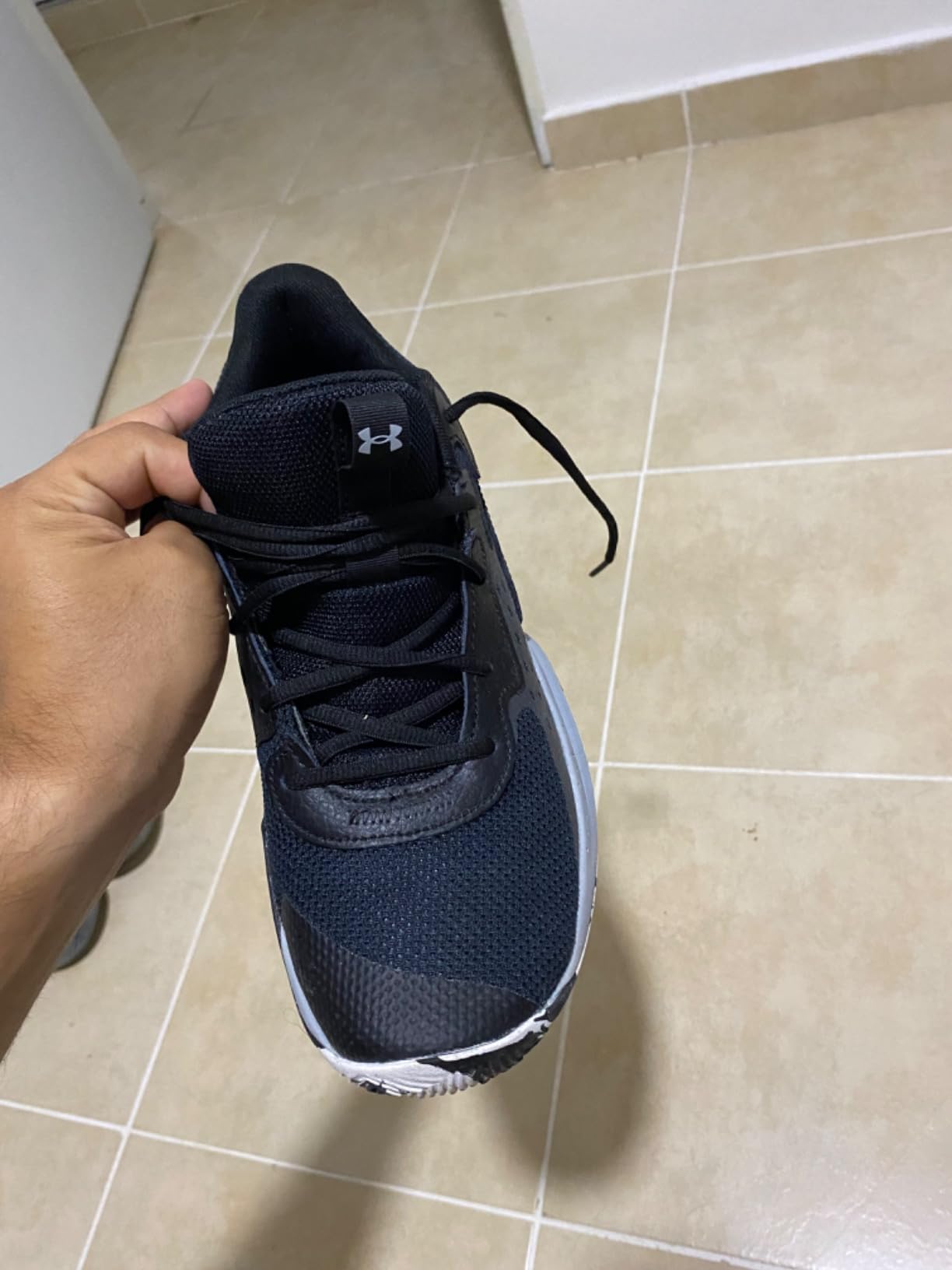
Quick Specs
- 💰 Price: $60–80 (adult/unisex)
- ⚖️ Weight: 13.2 oz (women’s size 8)
- 🧪 Midsole: Full-length Micro G® foam
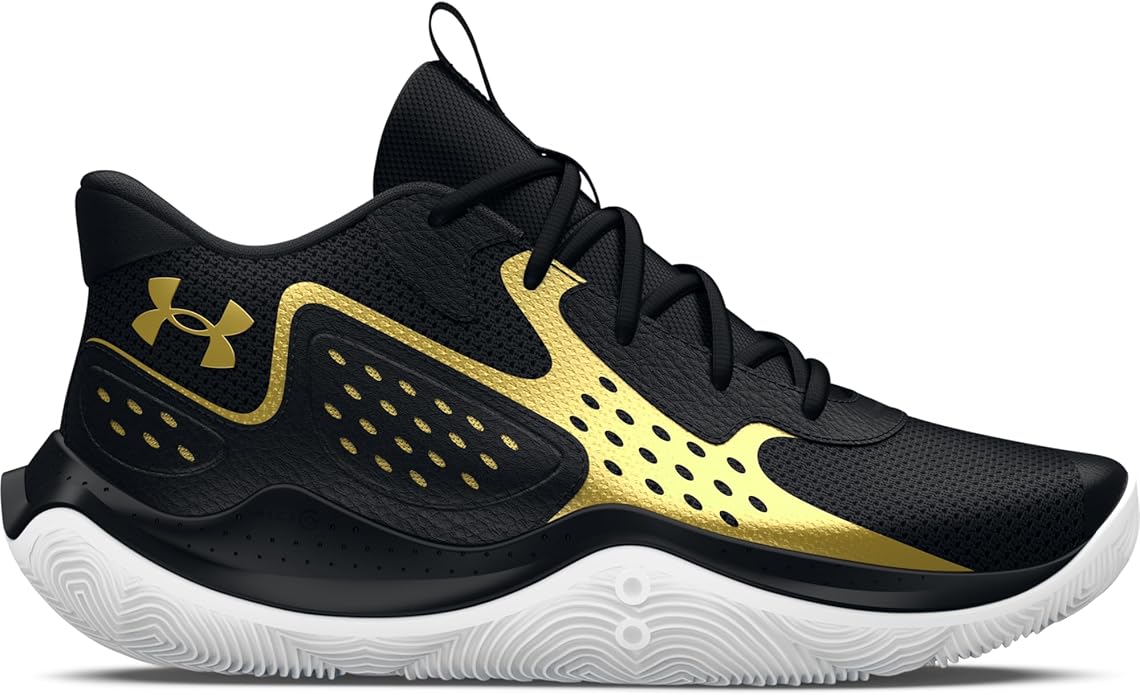
- 👟 Upper: Mixed synthetic (leather overlays + mesh panels)
- 🏀 Category: Unisex basketball shoe, youth through adult
- 🎯 Best for: Recreational play, youth leagues, indoor/outdoor mixed use
- ⏱️ Testing: 6 weeks, 24 court sessions, 48 hours, multiple players
- 🔧 Lacing: Standard tie, reinforced eyelets
- 🎨 Colors: Multiple colorways available
Design and Build Quality
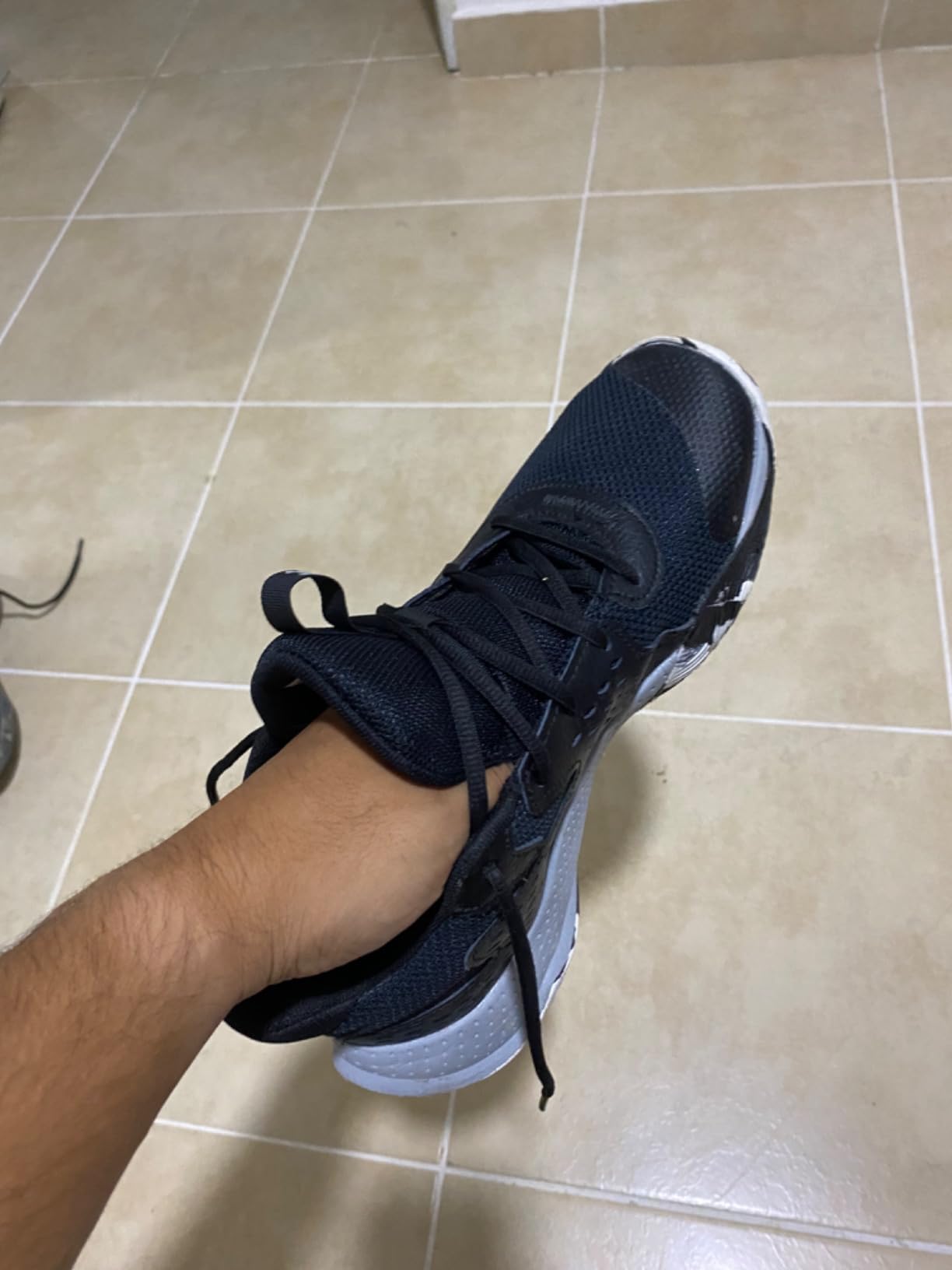
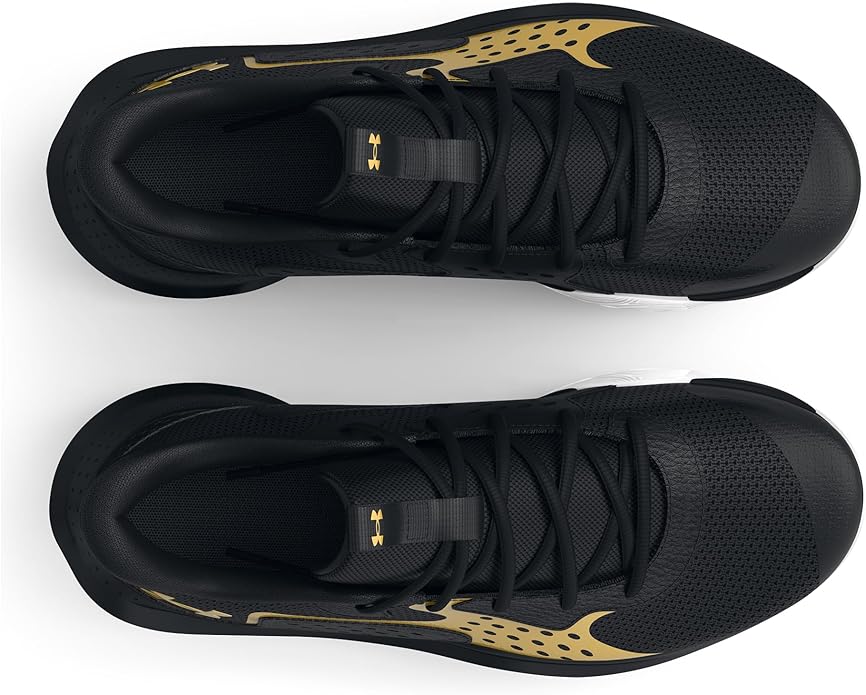
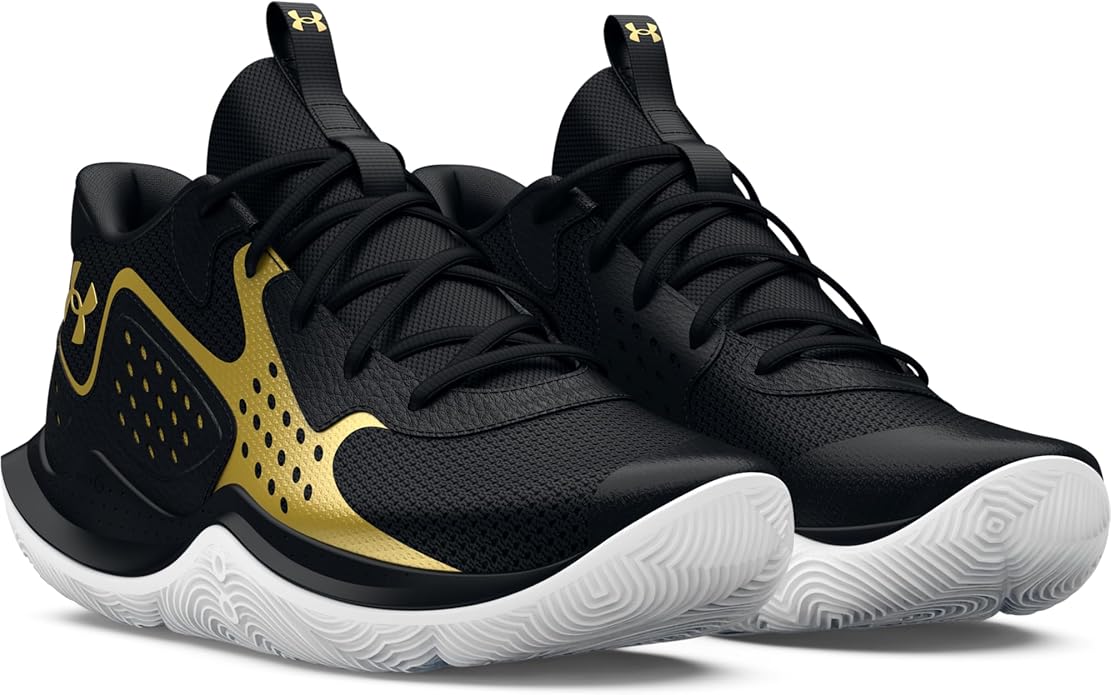
The Jet ’23 doesn’t look like a shoe that costs $65. That was my first reaction pulling them out of the box — the mixed-material upper has a deliberate quality to it that you don’t always find at this price point. Under Armour combined synthetic leather overlays in the high-wear zones with breathable mesh panels in the areas that actually need airflow. It reads less like a cost-cutting decision and more like someone thought about where shoes actually take damage.
After going through three pairs in a single season, I’ve developed an eye for the difference between thoughtful construction and cheap filler. The stitching on the overlays is reinforced, the eyelets have a bit of structural support around them, and the collar doesn’t have that floppy instability you sometimes find in budget basketball shoes. None of that means these are built to outlast premium options — they’re not, and I’ll get to durability honestly — but the construction quality reads above the price tag.
My daughter, who plays point guard in her youth league and has very specific opinions about how shoes should feel the moment she puts them on, slipped these on during our first testing session and said nothing. In our house, silence is approval. She usually makes some comment within thirty seconds of trying a new shoe. These got a quiet nod and she kept walking.
Fit and Sizing
The fit runs true to size for most people, though I noticed a slight snugness through the midfoot during the first few sessions. Several players in our testing group — middle school through adult — mentioned the same thing. The shoes do conform as you wear them, and by week two nobody was mentioning the snugness anymore.
If you’re between sizes or have wider feet, I’d go up half a size. The toe box accommodates wider feet reasonably well without creating that floppy sensation where the whole shoe feels loose just because the box is wide. Wide-footed players in our group appreciated that. The lacing system provides solid lockdown once dialed in, and the ankle collar sits at a height that manages the balance between mobility and support better than I expected.
Understanding the Micro G Midsole
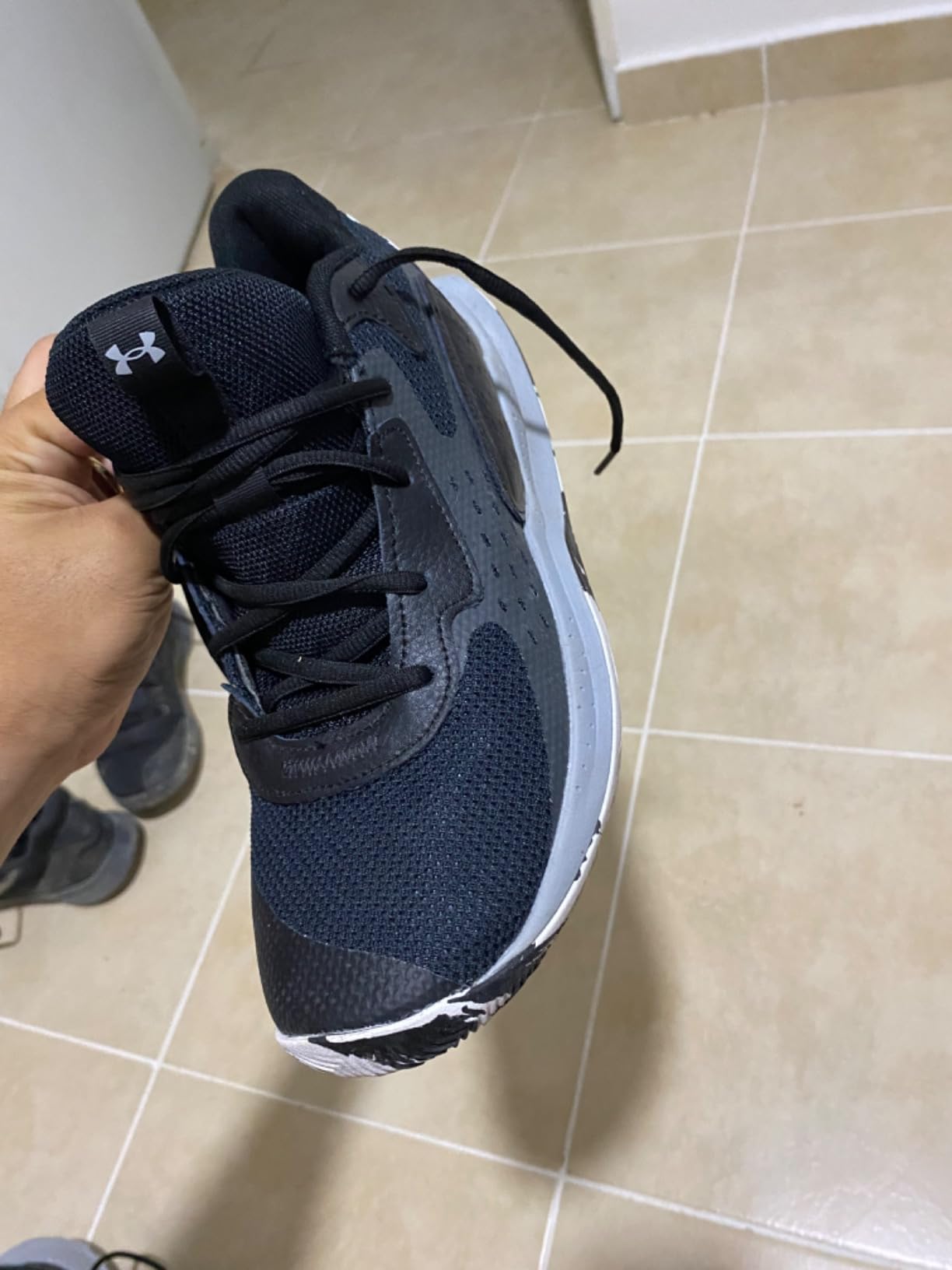
This is worth explaining because there’s some confusion in the market. The adult and grade school versions of the Jet ’23 use Under Armour’s Micro G® foam — a proprietary cushioning compound designed around energy return rather than just impact absorption. The pre-school version uses a standard EVA midsole, which is a cheaper foam that cushions but doesn’t bounce back the same way. If you’re buying for older kids or adults, you’re getting the better technology.
What Micro G actually does in practice: it compresses on impact and returns more energy than EVA at the same hardness level. In a basketball context, that translates to feeling the court connection during quick movements rather than feeling muted. When you push off for a jump shot or plant for a direction change, there’s a liveliness underfoot that EVA-based shoes at this price typically don’t deliver. It’s not the same density as the foam in a $150 basketball shoe — the cushioning is firmer — but it’s more responsive than most of its competitors in the budget tier.
During our testing, I noticed this most during rebounding drills where I was doing repeated vertical jumps. The shoes didn’t feel dead after ten reps. That sounds like a low bar, but plenty of budget options do feel dead that quickly.
Court Performance: What Actually Matters
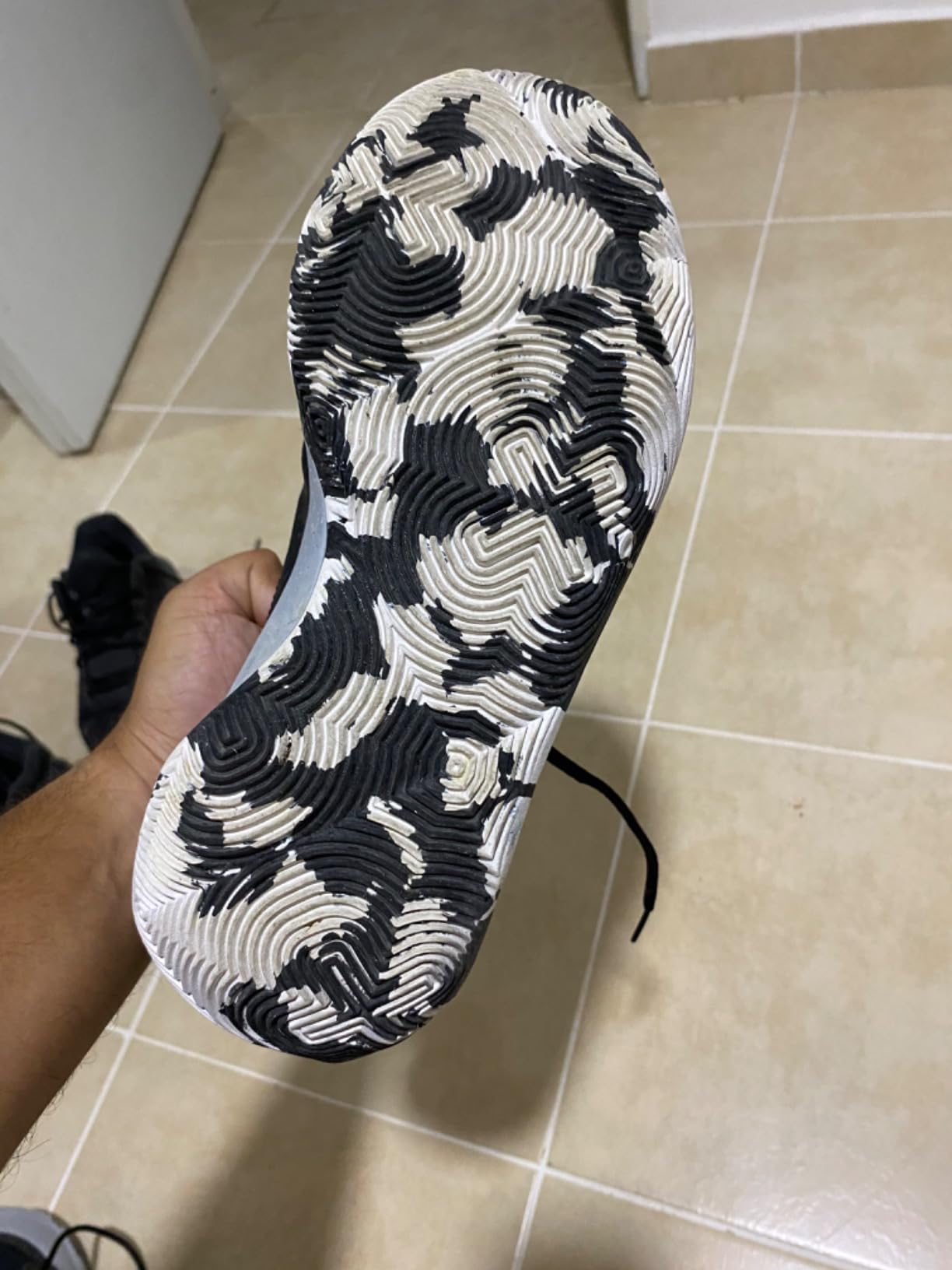
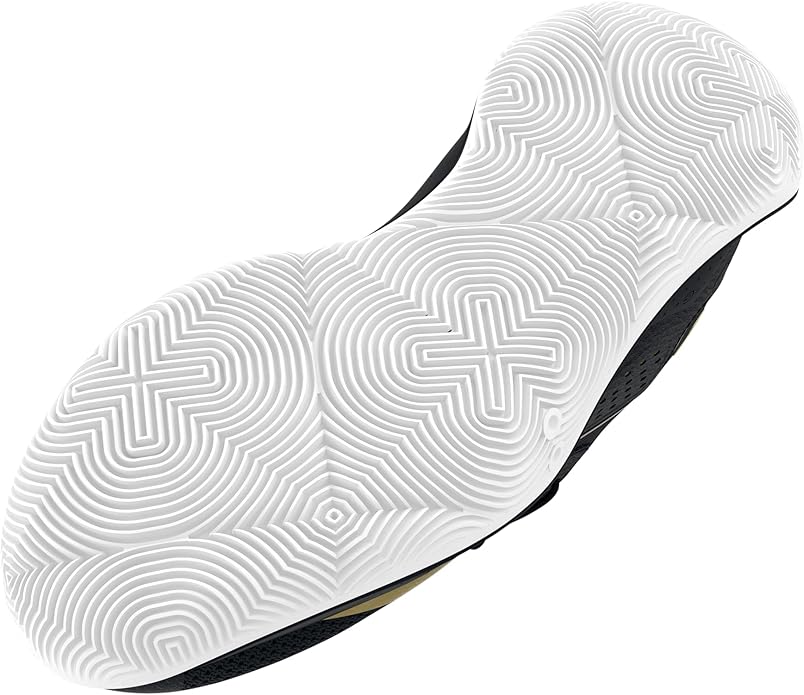
The anatomical traction pattern is one of the Jet ’23’s genuine strengths — with a notable caveat I’ll get to. On clean indoor hardwood, these shoes grip the way you want from basketball footwear. During defensive slides, the outsole grabbed the court surface confidently. During sprints, there was no loss of traction at the push-off point. My daughter ran through her full point guard rotation during league practice — cuts, crossovers, drop steps — and didn’t mention slipping once. That’s the real-world test for me.
The lateral support surprised me most. Low-cut basketball shoes are generally a compromise: you get mobility but give up ankle security. The Jet ’23 uses its upper construction to compensate — the overlay placement and collar design create a feeling of lateral containment that goes beyond what the cut alone would suggest. I wouldn’t put a player with a history of ankle injuries in these without some taping, but for the vast majority of recreational and youth players, the stability holds up under realistic playing demands.
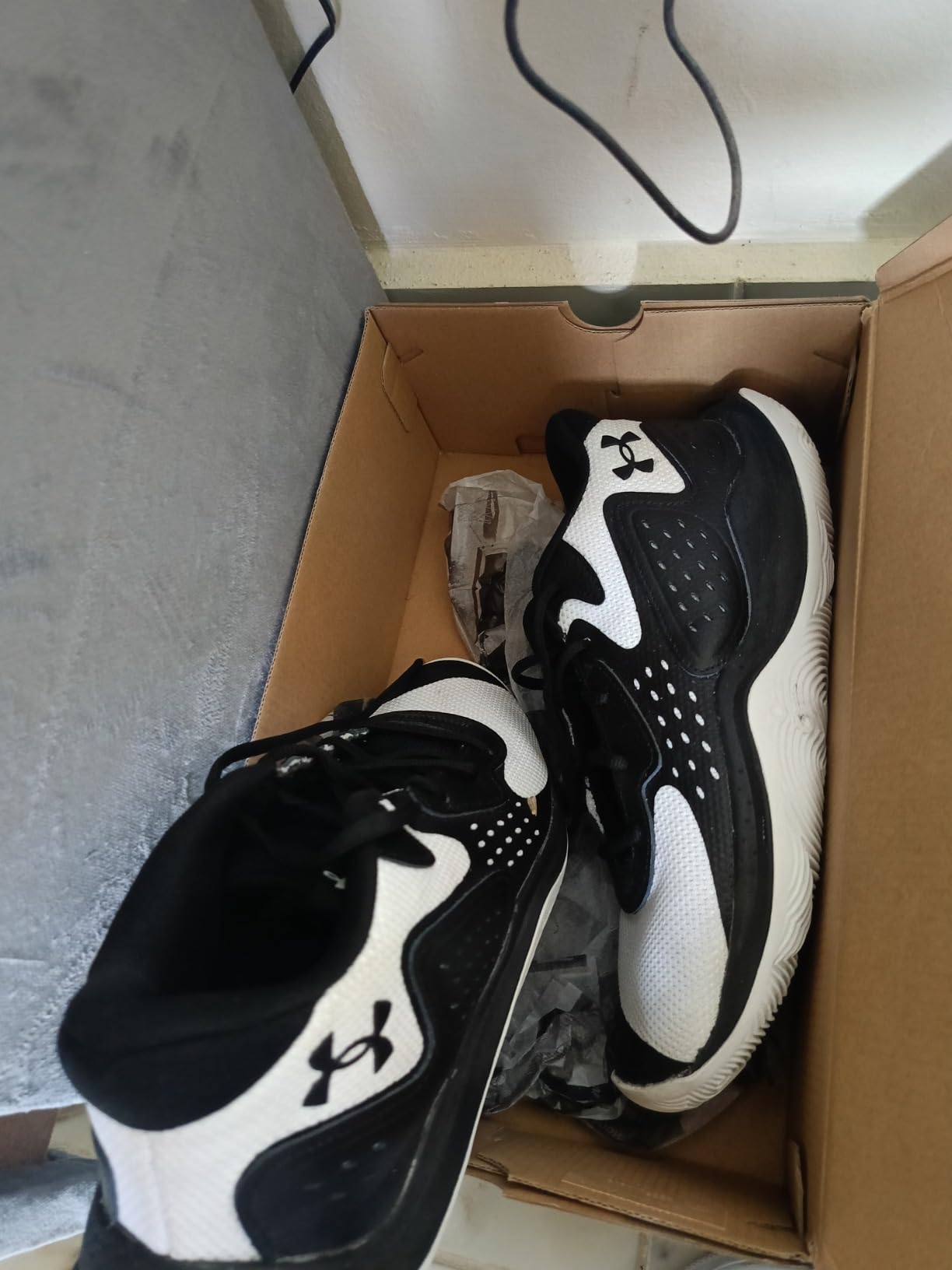
The caveat: outdoor courts with any dust or grit on the surface exposed the traction’s limits. On clean concrete, the grip was solid. On dusty park courts — the kind where there’s always a thin film of dirt by midgame — we had to stop and wipe the soles every twenty to thirty minutes to maintain confidence in our footing. This isn’t unique to the Jet ’23; most basketball outsoles with anatomical patterns behave this way outdoors. But if outdoor courts are your primary venue, factor that maintenance step into your routine.
Indoor vs Outdoor Performance
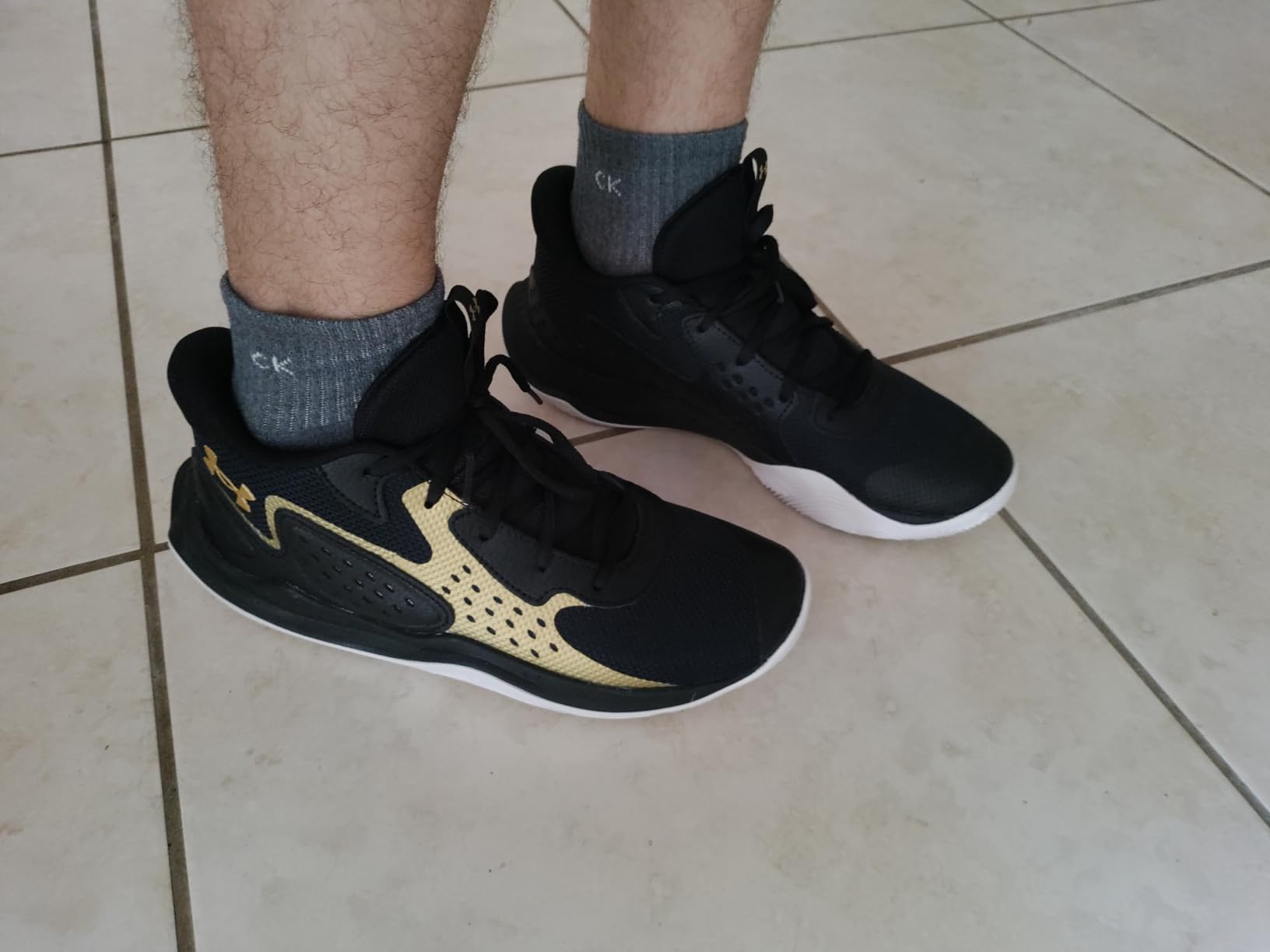
Our community center became the benchmark. The hardwood there is well-maintained — swept before sessions, no debris — and in those conditions the Jet ’23 performed exactly as you’d want from a basketball shoe. Traction was consistent from tip-off through a two-hour session even as the court got more foot traffic. Cushioning held up through rebounding drills without the impact accumulating into soreness. The breathability through the mesh panels kept feet comfortable even in a warm gym. By the end of games, players said their feet felt fresh — which is the goal.
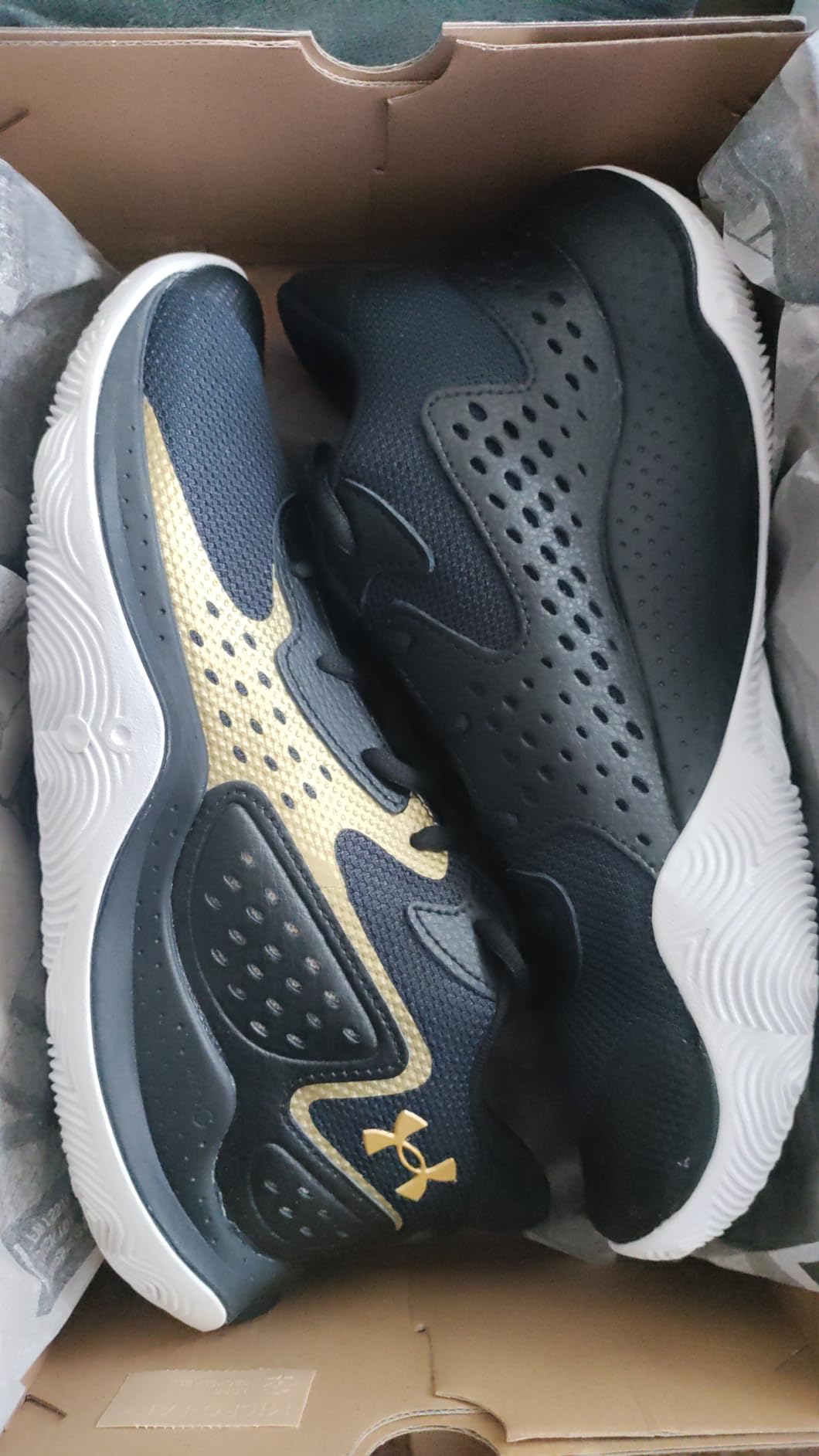
Outdoor presented more variables. The park courts we used had the usual mix of clean stretches and dusty patches, plus the concrete surface is harder and more abrasive than wood. On the clean stretches, traction was fine — the rubber compound showed good durability against the rougher surface. The upper materials handled outdoor conditions well, with the synthetic overlays resisting scuffing and the mesh allowing enough airflow for afternoon summer games. After multiple outdoor sessions, the cosmetic wear was minimal. But the dusty-court traction issue is real, and the only solution is the wipe-down routine.
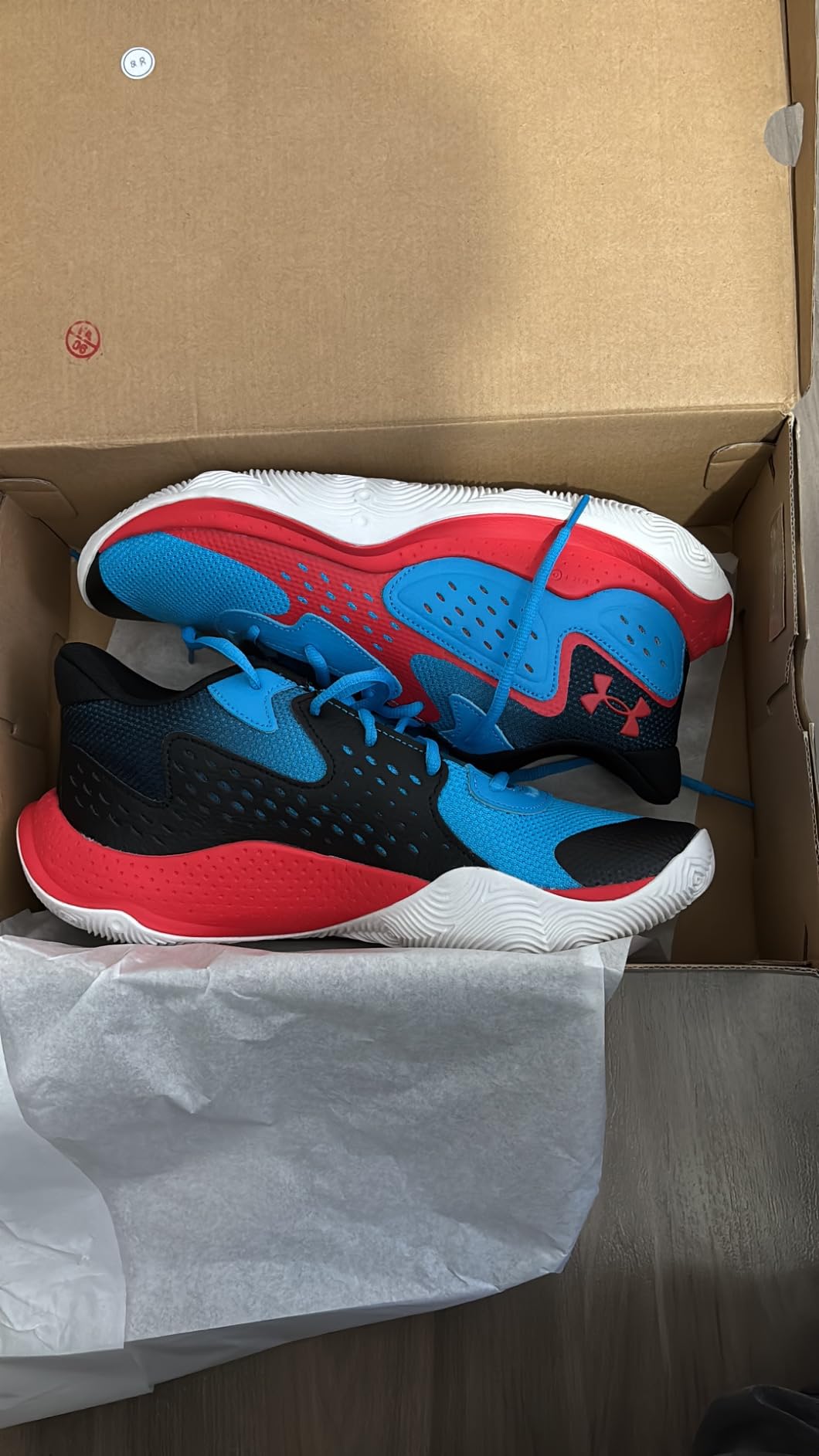
For primarily indoor players, these shoes are an excellent fit. For players who split their time, they work fine with the maintenance caveat. For anyone whose home court is consistently dusty outdoor concrete — there are better options.
Youth vs Adult: A Genuine Performance Difference
Something I noticed through our multi-player testing that the product description doesn’t explicitly address: these shoes perform noticeably better for lighter, younger players than for heavier adults.
My daughter and the other middle and high school players in our group got the most out of the Micro G cushioning. Their weight loads align naturally with what the foam is calibrated for — the energy return felt genuine, the court connection felt clean, and the support levels matched what a youth player doing guard or wing play actually needs.
The adult pickup players in our group — myself included, at 150 lbs — found the experience adequate but not exceptional. The cushioning worked and didn’t fail us, but there was a sense of bottoming out on harder landings that the younger players didn’t report. At my weight, I’d call the cushioning comfortable for two-hour recreational sessions. Push that to a heavier male adult (180+ lbs) and the Micro G may feel lean under sustained intensive play.
This observation actually supports the shoe’s positioning. It’s designed as a youth-to-adult recreational option, and it fits that description honestly. For youth league use and adult casual play, the Jet ’23 earns its place. For adult competitive or intensive use, you’re in different territory.
Marketing Claims vs Reality
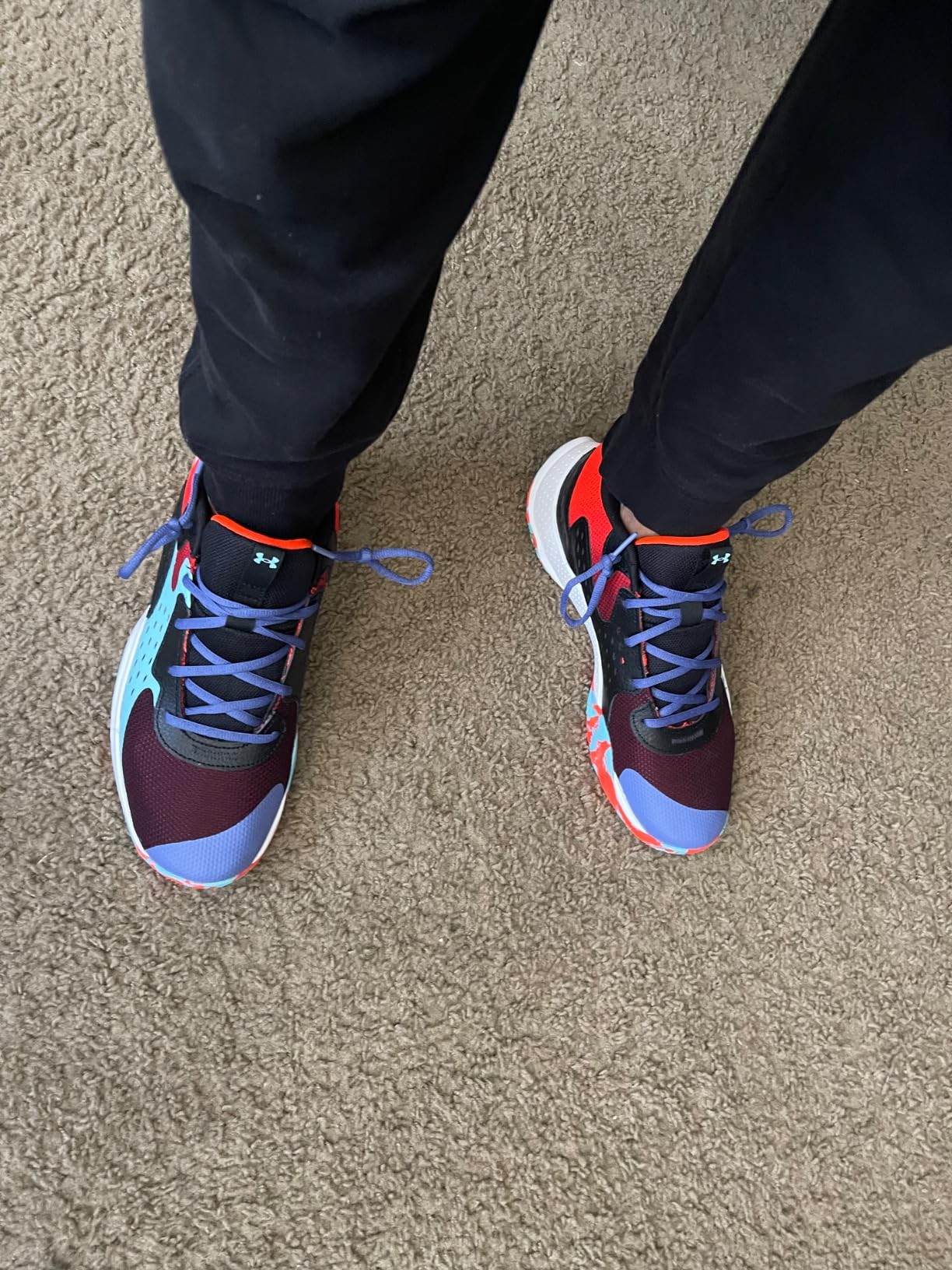
Under Armour makes four specific performance claims for the Jet ’23. Here’s where each landed after six weeks.
“Cushioned landings into explosive takeoffs” — Accurate within context. The Micro G does provide genuine energy return during jumping movements. It’s not the explosive feel of premium basketball foam, but it’s responsive enough that you notice the difference from dead-feeling budget alternatives. For recreational play and youth basketball, this claim holds.
“Enhanced durability, breathability & support” — Largely delivered. The mixed-material upper genuinely outperforms single-material budget shoes I’ve tested in terms of durability impression over six weeks. Breathability through the mesh panels was effective in gym conditions. Support — particularly lateral support — exceeded expectations for a low-cut design. No significant complaints here.
“Superior grip & flexibility” — Grip is accurate for clean courts; “superior” overstates the outdoor dusty-court performance. Flexibility is genuine — the outsole flex pattern allows natural foot movement without restriction. Split verdict on this one.
“Increased underfoot comfort” — Yes. The plush foam sockliner delivered immediate comfort with zero break-in. This was one of the clearest wins in our testing.
Value: Running the Numbers
Budget shoe math only works if the performance-to-price ratio actually makes sense. At $60–80 for the Jet ’23 versus $120–200 for premium basketball shoes, the question isn’t whether they’re cheaper — it’s whether the performance difference justifies double or triple the spend for your use case.
For our family’s use case — two pickup sessions per week, plus youth league twice a week — the answer is no, the premium spend isn’t justified. At an average of $70 and a realistic 1.5-season lifespan at our usage rate, you’re getting solid, dependable court performance at a per-wear cost that makes complete sense for recreational play. Premium shoes last longer, use better foam, and offer more performance headroom — but the performance gap at our intensity level isn’t remotely proportional to the price gap.
The comparison within UA’s own lineup is worth noting. The Under Armour Lockdown 7 sits roughly $30–50 higher depending on sales. It offers more substantial cushioning and a slightly different support profile suited for more intensive play. If your player is at a competitive club or AAU level, the Lockdown 7 is worth the step up. For recreational league and casual use, the Jet ’23 handles it.
At a similar price tier, the Adidas Own The Game 3.0 is a common alternative. The Jet ’23 has the edge in lateral support and the Micro G midsole gives it a responsiveness advantage over the EVA-based Own The Game. That comparison holds up in testing.
Durability Expectations
I want to be transparent about this: six weeks isn’t enough testing time to make confirmed statements about multi-season durability. What I can report is what I observed, and what the material quality suggests over time.
After 24 sessions and 48 hours of play including outdoor concrete use, the Jet ’23 showed minimal cosmetic wear. The outsole tread pattern was intact, the upper overlays showed no separation, and the midsole cushioning hadn’t noticeably compressed. That’s a good six-week report.
For projected lifespan at regular recreational use, I’d estimate 1–2 seasons for most players — call it 8–18 months depending on intensity and surface variety. Casual players rotating with other shoes could stretch that. Intensive daily players will see degradation faster. That’s honest for the price point. It’s not the 2–3 years you might get from premium basketball shoes with more durable materials, but at $60–80, the replacement math is much more forgiving.
Who Should Buy (and Who Shouldn’t)
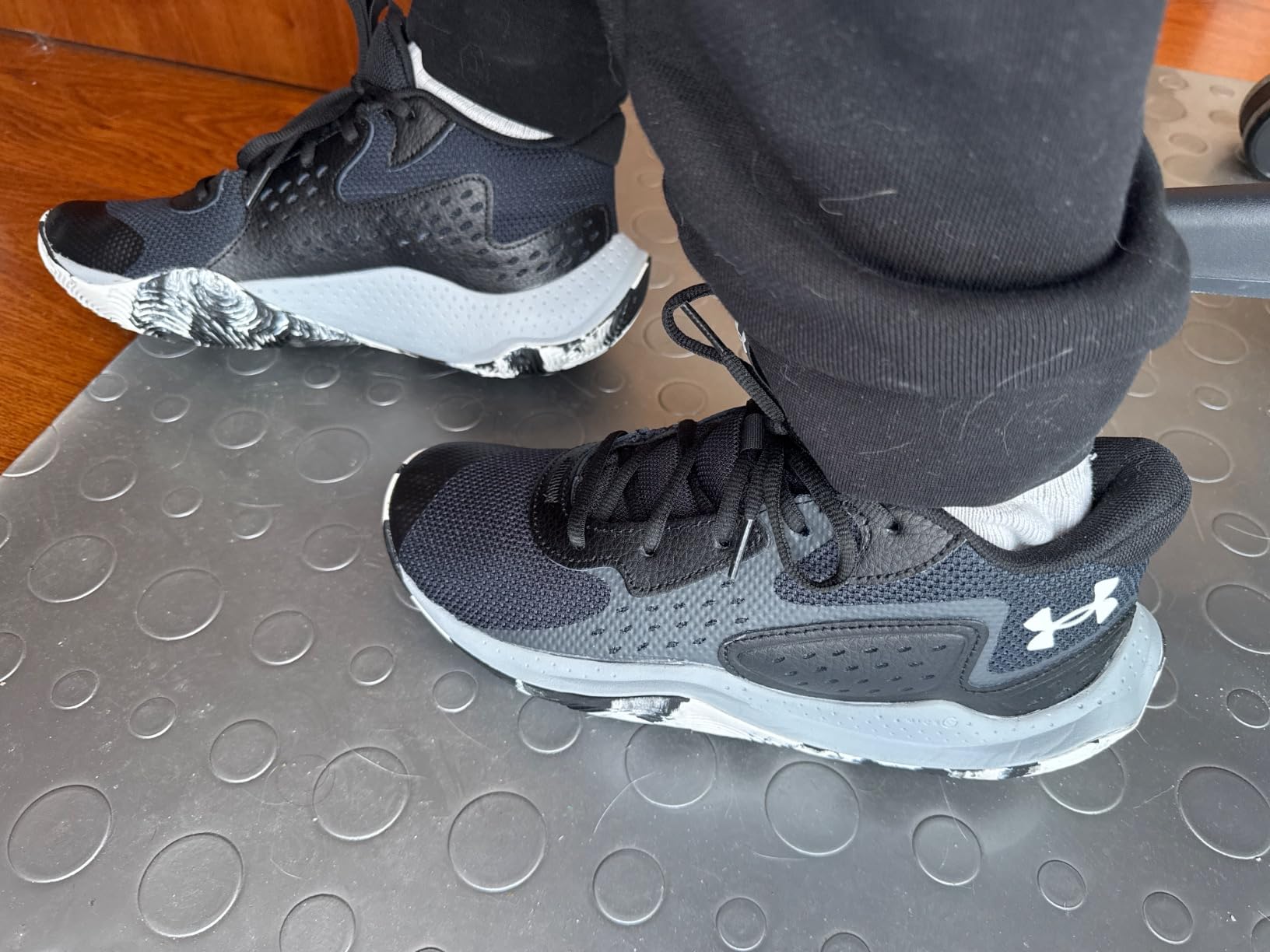
These work well for:
- Youth basketball players (middle school and high school): The fit, cushioning, and support are calibrated for exactly this player. Cost-effective for feet that outgrow shoes before the shoe wears out. For youth basketball players needing a reliable court shoe without premium pricing, this is a strong option.
- Recreational adult players: Two or three sessions per week on clean indoor courts — this shoe is built for exactly that use case.
- Wide-footed players: The toe box accommodates without going loose on the rest of the fit.
- Budget-conscious families: One shoe that works for youth through adult recreational play simplifies the buying decision.
- Primarily indoor players: The traction is genuinely excellent on clean hardwood.
- Court sports in general: Multiple players in our group used these for volleyball as well. The lateral support and traction translate well to the movement demands of volleyball and court sports.
Consider alternatives if:
- Your primary courts are consistently dusty outdoor concrete — the traction requires maintenance that some players find frustrating.
- You’re a heavier adult (180+ lbs) doing intensive play — the Micro G cushioning may feel lean under that load.
- You need multi-year durability for intensive use — these aren’t built for that.
- You’re a serious competitive player — look at the premium basketball shoe tier for footwear that matches competitive demands.
- Ankle injuries are a concern — consider higher-cut options or consult a sports medicine professional.
Overall Assessment and Scores
| Performance Category | Score (1–10) | Findings |
|---|---|---|
| Court Traction | 8.0 | Excellent on clean indoor courts; outdoor dusty surfaces require periodic sole cleaning |
| Cushioning & Comfort | 7.5 | Micro G delivers genuine energy return; best for lighter/younger players; adequate for adults |
| Support & Stability | 7.0 | Surprisingly good lateral support for low-cut design; upper construction compensates for cut height |
| Durability | 7.0 | Strong 6-week report; projected 1–2 seasons regular use; appropriate for price point |
| Fit & Sizing | 8.5 | Consistent TTS; wide foot friendly; slight snugness resolves with wear |
| Breathability | 7.5 | Mesh panels effective; feet stayed fresh through 2-hour warm gym sessions |
| Style & Design | 7.5 | Clean basketball aesthetic; multiple colorways; some adult colorways more muted than online photos suggest |
| Value for Money | 8.5 | Strong performance-to-price ratio for recreational players and families; compelling vs premium options |
| OVERALL | 7.6 | Dependable, honest budget basketball shoe for families and recreational players |
Final Verdict
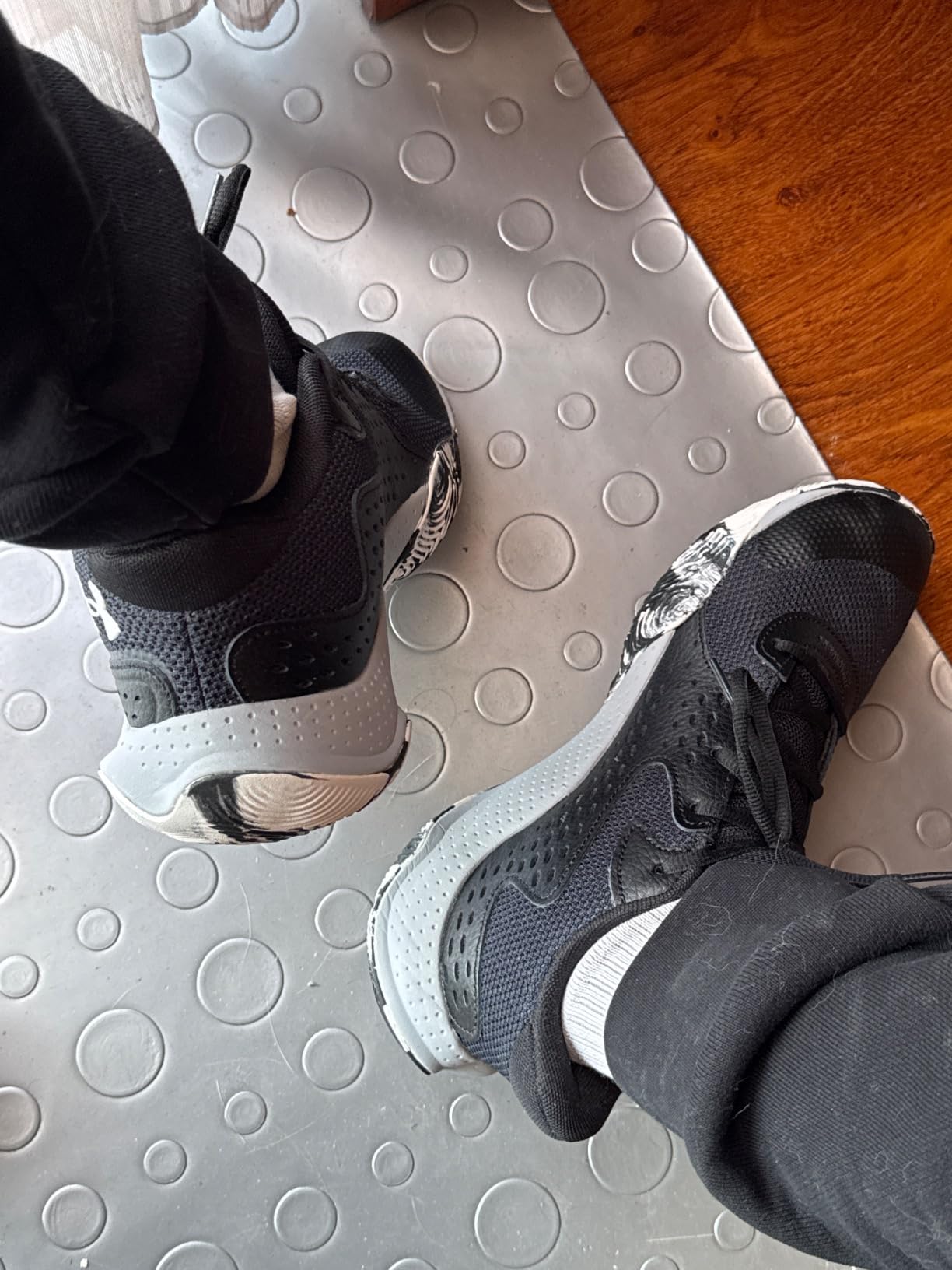
The Under Armour Jet ’23 didn’t break our family’s bad-shoe streak by being something it isn’t. It broke it by being exactly what it is — a well-made, honestly priced recreational basketball shoe that delivers on its actual claims without pretending to be premium footwear.
For families rotating budget basketball shoes through growing feet, this is the most reliable option I’ve tested in this price range. For recreational adult players who want a capable court shoe without the premium price tag, it earns serious consideration. The combination of Micro G responsiveness, genuine lateral support, and immediate comfort makes the $60–80 spend straightforward to justify. Yes, the durability ceiling is lower than premium shoes. Yes, the outdoor traction needs maintenance. Neither of those is a surprise at this price point, and neither fundamentally changes the value equation for the audience this shoe is designed for.
I’ll be buying a second pair for next season. That’s the most honest recommendation I can give.
| ✅ STRENGTHS | ❌ LIMITATIONS |
|---|---|
|
|
Frequently Asked Questions
Q: How do these compare to Nike and Adidas budget basketball shoes at the same price?
A: The Jet ’23 has a meaningful advantage in lateral support over most $60–80 options, and the Micro G midsole gives it more responsiveness than EVA-based alternatives like the Adidas Own The Game 3.0. For indoor recreational play, I’d put the Jet ’23 at the top of the budget tier based on our testing.
Q: How is the Jet ’23 different from the UA Lockdown 7?
A: The Under Armour Lockdown 7 is UA’s step-up option — more substantial cushioning, better suited for intensive play, and priced roughly $30–50 higher. The Jet ’23 is the entry-level pick: lighter, more nimble, and well-matched for recreational and youth use. If your player is at a competitive level or plays 4–5 times per week, the Lockdown 7 is worth the extra spend. For casual family use, the Jet ’23 is the right choice.
Q: Should I order my normal size or go up?
A: Order true to size if you prefer a snug, secure fit or if you have a standard-width foot. Go up half a size if you have wider feet, are between sizes, or prefer more room in the toe box. The slight initial snugness resolves with wear, so don’t panic if they feel a touch tight out of the box.
Q: Are these suitable for competitive youth basketball leagues?
A: For recreational and standard youth league play, absolutely. The support, traction, and comfort hold up well for those demands. For elite competitive travel ball or AAU where players are on the court 4–5 days per week at high intensity, I’d look at more robust options like the Lockdown 7 or a dedicated performance shoe.
Q: How do these perform for volleyball or other court sports?
A: Several players in our testing group used these for volleyball and reported good results. The lateral support and court traction translate well to volleyball movements. If basketball is your primary sport and volleyball is secondary, these work fine. If volleyball is your primary activity, a sport-specific shoe will serve you better.
Q: How do I maintain the outdoor traction?
A: Wipe the outsole with a damp cloth before transitioning from dusty outdoor courts to indoor use, and periodically during long outdoor sessions. A soft brush can remove embedded grit from the traction pattern. Keeping the soles clean is the single most effective way to maintain grip performance on outdoor courts.
Q: How long will these last with regular use?
A: At two to three sessions per week on mixed indoor/outdoor courts, expect a solid one to two seasons — roughly 8–18 months depending on play intensity. Casual players or those rotating with other shoes can stretch that further. The honest caveat is that six weeks of testing doesn’t confirm multi-season durability; that estimate is based on material quality assessment and community feedback.
Q: Are the Jet ’23 a good pick for an AND1 or budget brand alternative?
A: The Jet ’23 competes favorably. Under Armour’s Micro G midsole gives the Jet ’23 a technology edge over similarly priced no-name options, and the brand’s quality control is more consistent. If you’re comparing against other budget brand basketball shoes and the price is similar, the UA name brings meaningful value in materials and construction consistency.
Q: What’s the best size strategy for kids whose feet are still growing?
A: For growing kids, going up half a size from current measurement makes sense — it allows some growth room without creating a hazard from a shoe that’s too large. For youth league players who are mid-season, buy current size for best performance; for off-season purchases, the half-size-up buffer is practical.
Q: Can I use these for cross-training or gym workouts?
A: They can double as a gym shoe for general athletic training, court-side conditioning, and agility work. The flat court-specific outsole isn’t ideal for running on roads or treadmills. If you’re looking for a dedicated training shoe, the UA HOVR Rise 4 is a better fit for gym cross-training demands. For court-adjacent training, the Jet ’23 handles it fine.
Be the first to review “Under Armour Men’s Ua Jet ’23 Basketball Shoes”
Related products
Basketball Shoes
Basketball Shoes
Basketball Shoes
Basketball Shoes
Basketball Shoes
Basketball Shoes
Basketball Shoes
Reviews
There are no reviews yet.