
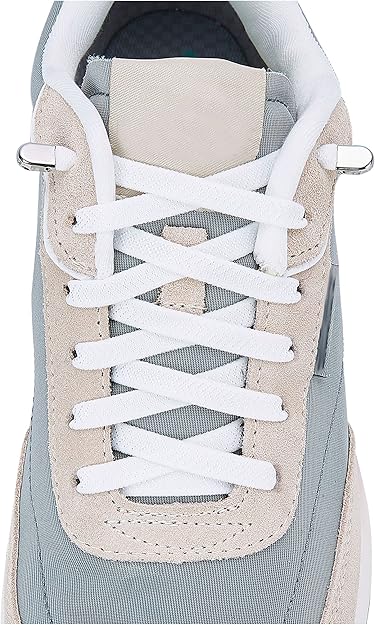
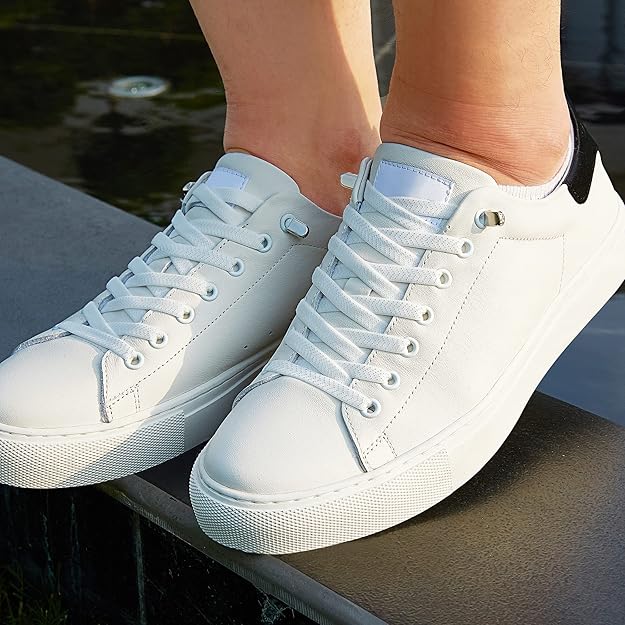
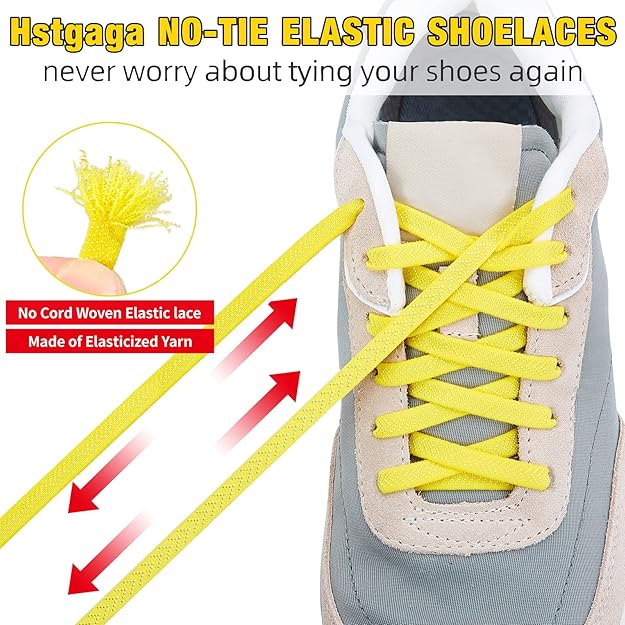
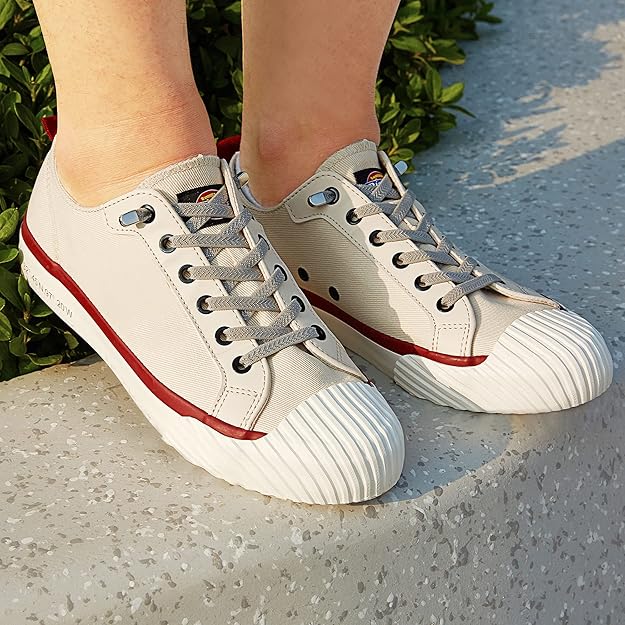
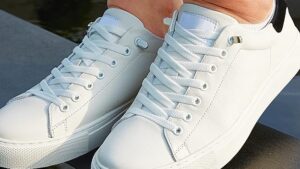
Hstgaga Elastic Shoe Laces for Kids and Adults
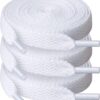

$4.79
- 💰 Price: $6–8 per package
- 📏 Length: 47 inches (120 cm) — cut to your shoe’s length
- 📐 Width: 0.27 inches (7 mm)
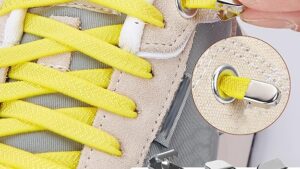
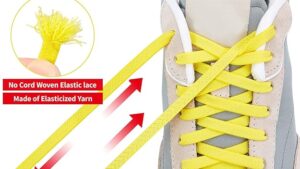
- 🧪 Material: Elastic cord with metal clip closures
- 🌈 Colors: 19 options
- 📦 Package: 1 pair + extra laces + 2 spare metal clips
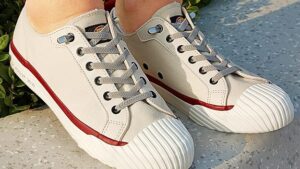
- 👟 Compatibility: Sneakers, running shoes, casual shoes, boots — NOT dress shoes with tiny eyelets
I almost didn’t write this review. Three months ago, I bought a pack of elastic shoelaces mostly out of desperation—my teenager’s laces had come undone for the third time that Tuesday morning, and I was done negotiating with traditional knots. What I expected was a niche convenience product. What I got was something that genuinely changed how our household handles shoes. Sarah here, and I’ve been putting these Hstgaga Elastic Shoelaces through real family life for 12 weeks across six different pairs of shoes. Here’s everything I learned—including what the product page won’t tell you.
Quick Specs at a Glance
Why I Was Skeptical (And What Changed My Mind)
Elastic shoelaces feel like a product that shouldn’t exist. We’ve been tying our shoes for decades—it’s a solved problem, right? That was my exact thinking until I found myself crouched down on the kitchen floor at 7:47 on a Tuesday morning, retying my teenager’s Converse for the second time in ten minutes, already late for the school drop-off.
The Setup That Made Me Try Them
Our household runs on a tight morning schedule. Two kids, a teenager who moves at geological speed before 8 AM, and a husband who leaves at dawn. On top of managing that, my mother-in-law was staying with us—she has arthritis in her hands that makes traditional lace-tying legitimately painful. She’d started avoiding certain shoes entirely because bending down to tie them left her hands aching for an hour.
I bought one pack of Hstgaga elastic laces expecting to solve one problem. I ended up installing them on six pairs of shoes.
My Starting Doubts
Before I opened the package, here’s what I was worried about: Would the metal clips fall off during normal activity? Could my 8-year-old actually use these independently? Would the shoes feel loose or unsupported all day? And was the elastic sturdy enough to last more than a few weeks before stretching out completely?
After three months, I have answers to all of these. Some surprised me.
First Look: Material Quality Holds Up
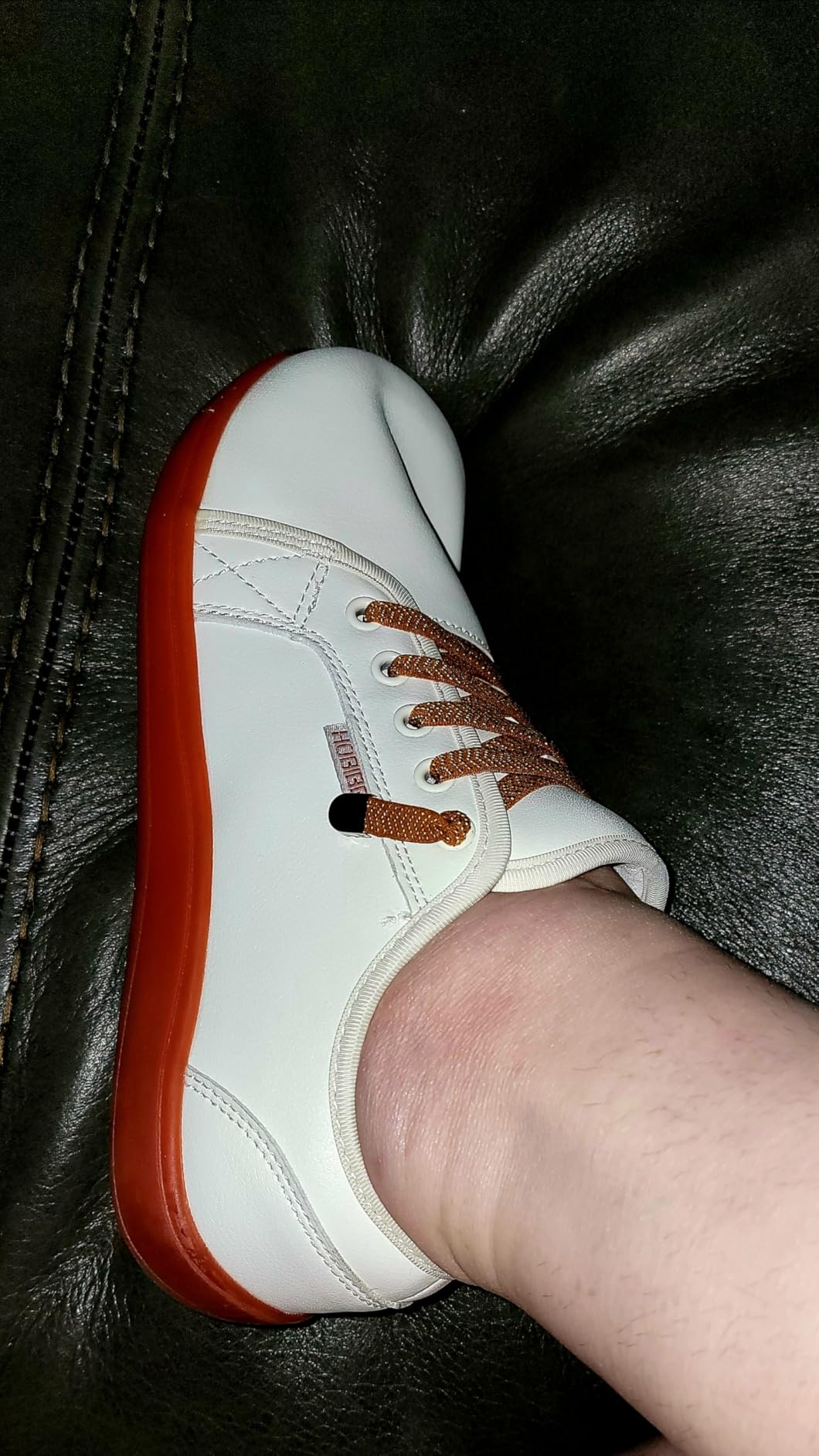
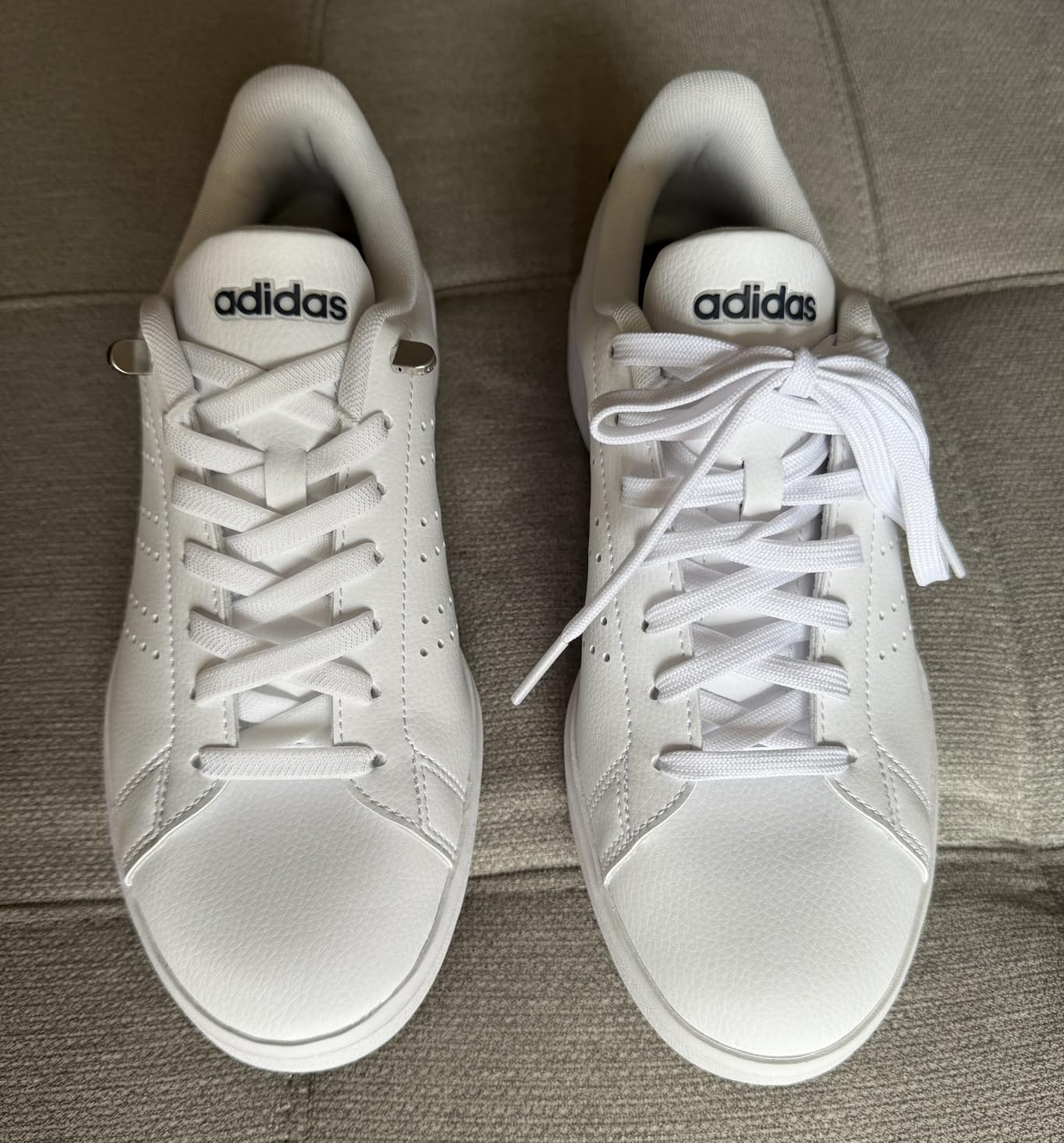
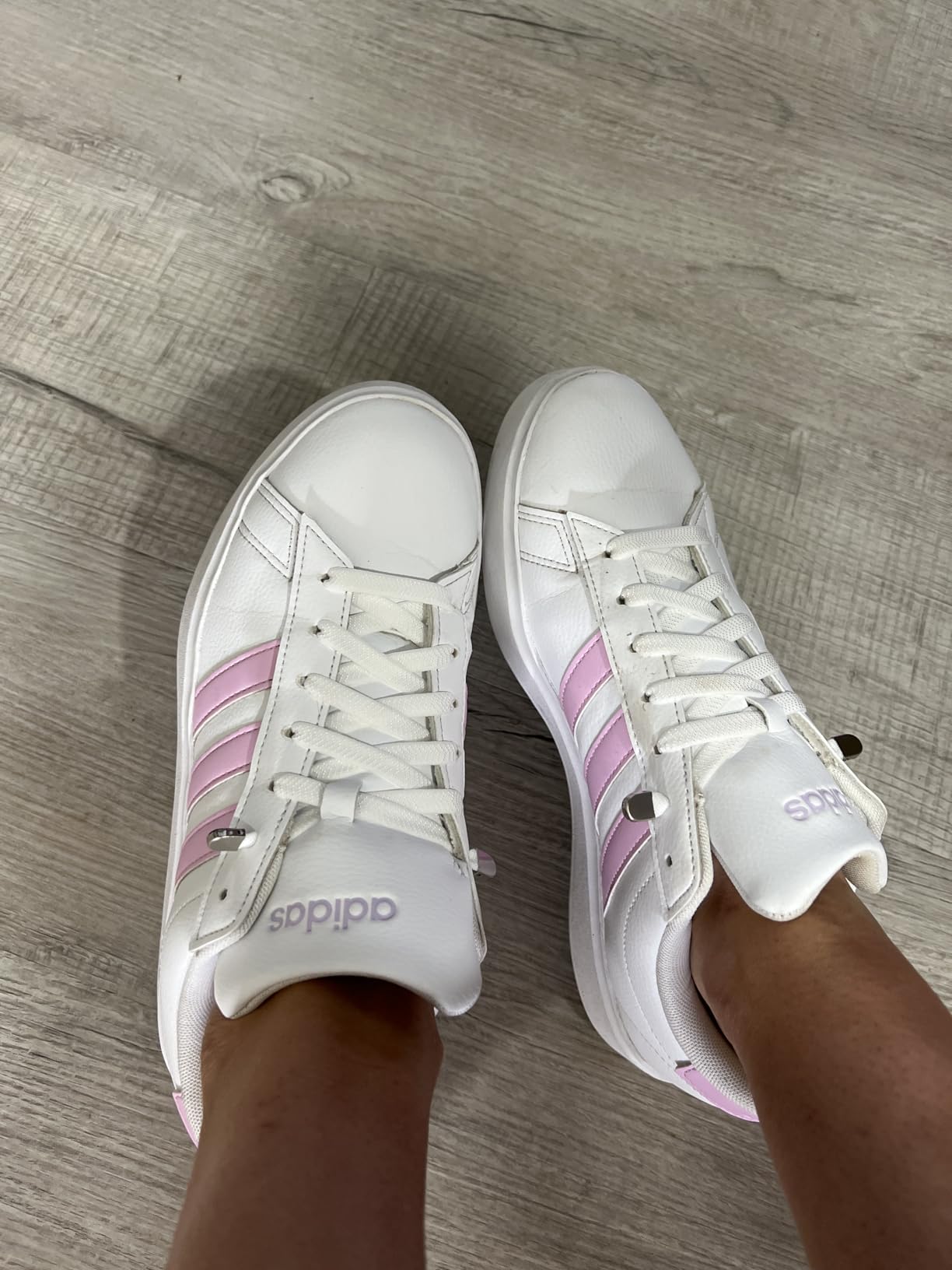
Right out of the package, the elastic cord felt more substantial than I expected—closer to a quality hair tie than a cheap rubber band. The metal clips have a satisfying snap when you close them, and they feel solid rather than plasticky. I’ve seen elastic accessories that feel like they’ll disintegrate in six weeks; these don’t give that impression.
The white color I chose came out of the package bright and clean. After three months of family use—including some muddy playground sessions and yard work—I’ve washed them along with the shoes, and they’re still bright. That surprised me more than anything else.
How These Differ from Other Elastic Lace Systems
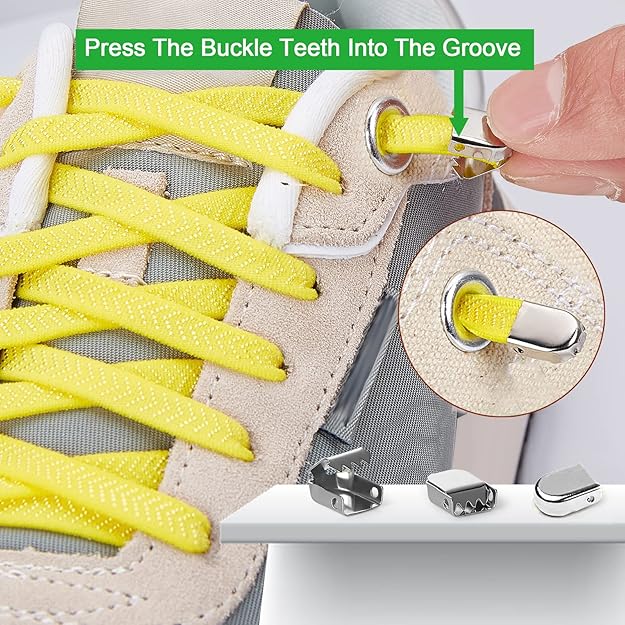
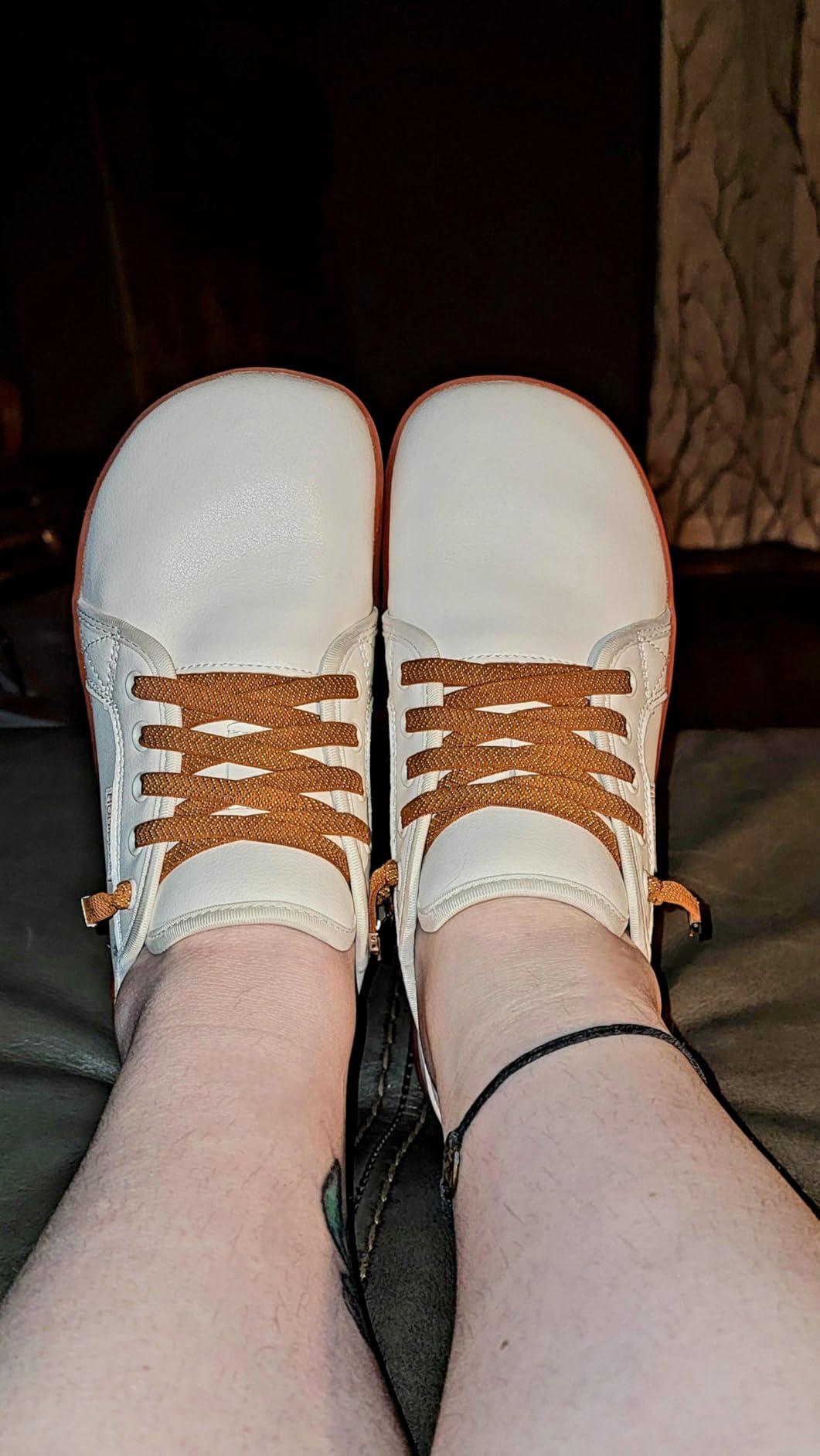
There are a few elastic lace designs on the market. Some use hook-and-loop systems that thread around existing laces. Others like the Xpand system use embedded anchor locks inside the shoe. Hstgaga uses a simpler metal clip mechanism—thread the elastic through your shoe’s existing eyelets, adjust the tension, and clip the ends in place. No tools required for installation, and you can remove or reinstall anytime without modifying the shoe.
What I like about this approach: you’re not locked in. If you hate them, original laces go back in 5 minutes. If you love them, they stay. Low stakes for the trial period.
Installation: What the Instructions Don’t Tell You
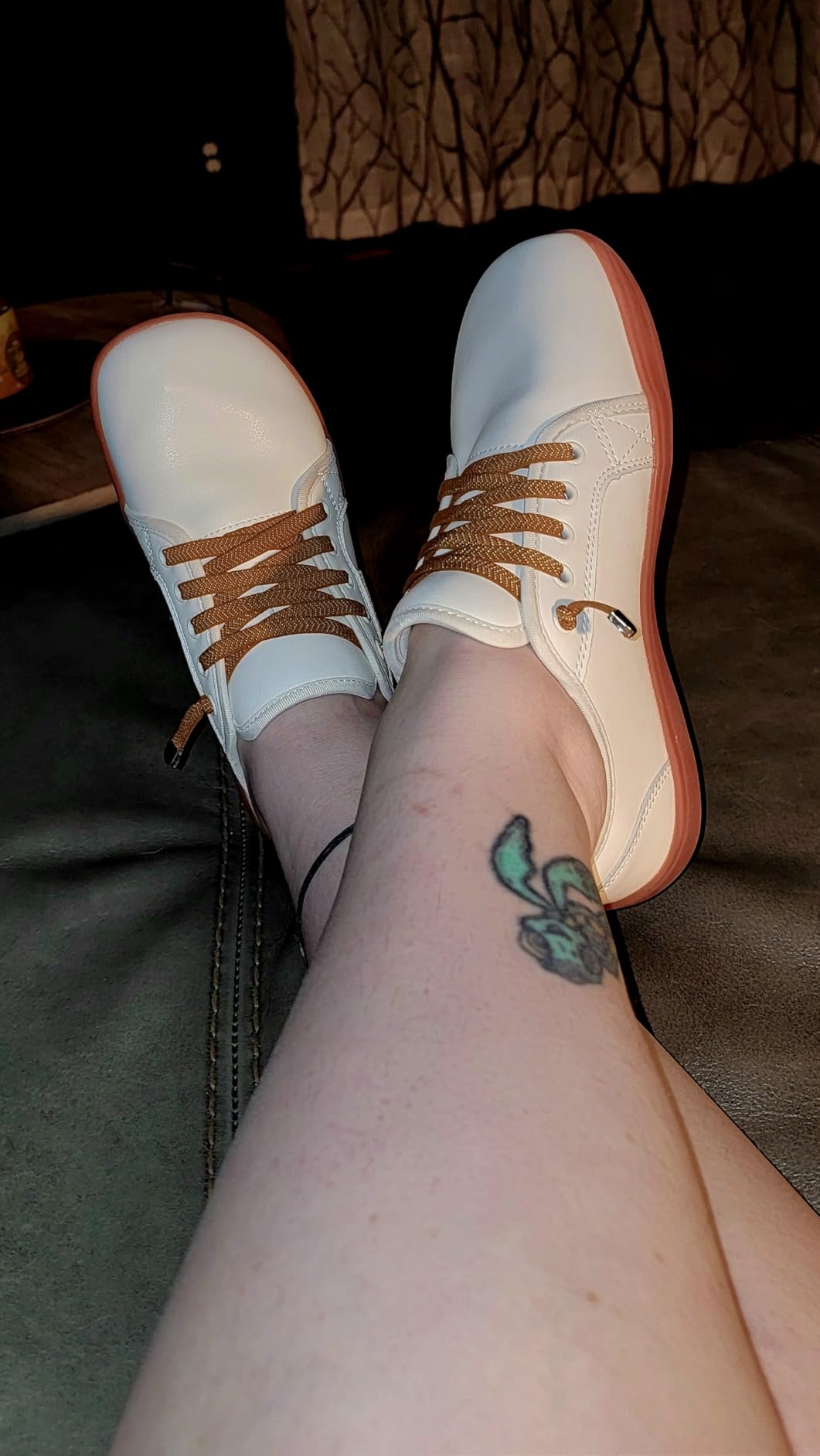
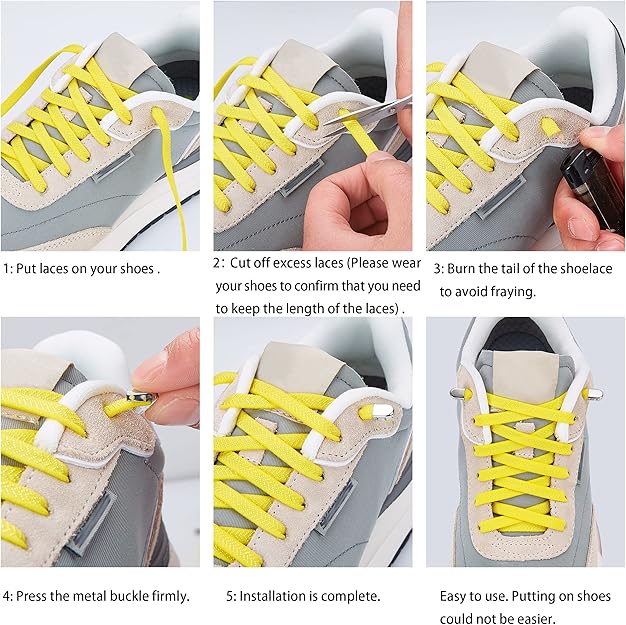
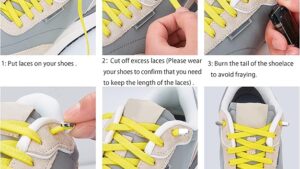
The included instructions cover the basics. What they don’t tell you is the single most important thing I learned: put the shoes on and walk around for 5 minutes BEFORE you cut the elastic cord to length.
I learned this the hard way on the first pair. I cut by eyeballing and ended up with a cord that was too short—the tension was uncomfortable and the clips wouldn’t stay seated. Fortunately, the package includes an extra lace specifically for this reason. I used it immediately.
Step-by-Step (The Version That Works)
- Remove original laces and set aside (don’t throw them out)
- Thread the elastic through eyelets following the same path as original laces
- Don’t clip or cut yet—put the shoe on and walk around
- Adjust the cord tension while wearing the shoe until it feels snug but not tight
- Mark where you’ll cut with a finger or piece of tape
- Take the shoe off, then cut
- Attach metal clip to each end—snap it closed firmly
- Optional: tie a small knot in the cord just inside each clip for extra security
That knot tip in step 8 came after losing two clips from my teenager’s shoes. She’s rough on her belongings, and the clips would work themselves loose during active play. The knot prevents this almost completely. None of the four other pairs have lost clips.
Installation Times by Shoe Type
| Shoe Type | Time | Notes |
|---|---|---|
| Sneakers | 5–7 min | Standard eyelets, straightforward |
| Running shoes | 6–8 min | More eyelets, same process |
| Work boots | 8–10 min | Thicker laces to replace, tighter eyelets |
| Walking shoes | 5–7 min | Usually similar to sneakers |
| Dress shoes (small eyelets) | — | Not recommended — metal clips too wide |
By the time I did my husband’s work boots, I had the process down. It took about 8 minutes. By comparison, my first pair took closer to 15 minutes (including the cutting mistake).
A Note for People With Arthritis or Limited Dexterity
If you have arthritis or reduced grip strength, installation can be genuinely tricky because you’re working with small metal clips in tight spaces. A few things that help: bobby pins are excellent for positioning clips before pressing them closed. Tweezers give you more control than fingers. Needle-nose pliers work well if grip strength is the issue.
One important note: installation is a one-time task done by anyone with standard dexterity. The user doesn’t need to install them—just use them. My mother-in-law didn’t install a single pair. I did it for her. She just slips them on and off every day.
Daily Performance: Three Months of Real-World Testing
The Morning Rush
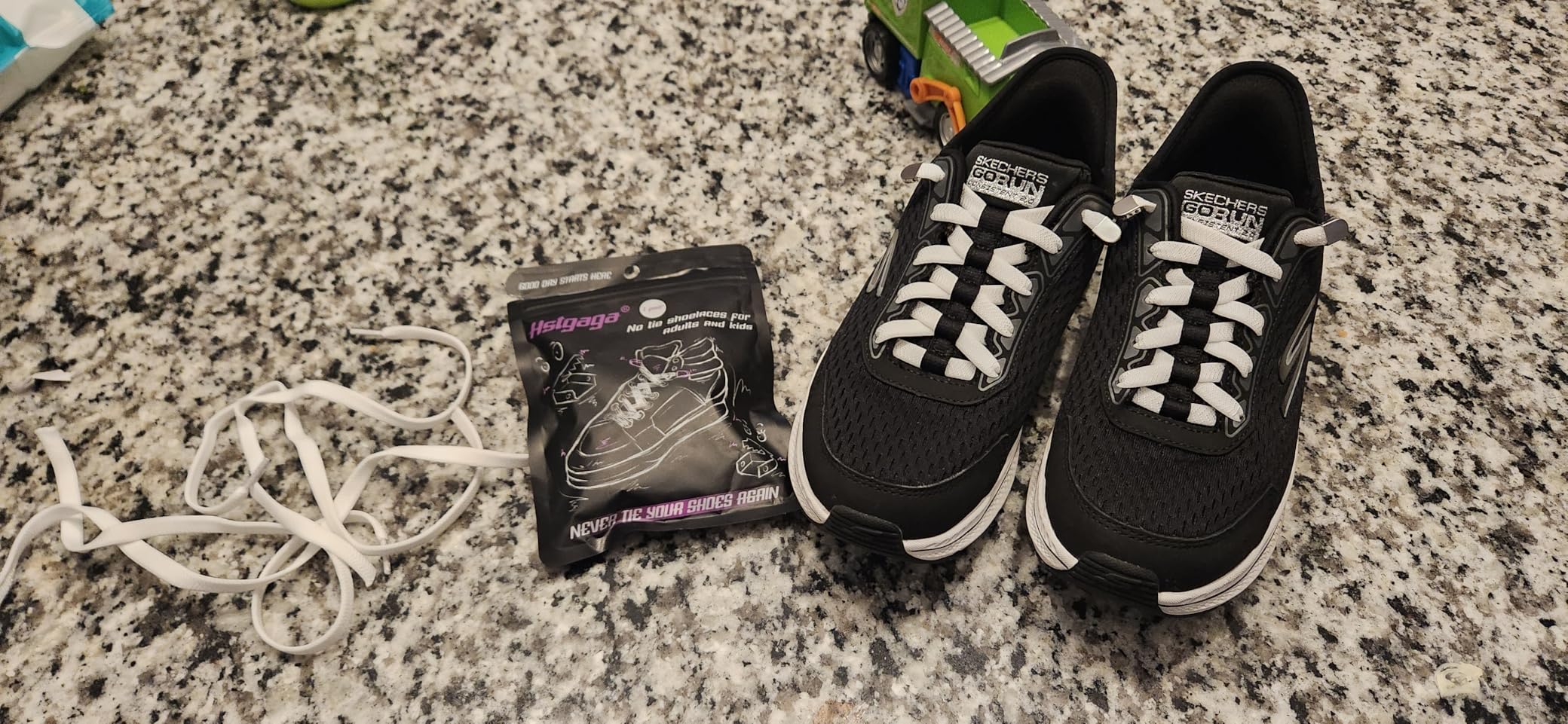
This is where elastic laces earn their keep in a family household. Before: getting three people out the door involved at least two lace-tying interruptions, plus the teenager moving at half-speed while I stood by the door holding everyone’s bags.
After: shoes go on in about 3 seconds each. The elastic holds its tension from the day before. Nobody has to stop and tie anything. Sounds small. Over a school year, it adds up to a genuinely different morning.
The 8-year-old was the biggest beneficiary. She was still working on her lace-tying, which meant I was re-tying her shoes four or five times a day. Now she puts her own shoes on and takes them off completely independently. The confidence boost was visible—she doesn’t have to ask for help with her shoes anymore.
Active Use: Playground, Dog Walks, Yard Work
I was worried about stability during active movement. At the playground, chasing kids, sudden direction changes—traditional laces come undone. Elastic laces don’t, because there’s nothing to come undone. The cord stays under constant tension.
In three months of daily use, I haven’t had a shoe feel loose during activity. The elastic seems to accommodate the natural flex of the foot during movement rather than fighting it. There’s a subtle give when your foot spreads during impact that regular laces don’t have—and once you notice it, it’s hard to go back.
During yard work and active outdoor sessions, I lost two clips from my teenager’s shoes. Both were during periods of heavy movement. That’s roughly a 3% loss rate across all six pairs over three months—and the package includes replacements specifically for this.
My Mother-in-Law’s Independence
This was the finding that shifted the article from “useful product” to “worth writing about.”
My mother-in-law’s arthritis makes bending down to tie shoes genuinely painful—not just inconvenient, physically painful. She’d started wearing only slip-on shoes and avoiding her walking shoes (which she preferred for comfort) because she couldn’t manage the laces alone.
After I installed elastic laces on her walking shoes, she started using them again. She goes for her daily walk independently, without waiting for someone to help her get ready. She mentioned, almost offhandedly, that it had been two years since she’d managed that without help.
That’s what a $7 product can do, if it’s the right product for the right person.
Extended Wear and Foot Comfort
Something I didn’t expect: the elastic provides a different kind of support than fixed laces. Traditional laces create static tension—it doesn’t change as your foot moves or as feet swell throughout the day. Elastic laces maintain consistent pressure that adapts to your foot’s shape.
For healthcare workers or anyone on their feet for 8–10 hours, this matters. The gentle compression from elastic lace tension actually provides a bit of active foot support. My feet felt less fatigued after long days wearing these in my training shoes—whether that’s the laces or other factors, I can’t say with certainty, but it was a repeated observation.
Who Gets the Most Out of These
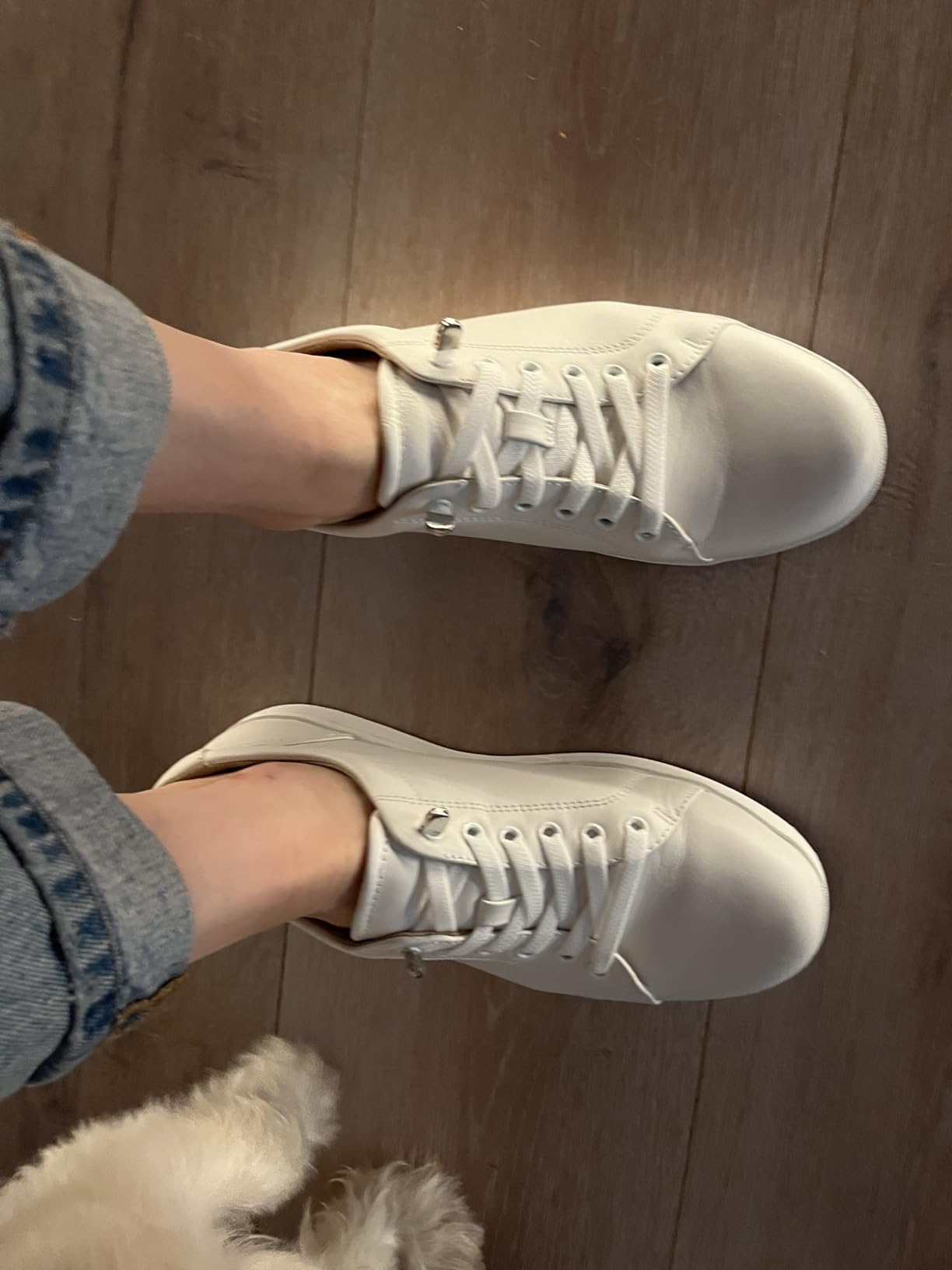
Elastic shoelaces aren’t for everyone. But for certain households and situations, they’re genuinely transformative.
Busy Families With Multiple Kids
If you’re managing shoe-tying for two or more children, the time savings compound fast. My rough math: 5 re-ties per child per day, 30 seconds each, two kids = 5 minutes a day. That’s over 30 hours a year spent on shoelaces. Installing elastic laces on kids’ sneakers eliminates most of that.
Seniors and People With Arthritis
For this group, elastic shoelaces aren’t a convenience product—they’re an independence product. The ability to put on and take off shoes without bending, without asking for help, without the painful grip required by standard laces—that’s meaningful quality of life.
The emotional dimension of this is significant. There’s a real difference between choosing not to do something and being unable to do it. Elastic laces can move that needle for a lot of people.
Healthcare Workers and Long-Shift Employees
If you’re standing on hard floors for 8–12 hours, every source of foot fatigue matters. Elastic laces provide consistent, adaptive tension throughout your shift—no mid-shift retying, no laces working loose around hour six. Pair them with quality insoles and you’ve significantly improved your all-day foot comfort setup.
Children With Motor Skill Challenges
Lace-tying requires fine motor coordination that develops at different rates. For kids who haven’t mastered it yet—or who have conditions that make it harder—elastic laces remove a daily frustration entirely. My 8-year-old gained independence she clearly wanted but couldn’t quite access yet. For kids on the autism spectrum or with sensory sensitivities, removing the texture and friction of lace-tying can be a meaningful improvement.
Travelers and Airport Regulars
Nobody mentions this in other reviews, but elastic laces are genuinely useful at airport security. Slip your shoes off at the TSA checkpoint, walk through, slip them back on without stopping to retie. If you travel frequently through airports requiring shoe removal, this alone might justify the purchase.
Wide Feet and Foot Swell
Traditional laces create fixed-width tension. As your feet swell during the day—which they do, often noticeably after hour 4 or 5 of walking—standard laces get tighter and can cut off circulation or create hotspots. Elastic accommodates this naturally. If you have wider feet or struggle with narrow running shoes, elastic laces can make an existing shoe more comfortable without buying a new one.
Where These Fall Short
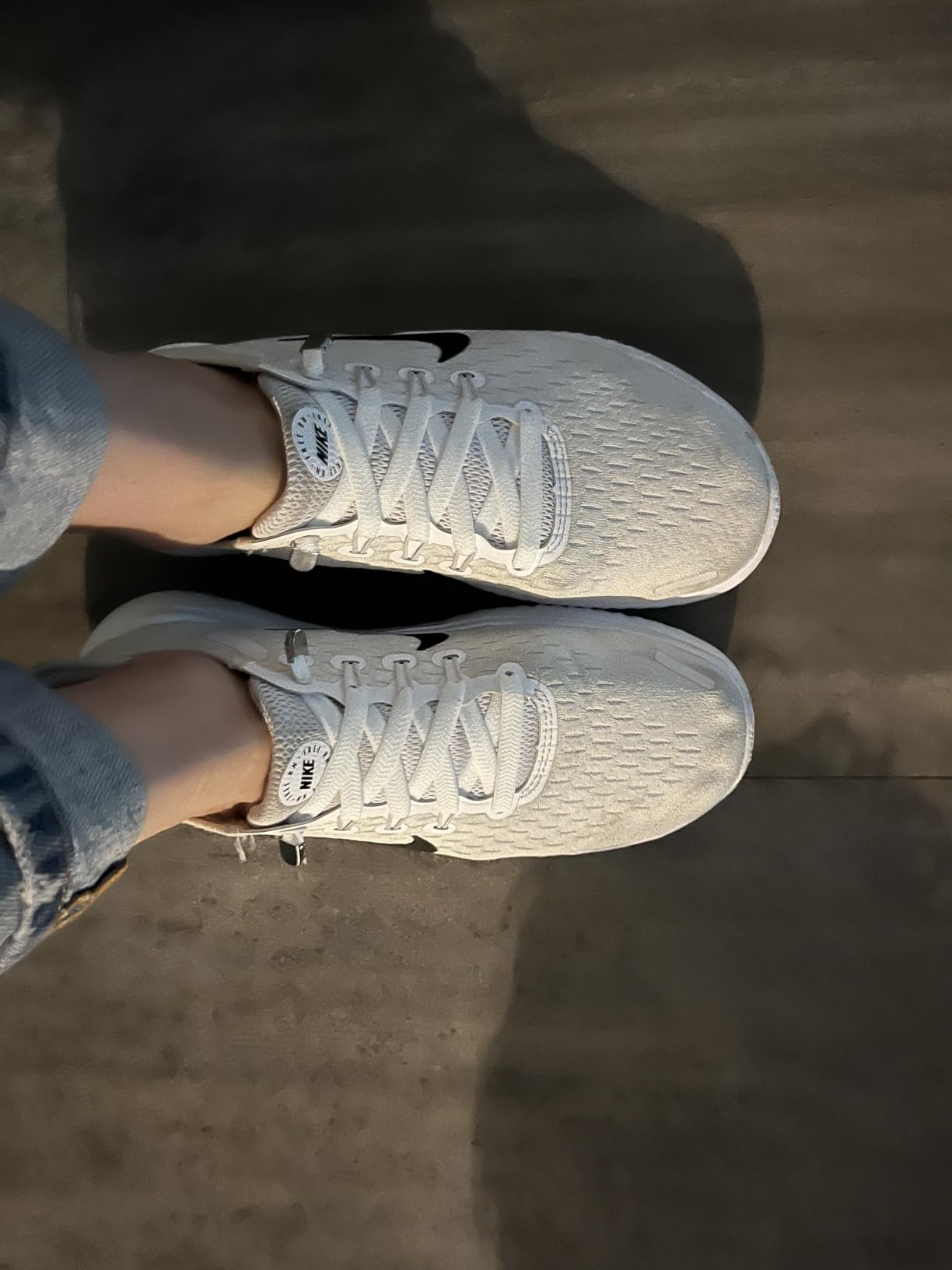
Dress Shoes Are a Hard No
Dress shoes typically have small, tight eyelets—the metal clip is physically too wide to fit through. Keep traditional laces for formal occasions. Elastic laces are for everyday shoes, not dress shoes.
Competitive Running
For casual and daily running, these work well. For racing or time-sensitive workouts where you want fixed, precise lace tension, traditional laces or locking systems like Xpand are better. The elastic “give” that makes them comfortable for daily wear is a liability when you need exactly calibrated foot lockdown.
Tension Drift Over Time
Elastic loosens gradually with repeated use. It’s physics, not a manufacturing defect. After a month of daily wear, you’ll notice slightly less tension than you started with. A 30-second readjustment—pulling the cord to redistribute the stretch—fixes this. But it’s worth knowing: these aren’t install-and-forget for the lifetime of the shoe. Monthly maintenance is part of the deal.
The Knot Learning Curve
If you don’t add the small knot inside the clip (step 8 in my installation process), clips can work loose during very active use. I lost two before figuring this out. The fix is simple, but the instructions don’t mention it.
Hstgaga vs. The Alternatives
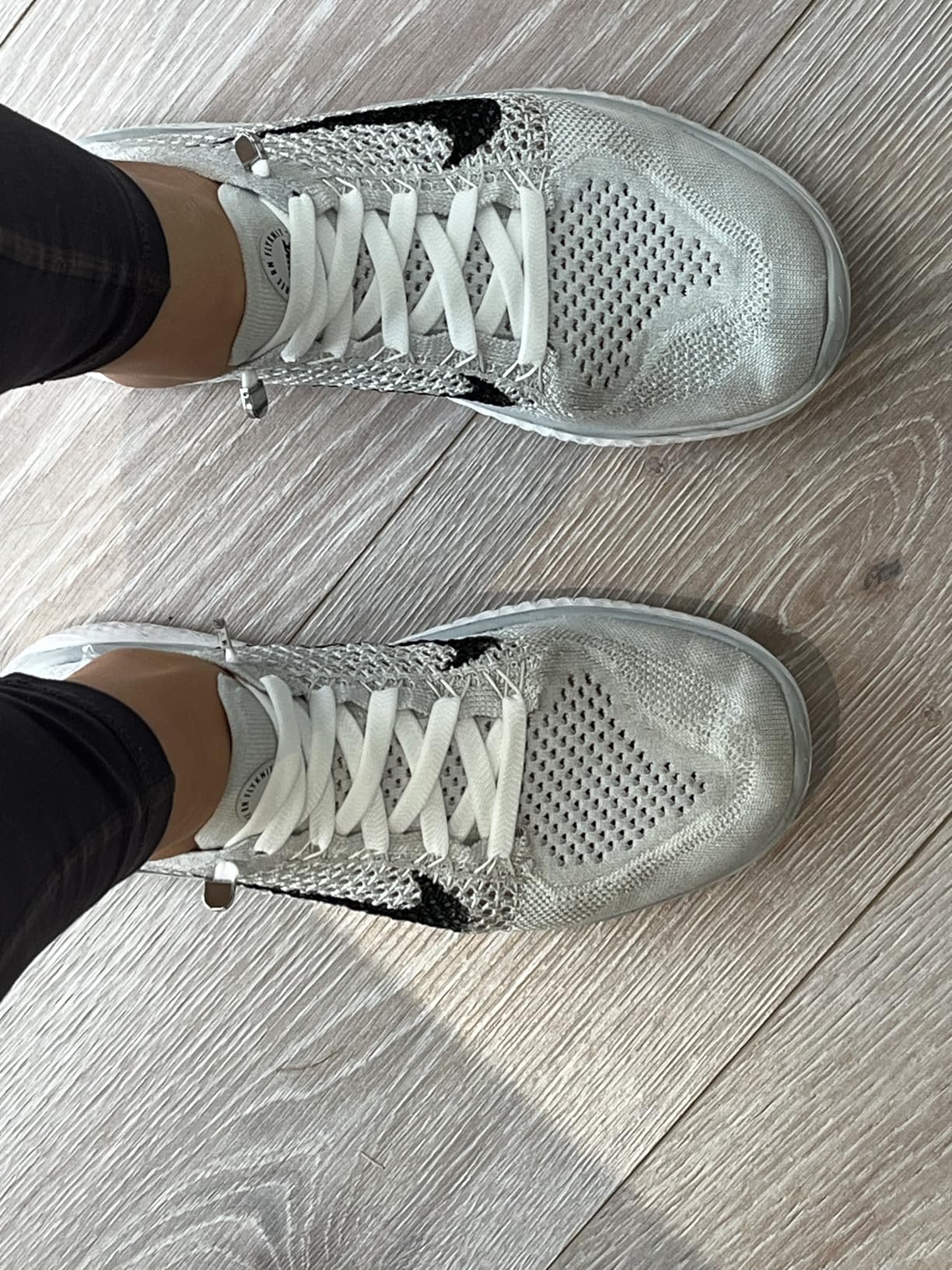
Hstgaga vs. Xpand No-Tie Laces ($18–22)
Xpand uses embedded plastic anchor locks inside the shoe rather than metal end clips. The result is a cross-laced appearance that looks more like traditional laces—some people strongly prefer this aesthetically. Xpand also locks slightly more securely and is better for competitive running.
The tradeoff: Xpand costs 2–3× more, installation is more complex, and the anchor locks are harder to remove if you change your mind. For family use and daily wear, Hstgaga delivers about 85% of the result at 40% of the price.
Hstgaga vs. Silicone No-Tie Systems (HOMAR, etc.)
Silicone segment-style laces thread individually through each eyelet pair and don’t require clips. They look clean and are popular with runners. The downside: they’re harder to install than elastic cord systems, don’t accommodate foot swell as well, and most are priced similarly to or higher than Hstgaga.
Against Traditional Laces
Traditional laces cost nothing (already installed). The ROI question: how much is 30+ saved hours of lace-management worth to you? For a family of four, the math is roughly 4 full work days per year spent on shoelaces. If reclaiming 10 minutes per week for a year is worth $40 (setup across 6 pairs), the value math is easy.
The Time and Money Math
Let’s make this concrete:
Daily lace events in a household of 4: 10 re-ties × 5 seconds each = ~50 seconds/day
Annual time saved: 50 seconds × 365 = ~5 hours per year (conservative)
Family multiplier: If 3 people stop re-tying, that’s 15+ hours/year
Investment: 6 pairs × $7 = $42
Lifespan estimate: 12–18 months daily use
Cost per month: $2.80–$3.50/month for the whole household
Cost per hour of time saved: Under $0.25/hour
For my mother-in-law specifically: the cost is $7 and the benefit is daily independence. That’s not really a math problem.
Scoring Breakdown
| Category | Score | Notes |
|---|---|---|
| Installation Ease | 8.5/10 | Simple once you know the tension-before-cutting trick. First pair takes patience; second pair is easy. |
| Daily Convenience | 9.5/10 | Fastest morning routine improvement we’ve made. Shoes on in seconds, every time. |
| Comfort | 8.8/10 | Consistently snug without pressure points. Adaptive tension during movement is a genuine upgrade. |
| Durability | 7.5/10 | Laces hold up well. Clip loss (2 of 12 clips over 3 months) is the main concern—add the knot trick. |
| Family Value | 9.2/10 | Works across ages 8 to 70+. Kids gain independence; seniors regain it. |
| Price Point | 9.0/10 | $6–8 with extras included is genuinely excellent value for what you get. |
| Style / Colors | 8.0/10 | 19 color options cover most sneaker palettes. Not for dress shoes regardless of color match. |
| Accessibility Impact | 9.5/10 | For arthritis sufferers and motor skill challenges, this is the most significant benefit of the product. |
Best for families, seniors, and anyone managing shoes across multiple household members
Final Verdict: Who Should Buy, Who Should Skip
Buy These If You Are:
- A parent with two or more kids — morning routines improve meaningfully
- A caregiver or family member managing someone with arthritis — independence gain is significant
- A senior living independently — reduces a daily friction point that compounds over time
- A healthcare worker — combines with good training shoes and supportive insoles for better all-day comfort
- A frequent traveler — TSA convenience is underrated
- Anyone with wider feet who wants more adaptive tension in narrow sneakers
Skip These If You:
- Wear dress shoes primarily — metal clips won’t fit small eyelets
- Race competitively and need precisely calibrated lace tension
- Live alone with one or two pairs of shoes and no mobility limitations — the ROI is lower for solo users
- Genuinely prefer the aesthetic and ritual of traditional laces
My Bottom Line
For most households, the $6–8 investment recovers itself in time savings within a few weeks. For households with seniors, children with fine motor challenges, or anyone managing arthritis, the return is immediate and meaningful.
The knot trick matters. Adjust tension before cutting. And keep the original laces—you’ll want them for dress shoes.
Beyond the convenience math, what actually sold me was watching my mother-in-law put on her walking shoes by herself for the first time in months. She didn’t mention it was significant. She just walked out the door. That’s what the right product, at the right time, can do.
Shop FootGearUSA for shoe accessories, sneakers, and hiking footwear that pairs well with elastic lace systems. For shoe care between wears, cedar shoe trees extend the life of the shoes you’re investing in maintaining.
Frequently Asked Questions
Installation and Setup
Q: What’s the single most important installation tip?
A: Adjust tension while wearing the shoe for 5 minutes BEFORE cutting the cord to length. This is the step I wish I’d known from the start. Every installation problem I had came from cutting too short before testing the fit.
Q: I have arthritis and limited grip strength. Can I still install these?
A: The installation involves small metal clips, which can be tricky with limited hand strength. Tweezers or needle-nose pliers help significantly. If possible, have someone install them for you—it’s a one-time task that takes 5–10 minutes, and then you benefit from easy on-and-off every day without needing to touch the mechanism again.
Q: Do I need scissors or any tools?
A: Scissors to cut the cord to length. A lighter is optional (to seal the cut end and prevent fraying, though this isn’t required). Everything else—the clips—comes in the package.
Daily Use and Maintenance
Q: How often will I need to readjust the tension?
A: For daily-wear shoes, expect to readjust once or twice in the first week as the cord settles, then monthly after that. It takes about 30 seconds—just pull the cord to redistribute the stretch. It’s not a flaw, just elastic material behavior.
Q: Are they waterproof or water-resistant?
A: The elastic cord handles rain and wet conditions without problem. I’ve washed mine along with the shoes multiple times. They hold their shape and color well.
Q: My metal clips fell off. What should I do?
A: The package includes extra clips for this reason. Before reattaching, tie a small knot in the cord just inside the clip position—this prevents the clip from working loose again during active movement. I lost two clips before learning this trick; zero since.
Compatibility and Fit
Q: Will these work with my hiking boots?
A: Yes. It takes slightly longer to install (8–10 minutes for boots vs 5–7 for sneakers), but the elastic cord works well with boot eyelets. The consistent tension is actually beneficial for longer hikes since it adapts to foot swell during extended activity.
Q: I have wide feet. Will these help?
A: Yes, this is one of the less-discussed benefits. Traditional laces create static tension that becomes uncomfortable as feet swell. Elastic laces maintain consistent, adaptive pressure that accommodates natural foot width changes throughout the day.
Q: What about athletic shoes with many eyelets?
A: More eyelets just means a slightly longer installation process. The 47-inch cord is long enough for most shoe sizes. Running shoes and cross-trainers work well for daily and light workout use.
For Families and Accessibility
Q: What age can kids use these independently?
A: Once installed, children as young as 4–5 can typically manage slip-on and slip-off. Kids who can’t tie laces yet can gain complete shoe independence with elastic laces. My 8-year-old went from needing help multiple times a day to handling her own shoes entirely.
Q: Are these good for children with sensory sensitivities or autism spectrum?
A: Parents of children on the autism spectrum specifically report that elastic laces reduce daily friction around getting dressed—there’s no complicated motor task, no retrying, no frustration. The shoes go on the same way every time.
Q: My parent has severe arthritis. Are these actually helpful?
A: For my mother-in-law with hand arthritis, they’ve been genuinely life-changing. The key is that the installation is a one-time task (which you can do for them). After that, they simply slip shoes on and off without any grip, bending, or lace manipulation required. The difference in independence is significant.
Be the first to review “Hstgaga Elastic Shoe Laces for Kids and Adults”
Related products

Accessories
Accessories
Accessories

Accessories
Accessories

Accessories
Reviews
There are no reviews yet.