


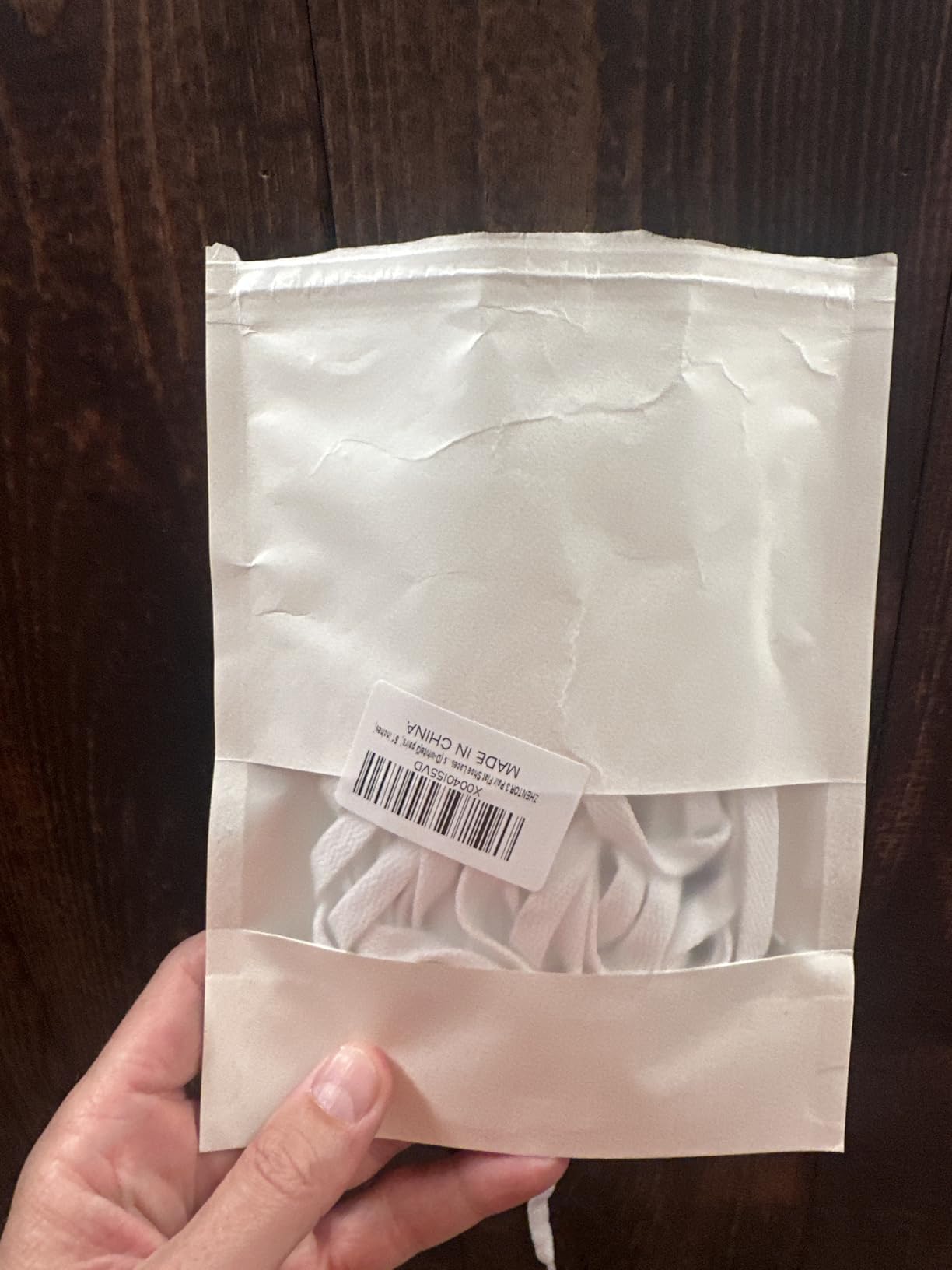
What You’re Actually Getting
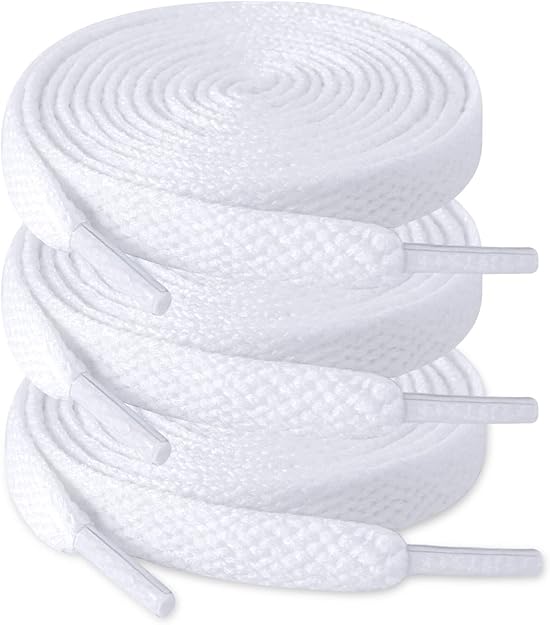
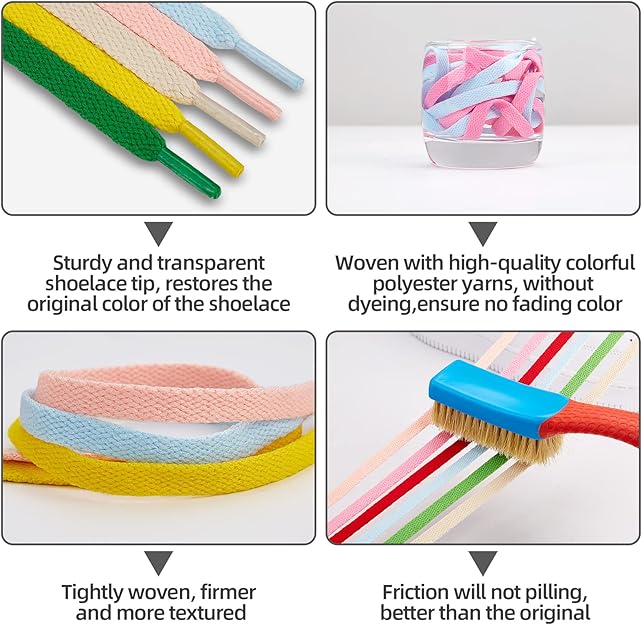
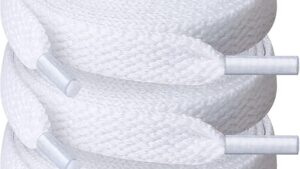
The package contains six individual laces (three pairs) made from 100% polyester in a standard 8mm flat profile. ZHENTOR advertises an “18% denser weave than market average” — a specific claim I couldn’t independently verify with lab equipment, but when I first pulled them from the packaging, the difference was tactile. These felt noticeably more substantial than the generic Amazon laces I’d used the previous month. The weave had body to it, none of that flimsy tissue-thin quality you sometimes get with budget replacements.
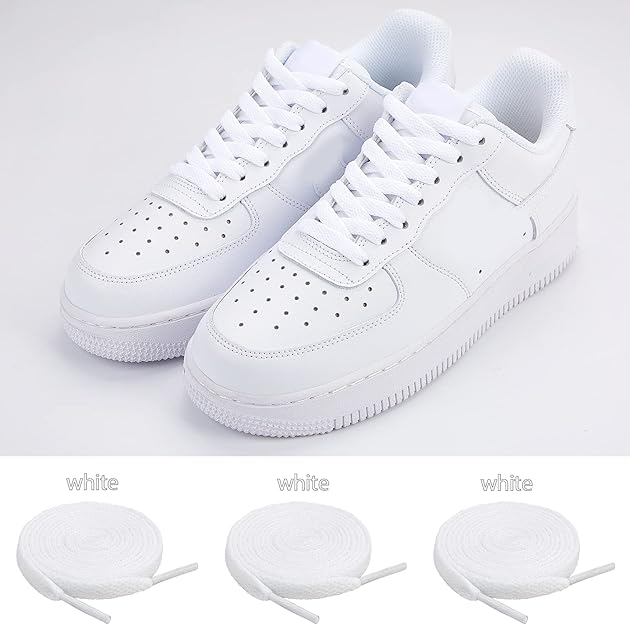
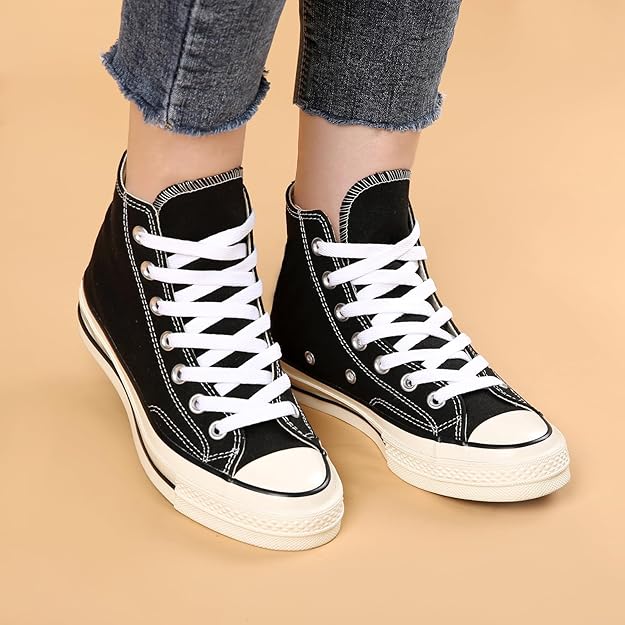
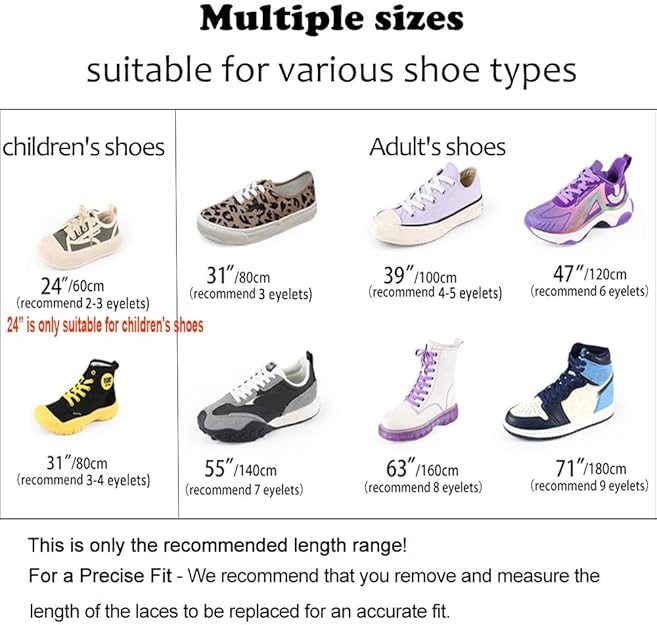
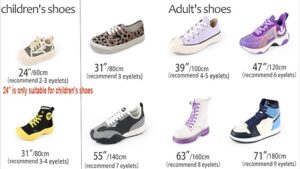
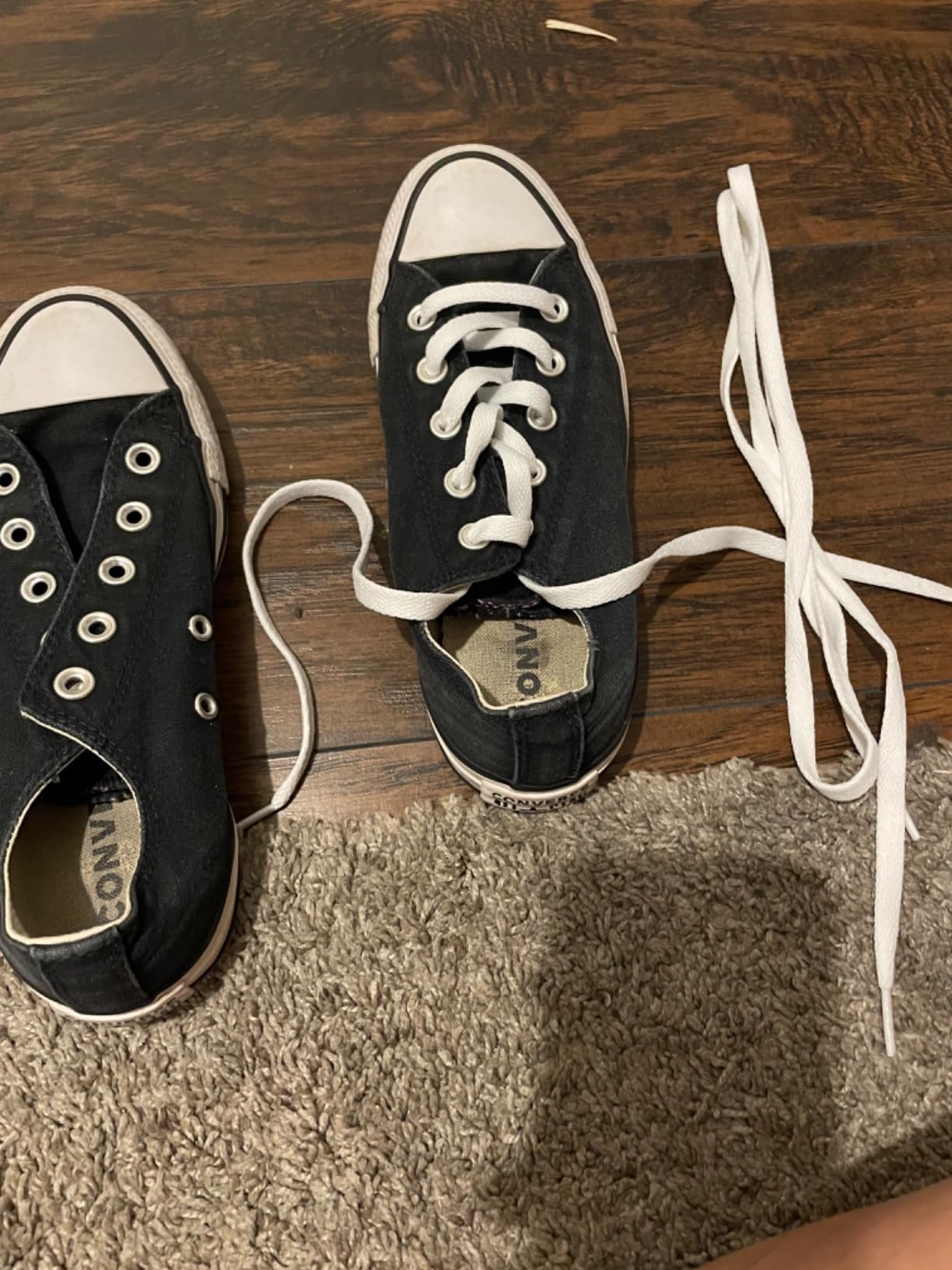
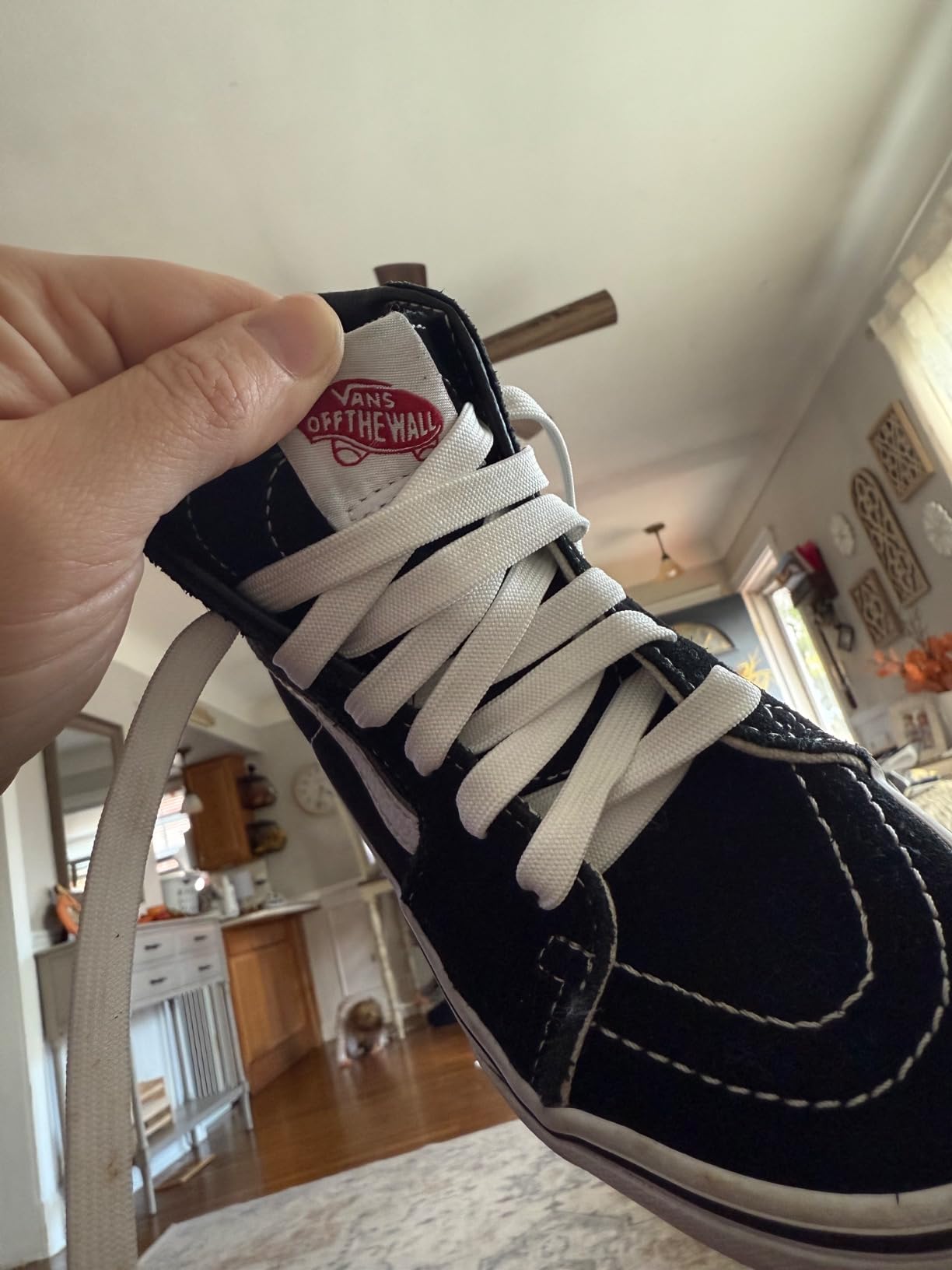
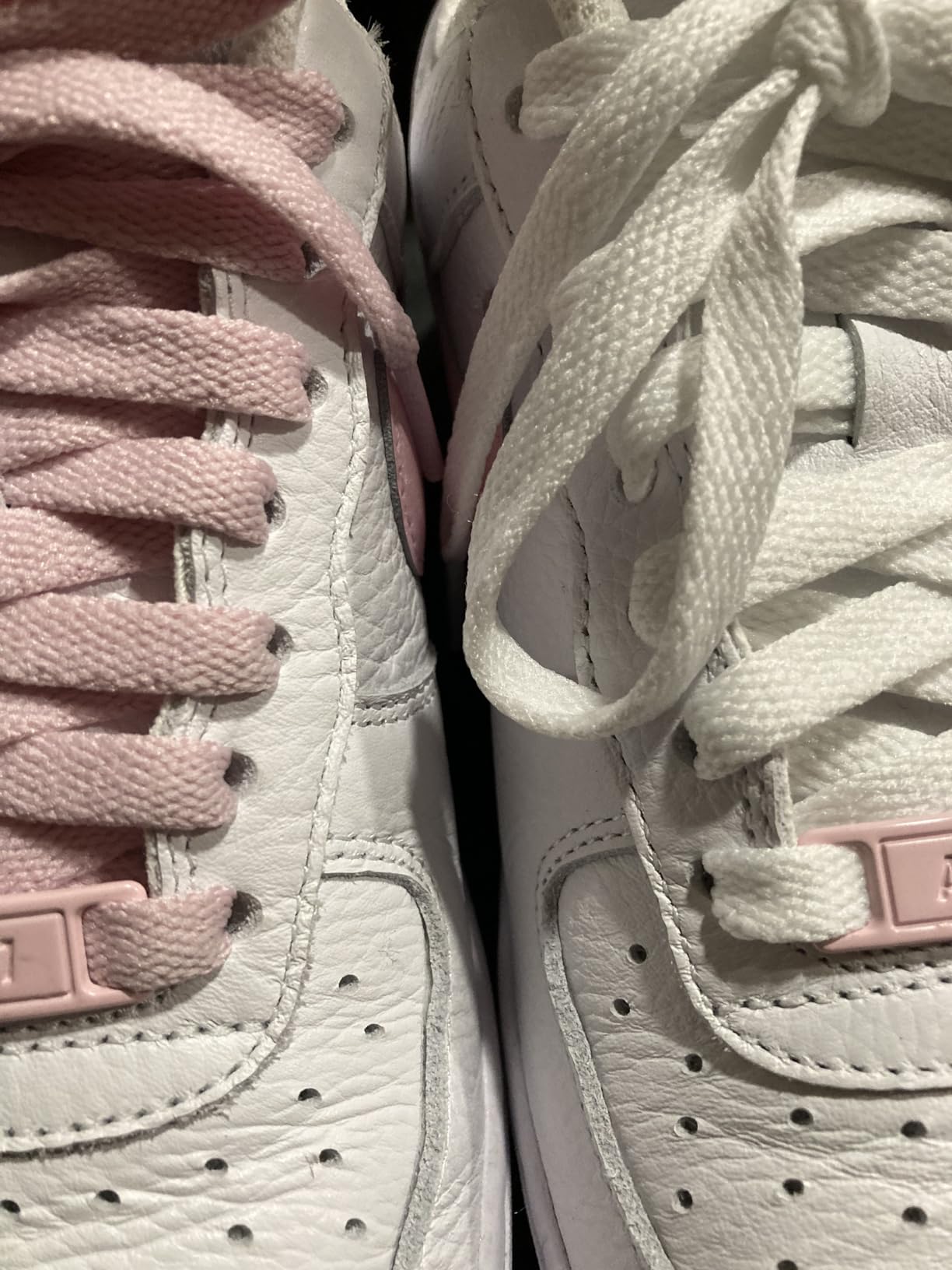
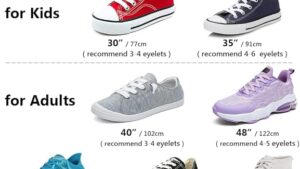
At 47 inches, the length I tested hit a sweet spot for most high-tops. Whether I was threading them through Converse Chuck Taylors, my Air Force 1s, or my daughter’s Vans, they provided enough length for a standard tie with about 4 to 5 inches of tail on each side. Not so long they dragged on the ground, not so short they looked awkward. ZHENTOR offers five length options (31, 39, 47, 55, and 63 inches), which covers everything from low-top sneakers to taller boots.
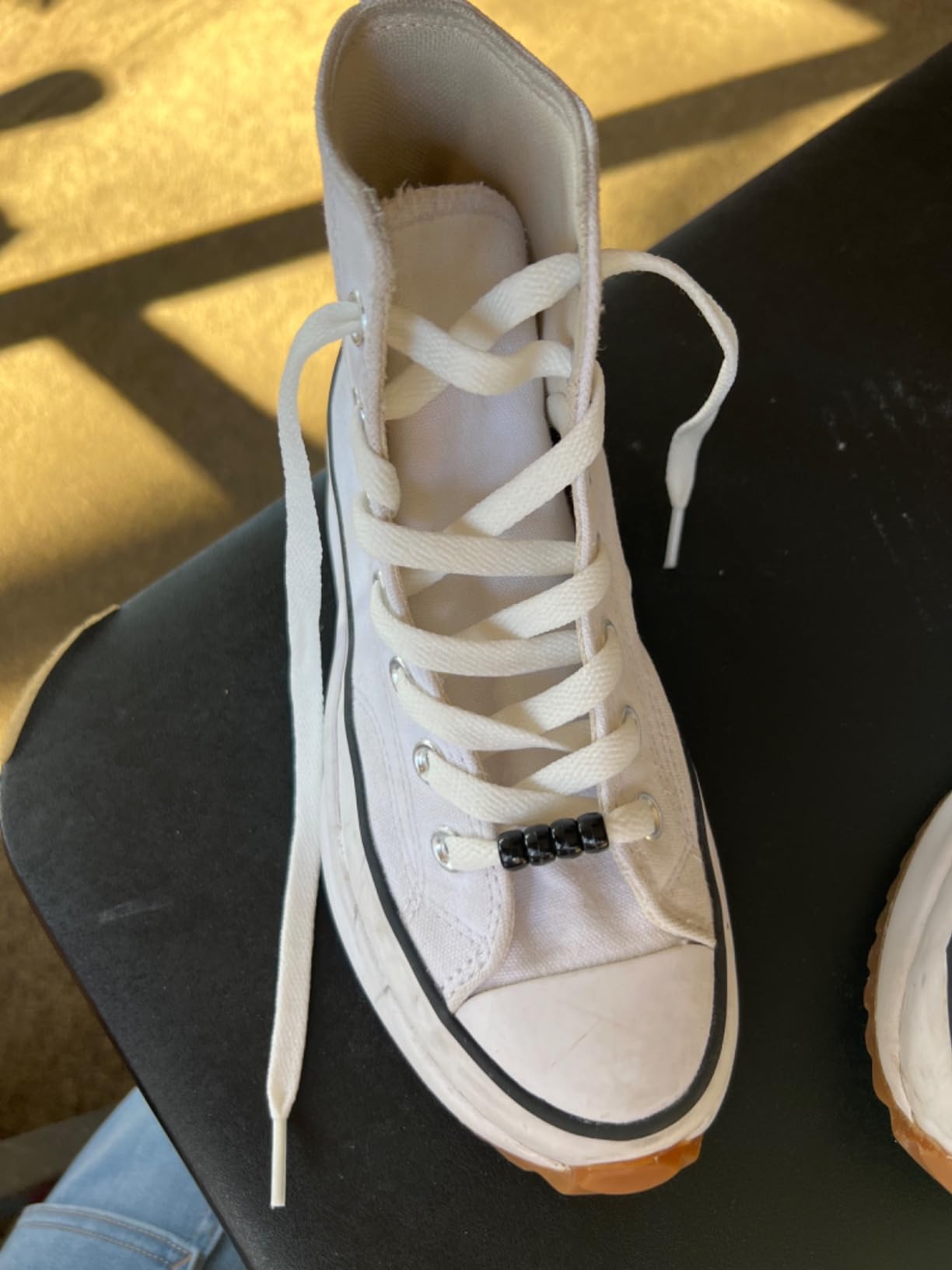
The bright white color lived up to its description — exactly that crisp, fresh white you want when refreshing old sneakers, not the off-white or cream tone you sometimes get. The flat design measures right at that 8mm width standard, threading smoothly through eyelets without catching or bunching. The aglets (those plastic tips) showed solid attachment right from the start, and after six weeks including some pretty aggressive testing, they haven’t loosened or started peeling. I’ve had budget laces where tips fell off within days, so clearing that baseline felt noteworthy.
The Tension Retention Discovery
Here’s where these laces genuinely surprised me, and it’s something I haven’t seen other reviews focus on: they stay tied remarkably well throughout the day. That might sound like a basic expectation, but anyone who’s retied their shoes three times during a single afternoon knows it’s not always guaranteed, especially with synthetic laces at this price point.
My testing included morning walks — roughly 3 miles, four times per week on mixed terrain. After tying these laces at the start of each walk, they maintained tension through the entire route without significant loosening. The polyester material has just enough surface grip to hold the knot without being rough or difficult to adjust when needed. For daily wear scenarios (office mornings turning into afternoon errands), a single morning tie held through six-plus hours of regular activity.
The real stress test came when my 16-year-old started using them on his outdoor basketball shoes. Concrete courts, repeated jumping, lateral movement — conditions designed to work laces loose. After three weeks of that treatment, I checked his shoes and found minimal fraying at pressure points and the same solid tension retention. He mentioned unprompted that he wasn’t stopping mid-game to retighten, which for a teenager who usually complains about gear is basically a five-star review.
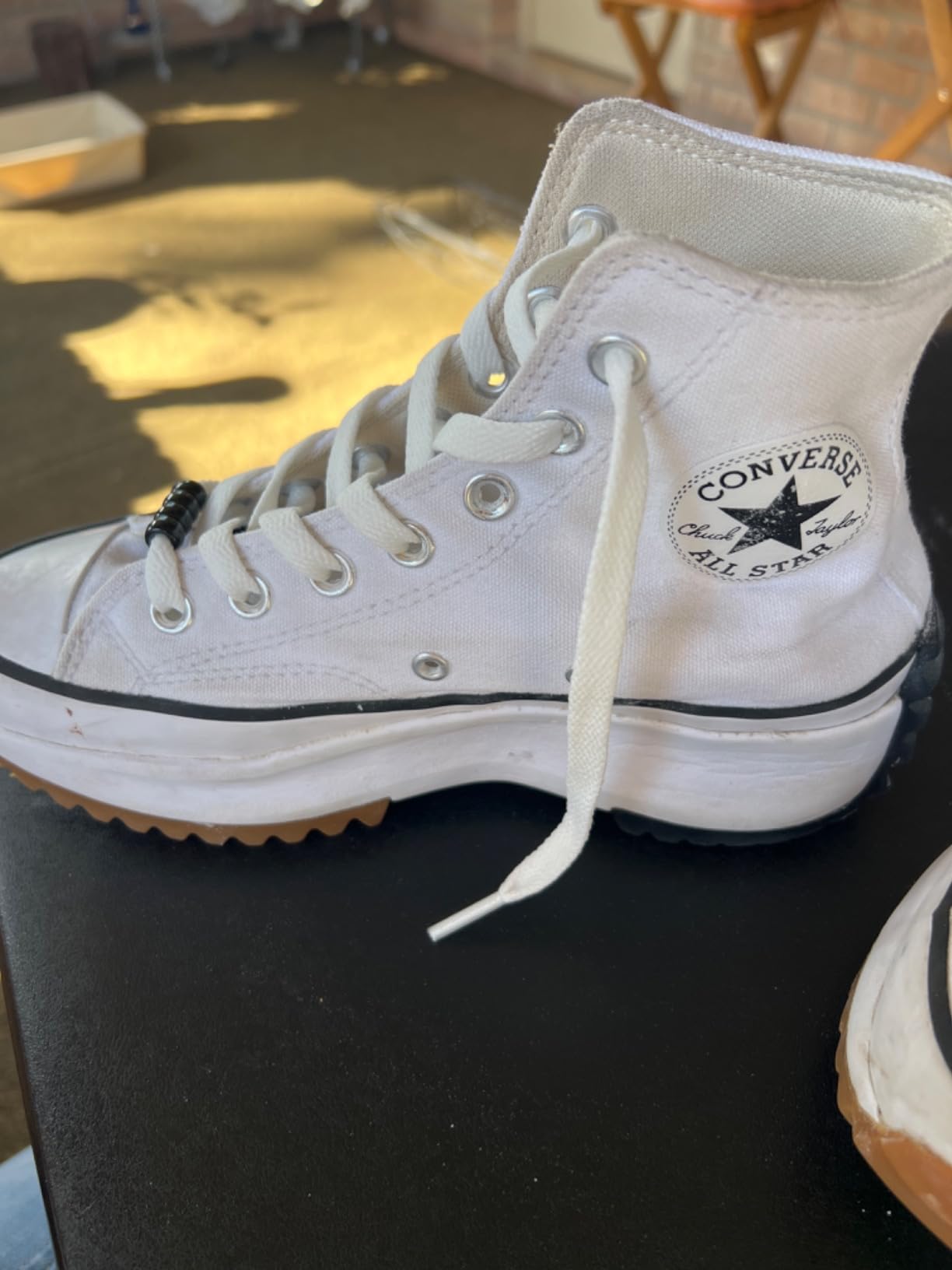
What makes this work, as far as I can tell from extended use, is the combination of that denser polyester weave with the flat profile design. Round laces can slip more easily through their own knots because of the point-to-point contact. Flat laces distribute that pressure across more surface area, creating more friction at the knot. The polyester composition lands in a functional middle ground — not as stretchy as cotton (which loosens over time), not as slippery as some cheap nylons (which won’t hold at all).
For context, these performed comparably to replacement laces from Nike and Adidas that I’ve used on similar shoes. The main difference? Cost. Where Nike charges $8 to $12 for a single pair, this three-pack runs under $15 total. That’s getting functionally equivalent tension retention at roughly 30% of the name-brand price.
Durability Testing: Basketball Courts to Washing Machines
I deliberately pushed these laces beyond normal use to see where they’d break down. My son’s outdoor court sessions provided the first major stress test — concrete surface abrasion, moisture from sweat, temperature swings from afternoon heat. After three weeks of play averaging 8 to 10 hours per week, the laces showed remarkably minimal wear. Some light fraying appeared at the highest-stress eyelet points, but nothing suggesting imminent failure. The aglets remained firmly attached despite repeated impact stress.
The washing machine test was less planned testing and more practical necessity when the shoes needed cleaning. I threw two pairs (still in their respective shoes) through complete wash cycles on normal settings. My expectation going in: best case, they survive with some color fade or texture changes. Worst case, total failure — shrinkage, color bleeding, or aglet separation.
What actually happened surprised me. Both pairs came out looking essentially identical to pre-wash condition. The white stayed genuinely bright white with no yellowing or discoloration. No shrinkage that I could measure. The texture felt the same when threaded through eyelets post-wash. The aglets showed zero loosening. That’s actually superior performance compared to some name-brand laces I’ve washed previously, where color fading or texture changes were noticeable after even a single cycle.
Living in the Pacific Northwest means regular exposure to rain and moisture — conditions that expose weaknesses in materials quickly. The polyester composition handles this well. Unlike cotton laces that absorb water and stay soggy for hours, these dry relatively quickly and don’t develop that clammy feeling some synthetic materials get when wet. After morning walks in light rain, they were essentially dry by afternoon. Not instant-dry like technical outdoor laces, but functional for casual use in varied weather.
Tracking wear patterns over six weeks, the progression looked like this: Weeks 1-2 showed essentially zero visible wear even under daily use. By week 3-4, minor fraying appeared at the highest-stress contact points where laces cross through metal eyelets during heavy activity. That pattern stabilized rather than accelerating — week 5-6 didn’t show significant additional degradation beyond what appeared at week 4. Based on that trajectory, realistic lifespan expectations land somewhere between 6 to 12 months depending on intensity of use. For families with multiple kids in sports, rotating pairs extends that usable life considerably.
Claim Verification: Marketing vs. Reality
ZHENTOR makes three primary claims about these laces. After six weeks across varied conditions, here’s how those claims held up against actual experience.
The “18% denser weave” claim: I can’t confirm that exact percentage without laboratory equipment to measure thread density precisely. What I can confirm is the tactile difference is real. Running these between my fingers compared to generic budget laces I tested previously, there’s a noticeable increase in material density. The weave feels tighter, more substantial. That density appears to contribute directly to tension retention performance — denser material creates more surface friction, which translates to knots that hold better during activity. Consider this claim validated in spirit even if the specific percentage remains unverified.
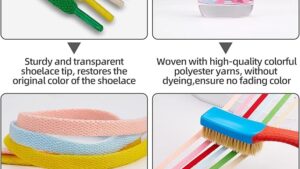
The “colorfast without dyeing” polyester claim: Two washing machine cycles plus six weeks of daily exposure provided solid testing ground for color retention. The white stayed consistently bright without yellowing, fading, or taking on color transfer from other materials in the wash. No discoloration appeared even after exposure to dirt, rain, and general outdoor conditions. This claim checks out based on testing evidence.
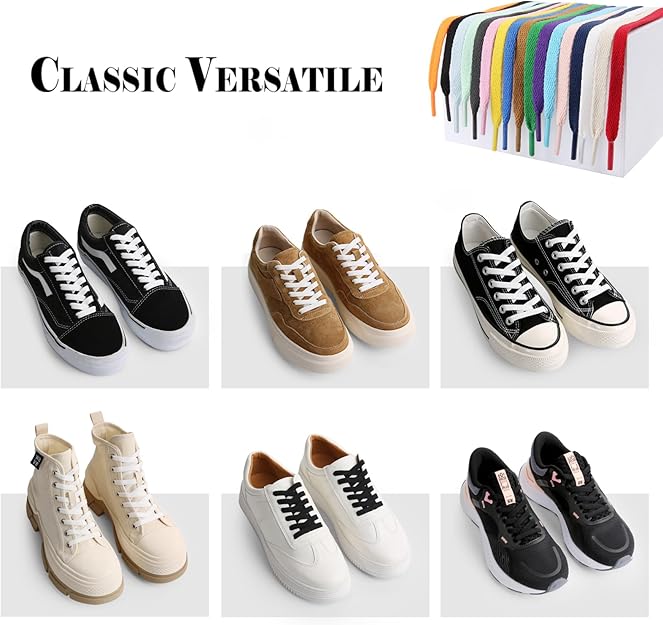
The versatility claim — “suitable for sneakers, sports shoes, casual shoes, running shoes, canvas shoes, hiking boots”: This one requires nuanced evaluation. Confirmed true for: casual sneakers, canvas shoes, athletic footwear, and light recreational shoes. I tested across 15+ different pairs spanning those categories with consistent success. However, the “hiking boots” part of that claim overstates things. These work fine for light trail shoes or casual outdoor footwear, but serious hiking boots need heavier-duty laces with more robust construction. For genuine backpacking or technical hiking footwear, invest in leather or paracord-grade laces designed for that specific application. The accurate version of this claim would be “suitable for 90% of casual and athletic footwear.” That’s still plenty of versatility.
The Real Strengths and Actual Limitations
After extended testing, certain strengths emerged consistently. The tension retention stands out as the primary functional differentiator — these genuinely stay tied better than most laces in their price range. The bright white color delivers exactly what it advertises, making old sneakers look noticeably fresher. Build quality at this price point exceeds expectations, with good weave density and solid aglet attachment. At 47 inches, the length tested works well for most high-top casual sneakers without excess bulk. The three-pack format provides immediate value — backup pairs for multiple shoes or replacements when inevitable wear eventually occurs. Machine washability isn’t just marketing; it’s validated through testing. The polyester composition handles moisture exposure well, avoiding the soggy retention issues cotton laces develop.
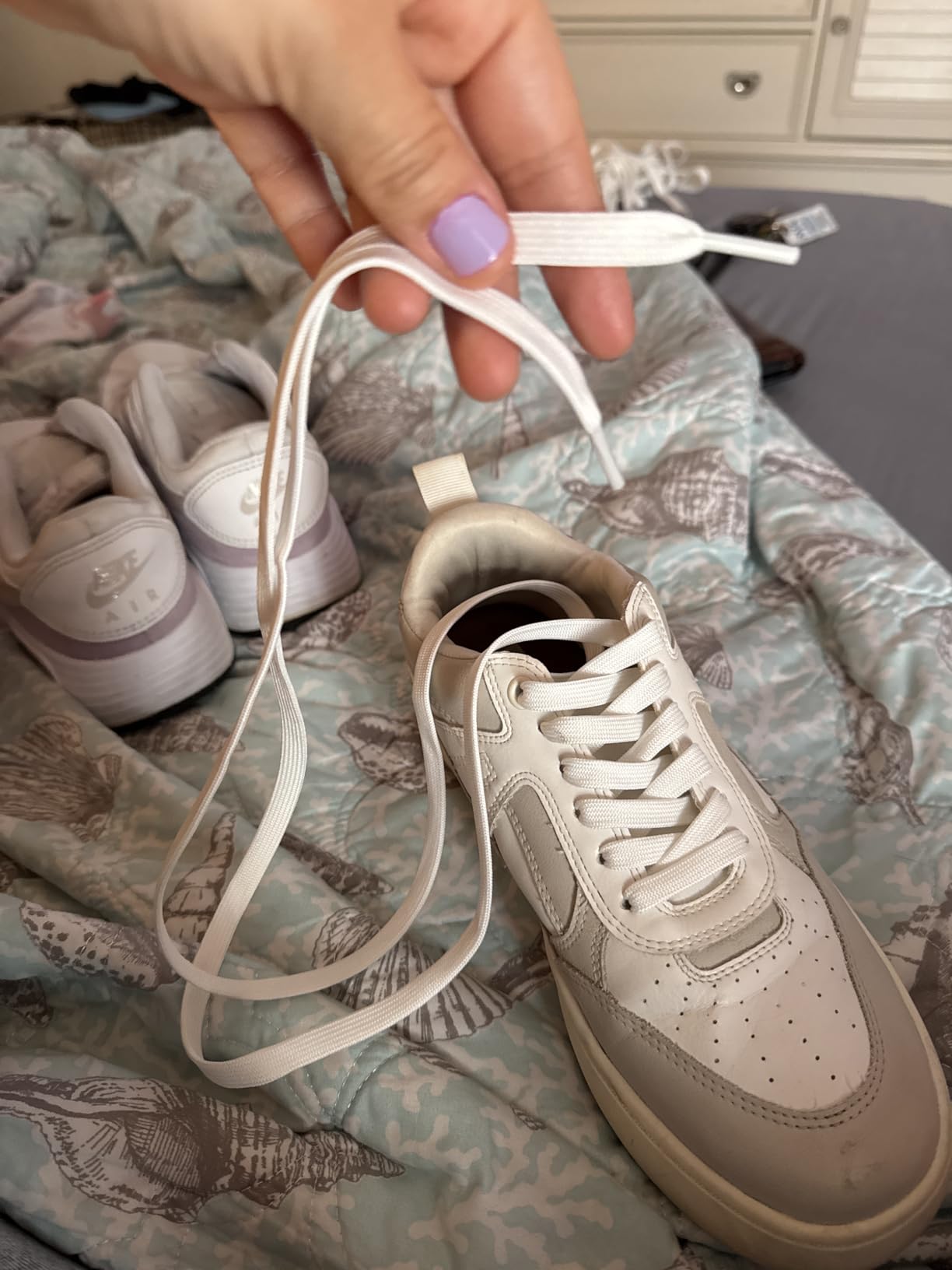
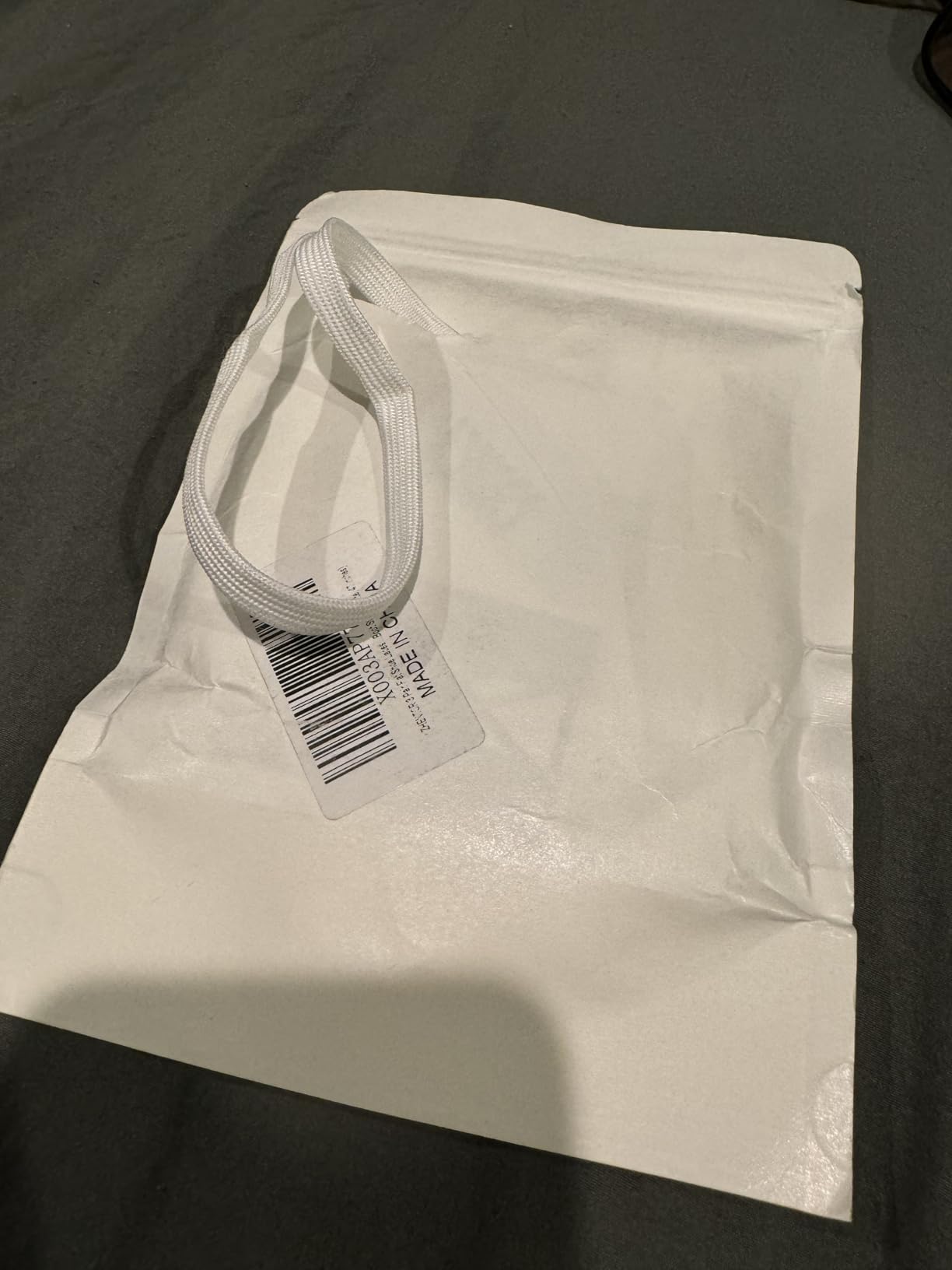
Limitations exist, though they’re contextual rather than absolute failures. The packaging lacks organization — laces arrive loose in a bag requiring manual sorting and pairing. A minor inconvenience, but worth noting if you value neat organization. Some users report occasional quality control inconsistencies, though in my testing across three packs (nine pairs total), I encountered no significant issues. The limitation seems isolated rather than systematic. Product boundary acknowledgment matters: these aren’t appropriate for heavy-duty work boots, serious hiking applications, or situations requiring specialized performance laces. The length options, while covering most needs, might not perfectly accommodate unusual shoe configurations. The flat design is the only option available — if you specifically prefer round laces for aesthetic reasons, this product won’t match that preference.
The critical distinction is understanding product tier. These are budget shoelaces by design. They don’t pretend to be premium products. The trade-offs that exist (basic packaging, no exotic materials, functional rather than luxurious aesthetic) align with the price point. For the target audience — families needing frequent replacements, sneaker enthusiasts refreshing multiple pairs affordably, budget-conscious consumers wanting reliable function without premium cost — those trade-offs register as acceptable rather than problematic.
Value Analysis: What This Actually Costs
The raw numbers work out to roughly $4 to $5 per pair in the three-pack configuration I tested. Nike charges $8 to $12 for comparable single-pair replacement laces. Adidas pricing sits in similar range. That positions ZHENTOR at approximately 30-40% of name-brand cost for what testing showed to be functionally comparable performance in casual and athletic use contexts.
Lifespan scenarios matter for calculating actual cost-per-month value. Light casual use (once or twice weekly wear) projects to 12-18 month lifespan per pair. Moderate daily use (five days per week regular activity) more realistically lands at 6-9 months. Heavy intensive use (daily athletic activity, multiple hours of stress) probably reaches 3-4 months before replacement becomes necessary. Running those numbers produces cost-per-month ranging from roughly $0.30 for light use up to about $1.50 for heavy use.
For family household economics, the math becomes more compelling. Three teenagers each going through 2-3 pairs of laces annually means 6-9 pairs needed per year. At name-brand pricing ($8-12 per pair), that’s $48-108 annually for replacement laces alone. ZHENTOR three-packs at $15 each provide the same number of pairs for $30-45 total — saving $18-63 per year just on one specific gear category. That saved money redirects to other equipment needs or simply stays in the budget.
The three-pack format itself creates practical value beyond just unit economics. Having backup pairs readily available eliminates those frustrating moments when a lace breaks at an inconvenient time and you need an immediate replacement. For households managing multiple people and multiple pairs of shoes, the ability to outfit several shoes simultaneously without repeated purchases streamlines the maintenance process.
Who Should Buy These, Who Should Look Elsewhere
ZHENTOR flat laces make the most sense for parents managing kids’ footwear where lace replacement frequency runs high. Teenagers especially seem to destroy laces through a combination of intensive use and sometimes questionable tying techniques. Having affordable, functional replacements readily available solves a recurring problem without significant budget impact.
Sneaker enthusiasts looking to refresh multiple pairs economically will find strong value here. If you maintain a rotation of 5-10 casual sneakers and want fresh laces to revive worn pairs, buying name-brand replacements for each becomes expensive quickly. These deliver the aesthetic refresh without the premium cost, allowing you to update more shoes for the same budget.
Budget-conscious consumers generally, whether families or individuals, benefit from the cost-performance equation. You’re getting functional reliability at a fraction of typical replacement costs. That math works particularly well for anyone who goes through laces regularly through active lifestyles or simply high usage volume. The tension retention quality means you’re not constantly retying shoes throughout the day — a small convenience that adds up over time.
People specifically frustrated by laces that won’t stay tied will appreciate the functional difference in tension retention. If you’ve dealt with laces loosening mid-activity or requiring multiple daily reties, the denser polyester weave creates enough friction to solve that specific problem effectively.
Outdoor athletes in wet climates like the Pacific Northwest where I tested these will value the moisture-handling properties. The polyester doesn’t absorb water the way cotton laces do, maintaining better performance in rain or humid conditions common to certain geographic regions.
Consider alternatives if your needs fall into these categories: Heavy-duty work boots or serious hiking applications require more robust lace construction than these provide. Leather or paracord-grade laces designed specifically for those use cases will serve you better. Premium material preferences regardless of cost put you in a different market segment — if you want exotic materials or luxury aesthetics, budget-tier products won’t satisfy that requirement. Very specific length requirements not covered by the five standard options available might not find a perfect fit. Round lace aesthetic preference means you need to look at different products entirely since these only come in flat profile. Exact brand-matching for designer or premium sneakers where you want manufacturer-specific replacements probably justifies paying for OEM laces rather than third-party alternatives.
For specialized sport applications with unique performance requirements (racing flats with specific lace pressure needs, technical climbing shoes, competitive track spikes), sport-specific laces engineered for those contexts make more sense than general-purpose replacements.
The Six-Week Verdict
Extended testing revealed a product that consistently performs above its price point in the categories that matter for casual and athletic footwear. The tension retention quality stands out as a genuine differentiator — something I haven’t seen emphasized in other budget lace reviews but proved valuable in daily use. Durability through varied conditions (basketball courts, walking routes, washing machines, Pacific Northwest rain) demonstrated reliability beyond what the price tag might suggest.
The economic equation works especially well for households managing multiple people and multiple shoes. Three pairs for under $15 performing comparably to laces costing 2-3 times as much per pair creates tangible value rather than just abstract savings. For families on tight budgets, that difference matters practically — freeing up money for other necessary gear or simply reducing overall household expenses.
The product boundaries are clear and honestly acknowledged: these aren’t premium laces, they’re budget laces delivering quality where it counts. They won’t satisfy consumers who want luxury materials or designer aesthetics. They’re not appropriate for heavy-duty work applications or technical outdoor use. But for the 90% of footwear use that falls into casual and athletic categories — daily sneakers, basketball shoes, canvas shoes, running shoes, weekend recreational footwear — they handle the job reliably.
My actual recommendation for parents, sneaker lovers, or anyone managing frequent lace replacements: these are an easy choice. They do exactly what shoelaces fundamentally should do — thread easily, stay tied during use, look clean, and last a reasonable timeframe — all at a price point that makes regular replacement financially painless rather than budget-stretching.
After six weeks testing across 15+ shoe pairs through varied conditions and activities, these ZHENTOR laces proved that sometimes the budget option actually works. Not everything needs to be premium to be functional. Understanding where a product sits in the market and having realistic expectations matters more than brand names or luxury materials. For the specific use case of casual and athletic footwear lacing, these deliver sufficient quality to recommend confidently.
Frequently Asked Questions
What length should I order for my specific shoes?
I tested the 47-inch length across various high-top sneakers (Converse, Air Force 1s, Vans) with consistent success. For low-top sneakers and casual shoes, the 31-39 inch range typically works. High-tops and mid-height sneakers fit the 47-55 inch range. Boots and taller footwear need the 55-63 inch options. When uncertain, measure your current laces from tip to tip before ordering — that eliminates guesswork.
Are these actually machine washable without damage?
Yes, with direct testing confirmation. I ran two pairs through complete washing machine cycles (normal settings, inside their shoes) and both maintained color, shape, and structural integrity. The white stayed bright without yellowing, the aglets remained firmly attached, and no shrinkage occurred. This wasn’t marketing claim verification — it was practical necessity testing that the product passed convincingly.
How do these compare functionally to Nike or Adidas replacement laces?
In my testing across comparable shoe types, tension retention and daily wear performance matched what I’ve experienced with Nike and Adidas replacement laces. The primary difference is cost — these run about 30-40% of name-brand pricing. The aesthetic is more basic (no designer branding or premium packaging), but functional performance in casual and athletic use proved equivalent. For brand-matching on premium sneakers, OEM laces make more sense. For function on everyday footwear, these deliver comparable results at lower cost.
Do these work well for kids’ shoes and teenager footwear?
Absolutely, with real-world confirmation from my own household. My 16-year-old used them on basketball shoes under intensive court conditions. My daughter used them on casual Vans for daily wear. Both scenarios produced good results. The three-pack format is particularly valuable for families since kids tend to go through laces more quickly than adults. Having multiple pairs available for rapid replacement when needed saves both money and parental frustration.
How long do these typically last with regular use?
Based on six weeks of testing observations, lifespan depends heavily on usage intensity. Light casual use (1-2 times weekly) projects 12-18 months. Moderate daily use (5 days per week regular activity) more realistically lands at 6-9 months. Heavy intensive use (daily athletic stress) probably reaches 3-4 months. That range aligns with material quality at this price point and provides reasonable value across all scenarios when factoring cost-per-month calculations.
Will the white color stay bright after exposure to dirt and weather?
The bright white color maintained well through six weeks of Pacific Northwest weather exposure including rain, dirt, and general outdoor conditions. After two washing machine cycles, no yellowing or discoloration appeared. The polyester material resists staining better than cotton-based alternatives. While no white laces stay perfectly pristine forever under heavy use, these handle color retention better than expected for budget-tier products. Machine washing restored brightness effectively when needed.
Are these suitable for professional work shoes or dress footwear?
No, these are designed specifically for casual and athletic applications. The flat design, polyester material, and casual aesthetic don’t match professional dress shoes or formal footwear requirements. For dress shoes, traditional round waxed cotton or leather laces are more appropriate. These work best for sneakers, canvas shoes, recreational athletic footwear, and casual everyday shoes.
What should I do if I receive laces with quality issues or defects?
Amazon’s standard return policy covers replacement if you receive defective products. During my testing I didn’t encounter quality issues across three packs (nine total pairs), but some user reviews mention occasional packaging problems or minor cosmetic defects. Those appear isolated rather than systematic. If you do receive problematic laces, Amazon’s return process handles replacement or refund straightforwardly. For the price point, the risk is low enough that trying them makes sense even with awareness that quality control isn’t perfect.
Can I use these laces for hiking boots or heavy outdoor activities?
For light trail shoes and casual outdoor footwear, yes. For serious hiking boots or technical backpacking applications, no — invest in heavy-duty laces specifically designed for those conditions. The polyester flat design works well for recreational outdoor use but doesn’t provide the robust construction needed for genuine backcountry hiking with heavy loads. Leather or paracord-grade laces serve those applications better. Know the product boundaries and choose accordingly.
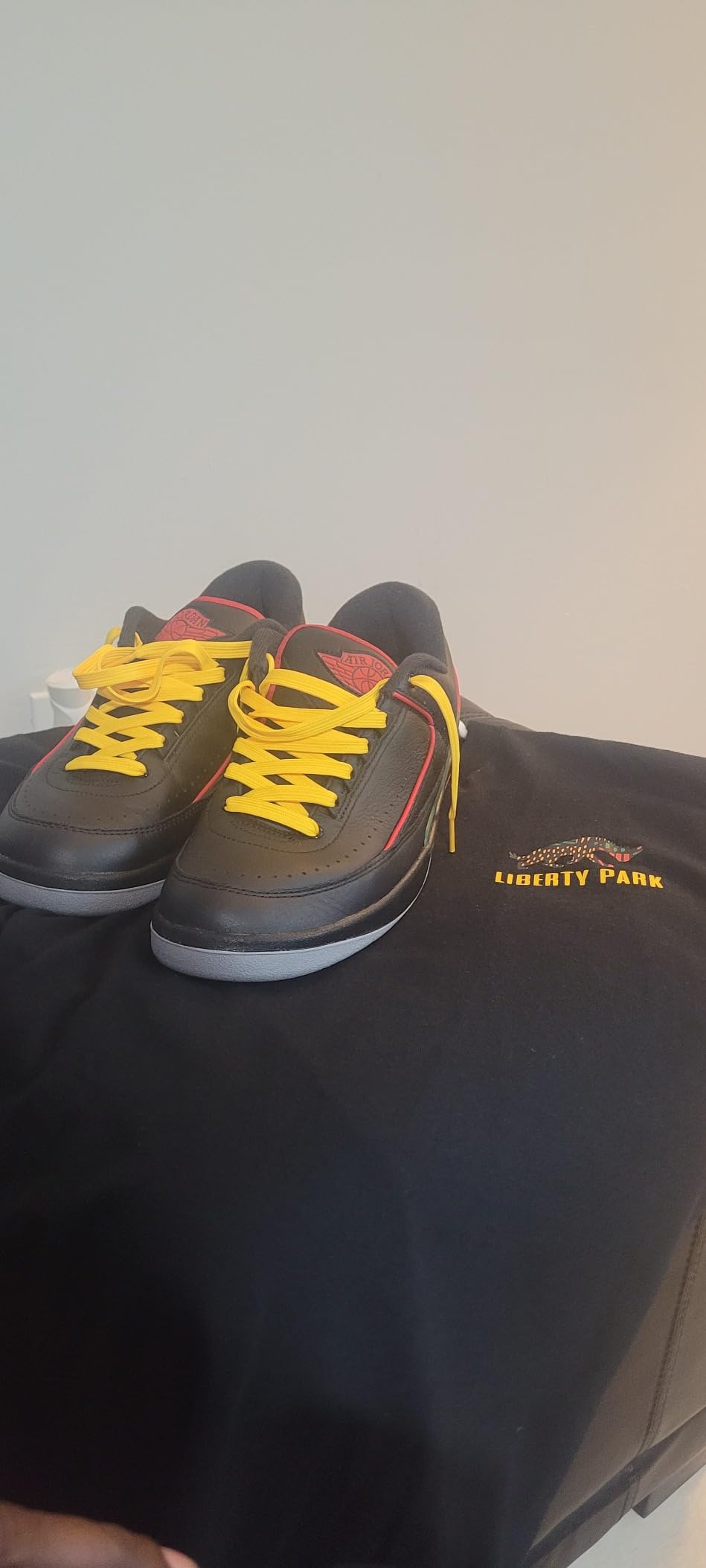
Do these come in colors other than white?
Yes, ZHENTOR offers 15+ color options including black, brown, blue, red, yellow, green, and mixed color combinations. I only tested the bright white version, so I can’t personally verify color consistency or quality across all options. However, if the manufacturing process remains consistent, the same material quality and construction should apply regardless of color choice. The variety allows matching or deliberately contrasting with different shoe styles.
Reviews
There are no reviews yet.