
WOLT Basketball Backpack Large Sports Bag
$31.99
- 💰 Price: $35-45
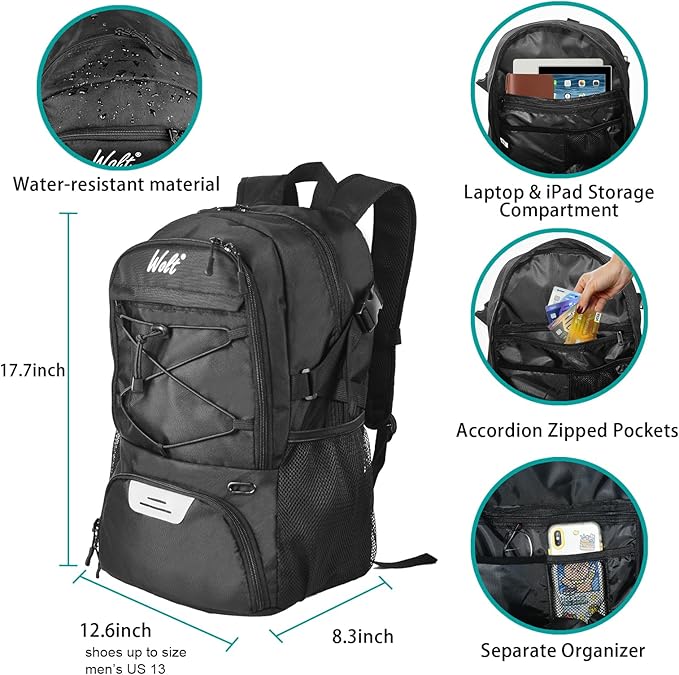
- 📐 Dimensions: 11″L x 9″W x 20″H
- 🧴 Capacity: 30 Liters (3 compartments)
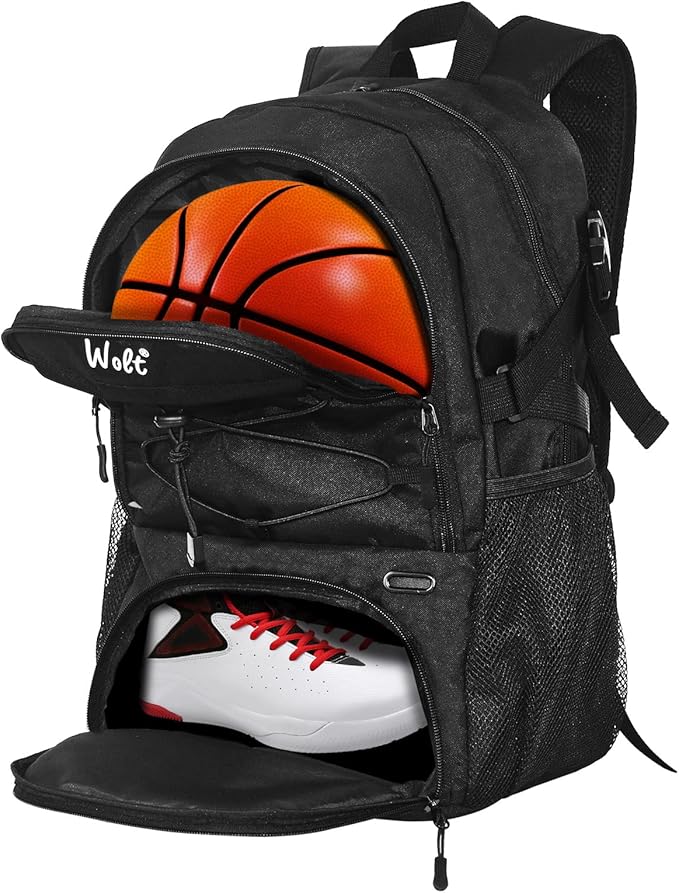
- 🏀 Ball compartment: Extendable/foldable, fits size 7 basketball, soccer ball, volleyball
- 👟 Shoe compartment: Ventilated, approx 13″ x 6″ x 5″
- 🧵 Material: Polyester Oxford fabric
- 💻 Laptop sleeve: Fits up to 13″ devices
- ⭐ Amazon rating: 4.7/5 stars
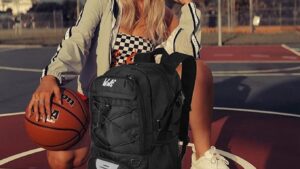
Three bags. My 12-year-old son, Jake, showed up to Tuesday’s basketball practice carrying three separate bags — one for his ball, one for shoes, and his regular backpack for everything else. Half the parents in that parking lot were doing the same juggling act, and I’d had enough. Six weeks later, after putting the WOLT Basketball Backpack through every multi-sport scenario I could throw at it, I have a pretty clear picture of what this bag actually solves — and what it doesn’t.
Inside the WOLT System — Design and Compartment Logic
The Three-Zone Layout
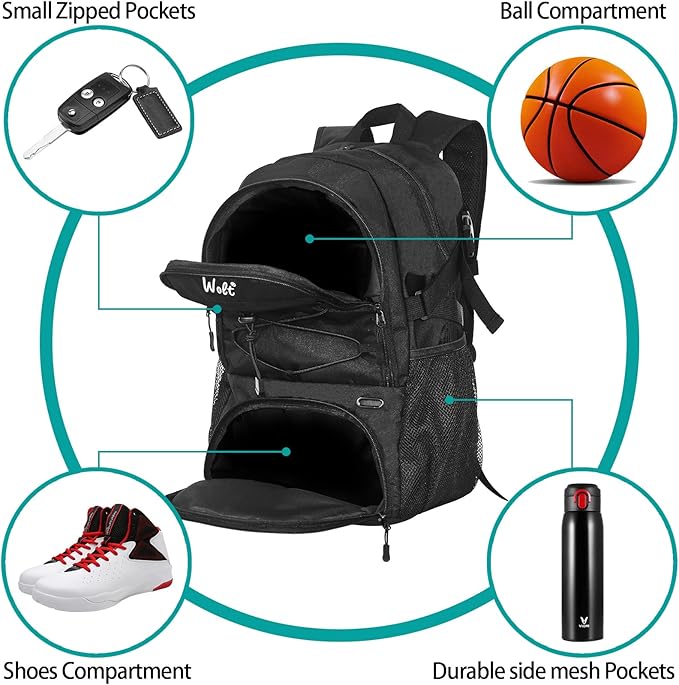
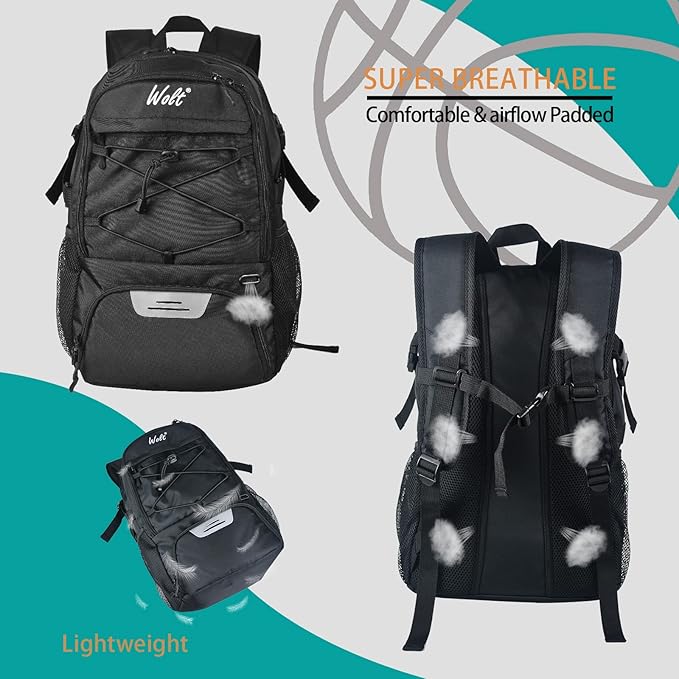
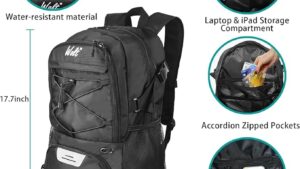
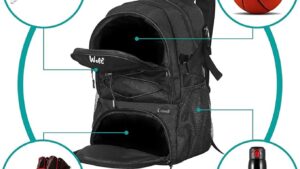
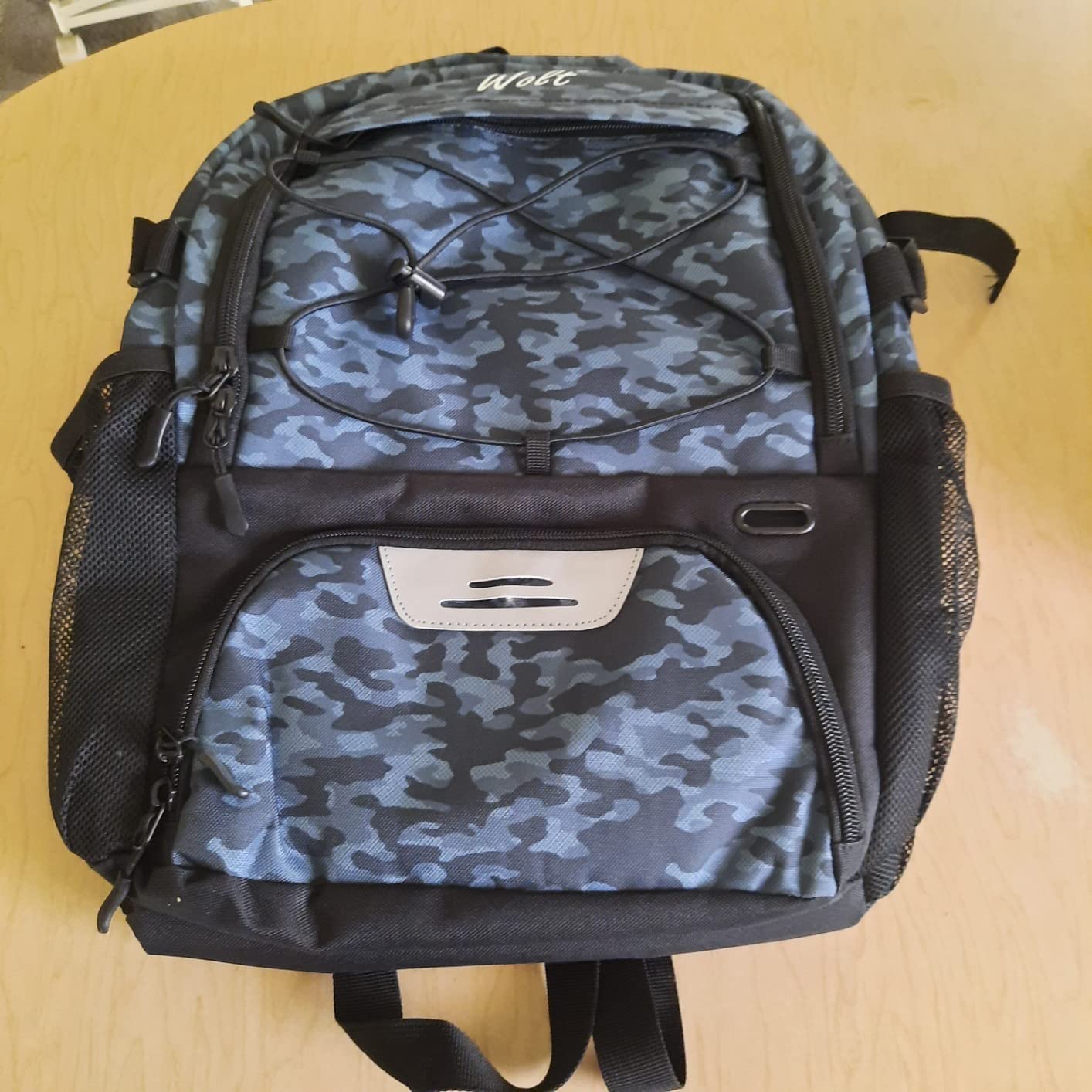
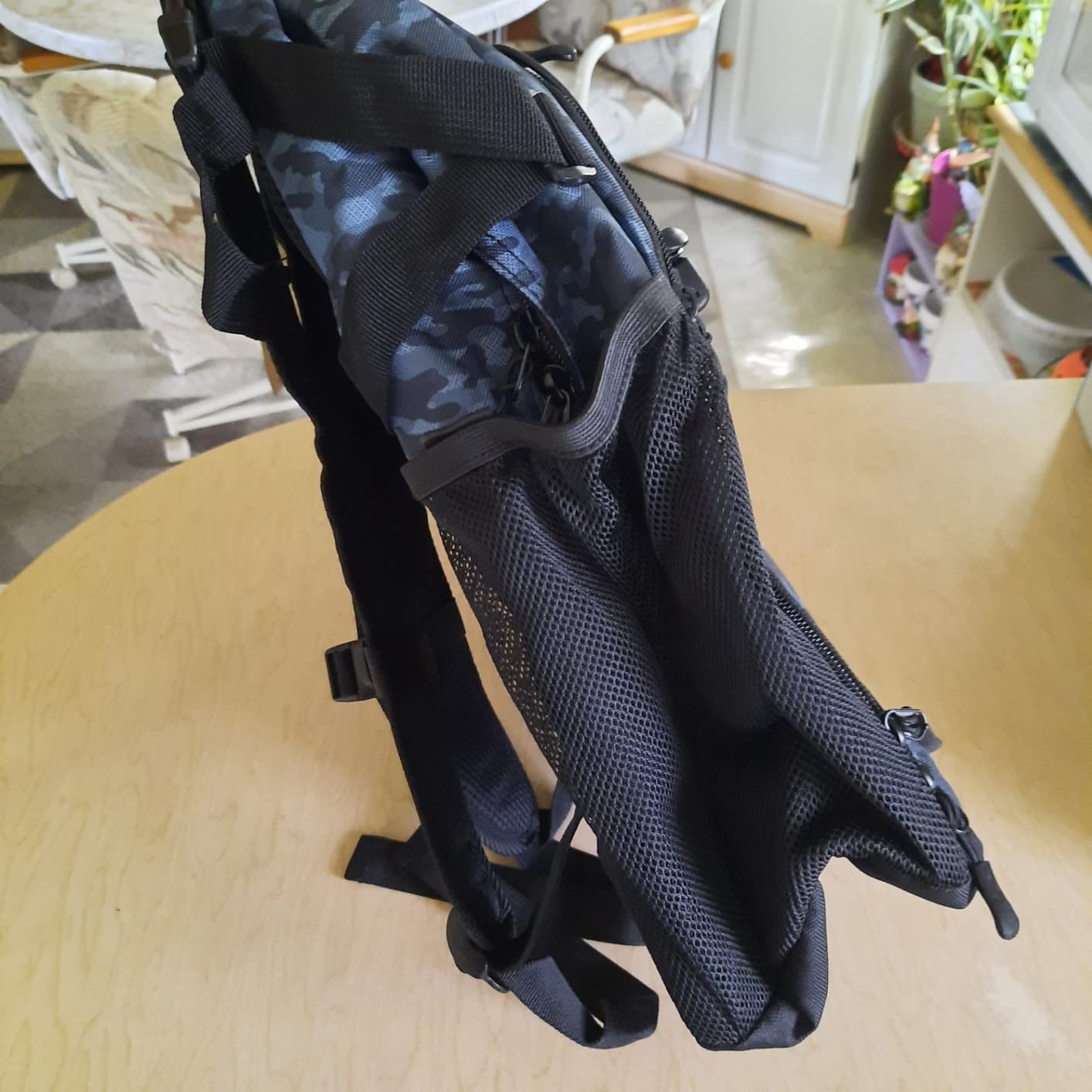
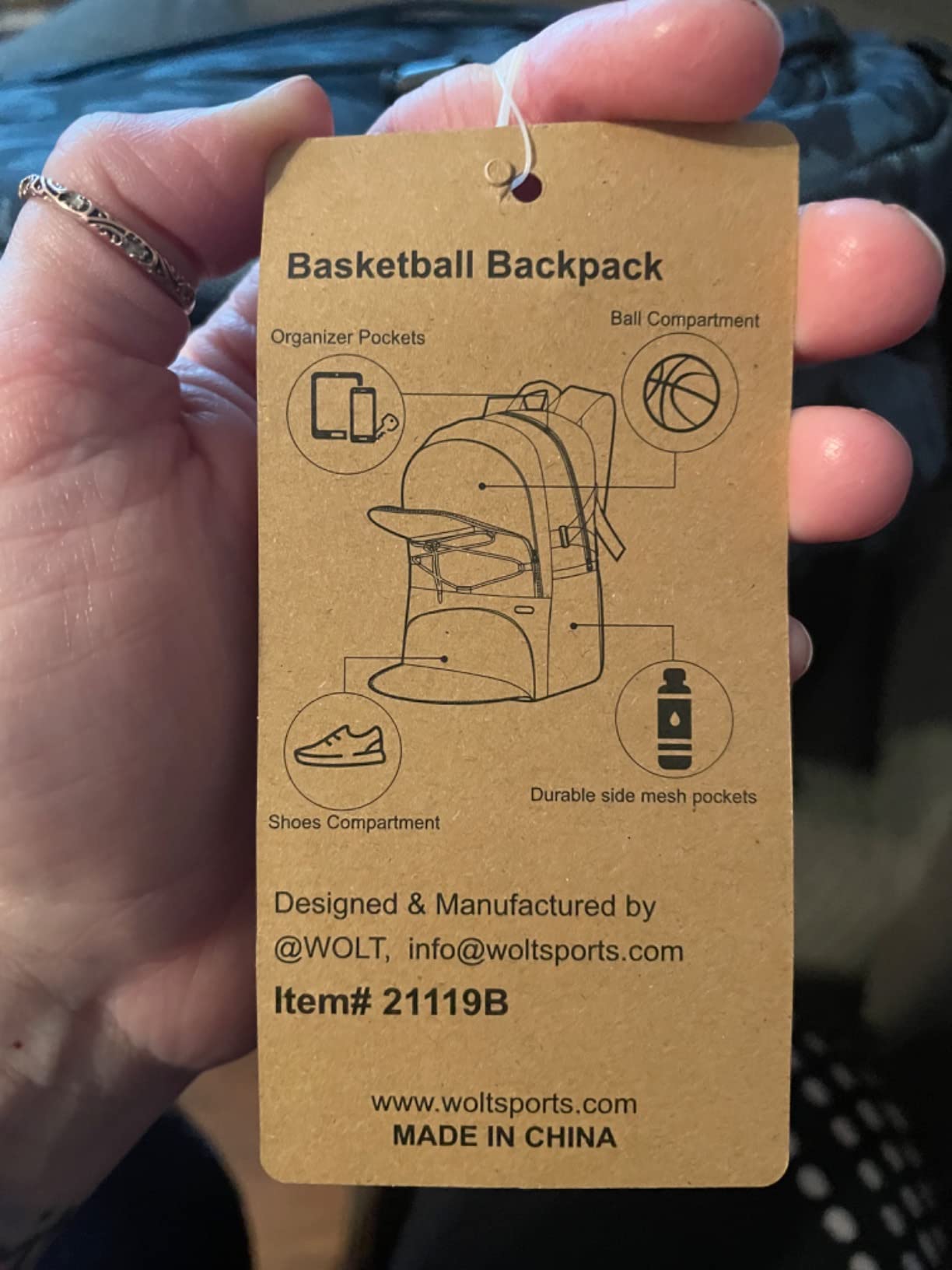
At first glance, the WOLT looks like a standard athletic backpack. It’s when you start loading it that the design logic clicks. The ball compartment rides at the top front — an extendable section that folds flat when you’re not carrying a ball, which I appreciated on the days Jake just needed his gear without a basketball. Below that sits the shoe compartment with ventilation holes, completely isolated from the main storage area. And the main compartment handles everything else: uniform changes, snacks, water bottles, electronics.
The separation isn’t just organizational convenience. After the first week, Jake stopped asking me to dig through his bag looking for his tablet charger, which had previously spent its entire life buried under sweaty socks. Small win. Real win.
Official Specs Worth Knowing
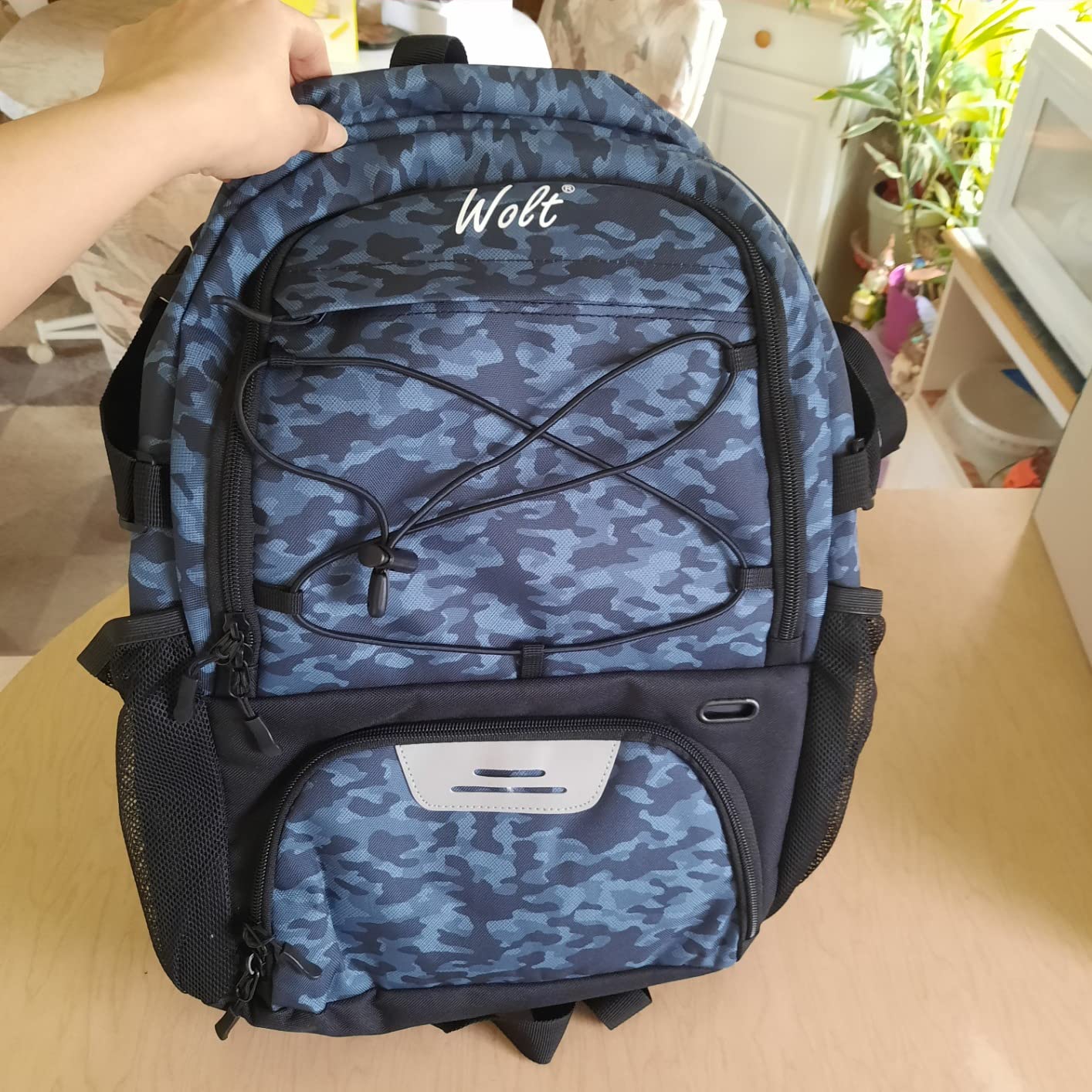
The official capacity is 30 liters across three compartments. Dimensions run 11″L x 9″W x 20″H, which makes it taller and narrower than a typical school backpack — optimized for carrying a ball, basically. Material is Polyester Oxford, available in seven colors (we went with the DarkGrey, which hides basketball court grime admirably). Amazon rating sits at 4.7/5 stars across multiple verified purchases, which aligns with what I found — this bag genuinely delivers for its intended use case.
That 30-liter number sounds generous until you start doing the math. Ball up front, shoes in the bottom section — you’ve already consumed a significant chunk of that capacity before a single piece of clothing goes in. More on that in a minute.
The Saturday Test — One Bag for a Full Sports Day
The defining moment of this whole evaluation happened on a Saturday in week two. Basketball practice at 9 AM, soccer game at 1 PM, grocery run in between. The previous Saturday involved three separate bags in the car trunk, two of which I forgot to bring into the rec center.
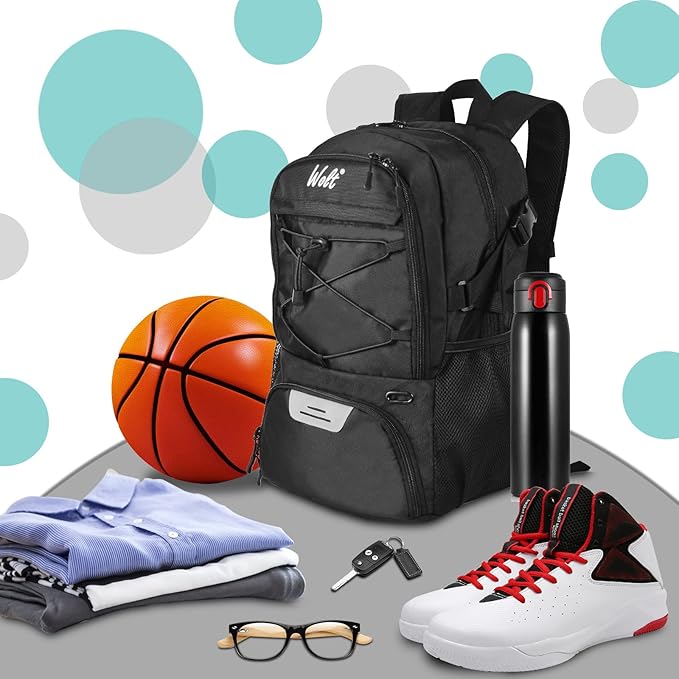
This time: basketball in the front compartment, Jake’s basketball shoes in the bottom section, cleats from soccer squeezed in alongside them (size 6 youth — they both fit), uniform change and shin guards in the main compartment, tablet in the laptop sleeve. One bag. One trip from the car.
At the soccer game, another parent on our team — his son wears a men’s 11 in basketball shoes — had a different experience. The shoe compartment handled youth through men’s size 10 without complaint. His son’s shoes went in on an angle with some pressure. He made it work, but it wasn’t the seamless experience we had. That gap in the shoe compartment story ends up being the most important thing I can tell you about this bag.
Honest Capacity Math — What Actually Fits
Ball + Shoes = 60% of Total Volume
When a full-size basketball occupies the front compartment and a pair of men’s size 9 basketball shoes sits in the bottom section, you’ve accounted for roughly 60% of the bag’s 30-liter total capacity. That leaves about 12 liters in the main compartment — which is plenty for sports use, but worth being clear-eyed about.
What fit comfortably in the remaining space during our testing: one clothing change (shorts + shirt), a water bottle in the side mesh pocket, a 13-inch iPad in the laptop sleeve, and smaller items (keys, phone, snack bars) in the inner pockets. What didn’t fit on our heavier days: a second pair of shoes for a different sport, textbooks, or any kind of serious school load.
The Pocket Inventory
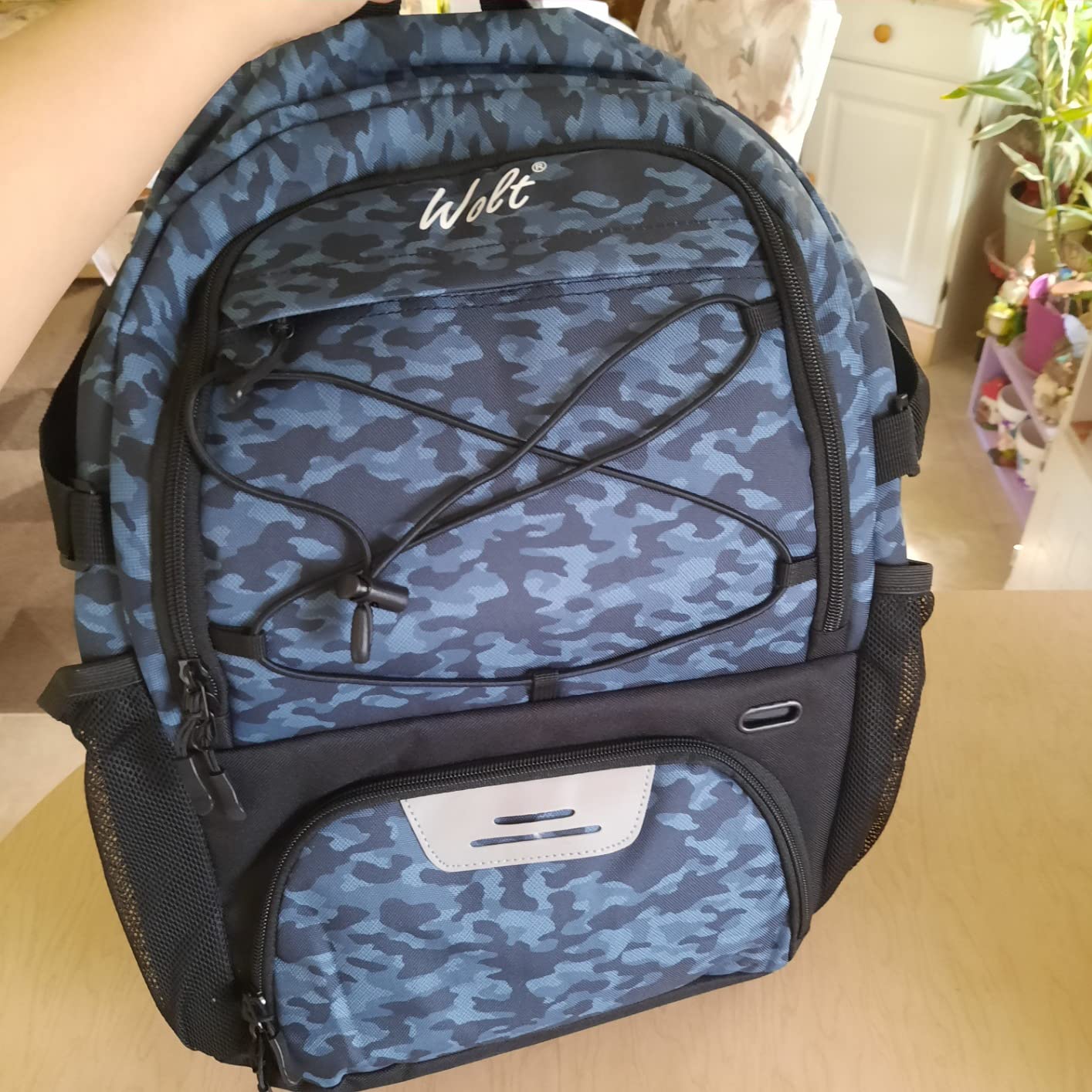
Beyond the three main zones, the bag runs a few supplementary pockets worth knowing about. Two external mesh side pockets stretch enough to fit standard 32oz water bottles — real ones, not just slim flasks. Inside the main compartment, a dedicated laptop/tablet sleeve (confirmed to 13 inches) plus two smaller pockets for keys, phone, and wallet keep the loose items from becoming a pile. And there’s a bungee cord on the top panel that’s more useful than I expected — Jake started using it immediately for his baseball cap on the way to the field.
No hidden surprise compartments to discover, which I actually appreciate. What’s on the bag is what you get.
The Shoe Compartment — A Size Guide That Actually Matters
This is the section competitors skip over, and it’s the most important one for adult buyers. After testing with Jake’s shoes and collecting honest feedback from seven other parents on the team over six weeks, here’s what the shoe compartment actually does by size:
- Youth / Men’s size 1–6: Plenty of room. Jake’s size 6 soccer cleats from the youth soccer category sat in there with space to spare.
- Men’s size 7–10: This is the sweet spot. Comfortable fit, exactly what the compartment was designed for.
- Men’s size 11–12: Workable, but requires angling the shoes diagonally and some patience. One Amazon reviewer from June 2025 said his size 11s were “a tight squeeze” and that hanging them from the bag’s external hook was often more practical.
- Men’s size 13+: Not going to work reliably. Don’t buy this bag for adult players at these sizes — the shoe compartment frustration will outweigh every other benefit.
The ventilation holes do their job — shoes don’t come out damp the way they would if they’d been sealed in a pocket. Whether they eliminate odor is another story. “Adequate but not miraculous” is probably the honest description. For serious odor management, something like Sneaker Balls alongside the bag makes more sense than relying on ventilation holes alone.
Durability After Six Weeks of Daily Abuse
What the Oxford Fabric Held Up To
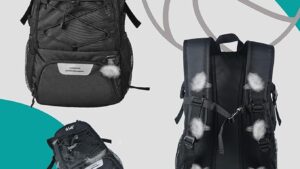
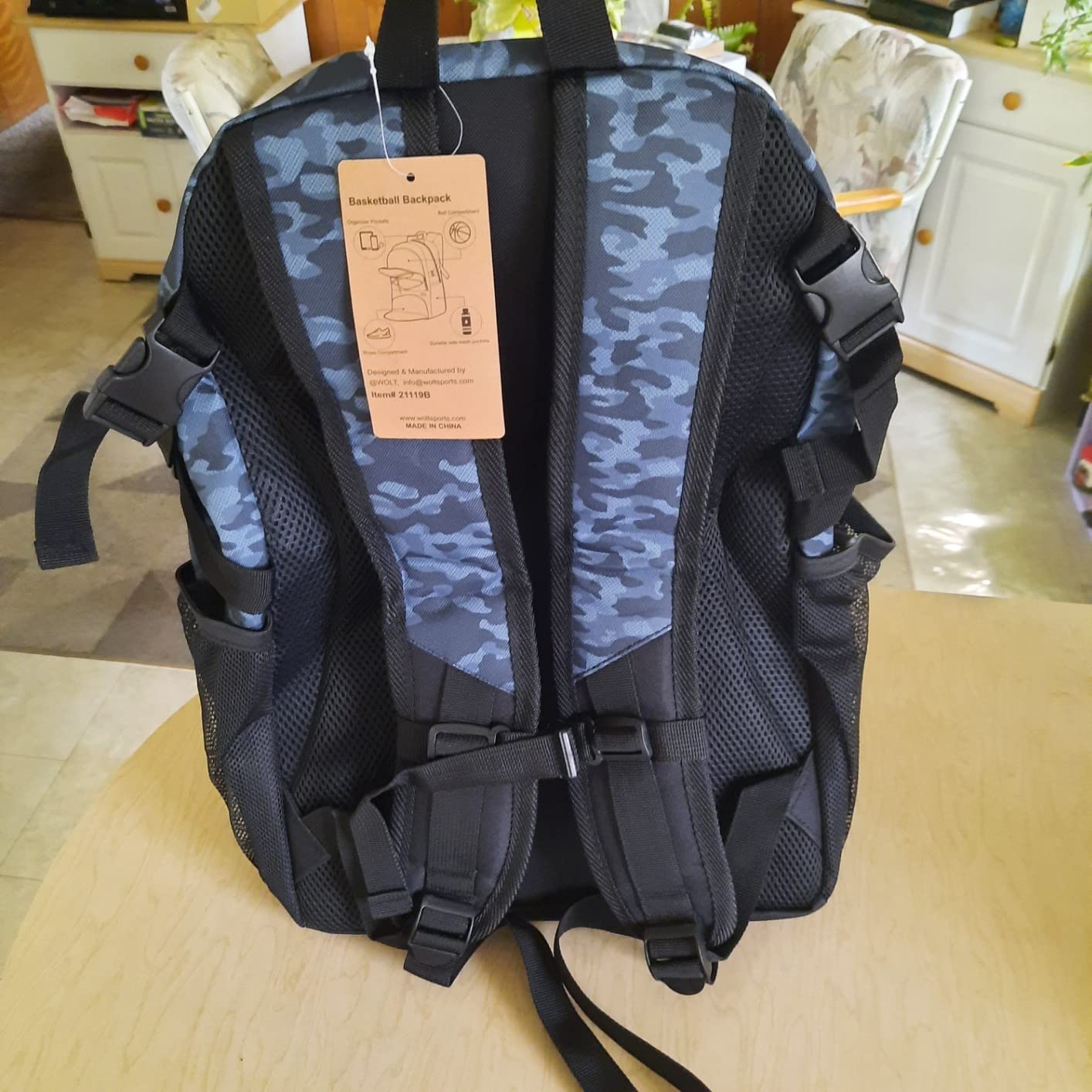
Near-daily use for six weeks meant: car trunks, gym floors, concrete bleachers, team storage areas that smelled like every practice since 2019. The Oxford fabric came through without a visible tear or stress point on the exterior panels. In two light rain events, nothing inside got wet. In one legitimate downpour — end of a Thursday soccer game, nobody wanted to leave — some moisture worked through around the main zipper.
That’s the honest waterproofing assessment: the fabric material does its job. The zippers are the gap. The bag is water-resistant in normal conditions, not waterproof in any meaningful sense. For a $35-45 bag, that’s fine. Just don’t trust it to keep a laptop dry in a real rainstorm.
The Zipper Watch
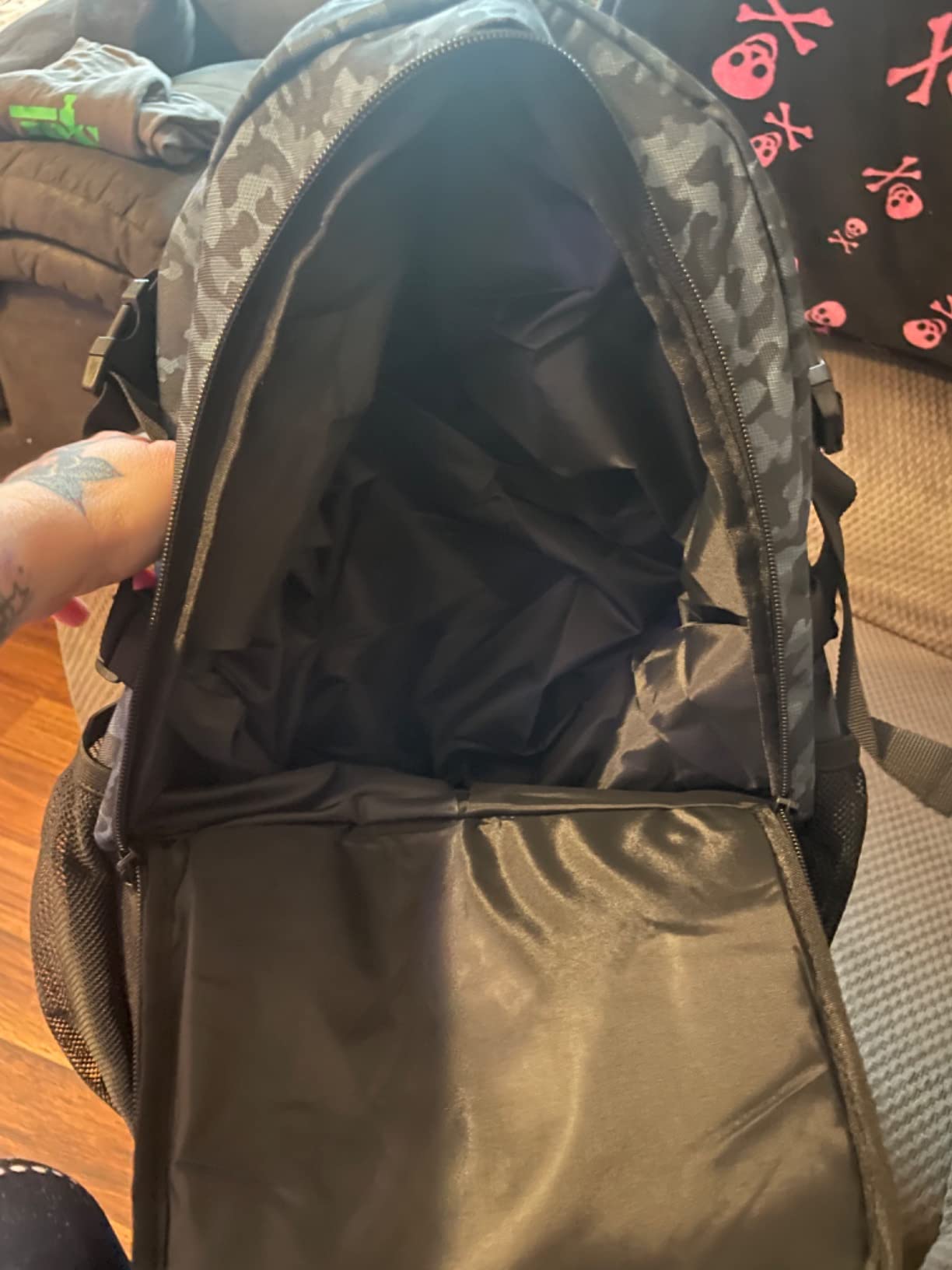
After six weeks, the zippers operated smoothly with no signs of failure. On days when I overpacked — trying to shove baseball cleats into a compartment sized for basketball shoes — I noticed stress marks forming at the zipper pull points. That’s the failure mode to watch.
One parent on our team reported a zipper failure at the eight-month mark with heavy daily use. The manufacturer replaced the bag without hassle, which matters — they stand behind it. But if you’re using this bag for daily high-intensity loading, the realistic lifespan is probably 8-12 months before something gives. For occasional to moderate multi-sport use, considerably longer.
Carrying Comfort — The Chest Strap Is More Than a Feature
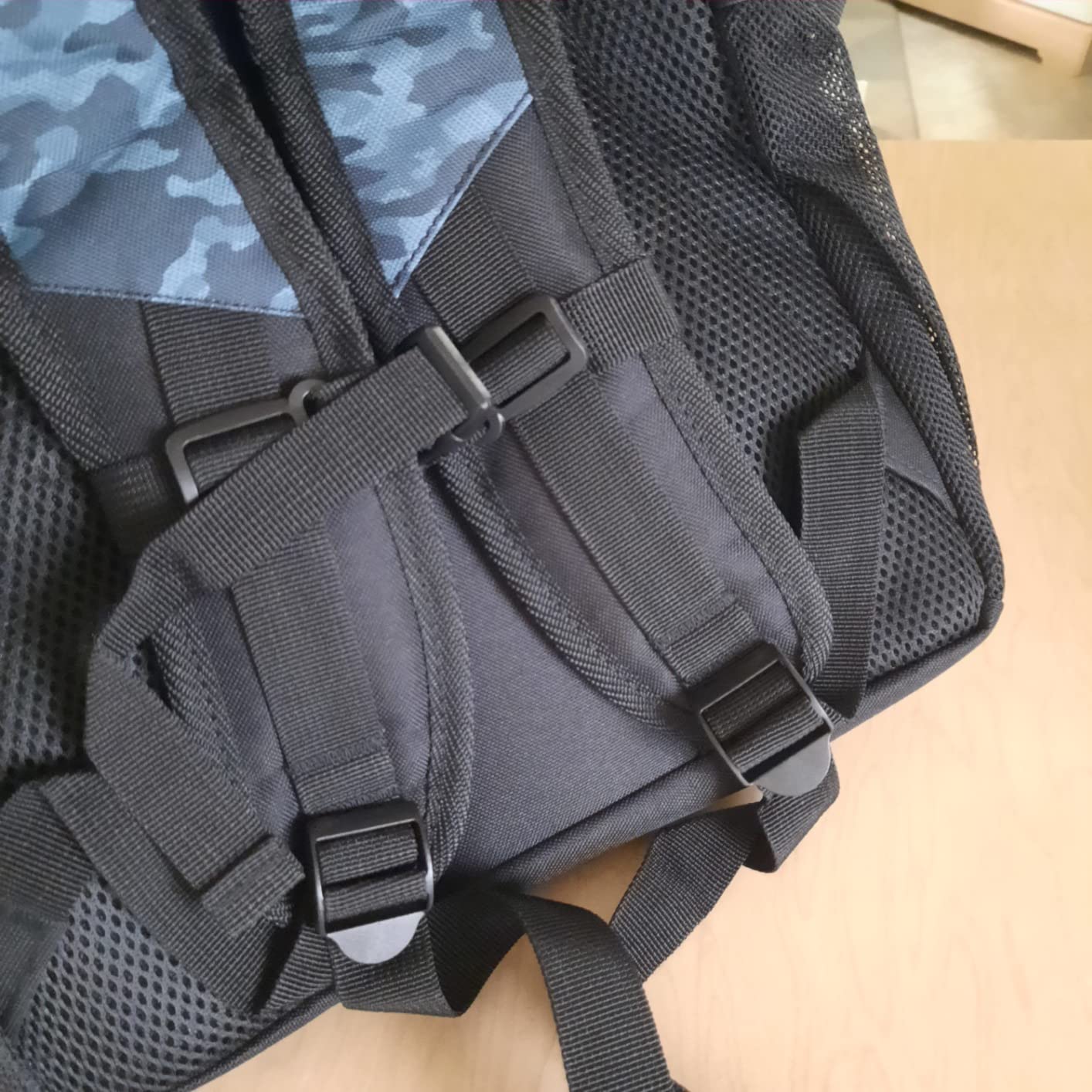
The padded shoulder straps do their job adequately for moderate loads. When the bag gets close to capacity — ball, shoes, full gear — that’s when the chest strap stops feeling optional. Fastening it brought the weight noticeably closer to center and eliminated the shoulder slide Jake had been complaining about with his old backpack. I hadn’t expected it to make such a practical difference.
The back panel has some ventilation padding that makes warm-weather outdoor sports more comfortable. It’s not revolutionary, but on a July soccer practice day it mattered. The bag isn’t lightweight when fully packed — physics being what they are — but the carry system distributes it reasonably well for the load.
Value at $35-45 — The Real Comparison
The Nike Elite basketball backpack runs around $100. Adidas alternatives sit in the $60-80 range. WOLT at $35-45 delivers 70-80% of that functionality for 35-40% of the Nike price, and for a youth athlete’s primary sports bag, that math holds up well.
Cost-per-month at a realistic 8-month moderate-use lifespan: roughly $5-6. For families managing multiple sports and the logistical chaos that comes with it, that’s a genuinely good deal. Two of the parents on our team bought them after seeing Jake’s, and neither one has complained.
Who overpays: adults with size 13+ shoes. The shoe compartment limitation means this bag doesn’t fully solve their problem, regardless of price. Spending $40 on something that frustrates you every practice isn’t value — it’s just cheap.
Who Should (and Shouldn’t) Buy This Bag
This Bag Works Well For
- Youth athletes from elementary through high school — the core audience, and it serves them excellently
- Multi-sport families running two or three different activities in the same day
- Adults with men’s size 10 or smaller who prioritize organization over maximum capacity
- Budget-conscious parents comparing against $100 Nike Elite or similar options
- Anyone who’s tired of digging through a single-compartment gym bag at 8 AM
Kids playing youth basketball with youth basketball shoes or mid-top youth sneakers will find the shoe compartment works exactly as advertised. The same goes for youth soccer players — kids’ soccer cleats in sizes 1-6 sit in there with room to spare.
Skip This Bag If
- You wear men’s size 13+ athletic shoes — the shoe compartment will frustrate you consistently
- You need a genuine school-plus-sports solution with textbook capacity
- You need true waterproofing for rainy-climate outdoor sports
- You carry multiple balls to practice regularly
Scoring Breakdown
| Category | Score | Notes |
|---|---|---|
| Organization & Design | 9.0/10 | Three-zone compartment logic genuinely solves the parking lot problem |
| Durability & Build | 7.5/10 | Fabric held up well; zippers are the watch point at 8-12 months heavy use |
| Comfort & Carry | 8.0/10 | Chest strap makes a real difference when loaded; not ultralight when full |
| Storage Capacity | 7.0/10 | Excellent for sports use; 60% consumed by ball+shoes leaves limited dual-purpose room |
| Value for Money | 8.5/10 | Strong at $35-45 compared to $100+ alternatives |
| Versatility | 8.0/10 | Excellent across basketball/soccer/volleyball; limited as school backpack |
| Overall | 8.0/10 | Focused sports organization solution with clear size-based limitations |
Frequently Asked Questions
Will men’s size 11 basketball shoes fit in the shoe compartment?
Technically yes, but with effort. A verified Amazon reviewer with size 11 basketball shoes described them as “a tight squeeze” and noted that hanging the shoes from the bag’s external hook was often more practical. If you’re right on the size 11 border, it’s workable. Size 12 is where it becomes genuinely awkward, and size 13+ is where I’d say the shoe compartment stops serving its purpose.
Can this bag double as a school backpack?
Not comfortably, once sports gear fills the specialized compartments. With a basketball and shoes loaded, the main compartment holds a clothing change, a 13-inch tablet, water bottle, and small items — not a full textbook load. If you’re looking for a school-and-sports bag, a larger traditional backpack with an external ball net would serve better.
Is it actually waterproof?
Water-resistant is the more accurate description. The Oxford fabric material repels light rain and splashes effectively. In heavy rain, moisture penetrates through the zipper points. Don’t rely on it to keep electronics dry in a real downpour, but for typical outdoor sports weather it handles rain fine.
How long do the zippers typically last?
Under moderate use — a few practices a week, packed within the intended capacity — they should hold up well past a year. Under heavy daily use, especially if regularly overpacking or forcing oversized items in, expect potential issues around the 8-12 month mark. The manufacturer has replaced failed zippers without hassle in reported cases.
Does the chest strap actually help?
More than you’d expect. With a light load it feels optional. With a full load — ball, shoes, clothing, gear — the chest strap meaningfully reduces shoulder slide and distributes weight better. Worth fastening when the bag is close to capacity.
Can it fit two balls at once?
The ball compartment is designed for one standard ball. A small secondary ball might physically fit alongside it, but it stresses the compartment zipper and compresses the main bag shape. Not recommended for regular use with multiple balls.
Is it suitable for air travel?
Yes, it fits standard carry-on size requirements. The organizational structure actually makes it useful for travel — compartments keep gear from shifting during transit, and the exterior water bottle pockets are easy to access at security. One Amazon reviewer specifically mentioned travel use with success.
How does it compare to the Nike Elite basketball backpack?
The Nike Elite runs around $100 and generally offers larger compartments, a more robust zipper system, and better long-term durability. The WOLT at $35-45 delivers 70-80% of that functionality at 35-40% of the price, making it an excellent choice for youth athletes and budget-conscious families. If durability over several years matters more than upfront cost, the Nike Elite investment makes sense. For families where the athlete will outgrow the shoe size range in a year or two anyway, the WOLT’s value is hard to argue with.
What sports does it work best for?
Basketball is the obvious primary use, but soccer fits equally well — a size 7 soccer ball in the front compartment, cleats in the shoe section, and shin guards plus clothing in the main area. Volleyball is confirmed. Baseball works with some creative packing of gloves and batting gloves in the main compartment. Football (the shaped ball) creates an awkward profile in the round ball compartment. Swimming gear doesn’t fit the compartment design well at all.
Review Scoring Summary
| Category | Score (1-10) | Weight | Weighted Score |
|---|---|---|---|
| Organization & Design | 9.0 | 25% | 2.25 |
| Durability & Build Quality | 7.5 | 20% | 1.50 |
| Comfort & Carry | 8.0 | 20% | 1.60 |
| Storage Capacity | 7.0 | 15% | 1.05 |
| Value for Money | 8.5 | 15% | 1.28 |
| Versatility | 8.0 | 5% | 0.40 |
| FINAL SCORE | 8.0/10 | 8.08/10 | |
Be the first to review “WOLT Basketball Backpack Large Sports Bag”
Related products
Accessories
Accessories
Accessories

Accessories
Accessories
Accessories
Reviews
There are no reviews yet.