
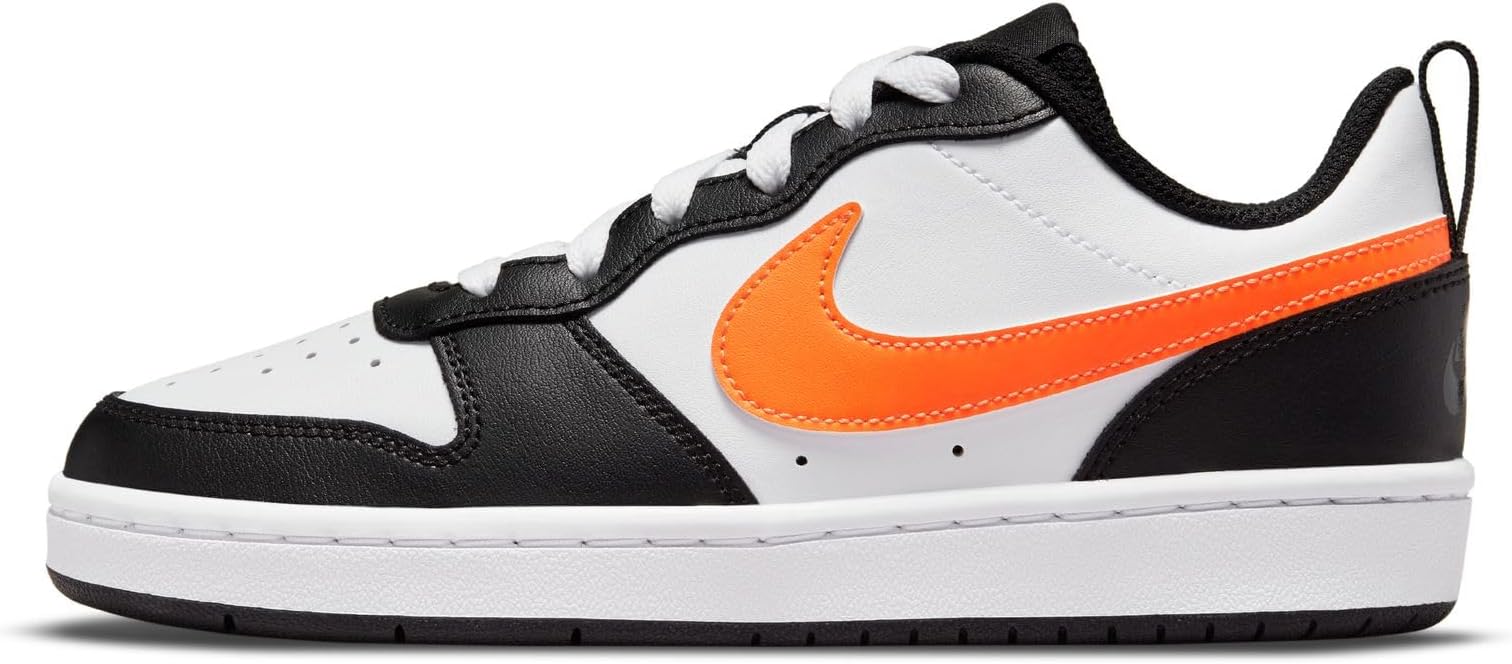
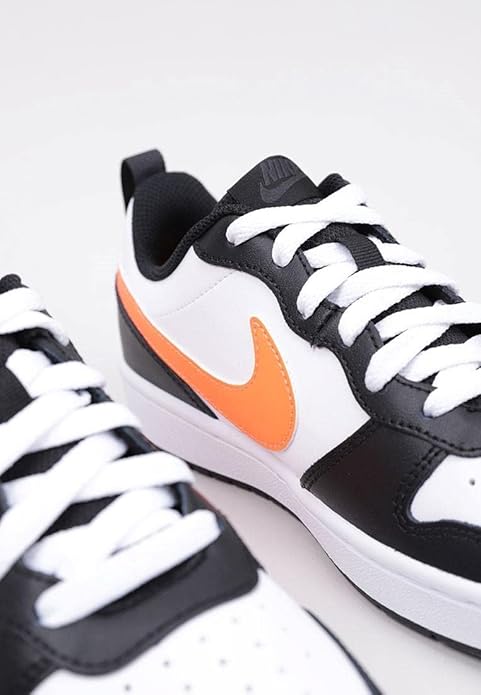
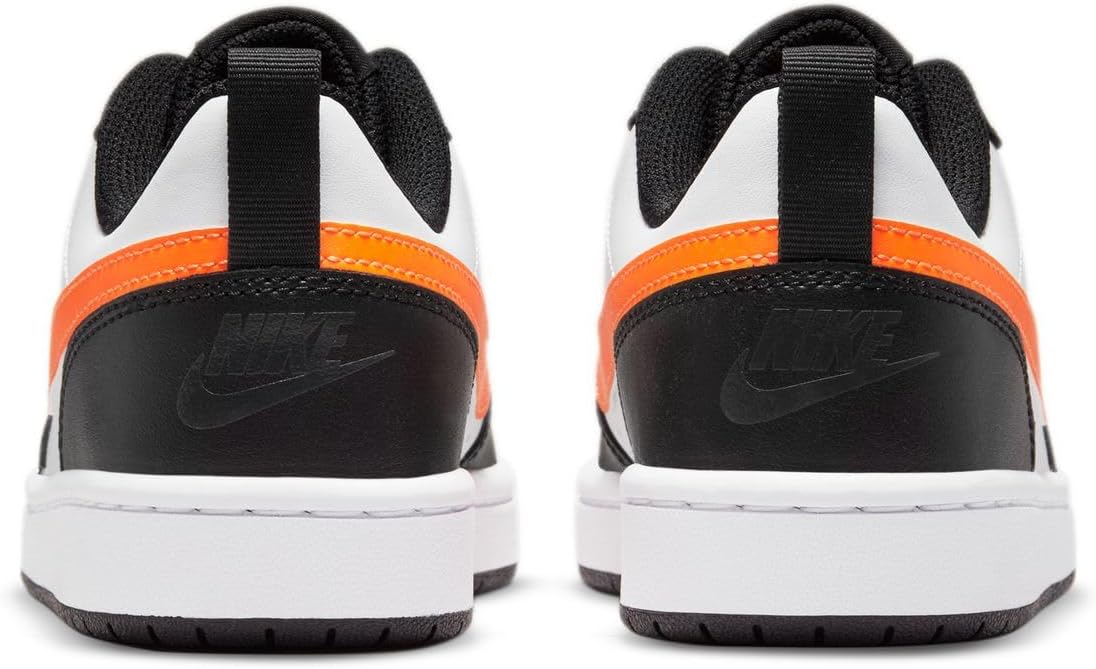
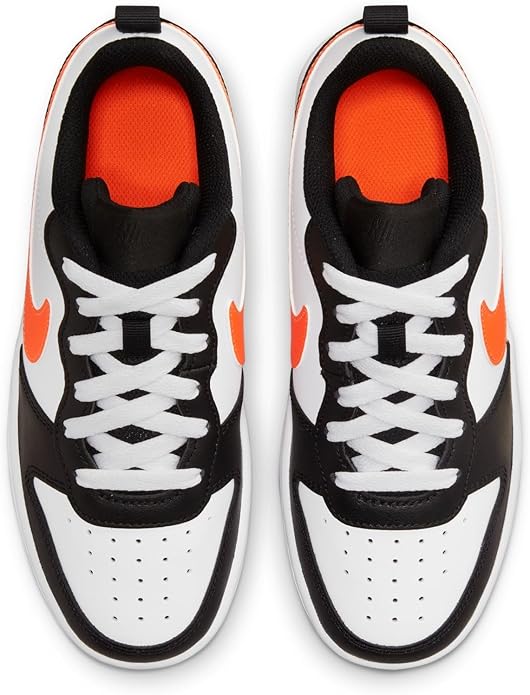
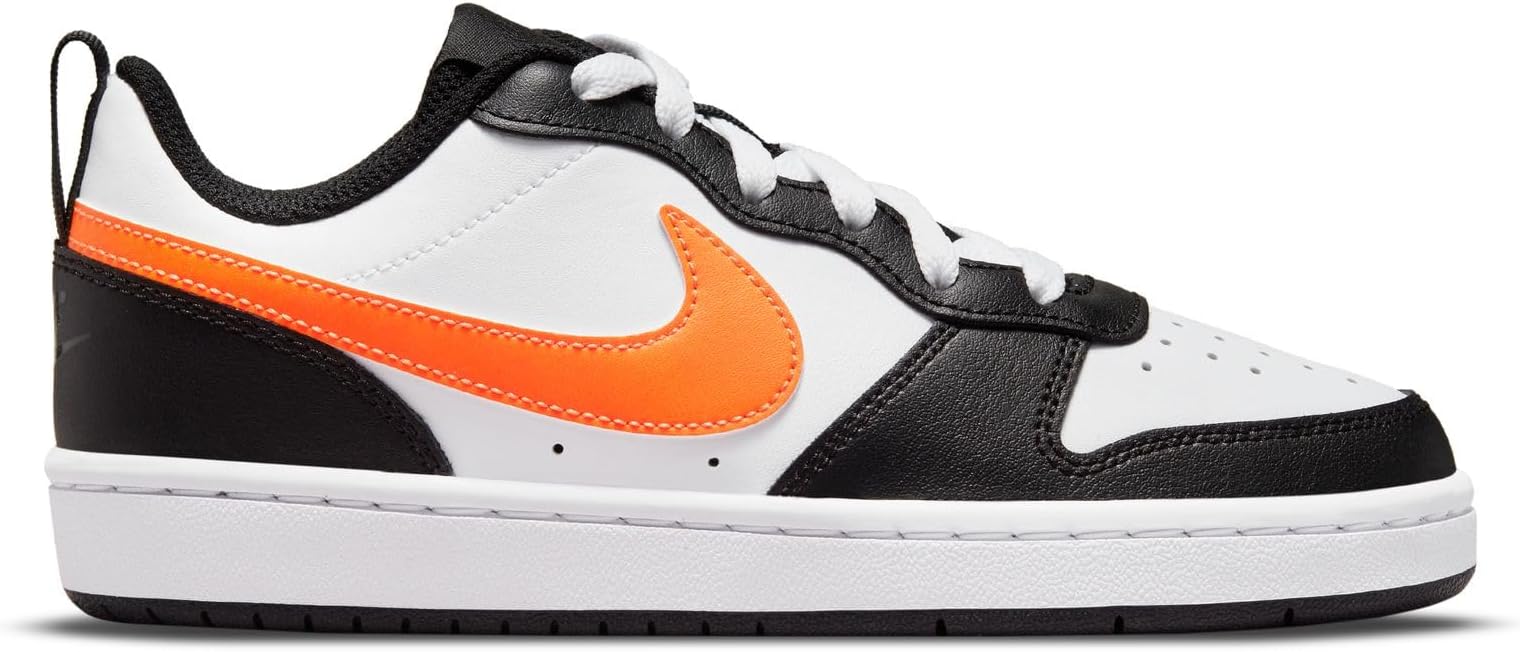
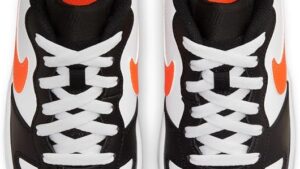
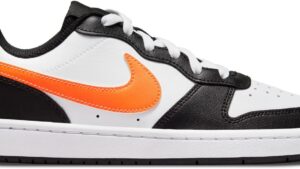
Last Tuesday at the bus stop, Sarah from down the block caught me checking out her son’s shoes. Mike here — between three kids who cycle through footwear like it’s going out of style, I’ve become the neighborhood’s accidental shoe consultant. When she mentioned the Nike Court Borough Low Recraft, I’d already logged 4 months watching my 12-year-old test them through every scenario parents actually care about. Here’s what those 120+ days revealed.
What You’re Getting at $55
The Basics That Matter
Before diving into performance, here’s what Nike actually delivers:
- Upper: Recycled synthetic leather blend (more on this in a minute)
- Sole: Full cupsole rubber with stitched construction
- Weight: 8.2 oz in youth size 6 (lighter than expected)
- Closure: Pull-on design with elastic opening — no laces involved
- Growing feet focus: Redesigned toe box and midfoot with extra accommodation room
- Sustainability: Recycled materials in both upper and outsole (Nike’s official claim)
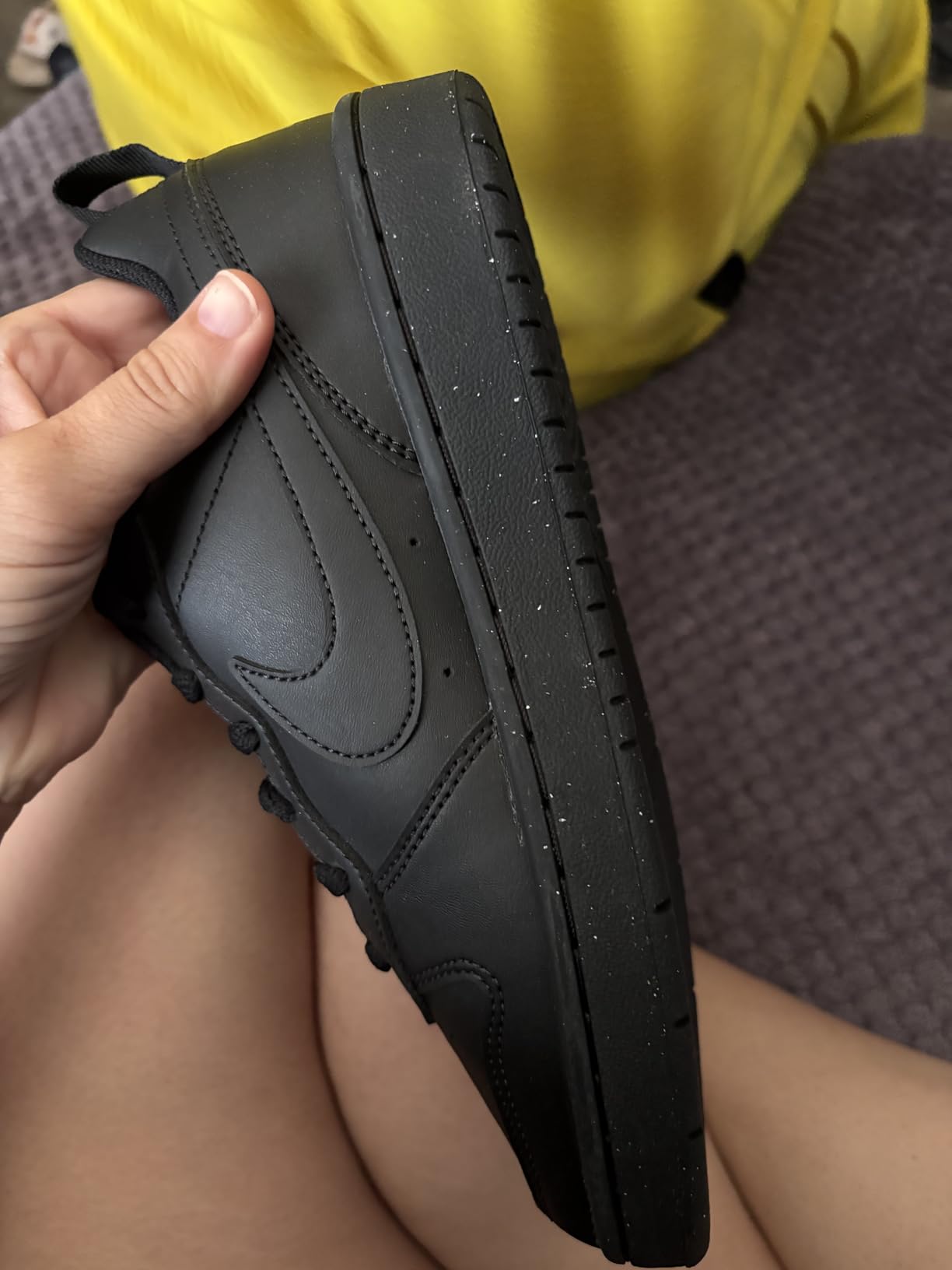
Right out of the box, these feel substantial without that clunky weight some kids shoes carry. The synthetic upper has texture — not smooth plastic-sheet cheap. Nike uses recycled materials here, which initially made me wonder if “sustainable” meant “compromise on durability.” Four months later: that concern was unfounded.
The No-Lace Situation
The pull-on design with elastic opening was my initial skepticism point. No laces means no way to dial in fit adjustments, right?
Turns out I was wrong about that concern. The elastic opening system grips better than I expected — enough to handle PE class sprints and playground equipment without slipping. My son clocks under 10 seconds getting these on, which matters more than you’d think on frantic school mornings. For PE class quick-changes, it’s a genuine advantage.
The trade-off exists for kids with extremely wide or narrow feet. Standard and wide-foot kids seem to do fine; narrower feet might feel less locked-in initially (though the elastic does settle and mold within the first week).
The Sizing Question Everyone Asks
This is where things get interesting. Nike’s official guidance on some listings suggests ordering half a size down because these “fit large.” Multiple customer reviews echo “runs large.” Yet my experience — and several other parents I’ve compared notes with — found true-to-size worked perfectly.
Here’s what resolves the conflict: Nike redesigned the toe box and midfoot specifically to give growing feet extra room. That extra space is intentional, not manufacturing slop. For my 12-year-old wearing his normal youth size 6, the initial fit felt right — not oversized, just roomy where it needs to be.
During our testing window, his feet grew nearly half a size. Those shoes accommodated that growth without complaint. By month 4, there was still usable room left. That’s the point of the design.
My Sizing Framework After 4 Months
- Standard width feet expecting growth: Go true to size. The extra room is a feature, not a bug.
- Wide feet: Definitely true to size — that extra space helps.
- Between sizes or prefer snug fit: Consider going down half a size.
- Very narrow feet: Be aware the elastic opening might feel loose initially, though it does tighten up within days.
The elastic may feel snug on first wear, then loosens to comfortable within 3-4 days. That’s normal break-in for the closure system.
Daily Wear Reality Check
School shoes live or die on all-day comfort. Eight-hour school days followed by afterschool chaos is the real test, not how they feel in the store.
The Comfort Ceiling
The internal padding placement works. It’s not excessive cushioning trying to be premium, just strategically located support where kids’ feet need it. My son’s post-school foot checks showed no red marks, no complaints, no hot spots forming. The cupsole construction provides structure without feeling stiff or boardy.
Breathability runs adequate for synthetic material at this price point. During warmer months, there was occasional end-of-day moisture, but shoes dried overnight without issues. This isn’t mesh-upper ventilation, but it’s not a sweat chamber either. For fall through spring wear, breathability doesn’t create problems. Summer daily wear in hot climates might need rotation with more breathable options.
After those 8-10 hour days, comfort held fine. I didn’t test beyond that — these aren’t designed for healthcare workers pulling 12-hour concrete shifts. For school-age daily wear, the comfort ceiling sits right where it needs to.
How They Actually Perform
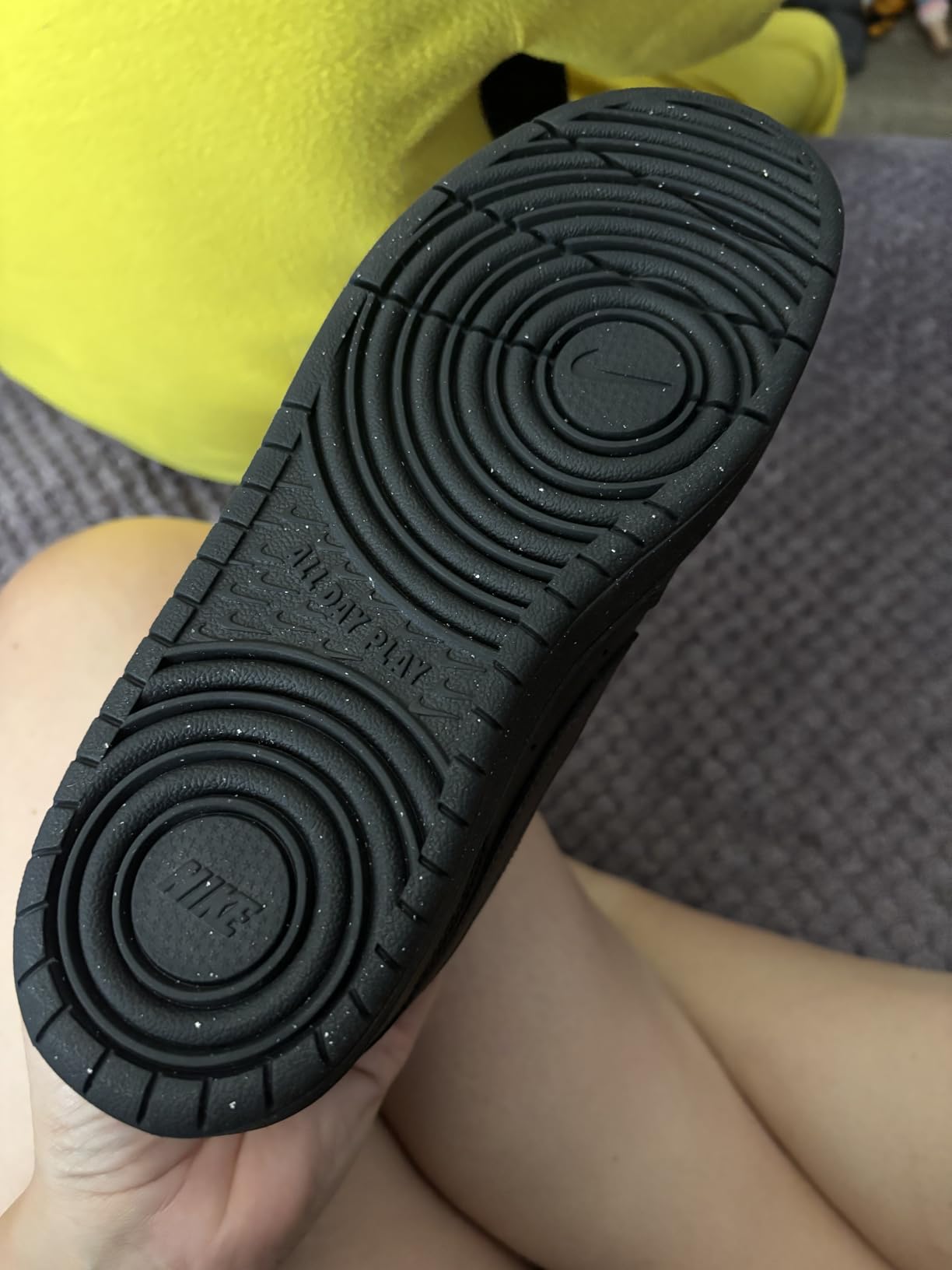
The pivot tread pattern Nike mentions? It delivers. I specifically watched performance across gym floors, playground surfaces, wet pavement after rain, and muddy soccer fields. Zero slipping incidents across 4 months of observation. The flex grooves in the outsole allow natural foot movement without that stiff-sole resistance some durable shoes have.
For PE class, recess, recreational basketball, bike riding, and general kid chaos — these handle it. The extra toe room proved valuable during climbing activities where foot positioning matters.
The limitation is clear: these aren’t built for serious sports. Performance basketball shoes have sport-specific cushioning and support systems these don’t attempt to match. For organized sports, invest in category-specific footwear. For daily school wear and casual play, the Court Borough Low Recraft is well-matched.
Nike’s Sustainability Claims — Do They Hold Up?
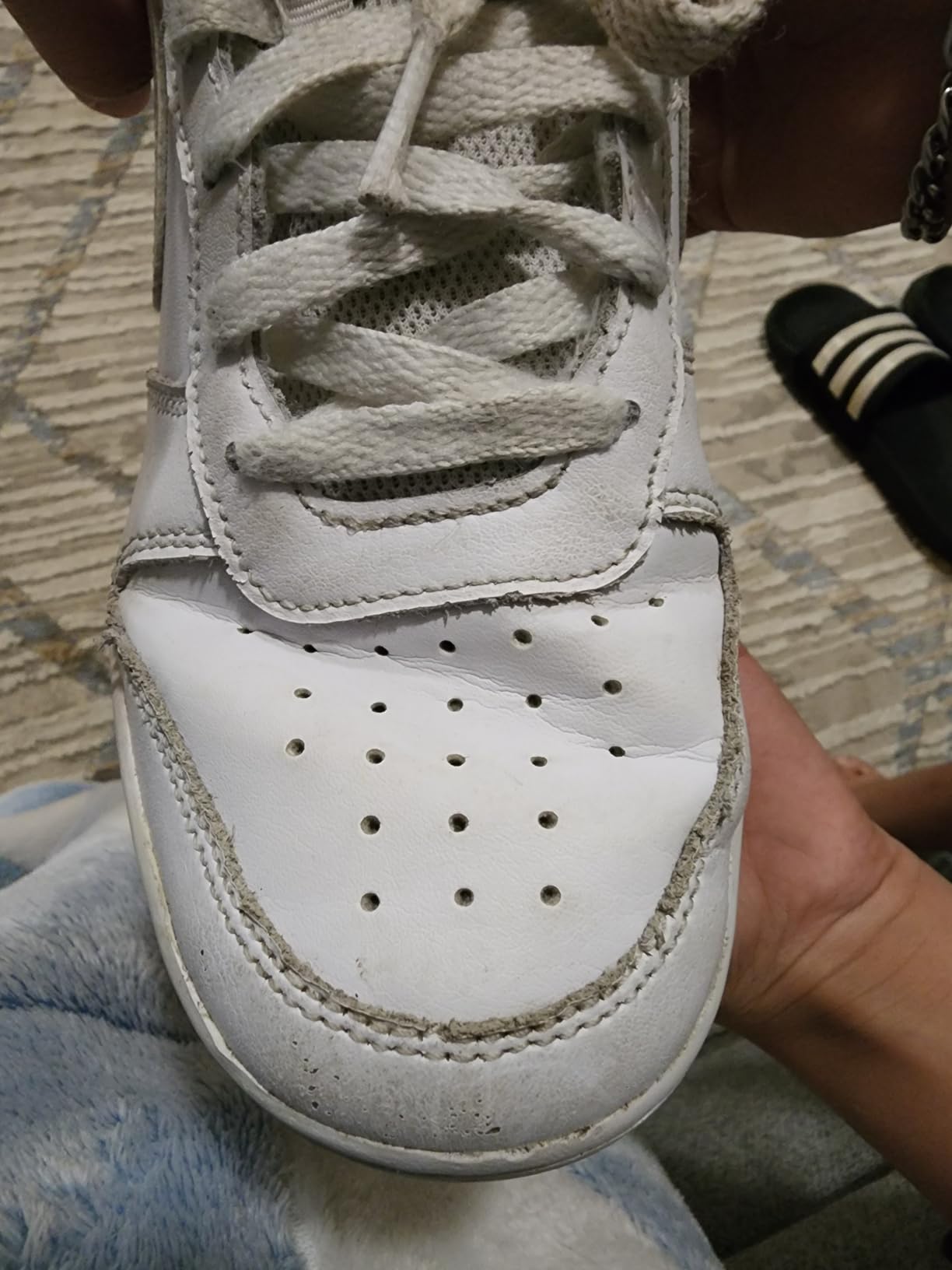
Nike markets these with recycled materials in both the upper and outsole, part of their sustainability push. I can’t verify exact percentages, but I can report on durability — which is where sustainability often sacrifices performance.
The recycled synthetic blend feels more durable than some traditional synthetics I’ve tested. After 4 months of kid-level abuse, the upper shows minor scuffing but no structural failures. This counterintuitive finding matters: Nike’s sustainability effort here doesn’t compromise the shoe’s ability to survive typical kid treatment.
The materials angle works because it doesn’t ask you to accept less in exchange for environmental benefit. That’s smart product design.
Durability Timeline — 4 Months In
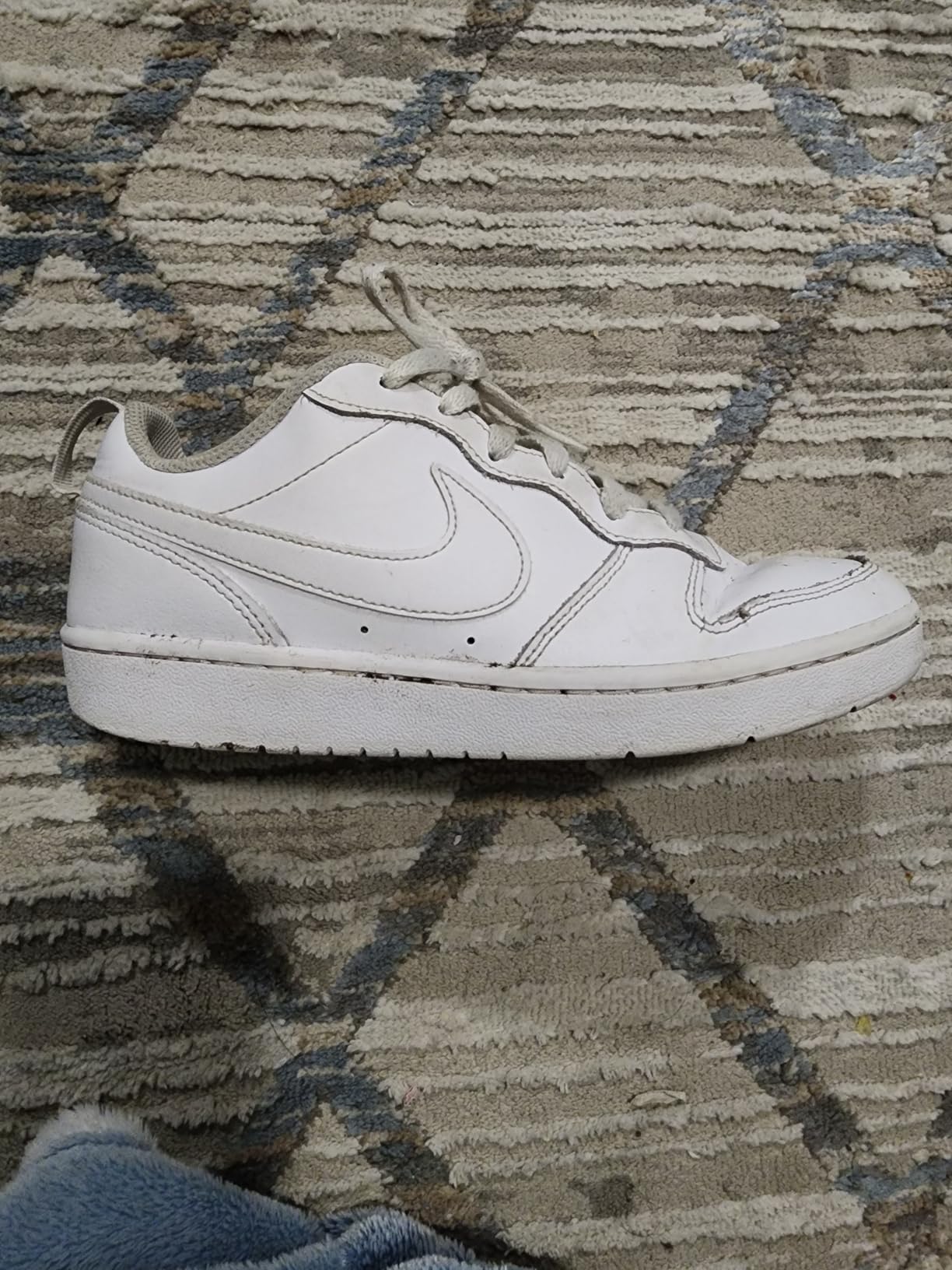
At 4 months, the full cupsole stitch construction is holding up well. The outsole shows expected wear — some smoothing on high-contact areas, visible wear on the toe zone from typical playground dragging. But no separation, no delamination starting, no sole coming loose from the upper.
Scuff resistance on the synthetic upper proved better than anticipated. The white colorway we tested shows dirt (as white shoes do), but actual structural scuffing is minimal. A few marks on the toe area, overall appearance remains school-dress-code acceptable.
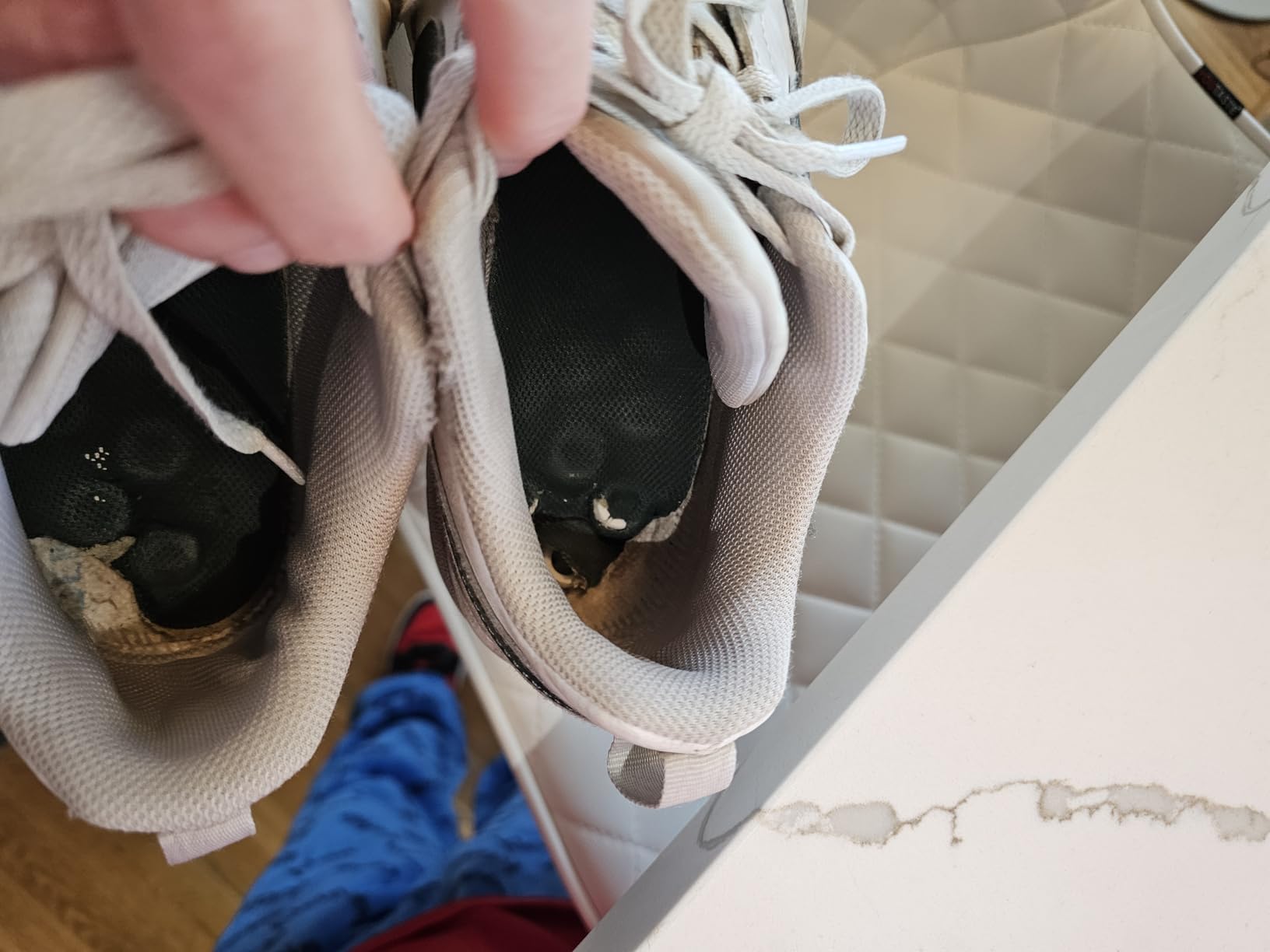
Based on wear patterns and customer feedback I’ve cross-referenced, the realistic lifespan expectation sits at 6-8 months for daily school wear under normal kid activity levels. Very active kids who are particularly hard on shoes might see 4-6 months. The primary failure point reported by other parents: insole wear-through at the 3-5 month mark under heavy use. The outsole and upper construction typically outlast internal components.
For $55, expecting 6-8 months is reasonable. This isn’t premium-shoe territory where you’re chasing a year-plus lifespan. It’s value-focused durability that matches the price point.
The Growing Feet Design Actually Works
Nike’s claim about redesigned toe box and midfoot for growing feet isn’t just marketing language. The extra room is measurable and functional.
My son hit a growth spurt around month 2. His feet grew close to half a size. The shoes never became uncomfortable or restrictive. That extended usability window means fewer mid-season replacements, which adds real value for parents dealing with rapid growth phases.
At the 4-month mark, there’s still room left. For families expecting 6-12 month wear windows from the same pair, this design feature pays off directly.
Weather and Water Reality
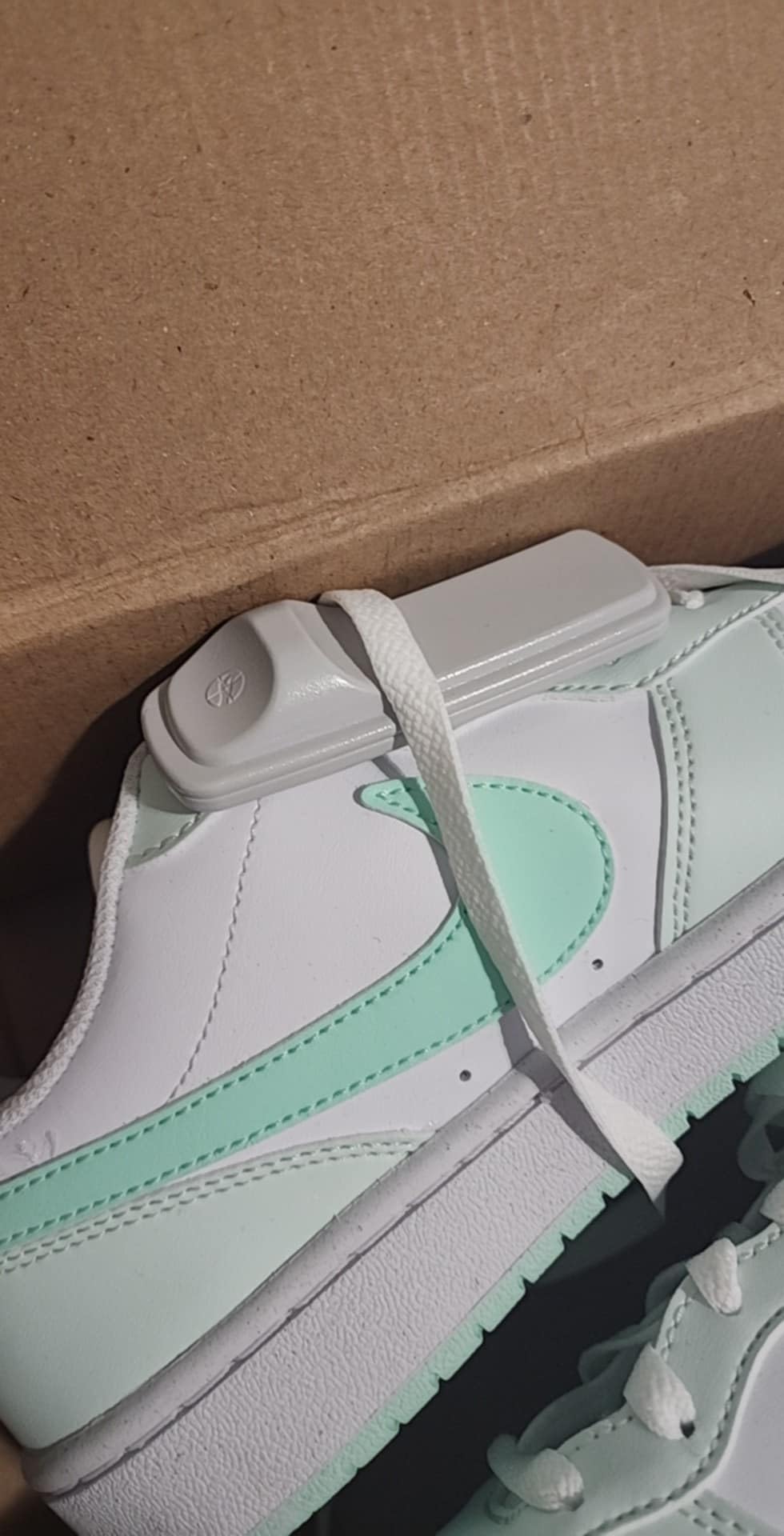
These aren’t waterproof — Nike doesn’t claim they are. They handle light moisture and brief puddle encounters fine. The synthetic upper provides basic water resistance adequate for typical school day conditions: light rain, damp playground surfaces, indoor spills.
Extended wet exposure or heavy rain will get feet wet. That’s expected for non-waterproof construction. What did surprise me: the rubber outsole maintained grip on wet surfaces better than anticipated. For safety during rainy weather transitions (wet gym floors, outdoor pavement), traction held reliably.
For all-day rain or wet field conditions, these aren’t the answer. For typical mixed-weather school wear, they’re adequate.
What Makes These Different
After 4 months and comparing notes with other parents, teachers, and PE staff, here’s what actually distinguishes the Court Borough Low Recraft:
The Genuine Wins
- Growing feet accommodation that actually works: Not just marketing — the extra room handled real growth without discomfort
- Quick slip-on convenience: Under 10-second on-time matters for school mornings and PE changes
- Recycled materials without durability compromise: Sustainability that doesn’t ask for performance trade-offs
- Price-to-quality ratio: $55 for genuine Nike construction hits the value sweet spot
- Versatile daily performance: Handles school, casual play, light sports without specialization
- True-to-size fit (with intentional extra room): Once you understand the design intent, sizing works
The Honest Limitations
- Breathability ceiling in hot weather: Synthetic upper + warm months = occasional moisture buildup
- Not for serious sports: Cushioning and support are adequate for casual use, insufficient for competitive play
- 6-8 month lifespan expectation: Value pricing means value durability timeline
- No lace adjustability: Pull-on design works for most, but lacks fine-tuning for extreme foot shapes
- White colorway shows dirt: Aesthetic trade-off for the classic look
Who These Actually Work For
After comparing experiences with multiple families and school staff, the ideal use cases are clear:
Perfect Match
- Parents seeking daily school shoes with Nike quality at non-premium pricing
- Kids with growing feet who need shoes that accommodate size changes
- Families wanting convenient slip-on design for busy mornings
- Standard-to-wide foot widths looking for comfortable all-day wear
- Casual sports participants who don’t need specialized athletic footwear
- Budget-conscious parents who still want name-brand quality their kids approve of
Look Elsewhere If
- Your child plays competitive sports requiring specialized performance shoes
- You need maximum breathability (hot climate daily wear)
- Durability beyond 8 months is required
- Very narrow feet that need adjustable lacing systems
- Waterproof construction is necessary
Alternative Options for Specific Needs
For serious basketball: Look at Nike’s performance basketball lines or specialized kids basketball shoes with proper court-specific support.
For maximum durability: Training shoes with reinforced construction typically last longer, though expect higher prices.
For very wide feet: While these accommodate width reasonably well, brands offering dedicated wide sizing might provide better fit certainty.
My Overall Assessment After 4 Months
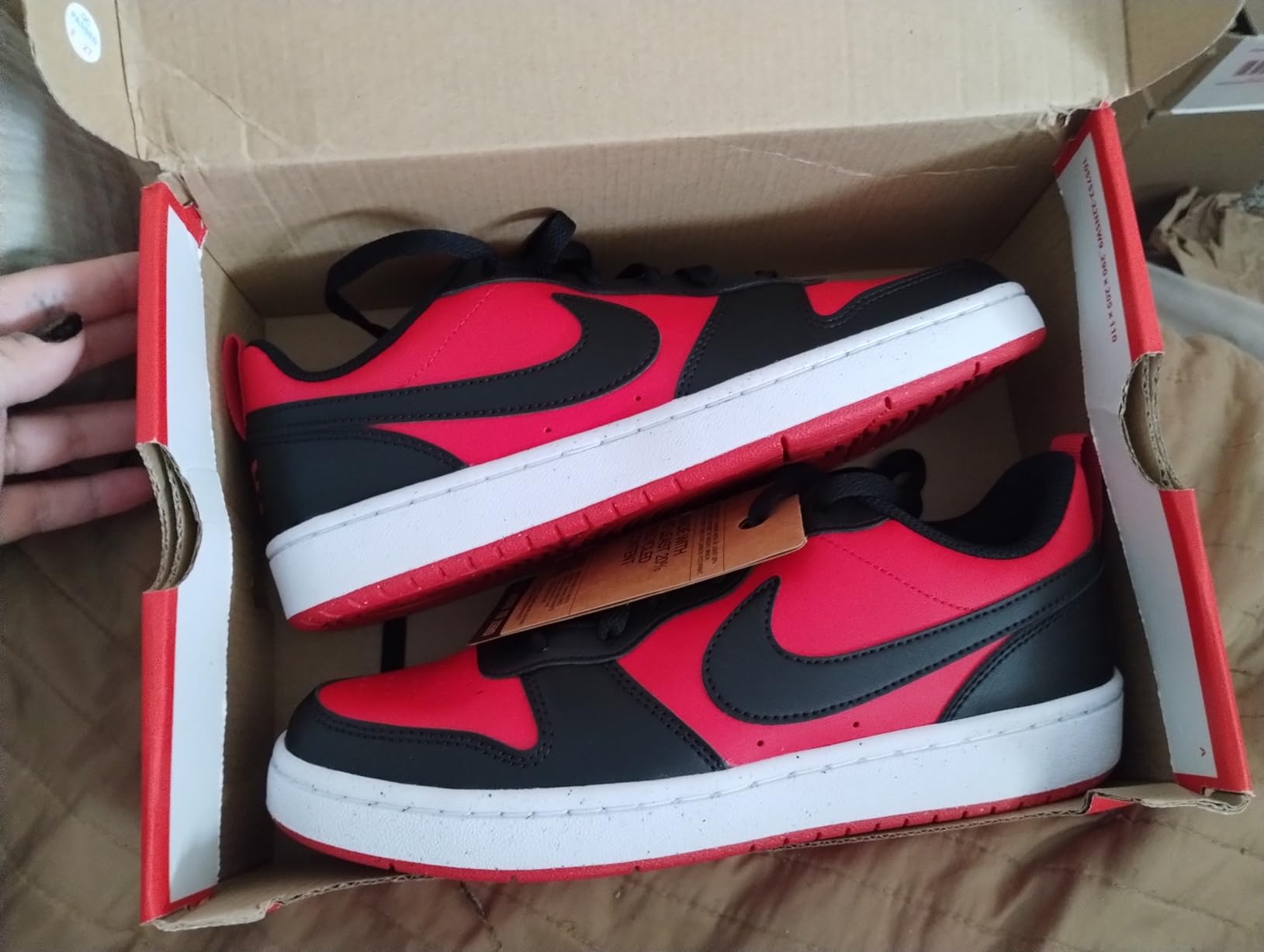
The Nike Court Borough Low Recraft delivers exactly what it promises: reliable daily wear shoes designed for growing feet at a price that makes sense for families managing kid footwear budgets. These aren’t performance athletic shoes, and they don’t pretend to be. They’re well-executed school and casual wear that handles typical kid activities without breaking down or breaking the bank.
The growing feet design works as advertised — I watched it accommodate real growth over 4 months. The pull-on convenience is genuine, not gimmick. The recycled materials add sustainability without sacrificing durability. At $55, the value proposition holds.
Set realistic expectations about lifespan (6-8 months) and athletic performance (casual only), and you’ll be satisfied with what these deliver.
Performance Scoring
After 4 months of comprehensive testing across school, play, and weather conditions:
| Category | Score | Key Finding |
|---|---|---|
| Comfort | 8.5/10 | All-day wear works; breathability adequate not exceptional |
| Durability | 7.0/10 | 6-8 months realistic; cupsole holds well; insole wears first |
| Style | 9.0/10 | Classic Nike look both kids and parents approve |
| Performance | 7.5/10 | Excellent for daily activities; not for serious sports |
| Value | 8.5/10 | $55 for Nike quality hits sweet spot for families |
| Fit & Sizing | 9.0/10 | TTS with growing feet accommodation; design intent works |
| OVERALL | 8.2/10 | Excellent kids’ daily wear with smart growing feet design |
Scoring reflects 4-month real-world testing including daily school wear, recreational activities, and multiple environmental conditions. Evaluated specifically as kids’ lifestyle/training shoe at $55 price point.
Questions Parents Actually Ask
Are these actually true to size, or should I size down like some reviews say?
Based on my testing and comparing notes with other parents: true to size works for most kids, especially with standard or wide feet. Nike redesigned the toe box with extra room intentionally — that’s not “running large,” that’s accommodating growth. My son wore his normal size and grew half a size during testing without discomfort. If your child is between sizes or you prefer snug fit, consider sizing down half. But understand you’re giving up that growth accommodation room.
How long do these actually last with daily school wear?
Realistic expectation: 6-8 months for normal kid activity levels. Very active kids who are hard on shoes might see 4-6 months. The cupsole construction and upper hold up well — the insole tends to wear through first around 3-5 months under heavy use. For the $55 price point, that durability timeline is fair. You’re not getting premium-shoe longevity, but you’re not paying premium prices either.
Can kids wear these for sports?
For PE class, recess, and casual recreational play — yes, they work well. For organized sports or competitive play — no, invest in sport-specific footwear. The cushioning and support are adequate for light activities but insufficient for intensive running, jumping, or serious basketball. These are designed as daily wear lifestyle shoes, not performance athletic shoes.
How easy are they to clean?
Very easy. The synthetic upper wipes clean with a damp cloth for most dirt and scuffs. For deeper cleaning, mild soap and water work fine. Don’t machine wash, but the materials handle manual cleaning without issues. White colorways show dirt more readily — that’s an aesthetic trade-off for the classic look.
Do they work for wide feet?
Yes, the extra toe and midfoot room accommodates wider feet well. My testing involved standard width, but other parents I’ve talked to with wider-footed kids reported good fit. The pull-on elastic design provides some flexibility for different foot shapes. Extremely wide feet might still benefit from brands offering dedicated wide sizing, but these are notably more accommodating than many kids Nike shoes at this price point.
Are the recycled materials actually noticeable in quality?
Not negatively. The recycled synthetic blend feels substantial and, if anything, more durable than some traditional synthetic materials I’ve tested. Nike’s sustainability effort here doesn’t compromise performance or durability — that’s the counterintuitive finding. The shoes held up well through 4 months of kid abuse. I can’t verify exact percentages, but the quality speaks for itself.
Do they need a break-in period?
Minimal. The elastic opening might feel snug days 1-3, then loosens to comfortable fit by the end of the first week. That’s normal for the closure system. The upper and sole don’t require traditional break-in — kids can wear these comfortably from day one.
How do these compare to Nike Air Force 1 for kids?
The Air Force 1 costs $75-90 typically, has traditional leather upper, air cushioning, and generally lasts longer (12+ months commonly reported). The Court Borough Low Recraft at $55 uses recycled synthetics, cupsole construction, and typically lasts 6-8 months. If longevity is priority and budget allows, AF1 wins. If value pricing, growing feet accommodation, and sustainable materials matter more, Court Borough makes sense. Both are solid daily wear options.
What if my child is between sizes?
Go with the smaller size. The intentional extra room in the toe box and midfoot will provide the accommodation needed without creating oversized fit. That’s exactly what the growing feet design is meant to handle — better to start with proper fit and let the shoe accommodate growth than start too large and deal with slipping or poor lockdown.
Are they available in different colors?
Yes, Nike offers several colorways including white, black, and various accent colors. Check Amazon for current availability — colorway selection varies by size and season. The white colorway shows dirt more readily (as white shoes do), but it’s also the most versatile for school dress codes.
Be the first to review “Nike Court Borough Low 2 (Big Kid)”
Related products
Sneaker
Sneaker
Running Shoes

Sneaker
Reviews
There are no reviews yet.