
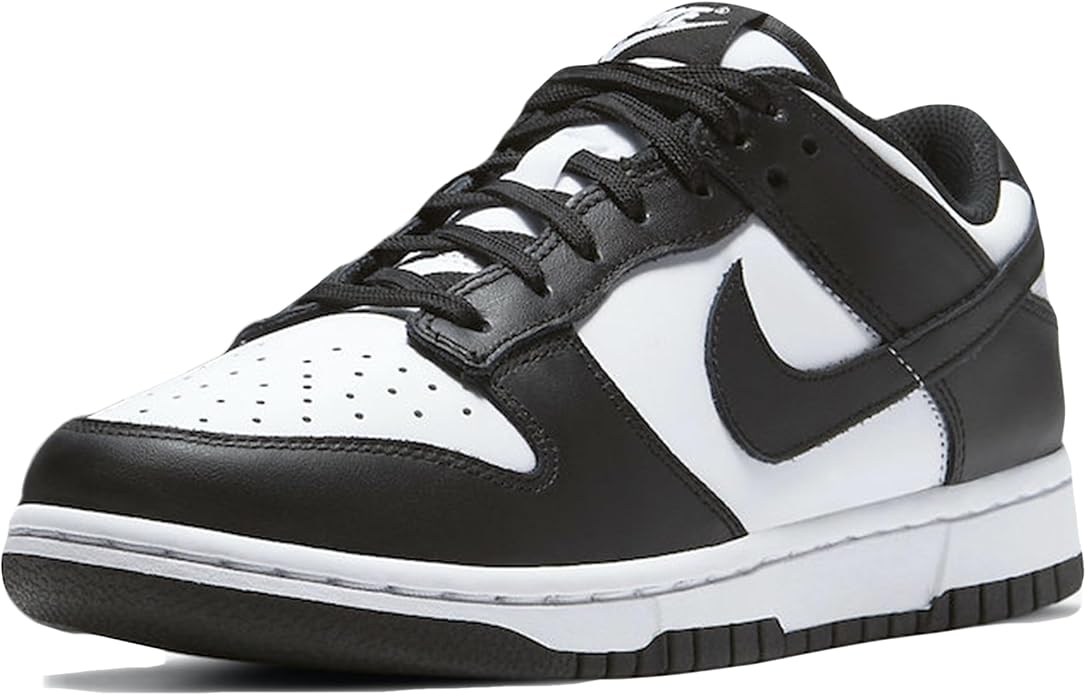
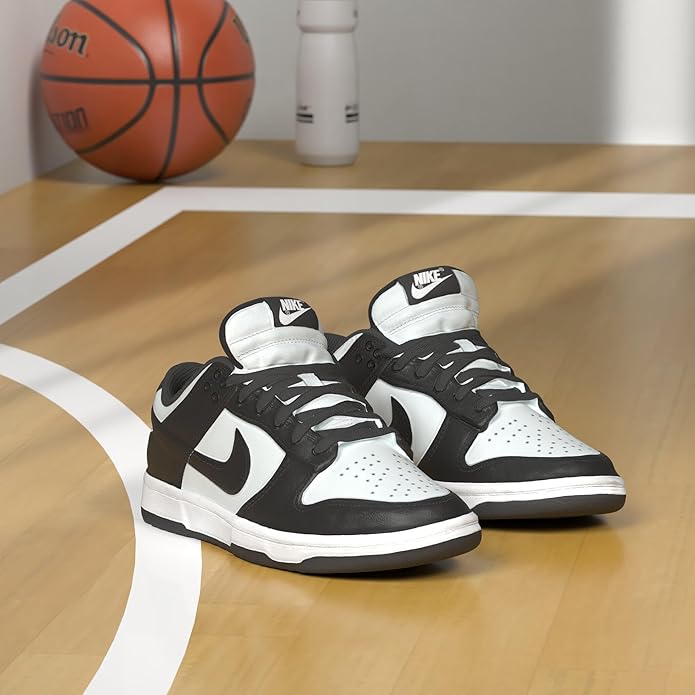
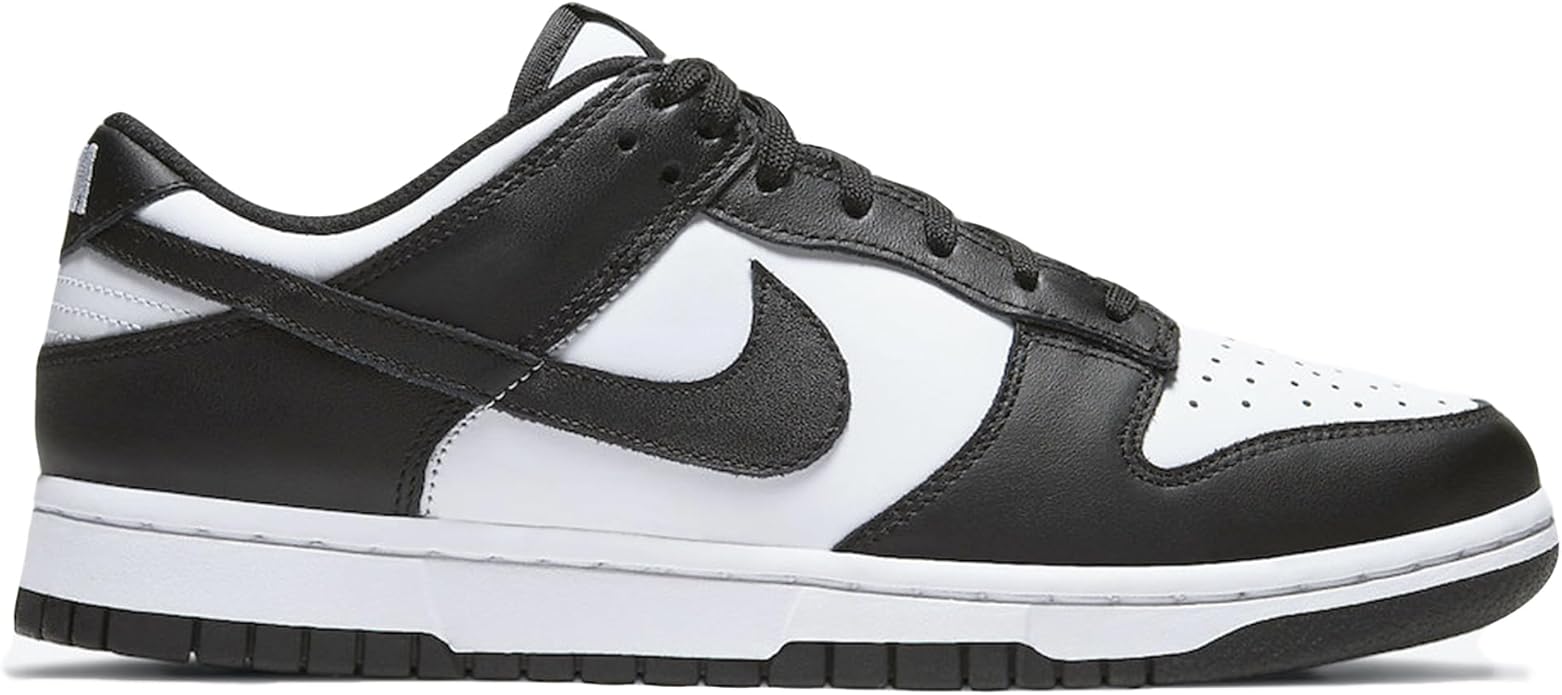
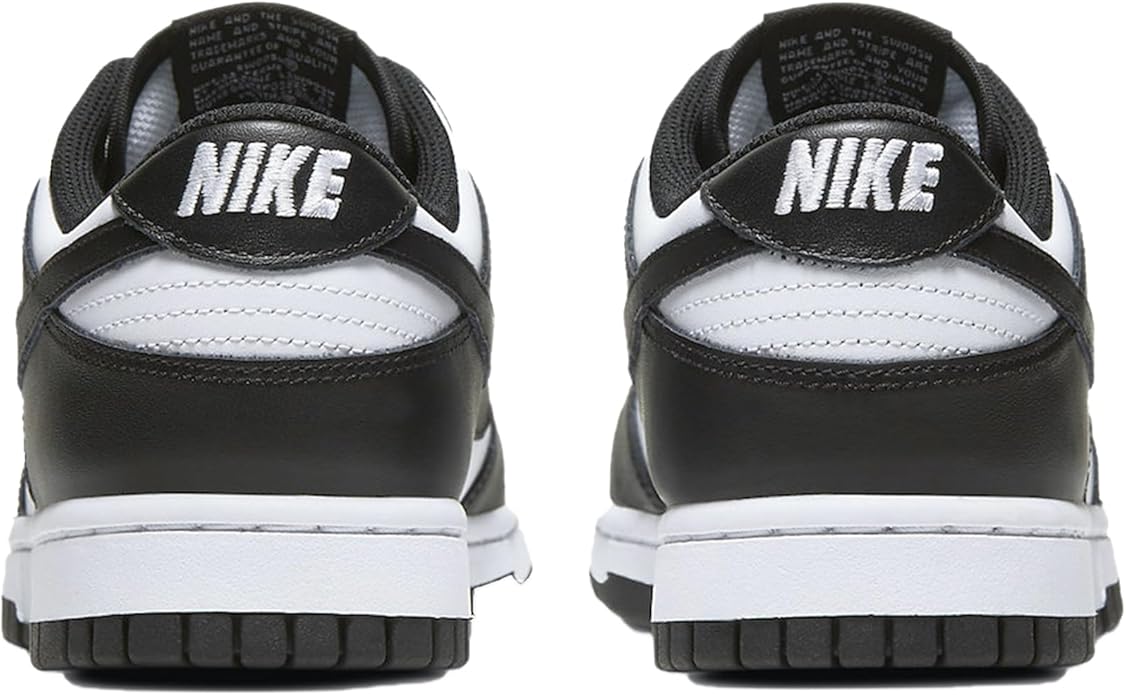
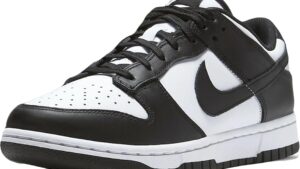
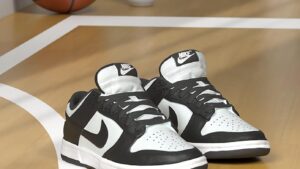
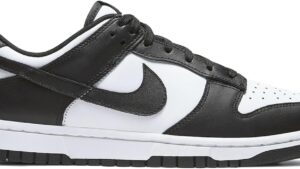
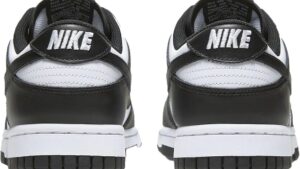
I’ll be honest: I came into this test ready to be underwhelmed. The Nike Dunk Low has been everywhere for years — on every Instagram feed, every “best sneakers of the year” list — and that kind of saturation usually signals a product that’s coasting on nostalgia. Mike here, and I’ve burned through more than a few lifestyle sneakers that looked great in photos but fell apart the second they met real concrete. So when I spent six weeks putting the Dunk Low through daily urban wear — 40+ sessions from grocery runs to kid’s sporting events — I was looking for reasons the hype might be overblown. What I found was more nuanced than I expected.
The 1985 Basketball Shoe That Never Went Out of Style
The Nike Dunk started life in 1985 as a basketball shoe — part of the “Be True to Your School” campaign, designed with university color schemes so college players could rep their schools on the court. It was a functional piece of performance footwear, never intended to last beyond its era.
What happened next tells you something about how enduring good design can be. Skateboarders adopted the silhouette in the late 1990s, drawn to the flat, stable sole and durable build. By the early 2000s, the Dunk had transcended basketball and skateboarding entirely and settled into its current identity: a lifestyle sneaker with legitimate court DNA. Nike has leaned into retro rereleases ever since, dropping hundreds of colorways and collaborations.
Understanding this matters for the review ahead. The modern Dunk Low isn’t pretending to be a performance shoe — it’s built for daily wear, cultural cachet, and style versatility. Judging it against those criteria makes it a very different shoe than if you expected it to compete with modern runners or training sneakers.
What You’re Actually Getting: Specs & First Impressions
The Numbers
| Specification | Detail | Context |
|---|---|---|
| Price | $115 MSRP (standard Retro) | SE colorways ~$125; limited releases $130-155 |
| Weight | 14.8 oz (men’s size 9) | Heavier than mesh runners; on par with leather lifestyle sneakers |
| Midsole | EVA foam — 32.0 HA durometer | Firm; noticeably harder than average lifestyle sneaker |
| Heel Stack | 23.1 mm | 8+ mm lower than average sneaker; low-profile platform |
| Forefoot Stack | 15.5 mm | Flat, board-feel design |
| Drop | 7.6 mm | Moderate; natural heel-to-toe transition |
| Outsole | Rubber — 90.3 HC hardness | Among the hardest in its class; durable on concrete |
| Shock Absorption | 78 SA (RunRepeat lab) | Adequate for short walks; not designed for long-distance cushioning |
| Energy Return | 51% | Standard for a lifestyle sneaker; no propulsive feel |
| Traction | 0.38 (wet concrete) | Adequate dry; cautious on wet polished surfaces |
| Upper | Leather (varies by release) | Premium leather on retro releases; synthetic on some GR colorways |
| Fit | True to size (94.0 mm widest point) | Narrow toe box; size up 0.5-1 for wide feet |
Unboxing & Break-In Reality
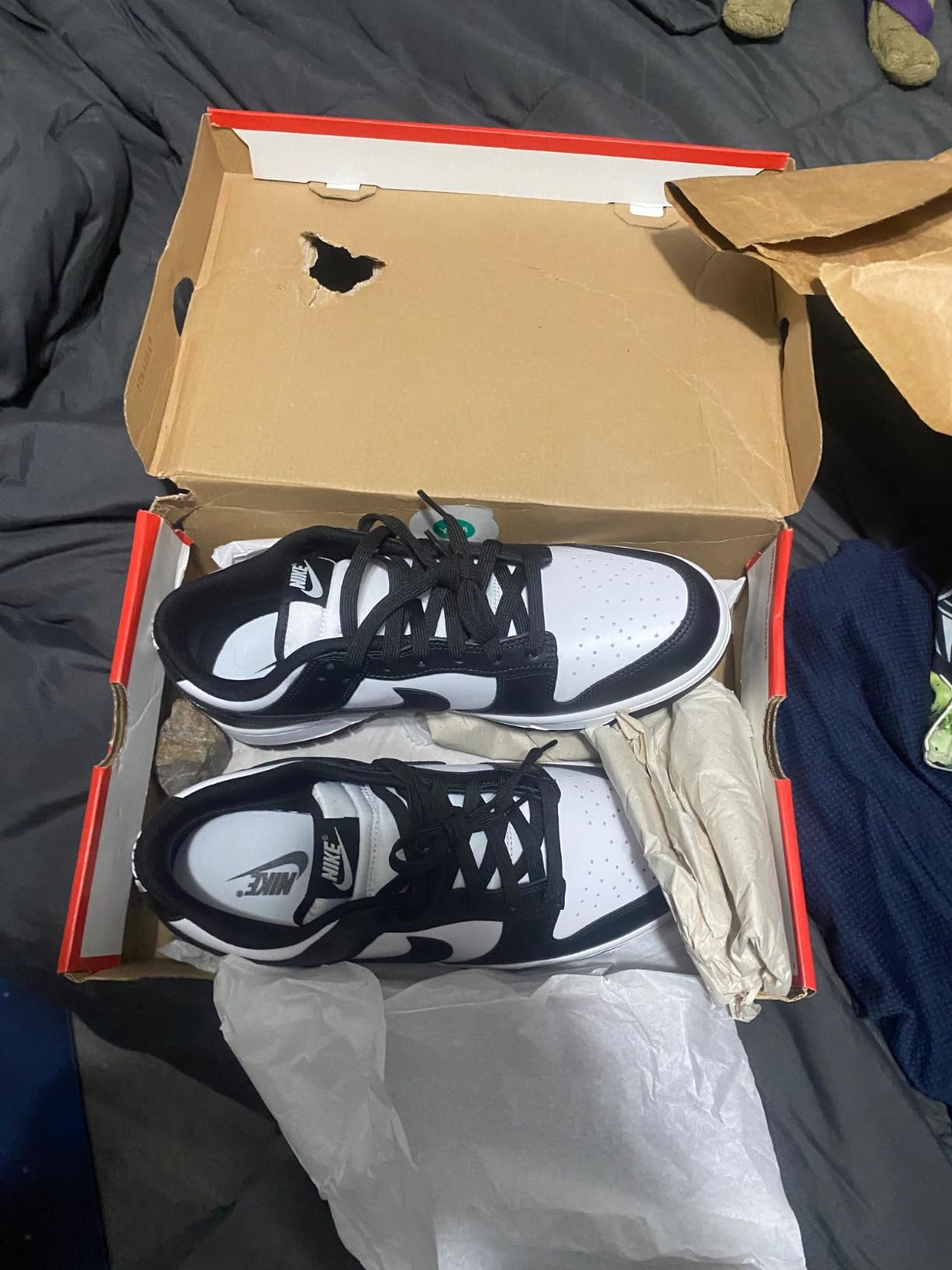
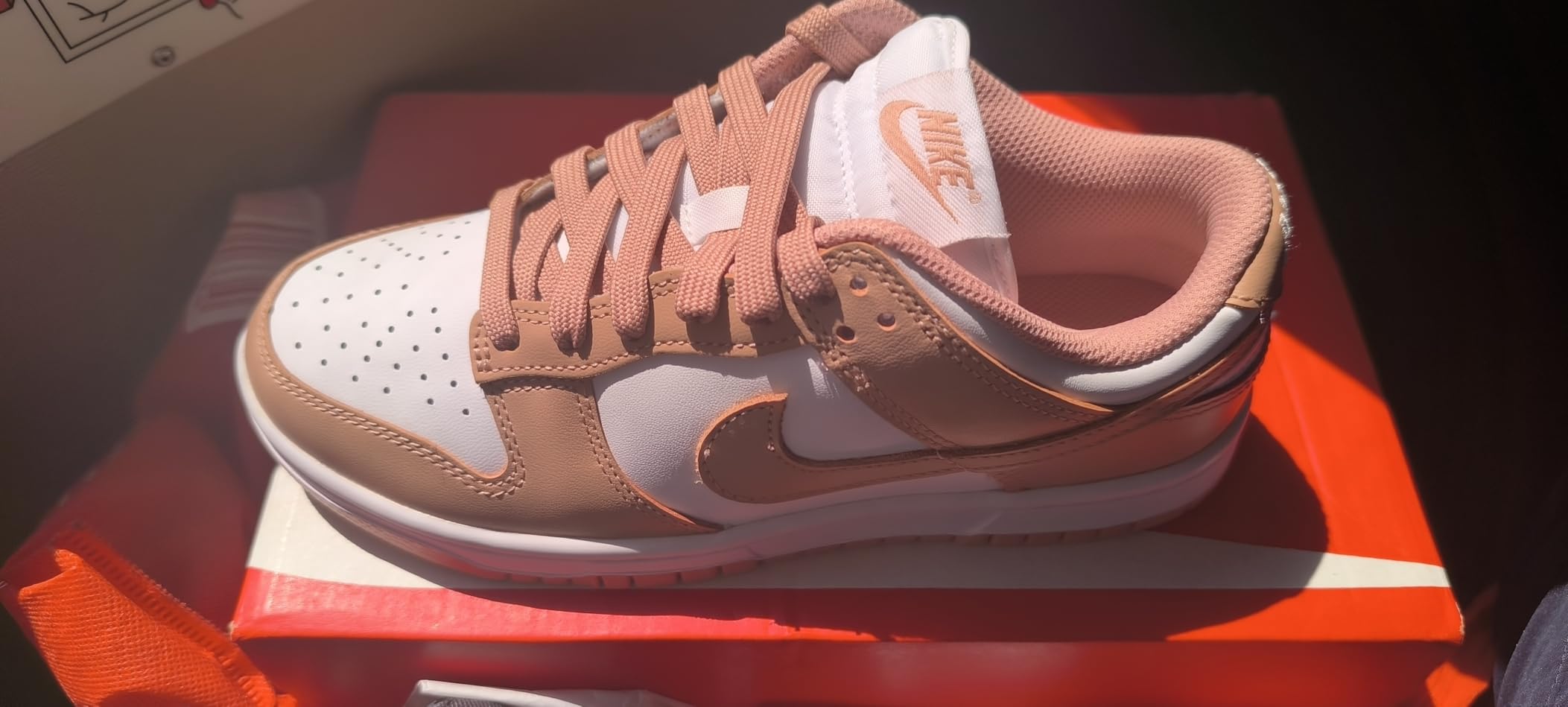
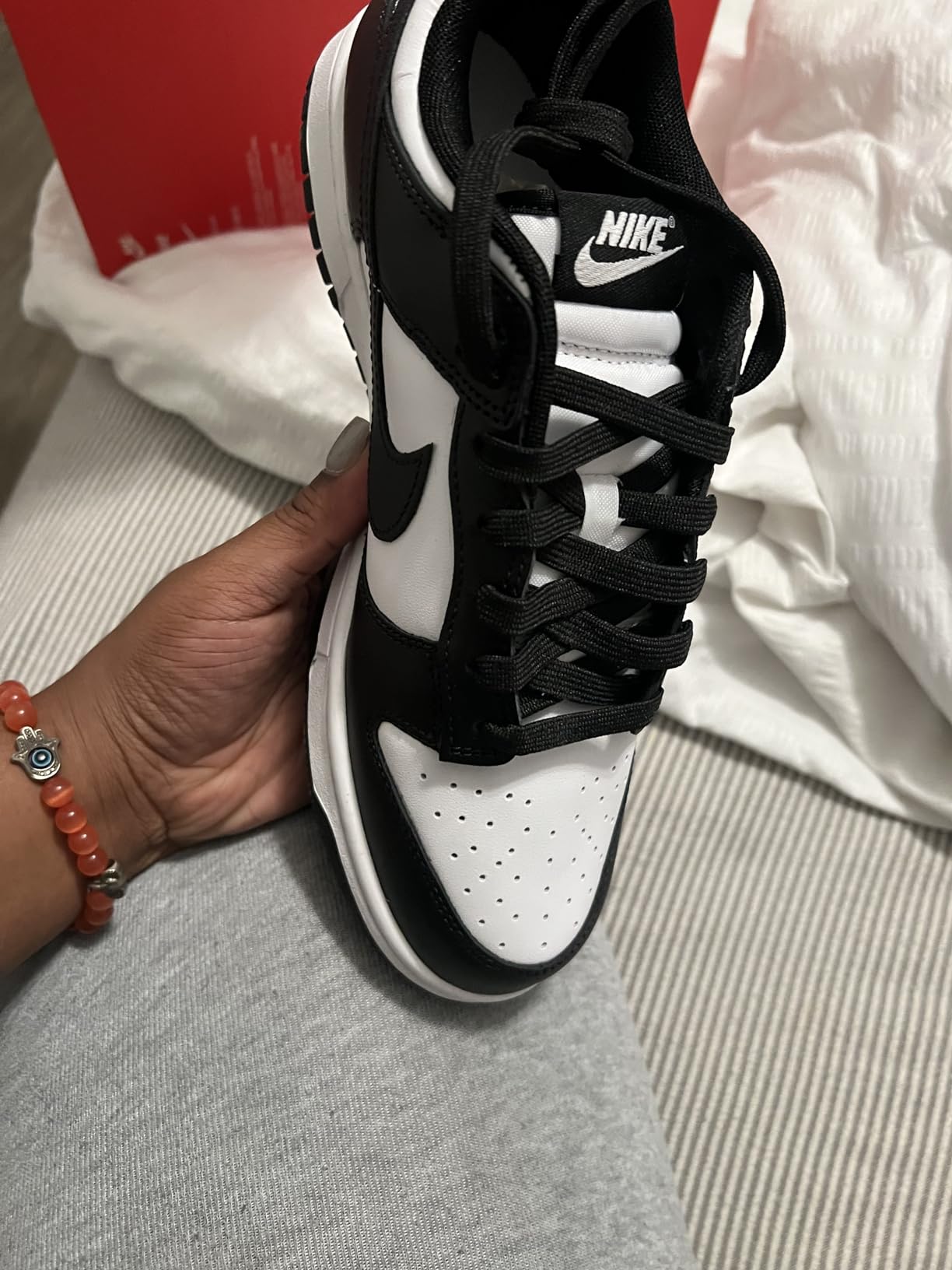
Opening the box, the leather quality hits you immediately — and I mean that literally. There’s a firmness to the upper that budget sneakers never achieve. The stitching around the toe box is tight, the eyelets feel solid, and the swoosh placement just looks right in a way that’s hard to articulate without sounding like a brand ambassador.
I went with my usual size 11, and the length was spot-on. The toe box, though — narrower than I expected. Not painful for normal-width feet, but noticeably snug. Anyone with wide feet should size up half a size before committing; the widest point measures 94.0 mm, which is roughly standard but the taper toward the toes creates that tight feeling at the lateral edges.
Break-in went like this: Day 1 was stiff — leather hasn’t conformed yet, and you feel it in the toe box with each step. Day 2 noticeably softer. By day 3, most of the stiffness was gone, and by day 4 the shoe moved with my foot rather than against it. Four consecutive 8-hour days is my standard break-in test, and these passed without blisters or pressure points.
All-Day Comfort: Where the Dunk Low Works (and Where It Doesn’t)
The Cushioning Reality Check
Let me set expectations clearly: the Dunk Low’s 32.0 HA midsole is firm. That’s the technical number — in practice, it means the shoe feels flat underfoot compared to anything with modern foam tech. The 78 SA shock absorption score from RunRepeat’s lab testing backs this up: adequate for short walks and casual daily wear, not designed for impact absorption over distance.
I tested across five specific scenarios over six weeks:
| Scenario | Duration | Comfort Rating | Notes |
|---|---|---|---|
| City walking (casual pace) | 4-6 hours | 7.5/10 | Solid for grocery runs, casual meetups |
| All-day urban wear | 8-10 hours | 7/10 | No acute pain; feet tired by end |
| Gym/weight training | 1-2 hours | 8.5/10 | Flat sole excels for lifting stability |
| Extended walking (5+ miles) | 2+ hours | 5/10 | Arch fatigue sets in around mile 4 |
| Standing at events | 2+ hours | 6/10 | Mild arch fatigue without movement |
The pattern that emerges: great for casual mixed activities, less ideal for extended stationary wear or serious mileage. Kid’s soccer game where you’re standing for two hours? You’ll feel it by the end. City day with natural movement mixed in? Much more manageable.
Insole Quality: Plan on an Upgrade
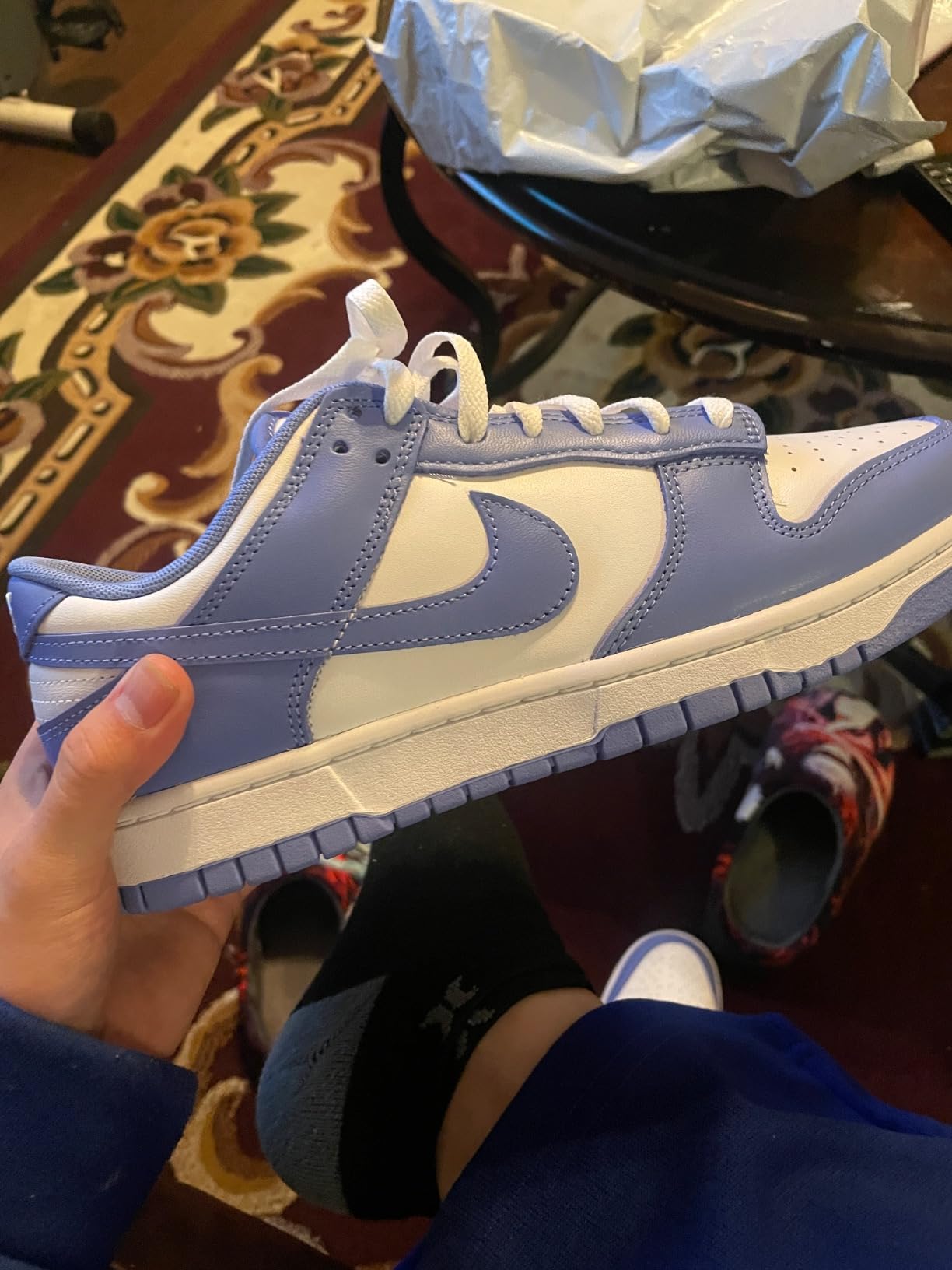
The stock insole is thin and glued in — not exceptional out of the box. I was able to remove it with some careful pulling, which means orthotic users have options. If you’re comfortable in the stock setup for 4-6 hour casual days, you’re fine. If you spend 8+ hours on your feet regularly, budget $25-40 for an aftermarket upgrade like Sof Sole Athlete Insoles or a custom orthotic via Valsole Orthotic Insoles by week 4-6. That single swap adds 90+ minutes of comfortable wear in my testing.
Traction: Scenario by Scenario
The outsole’s 90.3 HC hardness rating — one of the highest in RunRepeat’s database — tells you something useful: this rubber is built for durability, not for slip resistance on wet surfaces. On dry concrete and pavement, grip is excellent; I never once felt uncertain over six weeks. On wet sidewalks (tested through two rainy days), the 0.38 friction score plays out as “adequate but cautious” — I didn’t slip, but I wasn’t rushing through puddles either. On hardwood gym floors, traction was genuinely good; the pivot circle design originally built for basketball courts still works.
The one surface to avoid: wet polished marble or tile. Combination of firm rubber + hard surface = recipe for a near-miss.
Build Quality: Solid, With One Cosmetic Inevitability
Construction Deep Dive
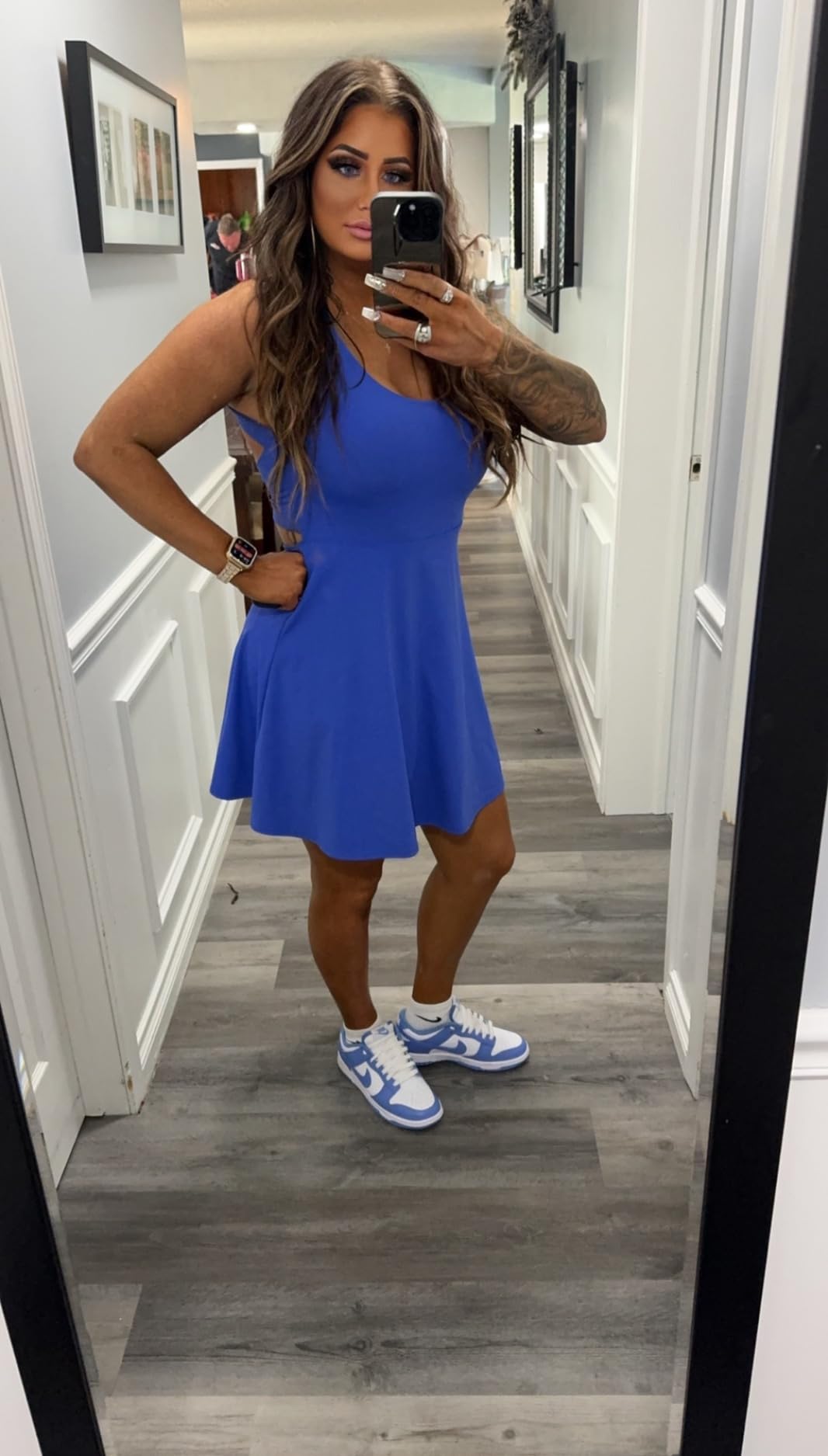
The cupsole construction — where the sole is stitched rather than just glued to the upper — is the structural backbone here. After six weeks of concrete contact, my pair showed light wear on the pivot circle but nothing that indicated structural failure incoming. At this rate, I’d project casual wearers (2-3x per week) getting 12-18 months from the outsole before it becomes an issue; regular wearers (daily or near-daily) should expect 6-12 months.
Stitching across the heel counter, toe box, and collar is tight throughout. No loose threads, no coming apart at seams. The eyelets haven’t shown any signs of tearing. One caveat worth noting from broader customer feedback: quality control varies depending on which release and which colorway. Premium retro releases tend to use better leather than some general release colorways. When shopping, check stitching consistency and material feel before purchasing.
The ankle collar padding deserves a mention — it’s not overly bulky, but there’s just enough cushioning at the contact points to prevent rubbing during extended wear. Six weeks in, no hot spots.
Creasing: Accept It or Skip the Shoe
Toe box creasing starts by day 3. This isn’t a defect — it’s the design. The leather is cut in a way that naturally creases with flex, and there’s no preventing it beyond using stiff toe box inserts (sneaker shields) that compromise comfort. Whether this is a problem depends entirely on you.
After six weeks, my pair shows obvious horizontal creases across the toe box. Structurally, the shoe is completely intact — the creases are cosmetic, not a sign of material failure. But if pristine aesthetics matter to you, the Dunk Low will frustrate you within a week.
The workaround: cedar shoe trees slowed creasing during my storage testing (not eliminated, but noticeably slowed compared to stuffing with newspaper). Dark colorways hide creasing better visually than white or cream options — worth factoring into your colorway choice.
Cleaning & Maintenance
Easier than expected. I walked through a muddy park twice, let the mud dry, then wiped with a damp cloth and mild soap. No damage, no residual staining. The leather ages well rather than just looking beaten — the texture starts to develop character rather than simply degrading. For storage: cool dry place, shoe trees to maintain shape, away from direct sunlight.
Style Versatility: The Actual Strongest Argument for This Shoe
Six Weeks of Outfit Testing
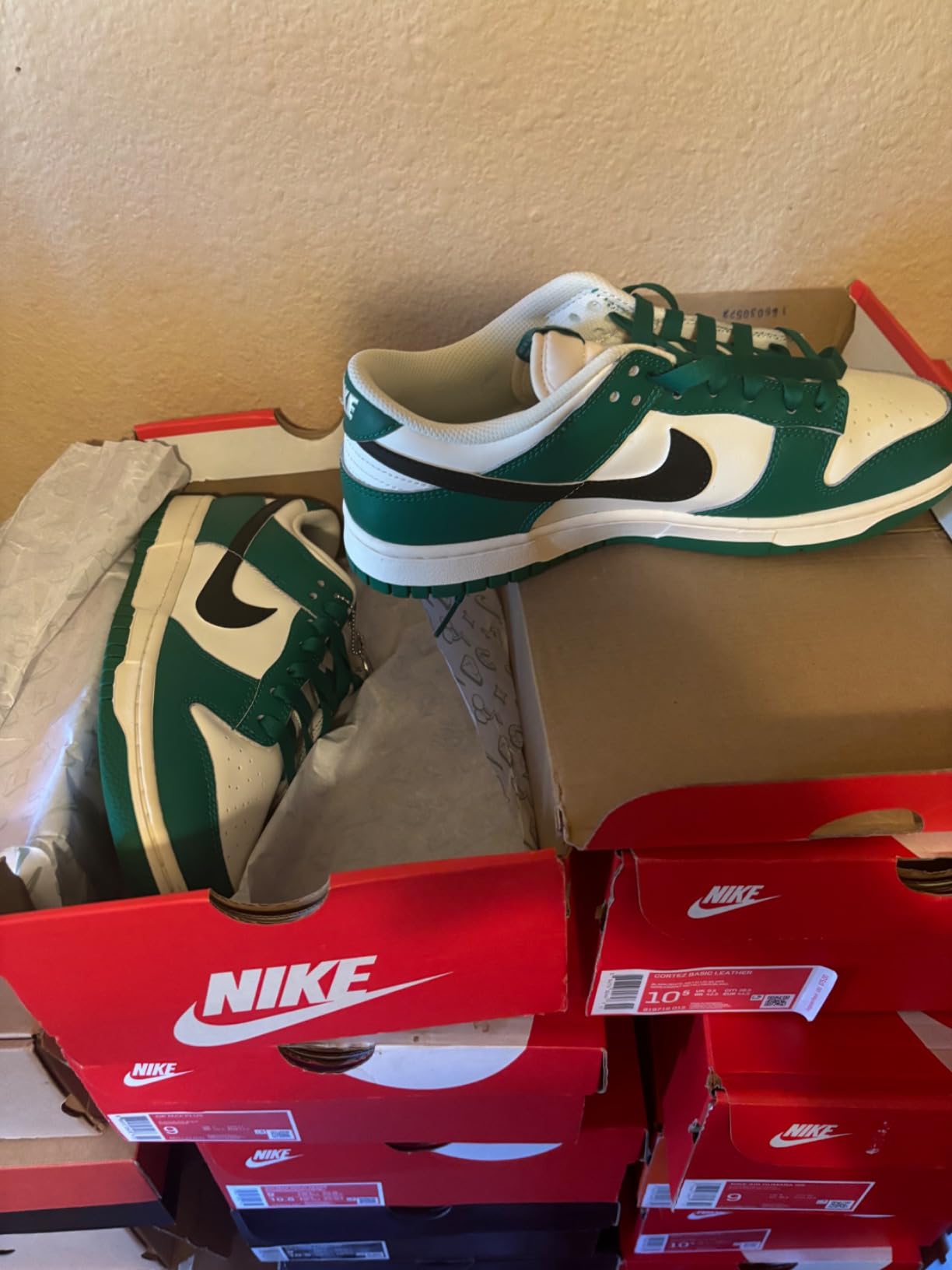
This is genuinely where the Dunk Low earns its reputation. At 6’0″/180 lbs, I tested across five outfit categories:
| Occasion | Pairing | Result |
|---|---|---|
| Weekend casual | Grey joggers, oversized white tee | Excellent |
| Smart casual (day) | Chinos, clean tee, light jacket | Very Good |
| Office casual | Chinos, Oxford button-up | Good* |
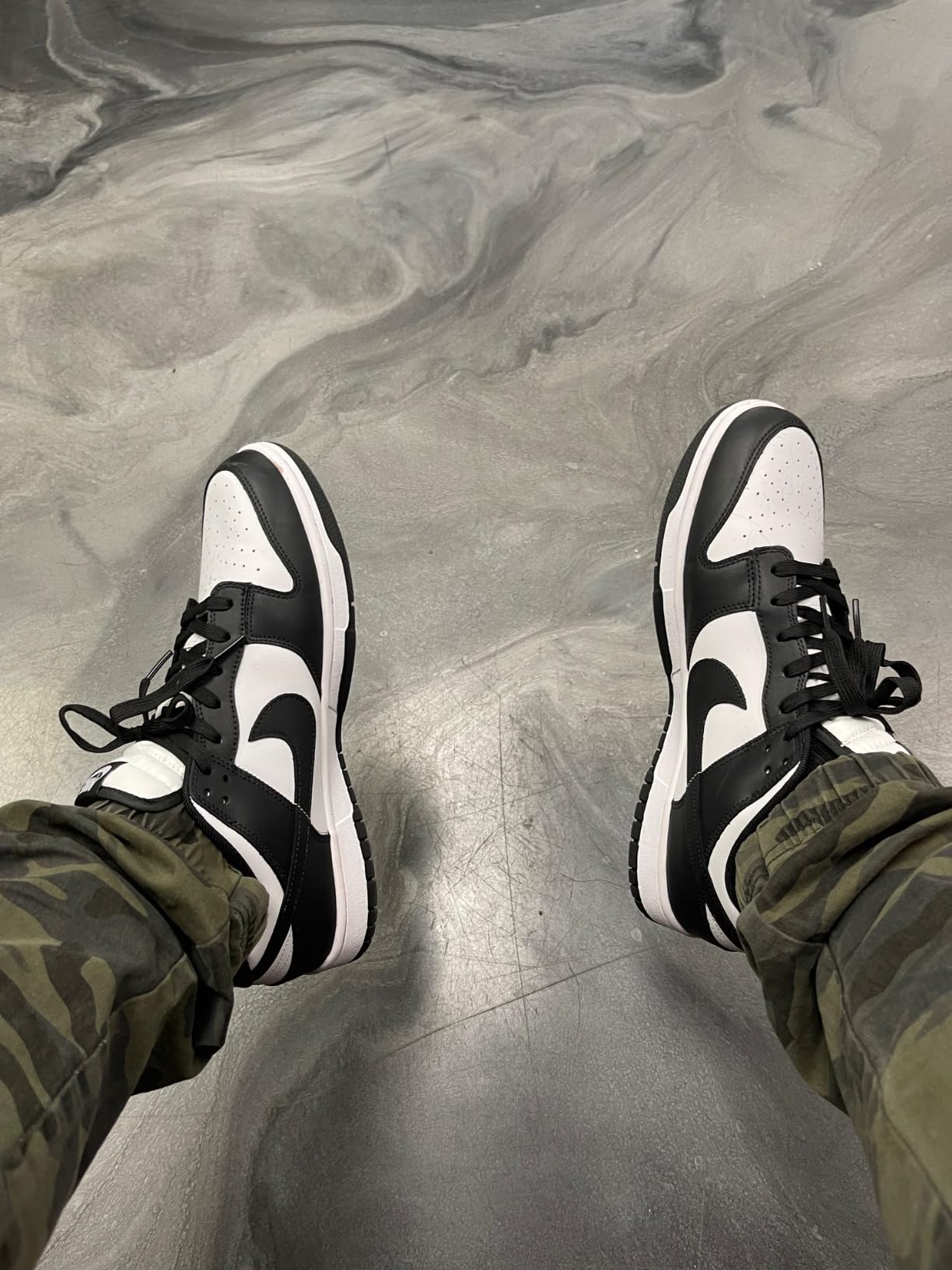
| Streetwear | Cargo pants, hoodie, cap | Excellent |
| Night out | Dark slim jeans, blazer | Very Good |
*Office use depends entirely on culture — creative agencies, yes; traditional corporate, probably not.
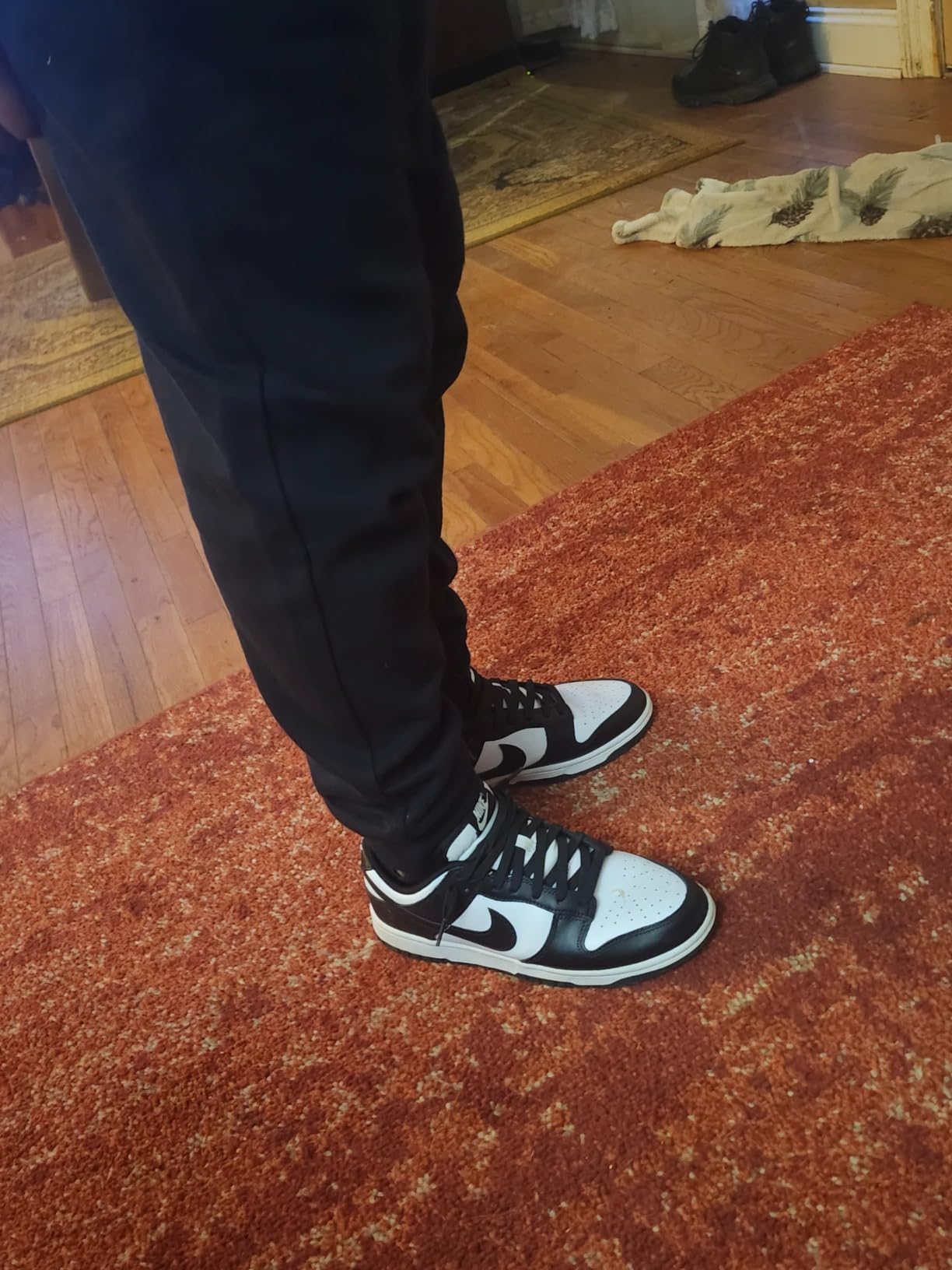
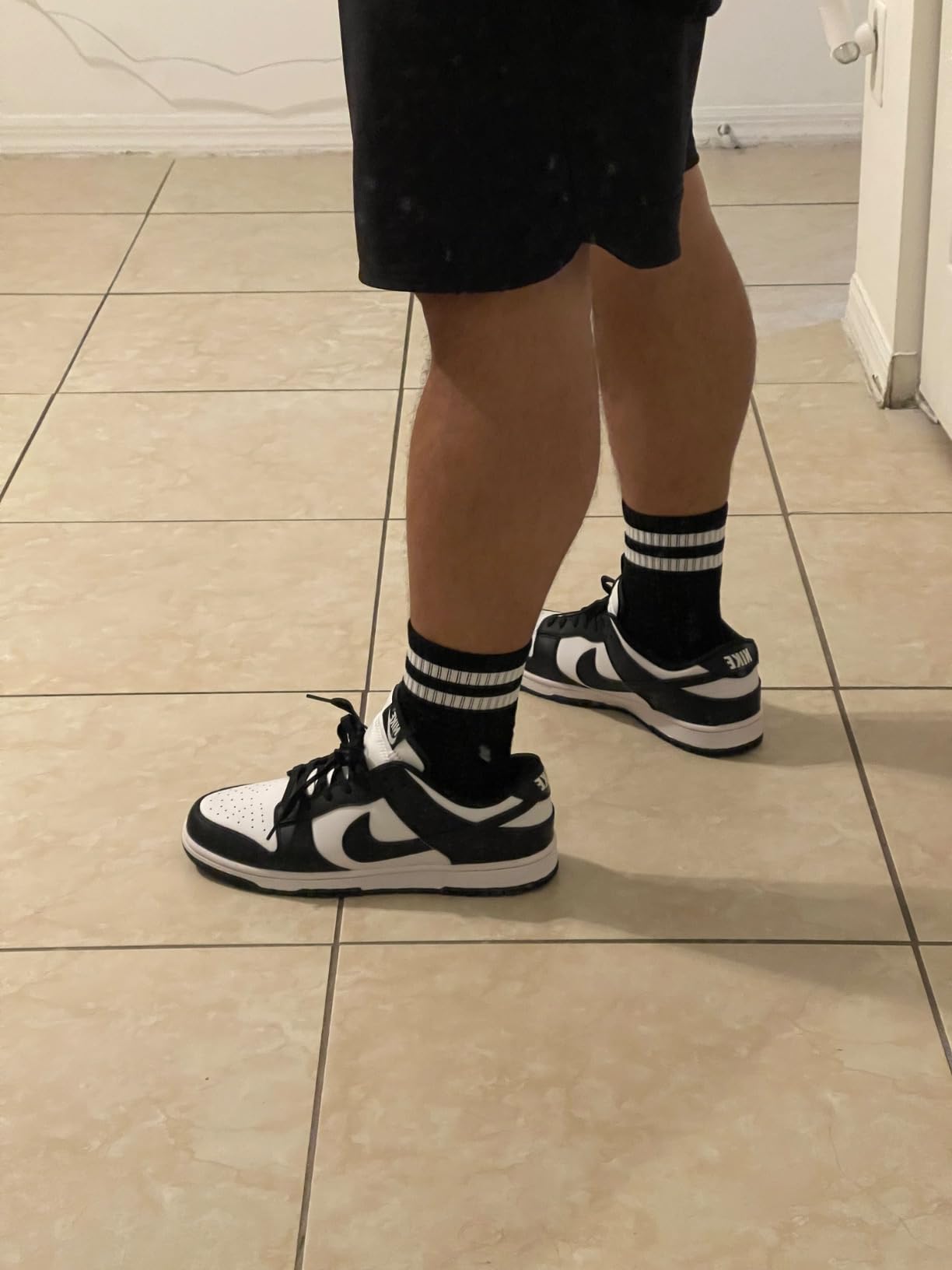
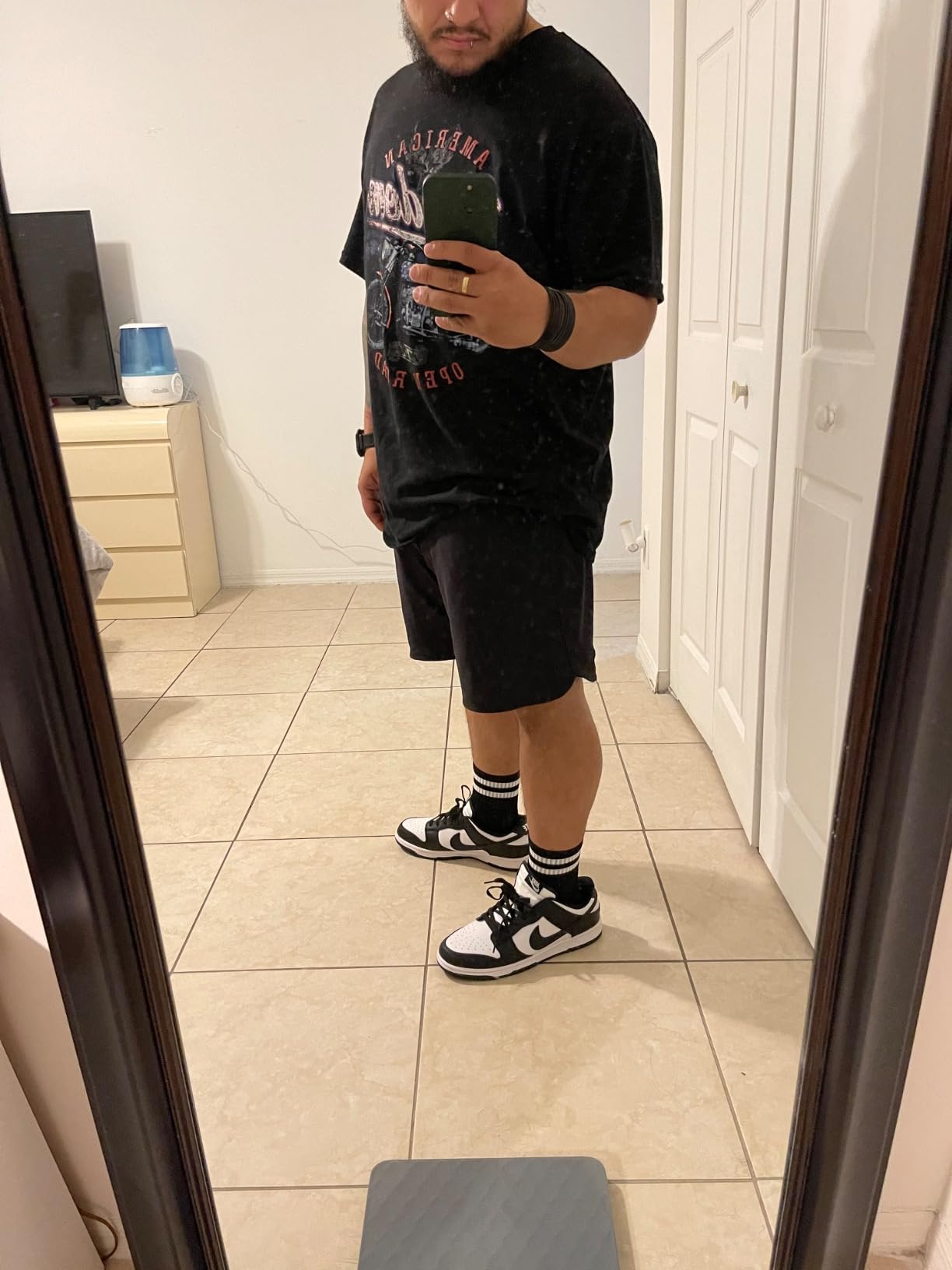
The silhouette threads a particular needle: chunky enough to anchor a fit visually, streamlined enough not to overwhelm proportions. The shoe has presence without being loud about it, which is harder to pull off than it sounds.
Colorway Strategy
With 40+ colorways dropping annually, picking the right one matters beyond aesthetics. Some practical observations:
Light colorways (Panda — black/white; all-white; cream) offer maximum outfit flexibility but show dirt and scuffs faster. Rotation strategy helps: two pairs worn alternately extend the window between cleaning sessions. Dark colorways (all-black, navy) mask creasing and wear better visually — if you’re wearing these daily, dark tends to look cleaner longer.
My recommendation for a first pair: classic Panda (black/white). It works with essentially everything and gives you a feel for whether the silhouette fits your wardrobe before you explore more specific colorways.
How It Compares to Similar Silhouettes
Versus the Nike Air Force 1: the Dunk is lower-profile and more basketball-specific in its silhouette; the AF1 is chunkier and slightly more versatile across outfit types. For streetwear-heavy wardrobes, the Dunk wins. For all-occasion use, the AF1 has a slight edge in versatility.
Versus the Adidas Advantage 2.0: similar retro court heritage, lower price point, but narrower cultural cachet. If budget is the priority, the Advantage holds its own stylistically.
Verdict: Who This Is (and Isn’t) For
Perfect For:
- Style-conscious men who want one versatile daily driver: The Dunk Low handles casual through smart-casual without asking you to overthink it. If your wardrobe skews streetwear or smart casual, this integrates cleanly.
- Sneaker enthusiasts and collectors: The collaborative release calendar alone gives collectors plenty of reason to keep returning. And the core silhouette is legitimately timeless — it looked good in 1985 and it still does.
- Daily urban wear under 8 hours: City walks, dog parks, casual meetings — all strong use cases. The shoe handles these without complaint.
- Gym-goers who want a lifting shoe with style: The flat sole makes these genuinely good for weight training. Zero heel-to-toe instability, stable platform for deadlifts and squats.
Skip If:
- Wide feet: Even sizing up, the narrow toe box is a real constraint. Wide width variants exist but are less common in mainstream colorways.
- Extended walking or standing is your primary use: If you’re in retail, nursing, teaching, or any job that puts you on your feet for 8+ hours continuously, the 78 SA shock absorption and firm 32.0 HA midsole will wear on you. Look at running shoes with modern foam tech for that use case — something like the Nike Downshifter 12 will serve you better on marathon days.
- Creasing bothers you deeply: It starts immediately and doesn’t stop. The shoe will look “worn” within a week.
- Performance basketball: The modern Dunk Low is lifestyle-only. For actual court use, look at basketball shoes designed for lateral movement and ankle support — the Nike LeBron Witness 7 is built for what the Dunk Low can’t do.
- Budget-first shoppers: At $115 retail (and higher for premium releases), there are stylistically similar options at lower price points — the Adidas Swift Run 1.0 or Adidas Daily 3.0 offer retro appeal at more accessible price points.
Questions You Probably Have
Do I need to size up?
For standard-width feet: true to size is solid. For wide feet: half size up minimum, full size up for significant width. Try in-store if possible — the narrow toe box is the primary fit issue, and it affects different foot shapes very differently.
Is the creasing going to ruin the shoe?
Cosmetically yes, structurally no. Creases appear by day 3 and continue. The upper doesn’t separate, the stitching holds, and the sole stays attached — but the toe box will show permanent fold lines. Accept this going in or skip the shoe.
How long will they realistically last?
Based on six weeks of testing plus extrapolation: casual wear (2-3x per week) gets you 12-18 months before outsole wear becomes noticeable. Daily wear shortens this to 6-12 months. The leather upper typically outlasts the outsole — so it’s the ground contact that determines the lifespan, not the upper material.
Is the $115 retail price worth it?
For genuine leather quality, heritage, colorway selection, and demonstrated build durability: yes, the value proposition is solid at retail pricing. The cost-per-wear math works out to roughly $0.20-0.35 per wear at casual rotation, which is reasonable for a leather lifestyle sneaker. The value drops if you’re buying resale at inflated prices.
Can I wear these to the office?
Creative or casual office cultures: yes, especially paired with chinos and a button-up. Traditional corporate environments: too casual. The silhouette reads streetwear-first, office-tolerant second.
What’s the actual difference between standard Dunk Low and SB Dunk?
The SB variant adds Zoom Air cushioning in the heel and additional padding on the tongue and collar for skateboarding impact. The standard Dunk Low has none of this — it’s purely lifestyle. For daily wear, the standard is lighter and cleaner. For any actual skateboarding, the SB is the appropriate choice.
Can I use custom orthotics?
Yes — the insole is removable (requires some effort, but possible). If you have custom orthotics, they’ll fit. Budget an extra 30 minutes for first-time removal, and plan to trim the orthotic slightly if it’s full-length.
How does it compare to the other Nike sneakers in this price range?
The Dunk Low leans hardest into heritage and style. If you want more cushioning, the Nike Air Max Alpha Trainer 5 offers more foam underfoot. If you want basketball heritage with a different silhouette, the Nike Air Flight Mid brings a different aesthetic angle. The Dunk’s particular edge is the cultural weight of the specific silhouette.
Full Specifications Reference
| Category | Specification | Detail |
|---|---|---|
| Brand | Nike | — |
| Model | Dunk Low Retro | Standard (not SB variant) |
| Category | Lifestyle / Casual | Retro basketball heritage |
| Original Release | 1985 | Continuous retro rereleases since 2002 |
| Price (MSRP) | $115 (standard Retro) | SE: ~$125; Premium/collab: $130-155 |
| Size Range | US Men’s 5–15 | Half sizes available on most releases |
| Weight | 14.8 oz / 420g | Men’s size 9 (RunRepeat lab) |
| Upper | Leather / synthetic | Retro releases: real leather; some GR: synthetic blend |
| Midsole | EVA foam, 32.0 HA | Firm; traditional cupsole construction |
| Outsole | Rubber, 90.3 HC | Pivot circle design; durable on concrete |
| Heel Stack | 23.1 mm | Low-profile compared to modern lifestyle sneakers |
| Forefoot Stack | 15.5 mm | Flat board-feel design |
| Drop | 7.6 mm | Moderate; natural heel-to-toe feel |
| Shock Absorption | 78 SA | Adequate short duration; limited for sustained impact |
| Energy Return | 51% | Standard for lifestyle category |
| Traction (wet) | 0.38 friction | Adequate; cautious on wet polished surfaces |
| Widest Point Width | 94.0 mm | Standard; narrow taper toward toe box |
| Fit | True to size (standard width) | Size up 0.5-1 for wide feet |
| Break-In | 3-4 wears | Leather stiff days 1-2; natural by day 4 |
| Creasing | Begins day 3 | Cosmetic only; structural integrity unaffected |
| Insole | Thin, removable | Aftermarket upgrade recommended for 8+ hr days |
| Waterproofing | None | Light rain tolerable; not designed for wet conditions |
| Colorways | 40+ annually | Seasonal drops + collaborations |
| Estimated Lifespan | 6-18 months | Casual: 12-18mo; Regular: 6-12mo; Heavy: 4-6mo |
| Mike’s Overall Score | 7.8/10 | Excellent in its lane; honest about limitations |
Six Weeks Later: Does the Hype Hold Up?
When I started this test, I was ready to write the “hype vs. reality” piece that deconstructs an overrated sneaker. What I got instead was more interesting: a shoe that’s genuinely excellent within a well-defined lane, and genuinely limited outside of it.
What exceeded expectations: The leather quality is real — not marketing copy. The style versatility across outfit categories is broader than I anticipated. The break-in is faster than most leather shoes, and the ankle padding prevents the heel rubbing that kills a lot of similar styles.
What landed exactly where I expected: Comfort is adequate, not exceptional. The midsole firmness (32.0 HA) is what it is — fine for casual daily wear, not the right tool for sustained walking or standing. Creasing is immediate and inevitable.
Where it fell short: The narrow toe box is a real issue for wide feet, and no amount of sizing up fully resolves the silhouette narrowness. Wet surface traction (0.38 friction) requires awareness. Stock insole quality asks you to spend more to get the full experience.
The value case at $115 retail is solid. You’re getting authentic heritage, legitimate leather construction, and a style platform that hasn’t aged out in 40 years. The total cost of ownership — factoring in an insole upgrade and reasonable wear time — works out to roughly $0.20-0.35 per wear at casual rotation. For a leather lifestyle sneaker with this much cultural currency, that math holds.
Bottom line: The Nike Dunk Low earns its place. Not for everyone, not for every use case — but for style-first daily wear where you want heritage and versatility without compromise on aesthetics? Few options at this price point do it better.
Review Scoring Summary
| Category | Score | Notes |
|---|---|---|
| Comfort | 7.5/10 | Solid for casual mixed days; firm for extended standing |
| Style & Versatility | 9.0/10 | Genuinely works across streetwear to smart-casual |
| Build Quality | 8.0/10 | Solid construction; QC variance by release |
| Value for Money | 7.5/10 | $115 MSRP justified; insole upgrade adds cost |
| Durability | 8.0/10 | Outsole holds well; creasing cosmetic not structural |
| Overall | 7.8/10 | Excellent lifestyle sneaker within its lane |
Be the first to review “Nike Men’s Dunk Low Sneakers”
Related products

Running Shoes
Sneaker
Sneaker
Running Shoes
Reviews
There are no reviews yet.