
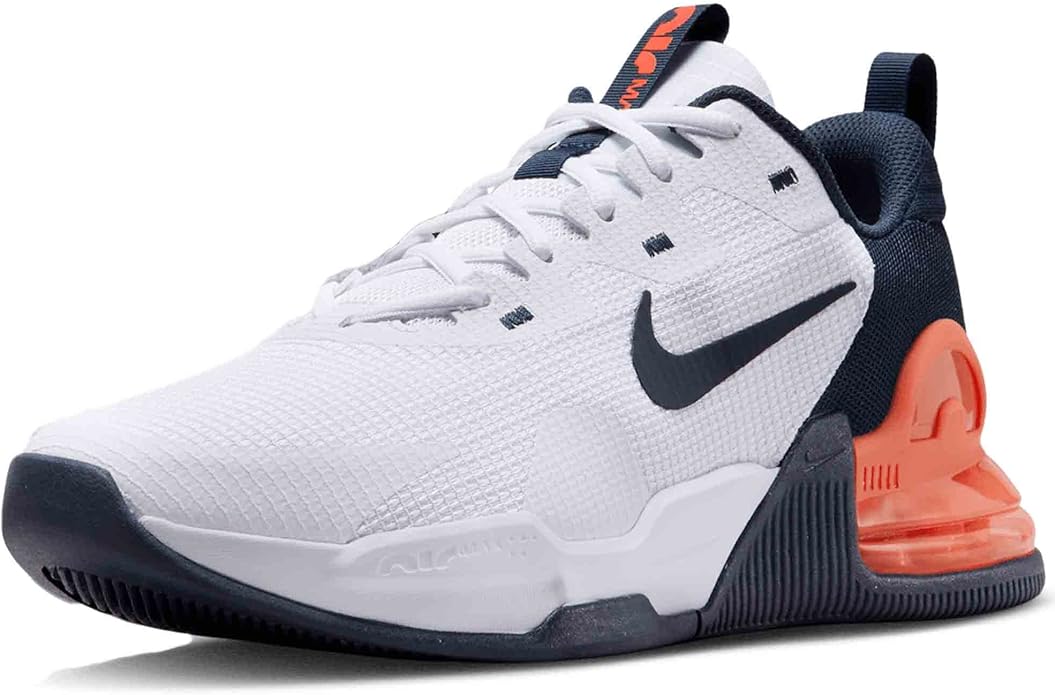
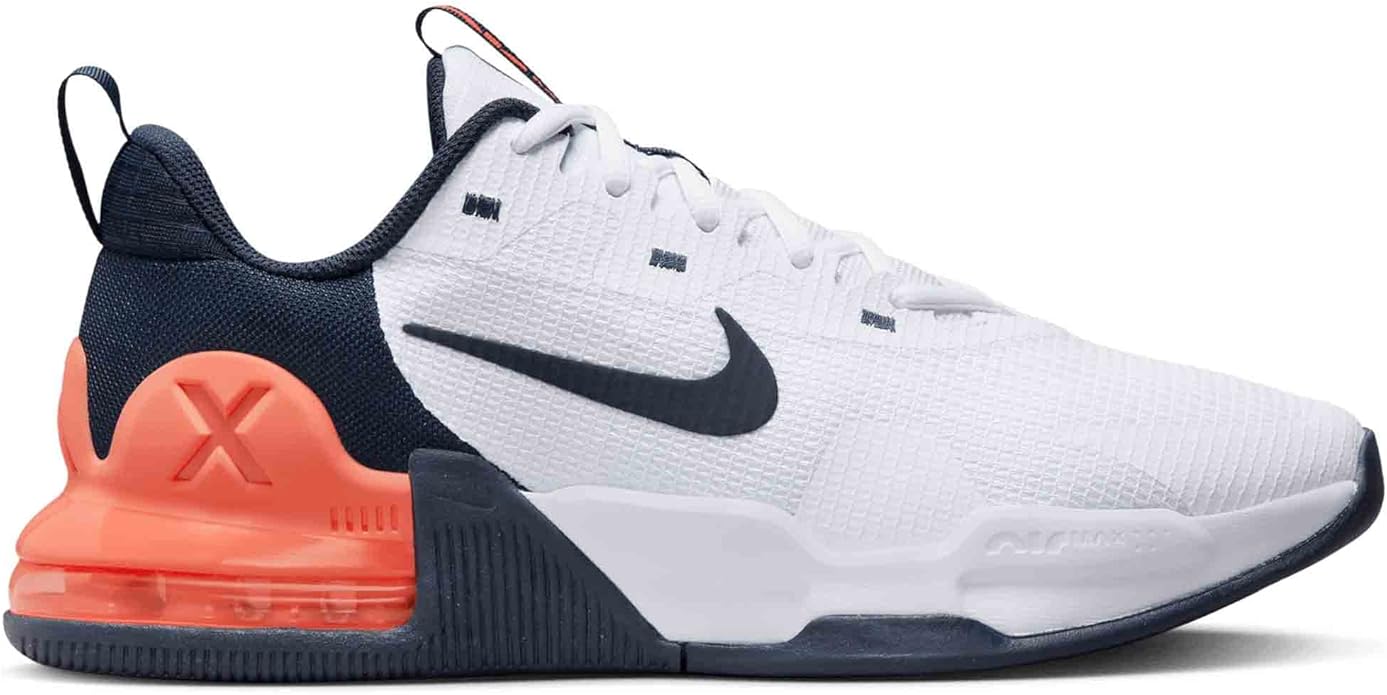
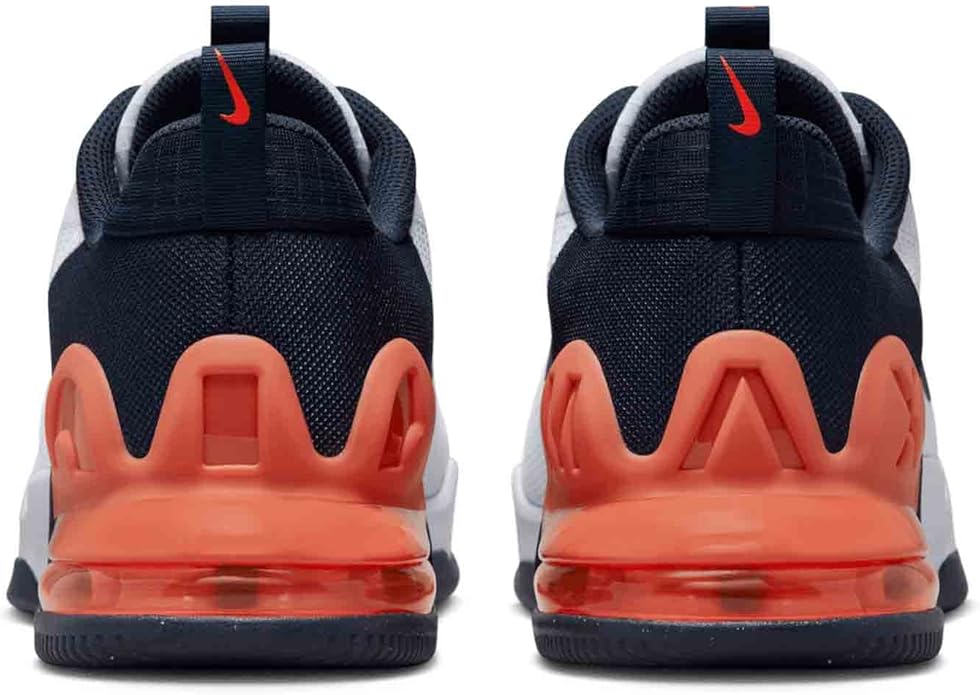
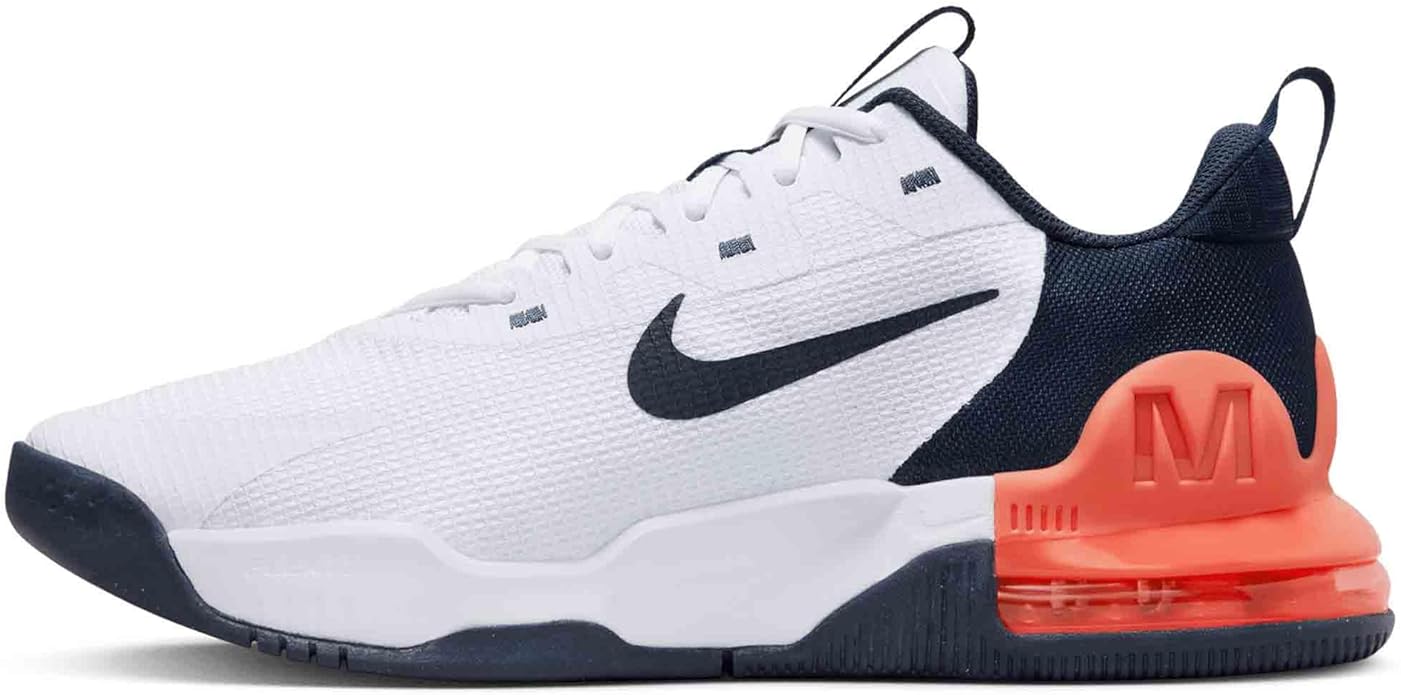
My last pair of gym shoes split at the sole mid-deadlift — 275 lbs on the bar, competition prep three weeks out, and suddenly I’m training barefoot on a gym floor that hasn’t been mopped since Tuesday. That experience sent me hunting for something that could handle real weight without falling apart, and the Nike Air Max Alpha Trainer 5 landed on my radar at $75. After 6 weeks, 24 gym sessions, and north of 45 hours of training, I can tell you exactly where this shoe delivers and where it quietly falls short. Overall score: 6.8/10 — but that number hides a more complicated story about a shoe that’s genuinely good at one thing and genuinely disappointing at another.
First Week on the Gym Floor
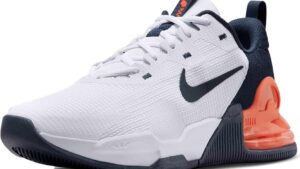
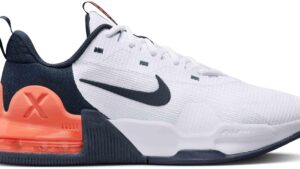
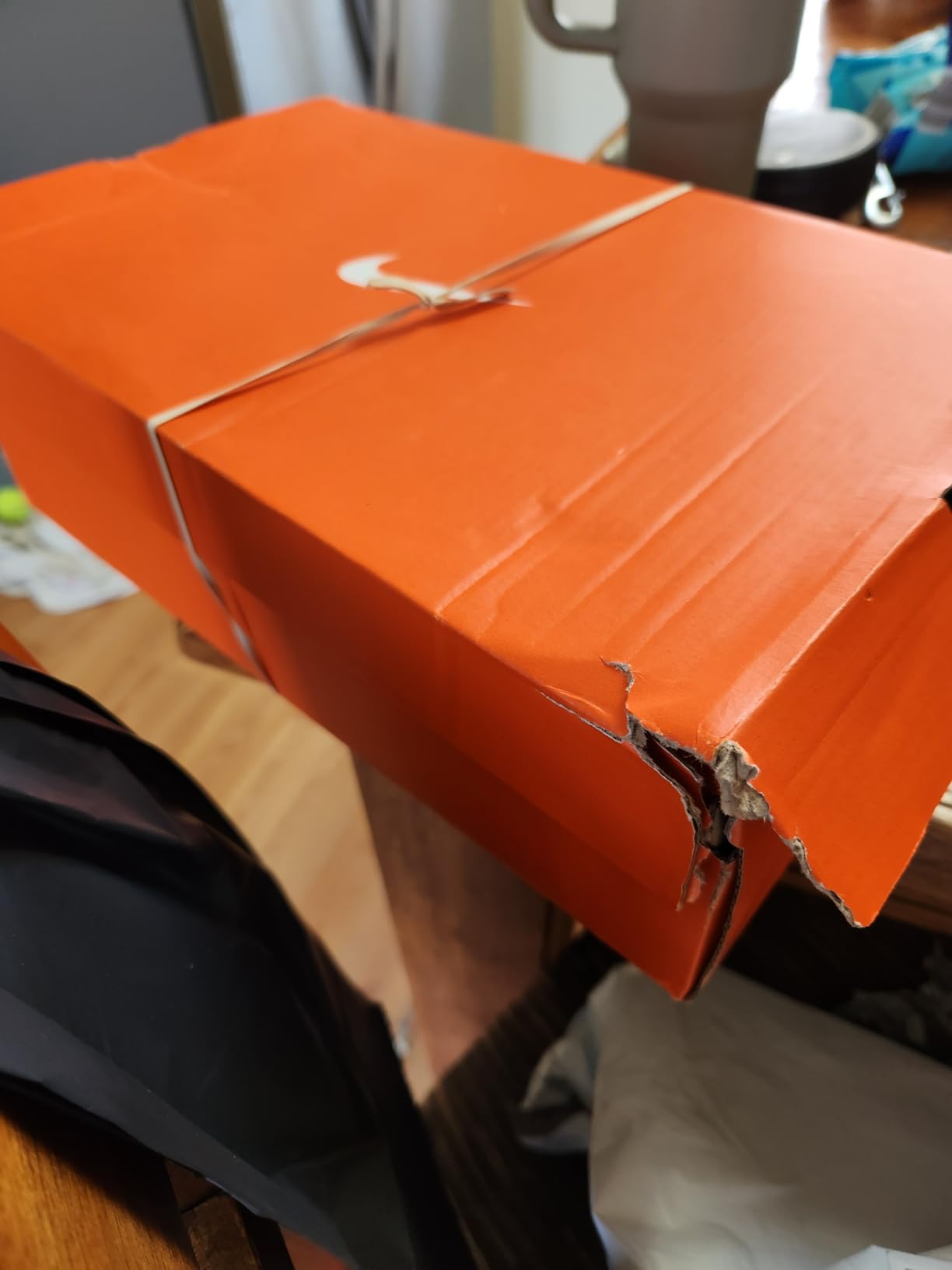
Pulling them out of the box, the first thing I noticed was heft. These aren’t featherweight trainers — they feel built. The synthetic leather panels have a structured quality that suggests durability, and the mesh sections between them look tight-knit rather than airy. Nike went with a flat, wide sole that sits noticeably broader than most training shoes I’ve worn, and the rubber wraps up past the midsole on both sides.
First session was a pull day — deadlifts, barbell rows, lat pulldowns, then 20 minutes of conditioning circuits. The platform felt planted. Completely stable at 275, then 295, then working up to 315 on conventional deadlifts. No lateral roll, no compression shift, no feeling like the floor was moving underneath me. The heel pull tab got me into the shoes in about four seconds flat, which sounds trivial until you’re rushing to start a 5:30 AM session.
Traction on the rubber gym floor was immediate and confident. Direction changes during conditioning circuits — shuffles, burpee transitions, lateral hops — all felt locked in. And the toebox, while narrower than I expected based on how the shoe looks from the outside, gave my standard-width feet enough room to splay during heavy pulls.
No red flags. Not yet.
What’s Actually Under the Hood
Nike doesn’t publish detailed lab specs for the Alpha Trainer 5, so most of what follows comes from RunRepeat’s lab testing, which I’ve cross-referenced against my own experience.
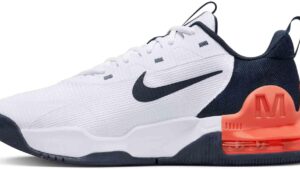
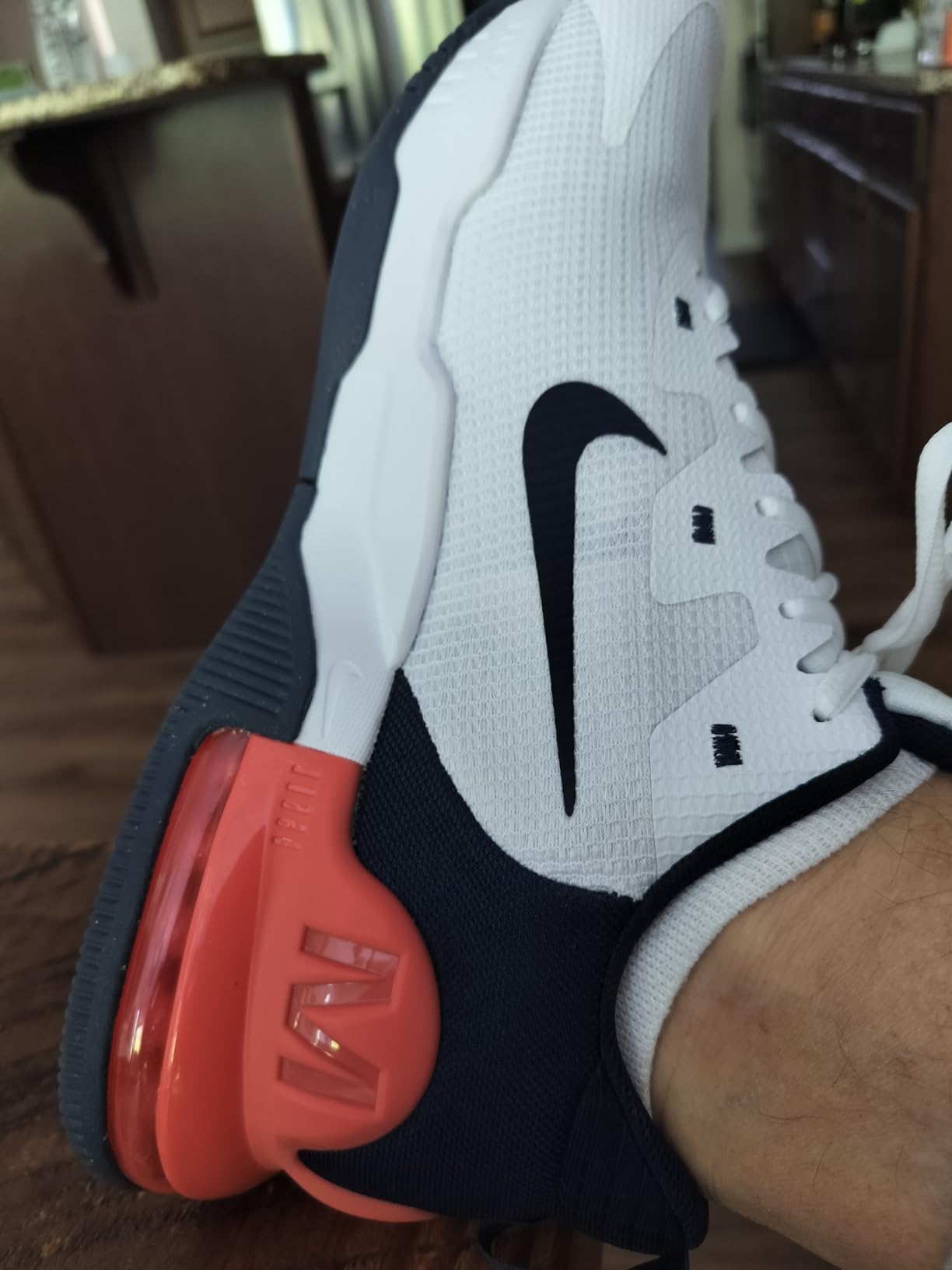
The headline number: this shoe stacks 36.2mm of material under your heel. For context, the average cross-training shoe sits at 24.2mm. That’s 50% more stack height, driven by the Max Air unit embedded in the heel plus the surrounding EVA foam. The forefoot comes in at 24.2mm — which is where most trainers measure at the heel.
That creates a 12mm heel-to-toe drop. To put that in perspective, the average training shoe drops about 6.3mm, and even a standard running shoe averages 8.6mm. The Alpha Trainer 5 has more drop than a running shoe. This actually helps with squat depth and deadlift positioning — elevated heels are a feature in dedicated lifting shoes — but it makes the shoe feel disconnected during running or agility work.
The verified weight comes in at 13.8 oz (392g) per RunRepeat’s lab scale. That’s 30% heavier than the category average of 10.7 oz. You don’t feel all of that weight during short, heavy sets. But minute 45 of a continuous HIIT circuit? Your feet know the difference.
The midsole foam measures 24.8 HA on a durometer — right at the training shoe average. Firm enough for stability, soft enough for comfort. At least initially.
Stability Under Load — Where This Shoe Earns Its Keep
Here’s what the Alpha Trainer 5 does better than anything else in its price range: it keeps you grounded during heavy compound lifts.
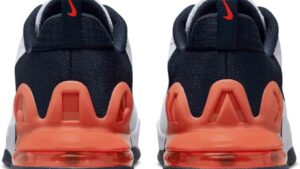
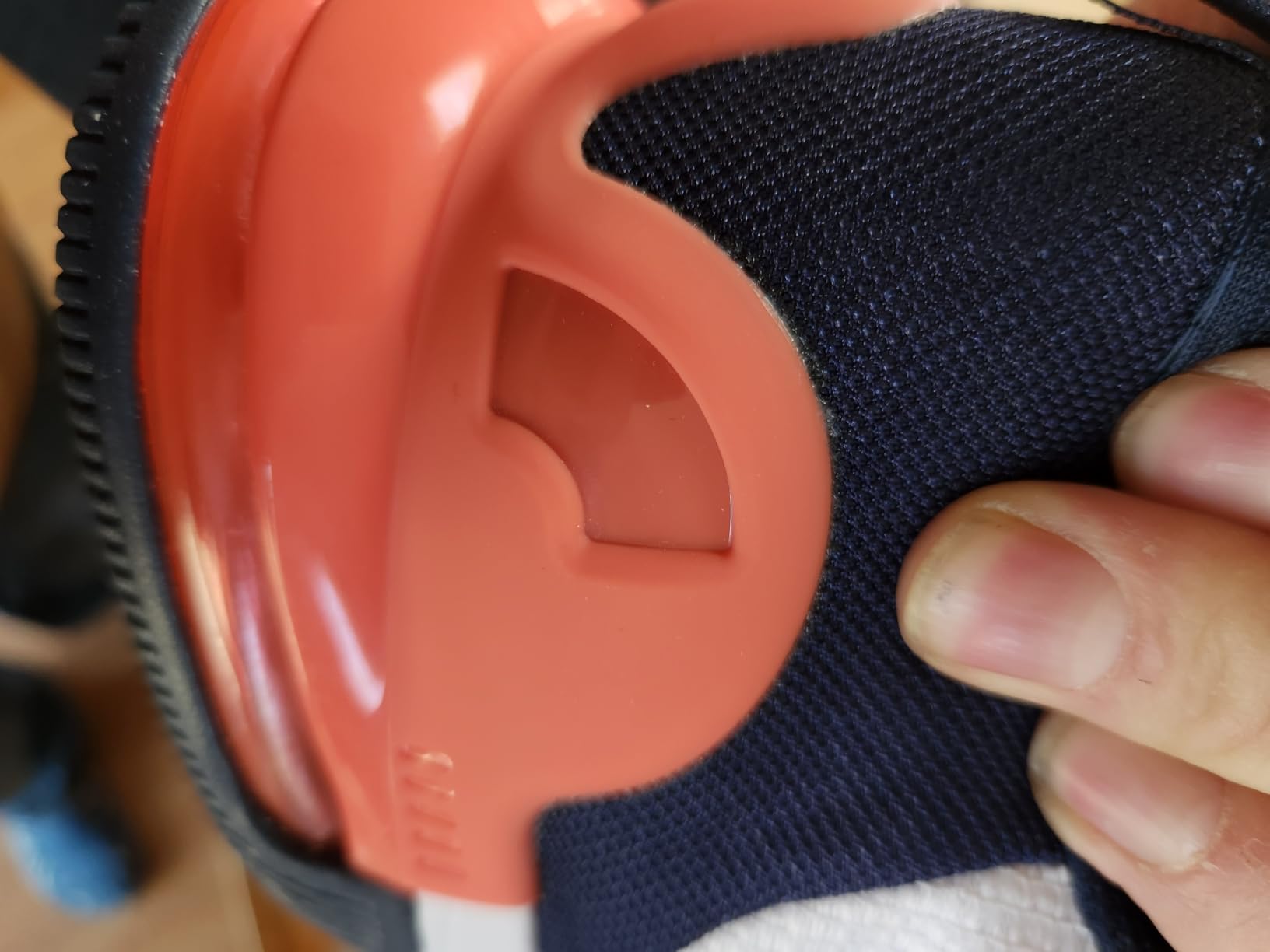
Deadlifts at 315 lbs felt secure. The wide midsole platform (110.1mm at the forefoot, 87.8mm at the heel) distributes weight evenly, and the torsional rigidity — rated 4 out of 5 by RunRepeat, stiffer than 73% of trainers tested — prevents the kind of midfoot twist that makes squishy shoes dangerous under load. The hard rubber cupsole wrapping around the Air Max unit in the heel adds structural integrity that I didn’t expect at this price point.
Squats, overhead presses, lunges — all felt stable and controlled through the first three weeks. The flex grooves in the forefoot accommodate the toe break during lunges without fighting your foot’s natural movement. Lateral shuffles during HIIT? Confident. Burpee transitions from floor to standing? No slip, no shift.
Where I’d draw the line: this isn’t a powerlifting shoe. The 12mm drop and cushioned midsole put you higher off the ground than dedicated lifting shoes like the Adidas Amplimove or purpose-built platforms. For working sets up to 315, maybe 365 for experienced lifters — the AT5 handles it. Beyond that, or if you’re competing in powerlifting, you want something lower and stiffer.
The Week 3 Problem — Cushioning Degradation Timeline
This is the section no other review gives you with specifics, and it’s the most important thing I discovered in six weeks of testing.
Weeks 1-2: The Max Air cushioning feels firm and responsive. Landing from box jumps has a satisfying, controlled absorption. Heel strikes during circuit transitions feel cushioned without being mushy. The shoe inspires confidence.
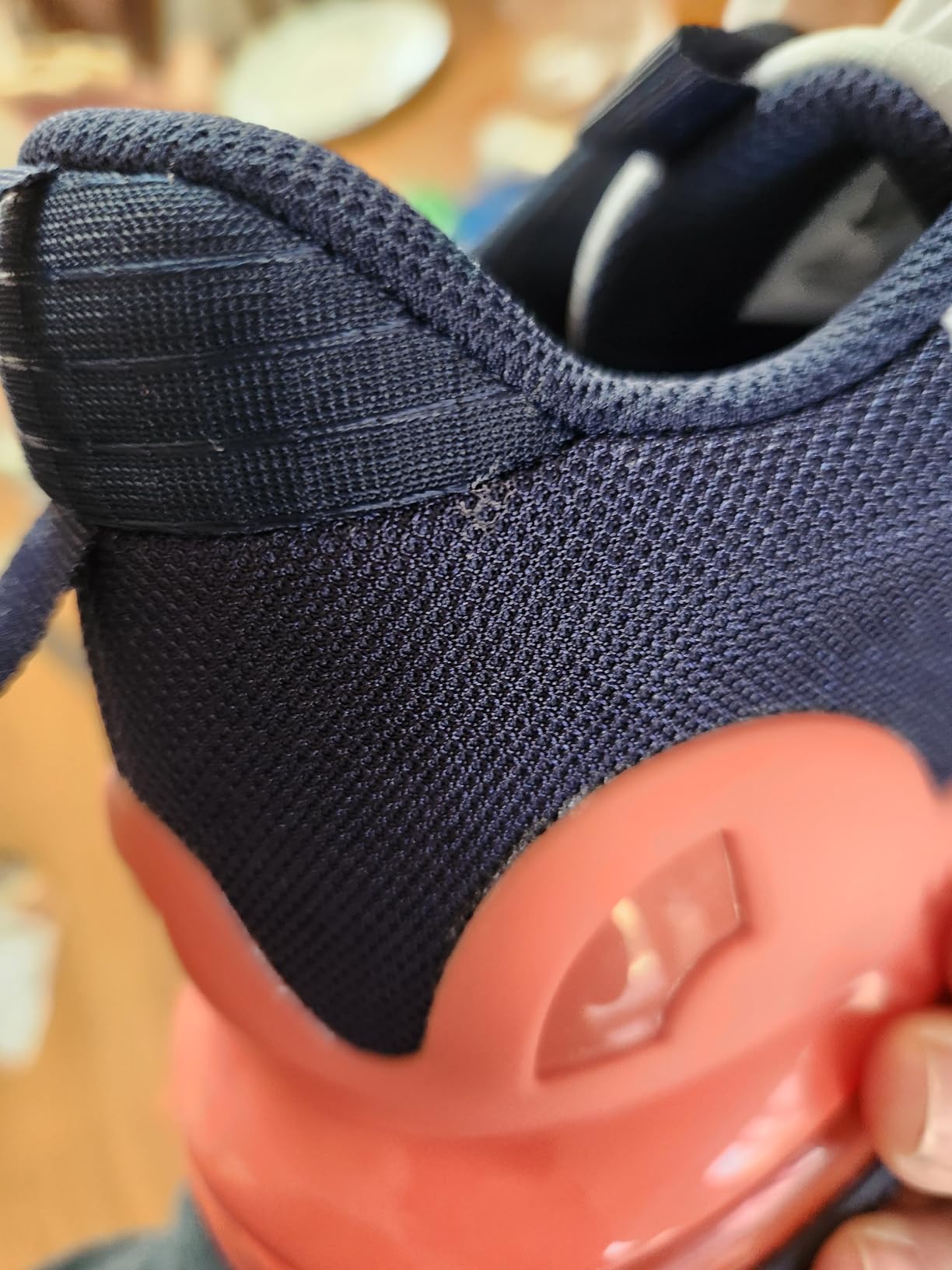
Week 3: Something shifts. Not dramatically — more like the cushioning goes from “active” to “passive.” Where the midsole used to push back during plyometric landings, it now absorbs without returning energy. Box jumps reveal it first because they deliver the highest repetitive impact. My heel landings went from “firm and springy” to “firm and flat.” The Air Max unit itself seems fine — it’s the EVA foam surrounding it that’s compressing.
Week 4: The trend continues. Extended HIIT circuits (45+ minutes) now produce foot fatigue that wasn’t there in week 1. Not pain — fatigue. The difference between landing on a trampoline and landing on a yoga mat.
Week 5: Pronounced. Plyometric work — box jumps, jump squats, burpee tuck jumps — generates noticeably more impact through the heel and forefoot. The 90-minute circuit sessions that felt fine in week 1 now leave my feet wanting out by minute 70.
Week 6: Stability is still intact. The torsional rigidity hasn’t changed. The outsole shows almost zero wear. But the cushioning has fundamentally shifted from “training shoe” to “flat shoe with a Max Air unit.” The foam compresses, the air holds — and the gap between the two creates a deadened feeling underfoot.
Here’s the critical context: I was testing intensively. Twenty-four sessions in six weeks — roughly four per week — with heavy loads and high-impact work. A casual gym-goer training twice a week might not hit this inflection point until month 2 or 3. But if you’re training hard and frequently, the cushioning timeline is compressed.
The Breathability Tradeoff
RunRepeat rated the Alpha Trainer 5 at 2 out of 5 for breathability using their smoke test. My feet confirmed it. By minute 30 of intense work, there’s a noticeable warmth building inside the shoe. By minute 60, you’re aware of moisture. At 90 minutes, moisture-wicking socks become mandatory rather than optional.
The synthetic leather overlays that add durability and structure to the upper are the same panels blocking airflow. Nike actually made the AT5 less breathable than the AT4 (which had a more open mesh) — a deliberate trade for upper durability. In an air-conditioned gym during fall or winter, this is manageable. For summer outdoor work or hot yoga environments, it’s a dealbreaker.
The Quality Control Lottery
This is the elephant in the gym. The Nike Air Max Alpha Trainer 5 has a documented squeaking problem that affects a significant percentage of pairs — and it’s been independently confirmed across multiple sources and countries.
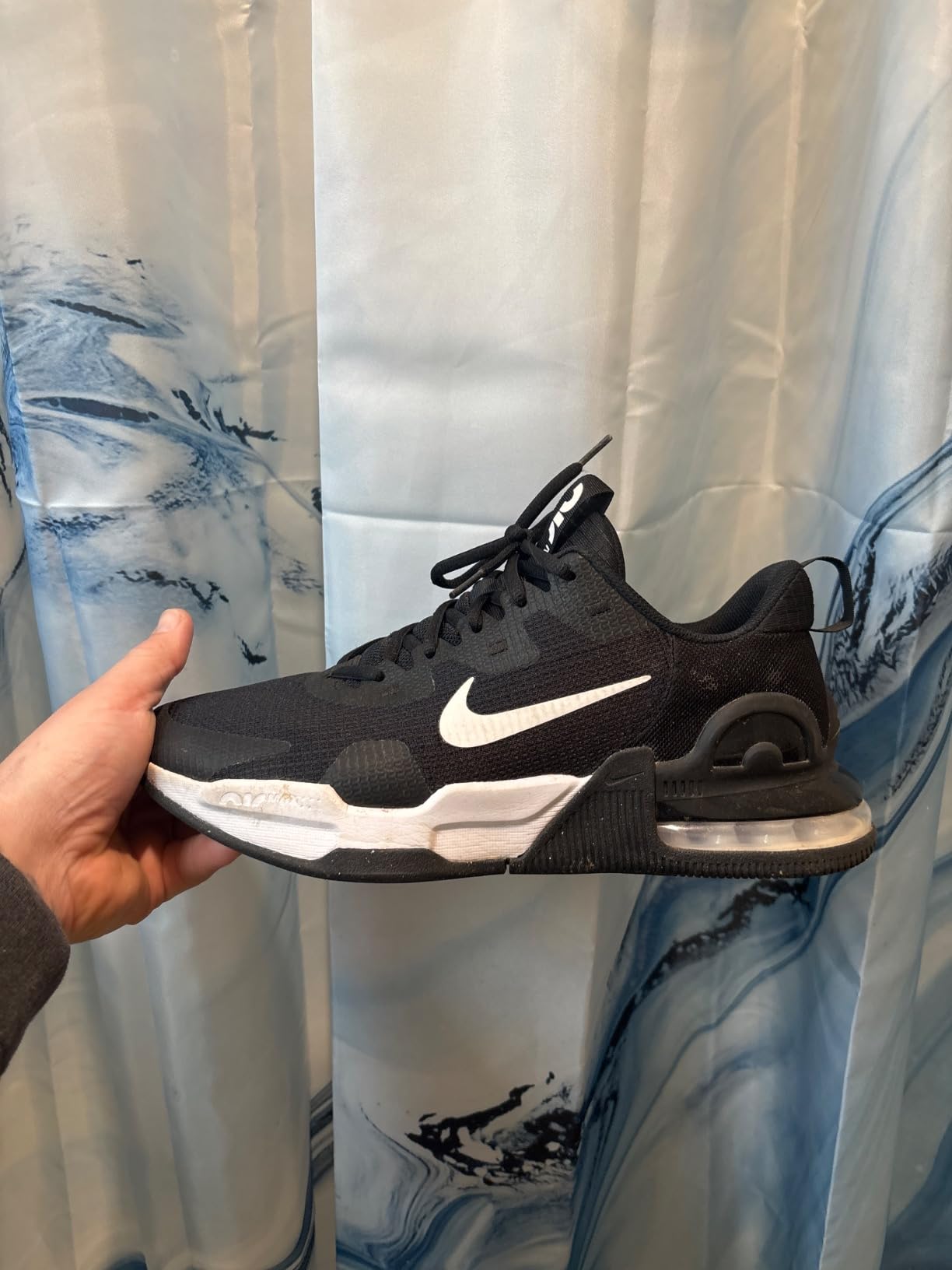
One particularly telling case: a buyer in Turkey purchased two pairs of AT5s — a gray pair and a green pair. The gray pair squeaked loudly within 30 minutes of first wear. The identical green pair, from the same purchase, was silent. That’s not a design flaw. That’s a manufacturing consistency problem.
Standard fixes — removing the insole, scuffing the outsole, applying baby powder — reportedly don’t resolve it for most affected pairs. User reviews across Dick’s Sporting Goods, Amazon, and European retailers repeat the pattern: comfortable shoe, embarrassing squeak, no reliable fix.
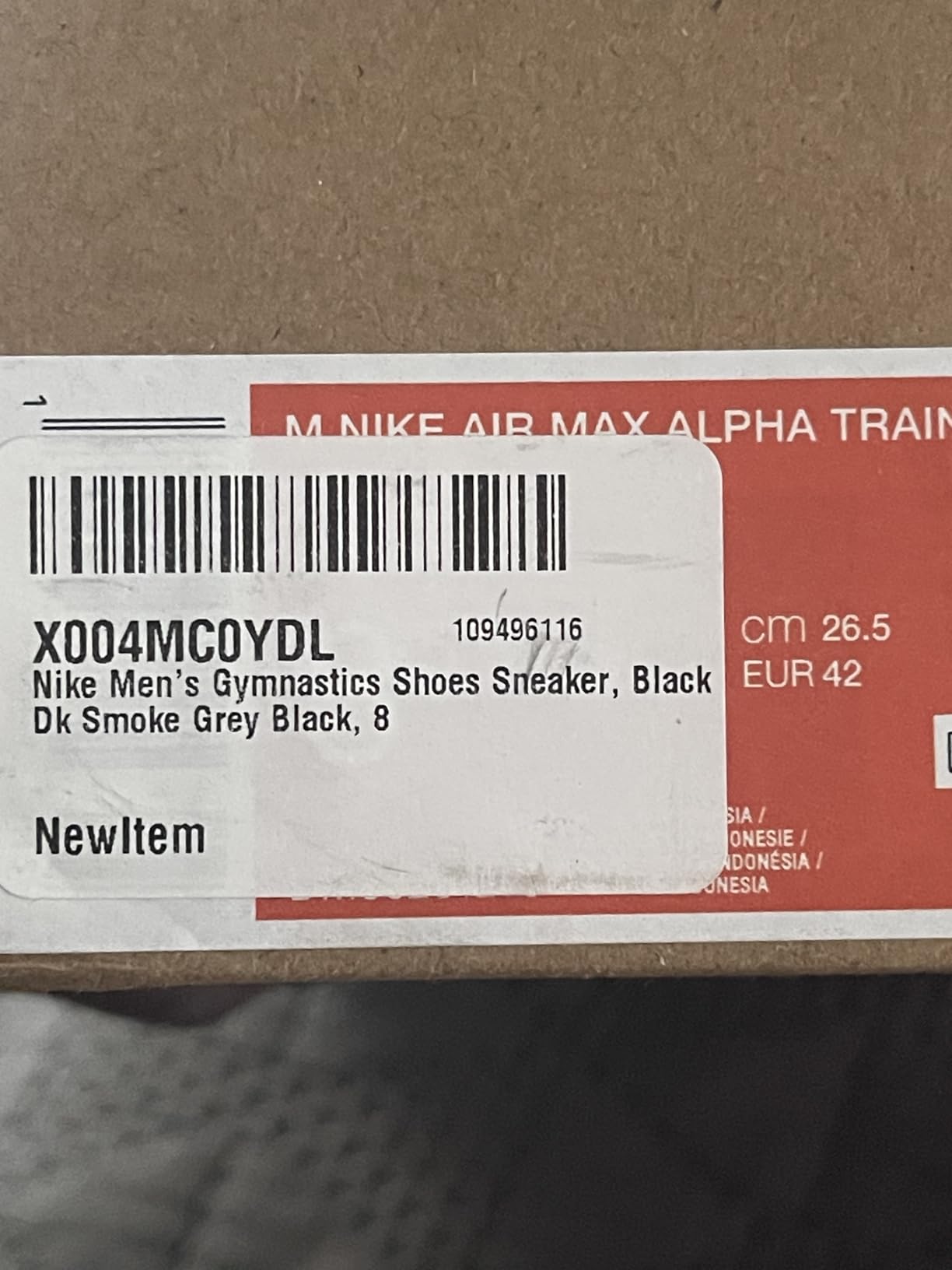
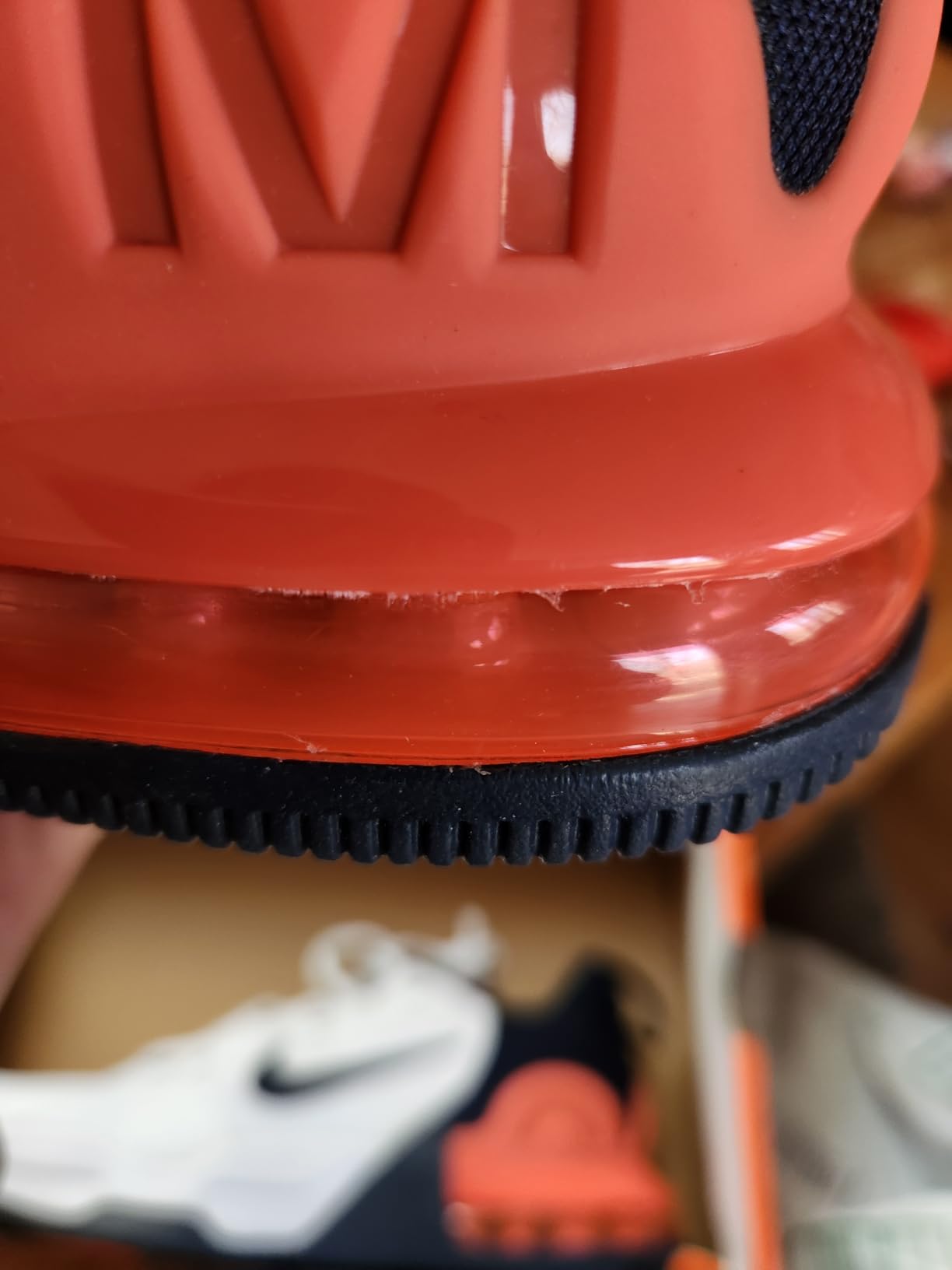
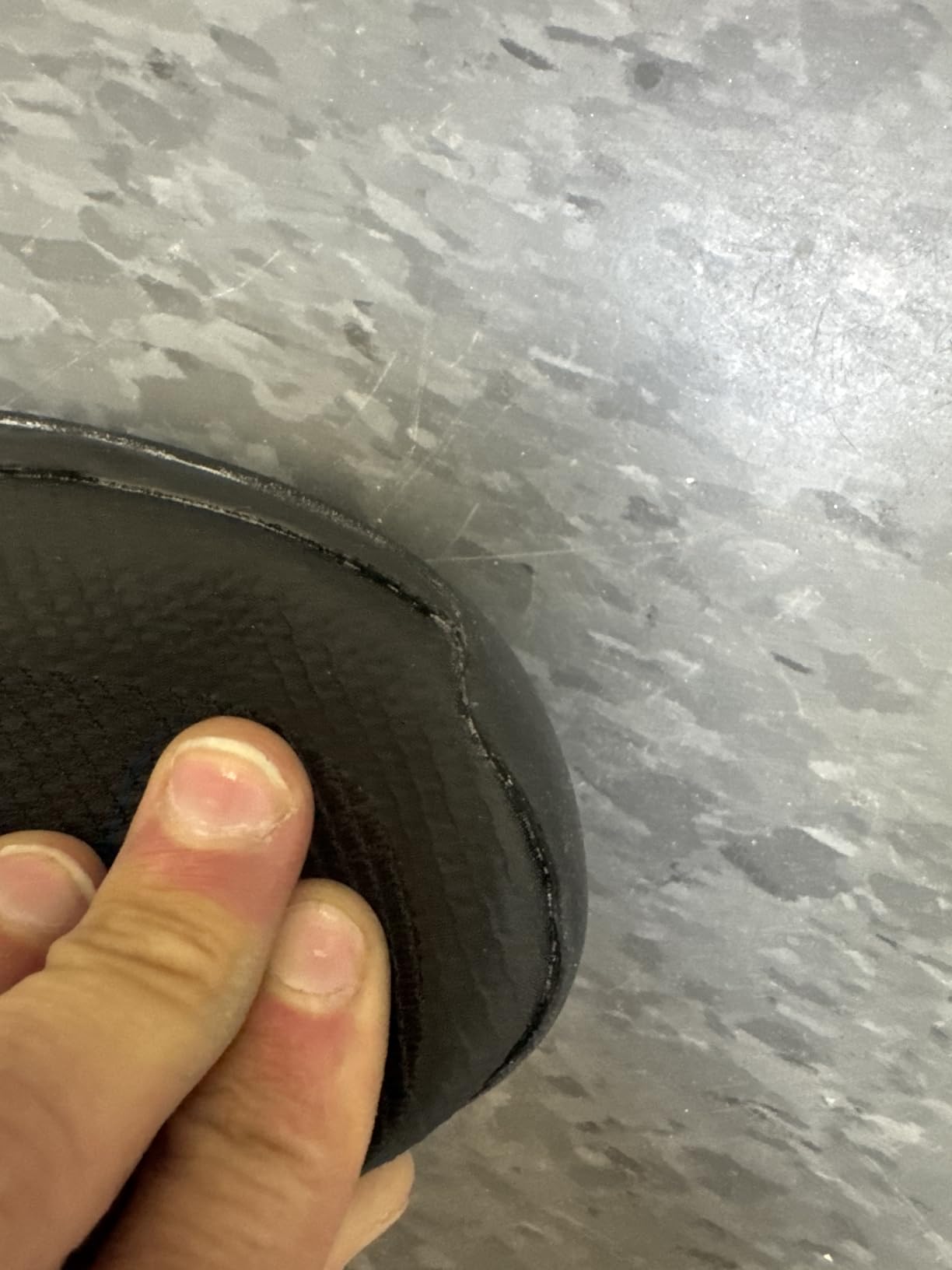
Beyond squeaking, there are scattered reports of pairs arriving with visible glue residue, damaged packaging, or what appears to be refurbished product sold as new. This seems retailer-dependent rather than Nike-systemic, but it adds another layer of uncertainty to the purchase.
My pair didn’t squeak. But knowing what I know now, I’d only buy this shoe from a retailer with a no-questions-asked return policy, and I’d test it extensively within the return window.
Fit, Sizing, and the Toebox Question
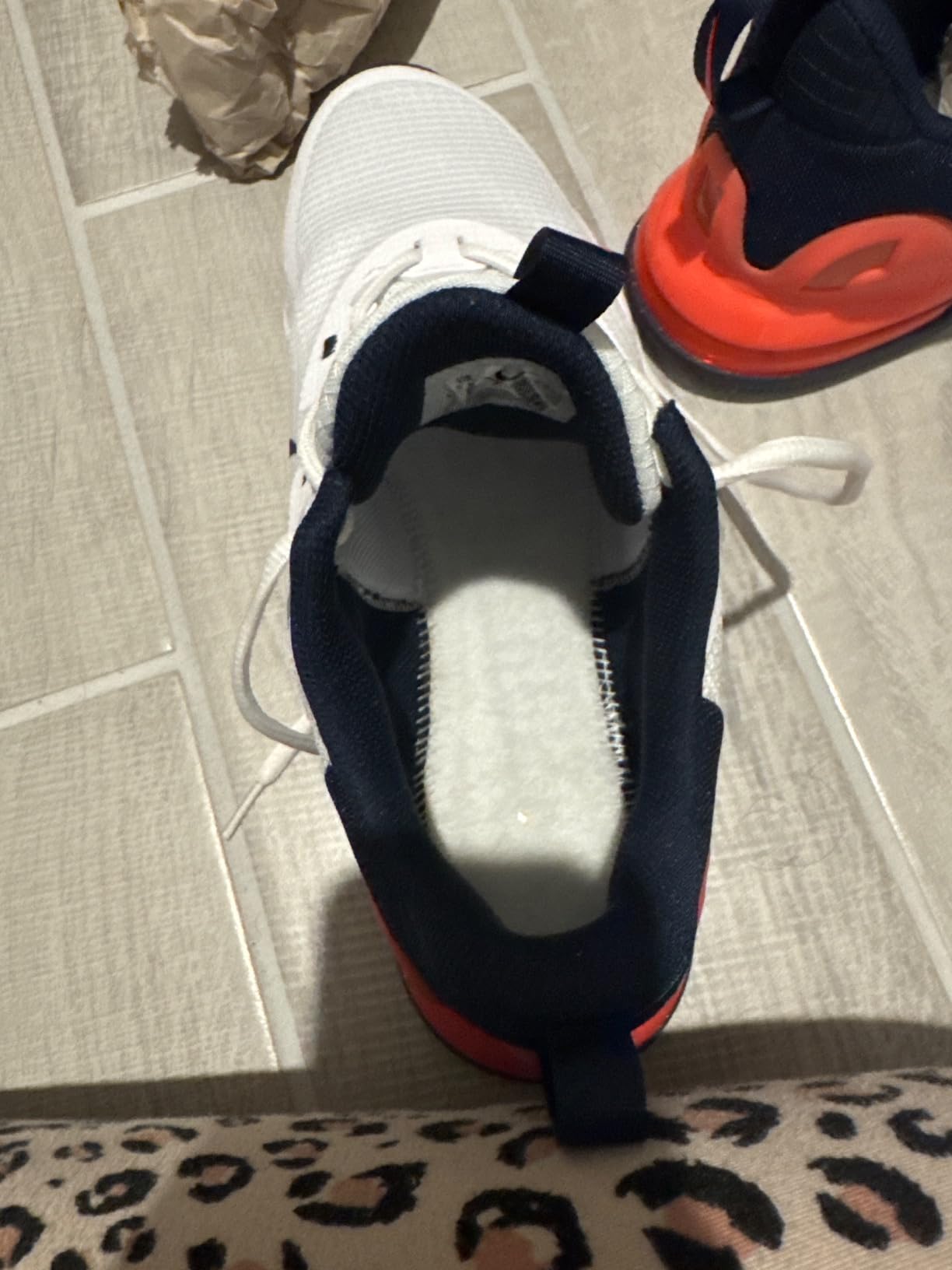
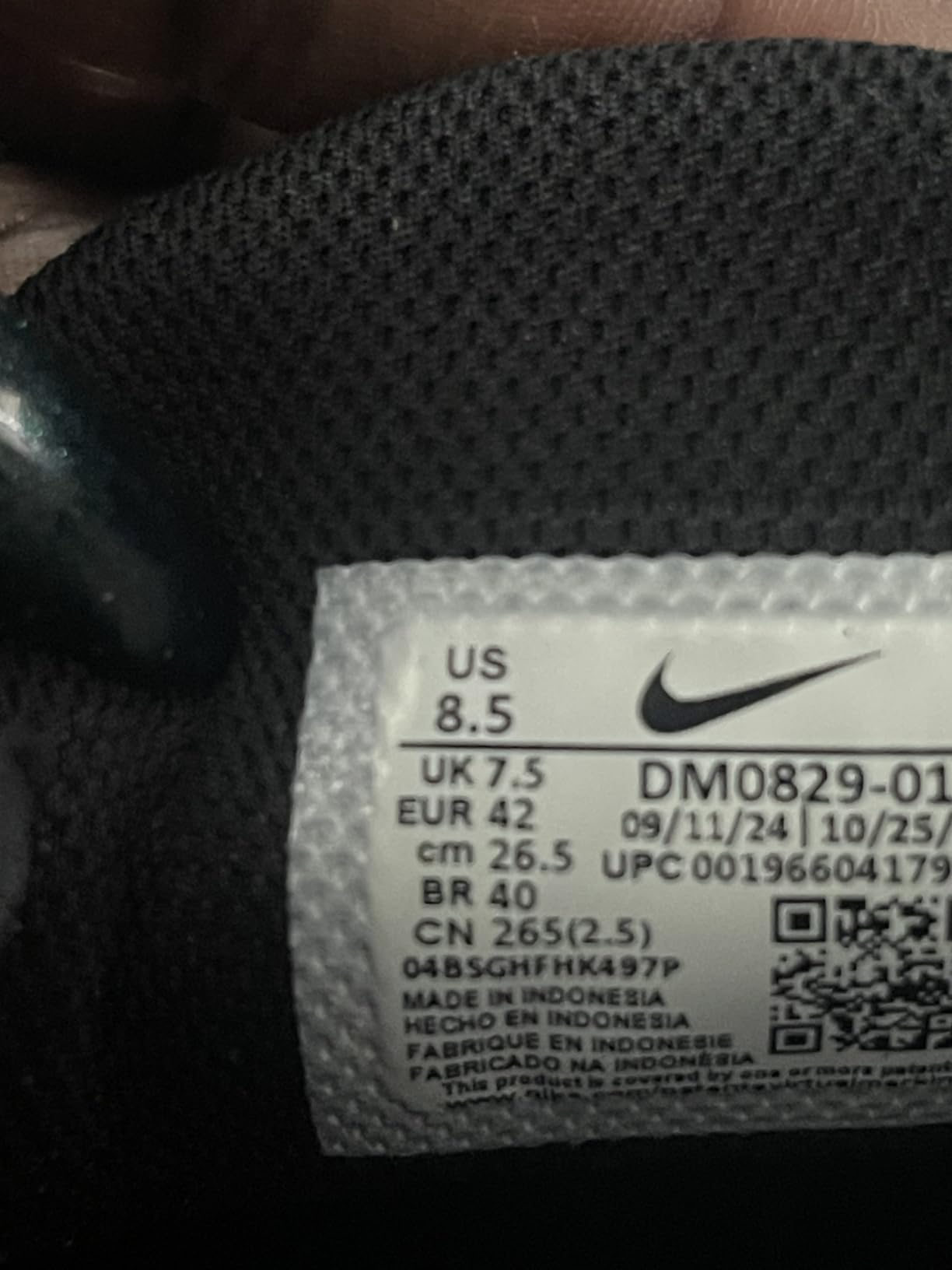
True to size for standard-width feet. RunRepeat’s 219-person survey confirms this, and my own experience matches — no break-in needed, comfortable from first wear.
But the toebox tells a more nuanced story. The shoe feels roomy through the midfoot — the overall upper width measures 101.5mm at its widest, slightly above the 100.6mm category average. Where it narrows is at the toes: 76.1mm, measurably below the 78.8mm average. The flat, wide sole creates a perception of spaciousness that the toebox doesn’t fully deliver.
For standard-width feet, this is a non-issue. My feet had room to splay during heavy pulls, and I experienced no pinching across 45+ hours of wear. For wide feet, size up half a size — and even then, try before committing. For very wide feet, this shoe probably isn’t for you regardless of sizing adjustments.
Wide variants exist but availability varies by colorway and retailer. Worth checking before assuming they’ll be in stock.
Durability Reality and Lifespan Math
The outsole is a bright spot. At 90.1 HC hardness — harder than 93% of training shoes tested, harder than the average hiking boot — this rubber will outlast everything else on the shoe. After six weeks of regular gym use plus walking to and from the car on concrete, the tread pattern shows minimal wear. The 4.3mm thickness (above the 3.6mm average) gives you runway.
The toebox mesh is the weak link. RunRepeat’s Dremel test punched through in under a second — where the Reebok Nano X3 barely scratched under the same test. For standard gym work without rope climbs or aggressive toe drags, this vulnerability matters less. But if your training includes any of those, budget for faster replacement.
Projected lifespans based on my degradation curve:
- Light use (1-2x/week casual gym): 12-18 months before cushioning becomes unacceptable
- Moderate use (3-4x/week structured training): 6-9 months realistically
- Heavy daily use (5-6x/week or 8+ hour shifts): 4-6 months
At $75, a light user pays roughly $1.00-1.45 per week. A heavy user pays $2.88-4.33 per week. The Nike Metcon 9 at $130 lasting 10-14 months for moderate use works out to $2.14-3.00 per week — comparable or better value despite the higher sticker price.
Performance by Activity Type
Weight training (deadlifts, squats, presses): 8.5/10. This is the shoe’s sweet spot. Stable platform, firm cushioning, wide base. Tested confidently up to 315 lbs on deadlifts. The 12mm drop actually helps squat depth.
HIIT circuits: 7/10 initially, dropping to 5.5/10 by week 5. Lateral support stays strong throughout. Cushioning degradation becomes the limiting factor during high-impact work.
Box jumps and plyometrics: 6.5/10. Fine in weeks 1-2. The activity that reveals cushioning degradation first. By week 4, you’re absorbing more impact than you’d prefer.
Running: 4/10. Not what this shoe is for. Too heavy (13.8 oz), too much drop (12mm), wrong outsole geometry. If you need to run, buy running shoes.
Casual all-day wear: 7/10 initially, 5/10 after month 2. Comfortable for errands and daily walking in weeks 1-3. Heat buildup and cushioning degradation reduce all-day viability over time.
Who This Shoe Is Actually For
Buy it if:
- You train 1-3 times per week at light-to-moderate intensity
- Weight training stability is your primary concern
- You have standard-width feet and fit TTS in Nike
- You want a budget Nike trainer and accept a 6-12 month lifespan
- You’re willing to buy from a retailer with return policies (QC hedge)
Skip it if:
- You train 4+ times per week at high intensity — cushioning won’t keep up
- You have wide feet — the 76.1mm toebox will constrict
- Running is any significant part of your training — wrong shoe entirely
- Durability is a top priority — several alternatives last longer at similar or slightly higher prices
- You’re sensitive to noise — the squeaking lottery is real
Alternatives Worth Considering
| Shoe | Price | Best For | vs. AT5 |
|---|---|---|---|
| Nike Metcon 9 | $130 | Heavy training, CrossFit | More durable, better breathability, heavier investment — better cost-per-wear for frequent trainers |
| Reebok Nano X3 | $140 | CrossFit, versatile training | Superior upper durability, lower drop (7.7mm), more ground feel — the serious cross-trainer pick |
| Under Armour Charged Commit 4 | $75 | Budget general training | Similar price, reportedly more consistent QC — if brand doesn’t matter, worth testing head-to-head |
| PUMA Softride Enzo 5 | $70 | Light training, casual wear | Better cushioning longevity for light use, less stability for heavy lifts |
The Verdict
| Category | Score | Notes |
|---|---|---|
| Comfort | 7.0/10 | Strong initially, degrades measurably by week 3 |
| Stability | 8.5/10 | Genuine strength — secure at 315 lbs, excellent lateral control |
| Durability | 5.5/10 | Outsole lasts; cushioning and toebox don’t |
| Value | 6.5/10 | Good for light users, poor for heavy — cost-per-wear favors Metcon |
| Performance | 7.5/10 | Excellent gym shoe when cushioning is fresh |
| Overall | 6.8/10 | Stable when working, unreliable over time |
The Nike Air Max Alpha Trainer 5 is a shoe caught between two identities. During weeks 1-3, it performs like a $120 trainer — stable, cushioned, confident. By week 5-6, it performs like what it costs: a budget shoe with compressed longevity. If you go in knowing the cushioning has an expiration date and the QC includes a squeaking lottery, you can make an informed decision. For casual gym-goers who train a couple of times a week, the AT5 offers real stability at a fair price. For anyone training harder or expecting their shoes to last a year, the math points toward the Metcon 9 or Nano X3.
Buy smart: reputable retailer, return policy, test within the window. That’s the real Alpha Trainer 5 buying strategy.
Frequently Asked Questions
Do these actually squeak as bad as reviews say?
For pairs that are affected, yes. The squeaking is persistent, occurs with every step, and standard fixes like insole removal or sole scuffing don’t reliably solve it. A documented case shows one colorway squeaking while an identical second colorway from the same order stayed silent — confirming it’s a batch/manufacturing issue, not an inherent design flaw. Your best protection is buying from a retailer with a generous return policy and testing thoroughly within the return window.
Are they true to size?
Yes for standard-width feet — confirmed by 219 voters on RunRepeat and my own testing. The midfoot feels appropriately sized with no break-in needed. However, the toebox narrows to 76.1mm (below the 78.8mm average), so wide-footed buyers should go up half a size or try before buying. Some European reviewers suggest sizing up, which may reflect regional sizing differences.
How long do they realistically last?
Depends entirely on training intensity. Light use (1-2x/week): 12-18 months. Moderate structured training (3-4x/week): 6-9 months. Heavy daily use: 4-6 months. The cushioning degrades faster than the outsole — you’ll want to replace the shoe for comfort before the tread wears out.
Are they good for heavy lifting?
Yes, with a ceiling. The wide, flat platform and 4/5 torsional rigidity make them genuinely stable for deadlifts, squats, and presses at moderate-to-heavy weights. I tested up to 315 lbs on deadlifts without concern. The 12mm drop actually aids squat depth. For competitive powerlifting or loads consistently above 365, you want something lower and stiffer — but for gym lifting, these perform well.
Can I run in these?
Technically yes, practically no. At 13.8 oz with a 12mm drop, these are too heavy and too elevated for efficient running. Short conditioning sprints during circuit work are fine. Treadmill jogs of a mile or two are tolerable. Anything beyond that, get proper running shoes.
How do they compare to the Nike Metcon 9?
The AT5 ($75) is cushier initially and cheaper. The Metcon 9 ($130) is more durable, breathes better, and has better toebox reinforcement for CrossFit movements. Over 12 months of moderate training, two pairs of AT5 ($150) give you comparable or worse performance than one pair of Metcon 9 ($130). If durability and versatility matter more than upfront cost, the Metcon is the better investment.
Should I get AT5 or wait for Alpha Trainer 6?
The Alpha Trainer 6 is already available at $90. If you’re paying full price ($90) for the AT5, the AT6 is the smarter buy — likely with updated cushioning and potentially improved QC. If you can find the AT5 at $65-75 on clearance, it’s a reasonable deal for casual training knowing the limitations.
What about wide feet?
The toebox measures 76.1mm — narrower than the 78.8mm average. Wide variants exist but stock varies. If you have genuinely wide feet, size up half a size and buy from a retailer with returns. For very wide feet, consider the Under Armour Charged Commit 4 or Metcon line, which accommodate wider foot profiles more consistently.
Be the first to review “Nike Men’s Nike Air Max Alpha Trainer 5”
Related products
Running Shoes
Sneaker
Sneaker
Sneaker
Reviews
There are no reviews yet.