
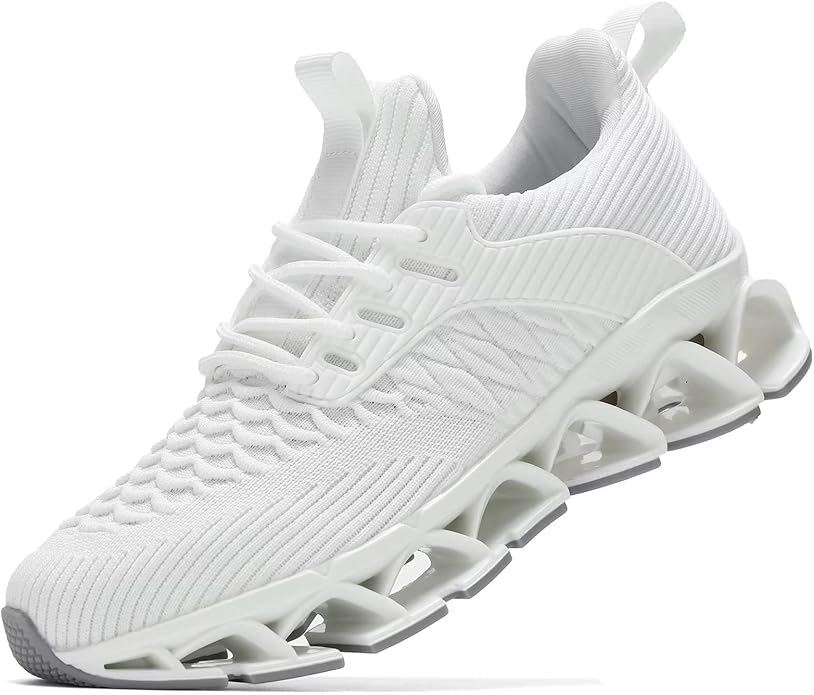
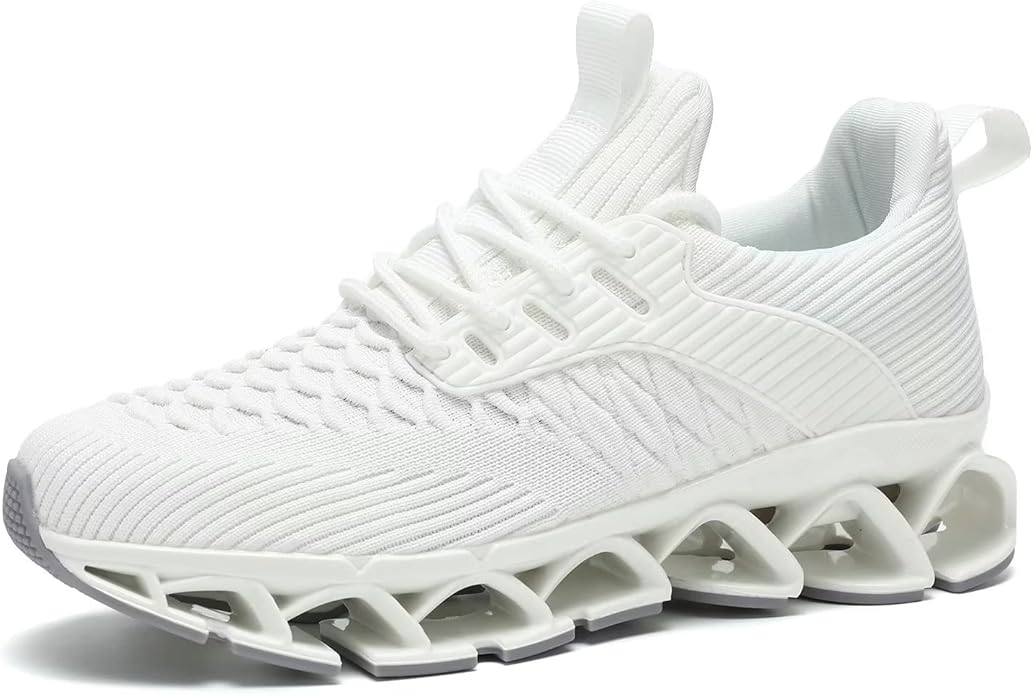
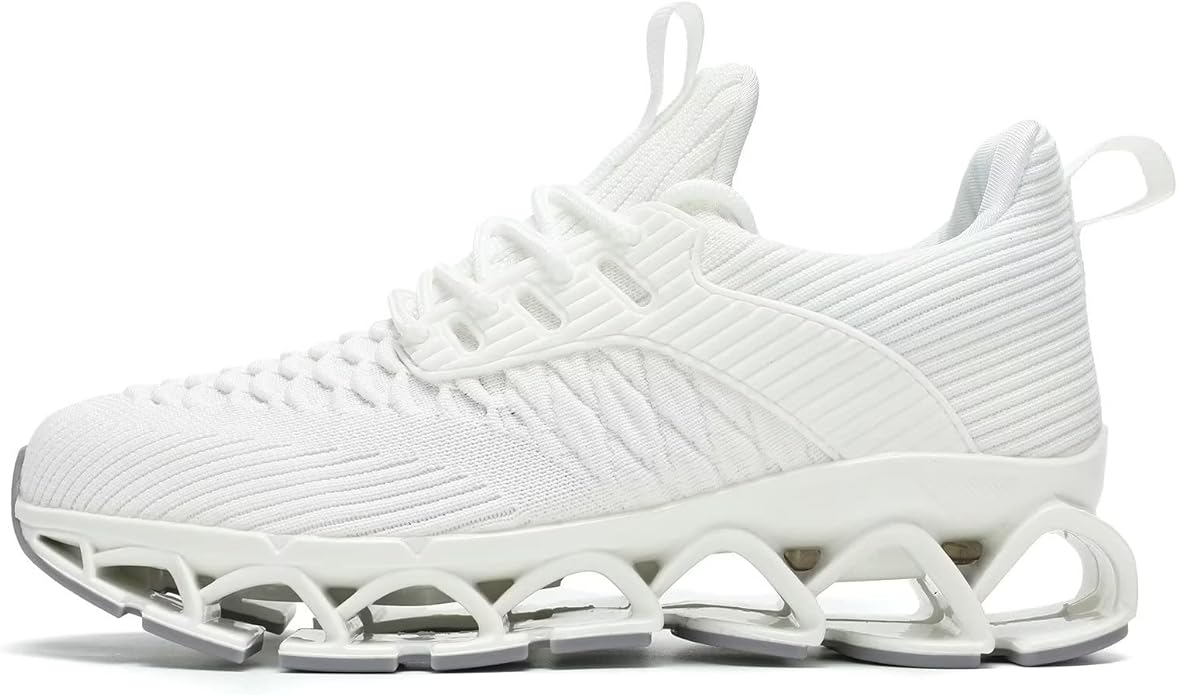
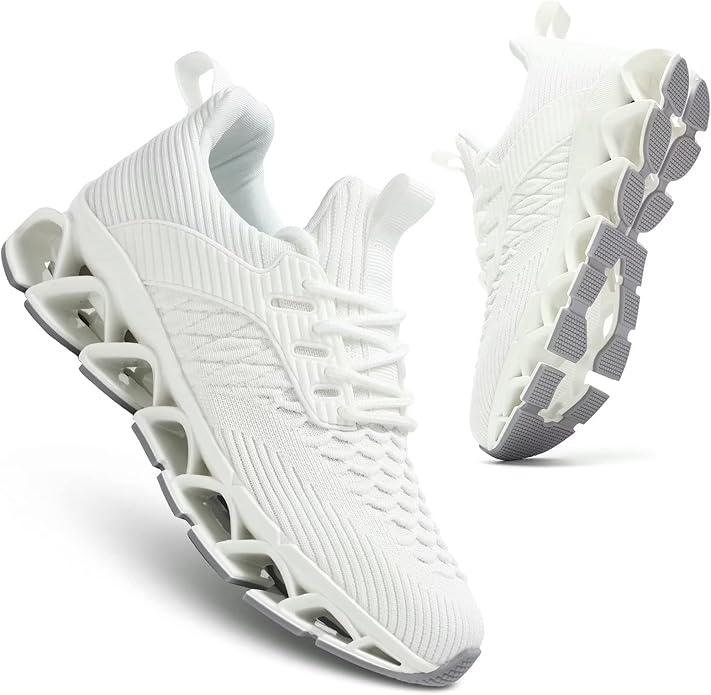
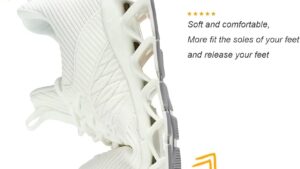
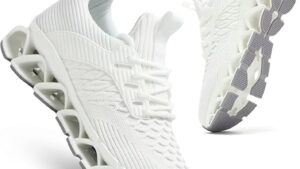
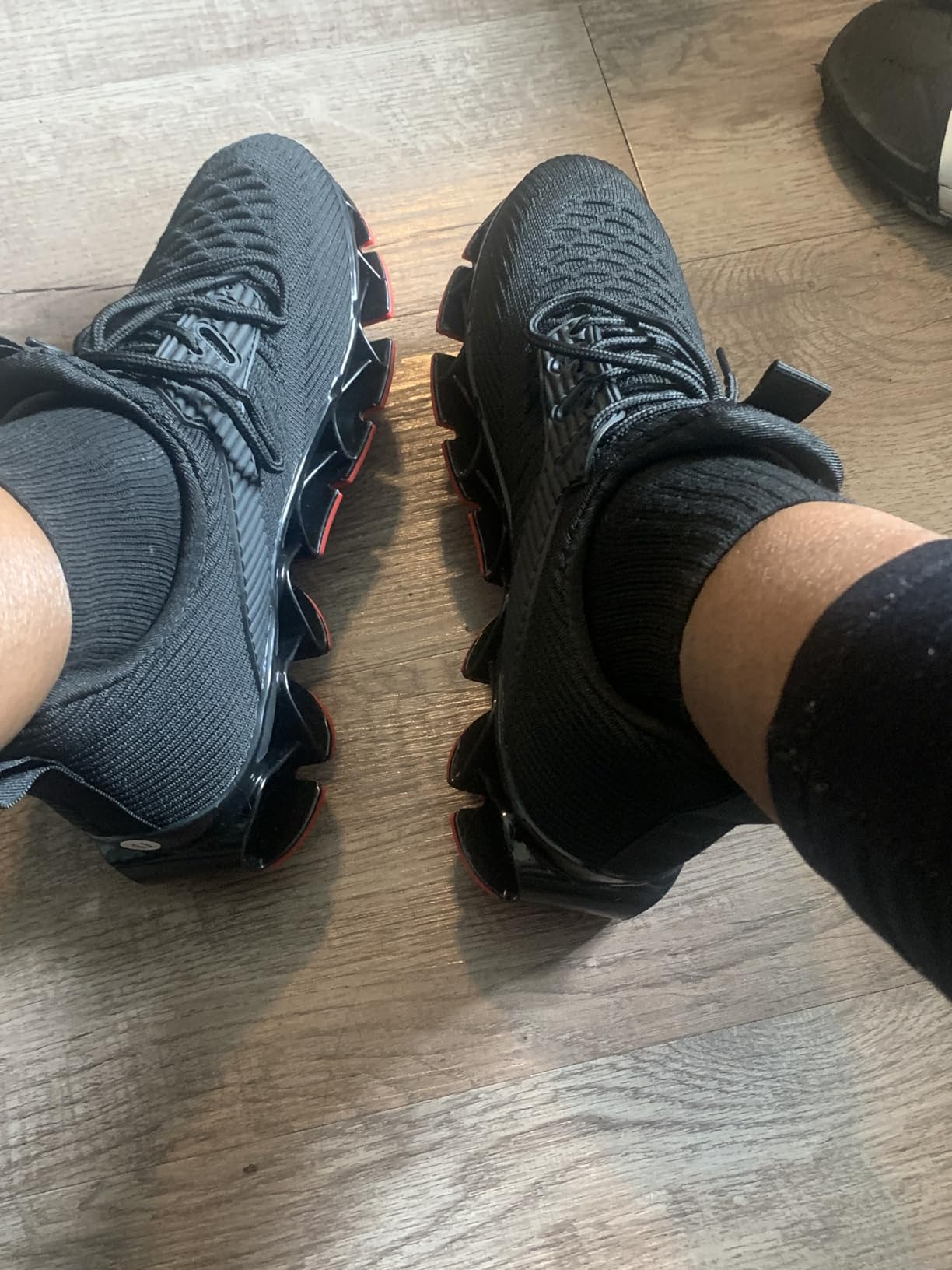
Sarah here — working mom, size 8, and the person who tested these Wrezatro blade sneakers through 40-plus wear sessions over six weeks so you don’t have to guess. At $45–50, they promise comfort, energy return, non-slip performance, and running capability. That’s a lot to promise for under $50. Here’s exactly what held up and what didn’t.
Short version: The memory foam comfort is real and genuinely impressive for the price. The non-slip and running claims are not. If you need comfortable, easy-wear shoes for a hospital shift or a day of classroom teaching, you’re going to love these. If you’re picturing yourself running a 5K or doing yoga on a polished floor, please keep reading before you order.
Overall: 7.2/10
Technical Specifications
- 💰 Price: $45–50
- ⚖️ Weight: ~8 oz (women’s size 8)
- 🧪 Midsole: Memory foam insole with elastic blade sole
- 👟 Upper: Breathable mesh fabric (stretchy, not structured)
- 👠 Outsole: Rubber (though feels synthetic/plasticky in hand)
- 👡 Closure: Slip-on, no laces
- 🎨 Colors: White (primary), Beige, Black-Red
- 🧺 Care: Machine wash cold, air dry overnight
- ⏱️ Testing: 6 weeks, 40+ sessions, various surfaces and activities
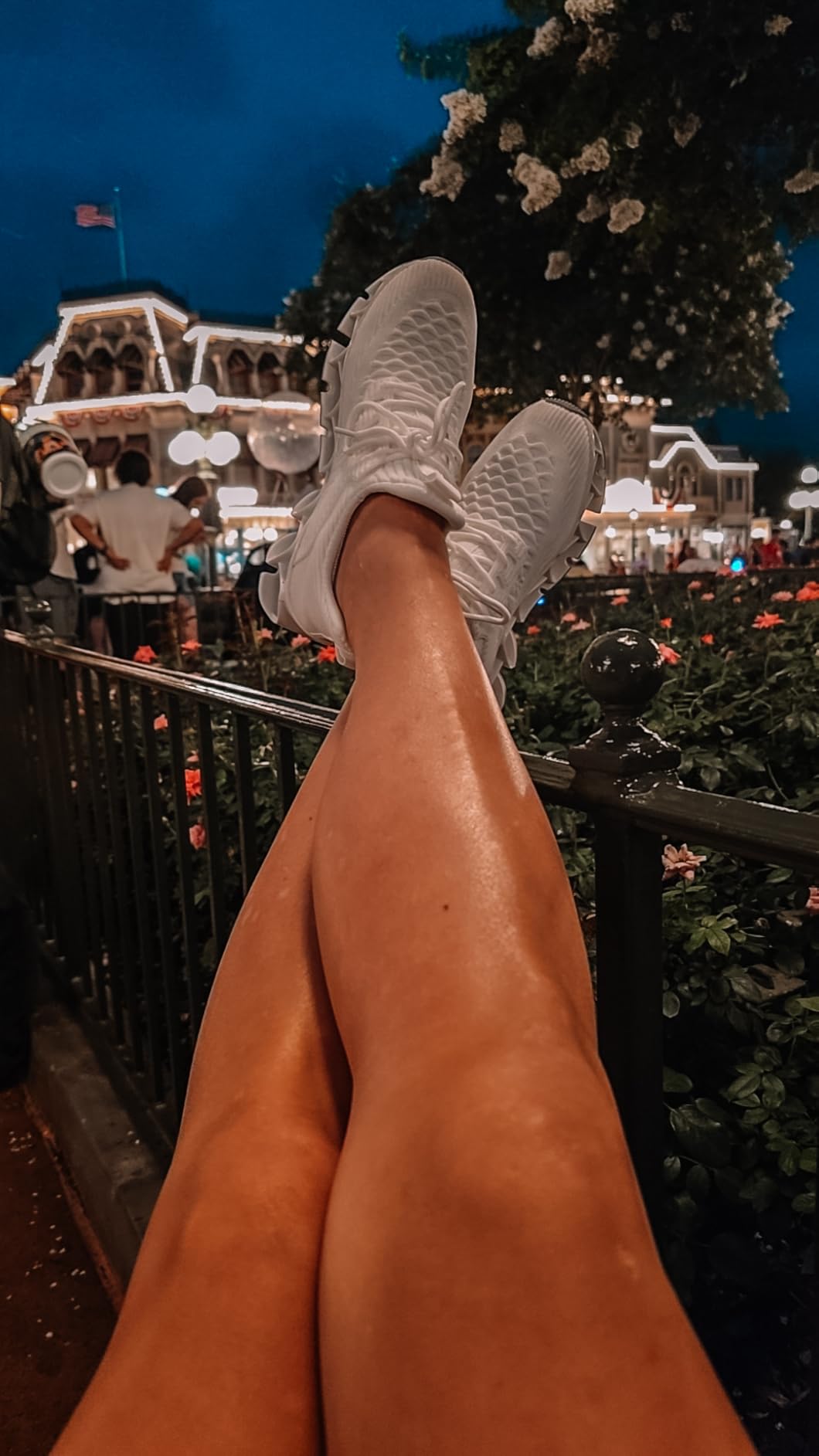
Why I Tested These (The Setup)
My schedule most weeks: work meetings in the morning, school pickup in the afternoon, maybe a neighborhood walk if I’m lucky. I need shoes that can handle 10 hours of wear without feeling like punishment, look presentable enough for the office, and take zero effort to get on in the morning when I’m half-awake. The Wrezatro blade sneakers checked those boxes on paper. Slip-on, memory foam, under $50, and they arrived with two-day shipping. Done.
What I didn’t expect was the gap between the marketing language and what I actually experienced — particularly around traction and running performance. That gap is worth understanding before you buy, which is why I’m laying it out section by section.
The Comfort Story — Where These Actually Deliver
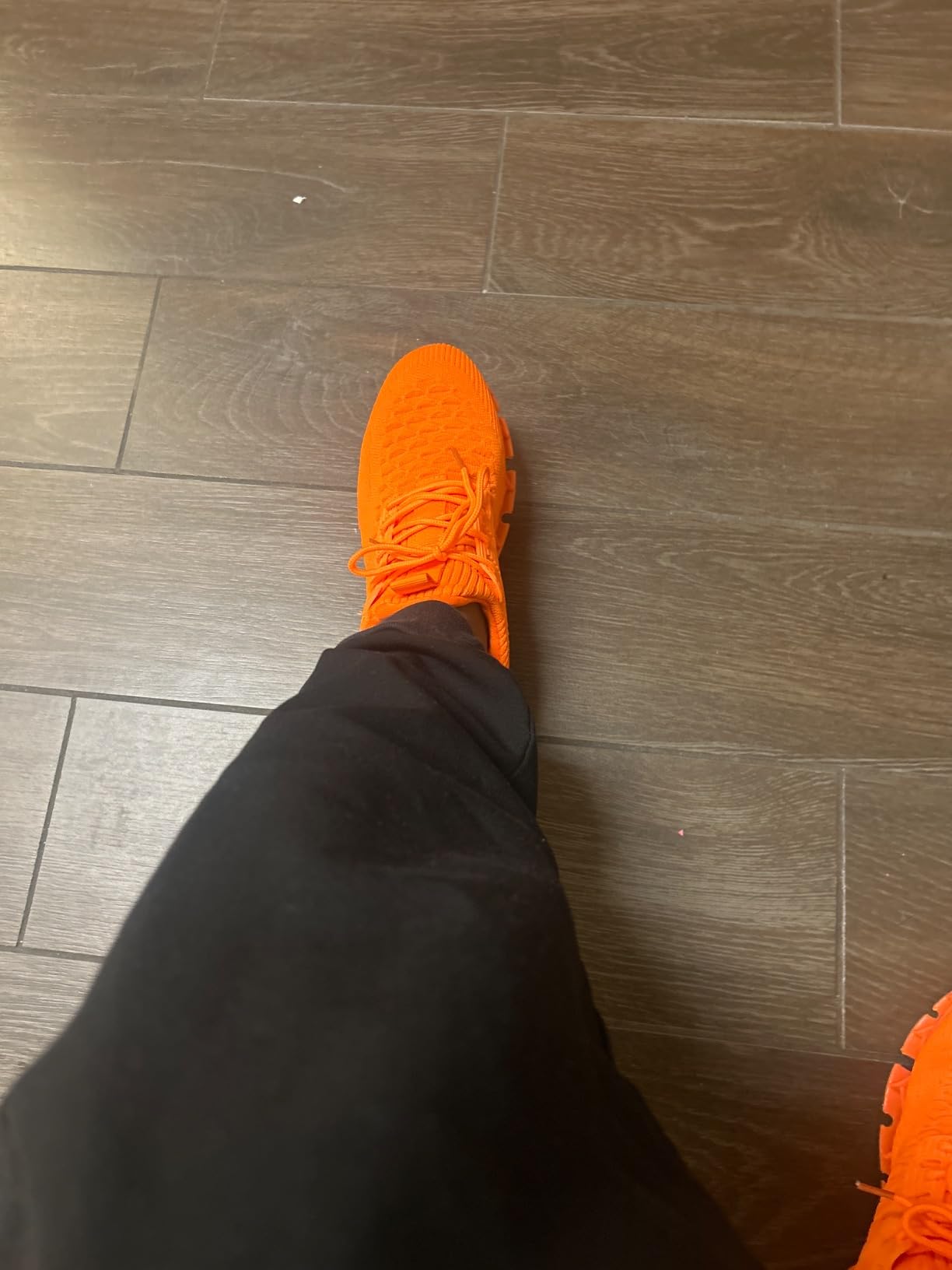
The memory foam insole is the shoe’s best feature, full stop. I wore these for a 10-hour conference in week one — standing during presentations, walking the event floor, sitting in sessions. At hour 10 my feet weren’t screaming, which is a real accomplishment at this price point. The foam provides actual cushioning against hard surfaces without the harsh impact you get from thin-soled budget shoes.
Six weeks in, the foam has softened slightly compared to week one but hasn’t collapsed. I can still feel the difference between these and a flat canvas sneaker. The break-in period is zero — I wore them from the box to that conference without any blisters or hotspots. For a busy mom who doesn’t have time to break in new shoes over two weeks of careful rotation, that matters.
The mesh upper is genuinely breathable. On warm days, these don’t turn into foot saunas the way some synthetic shoes do. The material has a little stretch to it, which helps accommodate different foot widths and makes the slip-on entry smooth even mid-rush.
Surface-by-Surface Comfort Guide
| Surface | Comfort | Notes |
|---|---|---|
| Carpet (office, home) | 9/10 | Memory foam + flexible sole = best combination |
| Textured rubber mats | 8/10 | Good all-day wear; comfortable for standing |
| Hard tile (dry) | 8/10 | Comfortable but read the traction section before trusting these |
| Outdoor concrete (dry) | 7/10 | Lightweight helps; plasticky sole feel becomes noticeable |
| Polished floors, wet surfaces | 6/10 | Comfort fine; traction is a different story |
The Traction Problem — Read This Before You Order
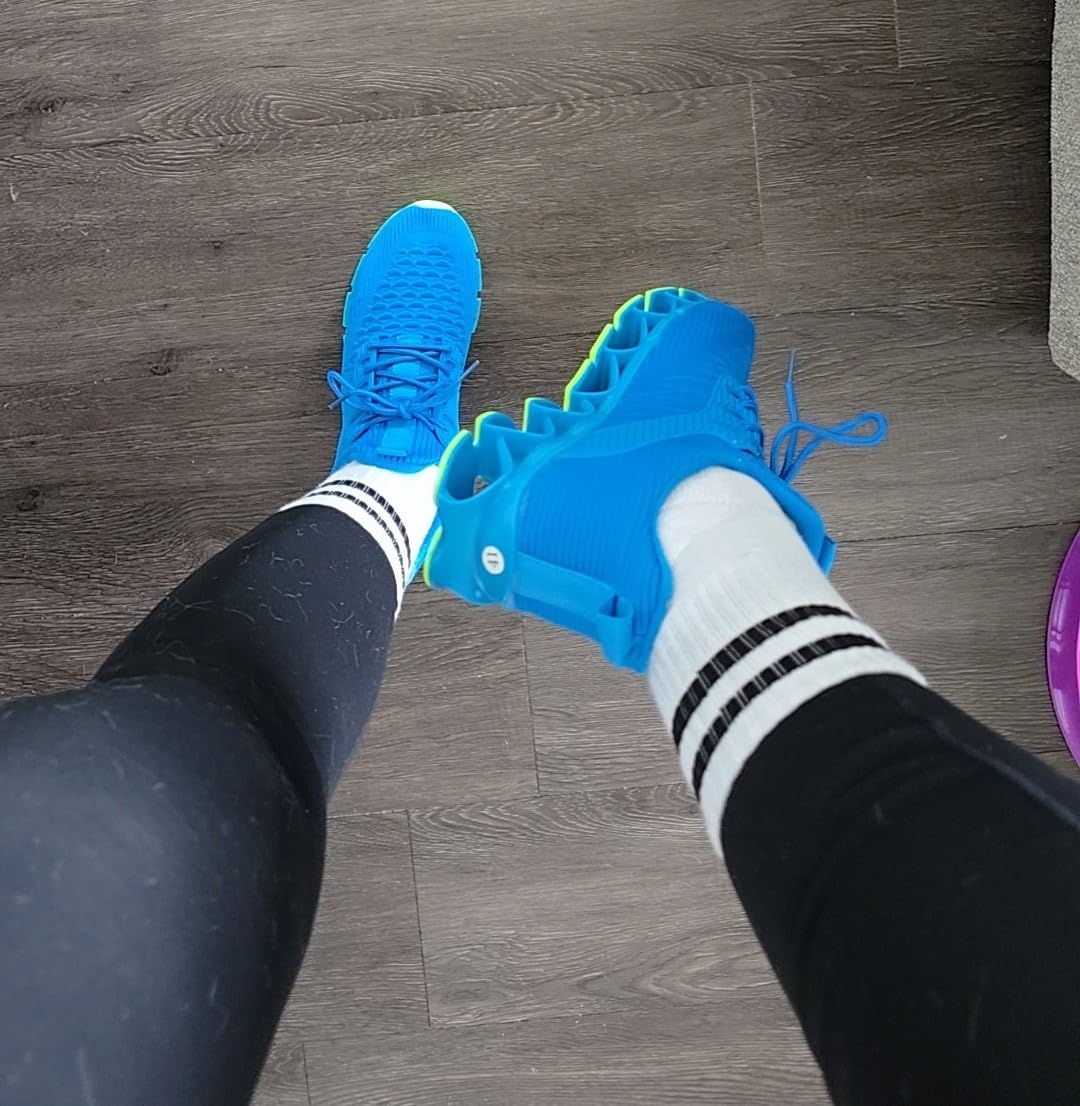
Week three, I wore these to a yoga class held on a polished gym floor. About 20 minutes into the session, during a basic warrior pose, my right foot shifted. Not a dramatic slip — more like a quiet loss of confidence in where my foot was. I adjusted my stance and got through the class, but I was compensating the whole time.
This matches a pattern I found in community reviews. One user reported ending up in the splits during a volleyball game because the sole provided zero grip on a smooth indoor court. Another person tried to use these for a 5K run and had foot problems for three weeks afterward. These aren’t outliers — they’re consistent with what the sole material actually does on smooth, hard surfaces.
Here’s why it happens. The blade sole is designed for flexibility and lightweight feel, not grip. Run your finger along the bottom of these shoes and you’ll notice it’s relatively smooth — there’s no deep tread, no aggressive rubber lug pattern, no textured compound. On carpet and natural surfaces, the fiber/texture of the ground provides enough friction that you don’t notice. On polished tile, smooth gym floors, or wet concrete, there’s nothing to grab. The marketing calls this “anti-slip” — it isn’t, on those surfaces.
Where Traction Works vs. Where It Fails
| Surface | Traction | Safety Level |
|---|---|---|
| Carpet (office, home, hotel) | 8/10 | ✅ Safe |
| Dry grass / outdoor textured | 7/10 | ✅ Adequate |
| Dry concrete | 5/10 | ⚠️ Use with awareness |
| Textured rubber gym mats | 6/10 | ⚠️ Okay for standing, risky for lateral moves |
| Hard tile (dry) | 4/10 | ⚠️ Caution; avoid dynamic movements |
| Polished tile / smooth floors | 3/10 | ❌ Not safe for active movement |
| Wet surfaces (any) | 2/10 | ❌ Avoid |
If your job involves moving through hospital hallways with mixed flooring, or retail floors where sections get wet, pay attention to that bottom half of the table. The traction gap is not theoretical.
Marketing Claims vs. What the Testing Found
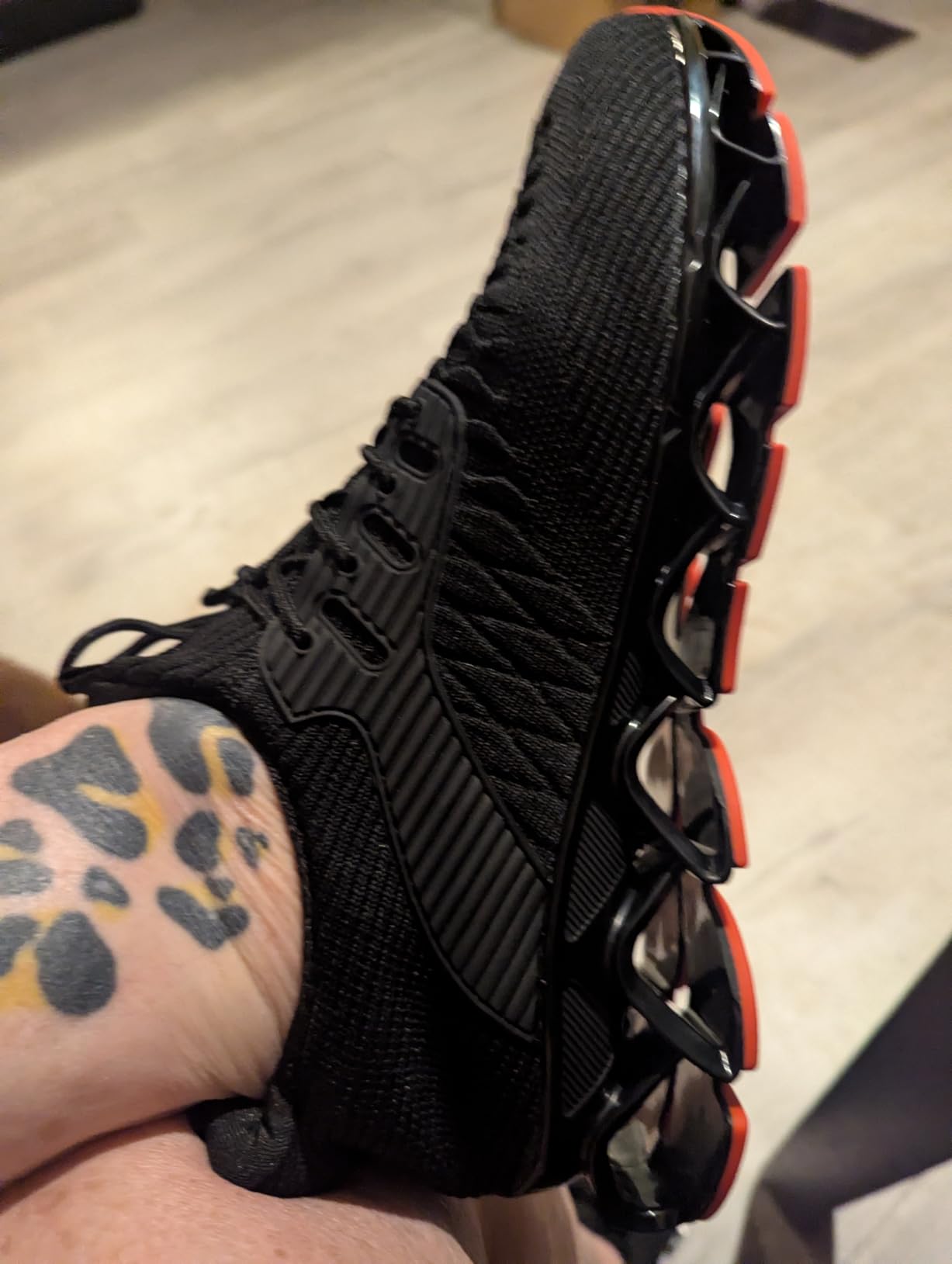
Amazon’s listing and third-party roundup sites make some specific claims about these shoes. I want to address them directly because several of them are meaningfully misleading.
“Non-Slip, Anti-Slip Performance” — False on smooth surfaces. The testing shows consistent grip failure on polished floors and wet surfaces. If you need genuine non-slip footwear (medical, food service), this shoe doesn’t qualify. Look at purpose-built options like the Skechers Squad SR or Skechers Ghenter Bronaugh Work instead, which are specifically engineered for slip resistance.
“Running Shoes” — Misleading. The Amazon title includes “running shoes,” and some roundup sites list these as cardio footwear. They’re not. Running requires heel-to-toe drop, genuine energy return, dynamic gait support, and traction for varied surfaces. Wrezatro doesn’t provide any of these adequately. The 5K runner incident — foot problems for three weeks — is the clearest signal. If you want actual running shoes, the New Balance Fresh Foam Arishi V4 and ASICS Gel-Nimbus 27 Women are in a different category entirely.
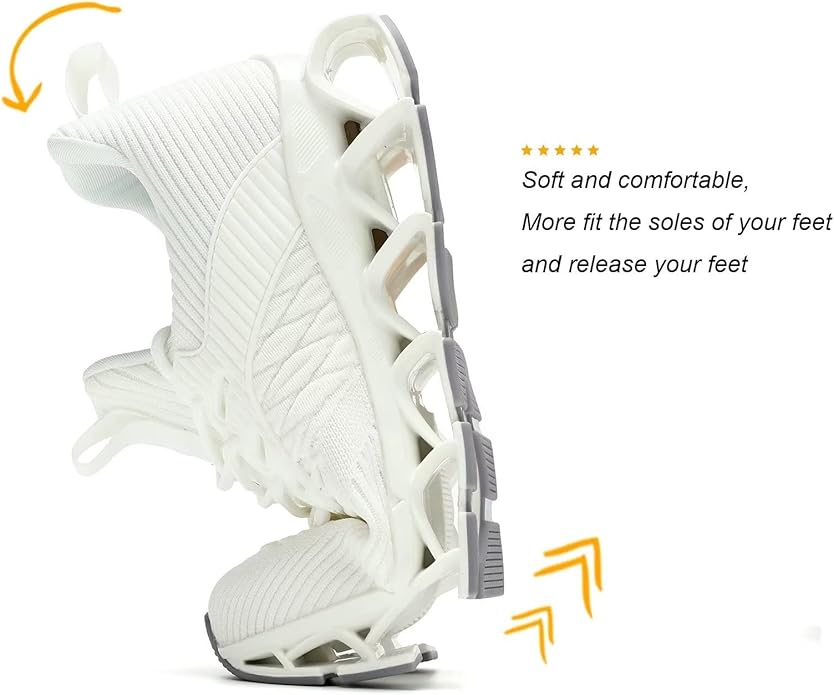
“Elastic Blade Sole for Energy Return” — Overstated. The blade design does provide flexibility and a lightweight feel. What it doesn’t do is meaningfully propel you forward like a carbon-plated plate or high-rebound EVA foam. The “independent mechanical springs” description from one roundup site is creative marketing copy, not an accurate description of what you feel underfoot.
“Ultra-Light Natural Rubber Outsole” — Partially misleading. The outsole is light and technically rubber, but it performs and feels like a synthetic rubber compound (likely thermoplastic rubber). That’s why it sounds slightly hard on tile floors and why it doesn’t provide the grip you’d expect from premium natural rubber. The weight claim checks out; the “natural rubber” quality claim doesn’t match the experience.
Fit, Sizing, and the Wide Feet Question
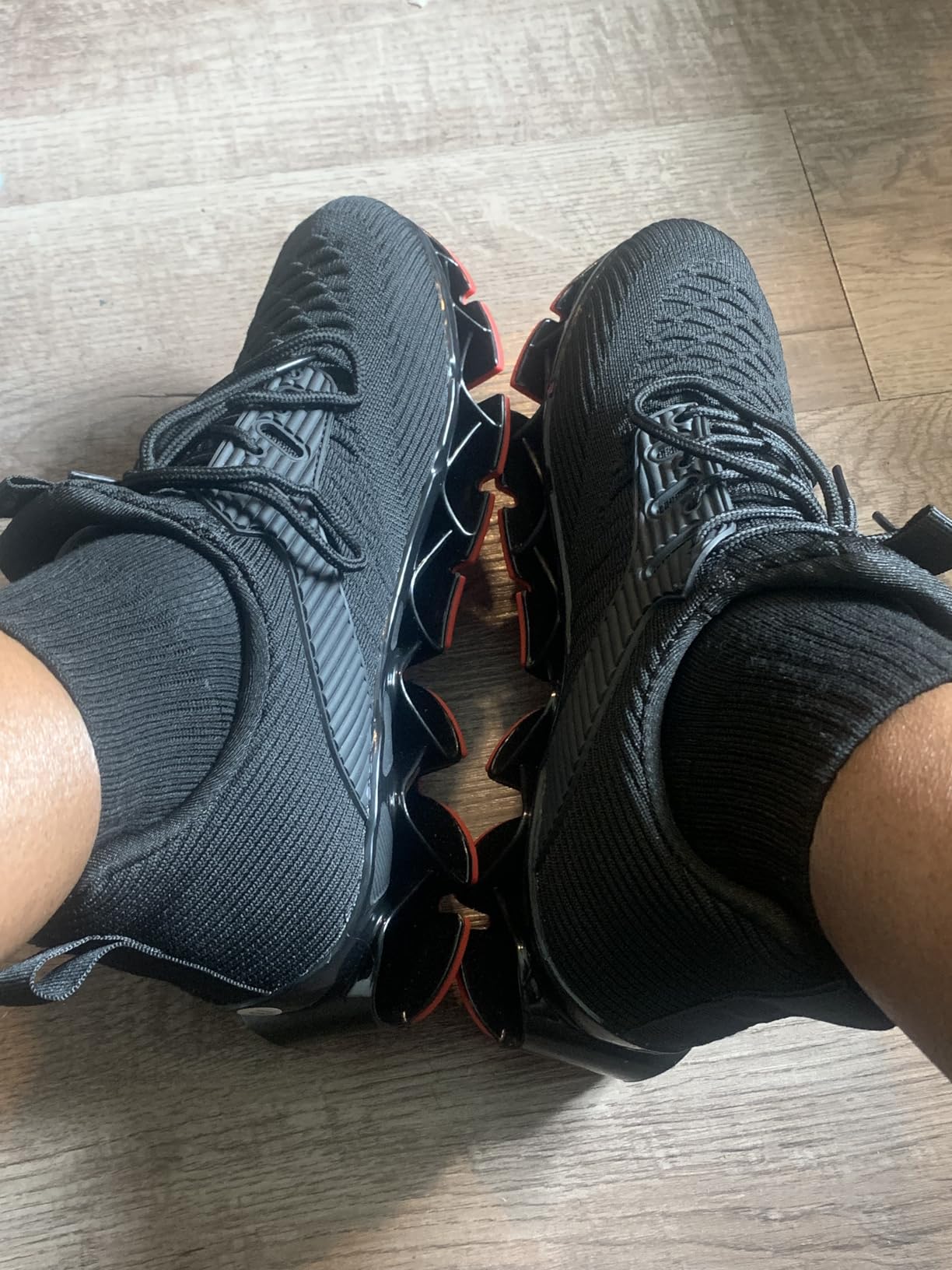
I’m a standard-width size 8, and these fit exactly as expected with no adjustments needed. The opening is wide enough for an easy entry without feeling sloppy, and the elastic around the collar keeps them snug during walking without cutting off circulation. No heel slip during normal movement.
Here’s the sizing guidance based on the pattern I found:
- Standard width feet: Order your normal size
- Wide feet: Try your normal size first; if the toe box feels compressed, go up half a size
- Narrow feet: Normal size should work; the elastic collar provides some adjustability
- Swelling tendency (long flights, heat, standing all day): Size up half a size for afternoon comfort
The mesh material has a small amount of natural stretch, which widens the fit range compared to a rigid canvas sneaker. The slip-on format means there’s no lace tension to compensate for fit issues, so getting the length right matters more than with laced shoes.
One genuine advantage: zero break-in. Day one in these shoes I wore them to a 10-hour conference without any hotspots. That’s a real win for people who don’t have time for a gradual break-in period.
How Long Do These Actually Last?
Community reviews put regular-use lifespan at 3–6 months. At 6 weeks of my own testing, I can see why — the memory foam has softened noticeably from week one, and the first signs of wear are appearing on the toe area. The foam hasn’t compressed to flat, but the compression trajectory is clear.
What typically fails first, based on the review pattern:
- Memory foam compression — the main comfort feature loses loft over time
- Toe box sole bond — where the sole flexes with each step, adhesion can weaken around the 3–4 month mark
- Mesh pilling and wear — the upper starts to show wear at the flex points
Light use (1–2 times per week) can extend lifespan to 9 months. Daily heavy use probably gets you 2–3 months. At around $47.50 divided by 4.5 months of regular use, you’re paying roughly $10.56 per month for comfortable casual footwear. That’s comparable to what you’d pay for coffee a few mornings a week — reasonable if the comfort value is there.
For context: a more durable option like the Skechers Summits or the Wonesion Walking Running Shoes may offer better long-term cost per wear if daily use is your situation.
Who Should Buy These — and Who Shouldn’t
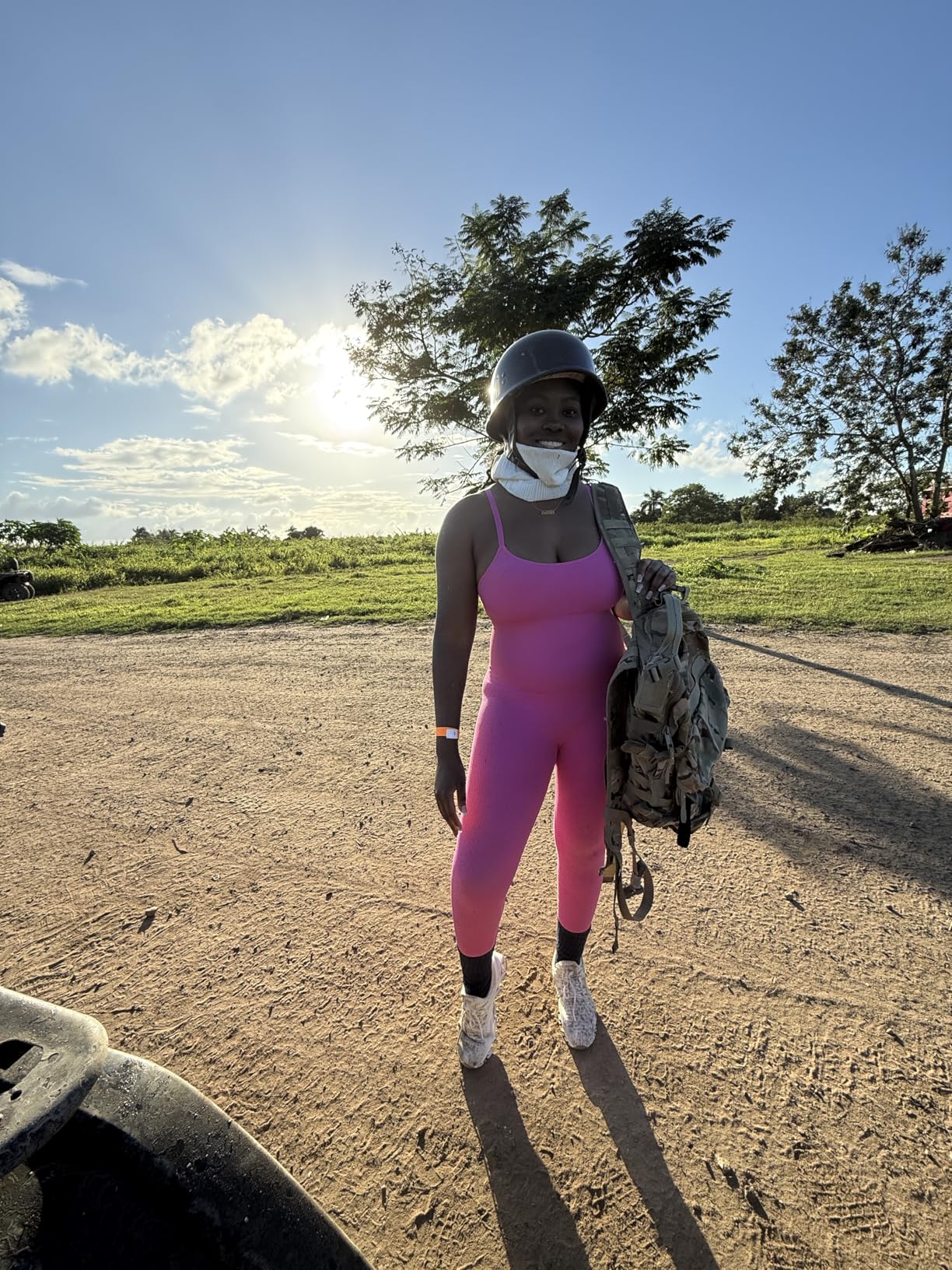
These are a strong match if you:
- Work in healthcare, education, or retail where you’re on your feet 8–12 hours primarily on carpet or textured flooring
- Need a comfortable slip-on for school pickups, errands, and daily casual wear
- Want all-day comfort at under $50 and understand the trade-offs
- Prioritize comfort over durability (these are a 6-month shoe, not a 2-year shoe)
- Need machine-washable shoes for easy maintenance
Look elsewhere if you:
- Need actual non-slip safety performance (food service, medical with strict requirements)
- Plan to use these for running, gym workouts, or sports of any kind
- Work in environments with frequent wet floors or polished tile as primary surface
- Want footwear lasting 12+ months with regular use
- Need training shoes for any dynamic activity
For plantar fasciitis sufferers specifically: the memory foam provides cushioning but not arch support. Those are different things. Some reviewers with PF find the cushioning helpful; others find they still need to swap in aftermarket arch support insoles like the Sof Sole Athlete Insoles to get real relief. Results are mixed — the foam addresses shock absorption, not arch collapse.
Frequently Asked Questions
Can I actually run in these?
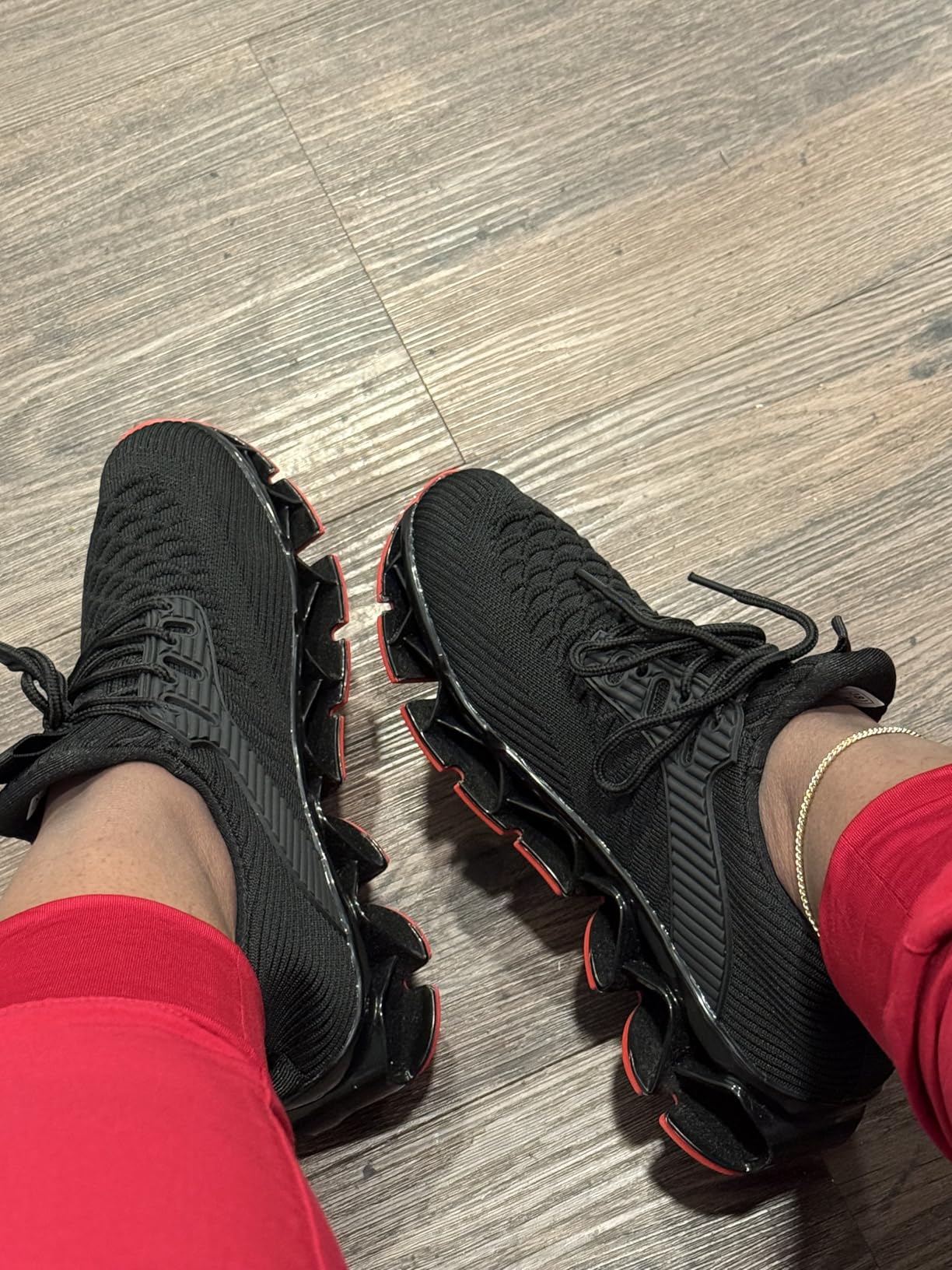
No. I know the listing says “running shoes” — ignore that. A reviewer who ran a 5K in these had foot problems for three weeks afterward. The blade sole doesn’t provide the gait support, heel-to-toe drop, or traction that running requires. These are walking shoes with athletic styling.
What surfaces are these safe on?
Carpet and textured floors: yes. Dry outdoor concrete: acceptable with awareness. Polished tile, smooth gym floors, wet surfaces: no. If your environment includes smooth floors and you’re moving quickly or doing anything dynamic, treat the traction as a real concern, not just a marketing complaint.
How do I wash them?
Remove the elastic laces (they pull out easily), wash the shoes alone in cold water with a gentle cycle and your normal detergent, then air dry overnight. Multiple users have done this successfully. Do not put them in the dryer — the foam and adhesives don’t handle heat well.
Are these good for standing shifts — nurses, teachers, retail workers?
Yes, with one caveat: the floors need to be carpet or textured rubber. Hospital hallways vary, and the sections with polished tile create a traction risk. Many nurses and teachers love these and some comparable options like the HKR Walking Shoes for work shifts, but being aware of what surfaces are in your environment is important. On carpet-dominant floors, these have a strong track record for long-shift comfort.
Are they waterproof or water-resistant?
No. The mesh will soak through in light rain within a few minutes. These aren’t marketed as water-resistant and they don’t behave like they are. Keep them for dry conditions or have a backup pair for wet days.
Do they work for wide feet?
Generally yes. The mesh stretches a bit and the slip-on opening is wide. Try your normal size first — if the toe box feels tight, go up half a size. The elastic collar adapts to different foot widths better than a structured laced shoe would.
What about odor? Do they get stinky?
The breathable mesh helps more than most budget shoe materials. And since they’re machine washable, you can refresh them when needed. Some people wear them barefoot without issues; others prefer socks for all-day moisture management. Either way, the washability makes maintenance straightforward.
Do they work with orthotics?
The memory foam insole is removable on most slip-on designs — check before you buy, but if it is, you can swap in custom orthotics. If you have specific foot support needs, look at purpose-built alternatives like the Aleader Energycloud Slip-On Walking Shoes or NORTIV 8 Women’s Walking Shoes, which are built more explicitly around comfort and support.
How does the sizing run — large, small, or true?
True to size for standard width. A few reviewers mention going up half a size, but that seems to be mostly wide-foot preference rather than the shoe running small. Order your normal size and you’ll almost certainly be fine.
Are there other colors besides white?
White is the main option in the US. Beige is available through Amazon Canada. Black-Red is on Amazon UK. The color selection is limited — if white doesn’t work for your wardrobe, options are thin.
Overall Assessment
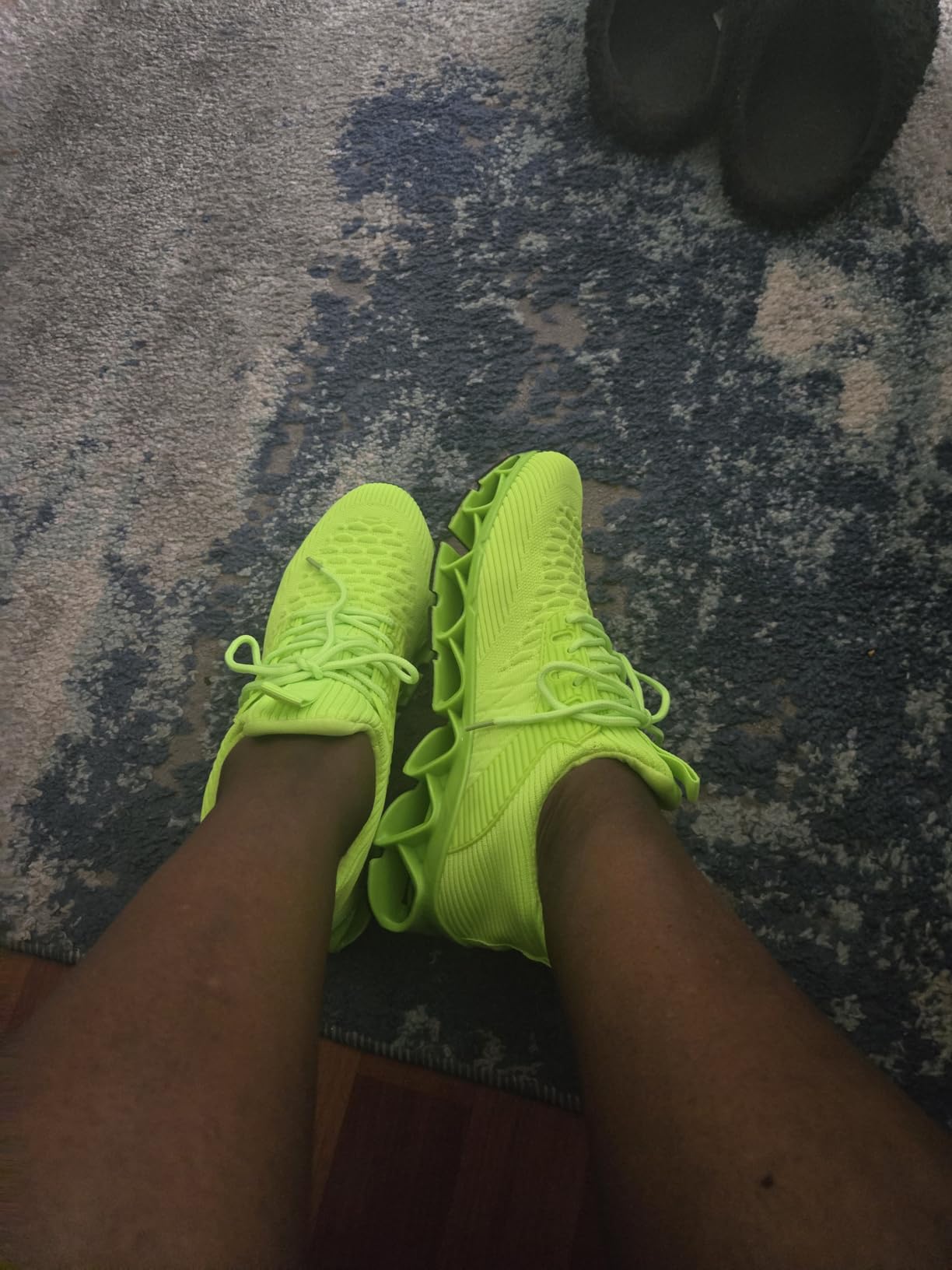
Six weeks of testing produced a clear picture. Wrezatro delivered genuinely well on comfort and convenience. The memory foam is the real deal for the price, the slip-on design is legitimately useful, and the breathability is better than comparable budget shoes. The traction, durability, and athletic performance claims are a different story.
| Category | Score | Reasoning |
|---|---|---|
| Comfort | 9/10 | Memory foam delivers; 10-hour conference test passed; zero break-in |
| Fit & Sizing | 8/10 | True to size, easy slip-on, good for standard and wide feet |
| Value | 7/10 | Good comfort-to-price ratio if you accept the 3–6 month lifespan |
| Style | 7/10 | Clean, modern look; limited color options (white-heavy) |
| Durability | 5/10 | 3–6 months regular use; foam compression visible at week 6 |
| Performance | 4/10 | Not for running or sports; misleading marketing claims |
| Traction | 3/10 | Non-slip claim is false on smooth/wet surfaces; genuine safety concern |
Overall: 7.2/10
That score reflects the shoe it actually is — a comfortable, affordable casual walking shoe — not the shoe the marketing claims it is. Buy it knowing what it delivers and you’ll be happy. Buy it expecting running performance or safety-grade non-slip traction and you’ll be frustrated.
Final Verdict
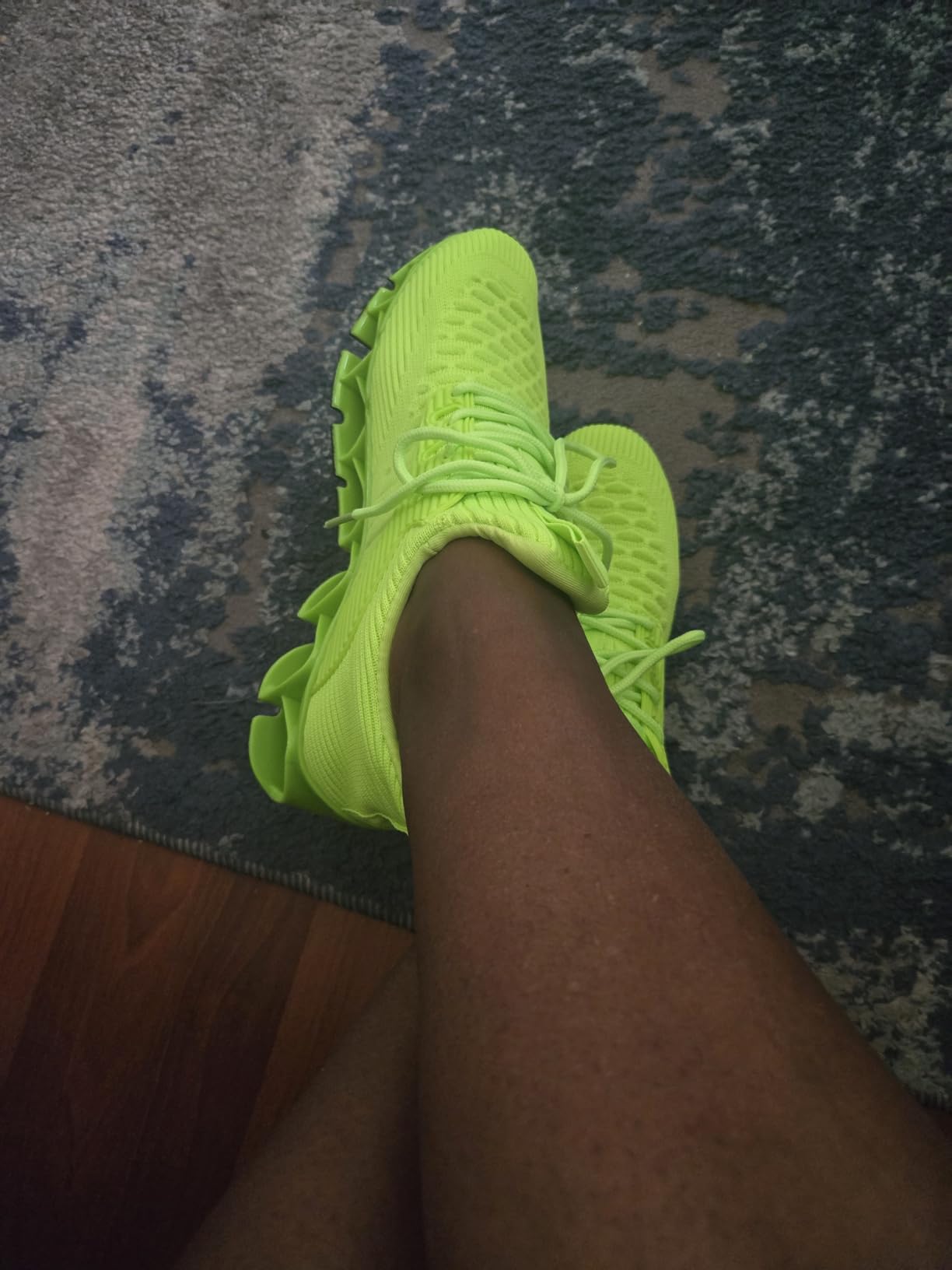
For healthcare workers, teachers, retail staff, and busy moms who need a comfortable, easy-maintenance slip-on for everyday wear — these are a solid $45 investment. The memory foam comfort is real, the zero break-in is genuinely useful, and at this price point the value is reasonable.
For anyone expecting athletic performance: look at proper running shoes instead. For anyone needing genuine non-slip footwear in a work environment: the Skechers Ghenter Bronaugh Work and Skechers Squad SR are purpose-built for that. For walking comfort with better durability, the Wonesion Walking Running Shoes and NORTIV 8 Women’s Walking Shoes are worth comparing.
Wrezatro carved out a real niche — just not the one they’re advertising. The marketing gap is frustrating, but the shoe beneath it is worth knowing.
Be the first to review “Wrezatro Women’s Slip on Walking Running Shoes”
Related products
Running Shoes
Running Shoes
Running Shoes


Hiking/Trekking Shoes

Running Shoes

Running Shoes
Running Shoes

Running Shoes
Reviews
There are no reviews yet.