
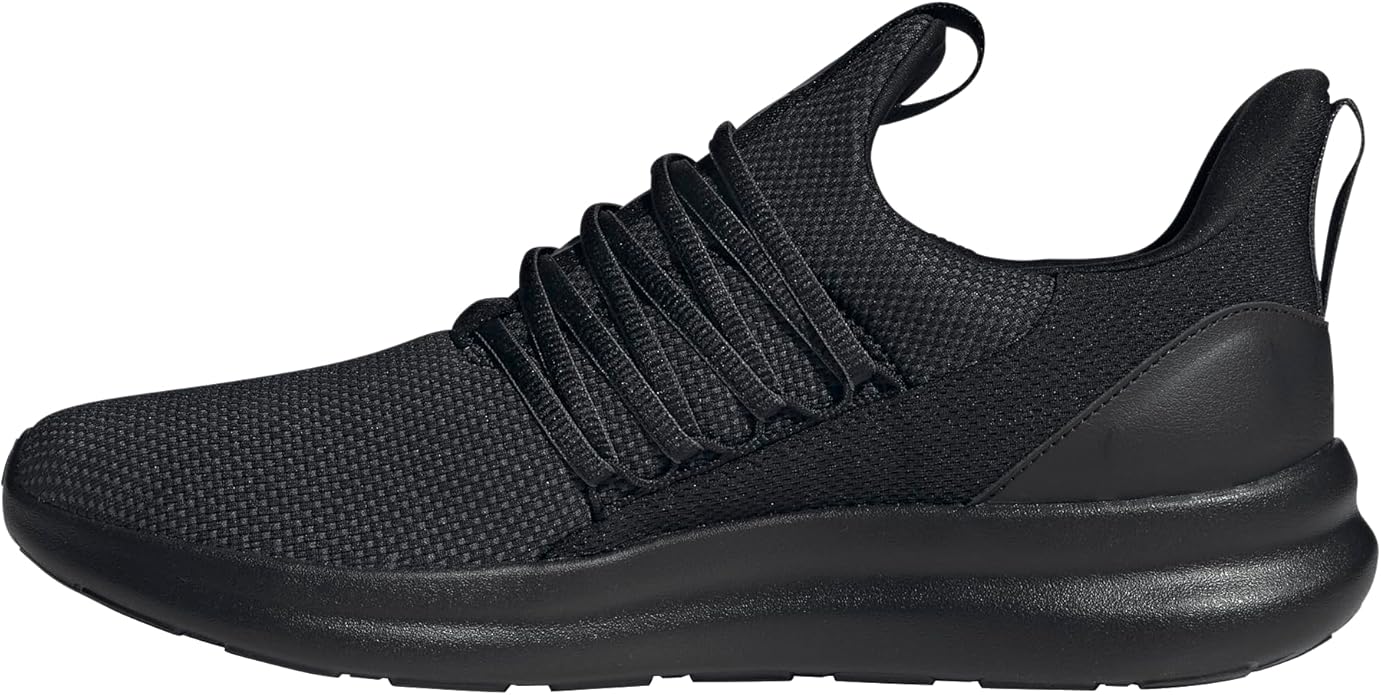
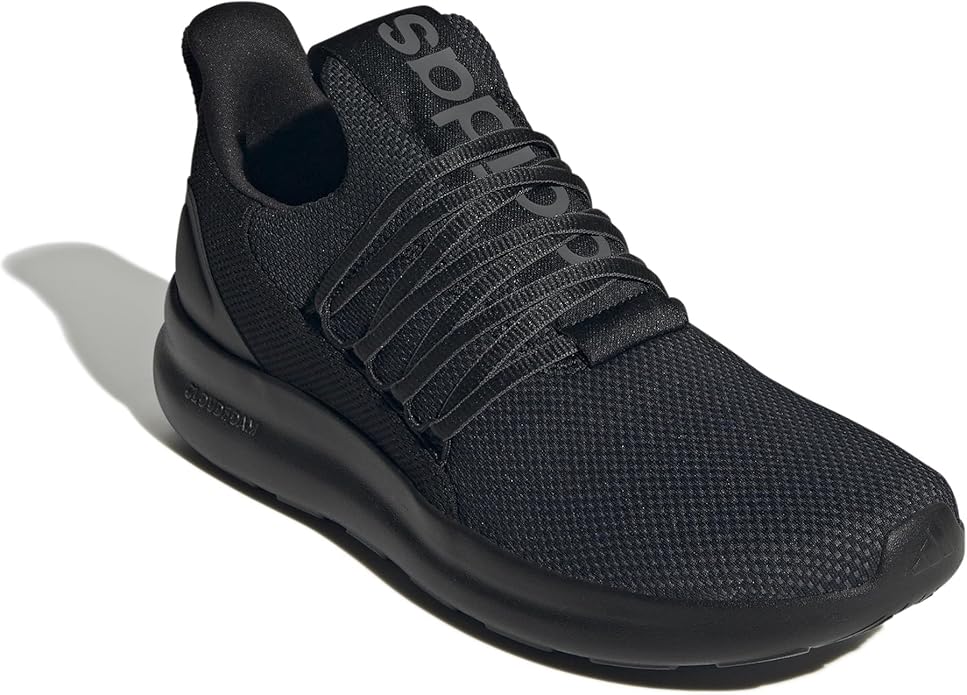
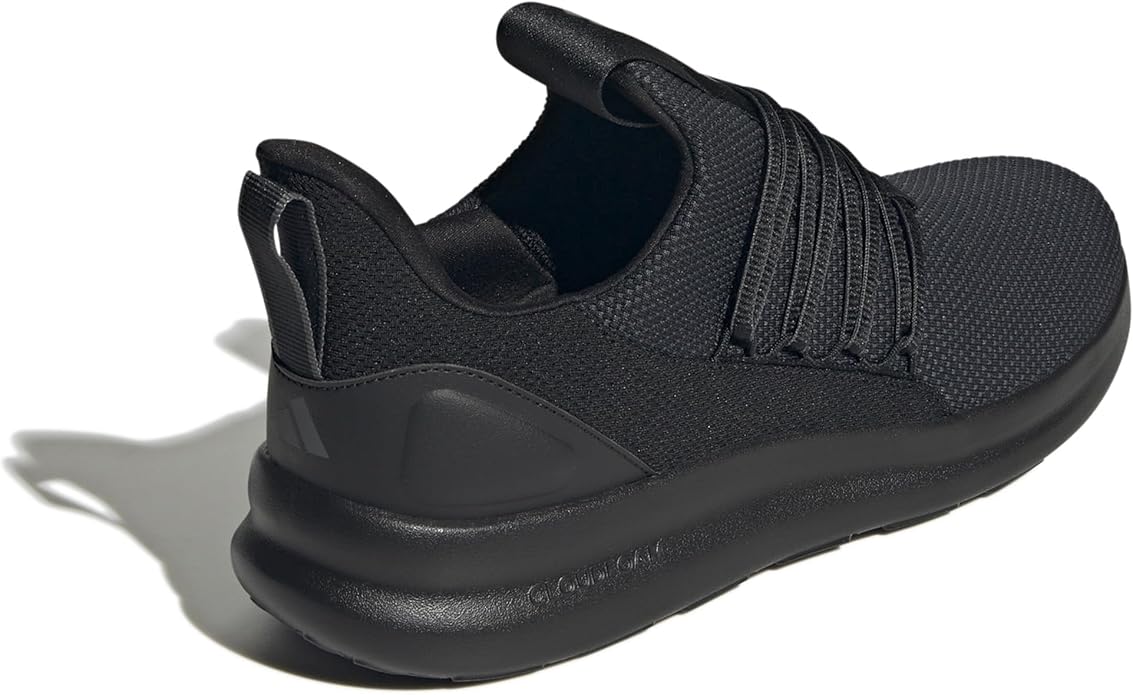
A text from my gym buddy last month sent me down a six-week rabbit hole: “dude just get the adidas slip-ons, you’ll thank me.” Mike here, and I’ve tested somewhere north of 200 pairs of sneakers over the past decade — which means I’ve developed a healthy skepticism toward any shoe that promises gym performance and slip-on convenience at $47. Budget slip-ons usually fail in one of three ways: the foam dies early, the fit sacrifices security for convenience, or the thing literally falls apart before winter. But I tested them anyway. Six weeks, 40-plus gym sessions, 50-plus miles between errands and weekend walks. The Adidas Men’s Lite Racer Adapt 7.0 is a more interesting shoe than its price tag suggests — but “interesting” doesn’t always mean “right for you.”
Technical Specifications
- 💰 Price: $47 retail / $36–39 on Amazon deals
- ⚖️ Weight: 9.2 oz per shoe (men’s size 9)
- 🧪 Midsole: Cloudfoam EVA
- 👟 Upper: Textile mesh with synthetic overlays
- 🏃 Category: Lifestyle / Light Training Sneaker
- 🎯 Best for: Gym workouts, daily wear, casual errands
- ⏱️ Testing period: 6 weeks, 40+ gym sessions, 50+ miles of walking
- 🔄 Closure: Slip-on with bungee elastic laces
- ♻️ Sustainability: At least 20% recycled content
- ⭐ Customer rating: 4.4/5 stars (~4,000 verified Amazon reviews)
What You’re Actually Getting for $47
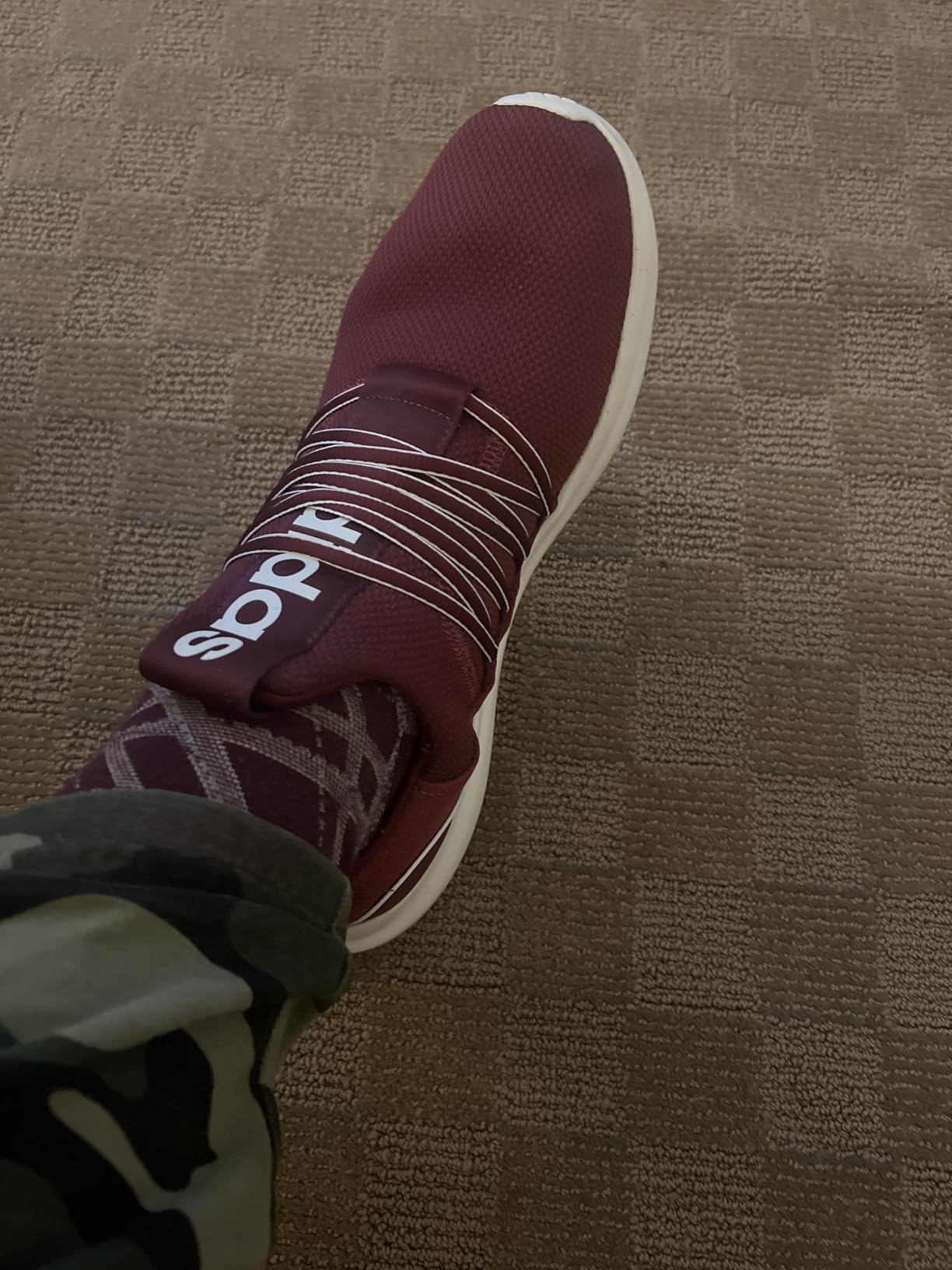
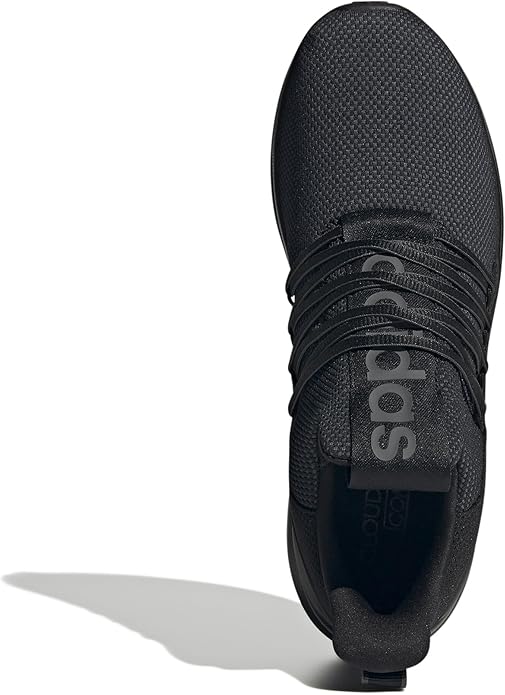
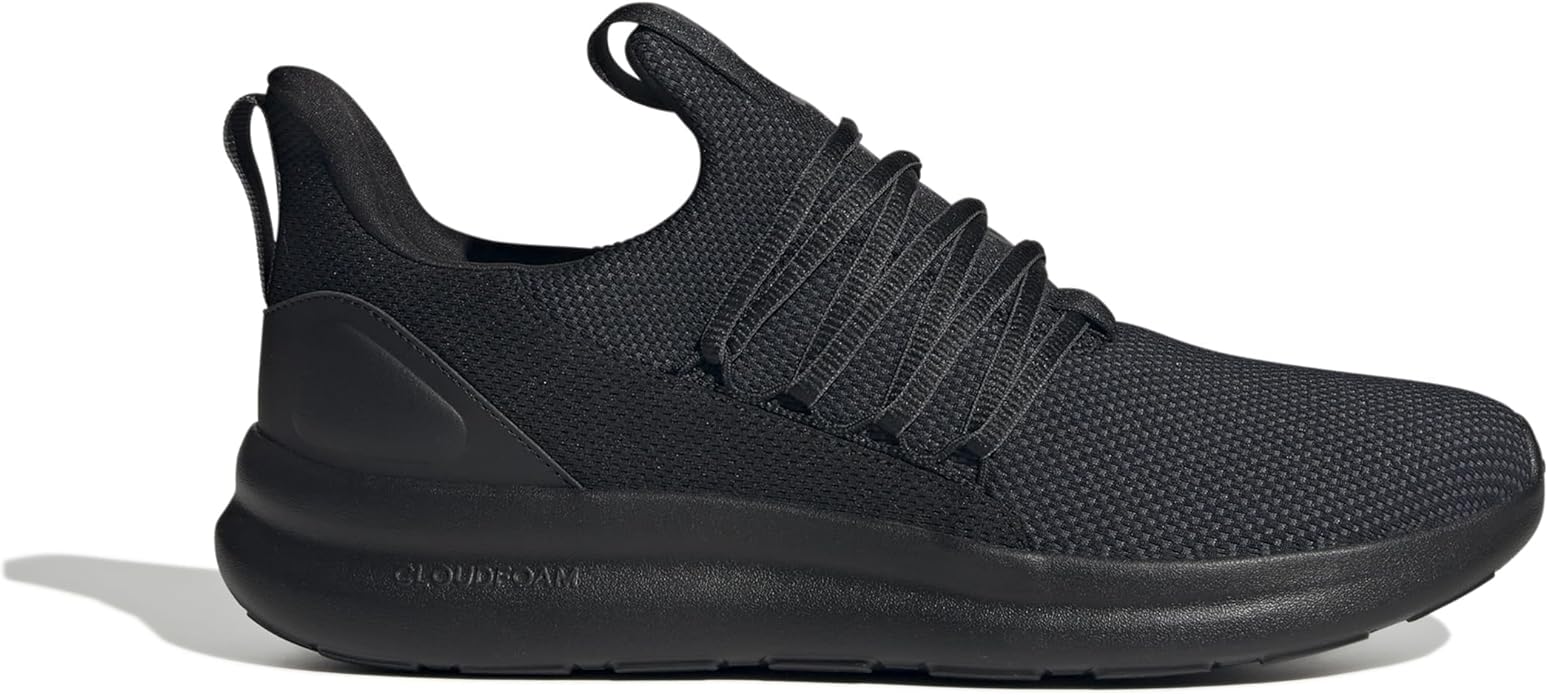
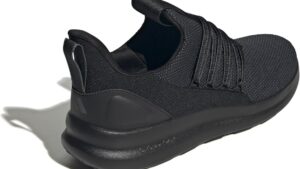
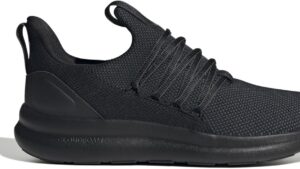
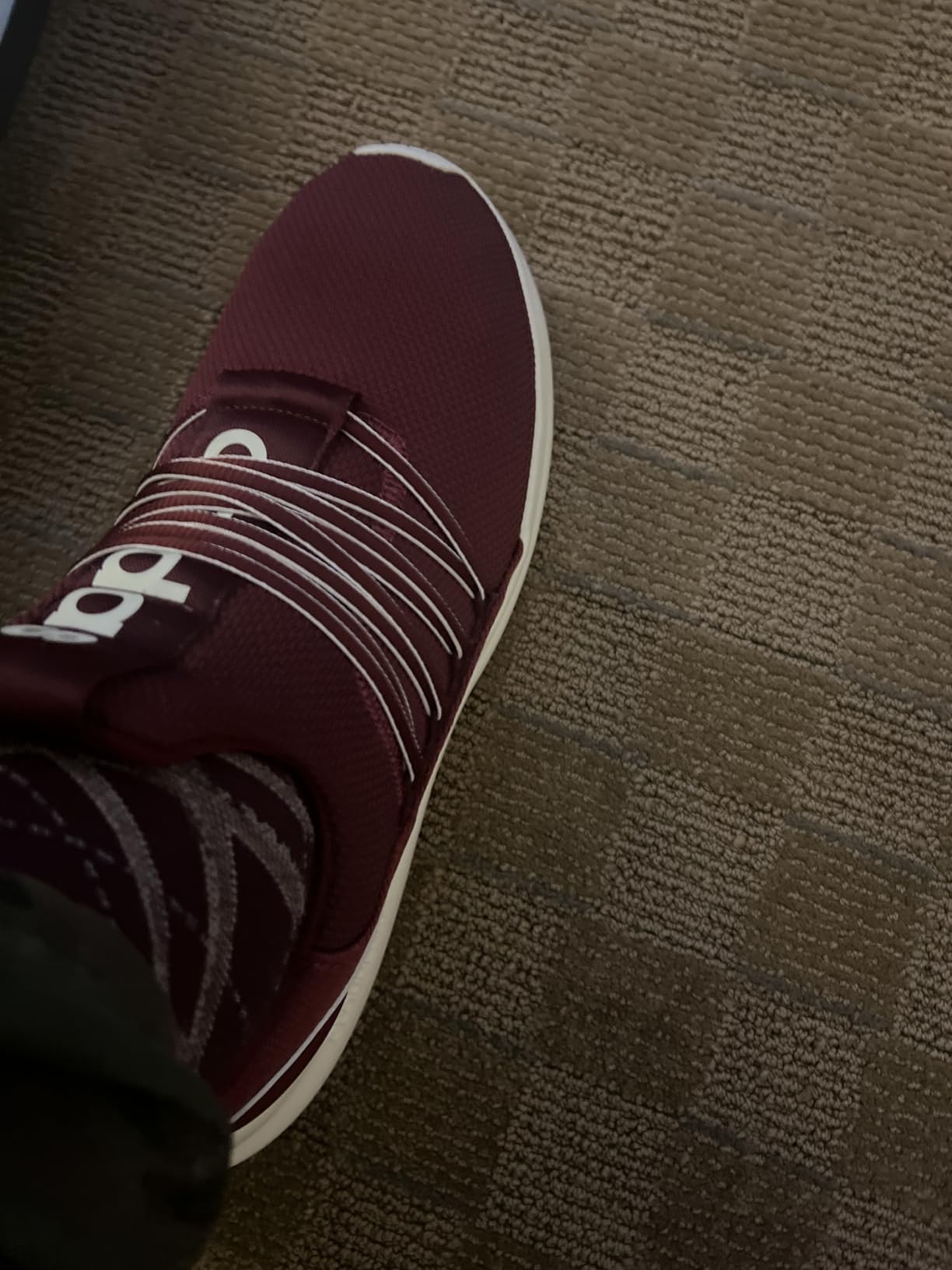
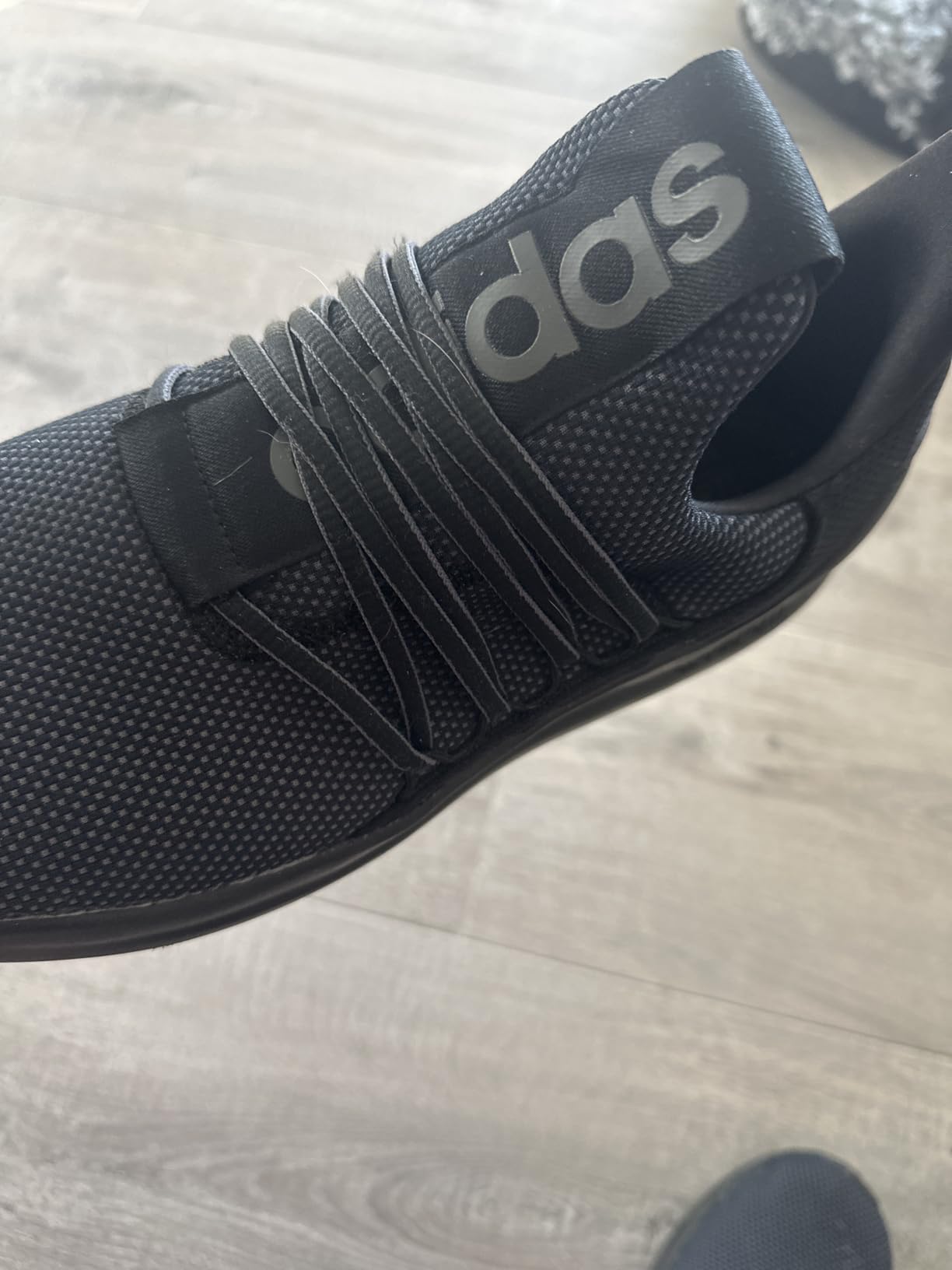
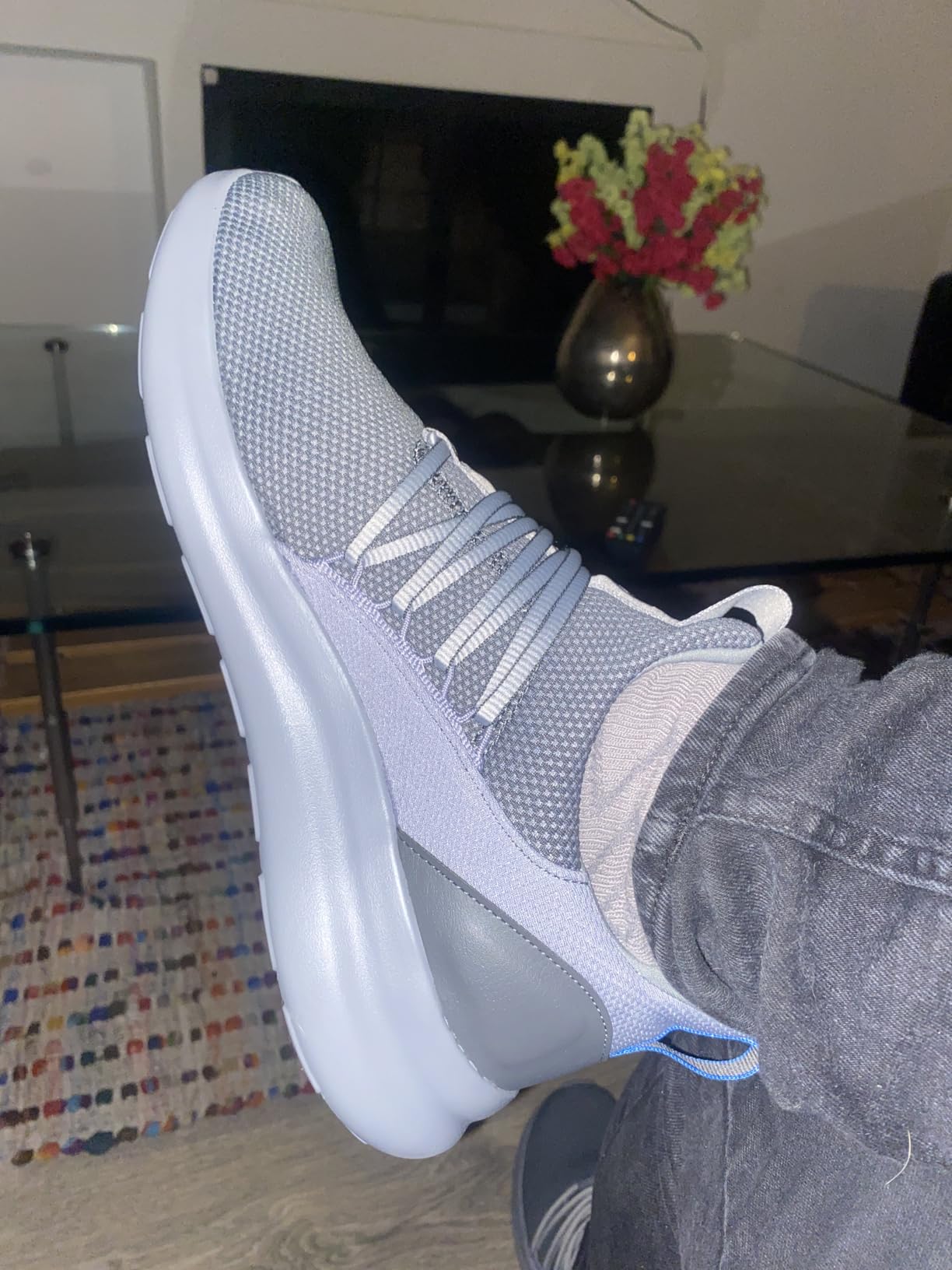
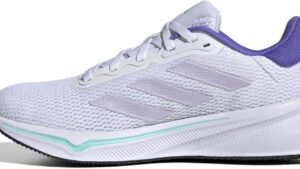
Out of the box, the Lite Racer Adapt 7.0 looks legitimately good. The sock-like knit upper wraps around a Cloudfoam midsole, and the profile is clean enough that you could wear these to a casual lunch without anyone flagging them as gym shoes. That’s a harder target to hit at $47 than it sounds.
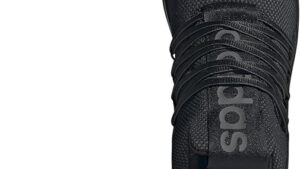
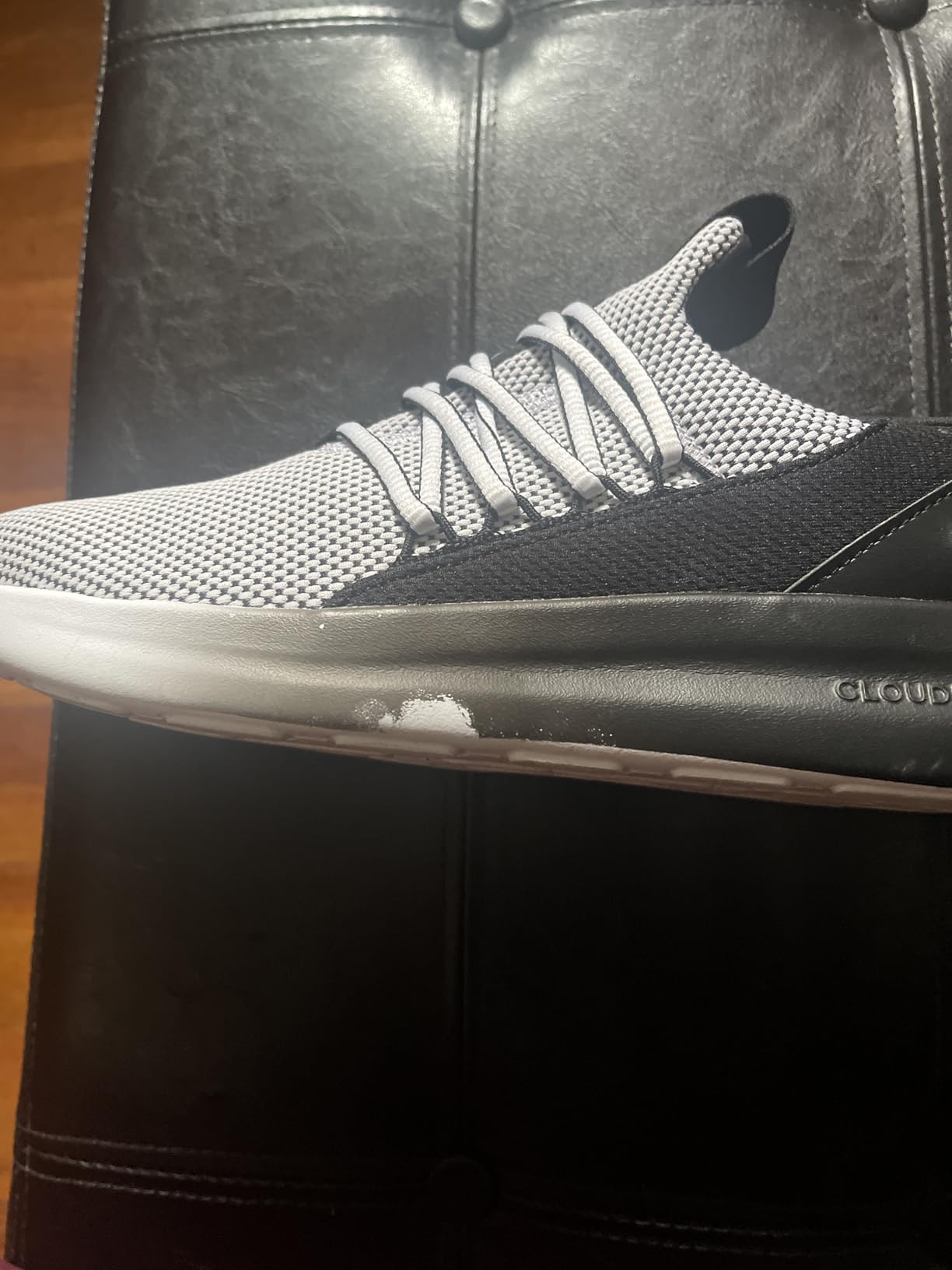
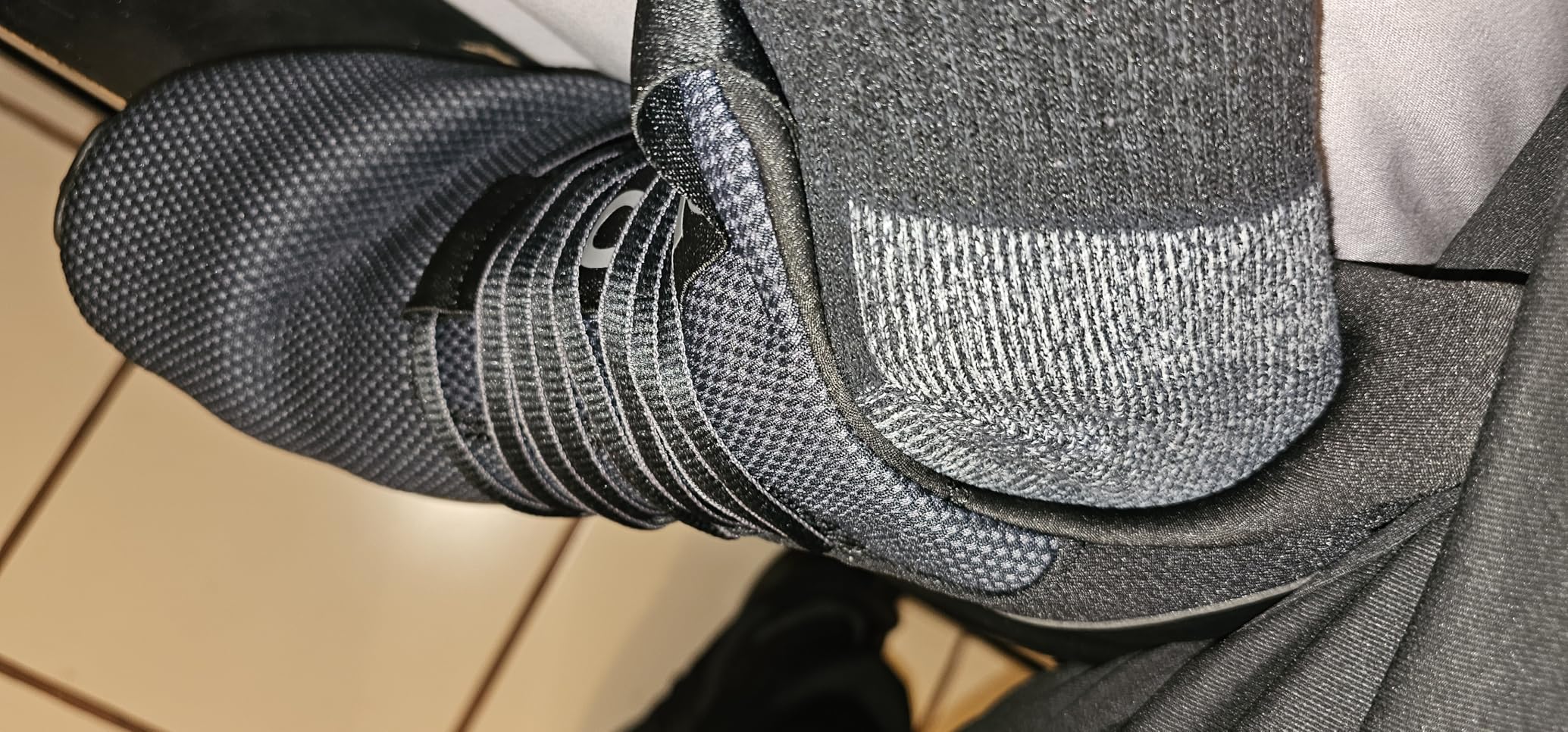
Before anything else, let’s clear up the biggest design misunderstanding: those laces aren’t functional. The Adidas Lite Racer Adapt uses a bungee elastic system for actual closure — the visual laces thread through small plastic eyelets purely to maintain the aesthetic of a laced sneaker. Tightening or loosening the lace does nothing to the fit. The elastic handles all the closure work.
This matters for two reasons. First, understanding it helps you manage fit expectations correctly — the stretch of the knit and the tension of the elastic are your only fit variables. Second, those plastic eyelets are the shoe’s most significant structural weakness, which we’ll get to in the durability section.
The Cloudfoam midsole positions this shoe above basic budget EVA foam. Earlier Lite Racer Adapt iterations (the 3.0 used basic EVA) got upgraded to Cloudfoam starting around the 5.0 and 6.0 generations — the 7.0 maintains that. Cloudfoam delivers better initial compression response than straight EVA, with more cushioning presence underfoot. It’s not Boost. It’s not Fresh Foam. But at $47, it’s a meaningful upgrade over the cheaper foam you’d find in a true bargain shoe.
Where this sits in the Adidas budget lineup: above the Adidas Daily 3.0 in cushioning response, comparable to the Adidas Advantage 2.0 in profile and price. If you’re shopping the Adidas budget range and want the slip-on convenience, this is the right model.
At 9.2 oz per shoe, the lightweight feel is genuine — not a marketing exaggeration. These feel light on the foot throughout long gym sessions, which matters more than it might seem when you’re moving between exercises for 60-plus minutes.
The First Week: Break-In Timeline
Getting into these shoes the first time requires a little effort. The bungee elastic hasn’t stretched to your specific heel shape yet, and pushing past that resistance takes a moment. It’s not painful — purely mechanical. Think of it as the elastic learning your foot profile.
By day three, the resistance drops noticeably. By the end of week one, the on/off becomes genuinely effortless. The break-in window is real but short — a week is all it takes before the convenience factor starts living up to the marketing.
Comfort during week one is strong. The Cloudfoam arrives fully functional out of the box — no midsole break-in required. First gym session, the cushioning responded well to deadlifts and squats, providing adequate shock absorption without feeling spongy or unstable under load at 175 lbs. For standing exercises and walking between stations, the foam felt genuinely comfortable.
Arch support falls in the moderate range, which is appropriate for a lifestyle shoe. These aren’t orthopedic support shoes, and they don’t try to be. Standard-arch wearers will find the support completely adequate for gym use. High-arch wearers and anyone dealing with plantar fasciitis will want aftermarket insoles from the start — this is true of most shoes in this category and price range.
The heel hold in week one was better than I expected from a slip-on. The elastic provides enough rearfoot control to prevent slippage during low-intensity gym movements. At moderate intensity, it holds well. At high-intensity lateral work — that’s a different story, covered in the performance section.
The Cloudfoam Compression Window: Weeks 2–6
Week two is when the Lite Racer Adapt 7.0 shows its cards.
The Cloudfoam starts losing its initial plushness somewhere between weeks two and three. By the end of week three, the foam has compressed into a firmer, more stable state. Not hard — but noticeably less cushioned than day one.
Here’s the counterintuitive part: for weight training specifically, the compressed foam state actually performs better. Firmer underfoot means more stable ground contact during squats, deadlifts, and heavy compound movements. The day-one cushioned feel, while pleasant, isn’t ideal for lifting anyway. The settled foam state has a functional argument in its favor.
The problem is the trajectory beyond week six. What settles to “firm but comfortable” at week three will continue compressing toward “noticeably hard” somewhere in months four to six at gym use. Based on similar Cloudfoam shoes I’ve tested, the acceptable cushioning window at three gym sessions per week runs approximately five to seven months. After that, the foam reaches a comfort floor where the cushioning isn’t really doing meaningful work anymore.
This is the honest conversation about Cloudfoam at $47: excellent first few weeks, reasonable medium-term performance, and a real expiration date. Premium foams like Fresh Foam or Adidas’s own Boost maintain functional cushioning for 12 to 18 months. Cloudfoam at this price point gives you roughly a third of that lifespan. If you’re buying this as a rotation shoe rather than your primary trainer, that math is fine. If it’s your only gym shoe, the compression timeline is a real planning consideration.
Sizing and Fit: Two Very Different Stories
The sizing picture on the Lite Racer Adapt 7.0 has two chapters, and they tell completely different stories.
Chapter one: length. This shoe is true to size, and the data confirms it from multiple angles. My normal 10.5 fit correctly without adjustment. Amazon’s 4.4/5 star rating across roughly 4,000 verified purchases reflects consistent satisfaction with length accuracy. ShopSavvy’s aggregated review data specifically notes “true to size, providing an accurate and excellent fit for most wearers.” The Adapt 3.0 had some sizing inconsistency complaints, but the 7.0 appears to have addressed those — generational difference worth noting if you’re comparing reviews across model years.
Chapter two: width. This is where the shoe gets selective, and where a significant percentage of potential buyers need to stop reading and consider alternatives.
The sock-like knit construction creates a snug wrap. For standard-width feet, that wrap feels secure and comfortable. For wide feet, the midfoot compression becomes noticeable during extended wear — multiple reviewers identify the “60-minute threshold” when the squeeze transitions from snug to uncomfortable. The knit material does stretch to some degree, but it stretches around your foot shape, not wider to accommodate broader feet.
Sizing up 0.5 doesn’t solve the width problem — it just creates heel slippage while the midfoot stays tight. The standard-width design is baked into the construction.
Fit decision tree:
- Standard or narrow feet: True to size. The fit will feel secure and comfortable through extended sessions.
- Medium width or between sizes: True to size initially. If you notice midfoot pressure after 45–60 minutes, consider 0.5 up on your next pair.
- Wide feet: Skip this model. The construction doesn’t accommodate wide feet adequately regardless of size. Consider Jackshibo Slip-On Walking Shoes or Merrell’s Jungle Moc Slip-On for wide-foot-friendly alternatives with genuine slip-on convenience.
One more fit note: the slip-on heel hold is legitimately good for standard-width feet. I didn’t experience the heel slippage that plagues poorly designed slip-ons — at least not during low-to-moderate intensity work. That changes at HIIT intensity, but for everyday gym movement and walking, the heel hold is solid.
Performance Across Three Testing Contexts
Forty-plus gym sessions broke down into three categories. The performance story is very different depending on which context you’re testing.
Weight training and steady-state cardio (30 sessions tested):
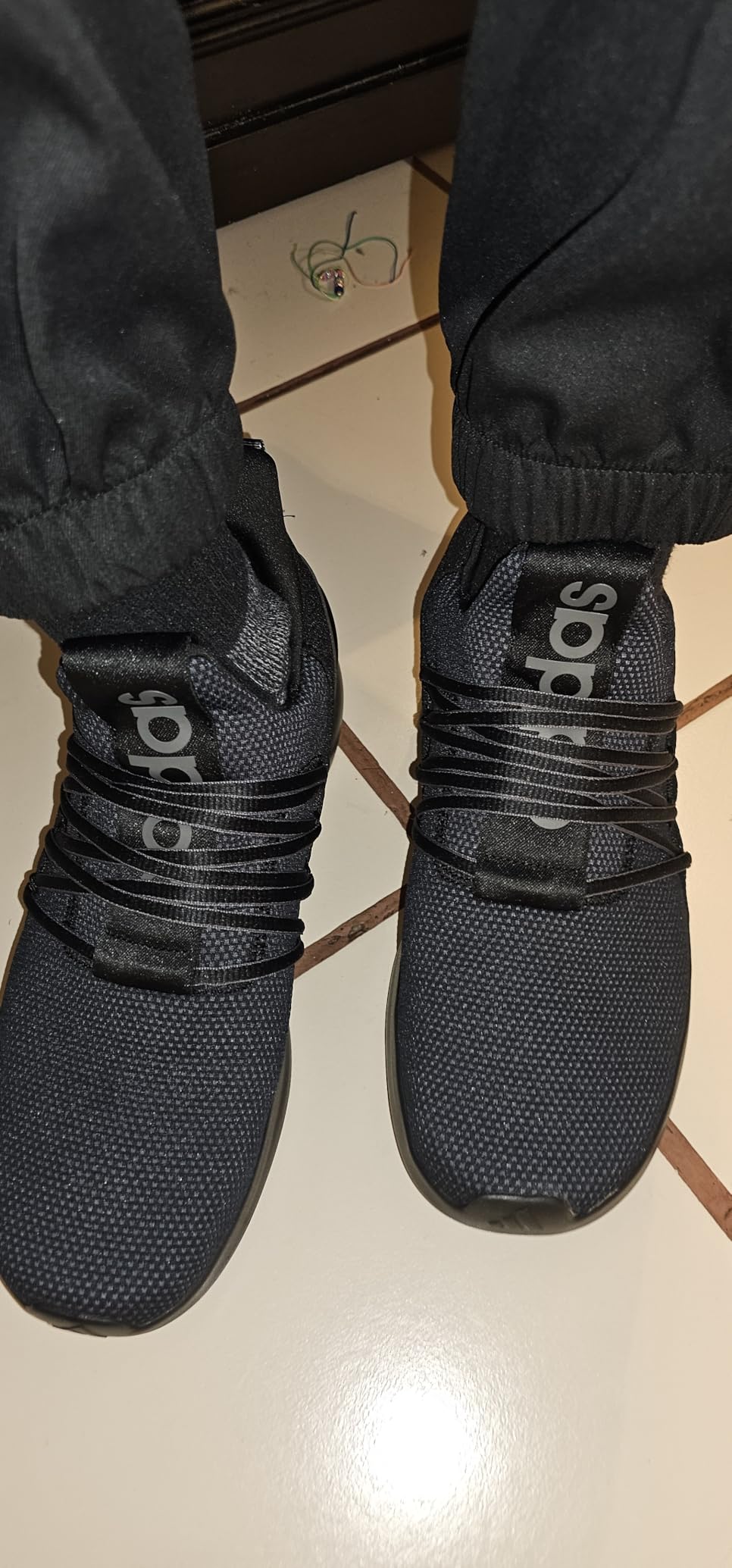
This is where the Lite Racer Adapt earns its positive reputation. For lifting sessions — squats, deadlifts, bench press, cable work, machine training — the firm-footed feel is genuinely appropriate. You want stable ground contact under load, and the Cloudfoam (especially in its weeks-three-plus compressed state) delivers that. The lightweight design keeps the shoe from adding unnecessary mass to your foot movement, which matters during prolonged sessions.
Treadmill walking and elliptical use worked without issue throughout testing. For steady-state cardio, the cushioning holds up adequately for 30-to-45-minute sessions.
HIIT and direction-change training (8 sessions tested):
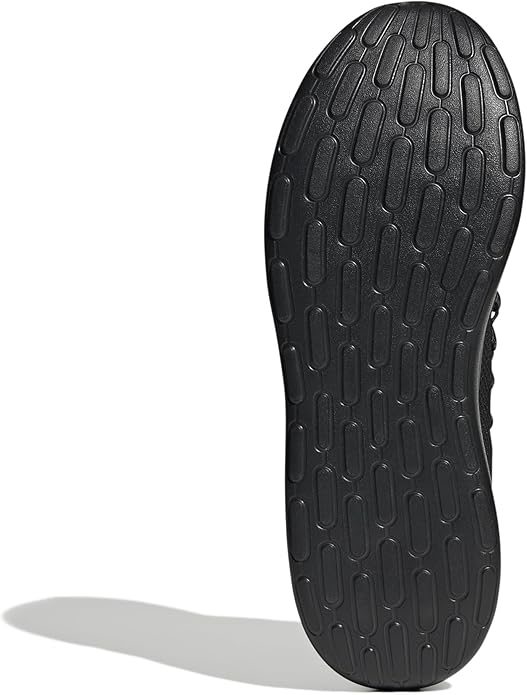
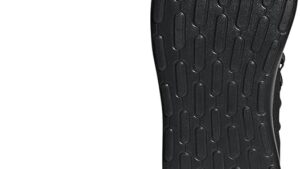
This is where traction becomes a genuine consideration. The rubber outsole is engineered for walking and light training — its tread pattern doesn’t include the stickier, softer rubber compounds found in dedicated training shoes. On standard gym rubber flooring, I experienced slippage during quick lateral shuffles. On polished tile or hardwood gym surfaces, the slip was more pronounced.
I wouldn’t call it dangerous at moderate HIIT intensity — but it’s noticeable enough that I’d hesitate to recommend these for serious circuit training, box jump sequences, or court-sport movement patterns. Dedicated gym trainers like the Nike Downshifter 12 or Under Armour Charged Assert 9 are built specifically for this kind of multi-directional grip.
Daily walking (50+ miles over 6 weeks):
Comfortable for the first three to four miles. On a five-mile urban walk, the settled Cloudfoam and narrow midfoot squeeze combined to create noticeable fatigue in the final stretch — not painful, but clearly outside the shoe’s optimal performance envelope. For daily errands and shorter walks, performance is genuinely solid. Plan on fatigue setting in around mile four if you’re walking longer distances.
The textile upper manages breathability adequately for gym sessions. Only extended high-intensity work pushed heat retention past comfortable levels.
Durability: The Eyelet Problem — What 6 Weeks Revealed
The durability picture breaks into what I observed directly and what customer data shows happening beyond my test window.
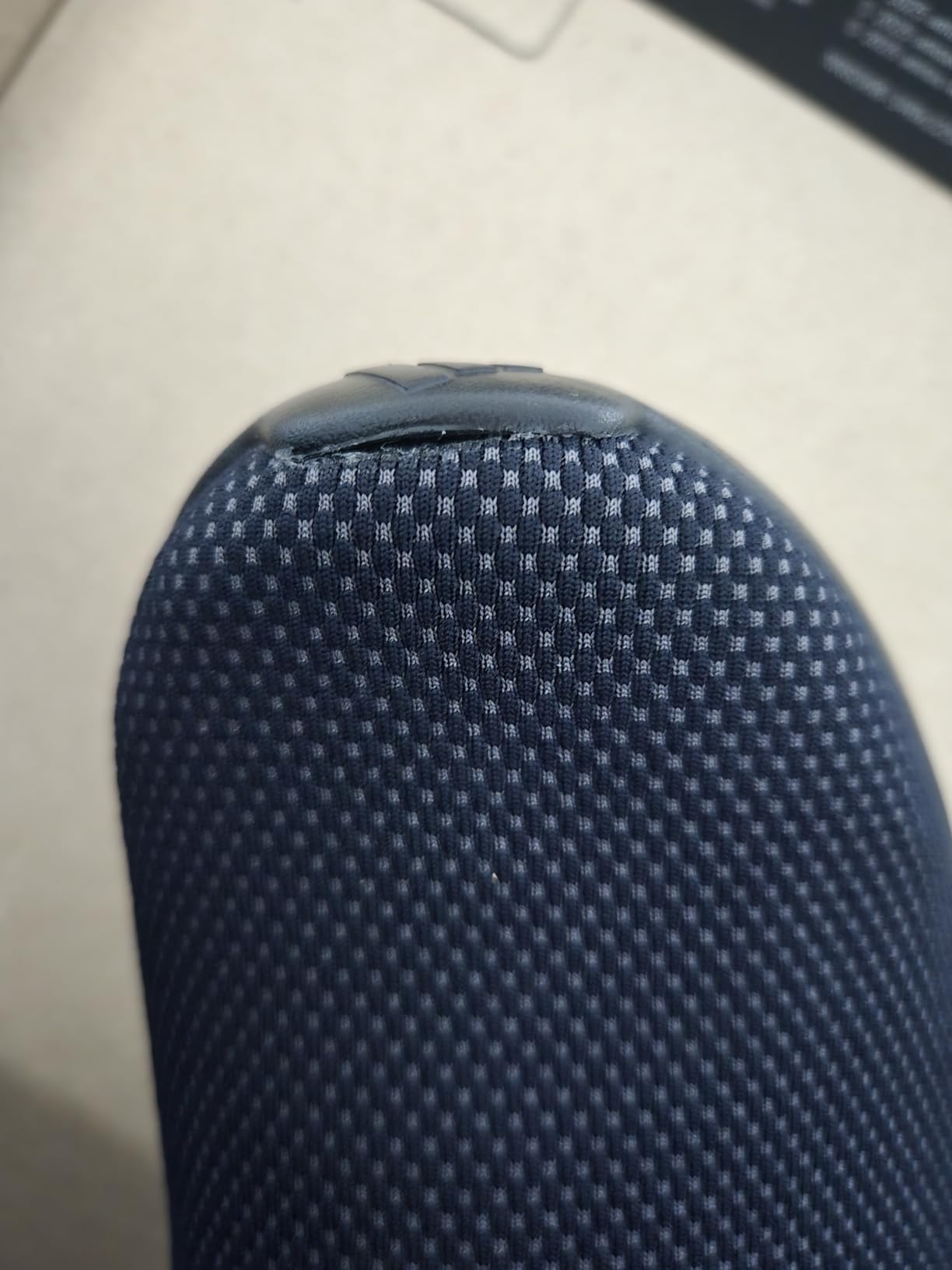
What I observed (weeks 1–6): Stress marks appeared around two of the four decorative lace eyelets by week two. The plastic hardware is thin-walled — it holds the decorative lace in position but isn’t engineered for repeated flex and compression stress. Mine didn’t fail during testing, but the trajectory was clear: visible cracking at the eyelet collar, the kind of progressive stress that leads to failure.
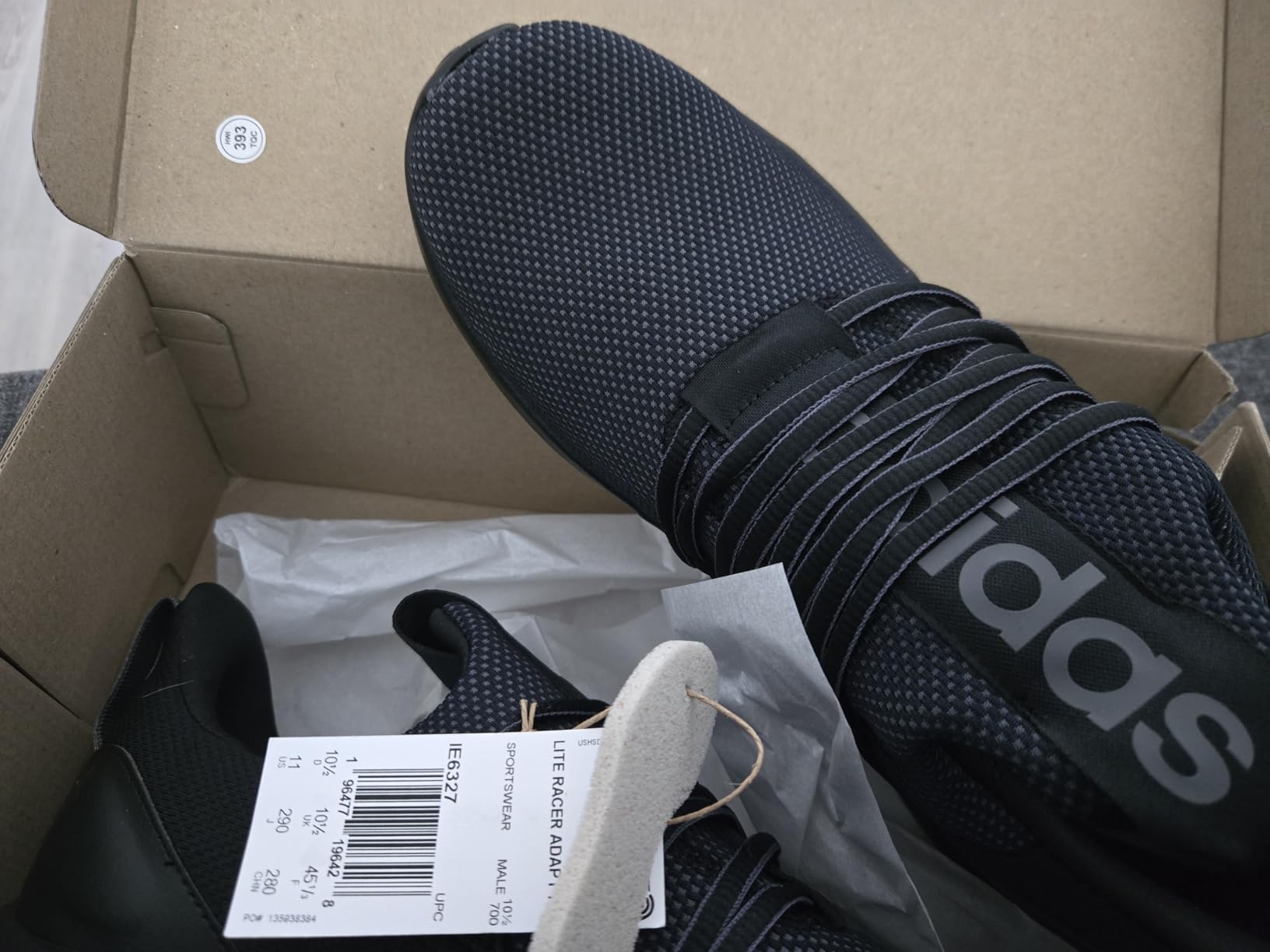
What customer data shows (beyond 6 weeks): ShopSavvy’s aggregated review data identifies elastic strap breakage as the primary durability complaint, with some units breaking during initial use. This aligns with what shows up consistently across Amazon reviews — early-onset eyelet and lace hardware failure.
Expected failure timeline based on aggregated data:
- Eyelet stress visible: Weeks 2–4
- Eyelet failure: Variable — some units fail in first days, typical failure at weeks 6–12 of regular use
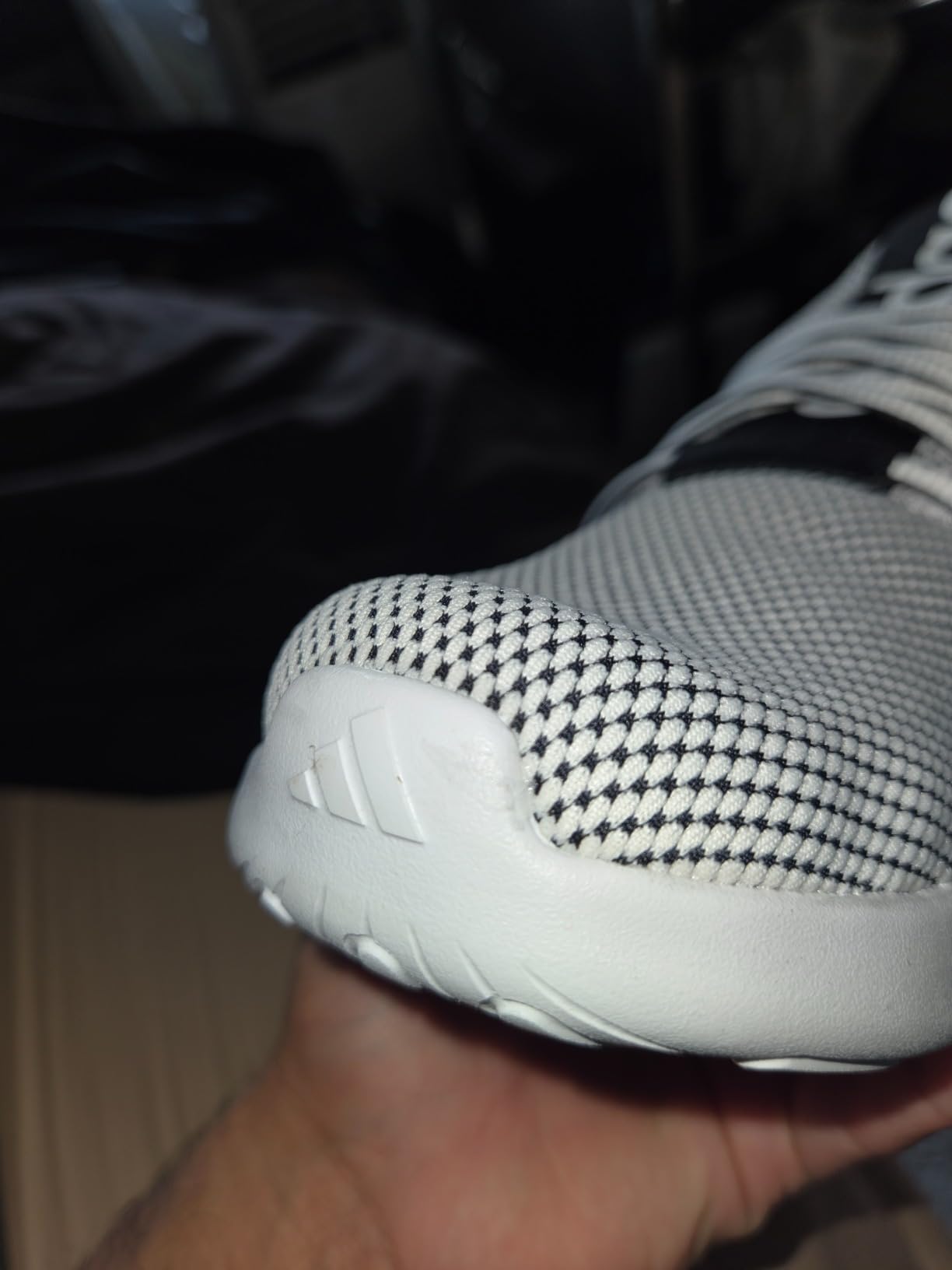
- Sole-to-upper bond stress: Begins at toe box flex point around weeks 4–8
- Cloudfoam comfort floor: Month 4–6 at gym use, month 8–12 at casual/light use
The important nuance: eyelet failure is a cosmetic failure, not a functional one. The bungee elastic still closes the shoe correctly after the eyelet breaks — the decorative lace hangs loose, but you can still wear the shoe. Multiple reviewers confirm continuing to use the shoe after eyelet failure. Still, it’s a $47 shoe that looks broken by week ten. Factor that into your expectations.
Warranty note: Adidas covers manufacturing defects for 6 months. If purchased through Amazon third-party sellers, warranty claims can get complicated — Adidas may require proof of authorized purchase. For clean warranty access, Dick’s Sporting Goods, Zappos, or Adidas.com directly are better purchase channels.
The $47 Value Equation: Cost Math That Actually Helps
At $47 retail (frequently $36–39 with Amazon pricing), this shoe occupies an interesting market position. Here’s the cost math across realistic use scenarios:
| Use Scenario | Estimated Lifespan | Cost/Month | Cost/Wear |
|---|---|---|---|
| Gym rotation (2–3x/week) | ~5–7 months | $6.70–9.40 | ~$0.24 |
| Casual daily wear only | ~10–12 months | $3.90–4.70 | ~$0.12 |
| Heavy daily training (5x+/week) | ~3 months | $15.67 | ~$0.39 |
For comparison: a $120 premium training shoe with a 12-month lifespan costs $10/month — similar monthly cost to Scenario A, but with better traction, longer foam life, and structural durability that extends past the 6-month mark. The premium doesn’t always win on pure math; it wins on reliability and performance consistency.
The sweet spot for value in this shoe is Scenario B: casual wear rotation, shielded from heavy gym use. Under those conditions, the $47 entry point and 10-to-12-month lifespan produce cost-per-wear numbers that compete with anything at twice the price.
If you already own a dedicated gym trainer and want a convenient casual rotation shoe, these make excellent financial sense. If this is your only gym shoe, consider whether the 5-to-7-month lifespan fits your rotation budget.
The Complete Scorecard
Six weeks of structured testing across 40-plus gym sessions and 50-plus walking miles:
| Category | Score (/10) | What Drives the Score |
|---|---|---|
| Comfort | 7.5 | Excellent initial feel; compression timeline manageable; narrow fit limits for wide feet |
| Durability | 5.5 | Eyelet failure risk weeks 6–12; sole-to-upper bond stress; 5–7 month gym lifespan |
| Performance | 6.0 | Strong for steady-state lifting; inadequate traction for HIIT lateral movement |
| Style | 8.0 | Clean modern profile; works gym-to-casual; multiple colorway options |
| Value | 7.0 | $47 excellent entry price; durability limits long-term value; ideal as rotation shoe |
| Sizing/Fit | 6.5 | Length TTS confirmed by ~4,000 reviews; narrow construction excludes wide feet entirely |
| OVERALL | 6.7/10 | Solid budget slip-on with knowable trade-offs; performs well within its defined use case |
The 6.7/10 isn’t a verdict against buying — it’s a verdict about expectations. This shoe delivers on its core promise (convenient, comfortable, stylish, affordable) while carrying limitations (narrow, moderate durability, HIIT-limited traction) that are predictable and manageable if you know what you’re getting into.
Better Options for Specific Needs
The Lite Racer Adapt 7.0 is the right shoe for a specific buyer. For everyone else, here’s where to look:
For HIIT and direction-change training: The Nike Downshifter 12 provides better lateral traction for high-intensity gym work at a comparable price point. The Under Armour Charged Assert 9 offers training-specific grip and structure for more intensive use.
For wide feet seeking slip-on convenience: Jackshibo Slip-On Walking Shoes and the Aleader Energycloud Slip-On both accommodate wider foot profiles in a slip-on format.
For durability beyond 6 months: The Adidas Amplimove Training Sneaker offers more structural integrity for gym use within the Adidas family.
For running-specific needs: The Adidas Run Falcon 5 or Adidas Response Running are built for road use with better upper structure and road traction.
For staying in Adidas but wanting lace-up: The Adidas Lite Racer 4.0 is worth comparing on price. For a different Cloudfoam experience, the Adidas Cloudfoam Pure takes the same midsole technology into a more running-oriented platform.
Frequently Asked Questions
Do these run true to size?
Yes, length-wise these are true to size — confirmed by the tester’s experience at 10.5 and supported by ~4,000 Amazon reviews landing at a 4.4/5 satisfaction rate. The important caveat: the shoe runs narrow. Standard and narrow feet will find TTS accurate. Wide feet should avoid this model regardless of sizing, as the knit construction doesn’t accommodate wider profiles.
What changed from the Lite Racer Adapt 3.0 to the 7.0?
The most meaningful change is the midsole. The 3.0 used basic EVA foam; the 7.0 uses Cloudfoam EVA, which delivers notably better initial cushioning response and compression feel. The 7.0 also includes Adidas’s recycled content commitment (at least 20%). The core slip-on design and knit upper construction remain similar across generations. Sizing note: some Adapt 3.0 reviews noted the shoe ran large — this is a generational difference, not applicable to the 7.0.
Are the laces functional?
No. The laces are decorative only. The bungee elastic system handles all fit and closure work. Adjusting the visible lace tension does nothing to how the shoe fits. When the plastic eyelets break — the most common failure point — the lace hangs loose, but the shoe remains fully functional as a slip-on. This is cosmetic failure, not structural.
How long will these shoes last?
At gym use of two to three sessions per week: five to seven months before comfort and structure degrade to replacement level. Casual daily wear only: eight to twelve months is realistic. Heavy daily training (five-plus sessions per week): expect three months or less. The eyelet hardware typically shows stress by weeks two to four; failure ranges from days to weeks twelve depending on the unit and use frequency.
Are these good for running?
These are lifestyle and light training shoes, not running shoes. The traction is insufficient for varied outdoor surfaces at running intensity, and the Cloudfoam compression timeline is too fast for serious mileage use. For running, the Adidas Run Falcon 5 and Adidas Response Running are built for the task.
Can I replace the insoles to improve comfort?
Yes, the insole is removable. Multiple reviewers report swapping in aftermarket insoles around months three to four to extend comfort longevity as the Cloudfoam compresses. Sof Sole Athlete Insoles are a documented fit, and Dr. Scholl’s options have been reported as compatible. If you’re planning long-term use, budget $15–20 for an insole upgrade at the three-month mark.
Can I machine wash these?
Technically possible — cold water, gentle cycle, air dry only, no heat. Adidas doesn’t officially recommend machine washing. Repeated machine washing accelerates eyelet hardware stress and can loosen seam bonding. Spot cleaning with mild detergent and a soft brush is the safer approach for extending the shoe’s appearance and structural integrity.
What’s the warranty situation?
Adidas provides a 6-month limited warranty covering manufacturing defects. Coverage gets complicated for Amazon third-party purchases — Adidas may require proof of authorized retailer purchase for warranty claims. For clean warranty access, purchase from Adidas.com, Dick’s Sporting Goods, or Zappos. Register the shoe on Adidas.com after purchase to establish your claim eligibility before you need it.
The Bottom Line: Was My Gym Buddy Right?
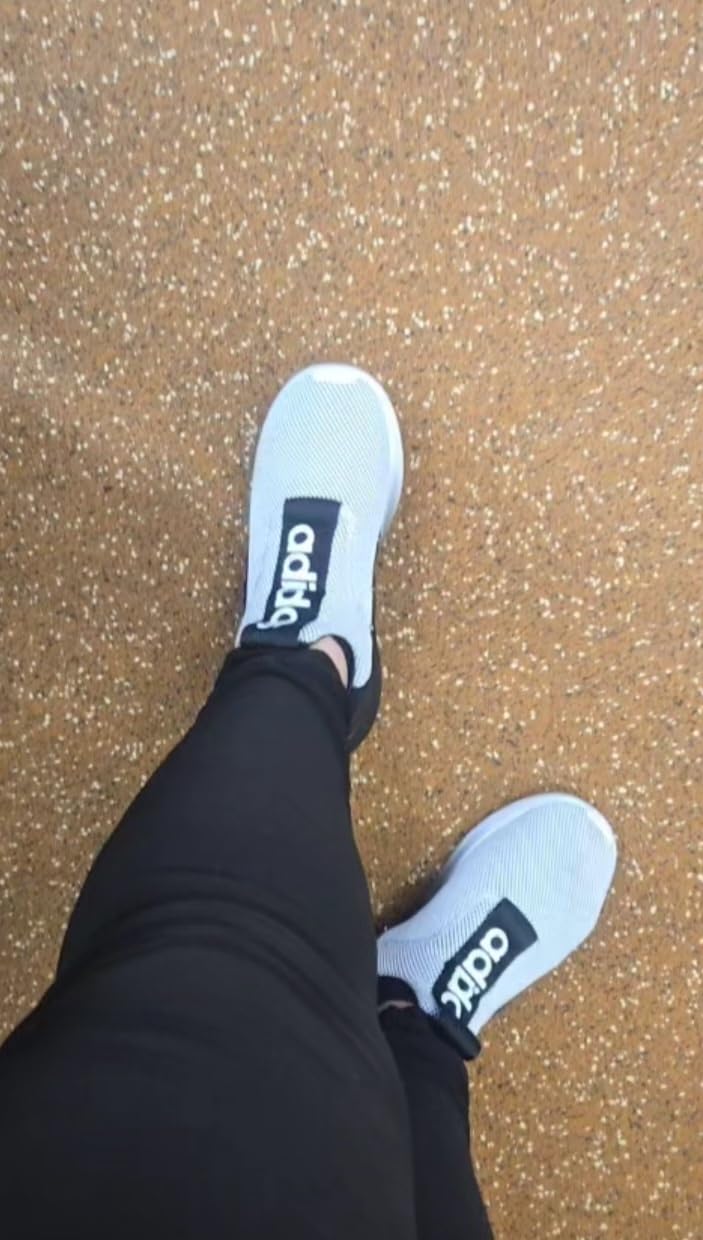
Six weeks in, the answer is: mostly yes, with important asterisks.
The Lite Racer Adapt 7.0 delivers on the core slip-on gym shoe promise. It’s comfortable out of the box, lightweight enough to forget you’re wearing it during long gym sessions, and genuinely stylish enough to wear beyond the gym context. For standard-width feet looking for budget gym rotation footwear, this is a legitimate option at $47.
The honest trade-offs you’re accepting: a narrow fit that excludes wider-footed buyers, an eyelet system that shows stress early, traction limited for high-intensity lateral work, and a five-to-seven-month lifespan at regular gym use. None of these are surprises at this price point — they’re the predictable costs of the $47 entry.
Buy these if: You have standard or narrow feet, use the gym two to three times weekly, want slip-on convenience for a rotation shoe, and understand you’re buying into a 1-to-2-season lifespan rather than a long-term investment.
Skip these if: You have wide feet, rely on one shoe for heavy daily training, do serious HIIT or court-sport-style lateral work, or need a trainer that holds up past six months without signs of wear.
At $47 — frequently less — the trade-offs are knowable. That puts this shoe in better standing than a lot of budget options that hide their limitations until after you’ve committed.
Be the first to review “adidas Men’s Lite Racer Adapt 7.0 Running Shoes”
Related products
Running Shoes


Hiking/Trekking Shoes
Running Shoes
Running Shoes

Running Shoes
Running Shoes
Running Shoes
Running Shoes
Reviews
There are no reviews yet.