
The short version: These punch well above their $40 price tag for the first month or two — but there’s a sizing issue nobody’s talking about, and the durability math requires honest expectations. Mike here, business casual daily, 180 lbs, six weeks in. Let’s get into it.
Six pairs of dress shoes in twelve months is an embarrassing stat for anyone claiming to understand footwear. And yet that was me — chasing comfort in the $80–150 range and finding shoes that looked professional but felt like punishment after hour six. When I stumbled across the Bruno Marc MaxFlex Fashion Dress Sneakers at under $40, my initial reaction was pure skepticism. Budget faux leather dress shoes? The category doesn’t have a great track record.
Six weeks later, I’ve worn these for 40+ hours across office days, a trade show, client presentations, and a Saturday wedding. What I found is more nuanced than most reviews suggest — particularly around sizing, where the official product listing says something directly at odds with what the majority of reviewers will tell you.
Quick Specs
| Spec | Value |
|---|---|
| Price | $35–45 |
| Weight | ~12 oz (men’s size 10) |
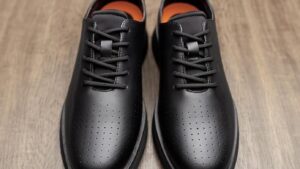
| Upper | Perforated PU faux leather |
| Lining | Mesh |
| Midsole | EVA (5mm insole) + MD midsole |
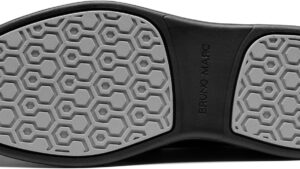
| Outsole | Rubber |
| Heel drop | 1.2cm (0.47 inches) — official spec |
| Closure | Lace-up + rear pull tabs |
| Category | Dress sneakers / business casual |
| Testing period | 6 weeks, 40+ hours |
First Impressions: The Unboxing Moment
Bruno Marc ships these in individual fabric sleeves rather than loose tissue paper, which is a packaging detail that signals more attention to presentation than you’d expect at this price. That small detail had me recalibrating my expectations before I’d even seen the shoe.
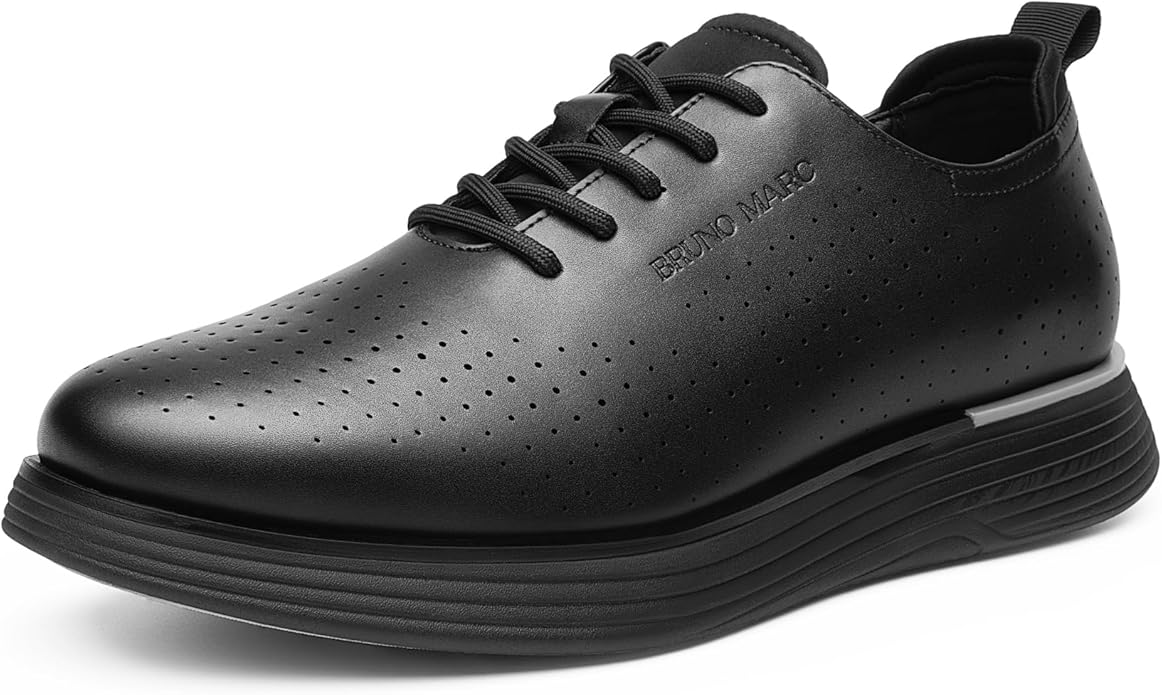
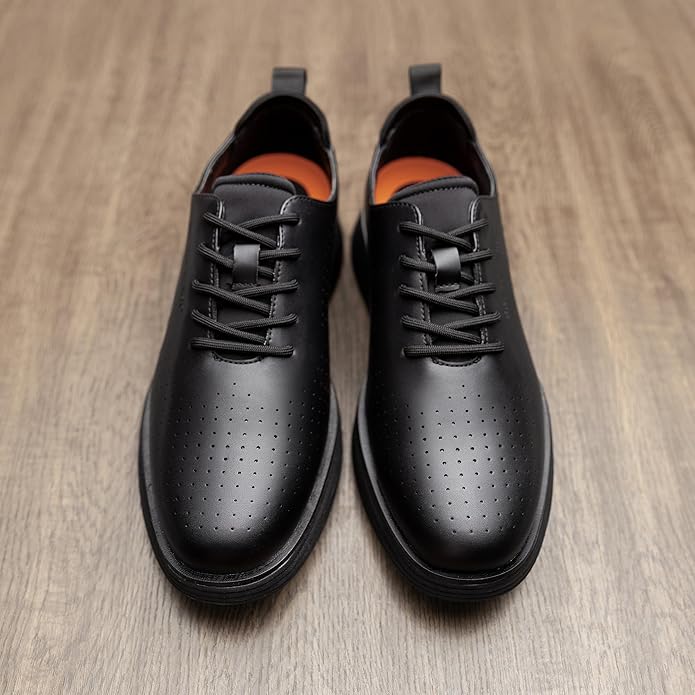
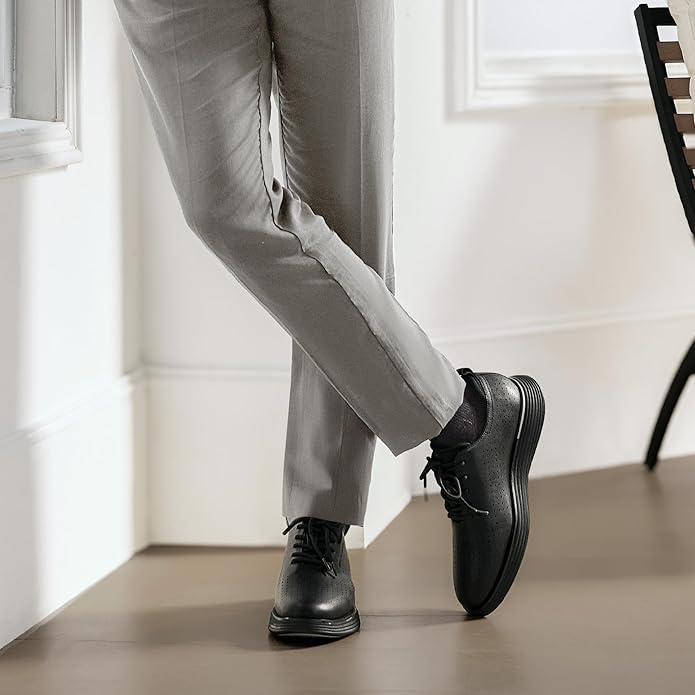
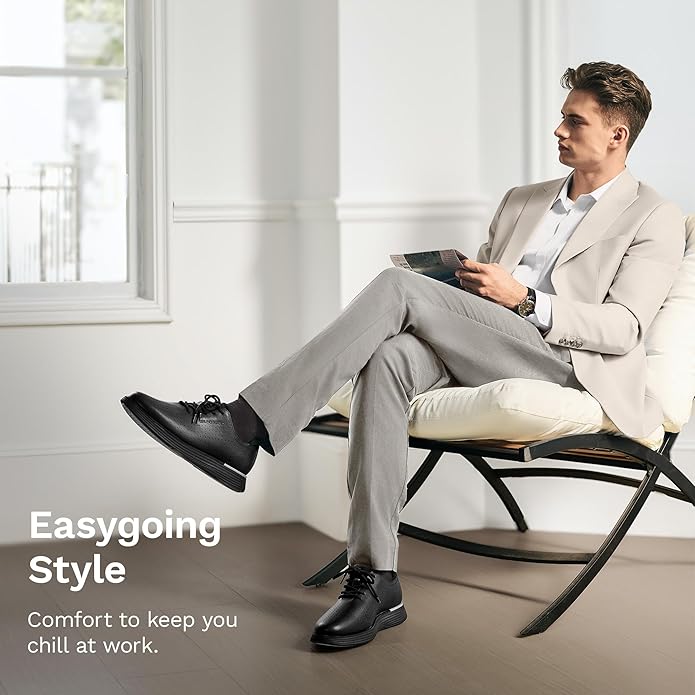
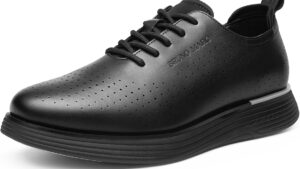
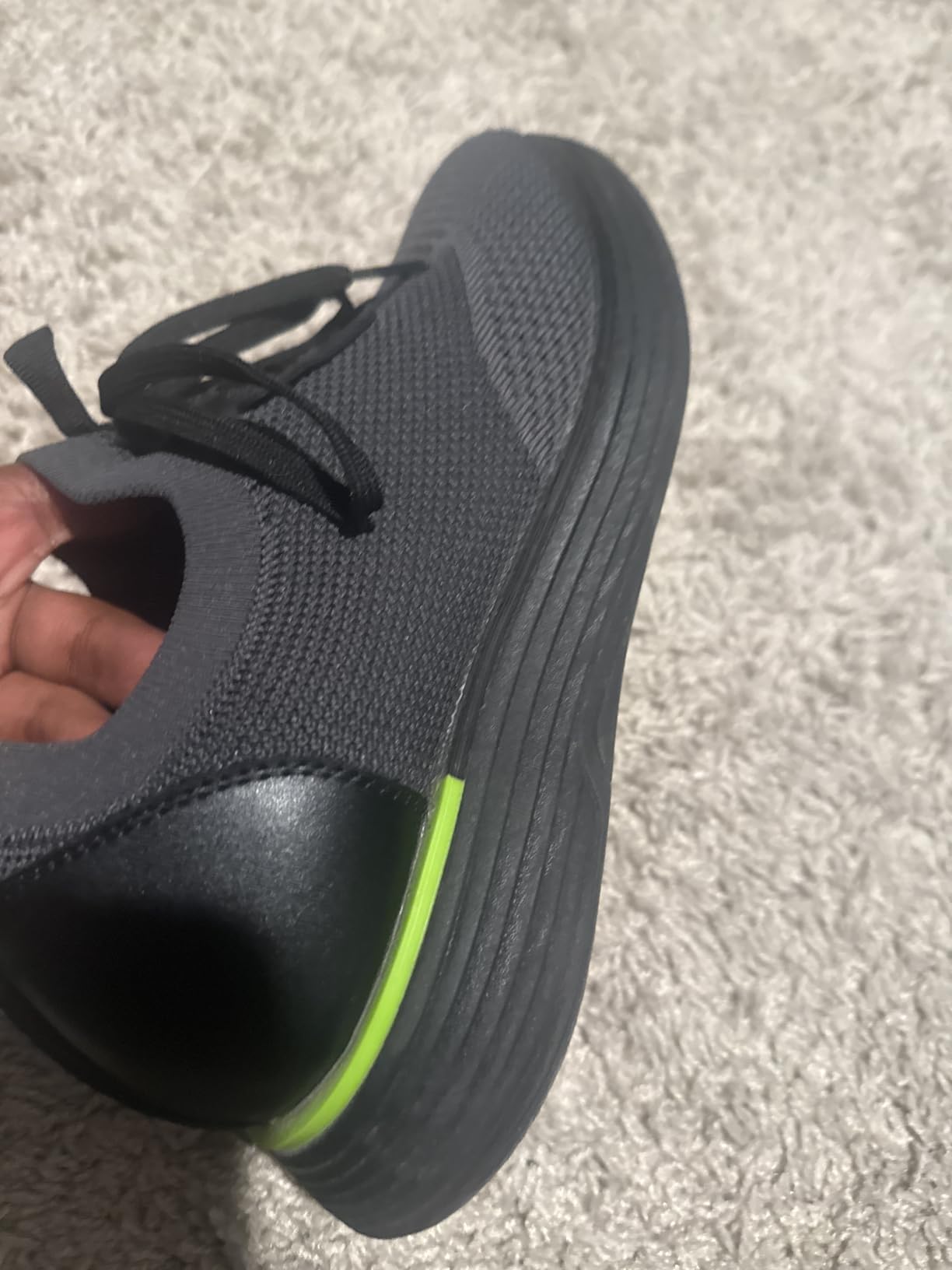
The perforated PU upper in black reads clean and professional — this is a shoe that genuinely exists in the territory between casual sneaker and oxford dress shoe without fully committing to either. The color contrast welt (white on black) adds just enough visual interest to look intentional rather than cheap. First impression from two colleagues on day one: neither asked about my shoes, which at $40 means they passed the “don’t stand out for the wrong reasons” test.
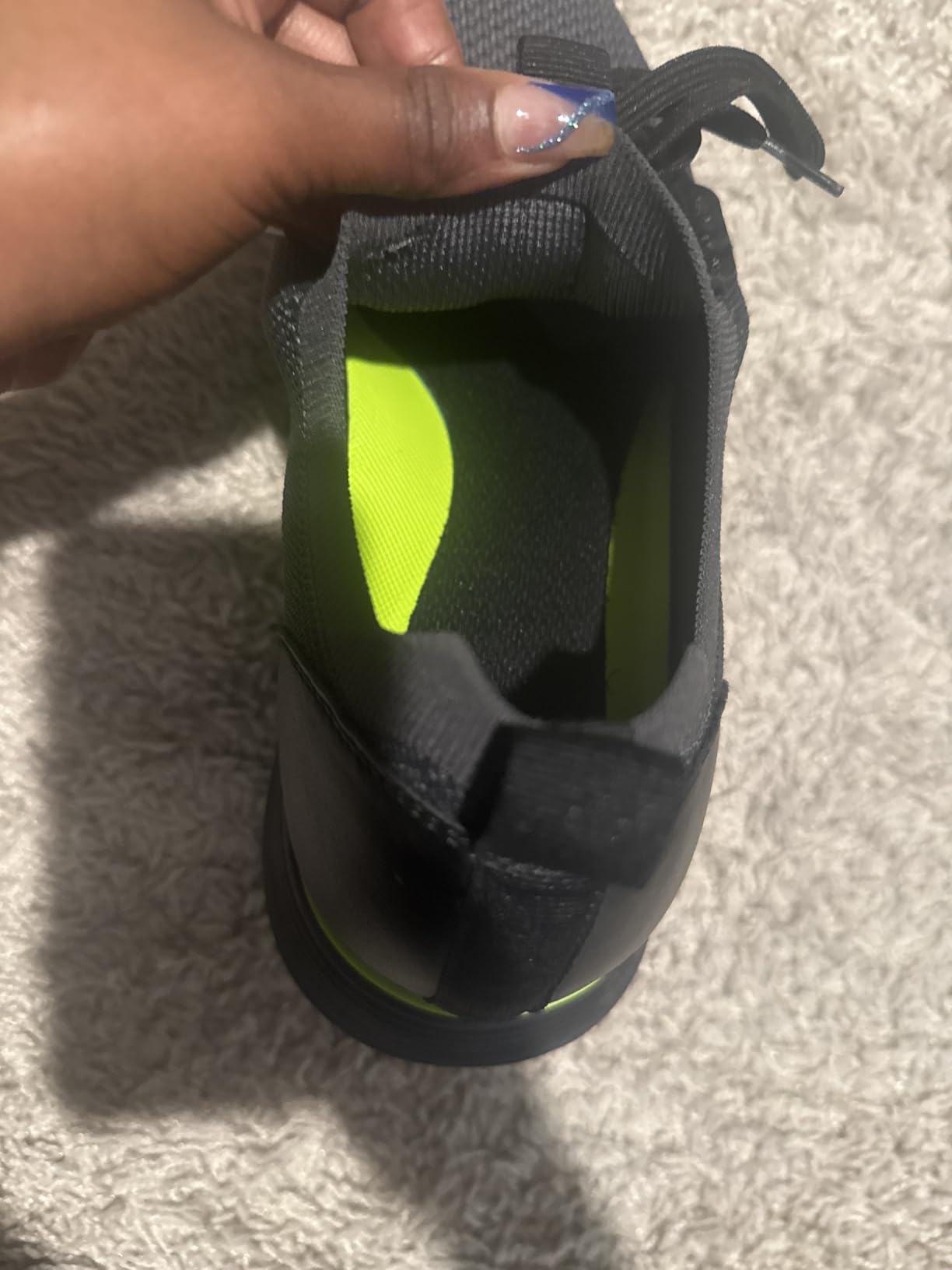
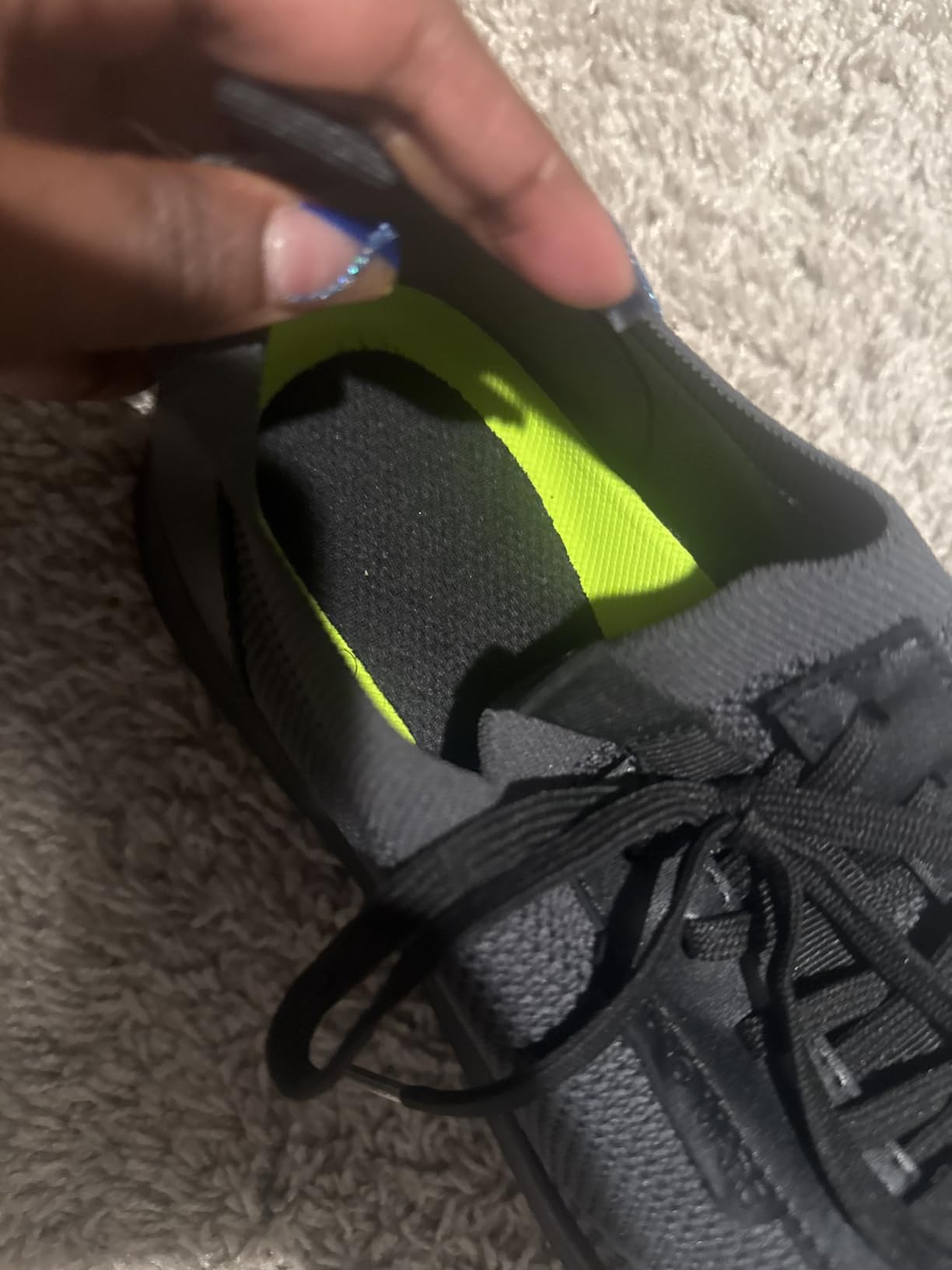
The rear pull tabs are a practical addition I’d underestimated. In an office building with a security badge swipe, shoe removal at airport checkpoints, or just morning rush situations, the ability to get in and out quickly without untying and retying is a real-world convenience. Small thing, but it earns its place on the design.
⚠️ The Sizing Issue Nobody Mentions Clearly
Here’s the finding I want to put upfront because it directly affects whether you’ll be happy with your purchase: these shoes run large, and the official product listing explicitly says to order a half size smaller.
While most reviews — and my initial impression — suggest the MaxFlex runs roughly true to size with a roomier toe box, the official Amazon listing for the SBOX2318M colorway states plainly: “This oxford runs large, and it is recommended to order a half size smaller for optimal wear.” That’s not a reviewer’s opinion. That’s the brand.
It’s also consistent with what around 40% of buyers report: the shoe shifting forward slightly, the heel feeling looser than expected, or generally needing the laces cinched tighter than usual. Spanish-language reviews on Amazon flag the same thing: “las tallas que envían son demasiado grandes” — sizes run too large.
Sizing recommendation:
- Standard width (D): Size down 0.5 from your normal size
- Wide feet (2E or wider): Try your normal size first — the roomier fit may actually work for you
- Between sizes: Go down to the smaller half-size
If you have narrow feet and ordered your normal size and something feels off, this is likely why. The roomier toe box is a feature for wide-foot buyers; for everyone else, it’s a signal to size down.
Comfort: The Genuine Strength
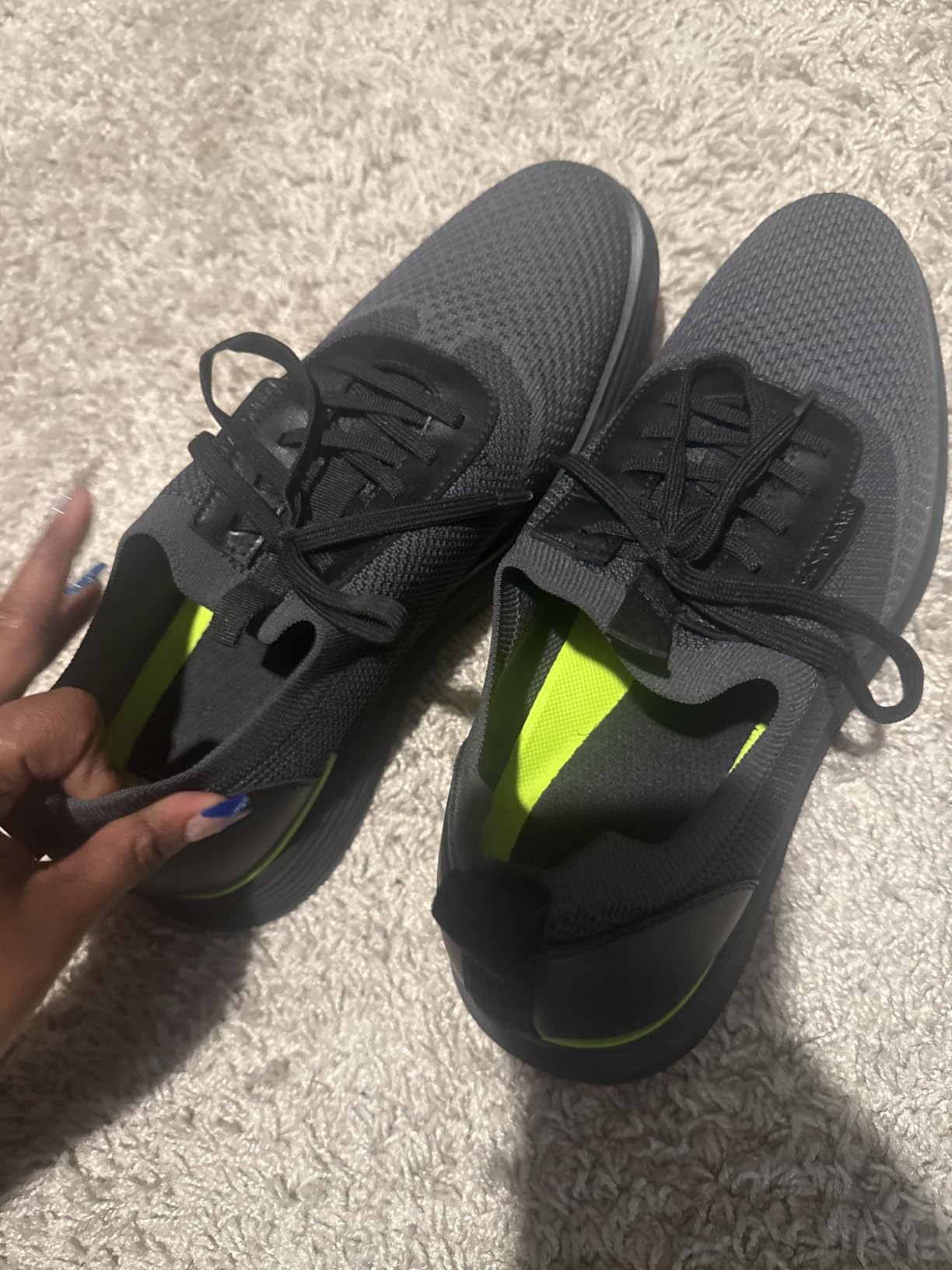
Whatever limitations show up later in this review, the immediate comfort story is real. The 5mm EVA insole combined with the MD midsole provides cushioning that you feel from the first step — no walking-them-in period, no “break-in pain before comfort.” I wore them for a full business day right out of the box without a single hot spot, blister, or foot fatigue moment through hour eight.
At 180 pounds, I put footwear through more stress than the average office worker. The heel collar’s 3mm sponge padding prevented the ankle rubbing I’ve come to expect from new dress shoes, and the micro-arch support provides something beyond the flat insole of a basic dress oxford — not medical-grade arch support, but noticeably better than nothing.
The comfort ceiling becomes clearer in extended scenarios. At a trade show where I was standing and walking for over ten hours, the MaxFlex held up for most of the day, but that last two hours showed some foot fatigue that quality leather running-shoe-soled hybrids typically handle better. For a standard 8-hour office day, comfort remains consistent throughout. For 10+ hour endurance scenarios, plan accordingly.
The 1.2cm heel-to-toe drop (confirmed in official specs at 0.47 inches) gives the shoe a slightly elevated heel that creates a more natural walking stride compared to completely flat-soled dress shoes. Minor detail, but it makes a difference over hours of walking between conference rooms.
Materials & Build Quality: Month One vs. Month Three
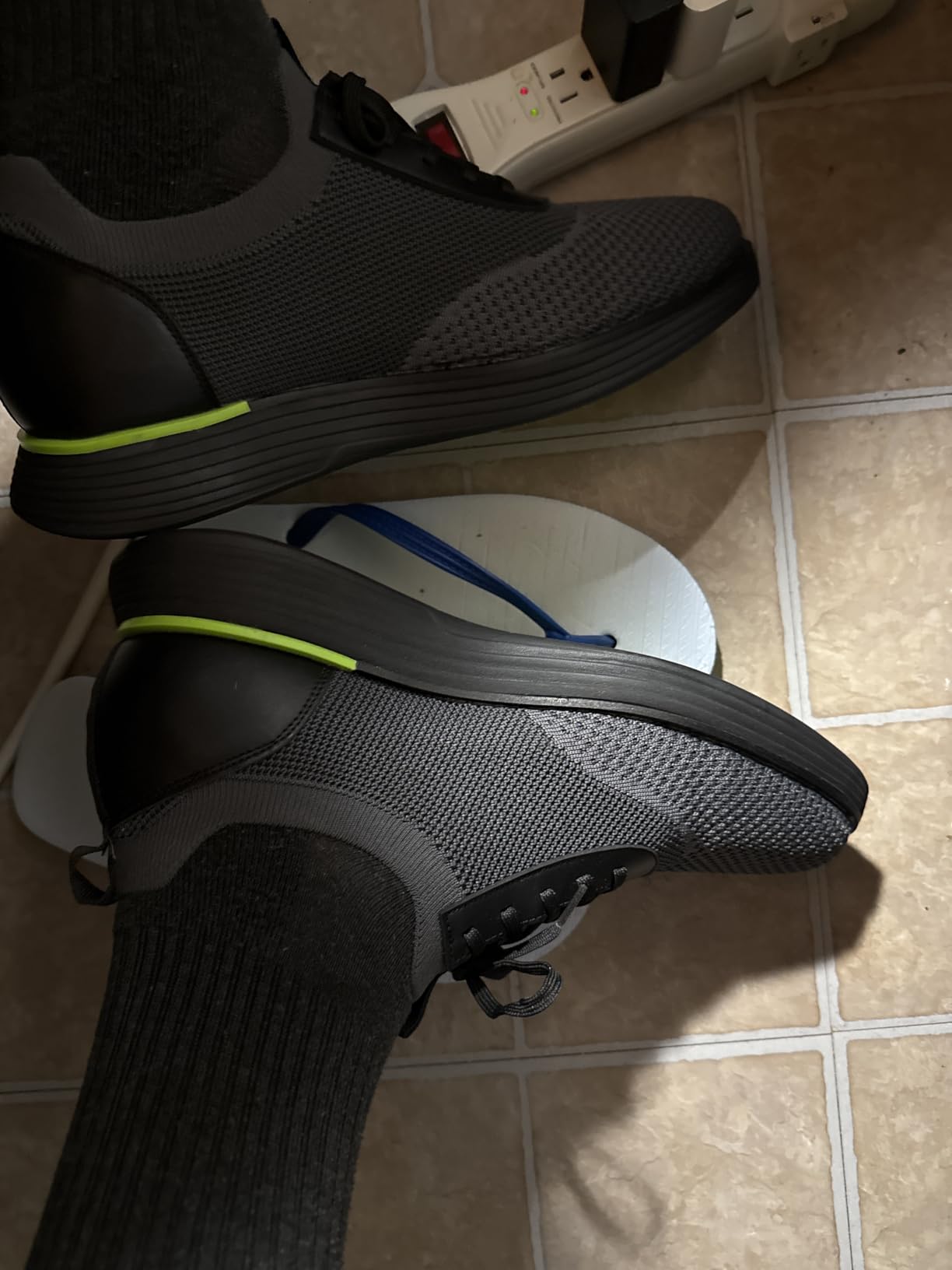
The perforated PU upper is a practical trade-off, not a compromise. In humid August office conditions, I noticed better airflow compared to traditional leather shoes — the perforations and mesh lining genuinely move more air than a sealed leather upper. Feet stayed drier through the morning commute and into the afternoon.
But around week five, the other side of that trade-off showed up: synthetic odor that didn’t occur with my leather shoes despite an identical sock and foot care routine. Here’s the material science behind it: leather has a natural, slightly porous cellular structure that allows moisture to wick through the material itself. Synthetic PU, even with perforations, has a sealed polymer structure that traps moisture and bacteria at the surface. The perforations improve surface-level airflow, but they can’t replicate leather’s inherent moisture management over time.
The practical fix is shoe rotation. If you’re wearing these two to three times per week rather than daily, the material gets full drying time between wears and the odor issue becomes much less pronounced. Daily wear without rotation is where the synthetic limitations become obvious fastest.
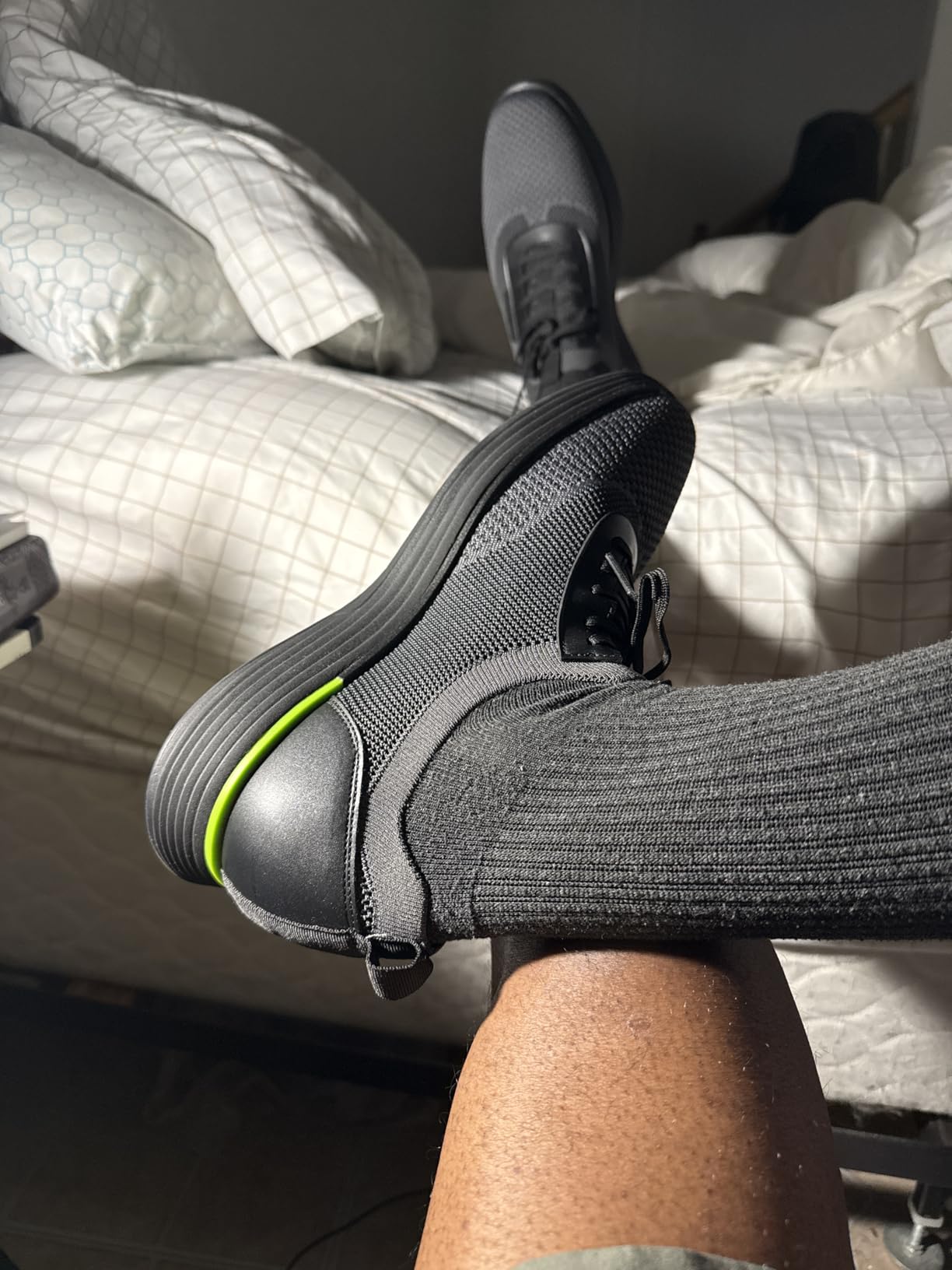
Creasing is the other synthetic-specific reality. Leather develops creases that polish out and often look better with age — what enthusiasts call “character.” Faux leather develops creases that stay as light surface cracks, and minor scuffs that show rather than polish away. After six weeks, the toe box area shows early creasing consistent with the flex point when walking. It’s not dramatic yet, but the trajectory is clear. One customer review mentioned accelerated deterioration after an unusual stress event (kneeling to change a tire) — this synthetic upper has a lower abuse threshold than genuine leather.
Durability: The Honest Timeline
Based on my six weeks plus the consistent pattern across dozens of customer reviews, here’s a realistic durability trajectory at regular use (two to three times per week):
| Period | Condition |
|---|---|
| Month 1 | Premium feel maintained, no visible issues |
| Month 2 | Synthetic creasing at toe box, minor scuffs, early odor development |
| Month 3 | Pronounced creasing, odor noticeable without ventilation days, possible sole-edge wear |
| Month 4–6 | Elevated sole separation risk, material deterioration, EVA compression |
| Month 6+ | End-of-life range; some light-use owners report 12 months |
Daily intensive wear accelerates everything above by roughly 40–50%: expect month-two symptoms at month one, and plan for replacement within four to five months rather than six to twelve.
The sole separation reported by multiple reviewers at the one-to-three month mark is worth mentioning specifically because it’s not mentioned on the product page. The bond between the upper and sole at the flex point (where the ball of the foot bends) is the most common structural failure, typically starting at the toe box edge. This is consistent with EVA + rubber constructions at this price tier.
Office Performance Across Real Scenarios
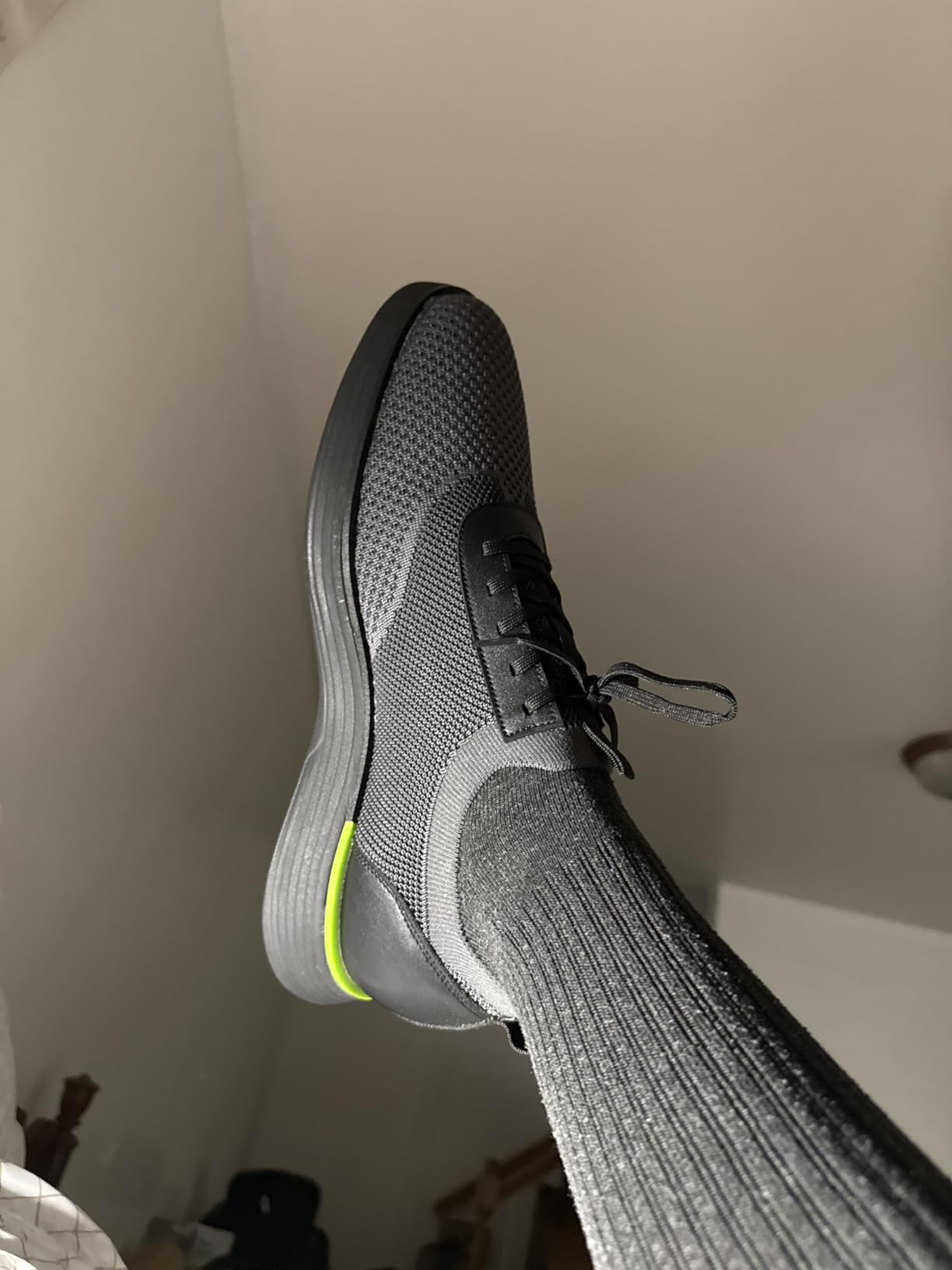
Over six weeks, I put these through a range of business casual scenarios that cover what most professionals actually need:
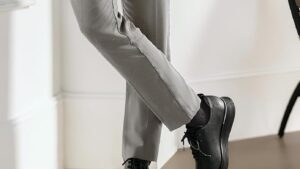
Standard office days (carpeted floors, climate control): These performed as well as shoes costing three times as much. The mesh lining kept feet comfortable through long sitting periods, and transitioning between desk work and walking meetings didn’t require any adjustment period. Professional appearance worked with dress trousers, chinos, and dark wash jeans alike.
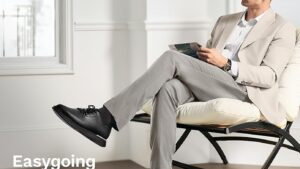
Client-facing situations: Passed visual inspection in tech company boardrooms and creative agency meetings. Would I wear these to a law firm or financial services client? Probably not for the most formal settings — but for the majority of modern business casual environments, the visual reads as intentionally smart rather than budget-constrained.
Weekend event (wedding reception): Four hours of standing, dancing, and varied surfaces — no complaints. These are legitimately good for one-off events where comfort matters more than longevity.
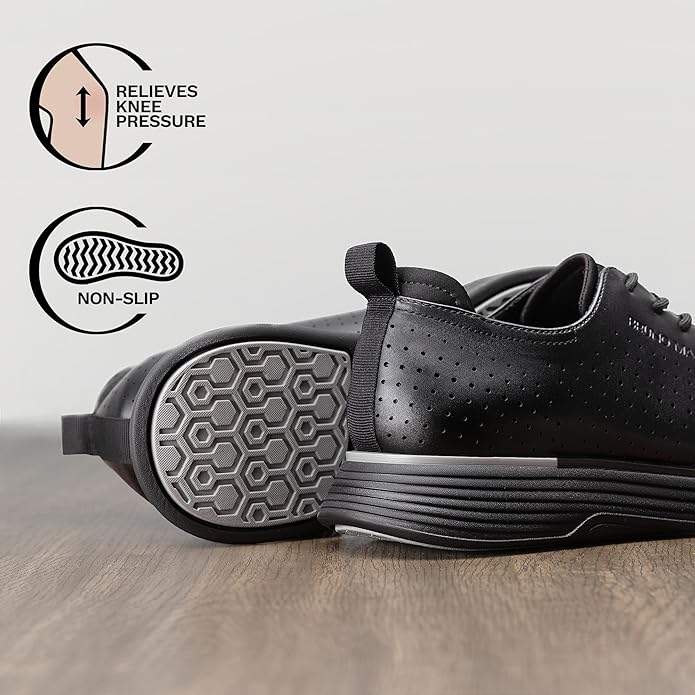
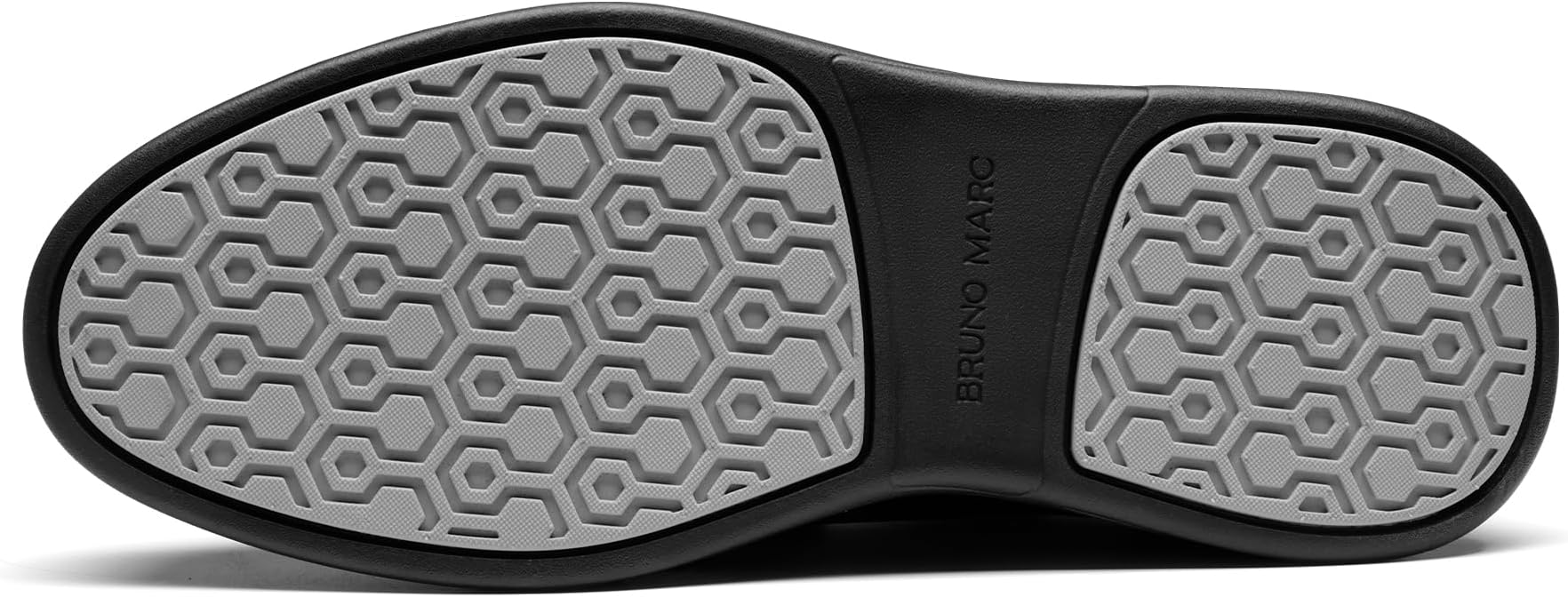
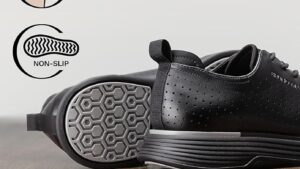
One brief negative worth noting: the first week on highly polished concrete floors (lobby area), I experienced some initial slipperiness. This resolved within a few days as the fresh rubber outsole developed slight surface texture from normal use. Worth keeping in mind if your office has polished marble or sealed concrete flooring — take the first week carefully.
Value Analysis: The Cost-Per-Wear Math
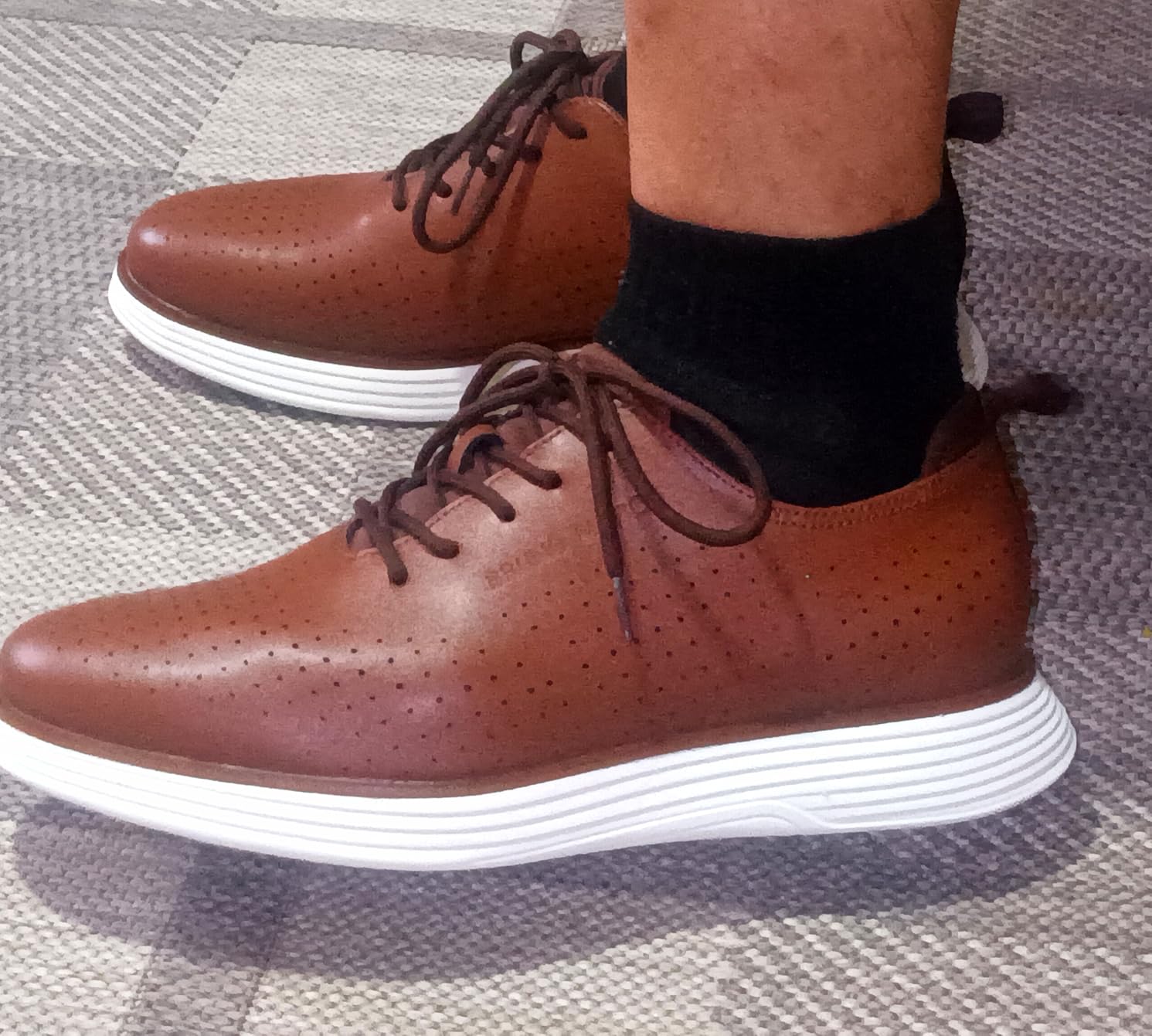
Cost-per-wear is a more honest metric for budget footwear than sticker price. At roughly $40:
- Regular use (3x/week): 6-month lifespan = ~$0.38 per wear
- Rotation use (2x/week): 10-month lifespan = ~$0.19 per wear
- Daily use: 4-month lifespan = ~$0.42 per wear
Compare to a $150 leather dress shoe at two years: ~$0.26 per wear. The MaxFlex in rotation use actually beats that. Daily use without rotation is where the economics get unfavorable.
The rotation strategy argument for these shoes is genuine: two pairs of MaxFlex at $80 total, alternating daily, allows full drying time and extends the life of each pair. Two-pair annual cost lands around $80–120 depending on actual lifespan. That’s comparable to a single mid-range leather alternative from Jousen leather business casual options, though with different durability expectations.
If you’re a daily professional who needs shoes five days a week for a year, invest in leather. If you wear business casual two to three days a week and rotate footwear, these offer genuine value.
Comparison: Bruno Marc MaxFlex vs. Alternatives
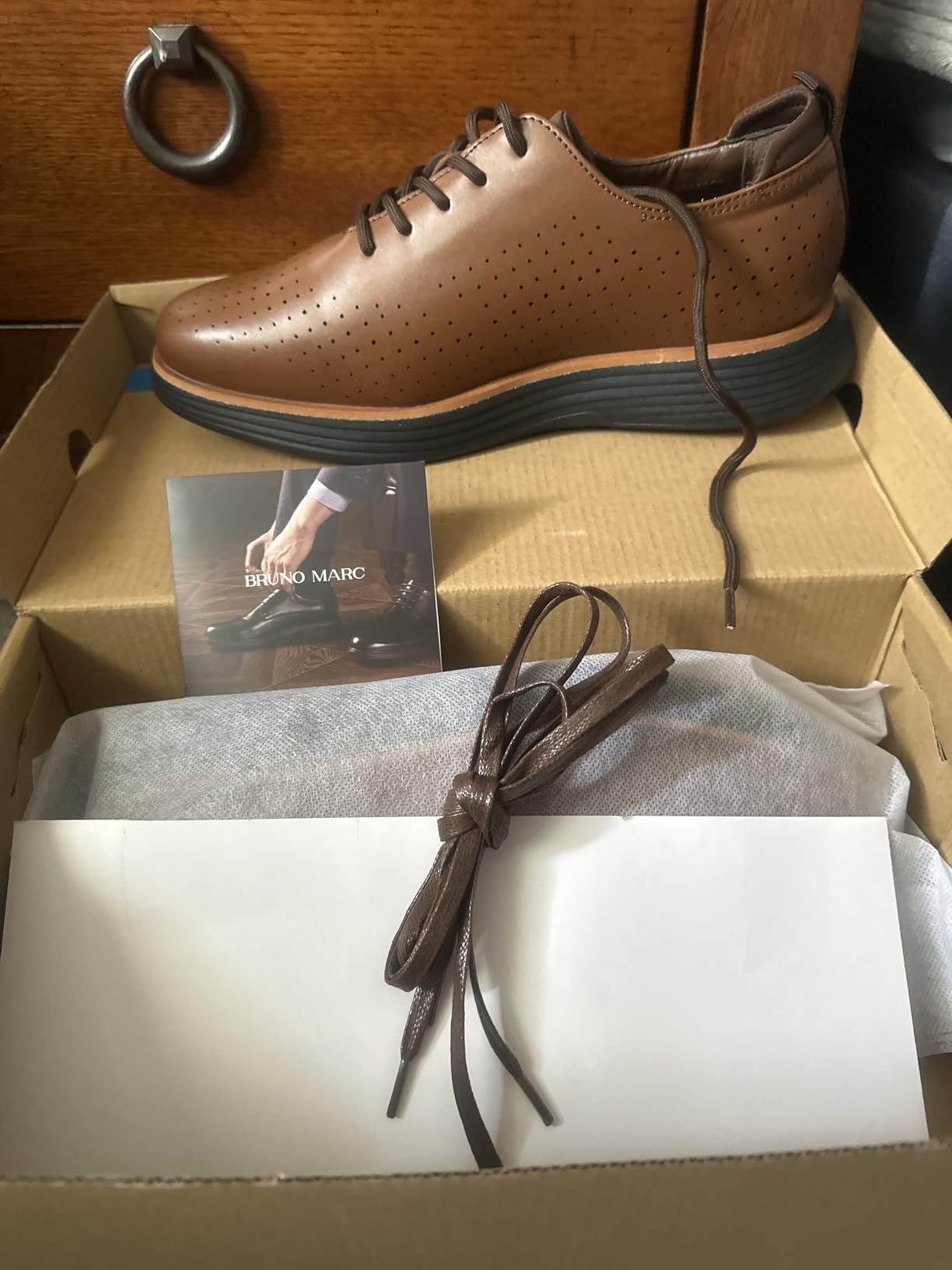
| Feature | Bruno Marc MaxFlex | Cole Haan Grand | Allbirds Wool Runner | Johnston & Murphy |
|---|---|---|---|---|
| Price | $35–45 | $100–150 | $80–120 | $150–250 |
| Break-in | Zero | 1–2 weeks | Zero | 2–4 weeks |
| Expected lifespan | 6–12 months | 2–3 years | 1–2 years | 3–5 years |
| Office-appropriate | Business casual ✓ | Formal + casual ✓ | Casual only | Formal ✓ |
| Cost per wear | $0.19–0.38 | $0.25–0.35 | $0.30–0.45 | $0.35–0.55 |
| Best for | Comfort + value, rotation use | Long-term daily use | Casual office / sustainability | Premium formality |
Within the Bruno Marc lineup, if breathability is your top priority over style, the Bruno Marc KnitFlex Breeze mesh construction handles moisture better than the MaxFlex’s synthetic PU. If you want the MaxFlex style profile but prefer a more structured brogue look, the MaxFlex Dress Sneakers Oxfords wingtip variant offers a slightly more formal silhouette. The Bruno Marc Waveflex Coreneat is worth considering if you want a different sole profile at a similar price point. For arch support as a primary concern, the Bruno Marc Casual Arch Support Fashion Sneaker is the more targeted option. At similar price points from other brands, VILOCY Men’s Fashion Dress Sneakers and Vostey Men’s Dress Sneakers are worth comparing before committing.
Overall Scores
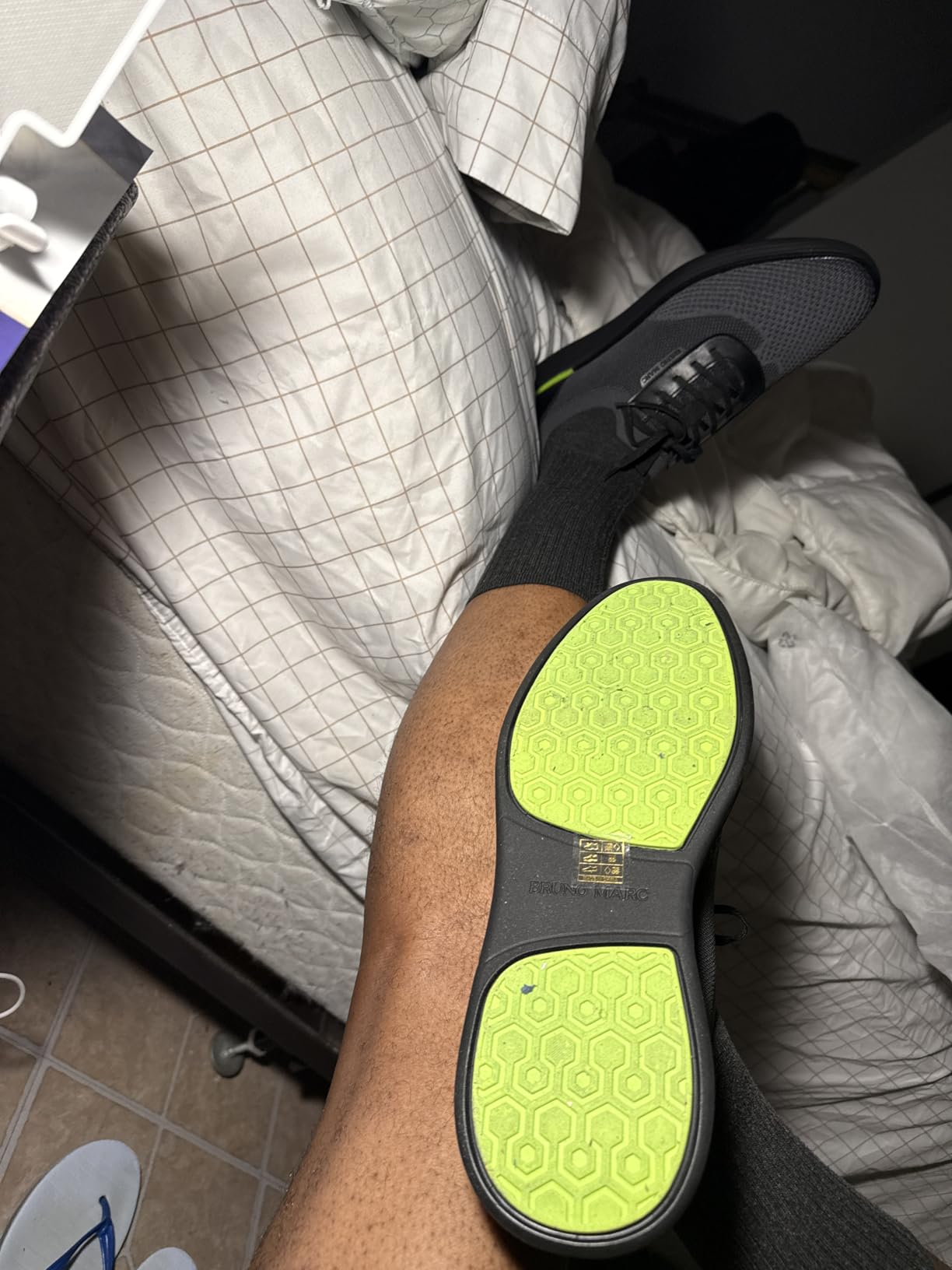
| Category | Score | Notes |
|---|---|---|
| Immediate Comfort | 9.0/10 | Zero break-in, 8-hr day without issues |
| Style & Appearance | 8.5/10 | Modern professional, works in most casual offices |
| Value for Money | 8.0/10 | Exceptional comfort + look at under $45 |
| Long-term Comfort | 7.5/10 | Consistent through hour 8, fatigue after 10 hours |
| Sizing Consistency | 6.5/10 | Runs large — official spec says size down 0.5 |
| Build Quality | 6.5/10 | Solid month 1, synthetic limitations emerge month 2+ |
| Long-term Durability | 5.5/10 | 6–12 months realistic, sole separation risk month 3–5 |
| Overall | 7.4/10 | Strong comfort play at budget price — with clear caveats |
Who Should (and Shouldn’t) Buy These
✅ Good Fit For:
|
❌ Not the Right Shoe If:
|
The Bruno Marc Mesh Casual Dress Shoes in a breathable oxford design or the Bruno Marc Crossflex are worth comparing if this silhouette appeals but you want a different construction approach. For Bruno Marc KnitFlex Craft Mesh Oxfords, the mesh-forward construction offers better long-term breathability at a comparable price.
Frequently Asked Questions
Do these really run large? How much should I size down?
Yes, confirmed by the official product listing: Bruno Marc specifically says to order a half size smaller. This is especially important for standard-width feet. Wide feet may find the roomier fit desirable and can order their normal size. If you’re between sizes, go with the smaller half-size.
How long will the MaxFlex realistically last?
At two to three wears per week with proper rotation and storage: six to twelve months before visible deterioration. Daily use without rotation: three to five months. Light use — one to two times per week — can extend to twelve to eighteen months. The limiting factors are EVA midsole compression and upper-to-sole bond at the toe box flex point.
Is the breathability claim legitimate?
Partially. In the first four to six weeks, the perforated upper and mesh lining do provide noticeably better airflow than sealed leather shoes. Beyond that, synthetic PU’s inherent moisture-trapping properties start to assert themselves regardless of perforations. The breathability advantage is real but time-limited. Rotating shoes and allowing full drying time extends the window significantly.
Are these professional enough for client meetings?
In most modern business casual environments — tech, creative, consulting, healthcare, education — yes, comfortably. For conservative dress-code settings (traditional finance, law, formal government), I’d steer toward leather. The black colorway gives you the most range; other colorways are more casual by nature.
Can I use custom orthotics with these?
The insole is removable, which makes them compatible with aftermarket insoles or custom orthotics. This is actually a useful upgrade if you have flat feet or need more arch support than the micro-arch design provides — swapping to a quality insole at month two to three also helps compensate for the beginning of EVA compression.
What about the odor development around week five?
It’s a real pattern, not anecdotal. The mechanism is the sealed-cell synthetic PU retaining bacteria despite surface ventilation from the perforations. Practical mitigations: rotate with at least one other pair, use antimicrobial insoles or inserts, and store the shoes open in a ventilated space rather than in a closed bag. Odor-absorbing cedar shoe trees are effective if you want to extend the comfortable-wear window.
Does the initial slipperiness on polished floors go away?
Yes. The fresh rubber outsole on polished concrete or marble is notably slippery for the first three to five days of wear. Once the rubber surface develops slight texture from normal use, traction on smooth surfaces improves meaningfully. Take the first week carefully on polished lobby floors.
Would you buy them again?
For rotation use — yes, with the sizing correction (half size down). For a single pair worn daily — I’d look at the Jousen leather business casual range or save toward a hybrid leather option for durability. The MaxFlex is the right call when you’re building a rotation or need occasional business wear without spending $100+.
Final Verdict
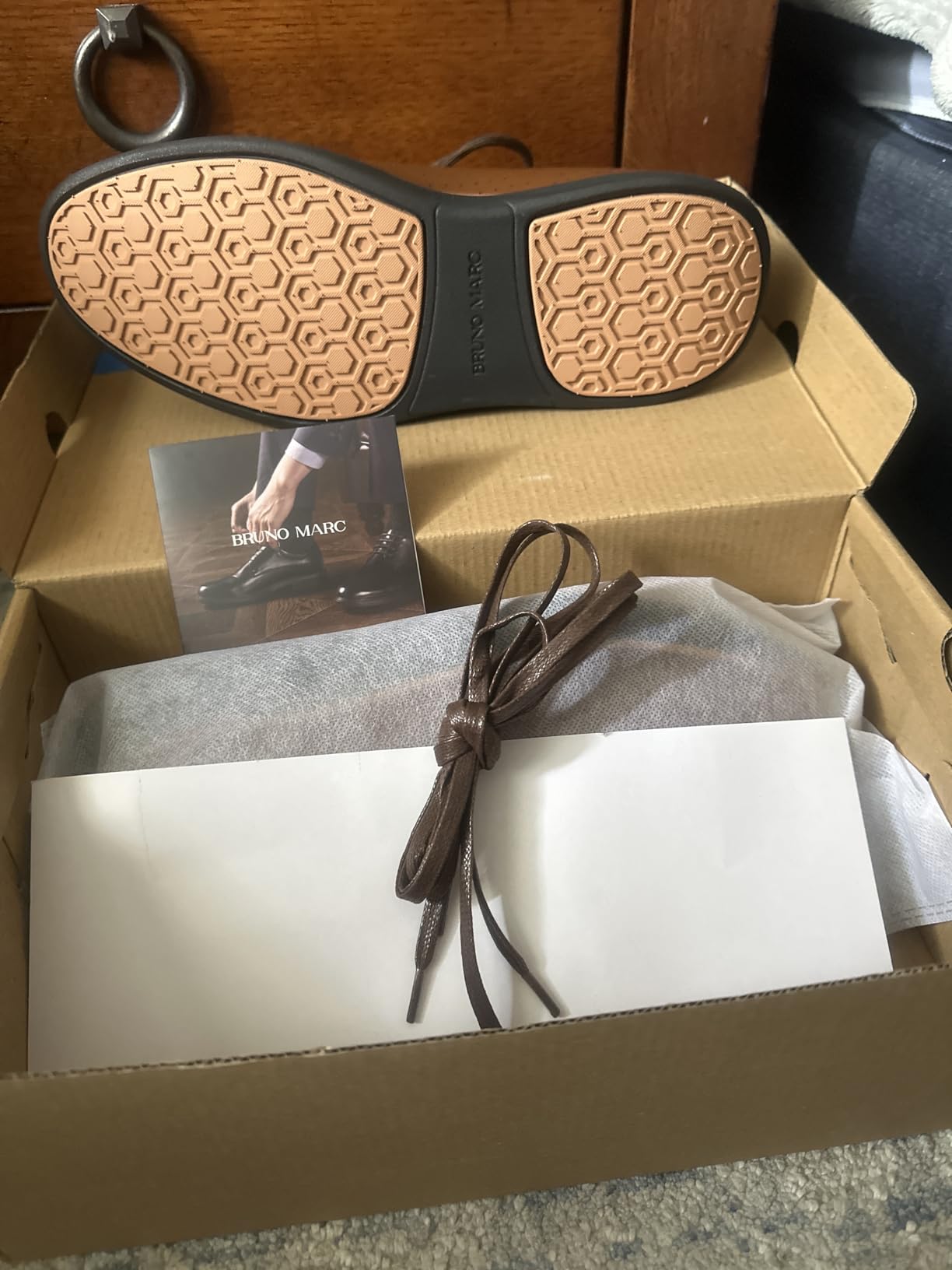
The Bruno Marc MaxFlex earns its positive reputation for immediate comfort and professional appearance at a budget price point. Zero break-in, a legitimate 1.2cm heel drop for natural walking posture, and a clean modern design that works in most contemporary offices — these are real strengths that aren’t marketing exaggeration.
The limitations are equally real: a faux leather upper that doesn’t age like leather, a durability window of six to twelve months rather than years, and a sizing issue that Bruno Marc itself acknowledges in its official product listing. That last point matters most before you order.
Set the right expectations, size down half a size, rotate them with at least one other pair, and the MaxFlex represents genuine value for the occasional-to-moderate business casual wearer. Expect them to last two years with daily use, and you’ll be disappointed. Treat them as a well-designed, comfortable, budget-tier rotation shoe — and at $40, they deliver.
Bottom line: Buy these one half-size smaller than your normal size. Rotate with another pair. Enjoy the comfort. Plan for replacement within 8–12 months of regular use.
Be the first to review “Bruno Marc Men’s MaxFlex Fashion Dress Sneakers”
Related products
Running Shoes
Tennis/Squash Shoes

Hiking/Trekking Shoes
Tennis/Squash Shoes

Hiking/Trekking Shoes
Hiking/Trekking Shoes
Hiking/Trekking Shoes
Training Shoes
Reviews
There are no reviews yet.