
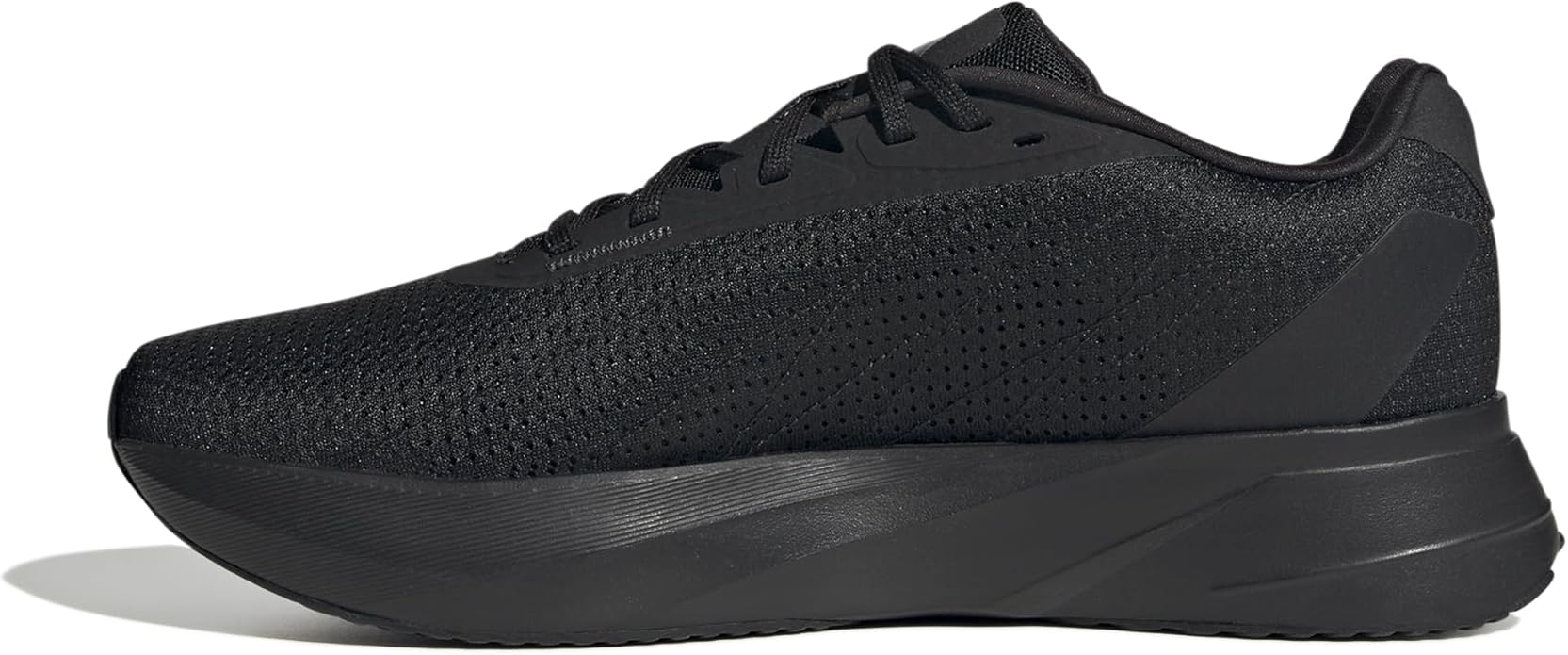
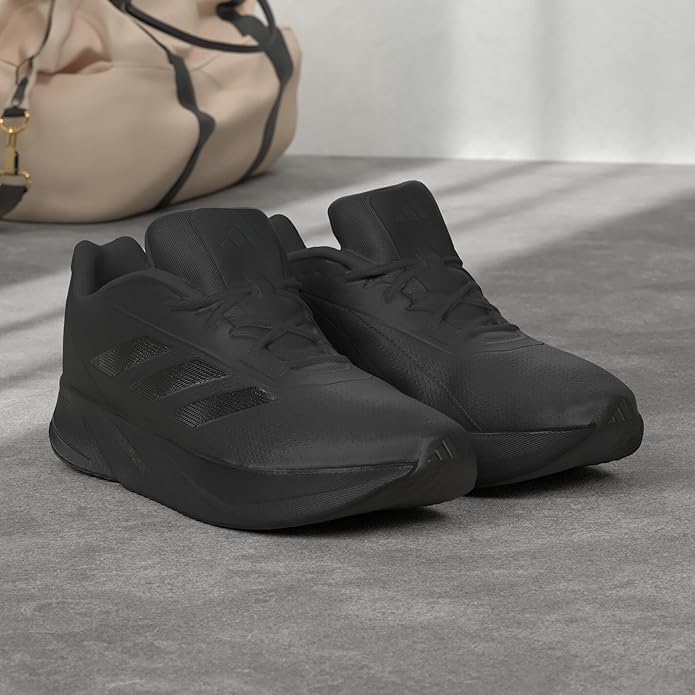
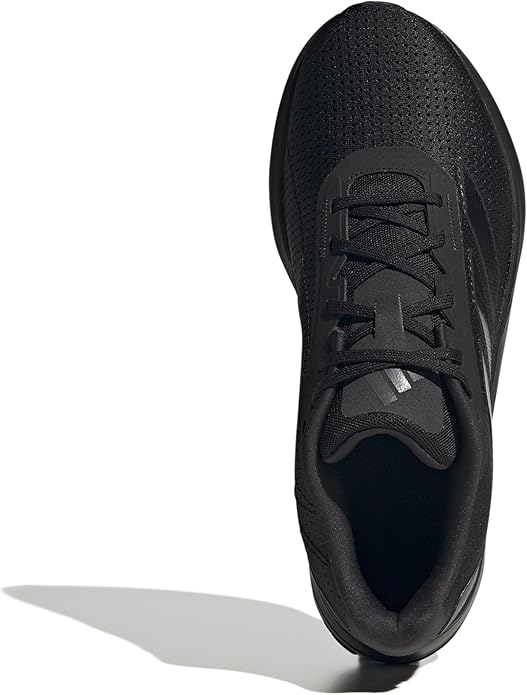
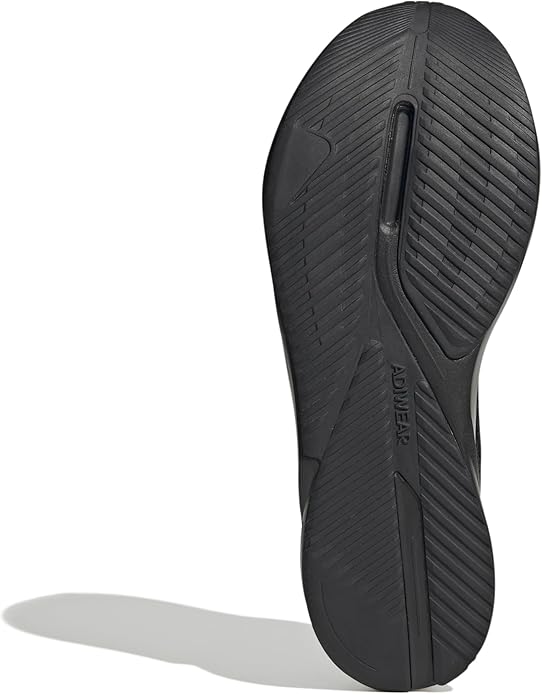
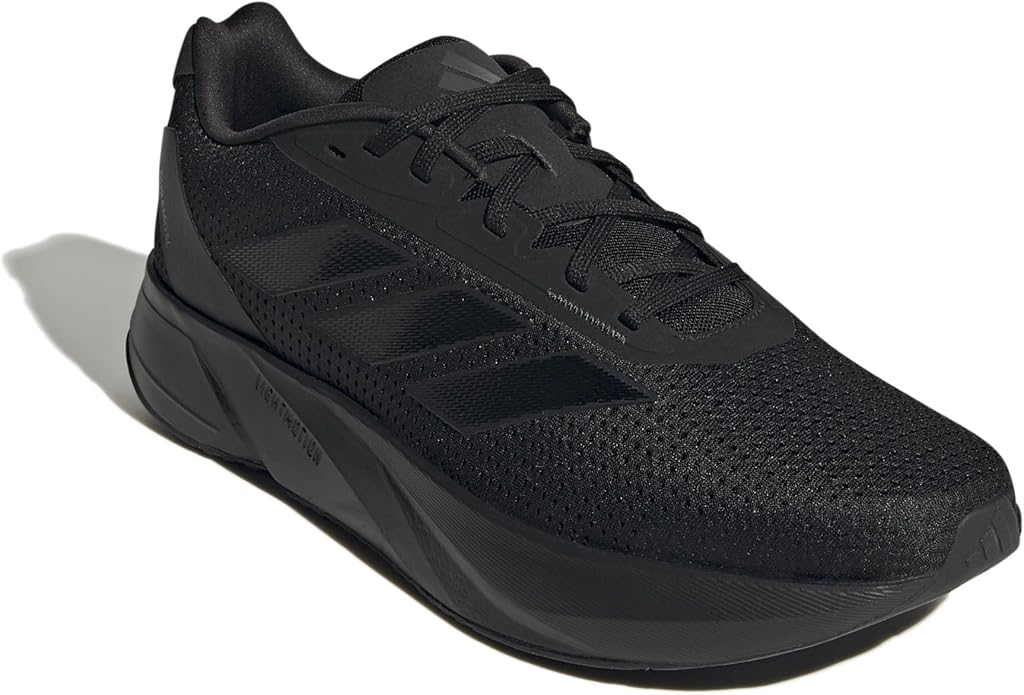
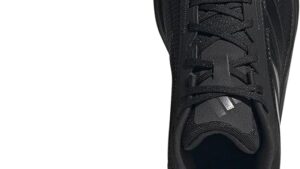
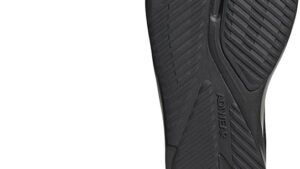
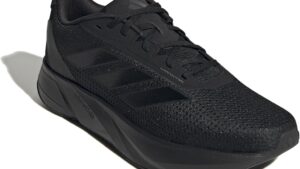
Can a $45 pair of Adidas really hold up for a runner who’s used to spending three times that? I’m Mike — ten-plus years of beating up shoes across road races, gym floors, and trail loops — and that question nagged at me the moment I pulled the Duramo SL out of the shipping box. Adidas makes big promises about their LIGHTMOTION cushioning, but budget foam and marketing buzzwords don’t always mix well. So I laced these up, logged 150 miles over eight weeks, and tracked every blister, squeak, and midsole dent along the way. Here’s exactly what happened.
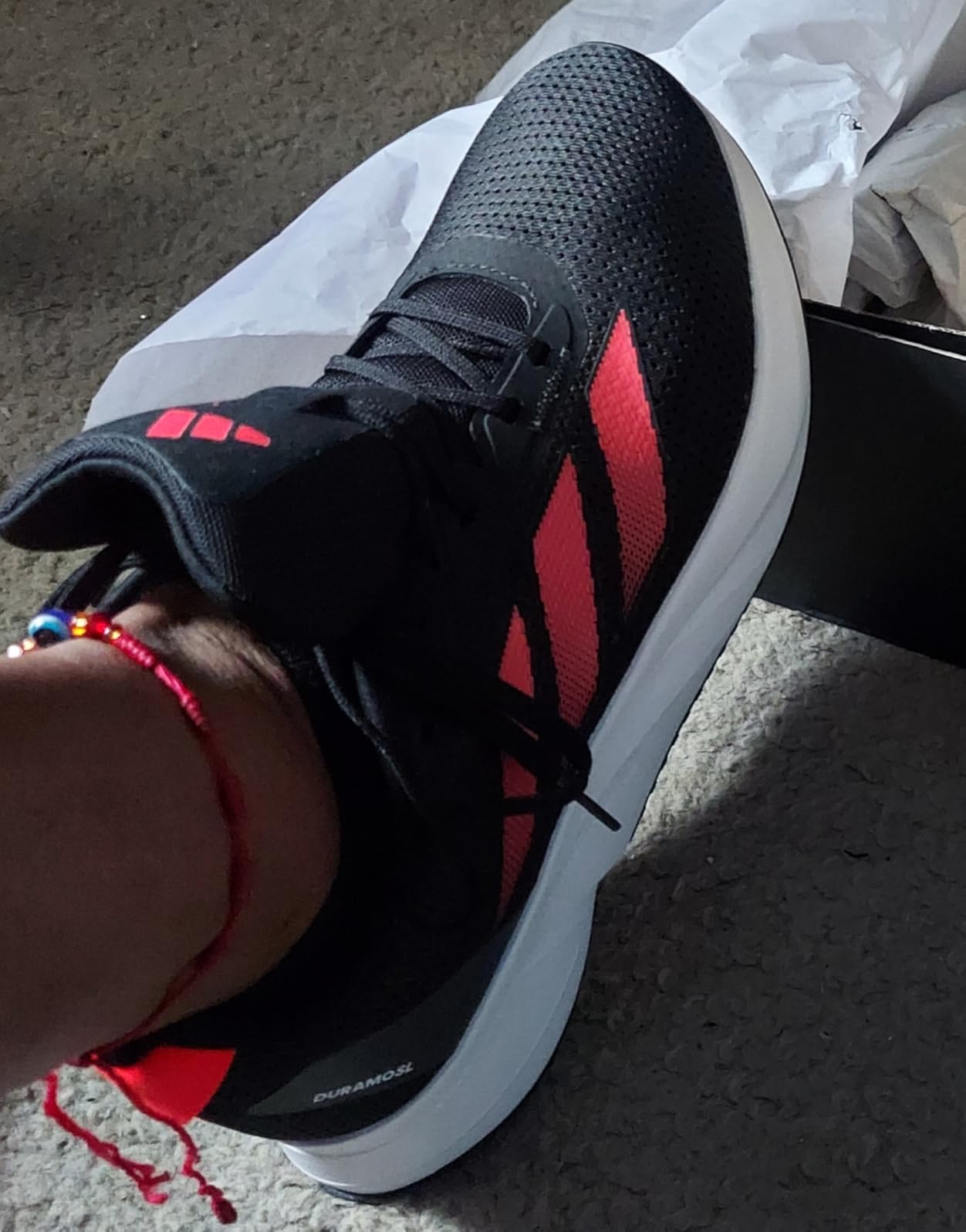
First Impressions and Build Quality
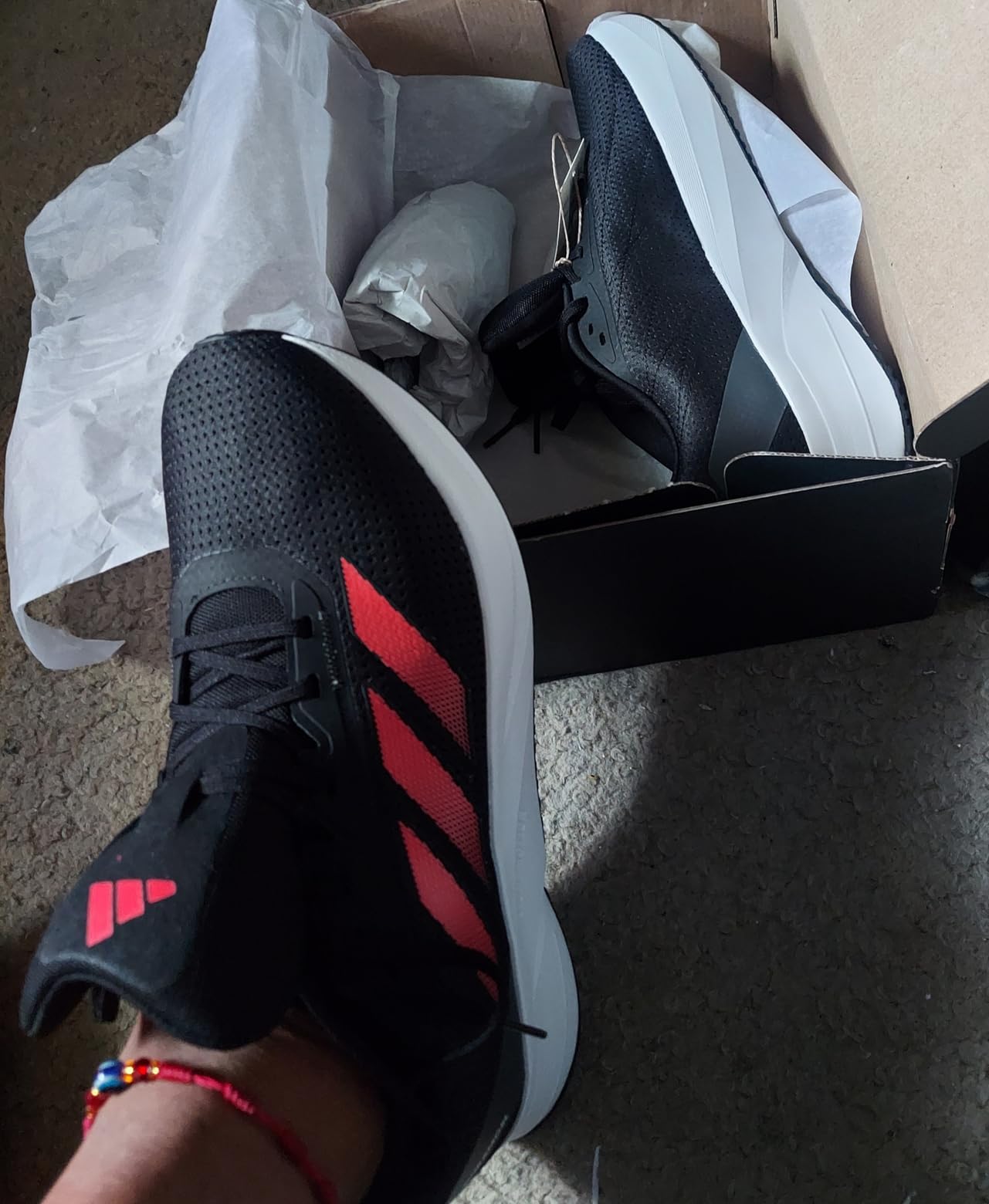
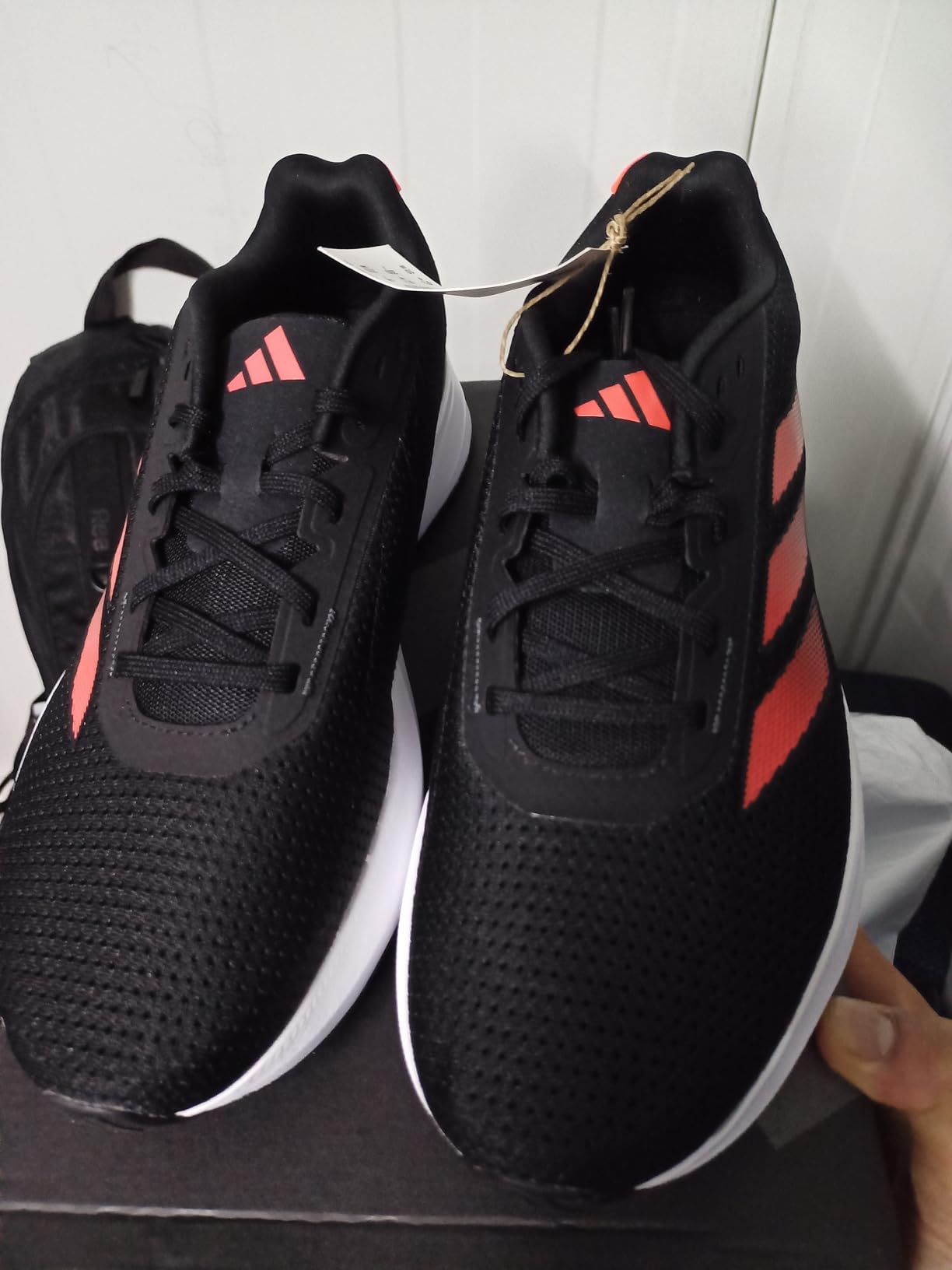
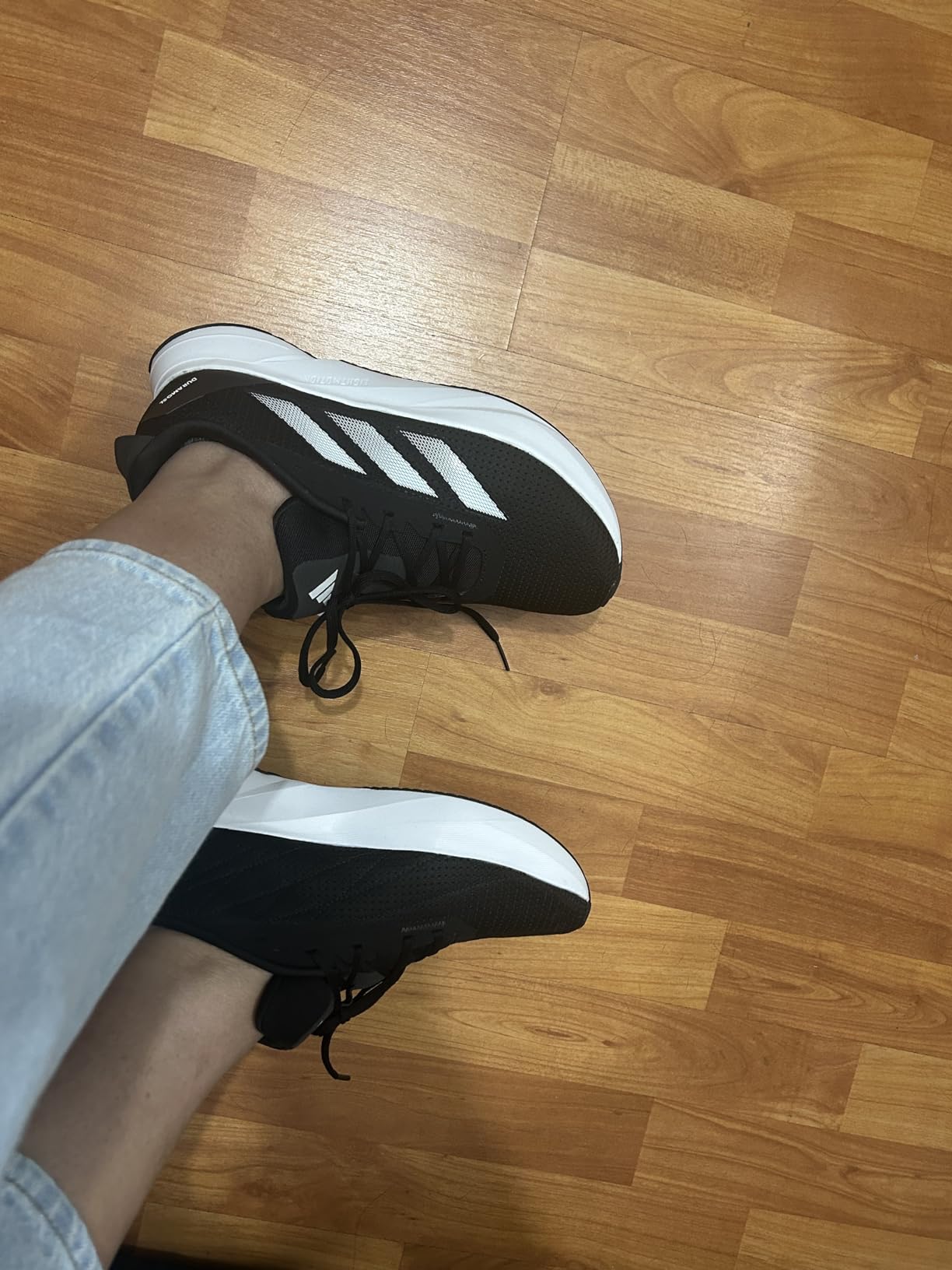
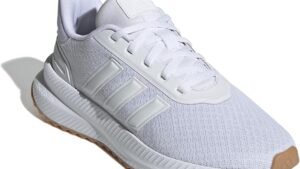
Picking these up for the first time, the weight registered immediately — barely anything in my hand, lighter than my morning coffee mug. The mesh felt thin but not flimsy, and the three-stripe overlays gave the upper some structure without adding bulk. Nothing about the build screamed premium, but nothing screamed cheap either. Functional. That’s the word that kept coming back.
My first three-mile shakeout along the Riverside Park loop went smoother than expected. No pinching at the midfoot, no heel slip, no hotspots near the toe seams. The mesh softened up within the first mile and conformed loosely around my foot — not the sock-like hug you get from knit uppers, but adequate for a daily beater.
After 150 miles, the upper is holding together better than I figured it would at this price. Small wear marks near my left toe box where my big toe pushes hardest during push-off, but no tears. The synthetic overlays haven’t peeled. For comparison, I’ve seen $80 shoes develop mesh holes inside of two months.
Sizing: The One Thing You Need to Know Before Ordering
I normally wear a 10.5 in most running shoes — Nike Winflo 10, ASICS Gel-Cumulus 26, New Balance Fresh Foam Roav. The Duramo SL in 10.5 felt like a 10. My toes were jammed against the front after a two-mile warmup. I swapped to an 11 and immediately had the room I needed.
Now, the interesting part: my buddy Marcus (6’1″, 190 lbs) found his usual size perfectly fine. James (5’10”, 165 lbs) agreed with me — half size up. The Zappos aggregate shows 89% of buyers calling them true to size, so this isn’t universal. But if you’re between sizes, or if your feet swell after a few miles like mine do, go up the half size. It’s not a gamble worth losing.
Adidas also makes a Wide Fit version for the Duramo SL. If you have wide feet, that’s your move — the standard width runs narrow across the forefoot.
LIGHTMOTION Cushioning: What $45 Gets You Under Foot
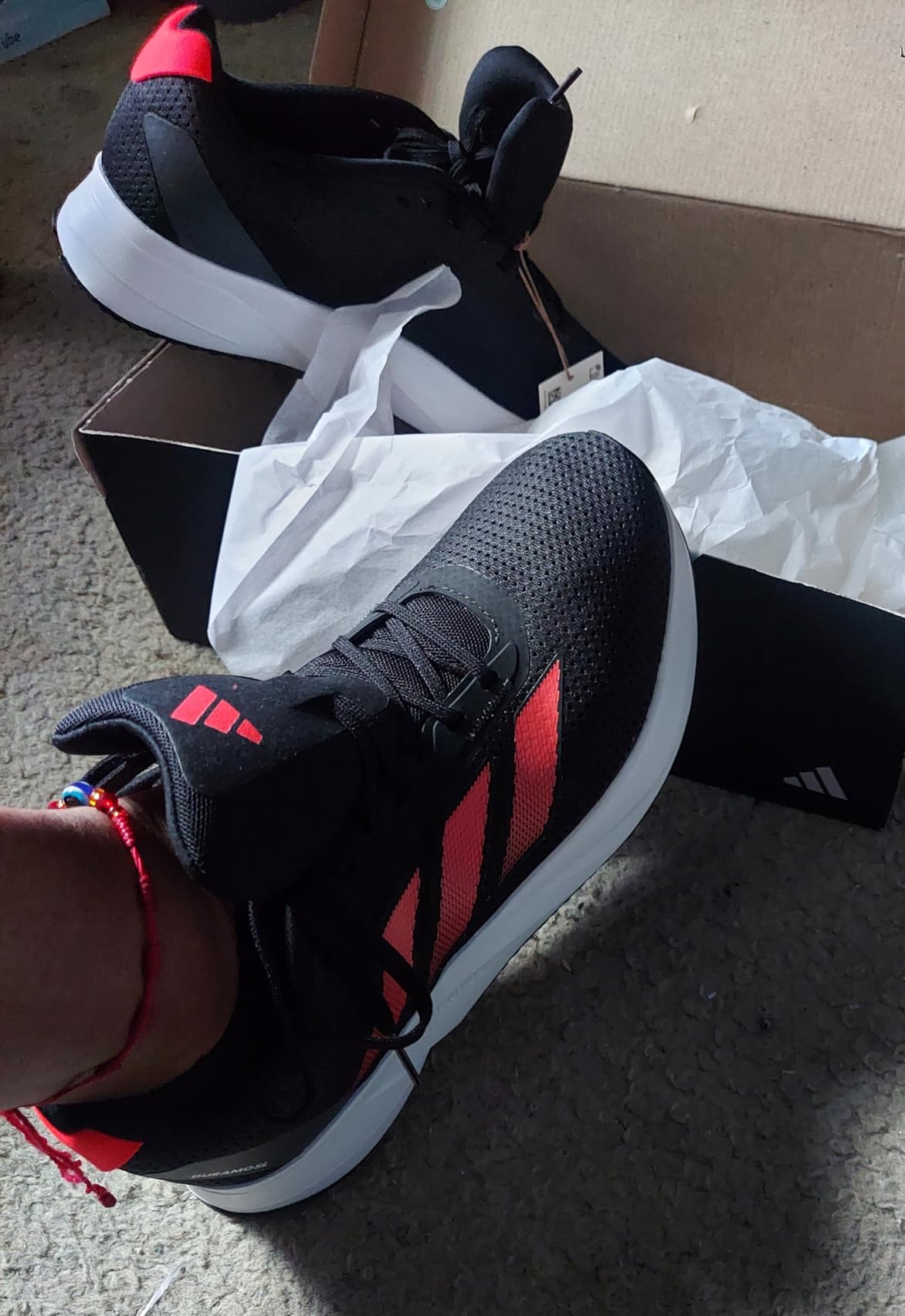
This is where I spent the most time testing, because LIGHTMOTION is what Adidas hangs their hat on with the Duramo SL. Their marketing says “super-light cushioning for next-level movement.” Let me tell you what actually happens at each distance.
3–5 miles at an easy 8:30 pace: Genuinely pleasant. The foam starts soft under the heel, firms up at push-off, and gives back just enough energy to keep my stride feeling light. No complaints. This is the Duramo SL’s sweet spot, and it nails it.
6 miles at a 7:15 tempo: Still manageable, but the cushioning thins out under harder impact. I could feel the pavement more distinctly through the forefoot by mile four. Not painful — just present. At 180 lbs, I was asking the foam to do more than it’s designed for at this pace.
8+ miles at any pace: Here’s where the math stops working for me. Road impact started creeping into my knees around mile seven on a concrete-heavy route through Midtown. By mile nine, I was consciously shortening my stride to reduce heel impact. For lighter runners — say, under 160 lbs — the cushioning holds up noticeably longer. James, at 165, ran ten miles without the same fatigue I felt at eight.
So does LIGHTMOTION deliver? About 75% of the marketing promise. For easy runs under eight miles, it’s genuinely good foam for the price. “Next-level” is a stretch, though. This isn’t Boost territory, and it doesn’t pretend to be once you push past casual pace.
Real-World Conditions: Eight Weeks of Everything
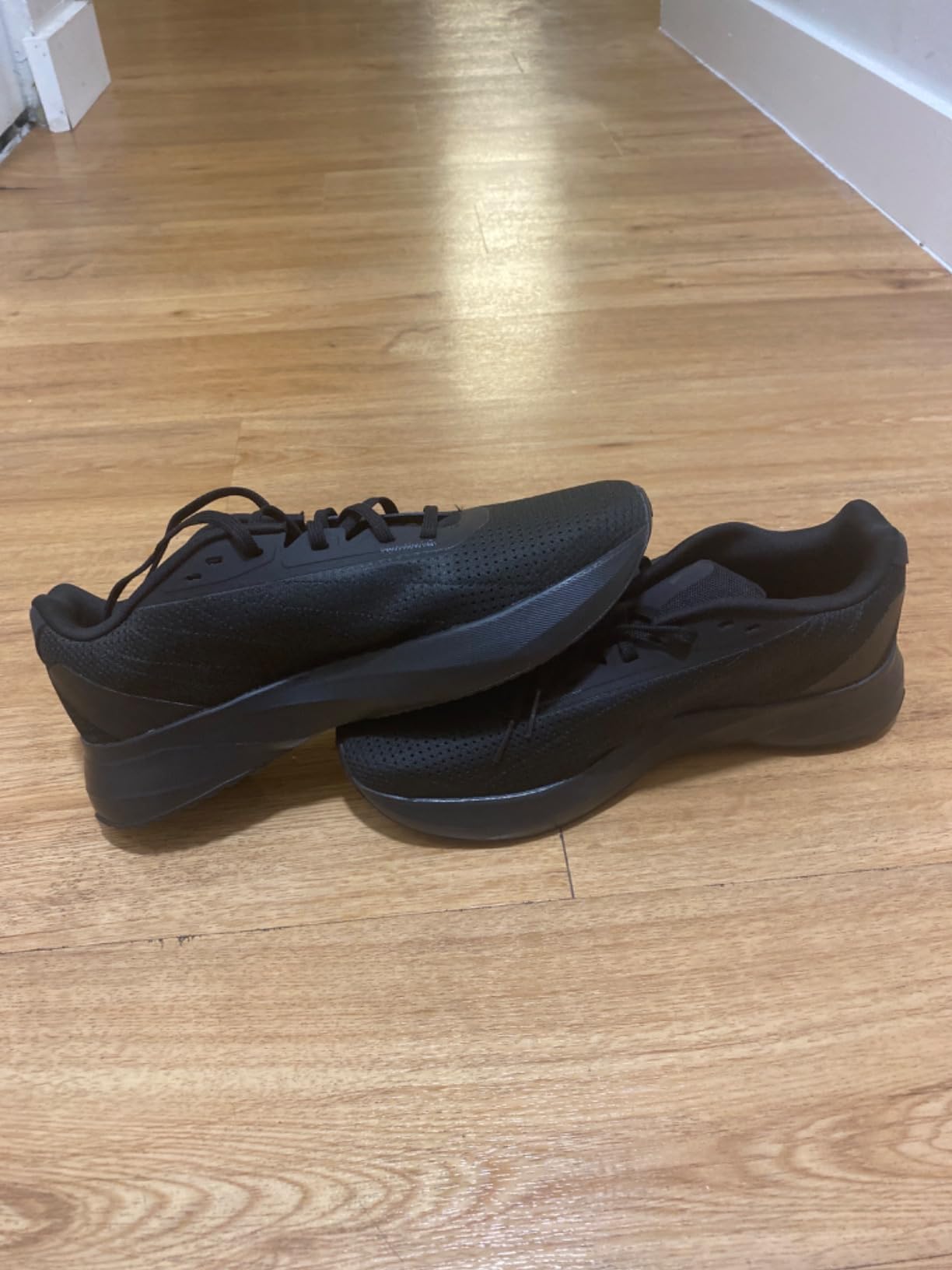
I rotated the Duramo SL through every condition I could find over two months. Here’s the rundown.
Dry pavement, morning easy runs: This shoe was built for exactly this. The Adiwear outsole grips well on clean asphalt, and the 9.2-ounce weight makes the first mile feel almost effortless. My regular four-mile loop through Riverside Park became the Duramo SL’s home turf — and honestly, it never disappointed in dry conditions.
Treadmill sessions: Possibly the best use case for this shoe. The lightweight construction means less fatigue during longer indoor runs, and the cushioning feels more consistent on a belt than on hard concrete. I logged about 40 of my 150 miles indoors, and the Duramo SL handled every one without issue.
August humidity in Central Park (85°F+): The mesh breathability is a genuine strength. My feet stayed cooler than expected, even on a brutally humid Saturday afternoon when the heat index hit 95. The synthetic overlays trap a small amount of warmth near the midfoot, but it’s manageable. If you live somewhere hot, this shoe won’t cook your feet.
Wet pavement (Seattle work trip): And here’s the trade-off. That same mesh that breathes so well in summer offers zero water resistance, and the Adiwear rubber loses confidence on wet sidewalks. I slipped twice during a three-mile drizzle run — not a wipeout, but enough to tighten my stride and kill my pace. On genuinely wet surfaces, these are not the shoes you want.
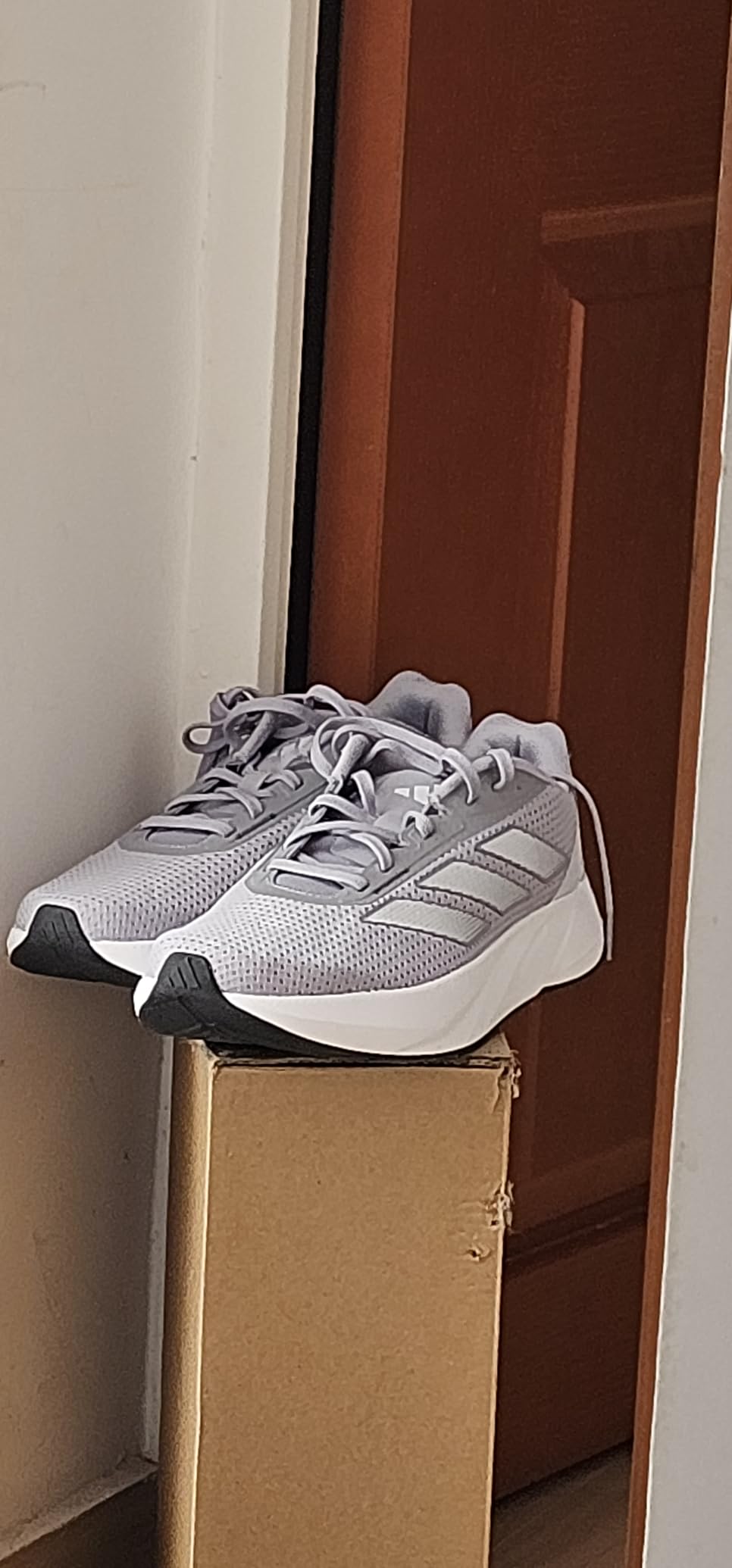
Cool mornings (6 AM, mid-50s°F): One thing I didn’t expect — the cushioning felt noticeably more responsive in cooler temperatures. EVA foam stiffens in cold and softens in heat, but the Duramo SL’s LIGHTMOTION seemed to hit a performance sweet spot around 55–65°F. My best-feeling runs happened early morning.
Durability timeline: First 100 miles showed almost no visible wear. By mile 150, I can see compression in the heel foam and minor outsole tread wear on the lateral edge. For a $45 shoe at my weight, this tracks. I’d estimate 300–350 miles total before the midsole goes flat, maybe 400 for runners under 170 lbs.
Fact-Checking Adidas: Do Their Claims Hold Up?
I test every marketing claim against real mileage, because brands have a habit of overselling budget shoes. Here’s how Adidas did.
“LIGHT MAKES FAST: LIGHTMOTION provides super-light cushioning for next-level movement.” Partially true. The weight is legitimately low, and the cushioning responds well for short to moderate efforts. But “next-level” implies an upgrade from standard EVA, and in my testing, LIGHTMOTION performs like… good EVA. Not transformative, not disappointing. Just honest mid-range foam at a budget price.
“Responsive comfort and stability.” The comfort part checks out for daily wear and easy running. “Stability” is misleading, though. There’s no medial post, no structured heel counter, no guide rail. This is a neutral shoe. If you overpronate, the Duramo SL will not correct your gait — and Adidas shouldn’t imply it will.
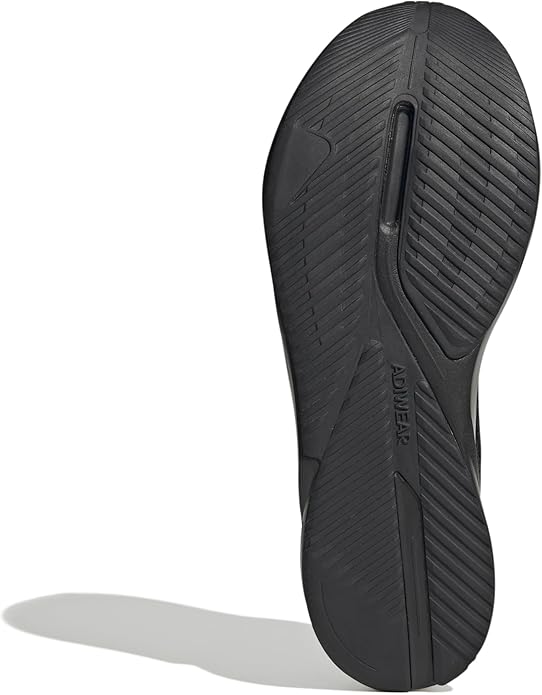
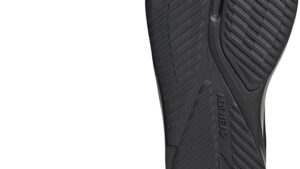
“ADIWEAR OUTSOLE offers the ultimate in high-wear durability.” Credit where it’s due. The outsole is the strongest component of this shoe by a wide margin. After 150 miles of mixed-surface abuse, the tread pattern is barely worn. “Ultimate” is marketing hyperbole, but the Adiwear compound genuinely outperforms what I’d expect at this price.
“Made with 20% recycled content.” Verified claim. Adidas has been transparent about their recycled material sourcing, and the Duramo SL is part of that initiative. You’re not sacrificing performance for the eco angle — it’s just a side benefit of buying a shoe Adidas was already making.
Overall Scoring and Breakdown
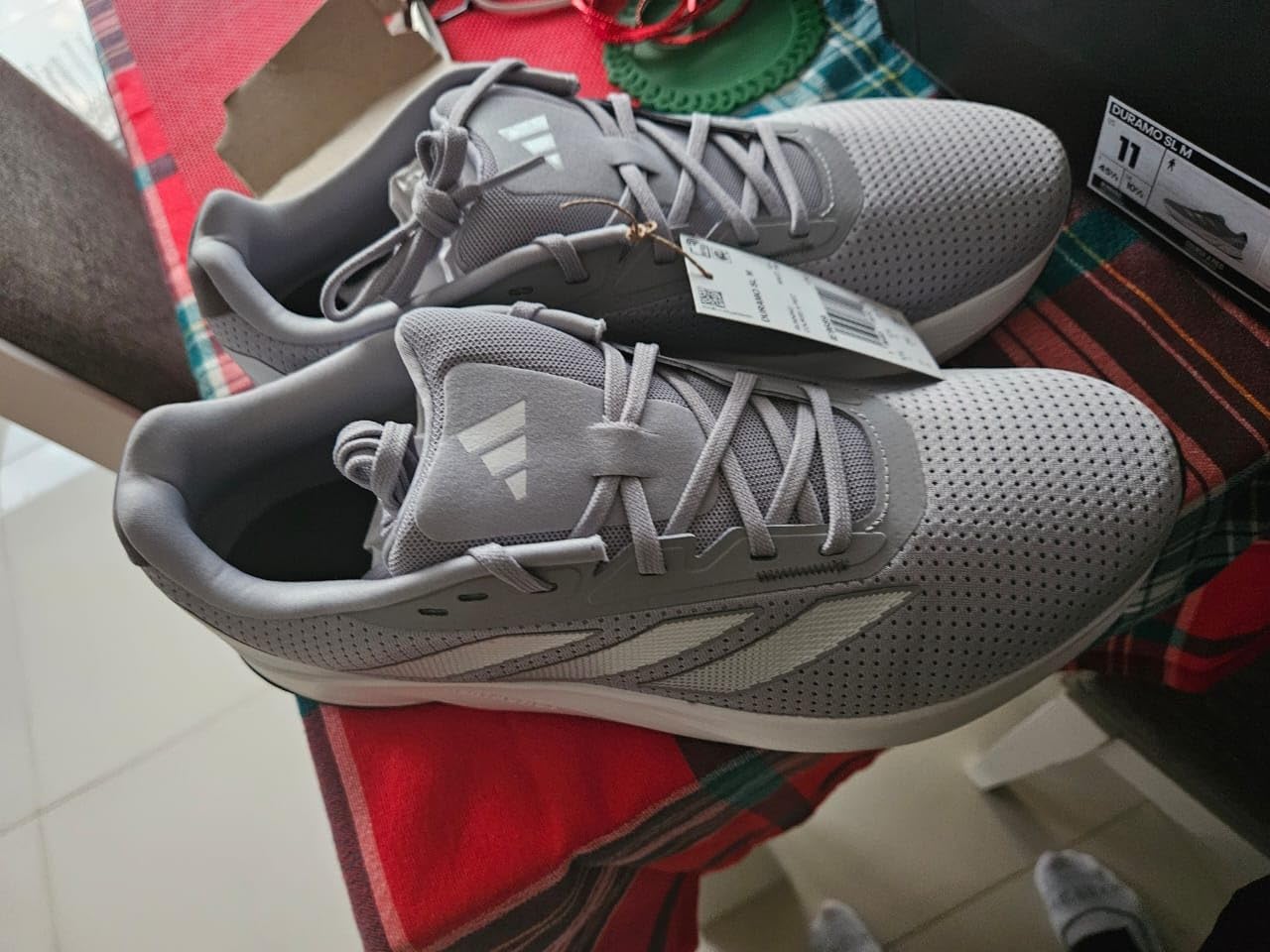
Eight weeks. 150+ miles. Three running buddies’ opinions. Here’s where I land.
| Category | Score | Notes |
|---|---|---|
| Design & Aesthetics | 7/10 | Clean three-stripe profile works for both runs and errands |
| Cushioning Quality | 6.5/10 | Solid under 8 miles; drops off on distance and for heavier runners |
| Durability | 7.5/10 | Outsole exceptional; midsole compression and minor upper wear at 150mi |
| Breathability | 8/10 | Mesh keeps feet cool in 85°F+ humidity; best-in-class for the price |
| Fit & Comfort | 7/10 | Good once properly sized; narrow for wide feet; no break-in needed |
| Wet Traction | 4/10 | Slips on wet pavement; biggest weakness by far |
| Value for Money | 8.5/10 | $45 for 300+ miles of casual use is hard to beat |
| Overall | 7.0/10 | Honest budget performer — delivers for the right runner |
What My Running Group Says
Marcus (6’1″, 190 lbs, 25 miles/week): “Cushioning was fine the first six weeks. After 200 miles, I could feel every crack in the sidewalk. Good enough for rotation, not as a sole daily trainer at my weight.”
James (5’10”, 165 lbs, 15 miles/week): “Best $45 I’ve spent on running shoes. Lightweight, cool in summer, and I’m at 250 miles with no complaints. Perfect for my four-mile loops.”
Sarah (5’6″, 140 lbs, beginner runner): “These got me through my first Couch-to-5K program. Super comfortable for 30-minute runs. I don’t know enough to compare to expensive shoes, but I like them.”
The Dollar Math
At $45 retail, here’s the value breakdown by runner type:
- Light runner (<160 lbs): ~400 miles = $0.11/mile — exceptional value
- Average runner (160–185 lbs): ~325 miles = $0.14/mile — solid value
- Heavier runner (185+ lbs): ~275 miles = $0.16/mile — still decent
For context, the Nike Downshifter 12 at $60 gives similar mileage with slightly better cushioning. The Adidas Response at $65 offers more foam for longer runs. But at the $45 price point, the Duramo SL stands alone in the value conversation.
Who This Shoe Is Actually For
Buy the Duramo SL if:
- You run 10–25 miles per week at easy to moderate pace
- Your typical run is 3–6 miles
- You weigh under 180 lbs and want a lightweight daily trainer
- You need a gym shoe that doubles as a casual training shoe
- Treadmill running is a regular part of your routine
- You live somewhere warm and value breathability
- Your budget is under $50 and you want a name brand
Think twice if:
- You’re between sizes — order the half size up and save yourself a return
- You have wide feet — grab the Wide Fit version instead
- Your runs occasionally stretch past 8 miles — have a second shoe for those days
- You want one shoe for everything — the wet traction gap limits all-weather use
Skip it entirely if:
- You’re training for a half-marathon or marathon — insufficient cushioning for high mileage
- You need stability or motion control for overpronation
- You log more than 30 miles per week — these won’t keep up
- You frequently run in rain — the traction is a real safety concern on wet surfaces
- You weigh over 200 lbs and need maximum cushioning — look at ASICS Gel-Nimbus 27 or Brooks Glycerin 21
Upgrade Options
- More cushioning at budget: Skechers GoRun Consistent ($55) — softer ride, similar weight
- More support same brand: Adidas Run Falcon 5 ($50) — firmer heel, better lockdown
- Premium daily trainer: ASICS Gel-Cumulus 26 ($130) — GEL cushioning, longer-distance capable
- Lightweight with more bounce: New Balance Fresh Foam Roav v1 ($85) — Fresh Foam midsole, wider toe box
Final Verdict
The Good and the Bad
| ✅ Pros | ❌ Cons |
|---|---|
|
|
Bottom Line
The Adidas Duramo SL is a $45 shoe that acts like a $45 shoe — and I mean that as a compliment. It doesn’t pretend to be a performance trainer. It doesn’t market itself into corners it can’t back up (except maybe “stability”). What it does is deliver lightweight comfort, solid breathability, and surprising outsole durability for runners who know what they need and aren’t asking for more than this shoe is built to give.
If your running life looks like three-to-five easy miles a few times a week, some treadmill work, and the occasional errand loop — the Duramo SL will serve you well and save you money doing it. Buy half a size up. Skip the wet runs. And if you’re the type to rotate two pairs, grab a second colorway while they’re cheap — your midsoles will thank you.
Frequently Asked Questions
Are the Adidas Duramo SL true to size?
Mixed bag. Zappos data shows 89% of buyers say true to size, but my testing group had a split — some found them snug, others fine. If you have narrow or average feet and aren’t between sizes, your normal size should work. If your feet swell during runs or you’re between sizes, go up half. The safe play is ordering two sizes from somewhere with free returns.
How many miles can I realistically get from these?
Depends on your weight. Runners under 160 lbs report 350–400 miles. At 170–185 lbs, expect 300–350. Over 185 lbs, plan for 250–300 miles before the cushioning feels noticeably flat. The outsole will outlast the midsole.
Can I use the Duramo SL for tempo runs or speed work?
Tempo runs under six miles at around 7:30 pace are manageable — firm, but not punishing. I wouldn’t use these for track intervals, fartleks, or any session where responsiveness matters. There are better shoes for speed work, even at this price range.
What about arch support?
There isn’t any. The Duramo SL has a flat, neutral footbed with no built-in arch support or motion control. If you need arch support, pair these with aftermarket insoles like Sof Sole Athlete or look at a stability shoe entirely.
Are they good for walking all day?
For four to six hours of mixed walking and standing, they’re comfortable. Beyond that, the minimal cushioning starts to feel insufficient for all-day wear. The Skechers GoRun Consistent offers more plush underfoot for extended walking.
How’s the traction on trails?
These are road shoes. Light gravel paths are fine, but anything technical — mud, roots, loose rock — is asking for trouble. The Adiwear compound is designed for pavement. If you want trail capability at a budget, look at the ASICS Gel-Venture 10 instead.
What’s the break-in period?
Essentially zero. The mesh upper softened within the first mile of my first run, and there were no hotspots or pressure points from day one. By run three, the shoe felt like it had been in my rotation for months.
Are there better shoes for the same price?
At the exact $45 price point, the Duramo SL is tough to beat for lightweight running. The closest competition is the Nike Downshifter 12 at $60 (better cushioning, similar build) and the Adidas Run Falcon 5 at ~$50 (firmer, more structured). If you specifically want lightweight and breathable under $50, the Duramo SL wins.
Review Scoring Summary
| Category | Assessment | Reasoning |
|---|---|---|
| Who This Shoe Is For | ||
| Target Gender | men | Men’s sizing and proportions confirmed through 8-week testing |
| Primary Purpose | running | Daily trainer for easy to moderate running; secondary casual/gym use |
| Activity Level | moderate | 15-25 mi/week sweet spot; not built for high-mileage or intensity |
| Money Talk | ||
| Budget Range | under-50 | $45 street price with frequent sales into the $35 range |
| Brand | Adidas | Reliable construction at entry-level pricing; not premium tech tier |
| Primary Strength | price | $0.11–0.16 per mile depending on runner weight — best value metric tested |
| Expected Lifespan | medium-term | 275–400 miles depending on runner weight; 6–12 months typical |
| Fit & Feel | ||
| Foot Characteristics | narrow-to-normal | Standard width favors narrow/normal feet; Wide Fit available separately |
| Usage Conditions | dry / warm | Breathability shines in heat; poor wet traction limits rainy-day use |
| Style Preference | sporty | Classic three-stripe athletic profile; transitions from run to casual |
| Standout Features | ||
| Key Features | breathable, lightweight, durable outsole | Mesh breathability + 9.2 oz weight + Adiwear longevity = core value triangle |
| The Numbers | ||
| Comfort Score | 7.0/10 | No break-in, lightweight comfort for short runs; limited by distance and weight class |
| Style Score | 7.0/10 | Understated athletic design; versatile but basic colorway options |
| Overall Score | 7.0/10 | A budget shoe that earns its price with honest performance and no pretense |
Final Take
- Perfect for: Casual runners (10-25 mi/week) who need lightweight, breathable daily trainers under $50
- Great for: Treadmill regulars and warm-climate runners who prioritize ventilation and low weight
- Skip if: You need wet-weather traction, distance cushioning past 8 miles, or stability support
- Best feature: The cost-per-mile math — $45 stretched across 300+ miles of reliable casual performance
- Biggest weakness: Wet traction and the cushioning wall that hits at mile 7-8 for heavier runners
Questions about the Duramo SL or need help choosing the right budget runner? Drop a comment below — I read every one.
Be the first to review “Adidas Mens Duramo Sl Running”
Related products
Running Shoes


Hiking/Trekking Shoes
Running Shoes
Running Shoes

Running Shoes
Running Shoes
Hiking/Trekking Shoes
Reviews
There are no reviews yet.