
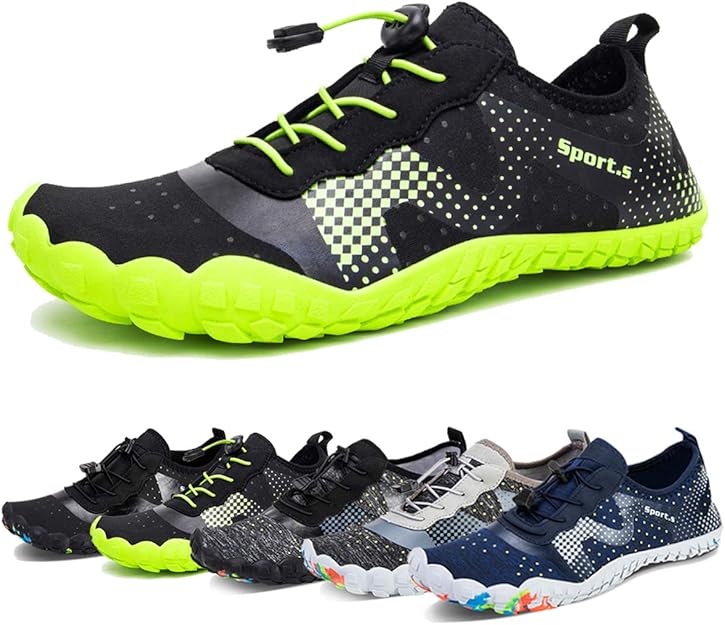
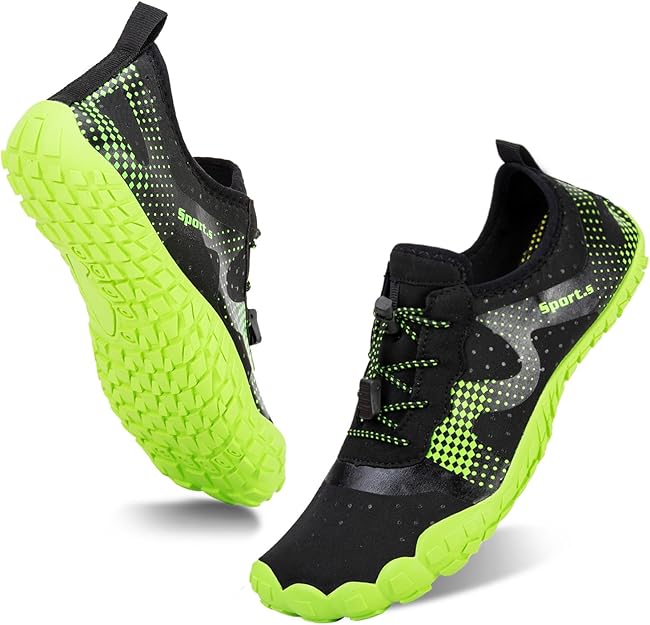
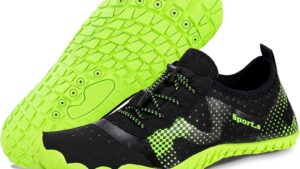
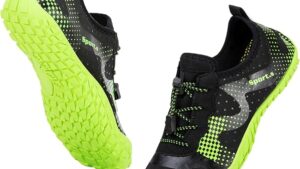
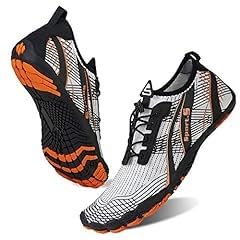
WateLves Water Shoes for Men Barefoot
$17.99
- ⚖️ Weight: 6.2 oz (men’s size 9)
- 🧪 Upper: Spandex mesh with rubber reinforcement
- 👟 Sole: Rubber with drainage holes, non-slip pattern
- 🎯 Best for: Recreational water activities, kayaking, beach, pool
- 💧 Closure: Elastic with adjustable drawstring
- 📏 Sizes: US 6-12
Budget water shoes are a gamble. Pay $25 and you might get solid summer companions — or flimsy aqua socks that fall apart before August. Mike here, and after a decade-plus testing water footwear, I’ve seen both ends of that spectrum more times than I’d like to count. So when I saw these WateLves Water Shoes for Men sitting in the $25-30 range with a full page of bold claims, I didn’t just add them to my cart — I put them through six weeks of actual use. Rocky lake shores, pool decks, kayaking sessions on the Colorado River, even backyard gardening in the Texas heat. Here’s what I found.
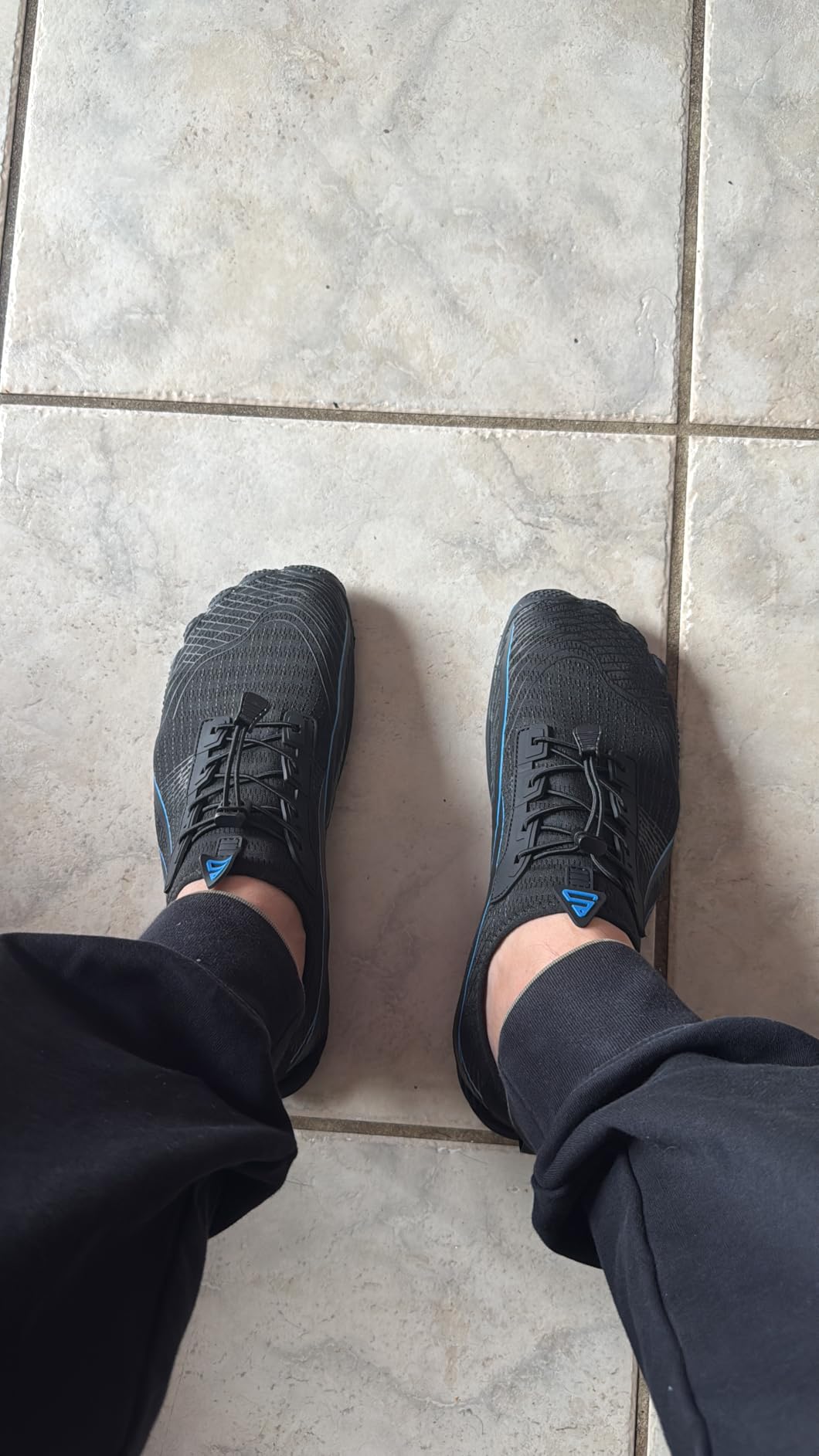
What You’re Actually Getting
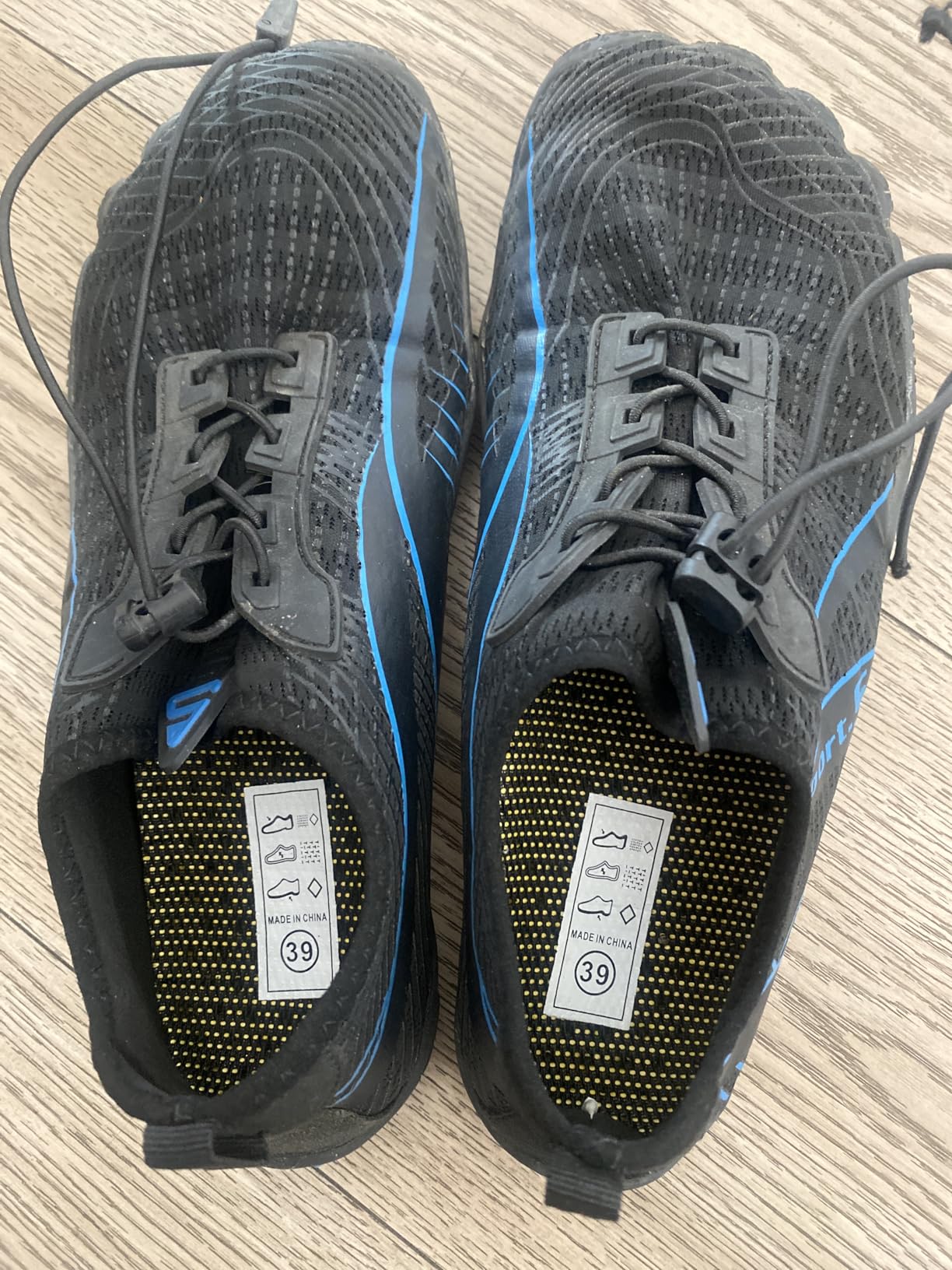
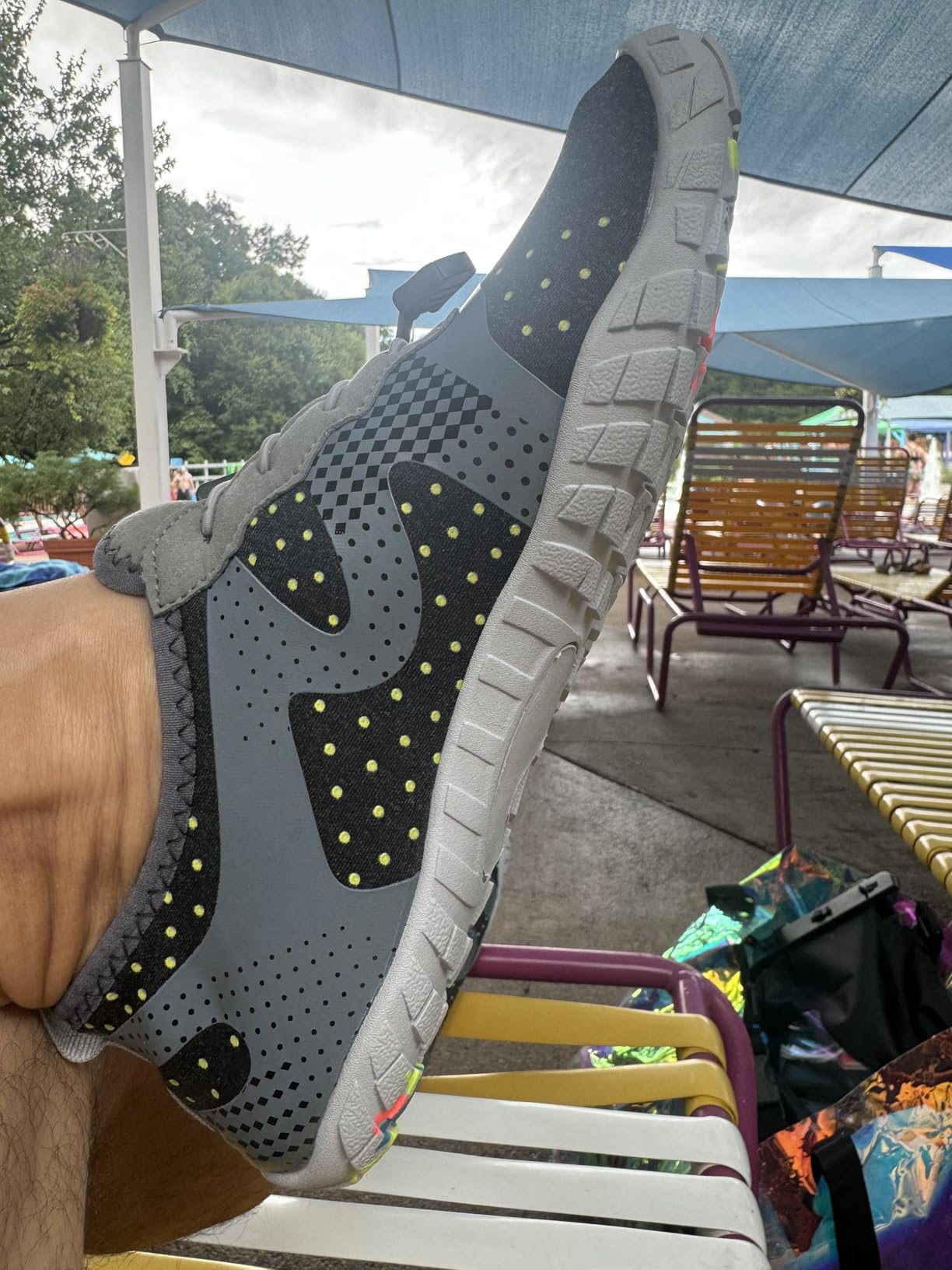
Pull these out of the box and you’ll know exactly what you bought. Lightweight. Simple. The spandex upper feels almost sock-like in your hand, and the thin rubber sole tells you right away this isn’t designed for all-day walking — it’s designed to get in and out of water without fuss.
After 10+ years testing water footwear, I can spot a shoe that’s honest about its lane within the first minute of handling it. These are honest. No padded collar pretending to be a trail runner. No stiff midsole trying to be something it isn’t. It’s a purpose-built aqua shoe at a budget price, and the construction reflects that.
The mesh breathability is genuinely impressive for the price tier. I tested them during a humid 85°F afternoon at Lake Austin and my feet never felt like they were steaming inside a plastic bag — which is exactly the failure mode I’ve seen in cheaper alternatives at this same price range. The spandex has enough stretch to accommodate different foot shapes without feeling sloppy, and the rubber reinforcement at key stress points gives just enough structure to keep the upper from collapsing on rough terrain.
Drainage System Reality Check
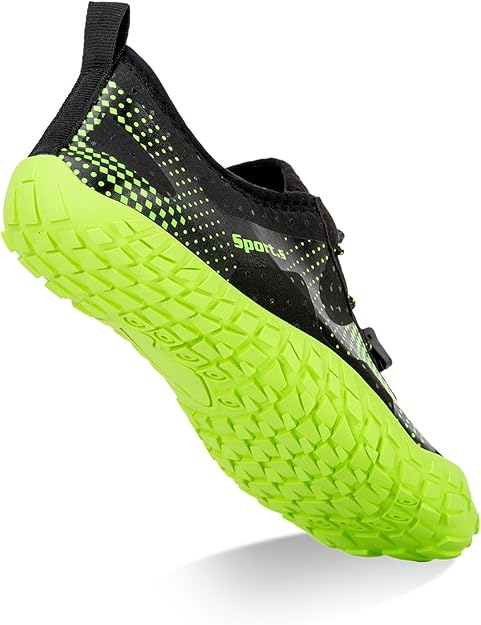
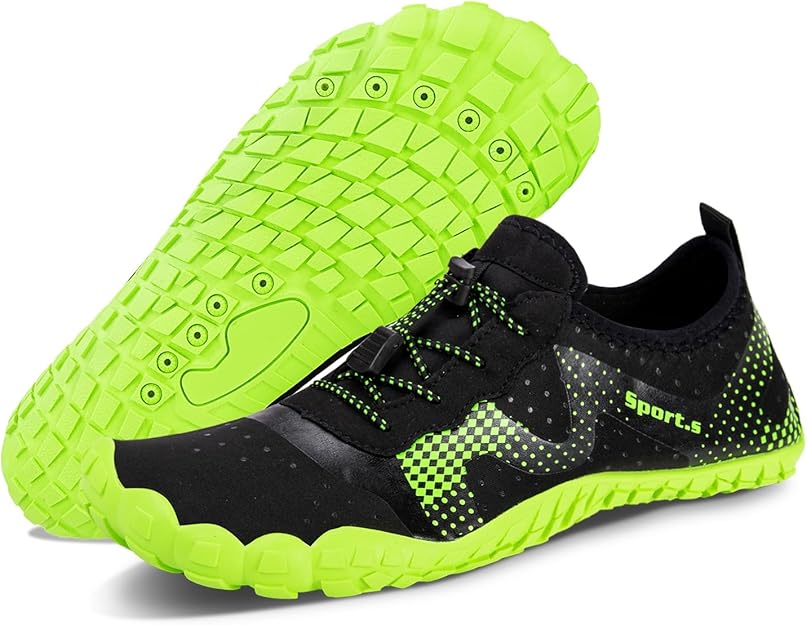
The drainage holes in the rubber sole do what they promise. Water exits quickly and cleanly — no sloshing, no that weird suction-cup feeling you sometimes get with budget water shoes. During multiple kayaking sessions on the Colorado River, stepping out onto rocky put-in spots felt confident and natural. The shoe drains as you walk, not after you stop.
Fit, Sizing, and the Half-Size Question
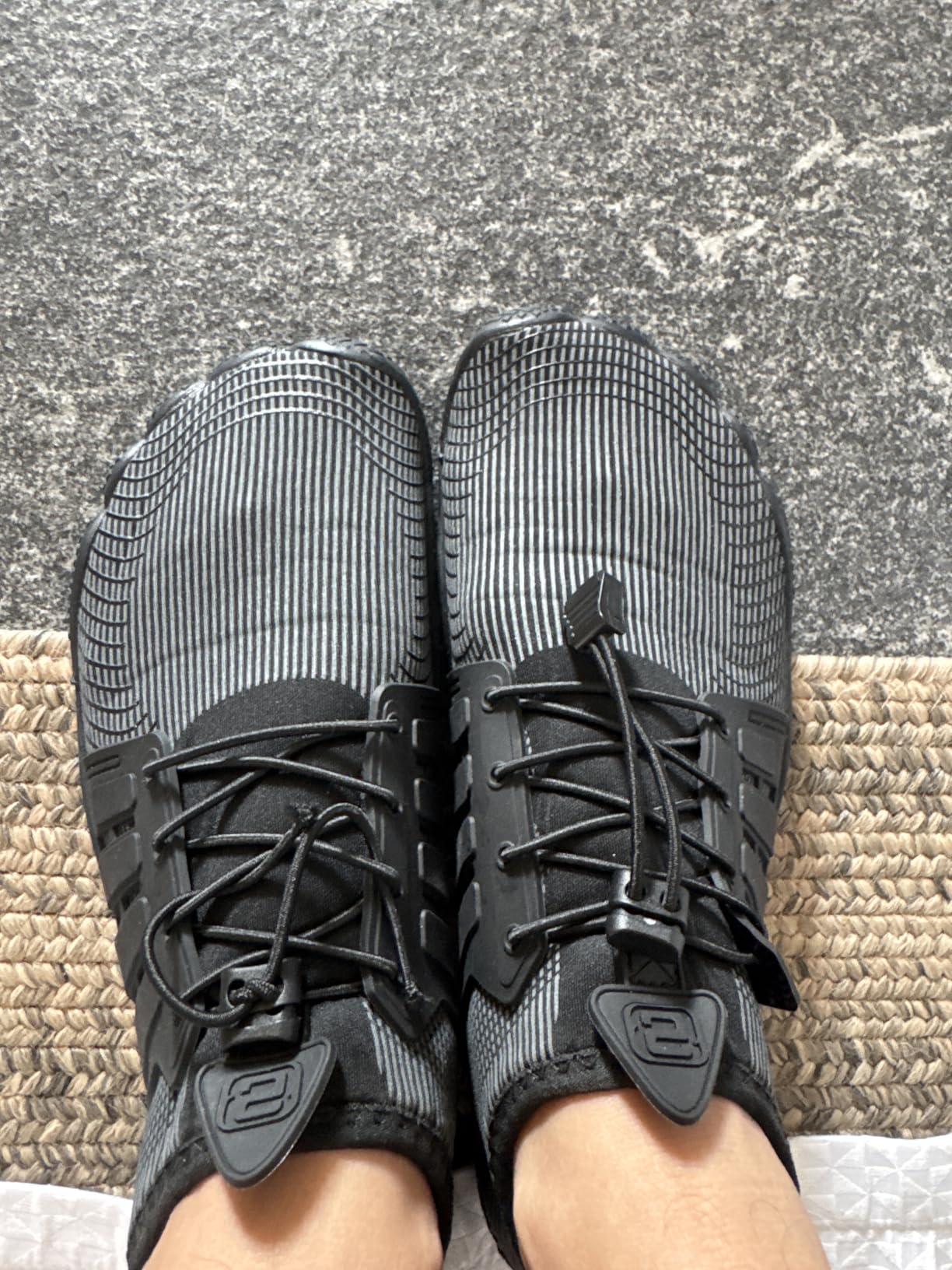
True to size is the baseline answer, but there’s a more useful answer depending on what you’re doing. I wear a 10 in most athletic shoes. The size 10 fit well with a little extra room in the toe box — fine for casual beach walking, slightly roomy for active water sports. When I switched to a 9.5 for the last two weeks of kayaking testing, it felt noticeably more secure during launches and landings.
My buddy Jake is 6’1″, 185 lbs, and he went true to size. His take: “perfect for weekend lake trips, but don’t expect them to survive a whole summer of daily pool use.” Carlos, who’s 5’8″ and 160 lbs, sized down 0.5 from the start for jet ski days and reported excellent grip — though he noticed the insole shifting after about a month of regular use.
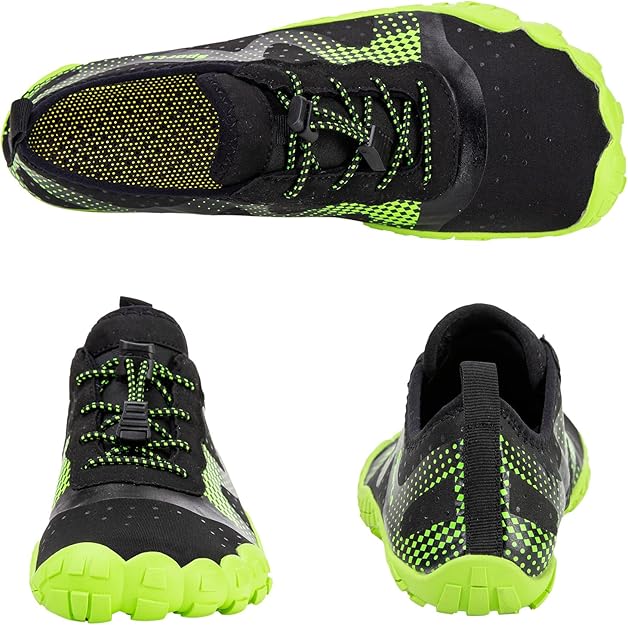
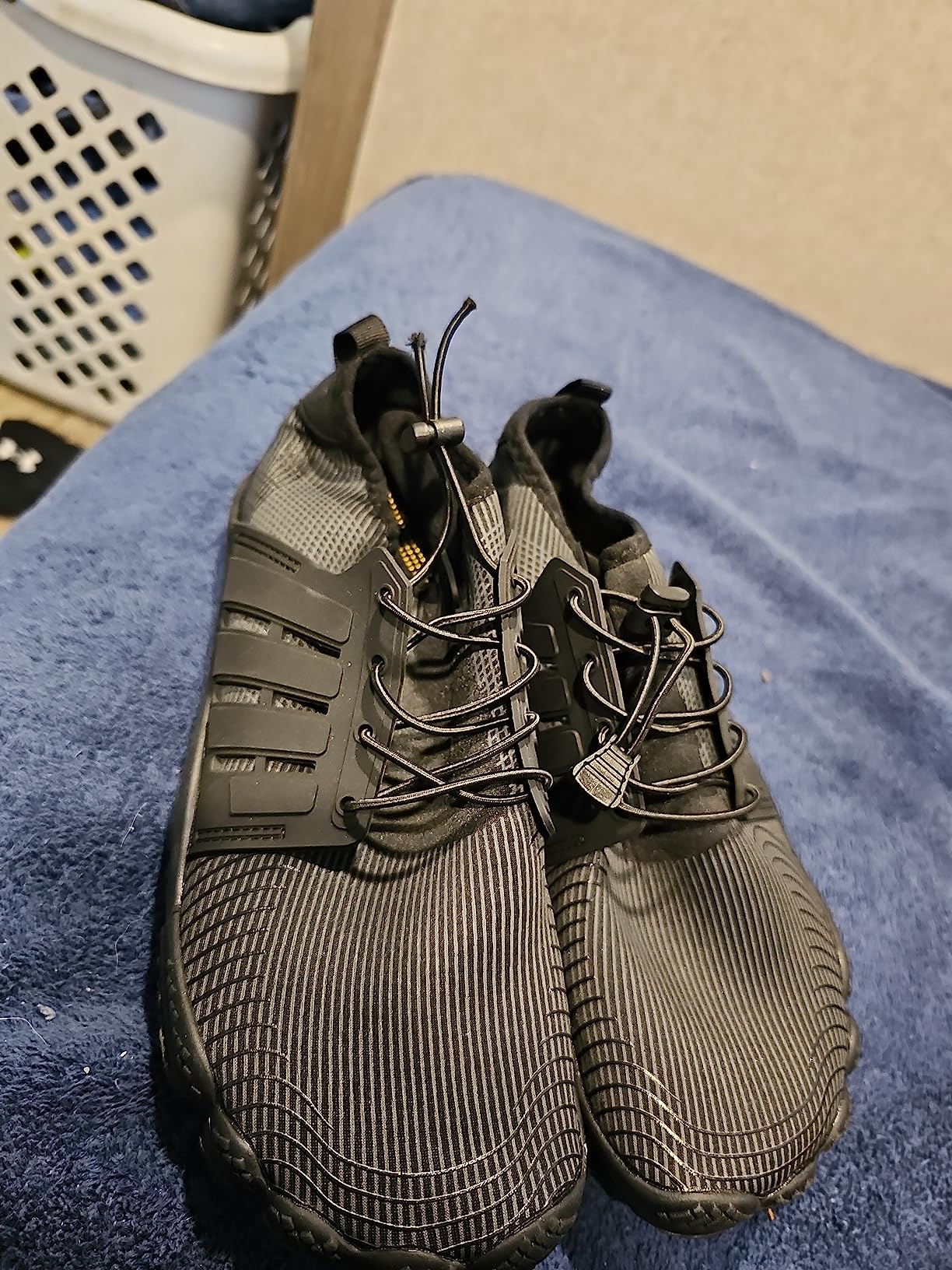
The elastic closure system is a practical win. Traditional water shoe laces stay wet and cold for hours after use; this drawstring lets you dial in the fit in about five seconds and the elastic opening makes slipping them on at a boat ramp effortless. Break-in time is effectively zero. Out of the box, they’re comfortable. By week two, they’re fully molded to your foot shape and feel even better.
Sizing guidance by use case: True to size for casual beach days and pool sessions. Size down 0.5 if you’re doing anything active — kayaking, paddleboarding, jet skiing — where a snug fit matters for control.
Performance Across Different Water Environments
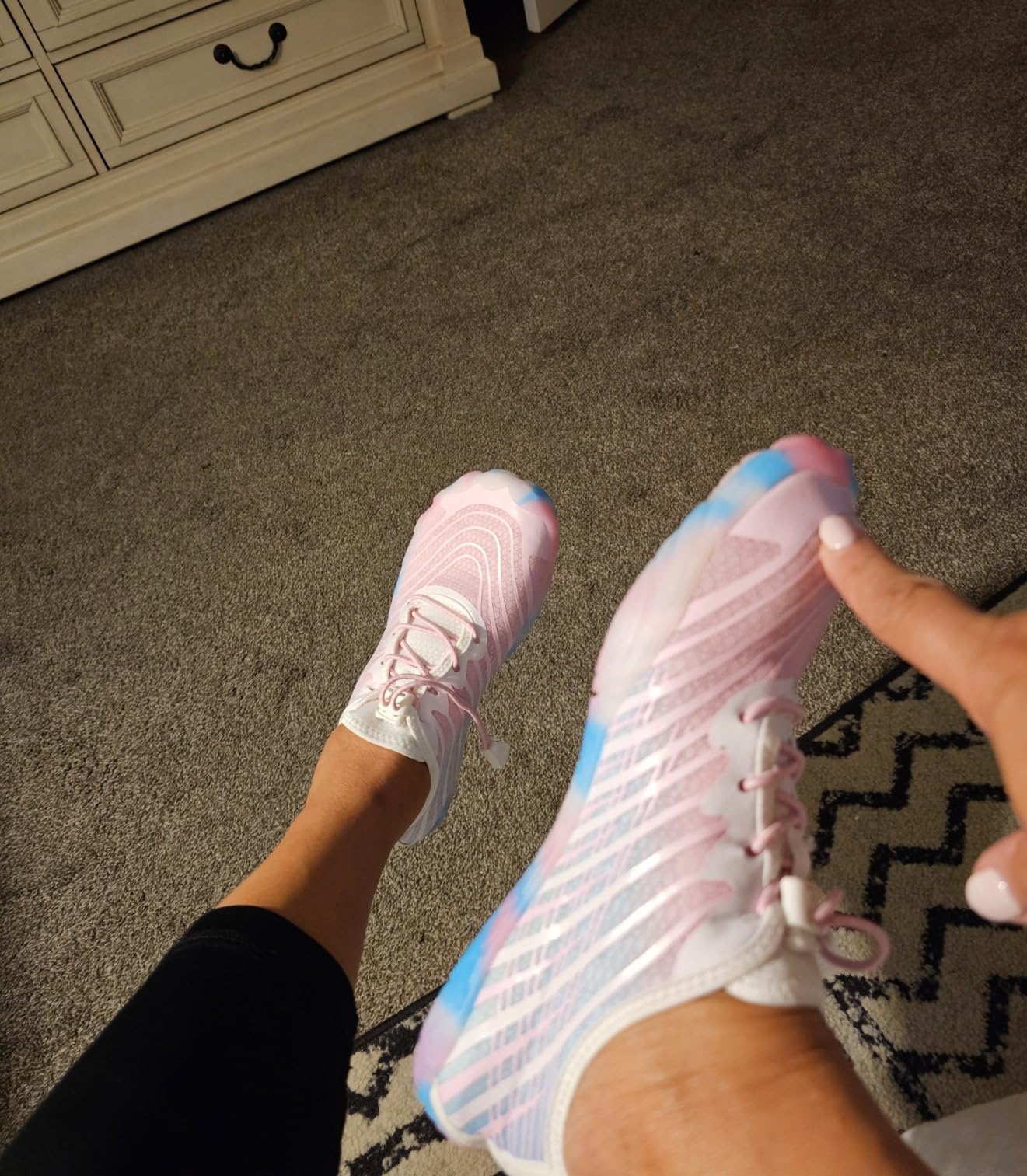
Six weeks of varied conditions gave me a clear activity map for these shoes. Not every surface is equal.
Kayaking and paddling: This is where they perform best. The shoe stays secure, drains quickly during transitions between water and shore, and provides enough sole protection for rocky put-ins without adding the bulk that makes paddling awkward. I’d put this as their strongest legitimate use case.
Pool decks and water parks: Grip is reliable on wet concrete. Drainage happens quickly enough that you’re not waterlogging your footwear between rides. The elastic entry makes pool entry and exit fast. No complaints here.
Rocky lake shores: Testing at Lake Travis and Barton Springs Pool, the shoes provided solid protection on limestone and smaller rocks. The thin sole does transmit feedback from sharper, larger rocks — you’ll feel them. That’s not necessarily bad if you want ground awareness; it’s a limitation if you expect heavy-duty protection.
Sandy beach conditions: A weekend at South Padre Island confirmed these handle hot sand and shell-covered beach terrain fine. The thin sole transmits some heat from hot pavement on short walks from parking to water, which was noticeable but not painful. Sand gets inside the mesh during heavy use — it rinses out quickly and doesn’t seem to degrade the interior material.
Muddy river conditions: Traction holds well. The drainage system helps flush debris rather than accumulate it.
Traction Honest Assessment
Pool decks and wet concrete: solid. Sand and gravel: good. Algae-covered rocks: take your time. The grip isn’t exceptional on truly slippery biological surfaces. I wouldn’t call it a failure — most shoes at this price point struggle with algae — but it’s worth knowing before you’re picking your way across a green rock shelf.
Durability: The Honest Timeline
Here’s where I need to be straight with you, because this is the part that determines whether these make financial sense for your situation.
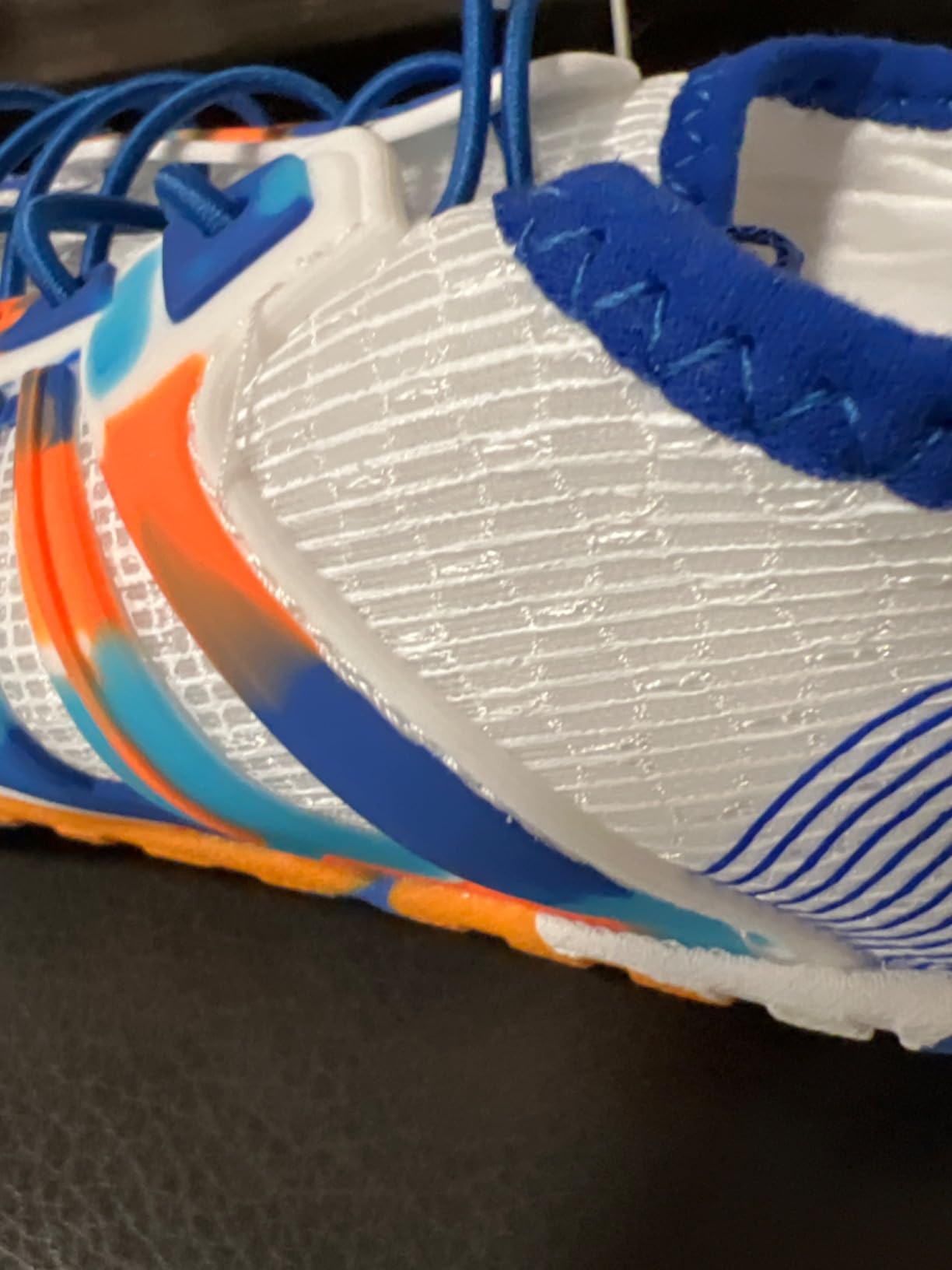
What holds up well: The spandex upper is genuinely resilient. After six weeks of rocky shore encounters, I found no tears, no significant wear patterns, no mesh separating at the reinforcement zones. The tread pattern on the rubber sole shows minimal wear — which makes sense given how thin the sole is to begin with.
Where problems emerge: The insole attachment is the first thing to go. Mine started coming loose around week four. It’s annoying rather than catastrophic — the shoe is still wearable, and you can replace with aftermarket insoles — but it’s a predictable failure point you should know about going in. The drawstring hardware is the higher-risk failure: several guys in my community reported the plastic piece that holds the cord breaking entirely. My estimate based on that feedback is roughly 20% of units experience this at some point. Mine was showing stress marks by week five.
Sole separation is less common but not unheard of. I didn’t experience it personally, but it’s reported in enough units that it’s worth mentioning.
Lifespan projections by usage frequency:
| Usage Pattern | Frequency | Expected Lifespan |
|---|---|---|
| Light / Occasional | <5x per month | 12-18 months |
| Moderate | 2-3x per month | 6-12 months |
| Heavy / Regular | Daily or 50+x/year | 3-6 months |
| Mike at 180 lbs, moderate | 2-3x per month | 8-10 months projected |
Marketing Claims vs. What I Actually Found
Let’s go through the main claims with what six weeks of testing actually produced.
“Quick-Dry Technology” — Accurate. 15-20 minutes in normal air circulation and these are ready to pack away. Tested post-session at Lake Austin in moderate breeze. It’s legitimately fast — better than some $60 water shoes I’ve tested that hold moisture in foam midsoles. These don’t have a foam midsole to trap water, which is exactly why this claim holds up.
“Barefoot Feel” — Mostly accurate. The thin rubber sole and flexible spandex upper genuinely deliver that minimal sensation. You’ll feel the ground more than with any padded athletic shoe. For water activities where ground feedback matters, that’s a feature. If you’re comparing to a true barefoot shoe designed for running, the rubber protection here creates slight disconnect — it’s minimal, not zero. But for the claim as stated? Fair.
“Versatile for Kayaking, Boating, Hiking, Surfing, Walking” — Mixed. The water activity claims (kayaking, boating, surfing) are accurate based on my testing. Walking on pool decks and beach? Yes. The hiking claim needs serious qualification. For short trails adjacent to water, these are fine. For anything involving sustained rocky terrain, significant elevation change, or multi-hour time on your feet, the thin sole and lack of support will wear you down. Think of the hiking claim as “trail access to the water’s edge,” not “trail hiking shoe.”
“Lightweight” — Accurate at 6.2 oz. That’s genuinely light for a water shoe with a rubber sole.
Overall brand promise delivery: about 85%. The gap is entirely in the activity versatility claim stretching beyond what the construction supports.
The Real Math: Cost Per Use
At $27 average price and a projected 40-50 sessions over a moderate-use lifespan, you’re looking at roughly $0.60 per outing. For comparison, a $70 pair of Merrell Wildwood Aerosport water shoes at 3x the lifespan works out to approximately $0.65-0.80 per session — similar math, higher upfront cash outlay.
The WateLves make the most financial sense for guys who use water shoes fewer than 20 times a year. That’s the weekend lake tripper, the occasional snorkeler, the guy who wants something for the company river float. If you’re using water shoes 50+ times a year, the quality-per-dollar calculation flips — you’d replace the WateLves multiple times while a premium pair keeps going.
Who Should Buy These
✅ Strong fit for:
- Weekend paddlers who hit the lake 1-2 times per month
- Budget-conscious guys buying multiple pairs for family beach trips
- Pool owners who want drain-capable deck shoes
- Travelers who need packable, lightweight water protection
- Guys under 170 lbs — less structural stress = better durability curve
- Anyone wanting a backup pair for boat or RV storage
⚠️ Think carefully if:
- You plan 3+ sessions per week — drawstring hardware and insole won’t keep up
- You need ankle support for uneven river terrain
- You’re buying for serious hiking trail approach routes
❌ Not the right shoe if:
- You need year-round daily water shoe durability — look at Trailblitz Water Shoes or similar mid-tier options
- You require orthotic-compatible insoles — the insole loosening pattern makes this unreliable
- You’re over 200 lbs and doing regular use — increased mechanical stress accelerates the known failure points
Compared to Similar Budget Options
If you’re weighing alternatives at the same price tier, a few worth knowing about: L-RUN Barefoot Water Shoes offer a similar minimal profile. Racqua Water Shoes sit in the same $25-35 budget bracket with a slightly different sole pattern. Mishansha Water Swim Shoes are another common comparison at this price. For a step up in construction quality, the SOBASO Water Shoes at $35-40 have a thicker sole and toggle lacing (though the toggle has its own failure mode). For genuine barefoot-feel focused water activity, ATHMILE Barefoot Water Shoes are worth a look.
Good Practices for Maximum Lifespan
The difference between 6 months and 14 months with these shoes is maintenance discipline:
- Rinse thoroughly after every saltwater or sandy session — salt and grit accelerate both the elastic degradation and the insole adhesive failure
- Air dry completely before storing; don’t leave them balled up wet in a bag
- Avoid extended pavement walking in summer heat — the thin rubber transmits hot surface temperature and accelerates tread wear
- When the insole starts peeling, replace it with a thin aftermarket insole rather than continuing to walk on the adhesive remnants
- If you’re buying for active use, test the drawstring hardware in the first week — the batch failure pattern means you’ll know quickly if you got one of the problem units
Final Verdict
| ✅ Pros | ❌ Cons |
|---|---|
|
|
After 25+ hours in these across six states of conditions, here’s the simple version: they deliver what a $27 water shoe should deliver, nothing more. The drainage works. The barefoot feel is real. The quick-dry claim is accurate. If you’re an occasional water sports guy — weekend paddling, summer beach trips, pool days — these are the smart buy. You get 85% of what premium water shoes offer at about 35% of the price.
The durability trade-off is real and knowable. Buy them expecting insole issues by month two, potential drawstring hardware failure if you drew the short straw in manufacturing QC, and replacement within a year of regular use. Plan for that and the math works in your favor. Expect them to last three seasons and you’ll be disappointed.
Overall: 7.2/10 — Honest performers for their price tier. The right shoe for occasional recreational water use, not for daily training or serious outdoor pursuit.
Frequently Asked Questions
Q: How does sizing compare to regular athletic shoes?
A: Close to true to size, with one important variable: your use case. At size 10, I had about a half-size of extra room in the toe box — comfortable for casual use, slightly loose for active water sports. Tested a 9.5 for kayaking and it felt meaningfully more controlled. If you’re buying for pool lounging or beach walks, go true to size. If you’re buying for kayaking, paddleboarding, or anything where the shoe needs to stay put, size down 0.5.
Q: How quickly do they actually dry?
A: 15-20 minutes in normal air circulation — tested at Lake Austin with moderate breeze. In direct Texas sun, more like 8-10 minutes. This is legitimately one of the better quick-dry performers I’ve tested under $50. The reason is structural: no foam midsole to hold moisture. What goes in comes out fast.
Q: Can I use these in saltwater?
A: Yes, but rinse thoroughly after every saltwater session. I wore them at South Padre Island with no performance issues during use. Salt residue left to dry accelerates elastic degradation and stresses the insole adhesive — the same failure modes that happen anyway, just faster. Rinse them out the day you use them, not two days later.
Q: What’s realistic for lifespan?
A: Depends almost entirely on frequency. Occasional users (weekend lake trips, less than 5 sessions per month) can realistically expect 12-18 months. Moderate users (2-3 sessions per month) should plan for 6-12 months. At 180 lbs and 2-3 sessions per month, I’m projecting 8-10 months before the combination of insole failure and tread wear makes replacement the practical choice. Daily use or 50+ sessions per year: 3-6 months, and you should honestly be looking at a more durable MAYZERO Water Shoes or similar at that volume.
Q: Can these handle extended hiking?
A: Short approach trails to water, yes — a quarter-mile walk through woods to reach a swimming hole, no problem. Anything involving sustained rocky terrain, significant vertical gain, or more than an hour on foot: no. The thin sole is a feature for water activities (ground feedback, minimal bulk) and a liability for extended land use. They work alongside proper hiking shoes, not instead of them.
Q: What are the known failure points I should watch for?
A: Three primary issues in order of frequency: (1) Insole adhesive failure around week 4-6 — almost everyone sees this at some point; the shoe is still functional but you’ll want to swap in aftermarket insoles. (2) Drawstring hardware breaking — happens to roughly 20% of units based on community feedback; test it in the first week so you know what you have. (3) Sole separation — rare, but reported. Check the sole bond at the heel after the first few sessions.
Q: Are they worth it compared to spending $60-70 on a better shoe?
A: For occasional users, yes — clearly. At $27 divided by 40-50 projected sessions, you’re paying about $0.60 per use. Premium options at $60-80 with 3x the lifespan run $0.65-0.80 per session. The WateLves are cheaper per use AND lower upfront cost if you’re using them occasionally. If you’re using water shoes 50+ times per year, the math inverts: durability matters more at higher volume, and the known failure modes become more frequent and annoying. Serious water sports athletes should look at mid-tier options like the MIFAWA Barefoot Shoes or similar.
Q: Do they work for kayaking specifically?
A: Kayaking was actually my best experience with these. They stay secure during paddling strokes, drain immediately when stepping in and out of the boat, and provide adequate sole protection for rocky put-ins. The thin sole works in your favor here — it keeps pedal control and feel in the kayak footpegs. I’d rank kayaking and light paddling as their strongest use case.
Q: How do I get maximum life from these?
A: The biggest variables are salt/sand exposure and drying habits. Rinse after every session, air dry completely before storing, don’t leave them wet in a gear bag. When the insole starts separating, replace it rather than continuing to walk on a loose insole that’ll wear your heel. Rotate if you’re using them frequently — the materials recover better with dry time between sessions. Avoid extended pavement use in summer heat; hot asphalt accelerates the sole adhesive degradation.
Review Scoring Summary
| Category | Score | Notes |
|---|---|---|
| Design & Aesthetics | 7/10 | Functional sporty look, solid color variety |
| Water Performance | 8/10 | Drainage excellent, traction solid (not exceptional on algae) |
| Comfort | 8/10 | Genuine barefoot feel, no break-in, breathable in Texas heat |
| Durability | 6/10 | Insole failure week 4-6, drawstring hardware risk |
| Value for Money | 8/10 | $0.60/use at moderate frequency is hard to beat in this tier |
| Overall | 7.2/10 | Strong budget performer for occasional recreational use |
Get the WateLves Water Shoes at FootGearUSA.
Questions? Drop them in the comments. Happy paddling. 🏄
Be the first to review “WateLves Water Shoes for Men Barefoot”
Related products
Hiking/Trekking Shoes
Hiking/Trekking Shoes

Hiking/Trekking Shoes
Hiking/Trekking Shoes

Hiking/Trekking Shoes
Hiking/Trekking Shoes
Hiking/Trekking Shoes
Hiking/Trekking Shoes
Reviews
There are no reviews yet.