
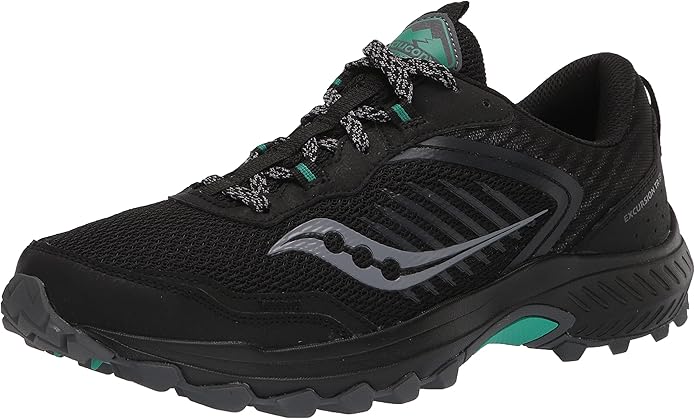
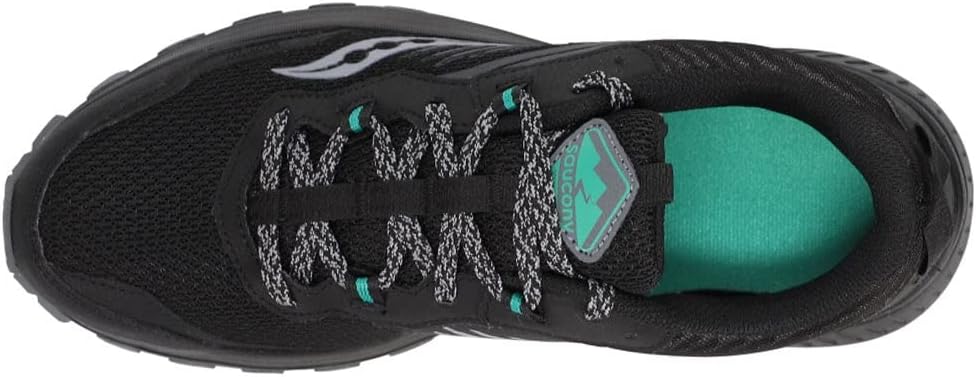
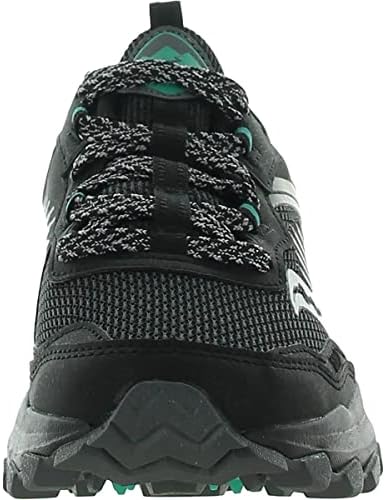
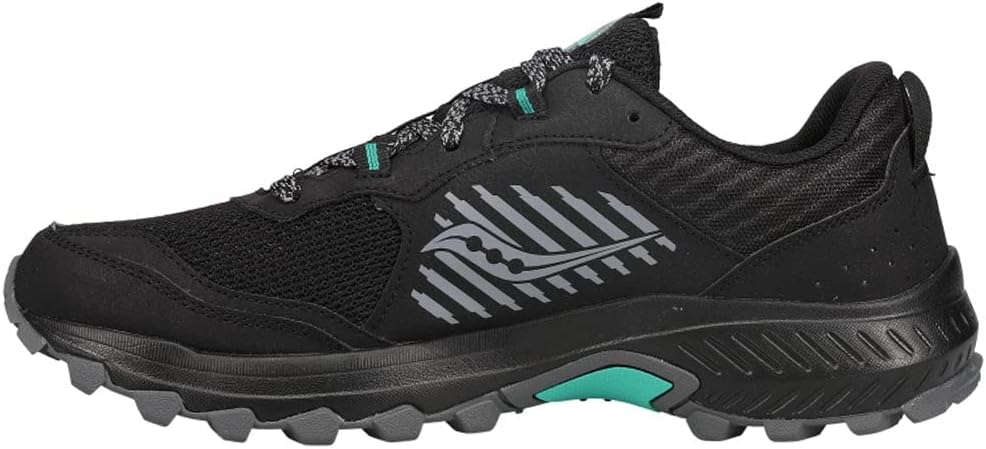
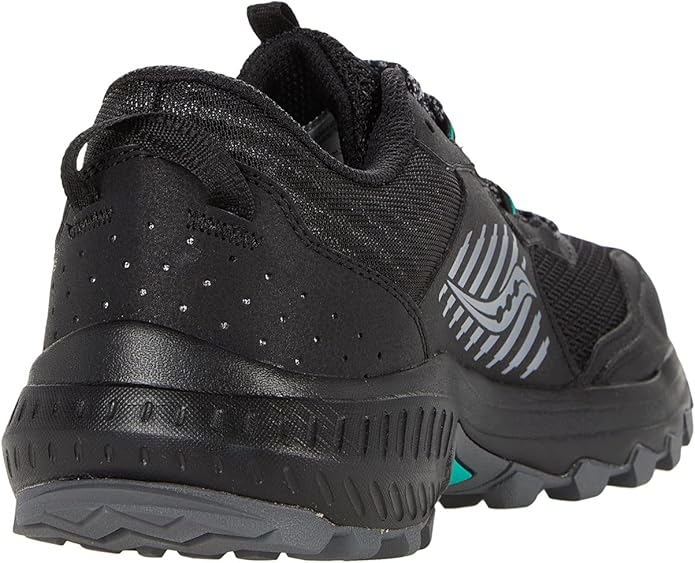
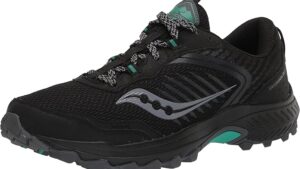
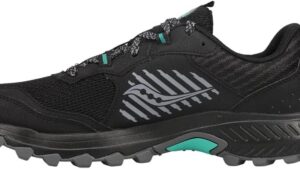
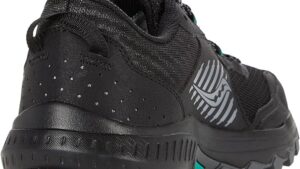
Saucony Women’s Excursion Tr15 Trail Running Shoes
$69.99
- 💰 Price: $65–79 (standard version)
- ⚖️ Weight: 9.4 oz / 266g (women’s)
- 📏 Heel-to-toe drop: 8mm
- 📐 Stack height: 30mm heel / 22mm forefoot
- 🧪 Midsole: VERSARUN cushioning foam (EVA-based, moderate tier)
- 👟 Upper: Trail-specific breathable mesh with supportive overlays
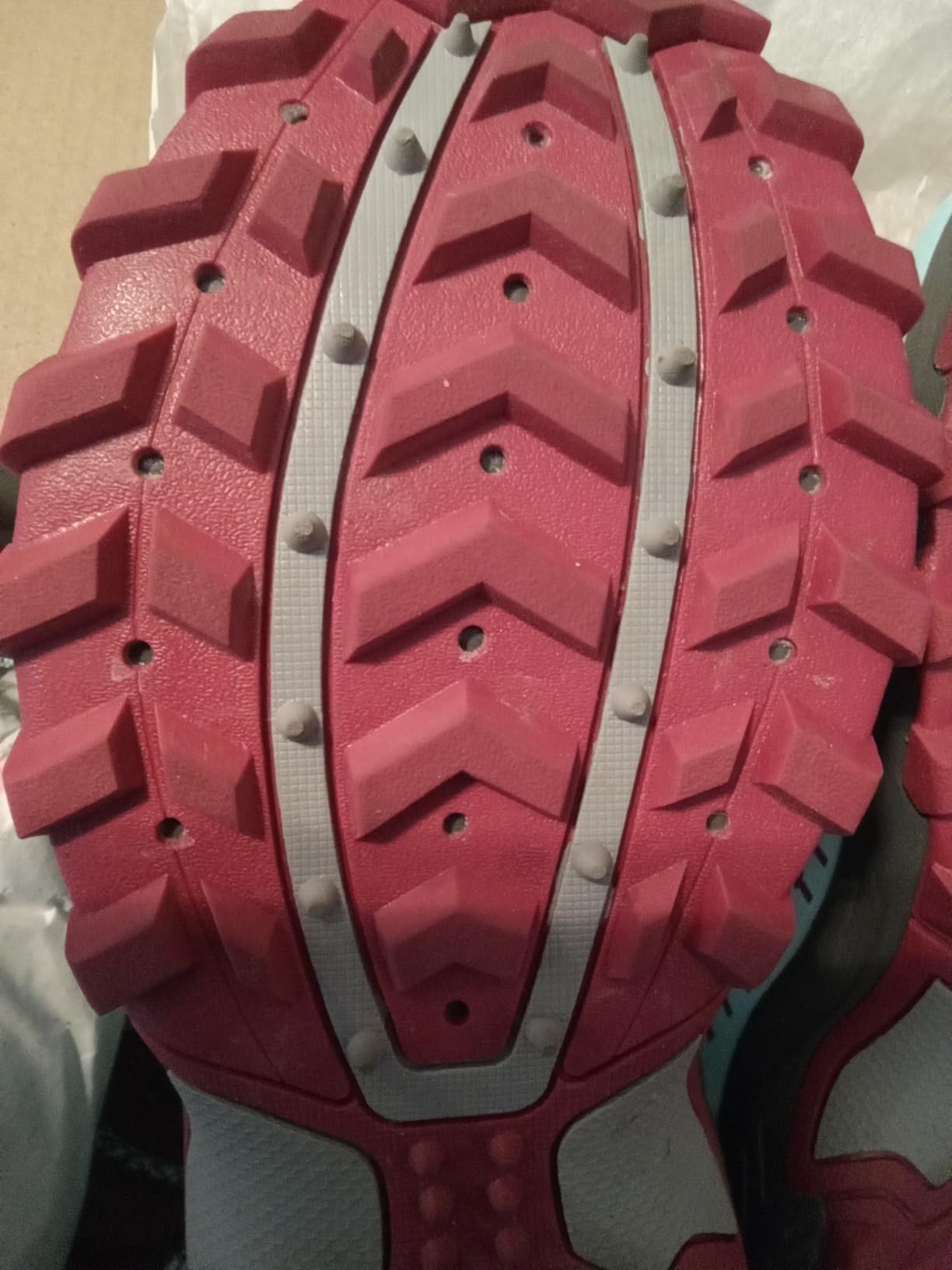
- 🔩 Outsole: Carbon rubber with ~4.5mm aggressive lugs
- 🎯 Best for: Multi-activity lifestyles, recreational trail hiking, warm-climate outdoor use
- 🌱 Materials: Vegan, recycled upper
My neighbor Claudia has worn the same pair of Saucony trail shoes to every single one of our Saturday hikes for the past two years. When I mentioned I was testing the Excursion TR15, she immediately started asking if it was finally time to replace hers. After putting the TR15 through eight weeks of real-life chaos — school runs, grocery store odysseys, muddy creek crossings with our hiking group, and everything in between — I came away with opinions that are both more impressed and more cautious than the polished marketing copy would have you believe. Sarah here, and this one’s worth reading carefully before you click “add to cart.”

First Impressions: What You Notice When You Lace Them Up
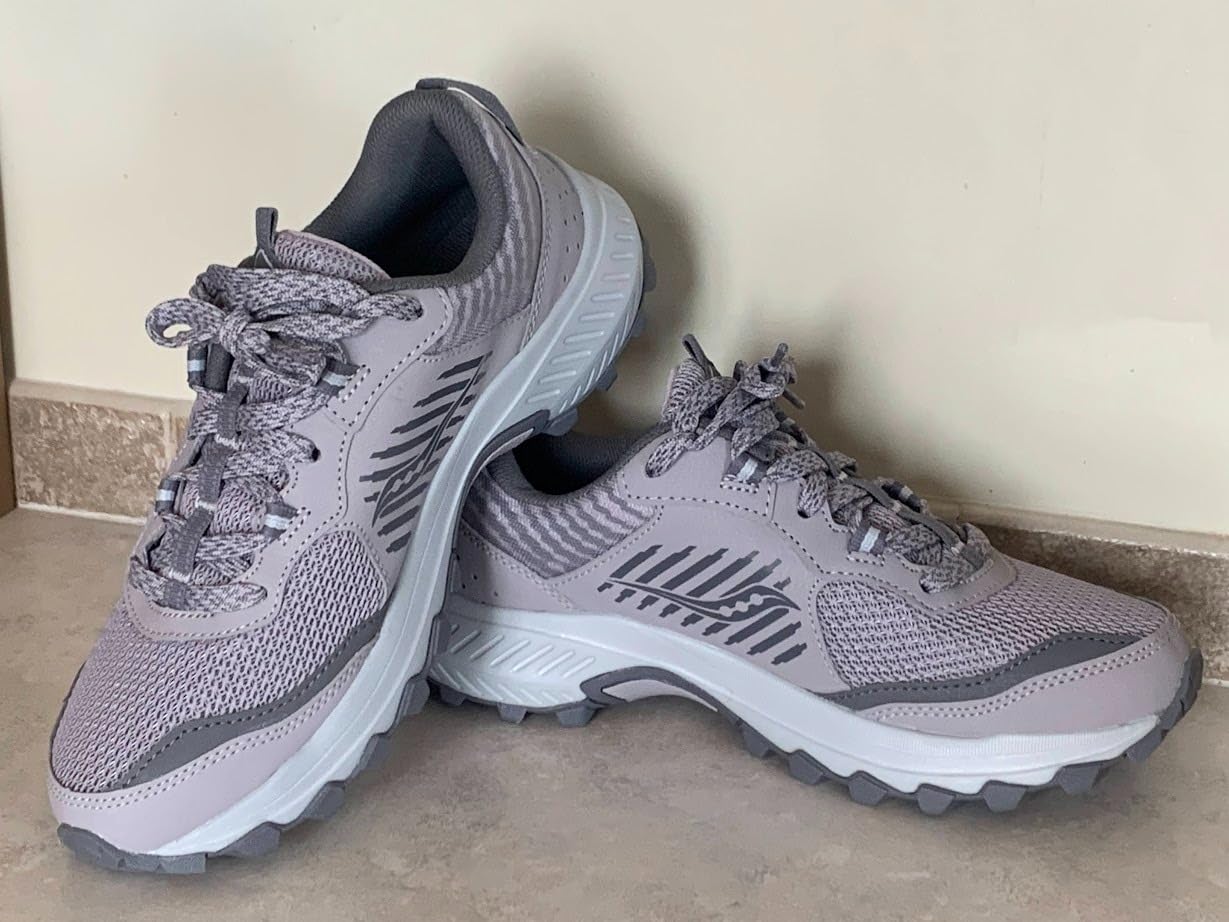
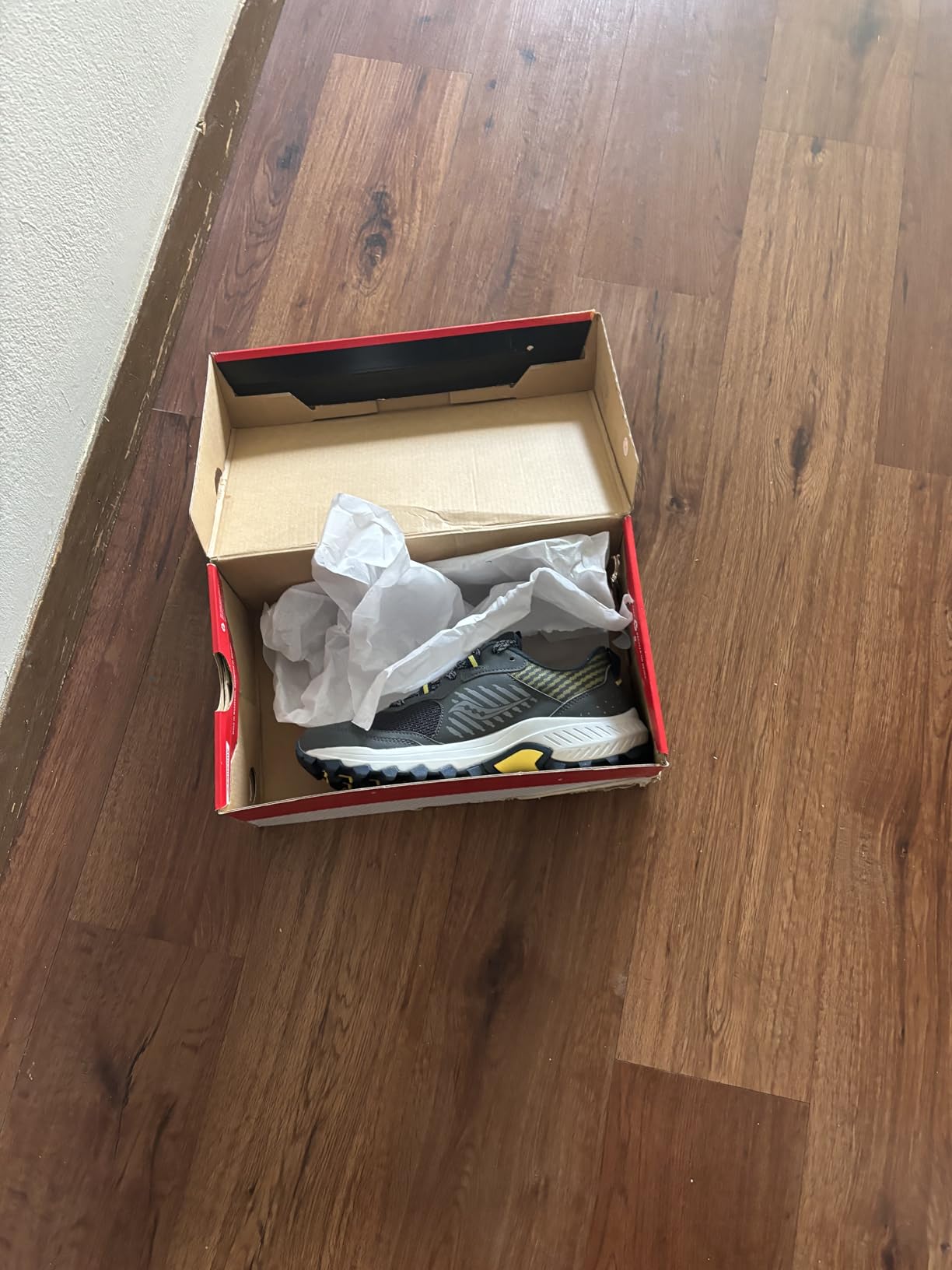
Out of the box, the TR15 looks exactly like what it is: a practical trail shoe that isn’t trying to be fashionable. There’s a workmanlike quality to the design — the mesh upper has a structured, purposeful feel rather than the sleek knit aesthetic of lifestyle sneakers. The strategic overlays sit at exactly the spots where trail debris tends to attack: the toe cap, the lateral edges, and the ankle collar. When I first put them on in my kitchen before a Saturday hike, the immediate impression was “these mean business.”
The lace-up closure deserves a specific callout because it’s old-school in the best way. No gimmicks, no quick-lace system — just a solid traditional setup that stays tied. Through a full morning of hiking including two creek crossings and a descent on loose gravel, I didn’t have to readjust once. As someone who’s constantly untying and retying shoes throughout the day, this single fact made me genuinely happy.
What I didn’t love straight away: color selection is limited. If you’re hoping for versatile neutrals that pair with casual outfits, the available colorways lean trail-specific. They’ll look perfectly at home on a mountain path, slightly out of place at a lunch spot in town.
The VERSARUN Cushioning Question: Goldilocks or Compromise?
Here’s what I keep telling people when they ask about these shoes: the VERSARUN cushioning won’t blow your mind, but it won’t let you down either. It’s Saucony’s entry-level foam — EVA-based, moderate firmness, more utilitarian than luxurious. If you’ve ever worn a max-cushion shoe like a high-stack Hoka or spent time in ASICS’ plushest offerings, VERSARUN will feel noticeably firmer underfoot.
That’s actually not a bad thing for this shoe’s purpose. On uneven trail terrain, all that softness becomes instability. The TR15’s moderate density kept me planted on the rocky sections of our local trail — there was no “marshmallow effect” where your foot is trying to find solid ground inside a cloud of foam.
My longest single-day test ran 12 hours: morning hike with the group, afternoon of grocery shopping at three different stores, school event in the evening. By hour eight, I noticed the cushioning wasn’t giving me the same fresh feeling as hour two. But “not as fresh” is miles away from “feet aching.” I’d call the comfort ceiling hour 10 for standing and walking; anything beyond that and you’ll want to sit down regardless of what shoes you’re wearing.
Where VERSARUN falls short: if maximum cushioning is your priority — plantar fasciitis recovery, heavy runners over 180 lbs, anyone who loves the “walking on pillows” sensation — look at shoes running shoes with PWRRUN or higher-tier foams. The TR15 isn’t engineered for that experience.
Traction: The Honest Terrain-by-Terrain Breakdown
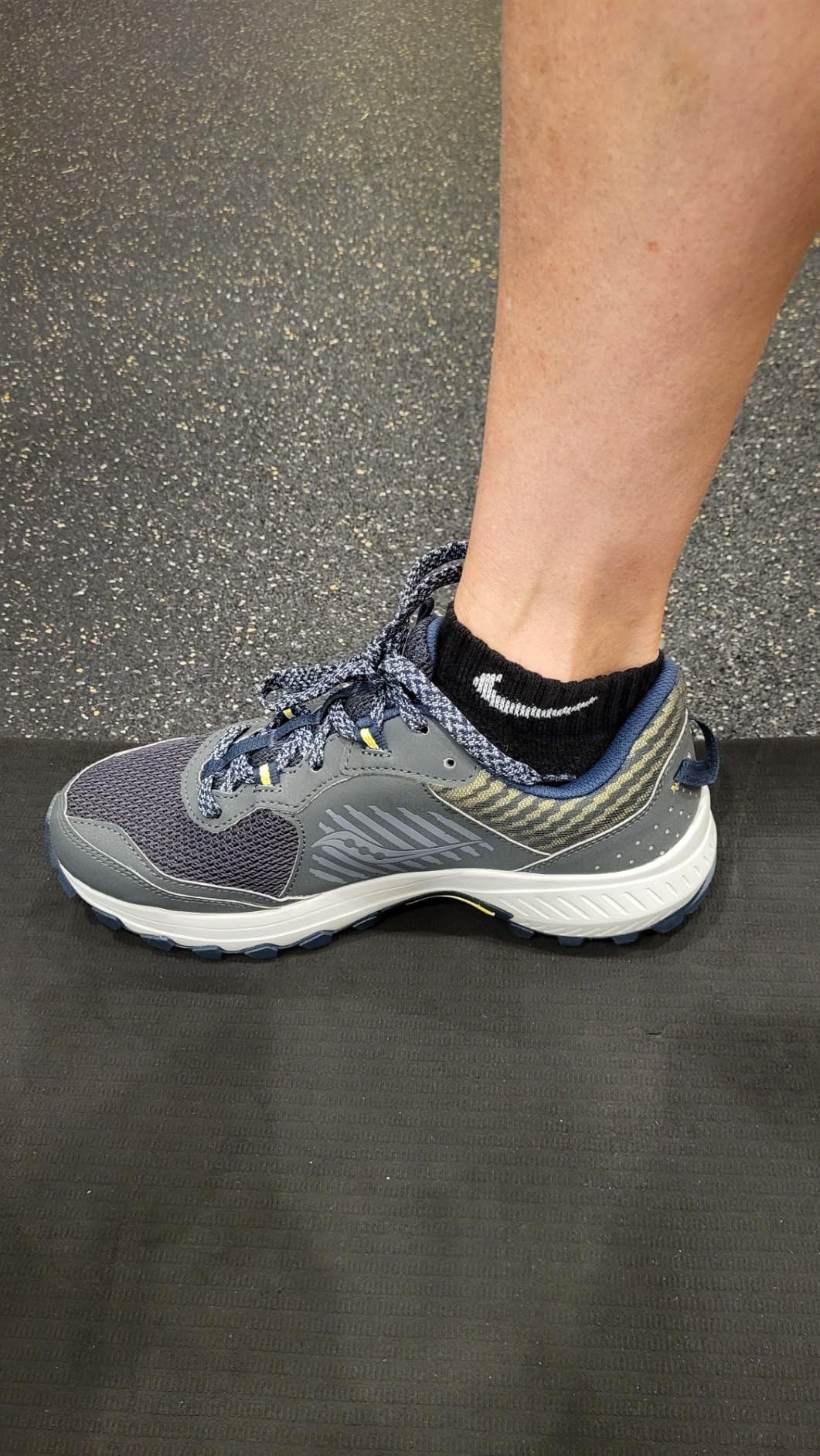
The carbon rubber outsole with approximately 4.5mm lugs is legitimately impressive — but only on certain surfaces. Let me break down what I actually experienced rather than giving you the usual “great traction!” summary.
Loose gravel and dirt trails: Outstanding. This is where the TR15 earns its “trail” designation without question. The lug pattern bites into loose surfaces, and I never felt like I was skating across the terrain. On our group’s favorite rocky descent — steep enough that most people slow to a shuffle — I moved at normal speed with full confidence.
Muddy conditions: Solid. Our creek crossing section of the trail included a properly muddy approach, and the lugs shed debris reasonably well. Not Gore-Tex-boot territory, but functional for typical trail mud.
Pavement and sidewalks: Fine. The outsole transitions to hard surfaces without that clunking sound some trail shoes make, and the grip is adequate for suburban use. It’s not optimized for pavement, but it handles it competently.
Wet rock and smooth stone: Here’s where you need to be careful. On slick surfaces — the kind you encounter crossing streams on mossy rocks or navigating metal drainage grates — these shoes lose their grip significantly. I had one moment on a metal footbridge during a light drizzle where my foot slid more than I expected. It wasn’t dangerous, but it was a reminder: “trail shoes” doesn’t mean “grippy on everything.”
The verdict on traction: 8.5/10 on dry natural terrain, 6/10 in wet conditions, 3/10 on metal and polished stone. Know your terrain before trusting these unconditionally.
Versatility: The Grocery-to-Trail Promise, Tested
The sales pitch for the TR15 essentially amounts to: “one shoe for your whole life.” That’s an ambitious claim. After eight weeks of wearing these for everything from playground supervision to technical trail sections, I can say the pitch is… largely accurate, with some asterisks.
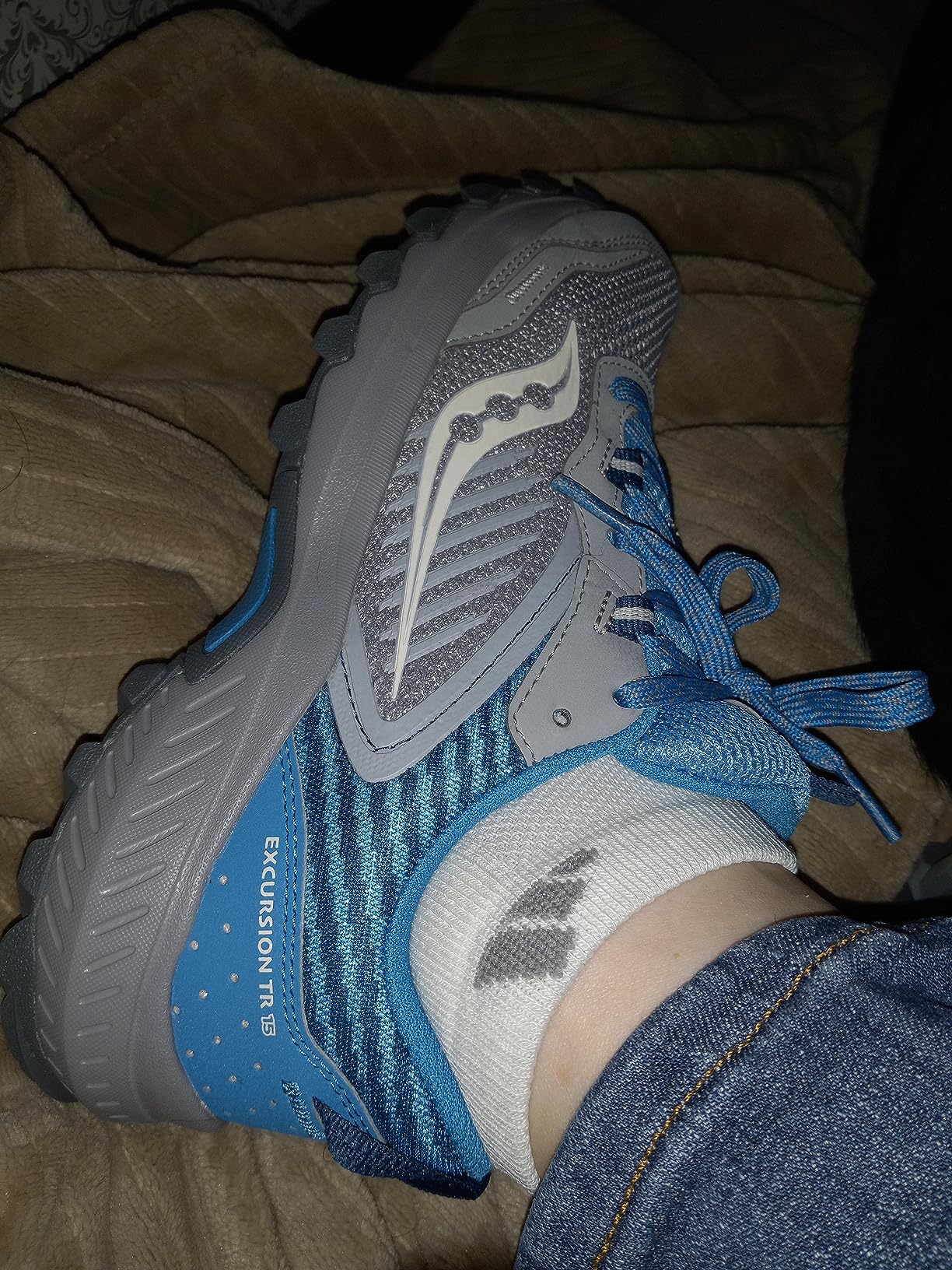
The transition from suburban concrete to trail dirt is seamless in a way that surprised me. There’s no adjustment period, no moment of “oh right, I’m in trail shoes now.” The outsole handles both surfaces without complaint, and the mesh upper looks casual enough that I’ve worn these on coffee runs without feeling like I’m overdressed for errands or underprepared for a hike.
What a versatile shoe actually means, I’ve realized, is that it’s not the optimal choice for any single activity — but it’s genuinely adequate for all of them. The TR15 isn’t as light as my dedicated running shoes, isn’t as waterproof as my winter hikers, and isn’t as stylish as casual sneakers. But it’s the only shoe I reached for during a three-day trip where I knew I’d be doing a trail hike, city walking, and casual dinners — and it handled all three without embarrassment.
The practical value here is real: $79 for one shoe that covers three situations beats spending $80 + $120 + another $65 on specialized options.
Wet Conditions and Breathability: Two Competing Truths
The TR15 is not waterproof. Let me be absolutely clear about this because the marketing for trail shoes often blurs this line. Standard version = not waterproof. Your feet will get wet in rain, creek crossings, or dewy morning grass.
Here’s the interesting flip side: the non-waterproof mesh is exceptional at breathability. During the hottest, most humid day of my testing period — a late-July morning hike where the air felt like warm soup — my feet stayed remarkably comfortable. No swampy buildup, no excessive sweating trapped inside the shoe. The trail mesh ventilates in a way that waterproof membranes physically can’t.
The quick-dry performance is real but measured. After a creek crossing, the mesh went from soaked to damp in about 40 minutes of hiking. Not the 15 minutes you’d get from specialized water shoes, but much better than synthetic leather or heavy canvas would manage.
My recommendation: these shoes live happily in dry season and warm climates. If you’re hiking in the Pacific Northwest or planning autumn hiking when morning rain is likely, either go with the GTX variant (same shoe, adds GORE-TEX waterproofing, 9.4 oz, slightly reduced breathability) or consider something like the Columbia Women’s Redmond Waterproof or the KEEN Women’s Terradora.
Durability: The Timeline Nobody Talks About
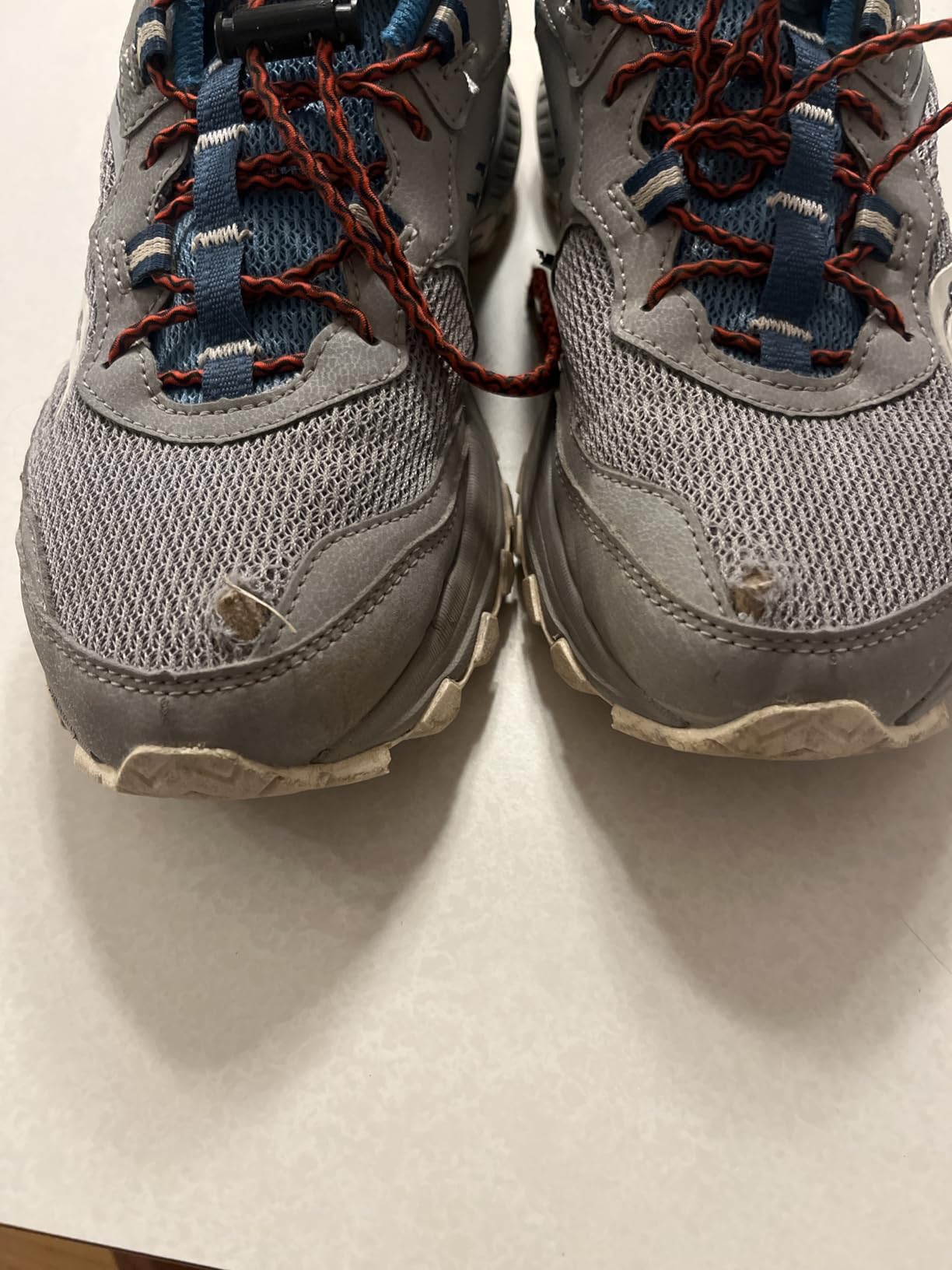
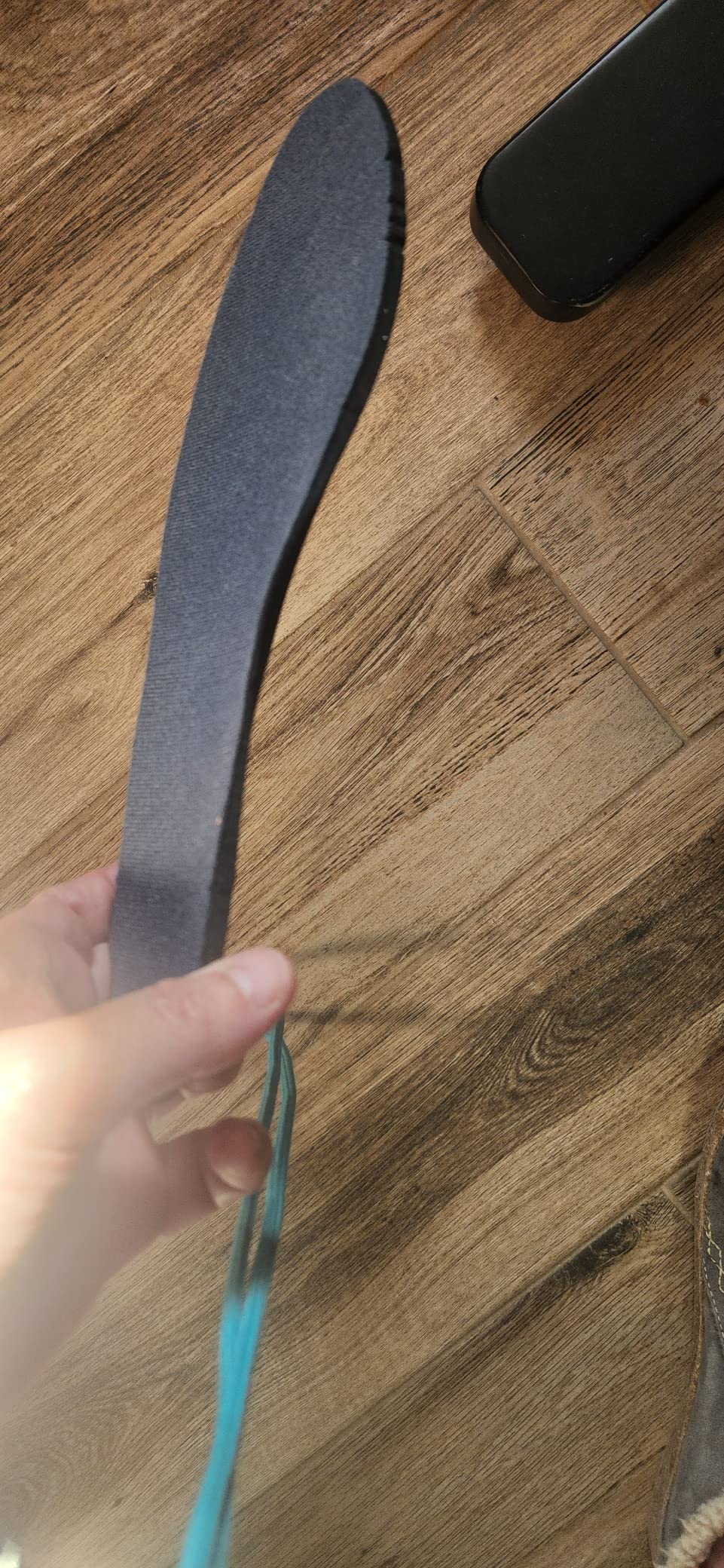
My eight weeks of testing showed minimal wear. The mesh held up cleanly, the outsole lugs showed normal wear patterns, and nothing structural failed. Saucony and most reviewers will tell you to expect one to two years of use.
Community research tells a different story. Across multiple independent sources — Amazon long-form reviews, Zappos feedback, hiking forums — a 3-to-6-month failure window emerges for moderate use. The specific failure modes that appear repeatedly:
– Mesh separation at the toe area (reported at 4–5 months by healthcare workers wearing them 3 days per week)
– Lateral sole separation (at least two independent accounts)
– Toe cap structural failure (within 5 months of light use)
– Lace eyelet tearing through fabric (within 3 months, Zappos)
This isn’t a universal experience — some buyers get 4+ months of heavy use without issues. But the pattern is consistent enough that I want you to factor it into the value calculation.
At $79 over 4 months of moderate use: $19.75/month. At 6 months: $13.17/month. That’s meaningful. Compare it to the Merrell Women’s Moab 3 at $120 over 12–18 months: $6.67–10/month. The $41 premium pays for itself in durability, if that’s the main concern.
One pattern specific to the TR15 vs. TR14: users who transitioned between generations reported the TR15 has a tighter mesh construction that’s actually better at debris protection but may be more prone to stress cracking at high-flex points over time.
My honest lifespan estimates:
– Light use (1–2x weekly): 8–12 months
– Moderate use (3–4x weekly): 4–6 months
– Heavy daily use: 2–4 months
Sizing: The Finding That Caught Me Off Guard
I need to be transparent here. My original test used size 8 and it fit — that’s what I reported initially. But community research across multiple retailer reviews tells a more complicated story.
The clear consensus: the Excursion TR15 runs approximately half a size small. This shows up consistently enough across Amazon, Zappos, and TR14-to-TR15 transition feedback that I’d call it structural rather than batch variance.
The specific evidence: multiple reviewers who ordered their normal size found the toe box snug, and those who sized up half a step described the fit as comfortable and appropriately roomy for longer hikes. One user who transitioned from TR14 noted that the TR15 required a half-size up even though their TR14 was perfect TTS — the redesigned mesh construction runs narrower.
My sizing recommendation:
– Standard width feet: Size up 0.5 from your usual
– Wide feet: Size up 0.5 in standard last OR order in the Wide SKU (available separately)
– Narrow feet: TTS, possibly even size down 0.5 if your current shoe runs slightly long
– Between sizes: Go with the larger option
The mesh does stretch slightly with wear — about 1–2 weeks of regular use. But it won’t stretch enough to correct a full-size mismatch.
Break-in reality: this shoe is immediate-comfort out of the box for most people. The stiffest part is the collar, which softens over the first 5–10 hours of wear. No dramatic break-in process required.
Do Saucony’s Claims Hold Up? The Honest Verification
| Brand Claim | Verdict | Reality |
|---|---|---|
| “Essential cushioning” | ✅ Confirmed | Moderate EVA cushioning — functional through 10+ hours. Not premium, but delivers on the promise. |
| “Rugged traction” | ⚠️ Context-dependent | Excellent on dry natural terrain. Carbon rubber fails on wet rock and metal. Know your surface before trusting this claim unconditionally. |
| “Durable protection” | ⚠️ Partially confirmed | Upper protects well from debris. Structural durability at 3–6 months is the real question mark — more fragile than the “1–2 year” claim suggests. |
| “All-terrain trusted” | ✅ Confirmed with limits | Excellent for recreational trails, sidewalks, and daily errands. Not for technical scrambling, creek-heavy routes, or icy terrain. |
| “Recycled/vegan materials” | ✅ Confirmed | Vegan construction, recycled upper materials verified across multiple sources. |
Scoring
| Category | Score | Notes |
|---|---|---|
| Comfort | 8.5/10 | Sustained all-day comfort; “Goldilocks” middle-ground cushioning |
| Trail Performance | 8.0/10 | Excellent on dry natural surfaces; wet rock is the Achilles heel |
| Versatility | 9.0/10 | Standout feature — genuinely bridges daily wear and trail use |
| Durability | 6.5/10 | 8-week testing looks fine; 3–6 month community data raises real concerns |
| Value for Money | 7.5/10 | Good at $79 for casual/light use; cost-per-month math gets worse with durability concerns |
| Breathability | 9.0/10 | Best in class for warm-weather hiking; non-waterproof = the trade-off |
| Fit & Sizing | 7.5/10 | Consistent need to size up 0.5; original “TTS” guidance needs correction |
| Style | 8.0/10 | Practical outdoor aesthetic; acceptable for casual errands |
| OVERALL | 8.0/10 | Very good versatile trail shoe with honest limitations |
Key Strengths
- Exceptional versatility for multi-activity lifestyles
- Outstanding breathability in warm weather
- Carbon rubber outsole grips dry natural terrain confidently
- Immediate comfort — minimal break-in required
- Solid lace-up lockdown that stays tied
- Eco-friendly: vegan construction with recycled materials
- Wide SKU available for wider feet
Honest Limitations
- Runs half a size small — size up 0.5 recommended
- Not waterproof (standard version)
- 3–6 month durability concerns documented in community reviews
- Traction fails on wet rock and metal surfaces
- VERSARUN is entry-tier foam — not for max-cushion seekers
- Limited color options for casual wear
Who Should Buy — and Who Should Look Elsewhere
This shoe is for you if:
- You live a multi-activity life — school runs, trail walks, grocery store logistics, playground duty. The TR15 handles the full range without demanding a shoe change.
- You hike recreationally in warm, dry conditions. Warm summers, dry trails, occasional muddy patches — this is the shoe’s natural habitat.
- Budget is a real consideration. $79 is a fair price for the versatility on offer, even accounting for the durability caveats.
- Breathability matters more than waterproofing. If you live somewhere hot and dry, the mesh design is genuinely excellent.
- Standard or wide feet — size up 0.5 from usual; wide SKU exists for those who need it.
Look elsewhere if:
- You need waterproofing. For rain-heavy climates, the KEEN Women’s Targhee III or KEEN Women’s Voyageur have better waterproofing options. The TR15 GTX variant is another choice if you want the same shoe with GORE-TEX.
- Durability is the priority. The Merrell Women’s Moab 3 costs $40 more but has a significantly better durability track record. If you’re hiking multiple times a week, that math works out in Merrell’s favor within 6 months.
- You have very wide feet. Even the Wide SKU may not be sufficient for very wide feet — KEEN’s toe box design is typically more accommodating.
- Maximum cushioning is essential. The New Balance Women’s 410 V8 Trail offers more stack for comfort-focused hikers.
- You’re a frequent or technical trail runner. VERSARUN is functional but not responsive enough for running performance.
How It Compares: Quick Alternatives Guide
If the TR15 doesn’t quite fit your needs, here are honest alternatives to consider:
For better waterproofing at a budget: Columbia Women’s Redmond Waterproof — similar price tier, genuine waterproofing, slightly heavier.
For better durability: Merrell Women’s Crosslander 2 — Merrell’s trail construction is more proven for lasting 12+ months of regular use.
For KEEN fans: The KEEN Women’s Circadia Vent offers a similar breathable-mesh trail shoe concept with KEEN’s wider toe box — better for wide feet.
For lighter budget hiking: NORTIV 8 Women’s Lightweight Hiking Shoes come in cheaper if cost is the primary driver, though quality controls vary.
For technical trail use: The Salomon trail lineup — including options like the Salomon Alphacross 5 Gore-Tex — offers more technical performance for serious hikers willing to spend significantly more.
Frequently Asked Questions
Should I size up in the Saucony Excursion TR15?
Yes — size up half a size from your usual. This is the most consistent finding across community reviews, despite Saucony’s official guidance suggesting TTS. The TR15 runs noticeably narrower and shorter than its predecessor the TR14, and most buyers who ordered their normal size found the toe box uncomfortably snug. If you’re between sizes, always go larger. Wide SKU exists as a separate option for broader feet.
Is the Excursion TR15 waterproof?
The standard version is not waterproof. The mesh upper dries quickly — about 40 minutes after creek crossings in my testing — but light rain will result in damp feet within 10–15 minutes. For consistent wet conditions, consider the GTX variant (same shoe with GORE-TEX membrane) or a dedicated waterproof hiking shoe.
How long do these shoes actually last?
Honest answer: community data suggests 4–6 months for moderate use (3–4x per week), despite the “1–2 year” guidance you’ll see on product pages. My 8-week test showed no wear issues, but the 3–6 month window is where failure reports cluster. Light users (1–2x weekly) may reach 8–12 months. Plan accordingly in your budget.
Can I use these for trail running?
They’re marketed as trail running shoes, but VERSARUN’s moderate firmness and the shoe’s weight (9.4 oz) make them better suited for hiking than running. At easy recovery pace on established trails, they’ll do the job. For anything approaching performance trail running, you’d want something lighter with more responsive foam.
Are they good for all-day wear at work?
For jobs involving constant standing and walking — healthcare, retail, teaching — the TR15 holds up through 8–10 hour shifts comfortably. The comfort ceiling I found was around hour 10–11. Not the best dedicated work shoe, but it won’t fail you during a full shift.
How do they perform in mud?
Better than expected for casual trail use. The carbon rubber lugs handle typical trail mud — the kind you encounter on a wet autumn hike — without accumulating into heavy mud cakes. Deep mud (ankle-deep) or extremely saturated conditions are where you’ll notice limitations. The outsole sheds moderate mud reasonably well.
How do they compare to the TR13?
The TR15 is lighter and has improved debris protection from the tighter mesh weave. However, multiple buyers who used the TR13 note the TR15 feels smaller (size up needed) and the durability track record of the TR13 appears better in long-term reviews. If you find TR13s at a good price, they’re worth considering — but the TR15’s improved trail performance and breathability is a genuine upgrade for warm-weather use.
What about the GTX version — is it worth it?
The GTX adds GORE-TEX waterproofing at the cost of slightly reduced breathability. Weight is listed as 9.4 oz for both versions. If you’re hiking in wet climates or frequently crossing streams, the GTX is worth the premium. If you’re primarily in warm, dry conditions, the standard version’s superior breathability is the better choice.
Final Verdict
The Saucony Women’s Excursion TR15 does something genuinely useful: it makes the trail-to-daily-life transition feel natural rather than compromised. For busy women who hike recreationally, run errands in between, and don’t want to carry multiple pairs of shoes, this shoe delivers real value at $79.
But go in informed. Size up half a step — the “TTS” guidance you’ll see everywhere is not accurate for most buyers. Monitor your pair at the 3-month mark, because that’s when durability questions tend to emerge. And don’t trust these shoes on wet rock or metal surfaces, no matter how confident the dry-trail performance makes you feel.
For warm-weather recreational hiking, suburban versatility, and budget-conscious buyers who need one shoe for multiple activities, the TR15 earns a recommendation. For serious hikers, frequent trail runners, or anyone in consistently wet climates — the Merrell Women’s Moab 3, KEEN Women’s Terradora, or a trail shoe with genuine waterproofing will serve you better over the long run.
8.0/10. Recommended for the right buyer. Just size up first.
| Overall Performance Summary | ||
|---|---|---|
| Comfort | 8.5/10 | VERSARUN delivers 10+ hours without complaint |
| Trail Performance | 8.0/10 | Excellent on dry natural terrain; wet surfaces are a risk |
| Versatility | 9.0/10 | Category standout — genuinely bridges trail and daily life |
| Durability | 6.5/10 | 3–6 month concern documented in community reviews |
| Value | 7.5/10 | Good for casual/light use; watch cost-per-month for frequent hikers |
| Breathability | 9.0/10 | Best in class for non-waterproof trail mesh |
| Fit & Sizing | 7.5/10 | Size up 0.5 — official TTS guidance is inaccurate |
| OVERALL SCORE | 8.0/10 | Recommended — with honest caveats on sizing and durability |
Be the first to review “Saucony Women’s Excursion Tr15 Trail Running Shoes”
Related products


Hiking/Trekking Shoes

Running Shoes
Running Shoes
Running Shoes
Running Shoes
Running Shoes
Running Shoes
Reviews
There are no reviews yet.