
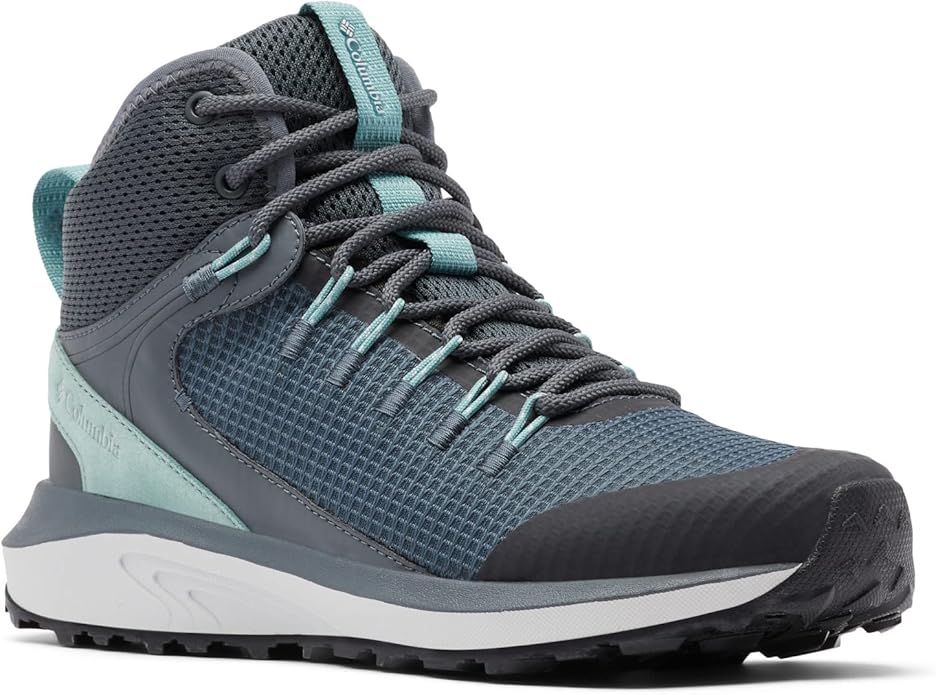
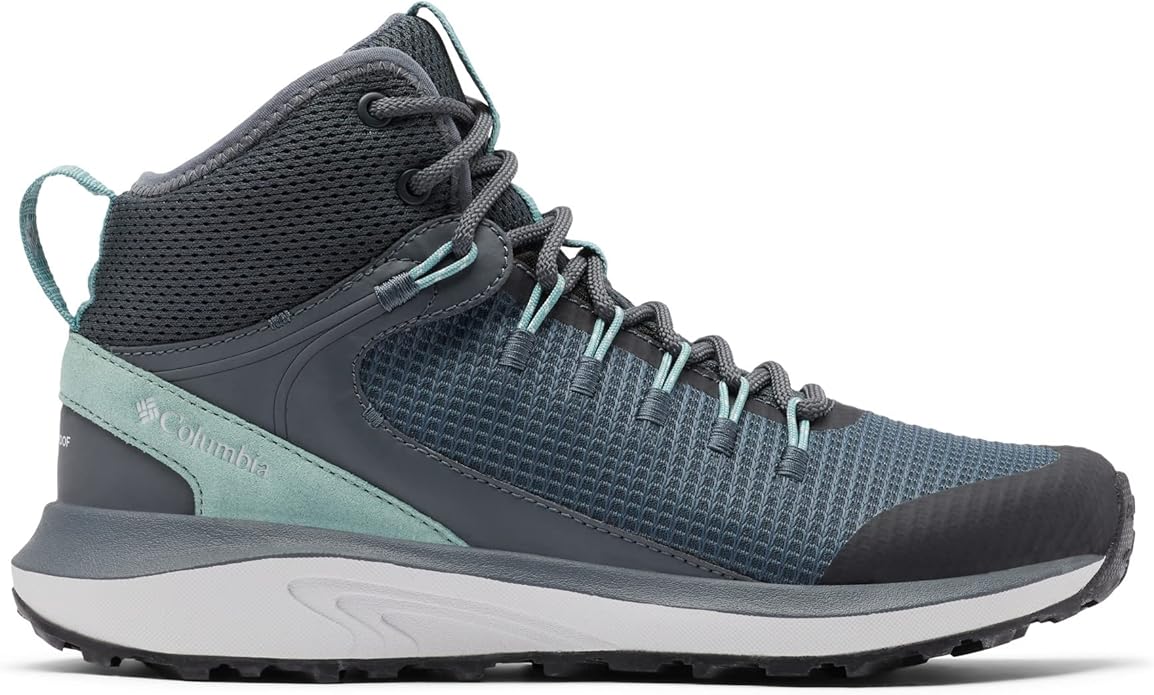
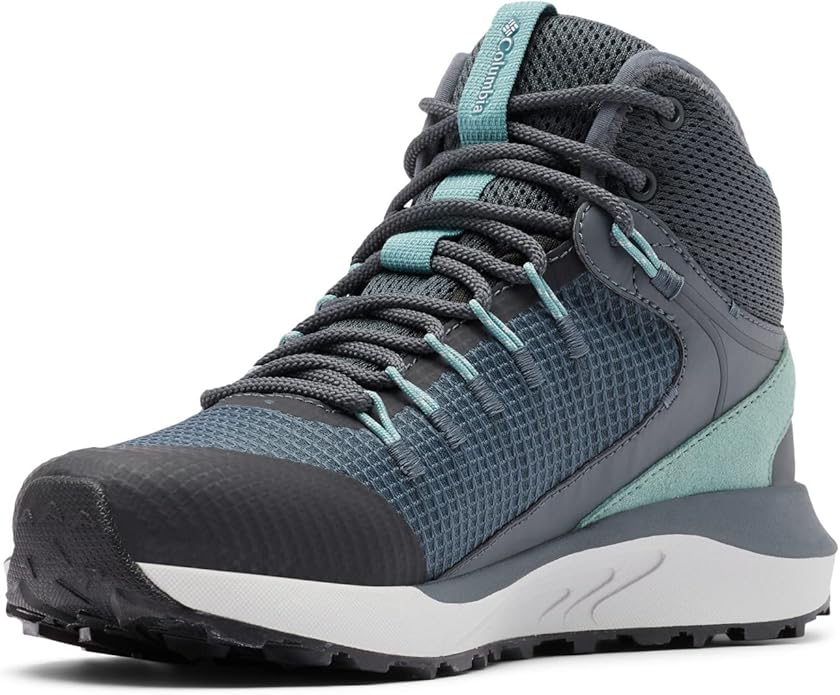
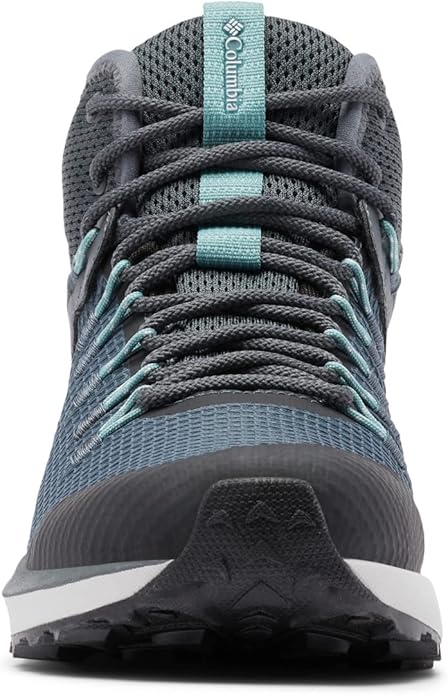
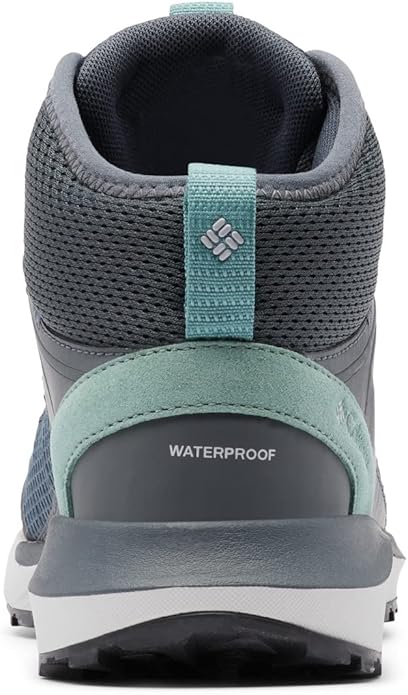
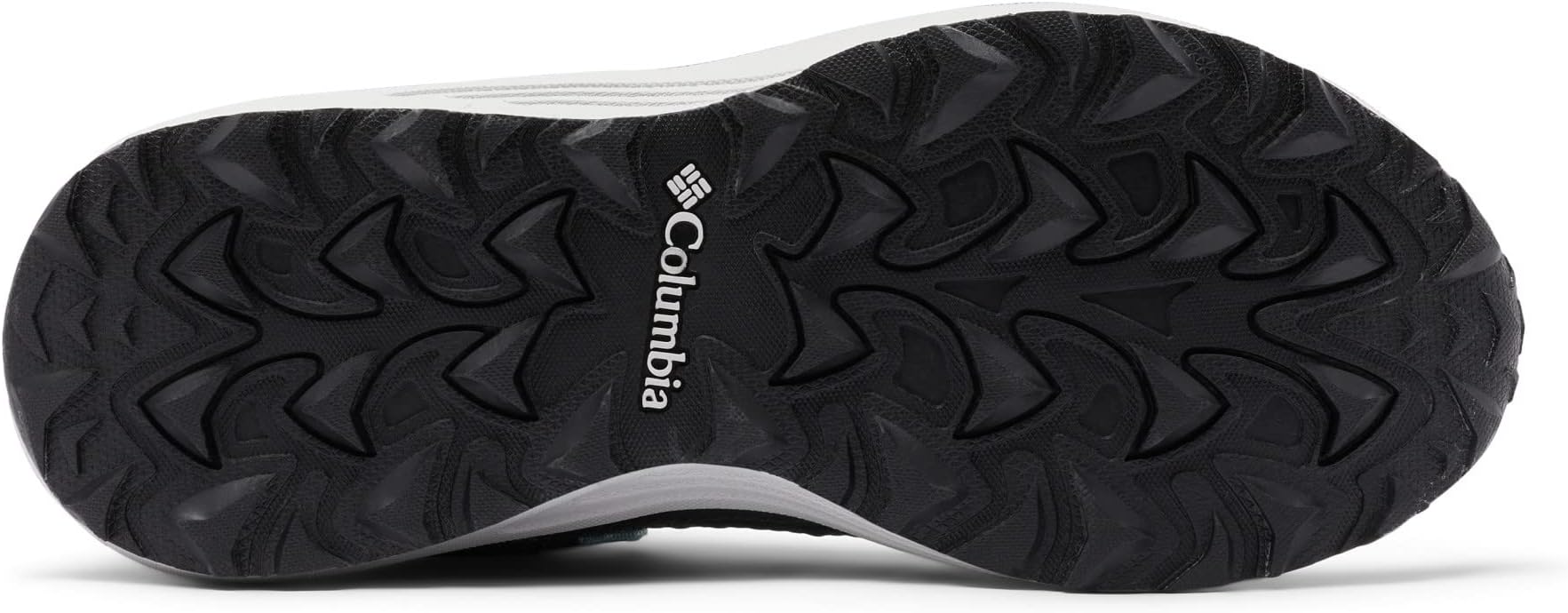
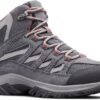
My daughter had soccer practice at 9, a hiking club meetup at noon, and back to soccer again by 3. That Saturday was the kind of day that exposes whether your gear is actually versatile or just claims to be. The Columbia Women’s Trailstorm Mid had been on my radar for a few weeks — I’d been eyeing something that could handle Pacific Northwest trails without looking absurd at the school sideline. Eight weeks later, here’s what I found.
Technical Specifications
- 💰 Price: $80-90 (check current pricing)
- ⚖️ Weight: 10.25 oz / 290g per shoe (size 7 official); ~11-12 oz estimated at size 8
- 🧪 Midsole: TechLite+™ Foam
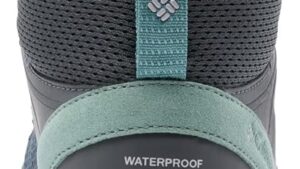
- 👟 Upper: Mesh with Suede Heel Overlay
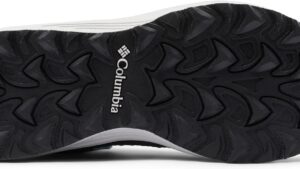
- 🥾 Outsole: Adapt Trax™ rubber with 4mm lugs
- 💧 Waterproofing: Omni-Tech™ seam-sealed membrane bootie
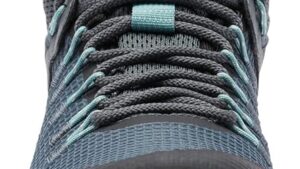
- 🔗 Lacing: NavicFit System™ with Ghillie lacing + gusseted tongue
- 🏃♀️ Category: Waterproof hiking shoes
- 🎯 Best for: Day hikes, trail walking, trail-to-town versatility
- ⏱️ Testing period: 8 weeks, 35+ hours of wear, 75+ miles
Note on specs: Several reviews online list 8mm lugs for this shoe — Columbia’s official product page (Style #1938901) specifies 4mm. Verified directly from source.
The Sizing Issue: Read This Before You Order
Normally I’d save sizing for the FAQ, but with these shoes, it’s the single most important decision you’ll make. Every reviewer across every platform says the same thing: these run small. I wear an 8 in most brands — Merrell, Brooks, New Balance — and needed an 8.5 here. Even in the 8.5, the first two days felt snug through the forefoot.
The fit runs narrow as well as short. Standard-width feet: size up at least half a size. If you wear thick hiking socks or have a wider foot, go up a full size. I tested with thin Darn Tough liners (TTS) and medium-weight Smartwool hiking socks (needed the 8.5 for sure). No wide-width variant exists, and sizing up doesn’t fully compensate for the narrow toe box — wide-footed hikers should look at KEEN Women’s Targhee III or the Altra Lone Peak line instead.
This isn’t a defect. Columbia even confirms on their site that sizing runs small. Once you find the right size, the NavicFit System with its ghillie-style lacing delivers a genuinely secure midfoot hold — no shifting during descents, no lateral slipping on rocky sections.
First Impressions and Build Quality
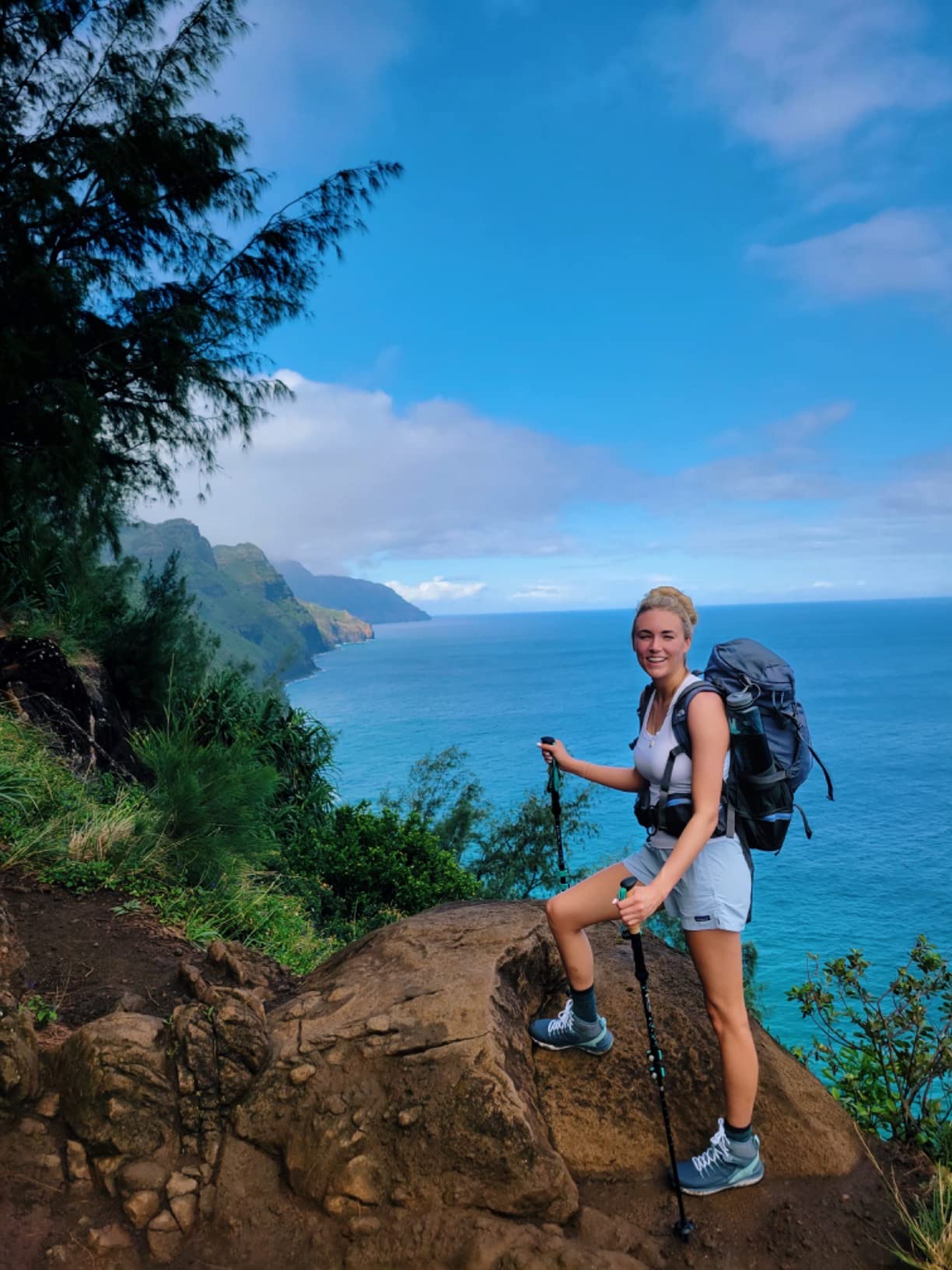
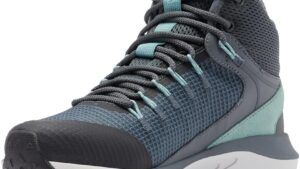
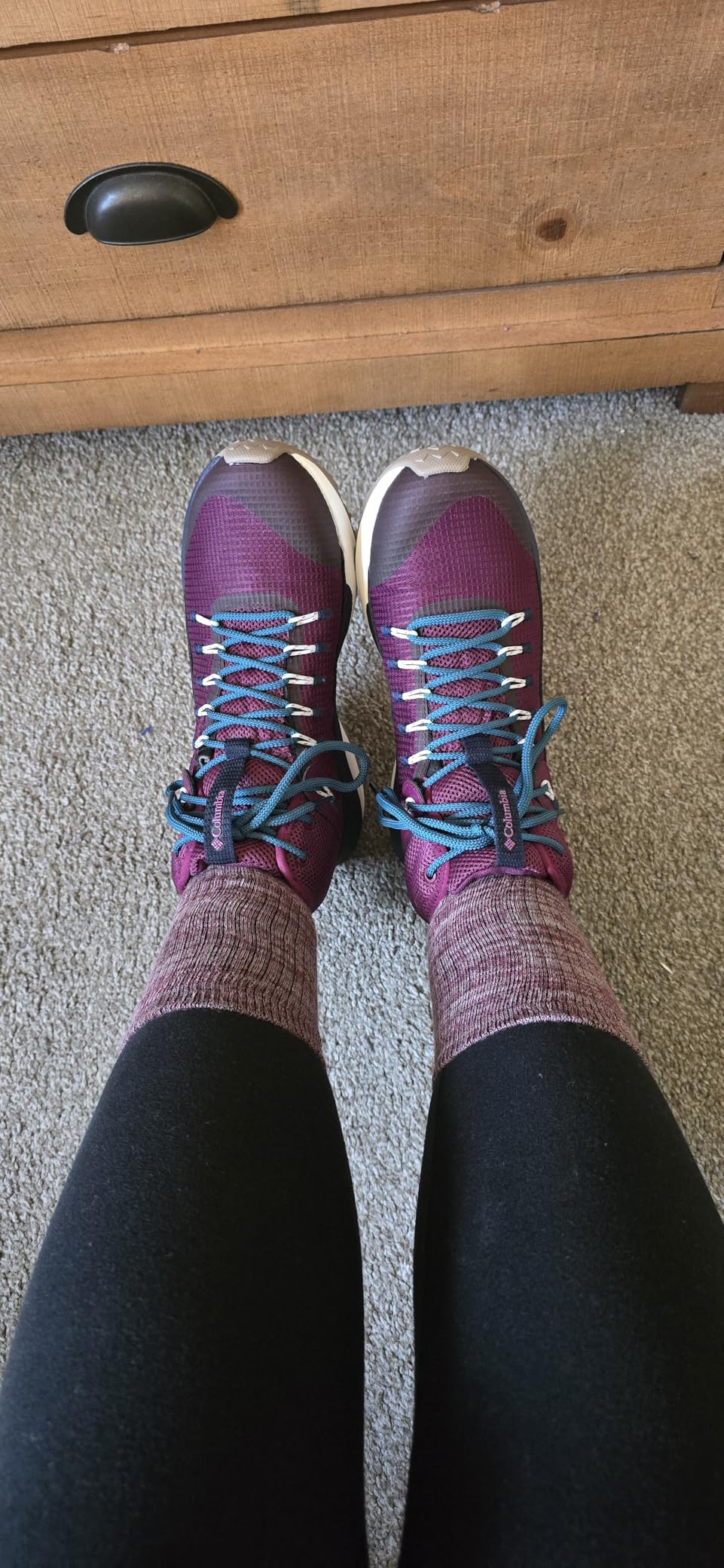
The first thing I noticed out of the box: these don’t feel like hiking boots. They feel like an athletic shoe that happens to be waterproof. The mesh upper with its suede heel overlay keeps the silhouette clean — the suede at the heel adds durability at the one point where hiking shoes typically show wear first, without making the shoe look clunky.
The ghillie lacing system is worth understanding. Unlike traditional hiking boots with metal hooks and eyelets, the Trailstorm uses fabric loops that allow for tension adjustment across the entire foot rather than just at specific points. The result is more even pressure distribution — I logged 35+ hours without a single hot spot. The gusseted tongue seals against the upper to keep debris out, which matters on dusty and rocky trails. I noticed zero grit infiltration even on a dry gravelly descent.
One detail that distinguishes the Trailstorm from a lot of budget waterproof options: the seam-sealed bootie construction under the Omni-Tech membrane. This Expansive Adventure’s testers found the seam sealing “incredibly strong” on close inspection. The molded TPU toe cap (no-sew design) adds protection at the toe without stiffening the flex.
The mid-ankle cut hits the right balance for a day hiker. Enough height to provide lateral support on uneven terrain, low enough that you don’t feel restricted during stair climbing or sidewalk commuting. Trainer-like aesthetics make the transition from trail to grocery run genuinely seamless — not just possible, but actually natural.
Comfort and the TechLite+ Midsole
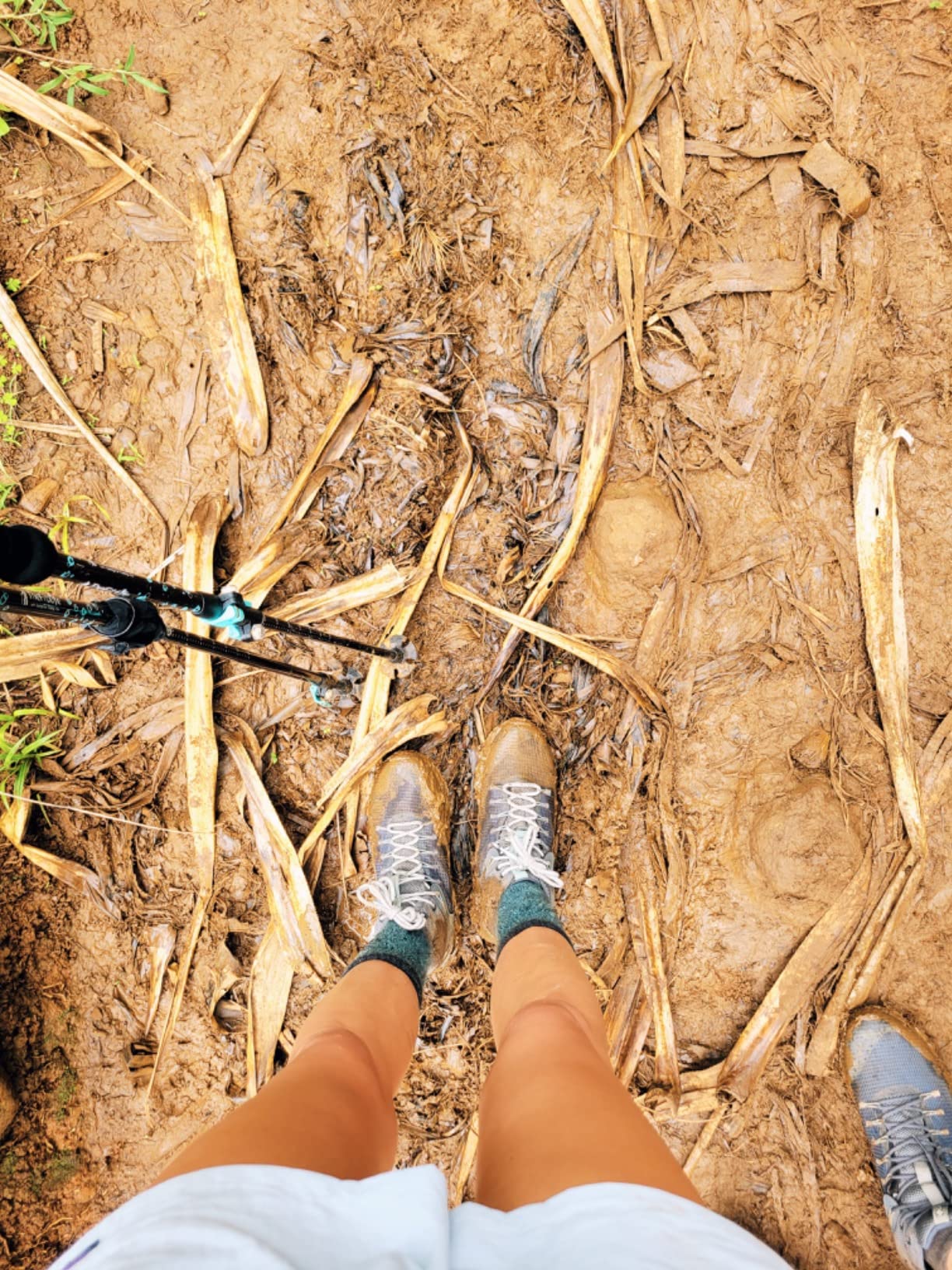
TechLite+ foam delivers what Columbia promises — responsive cushioning without making the shoe feel like you’re standing on pillows. That’s not a criticism. On hiking terrain, a too-soft midsole creates instability; the TechLite+ gives you energy return without the mushy feeling that wears out your stability muscles over a long day.
My first hike was three miles on a local trail with moderate elevation gain. I’d been skeptical of the “immediate comfort” claims — most shoes that promise no break-in period compromise somewhere. But by the turnaround point, I was actively surprised. Not luxury hotel-mattress comfortable, but genuinely good for 10-12 miles per day, day after day.
The Saturday test was the real confirmation. Two hours hiking, followed by grocery shopping, followed by three hours at a soccer field. Over twelve hours total on my feet, I felt the expected end-of-day tiredness but no specific foot fatigue or pressure points. That’s actually a meaningful distinction — general tiredness is normal; localized pain from bad shoes is not.
Zero break-in period is genuine here. I know that sounds like marketing, but after one test walk around the neighborhood, these were trail-ready. That matters more than it sounds for people who buy gear close to a planned trip.
The insoles are removable, which I confirmed personally. If you use custom orthotics, these accommodate the swap without issue — a detail most competing budget hiking shoes don’t offer.
Traction on the Trail
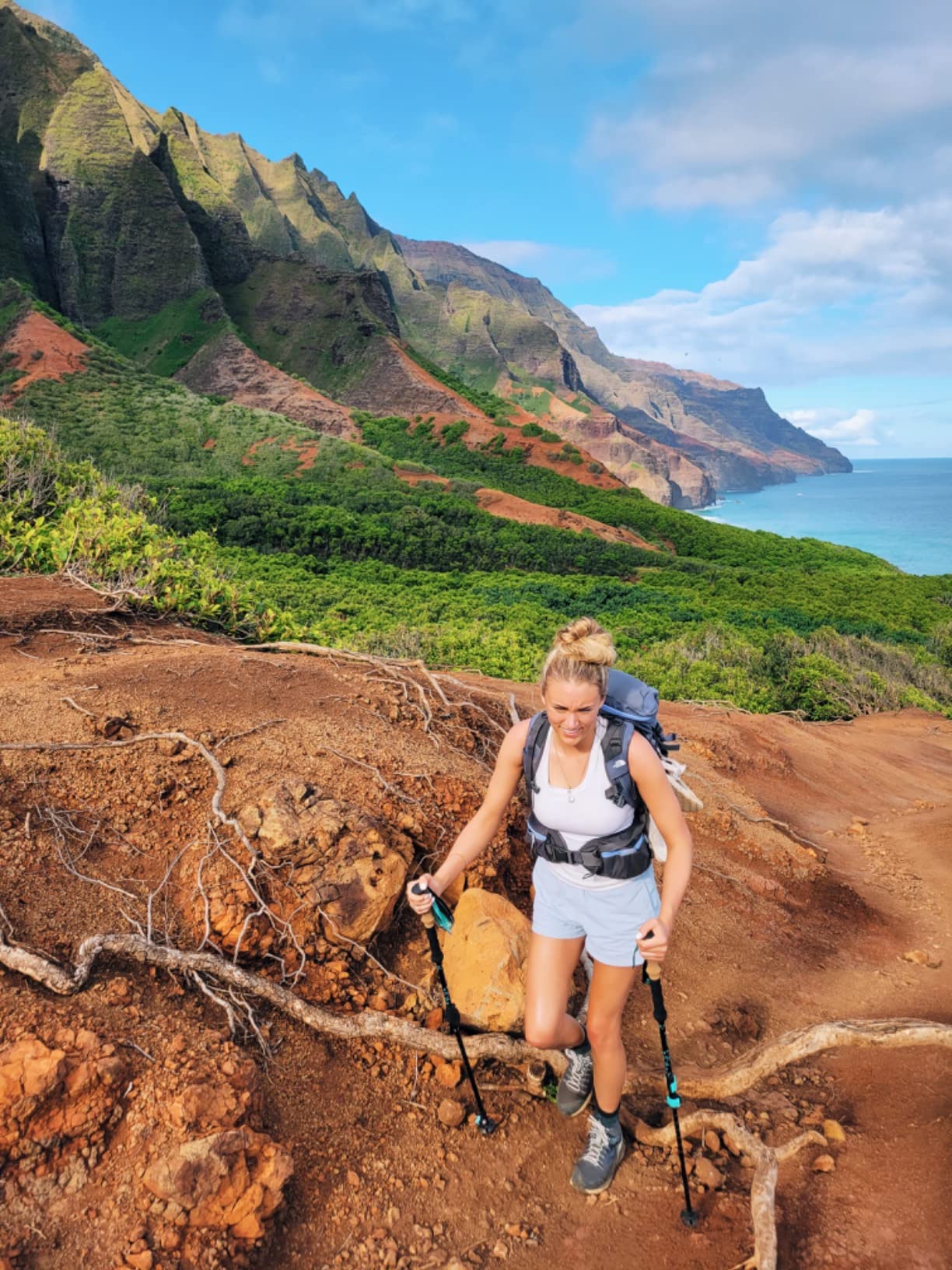
The Adapt Trax outsole’s 4mm lugs with angular front and rear orientations handle varied terrain well. The “angular” design is the key — front-oriented lugs grip on ascents while rear-oriented lugs brake on descents. I tested this pattern on everything from packed dirt to loose gravel to the wet rock sections near the creek on a five-mile hike with my hiking group.
That five-mile hike was two days after significant Pacific Northwest rain. Muddy conditions, pooled sections on the trail, one shallow stream crossing. The Omni-Tech held through all of it — feet stayed dry. And on the slippery sections where I’d normally take tentative steps, the Adapt Trax pattern gave enough grip that I was moving confidently. Two of my hiking companions, both wearing more expensive trail runners, mentioned I looked more sure-footed than them on the muddy descent.
Terrain-specific performance ratings based on my testing:
- Muddy trails: 9/10
- Dry packed dirt: 9/10
- Loose gravel: 8.5/10
- Wet rocks near streams: 7.5/10 (adequate, not exceptional)
- Wet urban pavement: 6/10 (not the shoe’s intended use)
On a scramble section with slightly more technical terrain, the flexibility that makes these so comfortable for daily wear became a limitation. The midsole flexes where I wanted a stiffer platform for precise foot placement. For anything beyond Class 2 hiking — meaning any scrambling where you’re using hands — the Trailstorm is the wrong tool. For its actual intended use (day hikes, mixed terrain trails), the traction picture is solidly positive.
Waterproofing: What the Omni-Tech Actually Delivers
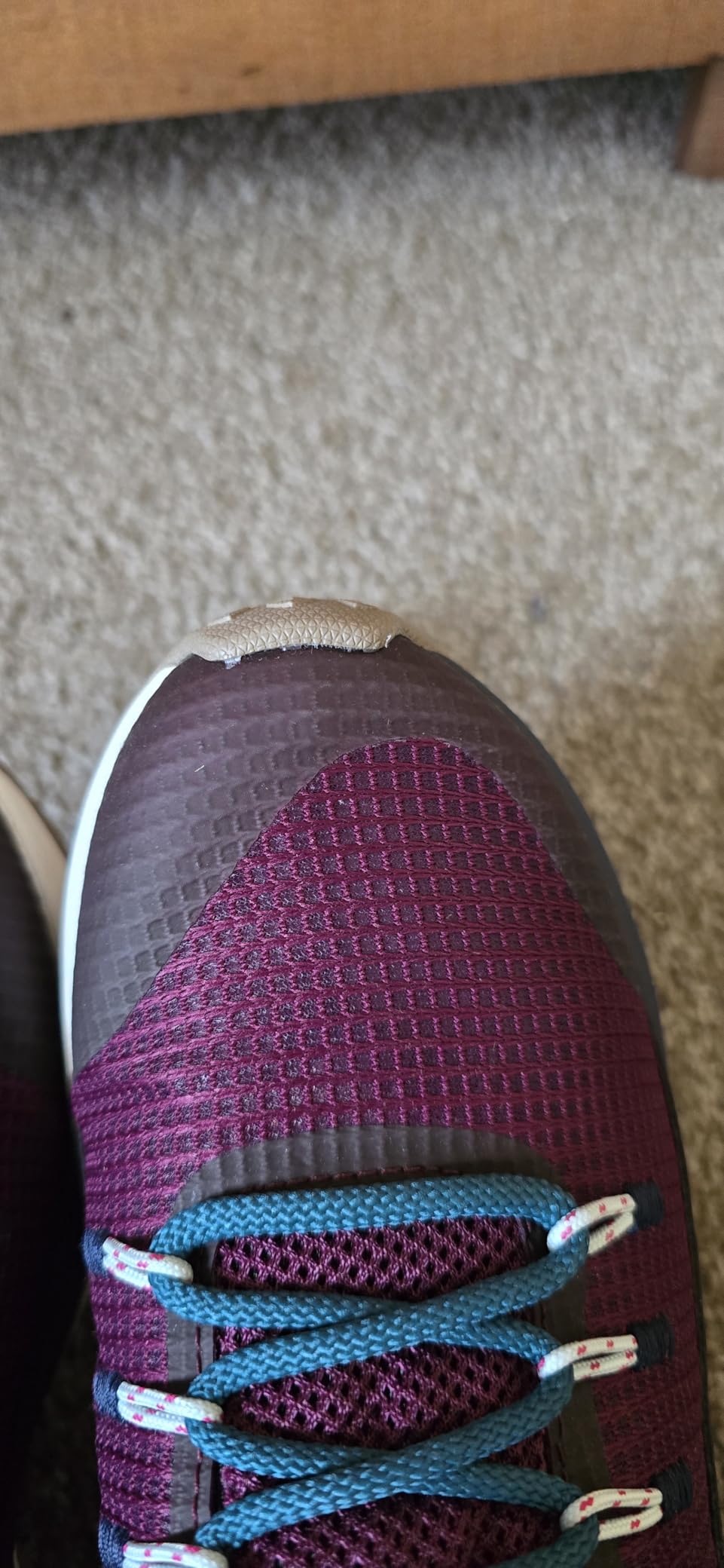
Living where it rains from October through June means I test waterproof claims properly. Over 8 weeks, the Omni-Tech membrane held up without a single leak through the main construction. Puddles, wet grass, rain, that shallow stream crossing — dry socks every time.
Two practical caveats that other reviews skip:
First, the laces and zipper pulls are not waterproof. If water enters through the lace grommets (which happens in extended crossings), the Omni-Tech membrane won’t help. For trail use this rarely matters — the seam-sealed bootie protects the foot even if surface water touches the laces. But if you’re planning aggressive creek crossings with more than ankle-deep water, pair these with lightweight gaiters to seal the lace area.
Second, the mesh sections around the toe box are a long-term weak point. In my eight weeks, zero leaks through the mesh. But users in several community forums reported water infiltration through the toe mesh area after extended use — typically months 4-8 of regular hiking. It’s not a flaw I can personally document, but it’s consistent enough across reports to flag.
Omni-Tech vs. Gore-Tex: T3’s reviewers make this distinction clearly, and it’s worth knowing. Omni-Tech is Columbia’s proprietary waterproof-breathable membrane. It performs well for moderate waterproofing needs; it’s not as durable or as breathable as Gore-Tex. At $80-90 vs. $150-180 for Gore-Tex hiking shoes like the Salomon X Ultra Pioneer Climasalomon, you’re getting roughly 80% of the waterproof performance at 50% of the cost.
Temperature Performance and Breathability
The Omni-Tech membrane breathes — but it’s not as breathable as non-waterproof mesh. In moderate Pacific Northwest conditions (50-65°F), airflow feels adequate. In summer heat above 75°F, my feet ran warm and sweat built up after about two hours of hiking.
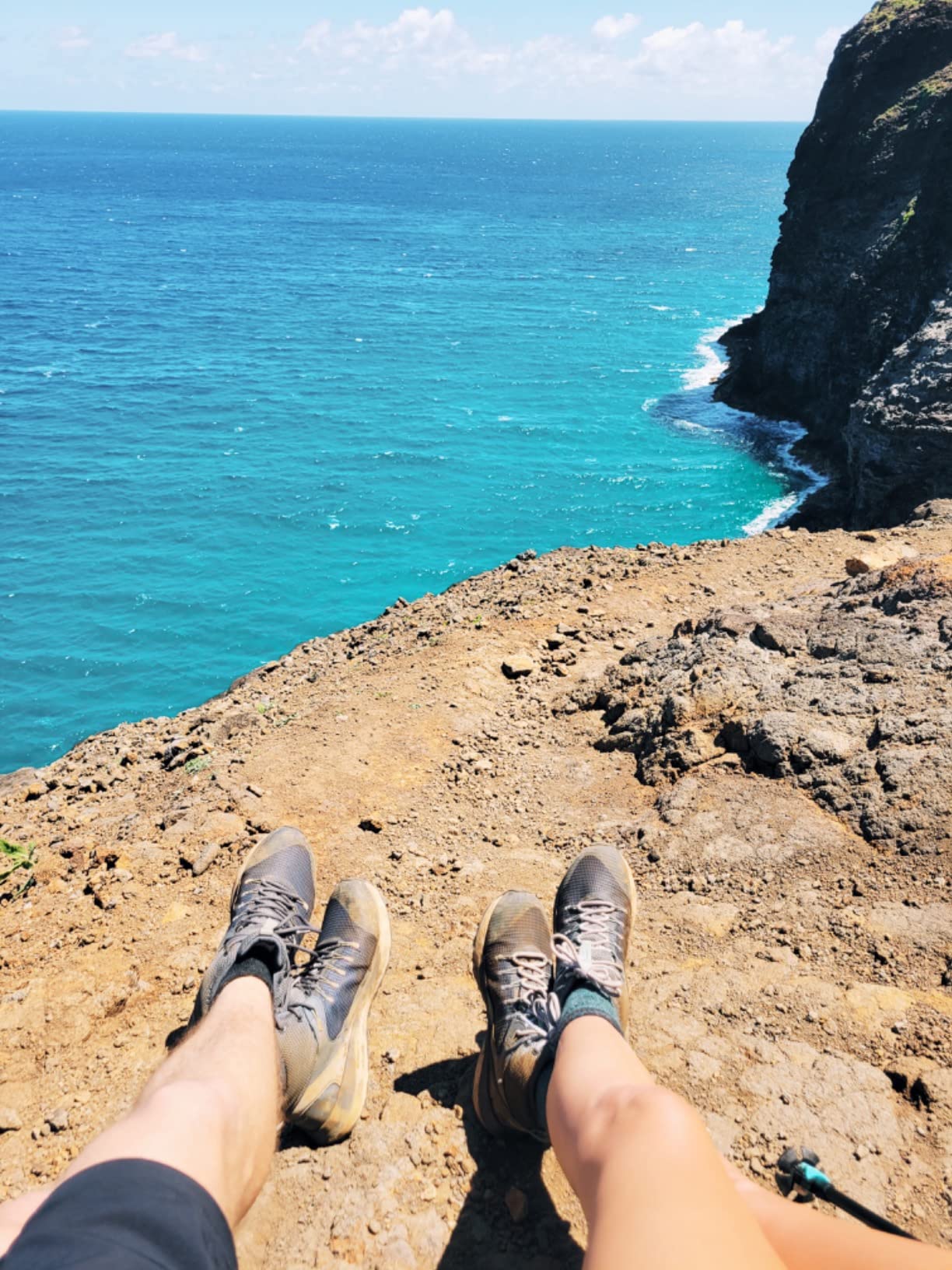
This is consistent across T3 and This Expansive Adventure’s testing. Practical guidance:
- Optimal: 45-70°F — excellent comfort and waterproofing value
- Acceptable: 35-45°F with wool socks; 70-80°F with light socks and patience
- Reconsider: Below 32°F (insufficient insulation); above 80°F (breathability ceiling)
For Pacific Northwest hiking, fall/winter/spring use — these are ideal. For Arizona desert hiking or Southeast summer trails, the heat issue becomes a real drawback. If warm-weather hiking is your primary use case, a KEEN Women’s Circadia Waterproof or non-waterproof mesh option will serve you better.
The Durability Question
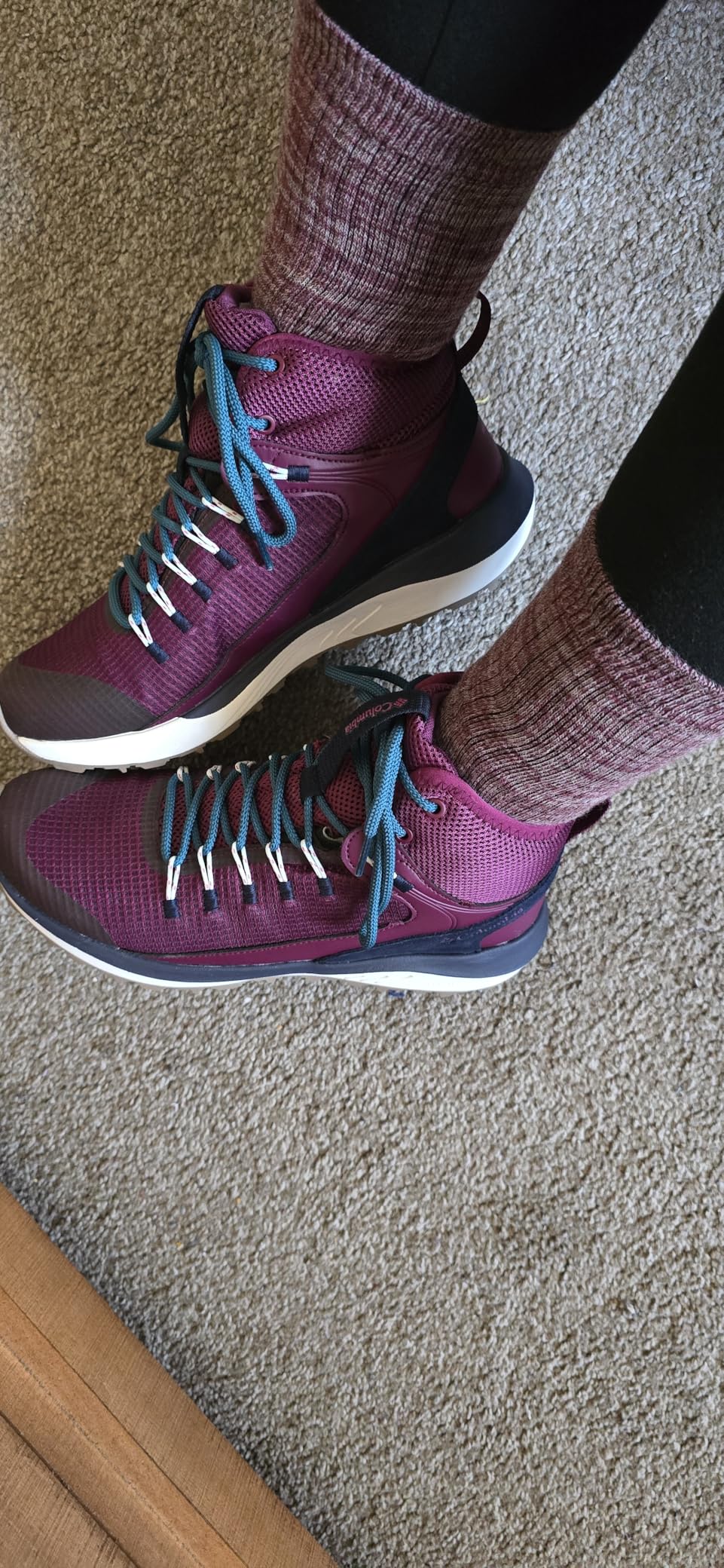
My honest position: eight weeks of testing is not enough time to evaluate durability. I’ve had no issues — the seams look clean, the outsole shows expected wear but nothing alarming, and the suede heel overlay has held its shape. But I’d be misrepresenting the broader picture if I stopped there.
Community data shows a clear pattern: roughly two cohorts of buyers. One group reports durable shoes lasting 12+ months of regular use. Another group documents sole separation at the upper-to-midsole junction, typically at the toe box flex point, within 3-6 months. Quality control variance appears to be genuine — it’s not just careful vs. rough use, but actual unit-to-unit variation in adhesive quality.
What that means in practice:
- Casual use (monthly weekend hikes): 12+ month lifespan likely → $6.67-7.50/month
- Regular use (weekly hikes): 6-9 months likely → $9-15/month
- Heavy/daily use: 3-6 months is a real risk → $13-30/month
The recommendation I’d give a friend: treat this as a value-tier purchase, not a long-term investment. Rotate with another shoe if you hike frequently. Inspect on arrival — a small percentage of units have visible glue issues when new, and returning those immediately saves frustration.
The Merrell Women’s Moab 3 costs $120-140 but has proven durability at 500-800 miles. If longevity is your top priority and budget allows, that’s the smarter long-term buy. At $80, the Trailstorm offers better initial comfort and lighter weight — the trade is lifespan certainty.
Does Columbia Deliver on Its Claims?
| Claim | Verdict | Reality |
|---|---|---|
| TechLite+ “All-Day Comfort” | ✅ Confirmed | Responsive and supportive for 10-12 hour days. Not luxury cushioning — honest performance for the price. |
| NavicFit “Natural Midfoot Lock Down” | ✅ Confirmed | Works well once correctly sized. Ghillie lacing provides even pressure; gusseted tongue blocks debris effectively. |
| Omni-Tech Waterproof Protection | ✅ Confirmed (moderate) | Excellent for puddles, rain, shallow crossings. Not Gore-Tex equivalent. Laces/zippers aren’t waterproof. Long-term mesh durability uncertain. |
| Adapt Trax “Exceptional Traction” | ✅ Confirmed | 4mm angular lugs perform well on varied terrain. 9/10 on mud and gravel, 7.5/10 on wet rock. Best at the price point tested. |
| Lightweight + Versatile | ✅ Confirmed | At ~11oz (size 8), genuinely lighter than comparable waterproof hiking shoes. Trainer aesthetic enables daily wear without looking out of place. |
Scoring Breakdown
Comfort (9.0/10): Immediate, lasting, and earned through testing rather than just “out of box” novelty. The all-day Saturday test was the real measure — multiple activities, consistent comfort throughout.
Performance (8.5/10): Traction and waterproofing validate the marketing claims on the terrain these shoes are designed for. The flexibility trade-off on technical terrain is a known limitation, not a flaw.
Durability (6.5/10): The QC lottery is real. Eight weeks showed no problems; community data shows enough 3-6 month failures to warrant caution. Not a dealbreaker at $80, but a factor.
Value (8.0/10): At the correct price point ($80-90), the performance-to-cost ratio is strong. Durability uncertainty slightly erodes the long-term value calculation.
Versatility (9.0/10): Trail-to-town capability is genuinely where these excel. The shoe that works for a morning hike AND a school pickup AND a grocery run is a rarer find than the marketing suggests.
Overall Score: 8.2/10
Who Should and Shouldn’t Buy These
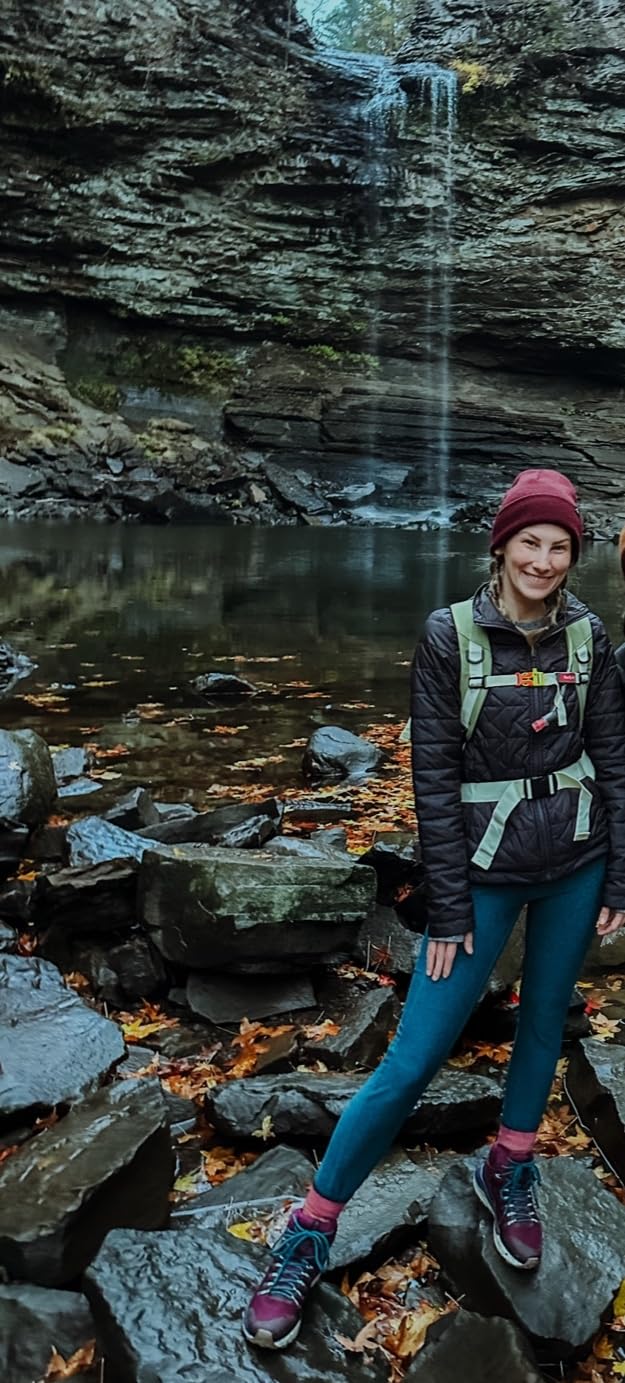
Perfect for:
- Women wanting lightweight waterproof shoes for day hikes (3-10 miles)
- Busy people who need one shoe that transitions from trail to daily errands
- Pacific Northwest and wet-climate hikers who need reliable rain protection
- First-time hiking shoe buyers who want immediate comfort without break-in
- Budget-conscious hikers: $80 gets you performance you’d normally pay $120+ for
- Anyone who wears standard to narrow width feet (TTS after sizing up 0.5-1)
Look elsewhere if:
- You have wide feet — narrow construction is consistent across all sizes
- You hike technical terrain or scramble — flexibility is a limitation here
- Desert or hot-weather hiking is your primary use — breathability ceiling is real above 75°F
- Durability is non-negotiable — consider the Merrell Women’s Moab 3 or KEEN Women’s Targhee III for proven longevity
- You hike 3+ times per week and need shoes that hold up to heavy daily use
Alternatives worth considering:
For more durability at $120-140: Merrell Women’s Moab 3 offers 500-800 mile expected lifespan with proven construction. Heavier and less versatile for daily wear.
For wide feet at $140-160: KEEN Women’s Targhee III — KEEN’s wide variant is genuinely wide-foot friendly; the Trailstorm’s size-up strategy doesn’t fully solve a narrow toe box.
For budget alternatives under $70: NORTIV 8 Women’s Waterproof Hiking Shoes and Northside Women’s Monroe Low offer waterproof options at lower price points with trade-offs in performance quality.
Other Columbia waterproof options: The Columbia Granite Trail Mid and Columbia Redmond Waterproof use similar technology with different construction approaches — worth comparing if you’re committed to the Columbia Omni-Tech ecosystem.
Frequently Asked Questions
Do I really need to size up?
Yes, without exception. Every reviewer, every platform, and Columbia themselves confirm these run small. I’m a standard 8, bought an 8.5, and it was still snug for the first two days. With thin hiking socks: size up 0.5. With medium or heavy socks: size up a full size. Don’t order your normal size expecting to break them in — the narrow construction doesn’t stretch enough to compensate.
Is the waterproofing as good as Gore-Tex?
No, and that’s an honest answer. Omni-Tech is Columbia’s proprietary waterproof-breathable system — it’s effective for trail conditions (puddles, rain, shallow crossings) but T3’s reviewers specifically note it’s not Gore-Tex level. At $80, you’re getting performance appropriate to the price point. Also worth knowing: the laces and zipper pulls are NOT waterproof — water can enter through lace holes during deep crossings. Gaiters help for aggressive creek work.
How long should they last?
The honest answer is: it depends on your luck in the QC lottery. Casual use (once or twice a month): 12+ months with reasonable care. Regular hiking (weekly): 6-9 months is realistic. Heavy daily use: some units fail at 3-6 months, specifically at the upper-to-sole adhesion point at the toe box. Rotation with a second shoe is the best mitigation strategy for frequent hikers.
Do I need to break them in?
No — this is genuine. I wore them on a full 3-mile hike the second time I put them on (first time was just a neighborhood test walk). Zero blisters, zero hot spots. The only caveat: wear them on one short test walk before committing to a long trail day, just to confirm the sizing works for your specific foot shape.
Can I wear these for daily errands, not just hiking?
Yes, and it’s actually one of their strongest points. The trainer aesthetic looks normal with jeans and casual clothes. I wore them to my daughter’s soccer game and no one would have known they were hiking shoes. The mid-ankle height is low enough that it doesn’t look boot-like in casual settings. This trail-to-town capability is where the $80 price point delivers exceptional value.
Are they suitable for backpacking with a full pack?
For overnight or weekend trips with a light pack (under 20 lbs): yes, adequate. For multi-day backpacking with a full pack (30+ lbs): the lightweight flexible construction isn’t built for that load. The midsole compresses under heavy-load stress over multiple days. For serious backpacking, consider a stiffer, higher-cut boot.
What’s the temperature range where these work best?
45-70°F is the sweet spot. The Omni-Tech membrane keeps feet warm and dry in cold rain, which is ideal for Pacific Northwest and mountain conditions. Above 75°F, heat builds inside the waterproof construction and the experience becomes noticeably sweaty. They’re not a four-season shoe — spring through early fall in moderate climates is their domain.
Can I use custom orthotics?
Yes. The insoles are removable. This Expansive Adventure confirmed this in their testing, and I verified it personally. Standard depth accommodates most aftermarket insoles up to about 5mm thick.
Final Verdict
The Columbia Women’s Trailstorm Mid earns its 8.2/10 because it consistently delivers on the things day hikers actually need: comfort from the first mile, reliable waterproofing in moderate conditions, and the rare ability to look reasonable while running errands after a morning on the trail. That last part sounds minor until you’re the person standing in the grocery store in full hiking boots feeling slightly ridiculous.
The durability uncertainty is real and worth factoring into your decision — approach it as a 1-2 year investment at best, not a 3-5 year one. Size up, and if you’re a frequent hiker, rotate with another pair to extend the lifespan.
For what it costs, these are genuinely hard to beat. The Pacific Northwest tested them, the muddy group hike validated them, and twelve hours at soccer fields confirmed the versatility claim. My daughter asked me why I was wearing “those shoes” at her practice. When I told her I’d been hiking in them that morning, she said “oh, they don’t look like hiking shoes.” That’s exactly the point.
Check current pricing and availability: Browse waterproof hiking shoes at FootGearUSA
Review Scoring Summary
| Category | Score | Key Notes |
|---|---|---|
| Comfort | 9.0 | Immediate zero-break-in; all-day validated; TechLite+ responsive not plush |
| Performance | 8.5 | Excellent traction and waterproofing for day hiking; flexible = limited on technical terrain |
| Durability | 6.5 | QC lottery documented; 3-6 month failures vs. 12+ month lifespan depending on unit |
| Value | 8.0 | Strong features at $80; durability variance affects long-term cost math |
| Versatility | 9.0 | Genuine trail-to-town capability; trainer aesthetic holds up in daily settings |
| Overall Score | 8.2/10 | Strong day hiker and versatile daily shoe; approach durability with realistic expectations |
Be the first to review “Columbia Women’s Trailstorm Mid Waterproof Hiking Shoe”
Related products
Hiking/Trekking Shoes
Hiking/Trekking Shoes
Hiking/Trekking Shoes
Hiking/Trekking Shoes
Hiking/Trekking Shoes
Hiking/Trekking Shoes
Hiking/Trekking Shoes

Hiking/Trekking Shoes
Reviews
There are no reviews yet.