
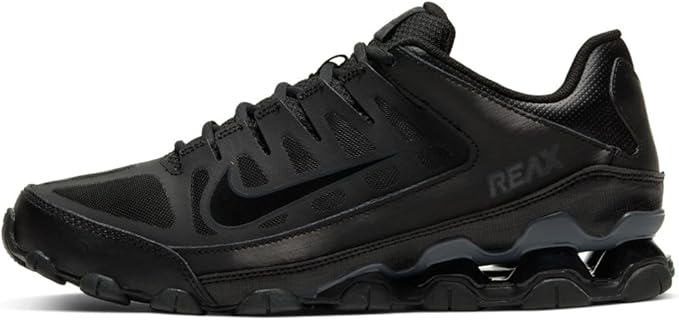
Nike Men’s Reax 8 TR Mesh Training/Workout Shoes
$95.00
- ⚖️ Weight: 12.8 oz (RunRepeat lab, men’s US 9) — heaviest trainer in their catalog
- 🧪 Midsole: Nike Reax TPU columns + EVA foam; firm 45.3 AC durometer
- 📐 Drop: 12.6mm — nearly double the 6.3mm category average
- 📏 Heel stack: 31.6mm (avg 24.2mm)
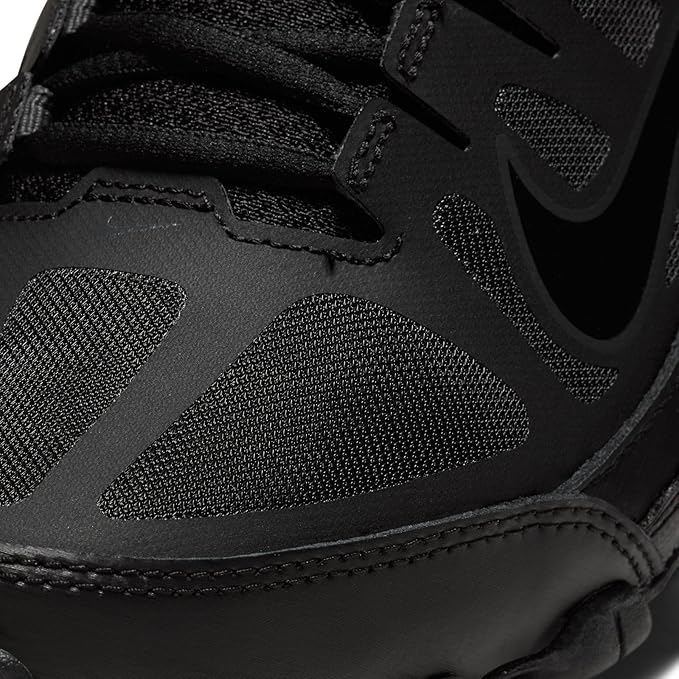
- 👟 Upper: Leather and breathable mesh combination; toebox durability 4/5
- 🔒 Torsional rigidity: 5/5 maximum stiffness (avg 2.9/5)
- 💨 Breathability: 2/5 (avg 3.6/5) — warm running shoe
- 🏋️♂️ Category: Training shoes / Cross-training
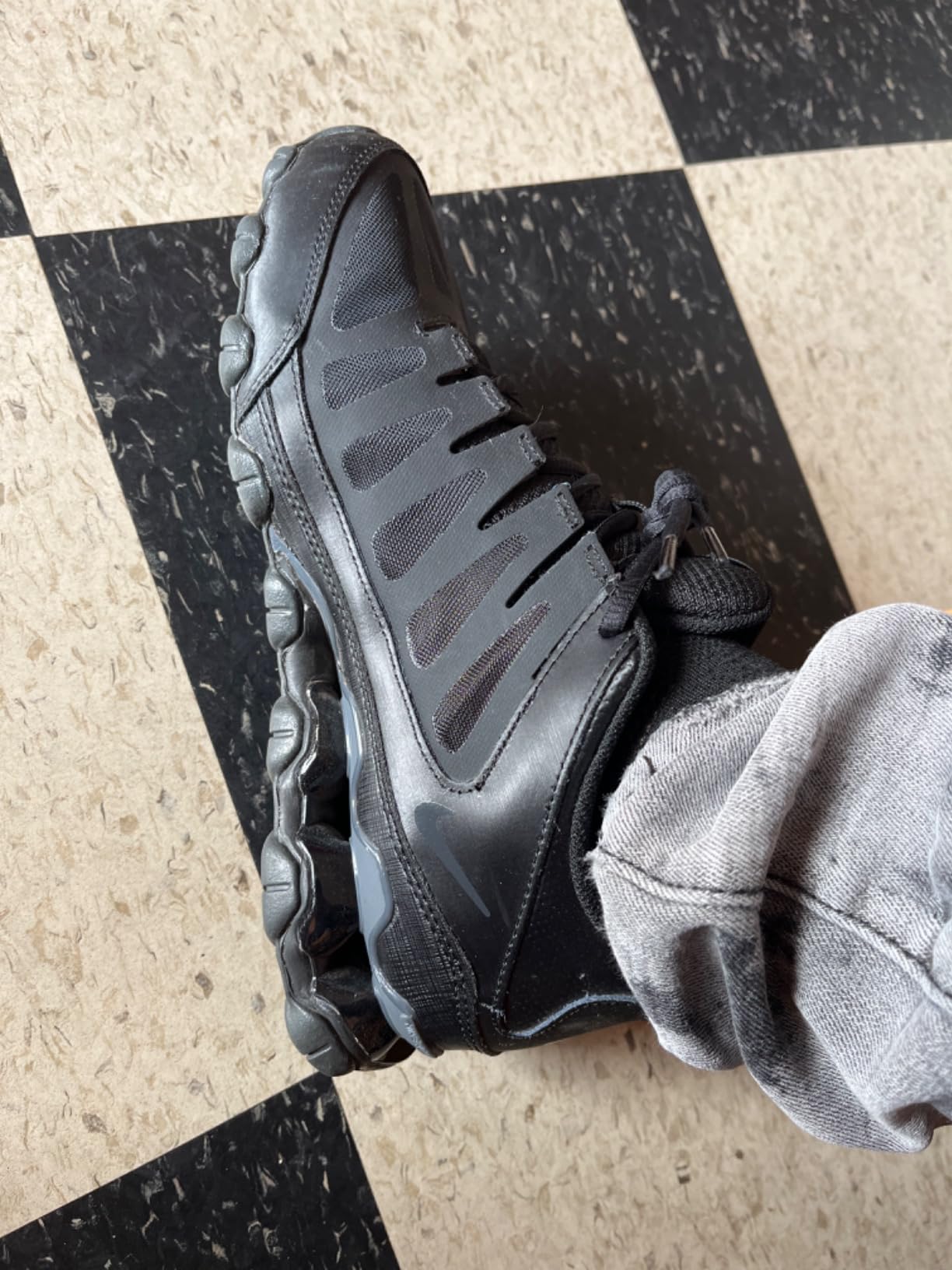
Eight weeks ago I walked into my gym wearing a shoe that earned three unsolicited compliments before I’d finished my warm-up sets. Same gym, three weeks later, those same guys were giving me side-eye every time the heel squeaked across the rubber mat. That’s the Nike Reax 8 TR Mesh experience in a sentence — a legitimately impressive lifting shoe wrapped inside a design flaw that no one at Nike bothered to warn you about. I’m Mike, I burned through four pairs of training shoes in six months looking for something that wouldn’t fail me under a loaded barbell, and here’s what 45 gym sessions across 8 weeks actually taught me about this shoe.
Why This Shoe Deserves a More Honest Review
The Reax 8 TR has been around long enough that you’d expect every performance gap to be documented. It isn’t. Most reviews stop at “squeaks after a few weeks, good for lifting” without explaining why either thing happens. That matters, because whether you should buy this shoe depends entirely on understanding the mechanism behind each characteristic — and the gap between Nike’s marketing language and what the lab data actually shows is bigger than any review I found acknowledged.
What You’re Actually Buying: The Design Decoded
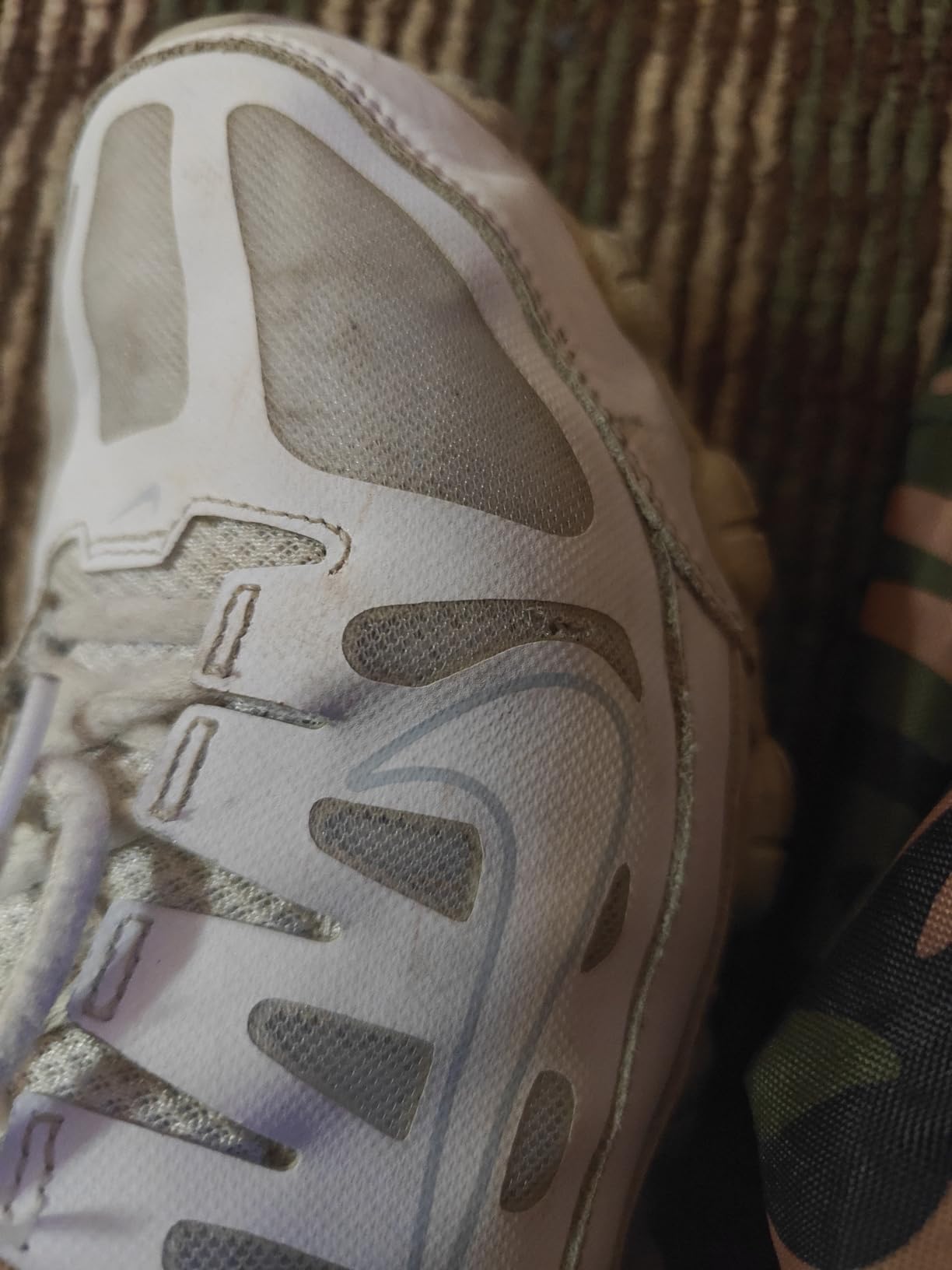
The Reax 8 TR belongs to a design lineage that predates most of today’s foam-cushioning technology. Six vertical TPU columns in the heel carry your weight over an EVA midsole, distributing impact downward rather than laterally. It’s the same logic as the Nike Shox from the early 2000s, and that heritage matters for understanding both the shoe’s strengths and its limitations.
Nike’s Claims vs. What RunRepeat’s Lab Found
| Nike Claims | Lab Reality | Verdict |
|---|---|---|
| “Lightweight containment” | 12.8oz — heaviest trainer in RunRepeat’s entire catalog (avg 10.7oz) | FALSE |
| “Flex grooves allow natural movement” | 5/5 torsional rigidity — maximum stiffness rating (avg 2.9/5); 13.4N vs. 10.3N avg | MISLEADING |
| “Responsive cushioning” | 55.8% energy return — average, not exceptional (avg 54.7%); forefoot 61.1% better | PARTIALLY TRUE |
| “Solid rubber pods for durable traction” | 0.34 friction (above avg 0.33) dry; significantly reduced grip on wet or polished surfaces | CONTEXT-DEPENDENT |
| Drop (not mentioned) | 12.6mm — nearly double the 6.3mm category average | UNDISCLOSED STRENGTH |
That 12.6mm drop is the number Nike never mentions and competitors consistently miss. For lifters, it’s the shoe’s actual superpower — the elevated heel creates a natural wedge that assists ankle dorsiflexion during squats, letting you hit depth more consistently without the forward lean. That’s a genuine performance benefit hiding behind bad marketing.
Fit Profile: Narrow but Predictable
RunRepeat’s gel mold measured the interior width at 94.8mm (vs. 96.6mm average) and the toe box at 70.1mm (vs. 73.5mm average). Those numbers mean something concrete: standard-width feet fit true to size with a snug midfoot. Wide feet will feel compressed at the toe box, and sizing up 0.5–1 helps. In my 10.5 across 45 sessions, no hot spots, no heel slipping — the sizing was reliable throughout.
What makes the midfoot feel so locked in is the tongue: RunRepeat measured 15.2mm of padding (the category average is 5.7mm). That’s almost triple the standard, and it’s what you’re feeling when the shoe wraps around your midfoot during heavy sets. Combine that with the fully gusseted tongue and the dynamic lace-webbing system, and you have a genuinely secure fit — one that doesn’t budge during lateral work.
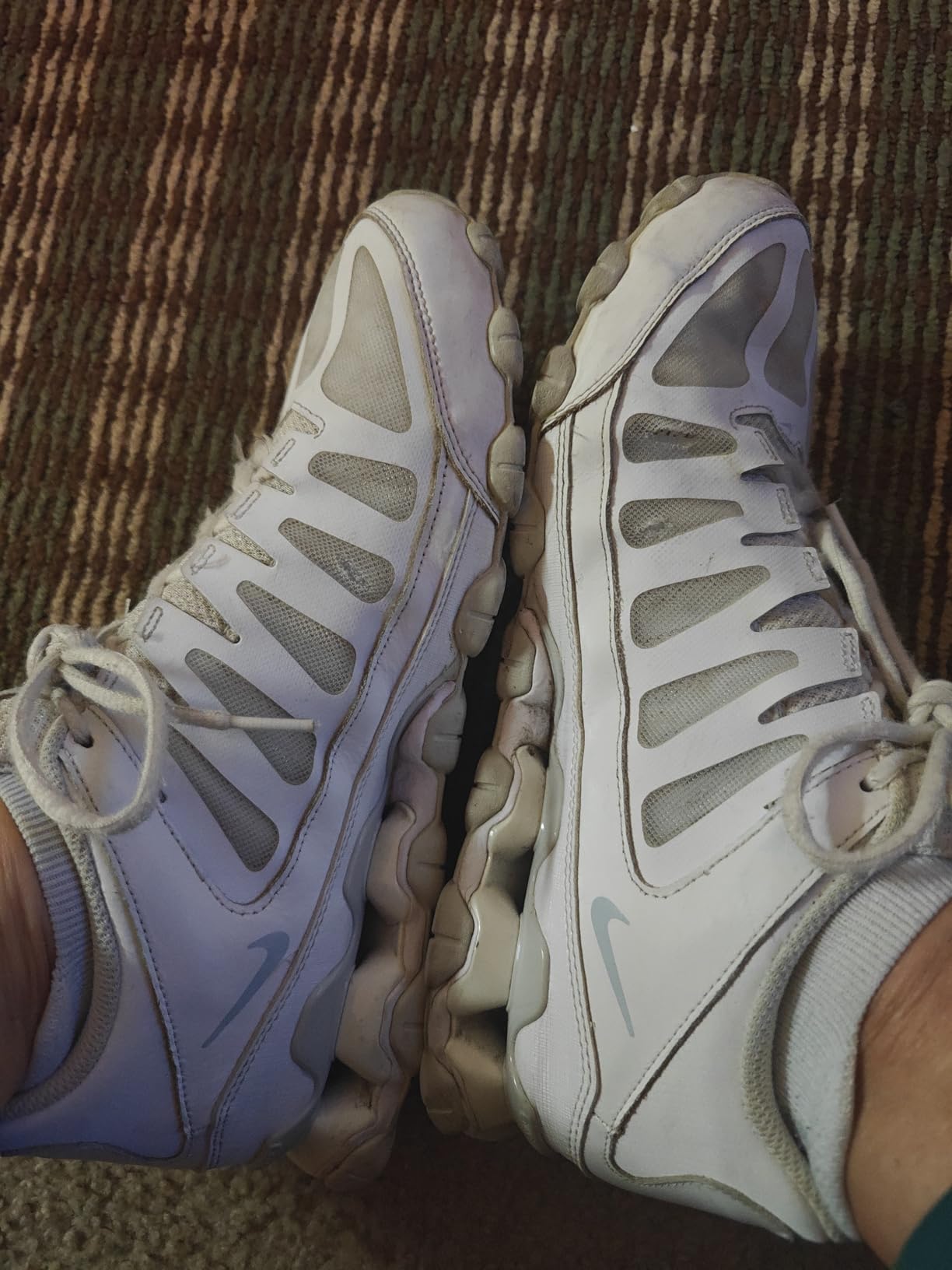
Testing Phase 1 — Weeks 1 Through 3: Early Evidence
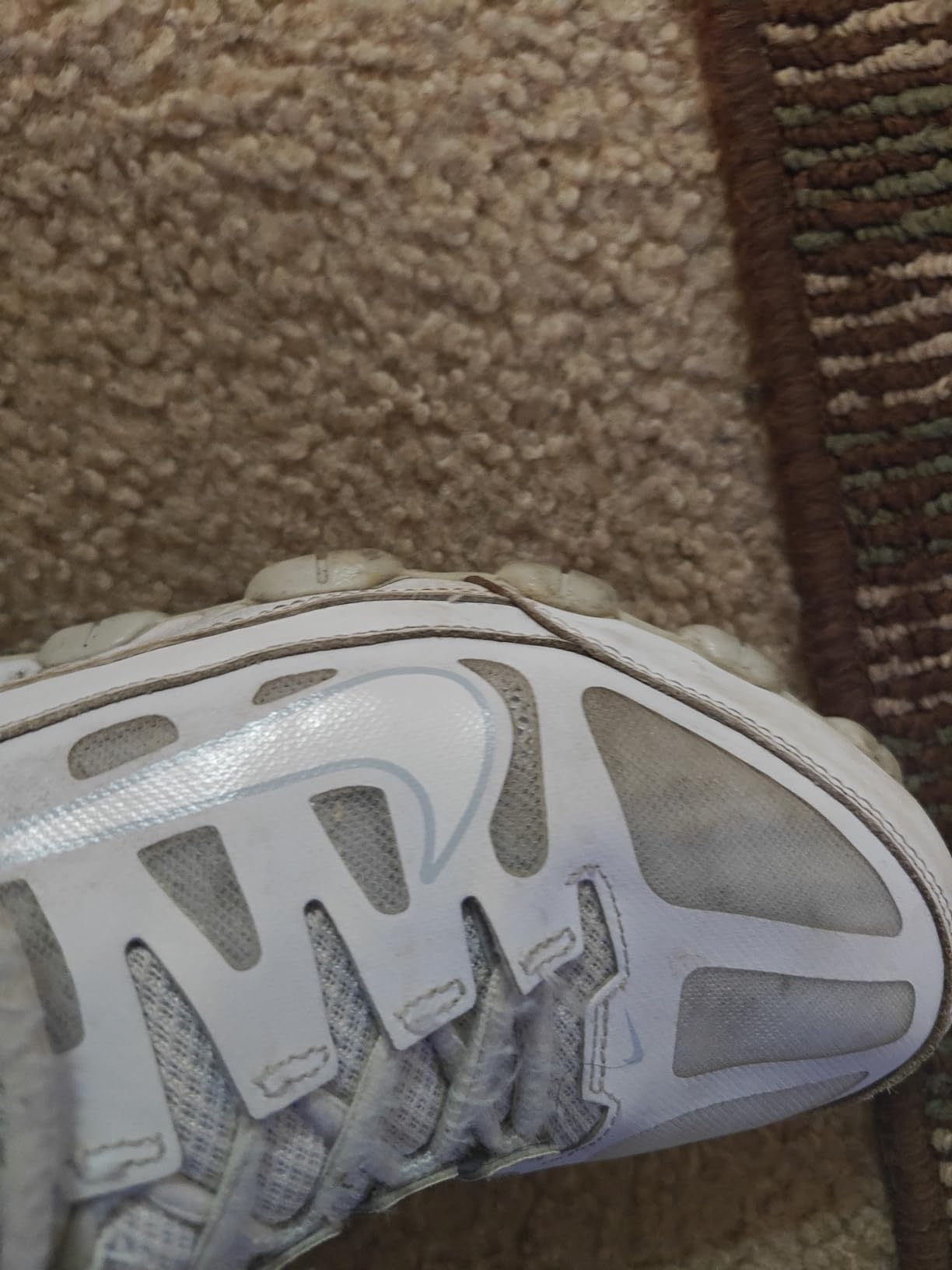
My first session was a squat-focused day — five working sets at 315 lbs, followed by Romanian deadlifts and leg press. The shoe’s rigidity was immediately noticeable in a way that felt intentional rather than limiting. Previous training shoes I’d used had some lateral give under load; this one had none. The foot stayed flat, the heel stayed down, and I didn’t feel the subtle inward roll I’d been compensating for.
By the second week, I was testing across more activity types — HIIT circuits with box jumps and lateral shuffles, treadmill intervals at an easy 9:30/mile pace, and cable station work. Weight training remained the standout: 8.5/10 for the first three weeks. The 5/5 torsional rigidity that sounds like a limitation on paper translates to genuine stability under load. When you’re bracing against a barbell, you don’t want the shoe absorbing energy that should be going into the floor.
Cardio was a different story from the start. The 12.8oz weight — nearly 2oz above the category average — doesn’t register during stationary lifting but becomes apparent around the 15-minute mark on a treadmill. Not painful, just present. Every step felt slightly heavier than it should. HIIT scored around 6.5/10: lateral support was solid, but the weight taxed quick-feet agility movements.
Three gym-goers asked about the shoes during those first two weeks. Not because of limited-edition colorways — because two of them mentioned they’d noticed my squat depth looked better. That’s the 12.6mm drop doing its job quietly.
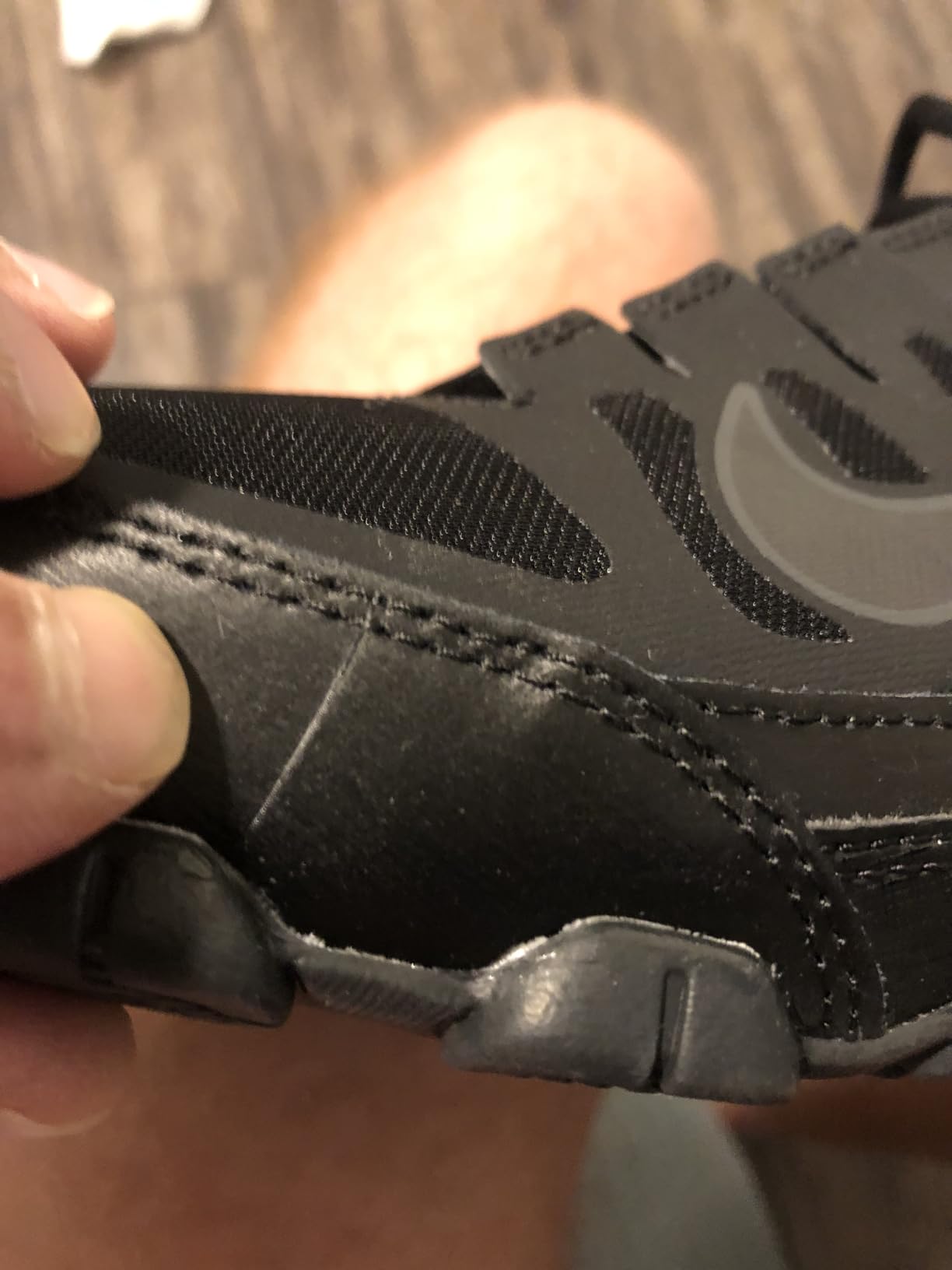
The Squeak Problem: Physics First, Fixes Second
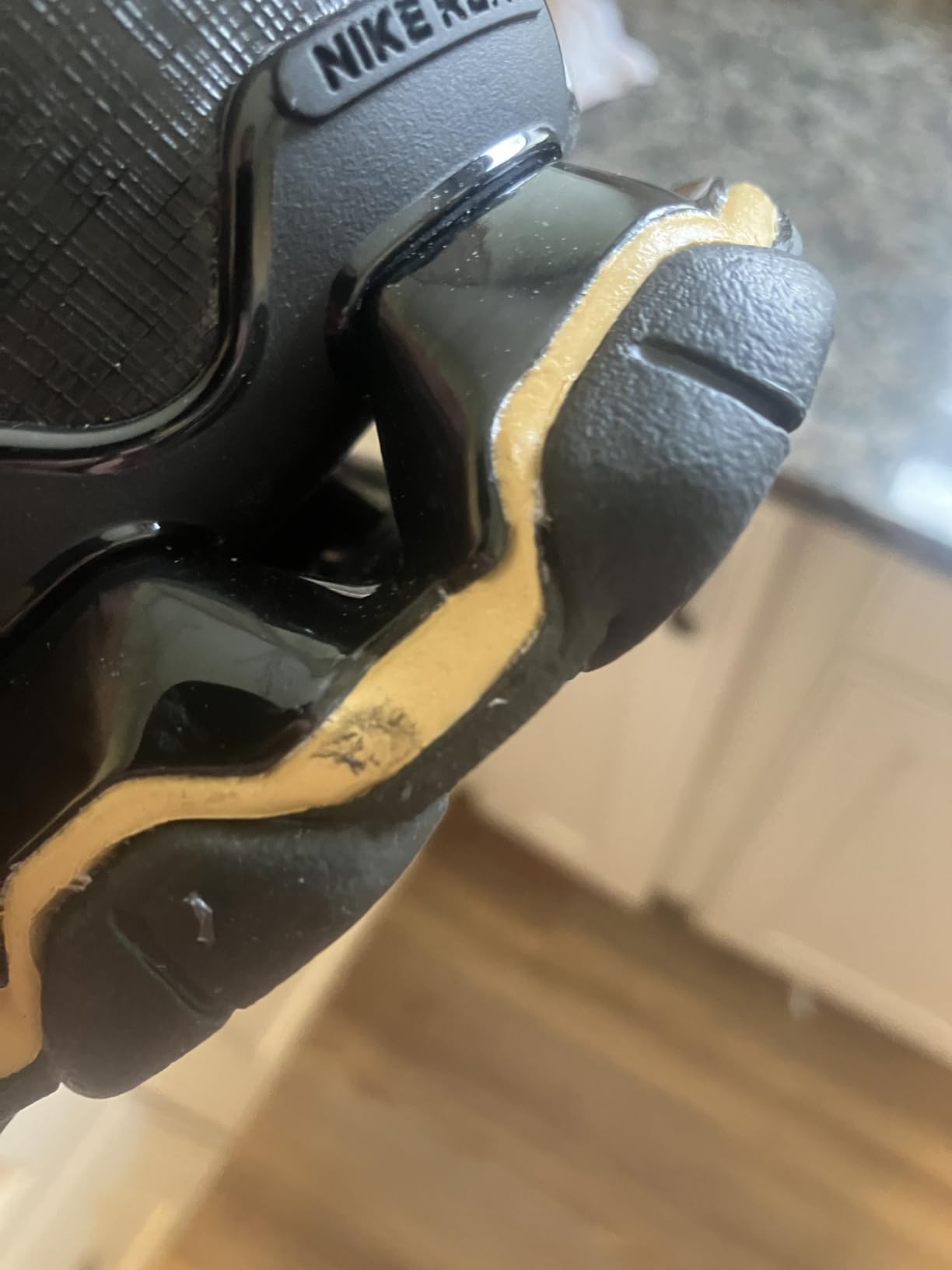
Session 22. Week 3. I was walking between the squat rack and the cable station when I heard it — a high-pitched, rhythmic squeak from my left heel with every step. I initially thought it was someone’s new sneakers squeaking across the rubber mat. It was mine.
What’s Actually Happening
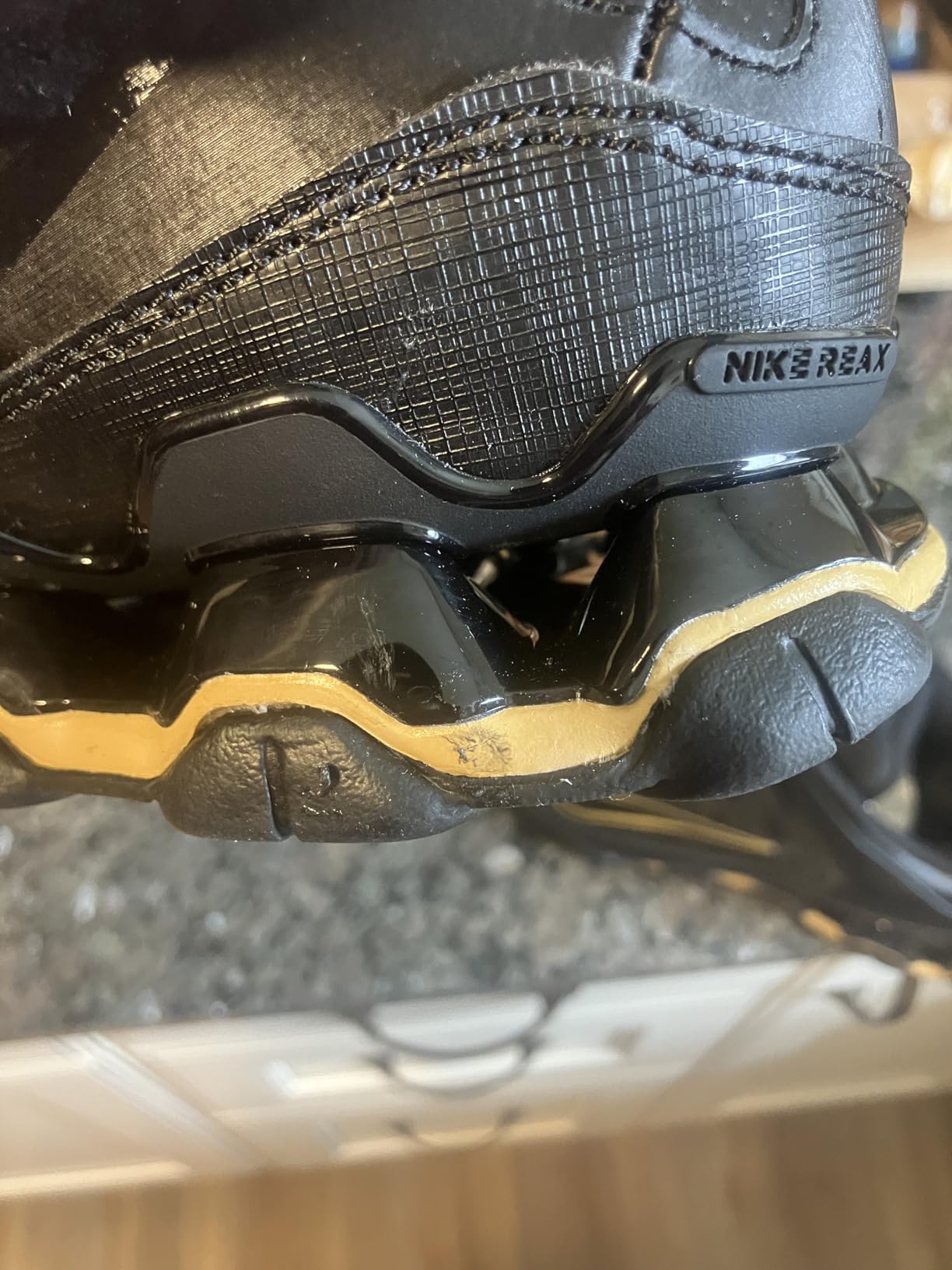
The squeak isn’t a defect. It’s a predictable consequence of the Reax design. Here’s the mechanism: the TPU plastic columns sit in contact with the EVA foam midsole. Each step creates micro-movement at that interface. In dry conditions, the materials grip each other and stay quiet. Add moisture — gym humidity, foot sweat, a single rain puddle — and the interface loses that grip. The plastic slides against the foam, and the acoustic result is what you hear across the gym floor.
RunRepeat confirmed this in their lab findings. Soleracks documented it in their review and noted the plastic-on-foam cause. Multiple Spanish-language reviewers reported the same week-3 onset independently. This isn’t a batch defect or an unlucky pair — it’s what happens when you combine plastic columns, EVA foam, and a humid gym environment. Nike’s Shox had a similar reputation for the same physical reason.
The Fixes and Their Honest Limits
WD-40 approach: Spray directly into the heel column cavity. This lubricates the friction interface and silences the squeak for roughly 1–2 sessions. The problem is sweat dilutes the lubricant quickly, and you’re back to squeaking within 2–3 days of regular use. It works in a pinch but isn’t a system.
Baby powder method: Remove the insole, dust baby powder into the heel column space, shake out the excess. The dry powder fills the friction points in a way that doesn’t wash out as quickly as WD-40. Based on JefferysHome’s testing and my own experience, this extends quiet periods to roughly 3–4 sessions per application. Not permanent, but manageable for lifters who have a maintenance routine.
Neither solution addresses the root cause. Both require ongoing maintenance. For heavy lifters who already clean gear between sessions, this is a minor inconvenience. For anyone who wants to wear these shoes anywhere other than the gym — an office, a casual walk, a quiet yoga studio — the squeak will become intolerable.
Durability Implications
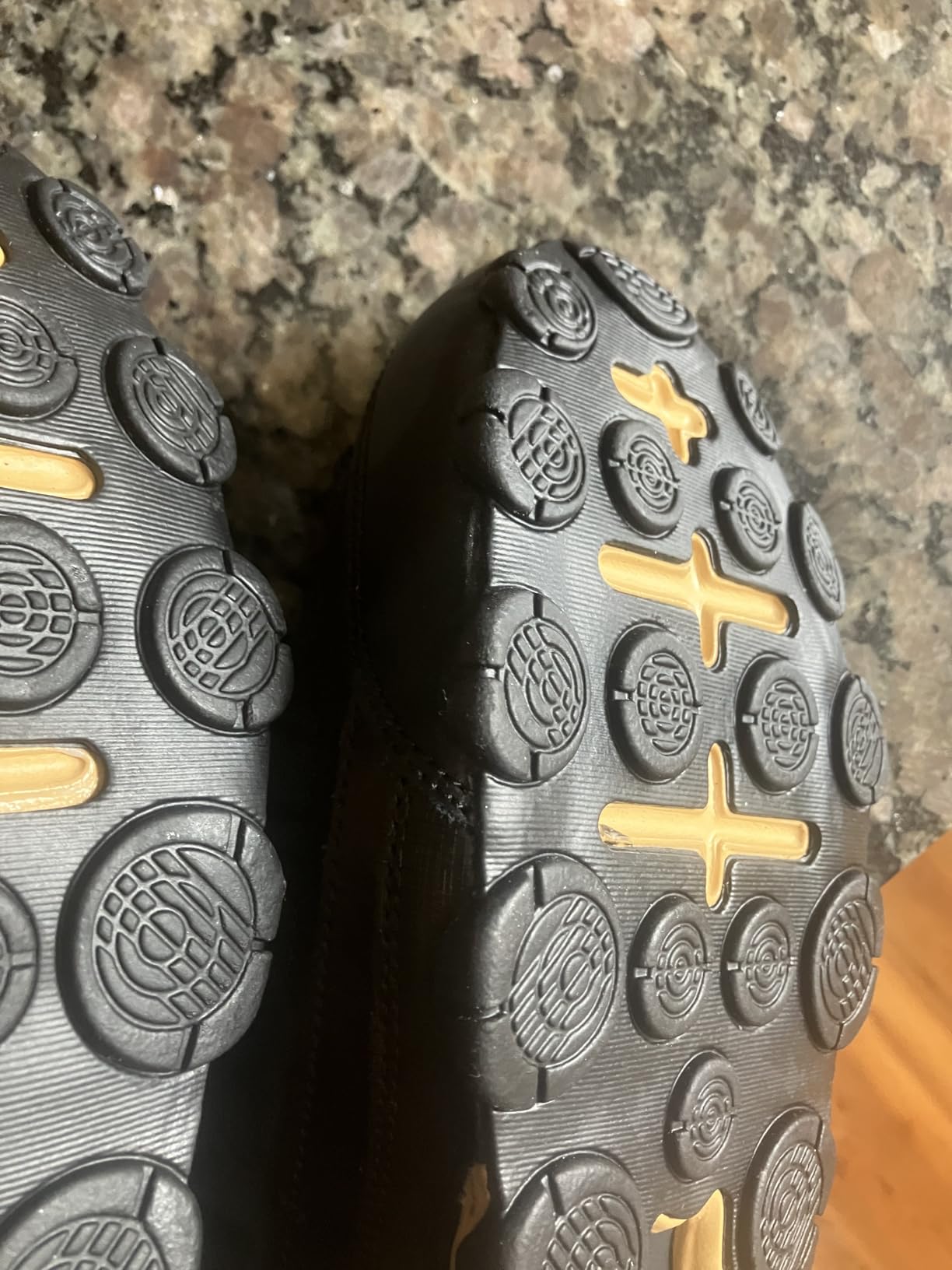
The squeak signals ongoing friction between materials. RunRepeat flagged potential heel outsole delamination based on user reports, though my pair showed no separation at the 8-week mark. By week 6, the plastic columns had visible surface stress marks — not structural failure, but early wear evidence. Heavy daily users (4–5 sessions/week) may see a 10–12 week durability ceiling rather than the 6-month estimate for moderate use.
Testing Phase 2 — Weeks 4 Through 8: The Reality Emerges
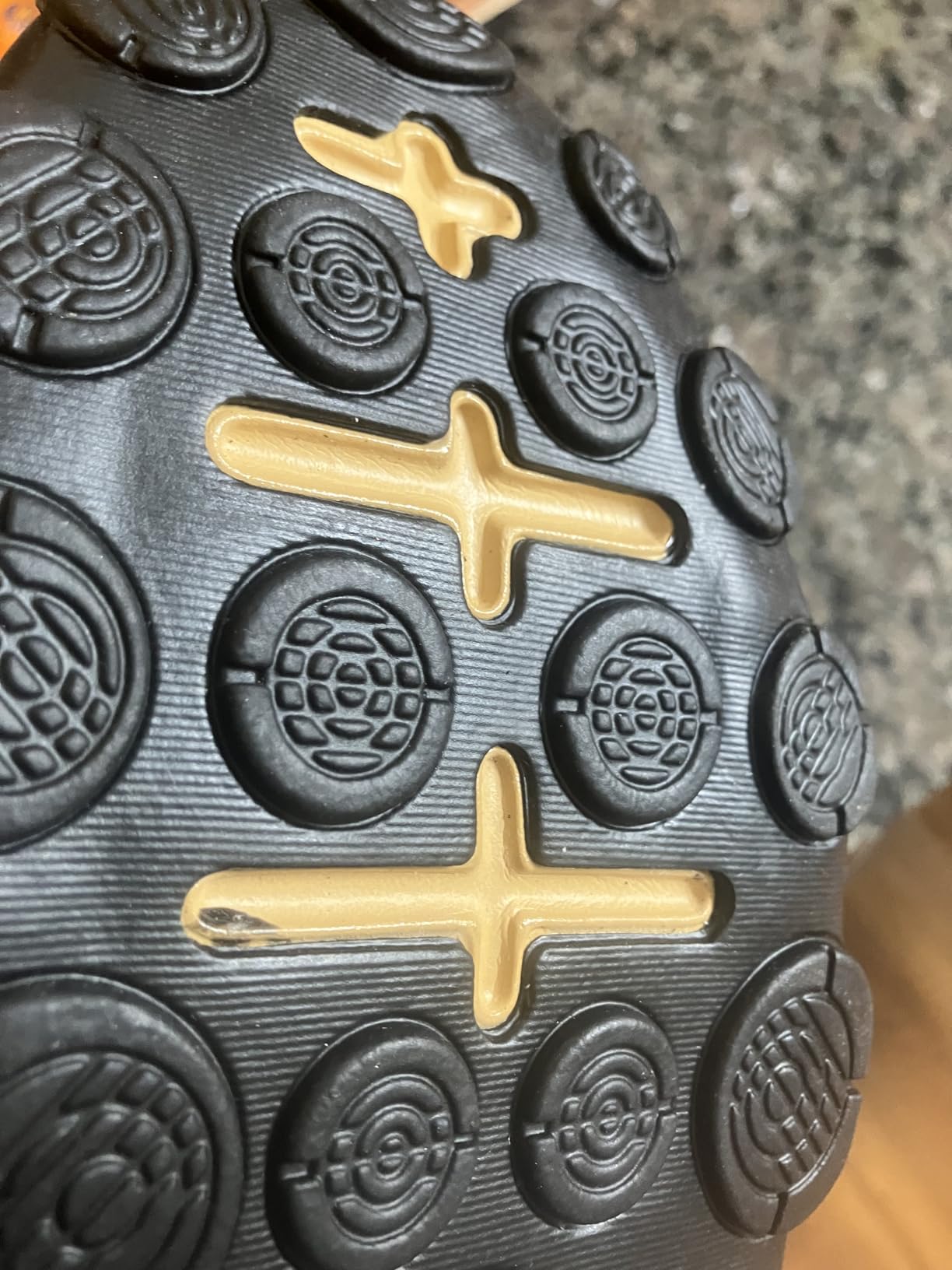
With baby powder applied, weight training sessions in weeks 4–8 scored 8.3/10. The stability was unchanged — the squeak doesn’t affect how the shoe performs mechanically, just how conspicuous you feel walking between equipment. Without the powder, once the squeak returned (usually by session two or three after application), that same session scored 7.5/10 for me personally, not because the shoe was worse but because the acoustic distraction genuinely broke focus during heavier sets.
HIIT dropped to 6/10. Dynamic movements accelerate the squeak because more foot motion means more column-on-foam friction. During a circuit of box jumps and lateral shuffles, silence lasted roughly 20–30 minutes before the squeak returned noticeably. The lateral support remained solid throughout — the rigidity that limits running helps during agility work. But the noise made longer HIIT blocks feel self-conscious in a way that affected effort.
Cardio was the starkest finding: 4.5/10. The combination of 12.8oz weight and persistent squeaking during sustained foot strikes creates a genuinely poor running experience. At 30 minutes on the treadmill, my feet were fatigued faster than with my lighter shoes, and the squeaking — louder with each consecutive step in a humid environment — shifted from annoying to genuinely distracting. If you’re a runner or use significant cardio in your training, look elsewhere.
The Numbers: Cost, Durability, and Athlete Scoring
Cost-Per-Wear Reality
At $90 average street price and 45 sessions in 8 weeks, the per-session cost across my test was $2.00. The honest lifespan math depends on frequency:
- Casual lifter (2x/week): 6–9 months = $0.33–0.52/session
- Regular lifter (4x/week): 3–5 months = $0.60–1.00/session
- Daily heavy user (5+ sessions/week): 10–12 weeks = $1.50–1.88/session
For casual lifters, this is reasonable value. For daily heavy users, you’re approaching single-session cost territory within three months, which undermines the budget appeal.
Athlete Scoring Matrix
| Athlete Type | Score | Verdict |
|---|---|---|
| Heavy Lifter (squat/deadlift focused, 3–4x/week) | 8.2/10 | RECOMMENDED — Stability at sub-$100 is genuine value here |
| HIIT Athlete (dynamic, box, lateral, 3–5x/week) | 6.0/10 | NOT RECOMMENDED — Squeak escalates under dynamic load; weight adds up |
| Cardio/Runner (treadmill, intervals, 4–5x/week) | 4.5/10 | DO NOT BUY — Weight + squeak = poor experience; better options at $80–130 |
| Casual Gym-Goer (mixed, 1–2x/week) | 7.2/10 | CONDITIONAL — Fine if lifting is primary; budget for baby powder |
| Strength + Conditioning (barbell + conditioning, 5x/week) | 6.5/10 | CONDITIONAL — Excellent for barbell work; rotate to second shoe for conditioning days |
Maintenance Protocol: Extending the Lifespan
The Reax 8 TR rewards maintenance. Here’s what actually works:
Squeak management: Lift the insole and dust Sof Sole-style insoles or talc powder into the heel column cavity before sessions. Reapply every 3–4 gym visits. Baby powder is more effective than WD-40 because it doesn’t wash out with sweat. If you upgrade to a thicker aftermarket insole anyway (the stock insole measures just 3.4mm vs. 4.0mm average — noticeably thin), the additional contact reduces column friction slightly.
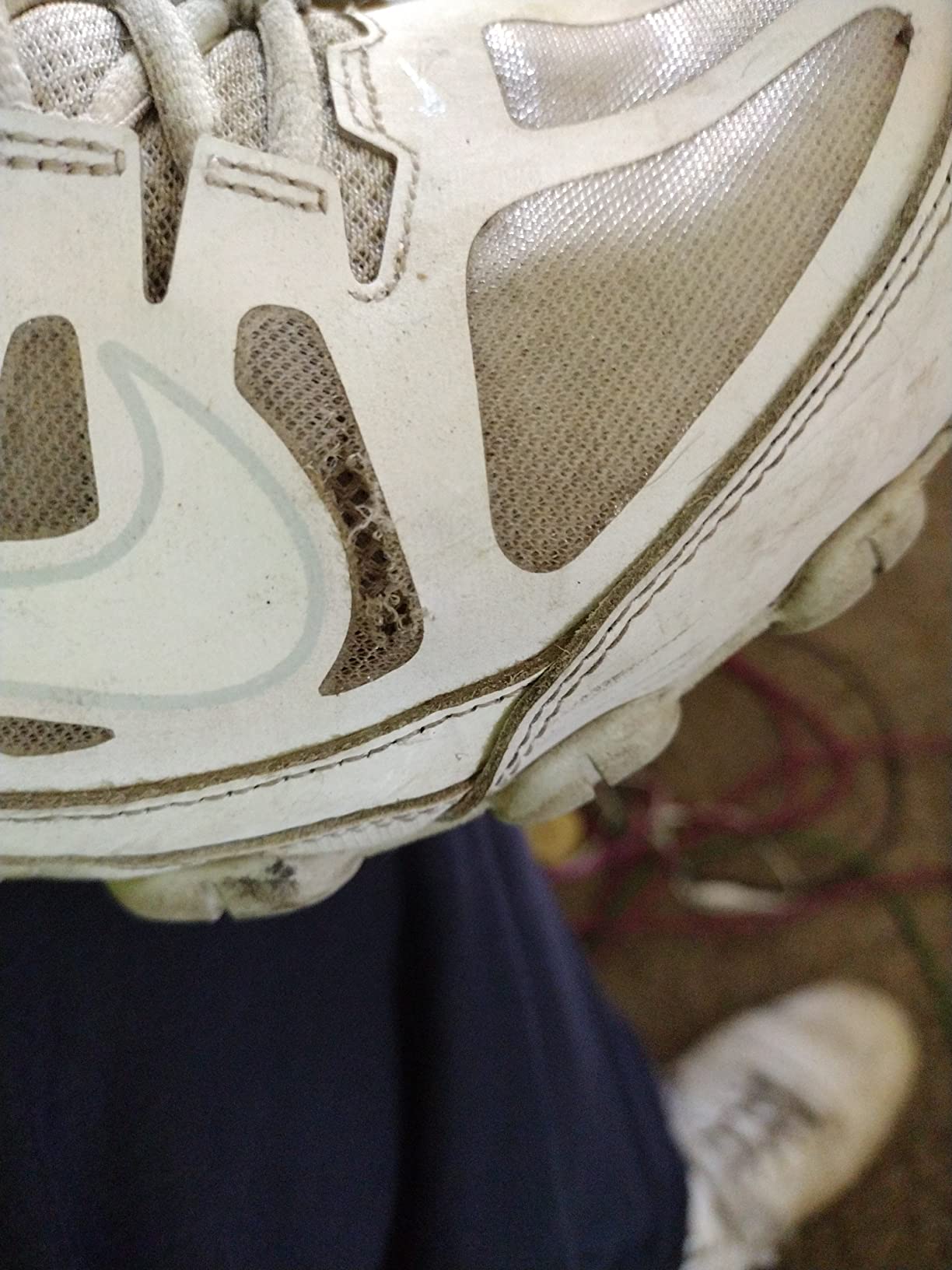
Moisture control: After every session, unlace fully and place the shoes in a ventilated area. The dense mesh construction (same construction that earns 4/5 toebox durability) traps heat and moisture efficiently. Skipping the airing-out step accelerates both squeak onset and odor buildup.
Shape preservation: Cedar shoe trees between sessions absorb residual moisture and maintain the toe box shape. The bulky toe box can crease if thrown into a gym bag regularly.
Cleaning: Spot clean with a damp cloth and mild soap. The synthetic leather responds well; machine washing risks damaging the midfoot lacing webbing.
Rotation strategy: If you’re training 4+ sessions per week, pair these with a lighter second shoe for cardio or HIIT days. The lifespan extends from roughly 3–4 months to 6–9 months with rotation, and the squeak management becomes easier when the shoe dries fully between uses.
Who Should Buy This Shoe (and Who Definitely Shouldn’t)
Buy these if:
- Your primary gym activity is heavy compound lifting — squats, deadlifts, overhead press, barbell rows
- You want sub-$100 stability that competes with dedicated deadlift-specific trainers
- You’re willing to manage the squeak with baby powder (it’s 10 minutes of effort every two weeks)
- Standard or medium width feet — TTS works reliably here
- You train in a noisy gym where acoustic friction isn’t embarrassing
Look elsewhere if:
- Your training involves significant cardio or running — the weight and squeak combine to make this actively unpleasant. The Nike Metcon 9 or Reebok Nano X3 handle mixed training without the acoustic liability
- Wide feet — the 70.1mm toe box is genuinely narrow; sizing up 0.5–1 only partially addresses this
- You need shoes that work in quiet environments outside the gym
- You want maximum value — the PUMA Tazon 6 FM offers a similar retro aesthetic with EVA cushioning that doesn’t squeak, at a comparable price
- You prefer lightweight cross-training — the Adidas Amplimove Training or Nike Air Max Alpha Trainer 5 are significantly lighter options with better breathability
Frequently Asked Questions
Is the Nike Reax 8 TR true to size?
Yes — reliably so for standard width. RunRepeat’s 166-vote consensus and my personal 8-week test both confirm TTS. The caveat is the narrow toe box (70.1mm vs. 73.5mm average), which creates a snug feel for anyone with wider forefoot. If you typically buy wide width or have noticed toe crowding in medium Nike fits, size up 0.5.
How bad is the squeak, really?
Week 1–2: none. Week 3 onward: audible during most floor walking in gym environments. In my experience, it’s noticeable but not physically uncomfortable — a social and focus issue rather than a performance one. Baby powder delays it by 3–4 sessions per application. For lifters who spend most of their session standing at a rack, this is tolerable. For anyone walking around extensively, it becomes difficult to ignore.
Can the squeaking be permanently fixed?
No. The root cause — plastic TPU columns contacting EVA foam with moisture present — is a design property, not a defect. Baby powder extends quiet periods and WD-40 provides temporary relief, but neither eliminates the mechanism. If squeak is a dealbreaker, this isn’t the shoe. Consider the Under Armour HOVR Rise 4 or Nike Air Max Alpha Trainer 5, which use foam-based cushioning systems without the acoustic friction issue.
How long will these last?
Depends almost entirely on activity intensity and frequency. The leather and mesh upper is genuinely durable — RunRepeat’s Dremel test rated toebox durability at 4/5 (nearly double the 2.7/5 average). My pair showed zero upper wear at 8 weeks. The failure risk is the outsole, where heel delamination has been reported in heavy-use cases, and the plastic columns, which showed surface stress at week 6 under daily heavy lifting. Casual lifters (2x/week): 6–9 months realistic. Heavy daily use: 10–14 weeks.
Are these good for running or HIIT?
Running: no. The 12.8oz weight (category’s heaviest) and maximum torsional rigidity (5/5) make these actively uncomfortable for sustained running. The running shoes category offers better options for anyone doing treadmill work. HIIT: marginal — the lateral stability is genuinely useful, but the weight adds up during agility-heavy circuits and the squeak worsens with dynamic movement.
What’s the best alternative at the same price?
For heavy lifters: the Nike Air Monarch IV and K-Swiss Tubes 200 are both sub-$100 options with firm cushioning and no squeak issue. For mixed training: the Nike Metcon 9 costs more (~$130–150) but handles the full spectrum without acoustic compromise.
Does the retro design affect performance?
Aesthetically, the Shox-era columnar heel draws attention — mostly positive in my experience. Functionally, the retro design language is the performance: the columns create the 12.6mm drop and 5/5 stiffness that define the shoe’s lifting character. You can’t separate the look from the function here; the design IS the performance profile.
Should I upgrade the insole?
Worth considering. The stock insole is thin at 3.4mm (vs. 4.0mm average). A Sof Sole Athlete or similar aftermarket option adds arch support and cushioning while also adding slight interference to the column cavity, which can marginally reduce squeak. The $25–35 cost extends the comfort window from roughly 4–5 hours to 6–7 hours per session.
Final Verdict
The Nike Reax 8 TR Mesh is the most specialized sub-$100 training shoe I’ve tested, in both directions. For heavy lifters, the 12.6mm drop, maximum torsional rigidity, and above-average shock absorption at 85 SA create a stability platform that rivals purpose-built lifting shoes at significantly higher prices. That’s real value if your training is barbell-centric.
But Nike markets it as a general training shoe, and it isn’t. At 12.8oz — the heaviest trainer in RunRepeat’s catalog — and with a squeak that develops predictably at week 3, the shoe fails cardio athletes and runners in ways that aren’t minor inconveniences. They’re fundamental mismatches between what the shoe is designed to do and what Nike implies it can do.
Scoring Summary
| Category | Score | Notes |
|---|---|---|
| Lifting Stability | 8.5 | Best attribute; 5/5 torsional rigidity + 12.6mm drop |
| Initial Comfort (weeks 1–2) | 8.0 | Pre-squeak; genuinely supportive |
| Long-term Comfort (week 3+) | 5.5 | Squeak managed but not eliminated |
| Cardio / Running Performance | 4.5 | Heavy, loud, discourages sustained cardio effort |
| Upper Durability | 8.0 | 4/5 toebox rating; near-zero visible wear at 8 weeks |
| Value (Heavy Lifter) | 8.2 | $0.33–0.52/session casual; exceptional stability at price point |
| Value (General User) | 5.0 | Better alternatives exist for mixed-use |
| OVERALL (for target athlete) | 8.2/10 | Heavy lifters only — not for general gym use |
If you go to the gym primarily to move weight — squats, deadlifts, heavy presses — this shoe earns a genuine recommendation at its price point. The stability is real, the drop advantage is real, and the squeak is manageable with a consistent maintenance routine. Go in knowing what you’re buying, and it delivers.
If your training involves anything beyond lifting — treadmill work, conditioning circuits, running to and from the gym — save the $90 and look at options better suited to the full spectrum. The Reax 8 TR is excellent at one thing and genuinely poor at others. How much that matters depends entirely on what you’re training for.
Be the first to review “Nike Men’s Reax 8 TR Mesh Training/Workout Shoes”
Related products
Training Shoes
Training Shoes
Running Shoes

Training Shoes
Tennis/Squash Shoes
Reviews
There are no reviews yet.