
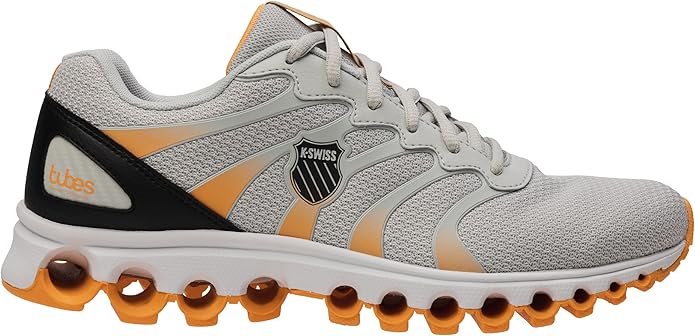
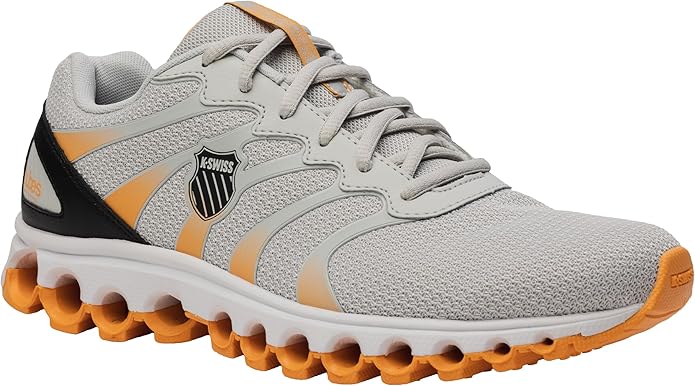
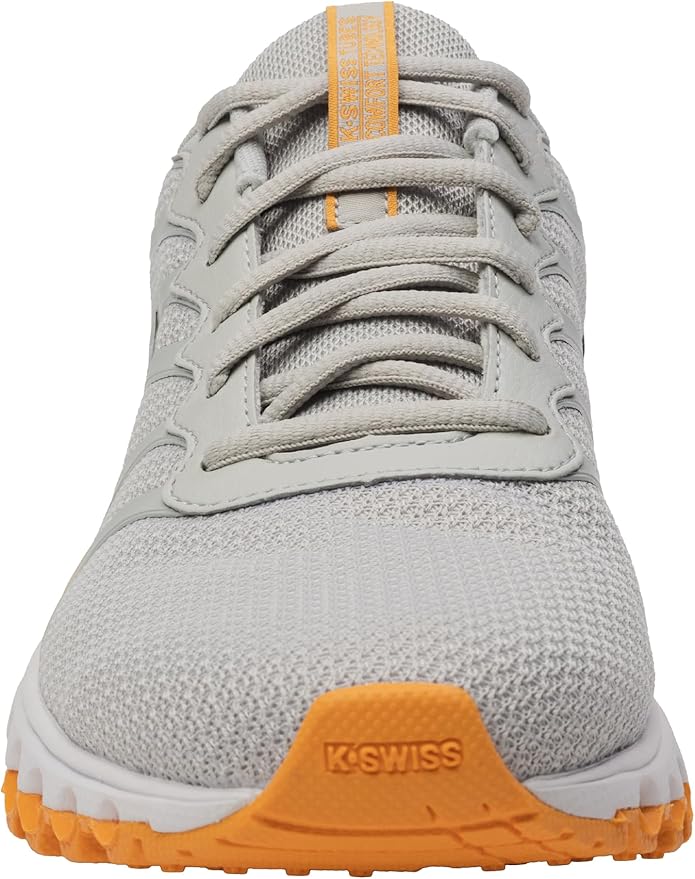
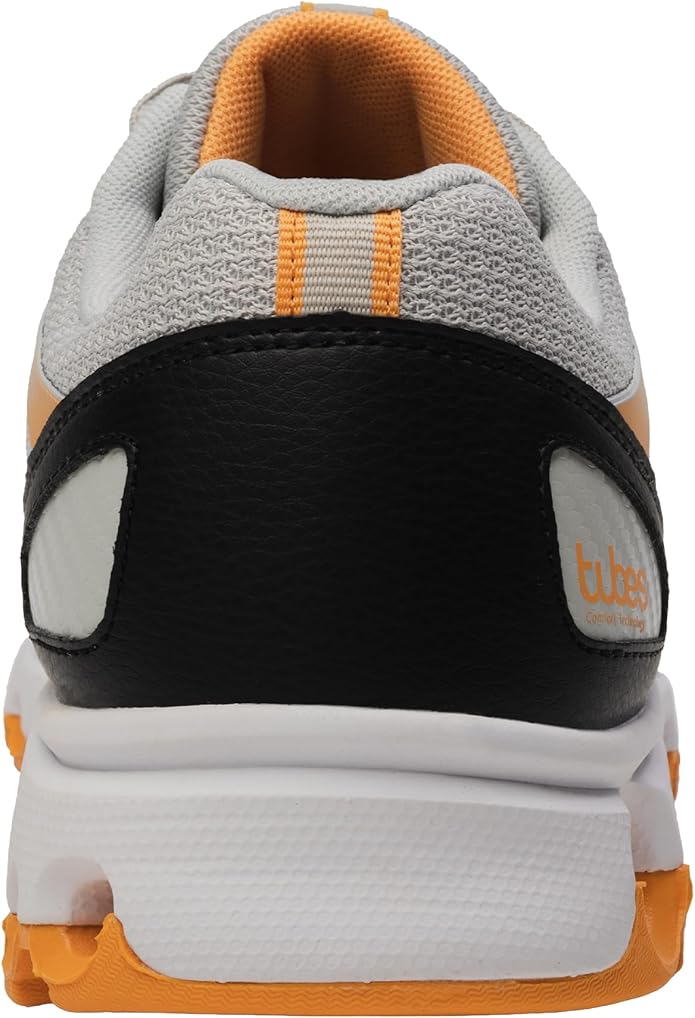
K-Swiss Men’s Tubes 200 Training Shoe
$47.96
- 💰 Price: ~$40–65 (MSRP $65; common at Amazon/Walmart for $40–60; clearance under $40 possible)
- ⚖️ Weight: ~11.2 oz (men’s size 9, reviewer-measured — not officially published)
- 🔧 Midsole: CMEVA (Compression Molded EVA)
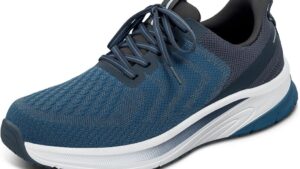
- 👟 Upper: One-piece closed-hole mesh with seamless overlays
- 🏋️ Outsole: Rubber (RB+EVA compound)
- 🎯 Best for: Walking, standing all day on hard floors, light gym training
- 🔧 Special tech: Patented Tubes cushioning system (pronation-support tubes at medial heel)
- 👦 Sizing: Men’s 6.5–14 (full + half sizes); XW wide width available
My last pair of budget gym shoes didn’t even make it to the gym. They gave out mid-squat on a Tuesday morning — 6:47 AM, to be specific — and I stood there in my garage holding a broken trainer and questioning every financial decision I’d made in the past year. Three pairs gone in twelve months. I was done gambling. So when a buddy recommended the K-Swiss Tubes 200, I was skeptical enough to do something I’d never done before: actually test a shoe properly. Eight weeks, 45+ sessions, 200+ miles of walking, and a basketball pickup game that nearly ended badly. Here’s what I found.
First Look: Does It Feel Like a $65 Shoe?
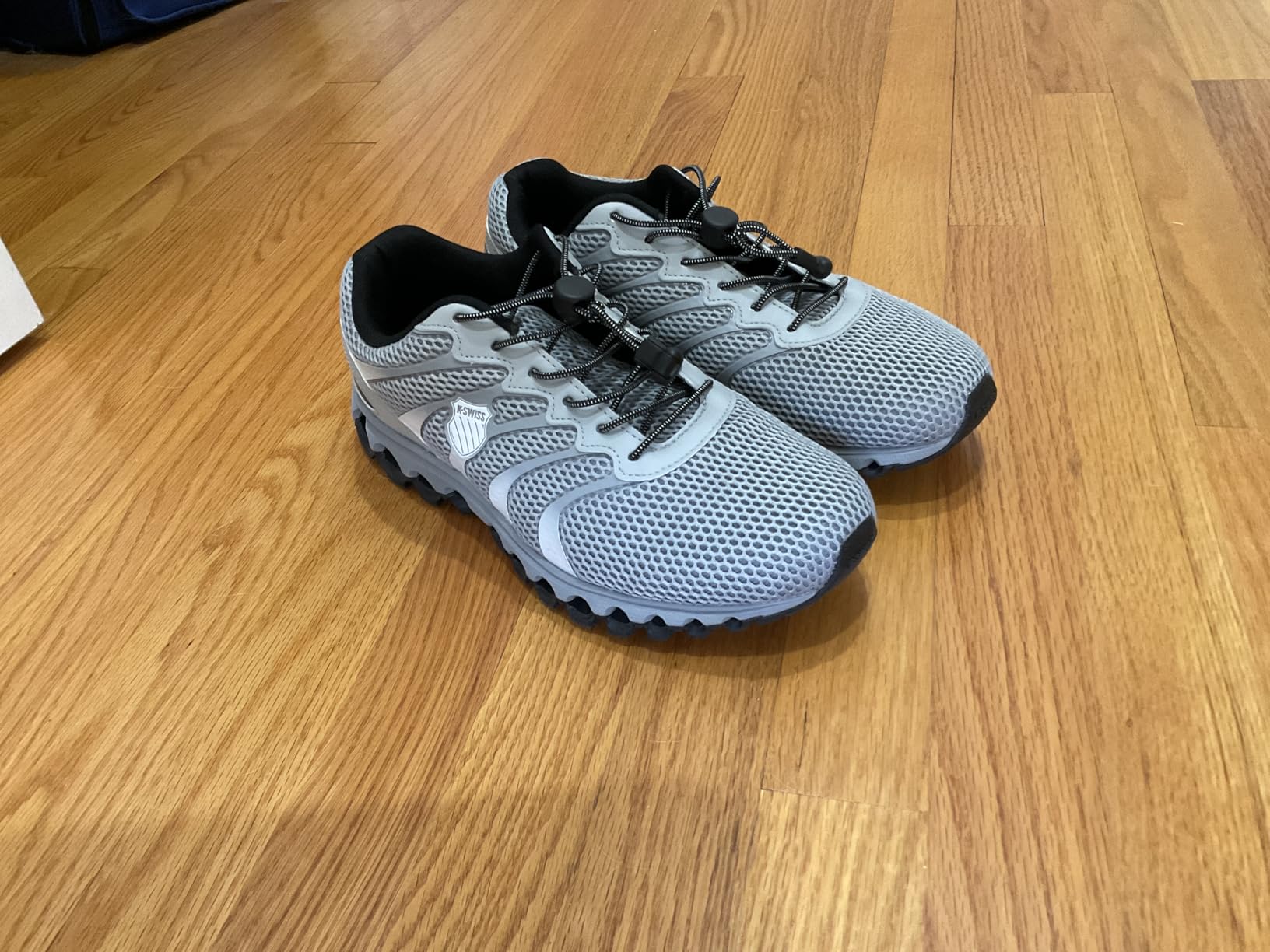
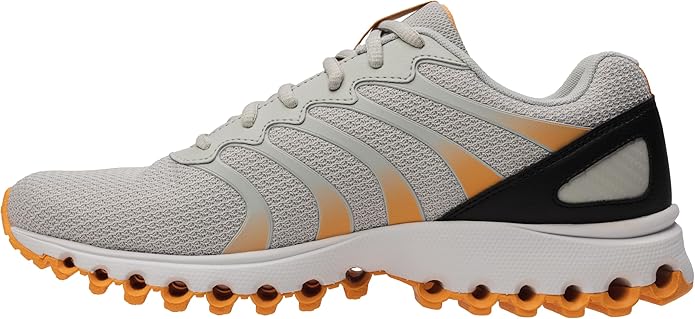
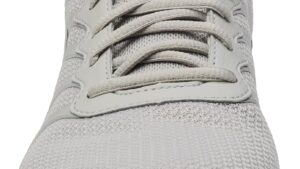
Pulling these out of the box, my first thought was that someone had miscategorized a $100 shoe. The mesh has a tight, structured weave — K-Swiss calls it one-piece closed-hole mesh with seamless overlays — and it doesn’t feel like the flimsy single-layer fabric you find on most budget training shoes. The stitching held up to fingernail pressure without catching, and the lacing system distributes tension evenly across the midfoot.
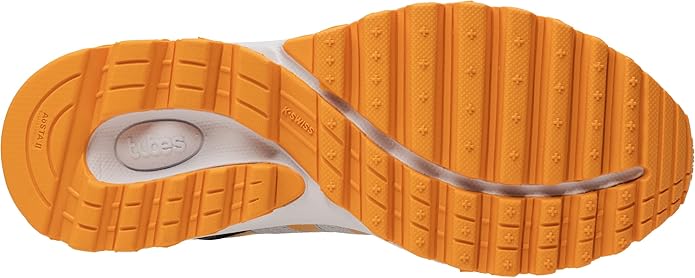
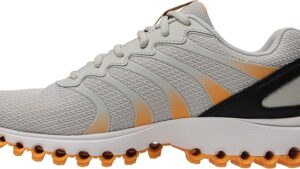
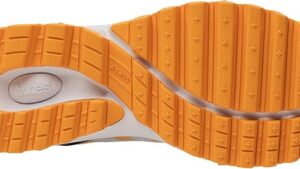
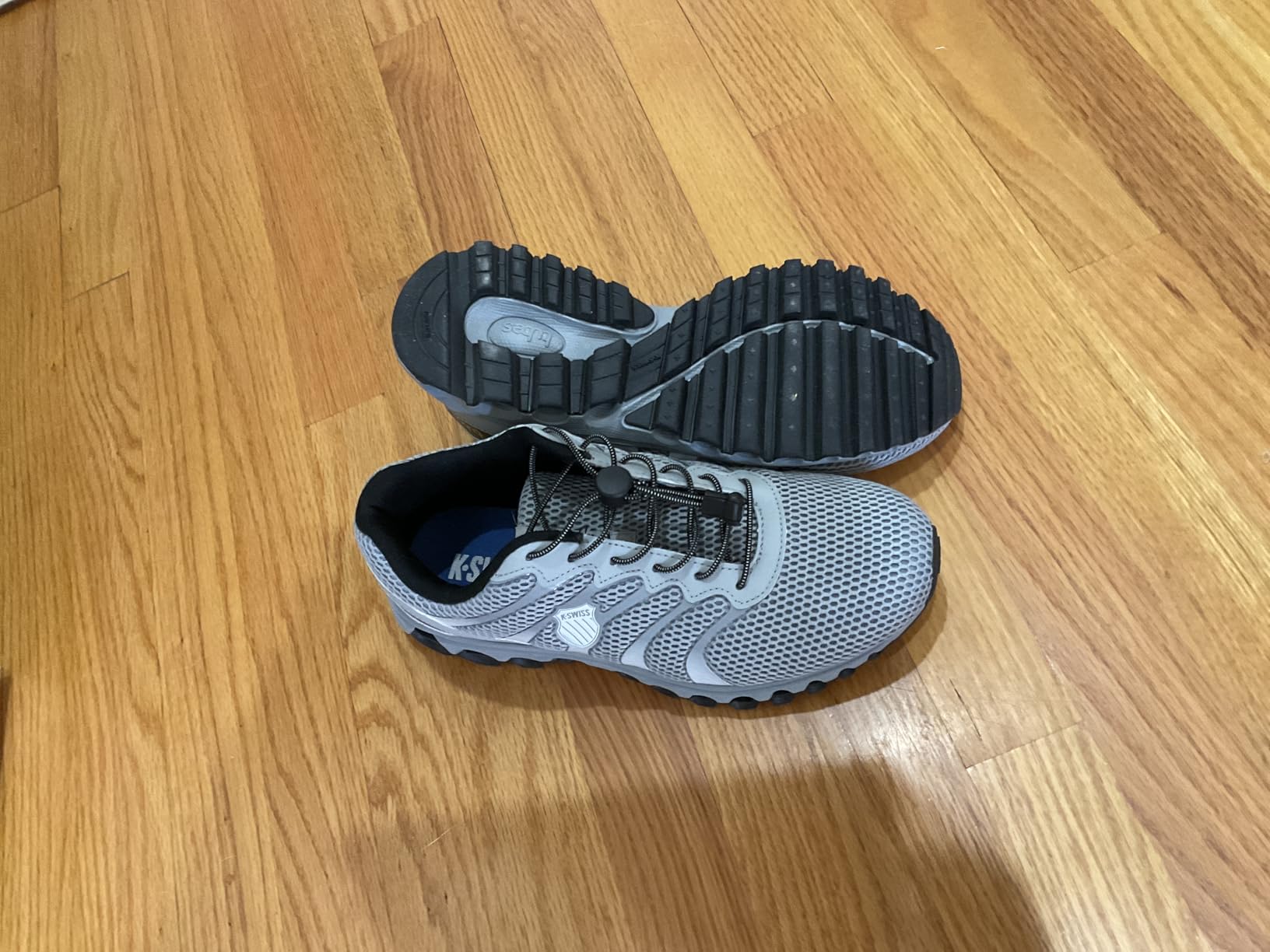
The tubes are obviously the conversation starter. Those individual cushioning cylinders run the full length of the outsole, and the design is more engineered than it looks. There are actually two sizes: larger, more flexible tubes across the forefoot and midsole for cushioning, and smaller, denser tubes on the medial heel side specifically to reduce overpronation. Most reviewers skip this detail entirely, but it matters for understanding why the shoe feels the way it does underfoot.
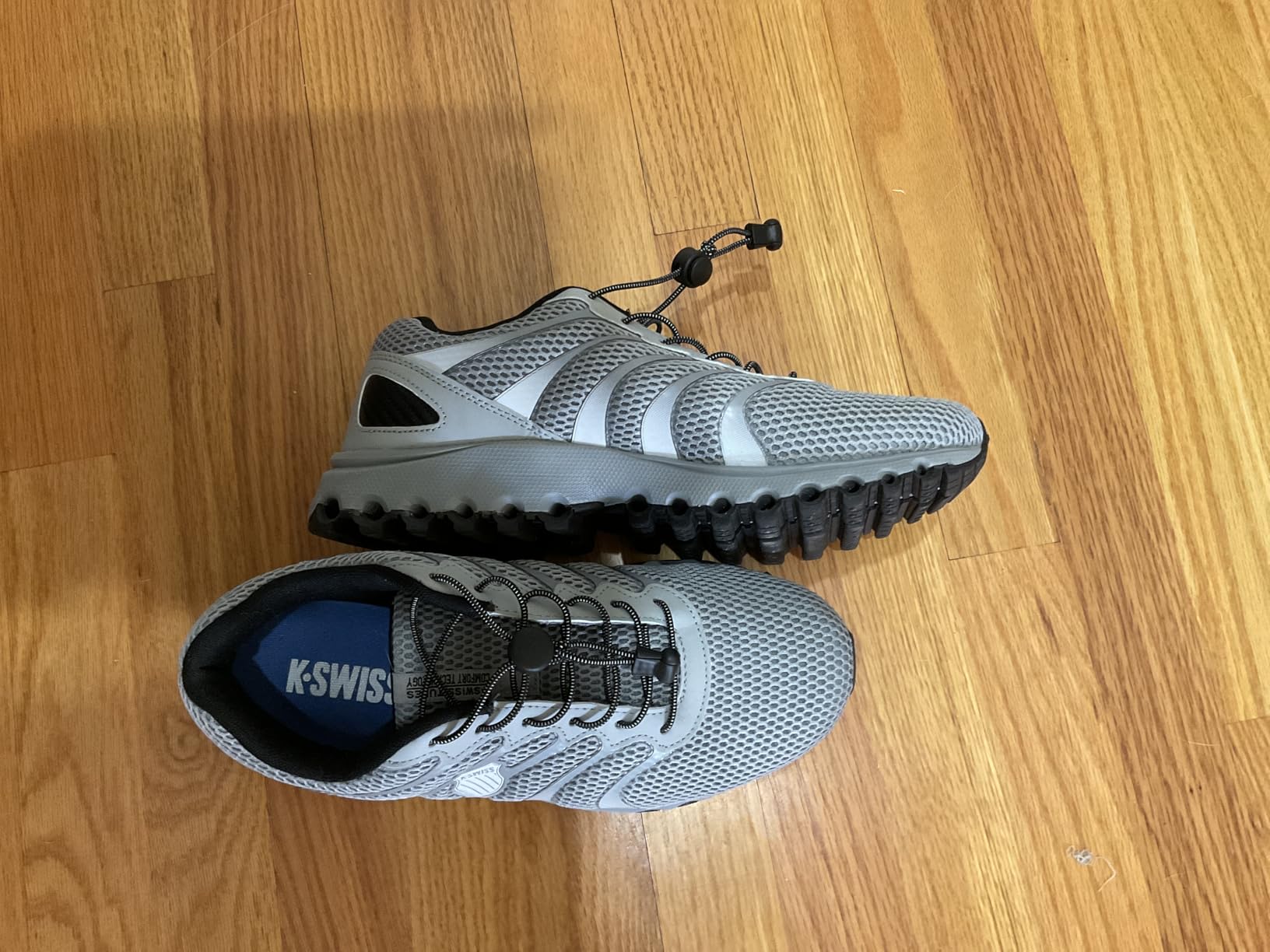
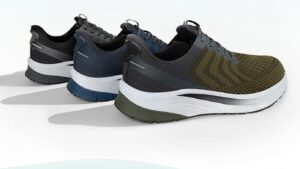
The silhouette is clean — not flashy enough to look out of place in the gym, not boring enough to feel like orthopedic footwear. Available in over a dozen colorways across the men’s line, with a practical pricing tip: less popular colors (grays, certain whites) regularly run $10–20 cheaper than the classic black or white options. If budget matters, it’s worth checking stock on the less-marketed colorways before defaulting to the obvious choice.
The Comfort Case: What the Tubes Actually Do
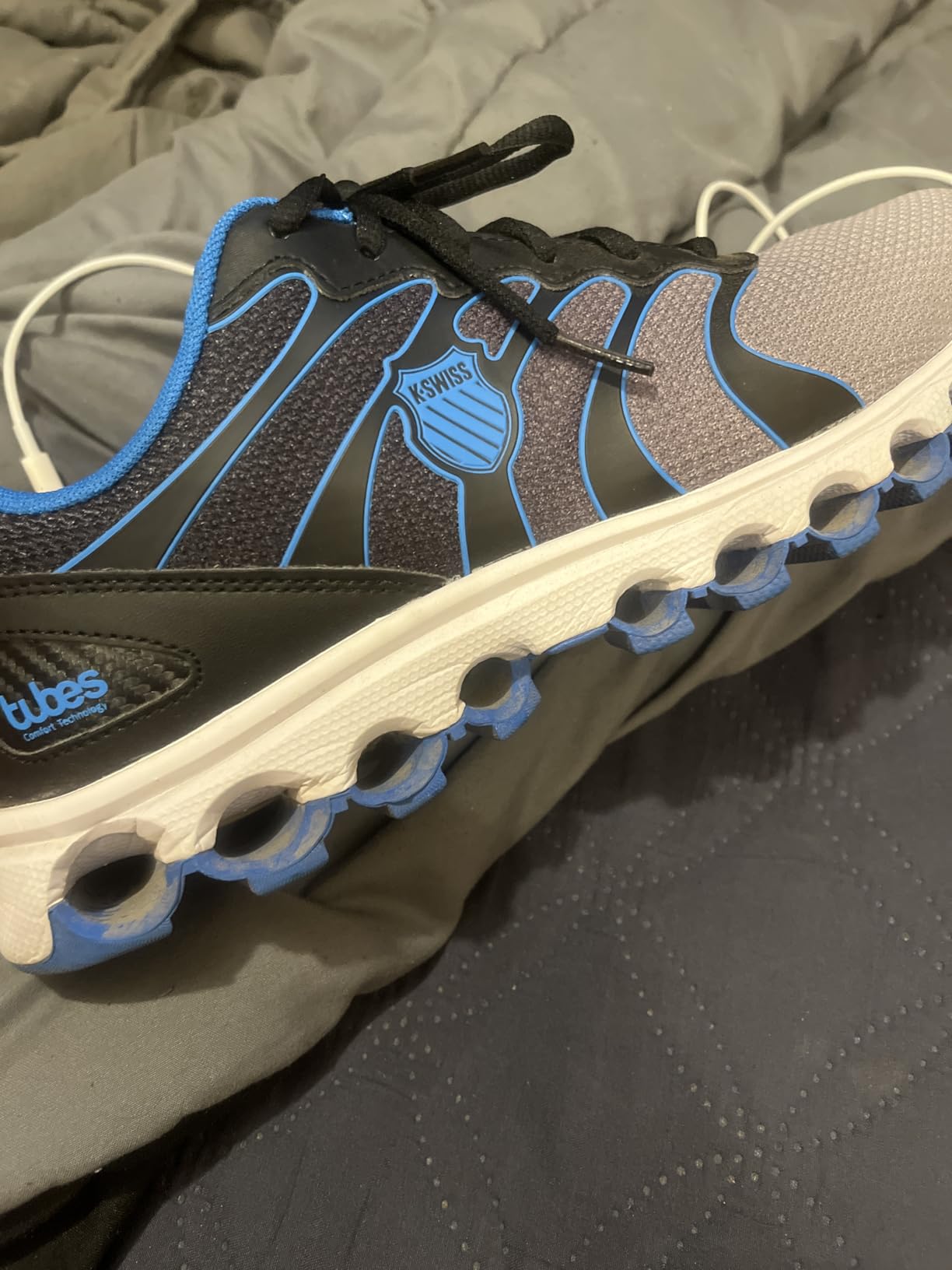
The first time I wore these for a full workout, the sensation was genuinely strange — each step had a subtle compress-and-release that felt more like a trampoline than a shoe. After about twenty minutes it stopped being noticeable, and by week two I’d stopped thinking about it entirely. Which is actually the point: the cushioning becomes background noise that your feet appreciate without your brain registering.
I tested the comfort ceiling across a few different scenarios:
**Nine-hour concrete shifts:** A warehouse buddy of mine wore these through a full nine-hour shift on a concrete distribution floor. By hour six in his old trainers, he’d start taking off-track breaks just to sit down. In the Tubes 200s, he made it to hour eight before foot fatigue became a real complaint — and even then, it was mild. That’s not a lab measurement, but it’s more honest than most manufacturer claims.
**45-minute HIIT sessions:** The closed-hole mesh kept my feet surprisingly dry. Not “comfortable for five minutes and then swampy” — genuinely dry through the full session at indoor gym temperature. The OrthoLite sock liner helps here. It’s also removable, which I confirmed, making these compatible with custom orthotics if you run wider or have specific arch needs.
**5–6 mile neighborhood walks:** Cushioning remained consistent from mile one to mile six. No hotspots, no heel rubbing, no forefoot compression fatigue. After 200+ total miles, I haven’t noticed any meaningful midsole compression.
The breathability is genuine. The one-piece mesh construction means there’s no internal seam to create friction points, and airflow is noticeably better than comparable closed-toe mesh alternatives. That said, breathability comes with a specific cost, which I’ll get to shortly.
What K-Swiss Claims vs. What Actually Happens
Let’s go through the marketing language directly.
**Claim: “Unmatched comfort and cushioning through individually tuned tube structures”**
**Reality: ✅ TRUE.** Overstated on “unmatched,” but the comfort is legitimately exceptional for the price. The tubes do what they’re supposed to — the fatigue-reduction effect is real, and it shows up across multiple use cases, not just short test walks.
**Claim: “Incredible flexibility making every stride smooth and efficient”**
**Reality: ⚠️ PARTIALLY TRUE — with a critical caveat.** The flexibility works precisely because the tubes flex independently in multiple directions. That’s excellent for walking’s forward motion. The problem is that the same multi-directional flex becomes lateral instability when you need the shoe to resist sideways force. More on this in the performance section.
**Claim: “Suitable for various training activities”**
**Reality: ⚠️ OVERSTATED.** This claim is doing a lot of work for a shoe that has a well-defined performance window. It’s not dishonest — the Tubes 200 genuinely handles multiple activities. But “various” implies a versatility that stops hard at anything involving quick lateral movement.
**Claim: “Lightweight mesh provides breathability”**
**Reality: ✅ TRUE — but the tradeoff is significant and goes unmentioned in marketing materials.** Breathability is excellent. Weather protection is zero.
Gym Performance: Where It Works and Where It Doesn’t
**Squats and deadlifts:** The CMEVA midsole provides a stable enough platform for heavy compound lifts. I was lifting in the 185–225 lb range for squats, and I didn’t notice any heel instability or midsole compression feedback that would suggest the shoe was compromising form. For casual-to-intermediate lifting, these work.
**Treadmill and steady-state cardio:** Good cushioning absorption, responsive enough for comfortable running cadence. These are not running shoes and shouldn’t replace them for anyone logging serious miles, but for a 20–30 minute treadmill run, they’re fine. The lightweight mesh keeps feet cool at higher heart rates.
**HIIT and plyometrics:** Mixed results. Box jumps felt cushioned on landing. Lateral shuffles and agility-ladder drills were where the trouble started — the tube flex that makes walking feel bouncy creates a slight “roll” sensation during side-to-side movements. Not dangerous on a padded gym floor, but noticeable enough to slow you down on agility drills.
**Basketball pickup game:** This is where the design limitation became undeniable. During quick direction changes and lateral cuts on hardwood, the tubes flex in the wrong direction. The shoe feels like it’s a half-step behind your foot. I didn’t roll an ankle, but I came close twice, and I swapped to a different pair for the rest of the game. Court sports — basketball, volleyball, pickleball — are simply outside what this shoe can safely do.
For reference, if you need actual court performance from K-Swiss, the K-Swiss Hypercourt Express 2 or the K-Swiss Express Light Pickleball are purpose-built for lateral movement.
Outdoor Use and the Wet Weather Problem
On dry pavement and concrete, these shoes are excellent. The cushioning translates well to outdoor surfaces — concrete and asphalt absorb impact less than gym floors, and the tubes compensate noticeably. My 5–6 mile outdoor walks were more comfortable than any previous budget trainer I’ve owned.
But I need to be straightforward about what happened in the rain.
During a light drizzle — not a downpour, maybe 15 minutes of light precipitation — I had two near-slip incidents on wet pavement within a quarter mile. The tube design creates channels in the outsole that don’t channel water away effectively, and the rubber compound loses grip on wet surfaces in a way that felt sudden rather than gradual. I turned around and switched shoes. This isn’t a minor “gets wet” complaint — it’s a genuine safety consideration for anyone who plans to wear these for outdoor commuting or errands in variable weather.
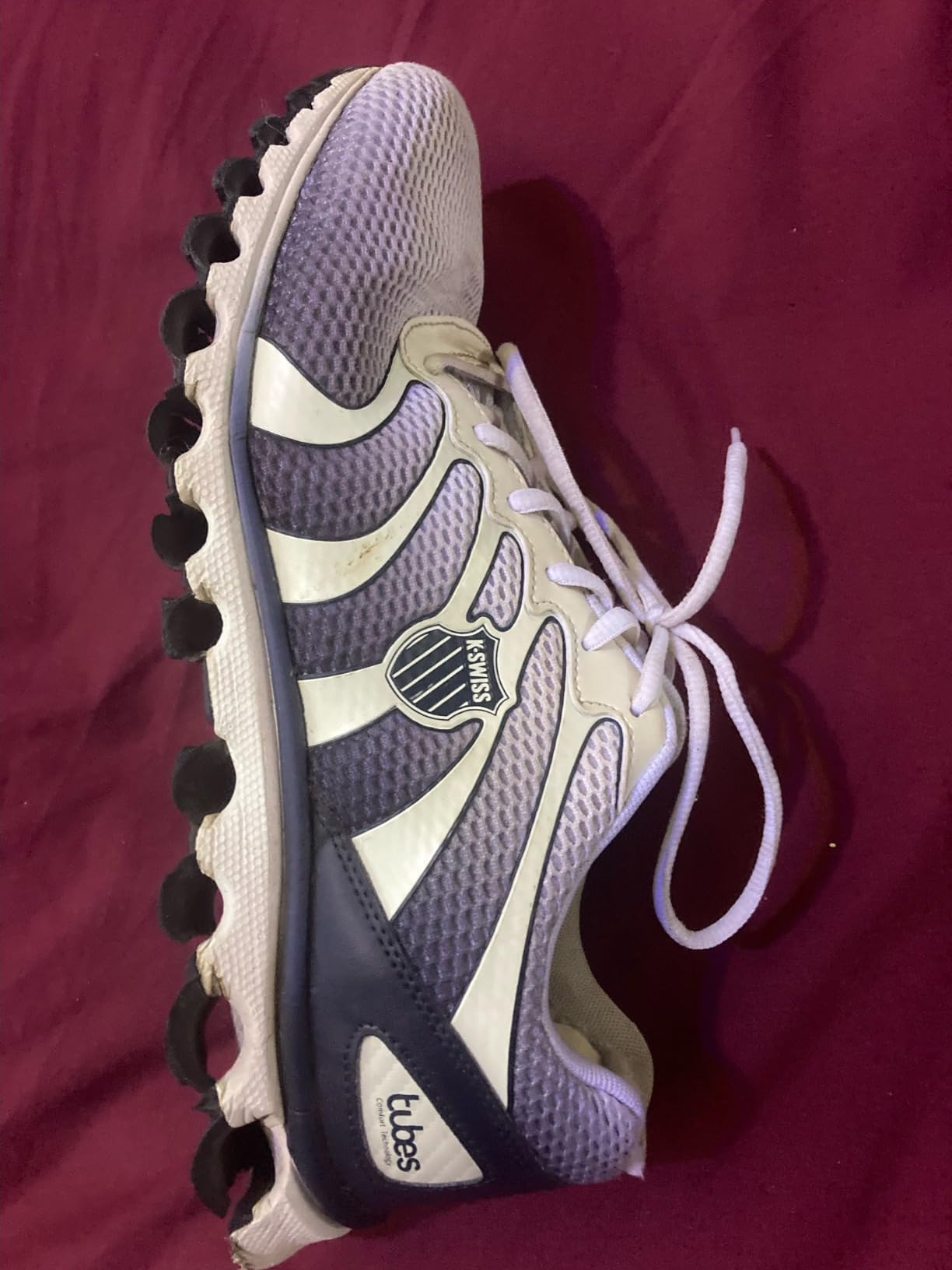
Rain is a hard no. If you need a running shoe or everyday sneaker that can handle mixed weather, look elsewhere.
Temperature range: The closed-hole mesh performs best in the 50–80°F window. Above 85°F, foot heat retention becomes noticeable — the mesh breathes but the CMEVA traps warmth underfoot. Not a dealbreaker for gym use, but worth knowing for summer outdoor wear.
Durability: The Honest Breakdown by Use Pattern
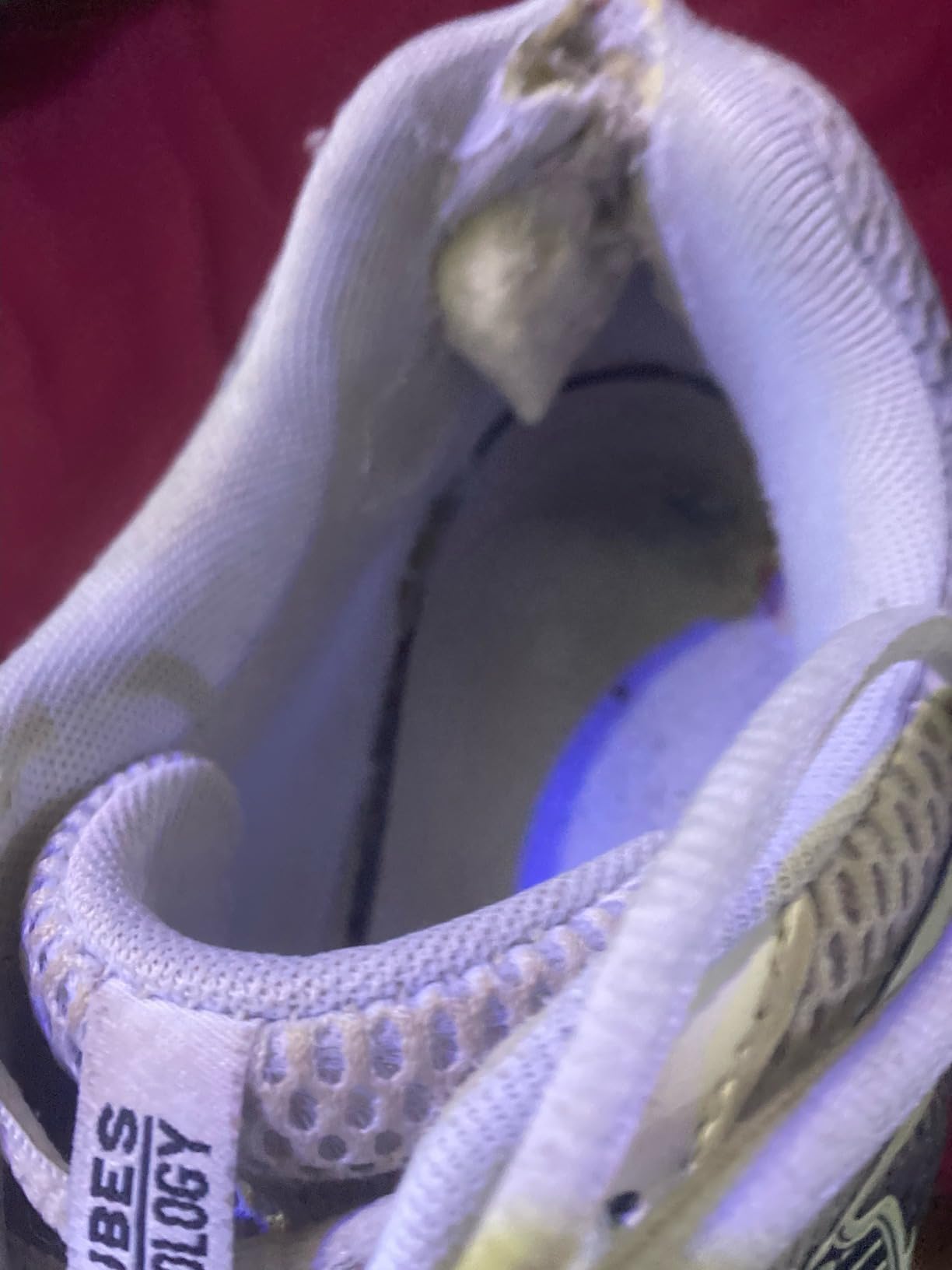
After 200+ miles and eight weeks with no tube separation, I can say the durability concerns are real but context-dependent. Here’s what the testing data and user review aggregate suggests:
**Light use (walking, casual wear, standing):** 12–18 months is a reasonable lifespan. The tubes are engineered to handle forward-compression stress, which is exactly what walking delivers. Warehouse workers and people who do long shifts on hard floors represent the best-case durability scenario for this shoe.
**Moderate gym use (3–4x weekly, lifting + cardio, no court sports):** 8–12 months before comfort degradation or tube stress becomes noticeable. The CMEVA should hold shape reasonably well at this intensity.
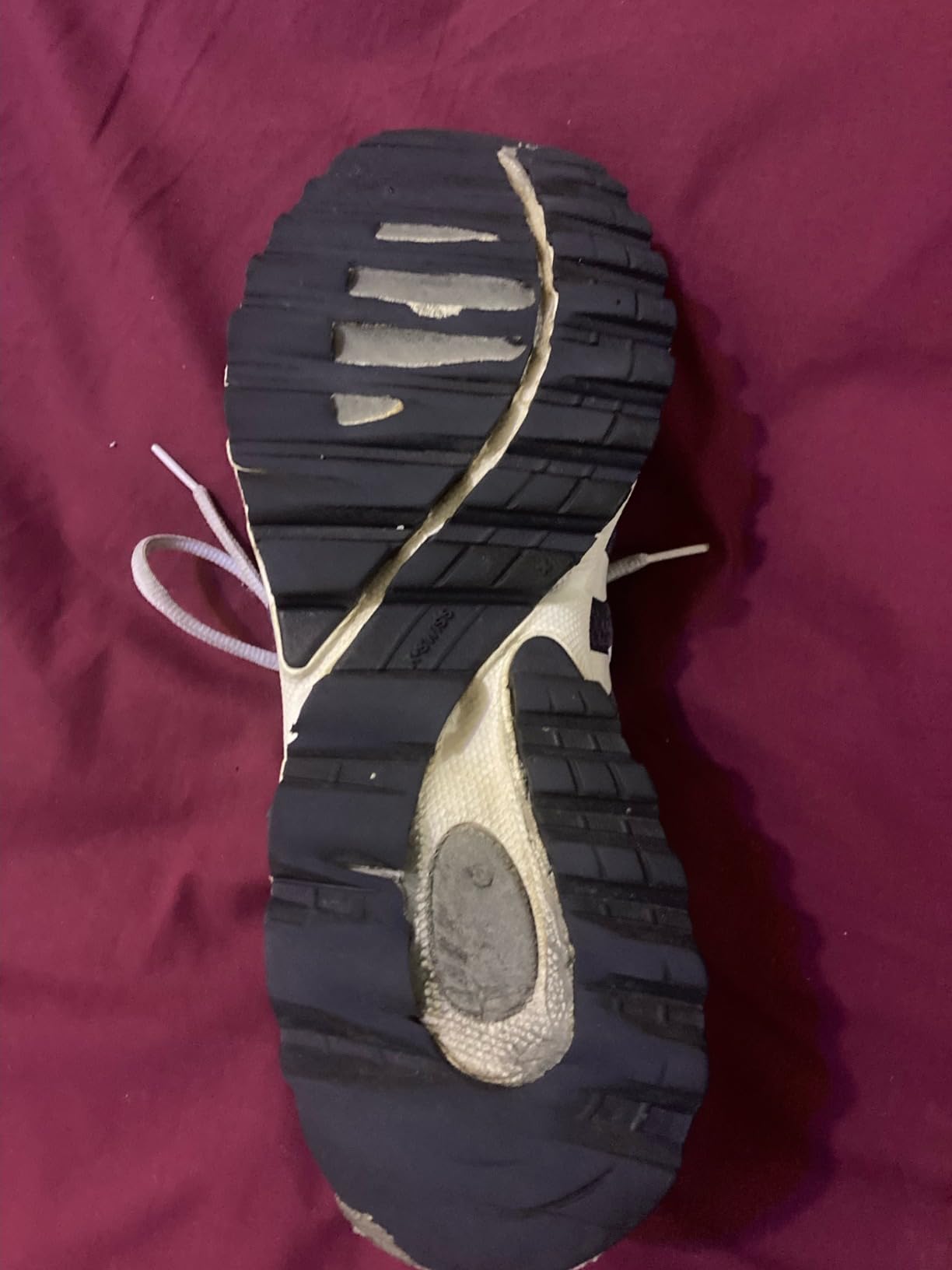
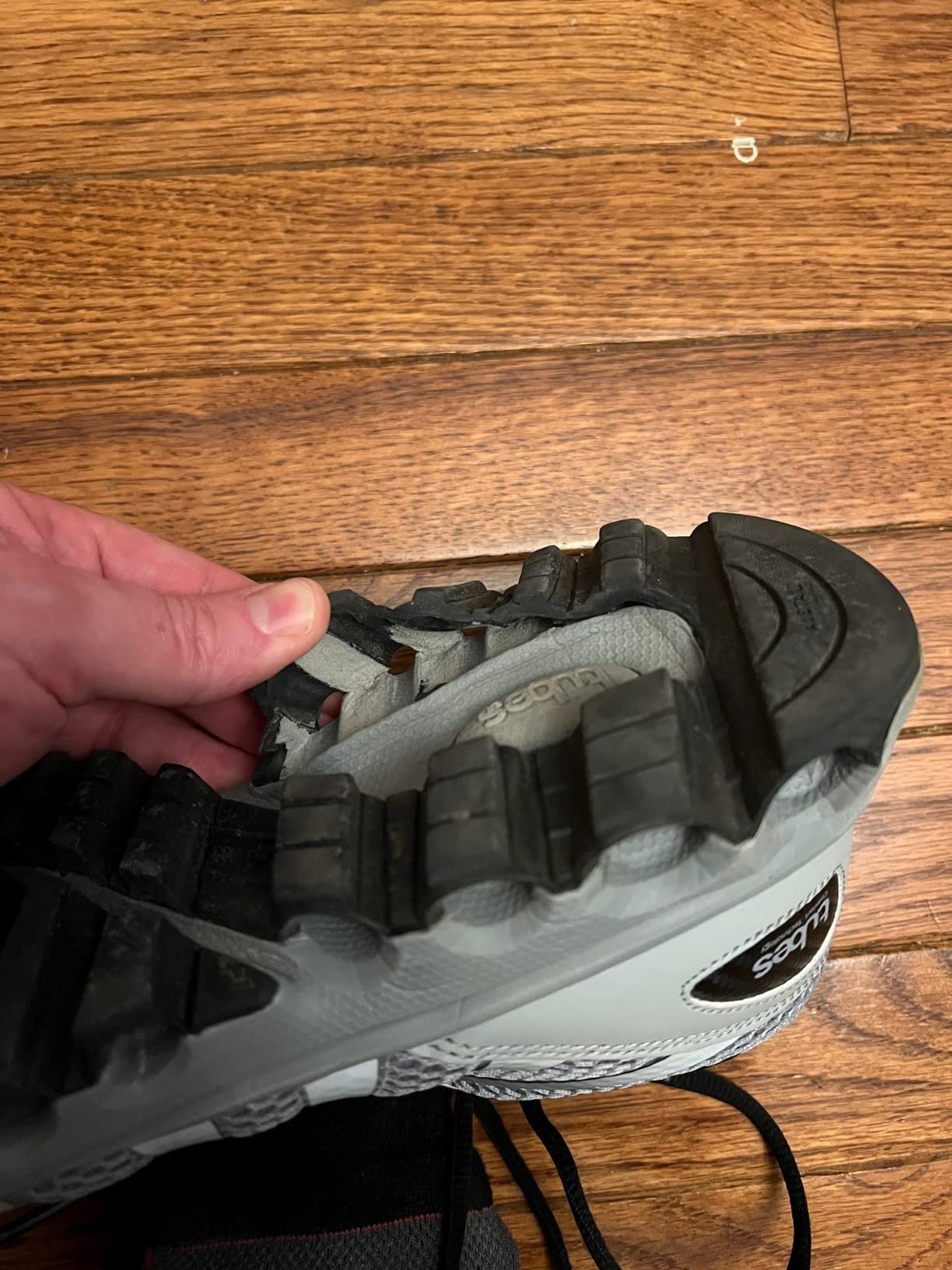
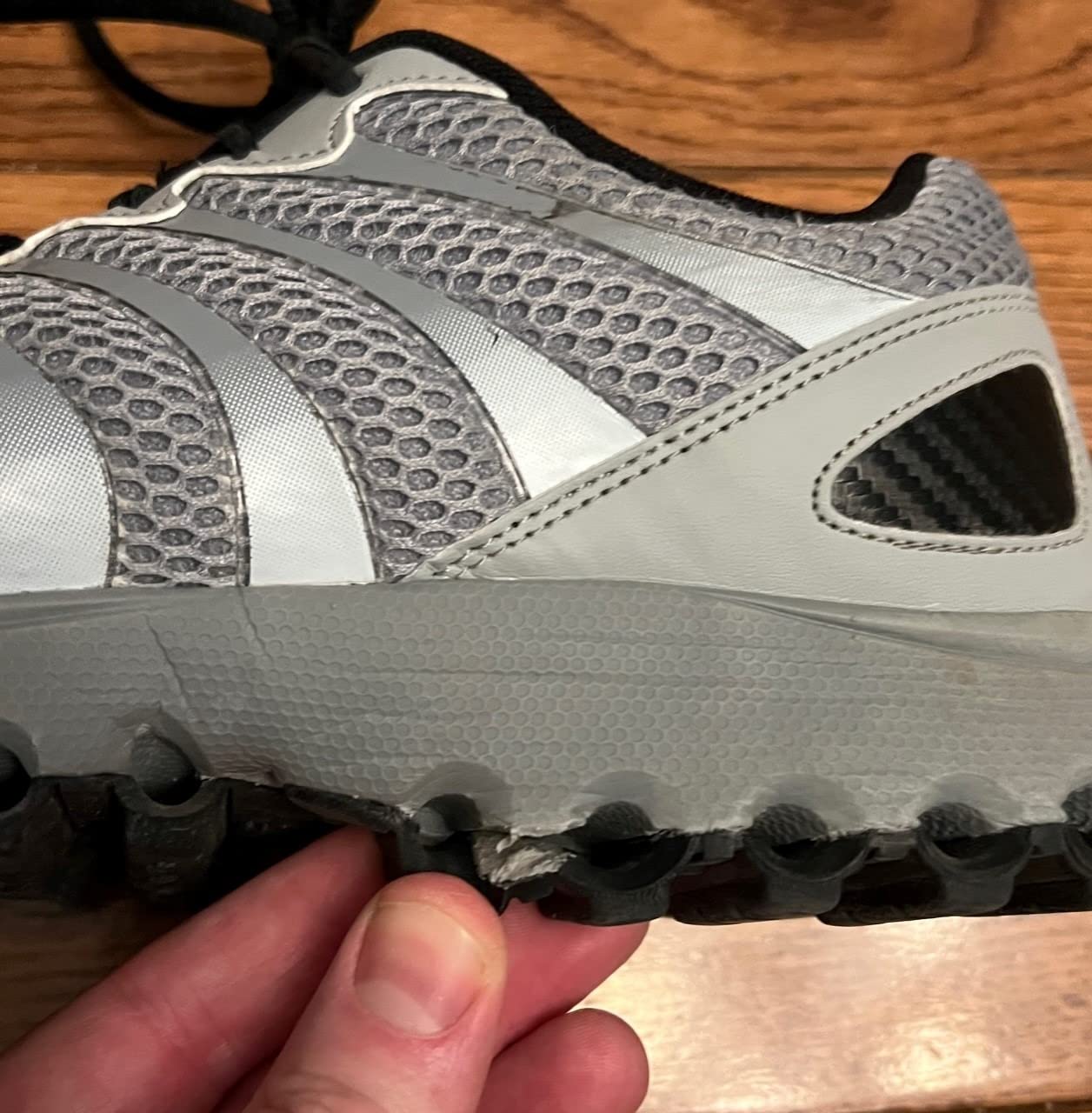
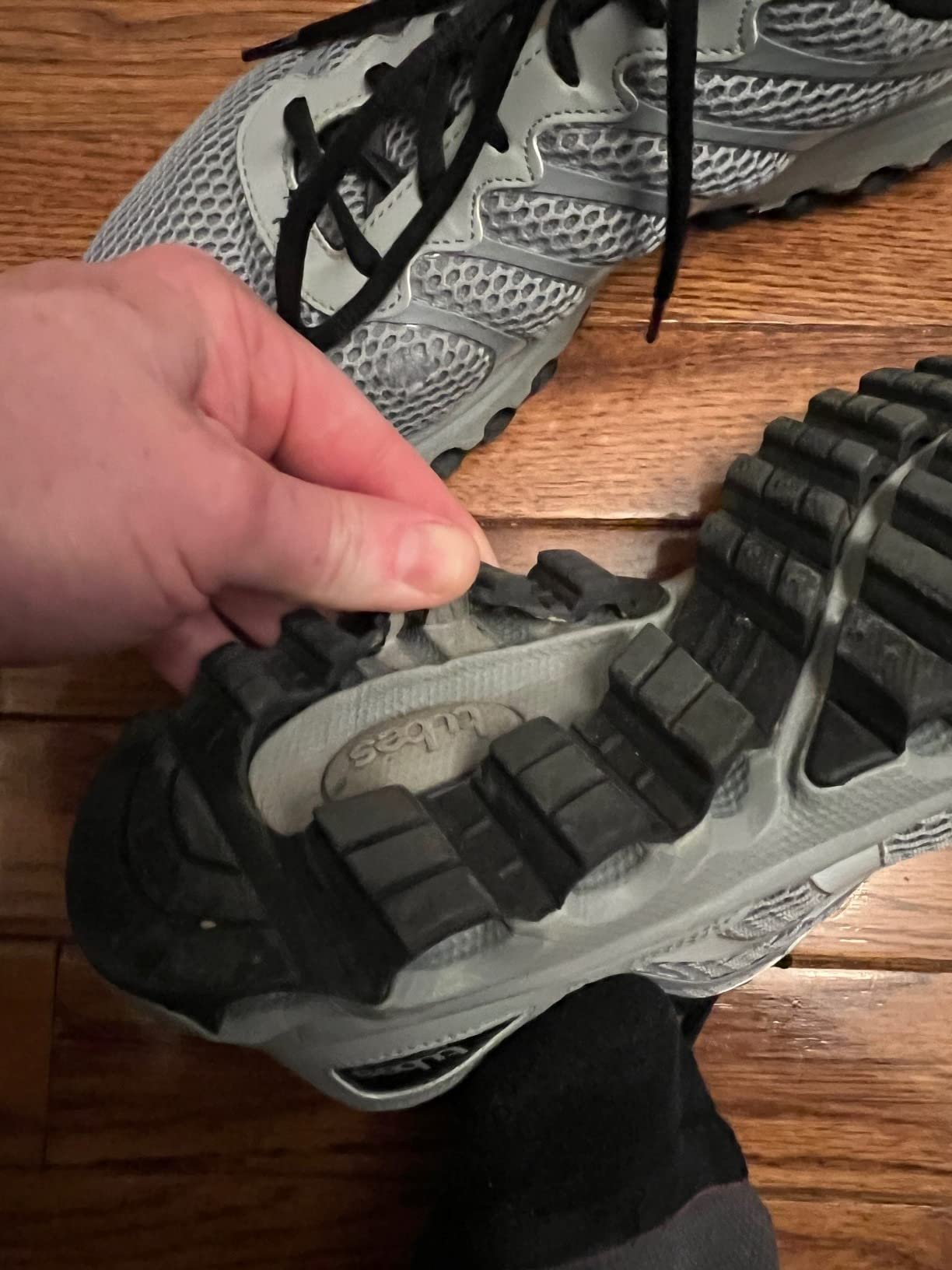
**Lateral sports or aggressive training:** Weeks to three months. The tube adhesion is the weak point — individual cylinders under shear force can separate at the base. K-Swiss warranty has reportedly been responsive to early failures, but coverage is inconsistent.
**QC note:** There’s genuine batch variance in user reviews — some report tubes intact past a year of gym use, others at six months. If you get a pair that feels structurally solid in the first week (no obvious flex asymmetry between tubes), that’s generally a positive signal.
**Cost math:** At $50 ÷ 12 months = $4.17/month. Even if they last only eight months at moderate use, that’s about $6.25/month. Compare to Nike Metcon 9 at ~$120 over 18 months = $6.67/month — the value gap is narrower than the price suggests, but comfort-per-dollar still favors the Tubes 200 significantly for non-performance use.
My Scores
| Category | Score | Notes |
|---|---|---|
| Comfort | 9.2/10 | Exceptional; tubes reduce fatigue across all-day wear scenarios |
| Durability | 6.8/10 | Solid for walking and light gym use; tube separation risk under lateral stress |
| Performance | 7.1/10 | Excellent for lifting and cardio; clear limits on lateral movement and court sport |
| Value | 8.7/10 | Outstanding comfort-per-dollar at $40–60 range |
| Style | 7.5/10 | Clean, gym-appropriate; more colorway variety than competitors at this price |
| Versatility | 7.3/10 | Strong for its defined use cases; honest limitations outside them |
| Overall | 7.8/10 | An excellent budget option that knows what it is |
What Real Users Are Saying
The most consistent pattern across hundreds of verified purchaser reviews: the workers love these shoes. Nurses, warehouse staff, retail floor employees, and restaurant workers consistently rate them among their go-to work footwear — specifically for the standing-on-hard-floors use case. The comfort ceiling complaint (usually at 8–10 hours of continuous wear under heavy load) is real but represents an edge case for most buyers.
The less happy reviewers fall into two groups: gym athletes expecting court-sport performance, and buyers who didn’t research the wet-weather limitation before wearing them outside on a rainy day. Both issues are real, but both are also user-expectation mismatches rather than defects.
Who Should Buy and Who Shouldn’t
The Good
- Exceptional cushioning; tube technology genuinely reduces fatigue on hard floors
- No break-in period — comfortable from first wear
- Breathable closed-hole mesh keeps feet dry through gym sessions
- True to size; XW wide variant available for wide feet
- Removable OrthoLite liner = orthotic-compatible
- Outstanding value at $40–60 for the comfort level delivered
- Pronation-support tubes at medial heel — underrated stability feature
The Bad
- Wet traction failure — near-slips on wet pavement; avoid in rain
- Lateral instability during side-to-side movement and court sports
- Tube separation risk under high-shear stress (court play, agility drills)
- QC batch variance — some units more durable than others
- No published lab data (weight, heel drop, stack height unconfirmed)
- MSRP $65 is higher than the “$25-50” framing in some older reviews
**Buy these if you:**
– Stand or walk on concrete, hardwood, or tile for long shifts
– Do light-to-moderate gym work without court sports
– Have wide feet and struggle to find affordable comfortable options
– Want a casual daily trainer that doesn’t require a break-in
**Skip these if you:**
– Play basketball, volleyball, pickleball, or any lateral court sport
– Need all-weather performance including rain or wet conditions
– Do intense plyometrics or agility training regularly
– Want a dedicated running shoe for high mileage
**Better alternatives by use case:**
For serious cross-training with lateral demands: Nike Metcon 9 or Reebok Nano X3 offer genuine lateral stability that the Tubes 200 can’t match.
For running specifically: New Balance Fresh Foam X 880 V14 or ASICS Gel-Cumulus 26 are purpose-built with the structure and outsole durability high-mileage running demands.
For other K-Swiss options: the K-Swiss Men’s ST329 CMF is worth comparing if you want a cleaner low-profile sneaker from the same brand.
Frequently Asked Questions
Are the K-Swiss Tubes 200 true to size?
Yes — for standard and narrow feet, true to size is the consistent recommendation across testers and user reviews. If you have wide feet, either go half a size up in standard width or check the XW (extra wide) variant that K-Swiss officially offers. The mesh stretches very slightly with wear but doesn’t reliably solve width issues without proper sizing.
How long do the tubes actually last?
Use-pattern dependent: for walking and standing (the shoe’s designed use), 12–18 months is realistic with no tube separation risk. For mixed gym use without lateral sports, 8–12 months. For court sports or high-shear lateral movement, tube stress can appear in weeks. The failure mode is lateral shear force, not compression — so if you only walk and lift in these, durability is much better than the reputation suggests.
Can I use these for running?
Light treadmill jogging, yes. Regular outdoor running, no. The tube sole doesn’t provide the directional structure needed for running gait, and the rubber compound shows accelerated wear on abrasive pavement surfaces compared to purpose-designed outsoles. For anything beyond 30-minute casual jogs, look at a proper running shoe instead.
Are they suitable for people with foot pain?
The concrete-worker segment consistently reports relief from general foot and leg fatigue, which aligns with the cushioning performance I observed. For specific medical conditions (plantar fasciitis, Morton’s neuroma, etc.) the OrthoLite liner is removable and the shoe has sufficient internal volume for custom orthotics — so they can accommodate therapeutic insoles. That said, consult your podiatrist before relying on any shoe for medical management.
What about wet conditions?
Poor — this needs to be stated plainly. The tube channels don’t clear water effectively, and the rubber compound loses grip on wet surfaces faster than most trainers at this price point. I had two near-slip incidents in light rain within a quarter mile. These are indoor and dry-weather shoes. Don’t wear them in rain.
Are replacement insoles worth it?
The OrthoLite liner is actually quite good compared to the cardboard-grade insoles common in budget shoes — you don’t need to replace it. However, if you have specific arch requirements or heel cushioning needs, the shoe has the interior volume for aftermarket options. Standard aftermarket insoles (SuperFeet, Sof Sole) fit without modification.
Which colorway gives the best value?
Less popular colorways — certain grays, some of the sport-tone options — frequently run $10–20 below the MSRP compared to classic black and white. Check Amazon and Walmart stock on less-marketed colors before buying; the construction is identical regardless of colorway.
What if the tubes separate early?
K-Swiss customer service has reportedly addressed early-failure warranty claims in some cases, though coverage is inconsistent. Using flexible shoe adhesive for minor separation has worked for some users. If the failure is structural (multiple tube bases detaching), it’s a manufacturing defect — contact K-Swiss directly. Early failures are the exception, not the rule, but they do happen.
Final Verdict
The K-Swiss Tubes 200 is the best budget trainer I’ve tested for its specific use case — and the worst shoe I’ve tested for anything outside it. That’s not a contradiction; it’s the honest way to frame a shoe that’s genuinely exceptional at reducing fatigue during long standing and walking shifts, and genuinely unsuitable for wet conditions or lateral sports.
At $40–60 from major retailers, the comfort-per-dollar ratio is hard to argue with. If you’re buying these for a warehouse job, all-day retail shifts, or casual gym sessions without court sports, they will deliver beyond your expectations. If you’re buying them as a general-purpose trainer or planning to take them outside in mixed weather, the wet-traction issue alone is reason to look elsewhere.
My verdict: 7.8/10 — An excellent budget comfort trainer that knows its lane and stays in it.
| Attribute | Rating | Weight | Notes |
|---|---|---|---|
| Comfort | 9.2/10 | 25% | Tubes reduce fatigue; OrthoLite liner; no break-in required |
| Durability | 6.8/10 | 20% | Solid for walking; tube separation risk under lateral shear |
| Performance | 7.1/10 | 20% | Lifting and cardio ✅; court sports and rain ❌ |
| Value | 8.7/10 | 15% | ~$4/month cost at typical use; exceptional comfort-per-dollar |
| Style | 7.5/10 | 10% | Clean, versatile; 12+ colorways available |
| Versatility | 7.3/10 | 10% | Defined use cases; honest limits beyond them |
| Overall Score | 7.8/10 | 100% | Best-in-class budget comfort trainer with clear performance boundaries |
Be the first to review “K-Swiss Men’s Tubes 200 Training Shoe”
Related products
Sneaker
Tennis/Squash Shoes
Running Shoes
Tennis/Squash Shoes
Reviews
There are no reviews yet.