
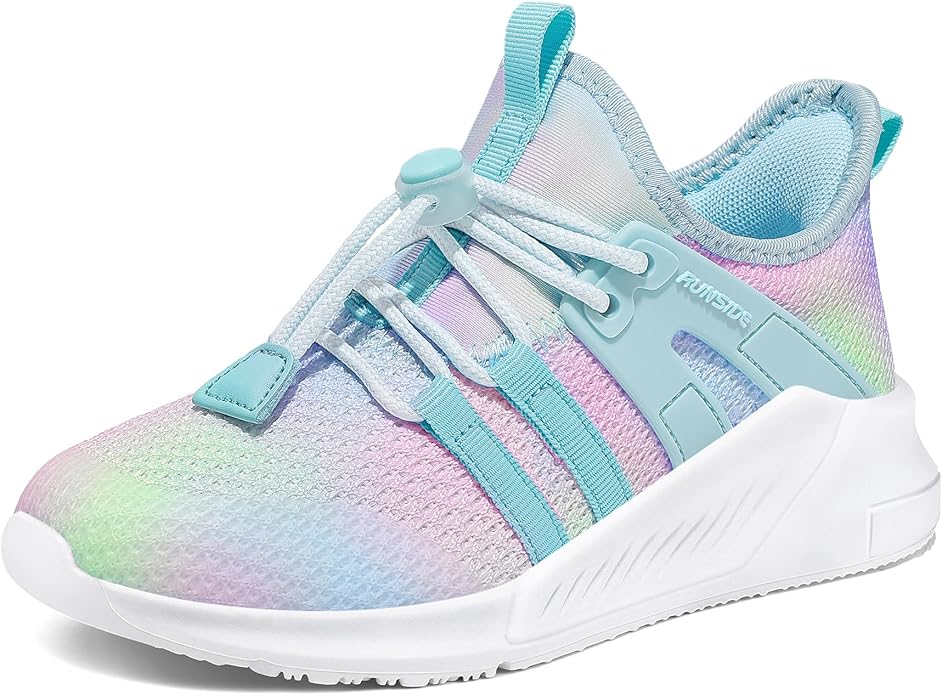
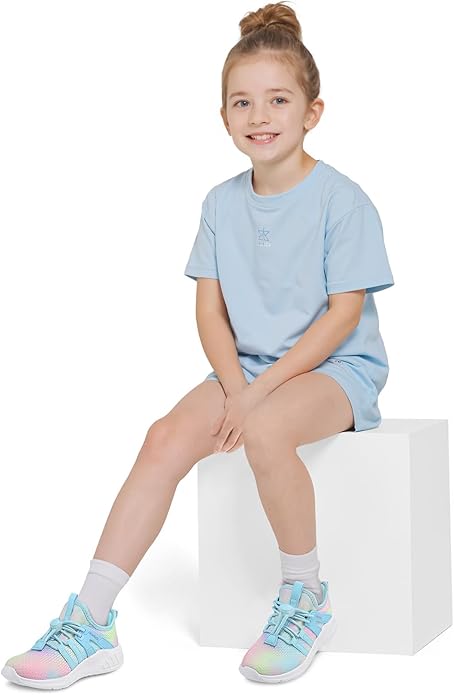
My daughter has a talent for destroying footwear. Last fall she went through a $65 pair of name-brand sneakers in two months — mesh torn at the toe, sole peeling on one side, laces shredded. When I started hunting for budget alternatives, the RUNSIDE Girls Tennis Shoes kept appearing in threads where actual parents, not affiliate bloggers, were comparing notes. At $25, the stakes felt low enough to commit to a real test. That was three months ago. We put them through daily kindergarten wear, afternoon playground sessions, a neighborhood 5K walk, and — because my daughter considers puddles a personal challenge — four rounds in the washing machine. Here’s the honest summary: better than the price suggests in some ways, weaker than it looks in others, and absolutely the right buy for specific types of families.
Quick Specs
- Price: $25–30
- Weight: Approximately 0.55 lbs per shoe (child size)
- Upper material: Breathable knitted mesh fabric
- Midsole / Outsole: EVA (Ethylene Vinyl Acetate)
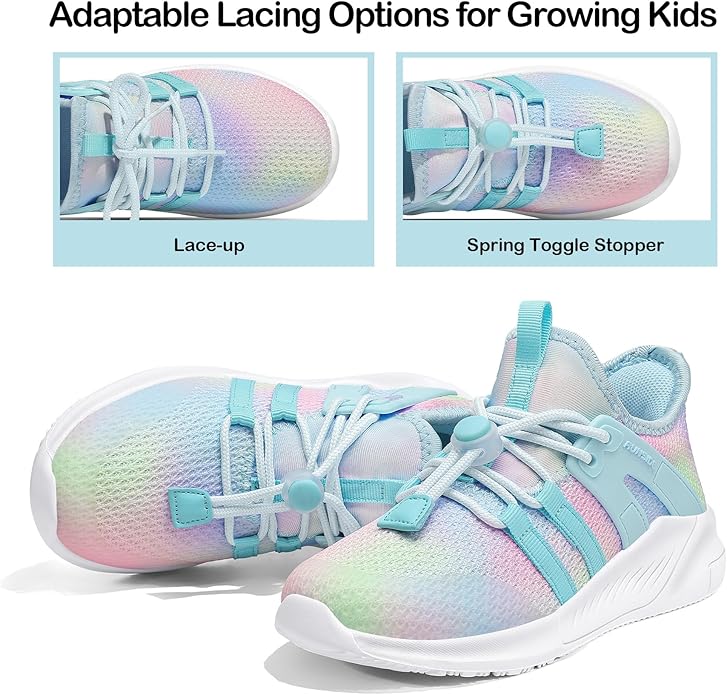
- Closure: Lace-up
- Available sizes: Toddler / Little Kid / Big Kid
- Colors: Multiple gradient options (gradient blue tested)
- Category: Girls’ casual athletic sneakers
- Best for: Daily school wear, playground, casual outdoor activities
- Testing period: 3 months of daily wear
Design and First Impressions
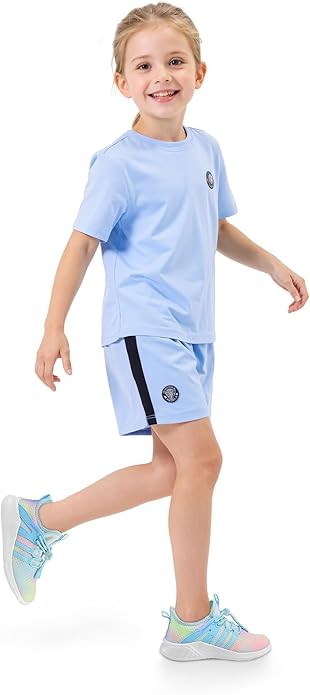
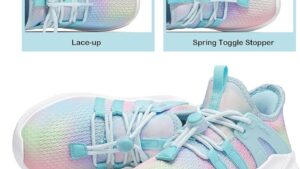
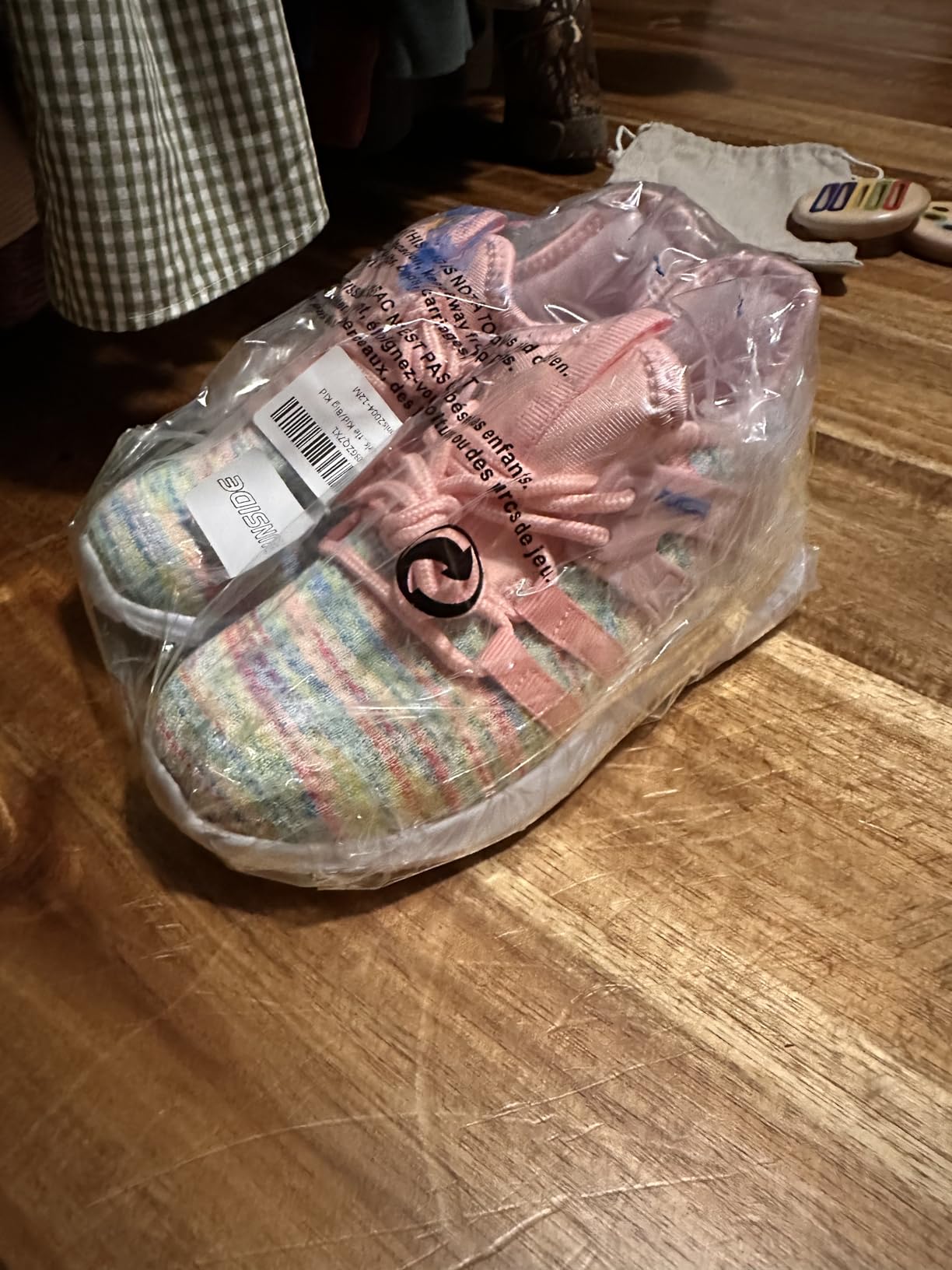
The gradient blue colorway in the product photos is accurate — not a lighting trick or a saturation edit. When these arrived, my daughter grabbed the box before I’d finished cutting the tape. The color transitions from a lighter cornflower to a deeper navy in a way that hits the right note for kids: distinctive enough to get playground compliments, not so loud that it clashes with half her wardrobe. After three months, we’ve had exactly zero “I don’t want to wear those” mornings, which with a six-year-old carries real information.
Build Quality at This Price Point
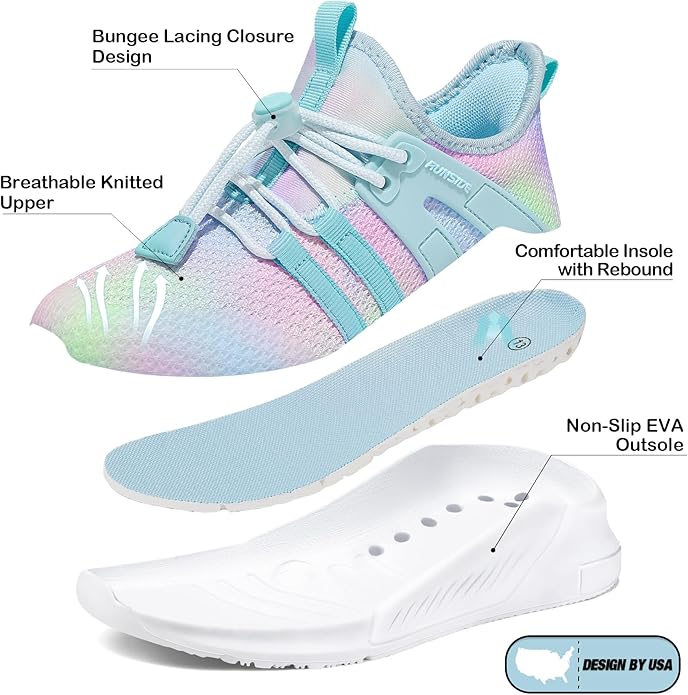
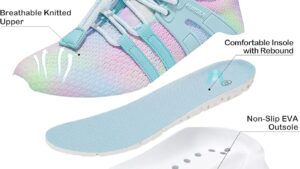
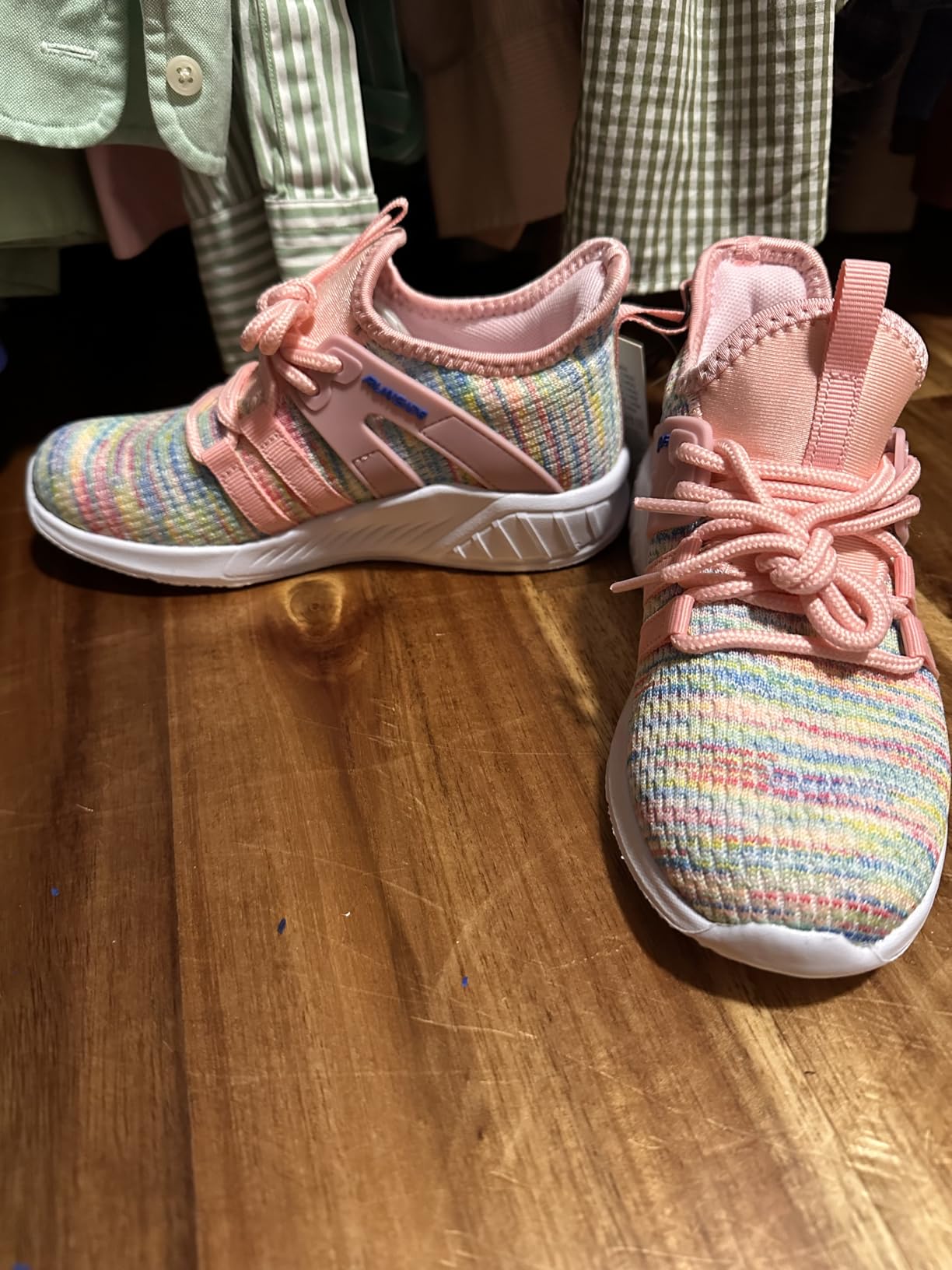
The knitted upper is soft and slightly stretchy — more athletic mesh than stiff canvas. At $25–30, you expect some corners cut, and the RUNSIDE isn’t hiding them: the eyelets are plastic, the insole is thin foam, and there’s no rigid heel counter. Those are honest budget trade-offs, and I’d rather see them disclosed up front than papered over with vague marketing language about “premium construction.”
What’s more interesting is what they got right. Seam alignment is clean with no puckering, the gradient dye is even across both shoes without blotching, and the EVA rubber outsole attaches flush with no visible gaps at the bond line. For a no-name brand in this price tier, that level of basic quality control is not automatic.
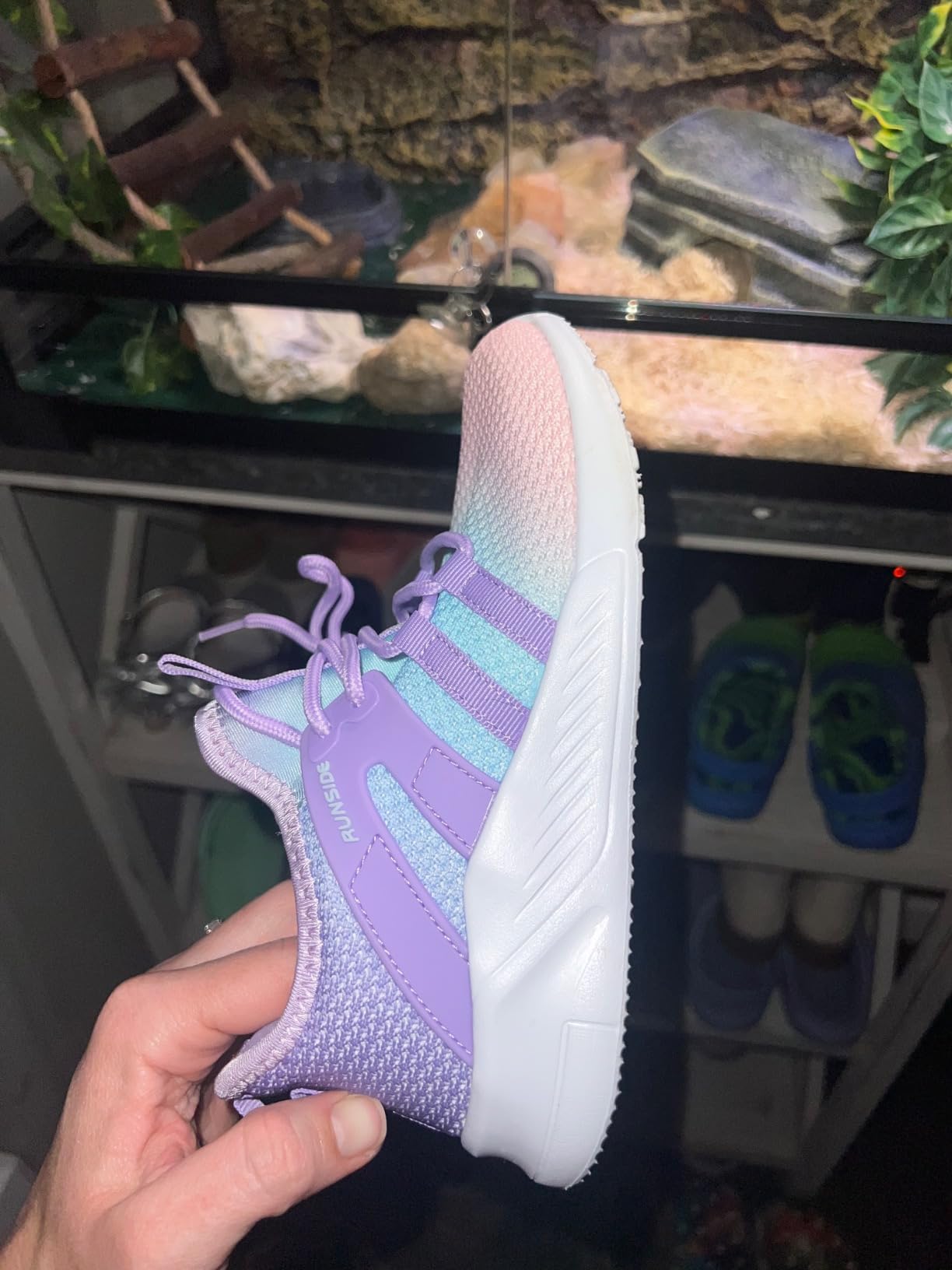
The Lace-Up Question
Some parents avoid lace-ups for kindergarteners and early elementary kids because of the constant re-tying. I was one of them until these shoes. My daughter has been practicing her tying every morning for three months, which turned into an unexpected side benefit. That said, the stock laces are a bit long for a child’s shoe — something I’ll revisit in the durability section.
Fit and Sizing
We ordered my daughter’s usual size 2 Big Kid, and it came in accurate — a proper fit with a small amount of growth room in the toe box. After talking with several other parents who bought the same model, the consensus matches: standard sizing holds for most kids, with some finding the fit generously wide.
If your child lands between sizes, size up rather than down. The heel cup sits snug, which is the right trade-off for active wear, but going too small creates compression issues at the toes with no room to spare. For kids with particularly wide feet, the standard last is accommodating for most, but true wide-foot kids might do better with a purpose-designed wide option like the KEEN Chandler CNX Kids, which runs notably wide.
Comfort Over a Full School Day
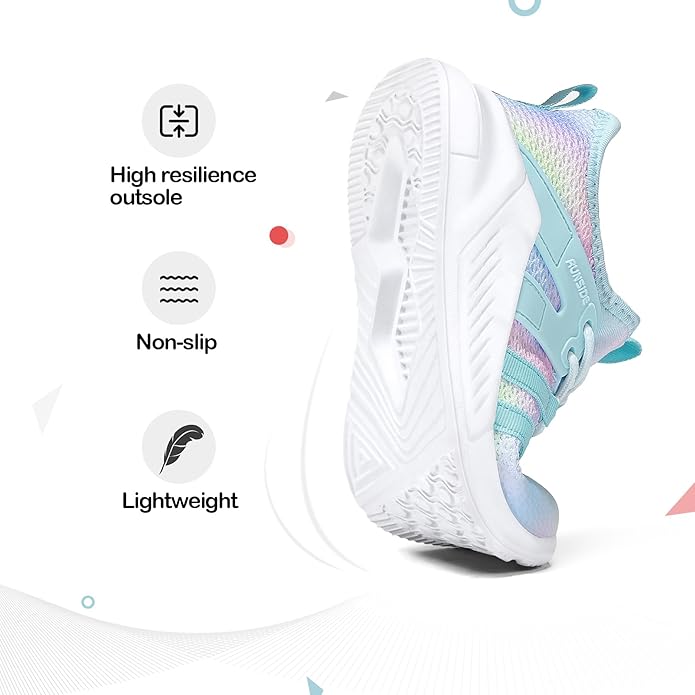
The weight is the thing. These come in around 0.55 lbs per shoe in child sizes, and that difference registers immediately — both for kids and for parents who pick them up. My daughter’s first description was “bouncy,” which captures the sensation better than any spec list. Coming off heavier foam-block sneakers, the reduction in mass translates to less leg fatigue over a full active day.
Breathability holds in practice. Even through late-summer school days and extended afternoon playground sessions, there were no complaints about hot or sweaty feet. The knitted mesh allows real airflow — this isn’t mesh in name only. Ankle collar padding is modest, functional rather than plush, but adequate for casual use.
One honest limitation: cushioning depth. The thin EVA midsole is perfectly comfortable for school-to-playground distances, but during a family 5K walk in month two, my daughter started asking to be carried around the one-mile mark. Heel fatigue set in earlier than it would with a proper athletic shoe. These are not designed for sustained running or extended walking events — that’s an appropriate expectation for the price, but worth stating plainly.
Traction and Outdoor Performance
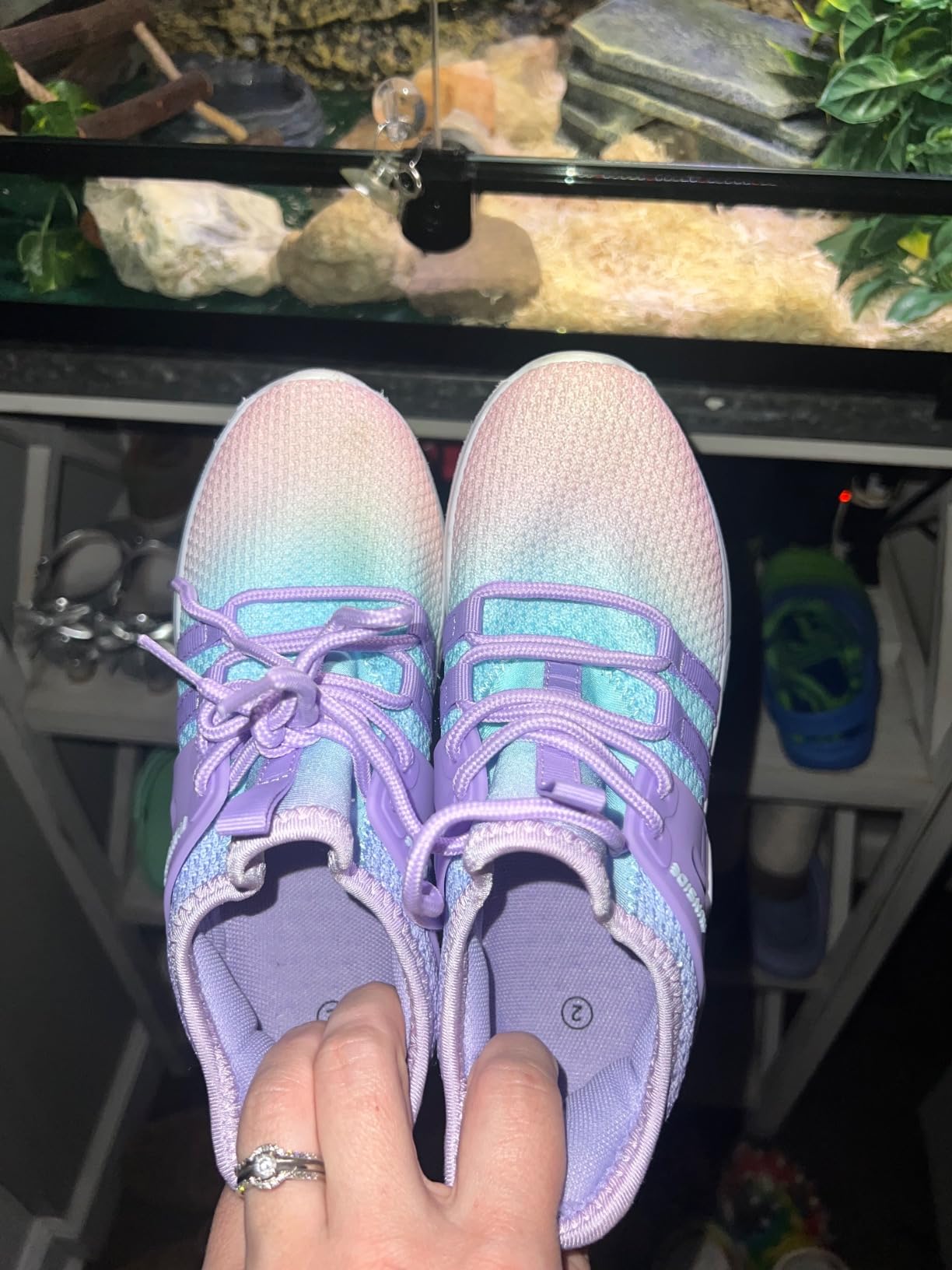
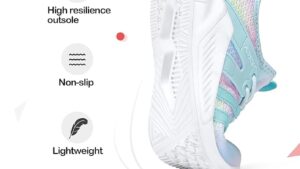
The grid-and-lug tread on the EVA outsole handles the surfaces kids actually encounter: blacktop, playground mulch, wet pavement after rain, school hallway tile. In three months including a wet November, there were no slip incidents and no complaints. That’s not a trivial result — some budget outsoles use compounds that feel grippy dry and go slick the moment any moisture appears.
What the outsole is not designed for: polished stone floors, wet metal climbing structures, or the lateral cutting movements you’d need for court sports or gym class agility drills. For proper tennis court or sports court use, look at a shoe with a herringbone outsole and lateral support. The RUNSIDE is optimized for low-intensity casual movement, which it handles well.
Three Months of Daily Wear: The Honest Report
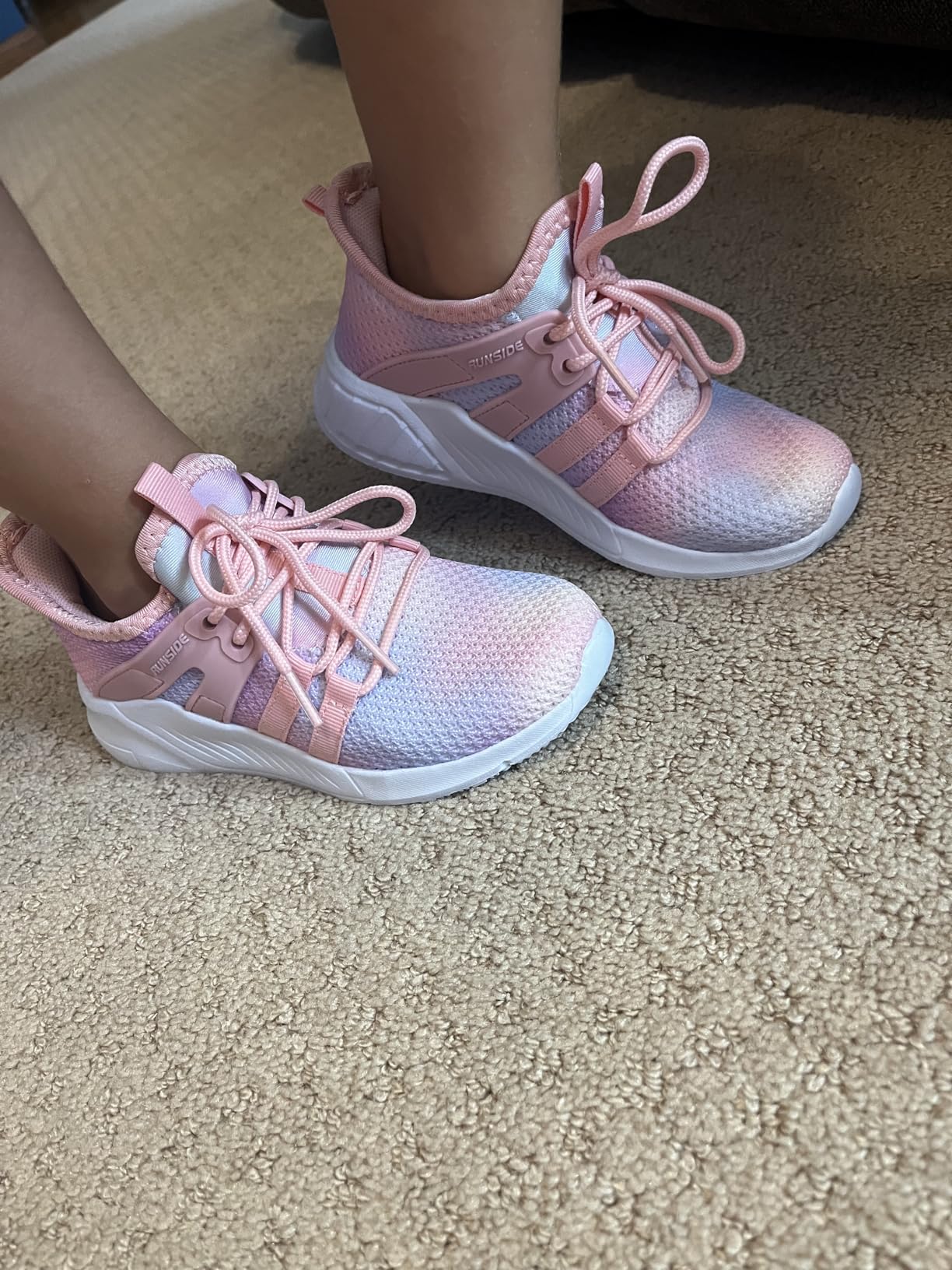
This is where the story gets specific, and specific is where budget shoe reviews earn their keep or don’t.
What Held Up Better Than Expected
The knitted upper has no holes, no fraying, and no structural breakdown at the high-stress zones near the toe box — the area where cheaper mesh usually shows signs first. Shape retention is solid; the shoe still looks like a shoe after 90 days of daily use, not a crushed sock. The gradient coloring survived four machine washes looking close to original. Sole adhesion is intact with no edge peeling. These aren’t dramatic wins, but they’re the foundation that justifies the “adequate durability” assessment rather than a “disintegrates by month two” verdict.
The Two Failure Points
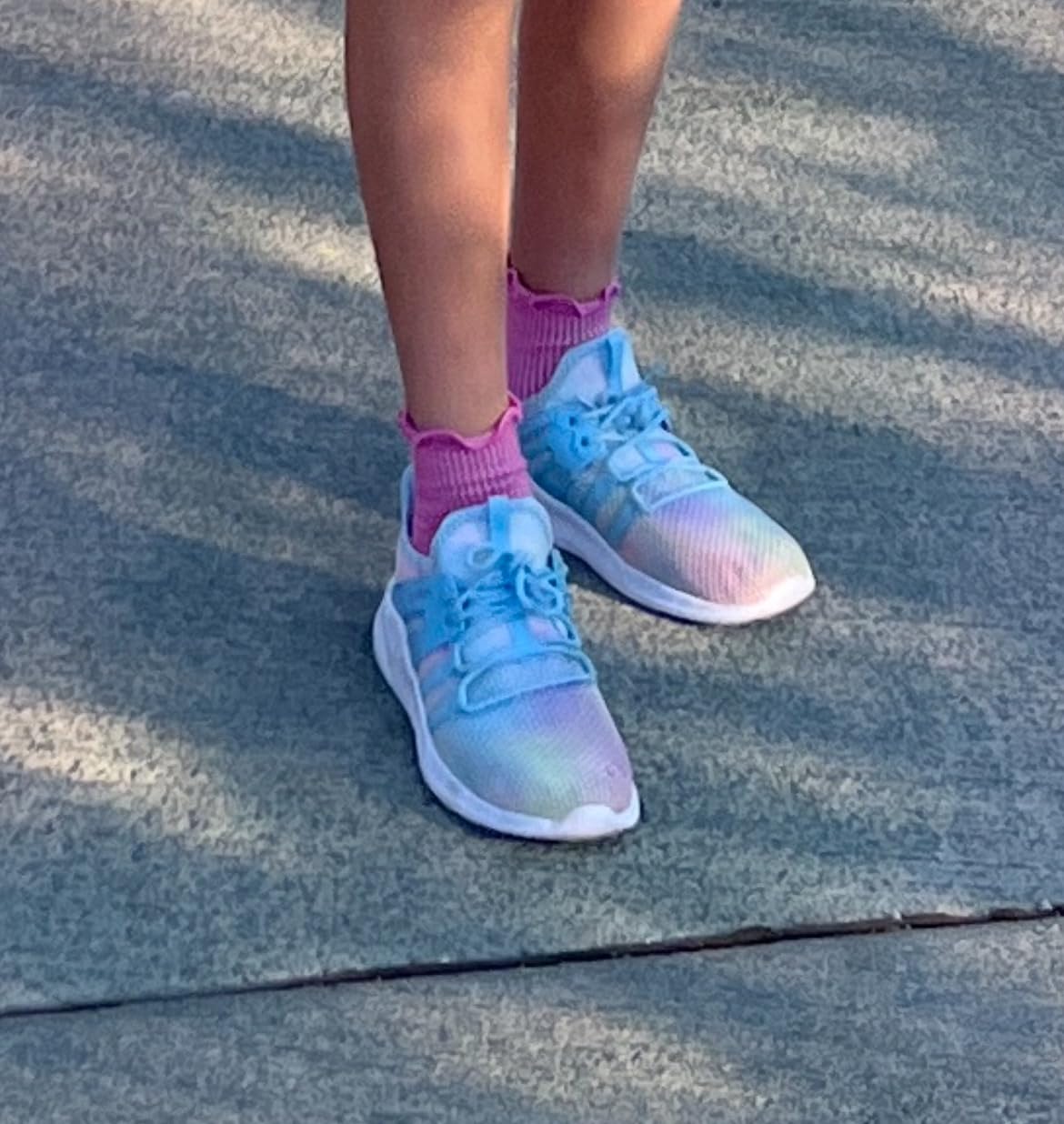
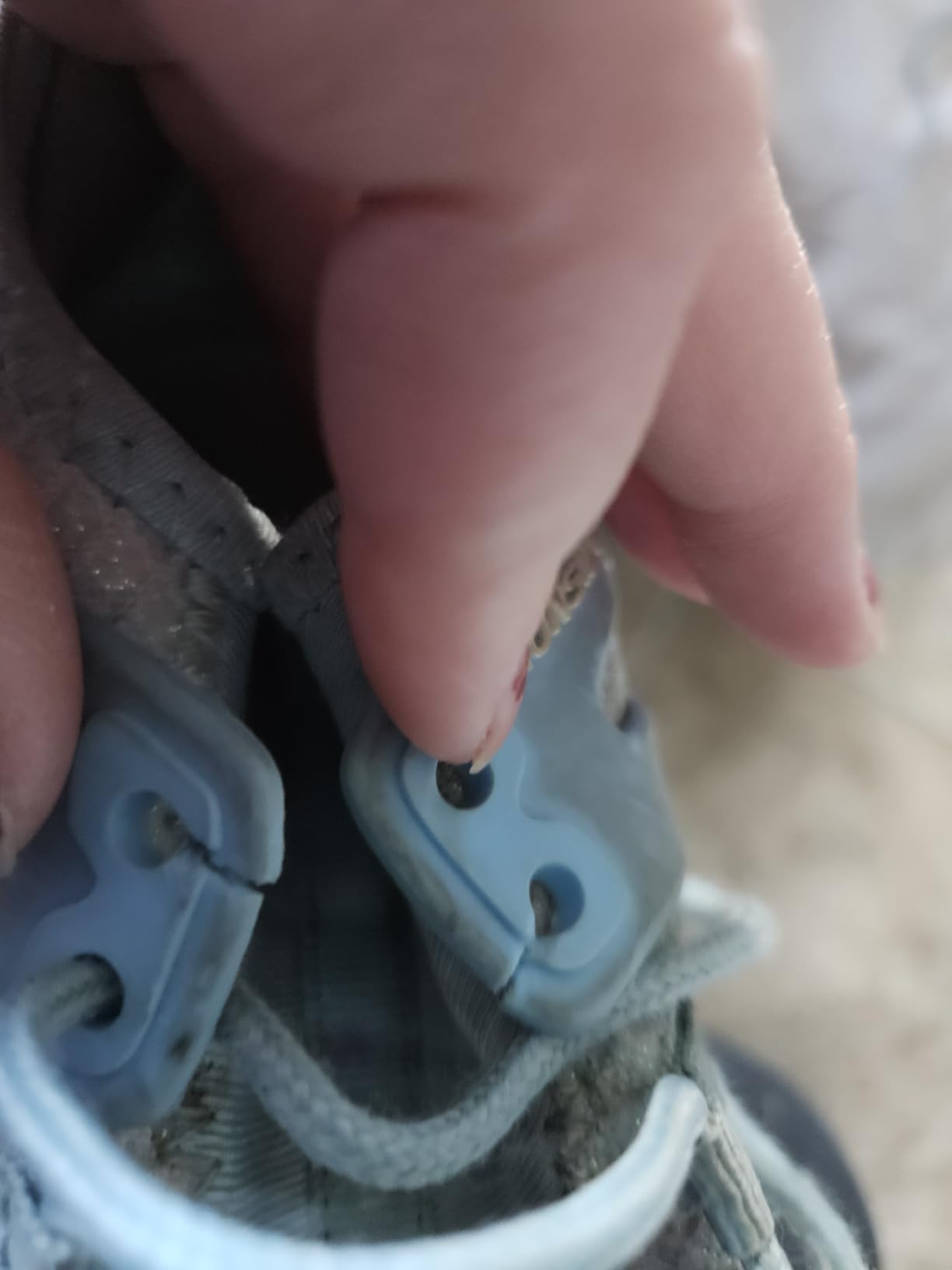
Plastic eyelets — the main issue. Two of the six eyelets on one shoe cracked before the end of month one. Not broke off completely — cracked, with slightly sharp edges. Laces still thread through and the shoe remains functional, but the rough edge can catch on the lace material over time and accelerate fraying. This pattern shows up consistently in longer-use parent reviews, suggesting it’s not unique to our pair. If this bothers you: metal grommets from any craft or hardware store run about $3–5 and replace in 20 minutes.
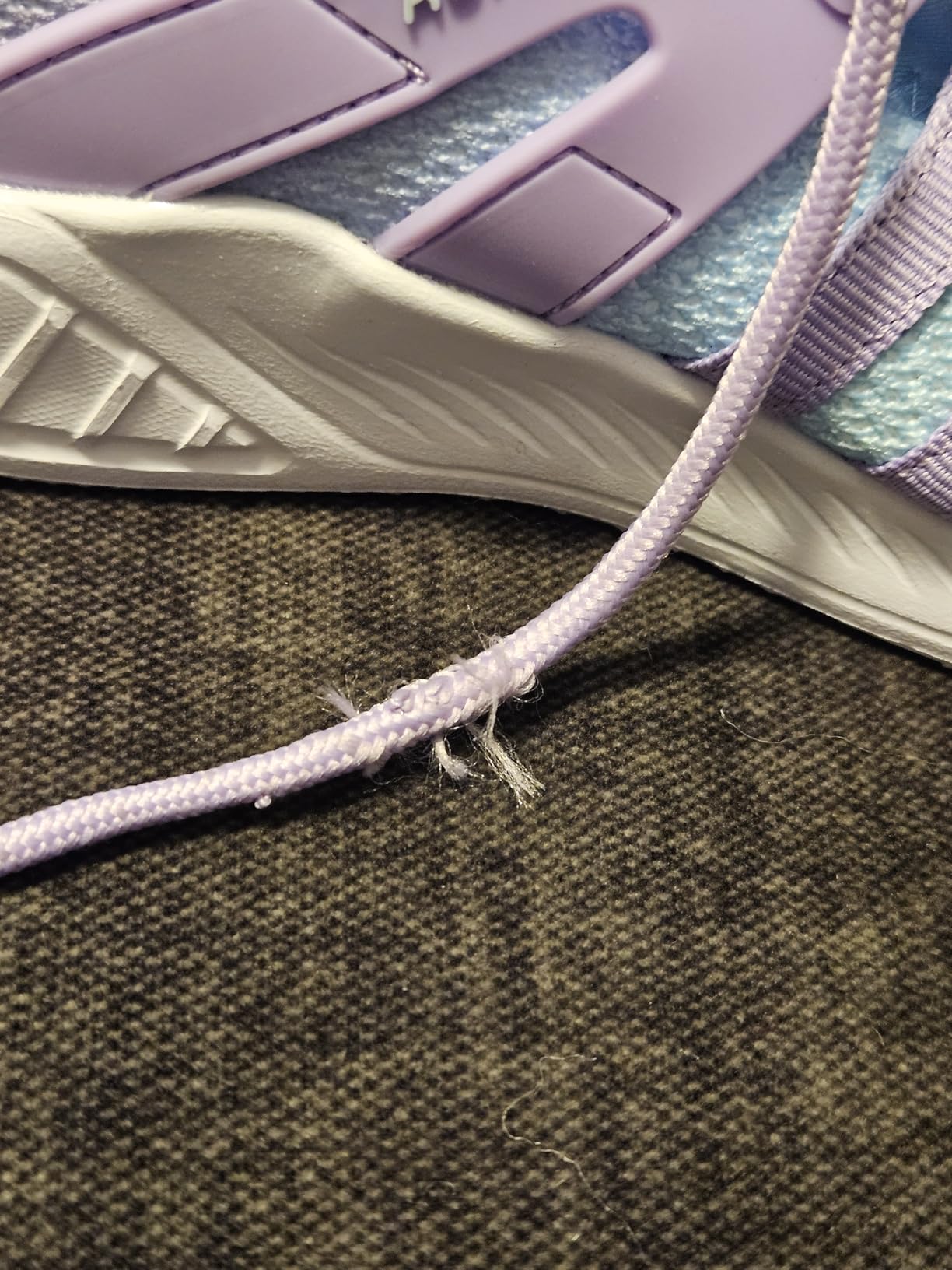
Stock laces — a secondary but fixable problem. The original laces start fraying at the aglet ends around week six. The length also runs slightly long for a child-sized shoe, which means knots come undone during active play more often than they should. Both problems disappear with a $3 replacement set of elastic kids’ laces — some parents swap them before the first wear and never deal with this at all.
The Insole Situation
Around week ten, the thin foam insole developed some minor wrinkling and a small lift at one edge. It needed the occasional press-back-down but never became unwearable. Kids without specific foot concerns won’t notice. The insole is removable, so if your child uses custom orthotics, the compatibility is there.
The Washability Win
Four machine washes — cold water, gentle cycle — and these shoes come out looking close to new each time. The knitted upper doesn’t hold staining the way canvas does, and the gradient dye hasn’t shifted. For parents managing a child who makes regular contact with mud, grass, and cafeteria floors, this is practically more valuable than it might sound on a spec sheet. I’ve seen $70 sneakers look ruined after one wash. These clean up better than shoes at twice the price.
Marketing Claims vs. Reality
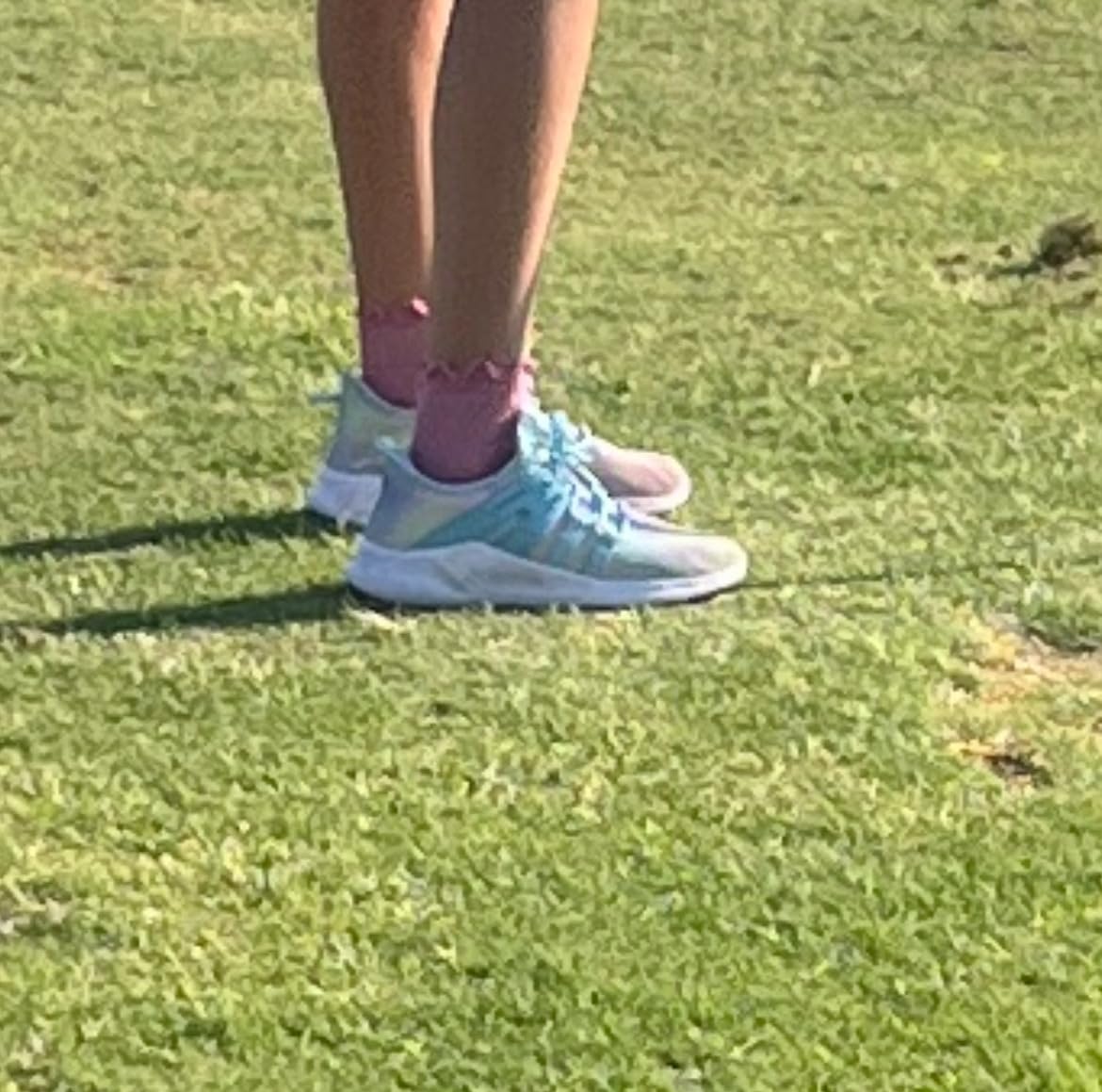
“Ultra-Lightweight Design”: Accurate. Measurably lighter than most similarly priced kids’ sneakers, and the difference registers with kids immediately.
“Breathable Knitted Upper”: Accurate. Real airflow over a full school day, confirmed across multiple wear tests.
“Non-Slip EVA Outsole”: Accurate for typical surfaces, with the caveat that no EVA outsole performs well on wet polished stone or metal. Don’t read “non-slip” as “slip-proof in all conditions.”
“Perfect for Active Kids”: This one needs calibration. For kids doing normal daily activities — school, playground, casual weekend outings — yes. For kids who participate in organized sports, running programs, or activities that require lateral ankle support, “perfect” is an overstatement. Budget shoes often use “active” to mean “doesn’t fall apart walking to the bus stop,” which is a different bar than athletic performance.
One credit worth giving: the marketing photos accurately represent the actual product. The gradient colors match reality, the silhouette is faithful, and the materials look as described. Not every budget brand clears this bar.
The Price Question: Is It Worth It?
Cost-Per-Wear Math
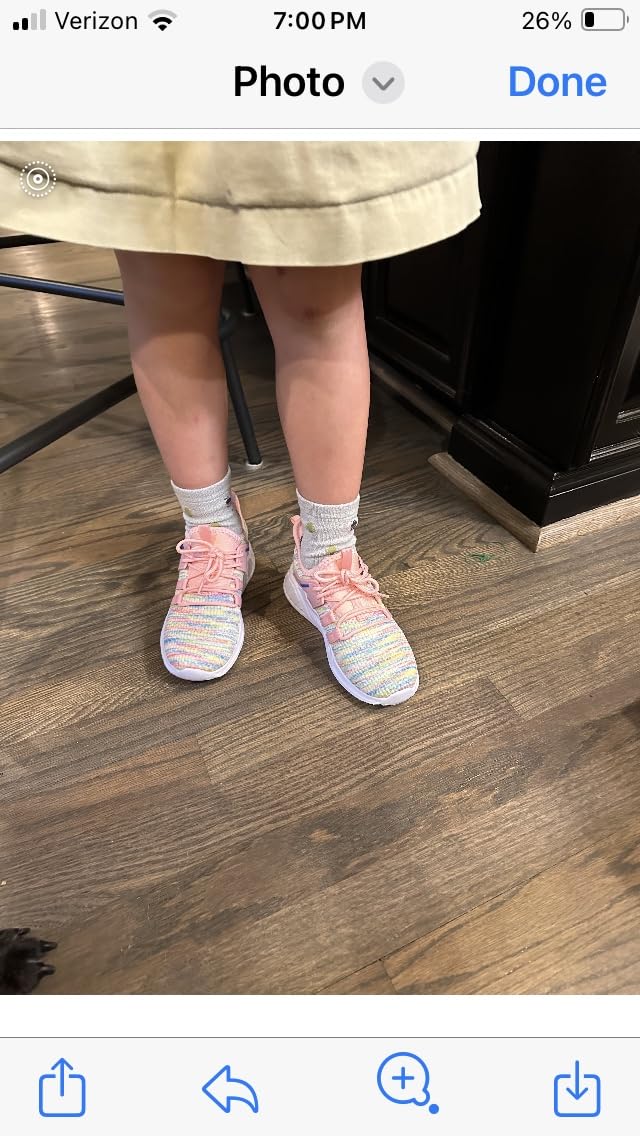
At $25–30 over three months of daily wear — roughly 90 days — you’re looking at about $0.28–0.33 per day. For a shoe where size growth often limits the use period more than durability does, that math holds up well. A $70 option like an Adidas Grand Court Kids might last 18 months with careful use — but if your child’s foot grows a half size every six months, you’re paying for durability you never use.
The Case for Rotation
Several parents I spoke with buy two pairs in the same size: one for school days, one for weekends. Two pairs at $28 each totals $56 and extends the school-day pair’s life by giving it recovery time. Compared to one premium pair at $75–80, the budget rotation strategy delivers better day-to-day shoe condition and costs less. The caveat is that both pairs share the same eyelet weakness, so the $3 elastic lace swap applies twice.
Optional Upgrade Path (~$8 total)
- Elastic kids laces at purchase — $3–4 (eliminates lace complaints entirely)
- Metal eyelet grommets — $3–5 from a craft store (optional; eyelets crack but remain functional)
- Padded aftermarket insole — $10–15 if foot support is a concern
None of these upgrades are required. But they collectively address the three main complaints and extend the shoe’s functional life.
Performance Scorecard
| Category | Score (1–10) | Notes |
|---|---|---|
| Comfort | 7.5 | Excellent for casual daily wear; thin midsole limits sustained activity |
| Style | 8.0 | Gradient color holds genuine kid appeal; stays vibrant after washing |
| Durability | 6.0 | Upper surprises on the upside; eyelets and laces are the weak points |
| Value | 8.5 | Strong cost-per-wear for rapidly growing kids; budget rotation strategy works |
| Versatility | 7.0 | School and casual play: yes. Organized sports and extended hiking: no |
| Ease of Care | 9.0 | Machine wash standout — cleans better than shoes at twice the price |
Overall: 7.7/10
Parent community feedback aligns with this breakdown. Lightweight comfort and washing machine survivability get consistent praise. The eyelet cracking issue comes up regularly in reviews from parents past the 30-day mark. Multiple Spanish-speaking customers have noted “muy cómodo, excelente calidad” — very comfortable, excellent quality — which suggests the sizing and comfort experience holds across different foot shapes.
Final Verdict: Who Should Buy These (and Who Shouldn’t)
Good Fit For:
- Families with a real budget ceiling who need daily school footwear that works
- Parents of kids who grow a shoe size every six months — durability isn’t the constraint
- Children transitioning to lace-ups who need a low-stakes practice shoe
- Families that want machine-washable footwear as a baseline requirement
- Anyone willing to do the $3 lace swap at purchase — it removes the primary frustration
Consider Alternatives If:
- Your child plays soccer, basketball, or any organized sport — purpose-built options like ASICS Kids Upcourt 3 for court sports or KUBUA Kids Running Tennis Shoes offer reinforced construction for lateral movement
- Your child has flat feet or overpronation — the thin EVA insole provides no corrective support; look for kids’ training shoes with structured midsoles
- You need a single pair to last a full academic year with heavy use — these are rated for 3–6 months of daily wear
- Your child regularly hikes or plays on uneven terrain — purpose-built kids’ hiking shoes handle those conditions far better
- Your child plays basketball — low-cut casual sneakers offer no ankle support for that lateral load; check kids’ basketball-specific options like Lackblue Kids Basketball Sneakers
The Bottom Line
At $25–30, RUNSIDE Girls Tennis Shoes are doing what budget kids’ shoes are supposed to do: be lightweight, look good, stay comfortable through a school day, and clean up when your child invariably tests their waterproofing by jumping in a puddle. They’re not competing with performance-focused kids’ sneakers — and they shouldn’t be evaluated as if they are.
The eyelet issue is real and worth knowing before you order. The washability is also real, and practically more valuable than it sounds. My daughter is currently on her second pair (she grew half a size in month two), and I’ll keep buying them until she gives me a good reason to change.
Frequently Asked Questions
Do RUNSIDE Girls Tennis Shoes run true to size?
Generally yes — the majority of parents find standard sizing accurate with a comfortable amount of toe room. Order your child’s usual sneaker size. If she lands between sizes, go up rather than down. The heel cup is snug enough that sizing down creates pressure issues; the toe box has room to absorb the extra half-size up.
How long should I expect them to last?
For daily school wear, budget 3–6 months depending on activity level. The upper outlasts the hardware (eyelets, laces), so if you address those at purchase with elastic replacement laces, the shoe itself can push toward the longer end of that window. If your child’s feet grow every six months, durability likely won’t be the limiting factor.
Can these be machine washed?
Yes, and it’s one of their best features. Cold water, gentle cycle — remove the laces first to protect both the laces and the eyelets. I’ve run ours through four times and the colors held. Air dry rather than using a dryer to preserve the foam shape.
Are they suitable for sports or gym class?
For casual playground activity and school PE that involves basic movement, they’re adequate. For anything involving lateral cuts, sustained running, or organized athletics — tennis lessons, youth soccer practice, running clubs — invest in sport-specific footwear. The thin EVA midsole and lack of lateral support are real limitations for athletic contexts. The ASICS Kids Upcourt 3 is worth a look for court-based activities.
Do the laces stay tied during active play?
The stock laces run slightly long for a child’s shoe size, which means they untie with active running more often than ideal. Double-knotting helps; replacing them with elastic kids’ laces ($3) solves the problem entirely. Some parents do the swap before the first wear as a matter of routine.
What about kids with wide feet?
The standard last is accommodating enough for most kids, including some that run slightly wide. True wide-foot kids may find the fit tight — in that case, the KEEN Chandler CNX Kids runs noticeably wider and is a common recommendation in wide-foot parenting forums.
Are there other color options?
Yes — RUNSIDE offers several gradient colorways in the same model. The gradient blue tested here is among the most popular, but availability shifts seasonally. Construction quality and sizing are consistent across the color options based on parent feedback across variants.
Be the first to review “RUNSIDE Girls Tennis Shoes Lightweight Sports Kids Sneakers”
Related products
Sneaker
Sneaker
Running Shoes
Sneaker
Running Shoes
Reviews
There are no reviews yet.