
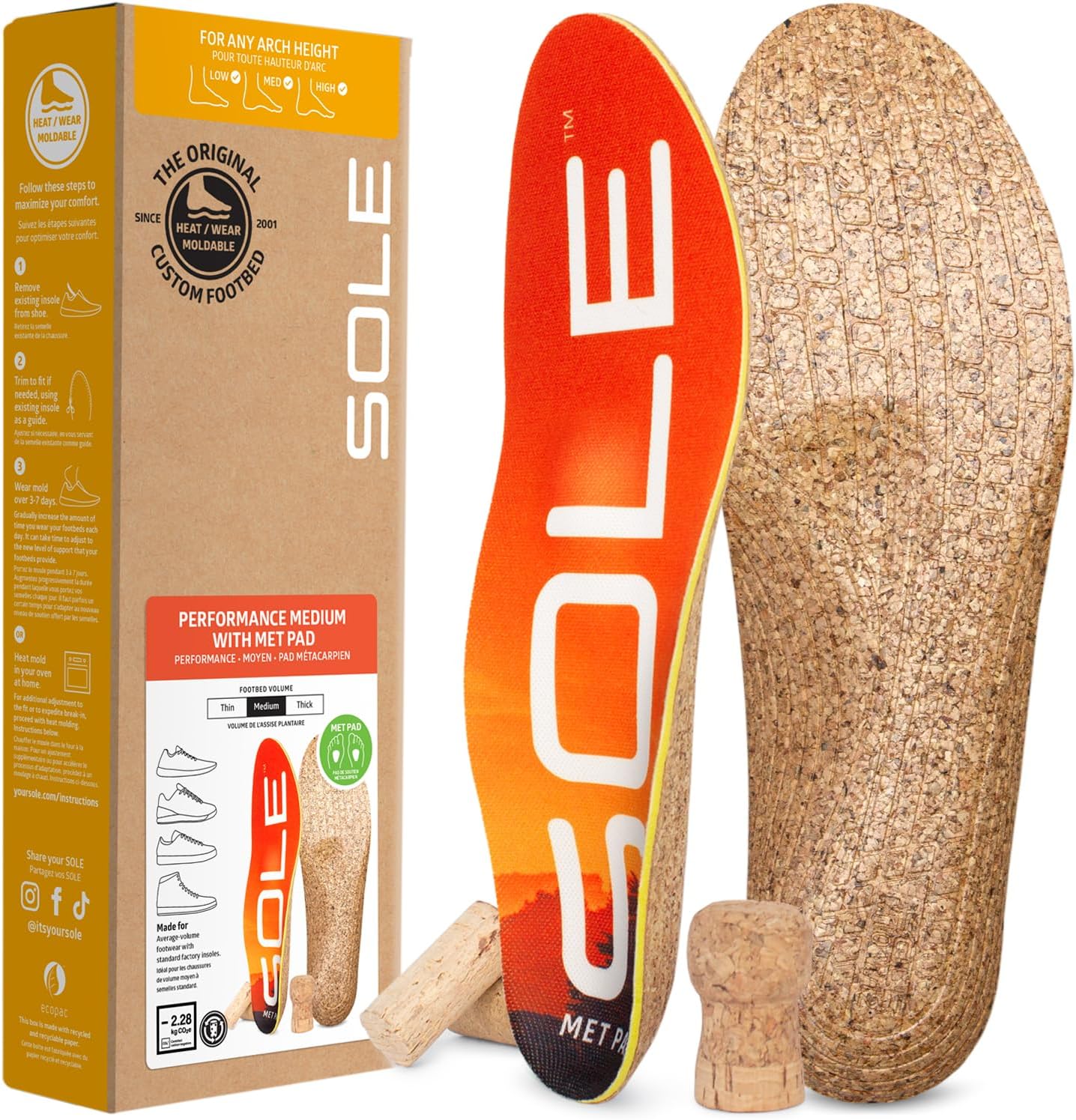
My podiatrist used the phrase “conservative management” like it was a compliment. What it meant in practice was: your plantar fasciitis isn’t surgical, so here’s a list of things to try before we escalate. I’d already run through most of it — five months, four gel pads from the pharmacy, one branded pair from a running store, and enough frustrated mornings that I’d started keeping ibuprofen on my nightstand. Then a coworker in the break room mentioned she’d been wearing SOLE cork insoles in her nursing clogs for over two years without issue. That sentence alone sent me to my phone. Eight weeks and roughly ten-hour daily retail shifts later — across four different shoe types — here’s what the cork actually delivered.
Technical Specifications
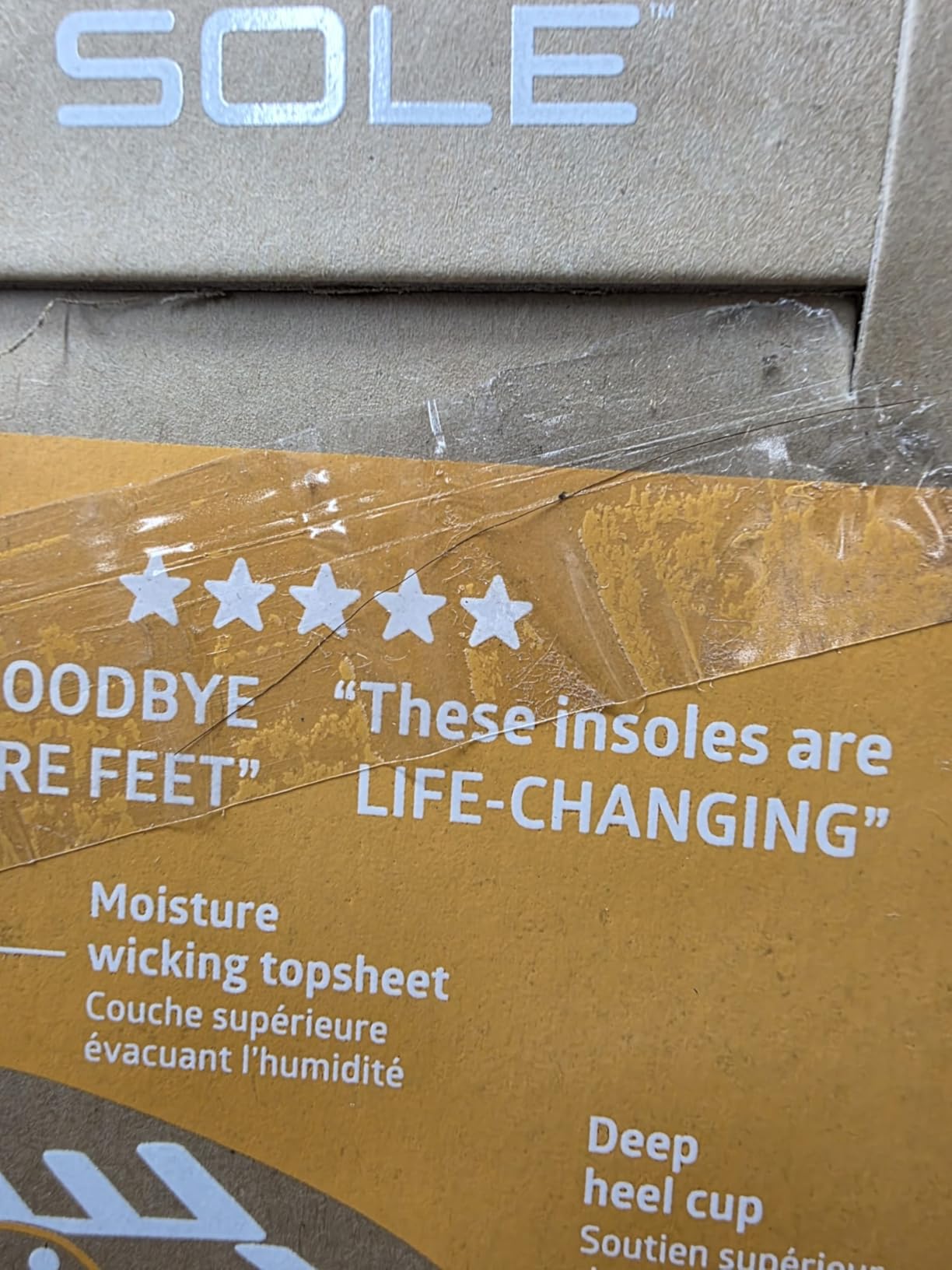
- Price: ~$60 (check current pricing)
- Weight: 2.0 oz (men’s 8.5–9) / 3.2 oz (men’s 11)
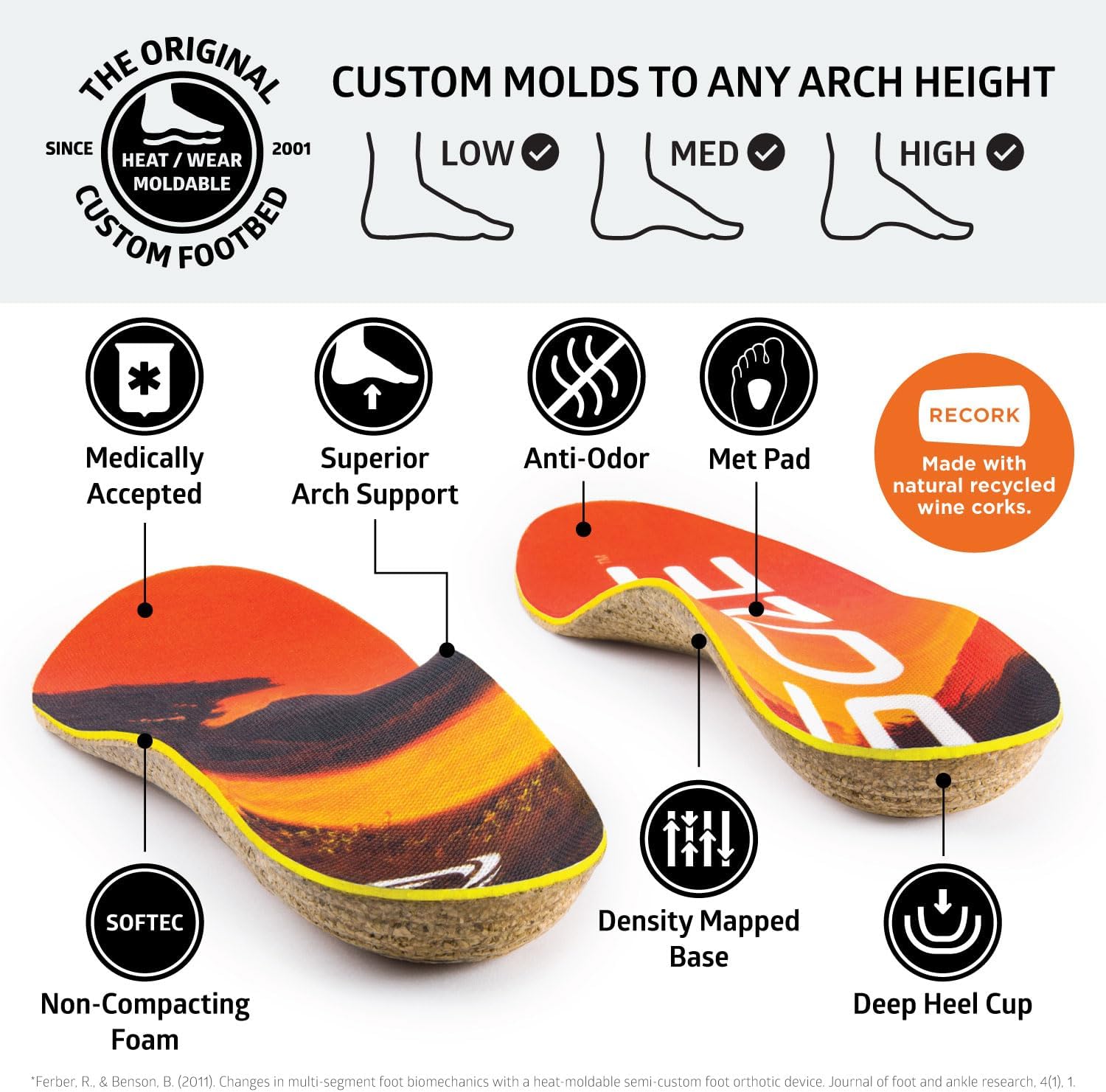
- Base material: ReCORK recycled wine cork
- Top fabric: Moisture-wicking polyester with Polygiene odor control
- Forefoot thickness: 4.25mm (TheInsoleStore measured)
- Heel thickness: 6.75mm
- Arch height: ~25mm standard / semi-rigid construction
- Heat moldable: 200°F oven, 2 minutes
- Certification: APMA Accepted (American Podiatric Medical Association)
- Carbon status: Carbon negative — net −2.28 kg CO₂ per pair
- Variants: Thin / Medium / Thick; Standard / Wide; With or without met pad
- Testing period: 8 weeks, 45+ hours daily wear, 4 shoe types
Build and First Impressions
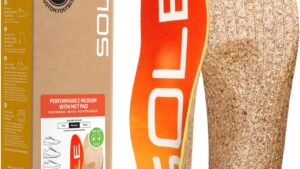
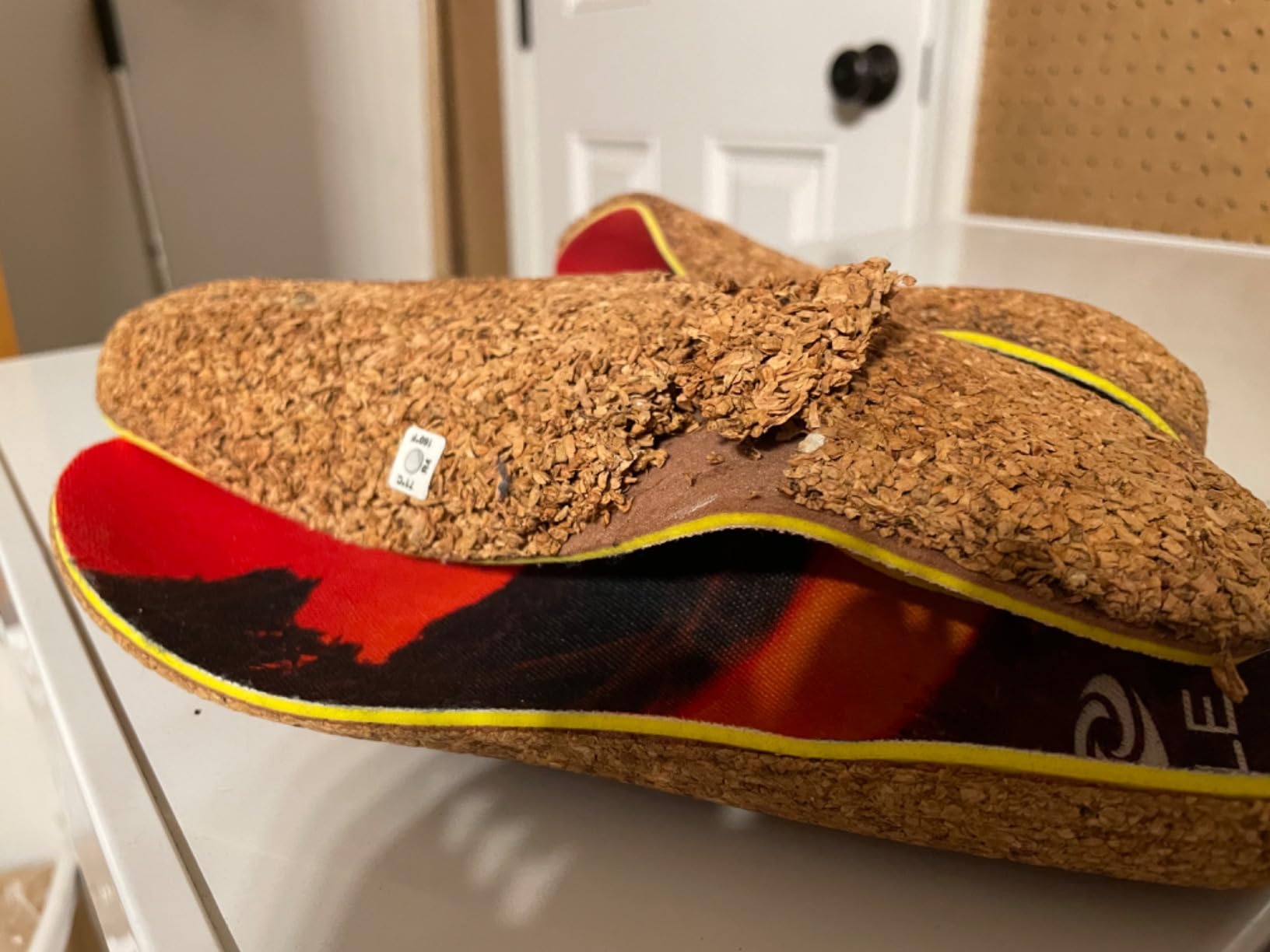
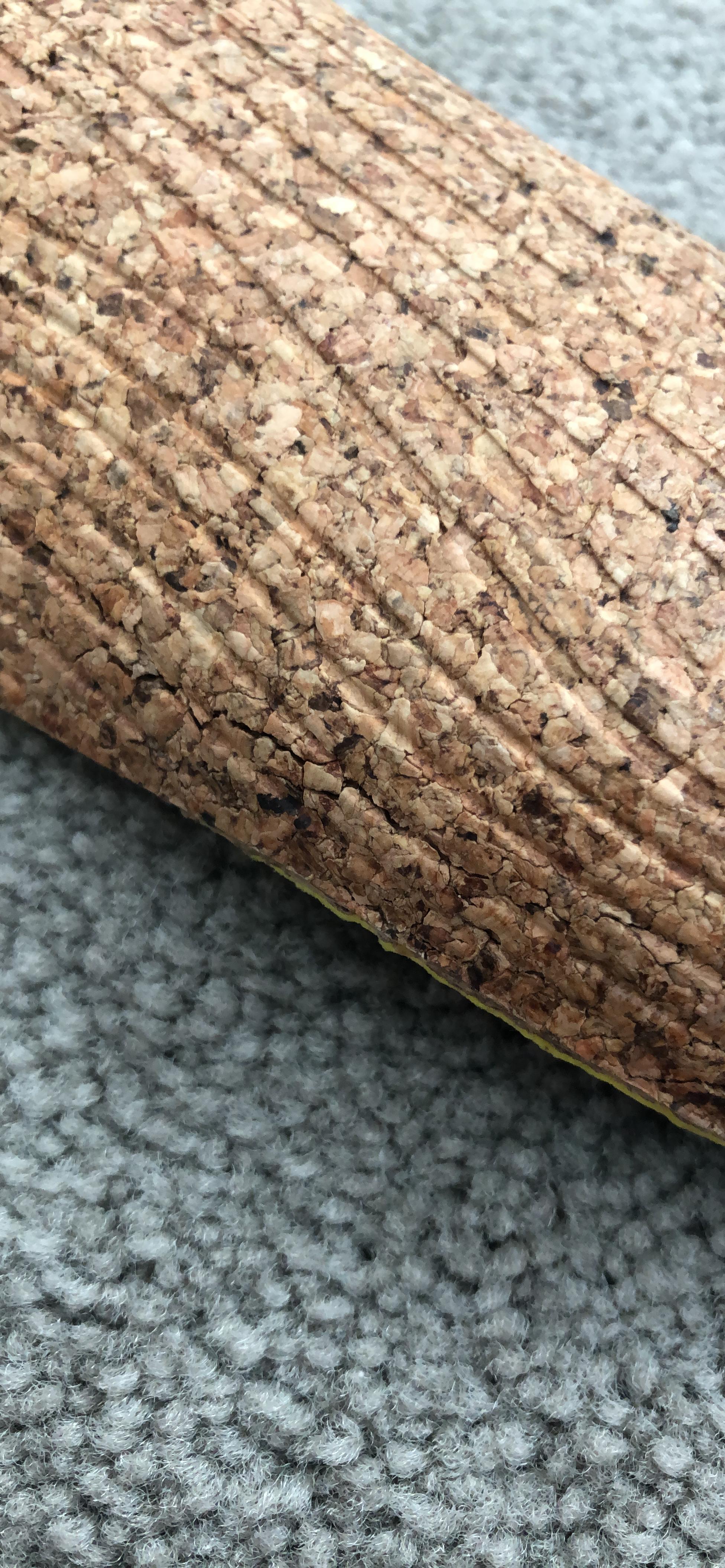
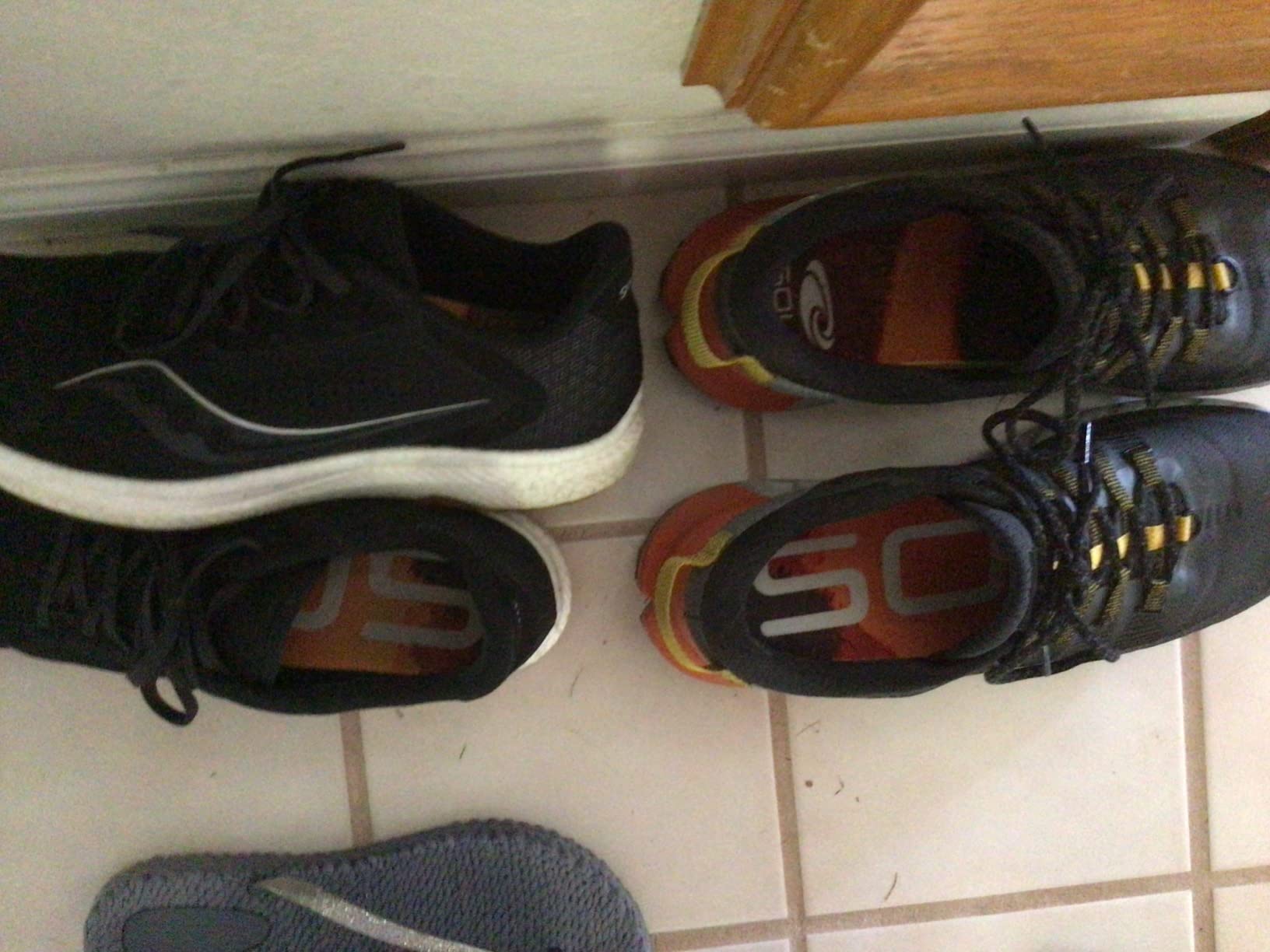
Pull these out of the box and they don’t feel like insoles. The ReCORK base has real density — firm and almost leather-like under hand pressure, with a faint natural grain texture that makes the material origin obvious. The top layer grips slightly against sock fabric, which solved a problem I’d had with every previous pair migrating toward the toe box within a few weeks.
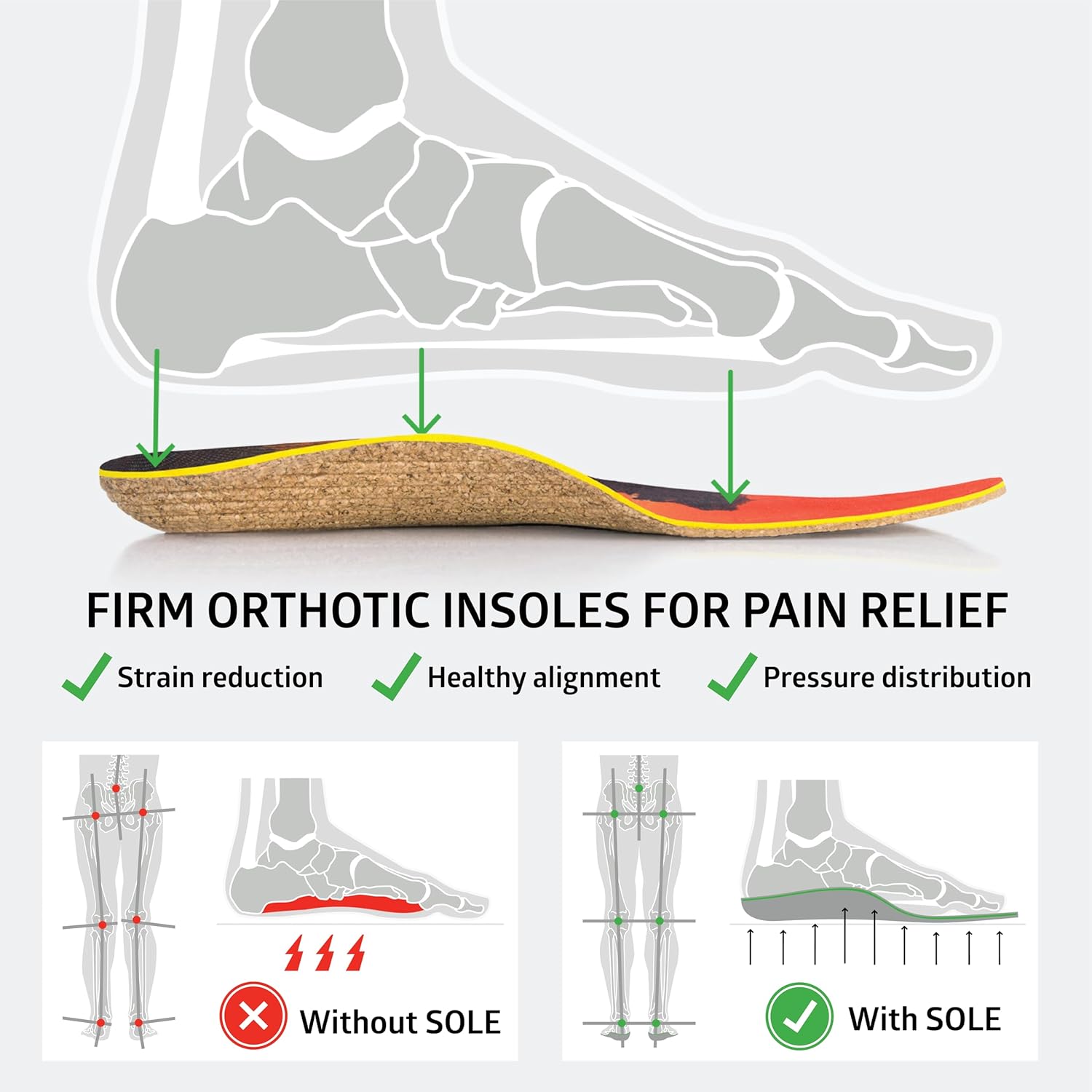
SOLE calls the arch profile the “Signature Shape,” and it earns that description. The heel cup is substantially deeper than anything I’ve used from a pharmacy, and the arch rises more aggressively than most semi-rigid options. At 6.75mm in the heel tapering to 4.25mm at the forefoot, the Medium sits on the thicker end of the non-custom range. Worth knowing upfront: these will require removing your stock liners in virtually every shoe, and they won’t fit footwear that runs tight or doesn’t have removable factory insoles.
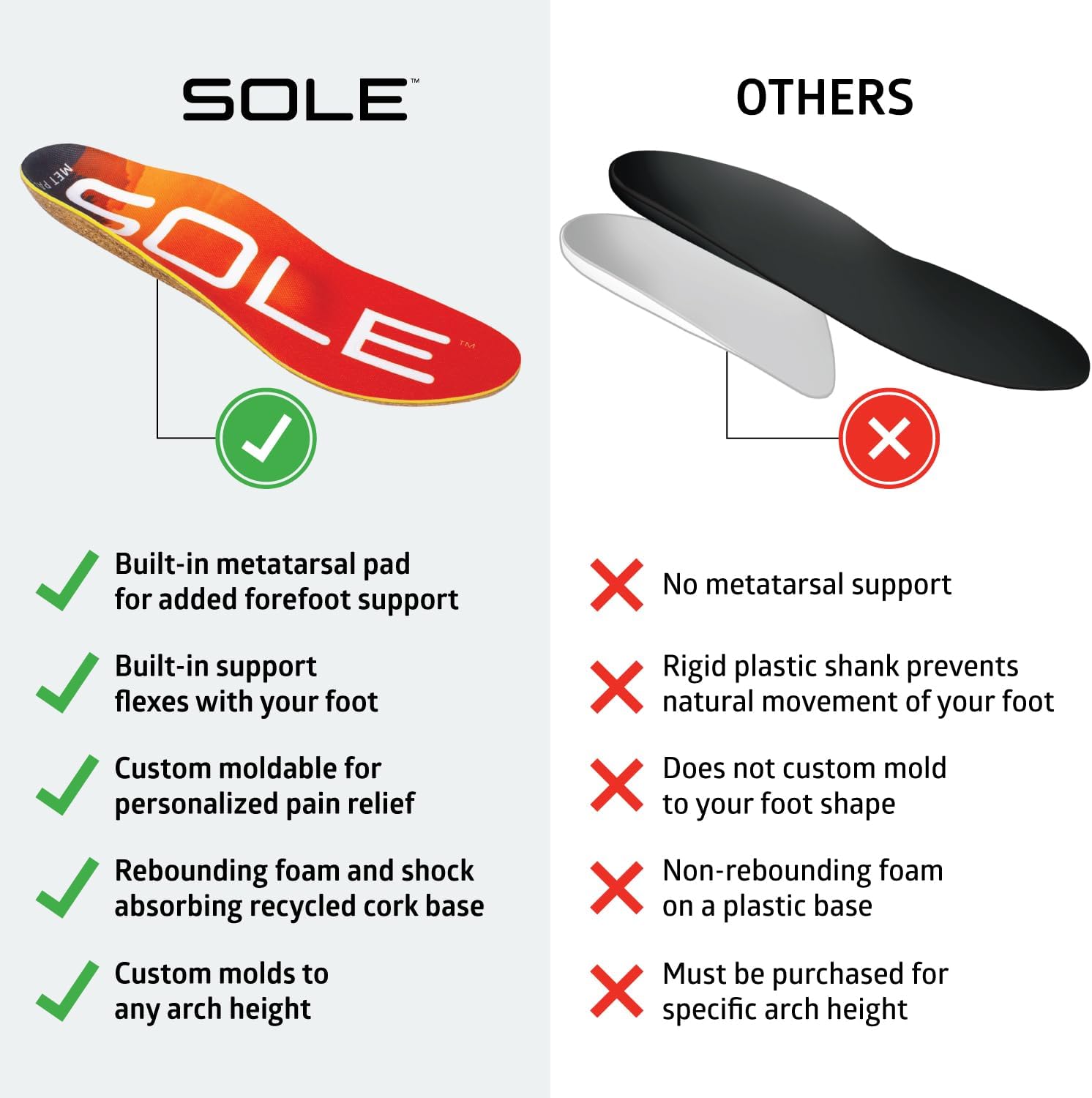
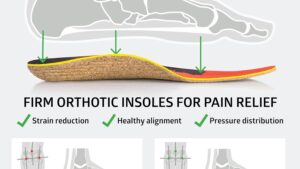
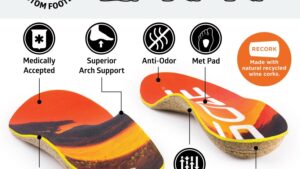
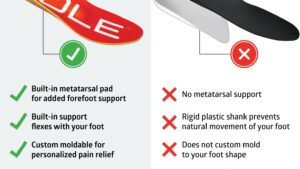
The built-in metatarsal pad is positioned roughly where the ball of the foot rests — forward of the arch support, behind the toes. It’s subtle visually but you feel it immediately on standing. For someone who’d been dealing with forefoot burning that developed predictably around hour four of a shift, this feature deserved attention.
Heat Molding: The Process Is Odd, the Result Is Real
The instructions read: preheat oven to 200°F, lay insoles flat on a baking sheet for two minutes, transfer immediately into your shoes, stand still for two more minutes. Putting footwear accessories in a cooking appliance feels like a choice, but it works — just not in the transformative way the marketing language hints at.
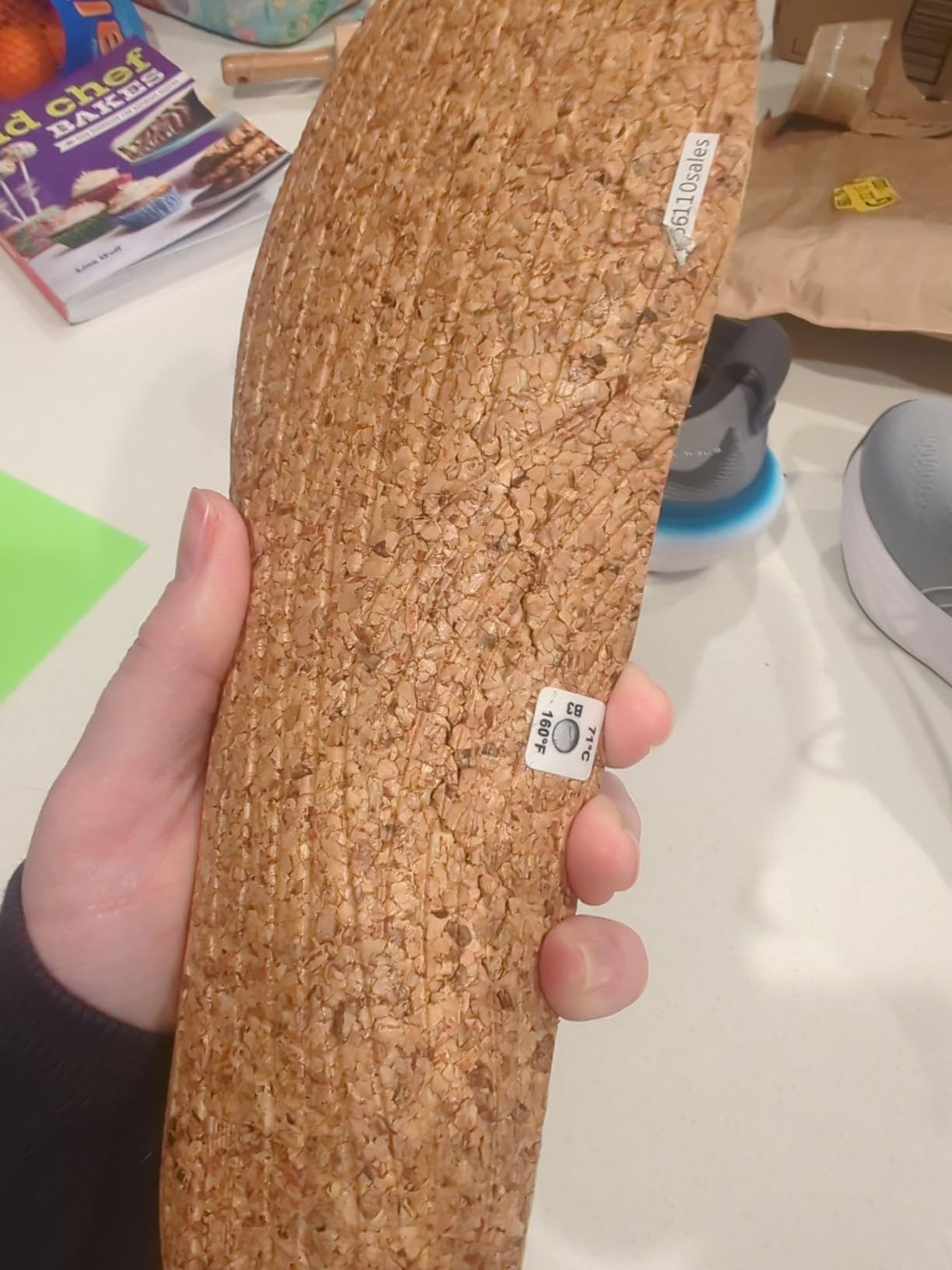
The result is subtle personalization, not full custom orthotic contouring. Post-molding, the arch and heel feel less generically shaped and more like they’re meeting your foot where it actually sits. The Opti-therm indicator around the perimeter is supposed to turn black when the right temperature is reached — mine darkened inconsistently, which nearly made me remold. SOLE’s instructions clarify: if three minutes pass without full color change, remove anyway. The heat event happened; the indicator is a guide, not a guarantee. That detail would have saved me fifteen minutes of second-guessing on day one.
Skipping the oven is also a valid choice. The cork adapts through normal wear over several days via body heat and pressure. The oven method just compresses that timeline, which matters if you’re heading into a demanding shift rather than breaking these in gradually on weekend errands.
Daily Work Performance — Where the Data Gets Interesting
I tested these in four contexts over eight weeks: retail management shifts (8–10 hours on concrete and tile), 5K runs three days a week, day hikes in trail boots, and casual sneaker wear. The most useful data came from the first category — that’s where the stakes were highest and where the changes were measurable.
The Concrete Floor Test
My morning heel pain before starting these was a consistent 7–8 out of 10 — that specific first-step-out-of-bed experience that anyone with plantar fasciitis recognizes immediately. By end of week two, it had dropped to roughly a 4. By week four, I was averaging somewhere between 2 and 3, with the occasional morning where I almost forgot to check. The arch support appeared to be interrupting the overnight fascia-tightening cycle that produces the worst morning symptoms, rather than just masking pain during wear.
The metatarsal pad changed something specific about the shift experience: it pushed back the point at which forefoot burning developed from around hour four to somewhere between hours six and seven. That two-to-three hour extension genuinely matters when your schedule runs to closing. By the end of a ten-hour shift, the pain level was minimal compared to what I’d been managing previously with gel alternatives.
What confirmed the cork value proposition most clearly was structural consistency. Gel insoles I’d used before follow a predictable curve: great for the first month, progressively softer, flat foam by week ten. These hadn’t followed that arc. At eight weeks, the arch contour still matched the impression set during heat molding. That’s not a minor difference — it’s the entire durability argument for cork over EVA foam.
Running and Movement
My concern going in was gait interference — whether the firmness of the cork arch would translate into altered foot strike mechanics on 5K routes. It didn’t, at least not noticeably. The arch support registered as stable without being intrusive, and the insoles didn’t add enough weight to factor into foot strikes.
The unexpected result was push-off quality. The metatarsal pad creates a more stable platform right behind the toes during the final phase of the stride, and my pace data in weeks six through eight was running 8–10 seconds per mile faster than the prior month’s average. I can’t attribute that solely to the insoles — other variables exist — but the push-off felt mechanically different, and the correlation held across multiple sessions.
Weekend hiking was the more physically demanding test. The deep heel cup stayed secure on uneven terrain, reducing the lateral heel slip that typically produces hotspots by mile four or five. On a six-mile day hike with roughly 1,200 feet of elevation change, I finished without the heel fatigue I’d come to expect from stock hiking shoe liners.
Performance Across Conditions
Moisture and Temperature
Cork regulates temperature passively — it doesn’t trap heat like foam and doesn’t feel cold on first contact the way bare plastic or rigid EVA can. In my warehouse shifts, which tend to run warm, foot temperature stayed manageable without the clammy buildup I’d noticed with cheaper foam alternatives. Cold mornings on the trail were similarly unremarkable; the cork doesn’t stiffen or lose comfort characteristics in lower temperatures the way some synthetic materials do.
Moisture performance from the polyester top layer is functional rather than exceptional. On high-output days — longer runs, hot shifts — some retention was noticeable by the time I got home. The Polygiene odor control held up consistently over eight weeks of daily wear across two shoe rotations, with no unusual buildup. That’s an improvement over previous foam options.
Shoe Compatibility
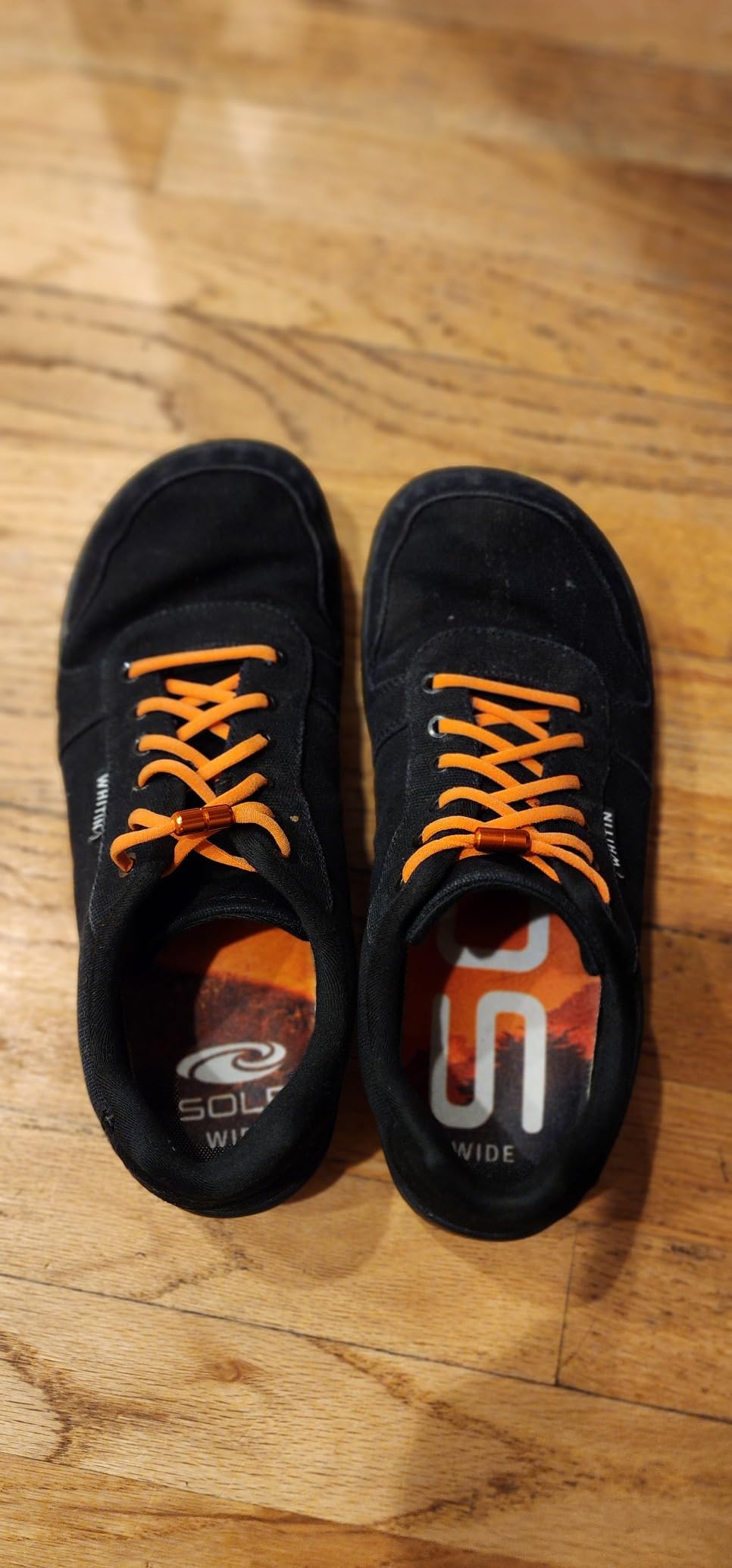
The Medium thickness worked without issue in my work boots, running shoes, hiking trail boots, and most casual sneakers after removing the factory liners. One pair of slim-profile casual sneakers didn’t work — too tight at the toe box with the added volume. If you’re planning to use these in dress shoes, fashion footwear, or anything with a fixed non-removable liner, SOLE’s Thin variant is the more appropriate choice. The test before buying: remove your stock insole and press your hand flat into the shoe. If you have 6–7mm of clearance, Medium will work. Less than that, go Thin.
The Squeaking — Let’s Be Direct
These insoles squeak. Not in every shoe, not constantly, but reliably enough in certain environments that ignoring it would be dishonest. The cork base rubbing against specific shoe interior linings creates a sound that ranges from a faint intermittent creak to something more noticeable — worst in my work shoes on smooth tile floors, which is precisely the environment you’d hope for quiet.
Baby powder applied to the underside helped significantly and reduced the frequency for three to five days at a stretch. A thin sock liner between the insole and shoe interior helped in one pair but created too much volume in another. By week eight, the occurrence had decreased from what it was during weeks two through four, suggesting some break-in does occur. But it hadn’t disappeared, and I’m not going to report that it will.
Whether this matters depends entirely on your environment. A gym, a trail, a busy retail floor — you won’t notice it. A library, a quiet office, a formal meeting — you will notice it, and so will people nearby. For someone managing genuine plantar fasciitis pain, trading occasional awkward noise for consistent morning relief is a reasonable exchange. For someone primarily noise-sensitive or working in high-decorum settings, this warrants consideration before purchasing.
The Medical Claims: What’s Verified vs. What’s Marketing
SOLE cites a 34% reduction in plantar fascia strain. That’s a specific enough figure to sound clinical, but I couldn’t find independent lab verification — it appears to originate from internal SOLE testing. The claim’s direction is plausible given observable results, but the exact percentage shouldn’t be treated as externally validated data.
What I can say from personal experience: morning heel pain went from 7–8/10 to a sustained 2–3/10 by week four, and held there through week eight. The mechanism appears to be arch support maintaining foot alignment throughout the day, which prevents the fascia from tightening significantly overnight. The relief isn’t primarily about cushioning impact — it’s about preventing the overnight tension accumulation that produces the worst first-step symptoms. That distinction matters because it explains why these outperform gel insoles for plantar fasciitis specifically, even when gel options feel softer in the moment.
The APMA Acceptance designation (American Podiatric Medical Association) is worth noting. It doesn’t mean the product treats any medical condition; it means APMA-affiliated podiatrists reviewed the design and found it met their standards for promoting good foot health. For an over-the-counter orthotic accessory at this price point, that’s a meaningful certification to hold.
The heat molding customization is real but scaled appropriately: semi-custom, not custom. The cork conforms to your specific arch and heel shape rather than applying the exact corrective positioning a podiatrist would design from a foot scan or cast. For mild to moderate plantar fasciitis, that degree of personalization is usually enough. For more significant biomechanical issues, the right starting point is still a podiatrist consultation.
Who These Are For — and Who Should Look Elsewhere
The clearest fit is someone with diagnosed plantar fasciitis who’s tried gel insoles and found them temporarily helpful then disappointing. The cork’s structural consistency — not compressing like foam — is the specific advantage over most over-the-counter alternatives at or below this price point.
Workers spending six or more hours daily on hard surfaces are equally well-positioned: retail staff, food service employees, healthcare workers, security personnel. The combination of arch support and metatarsal pad addresses the two primary complaints from that occupational group — heel/arch fatigue and forefoot burning. For runners with documented overpronation, the semi-rigid arch provides meaningful support on longer distances where fatigue compromises foot mechanics. Users of stable walking shoes designed for all-day support can also benefit from upgrading stock insoles with SOLE’s cork option.
Consider alternatives instead if:
- Cushioning is your primary need: These are support-focused, not plush. Foam-based options like Sof Sole Athlete Insoles are better matched for impact cushioning as the main goal
- You have flat feet / low arches: The 25mm arch profile is calibrated for neutral to high arches. Flat-foot users typically report the arch contacts in the wrong position and creates pressure rather than relief
- Your shoes run tight: The Medium profile adds real volume. If your footwear is already snug, either go Thin or test with removed stock liners before committing
- Budget is the constraint: Dr. Scholl’s products and similar drugstore options at $10–15 are appropriate for mild foot fatigue without diagnosed conditions. The SOLE premium is justified for plantar fasciitis management, not routine comfort
- You work in quiet environments and noise is a dealbreaker: The squeaking won’t go away reliably within the first two months
What the Broader User Community Reports
Across several hundred reviews I worked through, the pattern holds consistently in both directions. Plantar fasciitis users report meaningful relief frequently enough that it reads as the norm — most describe improvement within one to two weeks, with full results typically by week four to six. Healthcare workers and retail staff specifically call out the metatarsal pad as addressing the forefoot burning that accumulates in long standing shifts.
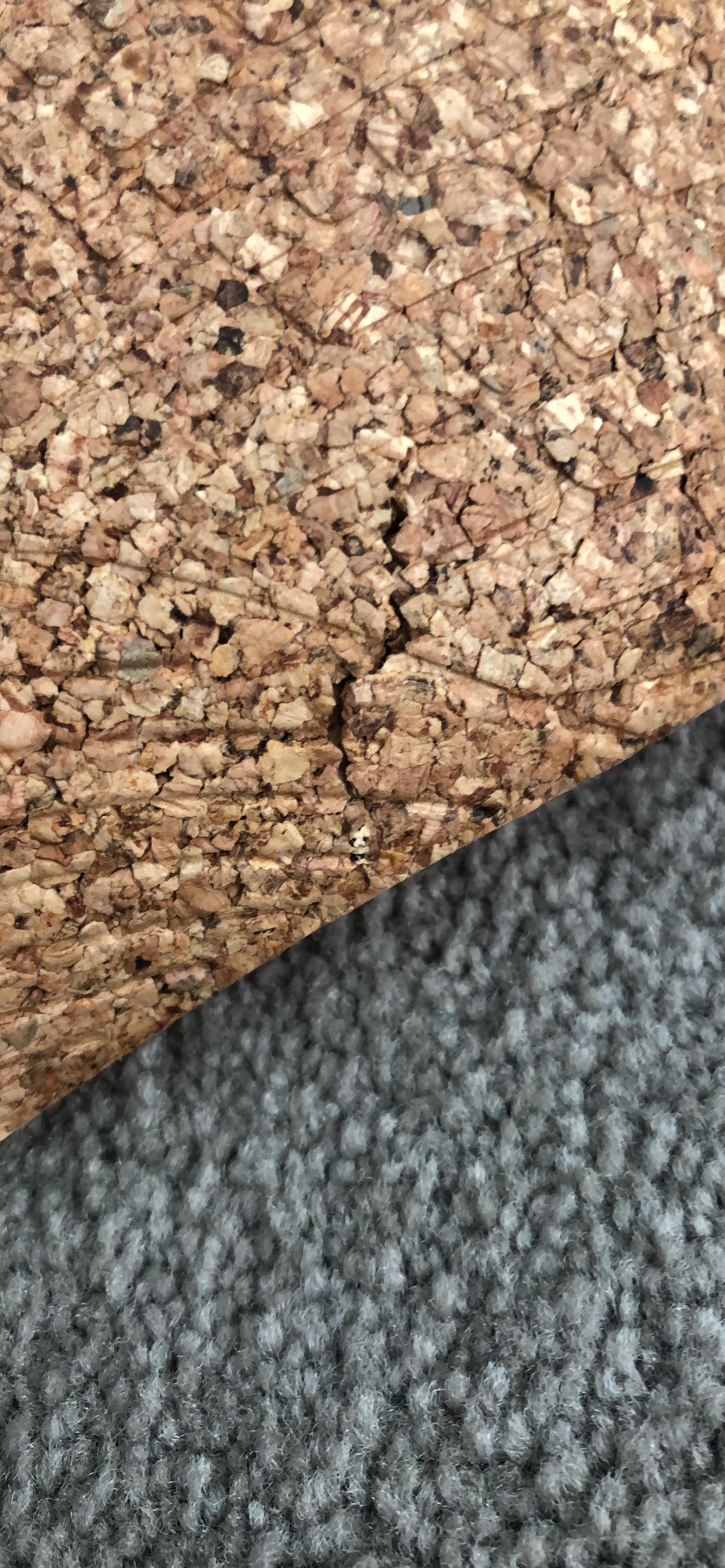
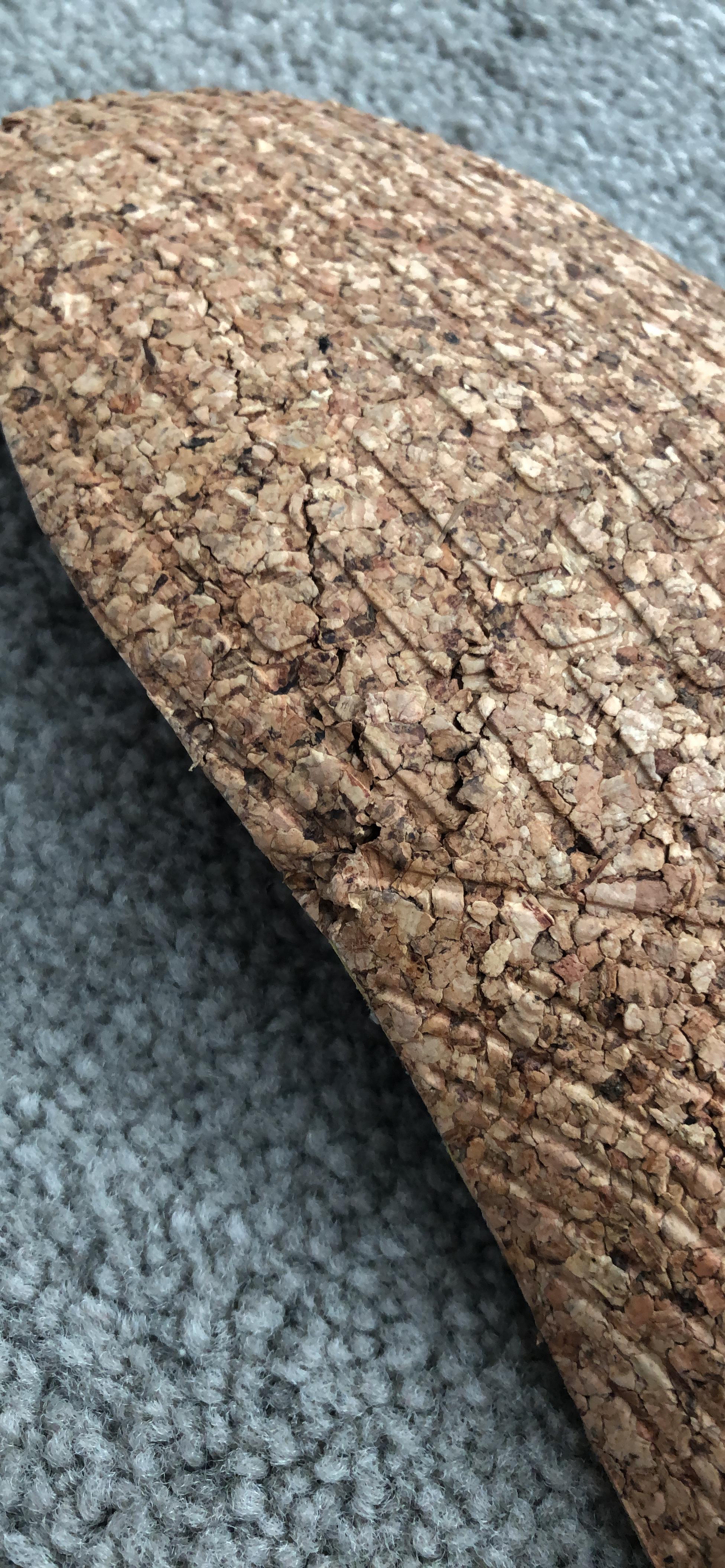
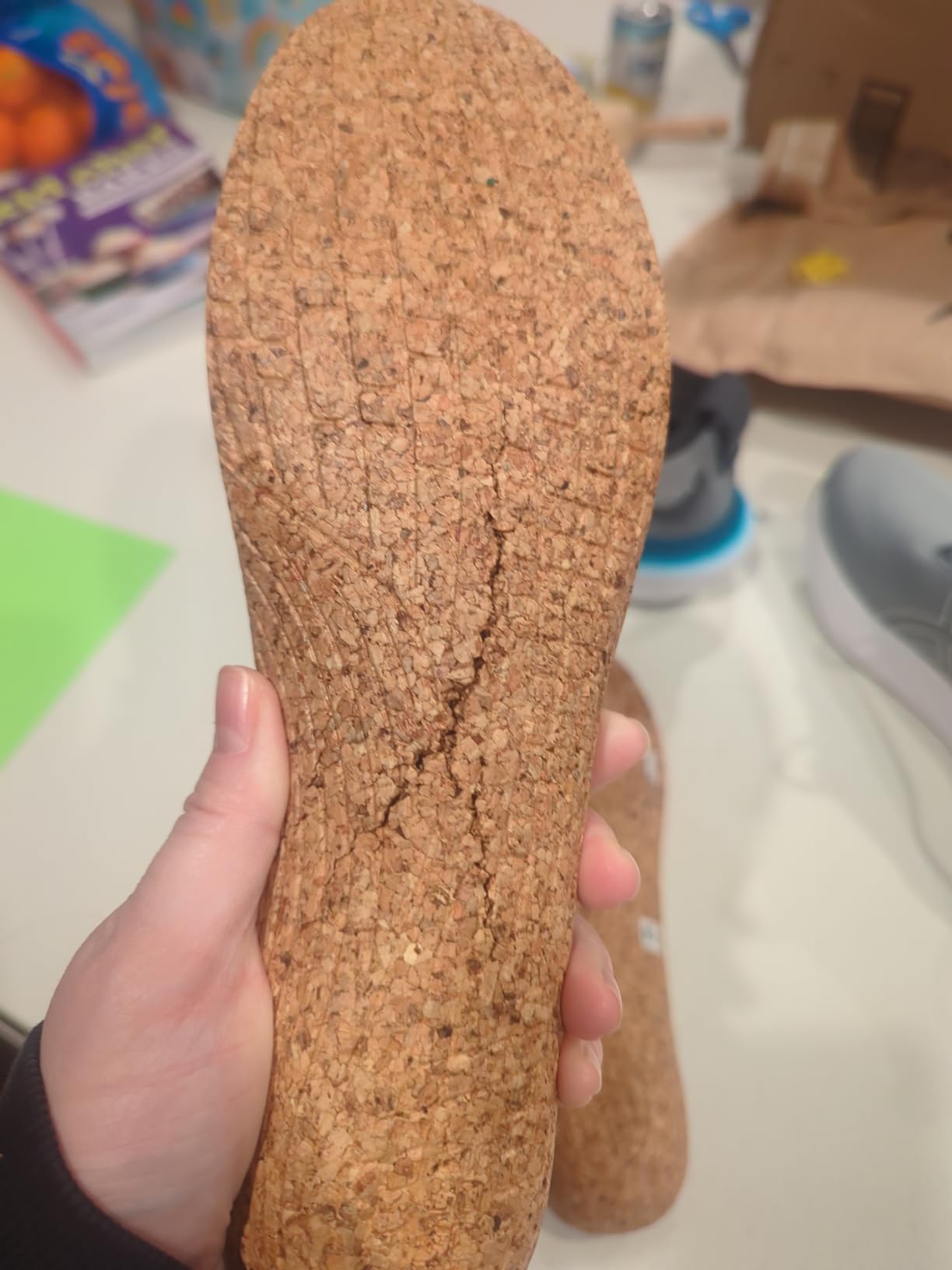
The negative cluster is predictable and worth knowing: squeaking (reported by roughly 30% of reviewers), cork cracking in demanding environments like construction and outdoor labor, and firmness being a mismatch for anyone expecting cushioning-first performance. The cork cracking issue appears tied to rough handling during removal or sustained moisture exposure, not standard daily wear.
Long-term users — three or more years — often report buying additional pairs specifically to avoid transferring insoles between shoes. That behavior says something: when someone chooses to spend $120–180 on multiple pairs rather than switching to a cheaper option after the first set wears out, the effectiveness is holding across the replacement cycle.
Durability and Real Lifespan
Based on community consensus and my own structural observations at eight weeks, the realistic lifespan breaks down by use intensity:
- Casual use (3–4 days/week, shoe rotation): 18–24 months
- Regular daily wear (standing job, moderate activity): 12–18 months
- Heavy use (daily training, running 20+ miles/week, full-time standing): 6–12 months
- High-stress environments (construction, landscaping): 3–6 months — the cork disintegrates faster under constant high-impact stress and sustained moisture
At $60 and an 18-month lifespan for a standard retail standing job, the daily cost works out to roughly $0.11. Custom orthotics at $300–500 with a similar replacement timeline cost $0.55–1.10 per day — and require a podiatrist appointment to get. The comparison with drugstore alternatives is less clear-cut: a $15 gel pad at three months of effective life costs $0.17 per day and involves none of the oven-molding process. The SOLE earns its premium over the budget option through structural longevity and APMA-backed design; whether that premium is worth it depends on the severity of your foot condition.
My Verdict After Eight Weeks
Morning heel pain from 7–8/10 to 2–3/10 by week four, sustained through week eight. Forefoot burning in retail shifts pushed back by two to three hours. Cork maintaining arch structure when gel alternatives had already gone flat. Those are the specific outcomes I needed, and these delivered them.
The squeaking is real and I won’t downplay it. It was annoying enough during weeks two through four on tile that I noticed it regularly. Baby powder helps temporarily. Louder environments solve it by context. Neither fix is permanent, and that’s worth knowing before buying. For someone with active plantar fasciitis, “occasional cork noise” sits substantially lower on the priority list than “excruciating first steps every morning” — but your environment and tolerance are your own to evaluate.
At $60, these cost more than pharmacy alternatives and less than a single podiatrist visit. If you have documented plantar fasciitis or spend your working day on hard surfaces with persistent heel or arch pain, the SOLE Performance Medium insoles are a well-supported investment. If your foot discomfort is mild, occasional, or primarily cushioning-related, there are better-matched options at lower price points — and those options won’t make your shoes squeak.
| Performance Category | Score (1–10) | Notes |
|---|---|---|
| Plantar Fasciitis Relief | 9.0 | 7–8/10 morning pain → 2–3/10 by week four; sustained |
| Arch Support | 8.5 | Semi-rigid, conforms well; not suitable for flat feet |
| All-Day Comfort | 8.0 | Metatarsal pad extended forefoot comfort window by 2–3 hours |
| Build Quality / Durability | 7.5 | Cork held arch shape through 8 weeks; heavy-use environments reduce lifespan |
| Heat Molding | 7.0 | Functional; indicator unreliable; subtle rather than dramatic result |
| Versatility / Shoe Compatibility | 7.0 | Works in boots, athletic, casual; not for tight-profile footwear |
| Value for Money | 6.5 | Justified for PF management; questionable for mild discomfort |
| Noise Level | 4.0 | Cork friction squeaking — real and persistent; diminishes somewhat over time |
| OVERALL SCORE | 7.2/10 | Effective medical-grade support; noise is the real trade-off |
Frequently Asked Questions
Is the heat molding step actually necessary?
Not required — the cork will conform through normal wear over several days. The oven process compresses that timeline and reduces the initial break-in stiffness, which is useful if you’re heading into demanding shifts rather than gradually testing these on weekend errands. If the oven step feels daunting, skip it and give yourself a week of regular wear instead.
How long do these realistically last with daily use?
For daily retail or healthcare work — standing 8–10 hours — expect 12–18 months before the cork loses meaningful structural integrity. Daily runners should plan for 6–12 months. Construction and outdoor labor use will reduce that to 3–6 months as the cork disintegrates faster under constant high-impact conditions. Casual rotation users can push well past two years.
Will the Medium thickness fit in all my shoes?
Most athletic shoes, work boots, and casual sneakers with removable stock liners accommodate the Medium without issue. Tight dress shoes, slim-profile loafers, and fashion footwear generally won’t. The practical test: remove your stock insole and see how much depth you have. If the shoe feels substantially empty without the liner, you likely have enough room. If it already runs snug, go with the Thin variant.
I have flat feet. Will these work?
Probably not well. The 25mm semi-rigid arch is calibrated for neutral to high arches. Flat-foot users typically report the arch hitting in the wrong location and creating pressure rather than providing relief. The SOLE Active line (EVA foam, lower arch profile) is a better starting point for low-arch users, or consult a podiatrist for specific guidance.
Is the squeaking going to go away?
It typically diminishes rather than disappears. Weeks two through four are usually the worst. Baby powder applied to the insole underside helps for a few days at a time. Some users find it nearly resolves by weeks six through eight as the cork breaks in against the shoe lining; others report it persisting longer. If it’s severe past two months, SOLE’s Active line (EVA base) doesn’t have the same cork-on-lining friction issue.
How do these compare to custom orthotics from a podiatrist?
For most mild-to-moderate plantar fasciitis cases, these achieve most of the therapeutic benefit at roughly one-fifth the cost. What you trade away versus custom orthotics is precise biomechanical correction — the heat molding provides semi-custom fit but not the exact corrective positioning a podiatrist would design from a cast or foot scan. If your PF hasn’t responded after three months of consistent SOLE use, a podiatrist visit is the right next step.
What happens to the return policy after I mold them?
SOLE’s 30-day comfort guarantee applies to purchases through their direct website, but specifically excludes insoles that have been trimmed to size or heat molded. Amazon’s standard return window similarly becomes inapplicable once molded. Bottom line: if you’re uncertain about size or fit, test the fit dry (without molding or trimming) before committing to the oven process.
Half sizes — which way do I size?
Size down to the nearest full size, then trim if needed using your existing sock liner as a cutting template. It’s straightforward to trim a slightly long insole; there’s no recovery from one that’s too short. SOLE’s sizing chart runs generous, so erring toward slightly larger before trimming gives you more flexibility.
Be the first to review “SOLE Performance Medium Shoe Insoles with Metatarsal Pads”
Related products
Accessories
Accessories
Accessories
Accessories
Accessories
Accessories
Accessories
Reviews
There are no reviews yet.