
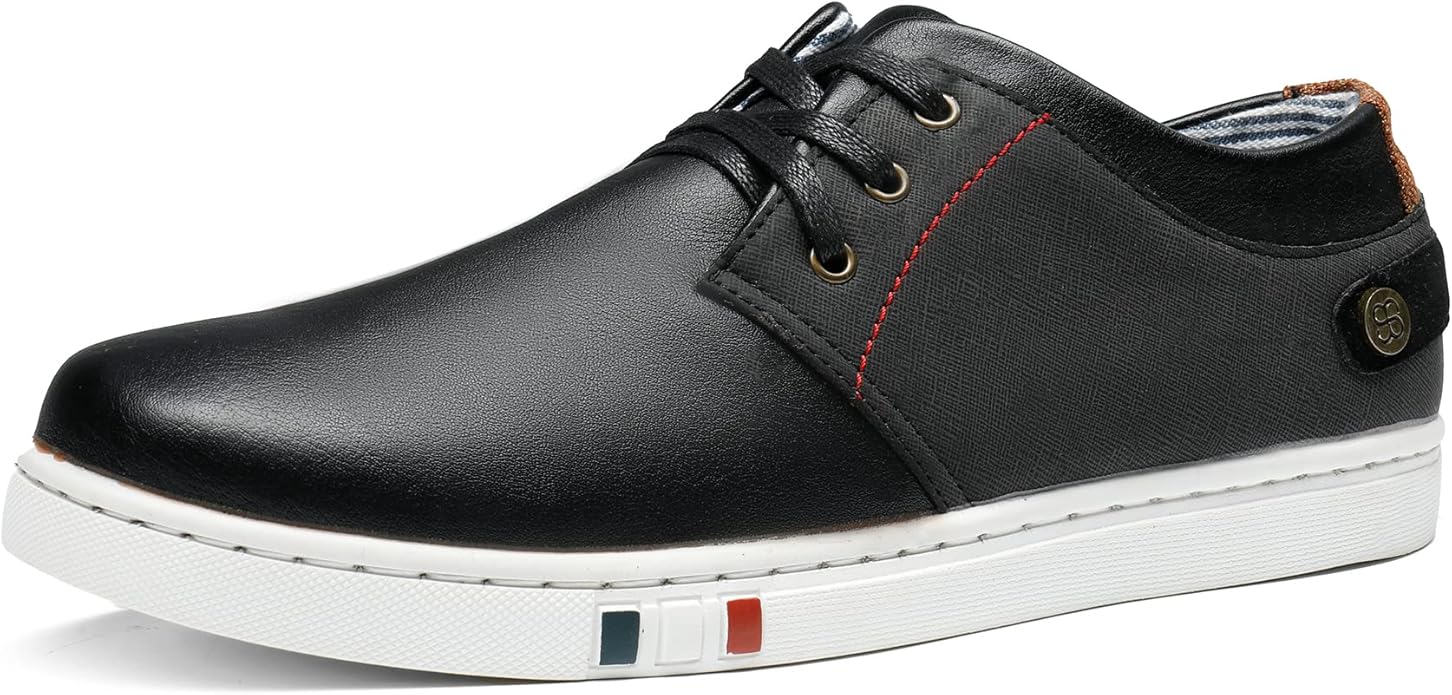
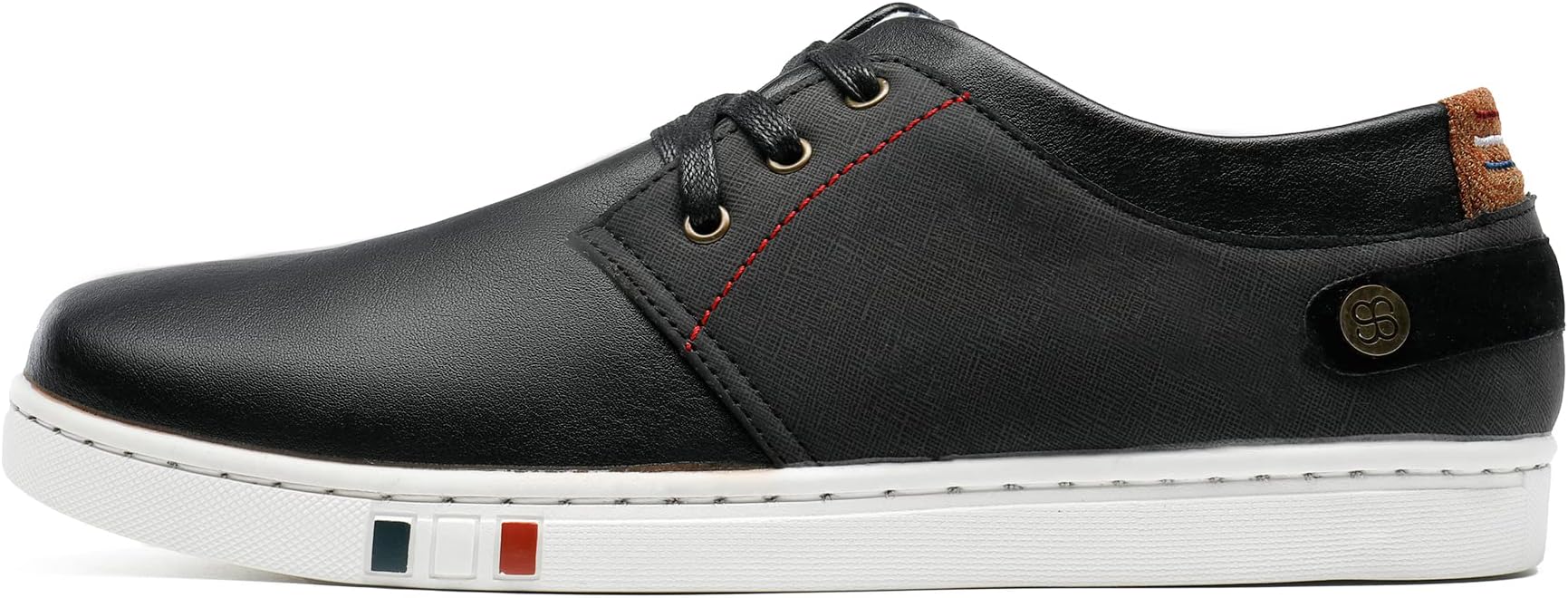
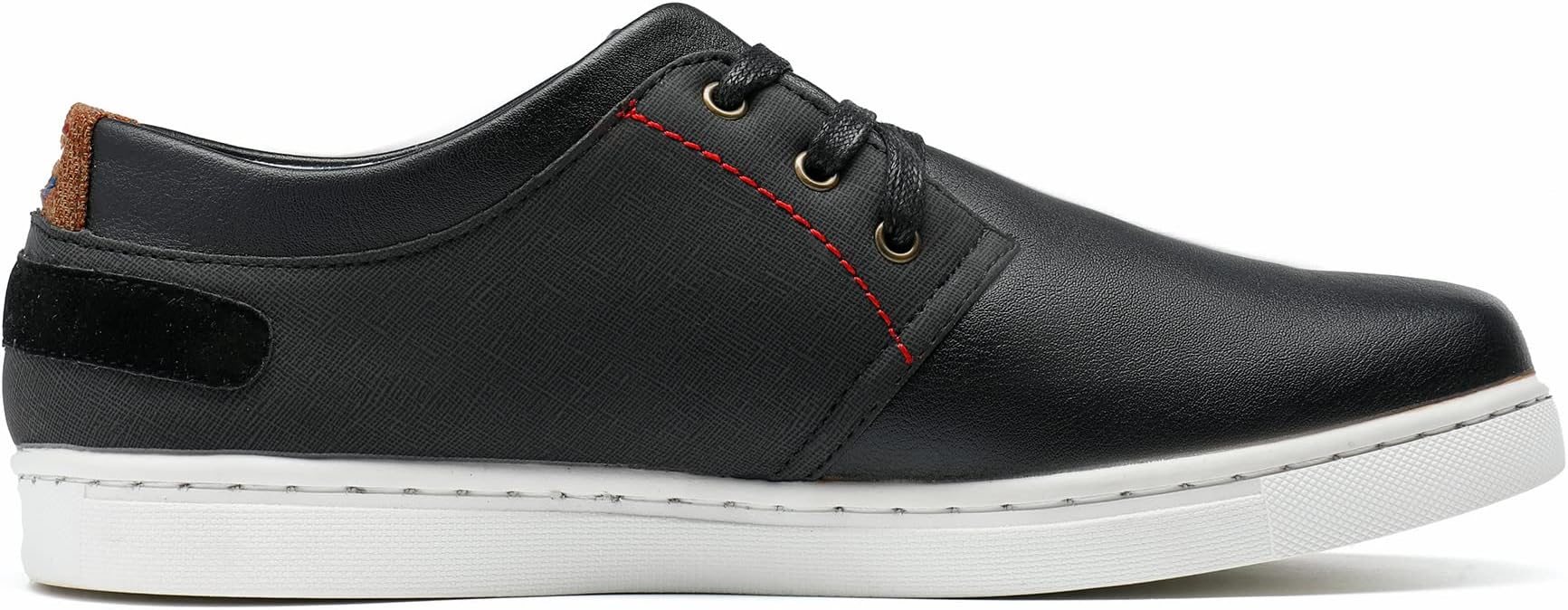
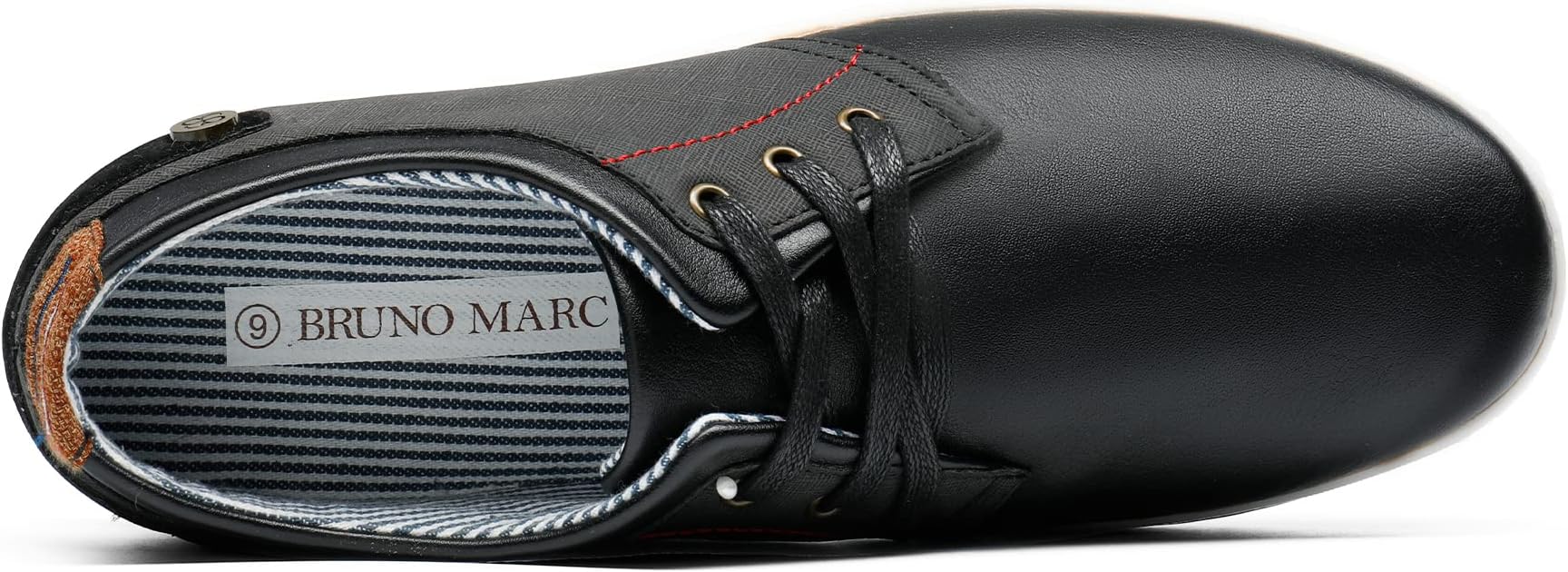
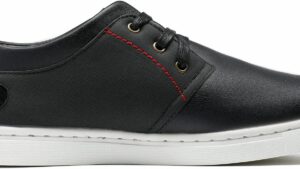
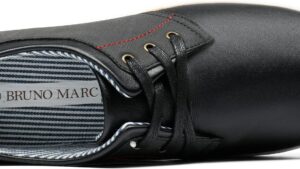
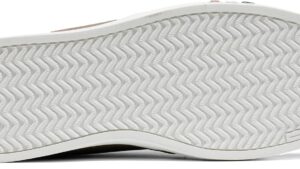
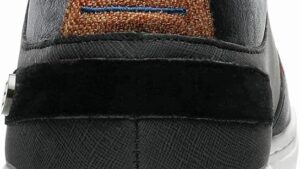
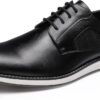
Bruno Marc Men’s Fashion Sneakers
$25.99
- ⚖️ Weight: 1.2 lbs (men’s size 9, brand claim)
- 🧪 Insole: Latex with cloth covering
- 👟 Upper: 50% PU leather + 50% canvas
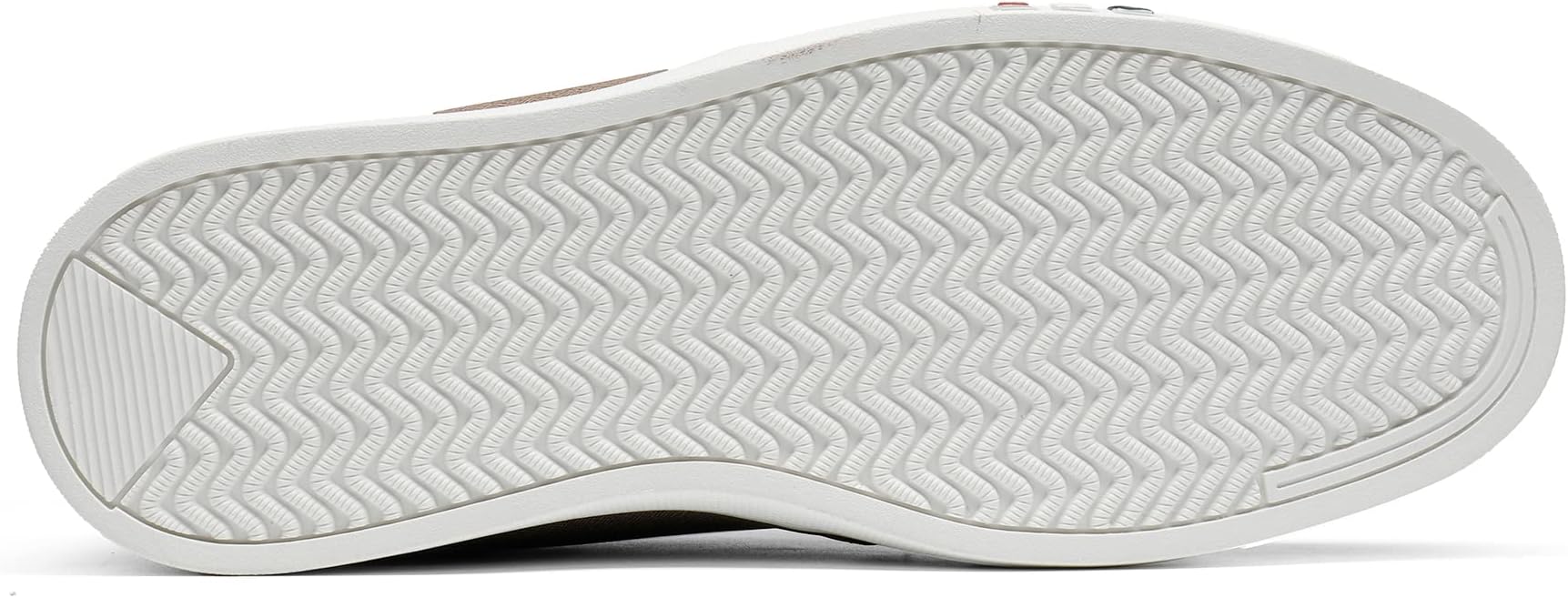
- 🦶 Outsole: PVC (Polyvinyl Chloride)
- 🎯 Category: Lifestyle / Business Casual Sneakers
- 🎯 Best for: Office casual, social events, light daily wear
My teenager dropped a problem on me one Sunday afternoon — school events coming up, needed dress-casual shoes, budget tight. That sent me down an Amazon rabbit hole, and somewhere around the third page of results, the Bruno Marc Men’s Fashion Sneakers showed up at $35. Could something at that price point actually handle an office environment without falling apart in two months? I’m Mike, and I spent 8 weeks finding out the hard way. Here’s what you actually need to know before you buy.
Out of the Box: First Impressions That Surprised Me
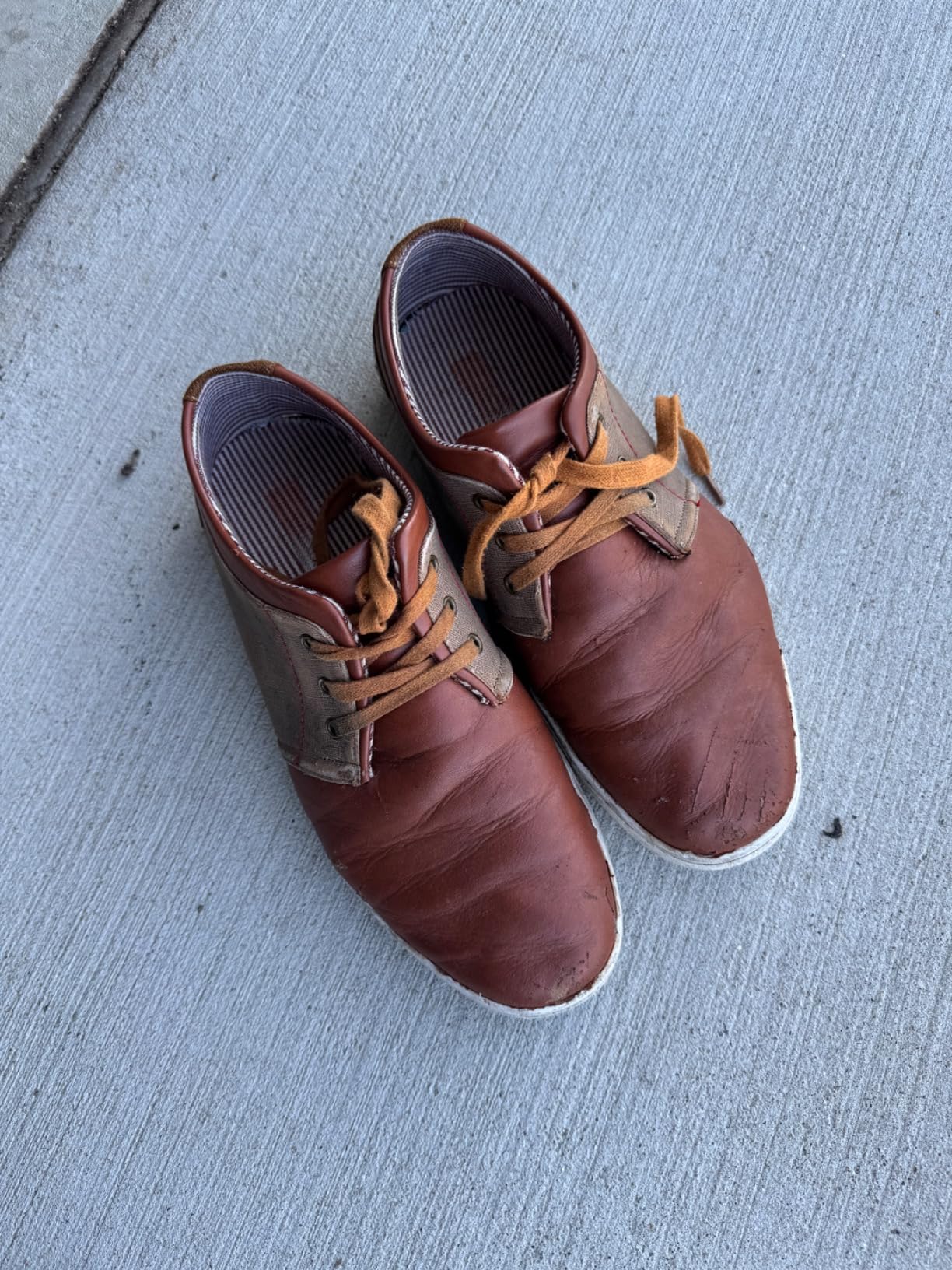
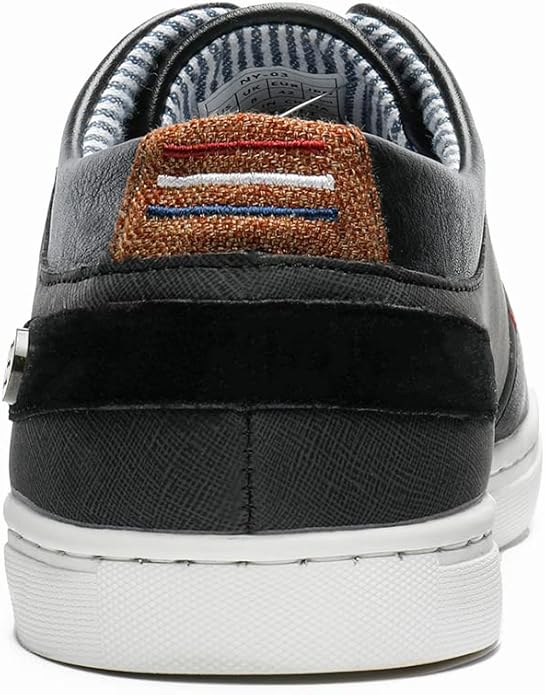
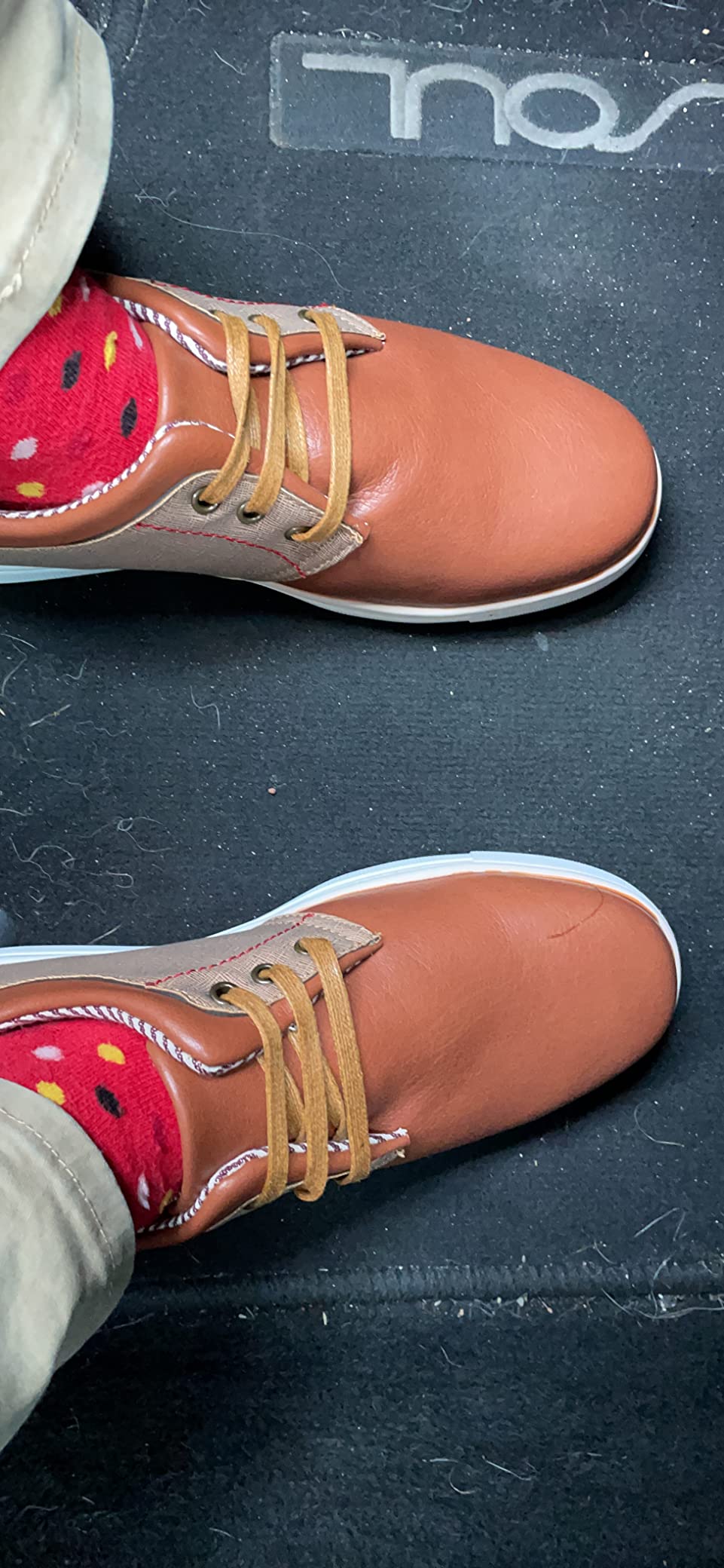
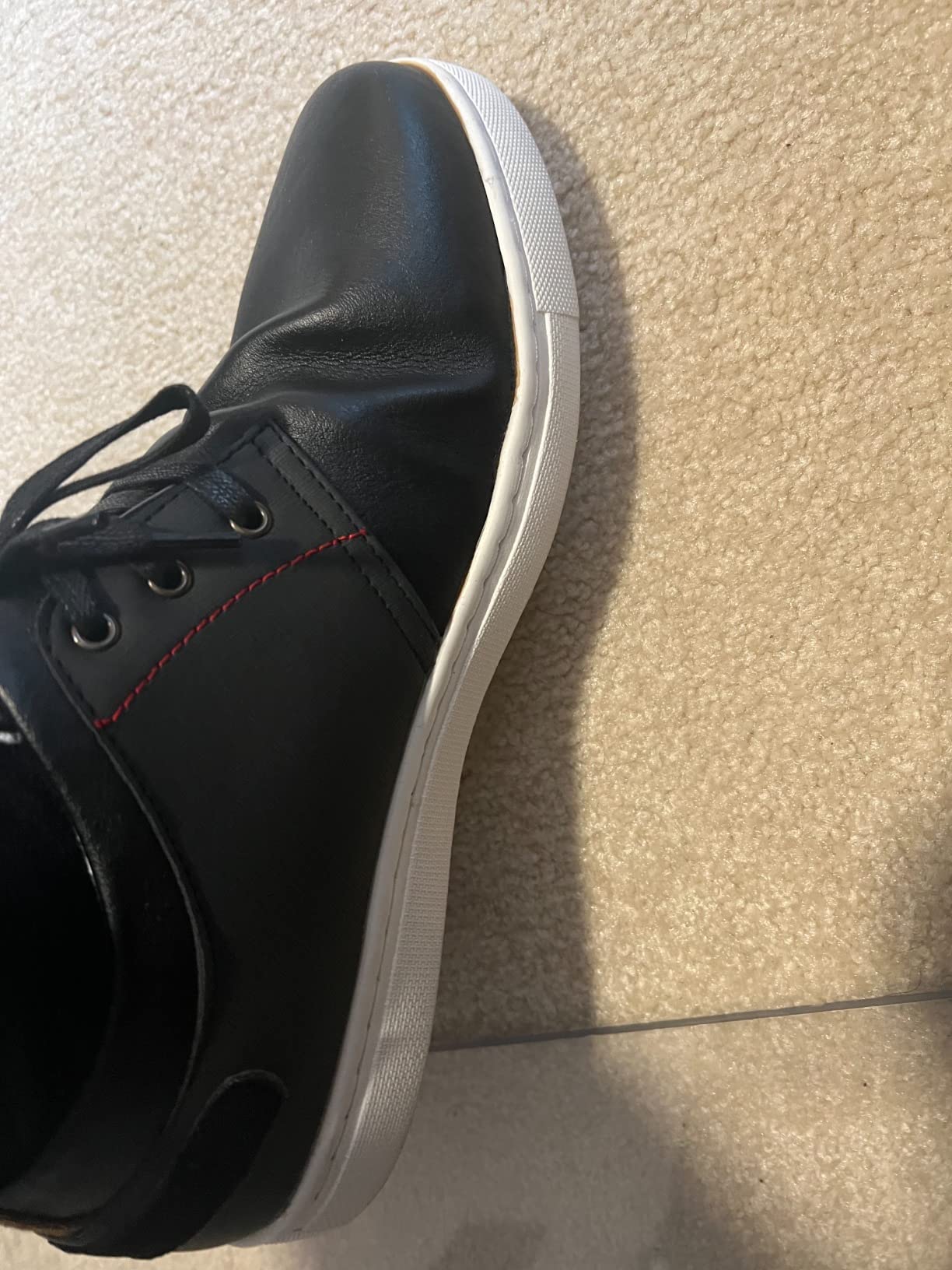
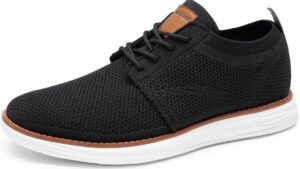
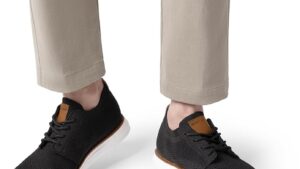
Right out of the box, the visual presentation punched well above the $35 price. The PU leather upper has a smooth, clean finish that genuinely reads as more expensive than it is. The black colorway I tested is neutral enough to pair with dress pants, chinos, or dark jeans without looking out of place. That versatility alone is a point in its favor.
The 50% PU leather and 50% canvas blend creates a texture that feels more substantial than you’d expect from pure synthetic. Slip them on for the first time and the fit is immediately comfortable — no break-in period required, which is a genuine differentiator at this price.
Here’s where I need to be honest about the material reality, though. This isn’t real leather, and flex the shoe a few times and you’ll know it. The PU surface creases immediately, and under direct light it has a plastic-like sheen that gives away its synthetic nature. In an office environment where nobody’s examining your feet closely, it works perfectly fine. But if you’re expecting the way genuine leather softens and ages over time, that’s a different product entirely.
One detail I noticed: the eyelets are fabric grommets, not reinforced metal. If you’re someone who constantly adjusts lace tension, they’ll loosen with repeated stress. For occasional wear, it’s a non-issue. Worth knowing if you’re particular about fit precision.
The sizing landed true to size for me (size 9), and the toe box has enough room for most foot shapes without looking bulky. The first day at the office, two different colleagues commented on the shoes without me saying a word — not knowing they cost $35. That’s the best possible outcome for a style-first Bruno Marc dress sneaker.
The Comfort Clock: What Nobody Tells You
Comfort in these shoes is a time-limited offer. That’s the most accurate way I can describe what happened over 8 weeks.
The latex insole with its cloth covering does provide real cushioning — better than a flat insole, genuinely comfortable for the first few hours. During my initial office days, I had no complaints. Walking between meetings, quick trips to the printer, brief standing during presentations — all of that felt fine. For a $35 shoe, the initial comfort was legitimately good.
But around the four- to five-hour mark with active walking, the firmness of the sole starts to assert itself. At six hours on my feet — particularly on days with back-to-back meetings that required more movement — I could definitely feel the budget nature of the construction. The arch support is minimal, which isn’t surprising given the price point, but it means these shoes have a comfort ceiling.
The practical implication: if your day involves sitting 60 percent of the time with occasional walking, these work well. If you’re standing or walking continuously for six-plus hours, you’ll hit the wall. Retail workers, healthcare staff, anyone on their feet all day — this isn’t your shoe.
One option worth considering if you want to extend the comfort window: a replacement insole like Sof Sole Athlete Insoles ($15-20) can meaningfully improve the longer-wear experience. The factory insole is removable, which at least makes this an option.
Eight Weeks in the Real World
Office Performance
In a professional setting, the style story holds up. I wore these to client presentations, team meetings, and casual Fridays throughout the testing period, and the shoe read as appropriately business-casual without any effort. The sleek profile pairs naturally with chinos or dress pants, and the black colorway never clashed with anything in my rotation.
Comfort in the office specifically worked well for most of the testing period. The typical office pattern — sitting at desk, walking to a conference room, grabbing coffee, sitting again — stays within the shoe’s comfort zone. It’s during extended walking blocks that the limitations surface.
Casual and Social Settings
For dinner out, weekend errands, or casual meetups, these sneakers consistently delivered what I wanted from them. Dressy enough for nicer restaurants where sneakers are borderline, casual enough everywhere else. The style versatility is genuinely one of the stronger arguments for the purchase.
Wet Conditions: The Warning You Need to Hear
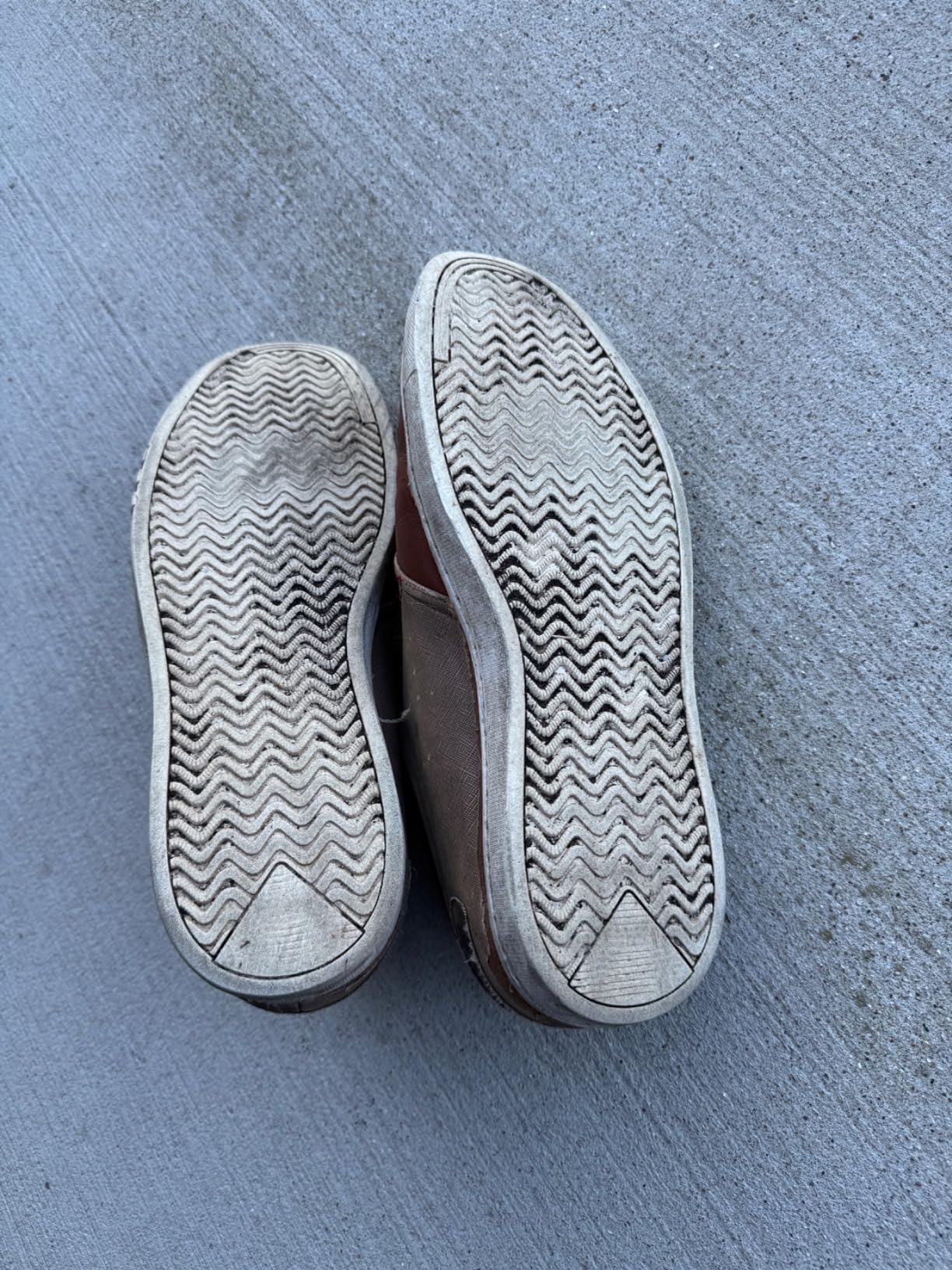
Here’s where I need to stop you. During a light rain day, I tested the PVC outsole on tile floors inside a building and painted concrete outside. The traction dropped significantly on both. Not a light reduction — a notable grip loss that required deliberate caution. The tread pattern is minimal, and PVC on smooth wet surfaces is a combination that doesn’t work well.
The upper handled light moisture reasonably — a few raindrops didn’t soak through immediately. But the traction issue alone means I’d call these a dry-weather shoe. In humid conditions, the synthetic materials also trap heat, leaving feet warmer than ideal. If you live somewhere with regular rain, or if you walk across tile lobbies in wet weather, the outsole is a genuine limitation to factor in.
The Durability Question: An Honest Assessment

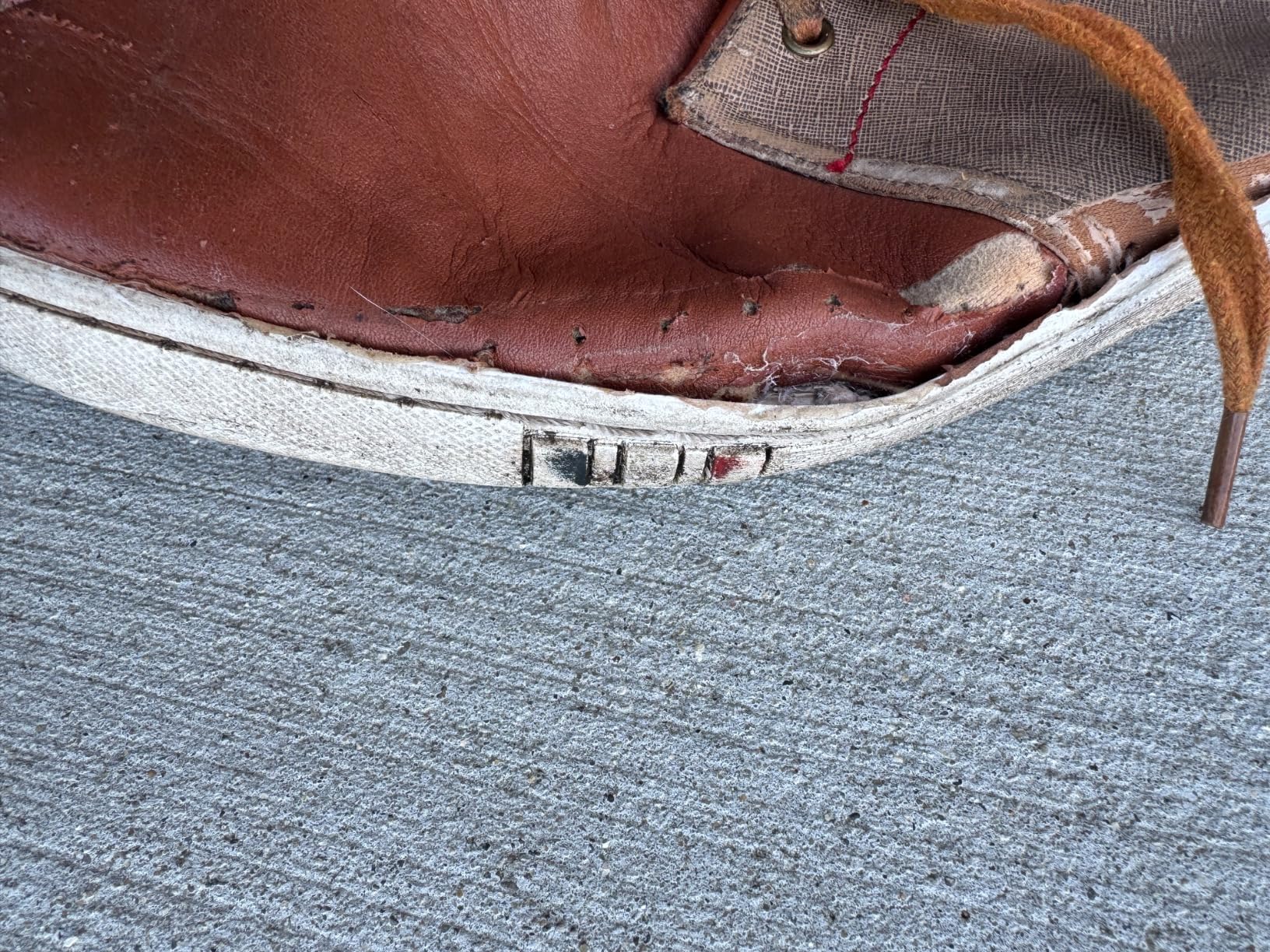
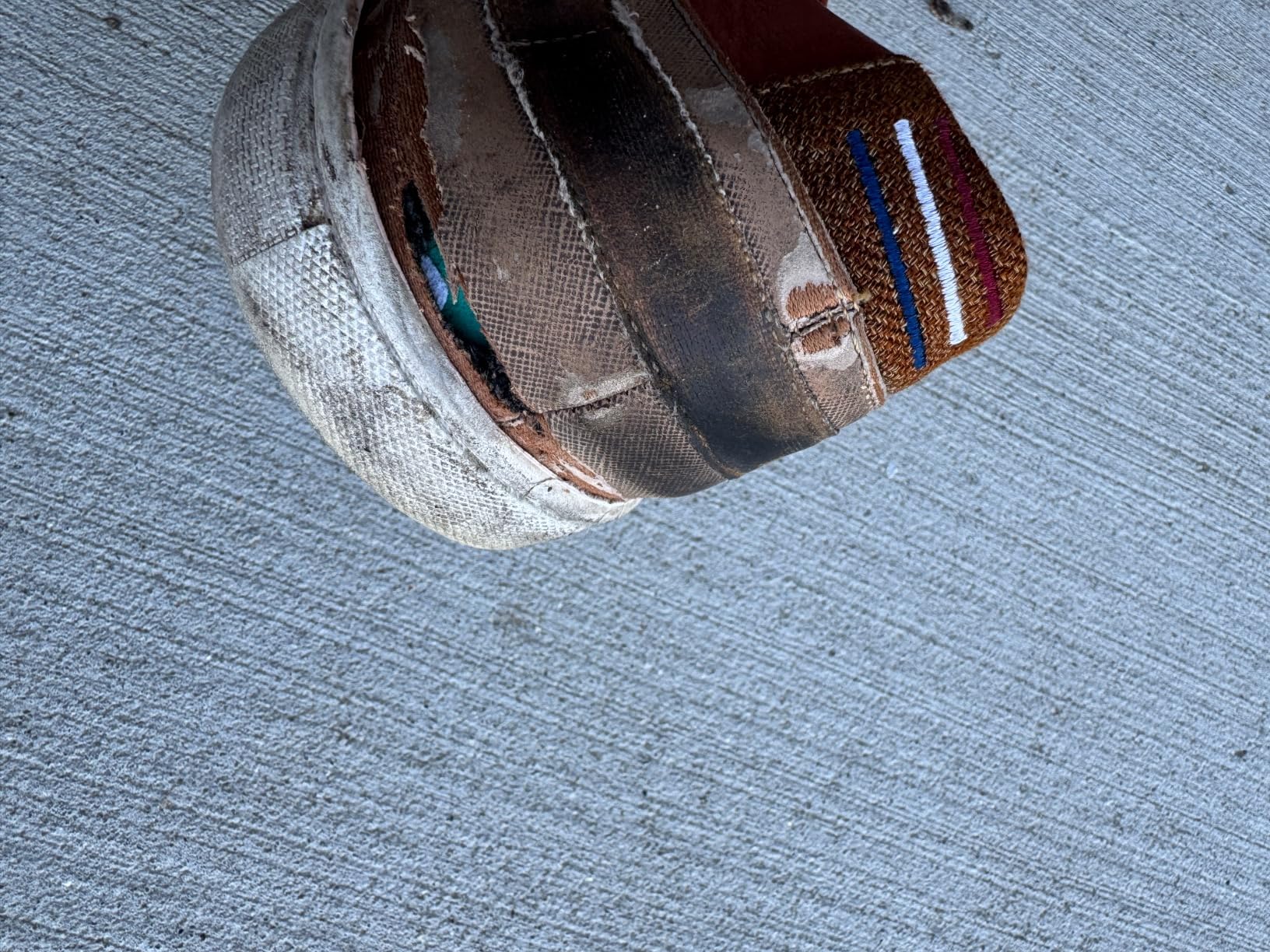
Let me address the main concern head-on: sole separation is a real pattern with these shoes, not an isolated complaint.
After 8 weeks of testing, I personally haven’t experienced catastrophic failure — but I can see early stress indicators at the sole connection points. The construction uses an adhesive bond rather than stitching, which is standard for this price tier but directly limits the lifespan. Across hundreds of customer reviews and multiple sources, the pattern is consistent: the upper starts separating from the sole, typically between three and six months of regular use for daily wearers, and sometimes as early as a few weeks in early-failure cases.
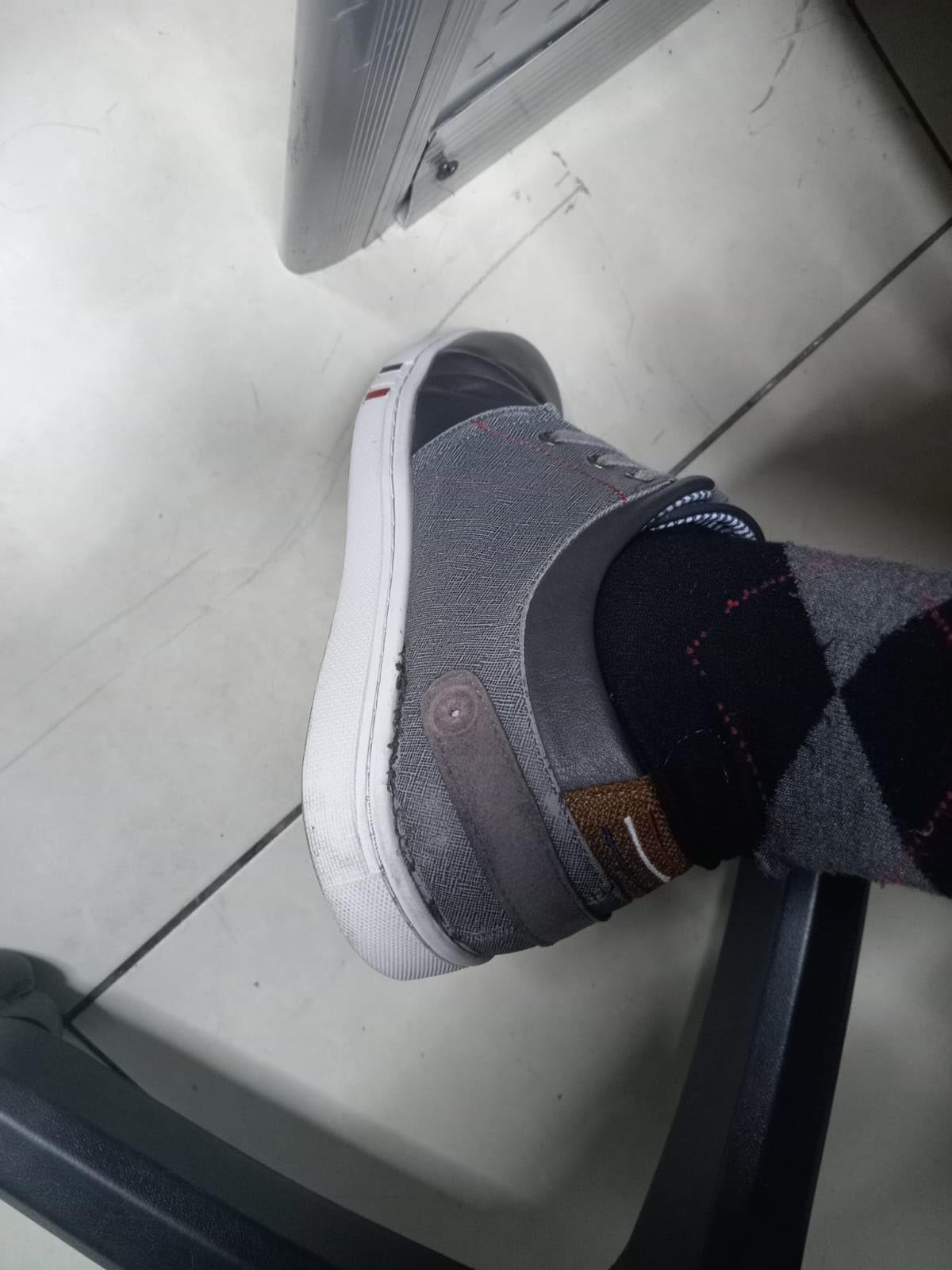
The good news on the customer service front: multiple reviewers report that when they contact Bruno Marc directly about defective pairs (particularly early failures), the brand is responsive with replacements or refunds. That doesn’t solve the durability problem, but it does reduce the financial risk somewhat. Buying from a retailer with a solid return window also helps.
Realistic lifespan by use pattern:
- Light office use (2-3 days/week): 6-12 months expected
- Daily casual wear: 3-6 months
- Heavy use or athletic activities: Not recommended
The cost-per-wear math: At $35 with 3 months of daily use, that’s roughly $11.67 per month. At 12 months of light use, it’s under $3 per month. Compare that to a $75 shoe at 18 months, which runs about $4.17 per month — the Bruno Marc actually comes out ahead at light-use intensity, but the math flips once you’re wearing them regularly.
Claims vs. Reality: Does Bruno Marc Deliver?

“Lightweight, Soft and Comfortable Design”
Verdict: Mostly True — At 1.2 pounds for a size 9, these are legitimately lightweight. The initial comfort is real, and for the first few hours the softness claim holds. The caveat is that “comfortable” requires context: comfortable for light use, not for extended wear. The brand earns the first half of this claim clearly.
“Soft PU Upper Offers Breathability”
Verdict: Partially True — The PU is soft to the touch, full stop. But breathable is generous language for a synthetic upper. The material doesn’t move air the way mesh or genuine leather does. In an air-conditioned office it’s fine; in humidity or warm weather you’ll notice the heat buildup. The breathability claim is marketing language more than performance specification.
“Latex Insole Provides Cushioning and Comfort”
Verdict: True for the Price Point — The latex insole provides real cushioning — better than a flat EVA foam or cardboard insert. At $35, this is a legitimate feature. The limitation isn’t whether it cushions; it’s that it’s basic cushioning with a time limit. Don’t come in expecting Cloudfoam or gel technology.
“PVC Outsole is Flexible and Soft”
Verdict: Mixed — Flexible is accurate, and that flexibility supports natural foot movement, which is good. Soft is subjective but fair enough. What the claim doesn’t mention: PVC on wet smooth surfaces is a traction problem. The flexibility and softness that make it comfortable on dry days make it a liability in rain.
Final Verdict: Who Should Actually Buy This
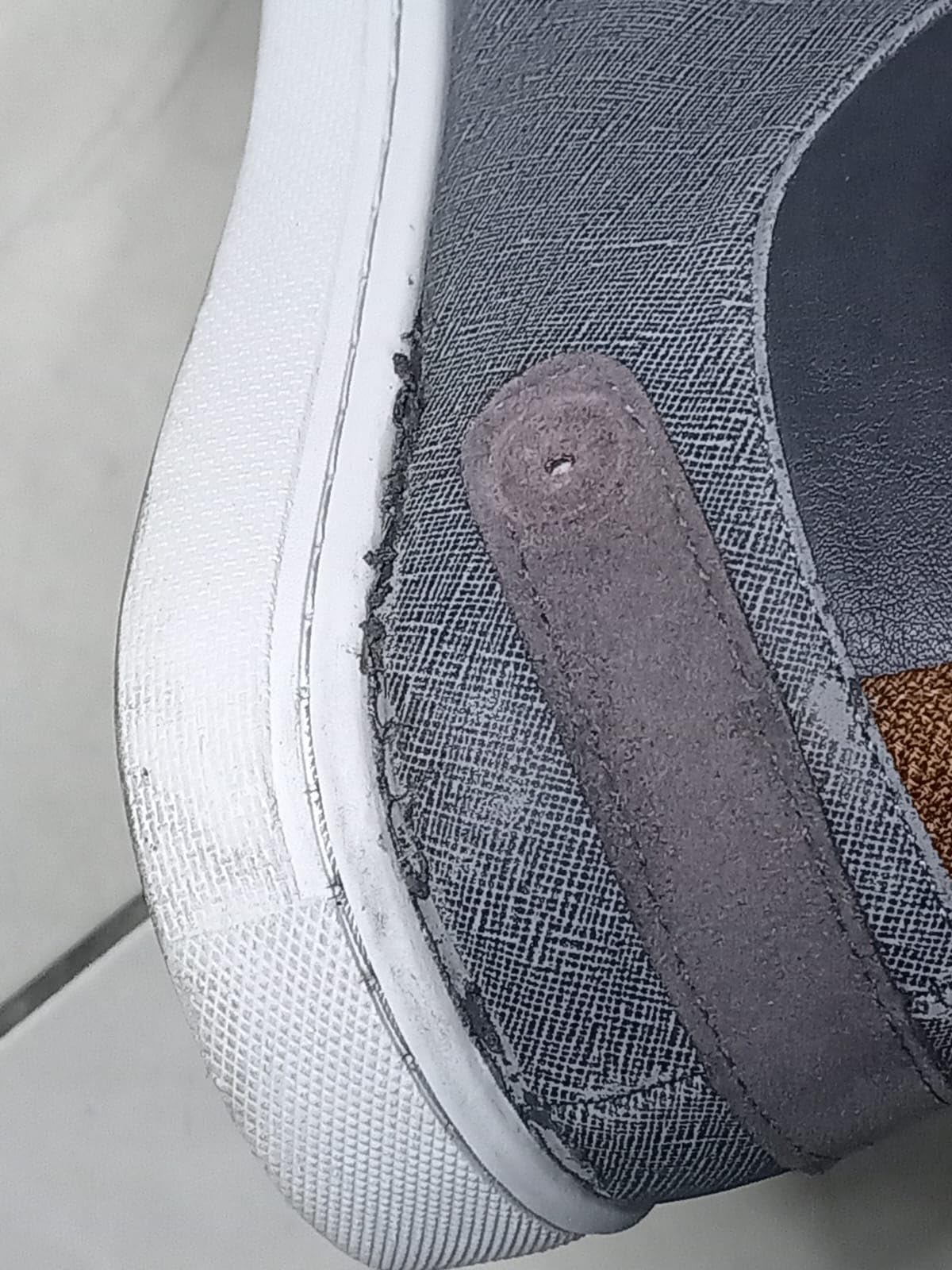
After 8 weeks, these Bruno Marc sneakers occupy a specific and honest niche: a budget casual sneaker that delivers style above its price point, with durability below it. The key is whether your use case matches the shoe’s strengths.
Scoring Breakdown
| Category | Score | Notes |
|---|---|---|
| Style / Appearance | 8.5/10 | Genuine best-in-class for the price tier; colleagues won’t guess $35 |
| Initial Comfort | 7.5/10 | Good for first 4-5 hours; adequate cushioning at price point |
| Extended Comfort | 5.0/10 | Firmness sets in at 6+ hours; minimal arch support shows its limits |
| Build Quality | 5.5/10 | Looks decent, construction is budget — glued not stitched |
| Durability | 4.0/10 | Sole separation is the primary failure mode; 3-12 months depending on use |
| Value for Money | 7.0/10 | Excellent at light use; math gets worse with daily wear |
| Versatility | 8.0/10 | Office-to-casual range is real; breaks down in wet conditions |
| OVERALL RATING | 6.5/10 | Solid budget buy with honest limitations |
✅ What Works
- Style that genuinely reads above the $35 price point
- Immediate comfort — no break-in required
- True-to-size fit for most foot types
- Versatile enough for office and social settings
- Brand customer service reportedly responsive for defective pairs
❌ Where It Falls Short
- Sole separation is a documented, common failure mode
- Comfort ceiling at ~6 hours continuous wear
- Dangerous wet traction on tile and smooth concrete
- PU upper is not breathable — runs warm in humidity
- Fabric eyelets, glued construction — budget reality
Who Should Buy This
Good fit if you:
- Need occasional dress-casual shoes for office events, dinners, or social situations
- Work a sit-heavy job with limited walking (under 5-6 hours active)
- Live in a dry climate and won’t be caught in regular rain
- Want a backup pair or a style-specific shoe for specific occasions
- Are a student or young professional who replaces shoes annually anyway
Skip this if you:
- Need shoes to last 18+ months with regular daily use
- Walk or stand 8+ hours continuously
- Live in rainy climates or frequently encounter wet surfaces
- Require meaningful arch support or are planning to use custom orthotics
- Want genuine leather quality and aging character
Better Alternatives Worth Knowing
If durability is your priority over price, the Adidas Advantage 2.0 ($65-80) gives you Cloudfoam cushioning and natural rubber outsole — meaningfully better durability at roughly double the price. For a similar budget aesthetic at the $35-45 range, Jousen Fashion Sneakers and Bruno Marc’s Waveflex Coreneat are worth comparing. If breathability is a priority over dress-casual style, the Bruno Marc KnitFlex Breeze from the same brand offers a mesh upper at a similar price.
The Bruno Marc Men’s Fashion Sneakers earn a 6.5/10. They succeed at the thing they’re actually trying to do — deliver style above their price class for occasional use. Approach them as a 6-12 month solution rather than a long-term investment, and they’ll deliver. Expect them to compete with $80+ shoes on durability, and you’ll be disappointed.
Frequently Asked Questions
Do Bruno Marc fashion sneakers run true to size?
Generally yes — the majority of reviewers report a true-to-size fit. Some note the shoes run slightly large, particularly for narrow feet. If you’re between sizes, consider going half a size down. Standard width buyers should order their usual size and return if needed.
How long do these shoes actually last?
This is the most important question, and the honest answer depends heavily on how often you wear them. Light office use (two or three times per week): expect 6-12 months before the sole connection starts showing stress. Daily casual wear: 3-6 months is a realistic window. A minority of units have failed in under a month — this appears to be QC batch variance rather than the norm. Buy from a retailer with a good return policy to hedge against early failures.
Can I add aftermarket insoles for better support?
Yes — the factory insole is removable. If you plan to wear these for longer stretches, a cushioned insole replacement (around $15-20) can meaningfully extend the comfort window. This is the single most practical upgrade you can make to these shoes.
Are these suitable for extended walking?
No — and this is worth being direct about. The minimal arch support and firm sole past the 5-6 hour mark make these a poor choice for sustained walking. They’re designed for light use: office environments, social events, brief errands. If your day involves significant walking, invest in a shoe built for that purpose.
What happens in wet conditions?
The PVC outsole on wet smooth surfaces (tile, polished concrete, painted asphalt) provides noticeably reduced grip. In testing, this was a real concern — not a subtle difference. The shoe is not weather-resistant. For regular rain exposure or slippery indoor floors when wet, these pose a genuine traction risk.
What’s the return/warranty situation?
The brand reportedly handles defective pairs (particularly early sole separation) with replacements or refunds when contacted directly — multiple customers have reported positive outcomes. However, Trustpilot reviews flag that the official Bruno Marc site sometimes charges return shipping costs. Buying through a retailer with free returns avoids this friction.
How do these compare to the Bruno Marc Maxflex or Waveflex models?
The Bruno Marc lineup has multiple dress-casual options. The Maxflex Dress Sneakers and Waveflex Coreneat offer slightly different constructions and styling details at similar price points. If you’re committed to the Bruno Marc brand, comparing those models side by side on their current specs is worthwhile before settling on this specific model.
Is this a good gift for someone starting a job or internship?
Actually, yes — this is one of the more practical use cases. For a student heading into a first office role or internship who needs dress-casual footwear quickly without spending $80, the Bruno Marc fashion sneaker delivers the right look at a reasonable entry price. The durability timeline matters less when the use case is part-time rather than five days a week.
Be the first to review “Bruno Marc Men’s Fashion Sneakers”
Related products
Running Shoes
Basketball Shoes
Tennis/Squash Shoes
Basketball Shoes
Hiking/Trekking Shoes
Hiking/Trekking Shoes
Reviews
There are no reviews yet.