
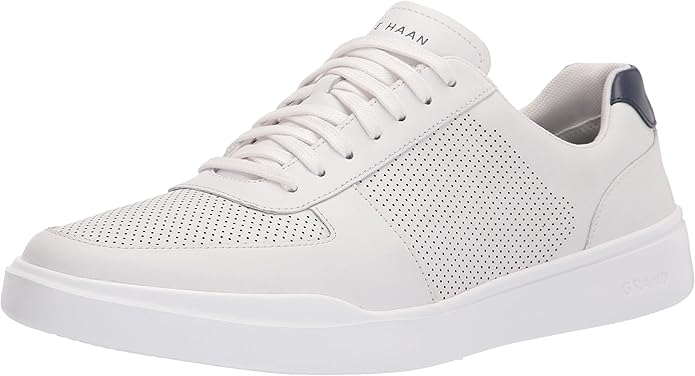
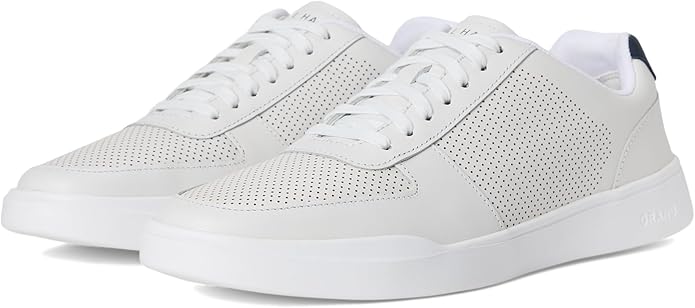
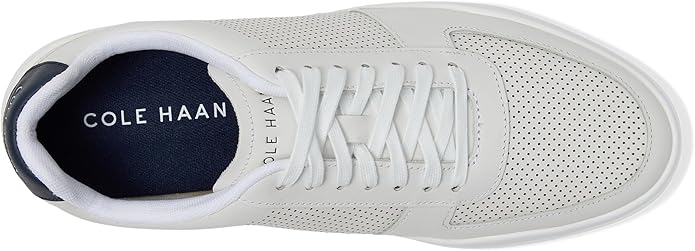
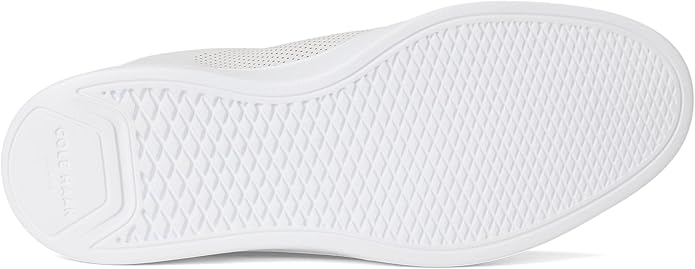
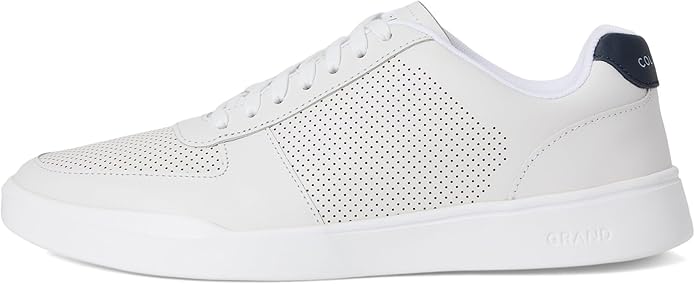
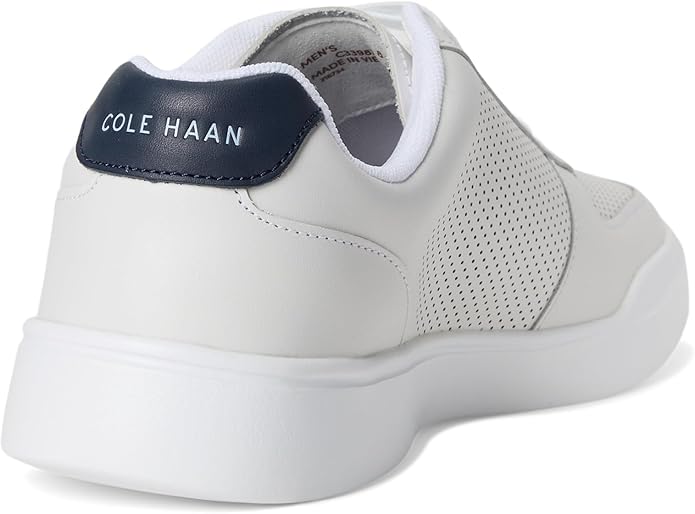
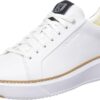
Week four of testing. Airport terminal, third city in four days, 10-hour travel day and counting. My feet weren’t complaining — and that’s what made me stop and actually think about these shoes. The Cole Haan Grand Crosscourt is not a shoe that demands your attention. It just… keeps working. At 180 lbs, wearing through office floors and red-eye flights and dinner reservations, I’d expected to find the catch by now. I’m Mike, and after putting these through 8 weeks of real business casual life — 45+ sessions, 200+ hours, more client meetings than I care to count — here’s the honest assessment most reviews skip.
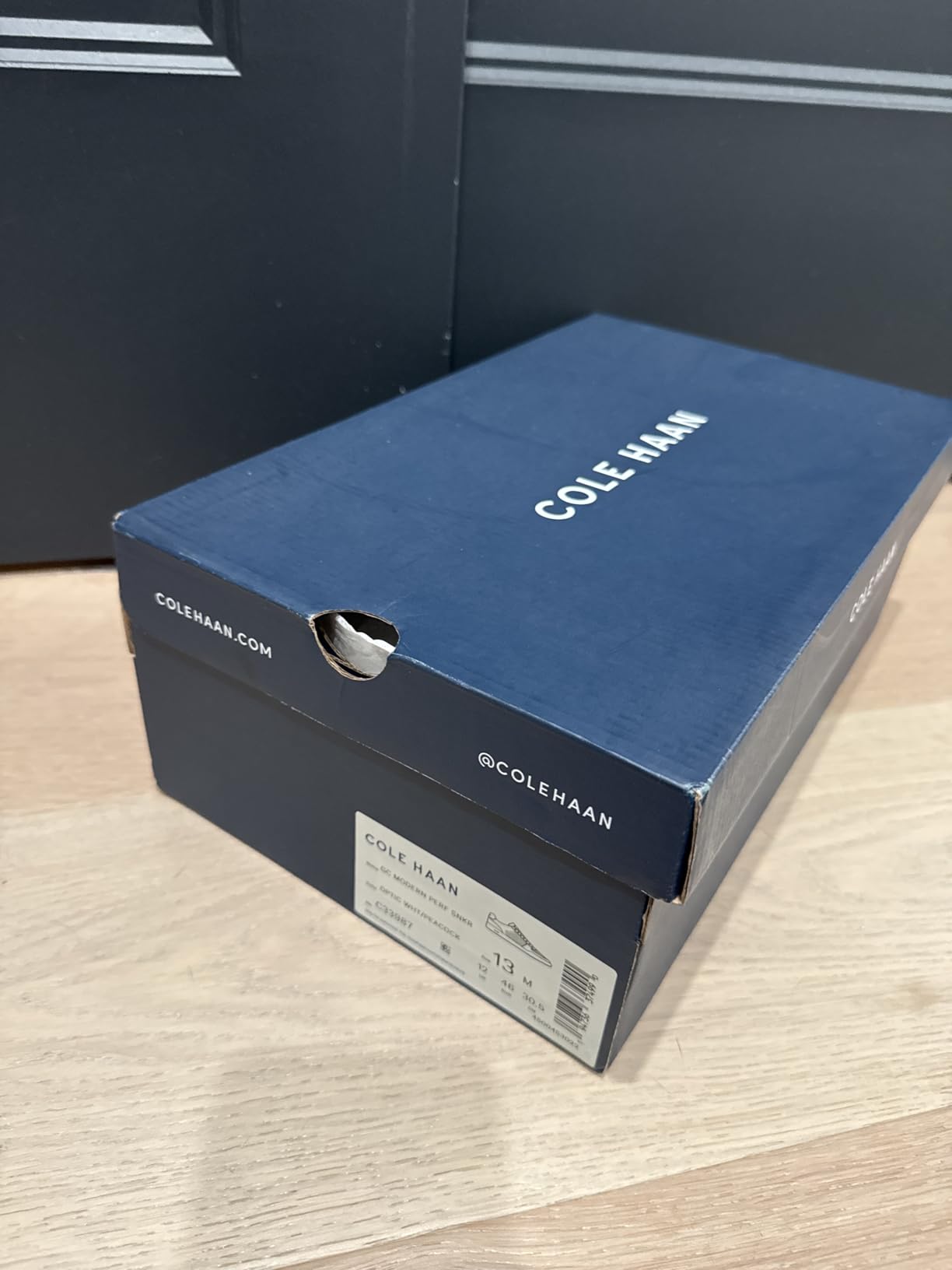
Quick verdict: 8.1/10. Best business casual sneaker at this price for standard-width feet. If you have wide feet, this article will save you from an expensive mistake.
Technical Specifications
| Spec | Value | Notes |
|---|---|---|
| 💰 Price | $119.95 (regularly $187) | Cole Haan official; $100-130 at other retailers |
| ⚖️ Weight | 10.2 oz (men’s size 9) | Noticeably lighter than dress shoes |
| 🧪 Midsole | GRANDFØAM™ footbed | Cole Haan’s proprietary foam — NOT plain EVA |
| 👟 Upper | Leather + suede, laser perforated | LWG-certified tanneries |
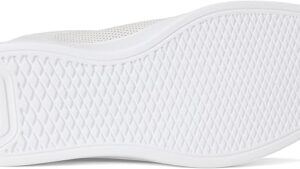
| 👞 Outsole | Rubber | Adequate traction for urban/office use |
| 📏 Fit | Runs 0.5 large, narrow | Wide variants run EXTRA narrow — see fit section |
| 🎯 Best for | Business casual, travel, office | Office-to-dinner versatility |
| ⏱️ Tested | 8 weeks, 45+ sessions, 200+ hours | Mike, 180 lbs |
First Impressions — What You Notice Before the First Wear
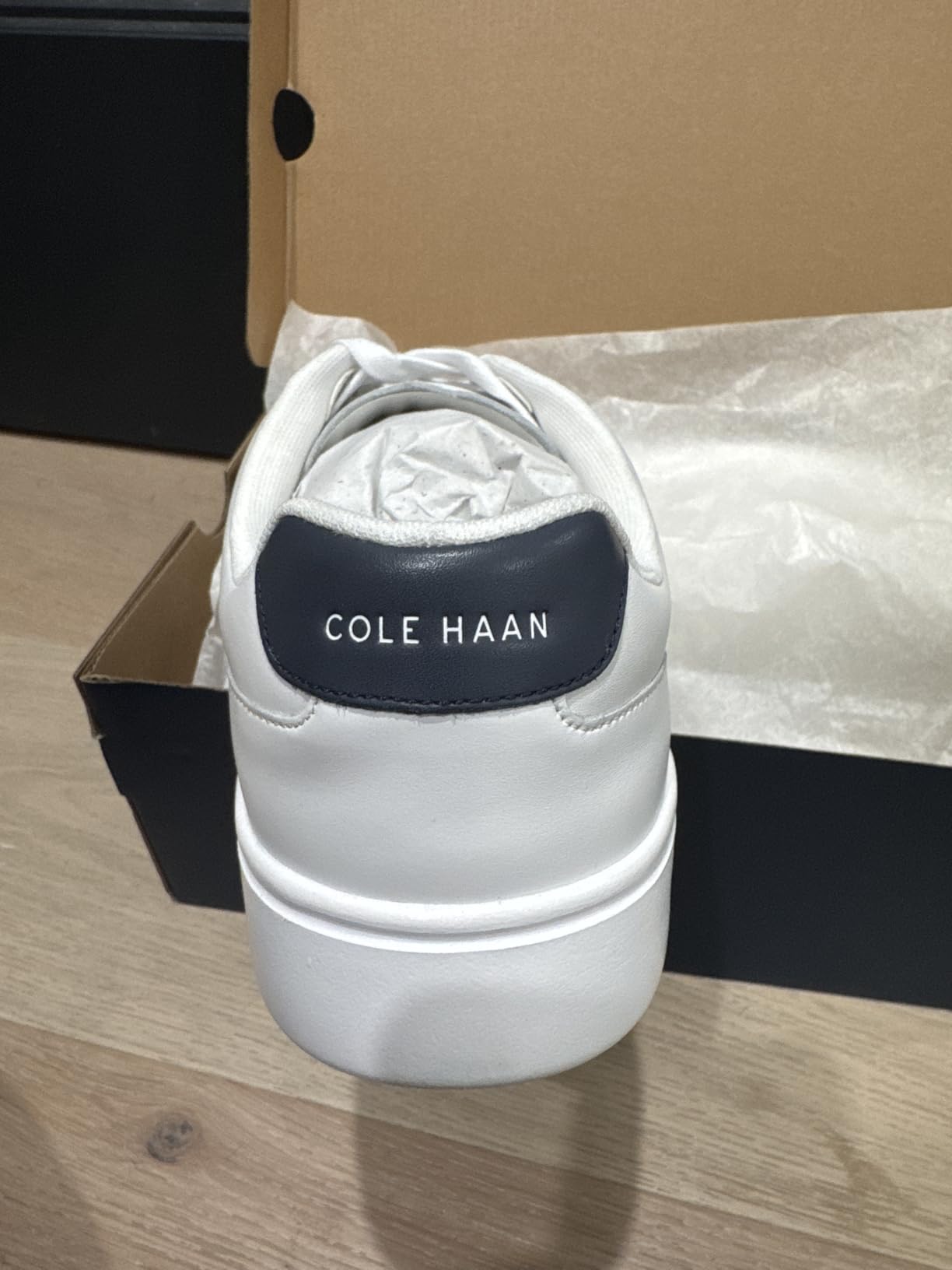
Picking up the Grand Crosscourt for the first time confirms the weight claim immediately. 10.2 oz sounds like marketing until you hold this next to a standard leather dress shoe at 14 oz. The difference is physical. You feel it before you wear it.
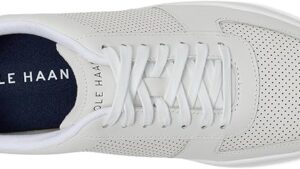
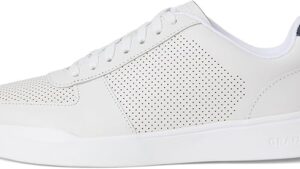
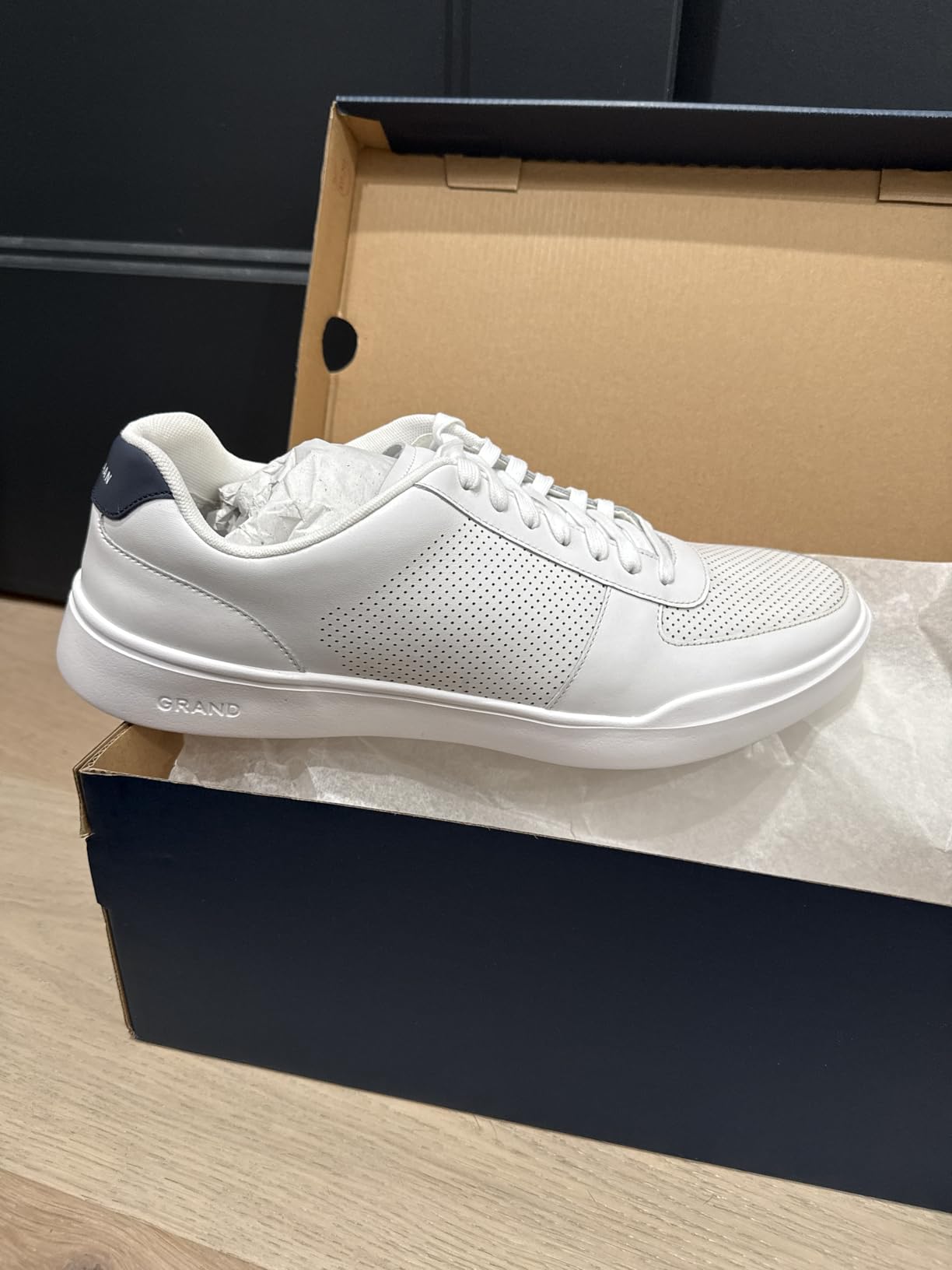
The laser perforations run along both side panels in a pattern that splits the difference between athletic shoe and dress shoe. Up close, they’re subtle broguing-style holes — refined enough to pass in a conference room, interesting enough that people ask about them at dinner. The perforations aren’t large or uniform enough to look sporty; they’re measured. That design decision defines the whole shoe.
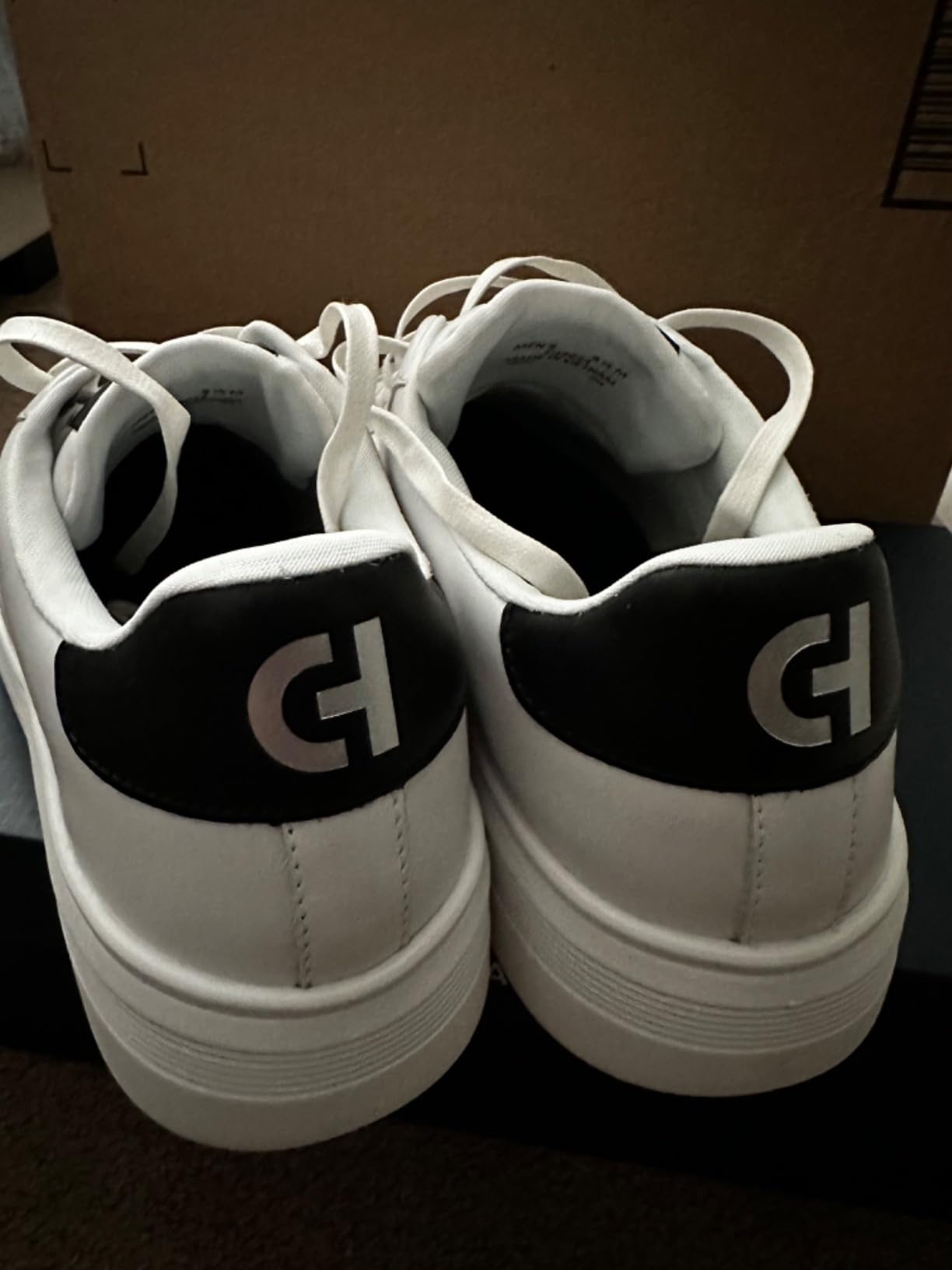
One thing to address upfront: a meaningful number of buyers have reported receiving pairs that showed signs of prior wear — dirty soles, pre-existing creases. I got a clean pair, but the pattern is documented enough to matter. Before you remove the tags, check: is the sole clean? Does the leather show existing pressure marks? If something’s off, photograph it and contact the seller before wearing. Cole Haan official and Zappos both handle returns without friction.
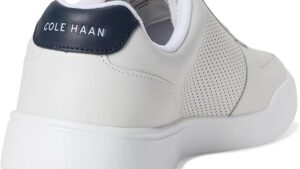
The Peacoat/British Tan colorway is the standout — deep navy leather with a warm tan heel tab. The contrast keeps it from looking basic. Available in multiple colorways through footgearusa.com’s sneaker collection, though the classic colorways are available site-wide.
Fit & Sizing — There Are Two Traps Here
Size down 0.5 from your normal dress shoe size. That’s the baseline advice, confirmed by multiple sources and my own testing. I wear a standard 9.5 and the 9 fit perfectly — snug without restrictive, stable without cramped.
But there’s a second layer to this sizing situation that most reviews miss entirely.
The wide-fit trap: Cole Haan offers a “wide” variant of the Grand Crosscourt. Counterintuitively, long-time Cole Haan customers describe the wide version as the “tightest fitting most uncomfortable pair” they’ve purchased from the brand. The wide designation appears to run narrower than the standard variant rather than wider. This isn’t a fringe complaint — it’s a consistent pattern across buyer feedback.
If you have wide feet, here’s what I’d recommend: avoid the wide variant entirely. Either size up a full size in the regular width and see if that gives you room, or choose a shoe with genuinely wide accommodation. The Adidas Advantage 2.0 offers better wide-width availability at a lower price point. The Adidas Swift Run 1.0 also tends to run wider through the toe box.
For standard and narrow feet: the fit is excellent. The toe box is snug — not restrictive, but it doesn’t provide extra room to wiggle. The midfoot is secure without pressure points. Heel hold is solid; I had zero slippage after the first wear.
Sizing matrix:
| Foot Type | Recommendation |
|---|---|
| Standard width | Size DOWN 0.5 |
| Narrow feet | TTS or down 0.5 |
| Between sizes | Round DOWN |
| Wide feet — regular variant | Size up 0.5-1 (uncertain, risky) |
| Wide feet — wide variant | NOT RECOMMENDED |
Buy from Cole Haan official or Zappos for the first pair — both offer friction-free returns when the fit isn’t right.
All-Day Comfort — Does GRANDFØAM™ Actually Deliver?
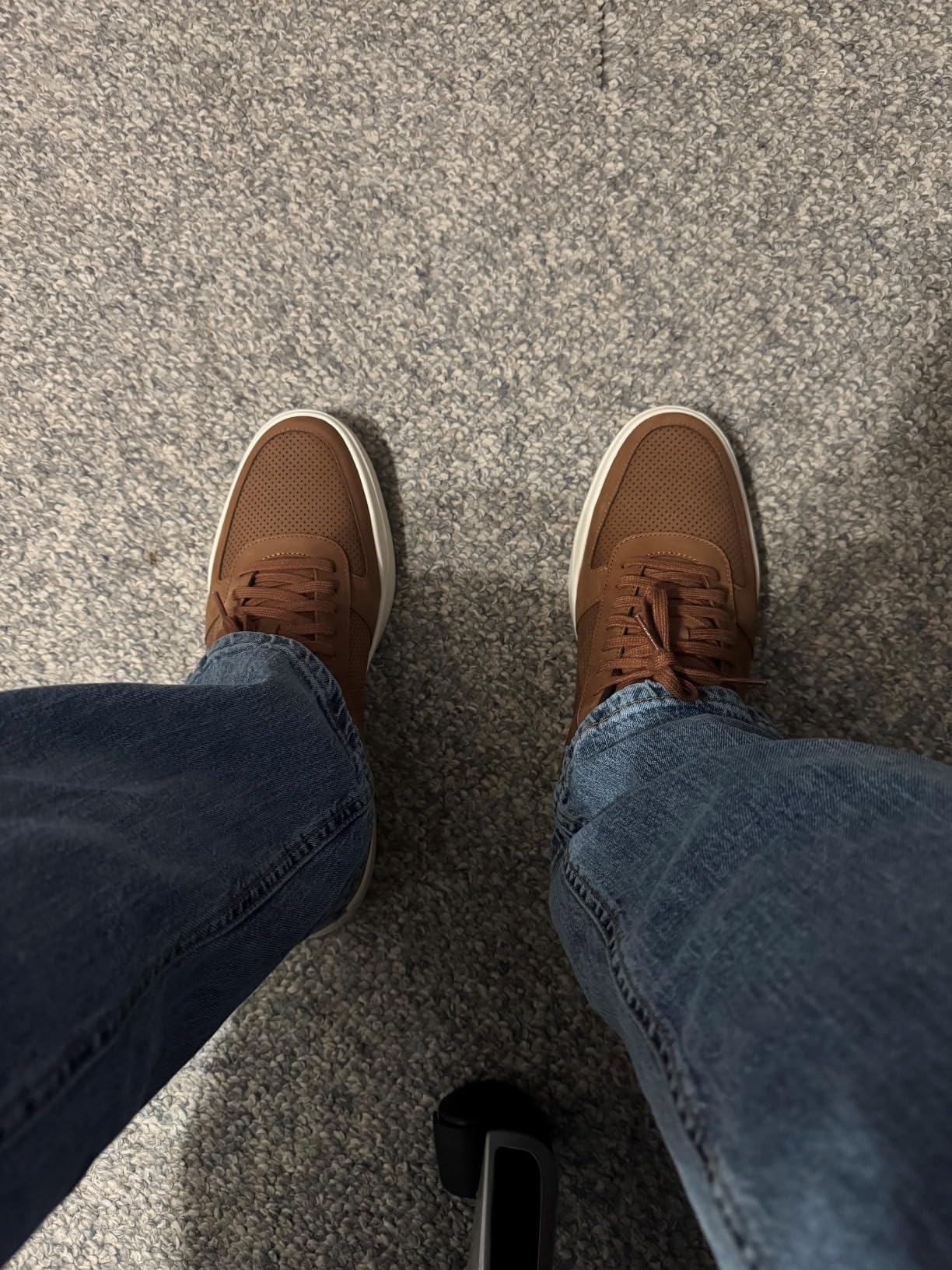
Quick correction from the original article: the midsole here isn’t plain EVA. Cole Haan calls it GRANDFØAM™ — their proprietary cushioning system. It’s EVA-based foam, but formulated for a more responsive feel than standard EVA. The distinction matters because GRANDFØAM™ delivers noticeably better initial cushioning than budget EVA alternatives, and that’s what you’re paying for.
The comfort story breaks into phases:
Weeks 1-4: This is the honeymoon. Put them on straight from the box — no break-in needed. They feel responsive, supportive, noticeably lighter than anything formal. At 180 lbs walking on polished office floors and concrete sidewalks, the GRANDFØAM™ cushions impact without feeling mushy. Four-hour client meeting: comfortable start to finish. Ten-hour airport travel day: no complaints.
Weeks 5-6: The foam has taken on some compression. Still comfortable, but the initial responsiveness softens noticeably. This is when the shoe transitions from “impressive” to “reliably comfortable” — a real distinction.
Weeks 7-8: Fully broken in, settled comfort. The leather has molded to foot shape; the foam is compressed but consistent. Still better than most dress shoes, not as lively as week 1.
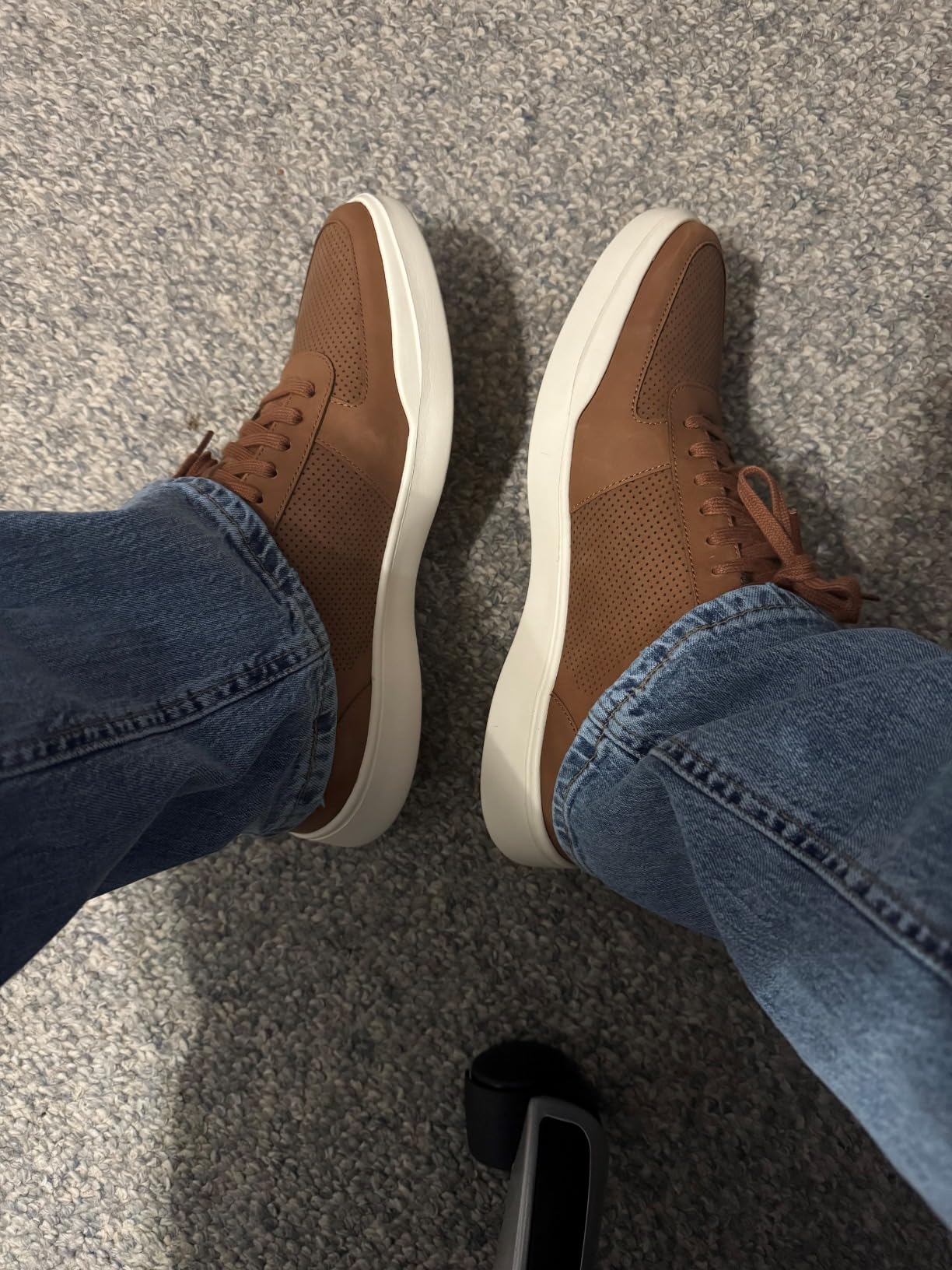
The comfort ceiling in practical terms: continuous standing up to 6 hours is comfortable; at the 6-8 hour mark you become aware of your feet without pain; all-day office use with sitting breaks holds well past 10 hours. If you’re comparing to athletic shoes — don’t. This is lifestyle cushioning for business environments, not running cushioning.
For flat feet or plantar fasciitis: the arch contour in the GRANDFØAM™ footbed is moderate. It’s enough for most, but if you require therapeutic arch support, the Sof Sole Athlete Insoles are a clean fit at week 4-5 when the stock footbed starts losing responsiveness.
The perforations contribute marginally to breathability — slightly cooler than solid leather in summer office air conditioning, but not meaningfully. If you’re expecting athletic-level ventilation from the holes, reset that expectation.
Real-World Testing — 8 Weeks of Business Casual Life
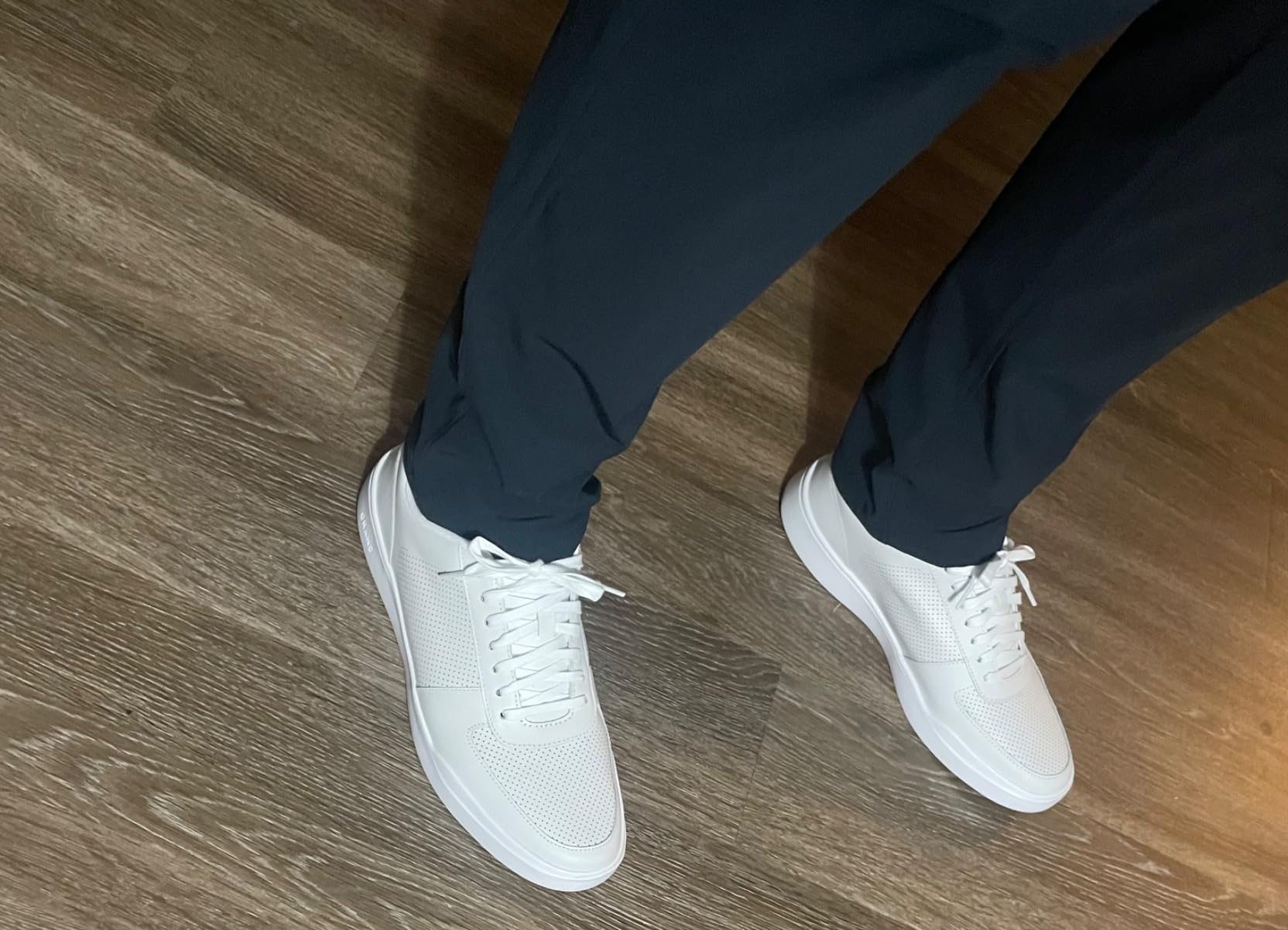
The breakdown across 8 weeks: roughly 40% office environments (carpet and polished hard floors), 30% airport and travel, 30% casual social settings. Here’s what stood out in each.
Office performance: The professional appearance holds up to actual scrutiny. Wore these to board meetings, client presentations, and one conference keynote without a second thought about whether they looked appropriate. On hard office floors the grip is adequate — not athletic-shoe grip, but confident for daily movement. No slipping concerns on carpet or polished surfaces.
The travel advantage is real: 10.2 oz makes a measurable difference on 10-hour travel days. I pack light for business trips — one bag, one pair of shoes — and these earn that single-pair slot. They cross the threshold from airport to dinner without a mental note that I’m underdressed. The versatility claim isn’t marketing: boardroom at 9 AM, client dinner at 8 PM, same shoes.
Weather reality check: I tested these in light rain by choice. Fifteen minutes of steady light rain — leather stayed largely protected. At twenty minutes of sustained rain, water began working through the perforations and the leather showed early saturation at flex points. Stuffed with newspaper, air-dried overnight, mostly recovered — but faint water marks remained. These are not rain shoes. They handle a sprint from office to cab in drizzle. They do not handle a deliberate rain day without damage risk.
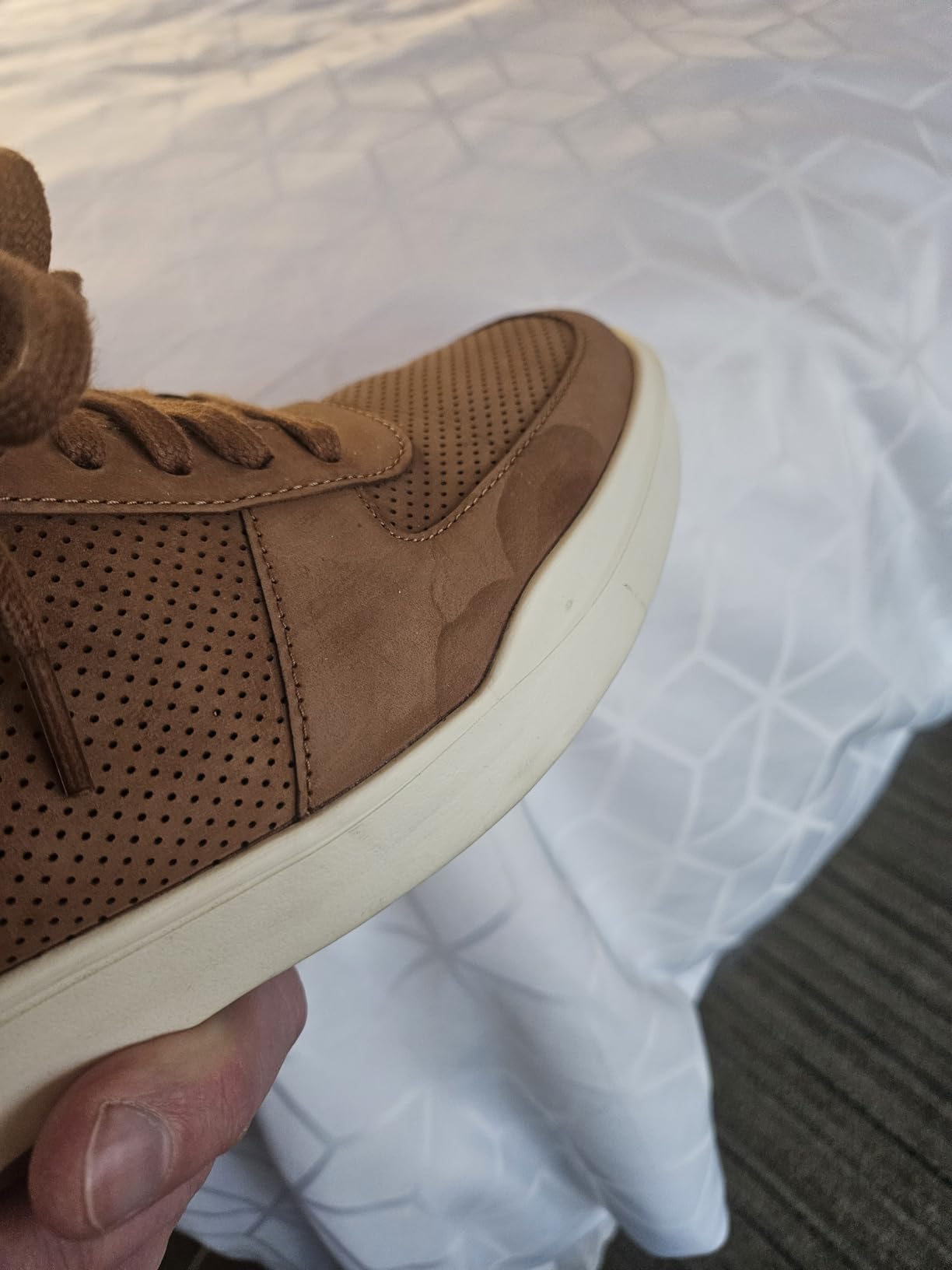
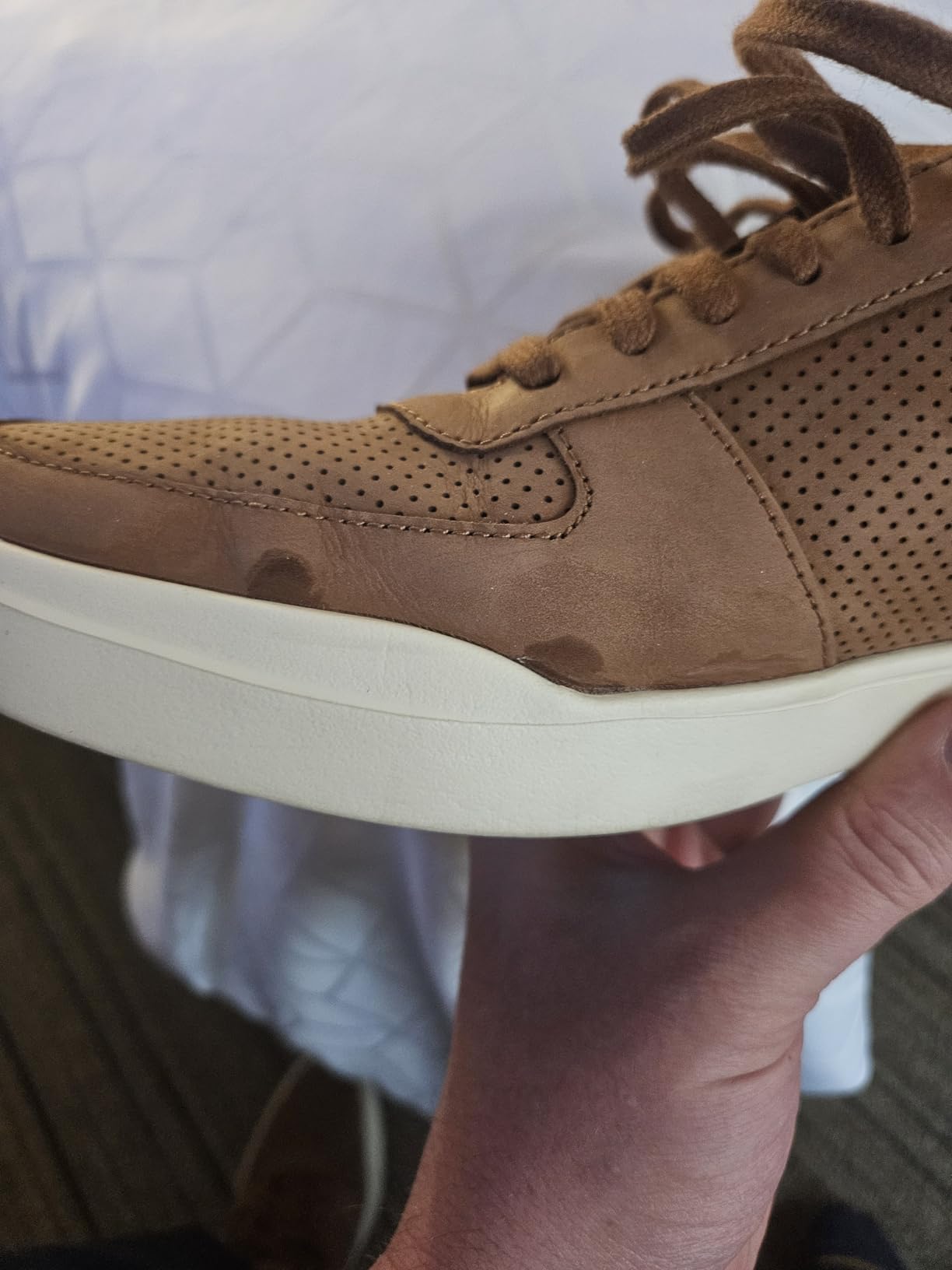
Leather care is mandatory: This is the thing every competitor review skips. The leather finish Cole Haan applies from the factory is protective but not permanent. By week 3-4 I noticed faint water-like marks appearing on the upper — concentrated near areas with humidity or light moisture exposure. These are cosmetic, not structural, but they undermine the “premium leather” image. Prevention: condition the leather every 3-4 weeks with a light leather conditioner, and apply a leather protectant spray ($8-12, Kiwi or Obenauf’s) before you wear them in the rain. Budget 20 minutes every month; the shoes will look significantly better at the 6-month mark.
Build Quality & Durability — The Honest Report
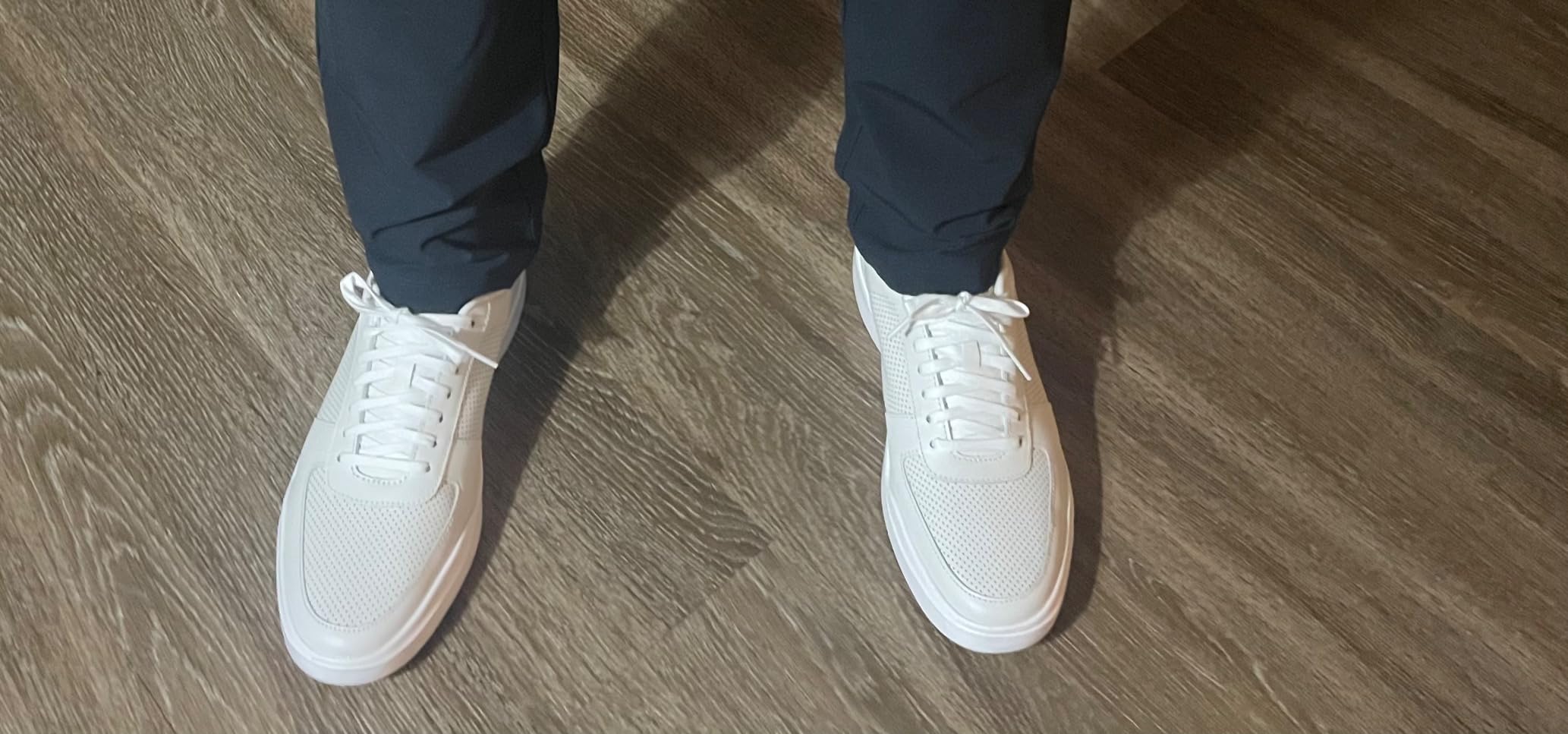
At 8 weeks: the upper leather is holding up without cracks or significant creasing. Stitching lines remain tight throughout. The perforations haven’t frayed at the edges despite rain exposure. The rubber outsole shows tread wear but nothing structural. These are good signs for a shoe at $120.
The discoloration issue deserves a dedicated mention because it surprised me and it surprises most buyers. By week 3-4, the leather developed subtle hazy marks — the texture and appearance of water stains — in areas exposed to humidity and light precipitation. It’s not a manufacturing defect per se; it’s the factory’s protective coating wearing off in use. Once I started conditioning regularly, the marks stabilized and some faded. Consistent maintenance prevents this from becoming a bigger problem.
On durability projection:
| Use Pattern | Lifespan | Cost/Month |
|---|---|---|
| Casual (1-2×/week) | 18-24 months | $5-7 |
| Regular office (3-4×/week) | 12-18 months | $7-10 |
| Heavy office (5×/week) | 6-12 months | $10-20 |
| Daily heavy use | 3-6 months | $20-40 |
Two-pair rotation strategy: own two pairs at $120 each, alternate daily. Each pair lasts ~18 months versus ~9 months daily. Total spend $240 for 18 months = $13/month rather than $20+/month for single-pair daily use. You can pick up a FootFitter cedar shoe tree for each pair — maintains shape between wears and absorbs moisture that accelerates the discoloration issue.
Marketing vs. Reality — Six Claims, Honest Scores
“GRANDFØAM™ footbed for luxurious cushioning” — 70% accurate. Genuinely comfortable for 4-6 weeks; compresses to solid but not remarkable after that. “Luxurious” is overselling.
“Lightweight sneaker for daily movement” — 95% accurate. 10.2 oz is verified and it translates to real-world fatigue reduction. This claim earns its spot.
“Effortlessly versatile” — 80% accurate. Excellent in office and semi-formal settings. Leans professional in casual contexts — harder to make these feel fully casual on weekends.
“Premium leather construction” — 65% accurate. The leather quality is real, but the discoloration issue and maintenance requirements undermine the premium experience. Premium leather shouldn’t require protective treatment in week 1 to stay looking premium.
“Enhanced breathability via perforations” — 40% accurate. The holes are predominantly aesthetic. Some airflow improvement in hot conditions, but the primary effect is visual. The marketing suggests more ventilation function than they actually deliver.
“Water-resistant” — 50% accurate. Light rain for 15-20 minutes: fine. Sustained rain: not suitable. The perforations actively reduce water resistance compared to an unperforated leather shoe.
Who Should Buy — And Who Should Look Elsewhere
Buy this shoe if:
– You work in a business casual environment and need one shoe from morning meetings to evening plans
– You have standard or narrow-width feet
– Travel is a regular part of your job and pack-light is important
– You’re willing to do 20 minutes of leather maintenance monthly
– You want professional styling without traditional dress shoe discomfort
Skip this shoe if:
– You have wide feet — the fit issue is a dealbreaker here, not a workaround
– You need rain protection in a consistently wet climate
– You want a shoe that requires zero maintenance and forgives rough treatment
– You need formal dress shoe formality (these won’t pass a conservative dress code)
– Athletic performance of any kind is in scope
Alternatives worth considering:
The Adidas Advantage 2.0 at $70-90 is the budget comparison — less comfortable initially, less professional, but genuinely wide-fit friendly and lower-maintenance. The Adidas Daily 3.0 offers clean styling with better casual versatility at around $65. For buyers prioritizing maximum daily comfort over style, the Skechers Summits line offers softer cushioning at lower cost — less polished aesthetically, but hard to beat for all-day standing. If you want Nike’s cleaner court aesthetic, the Nike Air Force 1 07 is worth a look alongside the Court Vision for that price range. For running and training needs beyond business casual, the Under Armour Charged Assert 9 handles performance better than any lifestyle sneaker should.
Comparison at $100-130
| Feature | Cole Haan Grand Crosscourt | Nike Court Vision | Stan Smith | Adidas Advantage 2.0 |
|---|---|---|---|---|
| Price | $120 | $110 | $90 | $75 |
| Initial Comfort | 9/10 | 8/10 | 8/10 | 7.5/10 |
| Professional Style | 9/10 | 7.5/10 | 8.5/10 | 7/10 |
| Casual Versatility | 6.5/10 | 8.5/10 | 8/10 | 8/10 |
| Wide Fit Option | No (runs narrow) | Limited | No | Yes |
| Maintenance Required | High (leather care) | Low | Moderate | Low |
Cole Haan wins on initial comfort and professional appearance. Nike Court Vision wins for casual versatility and low maintenance. Stan Smith wins for long-term durability and aesthetic heritage. Adidas Advantage 2.0 wins for budget and wide-fit accessibility.
Overall Score Summary
| Category | Score | Key Finding |
|---|---|---|
| Comfort | 8.5/10 | Excellent weeks 1-4; GRANDFØAM™ compresses by month 2 but holds |
| Style | 9.0/10 | Best-in-class business casual aesthetic; perforations elevate design |
| Build Quality | 8.0/10 | Solid stitching and construction; discoloration issue noted at week 3-4 |
| Durability | 7.5/10 | 6-12 months office use; leather care mandatory for upper lifespan |
| Value | 8.0/10 | $119.95 = $10-20/month — fair for this category |
| Fit & Sizing | 7.5/10 | Runs 0.5 large; narrow build; wide variant runs extra narrow |
| Overall | 8.1/10 | Excellent business casual option — buy if standard width, skip if wide feet |
Frequently Asked Questions
Do Cole Haan Grand Crosscourt sneakers run true to size?
No — they run about 0.5 size large. Order half a size down from your normal dress shoe size. If you’re between sizes, go with the smaller option. I wear a standard 9.5 and the size 9 fit perfectly.
Are these good for wide feet?
No. The shoe runs narrow, and the “wide” variant reportedly runs even narrower than the standard according to multiple long-time Cole Haan customers. If you have wide feet, the Adidas Advantage 2.0 offers better accommodation at a lower price.
What is GRANDFØAM™ and is it different from EVA?
GRANDFØAM™ is Cole Haan’s branded cushioning system — an EVA-based foam formulated for responsive rebound. It delivers noticeably better comfort than standard EVA in weeks 1-4, then compresses to solid-but-unremarkable by month 2. Think of it as premium EVA rather than a fundamentally different technology.
How do these hold up in rain?
Light rain for 15-20 minutes: manageable, leather stays largely protected. Sustained rain: water works through the perforations and leather saturates at flex points. Apply a leather protectant spray before wearing in wet conditions. These are not rain shoes.
Why is my leather getting water marks?
The factory’s leather protective coating wears off with normal use and humidity exposure. Water-like marks by week 3-4 are common. Solution: condition the leather every 3-4 weeks and apply a water protectant spray (Kiwi Leather Protect or Obenauf’s, around $10) when you notice the finish dulling. This is normal leather maintenance, not a defect.
How long do these last?
Regular office use 3-4×/week: 12-18 months. Heavy daily use 5×/week: 6-12 months. Casual use 1-2×/week: 18-24 months. Lifespan extends significantly with two-pair rotation and consistent leather care. Store with cedar shoe trees to maintain shape and absorb moisture between wears.
Can I wear these to formal business meetings?
Business casual and smart casual: yes, without hesitation. Conservative business professional with suits: probably not — the sneaker silhouette doesn’t pass traditional dress codes. For tech companies, creative agencies, and most modern offices: fully appropriate.
Is the break-in period long?
Minimal. You can wear these straight from the box. The leather feels slightly stiff for the first 1-2 wears and then softens naturally to foot shape. No break-in discomfort — unlike traditional leather dress shoes that require weeks of conditioning.
How should I clean and maintain these?
Monthly: wipe down with a damp cloth, use a soft brush on the perforations to clear debris. Every 3-4 weeks: apply a light leather conditioner. Quarterly: apply leather water protectant spray. The perforations are deeper than they appear — use a soft toothbrush or shoe brush for detailed cleaning. A metal shoe horn prevents heel counter damage when putting them on.
Are there reports of receiving used shoes?
Yes — it’s a documented pattern. Some buyers have received pairs with dirty soles and existing wear marks. Before removing the tags, inspect: check the sole for wear patterns, look for existing leather creases, check the footbed interior for a prior foot print. Buy from Cole Haan official or Zappos for hassle-free returns if something’s off.
Be the first to review “Cole Haan Men’s Grand Crosscourt Modern Perforated Sneakers”
Related products
Sneaker
Sneaker

Sneaker

Running Shoes
Reviews
There are no reviews yet.