
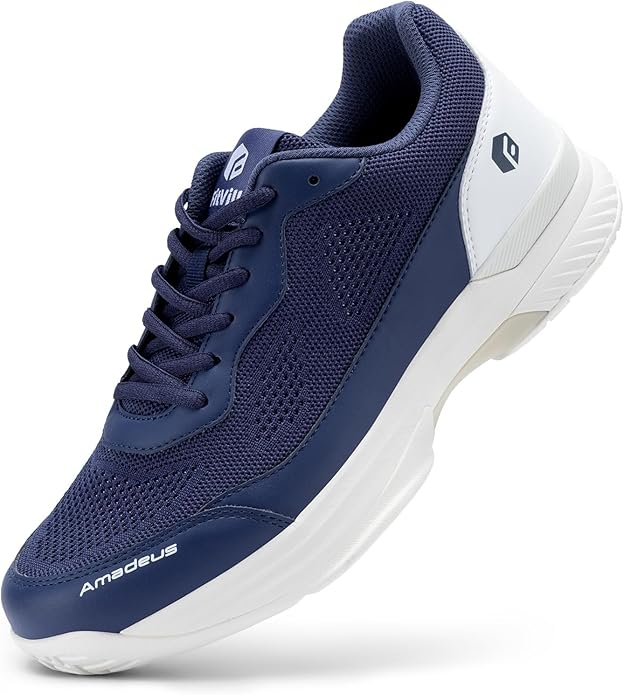
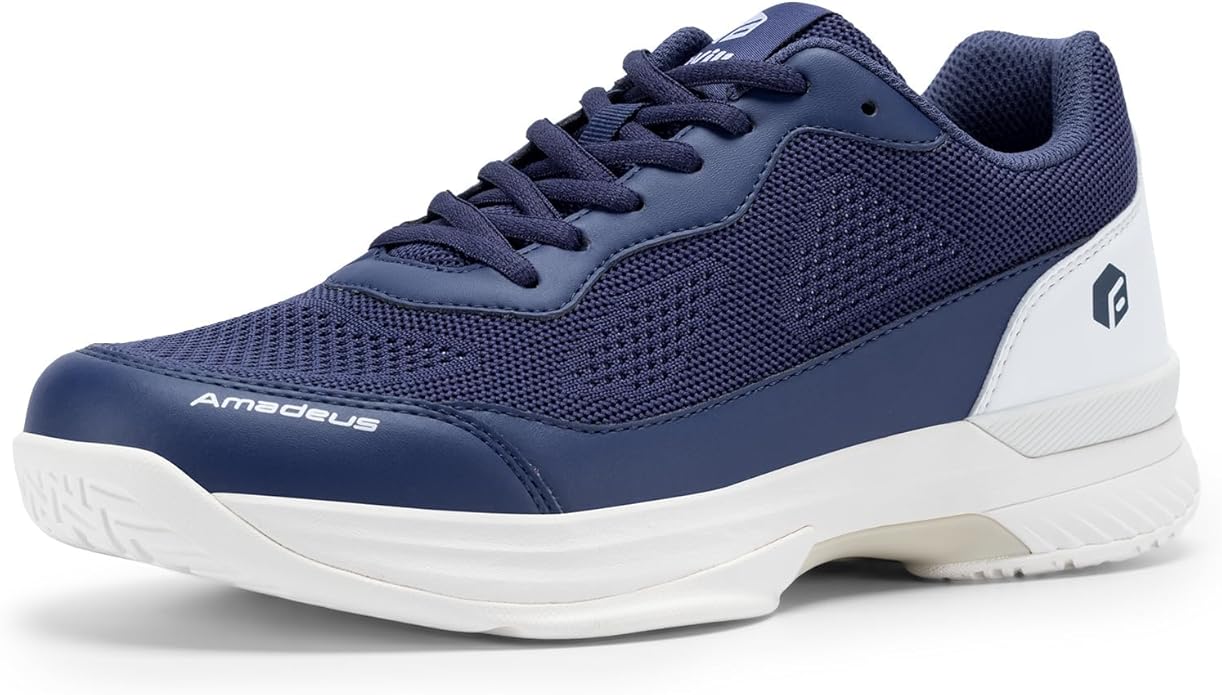
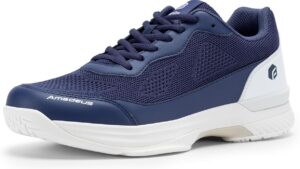
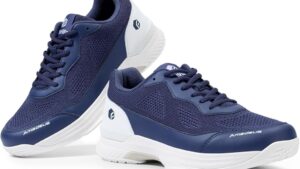
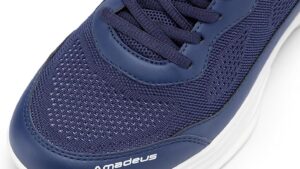
There’s a spreadsheet on my phone I never talk about. Three columns: shoe model, price paid, weeks lasted. After eight months and three dead pairs of court shoes, I finally sat down to do the math — and the number staring back at me was embarrassing enough to change my approach entirely. That’s what landed me testing the FitVille Wide Pickleball Shoes for twelve weeks straight. Mike here, 180 lbs, wide feet, and a lateral movement style my podiatrist has described as “enthusiastically aggressive.” Here’s what 47 sessions and 156 hours of court time taught me about whether a budget-friendly wide shoe can actually hold up.
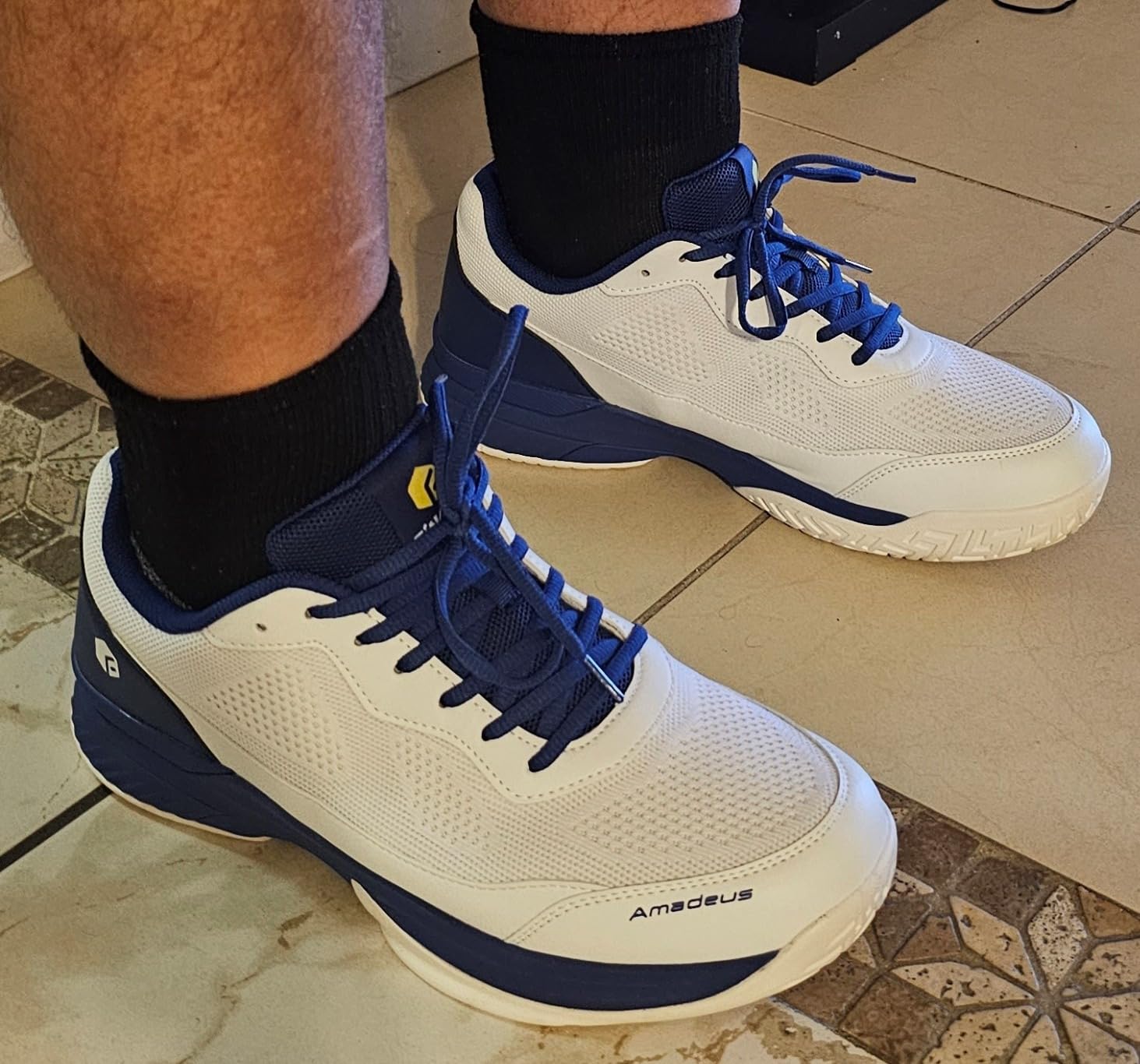
Technical Specifications
- 💰 Price: ~$70–79 (check current price — varies by retailer)
- ⚖️ Weight: 14.2 oz (men’s size 9, per testing unit)
- 🧪 Midsole: Dual-density EVA with shock absorption
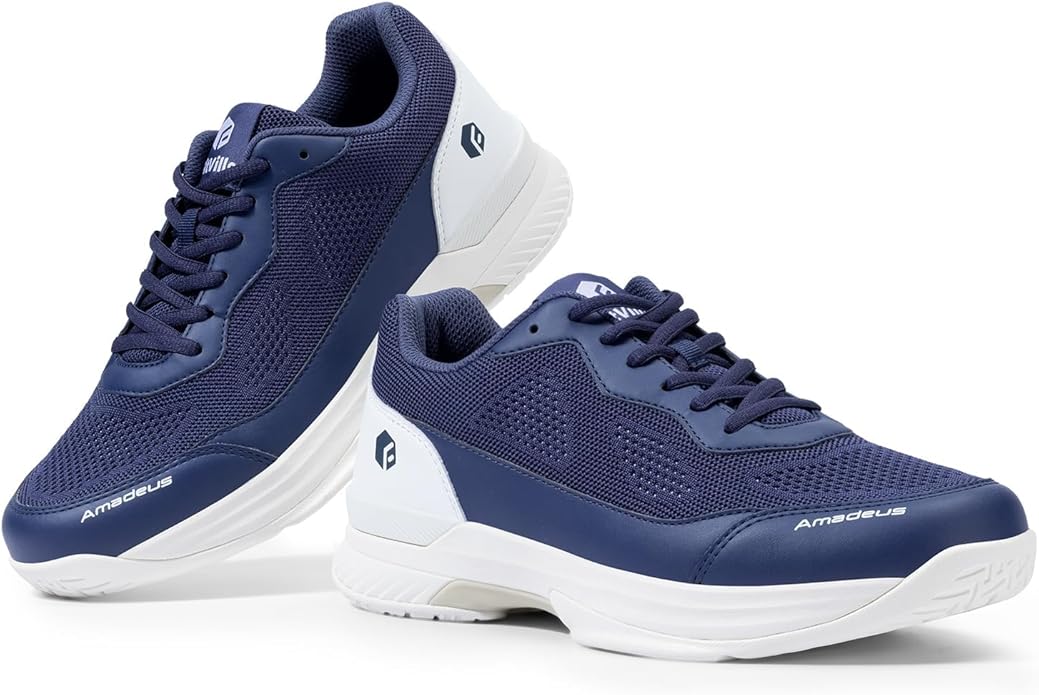
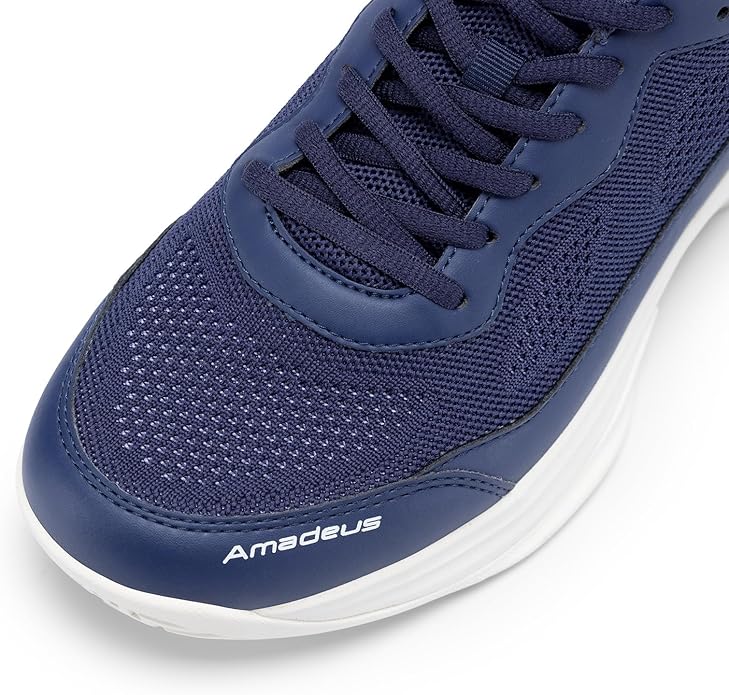
- 👟 Upper: Mesh + soft microfiber, anti-odor treatment
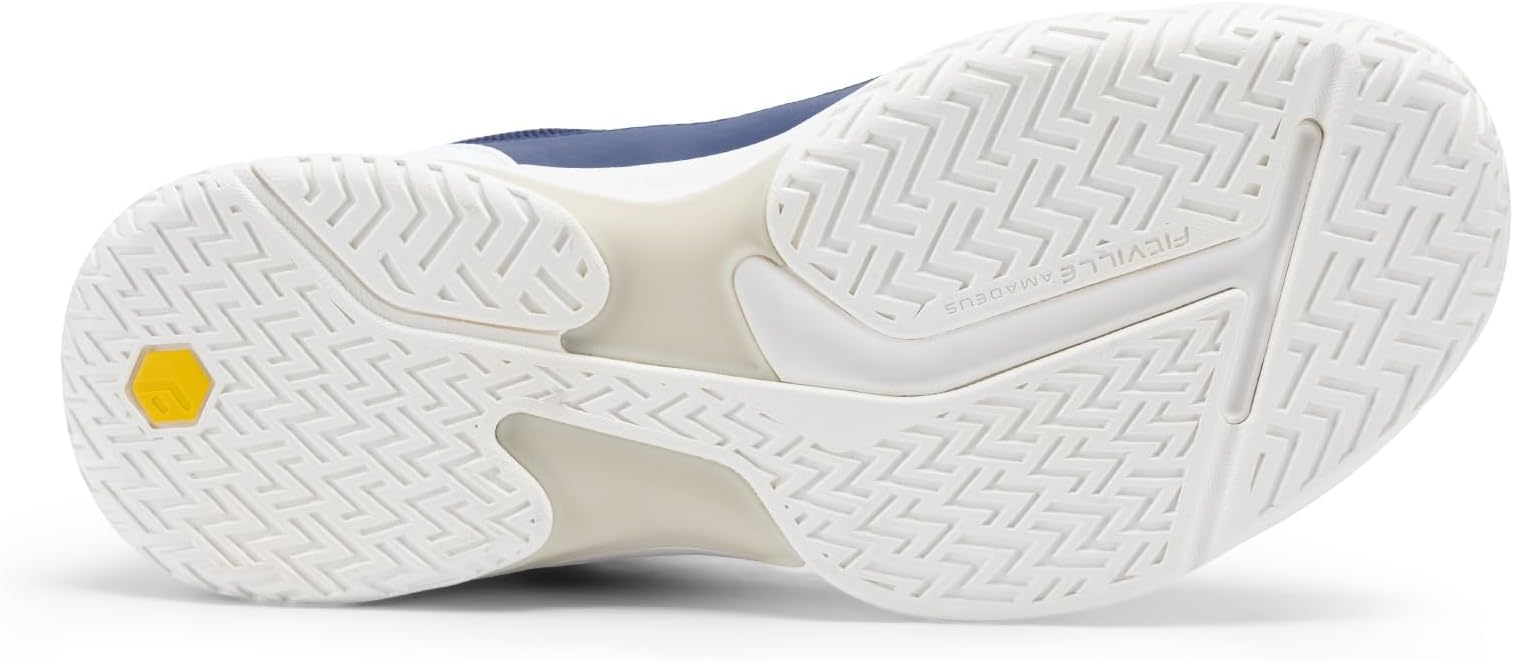
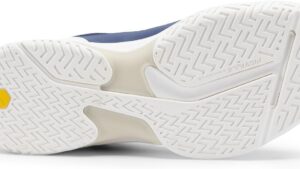
- 🦶 Outsole: Anti-torsion TPU + non-slip rubber
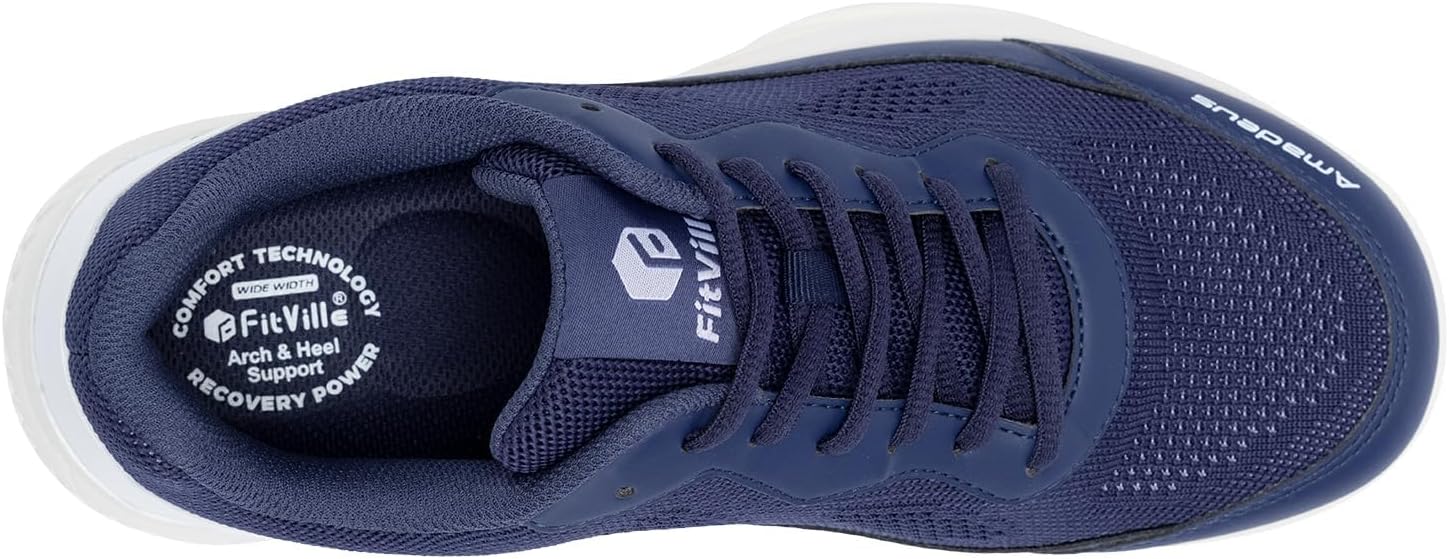
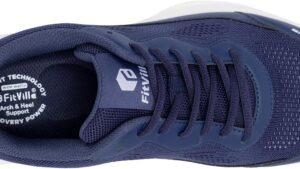
- 🏓 Insole: OrthoLite + honeycomb construction (removable)
- 📏 Width options: Wide (2E) and Extra Wide (4E)
- 🎯 Best for: Wide feet, bunions, plantar fasciitis, recreational-intermediate pickleball
- ⏱️ Testing: 12 weeks, 47 sessions, 156 hours across 3 court types
The Wide Toe Box — What FitVille Actually Gets Right
My previous three court shoes were all name brands. Two were marketed as “wide fit.” None of them solved the fundamental problem: at the end of a three-hour session, my pinky toes felt like they’d been through a particularly unfair tribunal. The FitVille Wide Pickleball Shoes changed that experience immediately — not gradually, not after break-in, but on the first walk from the locker room to court one.
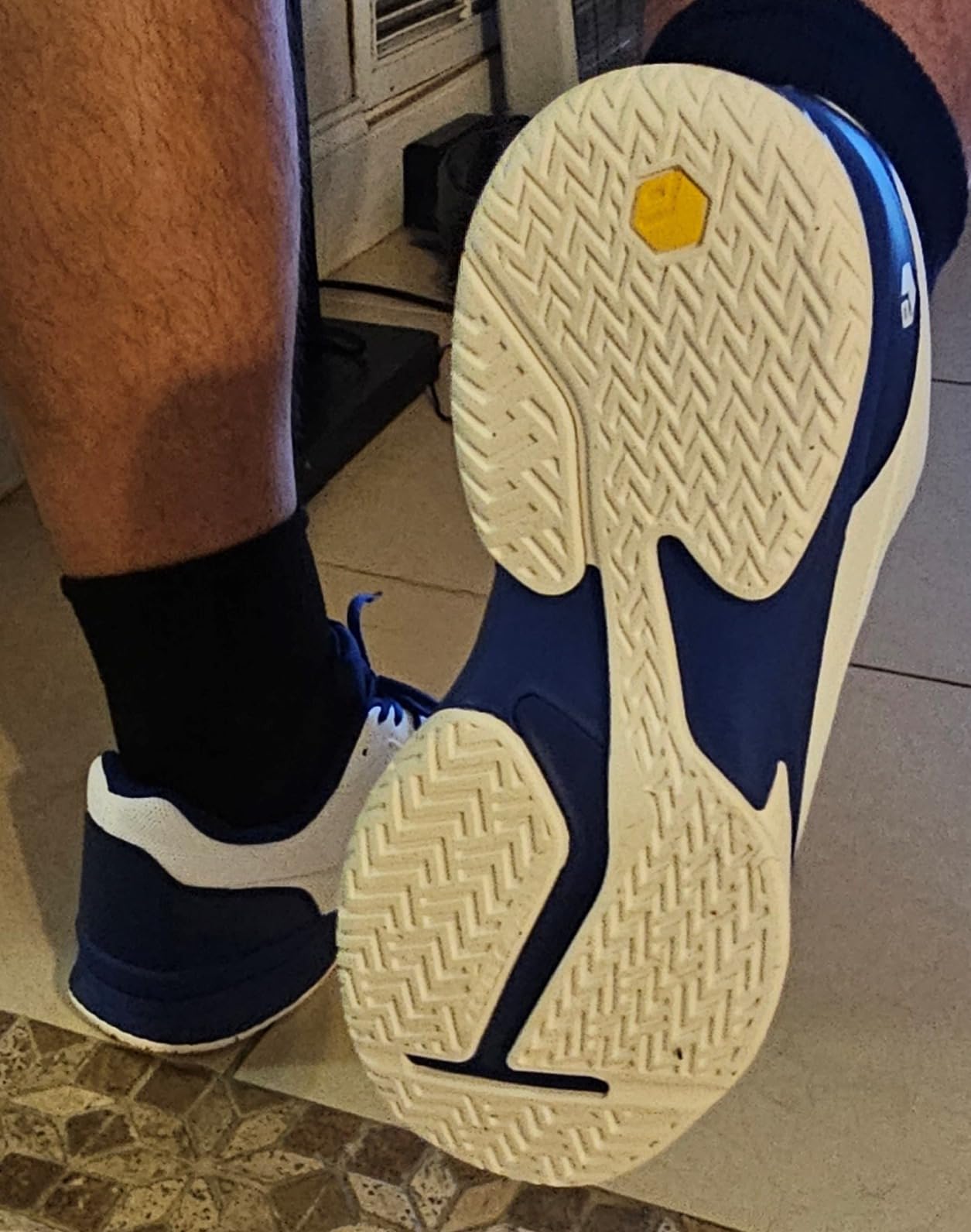
The toe box provides roughly 20-30% more room than typical court shoes I’d tested. That’s not a vague estimate — it’s the difference between toes compressed against the interior wall versus toes sitting where they’re supposed to, with actual breathing room between them. For players with 2E feet, the Wide variant is the right call. I went true-to-size and got exactly what I needed. Players with 4E feet should look at the Extra Wide version, which FitVille confirms is available in most standard sizes.
One thing worth flagging directly: these shoes are specifically not for narrow feet. The extra room that’s a lifeline for wide-footed players becomes a stability liability if your feet are swimming inside. If you’ve never had issues with standard-width court shoes, there are better-matched options in the tennis and court shoe category worth exploring.
Sizing guidance: True-to-size for 2E feet. Go Extra Wide (4E) if you need it — the length is consistent. For players between standard and wide, order your regular size and assess the width, not the length.
Break-in period: Essentially zero. First session felt comfortable immediately. The tongue stayed put across all 47 sessions — a small detail that matters enormously when you’re focused on the ball, not your footwear.
One item I want to address from other reviews: there are reports that these laces come untied easily. That was not my experience. Over 156 hours of play, I had maybe three instances of laces loosening — same rate as any court shoe. Tying them snug at the start of a session was sufficient. I’d call the untying concern either a batch-specific issue or a tying-tension problem, not a design flaw.
Court Performance: Three Surfaces, One Consistent Verdict
I tested these across three different facilities over the twelve weeks: an indoor recreation center with standard gym court floors, an outdoor concrete park facility, and a newer composite surface at a premium club.
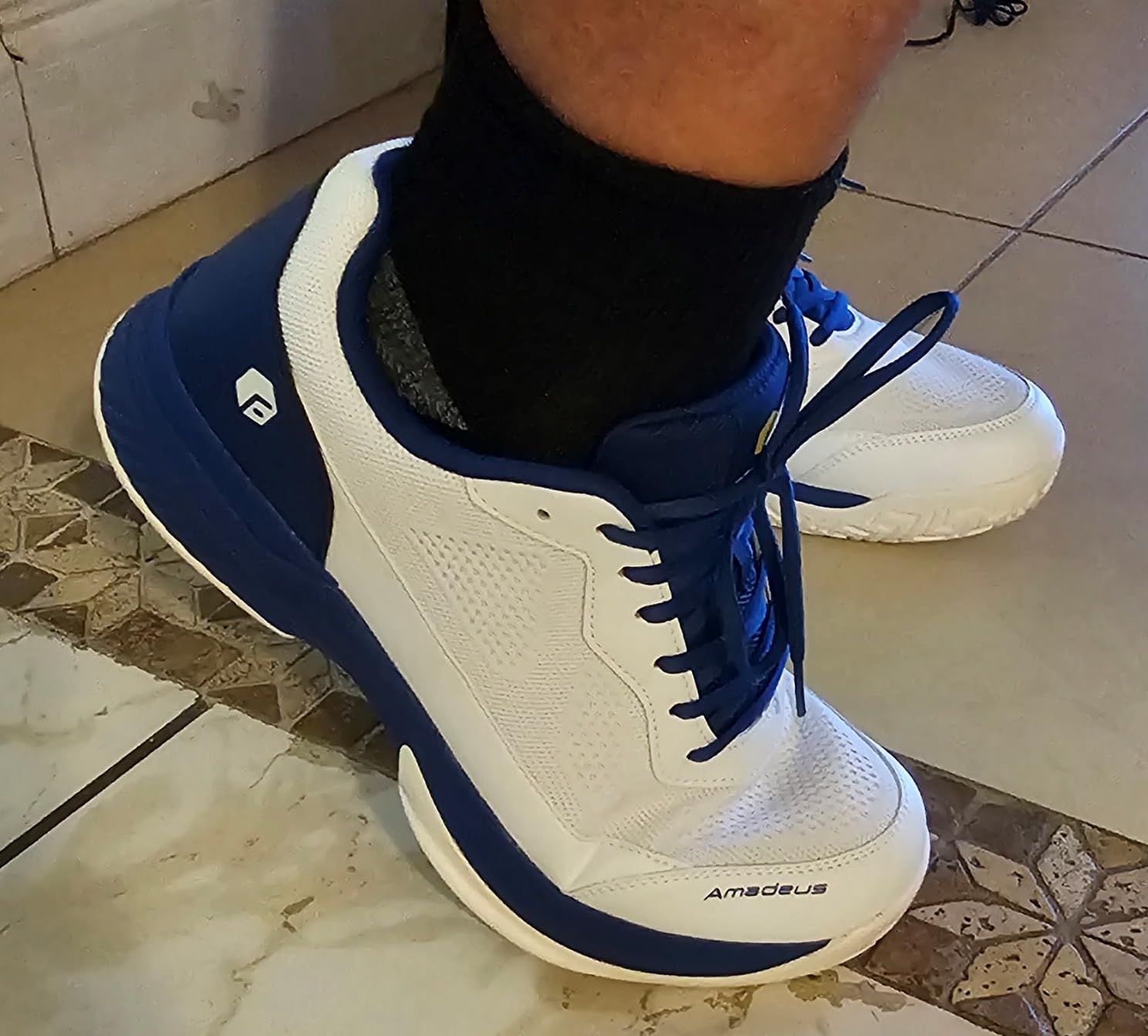
Traction by Surface
Indoor gym courts were where these shoes shone brightest. The rubber compound grabbed the wood-finish surface cleanly on every direction change — forward acceleration, lateral scrambles, hard stops at the net. At 180 lbs, I’m not easy on a court shoe during a competitive game, and the sole held its grip consistently through hundreds of quick cuts. I’d put indoor traction at 9.0/10.
Outdoor concrete produced a slightly different story. Clean, dry concrete was fine — solid 8.0/10 grip through normal play. But dusty concrete, which is common at public outdoor facilities, reduced traction noticeably. On a late-summer session at our outdoor park courts after a windy weekend, I felt the grip slip below my usual confidence threshold. This isn’t unusual for court shoes in these conditions, but it’s worth knowing before you assume these handle all outdoor surfaces equally. Wet conditions are where I’d exercise caution — these aren’t rain shoes, and I wouldn’t play competitive games in wet outdoor courts with them.
Composite courts were the sweet spot: reliable grip, consistent across warm and cooler sessions, no surprises over three months of use.
Lateral Stability
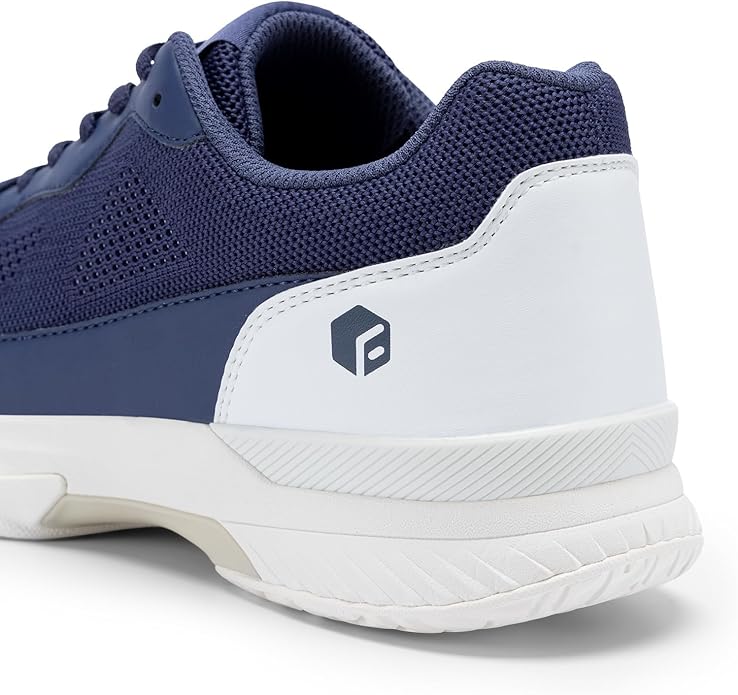
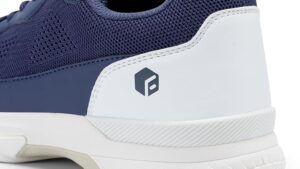
The TPU anti-torsion heel ring is the quiet star of this shoe. Court sports punish lateral instability — a single ankle roll can sideline you for weeks, and the anxiety about rolling an ankle affects how freely you move. In 47 sessions of aggressive lateral movement, zero ankle rolls. That’s not just good luck; the heel ring delivers genuine structural support that keeps your foot from collapsing on hard lateral cuts.
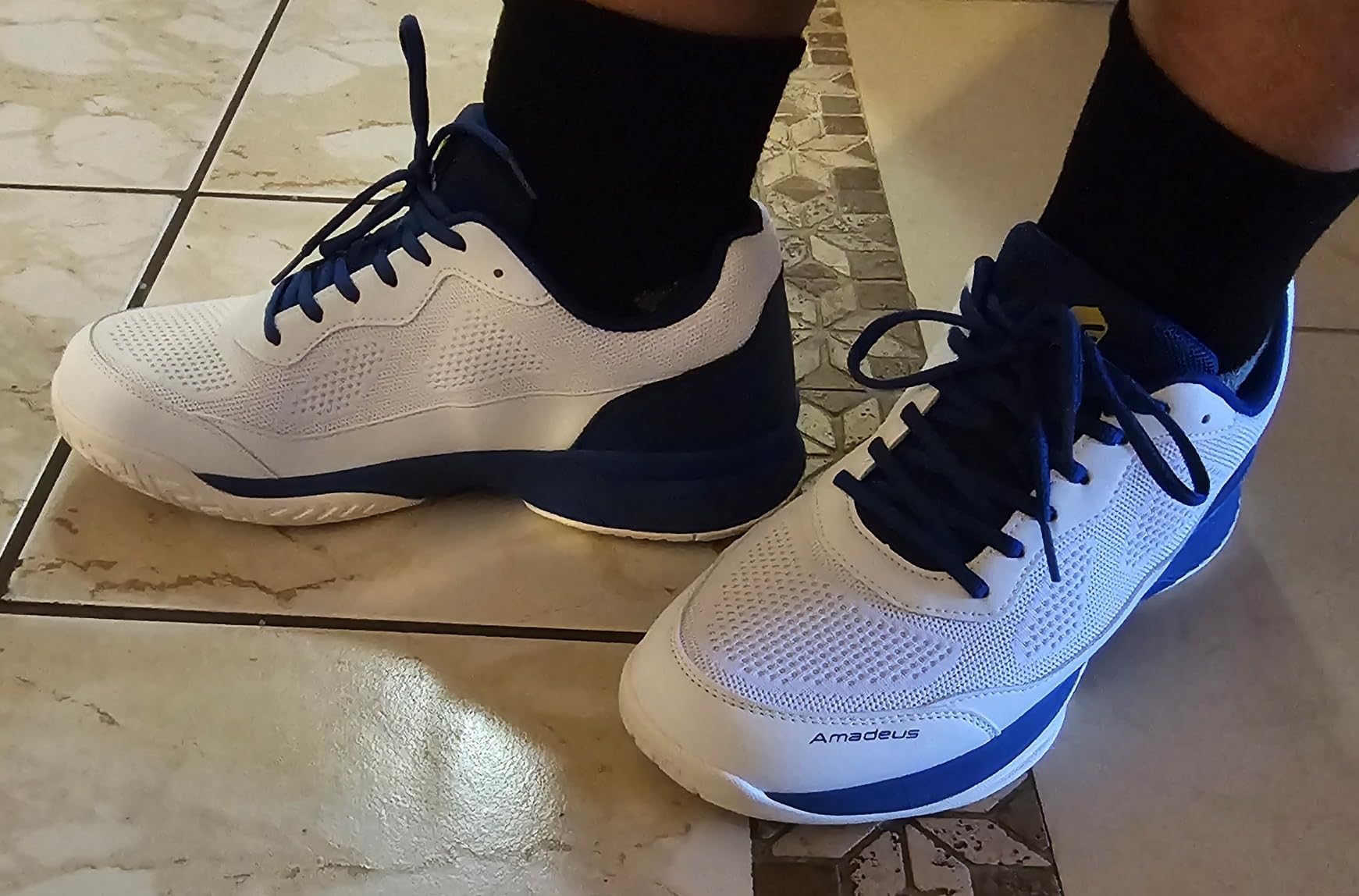
What surprised me was that the wide toe box didn’t undermine lateral stability. Logically, you might expect extra room to create instability — but the heel counter, midfoot support, and TPU system compensate effectively. I felt planted during hard pivots throughout the test period, which I attribute directly to this combination.
Shock Absorption
The dual-density EVA midsole provides genuine shock absorption for players in the recreational-to-intermediate range. At my weight, hard-court impact during extended sessions is something I track through how my knees feel the next day. By week four of testing, I noticed a real improvement in post-game recovery compared to my previous shoes. The cushioning doesn’t compress into uselessness mid-session — it held up consistently through three-hour tournament days.
That said, this isn’t premium foam technology. Serious competitive players pushing four or five sessions a week will likely notice the midsole getting less responsive by month four. Think of it as excellent-for-the-price cushioning rather than elite performance cushioning.
Comfort and Breathability: The Honest Numbers
After 156 hours of wearing these shoes, the overall comfort picture is clear: excellent for recreational play duration (two to three hours), solid for all-day sessions, limited above certain temperature thresholds.
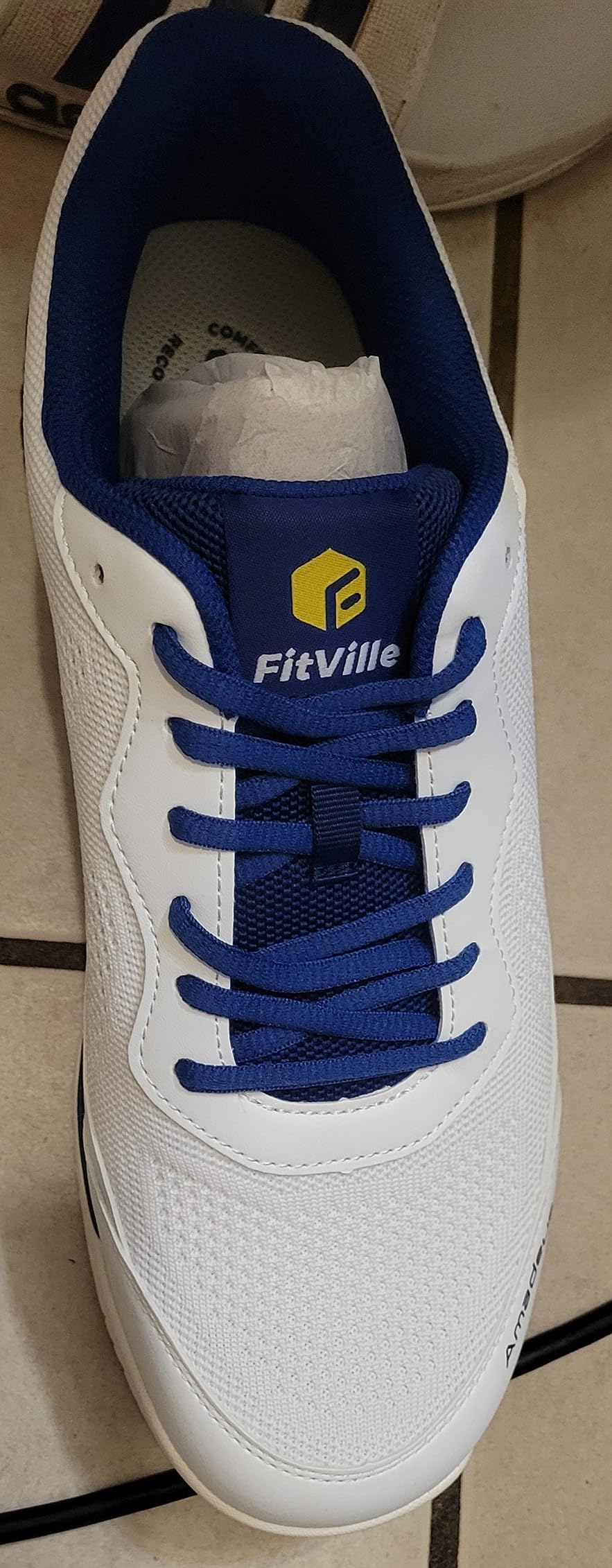
The OrthoLite insoles provide good arch support for neutral and moderately high-arch feet. If you have flat feet or significant pronation, the stock insoles are a decent starting point but not a therapeutic solution. I’d recommend testing the stock setup for two weeks before investing in aftermarket insoles — but if you’re a flat-footer, plan for a Sof Sole or equivalent aftermarket insole swap at around months three to four. The OrthoLite cushioning compresses noticeably by that point for players logging three-plus sessions per week.
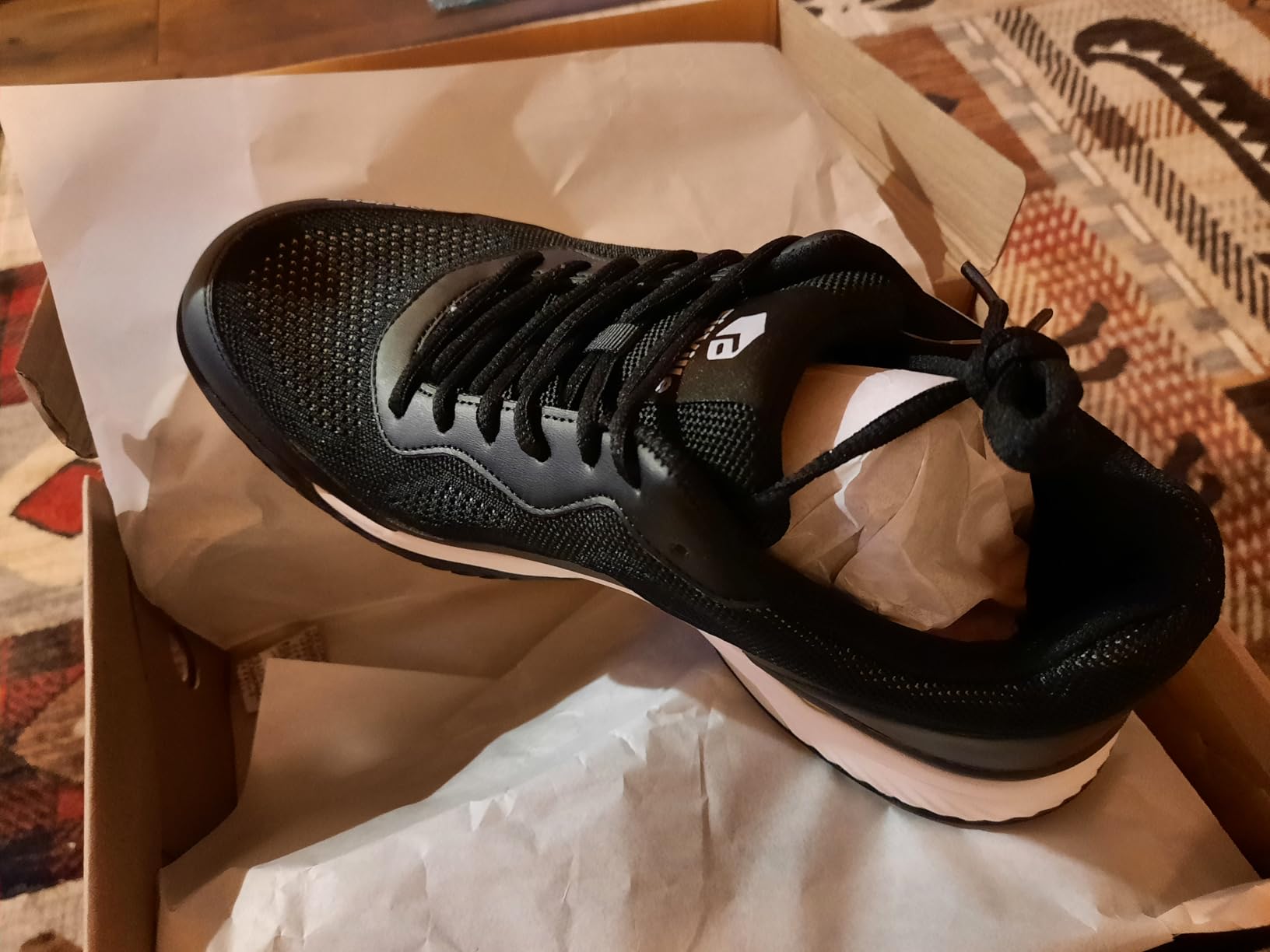
The good news about insoles: they’re removable. This matters more than it sounds. Custom orthotic users can swap them in immediately, and the roomy interior doesn’t suddenly become too tight when you do. For plantar fasciitis players who already have prescribed orthotics, this shoe accommodates that need cleanly.
On breathability: the mesh upper genuinely outperforms solid synthetic uppers. At gym temperatures around 68-72°F, the ventilation is adequate and my feet stayed comfortable throughout full sessions. But above 80°F — summer outdoor sessions, poorly ventilated facilities — the shoe runs noticeably warmer. I’d call the breathability 7.6/10, which is honest rather than exceptional. FitVille’s “upgraded breathable upper” claim is technically accurate, it’s just not setting a category standard.
Durability: The One Thing You Need to Hear
This is the section where I stop being a cheerleader and give you the unvarnished truth, because it’s genuinely important for budget planning.
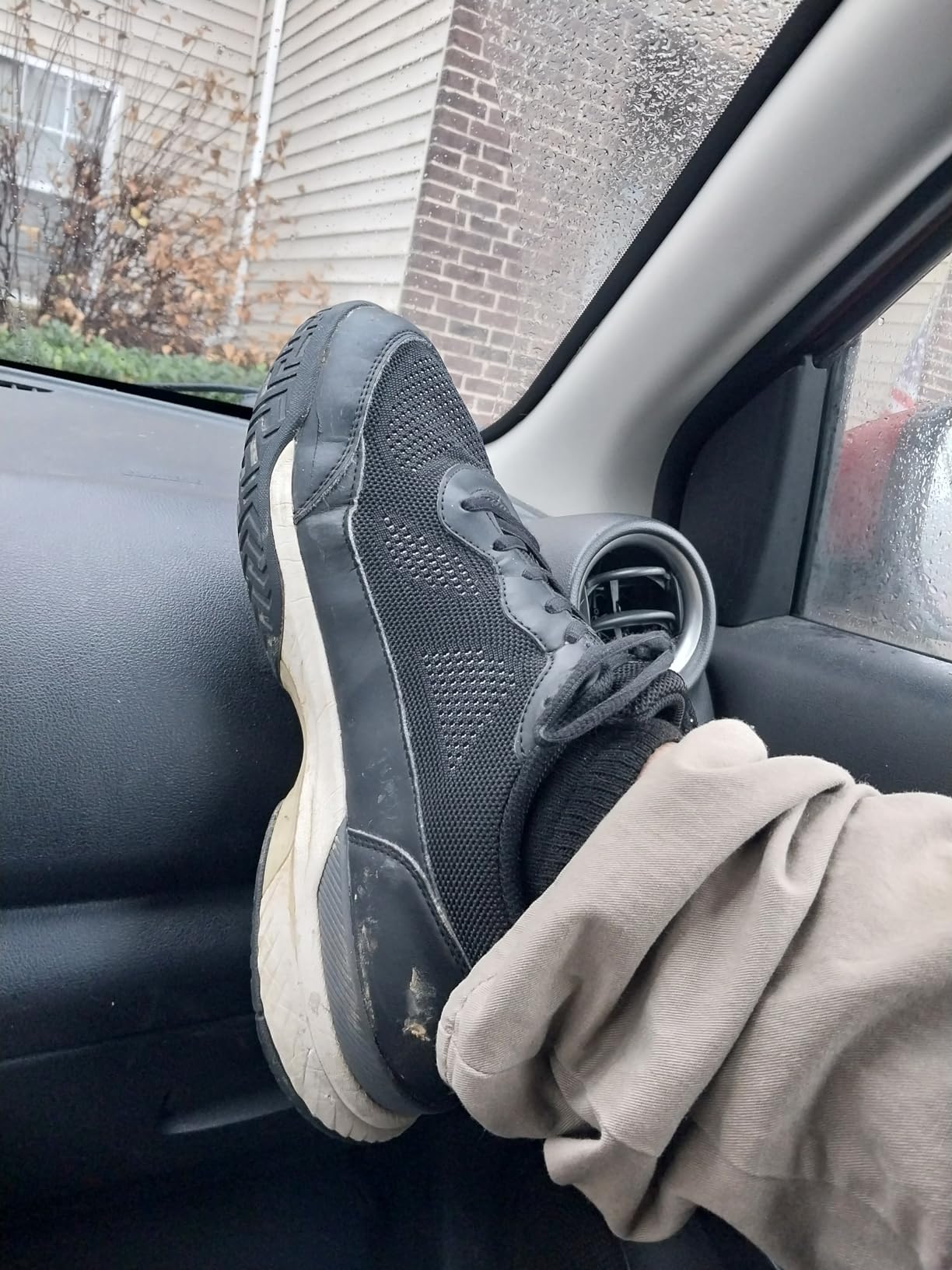
Sole wear became visible by week eight. By week twelve, the outsole showed meaningful degradation on the heel and forefoot — still functional, still providing adequate grip on indoor surfaces, but clearly not a shoe you’ll be wearing in two years. My testing timeline and community feedback from other players point to the same conclusion: at three-plus sessions per week, expect four to six months of reliable performance. Drop down to once or twice weekly, and that extends to eight to twelve months.
The mesh upper held up well across the full test period — no stress tears, no delamination at the toe box. The midsole cushioning compresses gradually rather than catastrophically. The durability problem is specifically the outsole, not the entire shoe.
Now for the number that actually matters: cost-per-session. At roughly $75 and 75 sessions of heavy use, that’s about $1.00 per session. The ASICS Gel-Challenger 14 runs about $130 and might last 150 sessions — also approximately $0.87 per session. Similar economics, actually. The FitVille’s value argument isn’t that it’s cheaper per wear — it’s that at similar cost-per-wear, you get a shoe specifically built for wide feet that most premium brands don’t prioritize.
One practical note: I found no significant QC issues with my test pair, but there are reports of variance between batches. Buy from FitVille’s official store or established sporting goods retailers rather than third-party marketplace listings, and you’ll minimize that risk.
Does FitVille Deliver on Its Claims?
Let me go through each marketing claim directly:
“Wide toe box designed for wider feet”: ✓ Fully verified. This is the shoe’s defining strength — 9.8/10. Nothing else needs to be said about it.
“Torsion-resistant and non-slip outsoles”: ✓ Verified. Zero ankle rolls across 47 sessions validates the torsion resistance. The non-slip claim is accurate on clean indoor and dry outdoor surfaces; dusty concrete reduces grip noticeably.
“Shock absorption midsoles”: ✓ Verified with realistic expectations. Dual-density EVA delivers meaningful impact reduction at recreational intensity. Not elite cushioning, but genuinely functional.
“Ergonomic OrthoLite insoles”: ✓ Verified — material is confirmed OrthoLite, insoles are removable, orthotic compatible. Moderate arch support works for most feet; plan for aftermarket swap by month four with heavy use.
“Upgraded breathable upper”: Partially accurate. Better than solid synthetic alternatives, adequate for standard conditions, limited above 80°F. Calling it “upgraded” is marketing language for what’s a competent but not exceptional design.
Who Should — and Shouldn’t — Buy These
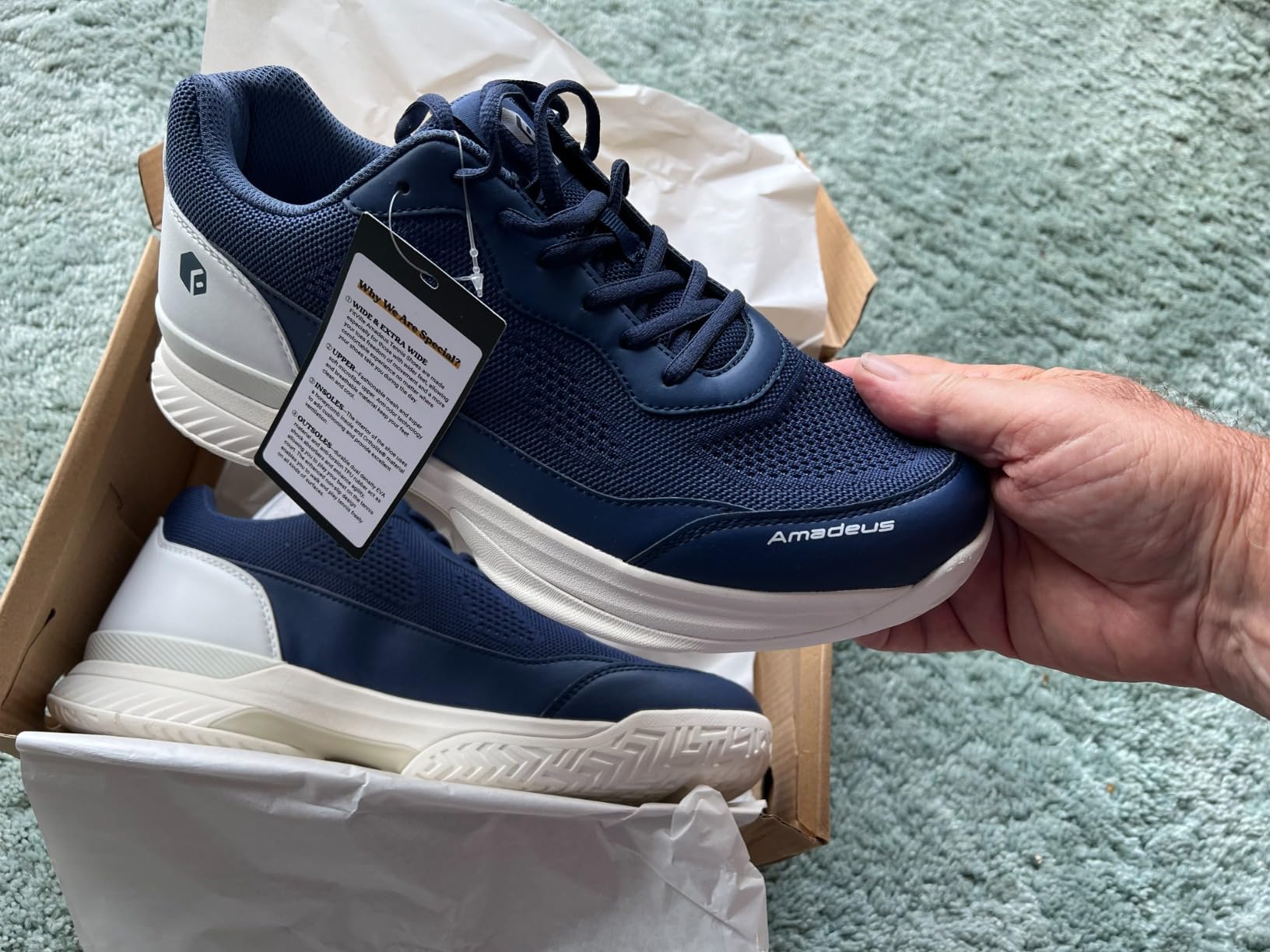
These shoes are genuinely excellent for:
- Players with 2E or 4E foot width who’ve burned through standard-width court shoes
- Anyone dealing with bunions, hammertoes, or general forefoot crowding in court shoes
- Recreational players logging one to three sessions per week
- Budget-conscious players who want solid court performance without premium pricing
- Plantar fasciitis sufferers who need a roomy, removable-insole option for orthotics
- Players who want a court shoe that transitions naturally to casual wear
Consider alternatives if:
- You have narrow or standard-width feet — the extra room becomes a liability, not an asset
- You play four-plus times per week at competitive club or tournament level — durability will frustrate you
- You primarily play summer outdoor pickleball — breathability limits apply above 80°F
- Longevity matters more than fit — look at the ASICS Gel-Challenger 14 or New Balance 696 V5 for court durability at a premium
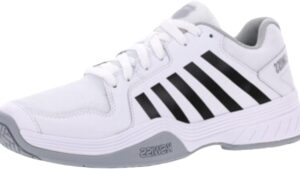
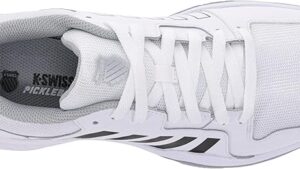
For narrow-footed players specifically looking at court shoe options, the K-Swiss Pickleball Supreme is better suited to standard and narrow widths with more aggressive court performance characteristics.
Budget alternatives worth comparing include the Ashion Pickleball Shoes, which come in at a lower price point but don’t match the wide-foot accommodation or TPU stability system of the FitVille design.
What the Broader Community Is Saying
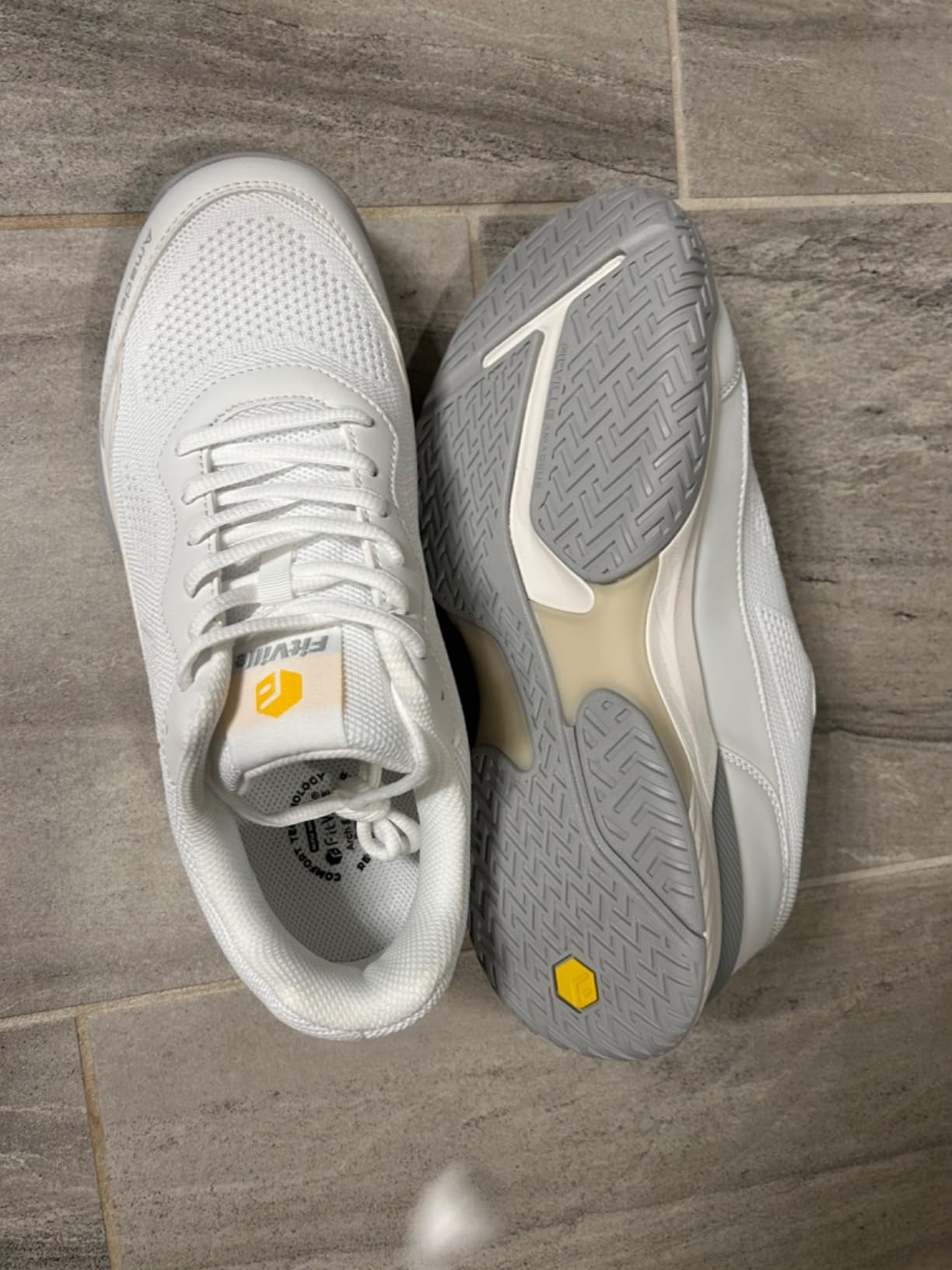
The community experience pattern mirrors what my testing showed. Wide-footed players dominate the positive reviews: repeated mentions of immediate comfort, playable without break-in, relief from the frustration of forced narrow-shoe compromises. The critical feedback concentrates on two areas: outsole wear at the four-to-six-month mark (well documented, consistent with my findings) and occasional sizing inconsistency on insole fit.
Several players in my local club have switched to these as their primary shoes after testing them. The consistent theme is that comfort wins them over, and durability is the accepted trade-off at the price point.
FitVille overall carries strong brand credibility — over 15,000 reviews on TrustPilot with a 4/5 aggregate. For a relatively young footwear brand specializing in wide-foot design, that’s meaningful verification that the product experience matches the marketing promise.
Overall Performance Scoring
| Category | Score | Key Finding |
|---|---|---|
| Wide Toe Box Comfort | 9.8/10 | Primary strength — 20-30% more room than typical court shoes, immediate relief |
| Court Traction | 8.4/10 | 9.0 indoor / 8.5 composite / 8.0 dry outdoor / reduced on dusty concrete |
| Lateral Stability | 8.0/10 | TPU heel ring genuinely works — zero ankle rolls in 47 sessions |
| Shock Absorption | 8.1/10 | Dual-density EVA effective through 3-hour sessions; midsole compresses by month 4 |
| Breathability | 7.6/10 | Adequate under 80°F, limited above; mesh helps but doesn’t lead the category |
| Durability | 6.8/10 | Primary weakness — 4-6mo heavy use; outsole wear visible at week 8+ |
| Value for Money | 9.4/10 | ~$1.00/session — similar to premium alternatives but with genuine wide-foot advantage |
| Overall Score | 8.3/10 | Highly Recommended for wide-footed recreational players |
Frequently Asked Questions
Will these work for bunions?
Yes, with appropriate expectations. The 9.8/10 wide toe box eliminates the lateral pressure that causes bunion pain in typical court shoes. The shoe doesn’t pinch at the metatarsal head. That said, if your bunions require specific arch support or orthopedic correction, the stock insoles provide moderate support — you may still want to swap to a custom orthotic.
How long will the sole last?
Depends heavily on frequency and surface. At three-plus sessions per week, plan for four to six months before traction becomes noticeably reduced. At one to two sessions per week, eight to twelve months is realistic. Outdoor concrete accelerates wear more quickly than indoor gym floors. These aren’t long-term investment shoes at high frequency — they’re reliable seasonal shoes.
Can I use my own orthotics with these?
Yes. The OrthoLite insoles are removable, and the interior volume accommodates standard aftermarket insoles including Superfeet, Sof Sole Athlete, and custom orthotics. The wide toe box ensures you’re not fighting for room after the swap. Budget $15-25 for aftermarket insoles if you’re a heavy user planning for months three to four.
Do the laces stay tied during play?
In my 156-hour test: yes. Some online reviews mention untying as a concern, but I experienced this at the same low rate as any court shoe. Tie them snug before play and you won’t be stopping every twenty minutes. If you want extra insurance, a double knot takes three seconds.
True to size or should I size up?
True to size in length for both the 2E and 4E variants. The width is built into the design — don’t size up hoping to gain width, as you’ll lose heel lockdown. If you’re between sizes in length, go half-size up. Players with 2E feet: Wide variant. Players with 4E feet: Extra Wide variant.
Are these good for outdoor pickleball specifically?
Yes with a surface caveat. Dry outdoor concrete: solid at 8.0/10 grip. Dusty or gritty outdoor courts: grip drops noticeably. Wet conditions: not recommended. If your primary play is outdoor and courts are often sandy or dusty, look at a shoe with a more aggressive tread compound. For indoor-primary players who occasionally play outside on clean courts, these transition well.
How do these compare to ASICS or New Balance court shoes?
ASICS Gel-Challenger 14 and New Balance 696 V5 both outperform on durability — expect 10-14 months at similar use frequency. They’re also $30-60 more expensive. The FitVille edge is specifically the wide-foot accommodation: no premium brand currently offers 4E width at this price point with genuine court performance. If durability is your top priority and budget allows, go premium. If wide-foot comfort is your top priority, FitVille is the answer.
Can I wear these for tennis as well?
Yes. The lateral stability, traction pattern, and cushioning translate directly to recreational and club-level tennis. The wide toe box is the same advantage. The durability caveat applies equally — hard-court tennis players who slide aggressively may see faster outsole wear than pickleball-only users.
Do these help with plantar fasciitis?
Many users report relief from plantar fasciitis symptoms with the stock insoles, likely from the combination of OrthoLite cushioning and the wide toe box reducing forefoot pressure. However, the arch support is moderate, not medical-grade. Severe plantar fasciitis cases will benefit from swapping to purpose-built insoles once you’ve confirmed the shoe fits your foot profile correctly.
What about for players with narrow feet — is there a similar option?
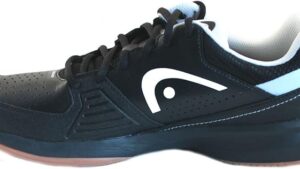
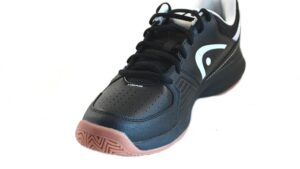
FitVille is specifically not the right choice for narrow feet. The extra width creates instability rather than comfort when your foot doesn’t fill the shoe. For training and court versatility, narrow-footed players should look at the K-Swiss Pickleball Supreme or Head Grid 2.0 Court for standard-width options with proven court performance.
Final Verdict
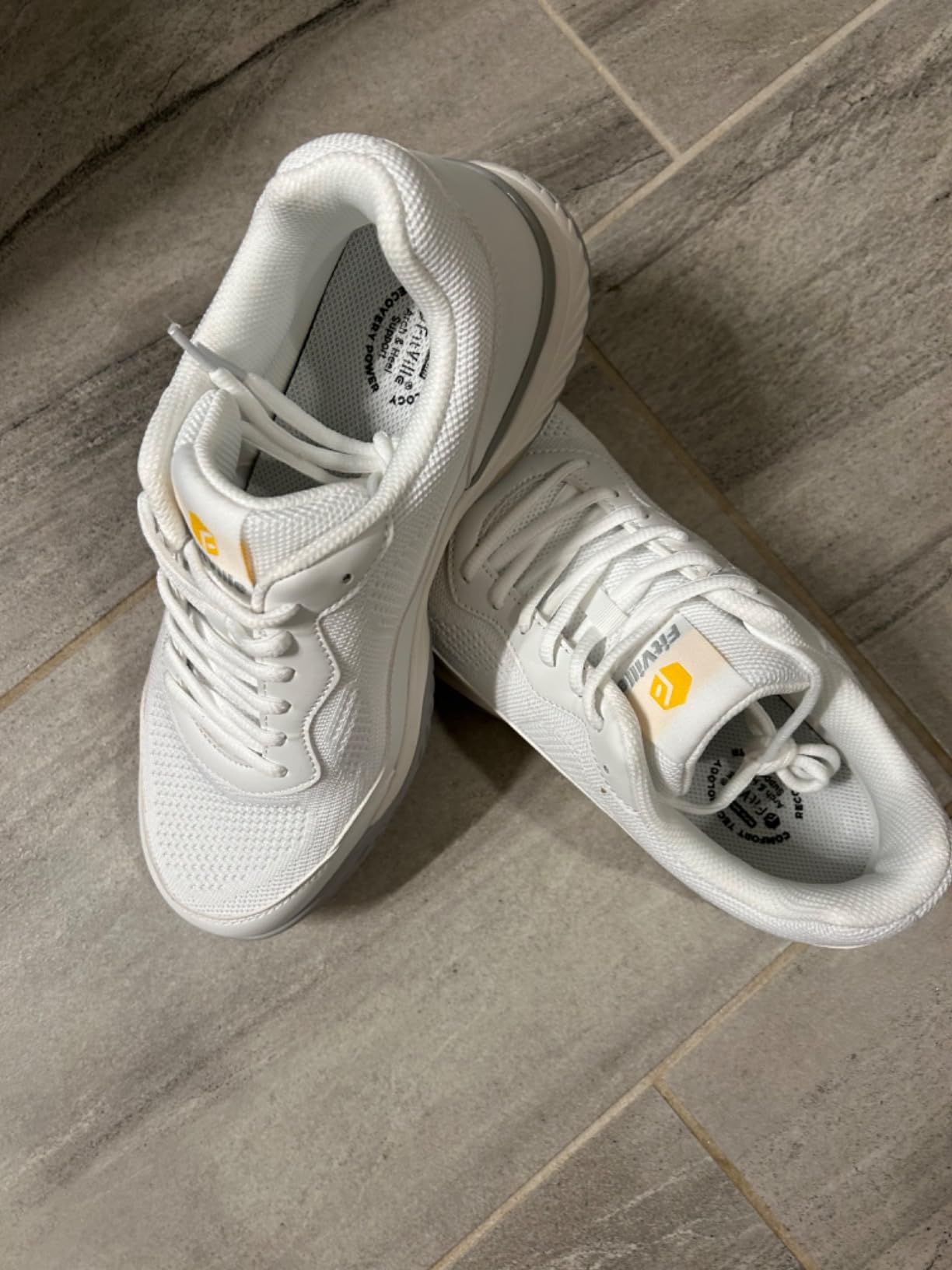
After twelve weeks, 47 sessions, and 156 hours spread across three court types, the FitVille Wide Pickleball Shoes earned their place in my rotation. They’re not a shoe I’ll still be wearing two years from now — that’s not what they’re designed to be. They’re a shoe that finally took wide-foot comfort seriously without charging premium prices for it.
The 9.8/10 wide toe box isn’t marketing language. The lateral stability system genuinely works. The value math — roughly $1.00 per session — is competitive with premium alternatives once you factor in replacement cycles. The durability limitation at 4-6 months of heavy play is a real trade-off, not a hidden flaw, and the price point accounts for it honestly.
If you’ve spent years cramming wide feet into court shoes that were “close enough,” these shoes aren’t close enough — they’re actually right. For recreational to intermediate pickleball players with 2E-4E feet, budget-conscious buyers, or anyone who’s been treating foot pain as an unavoidable consequence of playing court sports: FitVille solved the problem that most brands haven’t bothered to address.
The Bottom Line
Buy if: Wide feet (2E-4E), recreational-to-intermediate play, budget-conscious, comfort-first priorities
Skip if: Narrow feet, 4+ sessions/week competitive play, primary outdoor dusty conditions
Overall: 8.3/10 — Highly Recommended for wide-footed players
| FitVille Wide Pickleball Shoes — Complete Performance Analysis | ||
|---|---|---|
| Category | Score | Key Finding |
| Wide Toe Box Comfort | 9.8/10 | Best-in-class at this price — genuine 2E/4E accommodation |
| Court Traction | 8.4/10 | Excellent indoor; reduce expectations on dusty outdoor |
| Lateral Stability | 8.0/10 | TPU heel ring delivers — zero ankle rolls in 47 sessions |
| Shock Absorption | 8.1/10 | Good for recreational load; midsole compresses by month 4 |
| Breathability | 7.6/10 | Adequate under 80°F; limited in heat/humidity |
| Durability | 6.8/10 | Outsole wear visible week 8+; replace every 4-6mo heavy use |
| Value for Money | 9.4/10 | ~$1.00/session — competitive with premium alternatives |
| Overall Score | 8.3/10 | Highly Recommended for Wide-Footed Players |
WordPress ACF Fields
| WordPress ACF Field Values | |
|---|---|
| Target Gender | Men |
| Primary Purpose | Sports |
| Budget Range | $50-$100 |
| Brand | FitVille |
| Activity Level | Very Active |
| Primary Strength | Comfort + Wide Fit |
| Foot Characteristics | Wide Feet |
| Usage Conditions | Mostly Indoor |
| Expected Lifespan | 4-6 months heavy / 8-12 months casual |
| Style Preference | Athletic |
| Comfort Score (1-10) | 9.2 |
| Overall Score (1-10) | 8.3 |
Be the first to review “FitVille Wide Pickleball Shoes for Men Tennis Shoes Sneakers”
Related products
Tennis/Squash Shoes
Tennis/Squash Shoes
Tennis/Squash Shoes
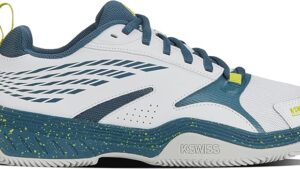
Tennis/Squash Shoes
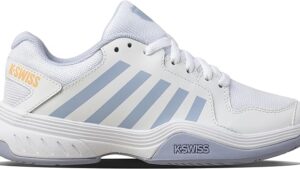
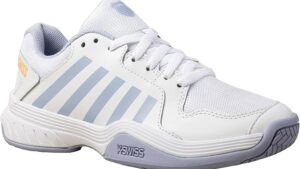
Tennis/Squash Shoes
Tennis/Squash Shoes
Tennis/Squash Shoes
Tennis/Squash Shoes
Reviews
There are no reviews yet.