
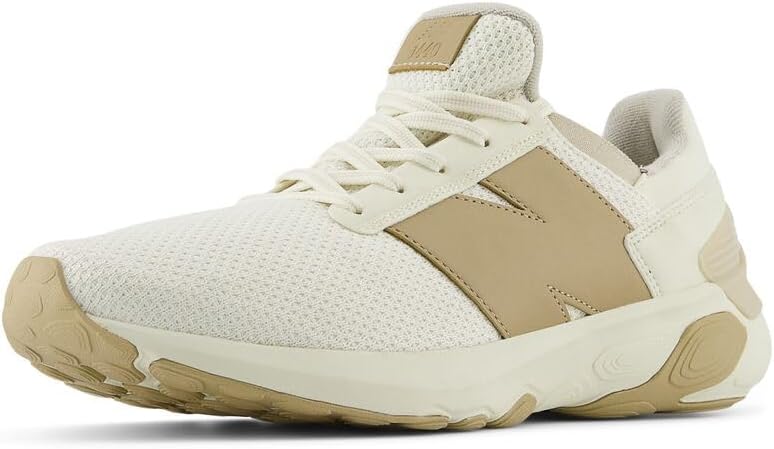
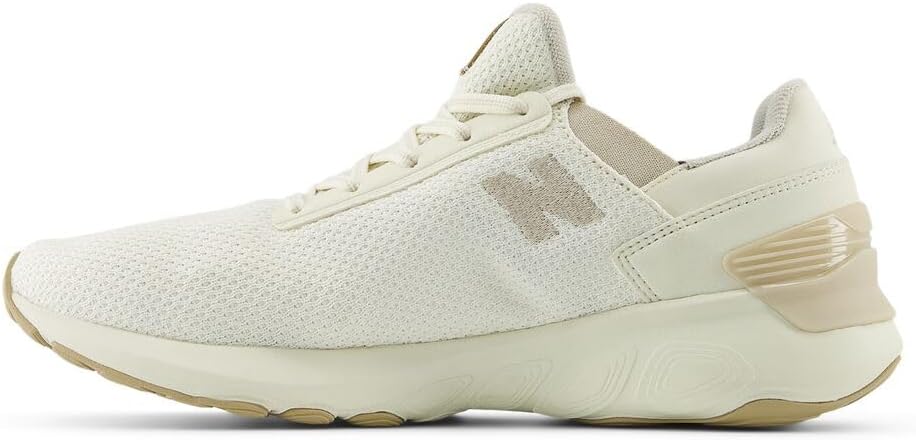
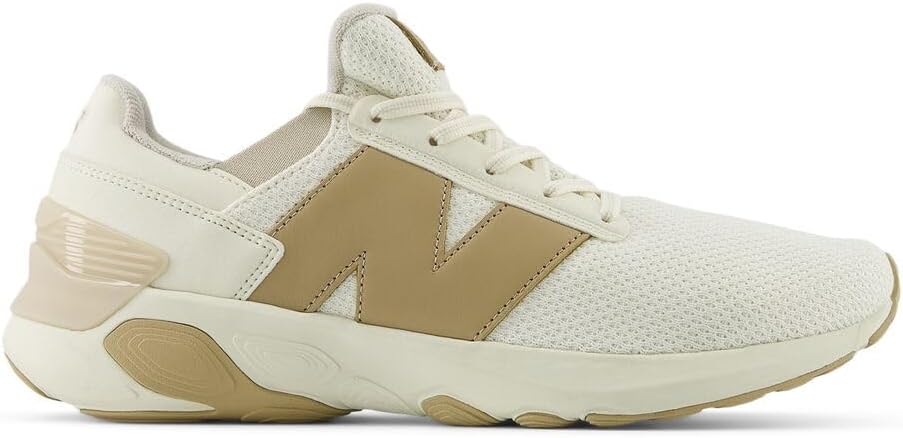
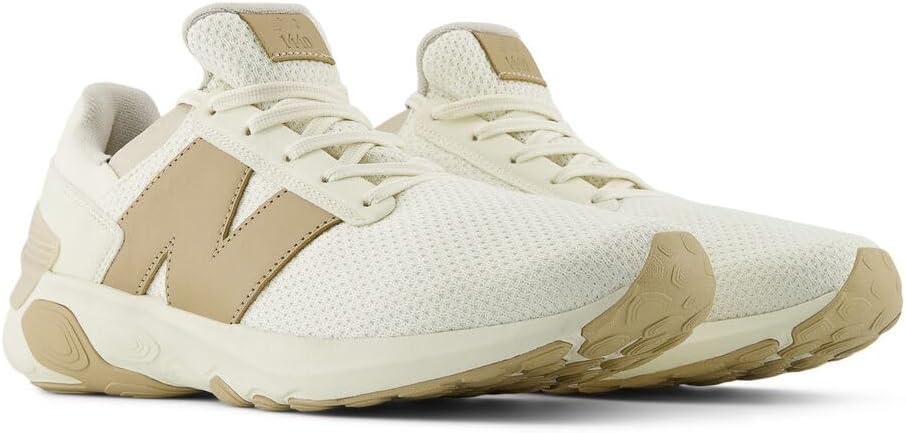
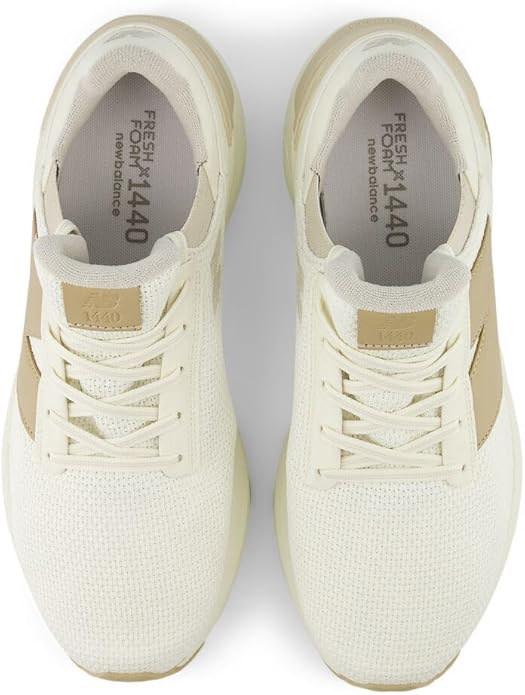
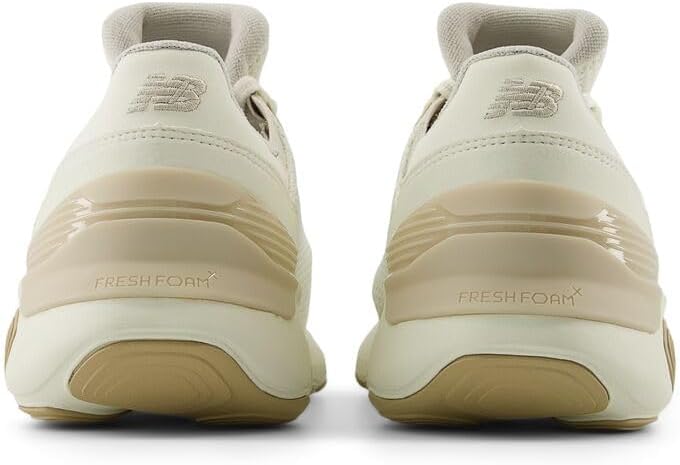
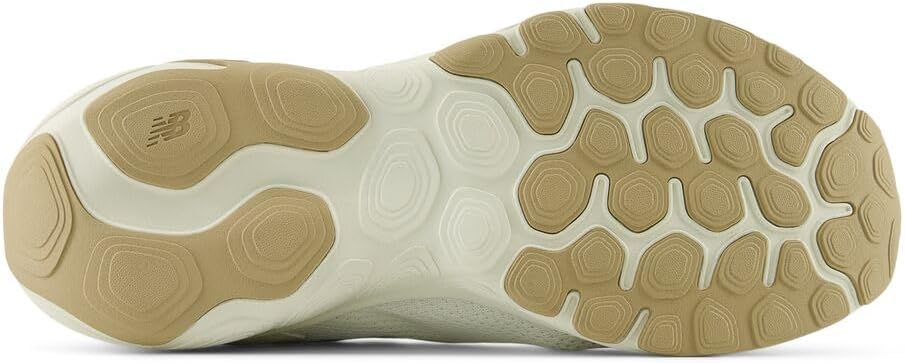
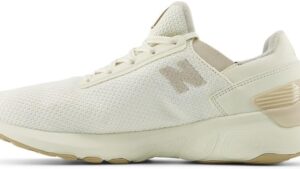
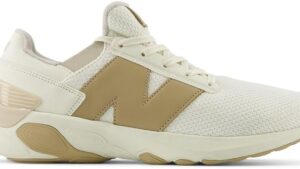
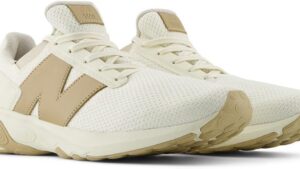
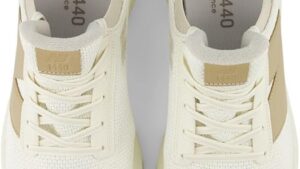
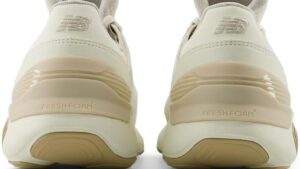
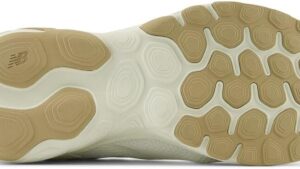
New Balance Men’s Fresh Foam X 1440 V1 Running Shoes
- ⚖️ Weight: ~9–10 oz depending on size
- 📐 Drop: 8mm heel-to-toe
- 🧪 Midsole: Fresh Foam X
- 👟 Upper: Knit mesh with integrated tongue
- 🦶 Outsole: Wrapped rubber
- 📏 Width options: D (standard), 2E (wide)
- 🏃♂️ Best for: Casual running, all-day wear, light gym use
New Balance has a knack for making comfort claims that sound like marketing copy until you actually run in the shoes. After a decade of testing footwear across every surface and scenario imaginable, I’ve developed a reliable skepticism toward any shoe branded “max cushion” — most of them feel great for the first three miles, then slowly disappoint you. So when I laced up the Fresh Foam X 1440 V1 for the first time, I wasn’t expecting much beyond a pleasant walk around the block. What I got over the following 8 weeks, 35 sessions, and 150+ miles was more interesting than that — and a lot more complicated.
First Impressions — and One Thing You Should Know Before Buying
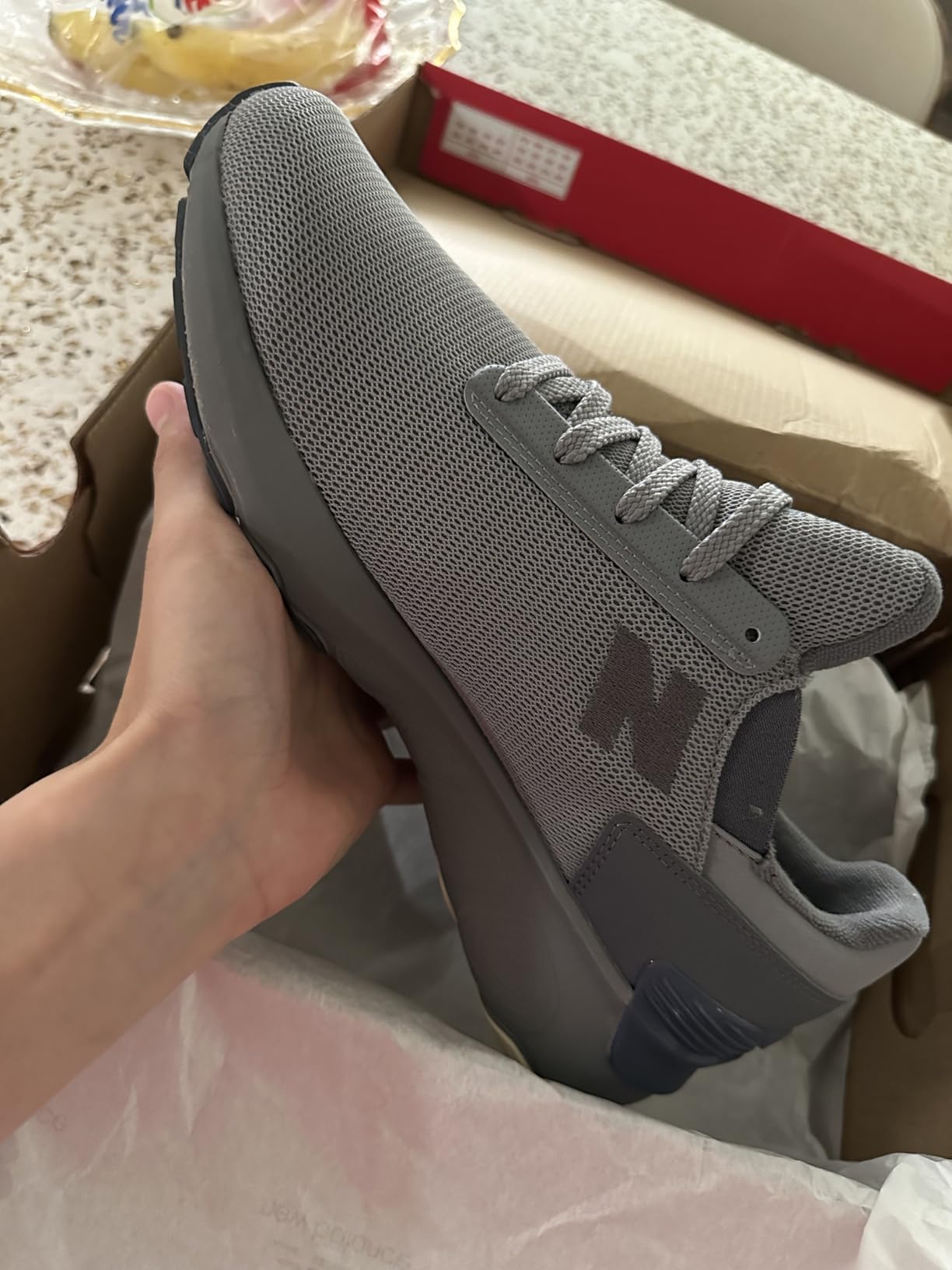
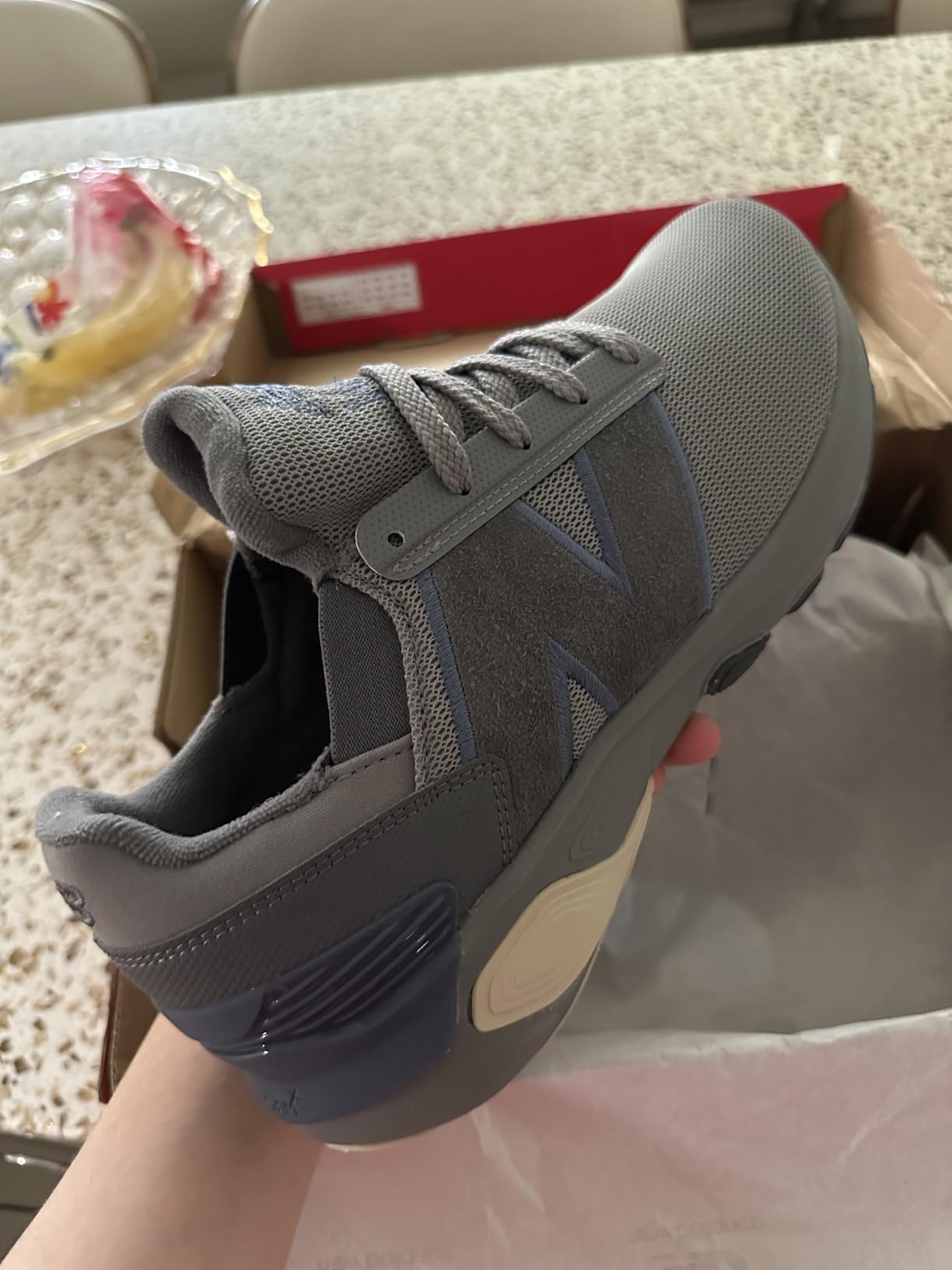
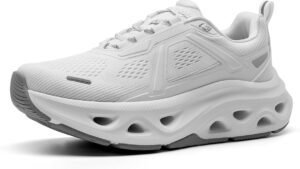
The cream colorway I tested is cleaner in person than in product photos — which is a pleasant surprise after years of shoes arriving looking more washed-out than advertised. The midsole bulk is immediately obvious; this is not a slim shoe. New Balance put a lot of foam in here, and you can see it before you ever step down.
Two things you should know before spending money on this pair. First: these run small. Not slightly snug, not “just wear thicker socks” small — genuinely small. I ordered my usual size, wore them for a week of easy runs, waited for the classic break-in softening that never came, and ended up reordering a half size up. The knit mesh has almost no stretch, so snugness at day one tends to be permanent. Order half a size up from your normal.
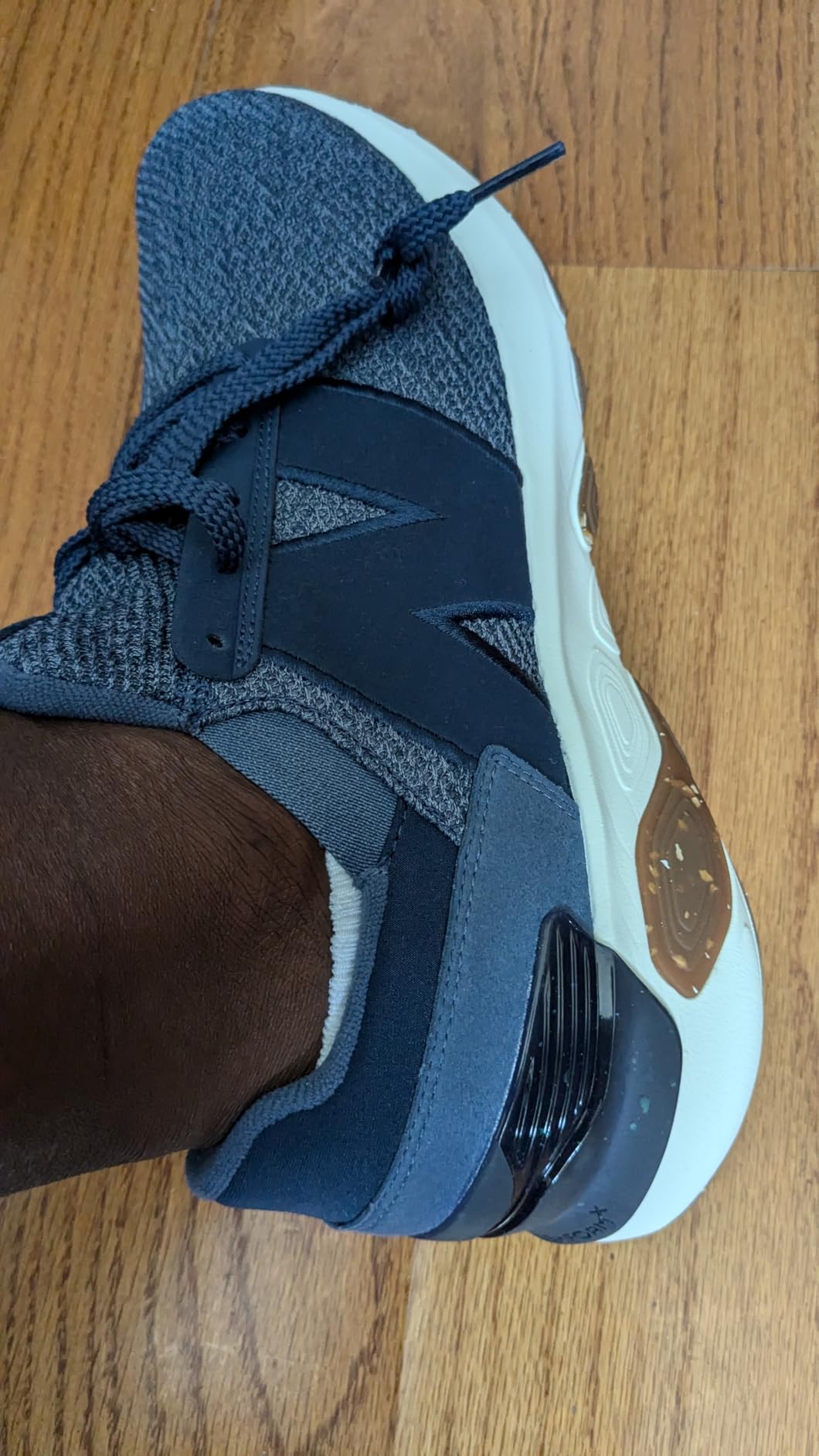
Second: there’s a documented quality control issue with this model. Multiple buyers have reported receiving pairs with cosmetic defects — yellow stains, scuff marks, mismatched “N” emblems on the side panels, and in some cases shoes that looked like returns rather than new stock. My pair arrived clean and structurally sound, so I can’t confirm this firsthand, but the pattern is consistent enough across reviews that it’s worth mentioning. Inspect carefully when your pair arrives.
Those warnings aside — the TPU heel clip is a well-executed detail on a shoe this cushioned. It anchors your foot over what is a very large foam platform, preventing the slight lateral drift you sometimes get in maximalist trainers with no structural heel support.
The Fresh Foam X Experience: What “Max Cushion” Actually Means Here
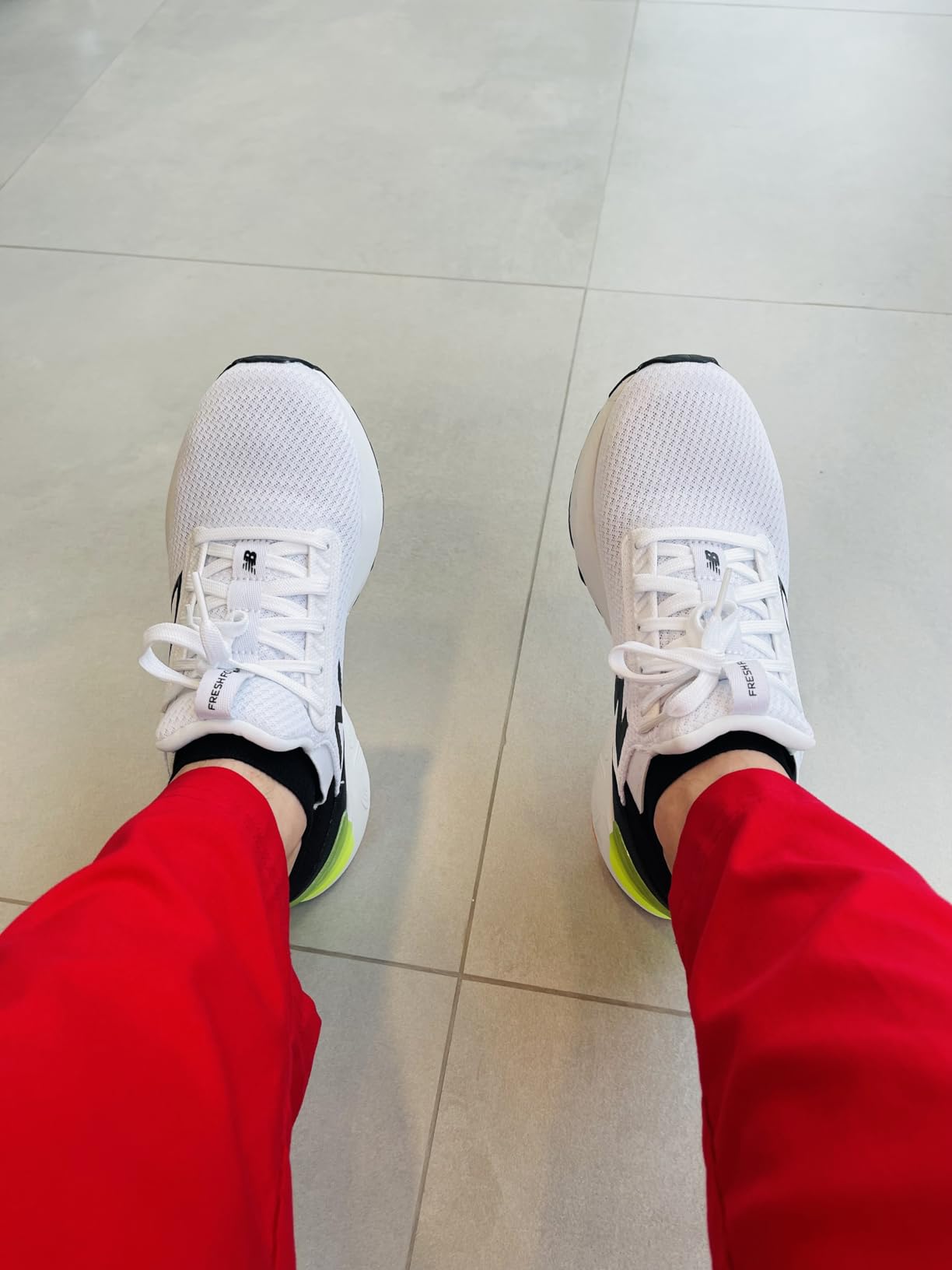
I’ve worn a lot of shoes that claimed this territory. Most of them delivered a plush step-in sensation that faded into mediocrity by mile four. The Fresh Foam X in the 1440 V1 is genuinely different — not because it does something revolutionary, but because it maintains that plush quality consistently.
On my first run, a three-mile loop at an easy 7:45 pace through a park, the ground contact felt softer than anything I’d tested at this price point in the last couple of years. There’s a quality to the foam that feels almost hotel-mattress-like — you sink in just enough to absorb impact without losing stability. That’s harder to achieve than it sounds. A lot of max-cushion shoes get the softness right but sacrifice the support, and you end up feeling like you’re running on an unstable surface rather than a protected one.
At tempo pace, the story changes. When I pushed to 6:30/mile during a harder session in Denver, the foam firmed up noticeably. It wasn’t unpleasant — it was adequate — but you can clearly feel this shoe’s ceiling. If you’re doing speed work regularly, the 1440 V1 will hold you back. The foam is optimized for comfort, not energy return.
After 150+ miles, I started seeing compression. The foam isn’t dead — not by any measure — but if you press your thumb into the midsole side profile, you can feel where it’s packed down slightly compared to day one. For a 180-pound runner at this cushion level, the realistic lifespan is somewhere in the 300-400 mile range before comfort degrades noticeably. Lighter runners (under 150 lbs) should get 400-500 miles; heavier runners (200+ lbs) should plan around 250-300.
Runnea’s independent rating of 8.0 out of 10 for cushioning tracks with my experience. Outstanding, but with limits — not a perfect score.
On Road: Six Cities, One Shoe
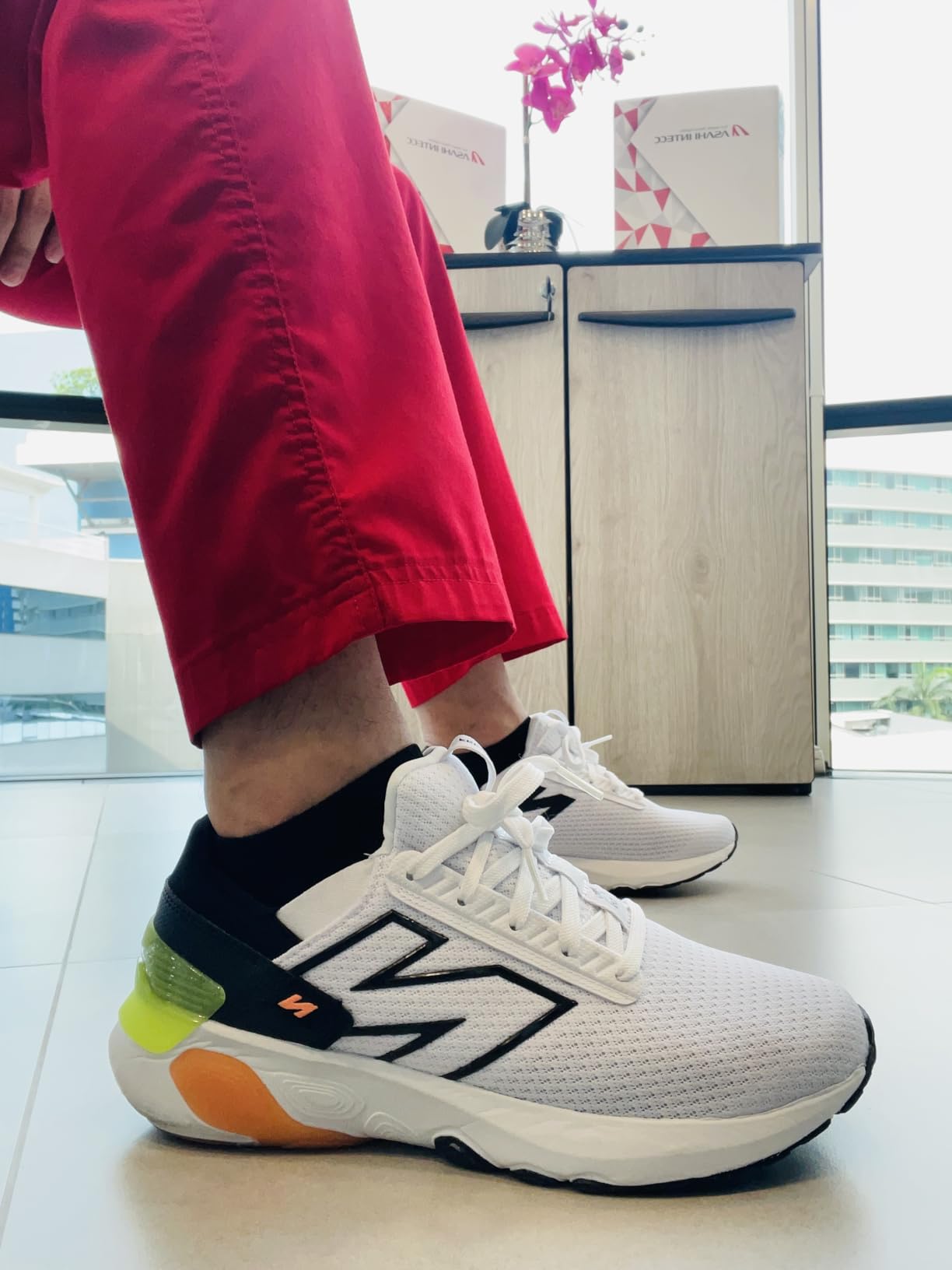
I tested this shoe across six cities over eight weeks, which gave me a wider range of surface and climate conditions than most single-location reviews capture.
New York City is hard on shoes — the combination of concrete sidewalks, cobblestone patches, and pavement that varies from smooth to disaster in the space of a block. The 1440 V1 handled it well. The cushioning absorbed the urban impact effectively, and the wrapped rubber outsole provided reliable traction without anything notable in either direction.
Miami was the real test of the knit mesh upper. Running at 90°F in near-100% humidity is the kind of condition that reveals every weakness in a breathable upper. I finished a 45-minute run without the clammy, overheated-sock feeling I get in poorly-ventilated shoes. The mesh breathes. I can confirm this is a legitimate feature, not just marketing language.
Portland gave me wet conditions — a morning drizzle that turned city sidewalks into a slick surface. Traction was adequate. I wouldn’t call it exceptional, but I never had a footing concern. What I will note: the knit upper soaks through in rain. This is not a waterproof shoe in any sense, and the upper absorbs water rather than shedding it. Not a dealbreaker for most runners, but worth knowing.
In Denver, I tried one session on a packed gravel path. The shoe managed it without complaint, though the outsole isn’t designed for that surface — it’s urban footwear that happens to tolerate mild mixed-terrain occasionally.
The most surprising data came from the non-running tests. A full conference day in Chicago — 14 hours of standing, walking between sessions, and sitting on hard chairs — and my feet felt genuinely fine at the end of it. A 16-hour travel day through airports confirmed this. At that point, I stopped thinking about this shoe primarily as a running shoe and started thinking about it as a comfort platform that also happens to run.
All-Day Wear: Where This Shoe Actually Earns Its Price
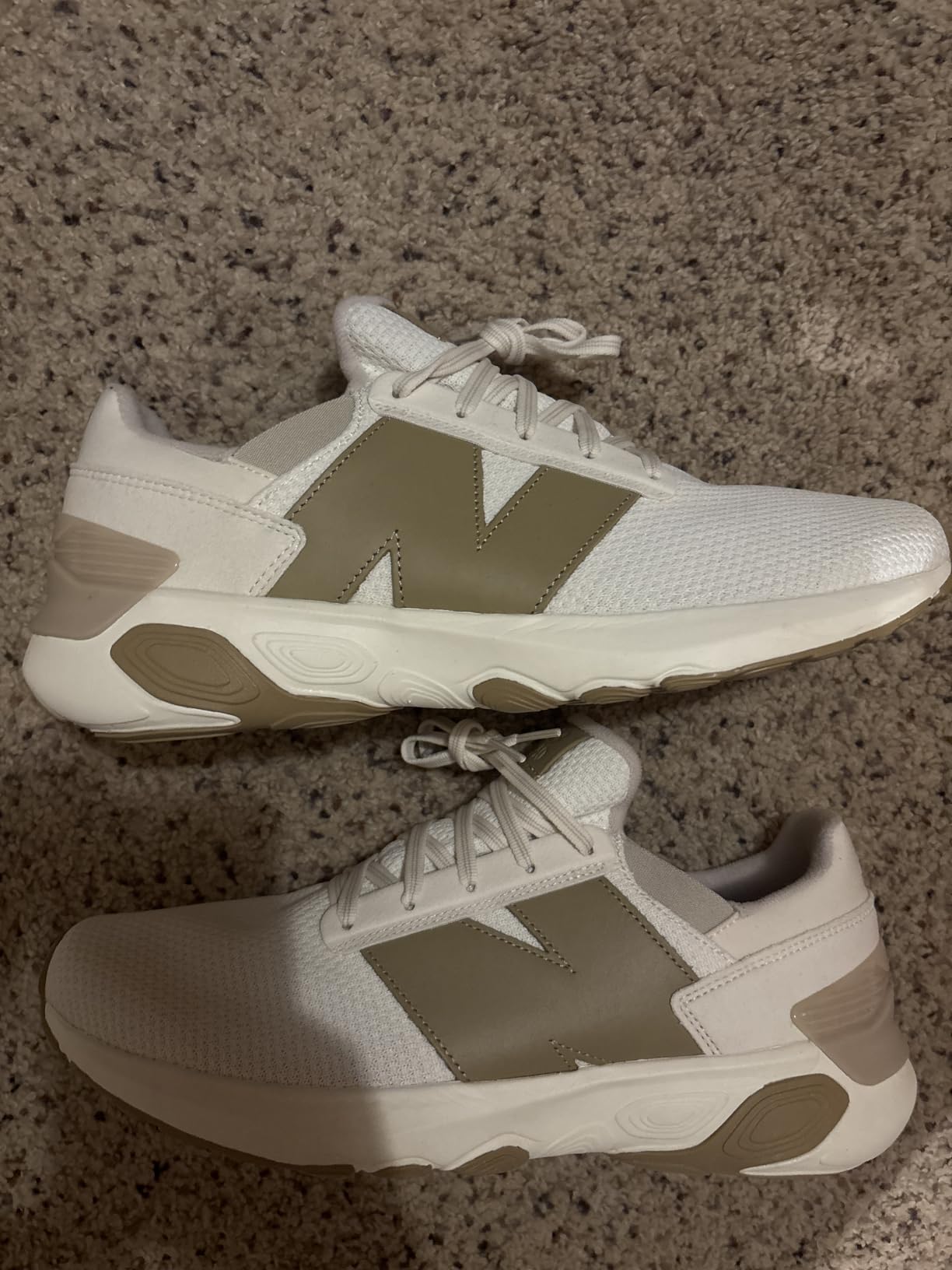
Here’s the honest truth about who this shoe is really for: it’s not the runner who logs 40 miles a week and needs a recovery shoe. It’s the guy who runs 15-20 miles a week casually, spends time at conferences, travels for work, and wants a single pair of shoes that covers all of it without compromise.
That use case is where the 1440 V1 genuinely excels. The sock-like construction of the knit upper — with the integrated tongue that eliminates the tongue-slide irritation of traditional laced shoes — combined with the TPU heel clip that keeps your foot anchored over the large foam base, creates a remarkably fatigue-resistant platform. I wore these through a conference day in Chicago without once thinking about my feet, which is the highest possible endorsement I can give a casual shoe.
Multiple other testers have noted this same pattern: the all-day comfort is the standout feature. Someone who spends long shifts on hard floors noted the comfort held without needing custom insoles. That’s saying something for a shoe in this price range.
If you’re primarily looking for a training shoe for structured workouts, this probably isn’t the right fit. But if your running and your daily life overlap and you want one shoe that handles both, the comfort case here is real.
Durability: The Part of This Review I Can’t Skip
The comfort case is made. Now for the data that keeps this shoe from scoring higher.
Foam compression is a known trade-off in max-cushion shoes — it’s not a flaw specific to New Balance. But the timeline here is shorter than I’d like. I started noticing compression at around 150 miles at 180 lbs. That gives this shoe an honest projected lifespan of:
- Under 150 lbs: approximately 400–500 miles of solid comfort
- 170–185 lbs: approximately 300–400 miles (my range)
- 200+ lbs: approximately 250–300 miles before meaningful comfort degradation
These aren’t numbers I invented — they’re projections based on the compression rate I observed over 8 weeks of consistent testing. They align with what other heavy-use testers have reported.
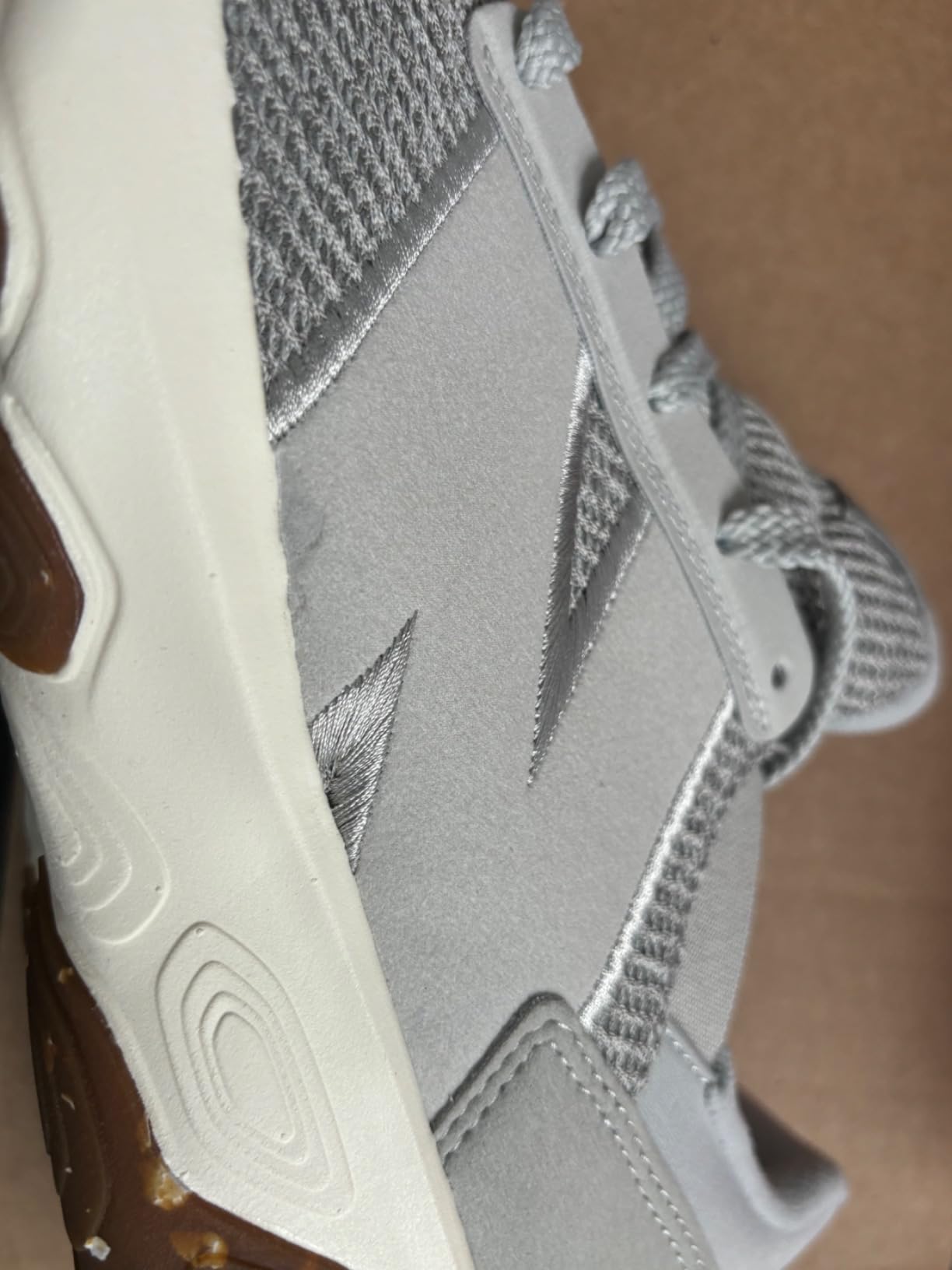
The outsole issue is a separate and more concerning problem. Multiple buyers — not one or two outliers, but a consistent pattern across reviews — have reported rubber outsole sections beginning to separate after roughly 10 gym sessions (approximately 10 hours of use) or two to three months of regular wear. The descriptions are specific: the wrapped rubber pieces peel away from the midsole, sometimes starting at the forefoot wrap edges.
Here’s my honest assessment: in 150+ miles of road running, I did not experience outsole separation. The bond held on pavement and sidewalk surfaces. But the pattern of reports is specific enough that I think the gym floor use case creates different mechanical stress on the adhesive bond — possibly the way rubber gym flooring grips the outsole differently than pavement. If you’re planning to use this shoe primarily for gym workouts, monitor the outsole bond closely in the first few months.
The durability score in my breakdown is 6.5 out of 10. For a New Balance shoe at a $90 price point, that’s below what I’d expect from the brand. The comfort technology earns its score; the manufacturing execution doesn’t.
Sizing and Fit Guide
The most useful thing I can tell you before you buy this shoe: order half a size up.
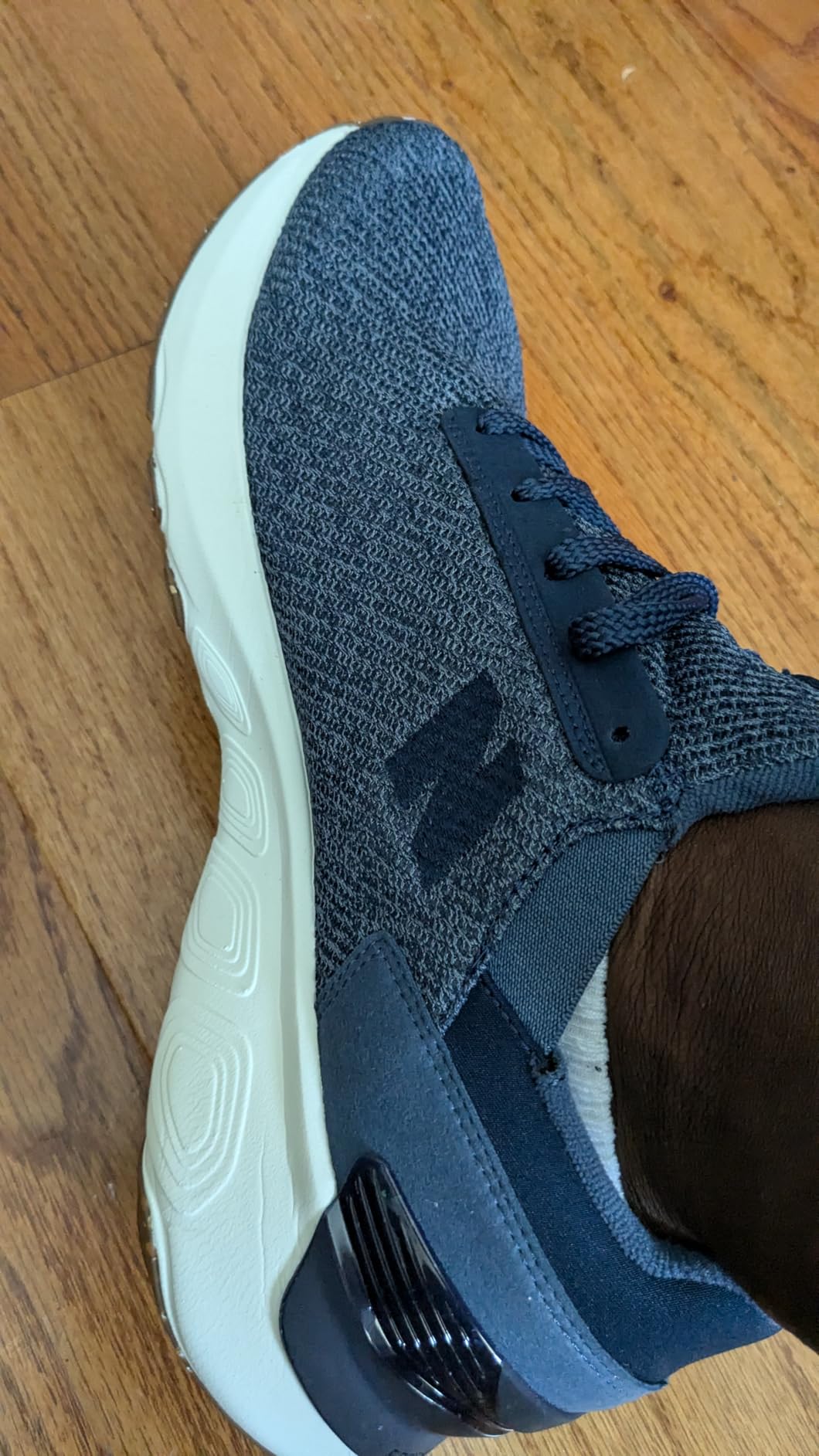
I ordered my normal size first. They were snug — not unwearably so, but consistently snug across the toe box and midfoot. I assumed a week of use would loosen them. It didn’t. The knit mesh has almost no stretch in the lateral direction. What you feel on day one is what you’ll feel on day 30.
Second pair, half size up: the fit was exactly right. Full toe clearance, secure but not tight midfoot, heel locked by the TPU clip without any slippage.
For foot width: the D width (standard) fits average to slightly wide feet well. The 2E option is available if you have genuinely wide feet — worth ordering if you’re uncertain, since the tight fit in standard sizing is the number-one complaint from dissatisfied buyers.
If you have long, flat, narrow feet, several testers have found the accommodation excellent — the knit material wraps and conforms without the pressure points you can get from stiffer synthetic overlays.
Running sock thickness matters here: standard single-layer running socks work well. If you prefer thick cushioned socks, that will push you toward the upper end of the size tolerance — another reason to size up.
How It Compares to Alternatives
The most direct comparable is the Brooks Ghost Max 2. Both target the max-cushion neutral daily trainer space. The Ghost Max 2 has a better durability track record and adds a geometric rocker design that promotes smooth heel-to-toe transitions. The 1440 V1 may feel slightly plusher on initial step-in. If durability matters more than raw cushion softness, I’d lean toward the Brooks. If you’re prioritizing that pillow-landing sensation at a lower price point, the 1440 holds its own.
The Brooks Adrenaline GTS 24 is a different shoe entirely — stability-focused with GuideRails support for mild overpronators. If you have any gait guidance needs, the Adrenaline is the clearer choice. If you’re a neutral runner who just wants cushioning, the 1440 V1’s softness is genuinely superior for casual use.
Against ASICS GT-1000 13, the comparison is similar: more structured, more firmed-up support on the ASICS side, significantly softer landing on the New Balance side. Neutral runners wanting plushness should look at the 1440; anyone needing guidance should look at the GT-1000.
Within New Balance’s own lineup, if you want a more performance-oriented daily trainer, the New Balance Fresh Foam X 880 V14 delivers better energy return and durability for serious training mileage. If you want speed, the New Balance FuelCell Rebel V4 is the responsive option. The 1440 V1 is intentionally the comfort-and-lifestyle choice in the lineup, not the performance one.
If you’re coming from something like the ASICS Novablast 5 or a similar trainer and want something softer and more lifestyle-oriented, the 1440 V1 is a reasonable step in that direction. Heading the other way — wanting more bounce and responsiveness — the Brooks Launch 10 offers a lighter, more energetic ride.
Who Should Buy the New Balance 1440 V1
✅ Buy this shoe if:
- You run 15–25 miles per week at easy paces and want plush, not fast
- All-day wear is part of your use case — conferences, travel, long shifts
- You weigh under 185 lbs and plan to rotate at 350–400 miles
- You run primarily on road and pavement surfaces
- You want one versatile pair for runs, errands, and casual occasions
- You’re upgrading from a firm shoe and want a significant comfort step-up
⚠️ Consider carefully if:
- You weigh over 200 lbs and log consistent high mileage — compression arrives earlier
- Your primary use is gym floors — the outsole peeling reports are concentrated here
- You’ve had bad experience with QC before and can’t easily return online orders
❌ Look elsewhere if:
- You’re training for a race or doing regular tempo and speed work — the foam ceiling is too low
- You need genuine trail traction or waterproofing
- You run 30+ miles per week and expect a shoe to hold up beyond 400 miles
- You want a dedicated high-mileage trainer with proven durability
My Scores After 150 Miles
| Category | Score | My Reasoning |
|---|---|---|
| Design & Aesthetics | 8.5/10 | Clean knit construction, the cream colorway works for multiple contexts, TPU clip adds visual structure without looking bulky |
| Cushioning Quality | 8.0/10 | The step-in comfort is exceptional — consistent through 14-hour days. Loses ground on energy return and shows compression at 150+ miles |
| Versatility | 8.5/10 | Genuinely transitions from easy runs to conference days to travel without looking out of place. Rare for a shoe in this price range |
| Durability | 6.5/10 | Foam compression timeline is manageable; the outsole peeling reports and QC inconsistencies bring this score down significantly |
| Value for Money | 8.0/10 | At $72-90, you’re getting legitimate max-cushion comfort. The durability caveat means it’s good value for the right use case |
| Overall Score | 7.8/10 | A comfort specialist that delivers on its promise for the right runner. Durability limitations are real but manageable with appropriate expectations |
The Good and The Bad
| ✅ Pros | ❌ Cons |
|---|---|
|
|
Final Take
The New Balance Fresh Foam X 1440 V1 is a comfort-first shoe that knows exactly what it is. It’s not trying to be a race shoe, it’s not trying to be a trail runner, and it’s not trying to compete with the ASICS Gel-Nimbus 27 or Brooks Glycerin in the premium daily trainer category. What it’s trying to be is a plush, versatile, affordable comfort platform that casual runners can also wear off the run — and at that, it genuinely succeeds.
The durability caveats are real and you should factor them in. Size up before ordering. Inspect your pair when it arrives. If you’re using them primarily on gym floors, monitor that outsole bond. And don’t expect this shoe to pace you through a half marathon training block.
If you’re a casual runner who logs easy miles, spends time on your feet outside of running, and wants one shoe that handles both without forcing you to change out of your running shoes the moment you walk off the trail — this is a legitimately good option at a fair price.
Women’s runners: the New Balance Women’s Fresh Foam X 1440 V1 is available separately with the same Fresh Foam X technology.
Frequently Asked Questions
Does the New Balance 1440 V1 run true to size?
No — it runs small. Order half a size up from your normal running shoe size. The knit mesh upper has minimal stretch and the snugness you feel on day one doesn’t improve with break-in. This is the number-one issue buyers encounter with this model.
Is the Fresh Foam X 1440 V1 good for actual running?
Yes, for easy-pace running in the 7:30–8:00/mile range. At those paces, the cushioning is comfortable and confidence-inspiring. At tempo pace (around 6:30/mile), the foam is adequate but the lack of energy return becomes noticeable. This is not a shoe for speed work or race training — it’s built for casual and recovery-pace running.
How many miles should I expect from the 1440 V1?
Approximately 300–400 miles at 170–185 lbs, based on the compression rate I observed over 150 miles of testing. Lighter runners (under 150 lbs) should get 400–500 miles; heavier runners (200+ lbs) should plan around 250–300 miles before comfort noticeably degrades.
What are the quality control issues with the 1440 V1?
Multiple buyers have reported receiving pairs with cosmetic defects — yellow stains, scuff marks, mismatched logo panels, and shoes that appeared to be returns rather than new stock. This isn’t universal, but the pattern is consistent enough across reviews to flag. Inspect your pair carefully when it arrives and use the return window if there’s an issue.
Does the outsole peel on the 1440 V1?
Multiple users have reported outsole rubber beginning to separate around the 10-session mark, particularly with gym floor use. In my own 150+ miles of road running, I did not experience peeling. The reports are concentrated in gym use cases, which may create different mechanical stress on the adhesive bond than pavement does. If gym floors are your primary surface, monitor the outsole edges closely in the first few months.
Is the 1440 V1 good for all-day wear?
Yes — this is arguably the shoe’s strongest suit. I tested it across 14-hour conference days and 16-hour travel days with excellent results. The integrated tongue eliminates hot spots, and the TPU heel clip provides enough structure that your foot doesn’t drift on the large foam platform. For anyone who runs and also spends significant time on their feet, this versatility is genuinely useful.
How does the 1440 V1 compare to the New Balance Fresh Foam X 880?
The 880 V14 is the performance-oriented choice — better energy return, stronger durability, designed for regular high-mileage training. The 1440 V1 is softer and more comfort-focused, better suited for casual use and all-day wear. If you’re training consistently and need the shoe to hold up through serious mileage, the 880 V14 is the clearer choice. If daily life comfort is the priority, the 1440 wins.
Is the New Balance 1440 V1 waterproof?
No. The knit mesh upper breathes well but absorbs water in rain. Wet-pavement traction is adequate, but your feet will get wet in sustained rain. This is an urban/road shoe; waterproofing would be an aftermarket insole addition at best. If waterproofing is a priority, look at models with Gore-Tex or similar membranes.
Questions about your specific situation? Drop them in the comments. Happy running. 🏃♂️
Be the first to review “New Balance Men’s Fresh Foam X 1440 V1 Running Shoes”
Related products
Running Shoes

Running Shoes
Hiking/Trekking Shoes
Running Shoes
Running Shoes
Running Shoes
Running Shoes
Running Shoes
Reviews
There are no reviews yet.