
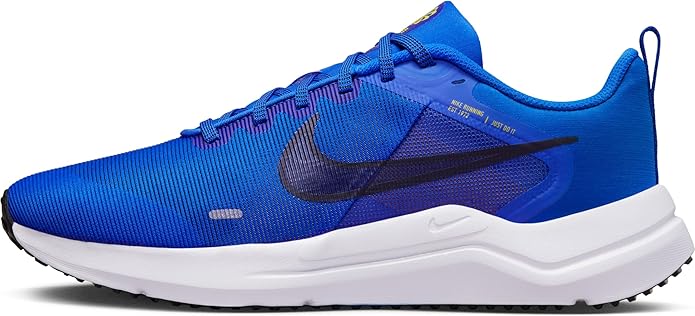
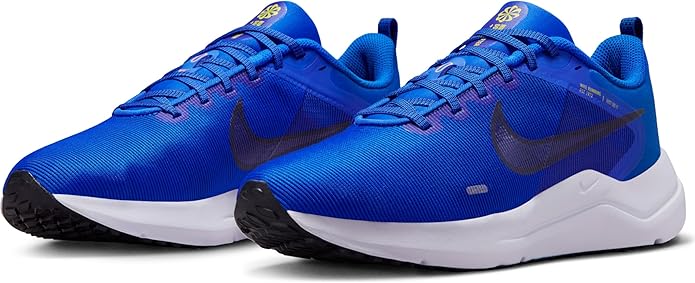
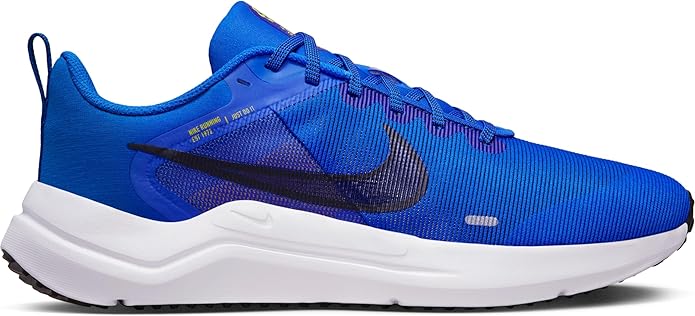
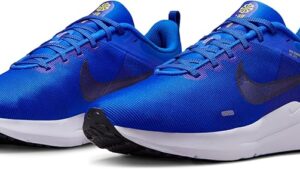
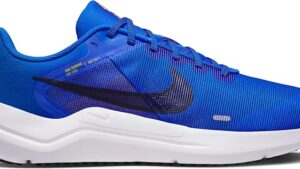
Mike here. Between morning commutes, twice-a-week pickup basketball games, and the kind of unpredictable Seattle schedule where your shoes go from office carpet to rainy sidewalk to gym floor in the same day, I needed one shoe that could handle all of it without costing me $150. The Nike Downshifter 12 at $65 seemed like a reasonable bet. So I tested it across 8 weeks and 45 sessions — daily errands, light jogging, casual basketball, indoor cross-training, and enough Seattle rain to give the wet traction claims a real workout. Here’s the honest picture, including the things early reviews got wrong.
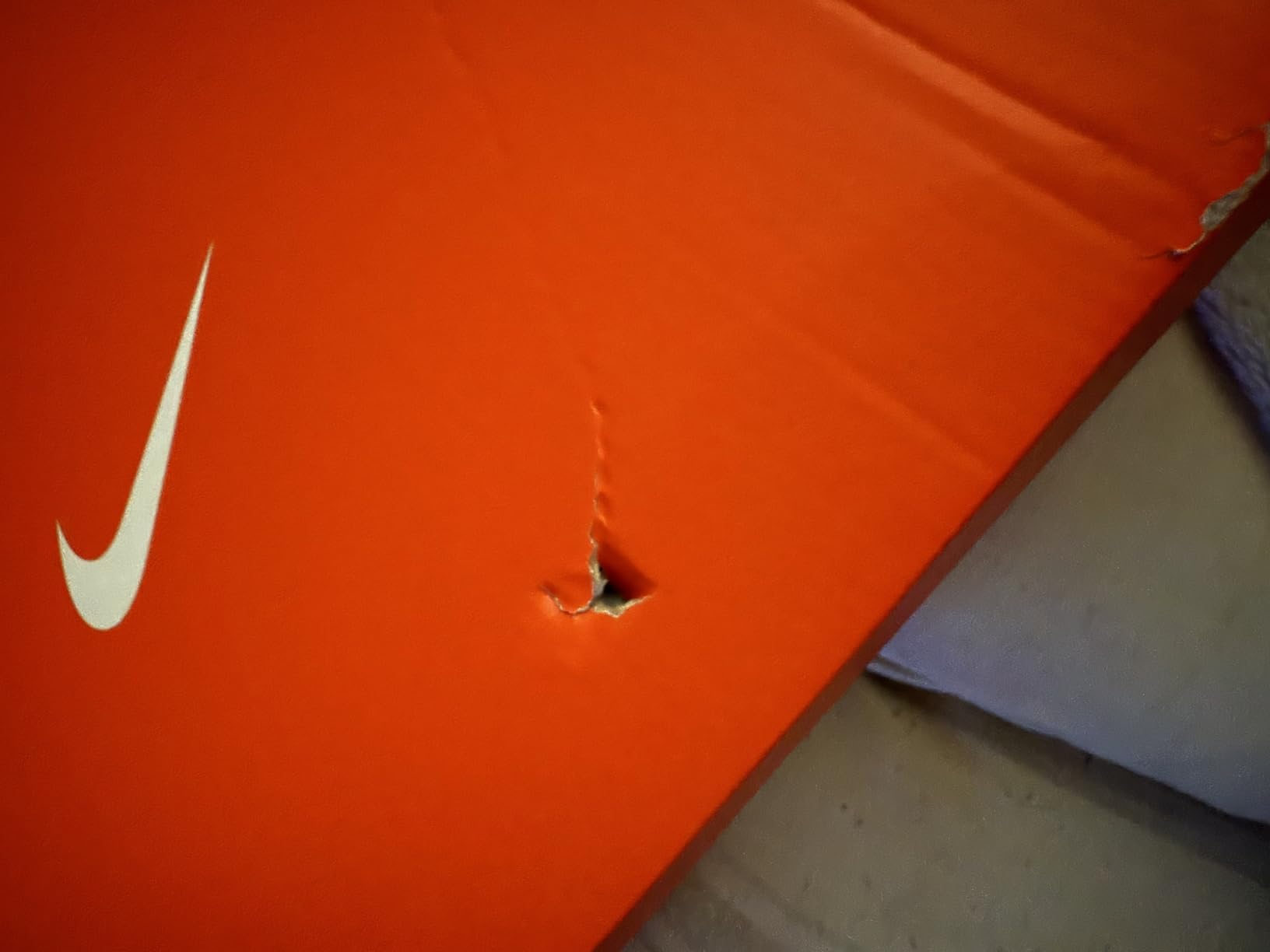
Technical Specifications
A note before we get into feel: several sources — including an earlier version of this review — listed the Downshifter 12’s weight as 11.2 oz and its stack heights as 24mm/14mm. RunRepeat’s lab testing measured different numbers, and Geerly’s analysis confirmed the same. The specs below reflect the verified figures.
- 💰 Price: $65 (check current availability)
- ⚖️ Weight: 9.9 oz per shoe (lab verified; brand-confirmed 280g)
- 📏 Heel-to-toe drop: 10mm
- 📐 Stack height: 31.7mm heel / 21.7mm forefoot (RunRepeat lab); brand states 32mm / 22mm
- 🧪 Midsole material: Nike super-soft foam (no proprietary tech branding)
- 👟 Upper material: Synthetic mesh + internal structured support layer
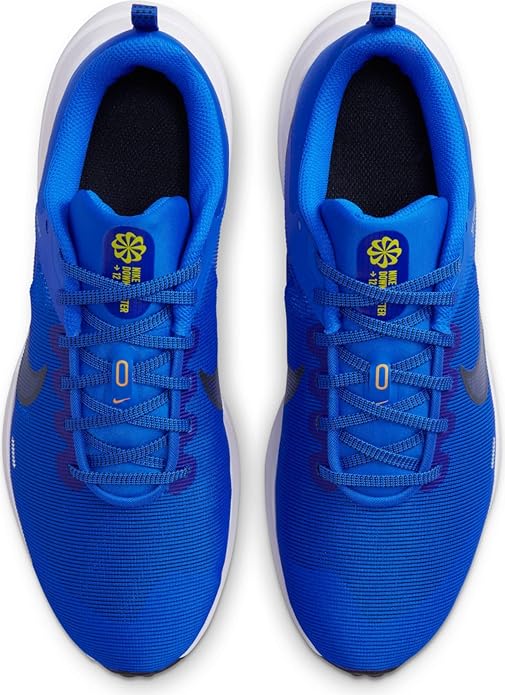
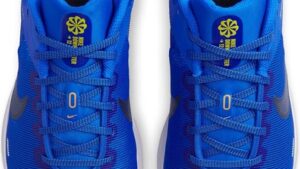
- 🦺 Midfoot: Fitband system — integrates with lacing for adjustable hold
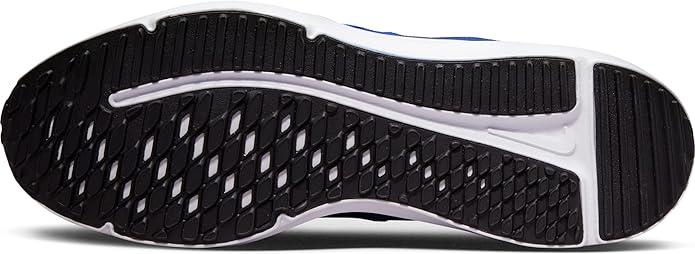
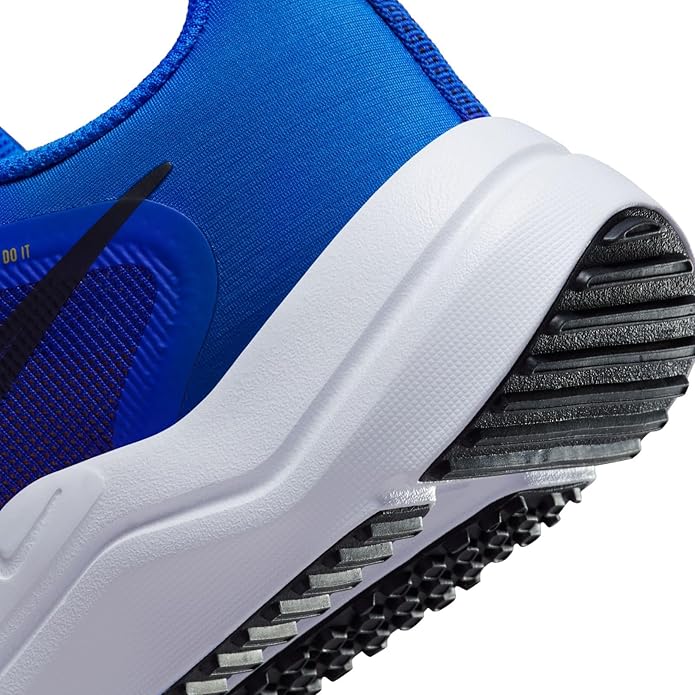
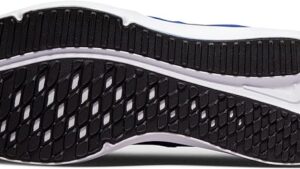
- 🔩 Outsole: Rubber, 3.5mm thick (category average)
- 👟 Insole: 4.4mm, removable (orthotic-compatible)
- 📏 Width options: Standard, Wide (D), Extra-Wide (4E)
- 🌱 Materials: Includes recycled content
- 📅 Released: November 2022
- ⏱️ Testing: 8 weeks, 45 sessions, 120+ miles
The 10mm drop and 31.7mm heel stack put the DS12 in neutral, moderately cushioned territory. Not minimalist, not maximalist. Comfortable starting point for daily casual wear.
Design & Build Quality
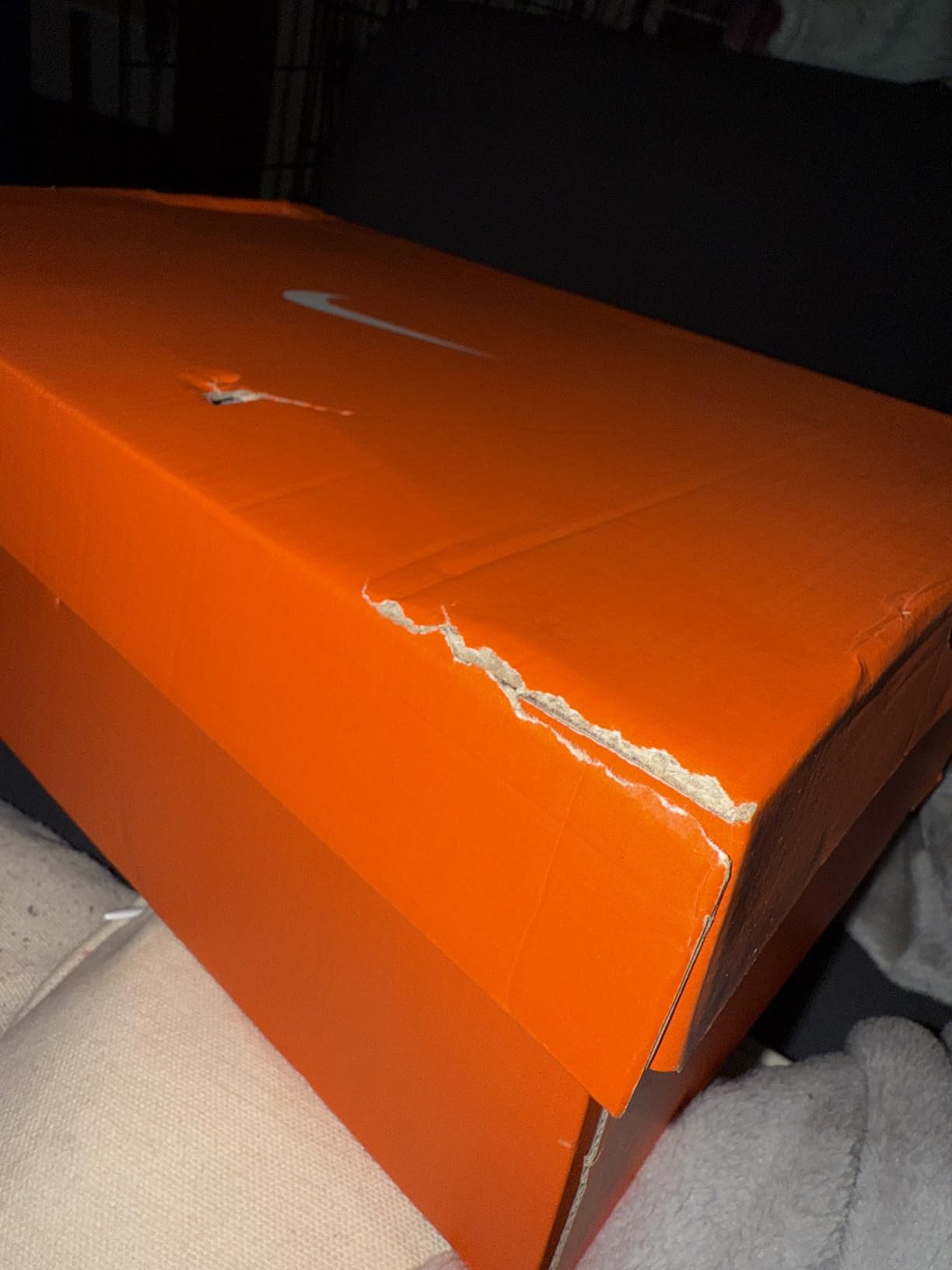
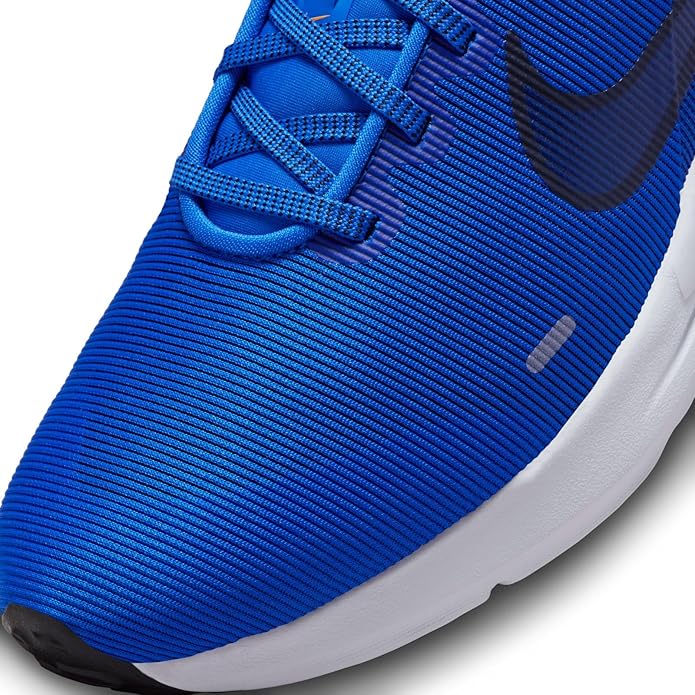
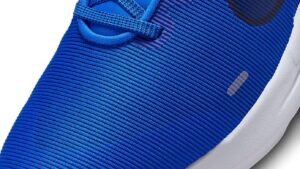
Opening the box, the first thing I checked was the mesh — expecting the flimsy, soft-touch feel common in budget shoes. The Downshifter 12’s synthetic mesh has more structure to it than I anticipated. There’s an internal support layer running through the midfoot that makes the shoe feel more considered than a $65 price tag typically earns.
The midfoot fitband is worth understanding: it’s not a separate strap — it’s built into the shoe and works directly with the lacing system. Tighten your laces, and the fitband pulls the midfoot closer to your foot. It’s a functional design choice rather than marketing decoration.
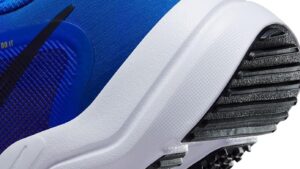
Padding is genuinely generous. RunRepeat measured the tongue at 10.1mm, which is thick enough that I never once felt lace pressure during long walks or jogging sessions. The heel counter sits at the opposite end of the stiffness scale — nearly maximally flexible, rated 2 out of 5 by RunRepeat. This produces a comfortable, natural step-in feel, though it’s something that works against you during lateral sport movements (more on that in the basketball section).
One build issue worth flagging: the flat laces. They look clean, but they don’t hold knots. Across the first four weeks of testing, I had three separate lace-unraveling incidents during jogging — not dangerous, but irritating mid-run. The fix is straightforward: double-knot every time. RunRepeat’s testers noted the same pattern. It’s a minor design choice that Nike should revisit.
Breathability, per RunRepeat’s smoke and light penetration test, scores 3/5 — middle of the road. In practice, the mesh breathes adequately for casual activity and moderate temperatures. Above 80°F or during intense sessions, the limitations become noticeable. As an everyday lifestyle sneaker, the ventilation is sufficient.
Fit & Sizing
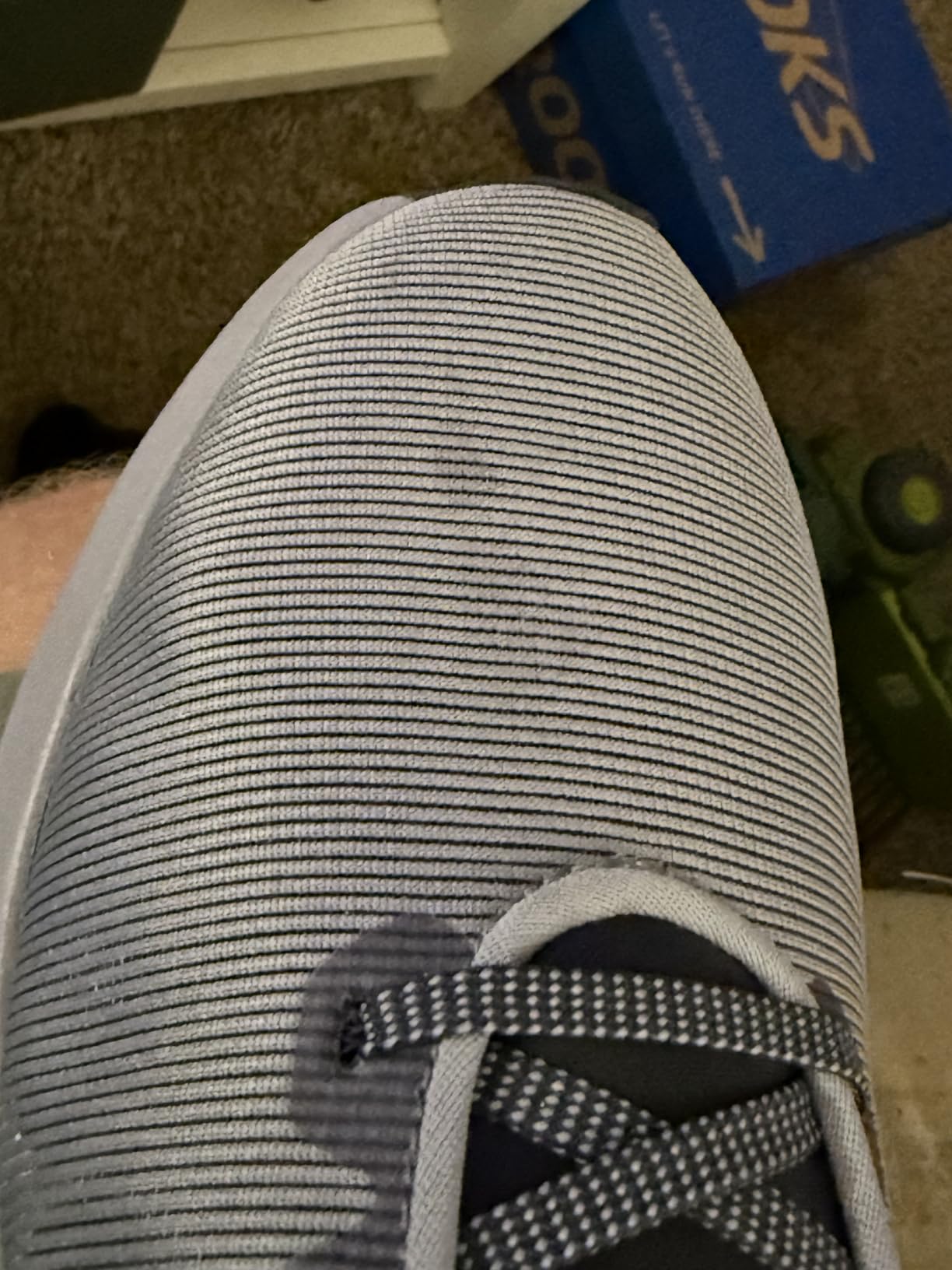
True to size. RunRepeat collected 82 community votes, and the result was unambiguous. I ordered my standard size and the fit was immediate — no break-in, no heel slippage, no toe box pressure on day one. The shoe feels ready to wear from the first session.
Where the sizing picture gets more complex: the toebox tapers from ball to toe. At the ball of the foot, the DS12 measures 100.2mm wide — close to the category average. By the time you reach the toes, it narrows considerably. This is an intentional design feature of the Downshifter line, not a manufacturing inconsistency.
For normal or narrow feet, the taper is mostly a non-issue. For wider feet — especially people with a wide forefoot or need for toe spread room — this design is a dealbreaker in the standard variant.
Sizing decision guide:
- Standard or narrow feet: Buy true to size, no adjustment needed
- Wide feet (D+ width): Size up 0.5–1, or order Nike’s Wide variant directly
- Between sizes: Round down — the length buffer is adequate
- Wide-foot alternatives: New Balance 520 or ASICS Gel-Venture series offer more generous toe box construction
Nike does offer the DS12 in Wide and Extra-Wide options, which largely addresses the narrow toebox concern for wider-footed buyers.
Cushioning & Midsole Feel
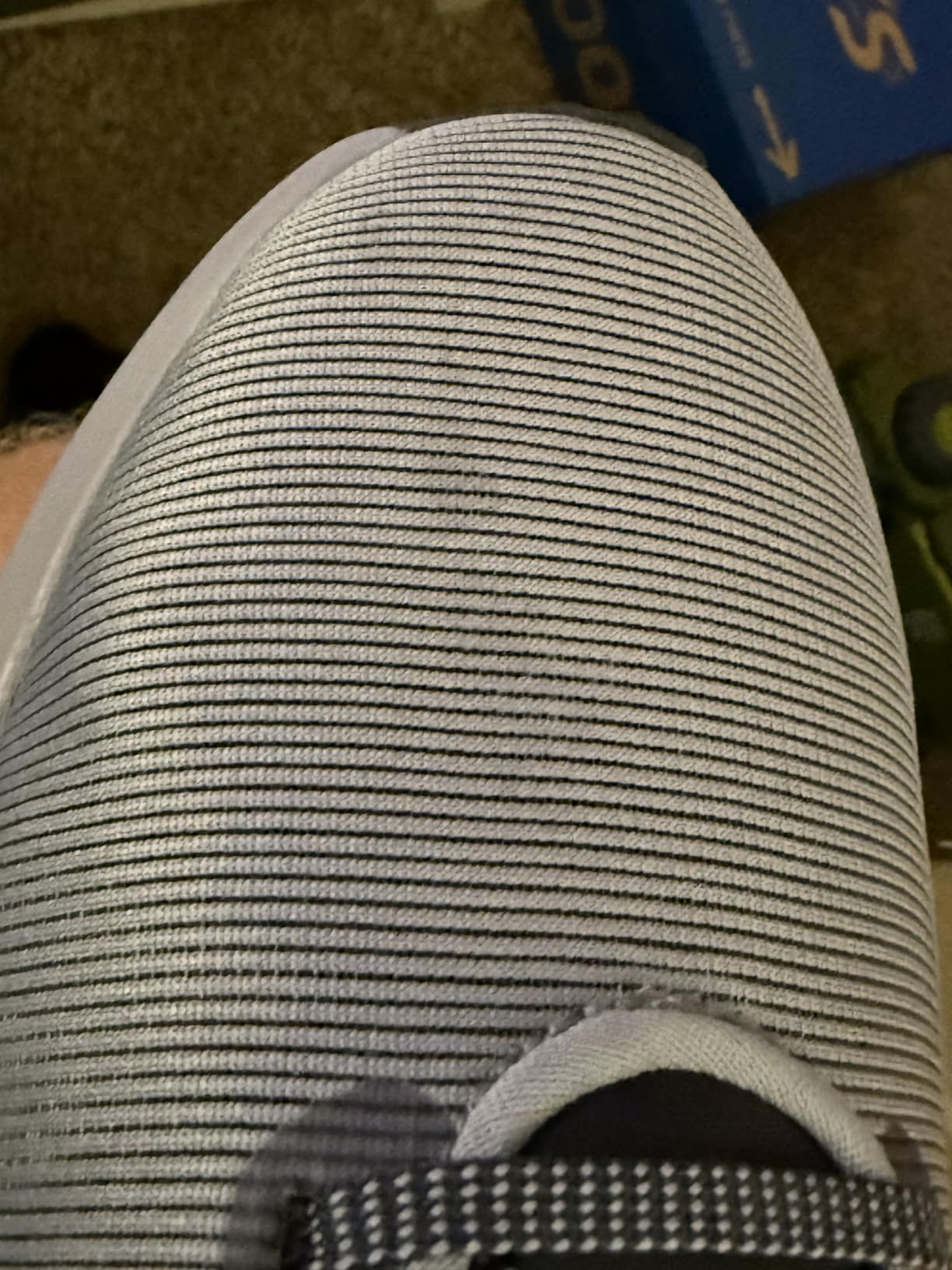
The midsole makes the strongest case for this shoe at $65.
Nike uses a super-soft foam — no React, no Zoom Air branding, just functional foam — that’s noticeably comfortable from the first step. RunRepeat’s durometer confirmed what my feet felt: the DS12’s midsole is 19% softer than its predecessor, the Downshifter 11. If you’ve worn the DS11 and found it too firm underfoot, this is a genuine improvement worth noting.
In lab measurements, shock absorption comes in at 112 SA against a running shoe average of 130 SA. That gap is real but context-dependent. At walking pace and casual jogging, 112 SA is sufficient — you’re not demanding much from the foam. At running intensity above casual jogging pace, you’ll notice the deficit through increased leg fatigue compared to purpose-built running shoes.
Energy return measures 56.8% in the heel and 60.9% in the forefoot, near the category average of 58.6%. Don’t expect a propulsive, springy sensation like React foam delivers. This midsole absorbs impact; it doesn’t return much of it. For walking and daily wear, that trade-off works fine. For anyone chasing efficient turnover or faster paces, look at the Nike Air Zoom Pegasus 39 instead.
My personal comfort ceiling: around 45–60 minutes of continuous activity before compression becomes noticeable. Daily errands and shorter wear blocks — excellent. Extended standing shifts or long runs — the cushioning starts working against you past that threshold.
Cold weather note: RunRepeat’s freezer test showed the foam stiffens 30.8% below room temperature. In Seattle winters below 45°F, I noticed this — the responsive, soft feel from warmer months was clearly reduced. Not a deal-breaker for winter commuting, but relevant if you’re in a cold climate and expecting the same cushioning experience year-round.
Traction & Wet Performance — The Reality Check
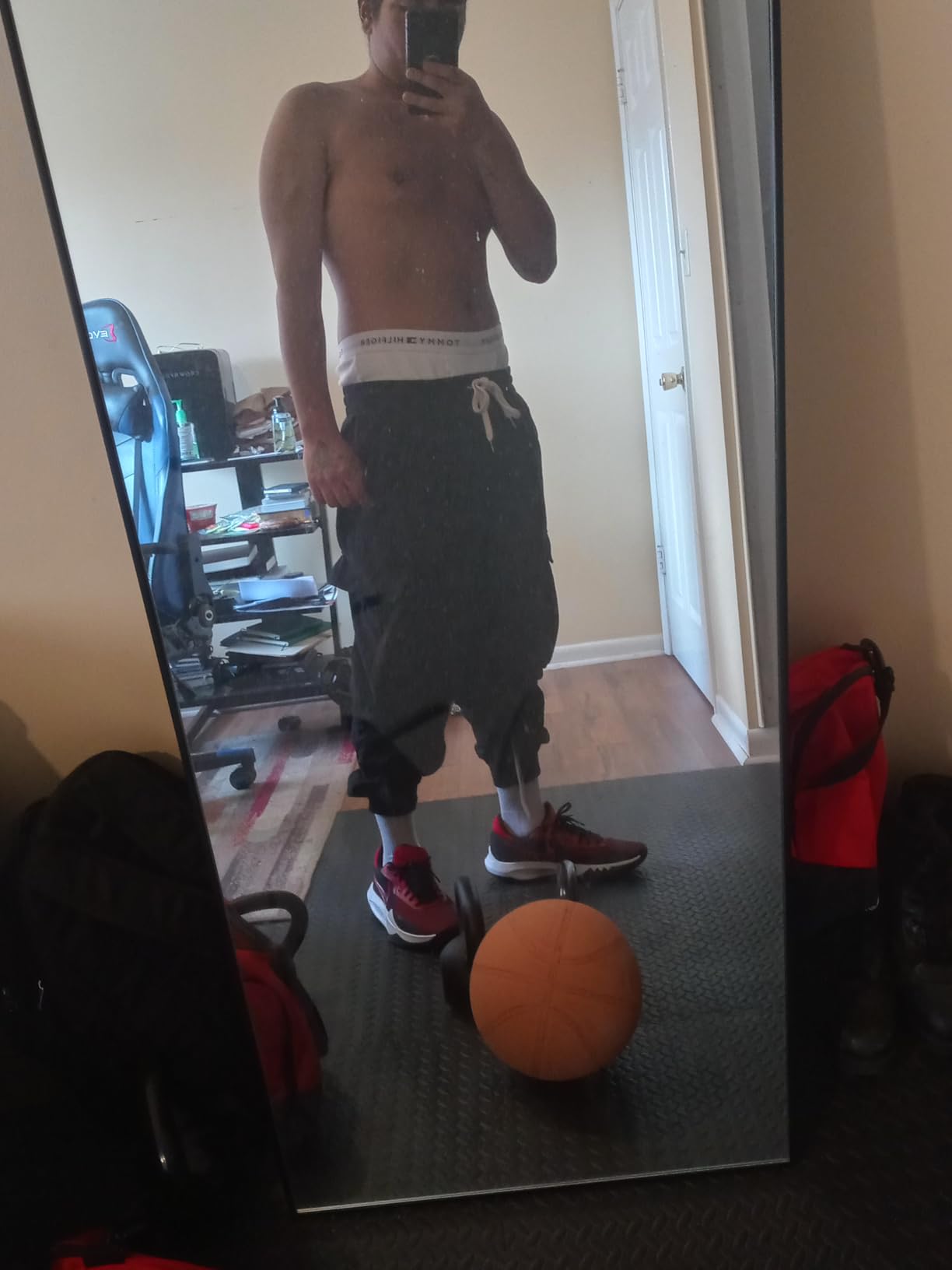
This section is where earlier reviews — including a previous version of this article — got it wrong.
The Downshifter 12 was described as having “solid traction” with “no slipping on wet sidewalks.” RunRepeat’s lab traction test measured 0.22, against a running shoe average of 0.50. That’s not a minor underperformance — that’s well below average, and the lab specifically calls out wet conditions as the critical weakness.
In practice across 8 weeks of Seattle rain, the result was more nuanced than the lab number alone suggests. On regular wet pavement — concrete sidewalks, rain-damp parking lots — the shoe held well enough for daily commuting. I didn’t slip on those surfaces. What revealed the weak traction: wet tile entering a grocery store, the smooth gym floor after a rainy outdoor walk, any polished surface after rain contact. Those were genuine slip-risk moments that the outsole’s 0.22 score explains.
Practical traction guidance:
- Dry conditions: Reliable — gym floors, pavement, light grass all handled well
- Regular rain / wet concrete: Manageable for casual daily commuting
- Wet tile, polished floors, smooth surfaces: Real slip risk — proceed carefully or avoid
- Athletic activity in wet conditions: Not recommended — this shoe was not designed for it
The mesh upper is also not water-resistant in any meaningful sense. Caught in sustained rain, the upper saturates. For light drizzle, you’re fine. For actual downpours or wet conditions with athletic demands, this isn’t the tool.
Activity-Specific Performance
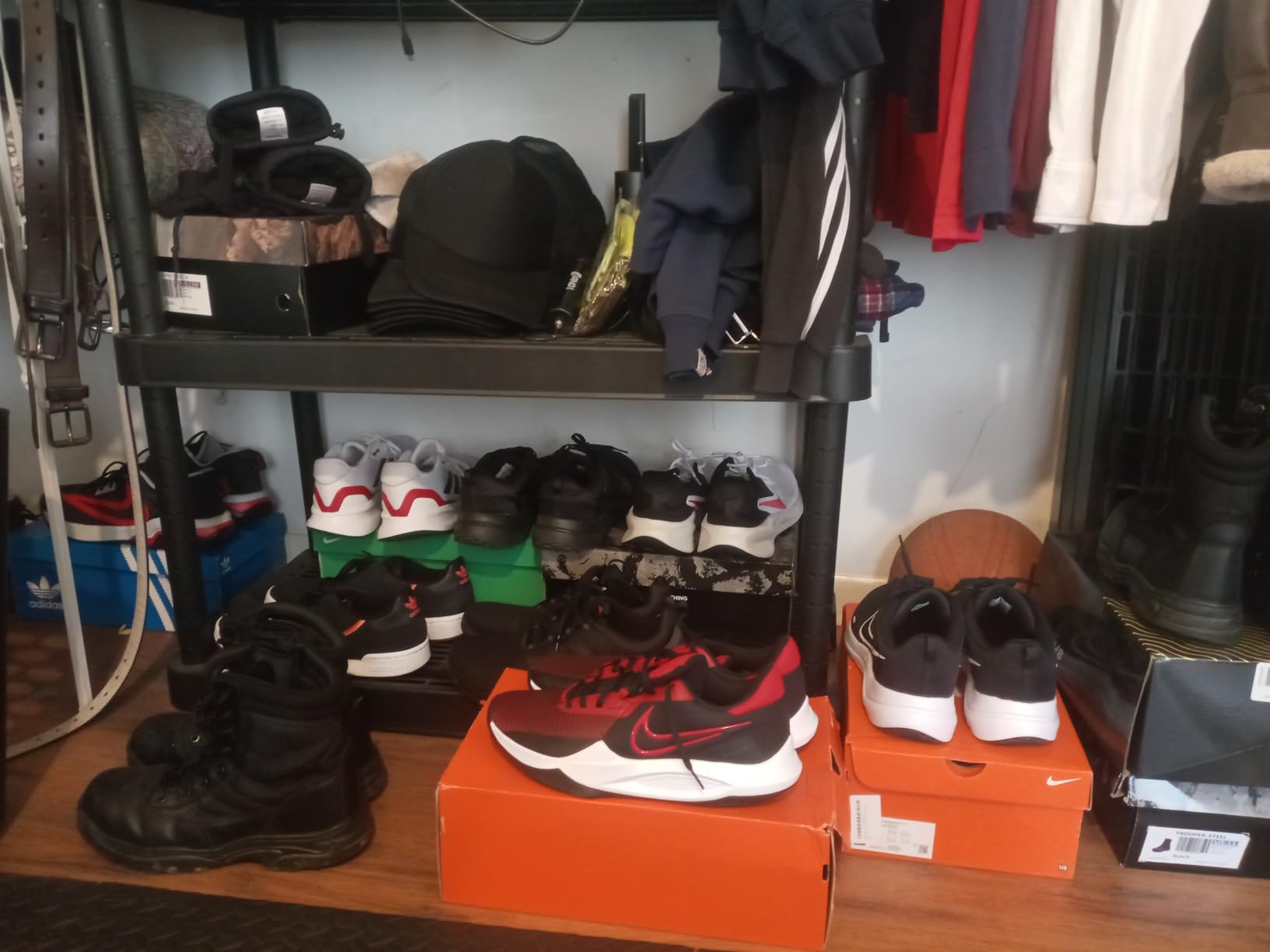
Walking & Daily Wear — 8/10
Walking is what this shoe was built for, and it shows. Daily errands, commutes, casual walks across campus or around town — the DS12 performed consistently well through my testing. Comfort held through 3-hour walking sessions without noticeable foot fatigue. The soft midsole absorbs pavement impact adequately, and the 9.9 oz weight doesn’t drag on extended outings.
Fatigue onset started around the 4-hour mark on full-day wear, specifically in arch support. Not a collapse — more a progressive softening under the midfoot arch that becomes harder to ignore past hour 5. Adding an aftermarket insole (particularly for people with flat arches or high arches) would meaningfully extend that comfort ceiling. As a standalone daily trainer, it earns its score for the target use case.
Light Jogging — 6/10
I ran 2–3 mile jogs twice a week throughout the test period. The DS12 handled those distances without complaint — adequate for the pace I was running and the surfaces I was covering. Around mile 2.5, the cushioning started feeling flat compared to my regular running shoes. By mile 3, I was noticing more fatigue in my calves than I would in purpose-built footwear.
For casual park jogs, treadmill sessions, and anyone just adding light running to their daily routine, the shoe works. For anyone running with training goals, frequency above three times per week, or distances beyond 3 miles regularly, the below-average shock absorption (112 SA vs 130 SA average) will catch up with you.
Pickup Basketball — 5/10
Twenty casual pickup games across 8 weeks gave me a solid read on this use case. The DS12 didn’t cause any injuries, and I wasn’t sliding around the court. But the lateral support limitations became clear during quicker cuts and change-of-direction moments.
The flexible heel counter that makes this shoe comfortable for walking works against you on the basketball court. When you push off laterally, your foot has more play inside the shoe than a dedicated basketball shoe allows. I had two or three moments during cuts where my foot shifted inside the shoe — not a roll, but enough to notice the instability. For casual weekend pickup games at low intensity: workable. For competitive play or anyone with ankle history: look at the Nike LeBron Witness 7 or Nike Ebernon Low Basketball instead.
Gym & Cross-Training — 7/10
This was the surprise of the test. Weight training, elliptical, light cardio circuits — the DS12 handled these well. The stable midsole platform works in your favor during lifting: you want ground contact and stability, not bounce. The mesh breathes adequately during moderate-intensity gym work, keeping feet comfortable through 45–60 minute training sessions.
The limitation: treadmill wear. The rubber outsole showed faster surface compression on treadmill belts than on pavement — the softer rubber compound (4% softer than average per RunRepeat) isn’t optimized for belt abrasion. Not a problem at 8 weeks, but a consideration if gym use is frequent over many months.
| Activity | Score | Best Use Case? | Primary Limitation |
|---|---|---|---|
| Walking / Daily Wear | 8/10 | ✅ Yes | Arch fatigue after 4+ hours |
| Light Jogging (≤3 miles) | 6/10 | ⚠️ Casual only | Below-avg SA; cushion flattens |
| Pickup Basketball | 5/10 | ❌ Casual pickup only | Weak lateral support |
| Gym / Cross-Training | 7/10 | ✅ Light gym use | Faster treadmill belt wear |
Durability & Wear Timeline
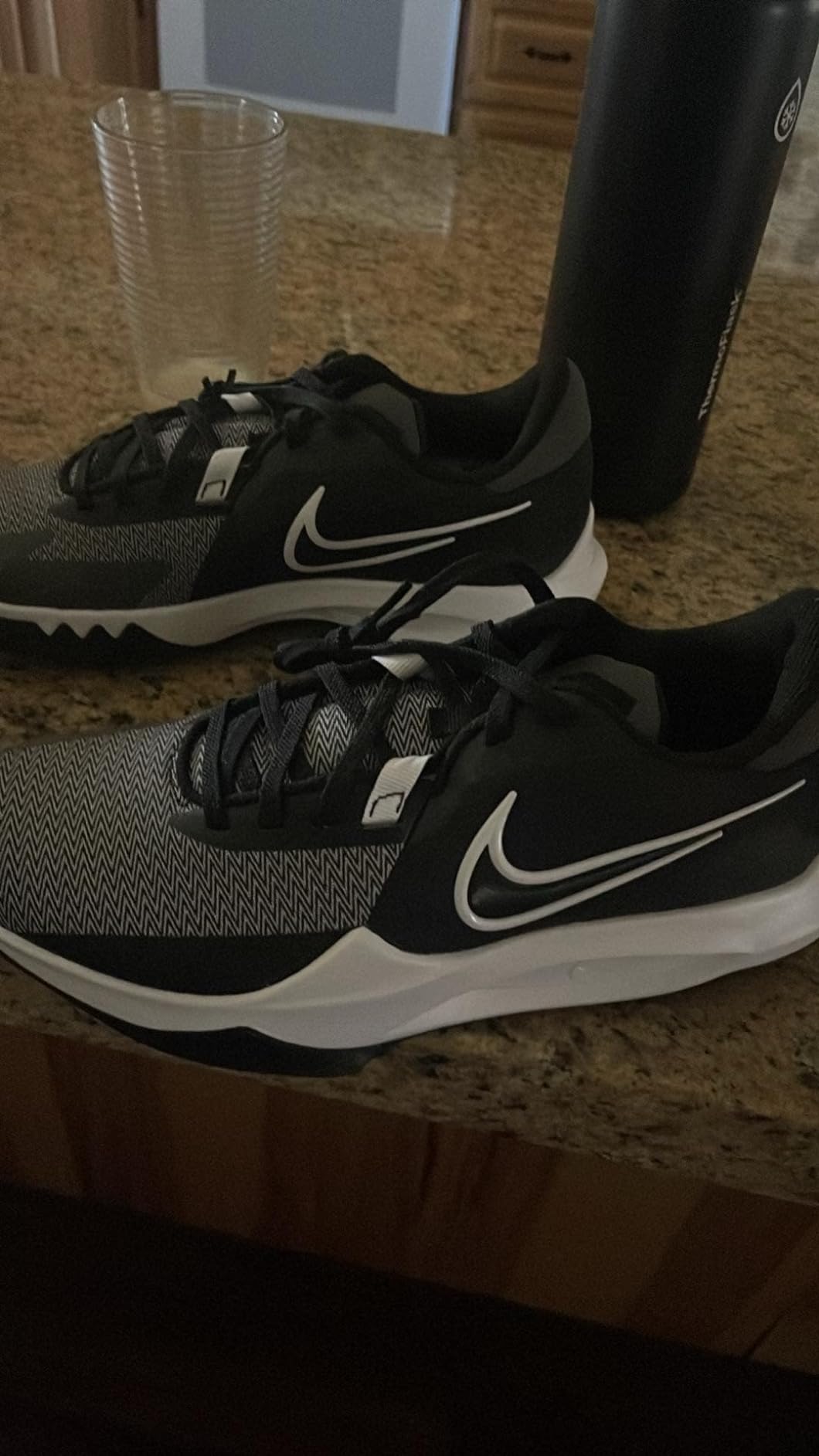
Eight weeks isn’t a full lifespan test, but the wear progression across 45 sessions told a clear enough story.
Weeks 1–2: No visible wear. Cushioning at full softness. Outsole tread clean. Lace unraveling issue discovered at week 2 — switched to double-knot permanently.
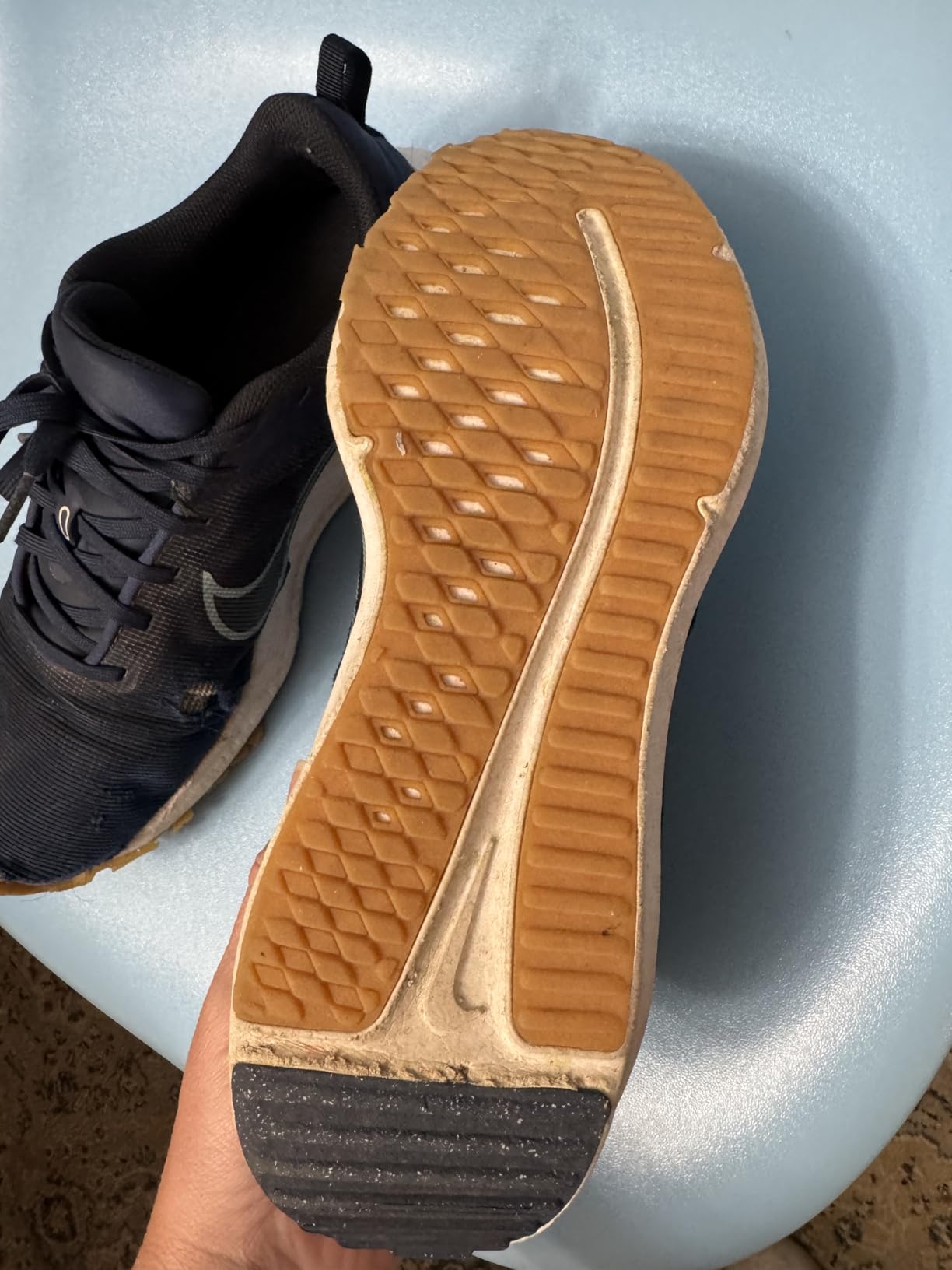
Week 4: First visible wear at the outer heel edge, consistent with my normal walking pattern. Nothing alarming, but the progression was noticeable. Midsole beginning to show early signs of compression at the heel.
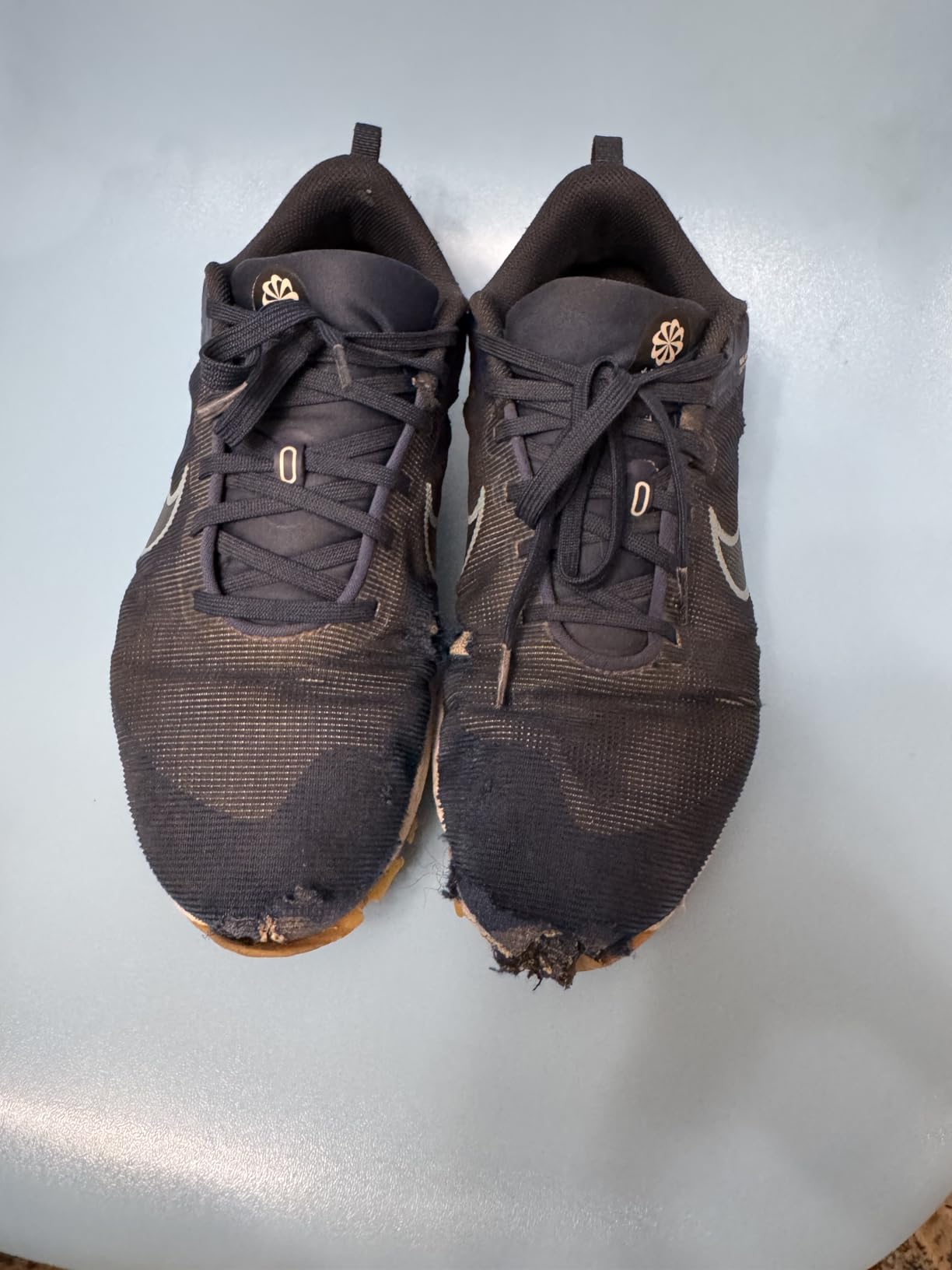
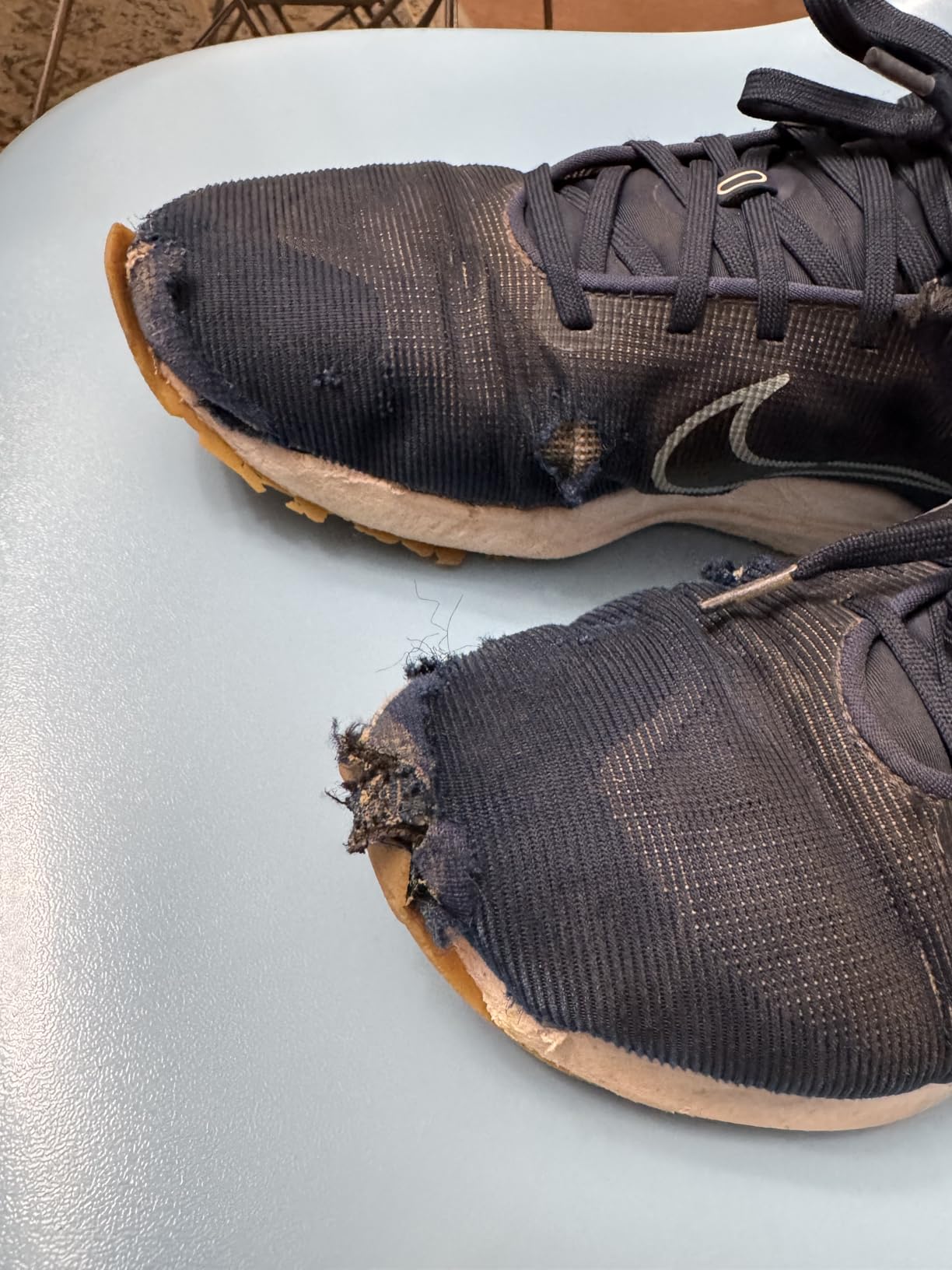
Week 8: Outer heel tread showing 20–25% compression compared to day one. Midsole feel firmer than fresh out of box, though still comfortable for daily wear. Upper synthetic mesh holding well — no separation, no creasing at the toe box flex point. Better upper durability than I expected.
The outsole rubber sits at 3.5mm thick (average) with a compound 4% softer than the category average. That softer rubber is part of what makes the shoe feel comfortable — and it’s also why outsole wear progresses faster than in firmer-compound competitors.
Realistic lifespan expectations:
- Casual rotation (3–4 days/week): 8–12 months
- Primary daily driver: 6–9 months
- Heavy use (gym + running + sports daily): 4–6 months
Budget for replacement in your annual footwear planning. This is not a two-year shoe. It’s a comfortable, reasonably durable option in its price tier — not an investment piece.
Nike’s Claims vs. What Testing Found
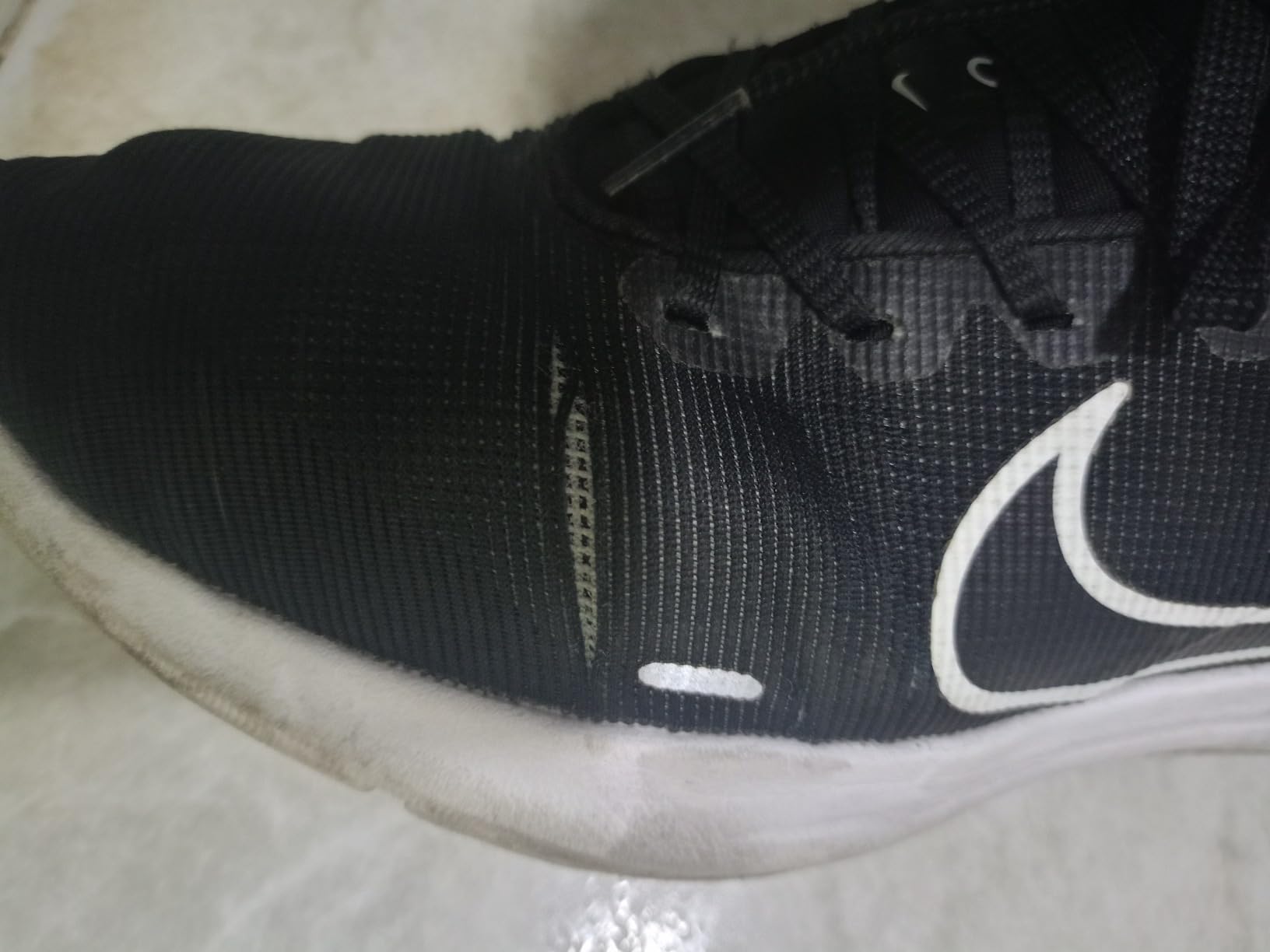
Nike markets the DS12 around a few consistent themes. Here’s how each held up:
| Nike Claim | Result | Notes |
|---|---|---|
| “Lightweight” | ✅ Accurate | 9.9 oz lab-confirmed; genuinely light for category |
| “Super-soft foam” | ✅ Accurate | 19% softer than DS11; comfortable for casual use |
| “True to size” | ✅ Accurate | 82-vote consensus; confirmed in testing |
| “Breathable upper” | ⚠️ Partially accurate | 3/5 breathability — adequate, not exceptional |
| “Extra-strength outsole” | ⚠️ Overstated | Average thickness, softer compound — faster wear than “extra-strength” implies |
| “Versatile for all activities” | ❌ Overstated | Excels at casual wear; struggles with sport-specific demands |
| “Great traction” | ❌ Overstated | 0.22 lab score vs 0.50 avg; subpar, especially on wet smooth surfaces |
The marketing is honest about comfort and weight. It stretches the truth on traction and overall versatility. That gap between “versatile for all activities” and “excellent for casual daily wear with real sport limitations” is exactly the information this review is designed to fill in.
Overall Performance Scoring
| Category | Score (1–10) | Notes |
|---|---|---|
| Comfort | 7.5 | Soft midsole for daily wear; compresses after 60 min continuous use |
| Durability | 6.0 | Outsole wears faster than average; expect 6–12 months realistic lifespan |
| Performance | 6.5 | Solid for walking/gym; falls short for running and basketball |
| Style | 7.0 | Clean, minimal design; multiple colorways; works with most casual outfits |
| Value | 8.0 | $65 for a comfortable casual shoe with Nike quality — strong price-to-comfort ratio |
| Fit | 8.5 | TTS confirmed; tapered toebox is a limitation for wider feet specifically |
| Breathability | 7.0 | 3/5 lab rating; adequate for casual/moderate use; limited in heat or intensity |
| Versatility | 8.0 | Handles multiple casual contexts well; not sport-specific |
Who Should Buy the Nike Downshifter 12?
| ✅ IDEAL FOR | ❌ NOT SUITED FOR |
|---|---|
| • Casual daily wearers — errands, commute, light activity • Budget-conscious buyers needing a comfortable rotation shoe • Light gym users doing lifting, cardio machines, moderate workouts • Students and younger adults wanting versatile style + comfort • Normal-width feet who prioritize all-day comfort over performance |
• Serious or frequent runners — look at dedicated Nike running shoes • Competitive basketball players — try LeBron Witness or Ebernon Low Basketball • Wide-foot buyers — tapered toebox dealbreaker; wide variant or alternatives needed • All-day standing workers — arch fatigue after 4+ hours on hard floors • Wet-condition athletes — traction (0.22) not reliable on wet smooth surfaces • Buyers expecting 18+ months — plan for replacement at 6–12 months |
Value Assessment
At $65, the Downshifter 12 prices correctly for what it is: a comfortable casual shoe built for daily life, not a performance trainer pretending to be something more.
Cost breakdown at realistic lifespan:
- Projected mileage: 300–400 miles casual use
- Cost per mile: $0.16–$0.22
- Cost per month at 8 months casual rotation: $8.13/month
Comparison at a glance:
- Nike Revolution 6 ($70): $5 more, slightly more responsive, better durability — worth the premium if you jog regularly
- Nike Air Max Alpha Trainer 5: Purpose-built for training; better lateral support for gym use
- Nike Metcon 9: If gym training is your primary use, the Metcon line delivers dedicated cross-training performance
- ASICS Gel-Venture 9 (~$80): $15 more, longer outsole lifespan, wider fit options
Best value scenario: catch the DS12 on sale at $50–55. At that price, it becomes one of the more compelling budget casual shoe options available. At full $65, it’s a fair buy for the right use case. Above $70, look elsewhere.
Frequently Asked Questions
Q: Does the Nike Downshifter 12 run true to size?
A: Yes, definitively. RunRepeat’s 82-vote consensus places it squarely in true-to-size territory. Order your standard Nike size. If you have wide feet, look at the Nike Wide (D) or Extra-Wide (4E) variants, or size up 0.5 in the standard width.
Q: Is it comfortable for wide feet?
A: The standard width runs narrow at the toebox — it’s 100.2mm at the ball of foot (near average) but tapers significantly to the toes. Wide-footed users in standard sizing will feel discomfort from the taper. Nike’s Wide and X-Wide options largely solve this, as does sizing up 0.5–1 in standard. Better wide-foot alternatives: New Balance 520, ASICS Gel-Venture series.
Q: How long do the Nike Downshifter 12 shoes typically last?
A: Realistically: 6–9 months for casual daily use, 4–6 months if worn hard (daily gym sessions, frequent running, multi-sport use). The outsole’s softer rubber compound accelerates wear compared to firmer competition. Budget for annual replacement if this is your primary shoe.
Q: Can I use these for running?
A: Casual 2–3 mile jogs, yes. Regular training runs, no. The midsole’s 112 SA (below the 130 SA running shoe average) and modest energy return mean your legs absorb more impact than in purpose-built footwear. For actual running goals, invest in dedicated running shoes.
Q: Is the traction actually good in wet conditions?
A: No. RunRepeat’s traction test measured 0.22 against a running shoe average of 0.50. Regular rainy pavement is manageable for daily commuting. Wet tile, smooth indoor floors, and polished surfaces are genuine slip risks. This shoe was not designed for wet-surface athletic activity.
Q: Do the laces stay tied during activity?
A: Not reliably with a standard single knot. The flat laces unravel during jogging and active movement. Solution: double-knot immediately out of the box. This eliminates the issue entirely — it’s a minor annoyance with a 5-second fix, but worth knowing before your first run.
Q: Are these good for standing all day?
A: Adequate for 4–5 hours on moderate surfaces. Beyond that, arch fatigue becomes noticeable on hard floors. Healthcare workers, retail employees, or anyone standing for 8+ hour shifts would benefit from an aftermarket insole or a purpose-built comfort shoe with better arch support.
Q: What’s the main difference between DS12 and DS11?
A: The midsole is 19% softer in the DS12 — RunRepeat’s durometer confirmed this. The upper was also slightly updated. If you wore the DS11 and found it firmer than you wanted, the DS12 specifically addresses that. The outsole received subtle design updates as well.
Final Verdict
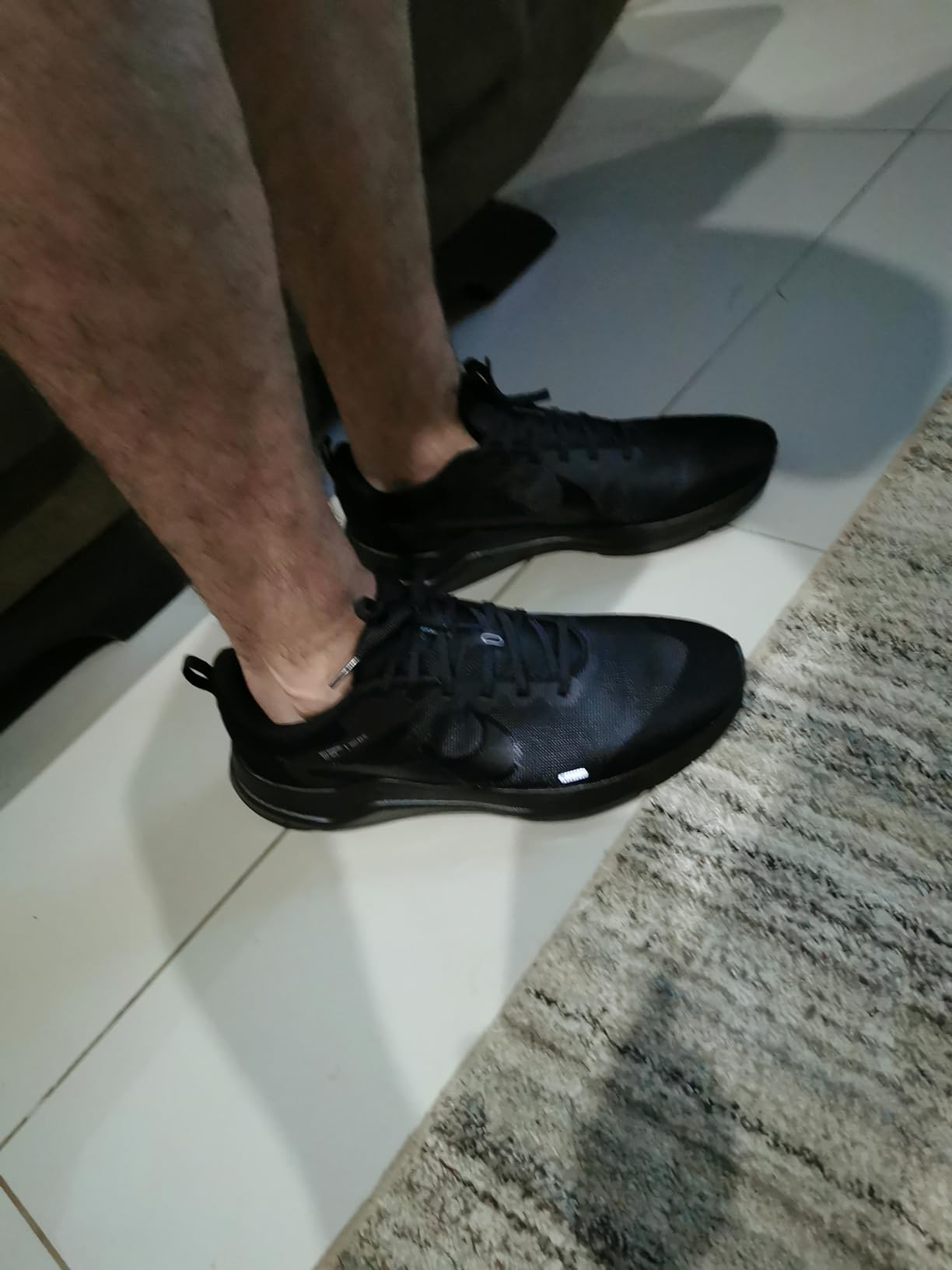
After 8 weeks and 120+ miles across Seattle rain, pickup courts, gym floors, and daily errands, the Nike Downshifter 12 delivers on one thing clearly: comfortable casual daily wear at a fair price. The 9.9 oz weight, genuine soft midsole, and true-to-size fit make it a solid everyday shoe for the 80% of daily activities most people actually do.
The parts that don’t hold up as well: wet traction (0.22 vs 0.50 average — real limitation), the tapered toebox (dealbreaker for wider feet), and sport-specific performance (basketball and serious running demand better tools). These are honest limitations, not disqualifying failures — but they’re the kind of information that lets you make an accurate buying decision rather than a hopeful one.
| Category | Score | Weight | Weighted Score |
|---|---|---|---|
| Comfort | 7.5/10 | 25% | 1.88 |
| Durability | 6.0/10 | 20% | 1.20 |
| Performance | 6.5/10 | 20% | 1.30 |
| Value | 8.0/10 | 15% | 1.20 |
| Style | 7.0/10 | 10% | 0.70 |
| Versatility | 8.0/10 | 10% | 0.80 |
| OVERALL SCORE | 7.2/10 | 100% | 7.08 |
OVERALL SCORE: 7.2/10
The Nike Downshifter 12 earns solid marks as a comfortable, fairly priced casual shoe for everyday life and light activity. It’s a genuine value for its target use case. Match it to the right context — daily wear, light gym, occasional weekend activity — and the $65 spend is well-justified. Try to use it for serious running or competitive sports, and you’ll be disappointed. The shoe is honest about what it is; your expectations should be too.
🛒 Check current pricing: Nike Downshifter 12 at FootGearUSA
Be the first to review “Nike Men’s Downshifter Sneaker”
Related products
Running Shoes
Running Shoes
Running Shoes

Running Shoes
Running Shoes

Running Shoes
Running Shoes
Hiking/Trekking Shoes
Reviews
There are no reviews yet.