
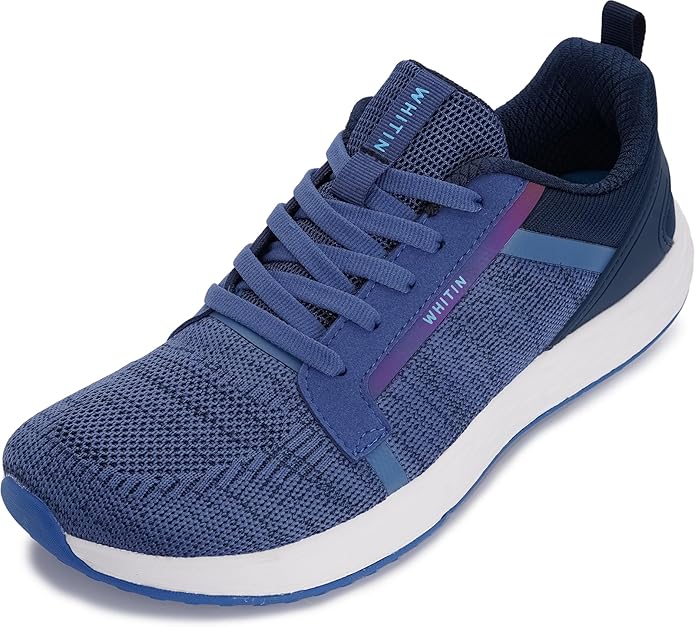
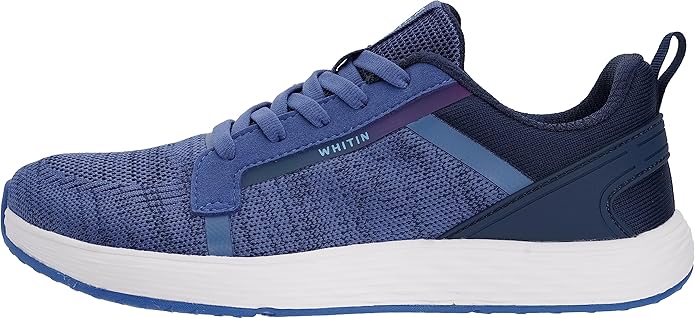
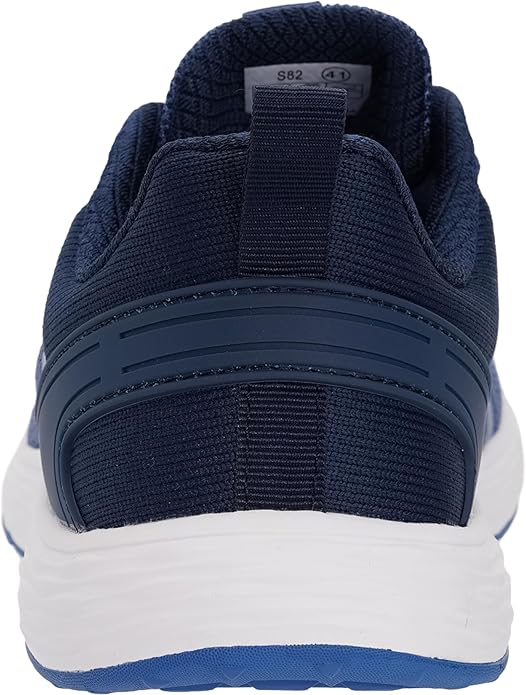
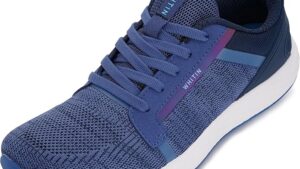
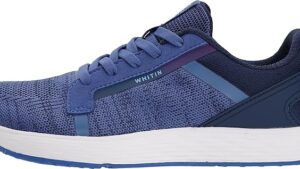
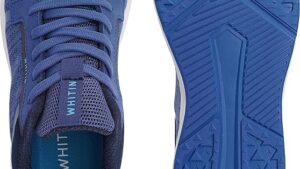
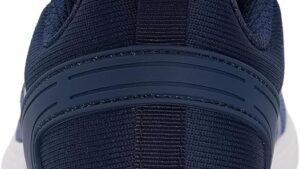
After years of cramming my feet into traditional running shoes that promised the world but delivered toe crowding and arch pain, I stumbled across the WHITIN Men’s Wide Toe Box + Zero Drop Road Running Shoes while researching budget barefoot options. At $38, I figured the risk was minimal—even if they lasted just a few months, I’d learn whether the wide toe box hype was real or just marketing. Eight weeks and 135 miles later, I’m writing this review with genuinely mixed feelings about what this budget shoe can and cannot deliver.
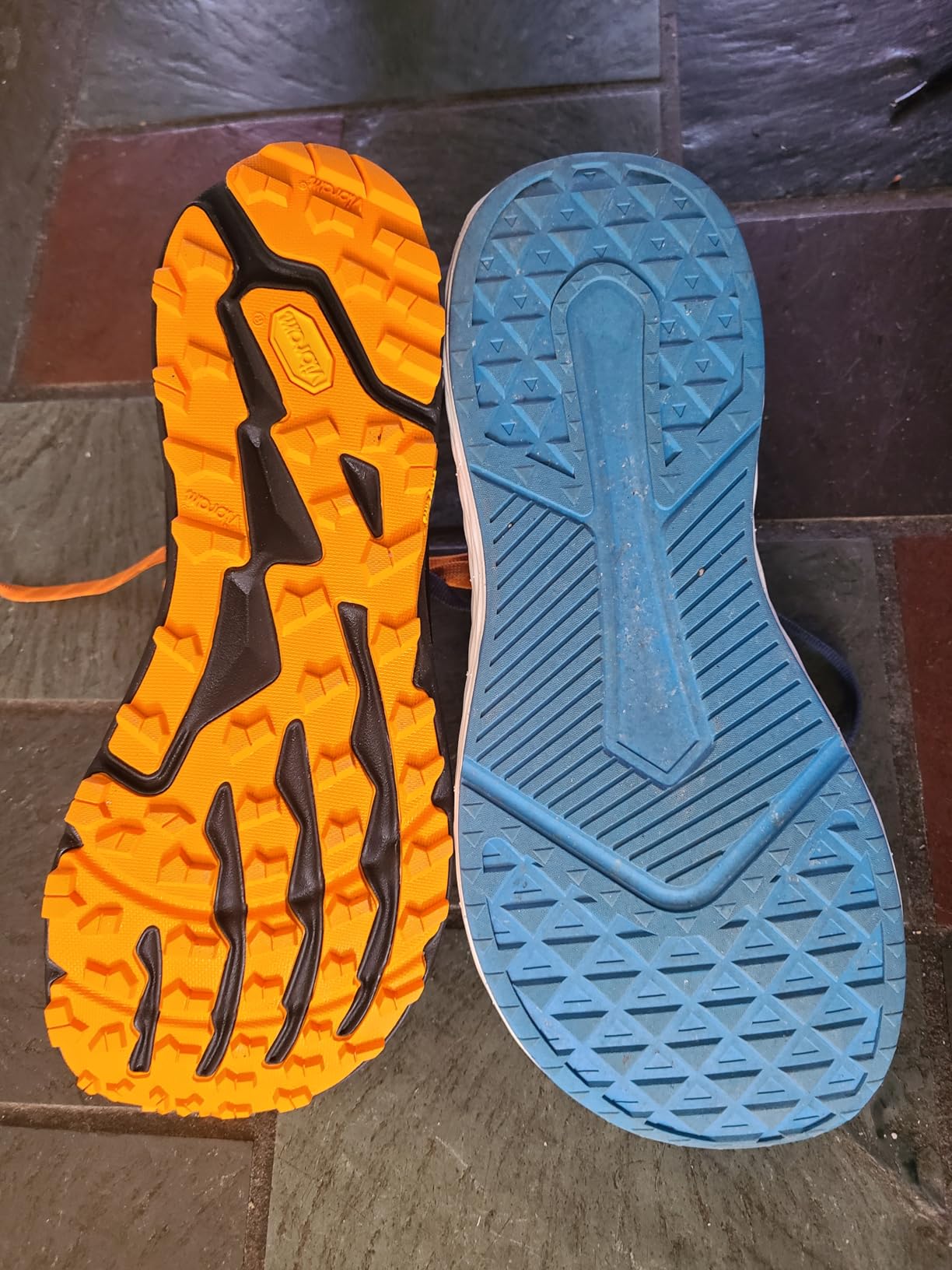
After two months of testing the WHITIN Men’s Wide Toe Box + Zero Drop Road Running Shoes across trail runs, gym sessions, and daily wear, I can tell you exactly where this $38 shoe succeeds spectacularly and where it falls short. If you’re curious about barefoot-style running shoes without dropping $120+ on Altra or Topo, or you’ve struggled to find shoes that don’t squeeze your toes, this detailed review covers everything you need to know before buying.
Technical Specifications
- 💰 Price: $35-40
- ⚖️ Weight: 8.8-9.2 oz depending on size (men’s size 9-10 range)
- 📏 Heel-to-toe drop: 0mm (true zero drop)
- 📐 Stack height: 15-18mm (varies by source/size – no official spec confirmed)
- 🧪 Midsole: EVA foam (firm, not bouncy)
- 👟 Upper: Breathable knit mesh
- 🏃♂️ Category: Budget barefoot-style/wide toe box road shoe
- 🎯 Best for: Wide feet, light running, gym training, casual wear
- ⏱️ My testing: 8 weeks, 135 miles (trail runs, gym, daily wear)
Build Quality & First Impressions
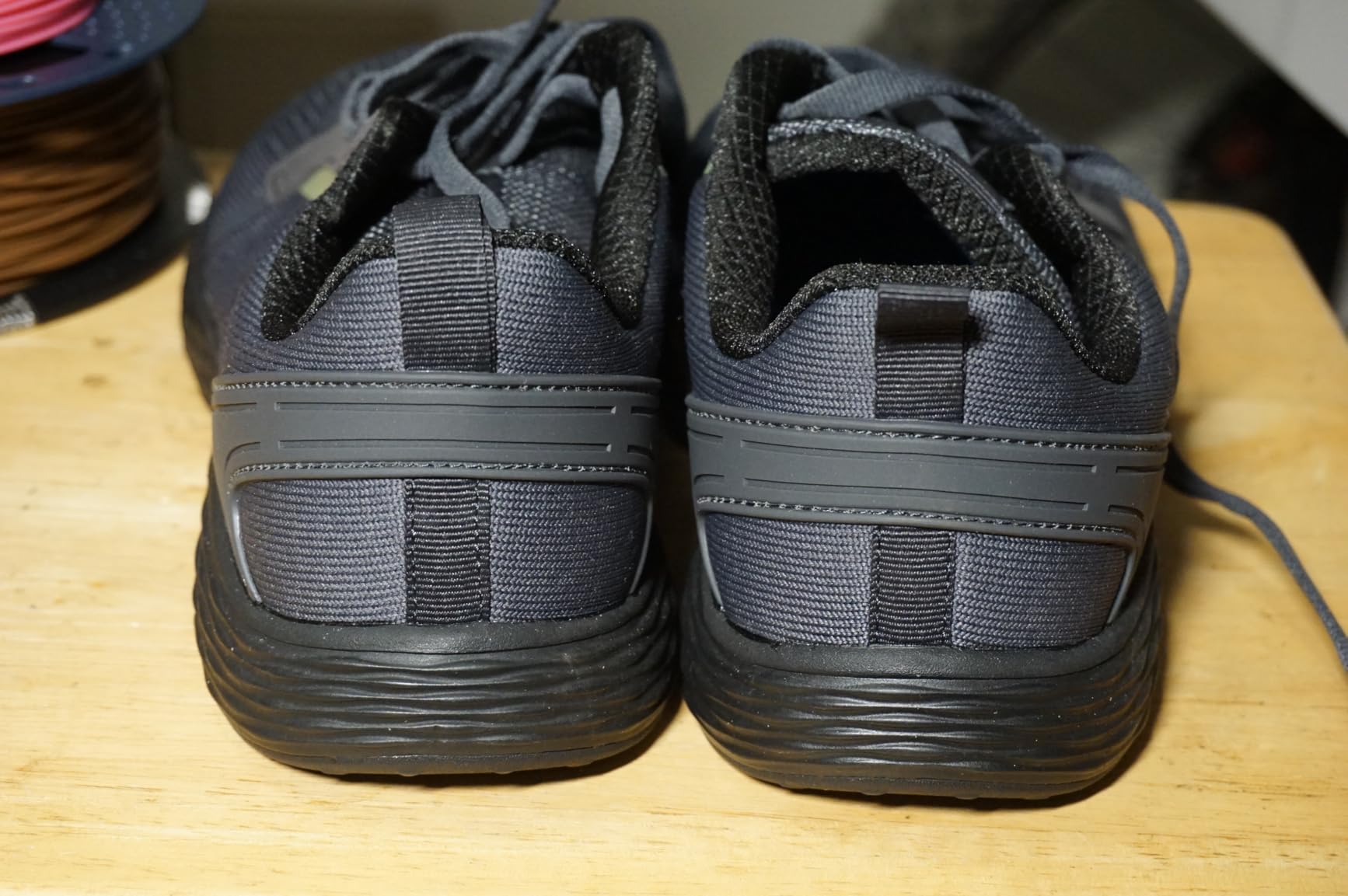
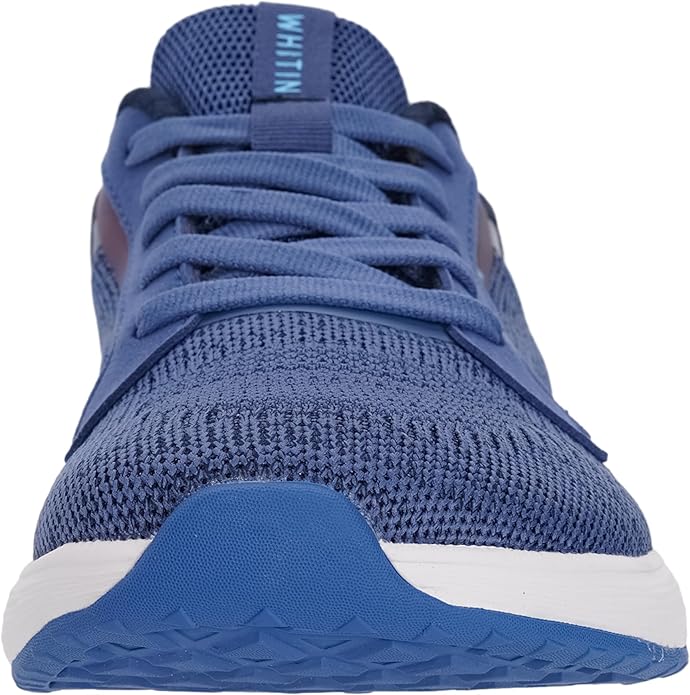
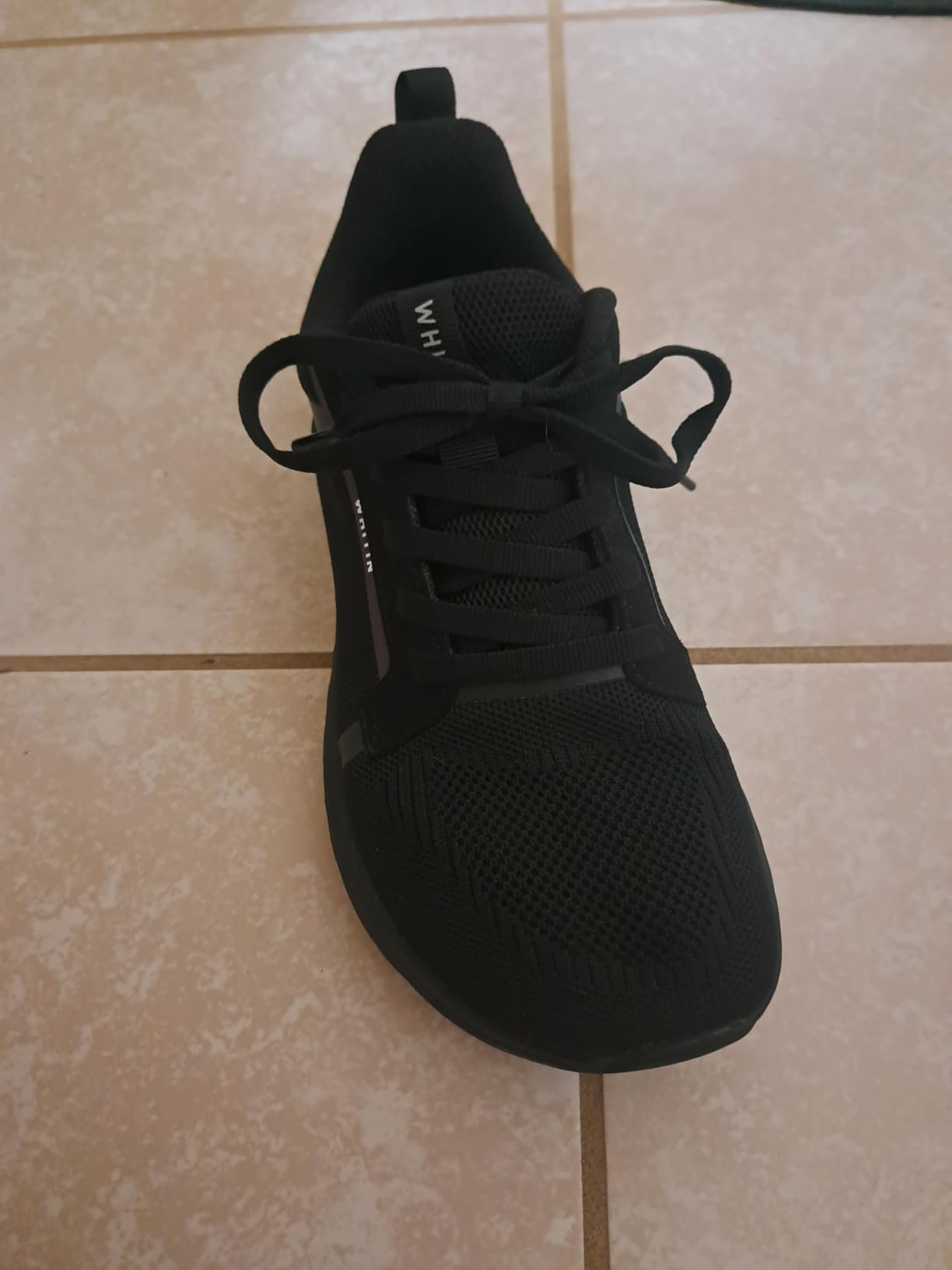
Let me address the elephant in the room: yes, these look different. The foot-shaped toe box makes them wider at the front than most sneakers, and you’ll notice. I wore them to my first gym session and got a double-take from someone at the squat rack. After three days, I stopped noticing the aesthetics entirely—what stuck was how my feet felt, not how the shoes looked.
Upper Construction & Materials
The knit mesh upper surprised me for a sub-$40 shoe. It’s not premium athletic fabric like you’d find on training shoes from major brands, but it held up through rain-splashed trail runs and sweaty gym sessions without developing holes or excessive stretch. The material is soft enough to avoid hot spots but structured enough that I never felt like the shoe was going to blow out mid-workout.
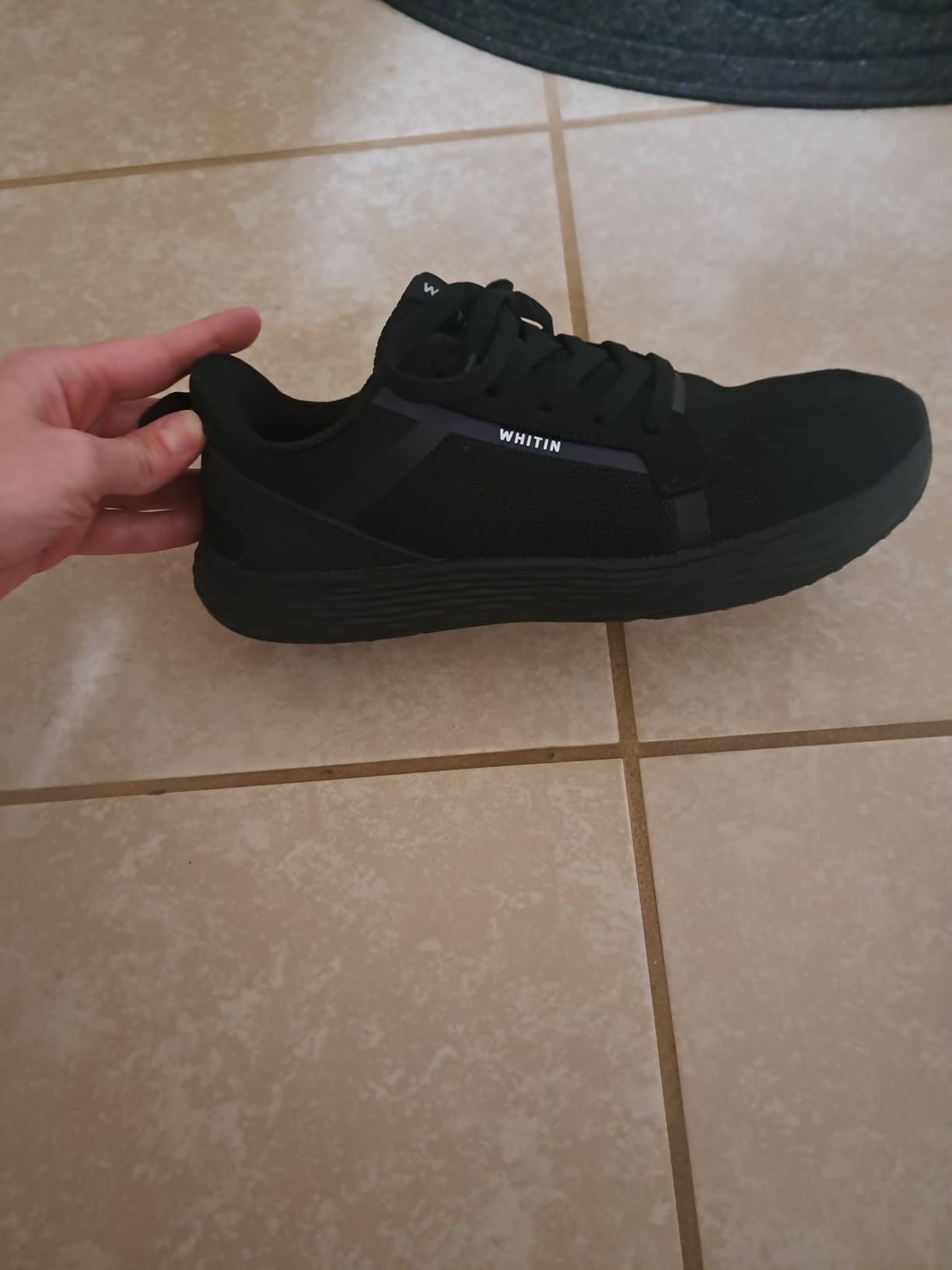
One quality control issue worth mentioning: the tongue doesn’t stay centered. On my left shoe specifically, it migrates toward the inside after about 15 minutes of wear, requiring occasional adjustment. This is a minor annoyance rather than a deal-breaker, but it’s the kind of detail that separates budget shoes from premium construction.
Zero Drop Design—The Adjustment Reality
If you’re coming from traditional shoes with heel elevation, your calves will absolutely notice the zero drop design. My first week included noticeable tightness during anything beyond a 2-mile run, and I shortened my typical 5-mile routes to avoid pushing through discomfort that felt like it could lead to injury.
By week three (around 35 miles of mixed running and walking), the adaptation was complete. I experienced what zero drop advocates describe: better posture awareness, more midfoot landing, and reduced lower back tension after long days on my feet. At 185 pounds with a desk job, I noticed the postural benefit particularly during 8-hour workdays—my lower back felt less compressed at the end of the day compared to wearing elevated-heel casual shoes.
The Wide Toe Box—Game Changer or Overhyped?
This is where WHITIN delivers spectacularly. I wear size 10.5 in most brands (10 in Nike, 11 in New Balance), and the 10.5 WHITIN fit with genuine toe spread room. When I say “wide toe box,” I don’t mean slightly roomier—I mean my toes could spread naturally without touching the sides, comparable to the fit I’ve experienced in Altra Lone Peak shoes that cost triple the price.
For reference, I don’t have particularly wide feet (medium width in most brands), but I’ve always felt constriction in the toe area of traditional running shoes. The WHITIN completely eliminated that sensation. If you have bunions, Morton’s neuroma, or just hate the feeling of toe crowding, this design addresses that problem completely.
Performance Testing Across Activities
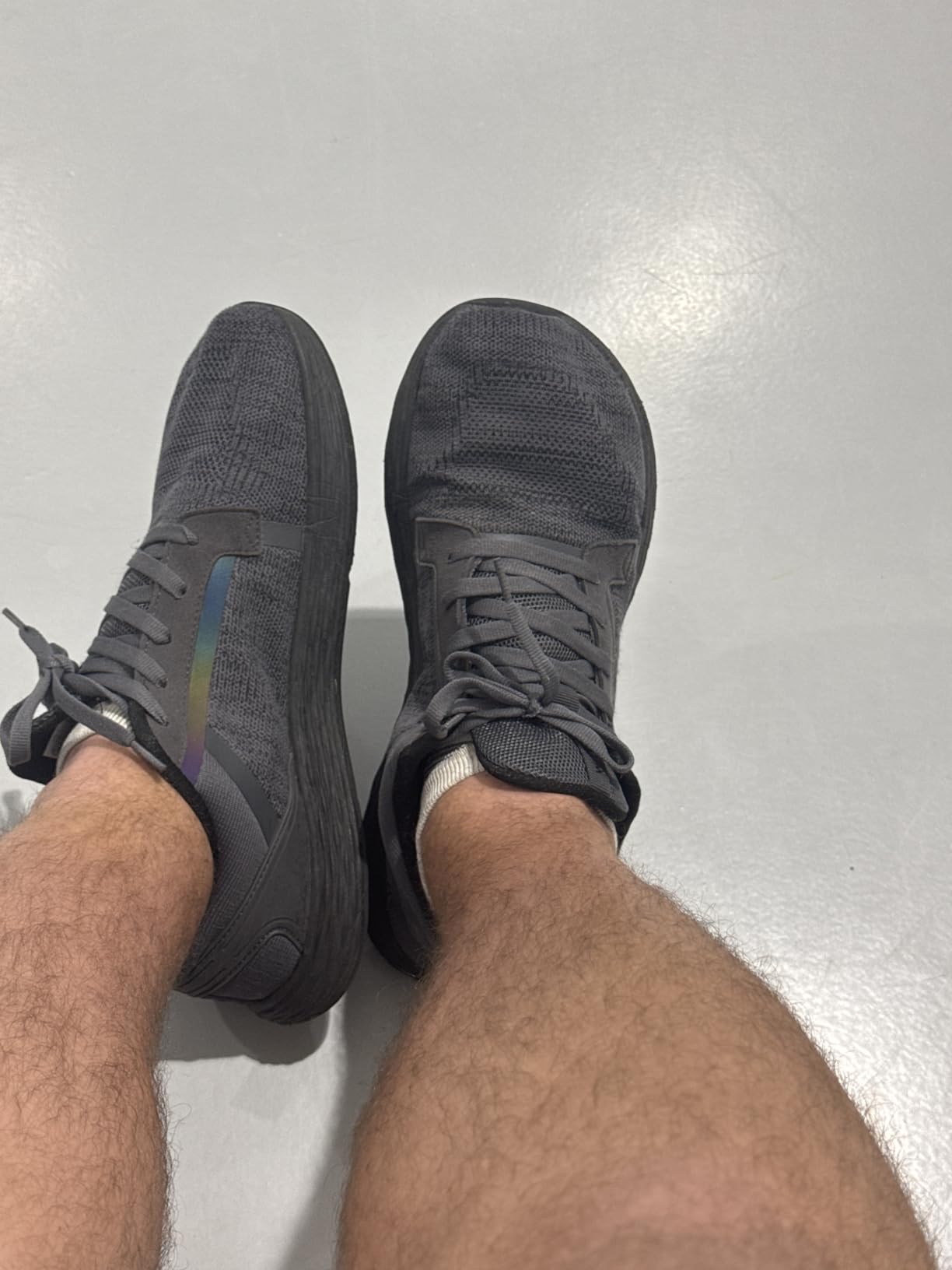
Trail & Road Running Performance
I tested these across 75 miles of trail and road running, mostly 3-5 mile sessions at conversational pace (8:30-9:30 min/mile). For these shorter distances, the shoes performed adequately. The firm EVA midsole provides enough cushioning to protect from sharp gravel and pavement impacts without making you feel disconnected from the ground.
However, I attempted a 10-mile long run at week 5, and the limitations became clear. Around mile 7, the minimal cushioning started feeling insufficient—not painful, but noticeably firmer with each footstrike. This isn’t a shoe for marathon training or high-mileage weeks. If you’re running more than 15-20 miles per week, you’ll want something with more substantial midsole cushioning.
The zero drop and wide toe box combination did promote natural running form. I found myself landing more on my midfoot rather than heel-striking, which felt more efficient even if it required conscious attention during the first few weeks.
Gym & Strength Training Excellence
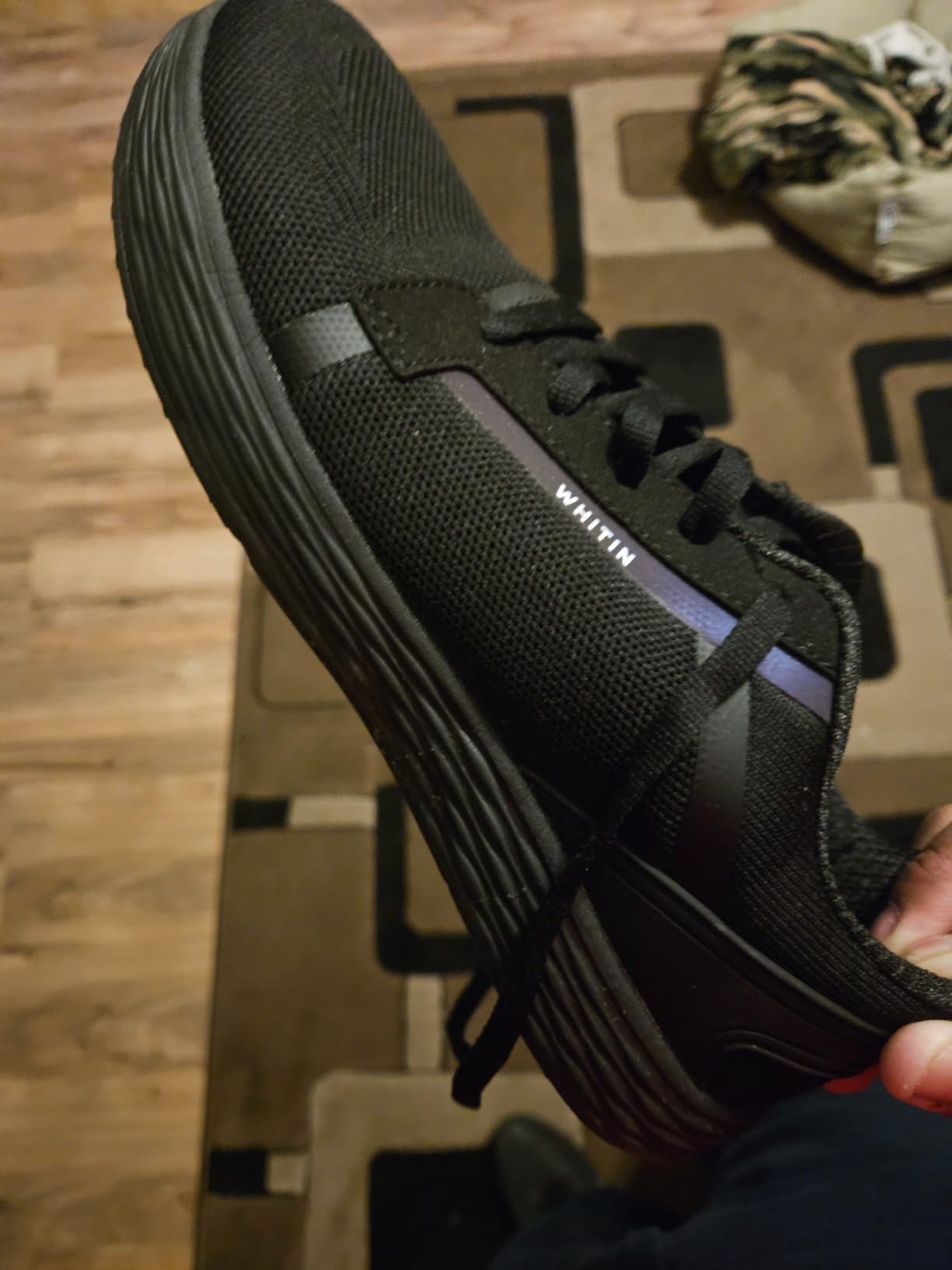
This is where the WHITIN shoes truly excel. The flat, stable platform makes them outstanding for weightlifting. I tested them through:
– Squats (working sets up to 275 lbs)
– Deadlifts (295 lbs)
– Overhead press (135 lbs)
– Box jumps and plyometric movements
The wide toe box provides exceptional stability during heavy compound lifts. The zero drop keeps your weight distributed naturally, and the thin sole gives you genuine ground feedback so you can feel your foot position throughout the movement. For anyone who lifts regularly, these rival dedicated lifting shoes at a fraction of the cost.
During high-intensity circuit training, the shoes handled burpees, mountain climbers, and lateral movements confidently. The knit upper breathed well enough that I never felt overheated even during 45-minute sessions in a non-air-conditioned garage gym in 85°F weather.
Daily Wear & All-Day Comfort
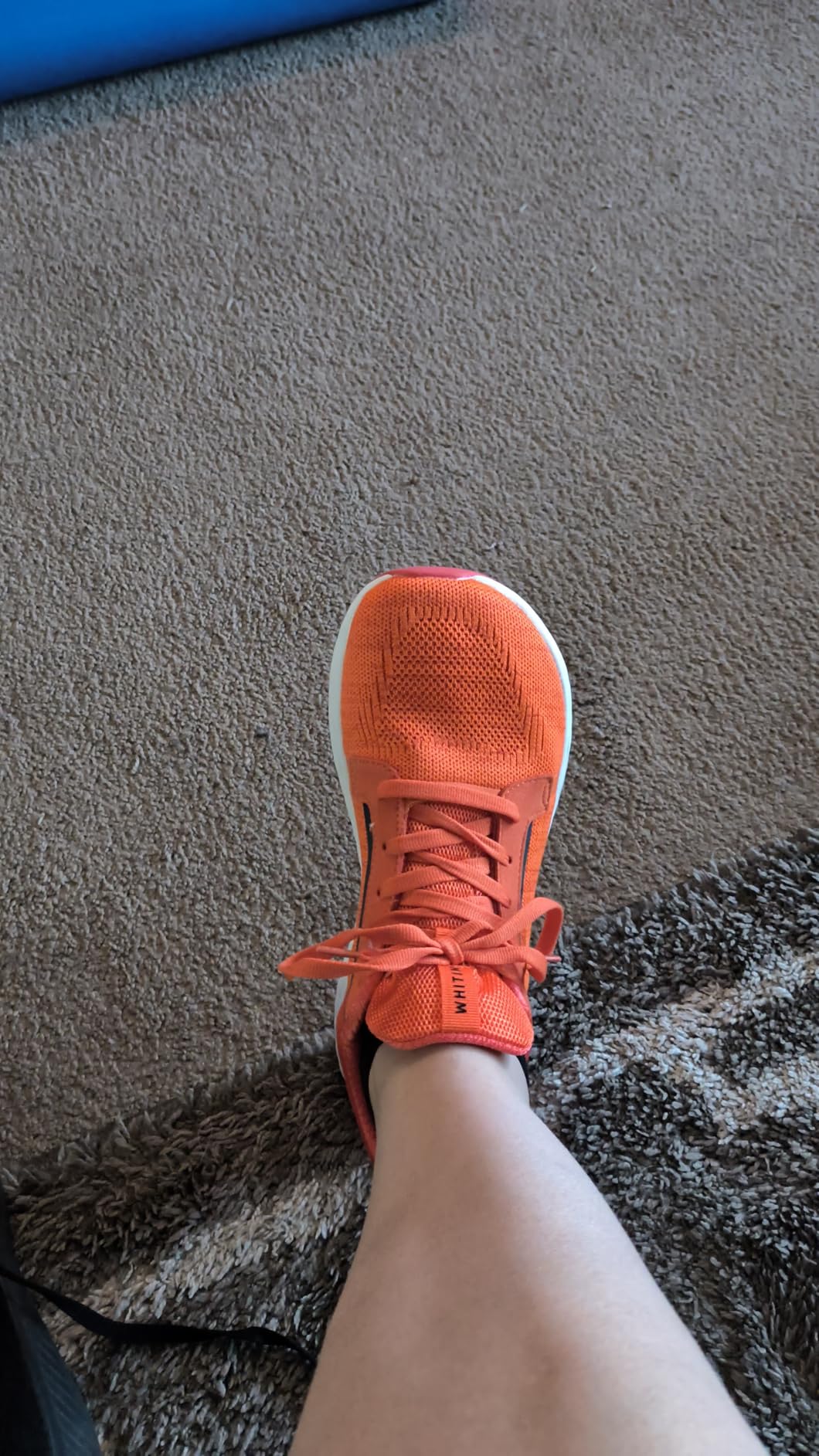
For all-day wear, these shoes are genuinely comfortable for the first 6-8 hours. I wore them for full workdays (standing/walking intermittently) and weekend errands without experiencing the foot fatigue I typically get from traditional sneakers. The wide toe box eliminates pressure points, and the zero drop seems to engage foot muscles in a way that reduces passive fatigue.
After 8+ hours, the minimal arch support becomes noticeable. The shoe doesn’t provide structured arch support by design, relying instead on your foot’s natural arch strength. This works well for moderate duration, but all-day standing (10+ hours) revealed that my arches would benefit from more support or a custom insole.
Weather & Surface Performance
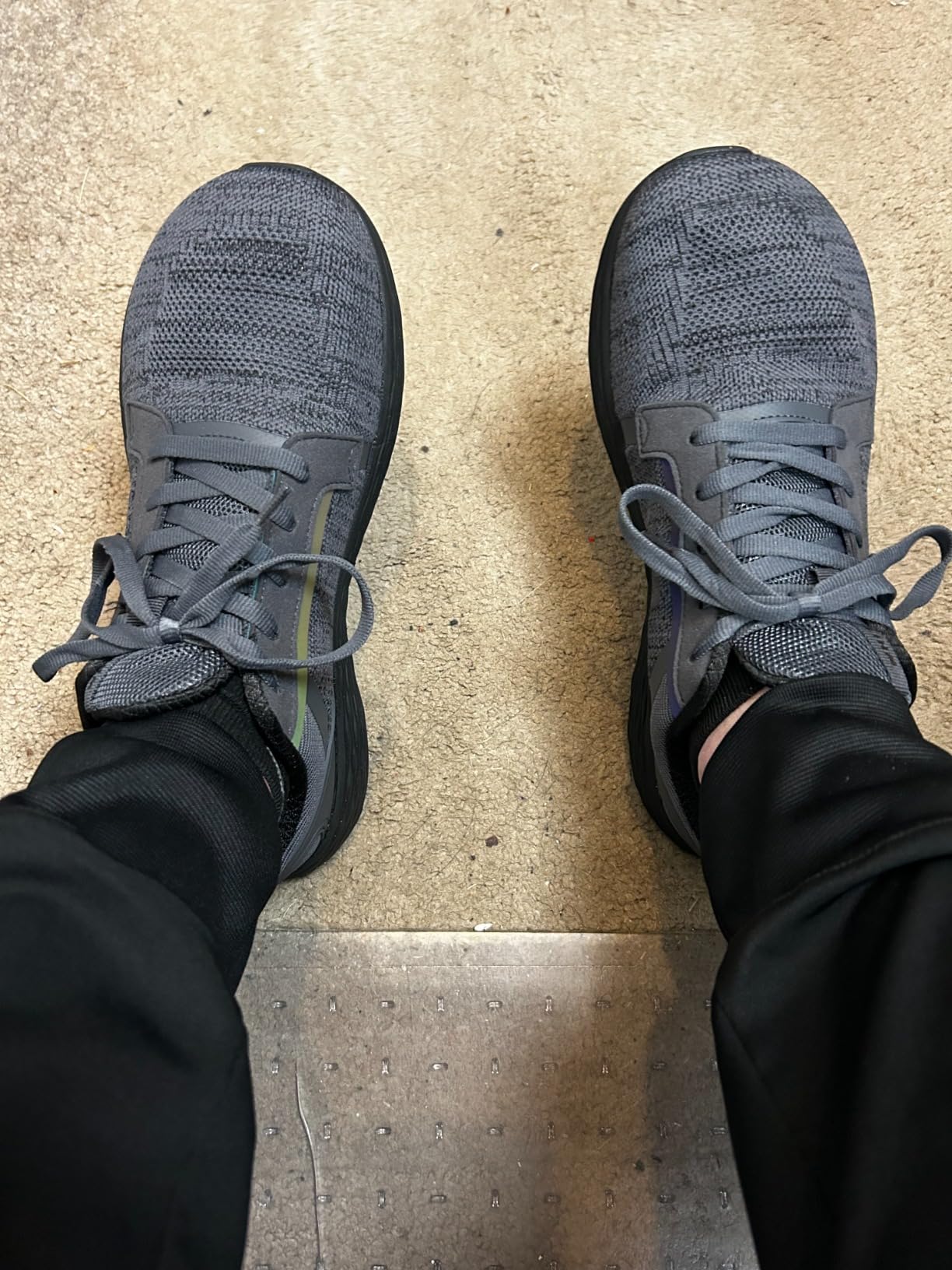
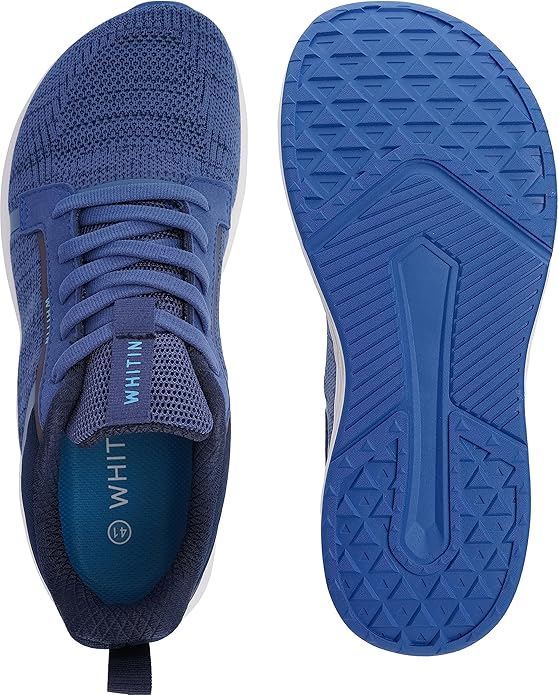
**Dry conditions:** Excellent. The rubber outsole grips well on dry pavement, gym floors, and packed trail surfaces. I never experienced slipping during lateral gym movements or quick direction changes.
**Wet conditions:** Problematic. The tread pattern isn’t aggressive enough for wet pavement or grass. I had two near-slip moments on wet concrete after light rain, and wet grass (even light morning dew) feels unstable. These are strictly fair-weather shoes.
**Temperature range:** The breathable mesh keeps feet comfortable in 60-85°F conditions. Above 85°F, they’re not quite as cooling as premium athletic mesh, but they’re still tolerable for shorter activities. Below 60°F, the thin upper provides minimal insulation, making them unsuitable for cold-weather running without thick socks.
**Water resistance:** None. The mesh saturates immediately in puddles or rain, and drying takes 6-8 hours in open air. Not a shoe for unpredictable weather.
Durability Reality Check
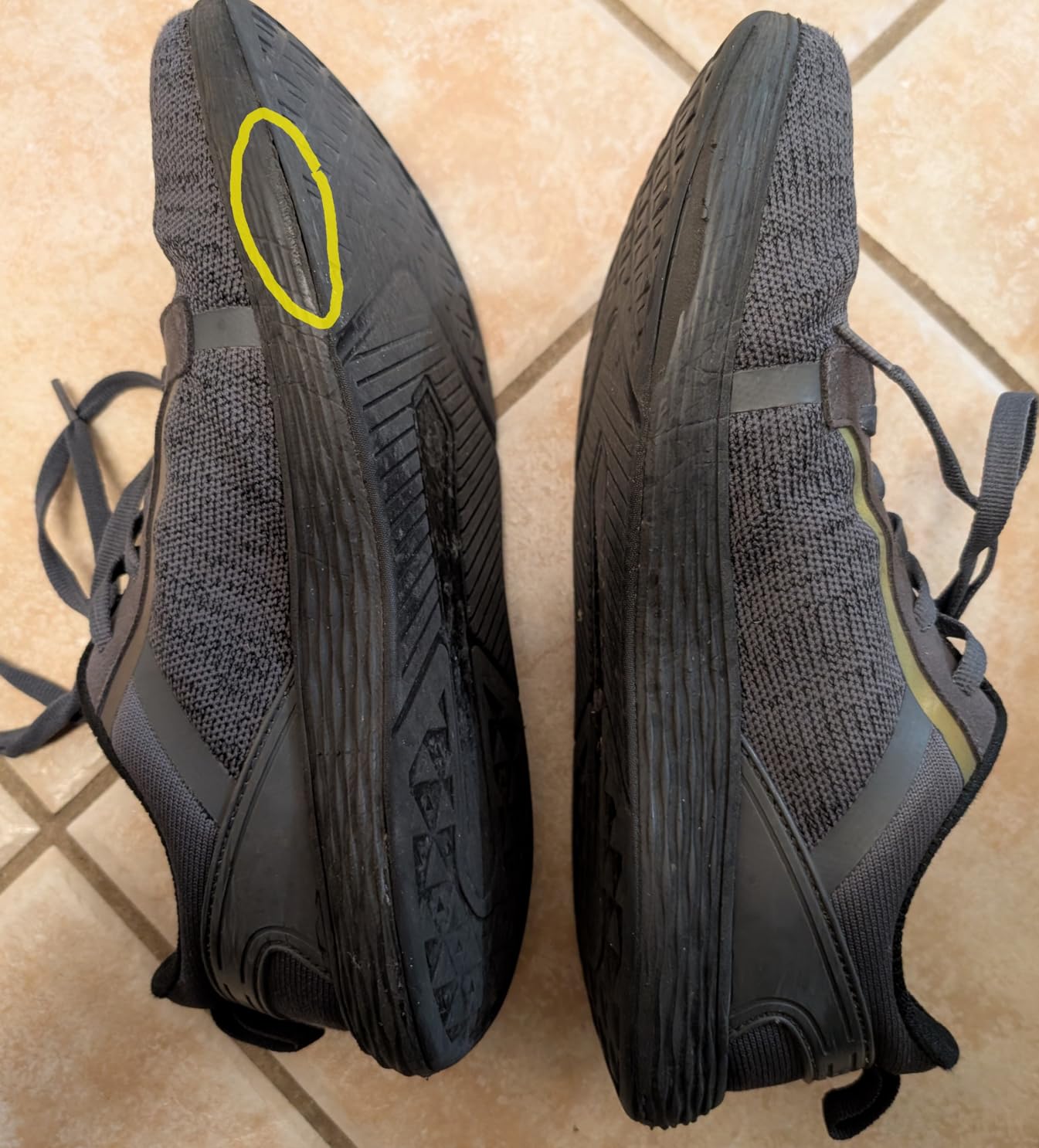
After 135 miles and eight weeks, I’m seeing noticeable wear:
**Outsole:** The rubber is showing thinning at the heel strike zone and lateral edges. Based on current wear rate, I estimate these will last 200-250 miles maximum before the outsole wears through. For serious runners logging 30+ miles per week, that’s 2-3 months. For casual wear and light running (10 miles per week), you might stretch that to 6-8 months.
**Midsole:** The EVA foam has compressed noticeably. The shoe feels firmer now than during week one, which is expected with EVA but happens faster in budget foam compared to premium materials. The cushioning still functions but has lost about 20% of its initial softness.
**Upper:** Surprisingly resilient. Despite mesh being the typical failure point in budget shoes, I haven’t seen any holes, tears, or excessive stretching after two months of varied use. The knit construction seems solid for the price point.
**Overall lifespan estimate:**
– Gym & casual wear only: 8-12 months
– Light running (10-15 miles/week): 4-6 months
– Regular running (20+ miles/week): 2-3 months or 150-200 miles
Verifying WHITIN’s Marketing Claims
“Wide toe box allows natural movement”
VERIFIED. This is absolutely accurate. The toe box is genuinely wide—comparable to Altra and significantly roomier than mainstream athletic shoes. Your toes can spread naturally, which is game-changing if you’ve experienced toe crowding in traditional shoes. This is the shoe’s single greatest strength.
“Zero-drop sole for proper posture”
MOSTLY VERIFIED. The zero drop is accurate (I confirmed with a ruler against a flat surface). Whether it improves posture is subjective and user-dependent. I experienced better posture awareness and reduced back tension, but this required a 2-3 week adaptation period that included calf tightness. Some people may never fully adapt to zero drop design.
“EVA midsole for lightweight comfort”
PARTIALLY VERIFIED. They are lightweight (8.8-9.2 oz confirmed), and the EVA provides cushioning. However, “comfort” is subjective. The EVA is firm, not plush, and becomes less responsive during longer activities. It’s adequate cushioning for the price, but calling it “comfortable” depends on your expectations.
“Durable rubber outsole”
MISLEADING. While there is rubber on the outsole, durability is poor compared to quality running shoes. Based on my testing and research, the outsole wears out faster than the upper, with serious running likely causing failure under 200 miles. The claim is technically true (rubber exists) but sets unrealistic durability expectations.
Who Should Buy These Shoes?
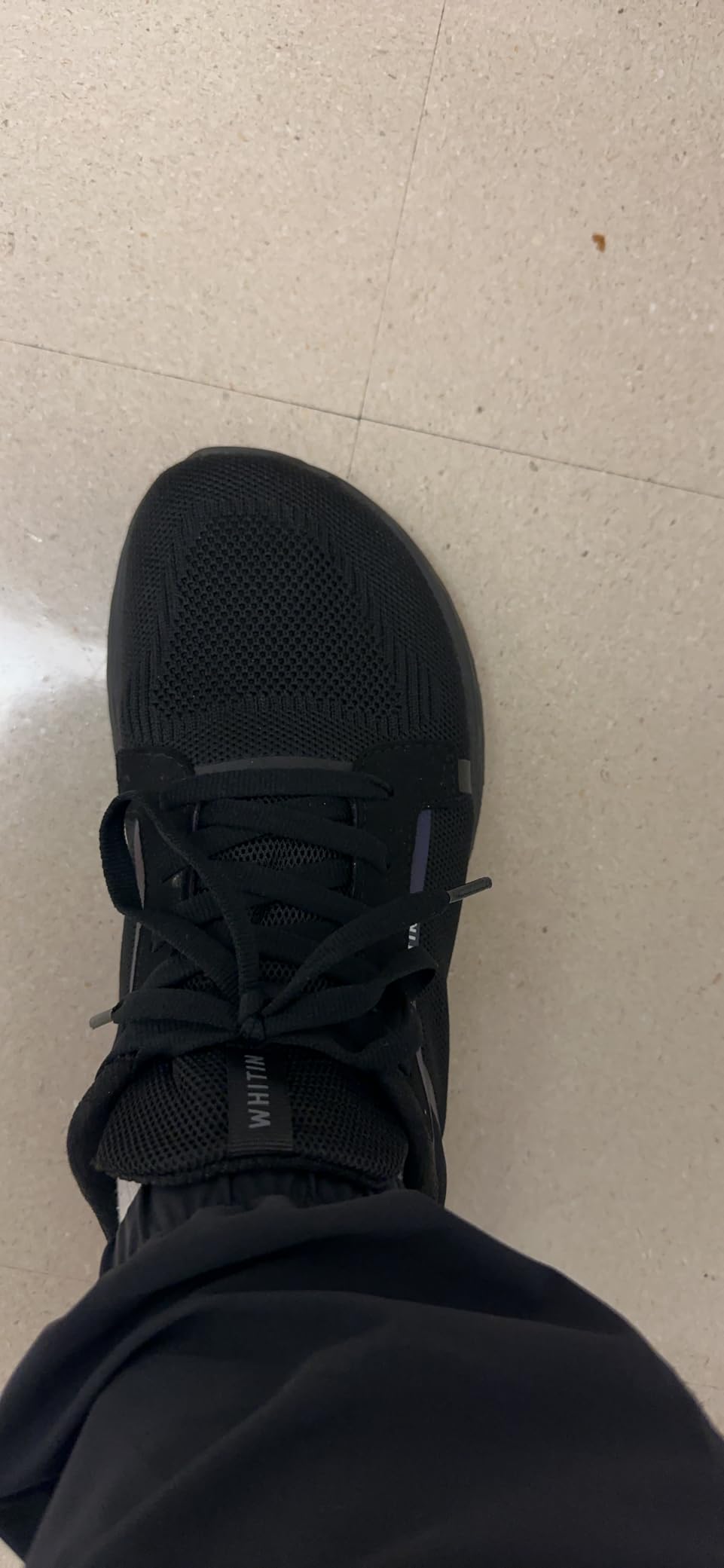
Perfect For:
– Wide-footed individuals who struggle with traditional shoe fit
– Gym enthusiasts wanting a flat, stable platform for lifting and functional training
– Barefoot-curious buyers who want to test wide toe box and zero drop without $120+ investment
– Casual runners logging under 15 miles per week
– Budget-conscious buyers who can tolerate replacing shoes every 6-8 months
– People with bunions or toe crowding seeking immediate relief
Consider Alternatives If:
– High-mileage runners: You need shoes lasting 400+ miles. Look at running shoes with more durable midsoles like Altra Torin or Brooks Ghost.
– Wet weather performance essential: Consider shoes with aggressive tread like Merrell Trail Glove or waterproof trail runners.
– Maximum durability priority: Invest in Vivobarefoot or Lems—they cost 3x more but last 2-3x longer, making cost-per-mile comparable.
– Need arch support: These provide minimal structure. If you have flat feet or high arches requiring support, look for shoes with built-in arch support or plan to add custom insoles.
– Professional slip-resistance required: The tread isn’t aggressive enough for food service or medical environments requiring certified slip-resistant footwear.
Value Assessment: Is $38 Worth It?
At $38, these shoes deliver exceptional value if you understand the limitations. You’re getting:
✅ Wide toe box design comparable to $120+ Altra shoes
✅ True zero drop platform
✅ Adequate cushioning for light running and gym work
✅ Breathable construction that works in warm weather
You’re not getting:
❌ Premium durability (expect 4-8 months depending on use)
❌ Advanced moisture management
❌ Aggressive tread for wet conditions
❌ High-mileage cushioning systems
Cost-per-wear mathematics: At $38 with a 6-month lifespan for moderate use, you’re paying $6.33 per month or roughly $0.15 per wear (assuming 5x/week use). For comparison, a $120 Altra lasting 12 months costs $10/month or $0.23/wear. The WHITIN actually delivers better cost-per-wear for moderate use, especially if you replace them twice per year for $76 total versus one premium shoe for $120.
Rotation strategy: Buying two pairs ($76) and rotating extends each pair’s life to 8-10 months, effectively giving you 16-20 months of footwear for less than one premium pair.
Detailed Performance Scoring
| Performance Category | Score (1-10) | Key Notes |
|---|---|---|
| Wide Feet Comfort | 9.5 | Exceptional toe room, comparable to Altra |
| Normal/Narrow Feet Comfort | 7.5 | Good, but wide design may feel loose |
| Cushioning | 6.5 | Adequate for casual use, minimal for serious training |
| Durability | 5.5 | 150-250 mile ceiling for running, 6-8 months casual |
| Breathability | 8.0 | Mesh performs well in warm weather |
| Traction | 7.0 | Good on dry surfaces, poor in wet conditions |
| Style/Aesthetics | 6.5 | Foot-shaped design takes adjustment |
| Value for Money | 9.0 | Exceptional performance per dollar for intended use |
| OVERALL SCORE | 7.8 | Strong budget option with clear limitations |
Final Verdict
The WHITIN Men’s Wide Toe Box + Zero Drop Road Running Shoes deliver genuine value at $38, but only if you align your expectations with reality. This is a budget shoe that excels at specific tasks (gym training, casual wear, light running) and falls short at others (high-mileage running, wet weather, long-term durability).
If you’ve been curious about wide toe box shoes or barefoot-style running but hesitant about the typical $120+ price tags, this is your affordable entry point. The wide toe box is the real deal—comparable to premium barefoot brands—and for people with wide feet, bunions, or toe crowding, that alone justifies the purchase.
For gym enthusiasts, this shoe punches way above its price class. The flat, stable platform makes it excellent for lifting, and the breathability handles intense training well.
For serious runners logging 30+ miles per week, these aren’t the answer. The durability ceiling (likely under 250 miles) and minimal cushioning make them better suited for occasional runs or as a rotation shoe rather than a primary trainer.
Set realistic expectations, understand the 6-8 month lifespan for moderate use, and these shoes will serve you well. Expect them to last as long as premium shoes, and you’ll be disappointed. At $38, even if they last just 6 months, the cost-per-wear makes them a solid value proposition for the right user.
Frequently Asked Questions
Q: How does sizing work with these shoes?
A: Sizing runs mostly true to size in length, but the wide toe box can make them feel roomier overall. I wear size 10.5 in most brands and found 10.5 in WHITIN fit perfectly with natural toe spread. If you have particularly narrow feet, you might consider sizing down a half size, but most people should stick with their normal size. The toe box is intentionally wide—that’s the design, not a fit issue.
Q: Are these actually good for running?
A: For light to moderate running (under 15 miles per week), yes. The zero drop and wide toe box promote natural form, and cushioning is adequate for shorter distances (3-6 miles). For high-mileage training or marathon prep, no—the minimal cushioning and quick outsole wear make them unsuitable for serious running volume.
Q: How long do they typically last?
A: It depends entirely on use. For gym training and casual wear, expect 8-12 months. For regular running (15-20 miles/week), you’re looking at 4-6 months or roughly 150-250 miles before outsole wear becomes problematic. At $38, even a 6-month lifespan represents solid value compared to $120+ alternatives.
Q: Will the zero drop hurt my feet or legs?
A: Most people experience calf tightness during the first 1-2 weeks, which is completely normal when transitioning from elevated-heel shoes. I felt it during my first week and adapted by week three. Start with shorter wear periods and gradually increase. If you have existing foot or leg issues, consult a healthcare provider before switching to zero drop. The adaptation period is real but manageable for most people.
Q: Can I add my own insoles?
A: Yes, the insoles are removable. The toe box is roomy enough to accommodate moderate insole thickness without crowding your toes. If you need arch support or custom orthotics, you can add them without significantly affecting the wide toe box benefit, though you’ll lose some ground feedback that comes with the stock insole.
Q: How do they compare to expensive brands like Altra?
A: The toe box width is comparable to Altra—genuinely wide, not marketing hype. Where you’ll notice differences: Altra uses more premium materials (better durability), more sophisticated midsole cushioning (longer-lasting responsiveness), and better quality control. For 1/3 the price, WHITIN delivers about 70-80% of the Altra experience. If you need shoes lasting 400+ miles, Altra is worth the investment. For light use or testing the wide toe box concept, WHITIN is excellent value.
Q: Are they slip-resistant for work?
A: Not in the professional sense. The rubber outsole provides adequate grip on dry gym floors and pavement, but the tread pattern isn’t aggressive enough for environments requiring certified slip-resistant footwear (food service, medical). On wet surfaces, I experienced reduced traction that wouldn’t meet professional safety standards.
Q: Can I use these for hiking?
A: For light trail walking on established paths, yes. I tested them on moderate trails and found them adequate for dry, packed surfaces. However, the thin sole provides minimal rock protection, wet traction is poor, and there’s no ankle support. For serious hiking or technical terrain, you’ll want dedicated hiking shoes with more aggressive tread and better protection.
Bottom Line
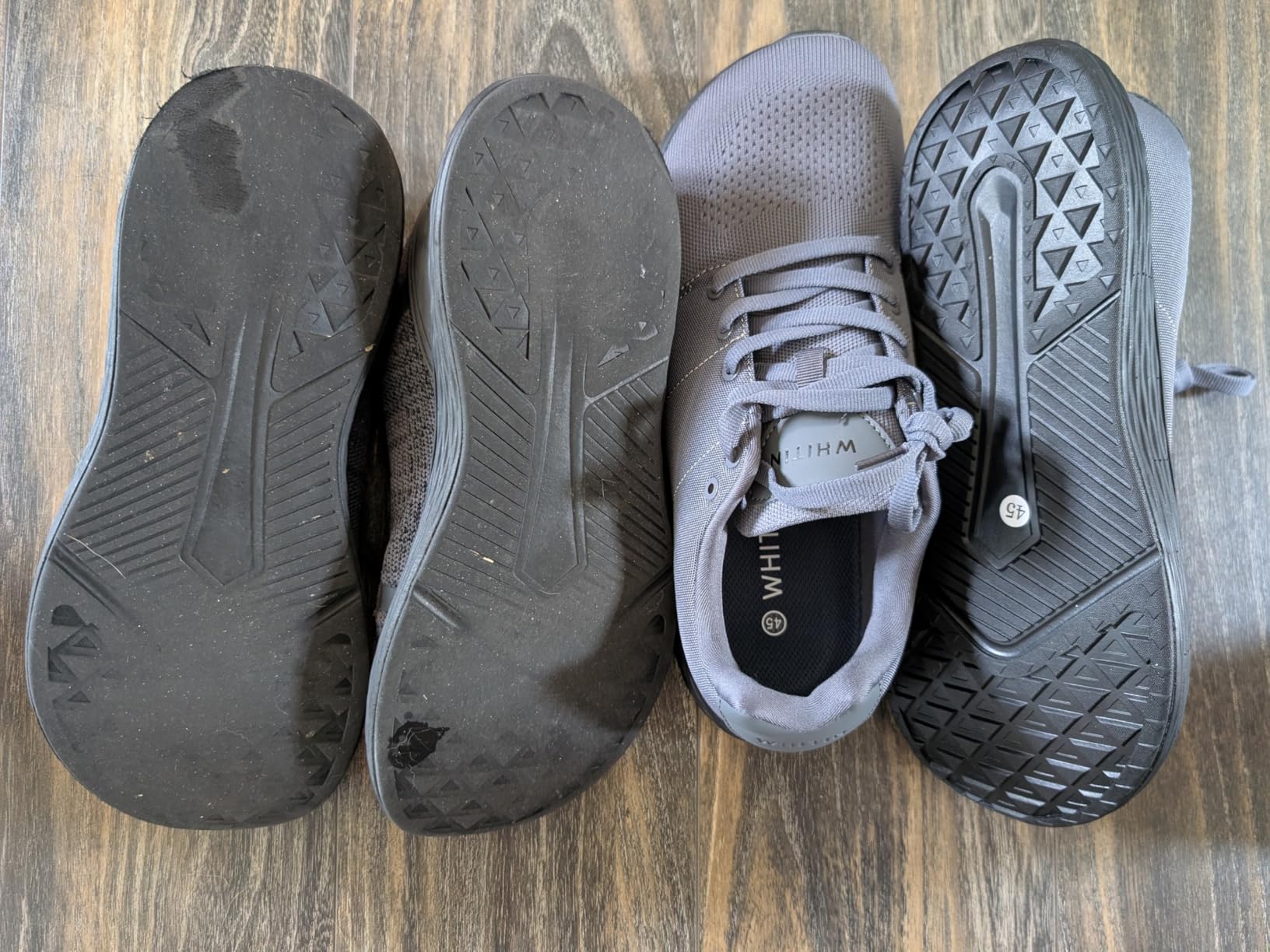
At $38, the WHITIN Men’s Wide Toe Box + Zero Drop Road Running Shoes succeed where it matters most for budget buyers: they deliver genuine wide toe box comfort at an accessible price point. The durability limitations and minimal cushioning are acceptable trade-offs when you’re paying 1/3 the cost of premium alternatives. Buy them for what they are—an affordable introduction to barefoot-style shoes and an excellent gym training option—and they’ll exceed expectations. Expect them to replace $120 marathon trainers, and you’ll be disappointed. For the right use case, these are an outstanding value.
Be the first to review “WHITIN Men’s Wide Toe Box + Zero Drop Sole Road Running Shoes”
Related products
Running Shoes
Running Shoes
Running Shoes

Running Shoes
Running Shoes
Hiking/Trekking Shoes
Running Shoes
Reviews
There are no reviews yet.