
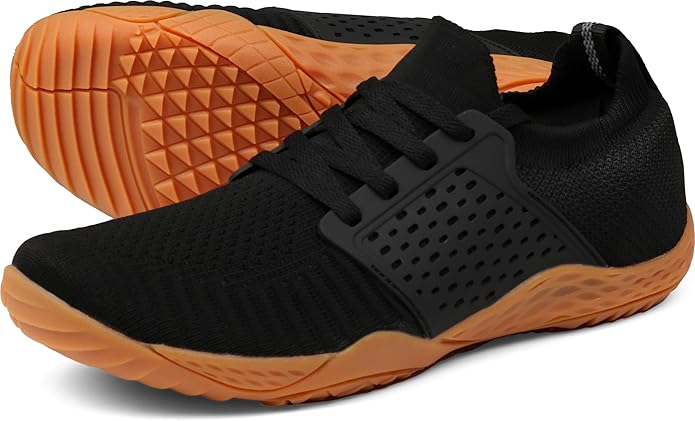
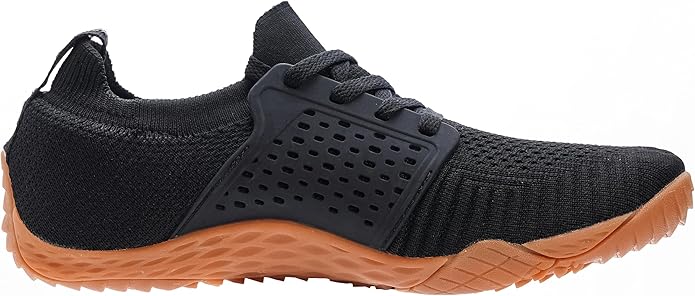
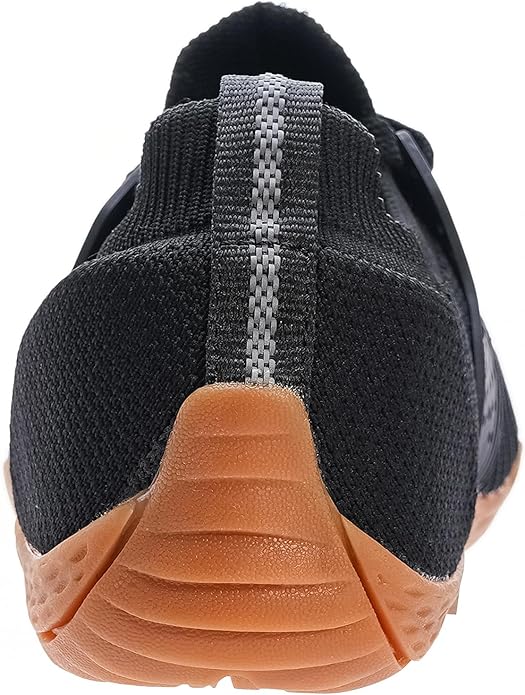
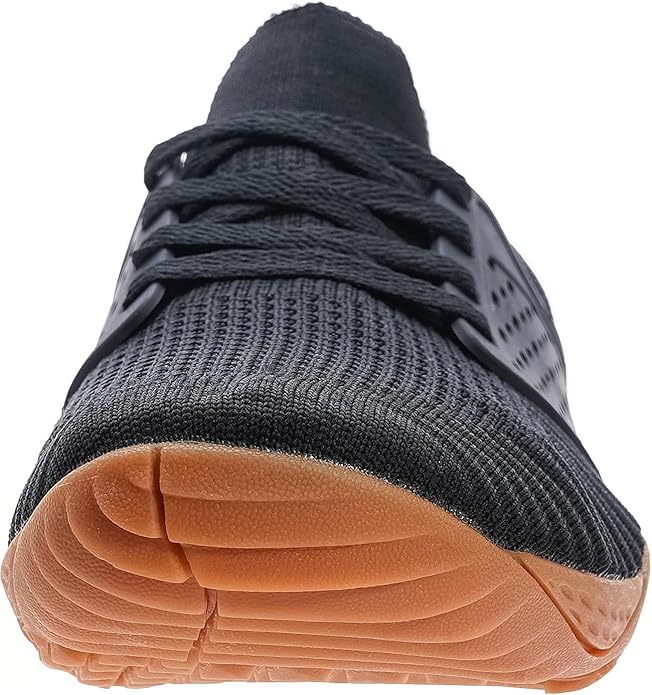
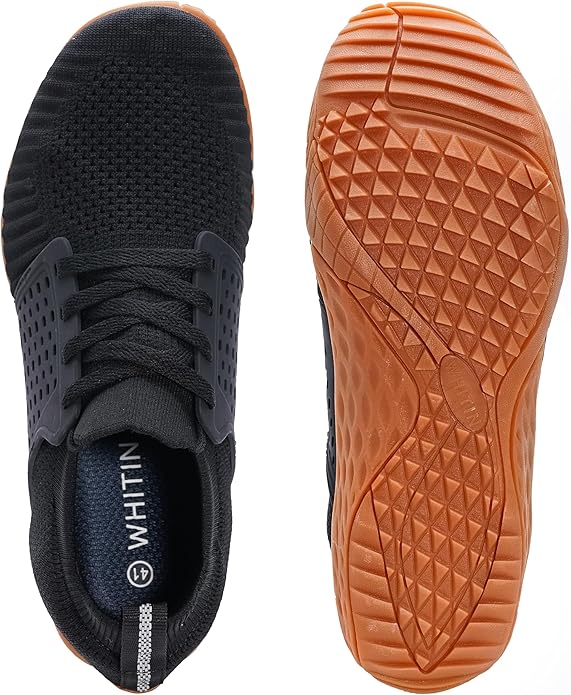
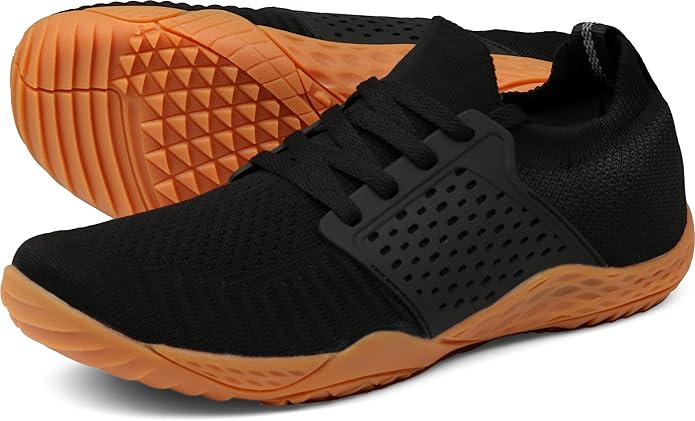
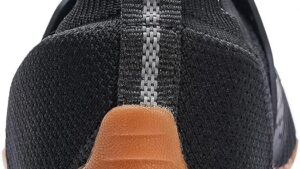
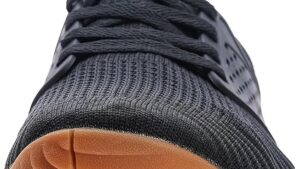
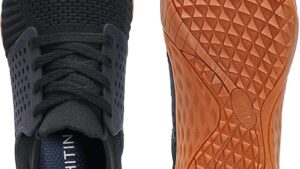
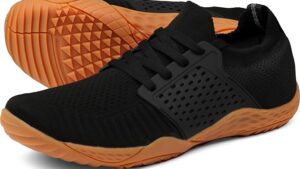
Three years into minimalist shoes, I’ve burned through Xero Prios, Merrell Vapor Gloves, and enough Vivobarefoot pairs to furnish a small closet. So when guys in my CrossFit box started showing up in $45 WHITINs and swearing by them for lifting, my instinct was pure skepticism. I gave them eight weeks anyway — 45 sessions, 120+ miles, every movement from rope climbs to heavy deadlifts. Here’s the honest breakdown, including the insole issue nobody else is documenting.
Quick Verdict — Should You Buy?
Overall: 8.37/10 — Exceptional gym value, short lifespan
Buy these if:
- You train CrossFit or lift 3-5x per week and want ground feedback
- Budget under $60 and curious about barefoot-style training shoes
- You’re comfortable with a 4-6 month lifespan at regular use
- Your sessions are gym-based, not outdoor commuting
Skip these if:
- You run 20+ miles a week and need durable outsoles
- You commute on wet pavement — wet traction genuinely fails
- You have wider-than-average feet (see sizing section)
- You need structured arch support
Cost math: $45 ÷ 5 months avg = $9/month — comparable to $90-150 alternatives when you factor in replacement frequency.
What You’re Actually Buying — Specs That Matter
Before getting into performance, let me translate the marketing into reality:
- Price: $45
- Weight: 8.2 oz (men’s size 9) — you’ll forget you’re wearing them during timed WODs
- Drop: 0mm true zero-drop — your calf will remind you of this fact for the first two weeks
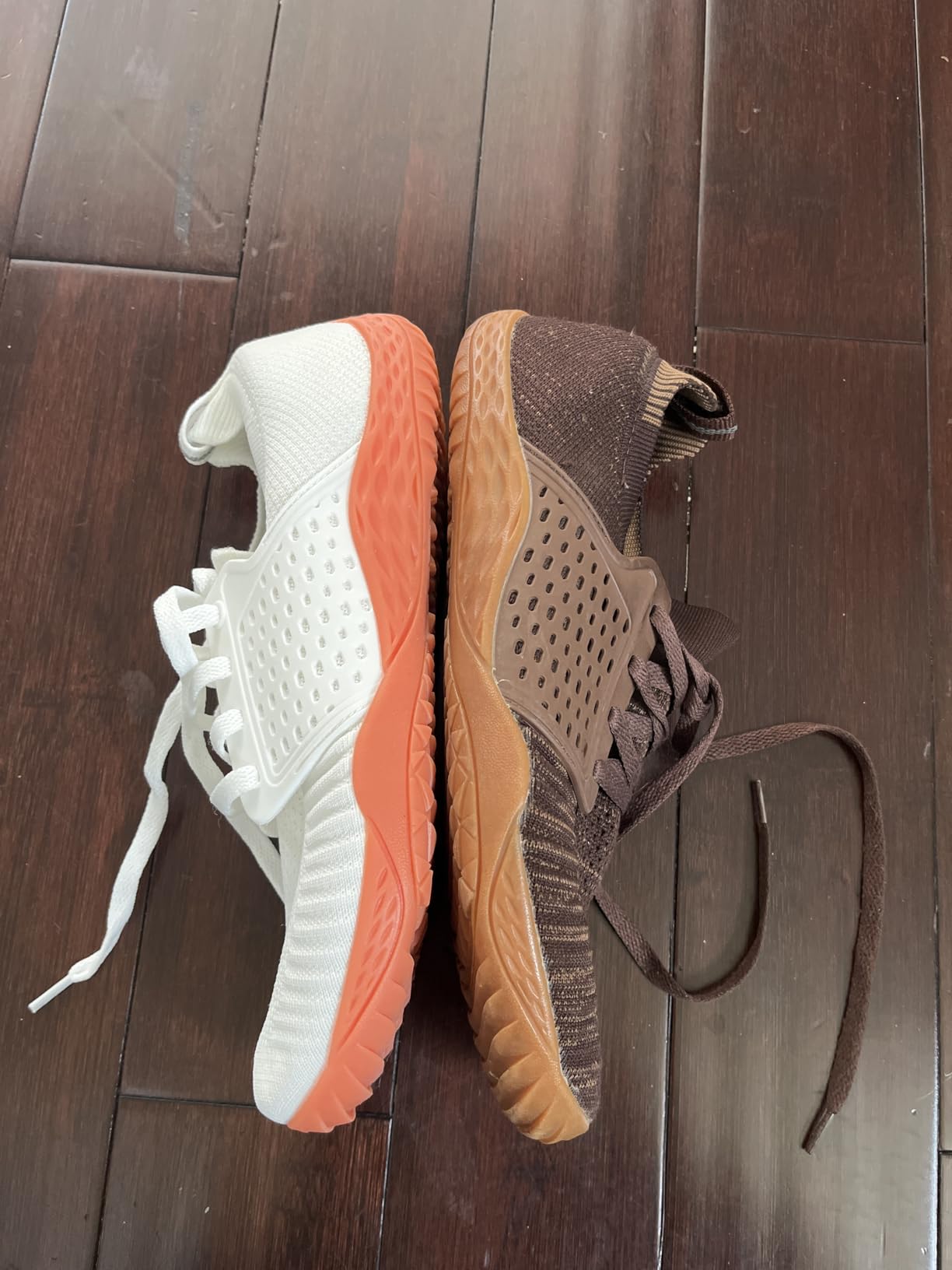
- Stack: 8mm heel / 8mm forefoot — close enough to ground that bar path is visible through your feet during deadlifts
- Midsole: 5mm Power Footbed — responsive for 8 weeks, then compresses into near-nothing
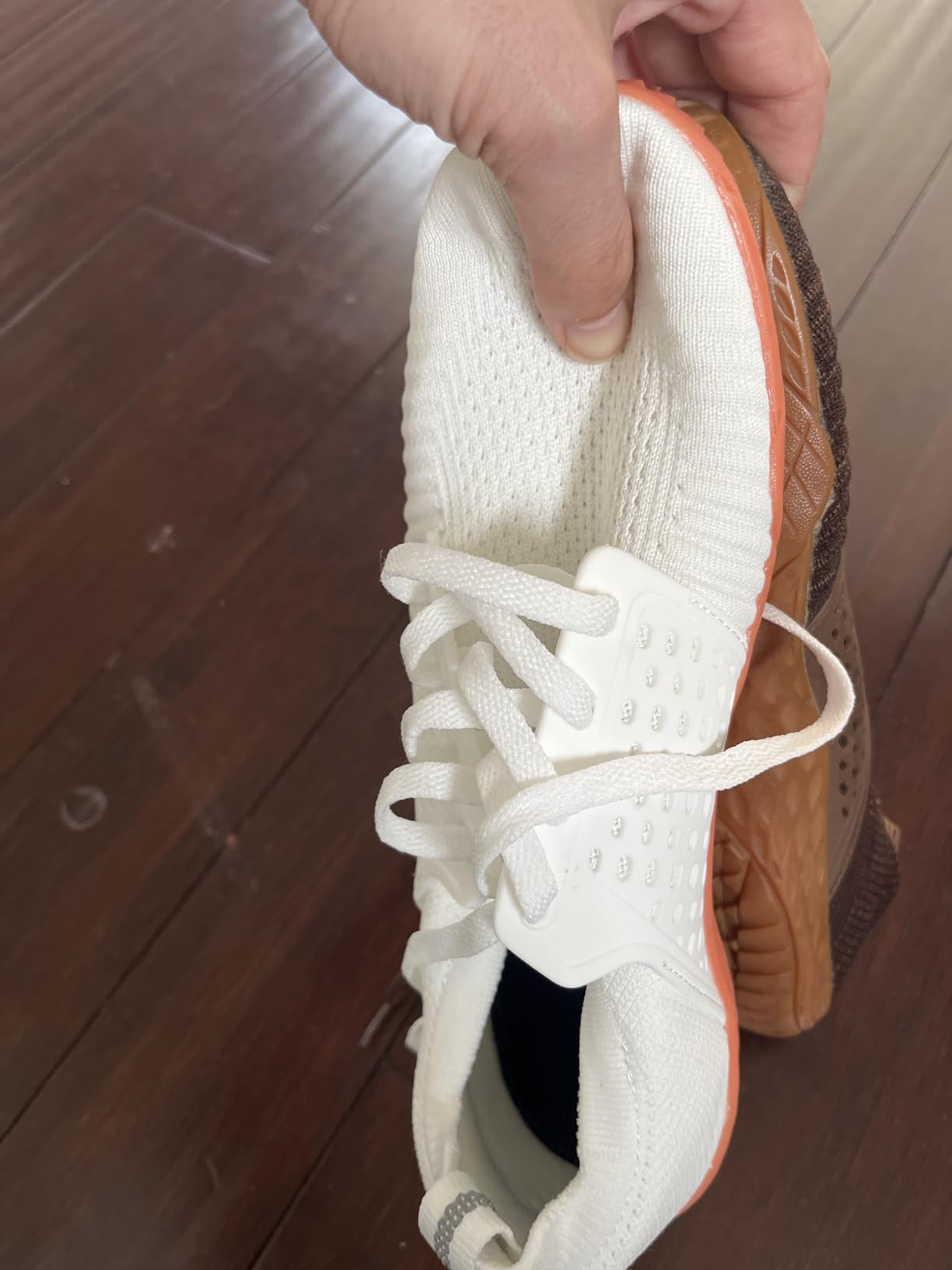
- Upper: Engineered knit mesh — breathes extremely well, causes the insole shift issue I’ll cover shortly
How WHITIN Stacks Up Against Premium Alternatives
| Shoe | Price | Stack | Drop | Weight (M9) |
|---|---|---|---|---|
| WHITIN Barefoot (this shoe) | $45 | 8mm | 0mm | 8.2 oz |
| Xero Prio | $90 | 10mm | 0mm | 9.0 oz |
| Vivobarefoot Primus Lite | $150 | 7mm | 0mm | 7.8 oz |
| Merrell Vapor Glove | $110 | 8mm | 0mm | 8.0 oz |
The specs are nearly identical to shoes costing 2-3x more. The gap shows up in durability and materials, not in the barefoot experience itself. That’s the WHITIN value proposition in one line.
Fit, Sizing & The Insole Shift Problem Nobody Mentions
Sizing: Go Half Up, Non-Negotiable
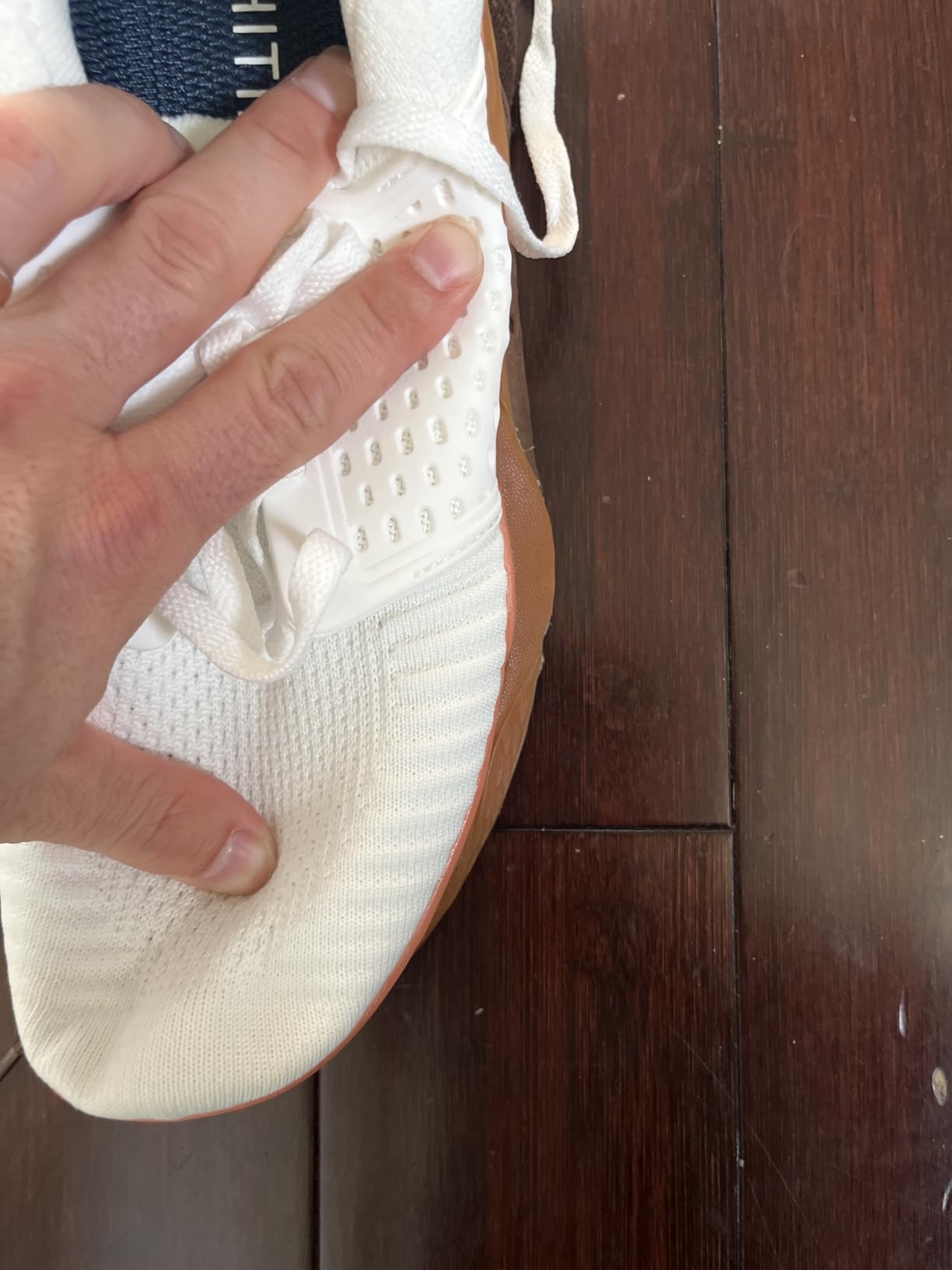
WHITIN runs slightly small. I’m a consistent US 10.5 — the 10.5 felt tight across the toe box by day 3. Size 11 fit correctly. If you’re between sizes, go up. If you’re on the wider side of standard, go up a half size even if you’re not between sizes.
One more note: WHITIN uses EU-to-US conversion on their sizing, which means some half sizes appear missing in certain models. US 8.5, for example, may show as “US 8.5” but corresponds to EU sizing that runs narrower than you’d expect. Check the size chart on each specific listing — the sizing isn’t consistent across their lineup.
The wide toe box is genuine. My toes spread naturally without pressing against the upper, which is the difference between a good training shoe and one that costs you proprioceptive feedback. That said, if your feet are genuinely wide, not just average-to-standard, the “wide” claims fall short — look at MIFAWA’s wide toe box design instead.
The Insole Shift — What Happens After Week 1
This is the issue I haven’t seen documented anywhere, and it’s the most important thing to know about these shoes before buying.
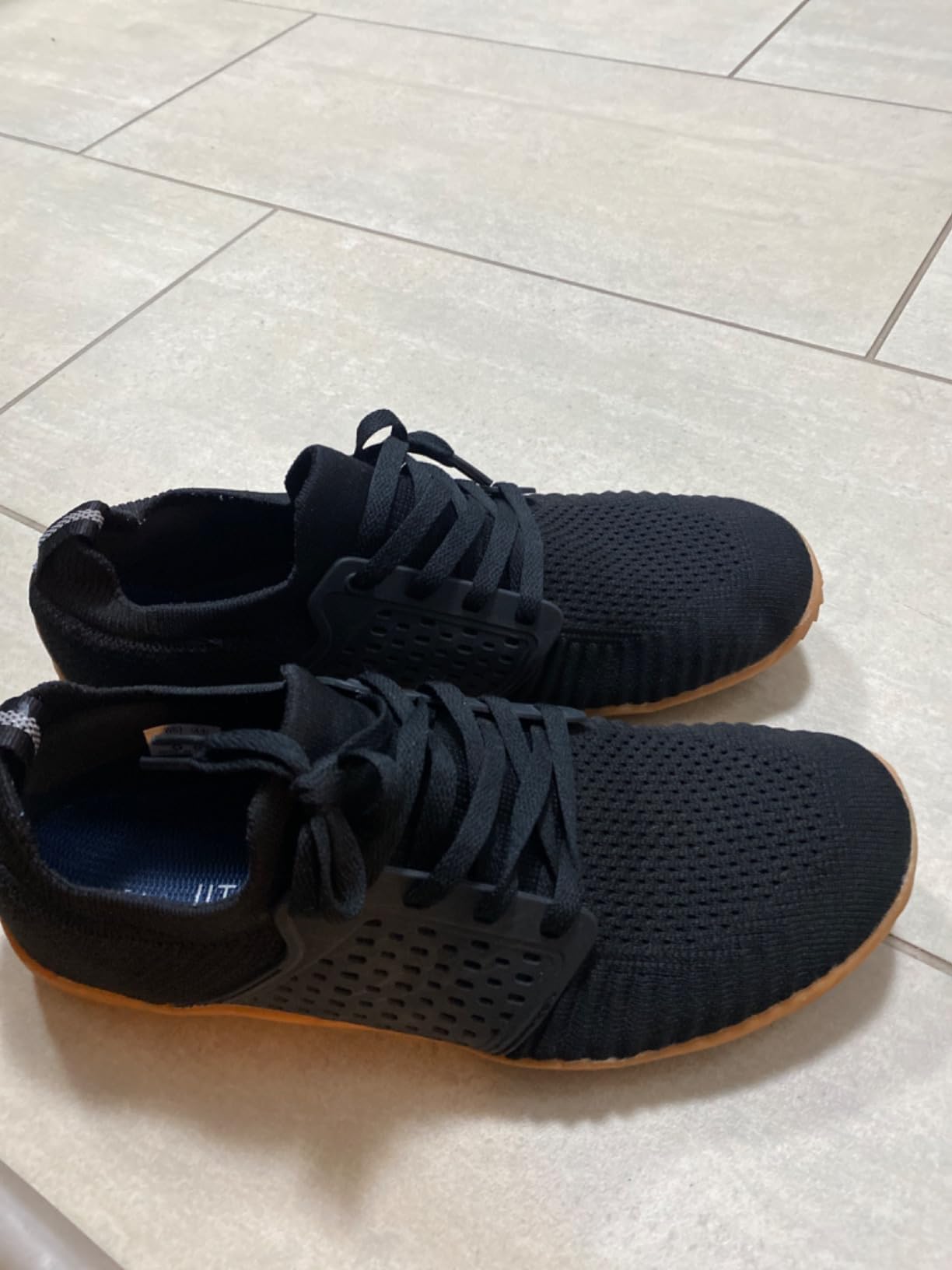
The knit upper stretches under load. Not dramatically — maybe 2-3mm — but enough that the insole no longer sits anchored. By day 5, during lateral movements like burpees and direction changes, the insole migrates toward the toe box. You feel a ridge forming under the ball of your foot. By week 2, it’s consistent during explosive movements.
When it’s annoying: During box jumps and lateral shuffles, you’ll reset the insole mid-session once or twice.
When it’s not a problem: Steady-state cardio, treadmill running, and heavy lifting with controlled foot placement — the insole stays put.
The fix: Either accept it and reset as needed, add a small dab of double-sided insole tape at the heel, or — my eventual preference — remove the insole entirely for a truer barefoot feel during lifting sessions.
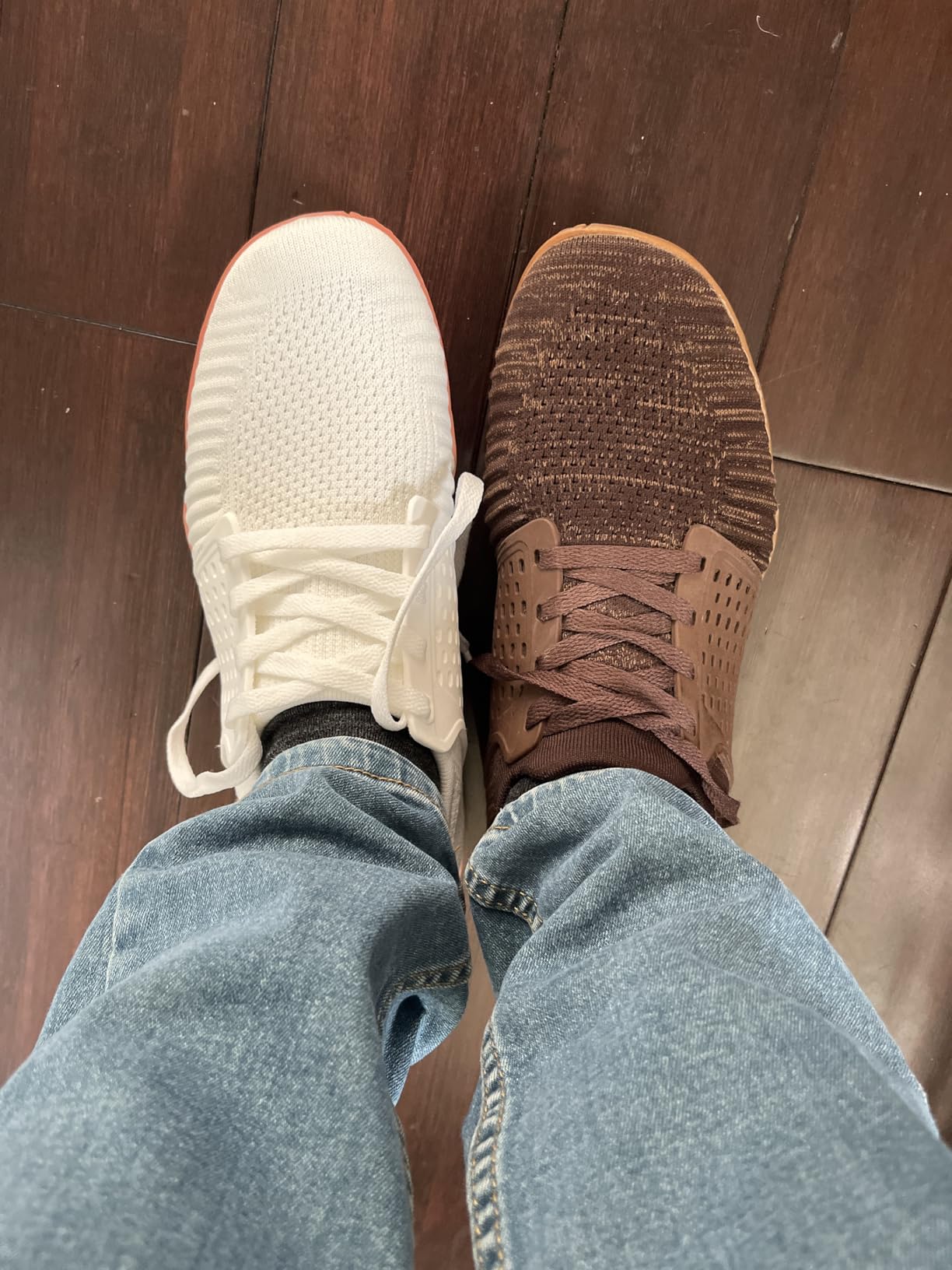
Removing the insole is actually interesting. The 5mm Power Footbed adds cushioning but also adds the slightest effective drop when compressed underfoot. Barefoot: zero footbed, immediate ground contact, zero compromise on the zero-drop claim. The interior is comfortable enough without it during strength sessions. I ran with it removed for the last three weeks of testing — no regrets.
Ground Feel & What Zero-Drop Actually Does to Your Body
Week-by-Week Calf Adaptation (Plan for This)
Zero-drop isn’t a marketing term here — it’s a physiological challenge. Your calf complex goes from being underloaded in cushioned shoes to doing serious work. Here’s the honest timeline:
- Days 1-2: Calf tightness at rest. Not painful, but definitely there.
- Days 3-5: Calf burn during sessions, especially squats and standing movements. Some people quit here — don’t.
- Week 2: Soreness fades; calf activation becomes normal. You stop noticing it during workouts.
- Week 3+: Full adaptation. Zero-drop feels natural. Going back to cushioned shoes feels like wearing platforms.
If you’re coming from a 10mm+ drop daily shoe — Nike, Brooks, ASICS — budget an extra week. The bigger the drop you’re leaving behind, the longer the adaptation. Coming from Altra or another zero-drop shoe? Day 1 feels normal.
Proprioceptive Feedback: Where This Shoe Earns Its 9.0/10
Eight millimeters of stack sounds minimal until you compare it to what it delivers for lifting. During deadlifts, I can feel the balance between heel and forefoot through the sole. When my weight shifts too far toward my toes at the top of a pull, the shoe tells me — immediately and specifically. No cushioned running shoe does this.
Squats are the same story. Foot position matters at depth, and at 8mm stack, micro-corrections happen automatically because you can feel what your foot is doing. Three guys in my CrossFit box switched to barefoot-style training shoes after watching my squat numbers climb — the ground connection makes a real difference.
The limitation is impact. Short bursts on the treadmill (1-2 miles) feel fine. Anything over 3 miles starts registering as impact fatigue in your feet rather than muscular fatigue in your legs. These aren’t distance running shoes — use them as training shoes and they deliver.
Gym Performance — Movement by Movement
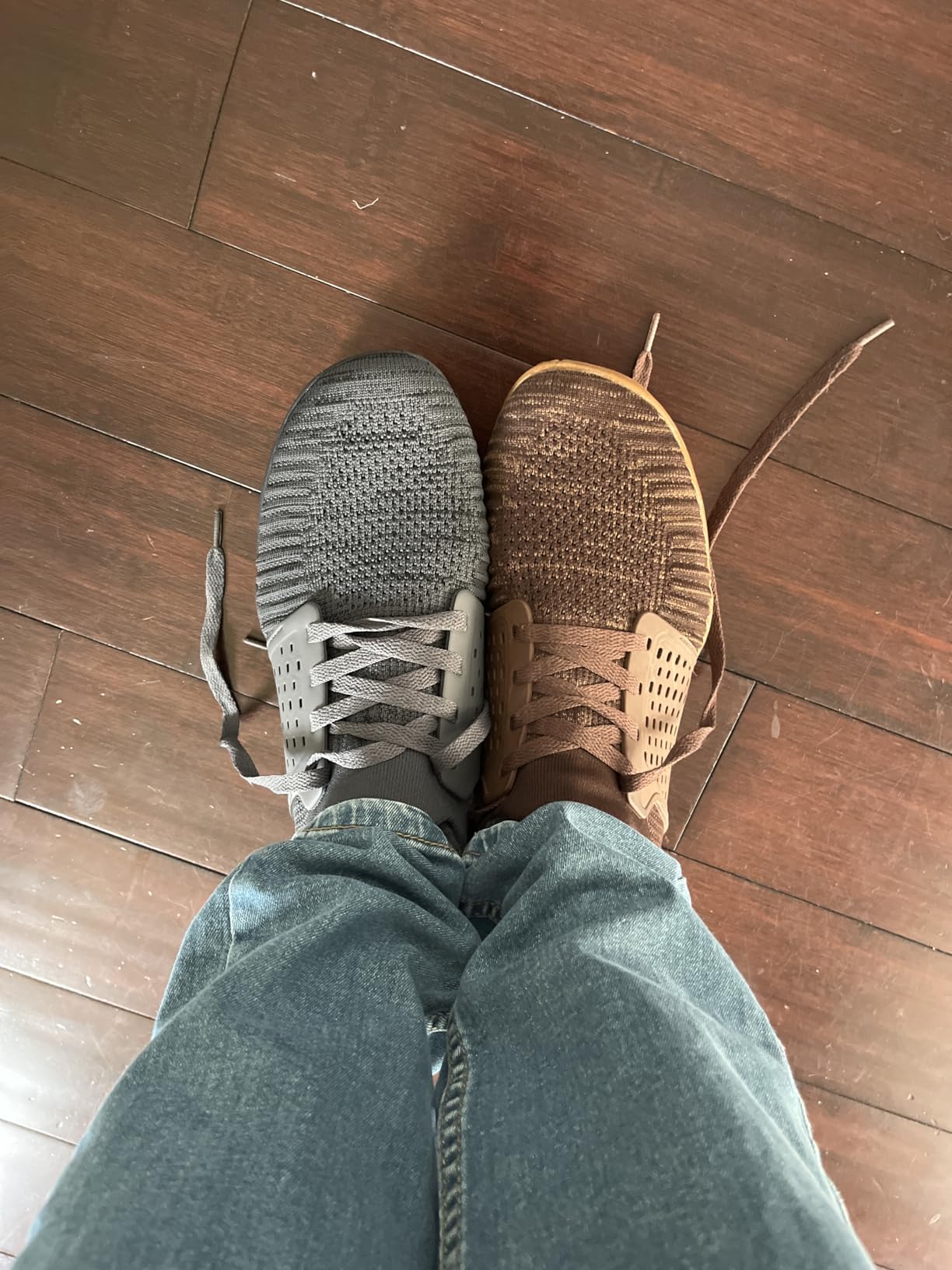
45 sessions covered every corner of a CrossFit box. Here’s the honest breakdown by movement category:
Strength Training: 9.5/10
Deadlifts and squats are where WHITIN is genuinely exceptional. The 8mm stack puts your foot close enough to the floor that the bar path is visible through proprioceptive feedback. I pulled my best training weights during weeks 4-6 of this test — not a coincidence. The flat, stable platform eliminates the forward lean you get from cushioned heels, which means better hip hinge mechanics and more honest form cues.
Overhead press: solid, though your calves fatigue before your shoulders at higher rep ranges. This isn’t a flaw — it’s zero-drop working as intended. Your stabilizer chain stays engaged throughout.
CrossFit WODs: 8.5/10
Rope climbs — no issues. The knit upper wraps your ankle without restricting it, and grip during foot-wrap technique is clean. Box jumps performed well even landing off-center. The lateral stability is better than I expected from a shoe with no structured midsole support — the wide base does the work.
Burpees are where the insole shift peaks. Fifty consecutive burpees will move that insole every time. Factor this in during AMRAPs or high-rep metcons — you’ll reset mid-workout once or twice.
Cardio / Treadmill: 7.5/10
Short sessions, completely fine. The minimal cushioning encourages a natural midfoot strike, which actually cleaned up my form on short intervals. For anything over 3 miles or sustained daily running, the stack is insufficient. These belong in your training shoe rotation, not your dedicated running shoe slot.
Daily Wear: 8.0/10
Eight-hour days are manageable — I wore these as my daily shoe during the first three weeks of testing. The knit breathes well enough that no hotspots developed even during full days. The limitation is cumulative impact on hard concrete floors. By hour seven on pavement, foot fatigue registers. On gym flooring or softer surfaces, all day is genuinely fine.
Where WHITIN Fails — Don’t Skip This Section
Wet Surfaces Are Genuinely Dangerous
Week 3, I wore these for a morning coffee run. Light rain, normal city pavement. Walking out of the coffee shop, I slipped enough to grab the door frame. Not a fall, but a real near-incident.
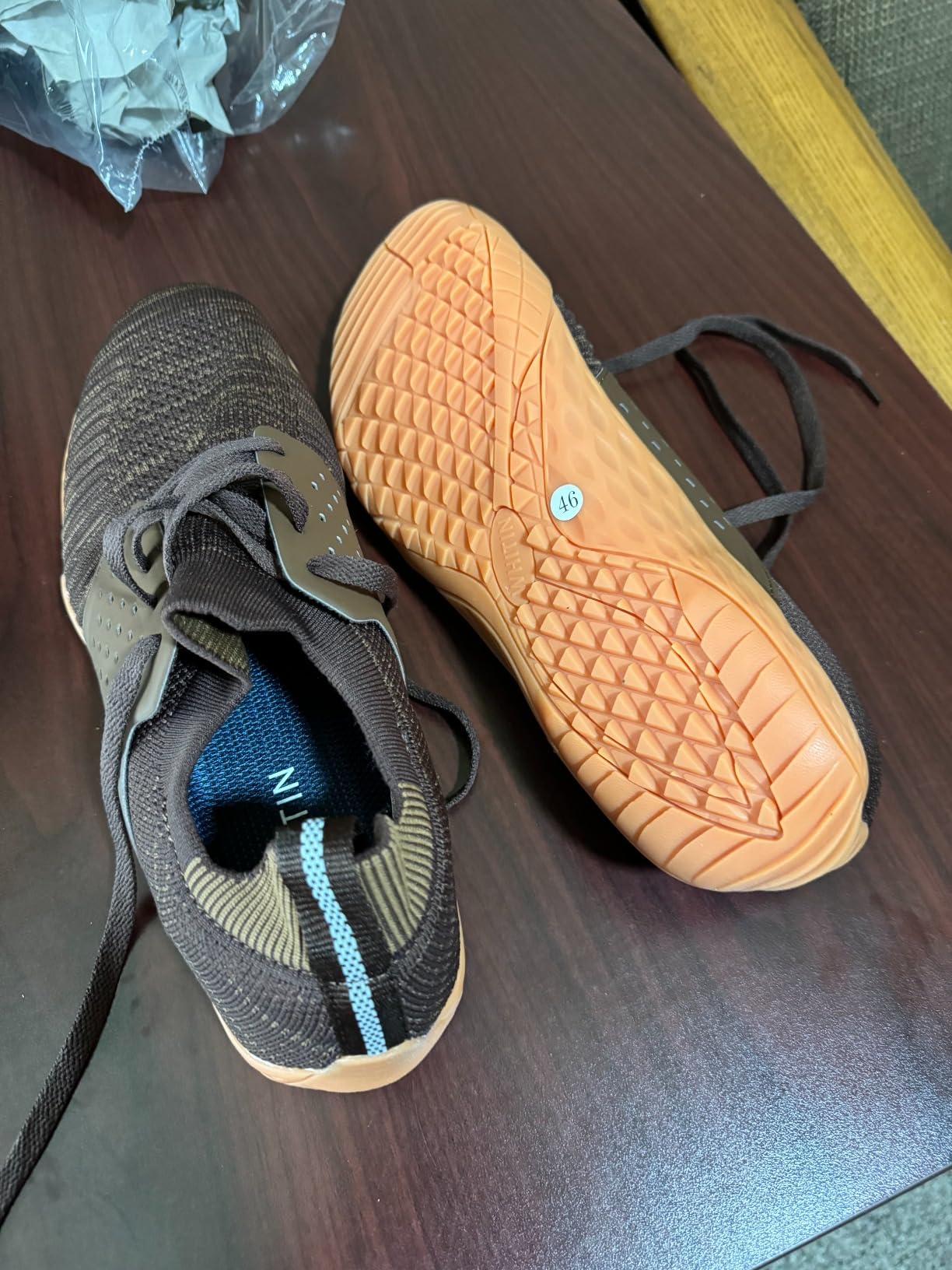
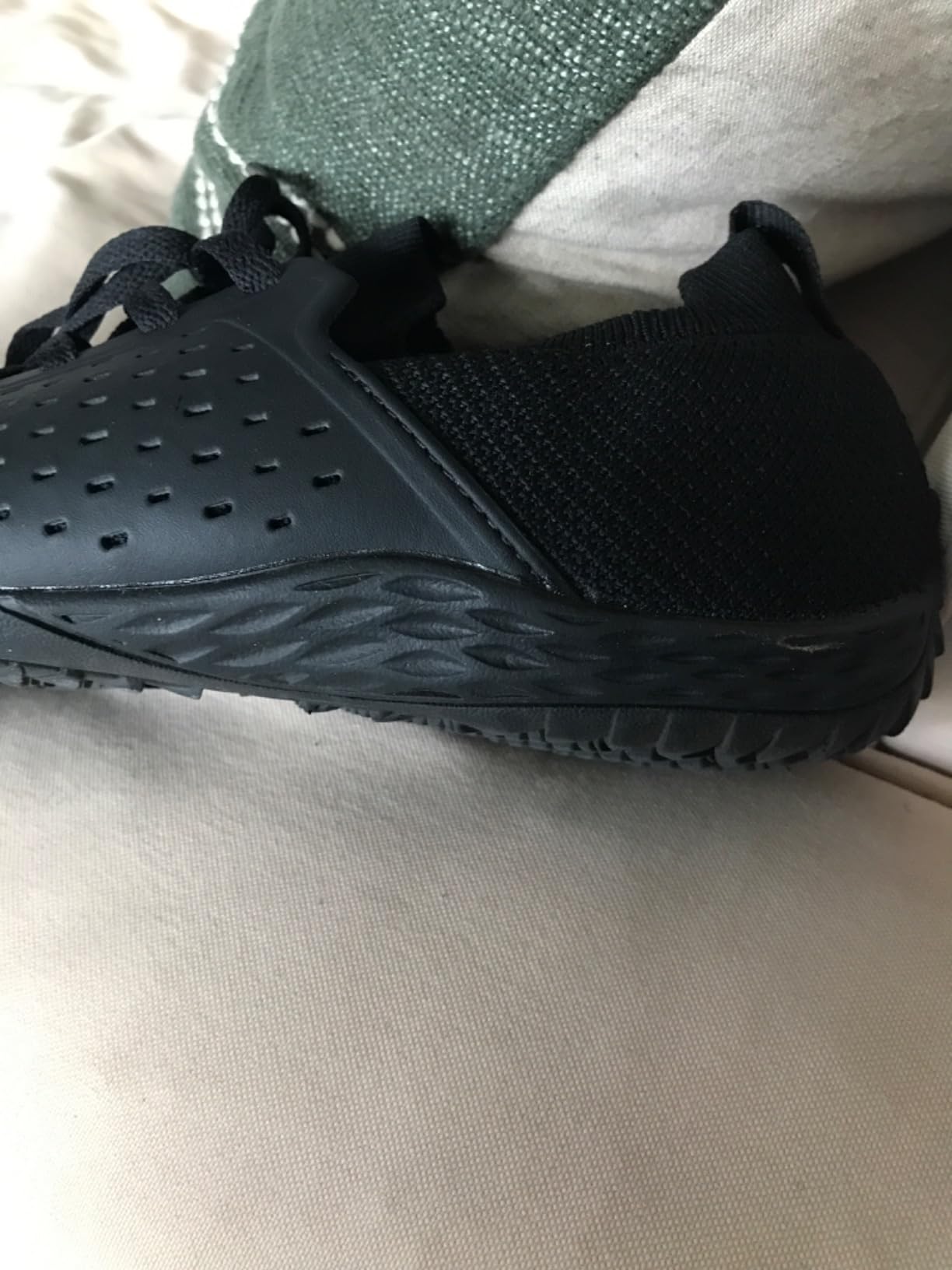
The rubber outsole is optimized for dry gym flooring. On wet concrete, smooth tile, or any rain-slicked surface, traction drops from an 8/10 to roughly a 4/10. This isn’t a design flaw — WHITIN clearly built these for gym use, not weather commuting. But if you’re buying these as an all-purpose daily shoe, understand that rain days require a different choice.
Durability Timeline — What to Expect
This is the honest curve:
- Weeks 1-4: Fresh, grippy, full ground feel. This is the honeymoon phase.
- Weeks 5-6: First visible wear on forefoot contact points. Midsole starts compressing. Still excellent.
- Weeks 7-8: Tread reduction noticeable. Midsole packed down noticeably — ground feel at maybe 80% of original. Insole shift now predictable rather than surprising.
- Month 3-4: Tread mostly gone on contact zones. Midsole near fully compressed. Replace if gym performance matters to you.
- Month 8-12 (casual use only): If you wear these 1-2x per week for light gym or daily walking, they’ll last significantly longer. The casual user lifespan is legitimate.
The outsole is the primary failure point. The upper and knit construction hold up fine — after 8 weeks and 45 sessions, no fraying, no seam separation. The tread just isn’t built for marathon-level abrasion.
Trail Marketing Claim: PARTIALLY TRUE
WHITIN markets these as “trail-ready,” and I’d call that generous. Light dirt paths and groomed trails — fine. Rocky terrain, loose scree, steep descents — the 8mm stack offers minimal rock protection and zero ankle stability above standard flat movement. If you want a genuine WHITIN trail shoe, look at their dedicated trail runner model — different construction, deeper lugs, built for actual trail use.
The Real Cost — Price, Lifespan, and Monthly Math
Here’s where the budget math actually gets interesting:
| Shoe | Price | Expected Lifespan (Regular Use) | Cost/Month |
|---|---|---|---|
| WHITIN Barefoot | $45 | 4-6 months | $7.50-$11.25 |
| Xero Prio | $90 | 8-12 months | $7.50-$11.25 |
| Vivobarefoot Primus Lite | $150 | 14-18 months | $8.33-$10.71 |
| Merrell Vapor Glove | $110 | 10-14 months | $7.86-$11.00 |
The monthly cost converges. What WHITIN gives you that the others don’t: a $45 trial cost if you hate barefoot shoes. That’s the real argument for WHITIN as a first barefoot shoe — the financial risk of “this isn’t for me” is minimal. If you’re already a committed barefoot user planning a 2+ year run in one shoe, Vivobarefoot’s durability advantage eventually pays off. But for most gym athletes cycling through shoes at reasonable intervals, WHITIN’s monthly cost is genuinely competitive.
Decision framework:
- Never worn barefoot shoes: Buy WHITIN. $45 experiment. If you love it, upgrade path is clear.
- Gym-focused, fine with annual replacement: Buy WHITIN. Best value for this use case.
- Distance runner, 20+ miles/week: Skip WHITIN. Need dedicated running shoes with durability for your mileage.
- Want one shoe for 2+ years: Save for Vivobarefoot. Higher monthly cost at first, better long-term math.
WHITIN vs. Competitors — Head-to-Head + Model Confusion Clarified
vs. Xero Prio ($90): The Natural Comparison
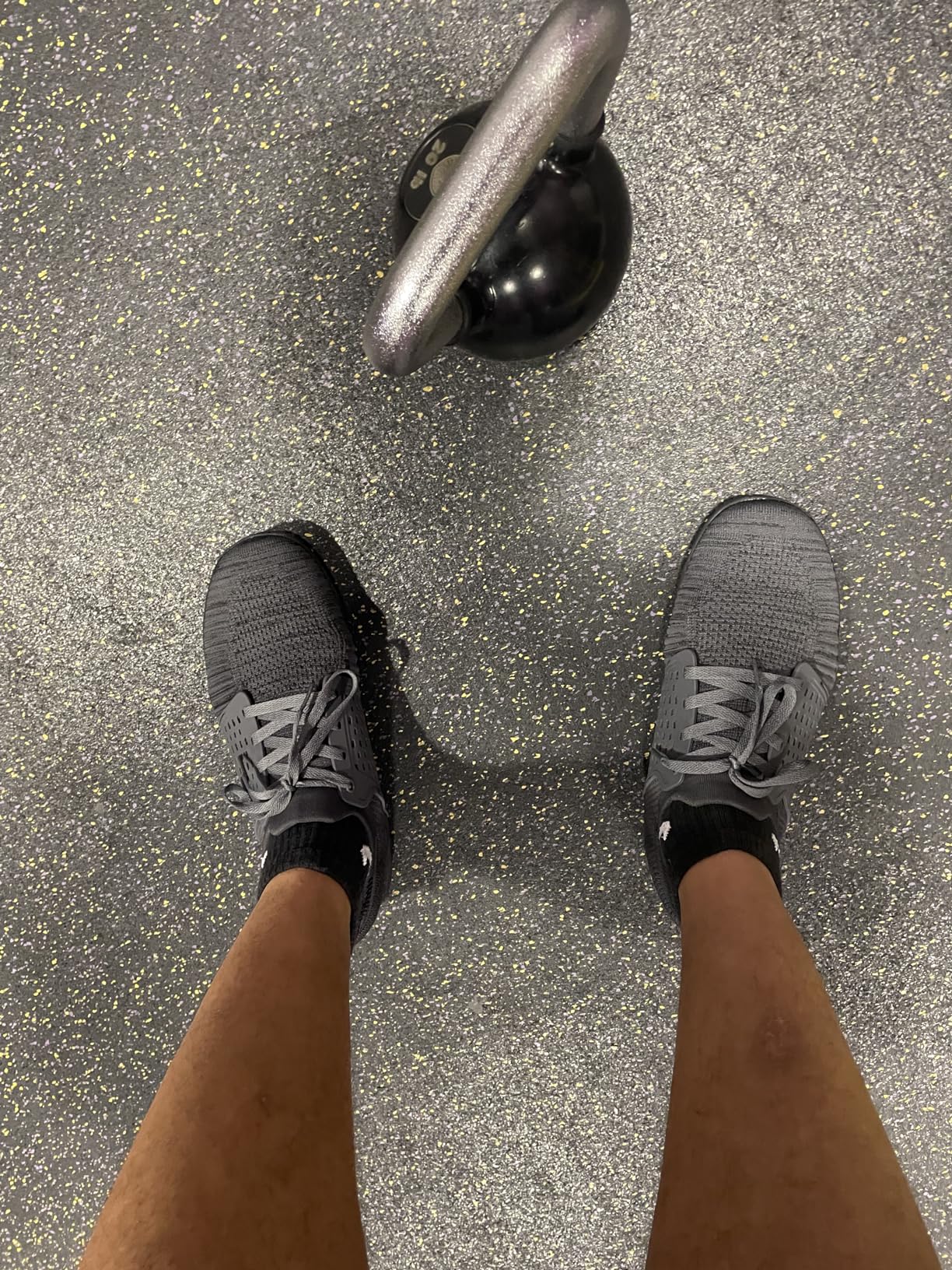
WHITIN wins on price and gym ground feel. Xero wins on durability, wet traction, and insole stability. Monthly cost is nearly identical. If budget is tight, WHITIN is the clear choice. If you’ve already tried barefoot and want something that lasts, Xero justifies the extra $45.
vs. Vivobarefoot Primus Lite ($150): Budget vs. Investment
Vivobarefoot is better at almost everything except price. The materials are higher quality, the insole doesn’t shift, the durability is 3x longer, and the construction feels more intentional. If you’re a committed barefoot user, Vivobarefoot is worth the investment. If you’re uncertain about barefoot at all, spending $150 to find out is the wrong call — that’s exactly what WHITIN solves.
The Critical Confusion: Which WHITIN Are You Buying?
WHITIN makes at least five distinct models, all similarly named, all showing up in the same Amazon search. Getting the wrong one is easy and disappointing:
| Model | Upper | Stack | Best For | Price |
|---|---|---|---|---|
| Men’s Barefoot Running (THIS REVIEW) | Knit mesh | 8mm | Gym, CrossFit, daily wear | $45 |
| Canvas Barefoot Sneakers | Canvas | 8mm | Casual wear, light gym | $35-40 |
| Zero Drop Running (cushioned) | Mesh | 15mm+ | Distance running, more cushion | $50-60 |
| Minimalist Trail Runner | Reinforced mesh | 10mm | Light-to-moderate trail | $55-65 |
| Slip-On Casual | Various | 8mm | Casual, no workout | $35-45 |
If you’re here for gym use, the knit version reviewed here is your target. The canvas version looks similar but performs differently. The cushioned zero-drop version is for distance running — different shoe entirely. Check the product title carefully and confirm “knit mesh upper” in the description before ordering.
One more note on origins: WHITIN is a private label brand that shares manufacturers with Joomra and Hobibear. If you’ve ever bought a Joomra running shoe from Amazon, you’ve essentially bought the same supply chain. This doesn’t make them inferior — plenty of good shoes come from shared manufacturing — but it explains why quality is consistent across these budget brands and why upgrades like the Airhas Zero Drop and Relxfeet Barefoot also offer similar performance at similar prices. Competition in this bracket is real.
Who Should Actually Buy These
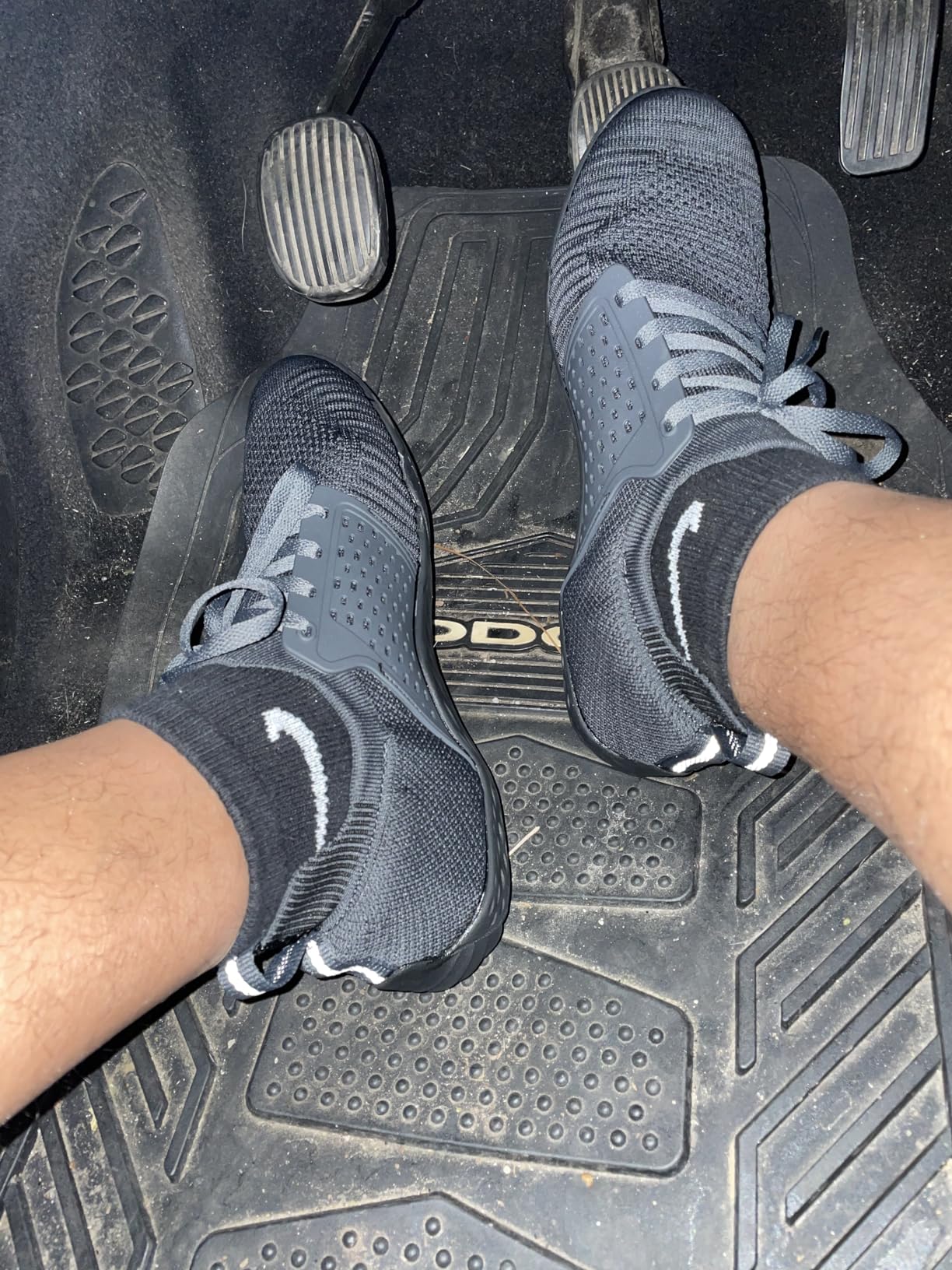
CrossFit athletes: Yes, without hesitation. Rope climbs, WODs, box jumps — these perform well and the $45 price makes replacement a non-event. The three guys in my box who switched in have all stayed switched.
Powerlifters and strength-focused gym goers: Yes, especially for the ground feel during deadlifts and squats. The proprioceptive feedback at 8mm stack is genuinely useful for form development. The zero-drop positioning improves hip hinge mechanics. This might be the best use case in the lineup.
Barefoot shoe beginners: Yes, as long as you plan the calf adaptation properly. Budget two weeks of soreness, stick with it, and you’ll be rewarded. Spending $45 to discover whether barefoot training works for you is a reasonable risk. If it doesn’t — you’re out $45. If it does — you have a clear upgrade path to dedicated barefoot shoes like the Hike Barefoot or UBFEN Minimalist.
Casual gym goers (1-2x/week): Strong yes. At 1-2 sessions per week, these will last 8-12 months. Cost-per-month at that pace is under $5. Hard to argue against.
Women shopping for WHITIN: This review covers the men’s knit version. WHITIN makes a women’s barefoot version with similar construction and comparable performance — separate review warranted, but the general findings on sizing, insole shift, and gym performance are likely parallel.
Skip these if you: run serious weekly mileage, commute in rain, have very wide feet, or need the shoe to last 18+ months without replacement. For those needs, look at the Xero Prio or Vivobarefoot — different price tier, different durability ceiling.
Scoring Breakdown
| Category | Score (1-10) | Weight | Weighted | Notes |
|---|---|---|---|---|
| Ground Feel | 9.0 | 20% | 1.80 | Exceptional proprioceptive feedback during deadlifts, squats, rope climbs |
| Gym Performance | 9.0 | 20% | 1.80 | CrossFit WODs, strength training excel; treadmill adequate but not its strength |
| Value / Cost-Per-Month | 9.5 | 15% | 1.43 | $45 entry; monthly cost equals premium alternatives; best trial price in category |
| Durability | 6.8 | 15% | 1.02 | Tread visible wear week 7-8; 3-4 months heavy / 8-12 months casual lifespan |
| Comfort / Fit | 8.5 | 10% | 0.85 | Zero break-in; insole shift annoying not dangerous; size up half |
| Breathability | 8.8 | 10% | 0.88 | Knit mesh genuinely excellent; no hotspots in 90-minute sessions |
| Wet Weather / Traction | 4.0 | 10% | 0.40 | Fails on wet surfaces; near-incident on rain-slicked pavement; dry gym only |
| Weighted Overall | 8.37 | 100% | 8.37 | — |
Performance by Phase (Realistic Timeline)
| Phase | Weeks | Performance | What to Expect |
|---|---|---|---|
| Transition | 1-2 | 7.5/10 | Calf soreness, insole shift discovery, adapting to zero-drop |
| Prime Window | 3-6 | 9.2/10 | Peak performance — ground feel, gym confidence, insole shift managed |
| Degradation Begins | 7-8 | 8.0/10 | First tread wear visible; performance still good; durability clock running |
| End of Life (Heavy Use) | Month 3-4 | 6.5/10 | Tread compressed; midsole packed down; replacement time |
Final Verdict
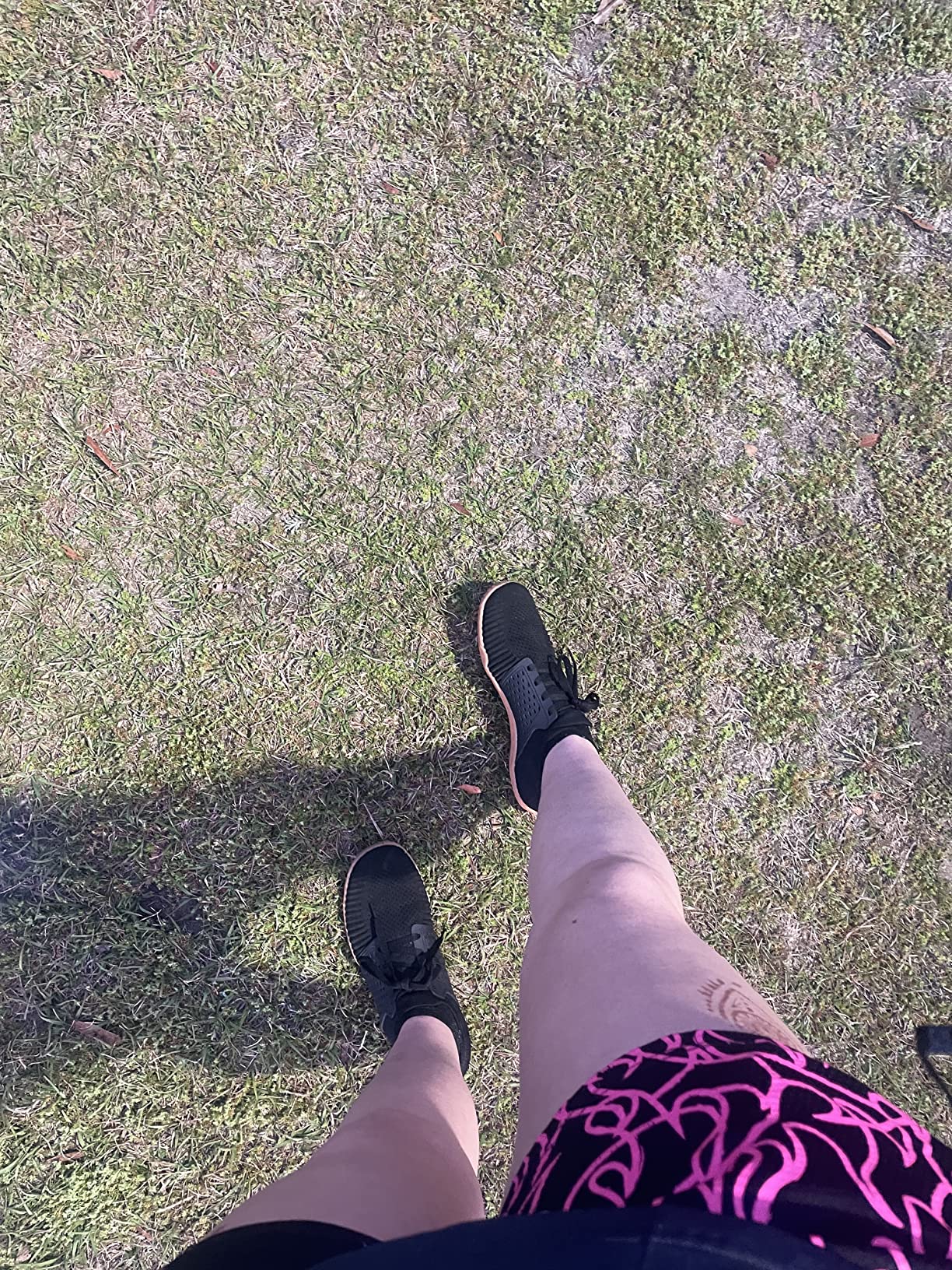
Eight weeks and 45 sessions confirmed what the skeptic in me didn’t want to admit: WHITIN built a genuinely capable gym shoe at $45. The ground feel during lifting is legitimately excellent — not “good for the price,” just good. The CrossFit performance held up across every movement category. The zero-drop implementation is real.
The limitations are real too. The insole shifts. The tread wears faster than I’d like. Wet pavement is legitimately hazardous. These are not a premium shoe at a budget price — they’re a budget shoe with premium-caliber gym performance, which is a different and more honest thing.
At $45, the decision calculus is simple: if you’re curious about barefoot training shoes and haven’t tried them, the financial risk of buying WHITIN is lower than your monthly coffee budget. Buy them, give the calf adaptation two weeks, and make an informed decision from there.
If you already love barefoot and want something that lasts — buy these as a gym-only beater pair and keep a premium option for daily commuting. That’s actually how I use mine now.
Overall: 8.37/10 — Recommended for gym athletes and barefoot beginners on a budget.
Frequently Asked Questions
What size should I order?
Size up half from your normal size. I wear US 10.5 in most shoes — the 10.5 WHITIN was tight by day 3. US 11 fit correctly. If you’re between sizes, go up. If you’re on the wider side of standard, go up half even if you’re not between sizes.
What’s the insole shifting issue and how do I fix it?
The knit upper stretches slightly under load, which allows the insole to migrate toward the toe box during lateral and explosive movements. It shows up most during burpees, box jumps, and direction changes. Fixes: reset mid-session (annoying but effective), add insole tape at the heel, or remove the insole for a purer barefoot feel. The third option works well for pure lifting sessions.
How long do these actually last?
Heavy gym use (45 sessions in 8 weeks plus daily wear): 3-4 months before tread is gone. Regular gym use (3-4 sessions per week, not daily wear): 4-6 months. Casual use (1-2 sessions per week): 8-12 months. The outsole is the primary failure point; the upper holds up significantly longer.
Are these good for lifting — squats and deadlifts specifically?
Yes. This is arguably the best use case. The 8mm stack and zero-drop combination gives proprioceptive feedback that cushioned shoes can’t replicate — you feel weight distribution and bar path through your feet. Form cues are immediate. Three people in my CrossFit box specifically bought these after seeing improvement in my lifting movement quality.
Can I use these for running?
Short treadmill sessions (1-2 miles) and sprint intervals — fine. Daily running or distances over 3 miles — not recommended. The 8mm stack provides insufficient impact protection for sustained mileage, and the outsole durability under 150 miles of road running is a common complaint. Look at dedicated running shoes if running is your primary use case.
Are these OK for people with plantar fasciitis?
Reports are mixed, and the honest answer is: it depends on your specific plantar fasciitis. Zero-drop shoes strengthen foot muscles and reduce heel loading, which helps some PF cases. They also put maximum demand on the plantar fascia during the transition period, which can aggravate others. Transition gradually — 20-30 minute sessions for the first two weeks — and consult your physio before committing.
Can I wear these without socks?
Yes. The knit interior is comfortable enough for sockless wear, and many users prefer it for the closer ground feel. Downside: moisture management is slightly worse without socks during intense sweating. Thin no-show socks are the compromise — keep the feel, manage the moisture. Sockless does reduce insole shift slightly (bare foot grips better).
Which WHITIN model should I actually buy?
For gym use and CrossFit: the knit mesh version reviewed here (check listing for “engineered knit upper”). For light trail use: the WHITIN Minimalist Trail Runner is the correct model — different construction and outsole. For women: WHITIN’s women’s barefoot minimalist version uses similar construction. The confusion between models is real — verify the upper material in the listing before ordering.
Be the first to review “WHITIN Men’s Barefoot Running Shoes”
Related products

Running Shoes
Running Shoes
Running Shoes


Hiking/Trekking Shoes
Running Shoes

Running Shoes
Running Shoes
Reviews
There are no reviews yet.