
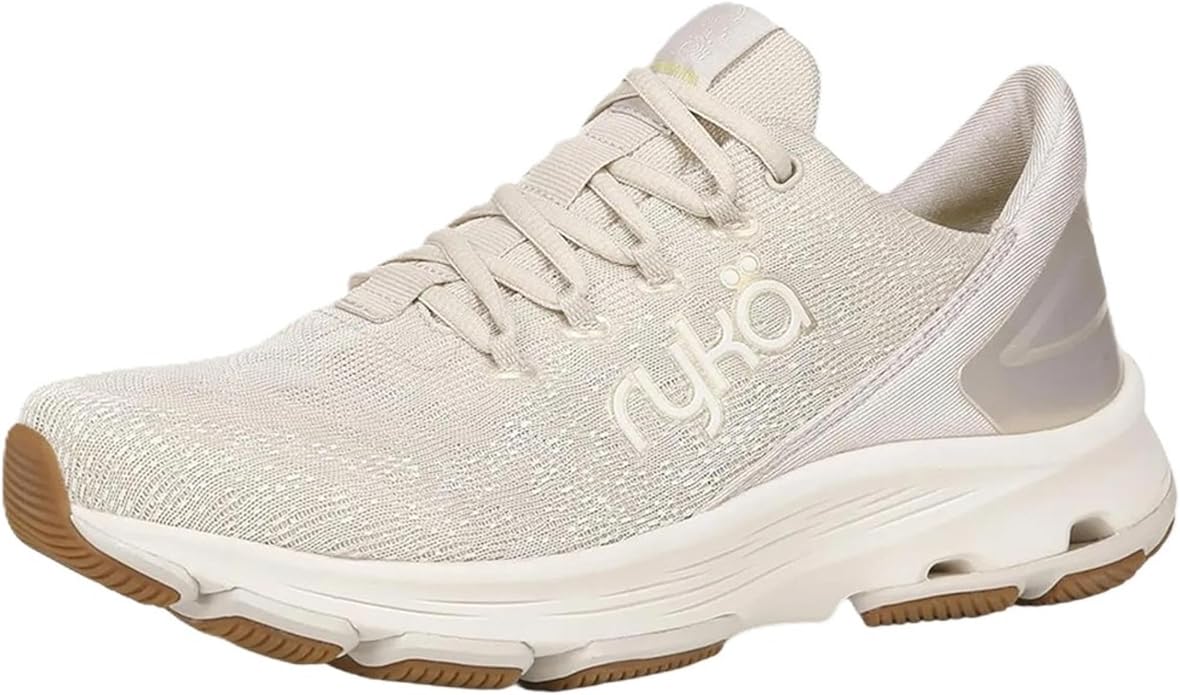
Three women in my walking group had bought the same shoe without consulting each other. When I finally looked it up and saw the $75 price tag, my first reaction was suspicion. Budget shoes and serious walkers usually don’t mix — I’d learned that the hard way. But three independent endorsements from people who walk 15-20 miles a week are hard to ignore. So I spent eight weeks finding out whether the Ryka Devotion X was genuinely good or just popular.
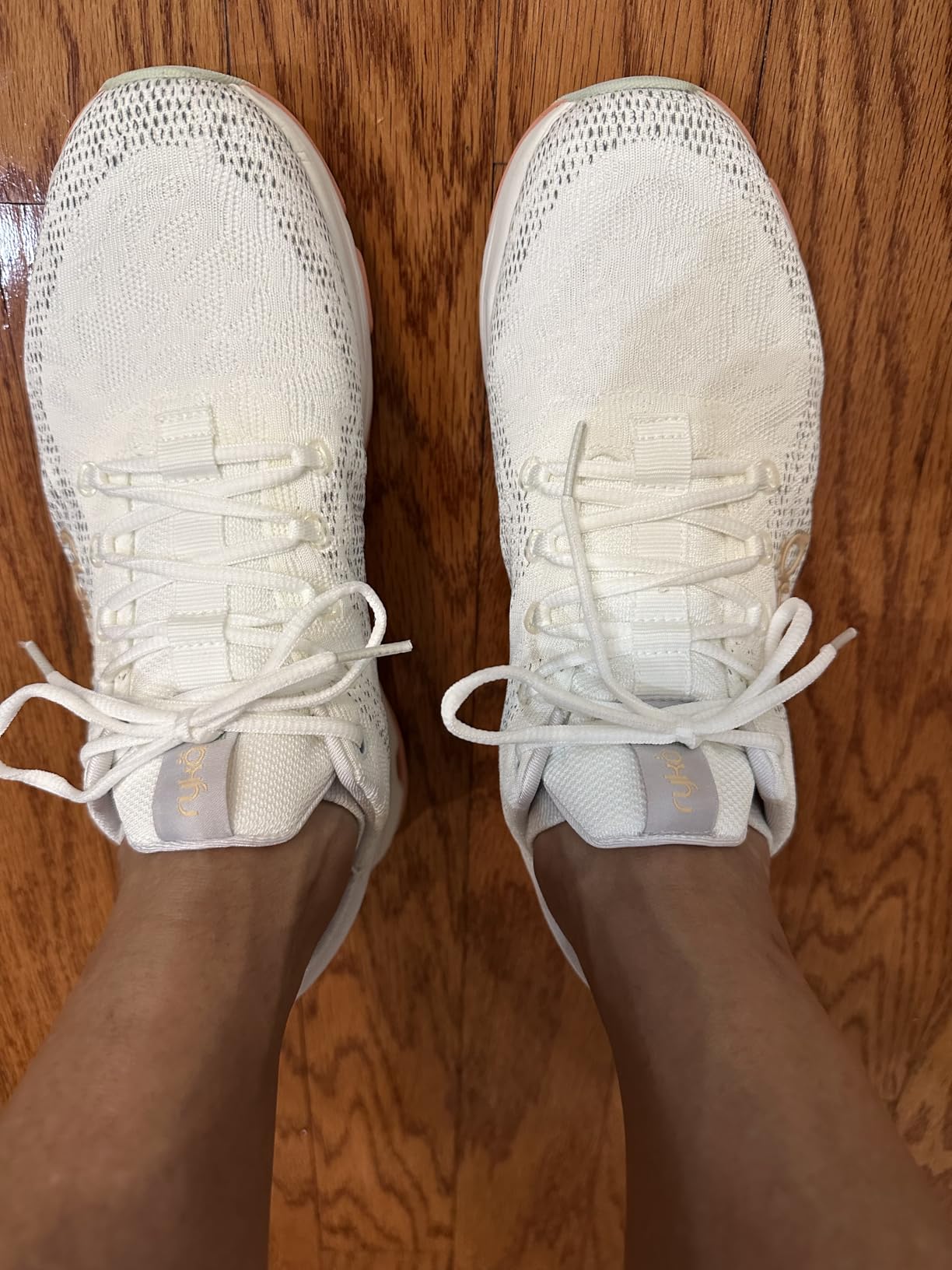
Over eight weeks, I walked 180+ miles across neighborhood sidewalks, park trails, shopping centers, a muddy park path, and an eight-hour outdoor festival. This is what I found.
Quick Specs: What You’re Buying
- 💰 Price: ~$75-80
- ⚖️ Weight: 8.7 oz (248g) per shoe
- 📏 Heel drop: 10mm
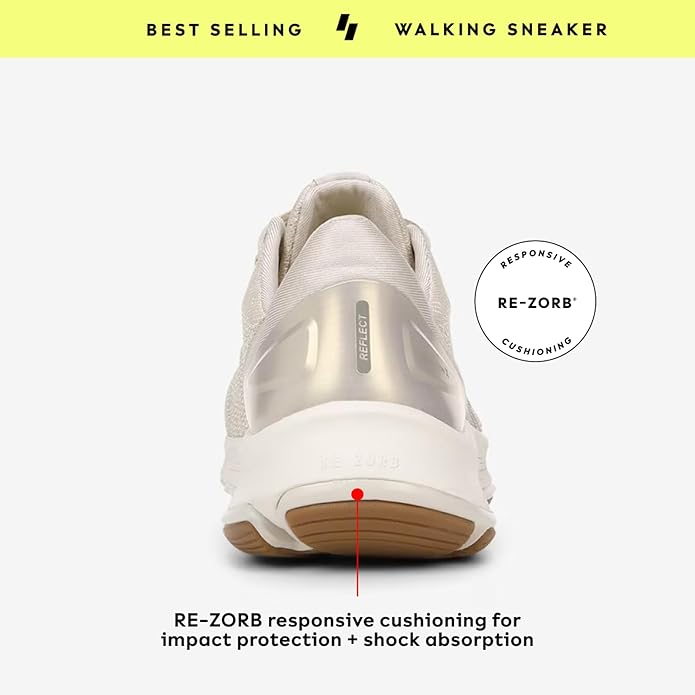
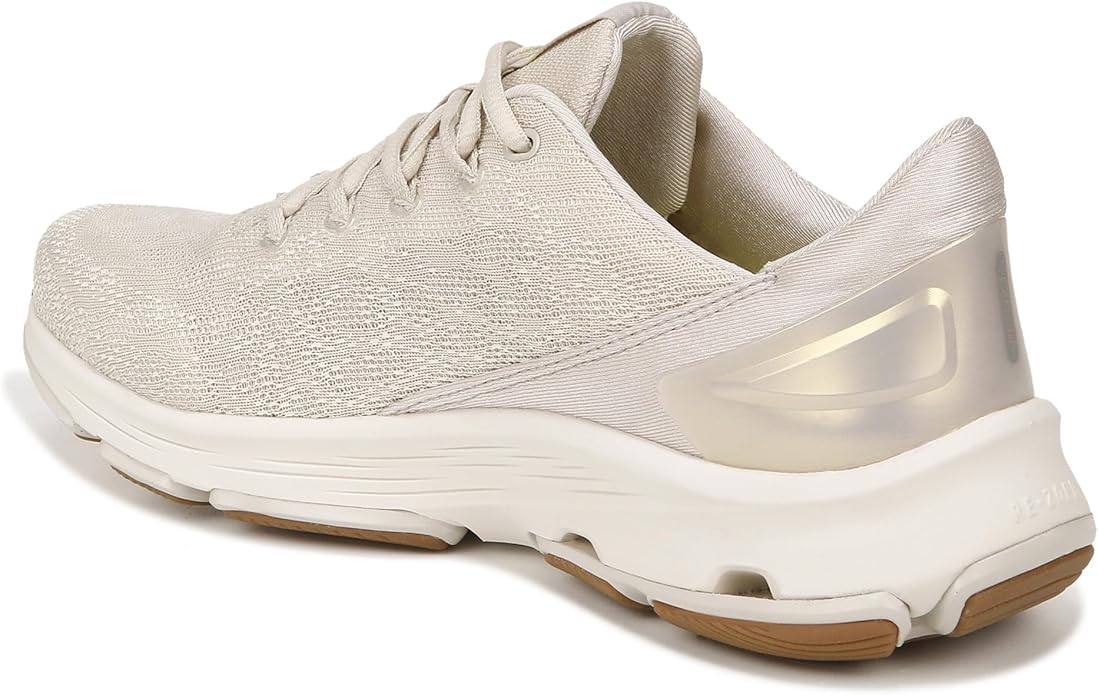
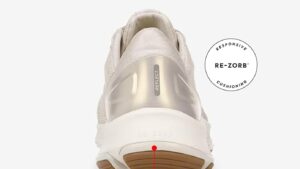
- 🧪 Midsole: ACTIVfoam EVA + full-length RE-ZORB responsive cushioning
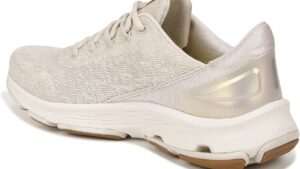
- 👟 Upper: Breathable mesh with partially recycled linings
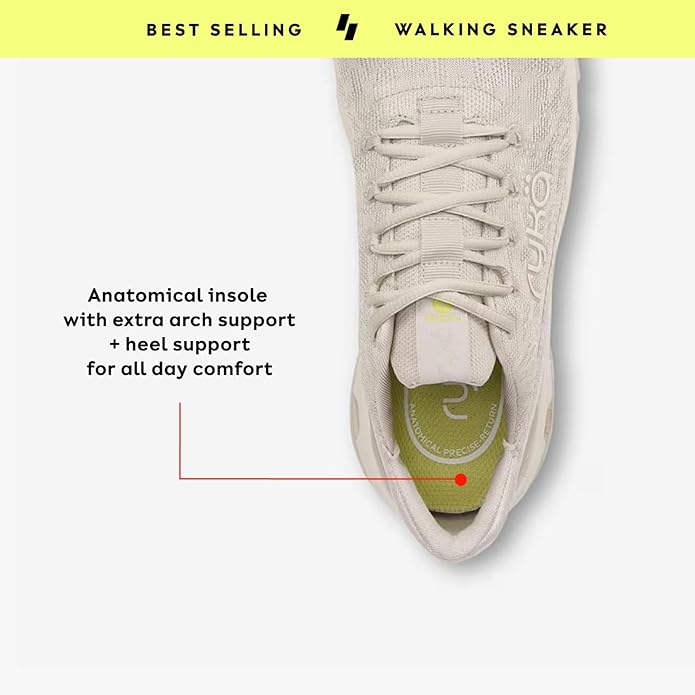
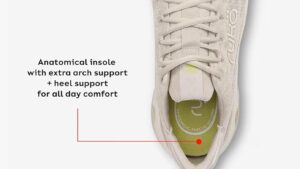
- 🦶 Insole: Anatomical design for arch + heel support
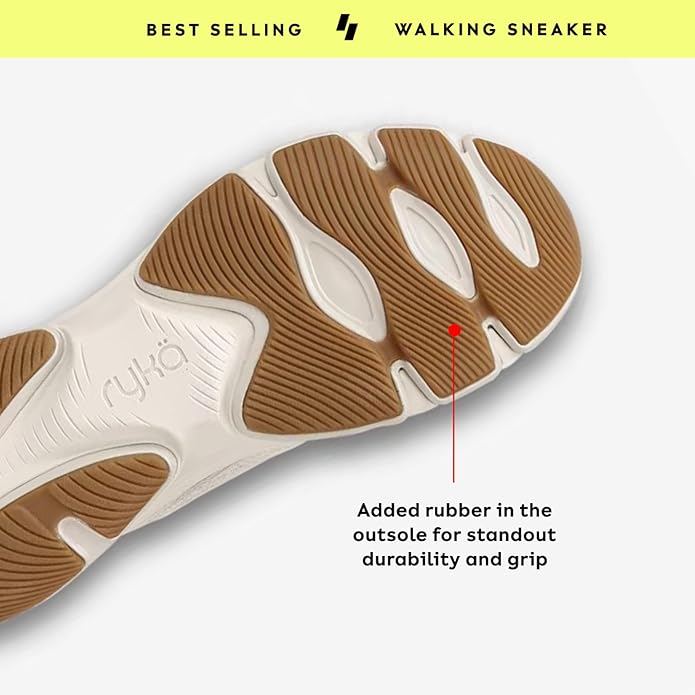
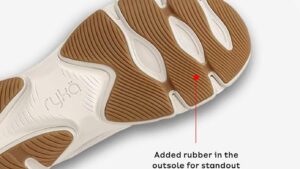
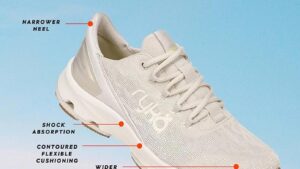
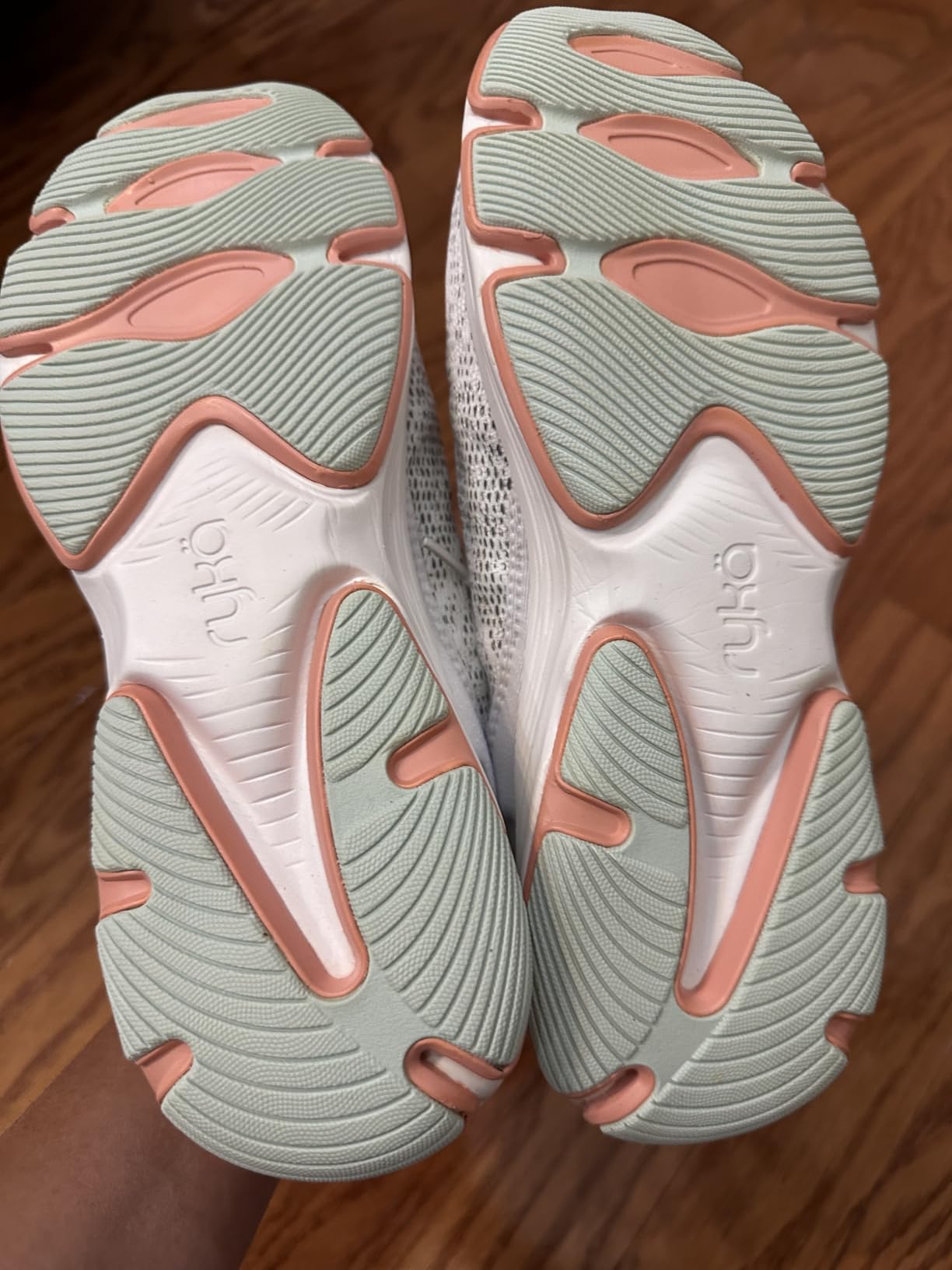
- 🔩 Outsole: Eight-piece rubber sole with built-in compression channels
- 🏅 Certification: APMA Seal of Acceptance (American Podiatric Medical Association)
- 🎯 Category: High-performance fitness walking
- ⏱️ Testing: 8 weeks, 45+ sessions, 180+ miles
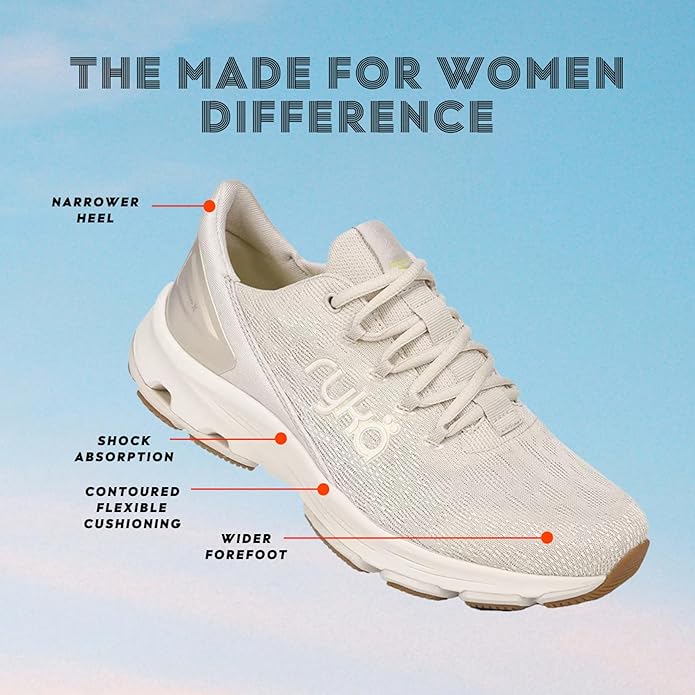
One thing to understand upfront: Ryka builds shoes specifically for women’s foot anatomy. That means a narrower heel, roomier toe box, and softer overall cushioning calibration than equivalent unisex models. That design philosophy matters a lot here.
The ACTIVfoam EVA midsole is the engine. It’s a lighter, more responsive formulation than standard EVA foam — you feel it return energy rather than absorb it like a sponge. The RE-ZORB layer on top adds a springy character, particularly in the forefoot and heel. On 4-mile concrete walks, my feet felt noticeably less beaten-up compared to older shoes with standard foam.
The APMA Seal — What It Actually Means
The American Podiatric Medical Association doesn’t hand out its Seal of Acceptance to shoes that just look supportive. The review process checks for arch support effectiveness, stability design, proper cushioning distribution, and features that promote healthy foot mechanics. It’s third-party medical validation — not a marketing badge.
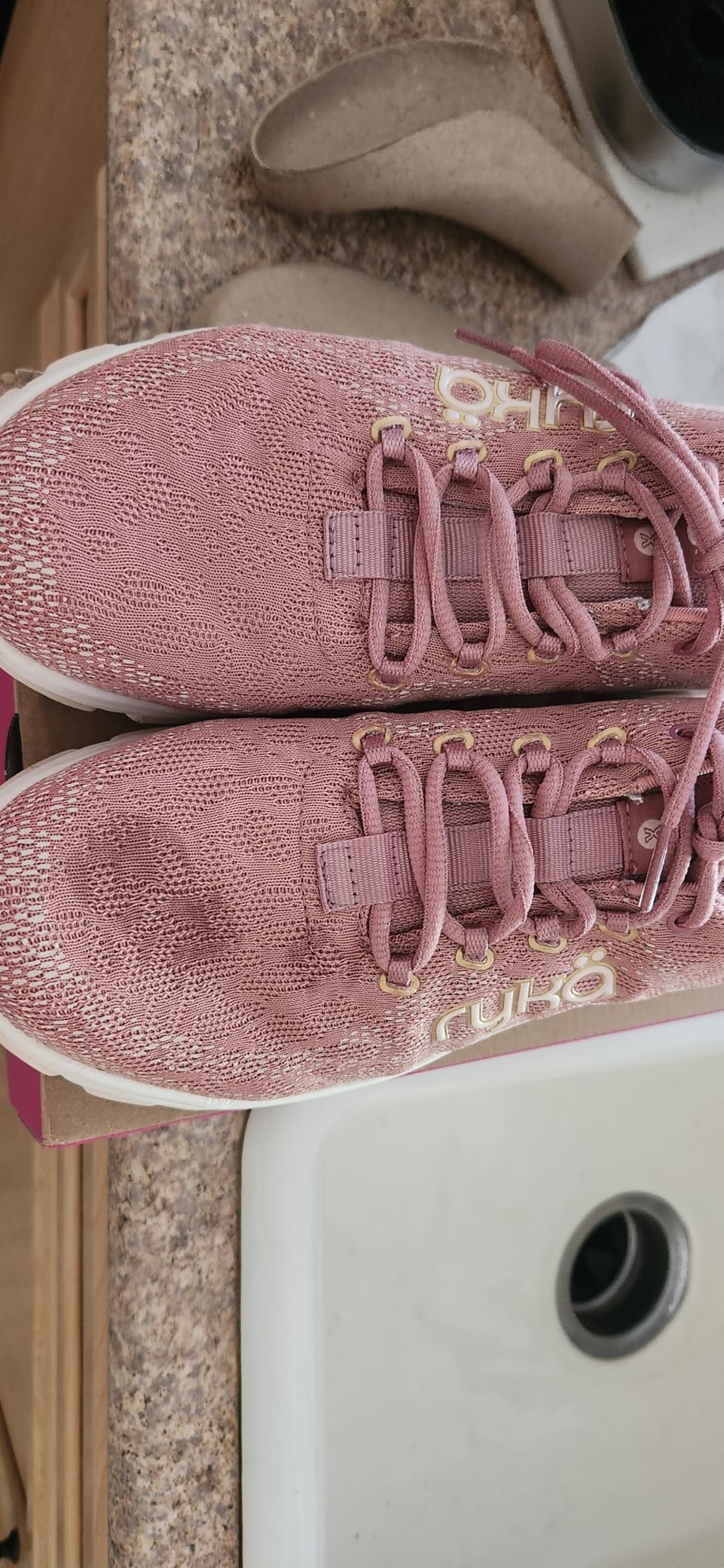
What it doesn’t guarantee: instant pain relief, a cure for plantar fasciitis, or a perfect fit for every foot. My testing confirmed the certification holds up in practice — my arches stayed properly supported through three-hour morning walks without the midfoot fatigue I sometimes get from less structured shoes. But if you have severe arch issues or rely on custom orthotic insoles, this shoe’s built-in support is a supplement, not a replacement.
Fit and Sizing: Who This Shoe Is Built For
The short answer: true to size for most, and genuinely accommodating for wide feet.
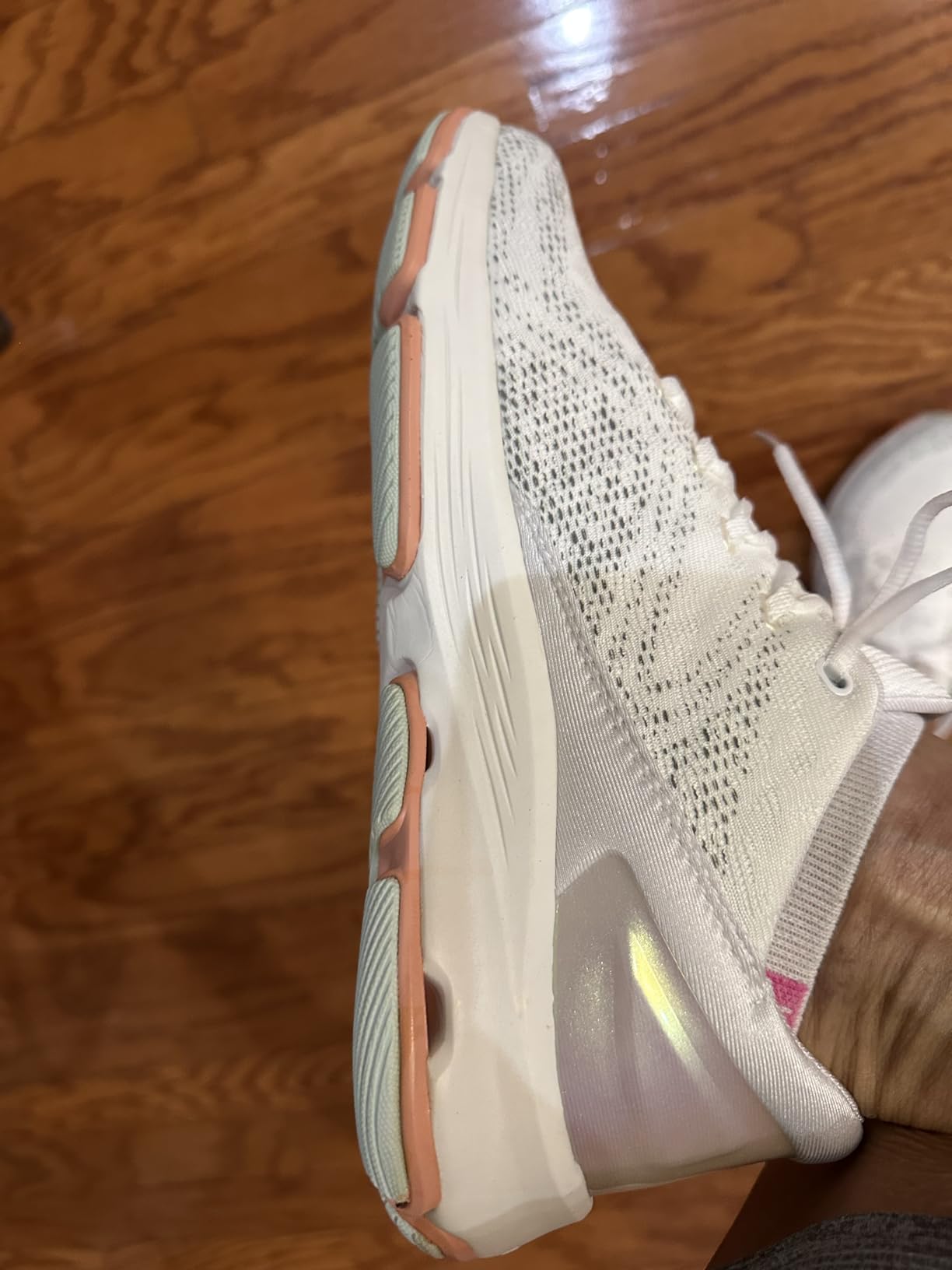
I ordered my normal size 8 and it fit without adjustment from walk one. My heel sat snugly without slippage — something I’ve struggled with in other shoes — and my toes had room to spread naturally. The lacing system deserves a mention: I could tighten the midfoot for support while leaving the forefoot looser. That kind of adjustability isn’t standard at this price.
A friend who wears wide width also tried these in her standard size, and they fit without the toe compression she normally fights. The women-specific last gives the toe box a roomier feel than you’d find in most running shoes at this price.
Fit guidance by foot type:
- Standard width: Order true to size
- Wide feet / bunions: True to size works well; roomier toe box accommodates
- Narrow feet: Consider a half size down if you get heel movement
- Between sizes: Go up, especially if you wear thicker socks
Zero break-in period. I mean that literally — no soreness, no blisters, no “get through the first week” adjustment.
Comfort: How It Changes Across 8 Weeks
This is where my testing diverges from most reviews you’ll find online. The Business Insider editors praised these after a few days in Europe. That’s useful context, but it doesn’t tell you what happens at week 4 or week 7.
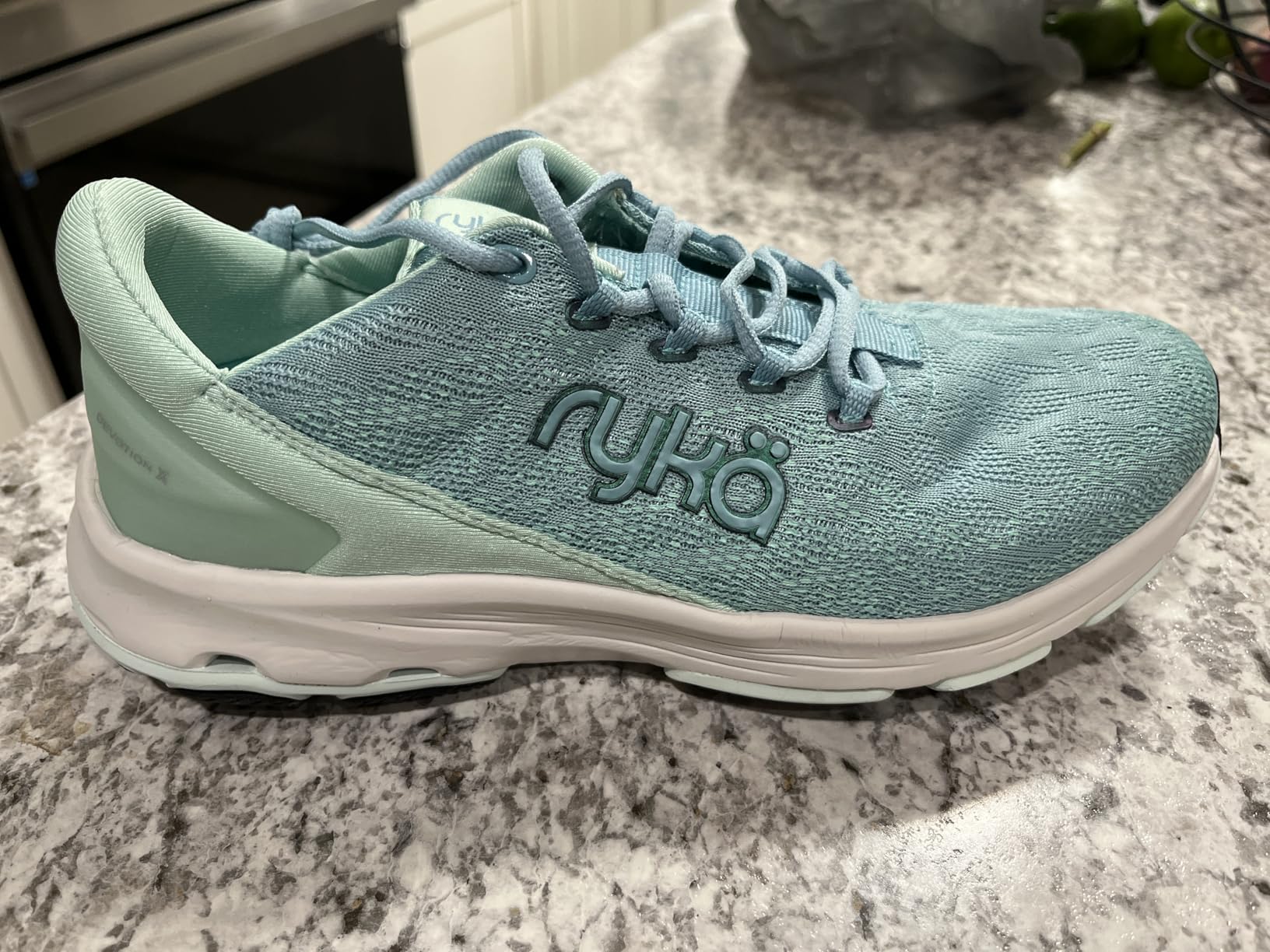
Day 1–Week 2: The RE-ZORB foam feels genuinely springy underfoot. My regular 4-mile morning walks produced noticeably less foot fatigue than my previous shoes. The cushioning has a bouncy quality — not squishy-soft, more like a firm trampoline. Good energy return.
Weeks 3–4: The foam starts to mold slightly to my foot shape. Cushioning feels slightly less firm than week one, but it’s still responsive. I pushed to 6-mile weekend walks without issue. The midfoot support held up well on longer distances.
Weeks 5–6: Around 100 miles in, I noticed the foam had compressed about 10–15% compared to the fresh feel. This is completely normal — all EVA foam compresses with use. Importantly, it plateaued here. The cushioning character stabilized, not continued to decline.
Weeks 7–8: At 180+ miles, the shoes feel like a well-broken-in pair. Comfortable, supportive, slightly softer than new. The arch support remains intact. For daily fitness walking, these are still doing their job.
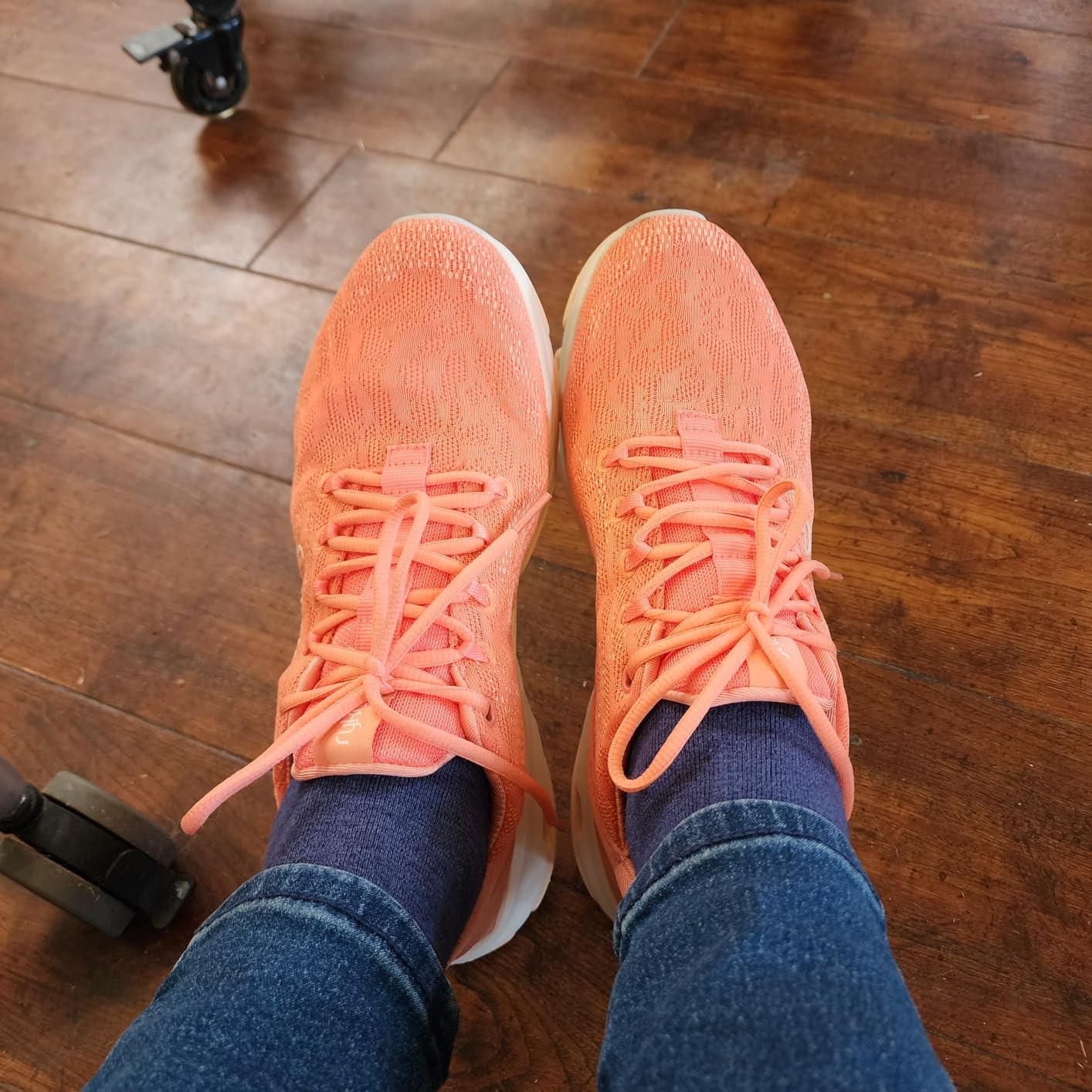
One practical takeaway: buying two pairs and rotating them genuinely makes a difference. Foam needs time to recover between uses. Alternating pairs extends the “fresh feel” phase by 30–40% and delays the compression plateau.
Arch Support and All-Day Performance
The anatomical insole positions arch support at the right spot — not too far back, not crowding the midfoot. For me, that translates to reduced fatigue on walks longer than 90 minutes, where unsupported shoes tend to let my arch drop progressively.
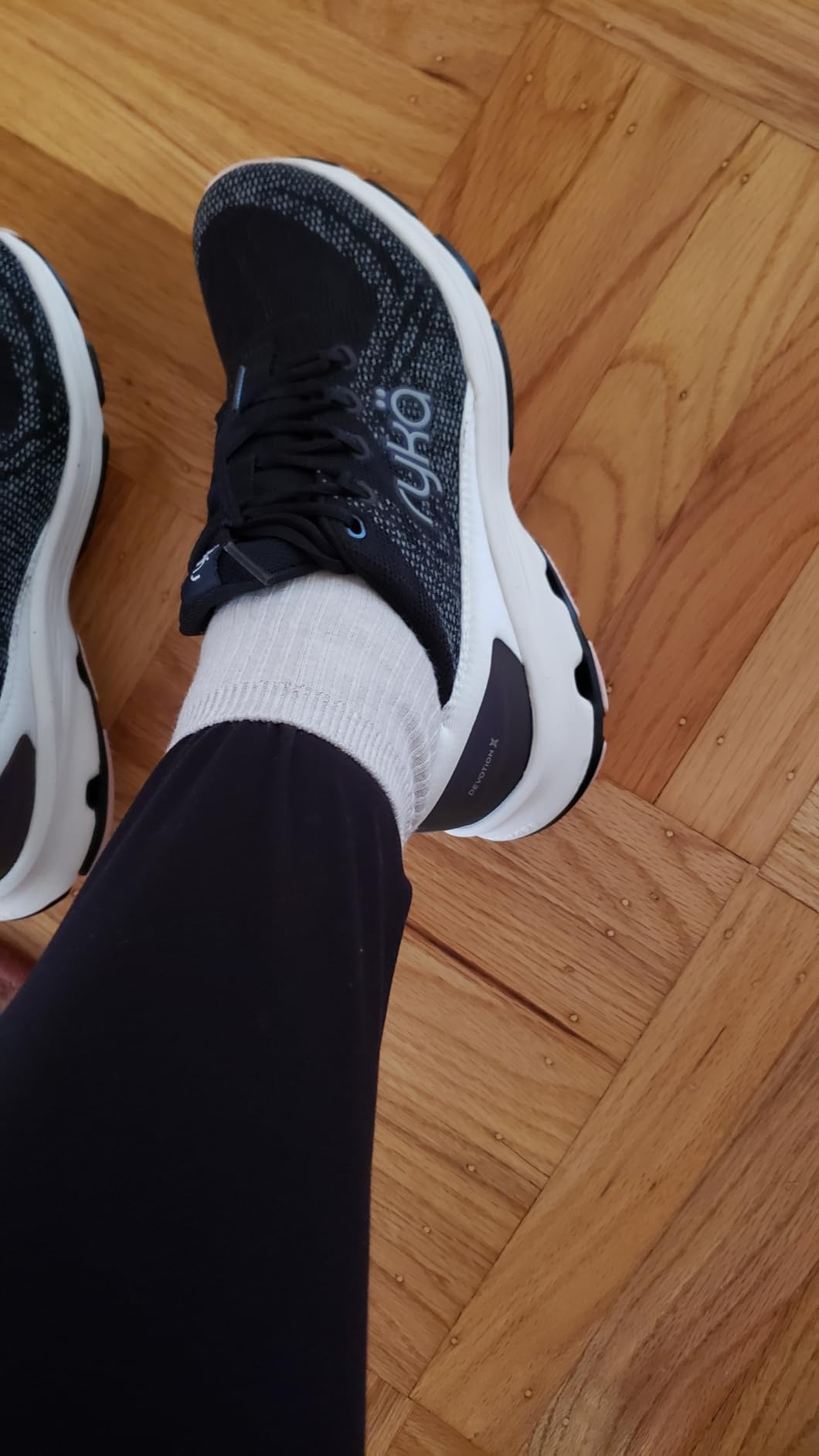
My most demanding test was an 8-hour outdoor festival — walking between stages on grass, gravel, and concrete with minimal sitting. Hour-by-hour breakdown:
- Hours 1–3: Full comfort, zero complaints
- Hours 4–5: Mild arch fatigue, the kind where you notice it but don’t think about it constantly
- Hours 6–7: Feet genuinely tired. The cushioning is still doing its job, but cumulative impact adds up
- Hour 8: Ready to sit down. Not in pain, but done
For reference, shoes like the ASICS Gel-Nimbus 27 at $180 extend that comfort ceiling to around 9–10 hours in my experience. The Devotion X lands solidly at 7–8 hours for most users — solid performance for a $75 shoe. Teachers, retail workers, and nurses who asked about this: 6–8 hour shifts should be fine, especially if you rotate pairs.
Durability: Here’s the Real Conversation
I’m not going to bury this. The Devotion X has a durability limitation that’s worth understanding before you buy.
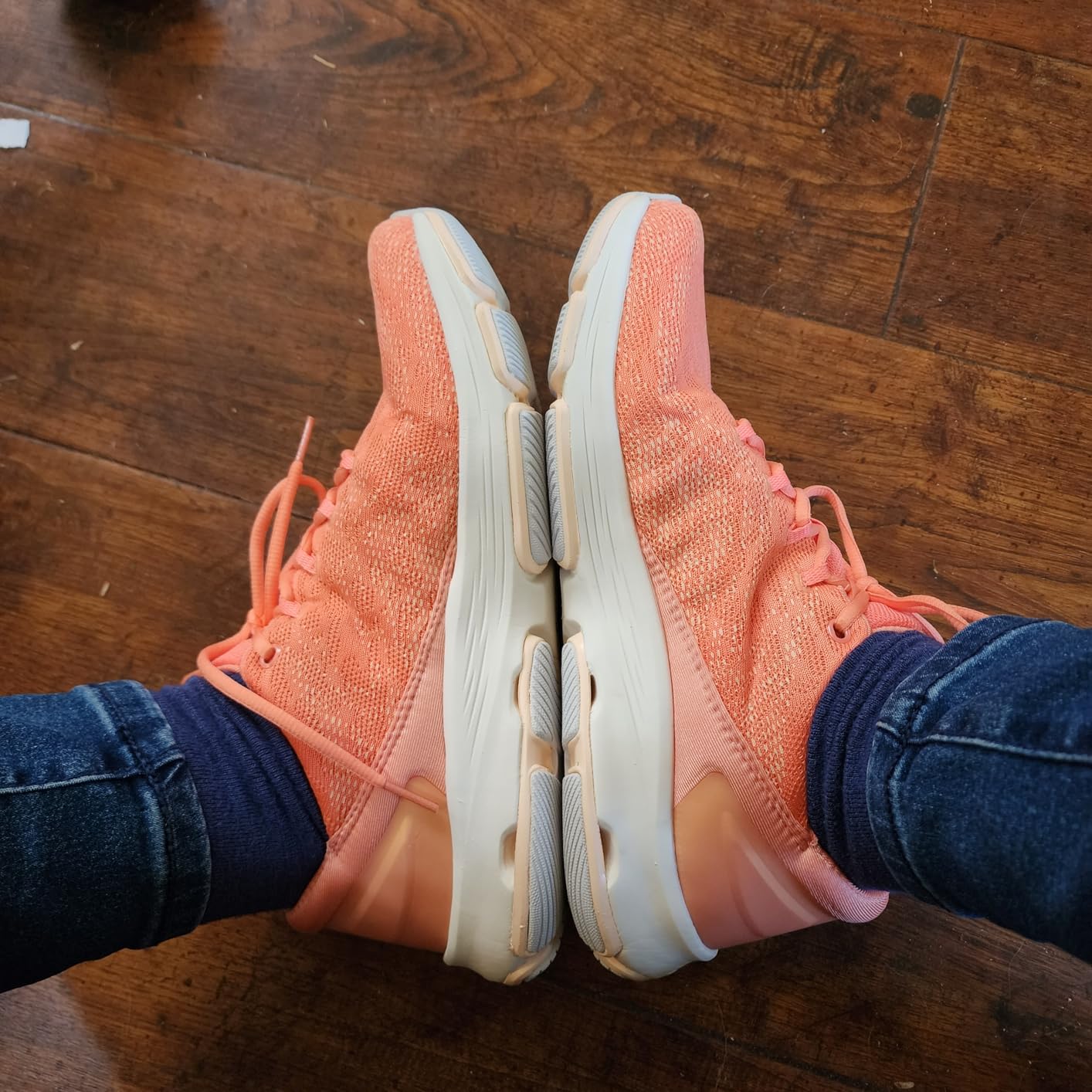
At week 8, I noticed the first signs of wear on the inner heel fabric. Not catastrophic — just the start of fabric thinning at the contact point. This aligns with what a consistent pattern of user reports describes: visible heel fabric deterioration around months 3–6 for moderate users.
The failure hierarchy:
- Primary: Inner heel fabric thinning (most common, happens first)
- Secondary: Lace holder fabric can tear with heavy use (less common but documented)
- Outsole: Holds up well — not the limiting factor
Lifespan estimates by usage intensity:
- Light walkers (~10 miles/week): 12–18 months
- Moderate (~20–25 miles/week): 6–9 months
- Heavy (~40+ miles/week): 3–6 months
The cost math, because it matters: At $75 and 6 months of moderate use, you’re spending $12.50/month. Compare that to the G-Defy Mighty Walk at $150 lasting 12–14 months — roughly $11–12/month. The durability trade-off costs you almost nothing at the monthly level. Where the math tips against the Devotion X is at high usage: 40+ miles per week at 3–4 months is $25/month, and you’d want something more durable.
The rotation strategy changes this equation considerably. Two pairs at $150 total, alternated, can get you 14–18 months of daily use. Same cost as one premium shoe, more total coverage.
Weather and Wet Conditions
Breathable mesh works in both directions. The same construction that keeps your feet cool in July lets water in within minutes during rain. I wore these during a light morning drizzle — damp socks by minute 4.
They’re not waterproof, and there’s no DWR coating to even slow the saturation. If you need wet weather capability, look at a dedicated hiking shoe with waterproofing. The Devotion X is designed for dry-to-light-drizzle conditions, and that’s where it excels.
Drying time from a wet park walk: approximately 2–3 hours indoors with good airflow. Nothing dramatic. Just don’t expect them to handle rainy commutes.
Real-World Scenarios: Putting It Together
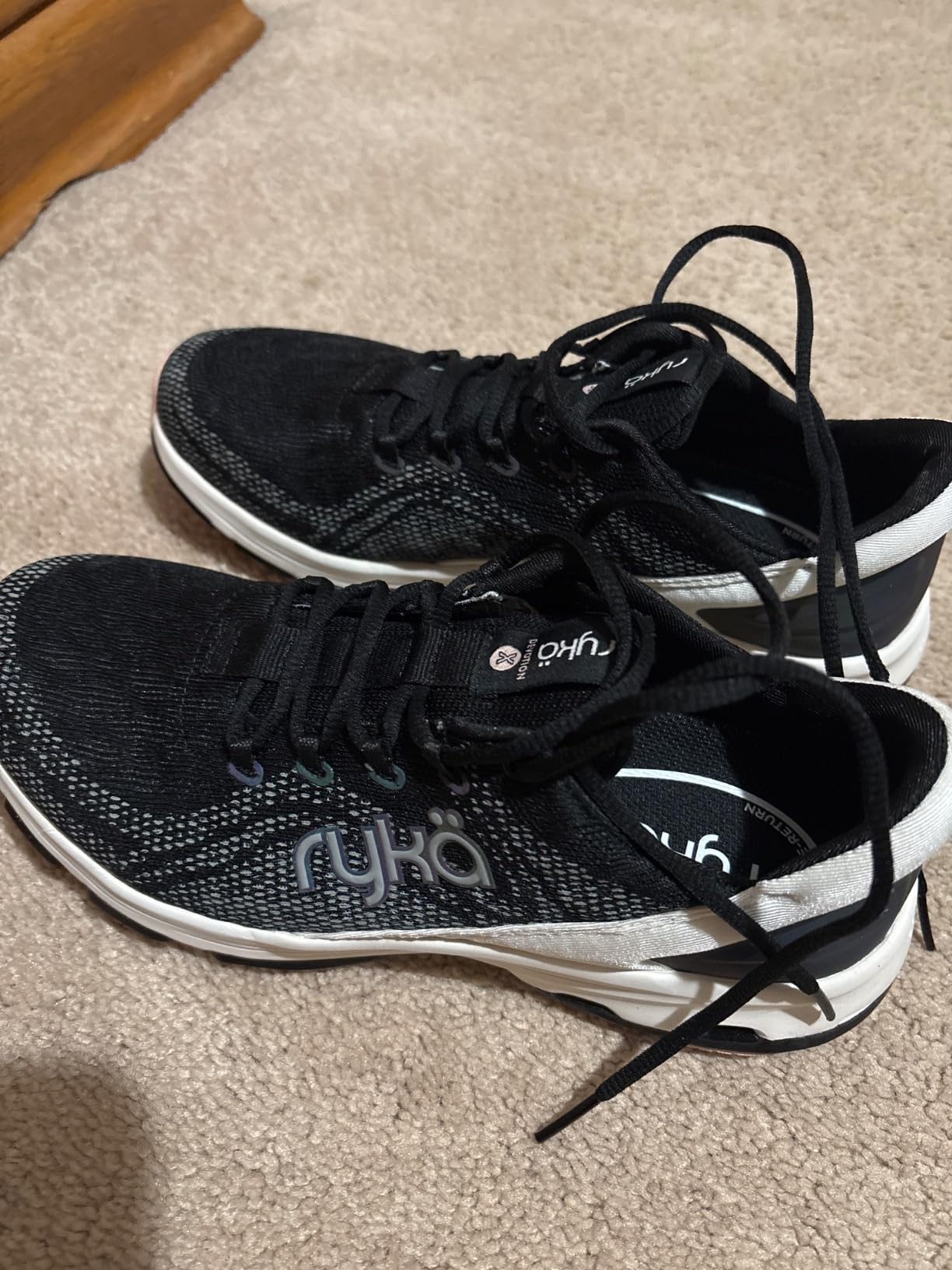
Beyond the festival test, I wore these across scenarios that reflect how most fitness walkers actually use their shoes:
Morning fitness walks (4–6 miles): This is the sweet spot. The cushioning is at its best in the first 60–90 minutes, and the arch support handles distance without adding fatigue. Where a daily Skechers Go Walk Joy might feel softer initially, the Devotion X holds its support structure better on longer distances.
Errand days: Grocery store, post office, school pickup — the kind of day where you’re on your feet for 4–5 scattered hours. These handled it with no complaints. Lightweight enough to not feel like an anchor by afternoon.
Light concrete trails: Solid grip, predictable feel underfoot. The rubber outsole doesn’t fight the surface — it moves with it. Not aggressive enough for real trail terrain, but parks and paved paths are well within range.
Airport walking: Lightweight, comfortable, looks fine with jeans. One of the better choices for travel days where you’re covering ground in a terminal.
How They Stack Up Against Alternatives
A few direct comparisons based on what readers regularly ask about:
vs. ASICS Gel-Nimbus 27 ($180): The Nimbus has superior long-term cushioning, lasts 12–18 months at heavy use, and offers more stability for overpronators. If you walk 30+ miles per week, the durability math favors ASICS. If you walk 15–20 miles per week and prioritize value, the Devotion X wins.
vs. Skechers Go Walk Joy (~$100): Skechers’ Goga Mat insole is excellent for casual comfort, but the Devotion X provides better arch support structure and fits wide feet more reliably. Go Walk Joy is better for standing-heavy, low-mileage use. Devotion X is better for actual fitness walking distance.
vs. New Balance Fresh Foam Arishi V4 (~$65–80): Similar price tier, different cushioning character. NB’s Fresh Foam leans softer and lower-profile; Devotion X is springier with more built-in arch structure. If you want a plush feel, NB. If you want responsive cushioning with arch support, Ryka.
vs. Ryka Devotion Plus 3: The Plus 3 is the upgraded version within Ryka’s own line — more substantial outsole and improved durability. If the heel fabric wear concern worries you, the Devotion Plus 3 addresses it directly at a slightly higher price.
| Shoe | Price | Cushion | Durability | Best For |
|---|---|---|---|---|
| Ryka Devotion X | $75 | 8/10 | 6.5/10 | Budget fitness walkers, wide feet |
| ASICS Gel-Nimbus 27 Women’s | $180 | 9.5/10 | 9/10 | High-mileage daily walkers |
| Skechers Go Walk Joy | $100 | 7.5/10 | 6/10 | Casual, standing-heavy days |
| NB Fresh Foam Arishi V4 | $65–80 | 7.5/10 | 7/10 | Everyday soft-cushion walking |
Who Should and Shouldn’t Buy This
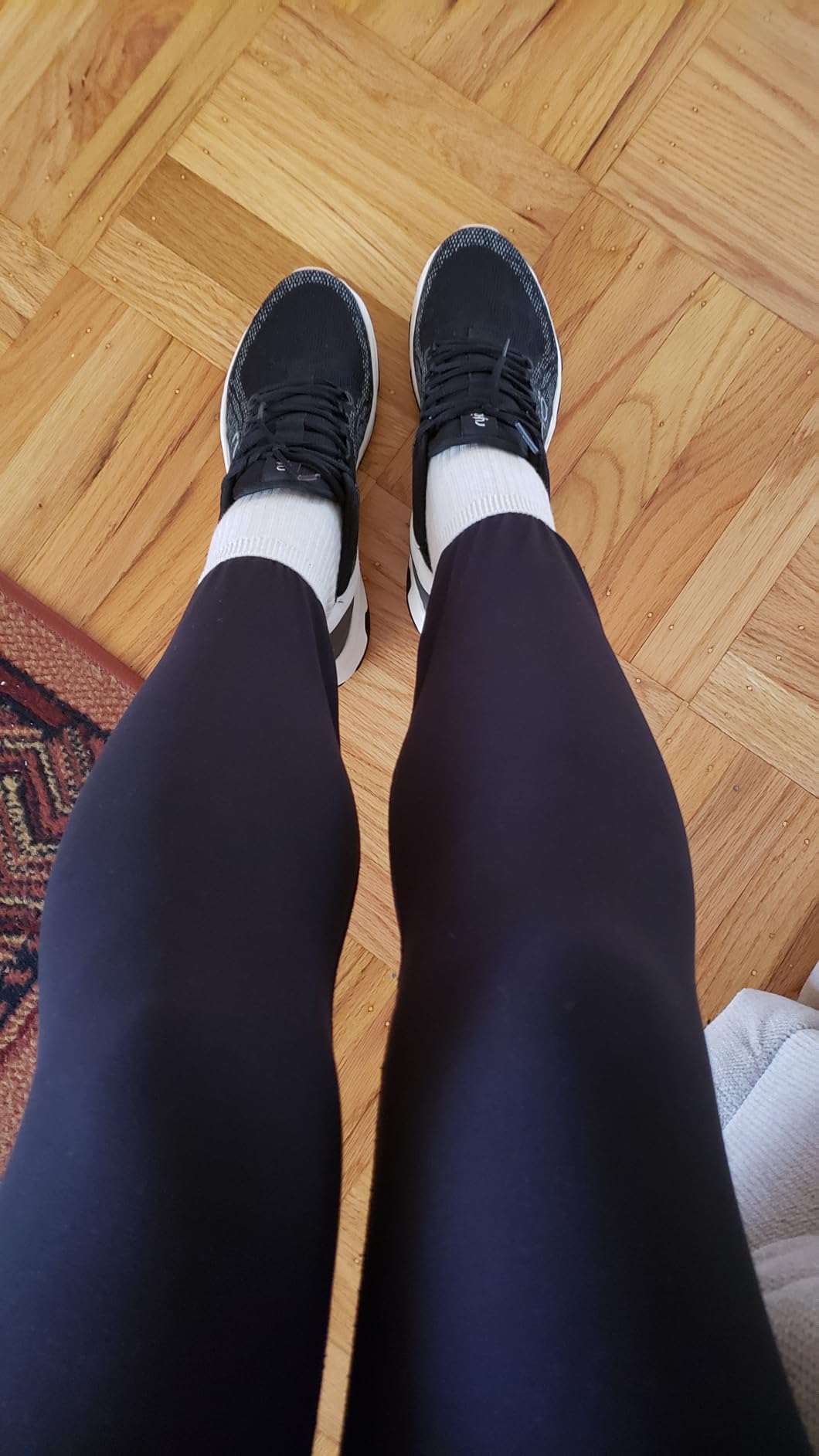
✅ This shoe is for you if:
- You fitness walk 10–25 miles per week
- You have wide feet, bunions, or generally struggle with toe box compression
- You want immediate comfort without a break-in period
- You need all-day wear for 6–8 hour shifts or errands
- Budget matters and you’re considering a rotation strategy
- Arch support and APMA certification give you confidence in foot health
❌ Look elsewhere if:
- You walk 40+ miles per week and need 12+ months of durability
- You walk in rain regularly or need waterproofing
- You require orthotic-level arch support for serious plantar fasciitis
- Outdoor trail or serious hiking is your primary use case (consider hiking shoes instead)
- You prefer minimal cushioning or a ground-feel shoe
If durability is your primary concern but you love the Ryka fit, the Ryka Devotion Plus 3 is worth comparing. If you want budget options under $70, the HKR Walking Shoes and Wonesion Walking Running Shoes offer accessible alternatives, though without the same arch structure. For cross-training or gym use, these work fine as a secondary option but aren’t optimized for lateral movement.
Frequently Asked Questions
Are these true to size?
Yes, for most foot types. Order your normal size. If you’re between sizes or have particularly wide feet, go up a half size. The toe box is roomier than average, so your normal size will fit without the “cramped toes” issue common in women’s athletic shoes.
How long do Ryka Devotion X shoes actually last?
Depends entirely on how much you walk. Light use (10 miles/week): 12–18 months. Moderate use (20–25 miles/week): 6–9 months. Heavy daily use (40+ miles/week): 3–6 months. The inner heel fabric is the first thing to go. Rotating two pairs extends individual shoe life considerably.
Are these good for plantar fasciitis?
The arch support helps with foot alignment, which reduces strain on the plantar fascia for mild cases. But this isn’t clinical-grade support. If you have severe PF or are under a podiatrist’s care, discuss whether the built-in support is sufficient or whether you’ll need aftermarket orthotic insoles alongside.
Can I use these for a full nursing or retail shift?
For 6–8 hour shifts with mixed walking and standing, these perform well. At hour 7–8 you’ll feel foot fatigue, but that’s expected at any price tier. For back-to-back 12-hour shifts, consider rotating with a second pair or upgrading to something like the Skechers Summits or a more durability-focused option.
Are they waterproof?
No. The breathable mesh saturates in light rain within 4–5 minutes. They dry in 2–3 hours indoors. If you regularly walk in wet conditions, look for a waterproof alternative — the breathability trade-off makes waterproofing incompatible with this upper design.
What’s the difference between the Devotion X and Devotion Plus 3?
The Ryka Devotion Plus 3 uses a more durable outsole construction and reinforced upper materials. It costs more but lasts longer, particularly for higher-mileage walkers. The Devotion X is the better value pick for moderate users; the Plus 3 makes more sense if durability is the priority.
Can I use custom orthotics with these?
The anatomical insole is removable, which means custom orthotics can fit. That said, the built-in arch support may not be fully compatible in depth with all orthotics — test carefully and give yourself a few walks to assess the combined feel before committing.
Is the APMA certification meaningful or just marketing?
It’s meaningful. The APMA evaluation reviews specific features: arch support placement, cushioning distribution, structural stability, and how well the shoe promotes healthy foot mechanics. That said, it’s a general population standard, not a guarantee for every individual foot shape. My testing confirmed the arch support and stability features hold up in practice — the certification isn’t just a sticker.
Final Assessment
| Category | Score | Notes |
|---|---|---|
| Immediate Comfort | 9.5/10 | No break-in needed, excellent out-of-box feel |
| Arch Support | 9.0/10 | Proper alignment, APMA-validated in real testing |
| Cushioning | 8.5/10 | Springy RE-ZORB feel, holds up through 8 weeks |
| Fit & Sizing | 8.5/10 | True to size, excellent wide feet accommodation |
| Breathability | 7.5/10 | Good airflow, but that means no weather protection |
| Durability | 6.5/10 | Heel fabric is the limiting factor; rotation helps |
| Style | 8.0/10 | Clean lines, good color range, versatile daily look |
| Value for Money | 7.5/10 | Strong value with rotation strategy at $75 |
Overall Score: 7.8/10
Eight weeks and 180+ miles confirmed what my walking group knew: the Ryka Devotion X delivers genuine comfort and solid arch support at a price that makes rotation strategies financially realistic. The durability ceiling is real, but at $75 and with reasonable usage expectations, the value proposition holds up. For fitness walkers doing 15–25 miles per week who want immediate comfort and proper foot support without paying premium prices, these are among the best options in the category.
Go in knowing the heel fabric wear timeline. Consider the rotation approach. And if your usage is heavy, budget for the Devotion Plus 3 or look at the ASICS or New Balance tier.
Be the first to review “Ryka Women’s Devotion X Walking Shoe”
Related products
Running Shoes

Training Shoes
Training Shoes
Running Shoes
Training Shoes
Training Shoes
Training Shoes
Training Shoes
Reviews
There are no reviews yet.