
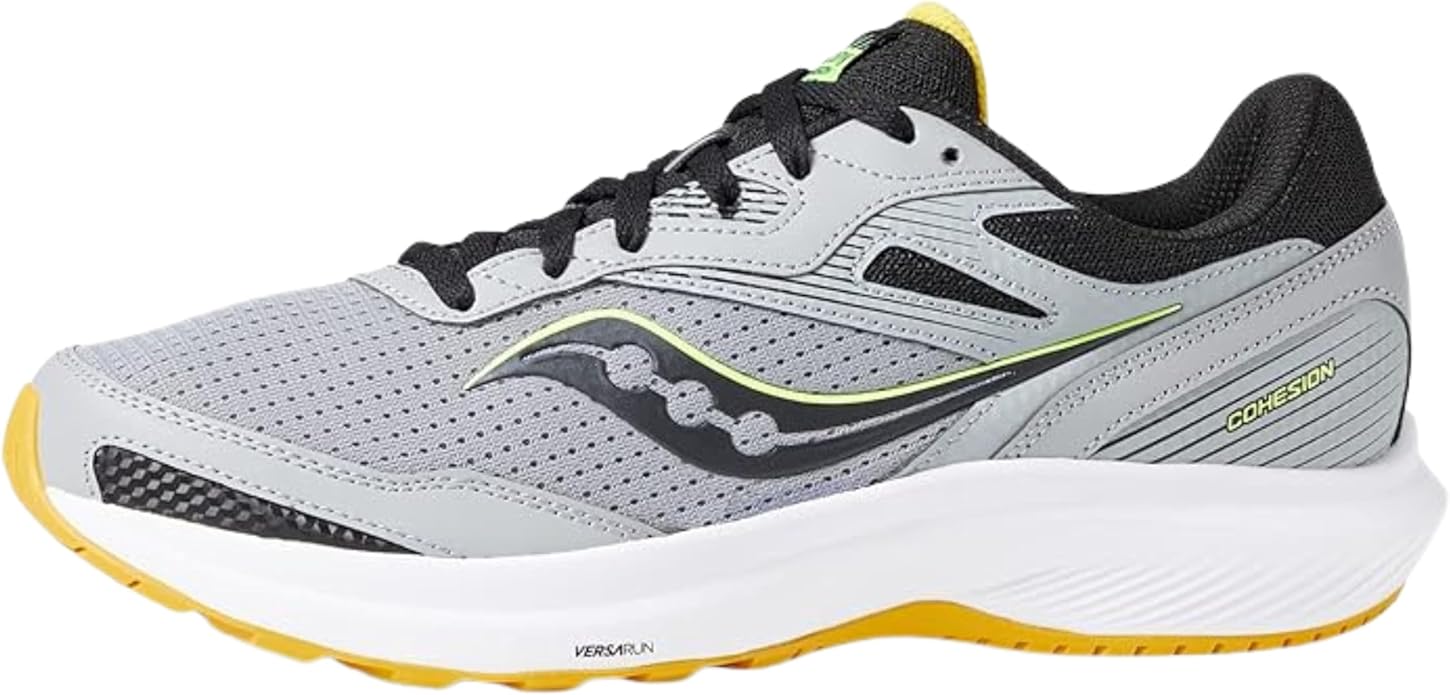
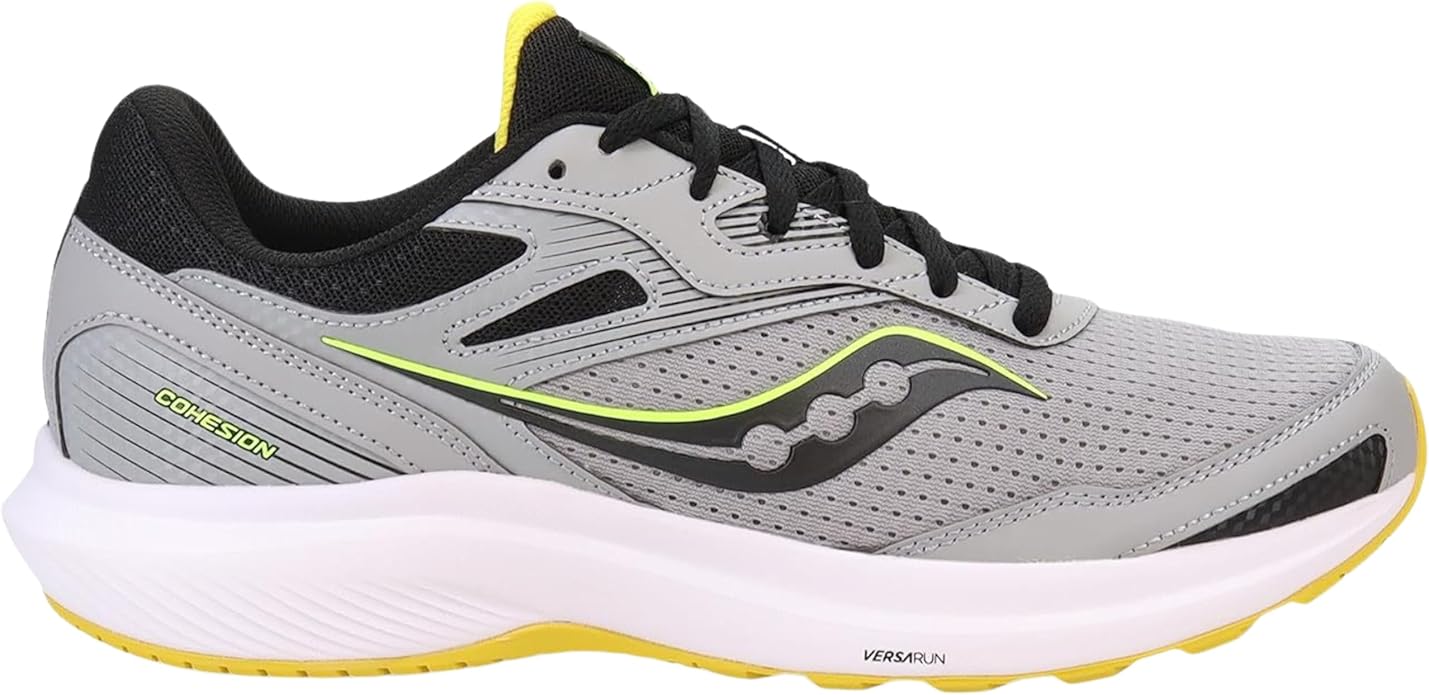
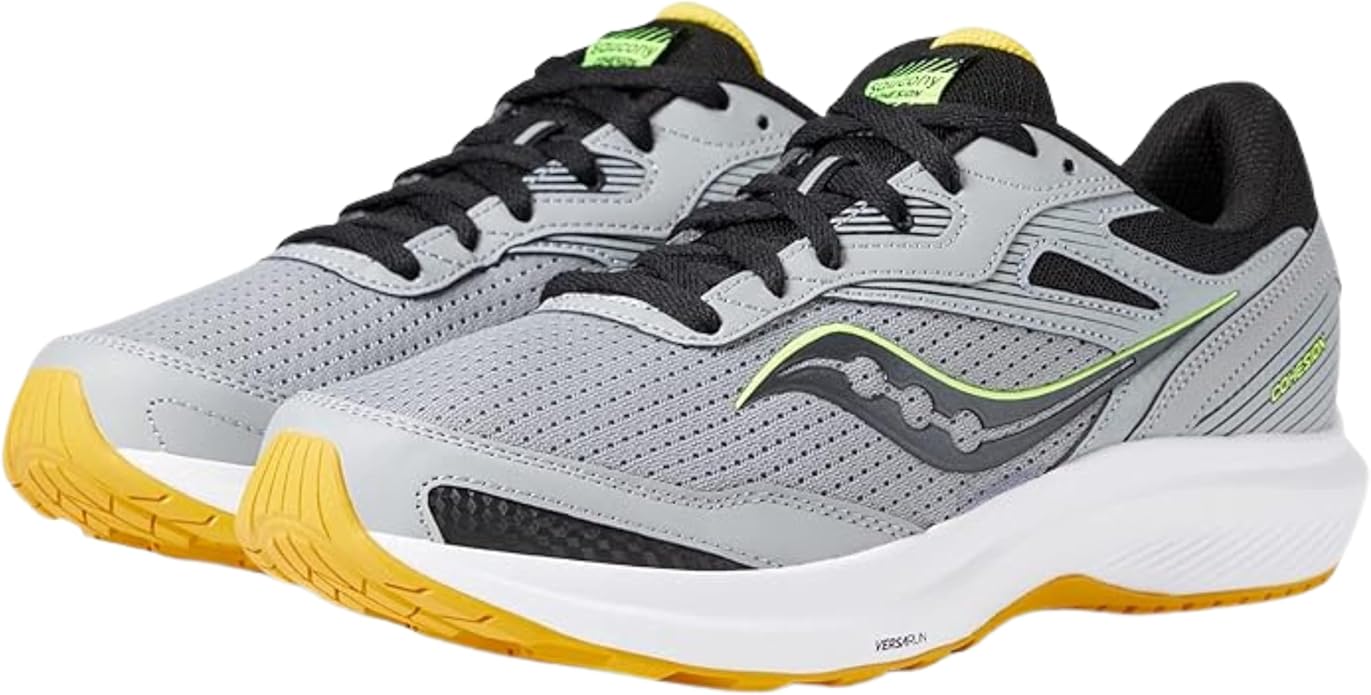
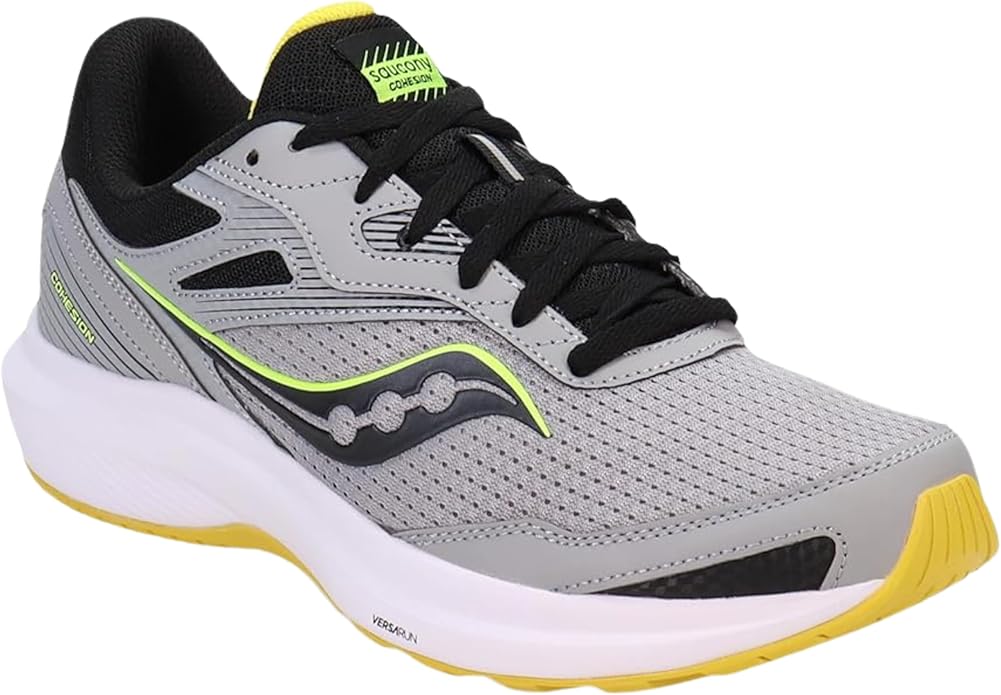
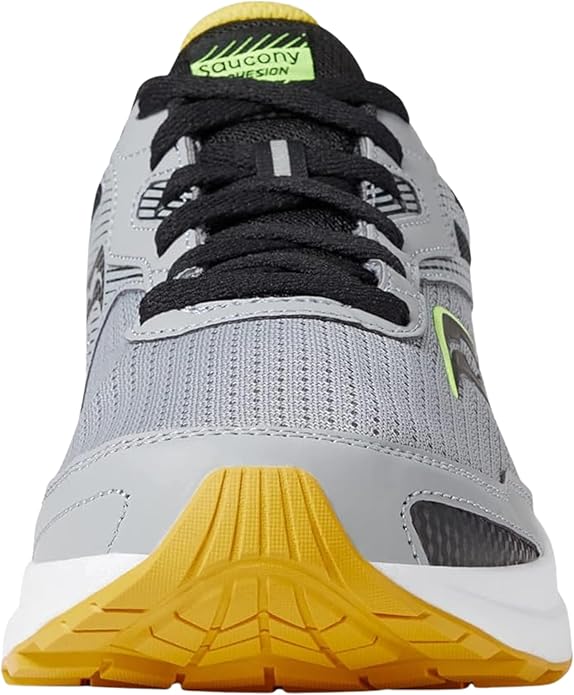
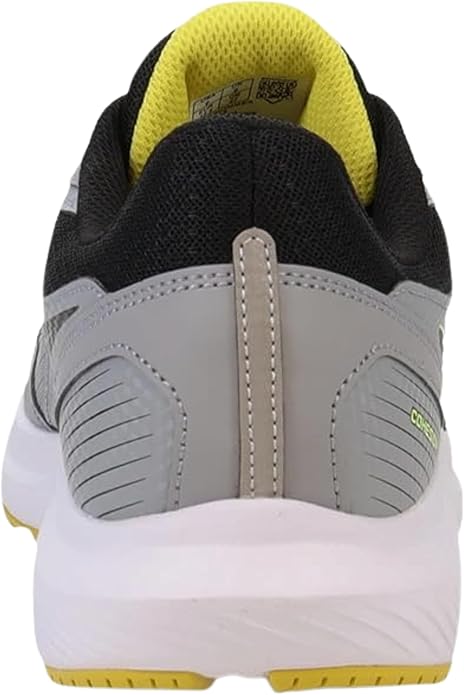
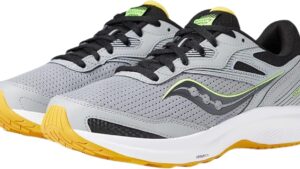
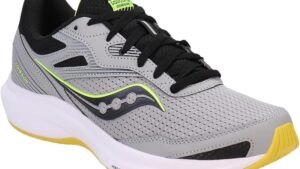
After burning through two pairs of overhyped budget trainers in under eight months — one sole separation at month four, one upper blowout at month five — I wasn’t in the mood for marketing promises when I spotted the Saucony Men’s Cohesion 16 listed at $50. Mike here, and that kind of sticker shock (good sticker shock) makes a skeptic out of anyone who’s been let down before. So I did what felt reasonable: I bought a pair and ran them into the ground for six weeks. Treadmill miles, sidewalk loops, gym sessions, light trail work. Here’s what actually happened.
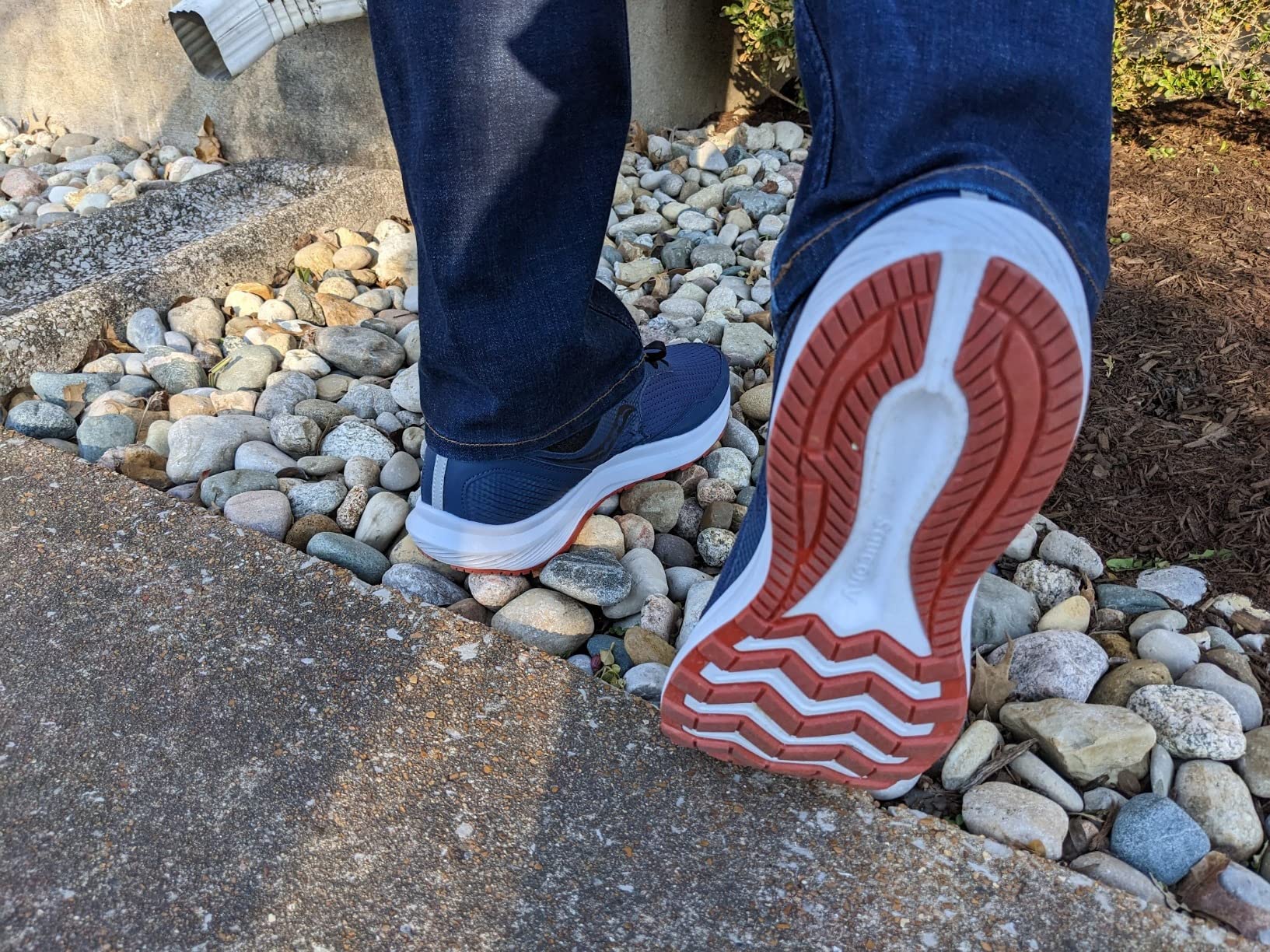
The short version: comfortable right out of the box, breathability that punches above the price tier, and a durability question mark that you need to walk into this purchase understanding. This isn’t a shoe for logging 25-mile weeks. It is a solid option for recreational runners and daily walkers who want legitimate running shoe DNA without spending $100+.
Quick Specs (What You’re Actually Getting)
- Price: $50–65 street price (MSRP $75)
- Weight: 10.2 oz — men’s size 9
- Midsole: VERSARUN (EVA foam)
- Heel-to-toe drop: 12mm
- Stack height: 28mm heel / 16mm forefoot
- Upper: Breathable mesh
- Outsole: Synthetic rubber
- Pronation type: Neutral
- Width options: Standard and Wide
- Testing window: 6 weeks, 45+ sessions, 120+ miles combined
- Reviewer weight: 175 lbs, recreational 8:30/mile pace
Note on the stack numbers: a couple of competitor reviews claim 30/18mm, but the spec data I pulled directly confirms 28mm heel and 16mm forefoot. The 12mm drop is consistent across all sources.
Design & Build: Honest First Impressions
The Upper Construction
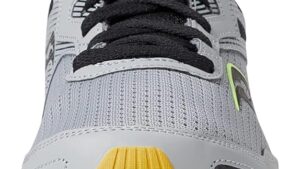
Pull these out of the box and you’re looking at a shoe that doesn’t try to be something it isn’t. The mesh upper is straightforward — not the premium engineered knit you’d find on a $140 running shoe, but clearly put together with breathability as the priority rather than aesthetics. Stitching lines are clean. The material feels appropriately structured for the price tier.
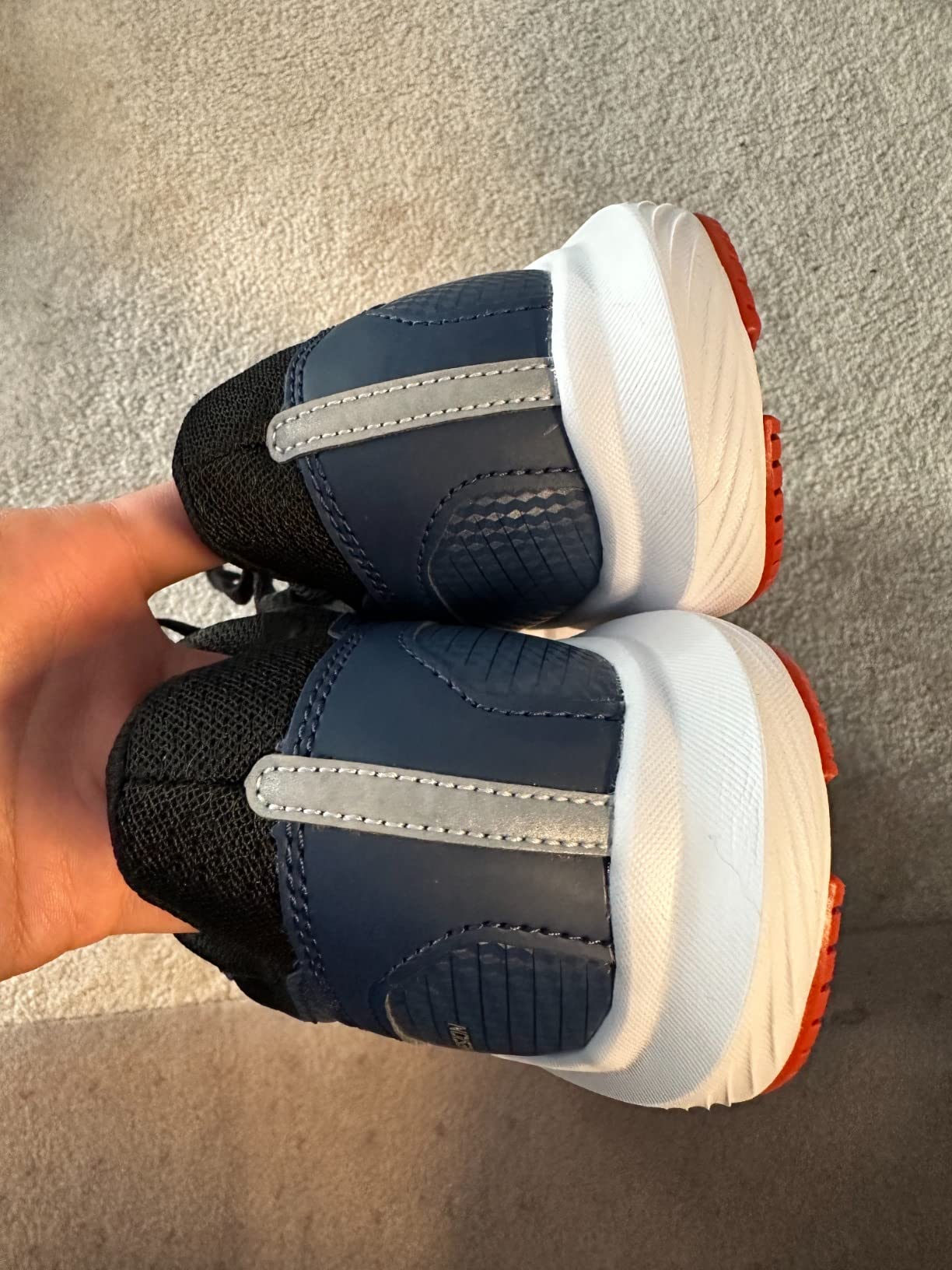
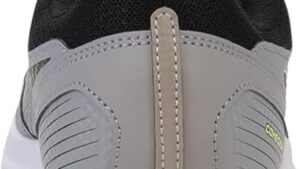
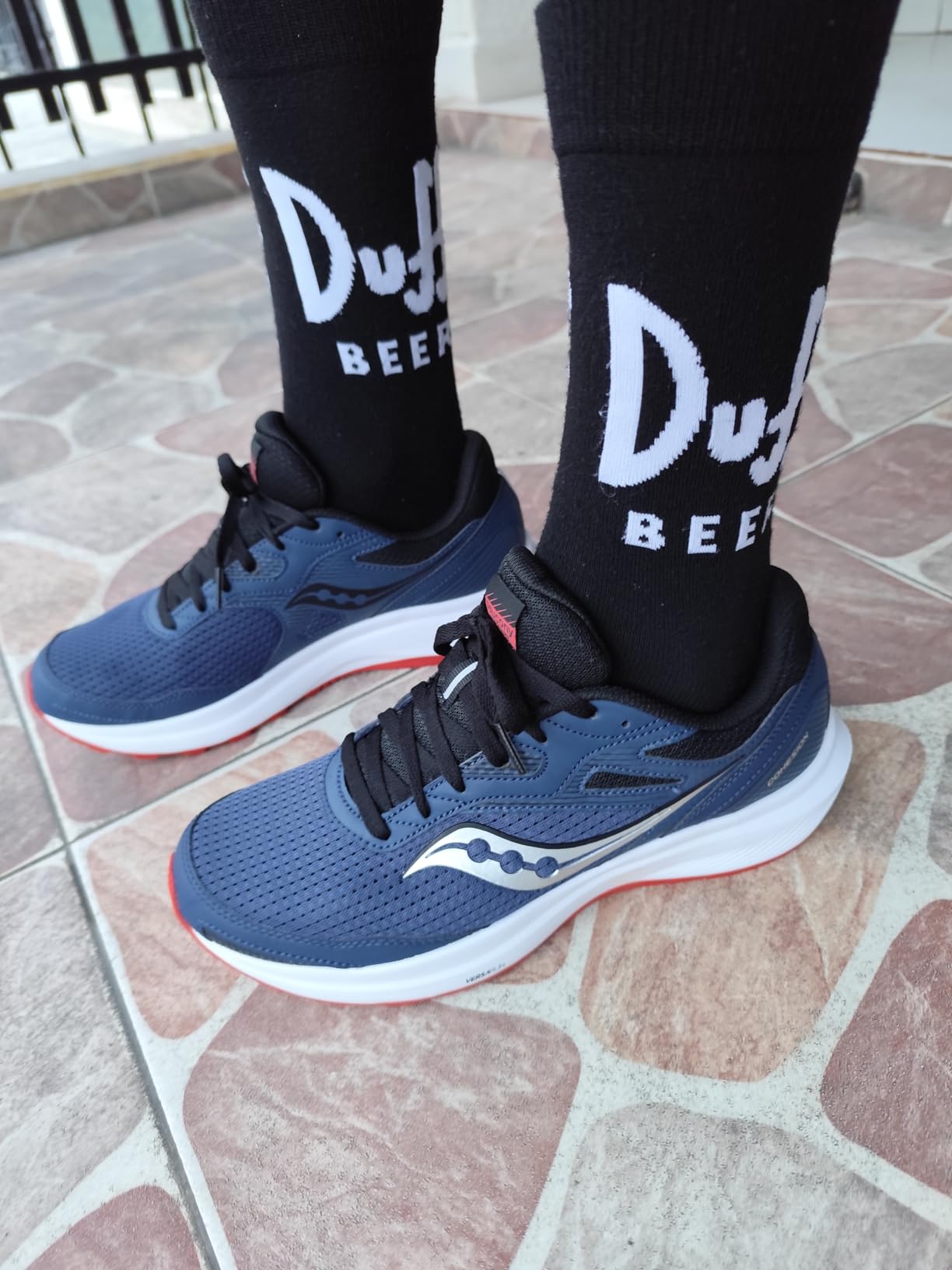
The padded tongue stayed put across every session — no lateral migration mid-run, which is a small thing that some budget shoes get badly wrong. The lacing eyelets feel durable, the collar has just enough padding to avoid rubbing on longer outings, and the heel cup is the standout structural feature: substantial enough that your foot doesn’t feel loose in the back, but not so rigid that you’re dealing with a break-in war.
Reflective detailing on the heel is there — minimal, but it’s there. Useful for early morning runs, not much of a safety feature in the dark. That’s the right honest summary.
VERSARUN Cushioning: The Honest Breakdown
How It Actually Feels
VERSARUN is EVA foam — the same fundamental material you’ll find across most budget running shoes, including the Adidas Response Running and comparable entry-level options. Saucony hasn’t invented something new here; they’ve tuned a reliable, affordable foam for daily recreational use. Set that expectation before your first run.
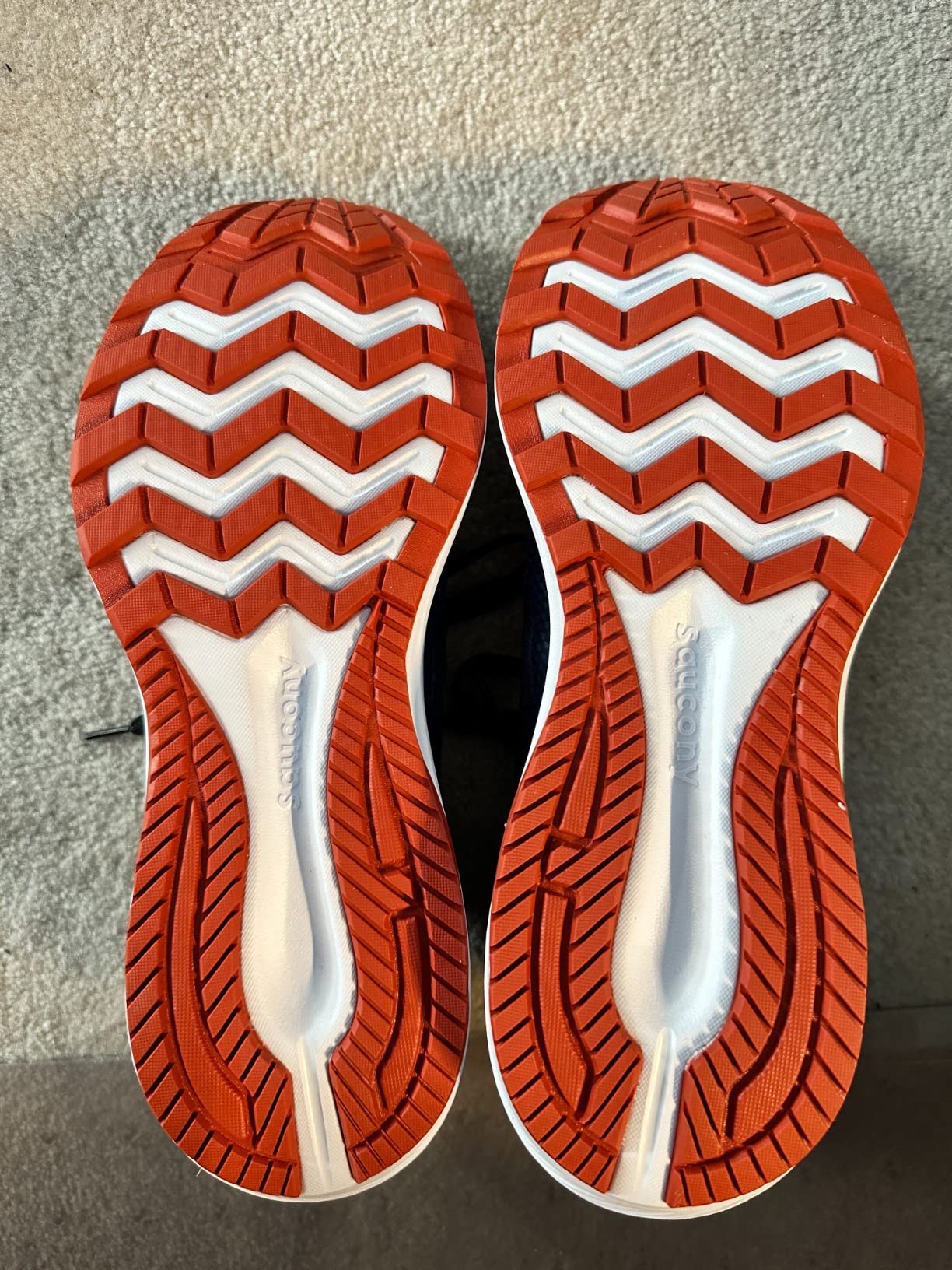
First 3-mile treadmill session at 8:30/mile: the heel-to-toe transition is smooth, impact felt reasonable for my 175 lbs, no harsh feedback from the surface. The 12mm drop positions this firmly in traditional territory — familiar and neutral, not aggressive. For easy-pace jogging, that felt fine.
What’s worth noting is that the 28mm stack at the heel means you have moderate cushioning depth, not the plush underfoot feel of something like the ASICS Gel-Nimbus 27. The trade-off is a more connected, lower-to-the-ground sensation that recreational runners coming from walking shoes might actually appreciate.
The Durability Question: What Happens After Mile 30
Here’s the part that matters. After about 30 miles — roughly three to four weeks in for someone running 10 miles per week — I started noticing the foam feeling less responsive underfoot. Not dramatic. But perceptible. On a 5-mile treadmill run at the five-week mark, I was more aware of the surface than I’d been at the start.
At 175 lbs, the cushioning held up noticeably better during walking and light jogging than during any tempo-adjacent effort. Heavier runners will likely hit that compression wall earlier; lighter runners may experience a longer comfortable window.
The user data tells a consistent story: multiple reviews cite premature sole separation between three and six months with regular use. Not everyone — some runners report six months of solid performance — but it’s a pattern that appears often enough to take seriously. The conservative estimate I’d give you for lifespan is 300–500 miles under recreational conditions. If you’re logging 50 miles a month, plan for a replacement cycle around the six to ten month mark.
On-Road Performance: Where It Actually Works
Multi-Surface Testing Results
The Cohesion 16 isn’t trying to be a trail shoe, and it doesn’t pretend otherwise. I put it across five different surfaces over six weeks, and the results were clear-cut.
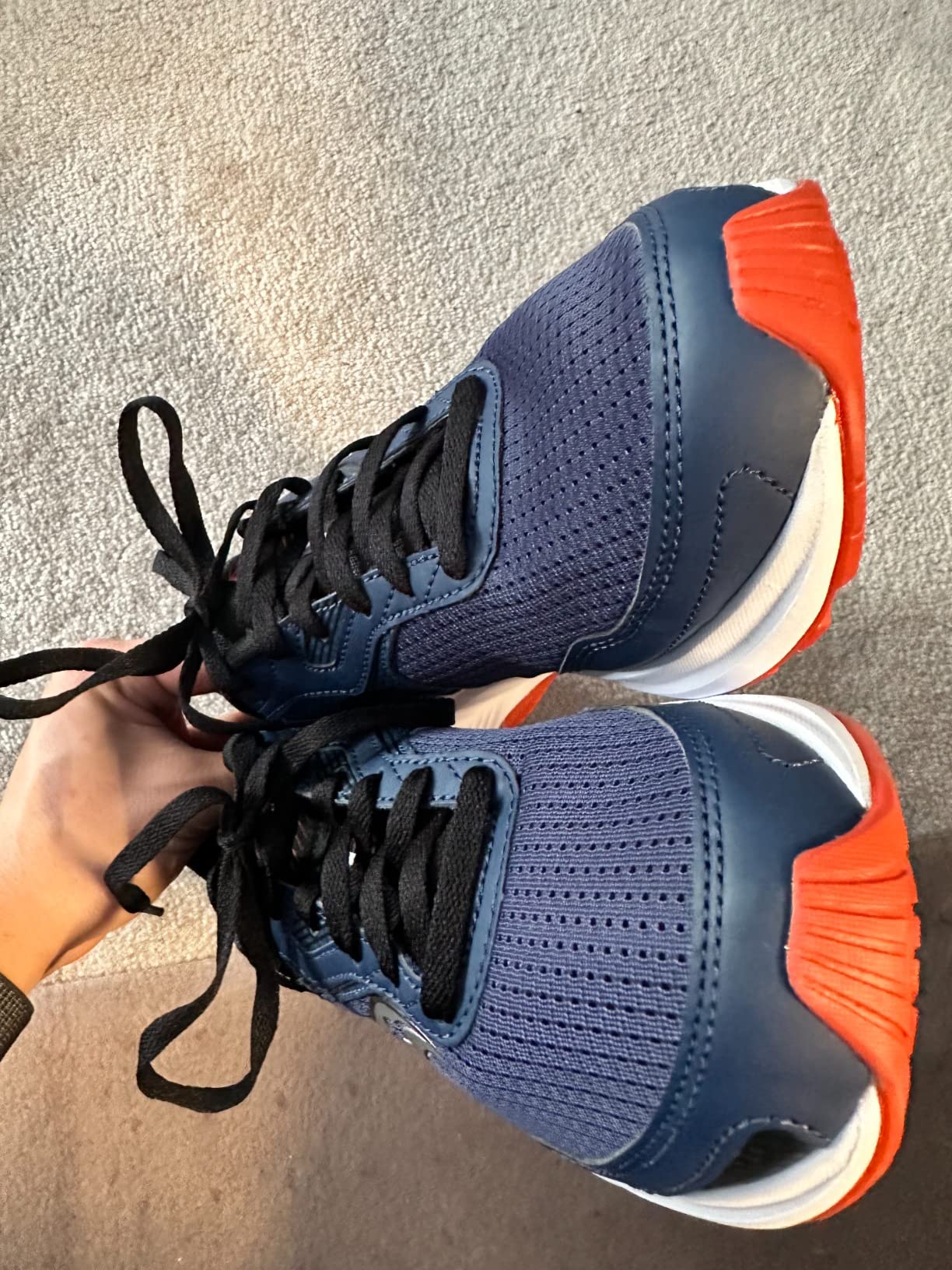
Gym treadmill: Comfortable, stable, no issues across multiple 45-minute sessions at varying paces. This is the shoe’s home turf.
Neighborhood sidewalks: Grip was solid under dry conditions. I hit some light rain during week three — wet pavement, not a downpour — and the outsole held adequately without any confidence-shaking moments. I wouldn’t push it in a heavy rain session, but for incidental wetness, it handled the situation.
Park trails and packed dirt: Functional. The rubber outsole provides enough grip for maintained paths and light dirt, but the lug pattern isn’t cut deep enough for anything technical. If you’re doing real trail running — rooted, rocky, loose terrain — look at something like the ASICS Gel-Venture 10 instead, which has more aggressive outsole patterning for that purpose.
Gym floor circuits: Works fine for circuit training, cardio, and bodyweight work. For training shoes applications involving heavy compound lifts, though, the cushioned sole works against you — you want something flat and firm for squats and deadlifts, not 28mm of EVA foam under your heel.
Breathability: The Genuine Win
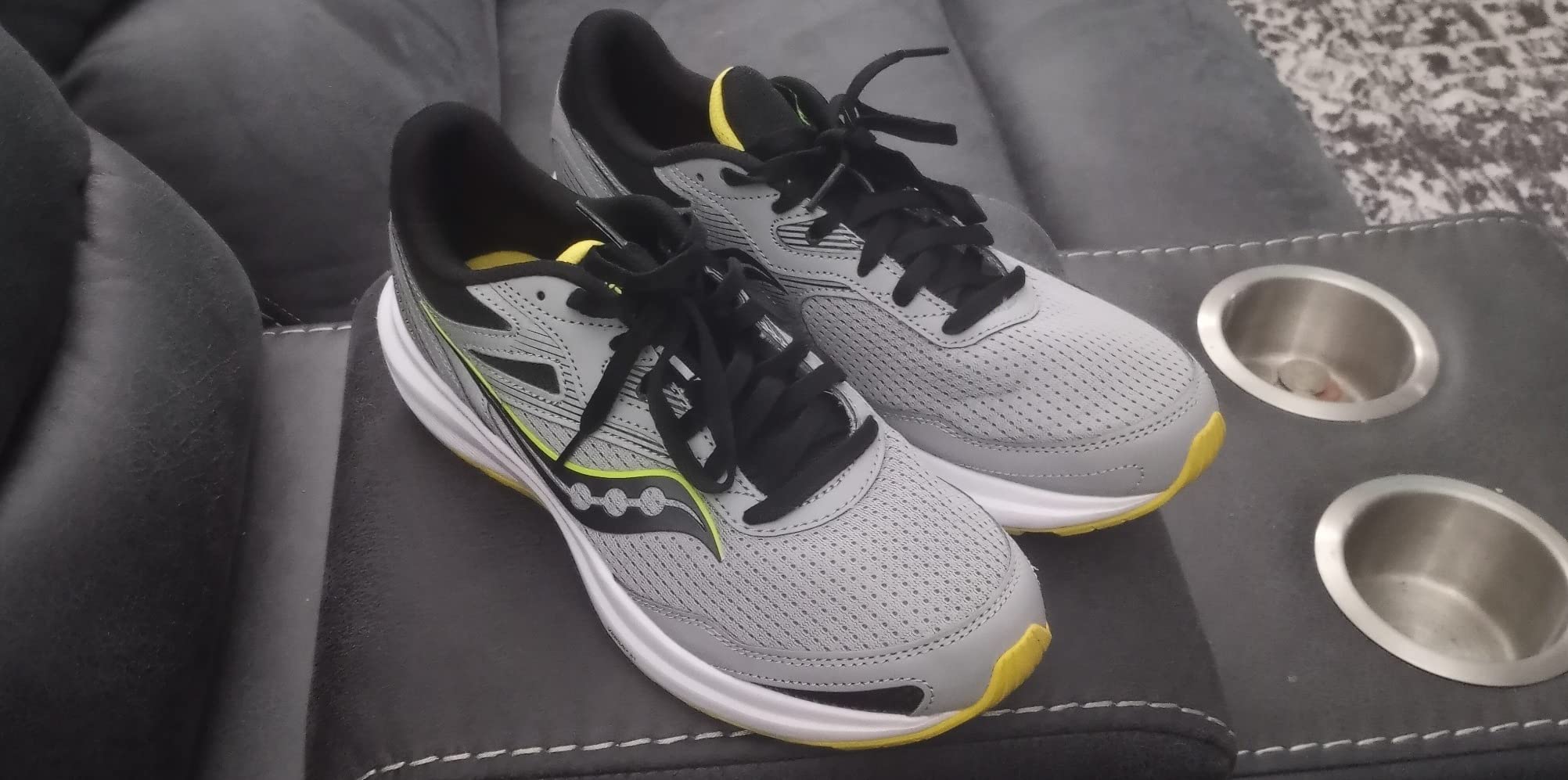
This is where the Cohesion 16 earns its keep. I tested these through 90°F treadmill sessions at high humidity — the kind of summer training that makes lesser mesh uppers feel like wearing plastic bags. Feet stayed genuinely ventilated. No hot spots, no excessive sweat pooling. The mesh isn’t sophisticated, but it moves air effectively.
On cooler outdoor runs, the same mesh properties that make it breathable in summer don’t create a cold problem — it’s light enough to feel fine across a reasonable temperature range, roughly 45°F and above in my experience, without needing a wool sock workaround.
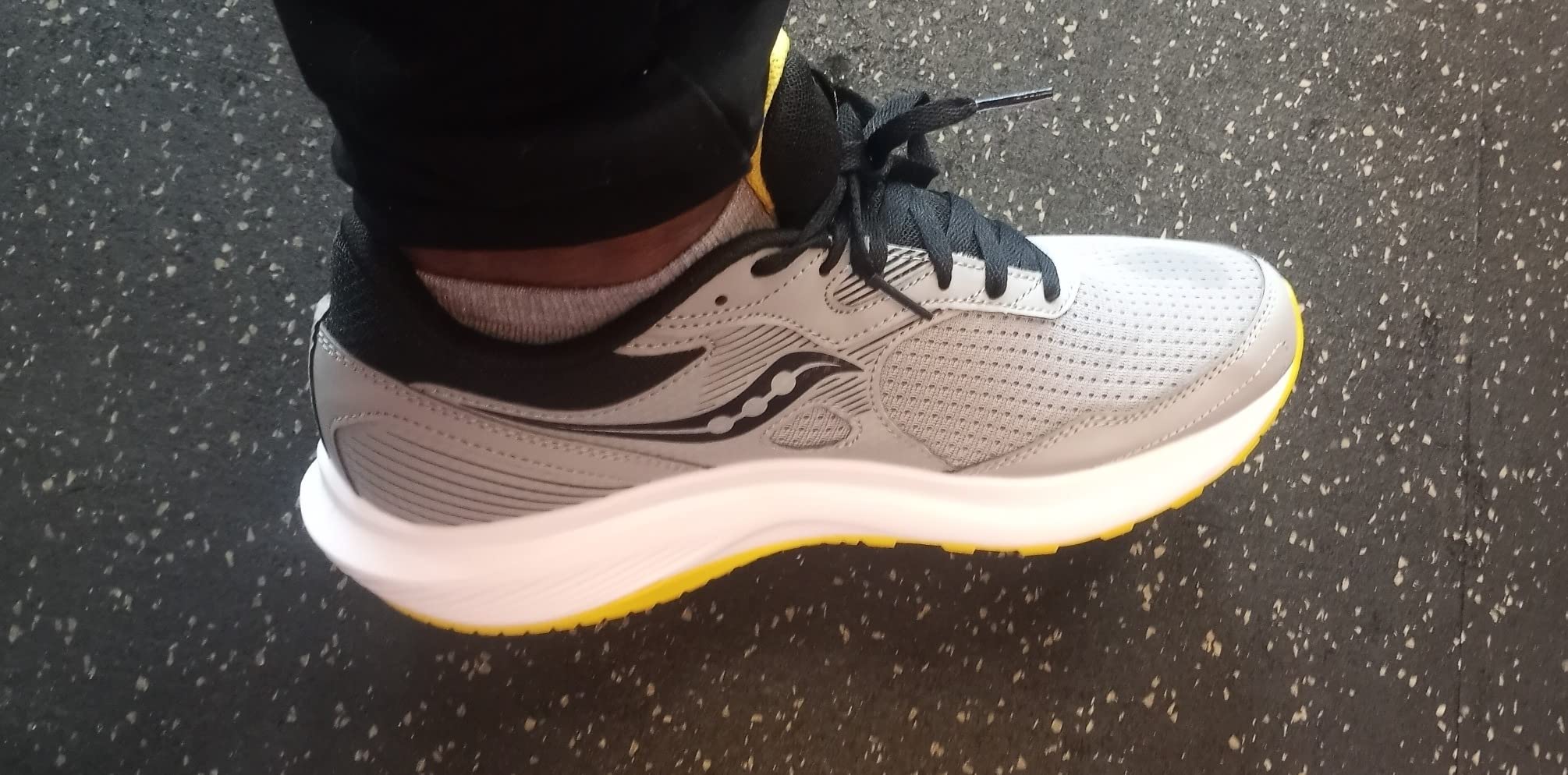
For a shoe at this price point, the breathability is the feature that legitimately exceeds expectations. It’s not a marketing claim — it holds up in real heat.
Who Should Actually Buy the Cohesion 16
The Right Fit
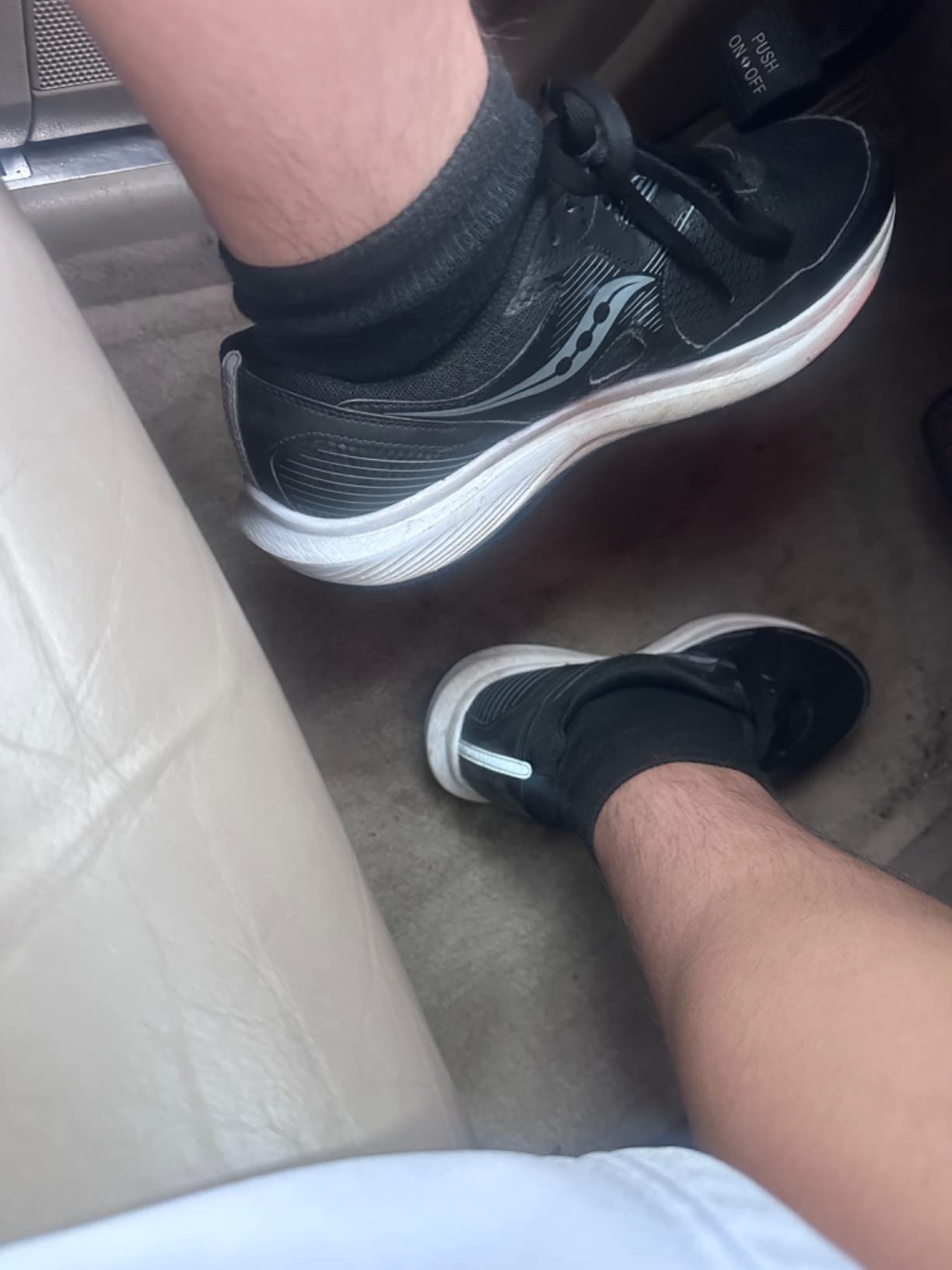
Recreational runners logging under 15 miles per week: This is the core use case. Easy-pace runs, consistency over intensity, building a base without a premium budget. The Cohesion 16 serves that well.
Daily walkers who want running shoe structure: The heel cup, smooth transition, and cushioning level all translate well to all-day walking. Several healthcare workers in the user reviews specifically called out comfort for extended shifts on hard floors — that’s a real data point.
New runners exploring the sport: Before spending $120–160 on a shoe, testing whether running sticks with you on a $55 option is genuinely sensible. The Cohesion 16 won’t hold back someone getting started.
Gym members needing a sneaker for mixed use: Treadmill warm-ups, circuit training, walking to the gym and back — the shoe handles that rotation without complaining.
Look Elsewhere If You
Run more than 20 miles per week consistently. The foam compression timeline I documented doesn’t support high-volume training. You’ll be replacing these faster than makes financial sense.
Have wide feet with significant arch support needs. The standard fit runs on the narrower side; the Wide variant exists (confirmed on Saucony’s site), but user reports on wide fit quality are mixed. If arch support is genuinely medically necessary, something like the ASICS Gel-Kayano 31 with its structured stability system is a better investment.
Do serious strength training as your primary use. The Adidas Amplimove Training or similar flat-soled training shoes serve that application better.
Need a shoe to last two-plus years. That expectation isn’t realistic at this price point and with this foam formulation.
Fit, Sizing & Width
Sizing consensus across user feedback is solidly true-to-size for most foot profiles. I’d estimate 80–85% of standard-width wearers can order their usual size and be done with it.
The caveat is the forefoot width. The Cohesion 16 runs on the narrower end of the neutral category — not dramatically, but enough that if you’re between sizes or have a wider forefoot, the half-size-up route is worth the attempt. The heel counter is snug by design: good for stability during runs, but plan for a slight break-in period of a few sessions if you’re wearing these all day immediately.
The removable insole is a practical feature that most reviews overlook. If you wear custom orthotics or aftermarket options like Sof Sole Athlete Insoles, the depth accommodates a swap without crowding your foot against the upper.
Budget Alternatives: How Does It Stack Up?
Head-to-Head at the Same Price Point
| Shoe | Price | Vs. Cohesion 16 |
|---|---|---|
| Nike Downshifter 12 | ~$65 | Lighter, slightly less initial cushioning depth, more consistent durability reports |
| Under Armour Charged Assert 9 | ~$70 | Charged foam cushioning, better durability reputation, less breathable mesh |
| PUMA Tazon 6 FM | ~$60 | More gym/training focused, firmer ride, narrower use case |
| Brooks Launch 10 | ~$100 | Meaningfully better cushioning longevity, step up in quality, $40–45 more |
The Cohesion 16’s edge over the Downshifter 12 and Charged Assert 9 is the breathability and initial out-of-box comfort. Its disadvantage is the durability question. If you’re choosing purely on longevity, the Charged Assert 9 is the safer pick. If breathability in warm-weather training is the priority, the Cohesion 16 wins the head-to-head.
The Real Cost Math
At $55 average street price and a conservative 400-mile lifespan: that’s $0.14 per mile. At 50 miles per month, that’s roughly $7/month to run in these.
Compare that to a $120 shoe lasting 600 miles: $0.20 per mile, or $10/month. The Cohesion 16 is legitimately cheaper to run in — if the durability holds. The risk is the premature failure scenario: if your pair starts degrading at 200 miles, the math flips quickly. That’s not a hypothetical — it’s what some users have reported.
Buy these knowing you may be replacing them in six months. That’s not a failure of the product at this price; it’s just the honest economics.
Frequently Asked Questions
How does sizing work — should I size up?
For standard-width feet, true to size works for the vast majority of buyers. The shoe runs slightly narrow in the forefoot rather than the overall length, so if your feet are wider or you typically find yourself between sizes, going half a size up is the right call. Test them indoors for a couple of sessions before any outdoor commitment, particularly if you’re on the edge.
How long do these realistically last?
Variable, but the honest range is 300–500 miles under recreational conditions. At 40–50 miles per month, that’s six to ten months. Heavier runners (180+ lbs) or those pushing pace regularly will see compression degradation earlier in that window. User reports of sole separation in the 3–5 month range exist and aren’t isolated — factor in a replacement budget accordingly.
Are these good for flat feet or high arches?
The arch support is moderate — better than a casual flat sneaker, not purpose-built like a motion control shoe. Several users with mild flat feet reported positive experiences. For significant arch support needs, the removable insole makes aftermarket options compatible; the footbed depth accommodates a standard replacement insert. Those with pronounced overpronation should look at a stability-category shoe instead.
Can I use these for weightlifting or CrossFit?
For cardio circuits, bodyweight work, and treadmill warmups: yes, fine. For heavy barbell work — squats, Romanian deadlifts, any loaded compound movements — the answer is no. The 28mm cushioned heel creates instability that undermines ground contact for lifting. A flat, firm-soled training shoe is the correct tool for that job.
How do they handle humidity and summer heat?
Better than most at this price. I ran 90°F treadmill sessions in high humidity conditions and the mesh upper kept things tolerable — no overheating, no swampy accumulation. This is the Cohesion 16’s genuine standout strength and where the breathability claim actually holds up in practice rather than just on paper.
Are these appropriate for daily work wear?
If your workplace allows athletic footwear, these work well for extended standing or walking-heavy shifts. The heel cup provides stability during long hours, and the mesh breathability is actually an asset in work environments where feet are active all day. The athletic styling won’t fit formal or semi-formal dress codes.
What about the wide width version?
Saucony does offer a confirmed Wide variant (I verified this on their site). The catch is that user reports on Wide fit quality are mixed — some wide-foot buyers find it adequate, others report it still running narrow even in the W width. If you need a Wide, I’d recommend buying from a retailer with easy returns so you can evaluate fit before committing, rather than assuming the W designation fully solves the width concern.
How does the shoe hold up in light rain?
In light rain on wet pavement — the kind of incidental wetness you hit in a drizzle — the outsole held traction without issue during my testing. I wouldn’t take these into a heavy downpour intentionally. The mesh upper will saturate quickly, and the outsole isn’t designed for aggressive wet-surface grip. This isn’t a rainy-day shoe; it’s a fair-weather and gym shoe that tolerates a drizzle.
Final Verdict
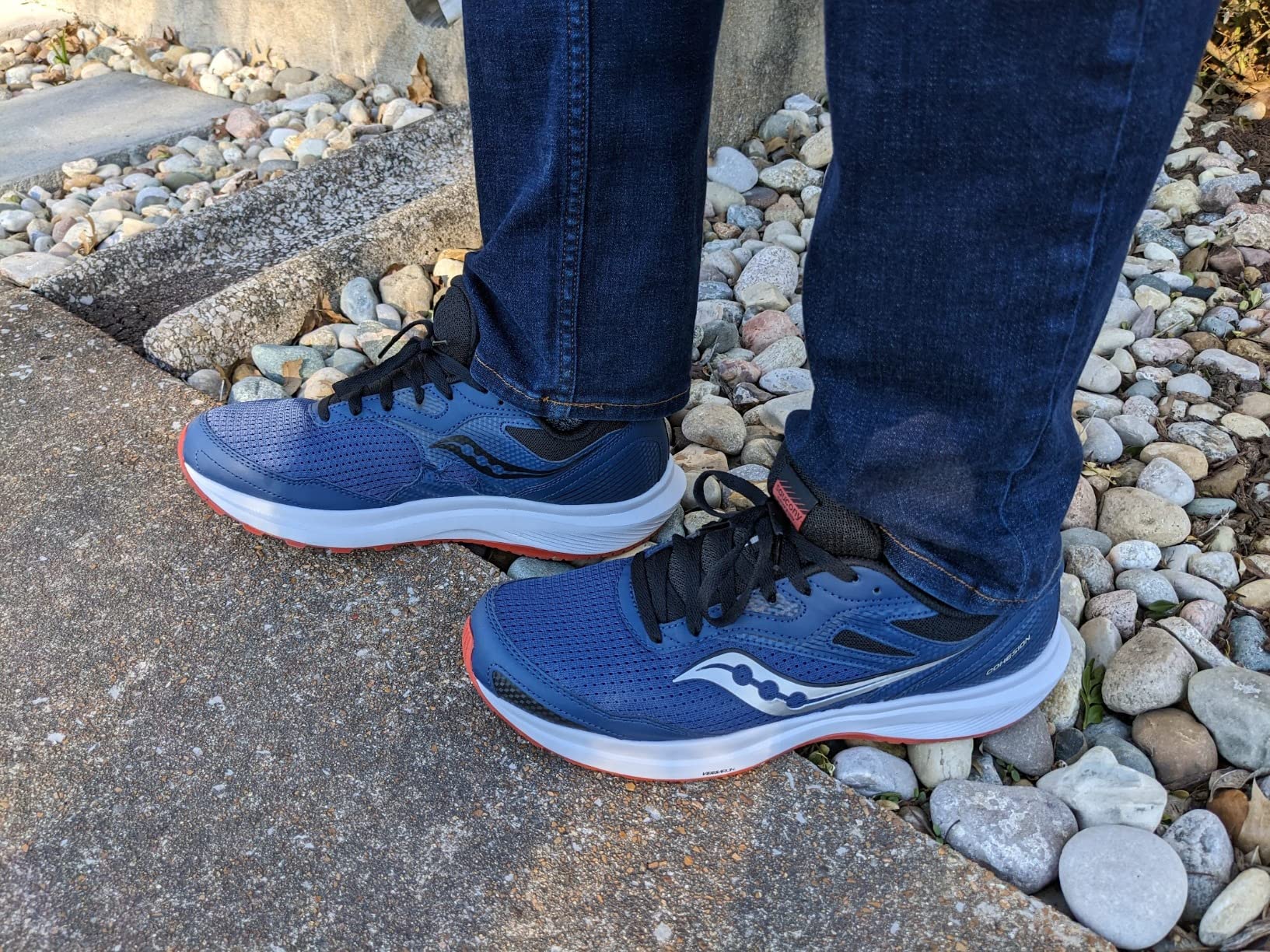
Six weeks and 120+ miles in, here’s where I stand on the Cohesion 16.
The comfort is real and immediate. The breathability delivers. The 12mm drop and smooth midsole transition make this an accessible shoe for recreational runners who don’t need advanced foam tech. At $50–65, it gives you genuine Saucony running shoe construction at a price that makes sense for the use case.
The durability is the honest concern. Foam compression starts becoming noticeable past 30 miles, user-reported failure patterns exist in the 3–6 month window, and I wouldn’t frame this as a long-term investment. It’s a 6–10 month running shoe for recreational users, priced accordingly.
Score Breakdown
| Category | Score | Notes |
|---|---|---|
| Comfort | 8.5/10 | Genuine out-of-box comfort, no hotspot issues, secure heel hold |
| Performance | 7.0/10 | Solid for recreational pace, limited for tempo or high-volume training |
| Durability | 6.0/10 | Foam compression noticeable after 30+ miles; user failure reports 3–6 months |
| Value | 8.0/10 | $0.14/mile is competitive for the budget tier if lifespan holds |
| Breathability | 9.0/10 | Standout performance in heat and humidity, genuinely above expectations |
| Versatility | 8.0/10 | Handles treadmill, sidewalks, gym, and light trail without specializing in any |
| Overall | 7.2/10 | Good budget running shoe for recreational use — durability prevents a higher rating |
Buy it if you need an affordable, comfortable, breathable shoe for recreational running, walking, or mixed gym use, and you’re realistic about replacing it within a year. Pass on it if you’re logging serious mileage, need wide-foot accommodation, or expect a multi-year lifespan from a $55 shoe.
The Cohesion 16 is a fair shoe. Not a great one. Fair, at the right price.
Be the first to review “Saucony Men’s Cohesion 16 Running Shoes”
Related products
Running Shoes
Running Shoes
Hiking/Trekking Shoes
Running Shoes
Running Shoes

Running Shoes

Running Shoes
Running Shoes
Reviews
There are no reviews yet.