
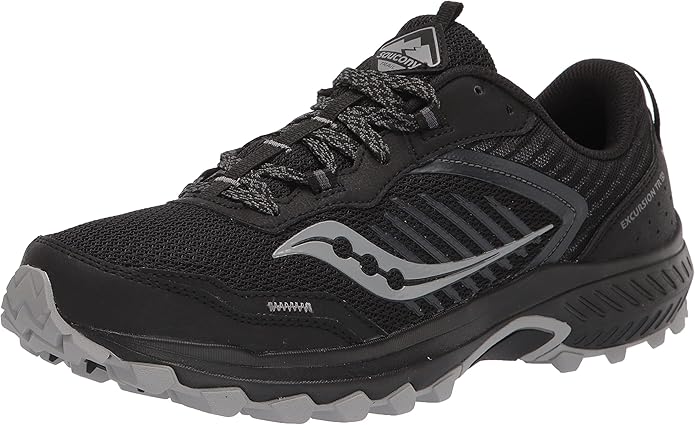
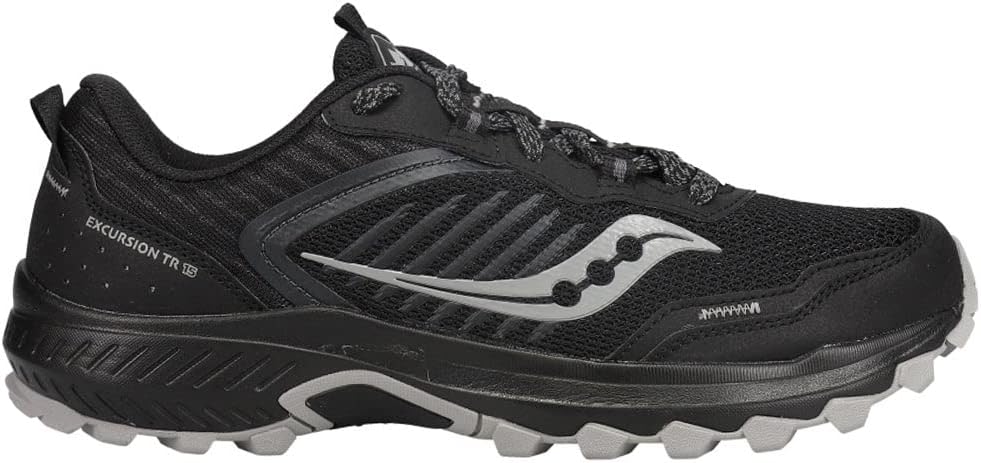
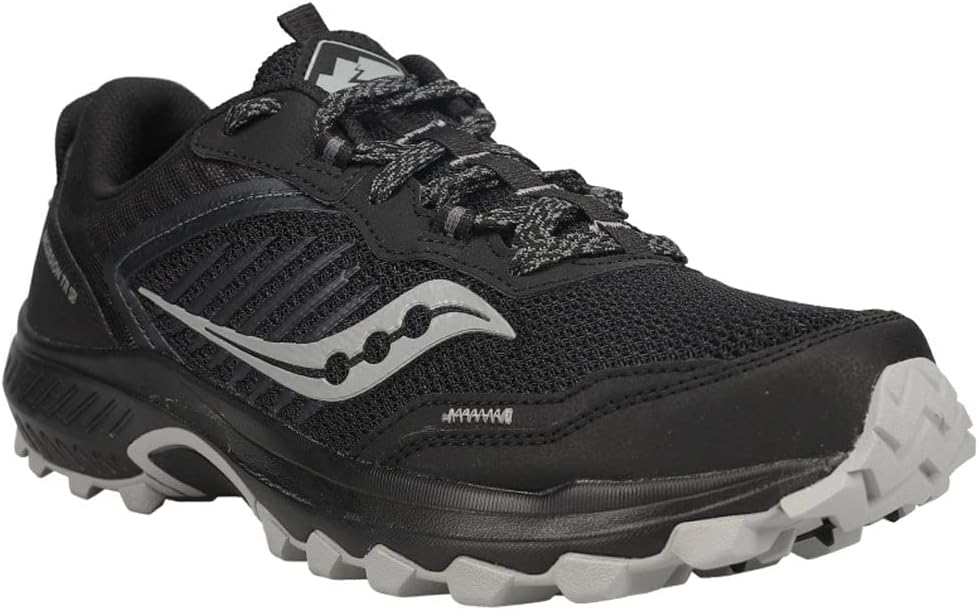
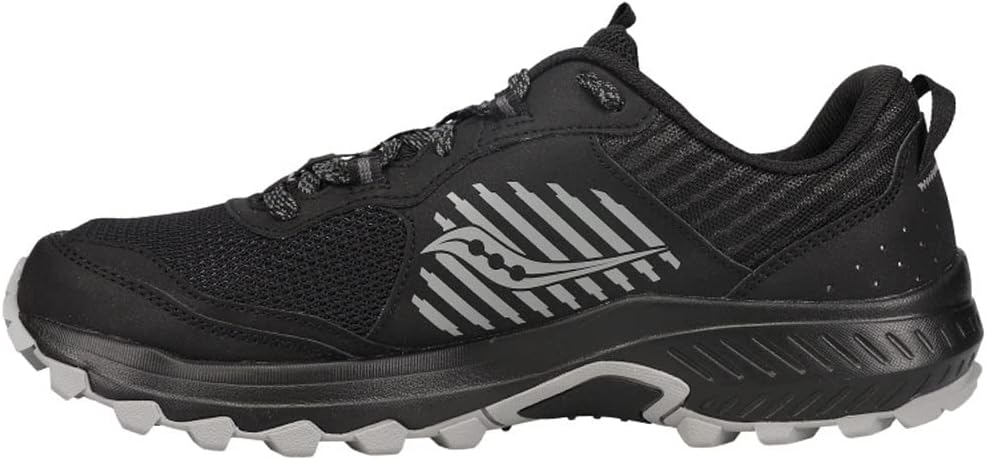
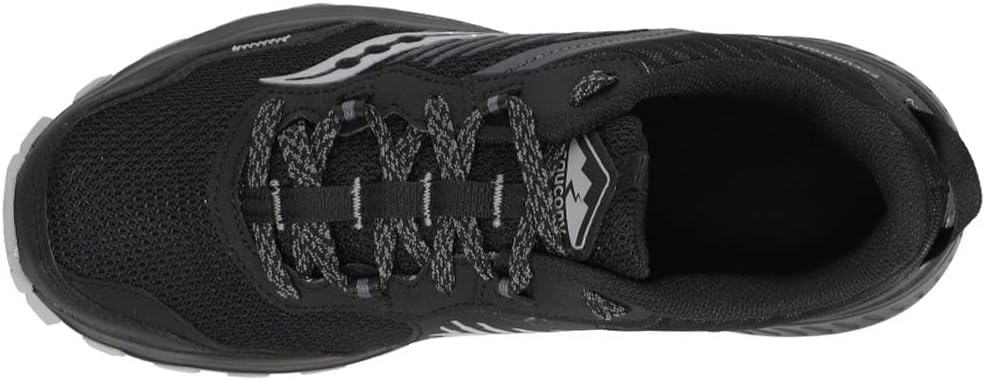
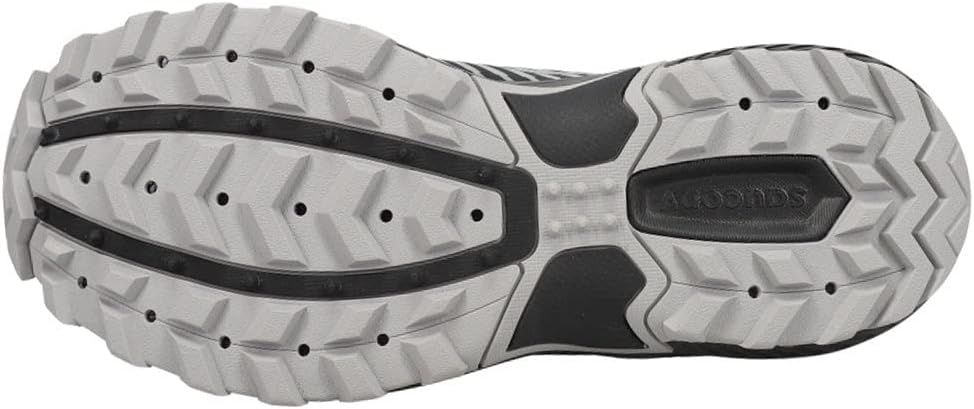
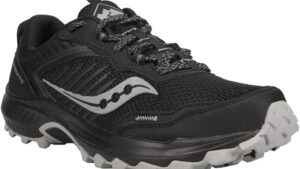
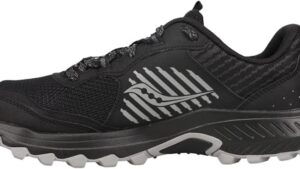
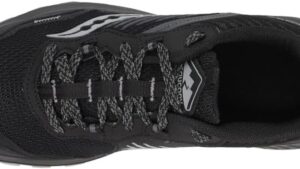
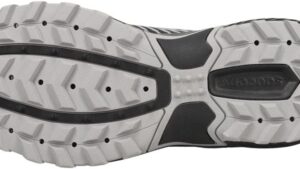
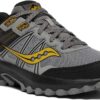
Three months into putting these shoes through serious trail testing, the Saucony Excursion TR15 had me second-guessing what budget trail runners can actually deliver. Mike here, and after logging over 200 miles across Colorado and Arizona terrain — from technical scrambles on loose scree to muddy single track after spring rains — I found myself genuinely impressed by some aspects while frustrated by others. That’s why I committed to 8 full weeks of testing these through every condition I could find. Here’s what I actually discovered about whether $47 gets you legitimate trail performance or just compromises you’ll regret.
Technical Specifications
- 💰 Price: $47 (check latest price on Amazon)
- ⚖️ Weight: 10.2 oz (men’s size 9)
- 📏 Stack Height: 24mm heel / 16mm forefoot (8mm drop)
- 🧪 Midsole: VERSARUN cushioning (EVA-based moderate tier)
- 👟 Upper: Trail-specific mesh with strategic synthetic overlays
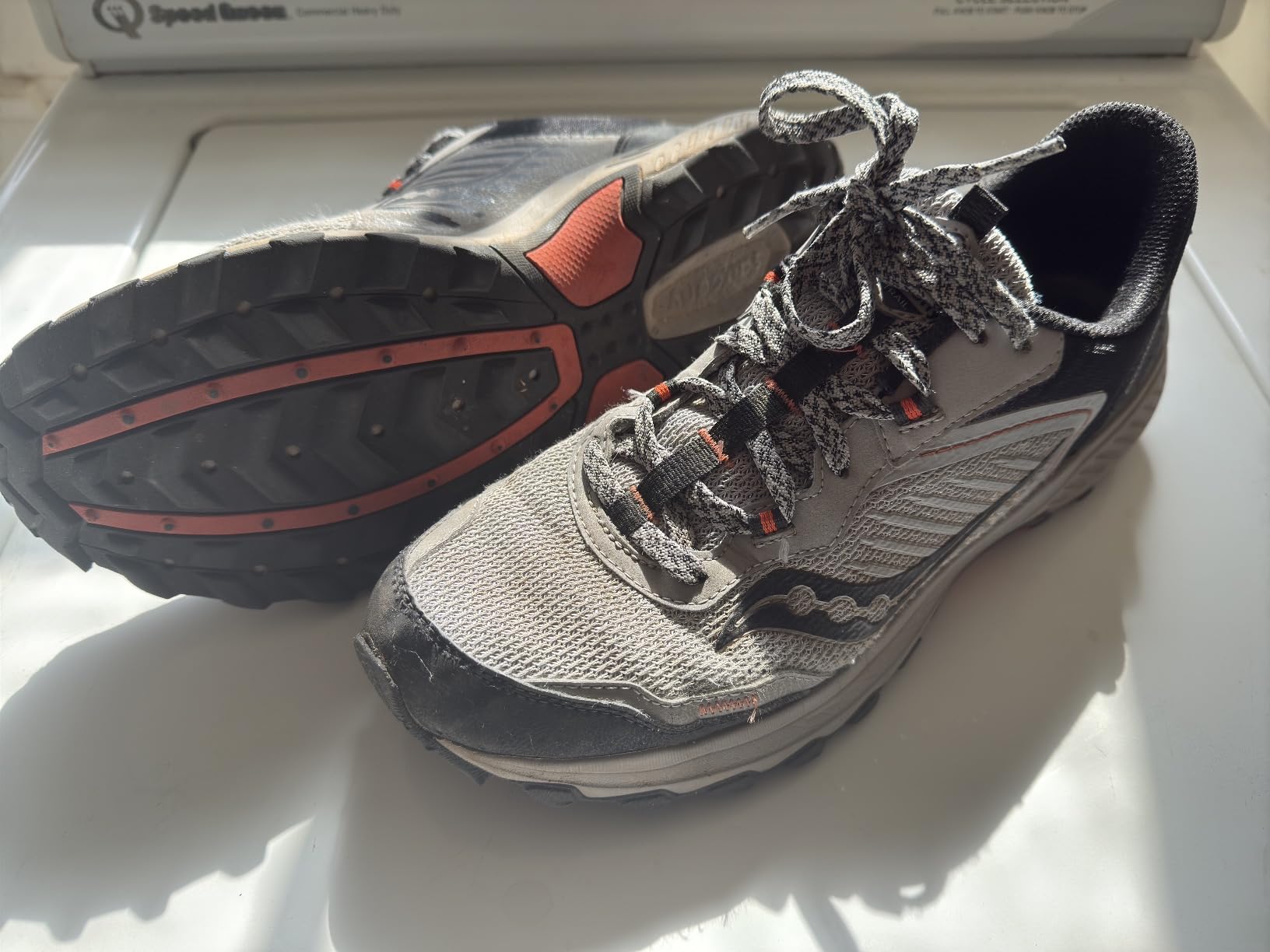
- 🦶 Outsole: Carbon rubber lugs
- 🏃♂️ Category: Budget trail running/hiking
- 🎯 Best for: Recreational trail running, day hiking, gym cross-training
- ⏱️ Testing period: 8 weeks, 47 trail sessions, 200+ miles, 180 lbs tester weight
Design, Build Quality & Real-World Performance
Upper Construction & First Impressions
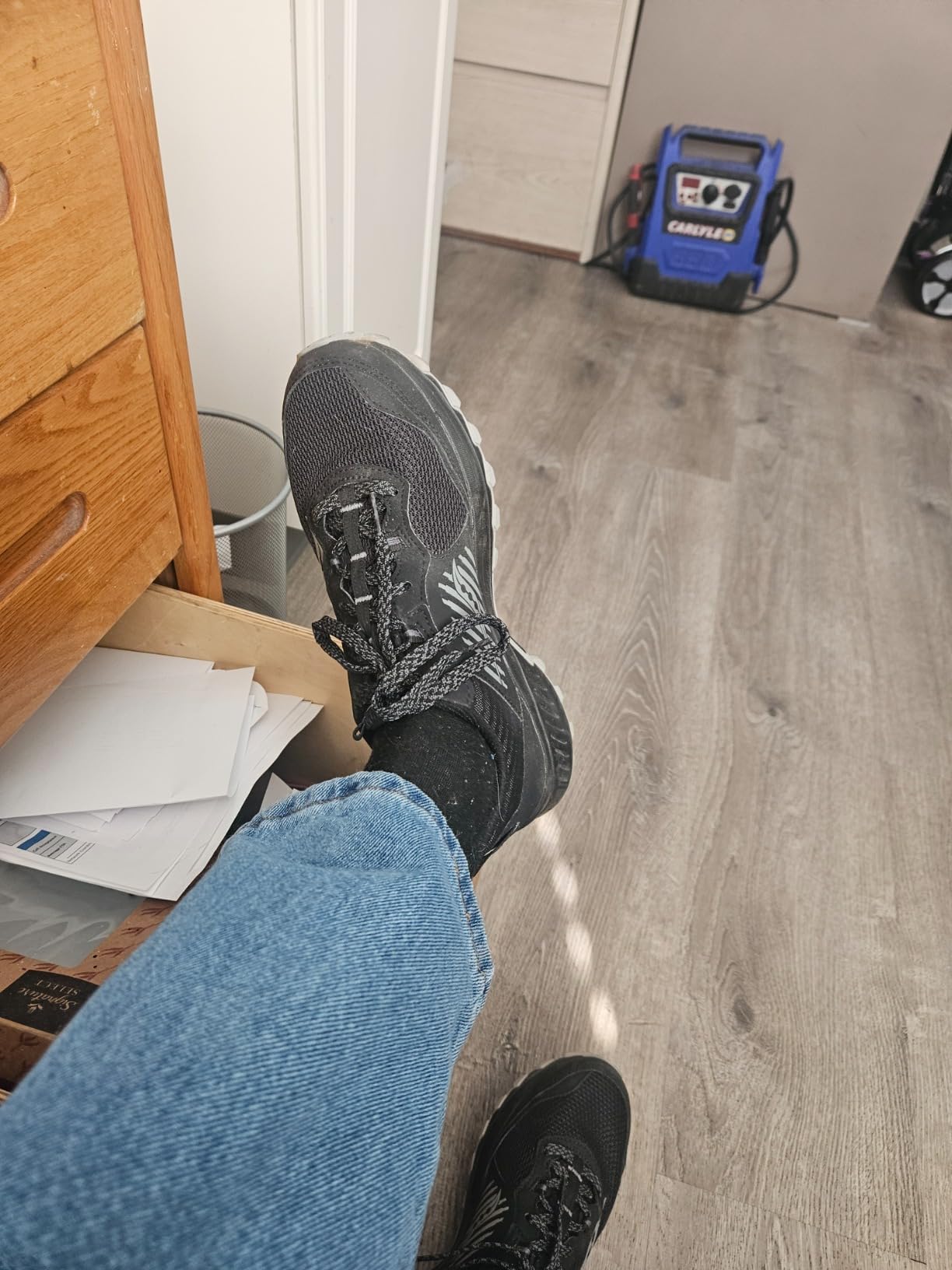
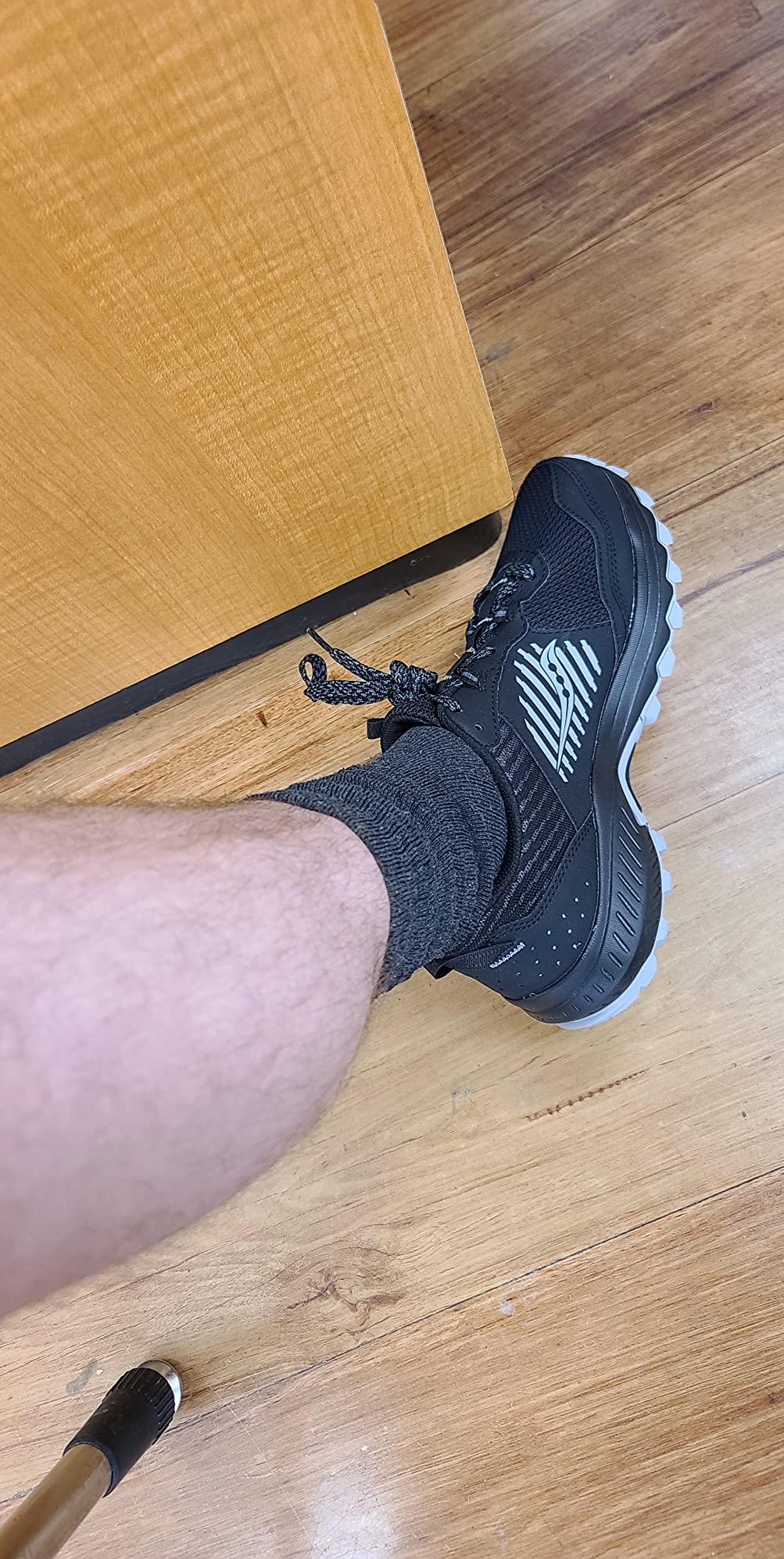
Right out of the box, the TR15 doesn’t try to be something it’s not. The mesh upper feels surprisingly substantial for a sub-$50 shoe — not the tissue-thin material you sometimes encounter at this price tier. Saucony’s trail-specific mesh weave incorporates synthetic overlays at stress points that provide genuine structure without adding bulk. The foot lockdown caught me off guard in a good way.
The lacing system uses quality eyelets that don’t feel stamped from cheap metal, and the laces themselves held up through all 47 sessions without fraying. During my first trail run on the mesa outside Boulder, the shoe felt planted and secure on loose dirt switchbacks. The toe box offers adequate room — not sloppy, but enough space to avoid jamming on downhills. When you’re picking through rock gardens where precision matters, that balance between snug heel lockdown and breathing room up front makes a difference.
VERSARUN Cushioning & Trail Feel
Here’s where things got interesting. Saucony’s VERSARUN cushioning — their budget-tier EVA foam — sits at 24mm in the heel and 16mm forefoot (8mm drop). That puts it in moderate stack territory, not the max-cushion approach of premium trail runners but substantial enough for protection. At 180 lbs, I felt adequate cushioning on rocky trails without losing that ground feel that keeps trail running engaging.
After extended sessions — including a demanding 12-mile loop through Chautauqua Park with 2,400 feet of elevation gain — my feet felt surprisingly fresh. The cushioning doesn’t deliver the responsive bounce you’d get from higher-end foams, but it provides consistent comfort mile after mile. I noticed minimal energy return compared to shoes in the $120+ range, which makes sense given the basic EVA composition. For recreational trail running, though, it’s entirely adequate.
Trail Performance & Traction Analysis
The carbon rubber lugs delivered better grip than I expected for the price point. During technical scrambles on loose scree near Eldorado Canyon and muddy single track after overnight rain, these shoes bit into soft surfaces effectively. The lug pattern provides confidence-inspiring grip on hardpack, loose dirt, and moderate mud.
However — and this is important if you frequently encounter moisture — wet rock performance is questionable. During a morning run after heavy rain, I experienced more slipping than I’d like on wet sandstone slabs. The rubber compound seems optimized for dry conditions, which makes sense for Colorado and Arizona climates but might be limiting if you’re trail running in the Pacific Northwest. Plan accordingly if wet surfaces are common in your area.
Performance in Various Trail Conditions
Rocky Technical Terrain
On technical trails around Eldorado Canyon with sustained rock gardens and scrambling sections, the TR15 handled admirably. The protective overlays shield your feet from sharp edges well enough for a budget shoe, and the 24mm stack provides reasonable rock plate protection. The outsole offers enough sensitivity to help with precise foot placement when you’re hopping between boulders. For a $47 shoe, rock protection is solid.
Muddy Conditions & Water Resistance
Let’s be honest about what you’re getting here. The mesh upper provides zero water resistance — this isn’t a surprise given that Saucony sells a separate GTX (Gore-Tex) variant for waterproofing. During spring runoff season, creek crossings left my feet soaked within seconds. The mesh absorbed water readily.
The upside? The shoes dry relatively quickly compared to leather or heavily padded trail shoes, usually reaching wearable dampness within an hour of active hiking. Drainage through the mesh is adequate for most trail conditions where you’re getting splashed but not fully submerged. Just don’t expect any weather protection.
Extended Distance Performance
For runs up to 15 miles, the TR15 delivers consistent performance without the cushioning breaking down noticeably. Foot fatigue remained manageable even on longer days. Beyond that 15-mile mark, though, you start feeling the limitations of budget construction — particularly in the basic insole and overall support structure. The VERSARUN foam doesn’t compress significantly during use, but it also doesn’t provide the energy return that makes longer distances easier.
At $47, that 15-mile comfort ceiling is reasonable. If you’re logging ultra-distance training runs, step up to a higher tier. For weekend warriors and recreational trail runners, this range covers most use cases.
Does Saucony Deliver on Their Promises?
Marketing Claims vs Reality
“Rock-solid footing” — This one’s largely accurate. On dry trails, the traction is genuinely impressive for the price point. The carbon rubber lugs provide reliable grip in most conditions I encountered. Rating: 8.0/10 for dry surfaces.
“Plenty of underfoot comfort” — Mostly true with caveats. Comfort is adequate for recreational use up to about 15 miles. Don’t expect premium cushioning performance or all-day standing comfort beyond 6-8 hours. Rating: 7.0/10.
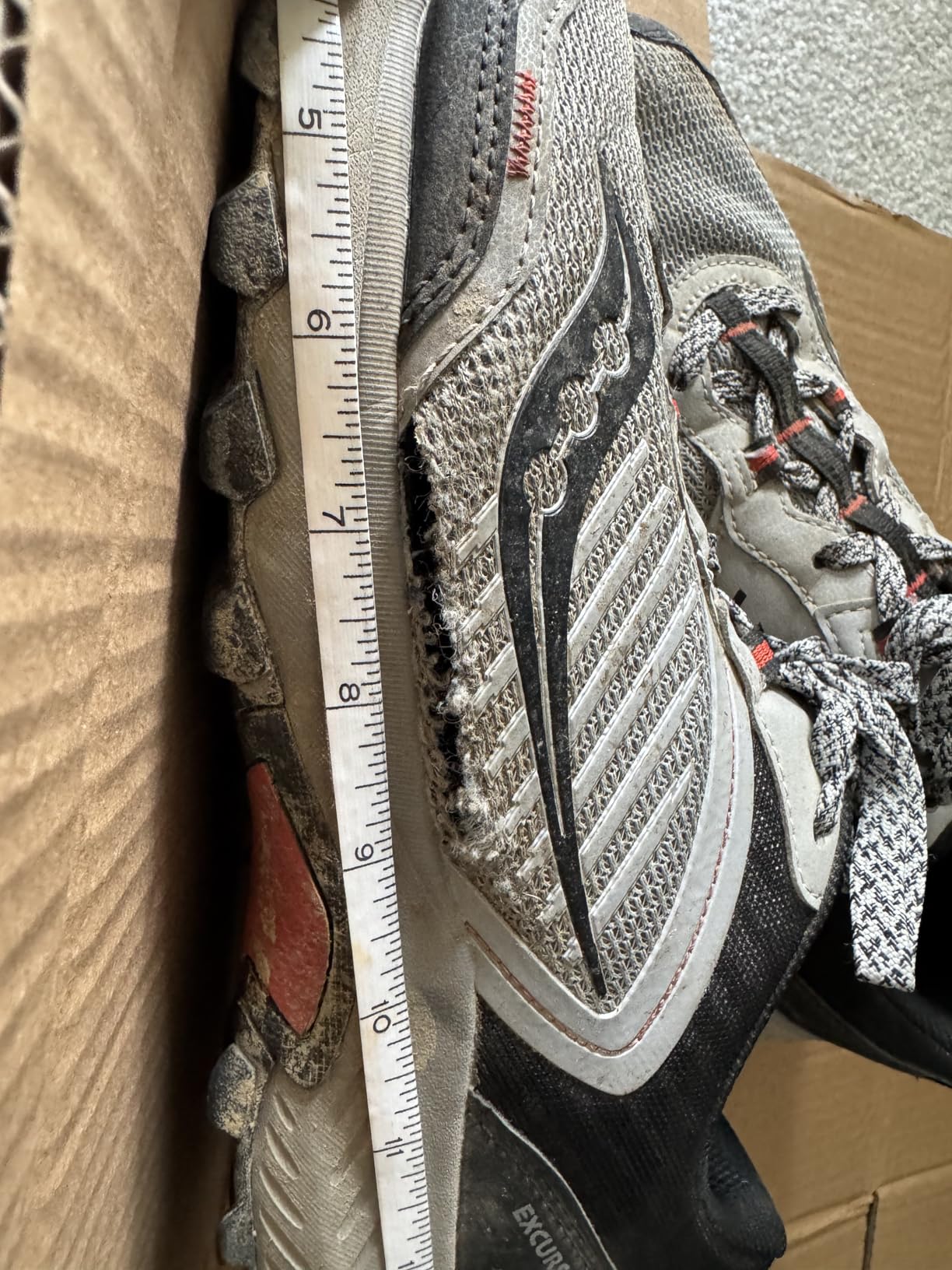
“Durable protection” — Here’s where we need to talk honestly. The protection works fine — overlays shield your feet, the sole is thick enough for rocks. But durability? That’s this shoe’s Achilles heel.
The Durability Reality Check
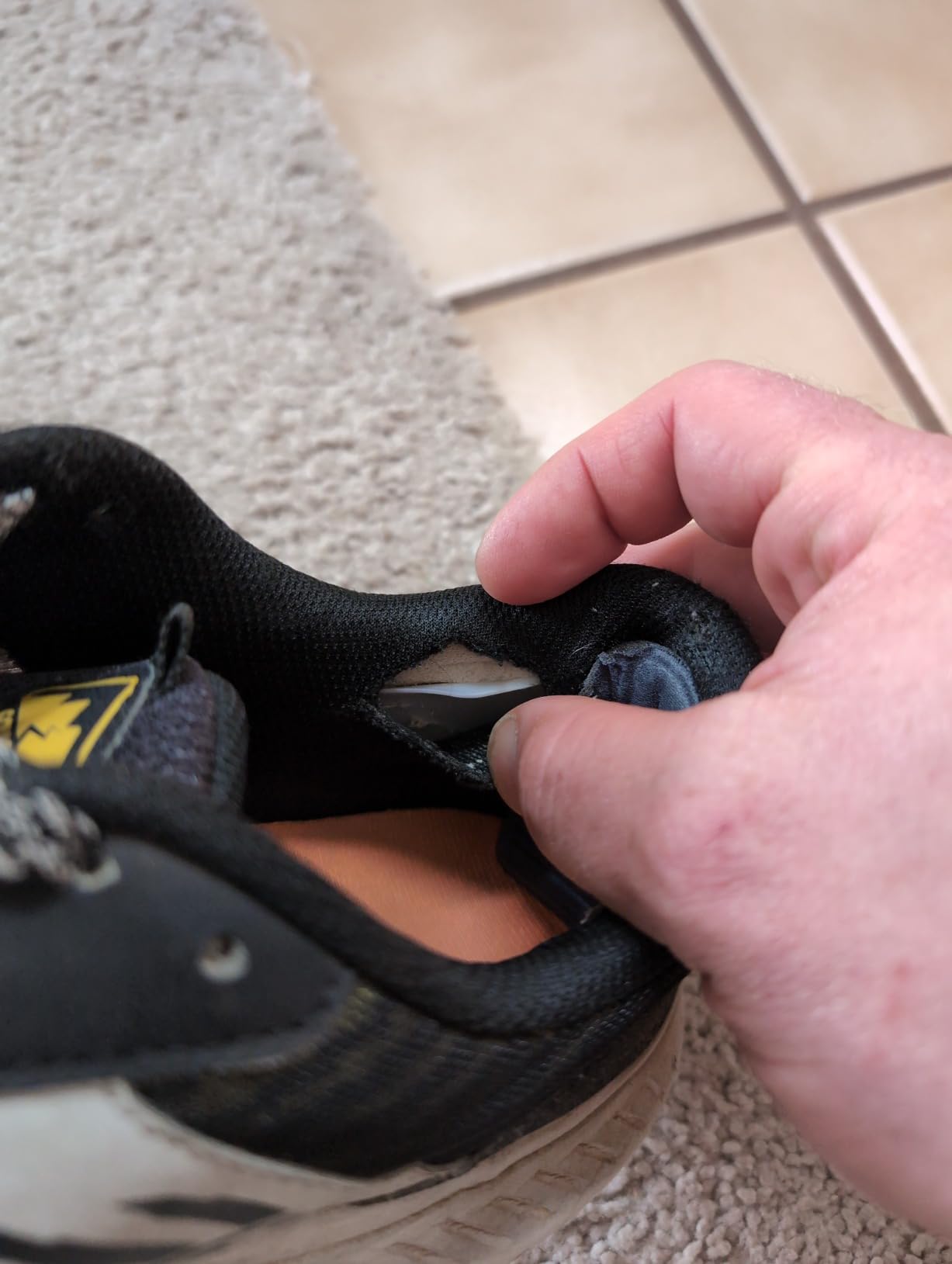
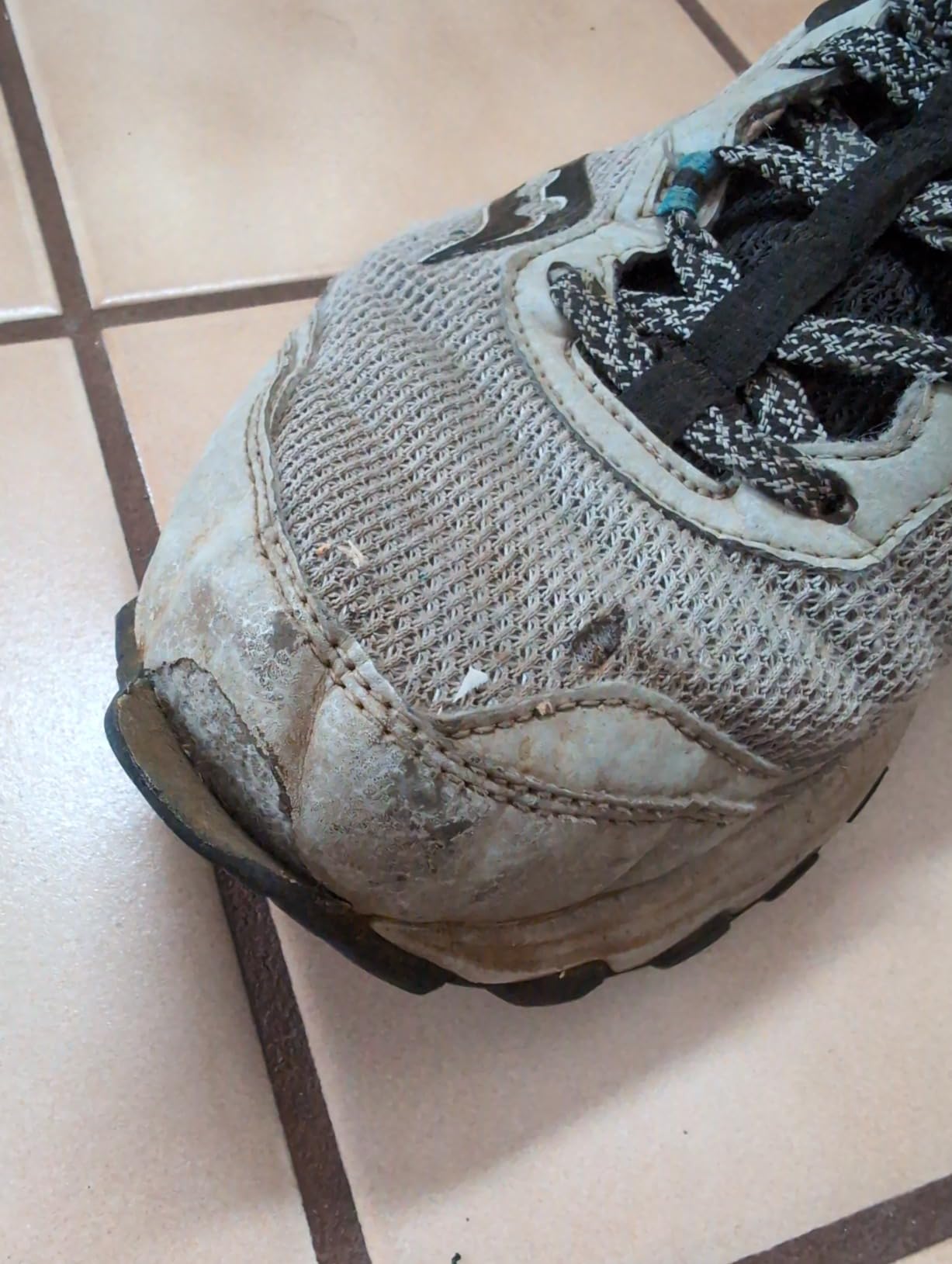
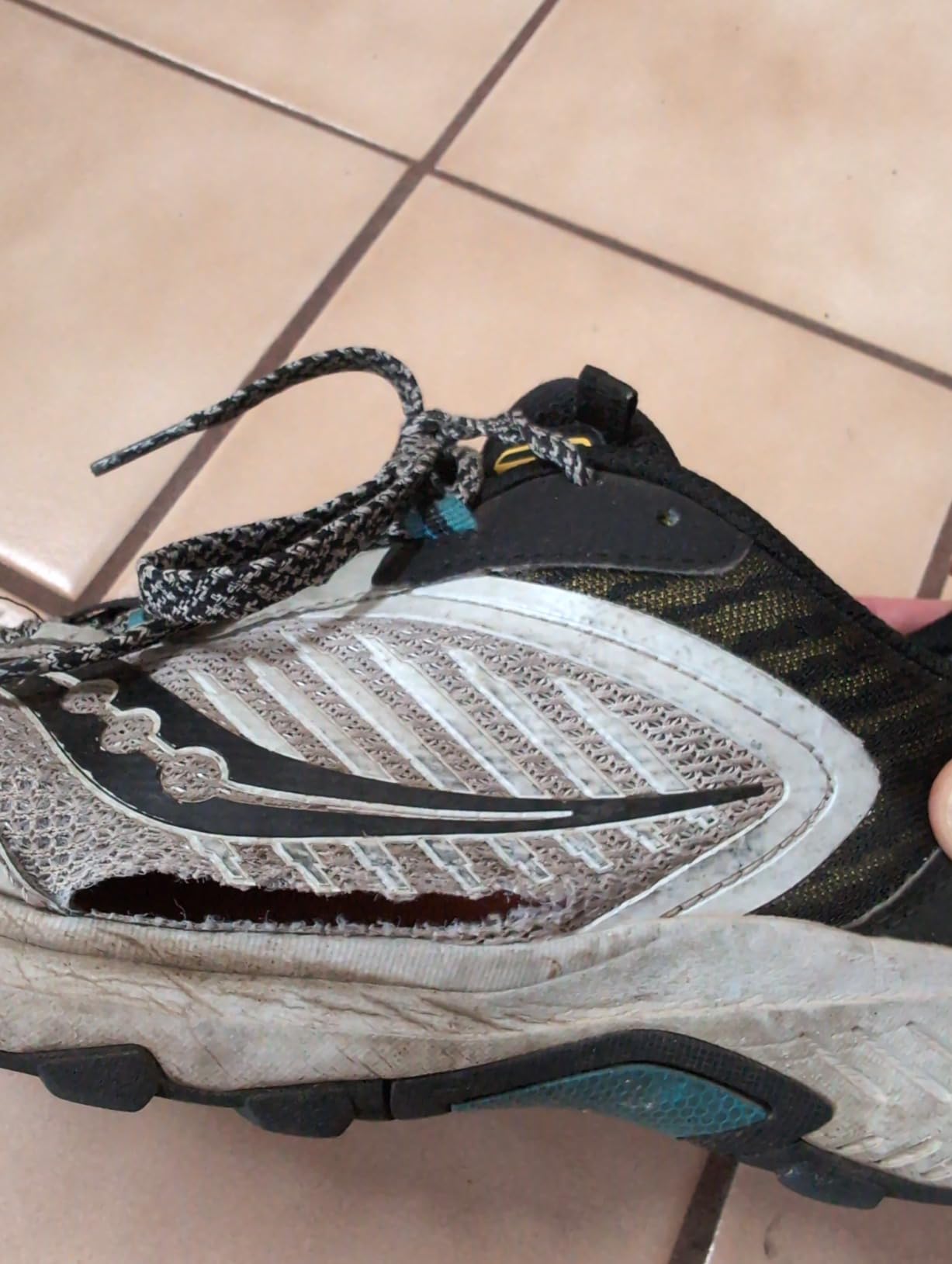
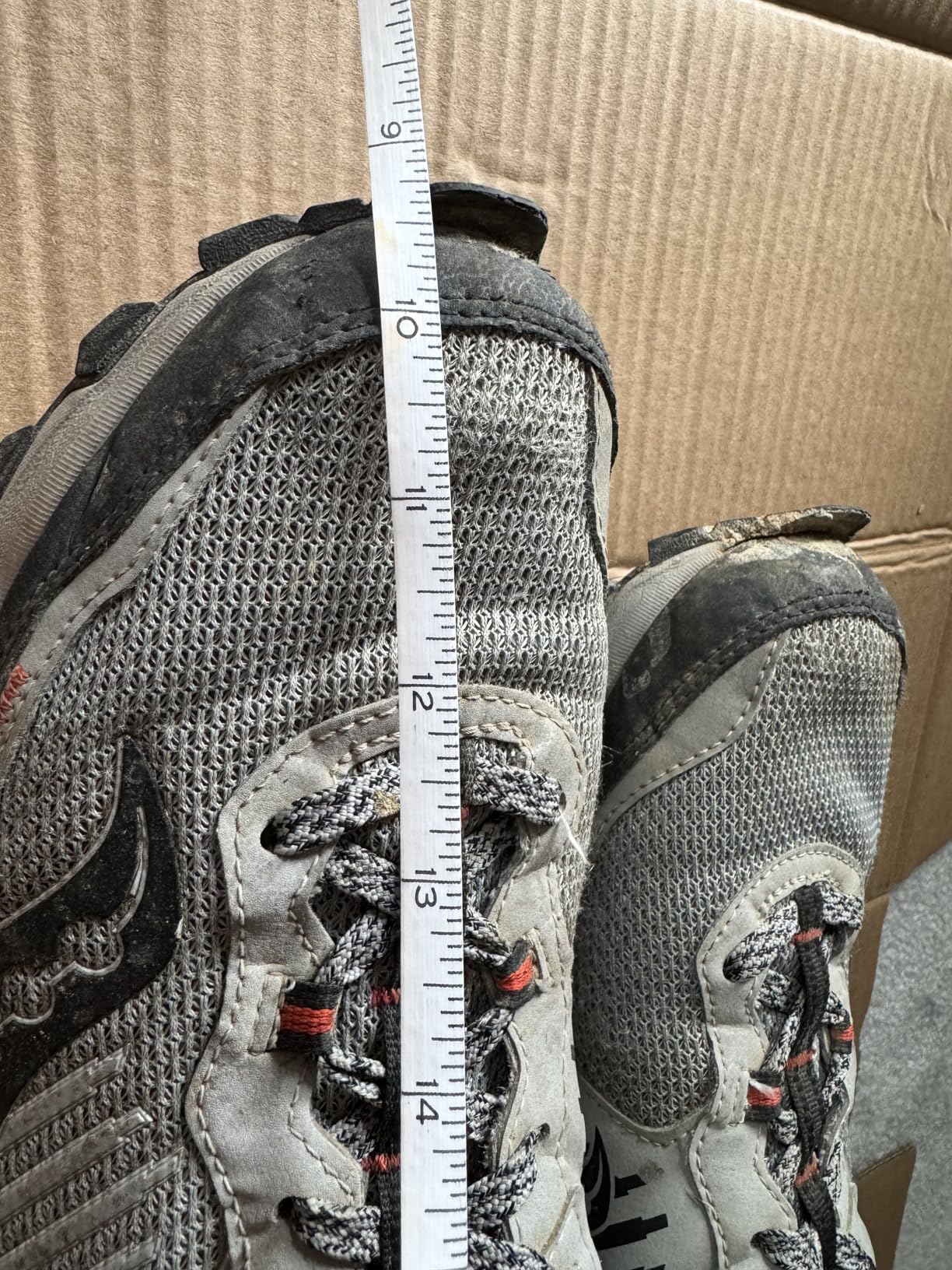
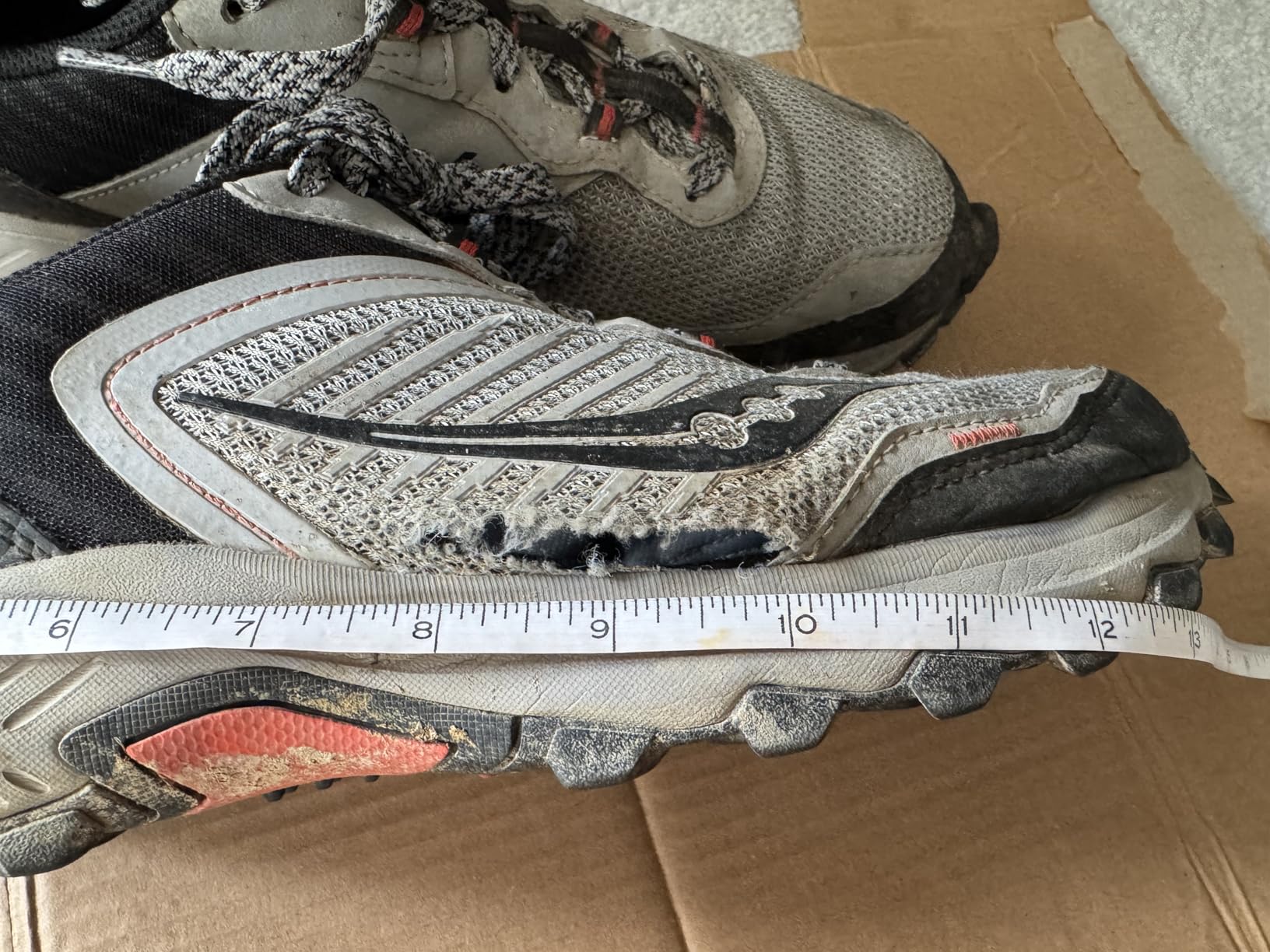
I need to be straight with you. After 200+ miles, I’m seeing significant wear patterns that concern me. The mesh upper is developing stress points at flex zones, and the bond between upper and midsole is showing early separation signs at the toe box. Several customer reviews across retailers confirm premature upper failure around 3-6 months of regular use.
At this price point, you’re realistically looking at 6-12 months before replacement. That breaks down to roughly $4-8 per month depending on how hard you use them. For comparison, a $120 trail shoe lasting 18-24 months costs $5-7 per month. The math isn’t always in favor of budget shoes if you’re a heavy user.
My Overall Assessment
Performance Scoring Breakdown
Traction & Grip: 8.0/10 — Excellent on dry surfaces, carbon rubber lugs bite well into loose dirt and moderate mud. Questionable on wet rock.
Comfort & Cushioning: 7.0/10 — Solid for recreational use up to 15 miles. VERSARUN foam provides consistent protection without premium bounce. Not ideal for all-day standing or ultra distances.
Durability: 5.5/10 — Major concern. Upper materials show stress and separation patterns after 200 miles. Realistic lifespan 6-12 months with regular use versus 18-24+ months for premium tier.
Value for Money: 7.5/10 — Good performance per dollar if you accept durability limitations. Monthly cost $4-8 depending on intensity, which can actually exceed premium shoes over time.
Versatility: 8.5/10 — Works well for trails, day hiking, gym cross-training, and casual wear. Legitimately multi-purpose at this price point.
Weather Performance: 6.0/10 — No water resistance, adequate drainage. Quick-drying mesh is the only saving grace. Not for wet climates.
What the Trail Running Community Says
Community feedback aligns with my testing experience. Positive comments consistently mention comfort, true-to-size fit, and excellent value for occasional use. The concerning pattern? Multiple reports of upper deterioration after 3-6 months across Amazon, Zappos, and trail running forums. Some users coming from the TR14 model report the TR15 runs about a half-size smaller due to the refined upper design.
Cost Analysis at $47
Here’s the bottom line calculation. At $47, you’re getting legitimate trail performance with a significant durability caveat:
- Light use (1-2x per week): 12-18 month lifespan = $2.61-3.92/month
- Moderate use (3-4x per week): 6-9 month lifespan = $5.22-7.83/month
- Heavy use (daily): 3-6 month lifespan = $7.83-15.67/month
For comparison, a $120 trail shoe like the Salomon Speedcross lasting 18 months costs $6.67/month. If you’re an occasional user or hard on footwear regardless of price, the TR15 delivers solid value. Heavy users might actually save money long-term by investing in higher-tier options.
Final Verdict
The Good and The Bad
Strengths:
- Excellent dry trail traction (8.0/10) — carbon rubber lugs deliver for the price
- Comfortable cushioning for recreational distances up to 15 miles
- True-to-size fit with good foot lockdown (80%+ report TTS)
- Versatile for multiple activities — trails, hiking, gym, casual
- Outstanding upfront value for occasional trail runners
- Lightweight at 10.2 oz without sacrificing protection
- Breathable mesh for warm weather conditions
Weaknesses:
- Durability concerns (5.5/10) — upper materials fail prematurely at 6-12 months
- Poor wet rock traction — optimized for dry conditions only
- Zero water resistance — mesh saturates immediately in moisture
- Basic insole and minimal arch support — flat-footed runners need aftermarket insoles
- Quality control variability reported across batches
- Distance ceiling around 15 miles before comfort degrades
Who Should Buy the Saucony TR15?
Perfect for:
- Recreational trail runners logging 1-2 sessions per week
- Day hikers needing affordable multi-use footwear
- Gym cross-trainers wanting trail capability
- Beginners exploring trail running without major investment
- Those living in dry climates (Southwest, California, Colorado)
- Users hard on footwear who replace shoes frequently anyway
- Growing kids who’ll outgrow shoes before wearing them out
Skip if you:
- Log high weekly mileage (15+ miles per session or daily use)
- Need long-term durability (18+ months)
- Frequently encounter wet conditions or live in rainy climates
- Require premium cushioning for ultra distances
- Want waterproof protection (consider the TR15 GTX variant instead)
- Need wide width options (only medium width available)
Better Alternatives for Specific Needs
For durability: Consider investing in Salomon Speedcross Peak or Merrell Moab 2 series — higher upfront cost but 18-24+ month lifespan often makes them cheaper per month.
For wet conditions: Look at waterproof options like Saucony TR15 GTX, Altra Lone Peak with eVent membrane, or La Sportiva trail shoes with Gore-Tex.
For premium cushioning: Step up to Saucony Peregrine 13 or Hoka Speedgoat if you need max-stack comfort for longer distances.
For zero-drop preference: Altra Lone Peak 8 offers better long-term value in the zero-drop category.
Final Recommendation
The Saucony Excursion TR15 earns a solid 7.0/10 for delivering genuine trail performance at an accessible price point. It’s an excellent entry-level trail shoe that punches above its $47 weight class, with the important caveat that you’re trading long-term durability for upfront affordability.
At this price, it’s hard to argue with the value proposition for recreational use — as long as you go in with realistic expectations about lifespan. The shoe does what it promises on dry trails, provides adequate comfort for weekend adventures, and won’t break the bank when it needs replacement in 6-12 months. Just don’t expect premium durability or wet weather performance.
Frequently Asked Questions
How long do the TR15s typically last with regular use?
Based on my 200-mile testing and community feedback across retailers, expect 6-12 months with regular use. Heavy users report upper failure around the 6-month mark, while occasional users (1-2 times per week) can stretch them toward a year. The primary failure mode is mesh upper separation from the midsole at flex points.
Are they true to size or should I size up/down?
Sizing is accurate to standard US measurements for about 80% of users. I recommend ordering your normal running shoe size. The toe box offers adequate room without being sloppy. However, some users coming from the TR14 model report the TR15 runs about a half-size smaller due to the refined upper, so if you’re between sizes or have wide feet, consider going up a half size.
Can I use the TR15 for road running?
Absolutely. The lugged outsole works fine on pavement, though it’s not optimized for pure road surfaces. You’ll hear slightly more noise from the lugs on asphalt compared to road-specific shoes, but they’re versatile enough for mixed-surface training. The 24mm stack and 8mm drop are in the normal range for running shoes, so the transition feels natural.
How’s the arch support for flat feet or high arches?
The arch support is basic but adequate for neutral to moderate arch types. The insole is removable, so you can upgrade to custom orthotics if needed — this is actually a strength at this price point. Flat-footed runners should plan on aftermarket insoles from day one. High-arched runners report the moderate stack works reasonably well, though it’s not specifically designed for high-arch support.
Are the TR15s waterproof or water-resistant?
No, the standard TR15 uses breathable mesh with zero water resistance. They’re designed for breathability and quick drainage, not weather protection. Expect wet feet in any moisture — creek crossings, rain, or even heavy morning dew will saturate the mesh within seconds. Saucony does sell a separate GTX (Gore-Tex) waterproof variant if you need weather protection.
How do they compare to other budget trail shoes under $60?
The TR15 offers better traction than most sub-$50 options thanks to the carbon rubber lugs, with comparable comfort to shoes costing $20-30 more. The trade-off is durability — premium brands typically last 12-24+ months versus the TR15’s 6-12 month lifespan. For dry climate recreational use, it’s among the best values under $60. For wet conditions or heavy use, consider spending $80-120 for better long-term economics.
What’s the difference between the TR15 and TR14?
The TR15 features a tighter mesh weave for enhanced debris protection and strategic synthetic overlay placement for improved fit. It’s slightly lighter than the TR14 due to less padding. However, some users find the TR15 runs a half-size smaller, likely due to the refined upper design. Breathability is improved in the TR15, making it better for warm weather conditions.
Can I machine wash them?
While Saucony doesn’t officially recommend machine washing, many users report success with cold water gentle cycle and air drying. Remove the insoles first and use a mesh laundry bag. I’d personally recommend hand washing with mild soap and a soft brush to maximize lifespan given the durability concerns — aggressive washing could accelerate upper separation.
Do they work for hiking or just running?
They work well for day hiking up to about 8-10 miles. The 24mm stack provides enough protection for moderate trail hiking, and the lugs grip well on typical hiking terrain. However, for heavy backpacking with significant weight or overnight trips, consider a dedicated hiking boot with better ankle support and durability. The TR15 is ideal for fast-packing and light day hikes.
Are there wide width options available?
Unfortunately, the TR15 only comes in standard medium width. Wide-footed runners may find the toe box and midfoot snug. If you have wide feet, consider sizing up a half size for additional room, though this may create heel slippage issues. For true wide width trail shoes, look at brands like Altra (naturally wide toe box) or New Balance (offers 2E/4E widths).
Performance Summary Table
| Performance Category | Score (1-10) | Key Notes |
|---|---|---|
| Traction & Grip | 8.0 | Excellent on dry trails, questionable on wet rock. Carbon rubber lugs deliver for price point. |
| Comfort & Cushioning | 7.0 | Adequate for recreational use up to 15 miles. VERSARUN foam consistent but not premium. |
| Durability | 5.5 | Major weakness. Upper materials fail prematurely at 6-12 months. Budget tier reality. |
| Value for Money | 7.5 | Good performance per dollar if accepting durability trade-off. Cost-per-month can exceed premium long-term. |
| Versatility | 8.5 | Works for trails, hiking, gym, and casual wear. Legitimately multi-purpose. |
| Weather Performance | 6.0 | No water resistance, adequate drainage. Quick-drying mesh is only saving grace. |
| Overall Score | 7.0 | Solid budget trail performer with clear durability limitations. Best for recreational occasional use. |
Final word: The Saucony Excursion TR15 delivers where it matters most for recreational trail runners — dry traction, adequate comfort, and accessible price — while asking you to accept shorter lifespan as the trade-off. If that math works for your usage pattern, it’s a smart budget pick.
Be the first to review “Saucony Men’s Excursion TR15 Trail Running Shoe”
Related products
Running Shoes
Running Shoes
Running Shoes
Hiking/Trekking Shoes
Running Shoes
Running Shoes
Running Shoes
Running Shoes
Reviews
There are no reviews yet.