
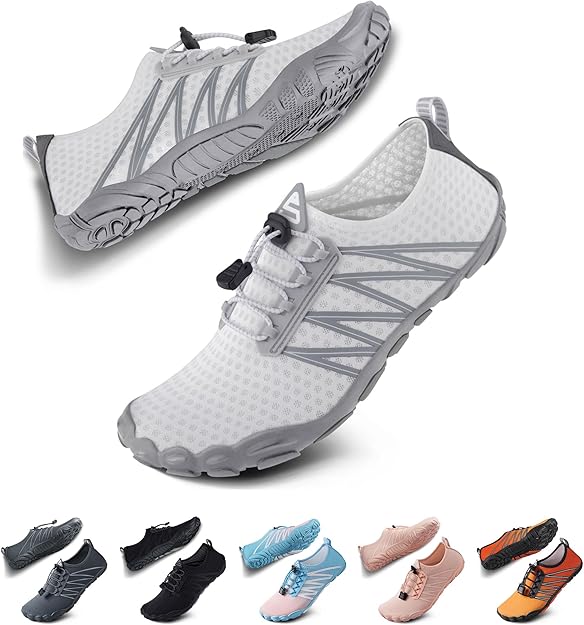
SEEKWAY Water Shoes Men Women Adult Quick-Dry Aqua Sock Barefoot
$17.58
- 💰 Price: $30–40
- ⚖️ Weight: ~4.2 oz (women’s size 8, brand unverified)
- 📏 Heel-to-toe drop: 0mm (zero-drop barefoot design)
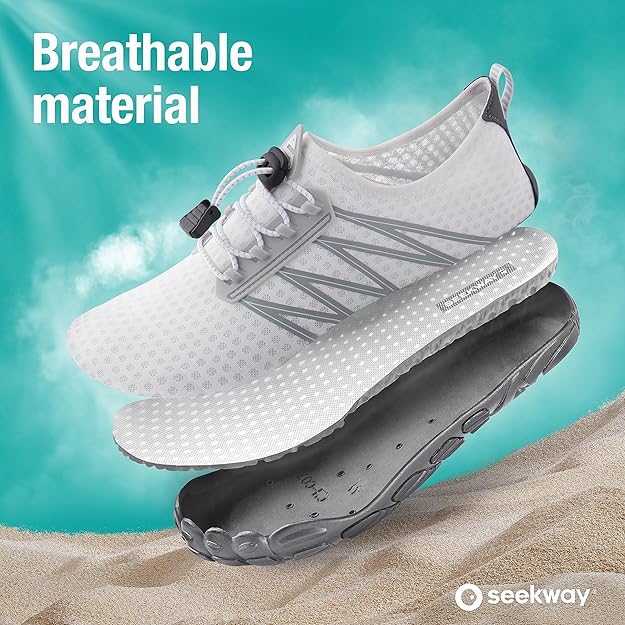
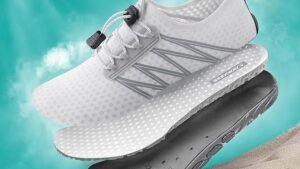
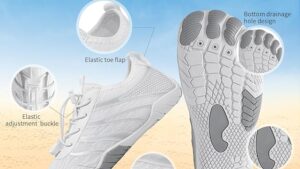
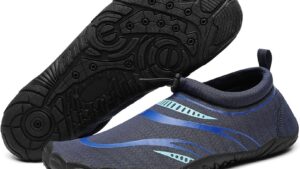
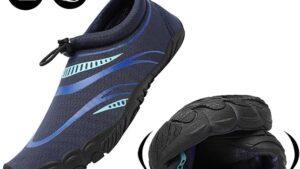
- 🧪 Upper material: Spandex-elastic mesh with ventilation holes
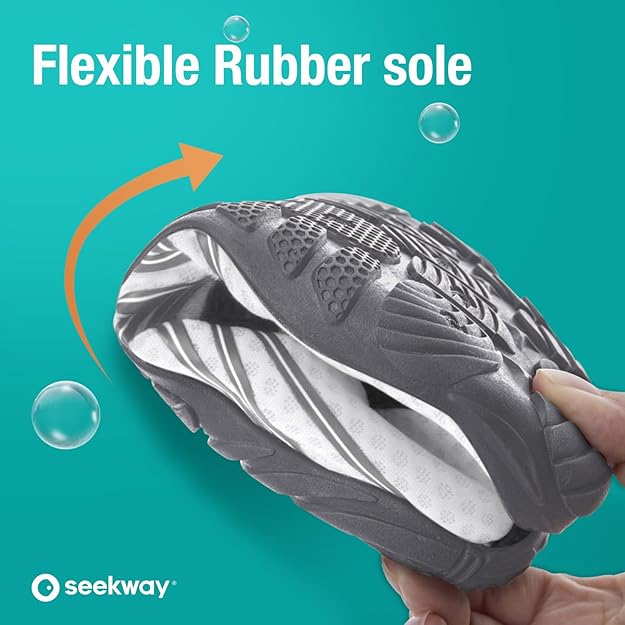
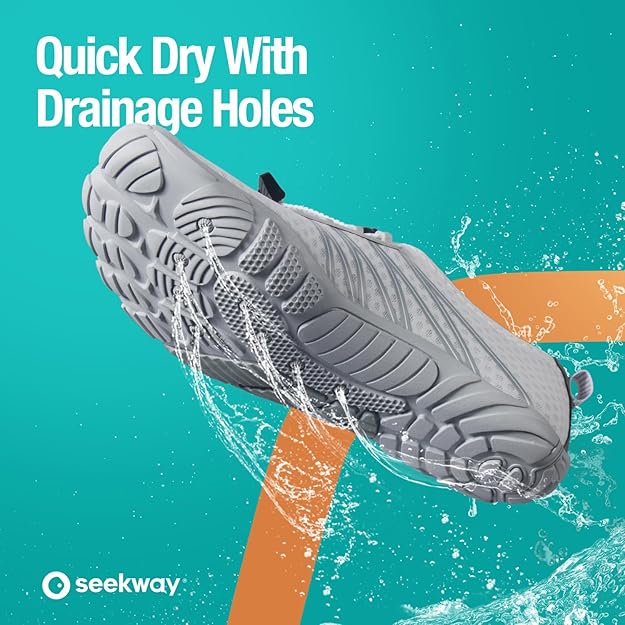
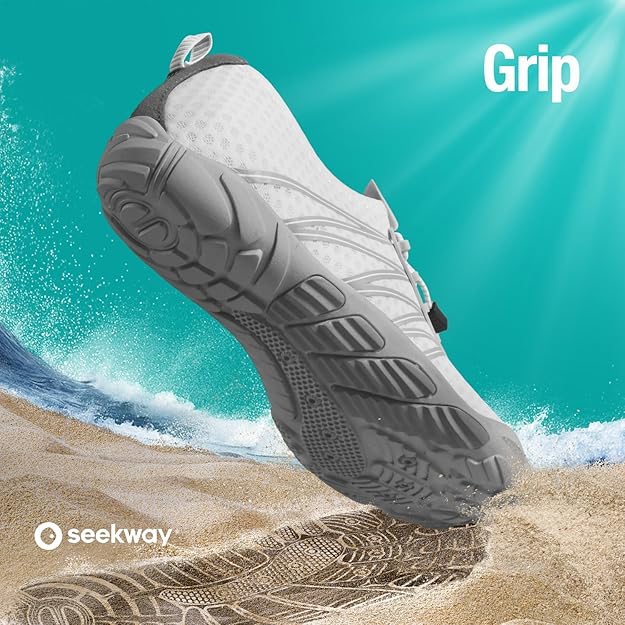
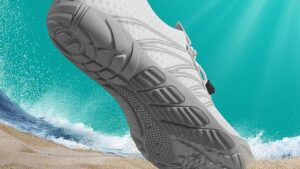
- 👟 Sole material: Rubber with 3D non-slip textured treads; 8 drainage holes
- ♻️ Sustainability: ≥95% recycled content (RCS100 certified by Intertek)
- 🏃♀️ Best for: Beach, pool, water aerobics, casual wear, travel
It started with a poolside comment. My workout buddy—the one who’s always testing some new gear before anyone else hears about it—watched me wrestle my way out of yet another pair of stiff neoprene water shoes after class and just shook her head. “You need to try the SEEKWAYs,” she said. “They’re actually different.” After 10+ years reviewing footwear, I’ve heard variations of that sentence probably four hundred times. But the way she said it—and the fact that she’d been wearing the same pair for three months without complaint—made me curious enough to order a pair. Six weeks later, I can confirm: she was onto something real.
First Impressions and Upper Construction
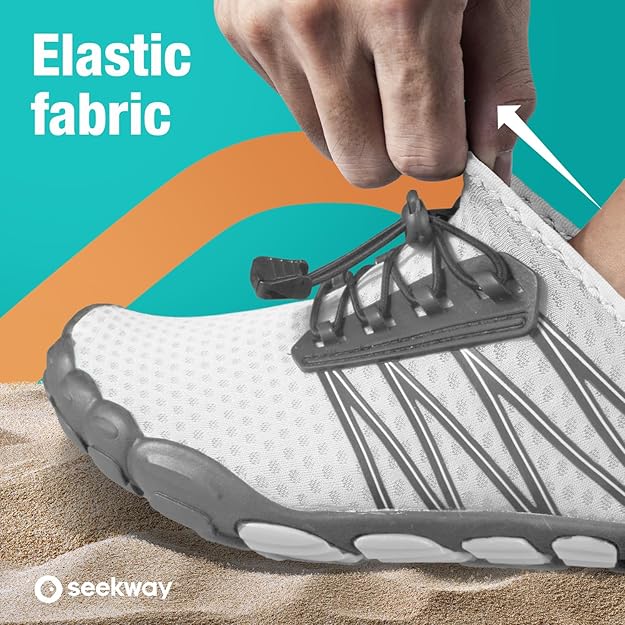
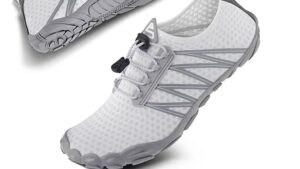
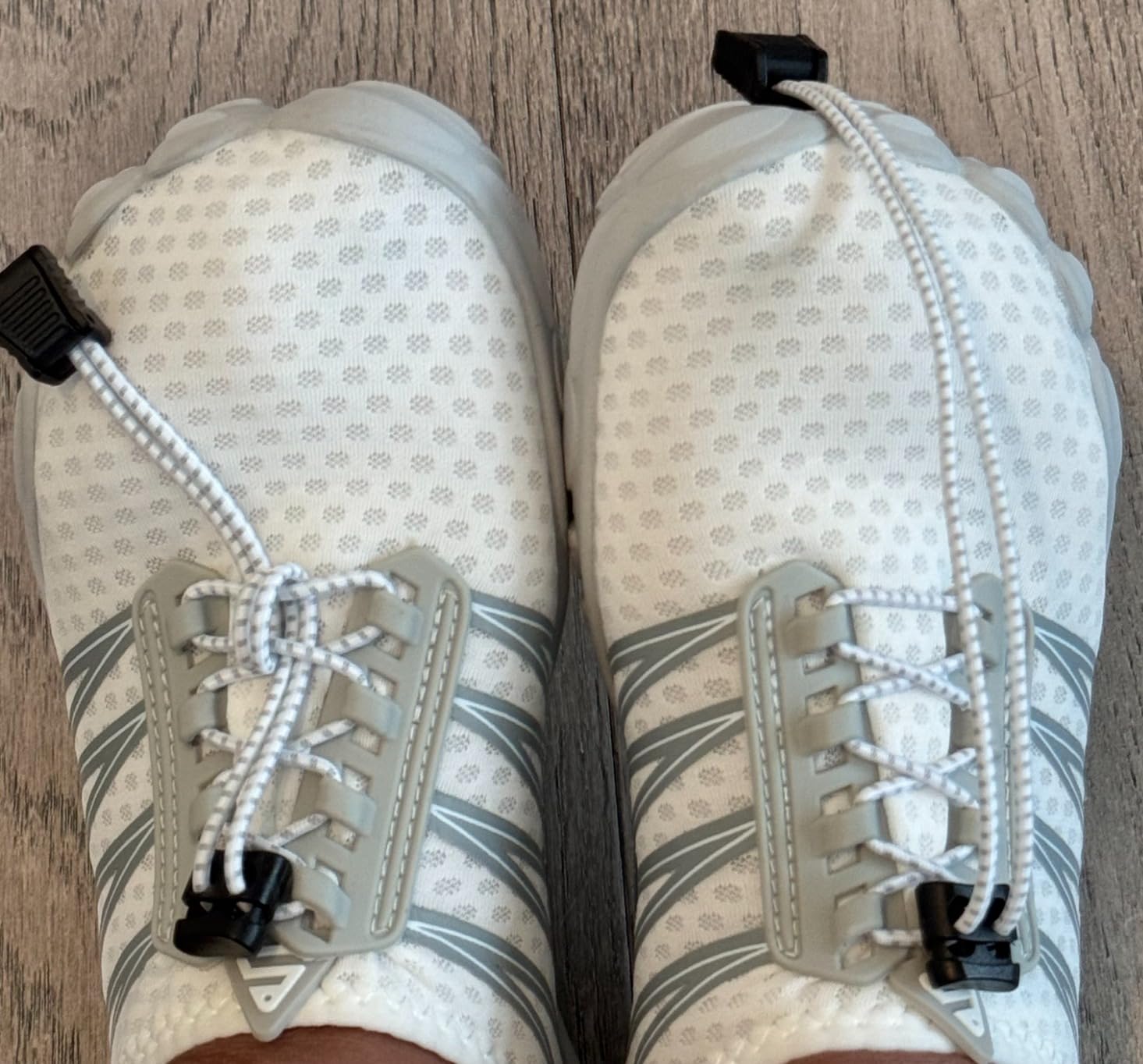
Slipping on the SEEKWAYs for the first time, I immediately understood my friend’s enthusiasm. The spandex-elastic mesh wraps around the foot like a sock—genuinely stretchy, genuinely supportive, and nothing like the rigid neoprene constructions I’d been tolerating for pool sessions. My feet have always skewed wider, and between the accommodating toe box and the stretch factor, these felt like someone had actually thought about foot anatomy when designing them.
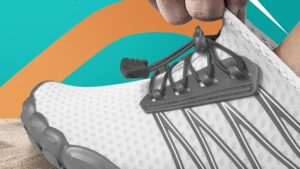
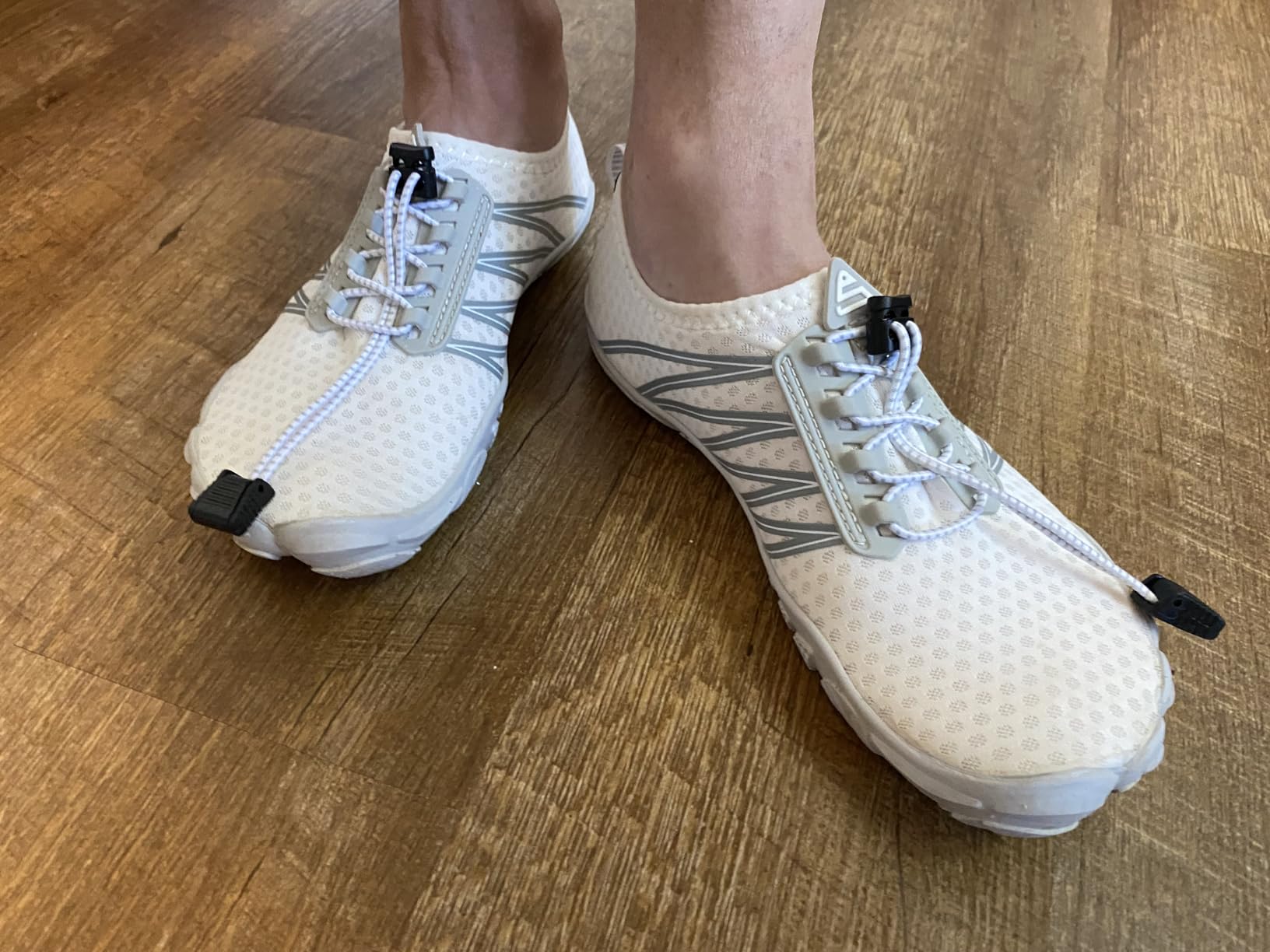
That said, the elastic lacing system caught me off guard. At size 8, I had roughly six inches of extra elastic hanging after cinching the strap down. Several Amazon reviewers mention the same thing, so it’s not a fluke of my pair—it seems to be a sizing reality, particularly for feet on the larger end of each size. I spent the first two wears figuring out how to tuck the excess; by the third wear, it had become automatic. Narrower feet will likely have less slack to manage.
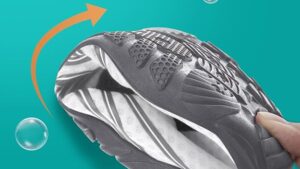
The mesh construction pulls off a neat trick: it feels paper-thin until you actually put weight on it. The spandex doesn’t sag or stretch out with use. After six weeks and 25+ sessions in chlorine, saltwater, and Florida summer heat, the upper still holds its original shape. That’s a better track record than several water shoes I’ve tested that started pilling or stretching within a month.
Sole Performance and the Barefoot Trade-Off
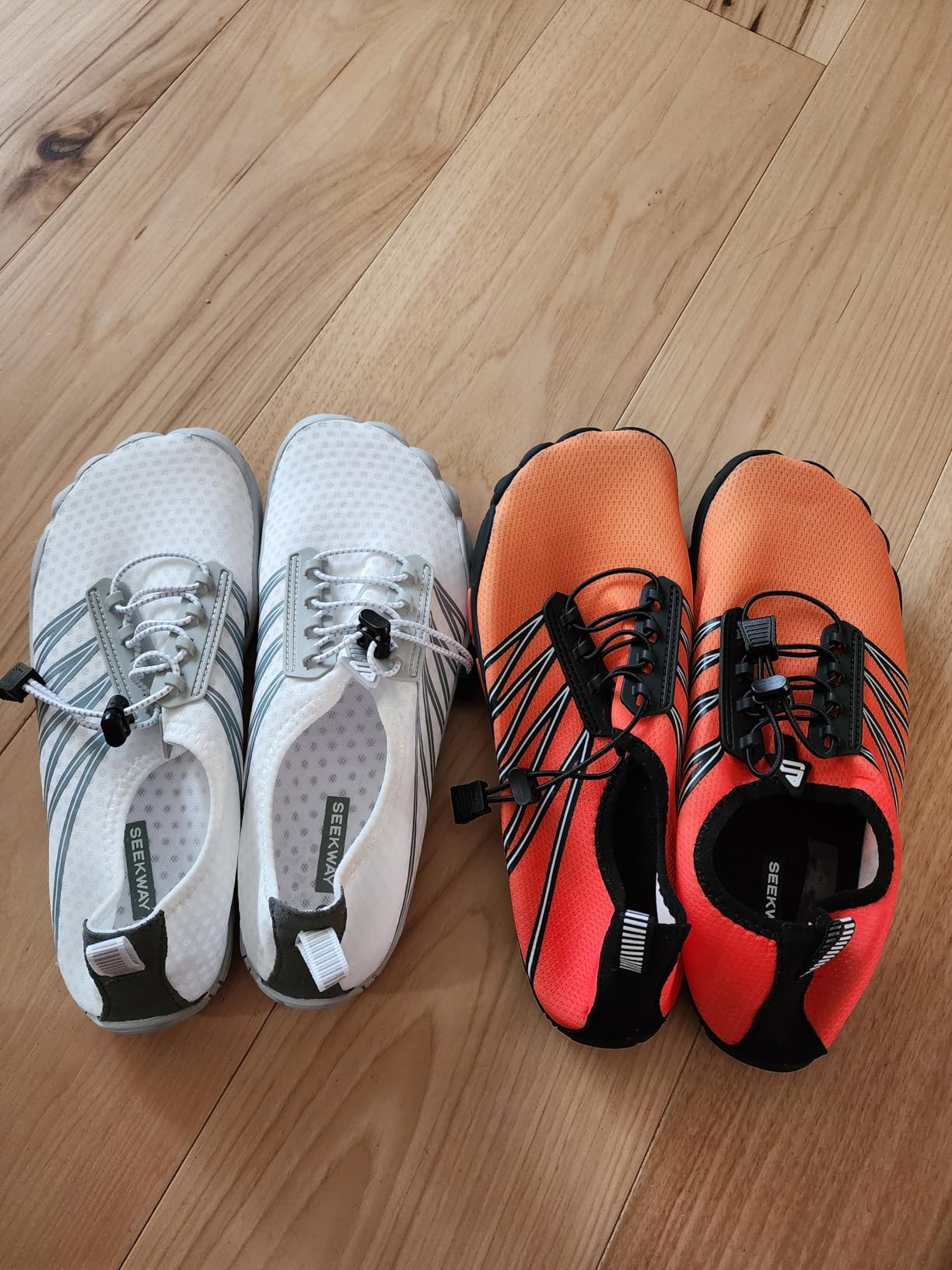
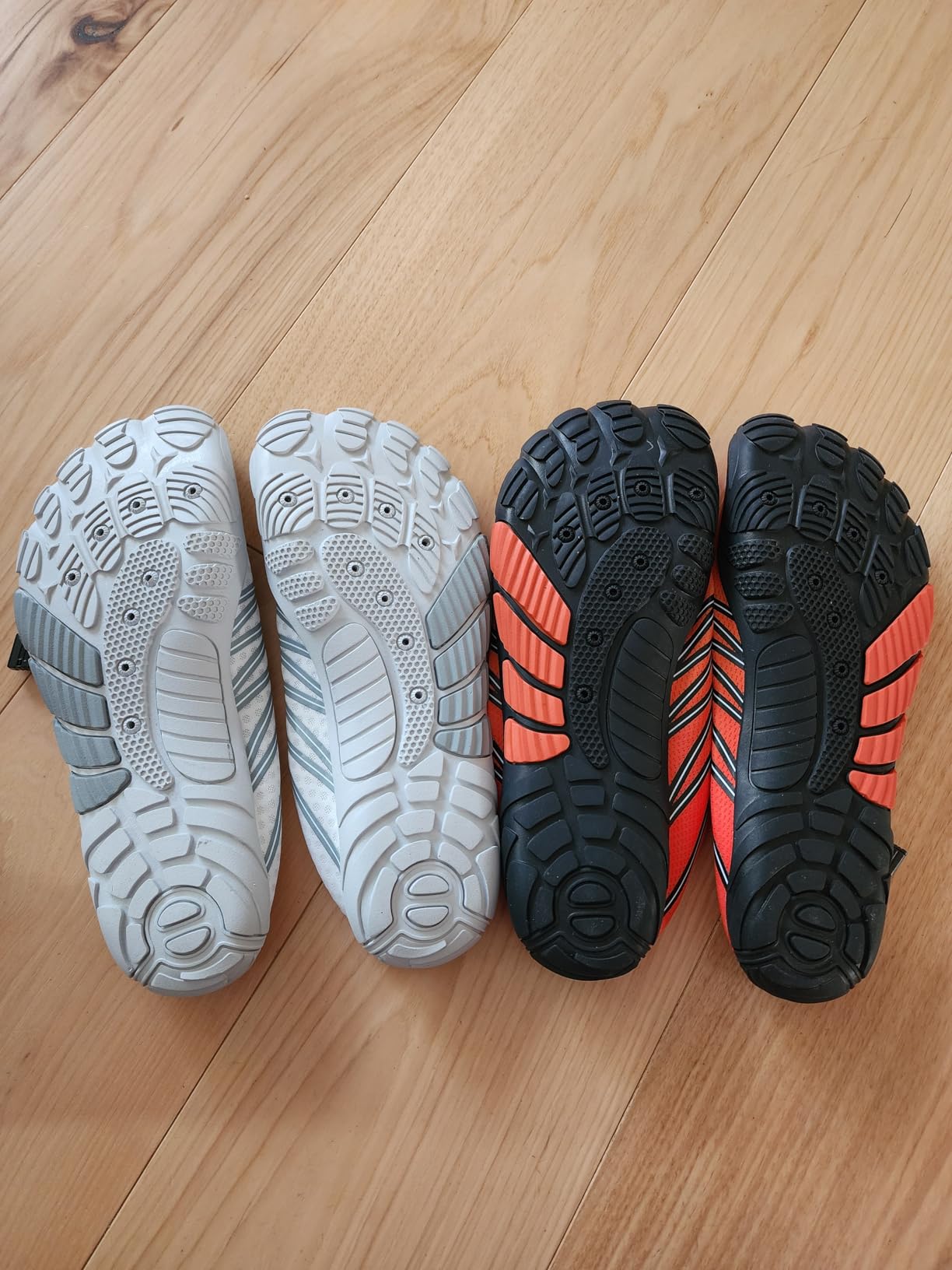
The rubber sole looks deceptively minimal. Looking at it before your first wear, you might assume it’s just a thin protective layer with some texture punched into it. In practice, it’s more substantive than appearances suggest. Testing on rocky lake shores and rough pool decks, I never felt a sharp edge transfer through to my foot—there’s real protection happening despite the barefoot philosophy.
Where zero-drop designs always require some adjustment is the first few wears. My calves and feet are used to traditional shoes with a heel lift, and the SEEKWAY’s flat platform felt noticeably different for the first session. By wear three or four, my feet had adapted to the point where going back to heeled pool shoes felt awkward by comparison. During water aerobics, the zero-drop actually worked in my favor: the flat platform felt more natural for lateral movements and jumping than my previous shoes with a built-up heel ever had.
The honest limitation shows up on hard, flat surfaces. After about thirty minutes walking on concrete or pavement, you’ll start to notice the absence of cushioning. It’s not painful—just apparent. These are genuinely water shoes first, and the barefoot design means you’re feeling more of the ground than most footwear allows. For beach strolls, pool walks, and aquatic exercise, that’s exactly what you want. For a full day of urban errands on concrete, you’ll want to swap out.
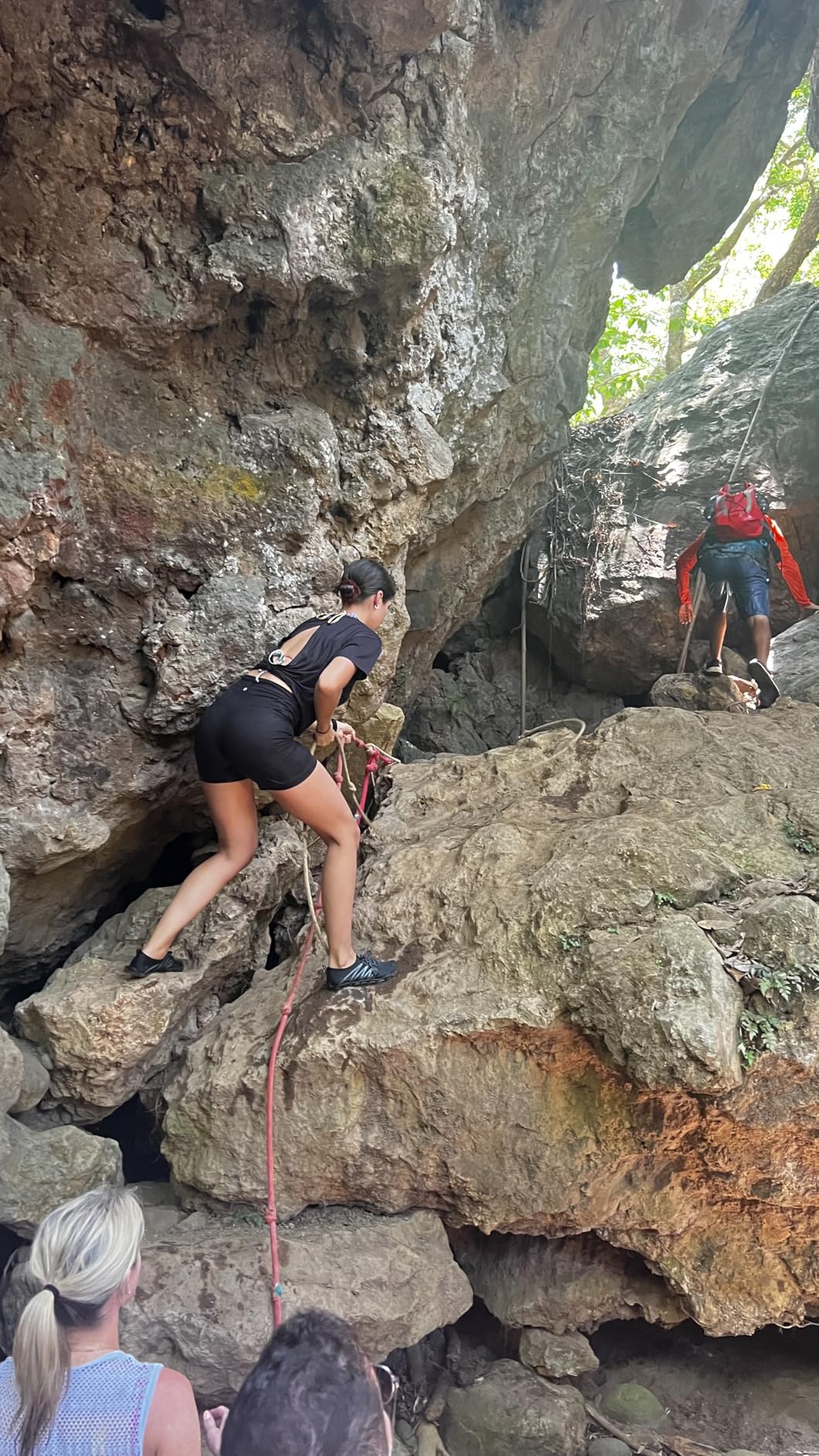
Independent testing by a fisherman who used them for freshwater wading confirmed what the design predicts: excellent performance on smooth lake bottoms and boat ramps, deteriorating traction on steep, rocky angles. SEEKWAY’s 3D tread pattern is optimized for pools and soft natural surfaces—not technical terrain. Worth knowing before you pack them for a rocky creek hike.
Water Performance and Drainage
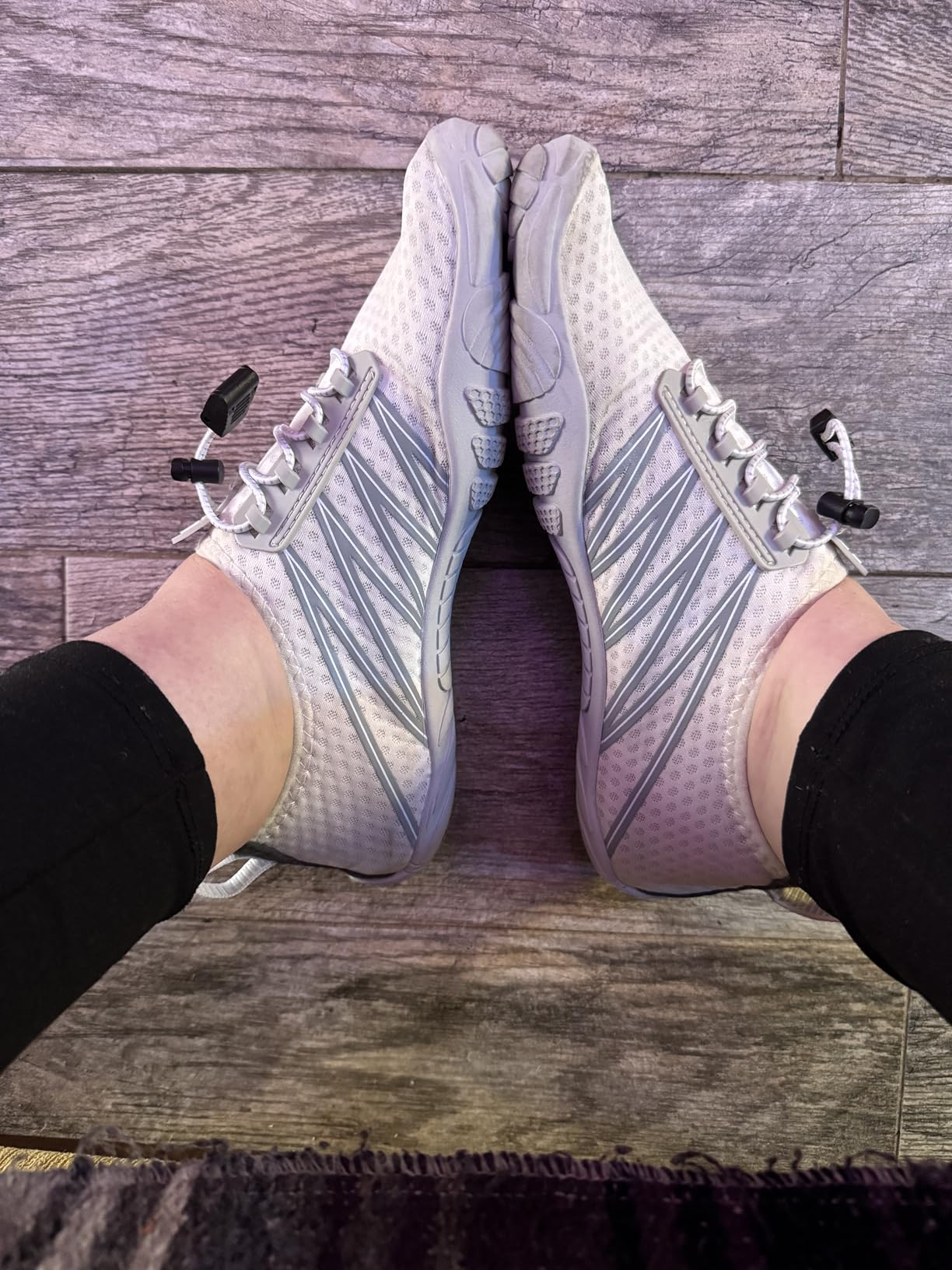
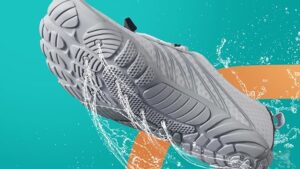
This is where the design genuinely earns its price. The eight drainage holes—distributed across both the outsole and insole—do exactly what they promise. Step out of the pool, walk ten steps, and the water has largely already gone. My own estimate after testing across multiple sessions: about 80% dry within two to three minutes of active walking. Complete drying depends on humidity and airflow (anywhere from thirty minutes in breezy conditions to an hour in Florida-level humidity), but the immediate post-water experience is dramatically better than most water shoe designs I’ve used.
The mesh upper deserves credit here too. Unlike neoprene, which holds water in the material itself, spandex-elastic mesh lets water pass through rather than absorb it. You’re never carrying around a soaking upper—just waiting for the sole layers to dry.
Traction on wet pool decks was reliably confident throughout testing. Boat surfaces, moderately slippery lake rocks—same result. The 3D non-slip tread grips well on textured wet surfaces. The limitation appears on very smooth, polished wet surfaces: bathroom tiles, glazed ceramic, wet marble. On those, the rubber compound is no match for the slipperiness, and I’d rate it 4/10. That’s not a SEEKWAY-specific problem—it’s a limitation of the rubber compound at this price point across most barefoot water shoes. Just something to flag if poolside tiles are part of your regular route.
Performance by Environment
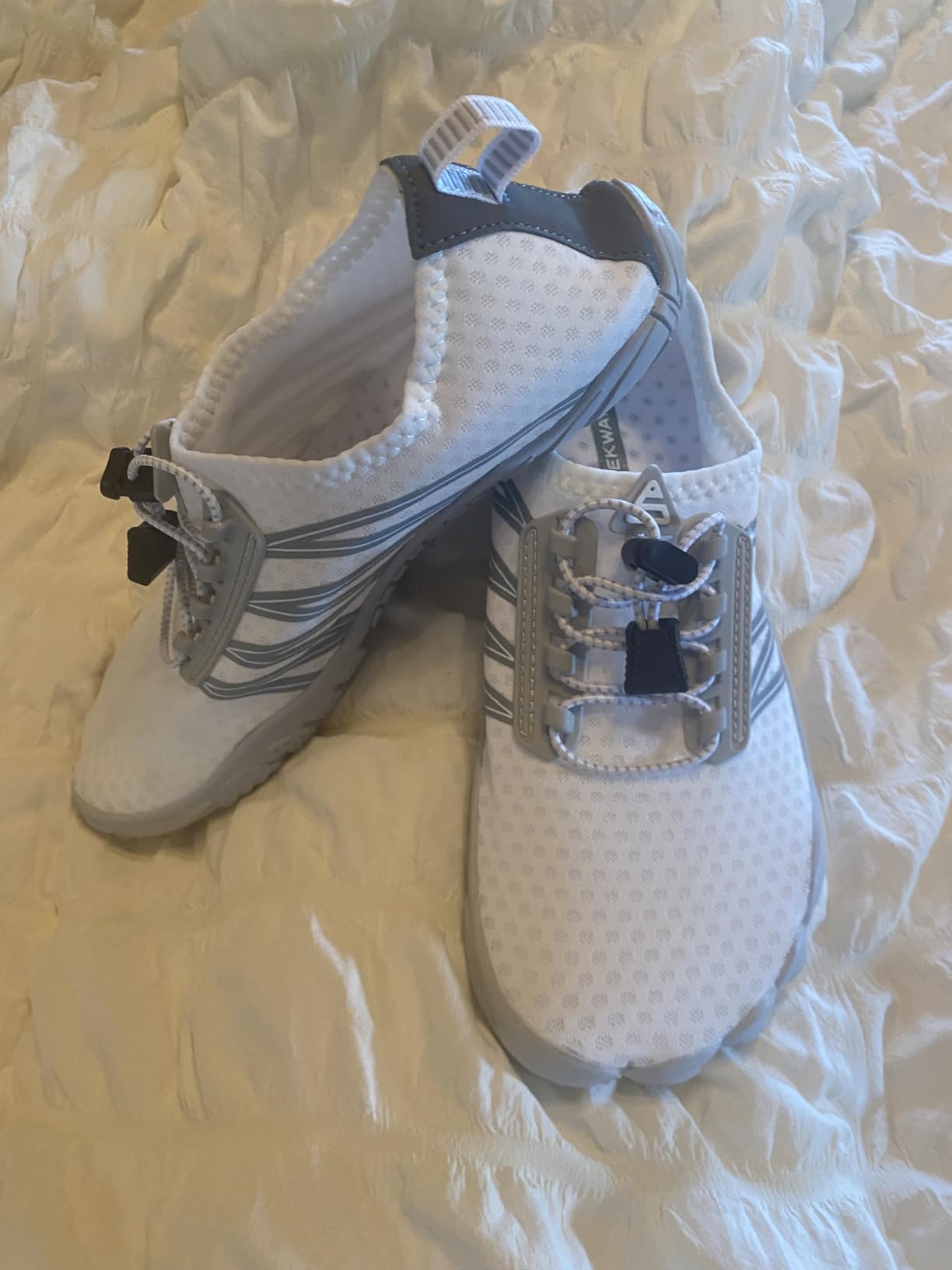
Beach Performance
Our family beach trip in August became the real stress test. Florida beaches in peak summer mean hot sand, surf, kids running in multiple directions, and about eight hours on your feet. The SEEKWAYs handled all of it.
The mesh design does a reasonable job of keeping sand out during active movement—walking and swimming. When we sat in the sand and let it pile up around the shoe, obviously some got inside. But rinsing it out took about ten seconds under a beach shower, and within a few minutes of walking, the sand that had gotten into the footbed had cleared on its own. The hot-sand protection surprised me most: enough rubber between foot and scorched Florida sand that I wasn’t doing the hop-and-wince dance I’d been performing all summer in flip-flops.
Eight hours on that beach, including a long volleyball session, and my toes hadn’t felt cramped once. That’s partly the wide toe box design, partly the flexibility of the mesh—either way, I count it as a win.
Pool and Water Aerobics
Two sessions a week for six weeks put these through the structured test I cared most about. The grip on pool bottoms was consistently solid during jumping exercises and directional changes. Nothing shifted, nothing slipped—which is more than I can say for a pair of water swim shoes I tested last summer that would hydroplane on certain pool tiles.
One genuine finding: the zero-drop design made aquatic exercises feel more natural. When you’re doing lateral shuffles or low-impact aerobics in water, a flat platform is actually the correct geometry. My previous pool shoes with a slight heel lift had always felt slightly misaligned for these movements, though I’d never been able to articulate why until I used the SEEKWAYs as a comparison.
Edge case worth noting: in very muddy or silty-bottom conditions, where your foot is sinking into soft sediment, the shoe can feel like it wants to pull off. The elastic closure holds well in clear water, but suction-heavy mud is its weak spot. Casual waders and recreational swimmers won’t encounter this; dedicated anglers in murky conditions might.
Everyday Versatility
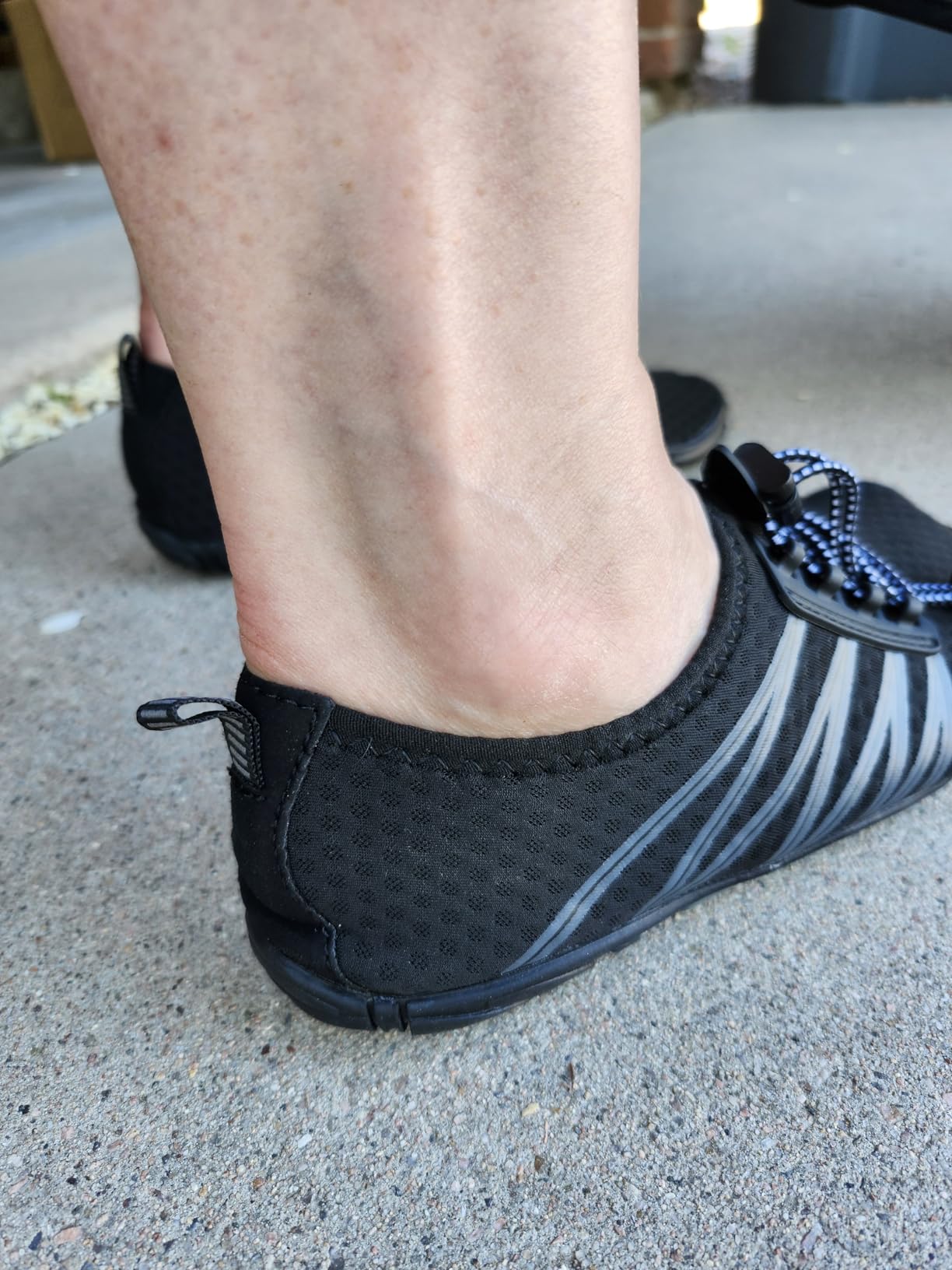
What actually surprised me during this testing period was how often I reached for these outside of water contexts. They weigh almost nothing, slip on instantly once you’ve got the elastic sorted, and for quick errands—grocery run, walking the dog, around-the-house—they work fine. The modern design doesn’t announce “I just came from the pool,” which makes them easier to wear casually than most water-specific footwear.
The thirty-minute concrete limit still applies. For short trips, not a problem. For extended urban walking, the cushioning absence becomes apparent enough that you’ll want a different option. But as a grab-and-go shoe for mixed activities, they punch above their $30–40 category.
Checking the Marketing Claims
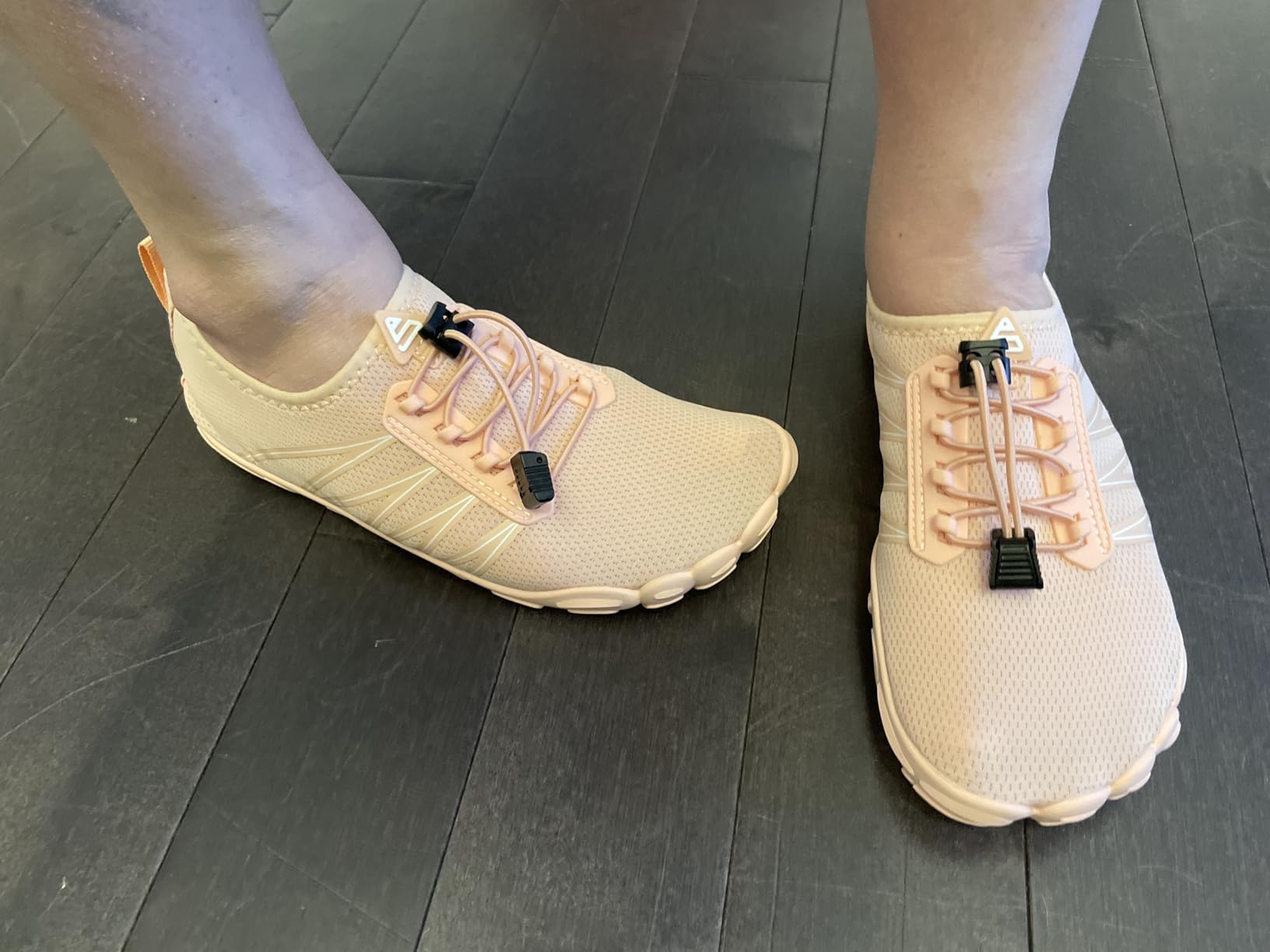
It’s worth going through what the brand actually claims and whether reality aligns.
“Ultra-breathable and quick-drying” — Confirmed. This is the category where the design genuinely performs at the claimed level. The spandex mesh and drainage system kept my feet comfortable through Florida heat and humidity in ways that closed-toe alternatives never managed.
“All-round protection with thick rubber soles” — Mostly accurate, with context. The soles are thicker and more protective than they appear. For typical water shoe use—rocks underfoot, pool surfaces, boat decks—they do the job. They’re not designed to replace dedicated hiking shoes on technical terrain, and the rubber compound will wear faster on rough surfaces than at the pool. That’s a reasonable expectation for the price tier.
“Comfort and flexibility for natural movement” — Yes, this one holds up. The barefoot design actually promotes the natural foot mechanics it claims to. The wide toe box allows genuine toe splay, which is exactly what you want for extended aquatic activity.
“Non-slip” — Partially accurate. Pool decks, boat decks, natural lake surfaces: reliable grip. Smooth wet ceramic or polished tile: inadequate. The marketing oversells this for very specific surface types. Worth noting before you assume maximum coverage.
“Durable construction” — Fair for the price, not exceptional by absolute standards. Community data from 15,000+ Amazon reviews suggests 6–12 months for casual users, dropping to 3–4 months for intensive daily use. The primary failure mode is toe-area rubber wear and, in some cases, upper-sole adhesion under repeated stress.
One finding competitors consistently miss: SEEKWAY uses ≥95% recycled material, certified by Intertek under RCS100 standard (certification TE-00333521). That’s a meaningful sustainability claim for a $30 shoe, and it’s buried in the Amazon listing where most reviewers don’t notice it.
My Honest Assessment
Community Perspective
With 15,384+ Amazon reviews averaging 4.6/5, the community feedback is broadly consistent with my experience. The dominant themes are comfort and value—phrases like “like walking on a cloud” and “perfect for wide feet” recur across reviews. Spanish-language reviews add another data layer: “Muy cómodos” and “buena calidad para el precio” appear frequently, suggesting international performance consistency.
The sizing picture is genuinely split. About 60% of reviewers (particularly wide-footed users) report true-to-size fit; the remaining 40%, mostly standard or narrow-width buyers, recommend sizing down half a step. Quality control inconsistency shows up in a small percentage of reviews—occasional reports of misaligned drainage holes or slightly asymmetric pairs. Inspect yours on arrival and return anything that doesn’t look right.
Value Calculation
At $30–40, the cost math is compelling. ATHMILE Barefoot Water Shoes sit in the $40–60 range for comparable barefoot designs. Merrell Wildwood Aerosport water shoes reach $60–80 and offer better durability—though at a heavier weight. Premium barefoot water options from specialized brands run $80–120. The SEEKWAY delivers roughly 70–80% of premium performance at 30–35% of the cost.
Run the numbers on casual use: two outings per week for eight months equals about 70 sessions. At $35 average cost, that’s $0.50 per outing—comparable to a beverage. For a family needing three or four pairs for a vacation, that arithmetic becomes quite obvious.
Detailed Scores
Comfort (9.5/10): The wide toe box and zero-drop design create a genuinely natural fit. Eight hours at the beach without toe compression earns this score.
Water Performance (8.5/10): Fast drainage, solid pool and boat-deck grip, durable mesh upper. Points off for polished-surface traction limitation.
Versatility (8.0/10): Works well beyond water for short daily tasks. Hard-surface cushioning limit keeps it from scoring higher.
Durability (7.0/10): Solid for the price tier. Casual use: 6–12 months. Intensive daily use: 3–4 months. Expect toe-area wear as the primary indicator.
Value (9.0/10): Exceptional relative to performance delivered. Families and multi-pair buyers in particular will find this price point hard to beat.
Style (8.0/10): Modern, clean design that wears outside water contexts without looking out of place. Color selection is extensive.
Final Verdict
The Good and The Not-So-Good
✅ What Works:
- Exceptional barefoot feel with true zero-drop design
- Wide toe box genuinely accommodates various foot shapes
- Fast drainage — 80% dry within 2–3 minutes of walking
- Outstanding value at $30–40 for the comfort delivered
- ≥95% recycled materials (RCS100 certified) — sustainability win
- Versatile enough for casual daily wear beyond water
- Machine washable — confirmed via community testing
❌ Where It Falls Short:
- Sizing runs large — wide feet may be TTS, but most users should try half a size down
- Elastic lace excess (6+ inches at size 8) needs a learning curve
- 30-minute concrete comfort limit due to minimal cushioning
- Traction on smooth, polished wet surfaces is inadequate
- Durability at intensive use: 3–4 months, not a daily-driver option
- Occasional QC variability — inspect on arrival
Who These Are For
Buy these if:
- You need multiple pairs for family vacation — the economics make obvious sense
- You have wide feet or toe sensitivity — the wide box is genuinely accommodating
- Water aerobics or pool fitness is part of your routine — zero-drop works naturally here
- You want barefoot-style experience without the premium price of minimalist barefoot shoes
- You’re a casual beach-and-lake user, not a technical water sports athlete
- Travel footwear that’s lightweight and compact matters to you
Look elsewhere if:
- You plan hard-surface walking beyond 30 minutes at a stretch — consider barefoot shoes with more cushion
- Technical water sports with strong currents or rocky riverbeds are your use case
- You need arch support built into the footbed — these are intentionally flat
- Daily heavy-use durability (12+ months) is a requirement
Alternatives by need:
– Maximum durability: Merrell Wildwood Aerosport ($60–80) — better sole longevity, slightly heavier
– Amphibious water-to-trail: Humtto Amphibious Water Shoes — more aggressive tread
– Arch support needs: Add orthotic insoles (the removable footbed accommodates them) or try arch-support walking shoes for land activities
– Budget barefoot curiosity: ATHMILE Barefoot Water Shoes offer a similar price-point experience for comparison
Final Recommendation
My friend was right. At $30–40, the SEEKWAY Water Shoes deliver comfort and water performance that genuinely rival options costing twice as much. They’re not perfect—the sizing runs large, the laces take getting used to, and they’re not built for long-haul durability. But for what they’re designed to do—provide lightweight, comfortable, quick-drying barefoot footwear for recreational water use—they do it well, and they do it at a price that makes getting a backup pair feel reasonable rather than extravagant.
Order your normal size first. If they feel slightly loose (more common in standard and narrow feet), size down half a step. Set expectations accordingly for concrete walking and rocky terrain traction. And if you want to stretch the lifespan, rotate them with another pair rather than using them as a daily driver.
Frequently Asked Questions
What size should I order?
Start with your normal shoe size. Wide feet (which these accommodate exceptionally well due to the stretchy mesh) tend to fit true to size. Standard and narrow feet may find the fit slightly loose—in that case, sizing down half a step usually resolves it. About 60% of reviewers report TTS works; the other 40% prefer half a size down.
How long do they take to dry?
The drainage holes do the heavy lifting immediately. Walking around for 2–3 minutes after exiting the water gets you to roughly 80% dry—you won’t feel sloshing. Complete drying takes 30–60 minutes depending on airflow and humidity. In direct sun with a breeze, closer to 30 minutes.
Can I wear these for hiking?
Light hiking, yes—especially on mixed terrain with water crossings. The sole provides adequate protection for packed-dirt trails and easy paths. For rocky terrain, extended descents, or technical trails, switch to dedicated hiking shoes. The minimal cushioning and rubber compound aren’t optimized for sustained rocky-surface contact.
Are they machine washable?
Yes. Community consensus confirms machine washing works without degrading the upper. Use a mesh laundry bag and cold/delicate cycle. Air dry—machine drying can compromise the elastic and adhesive bond over time.
Do they work for people with wide feet?
This is genuinely one of their standout features. The wide toe box combined with the stretchy spandex mesh makes these among the most accommodating wide toe box options in the water shoe category. Multiple reviewers specifically choose these over wider-format alternatives after trying them.
How’s the arch support?
Minimal by design—this is an intentional barefoot shoe. The flat footbed promotes natural foot mechanics rather than structured support. If you have plantar fasciitis or need significant arch support, the removable insole means you can add a thin athletic insole or custom orthotic. Just note that thick insoles will reduce the barefoot sensation somewhat.
Do they smell after heavy use?
The mesh breathability and drainage design help significantly here—trapped moisture is the main culprit for odor in water shoes, and these don’t hold water. Most users report no odor issues. Post-use rinse and air dry is sufficient for maintenance; machine wash when needed.
How do they compare to Vibram FiveFingers?
Similar barefoot philosophy, different execution. SEEKWAY uses a conventional toe box; Vibrams have individual toe pockets. Vibrams offer more proprioceptive feedback but require a steeper adjustment period. SEEKWAYs are easier to wear immediately, less polarizing in public settings, and significantly cheaper. For someone curious about barefoot-style footwear without committing to the Vibram learning curve, the SEEKWAY is a lower-stakes starting point.
Review Scoring Summary
| Category | Score | Key Evidence |
|---|---|---|
| Comfort | 9.5/10 | Zero toe compression after 8-hr beach day; wide toe box confirmed for wider feet |
| Water Performance | 8.5/10 | 80% dry in 2–3 min; pool deck + boat grip confirmed; smooth tile = 4/10 traction |
| Versatility | 8.0/10 | Daily errand use confirmed; concrete comfort ceiling at ~30 min |
| Durability | 7.0/10 | 6–12 mo casual; 3–4 mo intensive; toe area wear as primary failure mode |
| Value | 9.0/10 | $0.50/outing at 2x/week × 8 months; 70–80% of premium performance at 35% cost |
| Style | 8.0/10 | Modern design wears outside water contexts; 10+ color options |
| Overall Score | 8.3/10 | Highly Recommended for recreational water use |
Be the first to review “SEEKWAY Water Shoes Men Women Adult Quick-Dry Aqua Sock Barefoot”
Related products
Basketball Shoes
Basketball Shoes
Hiking/Trekking Shoes
Running Shoes
Basketball Shoes
Hiking/Trekking Shoes
Reviews
There are no reviews yet.