
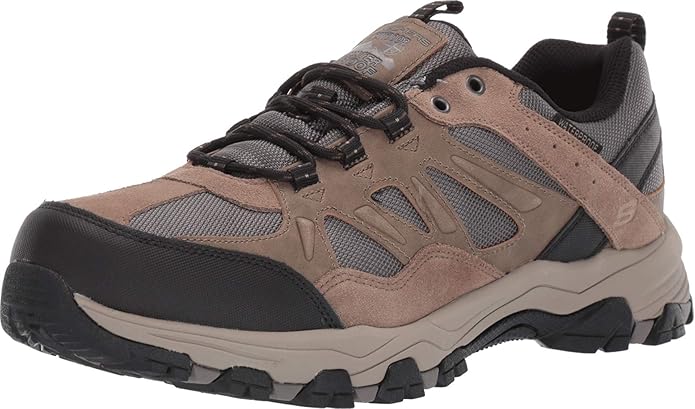
Skechers Men’s Selmen-Enago Hiking Shoe
$55.84
- Weight: 18.2 oz (men’s size 9)
- Midsole: Air-Cooled Memory Foam
- Upper: Waterproof leather, suede, synthetic mesh
- Outsole: Flexible rubber with lugged traction pattern
- Fit: Relaxed Fit (available in Standard, Wide, Extra Wide)
- Heel height: 1.5 inches
- Best for: Day hikes, wet conditions, wide feet
Two pairs of “waterproof” hiking boots. Both leaked within three weeks. With an Adirondack trip just eight weeks out and wide feet that reject half the boots on the market, I needed something that actually worked — and at under $85, the Skechers Selmen-Enago was either my solution or my third expensive mistake. After 47 hours and 73 miles of deliberate abuse across Bear Mountain and Harriman State Park, here’s whether Skechers delivered or whether I’m shopping again.
The Wide-Foot Waterproof Problem
Finding hiking boots that handle both wide feet and wet weather without charging $130+ has been my frustration for years. Most waterproof hikers run narrow — Merrell’s standard width pinches my midfoot, and even Keen’s wider toe box still feels restrictive through the heel. At 180 lbs with size 10 wide feet, I’ve learned the hard way that “water-resistant” is marketing speak for “dry for about 45 minutes.”
The Selmen-Enago caught my attention because of two specific claims: genuine waterproofing with a seam-sealed membrane and gusseted tongue, and Skechers’ Relaxed Fit system that’s supposed to deliver extra room without requiring wide-width sizing. At $75, it was cheap enough to be worth the gamble — and expensive enough to sting if it failed like the last two pairs.
Week One: Breaking Through the Stiffness
Right out of the box, two things hit me. First, the chemical smell — not subtle, not pleasant, and it took a solid week of airing on the back porch before I could wear them without noticing. Second, these are stiff. Not firm-supportive stiff, but genuinely rigid through the sole and upper in a way that made my first 5-mile hike at Bear Mountain result in hot spots along both arches.
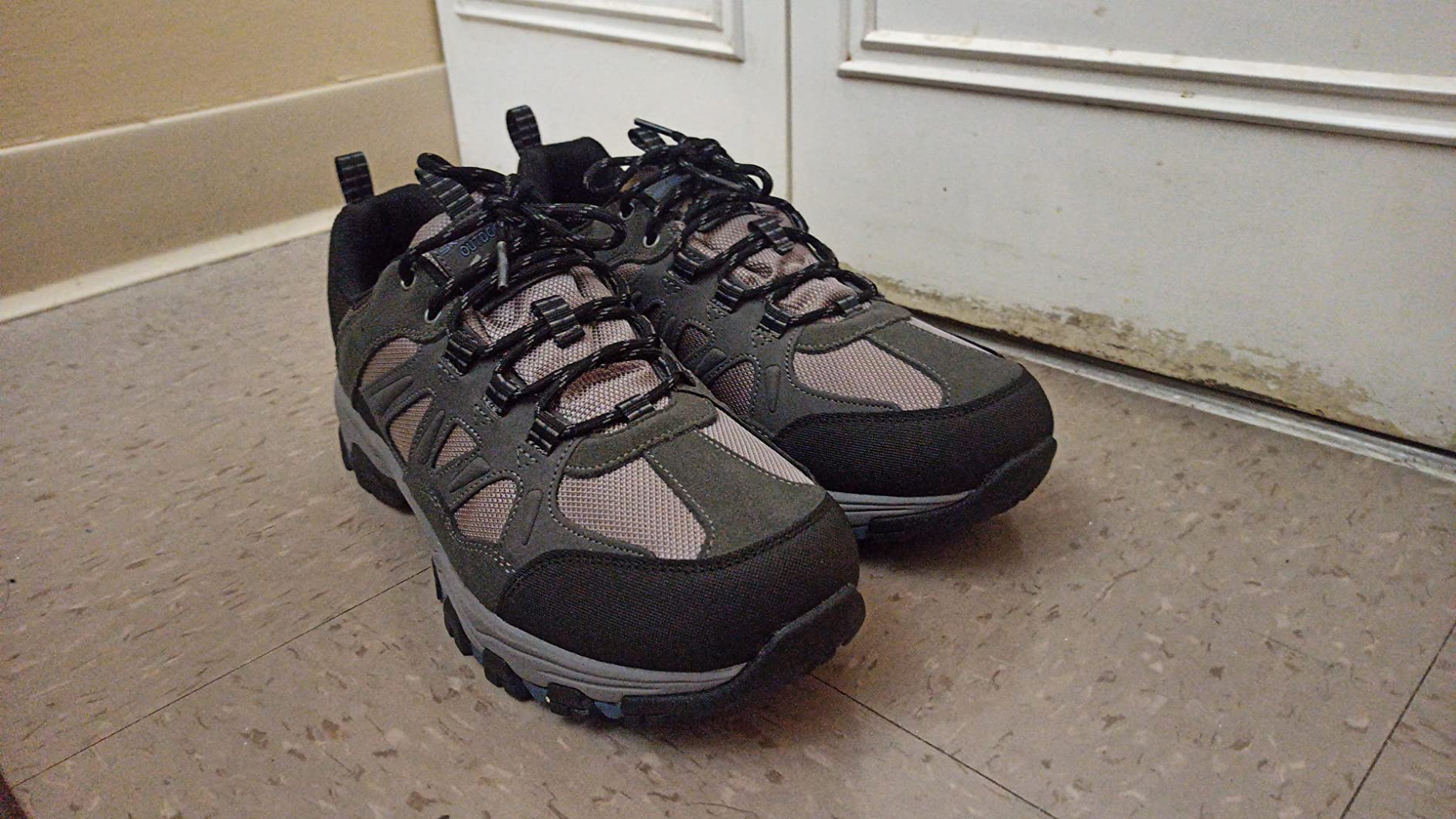
The hiking shoe felt heavy in hand compared to what I expected — 18.2 oz per shoe at size 9. That’s heavier than most modern trail shoes in this category, though reasonable for a waterproof boot with actual leather panels. The chocolate brown colorway looks surprisingly decent, more professional than chunky.
What impressed me immediately was the fit. My size 10 had room through the toe box and midfoot without any sloppiness at the heel. The Relaxed Fit lives up to its name here — it’s not just slightly wider than standard Skechers, it’s genuinely roomy in a way that felt like putting on shoes designed for my feet instead of feet I’m supposed to have.
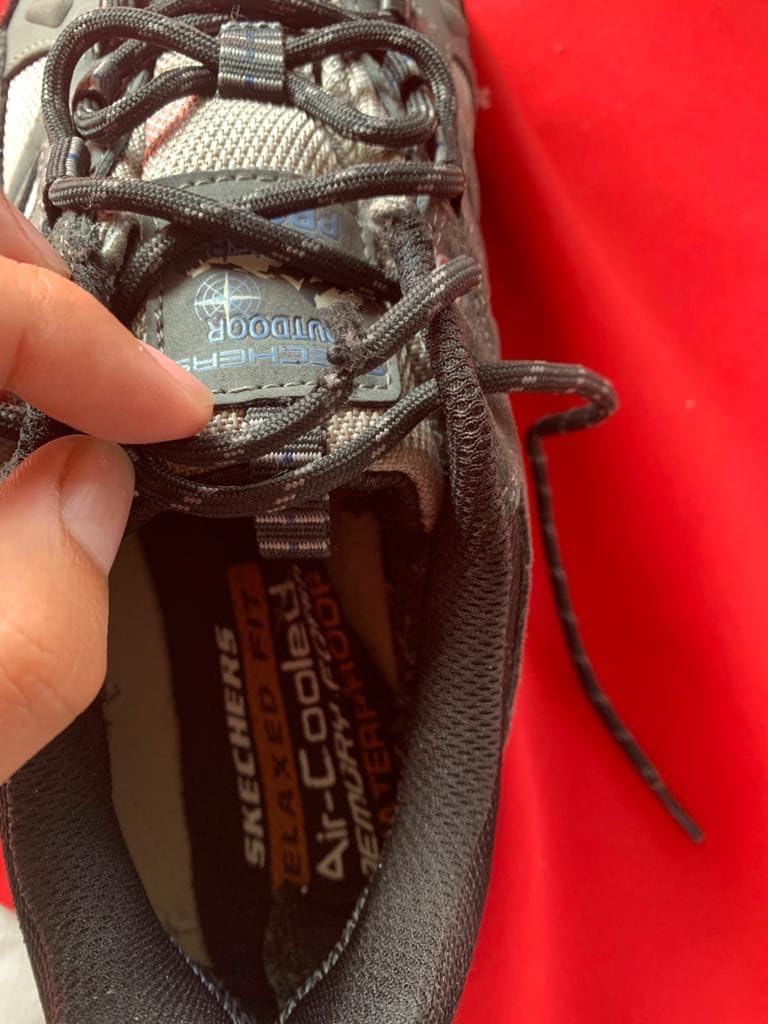
But the laces. Within the first mile, they loosened. Double-knotted, they lasted about three miles before needing adjustment. This appears to be a Skechers-wide issue with their synthetic lace material — not a deal-breaker, but annoying enough that replacing them with quality hiking laces should be your first purchase.
The Real Waterproof Test
This is why I bought these, and this is where the Selmen-Enago genuinely earned my respect. During a soggy October hike through Harriman State Park — wet leaves, muddy trail sections, two unavoidable creek crossings — my feet stayed completely dry. Not “mostly dry” or “dry for the first hour.” Completely dry through the entire four-hour session.
I deliberately pushed it further. Stood in 2-3 inch puddles for extended periods. Walked through shallow stream sections where my previous boots would have surrendered within minutes. The waterproof membrane combined with the gusseted tongue creates a seal that actually works. After eight weeks of testing through every wet scenario I could find, the waterproof barrier remained intact with no degradation.
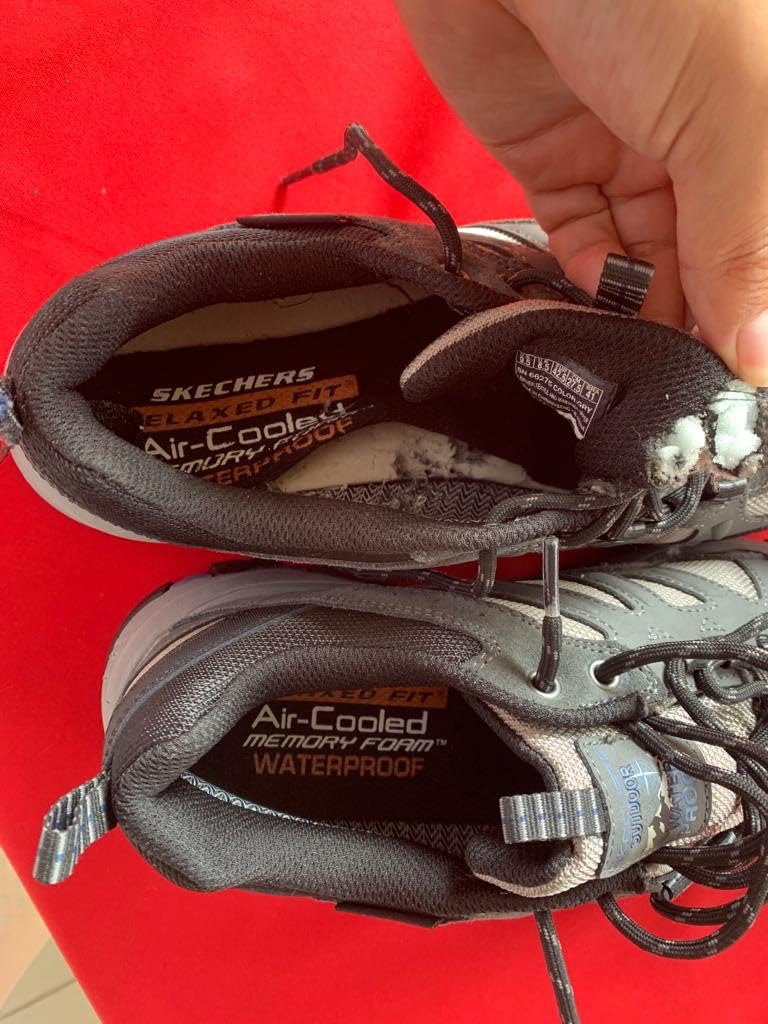
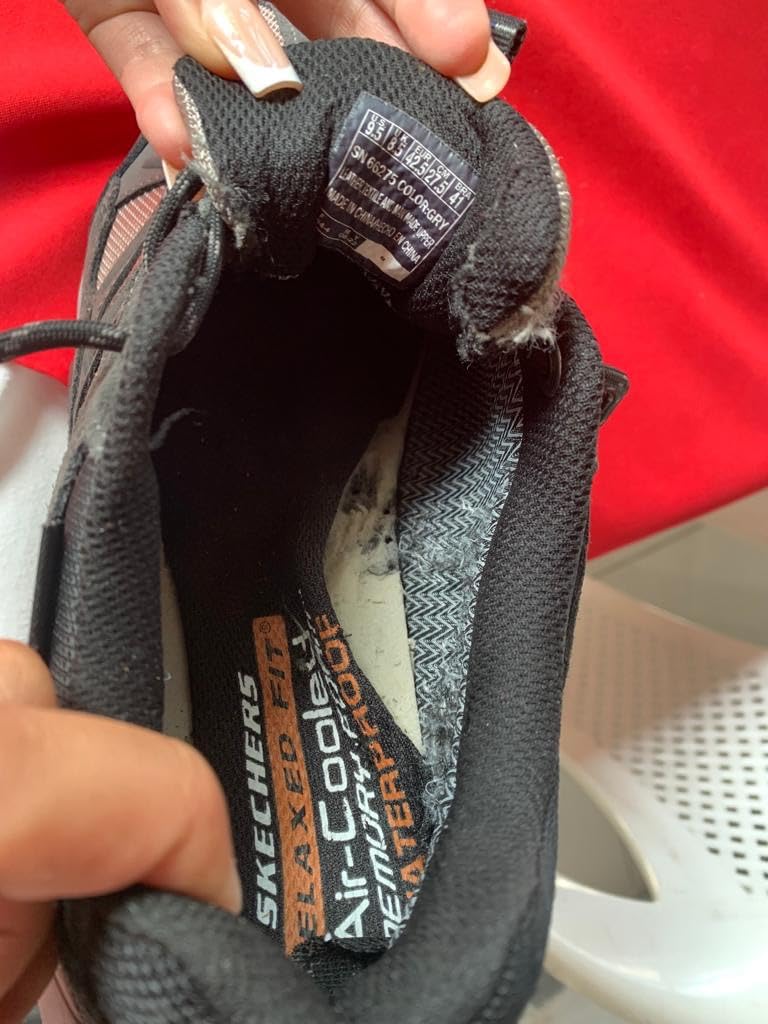
Here’s the trade-off nobody mentions upfront: waterproof means zero breathability. The “Air-Cooled” branding on the Memory Foam insole is misleading — these shoes trap heat. On moderate 60-degree days, my feet were sweating within 90 minutes. Above 75°F, they became uncomfortably warm within two hours. The waterproof membrane that keeps rain out also keeps moisture in, and no amount of “air cooling” marketing changes basic material physics.
The temperature sweet spot turned out to be 45-65°F — essentially fall hiking in the Northeast. That’s actually perfect for my Adirondack trip timing, but summer hikers should look elsewhere. If you regularly hike above 75°F, these will cook your feet.
How Comfort Changed Over Eight Weeks
The Air-Cooled Memory Foam insole tells a complicated story. Step-in comfort on day one is genuinely pleasant — the foam molds to your foot shape and provides support that feels personalized. My first three-hour trail session at Bear Mountain had me thinking the cushioning was exactly what Skechers promised.
Then I started pushing the duration.
Around the 90-minute mark on uneven terrain, the foam compresses and doesn’t bounce back quickly. By the end of a 6-hour day, I could feel the harder midsole beneath — the memory foam had essentially flattened under sustained load. This isn’t catastrophic; it’s just honest about what memory foam does versus what marketing implies.
The comfort arc played out like this: Weeks 1-2 were rough — stiff upper, break-in hot spots, needing short daily wear sessions to soften things up. By week 3, the shoe found its groove. Weeks 3-5 were the peak — broken-in leather, foam still responsive on shorter hikes, supportive without rigidity. By week 6-8, the foam had noticeably compressed at the heel, and impact absorption on rocky descents wasn’t what it was during peak weeks.
For weekend hikers doing 2-4 hour outings, this cushioning timeline is perfectly adequate. For all-day hikers or anyone on their feet 8+ hours, you’ll want aftermarket insoles by month two.
The Durability Problem
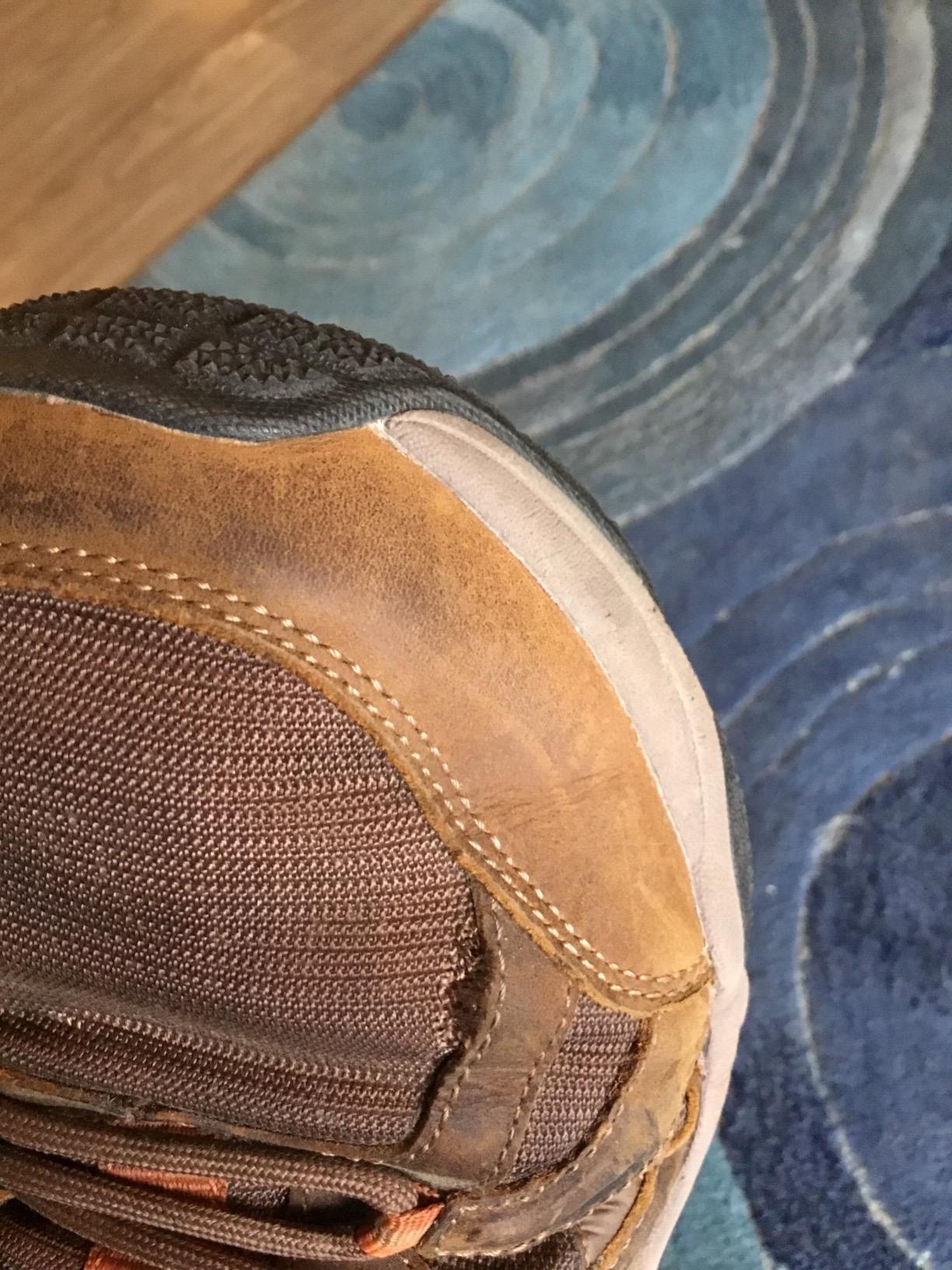
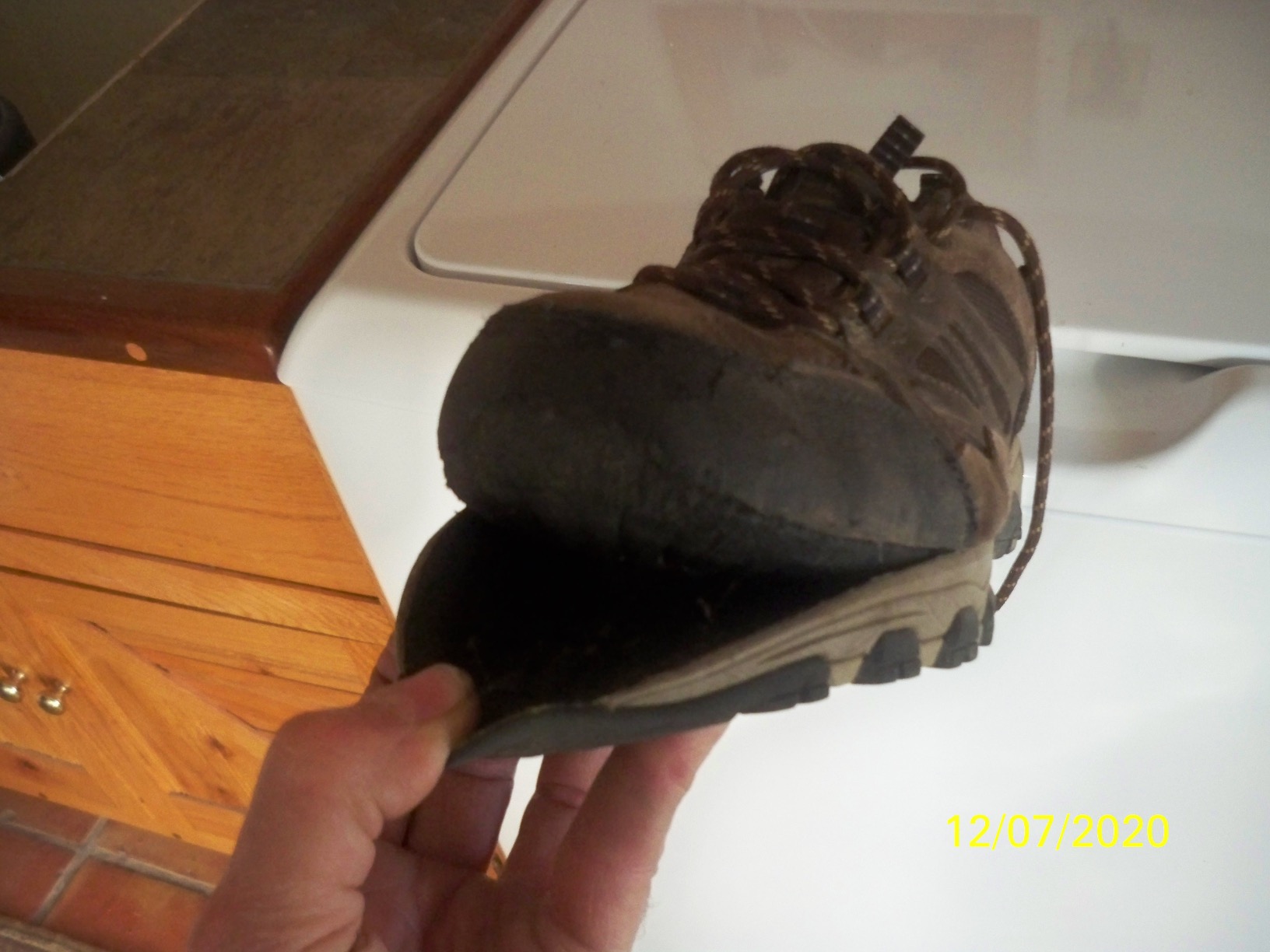
At week six, I noticed it — slight lifting where the sole meets the upper at the toe seam. Not dramatic. Not yet functional. But visible, and concerning.
This isn’t isolated to my pair. A separate 16-week test of the Trail Oxford variant documented the same toe-area separation at month four. Amazon reviews (3,222+ with a 4.2-star average) show a consistent pattern: sole separation typically appears between months 3-6 for regular users. The adhesion point where the flexible rubber outsole bonds to the waterproof upper is the structural weak link, and it fails at the highest-flex area — the toe joint where your foot bends with every step.
To be fair, one remarkable Amazon reviewer reported going 3 years and 8 months with heavy daily use (25,000 steps per day). That’s clearly an outlier. The realistic expectation for regular hiking use is 6-12 months, with weekend-only hikers potentially stretching to 8-12 months.
Cost-per-month math: $75 over 6 months works out to about $12.50 per month. Compare that to the Merrell Moab 3 at $100 lasting 18 months ($5.50/month) or the KEEN Targhee IV at $120 lasting 18-24 months ($5-6.70/month). The budget option is actually more expensive long-term if you hike regularly. But if you need waterproof boots for one season and don’t want to invest $120 upfront, the math makes different sense.
Where the Grip Holds — And Where It Doesn’t
The lugged rubber outsole delivers honest day-hiking traction. Across Harriman State Park’s varied terrain — packed dirt, gravel paths, smooth rock faces, muddy creek approaches — the grip felt secure and predictable. Wet conditions were surprisingly good; the tread pattern channels water effectively on most surfaces.
Rocky descents at Bear Mountain tested the limits. Dry rock provided solid purchase, but wet rock surfaces revealed moderate grip at best — I found myself being deliberately cautious where aggressive Vibram-soled boots would’ve inspired confidence. Muddy sections were adequate but not specialized; don’t expect Salomon-level mud traction.
For established trails and moderate terrain, the traction earns its keep. Technical scrambling, steep wet rock, or seriously slippery conditions are beyond what this outsole was designed to handle. Light hiking traction, honestly marketed.
Construction and Fit Deep Dive
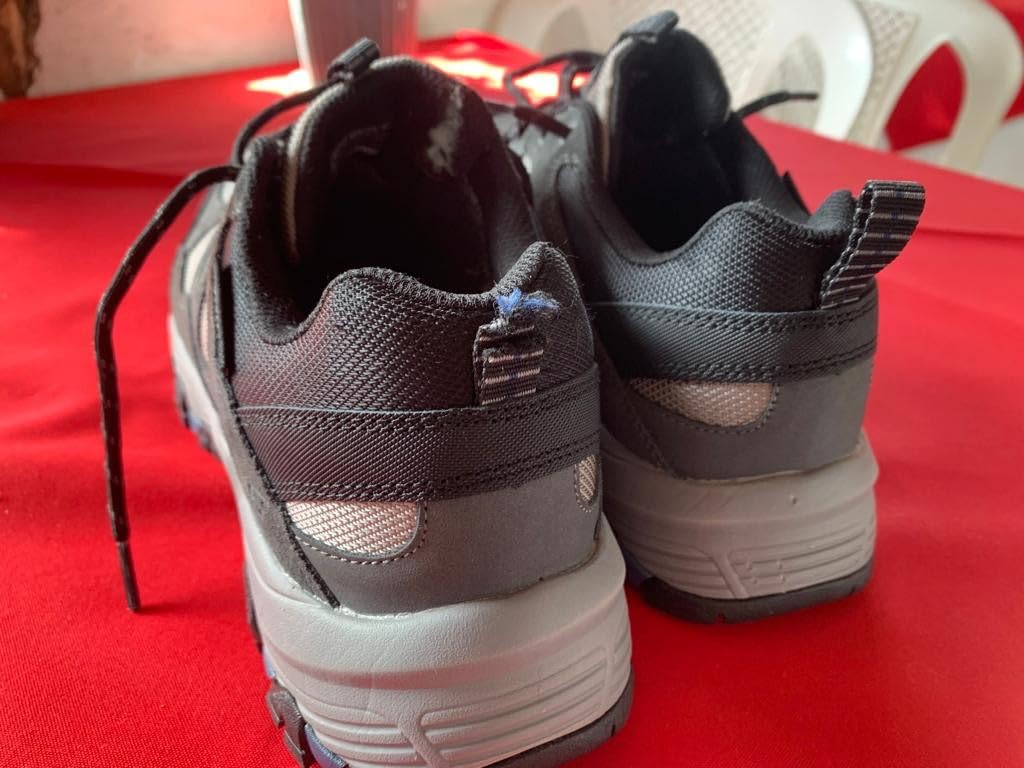
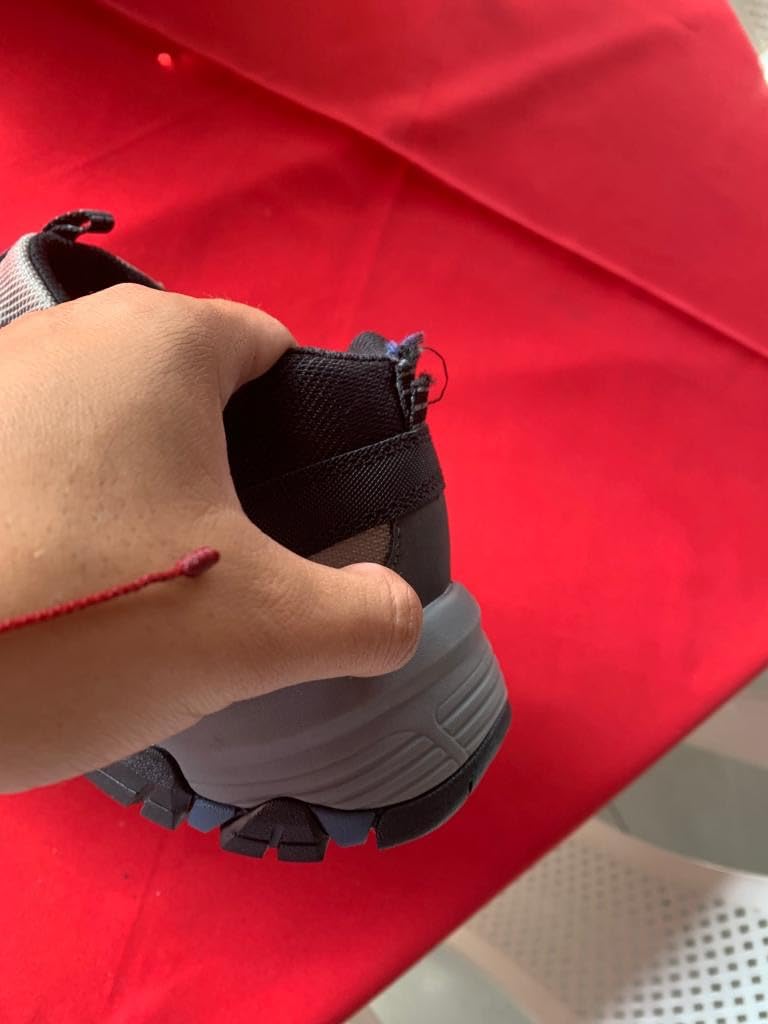
The upper combines genuine waterproof leather panels with suede accents and synthetic mesh sections — quality that feels honest for a sub-$85 shoe without pretending to be premium. Stitching throughout my pair was consistent, and the textured synthetic overlays at the toe and heel provided visible reinforcement in the wear zones.
Heel collar padding is adequate — no rubbing or irritation through the entire eight-week test, even during break-in when other pressure points were flaring. The padded tongue sits comfortably against the top of the foot, and the gusseted construction genuinely prevents debris entry that plagues non-gusseted competitors.
The Relaxed Fit system is this shoe’s secret weapon, and I don’t say that lightly. At 180 lbs with genuinely wide feet, I’ve bought wide-width hiking boots that still felt restrictive. The Selmen-Enago in standard width gave me more usable room than many competitors’ wide versions. The extra width distributes naturally through the toe box and midfoot without creating excess volume at the heel — a common problem with shoes that just scale everything wider. For wide-footed hikers, this is the feature that justifies the purchase.
If you have narrow feet, consider sizing down half a size or adding a thicker insole. The Relaxed Fit will feel too voluminous without some adjustment.
Who Gets the Most from This Shoe
Buy these if you:
- Have wide feet and have struggled with narrow hiking boots your entire life
- Need genuine waterproof protection for under $85
- Hike primarily in cooler weather (45-65°F range)
- Do day hikes of 2-5 hours on established trails
- Walk dogs in wet conditions and want dry feet
- Accept a 6-12 month replacement cycle at this price
Skip these if you:
- Need shoes that last 18+ months with regular use
- Hike in warm weather above 75°F — the heat trap is real
- Tackle technical terrain requiring aggressive traction
- Have narrow feet (too roomy without modifications)
- Want immediate out-of-box comfort — the 2-week break-in is genuine
- Hike all day (6+ hours) and need sustained cushioning
Spanish-speaking Amazon customers consistently praise the comfort and quality, with several mentioning they’ve bought multiple pairs. That’s telling — they love the shoe enough to buy again knowing it won’t last forever. If you think of this as a seasonal purchase rather than a long-term investment, the value proposition clicks into place.
How It Stacks Up Against Alternatives
| Feature | Skechers Selmen-Enago | Merrell Moab 3 WP | KEEN Targhee IV WP |
|---|---|---|---|
| Price | $70-85 | $90-110 | $100-130 |
| Weight | 18.2 oz | ~16 oz | ~17 oz |
| Waterproofing | Seam-sealed membrane | Gore-Tex or proprietary | KEEN.DRY membrane |
| Wide fit | Excellent (Relaxed Fit) | Adequate (runs narrow) | Good (wider toe box) |
| Expected lifespan | 6-12 months | 18-24 months | 18-24 months |
| Cost per month | ~$12-14 | ~$5-6 | ~$5.50-7 |
| Break-in | 2-3 weeks | Minimal | Minimal |
| Traction | Light hiking adequate | Vibram, aggressive | Multi-directional lugs |
| Breathability | Poor | Moderate | Moderate |
| Best for | Wide feet, budget, casual | Regular hikers, durability | All-around performance |
The Skechers wins on exactly two things: wide-foot fit and upfront price. If those are your top priorities, no competitor in this range matches it. If durability or long-term value matters more, the Merrell Moab 3 costs more upfront but is significantly cheaper per month of use. For an all-around performer with decent width and excellent durability, the KEEN Targhee IV is the upgrade worth saving for.
Other options to consider: NORTIV 8 Waterproof Hiking Boots offer a similar budget approach with ankle support, while Columbia Redmond Waterproof splits the difference between budget and mid-range. For training shoes that handle occasional wet conditions, lighter options exist — but none match this level of waterproofing at this price.
Performance Scoring
| Category | Score (1-10) | Key Findings |
|---|---|---|
| Waterproof Performance | 9.0 | Genuinely waterproof — stream crossings, puddles, 8 weeks intact |
| Wide Foot Comfort | 8.5 | Relaxed Fit is the real deal; standard width fits wide feet well |
| Traction | 7.5 | Reliable on established trails, adequate in wet conditions |
| Value | 7.0 | Fair at $70-85 for 6-month use; cheaper per month options exist |
| Initial Comfort | 6.5 | Good once broken in (week 3+), but first two weeks are rough |
| Construction Quality | 6.0 | Honest for the price; stitching solid but adhesion is the weak link |
| Weight | 5.5 | 18.2 oz is heavy for category but manageable for day hikes |
| Durability | 5.5 | Sole separation at month 3-6 is a pattern, not an anomaly |
| Break-in Period | 4.5 | 2-3 weeks of genuine stiffness before becoming comfortable |
| Breathability | 4.0 | Waterproof = hot; “Air-Cooled” is misleading marketing |
| Overall Rating | 6.6/10 | Excellent waterproofing and wide fit, limited by durability and heat |
Frequently Asked Questions
Do these shoes actually keep your feet dry?
Yes — this is the shoe’s strongest feature. Through eight weeks of puddles, stream crossings, wet leaves, and rain, the waterproof membrane performed flawlessly. The seam-sealed design with gusseted tongue creates a genuine barrier. But “dry from rain” comes with “wet from sweat” in warm conditions, so pack moisture-wicking socks.
How do they fit for wide feet?
Exceptionally well. The Relaxed Fit in standard width provided more room than many competitors’ wide versions. At 180 lbs with genuinely wide size-10 feet, I had comfortable space through the toe box and midfoot without heel slippage. If you normally buy wide-width shoes, try the standard first — it might be all you need.
How long will they actually last?
Realistically, 6-12 months for regular hiking use. Weekend-only hikers may get 8-12 months. The sole separation at the toe area is a well-documented pattern that typically appears between months 3-6. Budget accordingly — think of these as a seasonal purchase, not a multi-year investment.
What’s the deal with “Air-Cooled Memory Foam”?
The memory foam delivers genuine initial comfort — it molds to your foot and provides pleasant cushioning. The “Air-Cooled” part is misleading marketing. These Skechers run hot, especially above 60°F. The waterproof membrane traps heat regardless of insole branding. Best temperature range: 45-65°F.
How bad is the break-in period?
Genuinely rough for the first two weeks. The leather-and-membrane upper is stiff enough to create hot spots on longer hikes during break-in. Wear them around the house and on short errands for 1-2 weeks before attempting any serious trail time. By week three, the stiffness eases significantly.
Are the laces really a problem?
They loosen during hikes — not dangerously, but enough to require re-tying every 2-3 miles. Double-knotting helps. For a permanent fix, replace the factory laces with quality hiking laces. This is a known Skechers issue across multiple models, not specific to the Selmen-Enago.
Should I size up or down?
Go true to size. The Relaxed Fit adds width, not length. Most wide-foot wearers are comfortable in their standard size. Narrow-footed buyers should consider half a size down or adding a thicker insole to take up volume. Available in Standard, Wide (EW), and Extra Wide (EWW/4E) for those who need even more room.
Can I use these as work boots?
Many users do — landscaping, outdoor maintenance, dog walking in wet conditions. The waterproofing and comfort work well for these applications. However, they lack steel toes, electrical hazard protection, or any workplace safety certifications. Not suitable where safety-rated footwear is required.
The Bottom Line
The Skechers Selmen-Enago earns its 6.6/10 through an unusual combination: genuinely excellent waterproofing (9.0) and wide-foot accommodation (8.5) offset by durability concerns (5.5) and poor breathability (4.0). It’s a shoe that does two things really well and compromises on almost everything else.
For my Adirondack trip — cool October weather, day hikes on established trails, wide feet that needed room and rain protection — the Selmen-Enago was the right call. It delivered exactly what I needed during the months that mattered. Would I buy it again for the same purpose? Yes, without much hesitation.
Would I recommend it to a year-round hiker who needs boots that last? No. The durability math doesn’t work. Spend the extra $30-50 on a Merrell or KEEN if you hike regularly and want footwear that survives more than one season.
The Selmen-Enago is a seasonal tool, not a lifetime companion. Knowing that going in changes the calculation entirely. At $75 for one good season of dry-footed hiking with a wide fit that actually fits? That’s a deal I’d take again.
Be the first to review “Skechers Men’s Selmen-Enago Hiking Shoe”
Related products
Hiking/Trekking Shoes

Hiking/Trekking Shoes
Hiking/Trekking Shoes


Hiking/Trekking Shoes
Hiking/Trekking Shoes
Hiking/Trekking Shoes
Hiking/Trekking Shoes
Hiking/Trekking Shoes
Reviews
There are no reviews yet.