
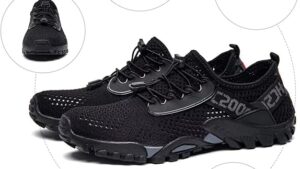
SOBASO Water Shoes Women Men Quick Drying
$29.99
- Weight: 8.2 oz (women’s size 8)
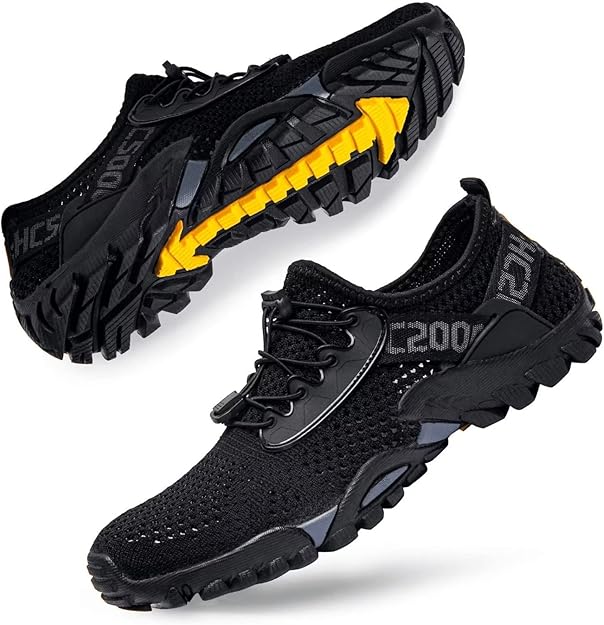
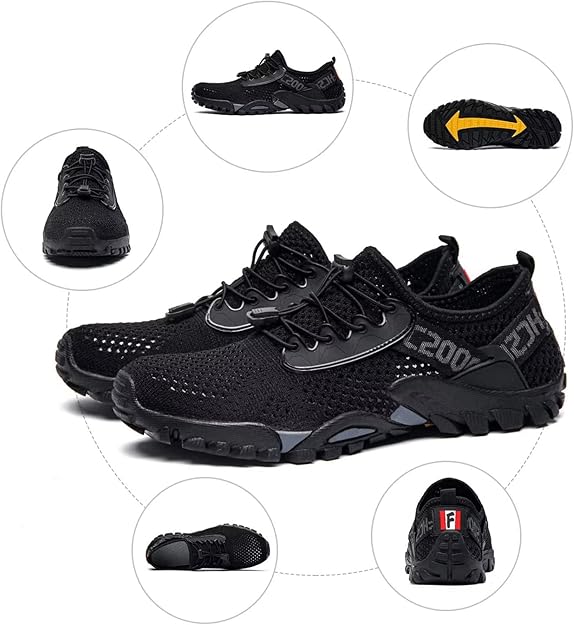
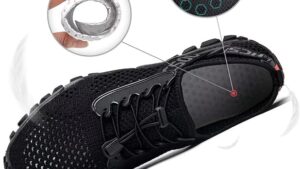
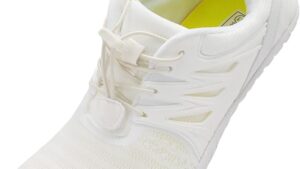
- Upper: Breathable stretch mesh with rubber reinforcements at high-wear areas
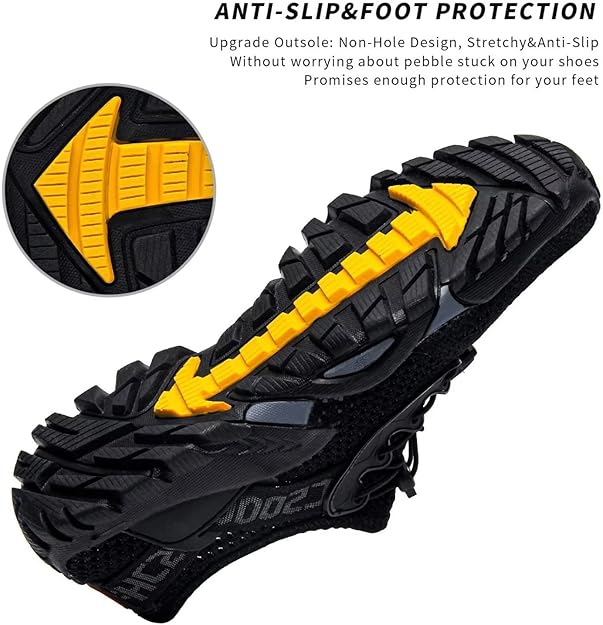
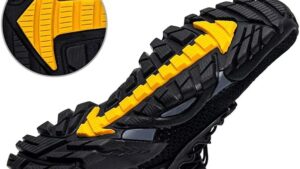
- Sole: Thick rubber with multi-directional tread pattern
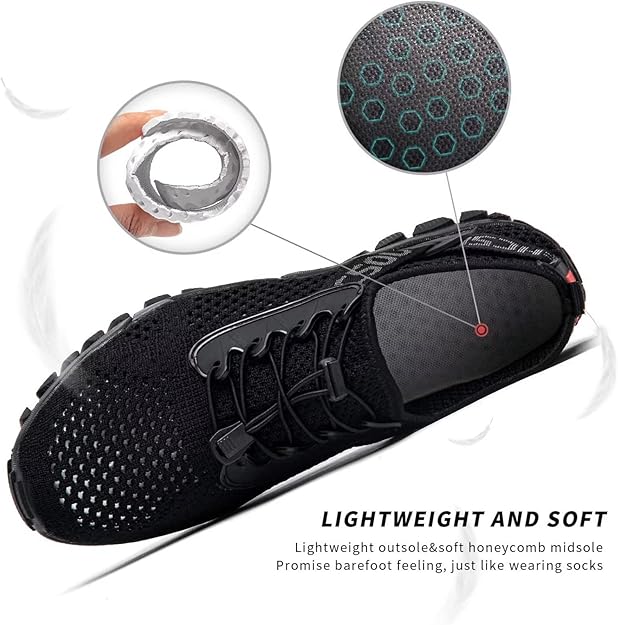
- Insole: EVA with honeycomb drainage channels
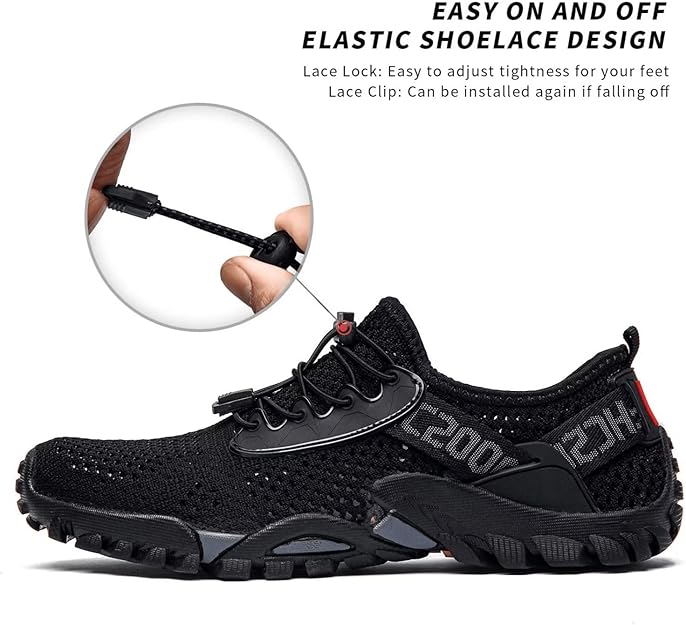
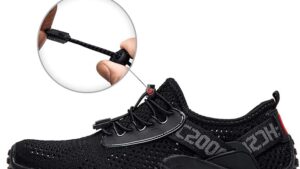
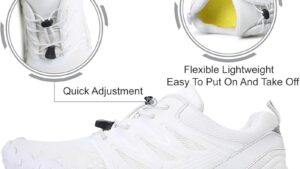
- Closure: Elastic lacing with plastic toggle lock
- Category: Unisex multi-purpose water shoes
- Best for: Beach activities, pool use, light hiking, creek crossings
I bought these at midnight on a Tuesday. Not my proudest shopping moment, but three kids with back-to-back swim lessons, a family lake trip on the calendar, and my old water shoes falling apart left me scrolling through options way past bedtime. The SOBASO Water Shoes showed up at $35, promising quick-dry performance and multi-terrain versatility — claims I’d heard a dozen times before from budget water shoes that never delivered. Three months later, after dragging these through California beaches, community pools, rocky creek crossings, and more family adventures than I can count, I finally know whether that late-night purchase was brilliant or just sleep-deprived optimism.
First Impressions and Build Quality
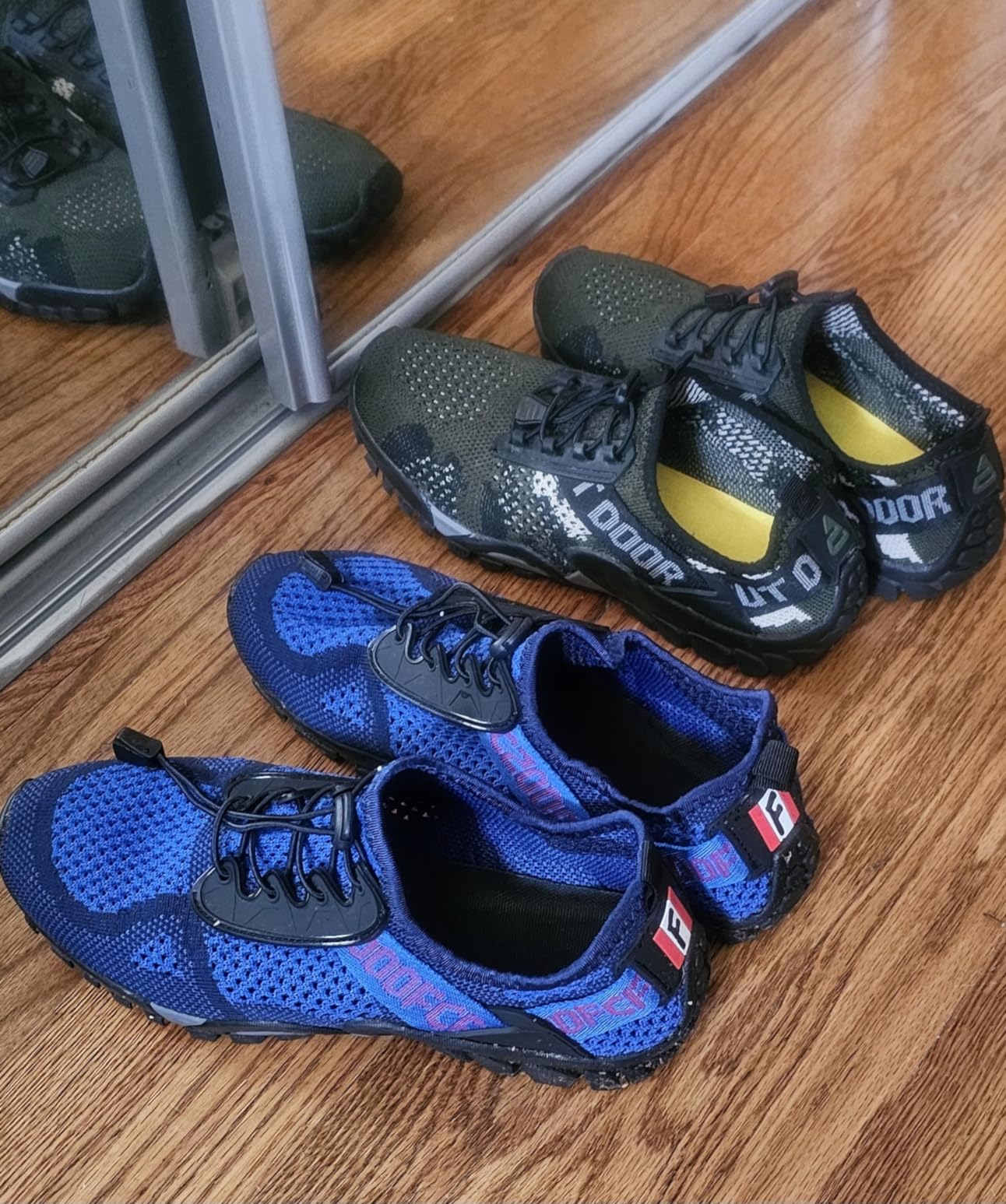
Pull these out of the box and they immediately feel different from those flimsy mesh socks that pass for water shoes at most stores. There’s actual structure here — a rubber sole with real thickness, not the paper-thin sheet of rubber that dissolves after two beach trips. The mesh upper has reinforcement patches at the toe, heel counter, and sides where my kids’ shoes always blow out first.
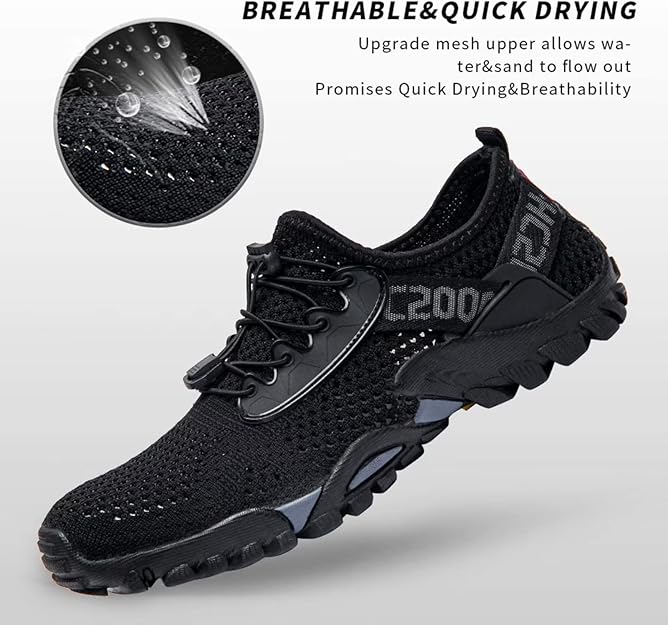
What caught my eye was the mesh pattern itself. Most budget water shoes use tiny perforations that look breathable but clog with sand the instant you hit the shore. SOBASO went with larger, more open mesh throughout the entire upper. My first thought was “won’t everything just get in?” — and technically yes, things get in. But they also get right back out, which turned out to be the smarter design choice after weeks of testing.
The EVA insole underneath has a honeycomb drainage layout that channels water toward the sole rather than pooling under your foot. Paired with the open mesh, you’re looking at a shoe designed around water flow rather than water resistance. For a $35 shoe, the construction logic impressed me more than I expected.
The Sizing Situation — Read This Before Ordering
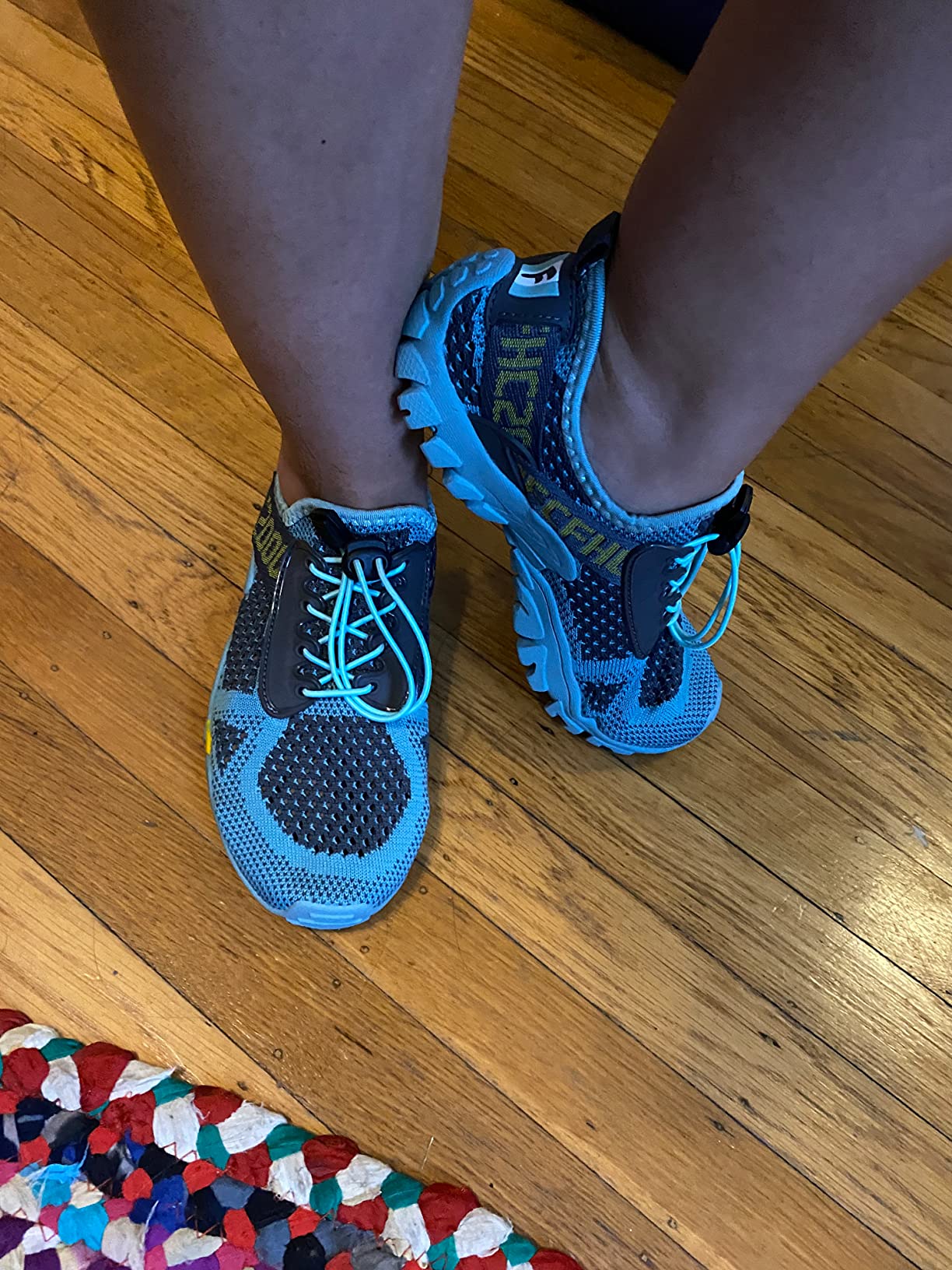
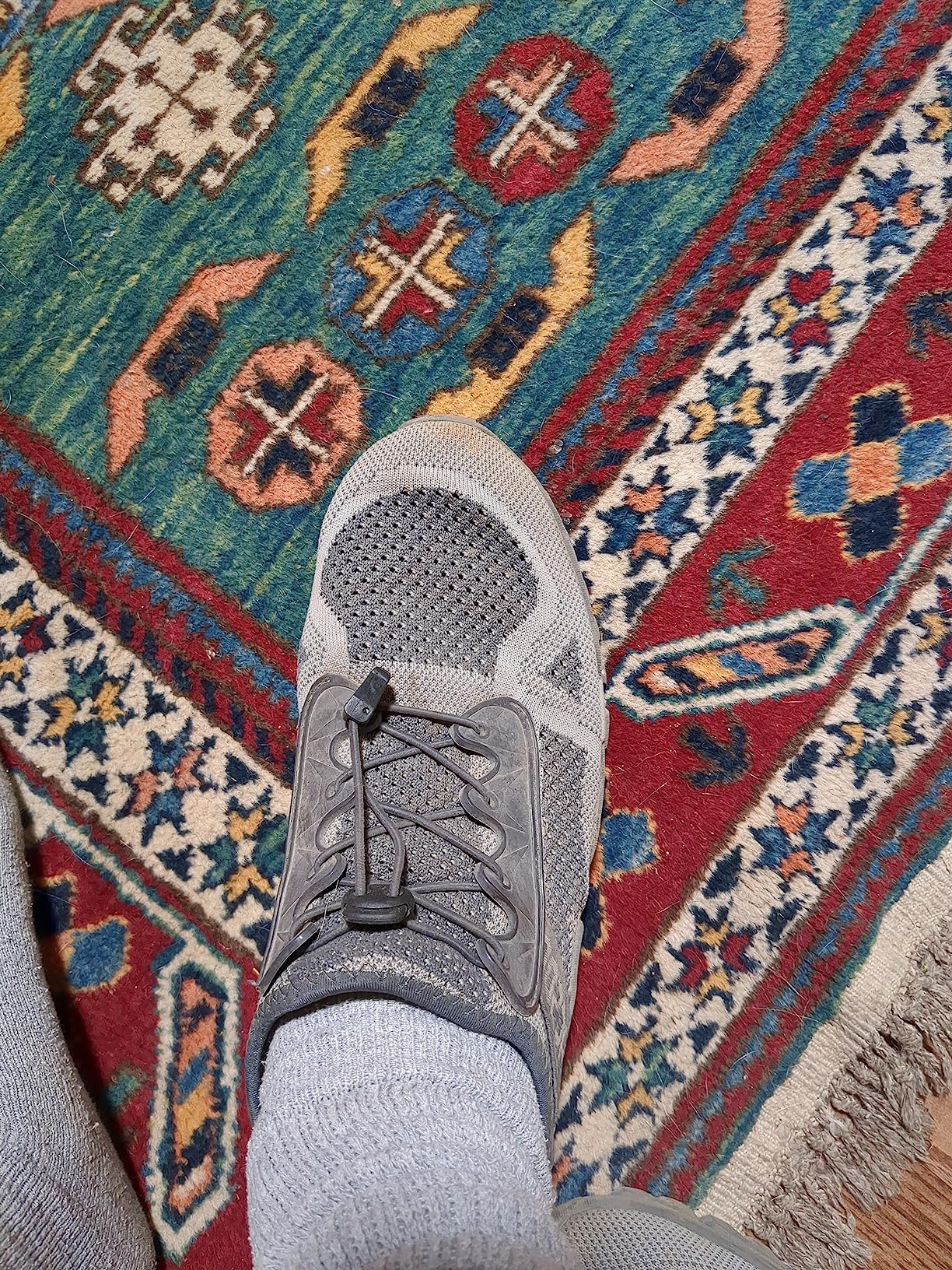
I need to be upfront about this because it’ll save you a return. I normally wear an 8.5 in sneakers. Reviews warned about large sizing, so I ordered an 8. Even that felt generous — roomy through the midfoot, extra space in the toe box, and I probably could have squeezed into a 7.5 for a more locked-down fit. The pattern held across my family too: everyone had to size down.
Checking reviews across multiple retailers confirmed this isn’t a one-off. SOBASO sizing runs a solid half-size large, sometimes more. If you’re between sizes, go with the smaller option without hesitating.
Now, the roominess isn’t entirely bad. For beach walking, pool activities, and general summer wear, that extra space keeps your toes from feeling cramped during long days. Where it becomes a problem is anything requiring quick lateral movement — the foot slides around inside, and that looseness makes precision footwork unreliable.
The Toggle Problem Nobody Warned Me About
Here’s the honest part most reviews skip. The elastic lacing system with its plastic toggle is genuinely convenient — when it works. Slip the shoe on, pull the toggle, done. Perfect for parents managing three kids at the pool who don’t have time for traditional lacing.
But that plastic toggle? It’s the weakest link on the entire shoe. I broke two of them in three months of regular use. Not yanking aggressively, not forcing anything — just normal tightening. And when I started digging through owner feedback, this wasn’t my bad luck. Toggle failure is a recurring theme across hundreds of reviews.
The fix is simple enough: once the toggle snaps, tie the elastic laces like regular shoelaces. The shoes work fine this way. But it kills the “quick on/off” convenience that makes these appealing for family use in the first place. At $35, I can live with it. At $60+, I’d be furious.
Where These Shoes Actually Earn Their Keep — Water Performance
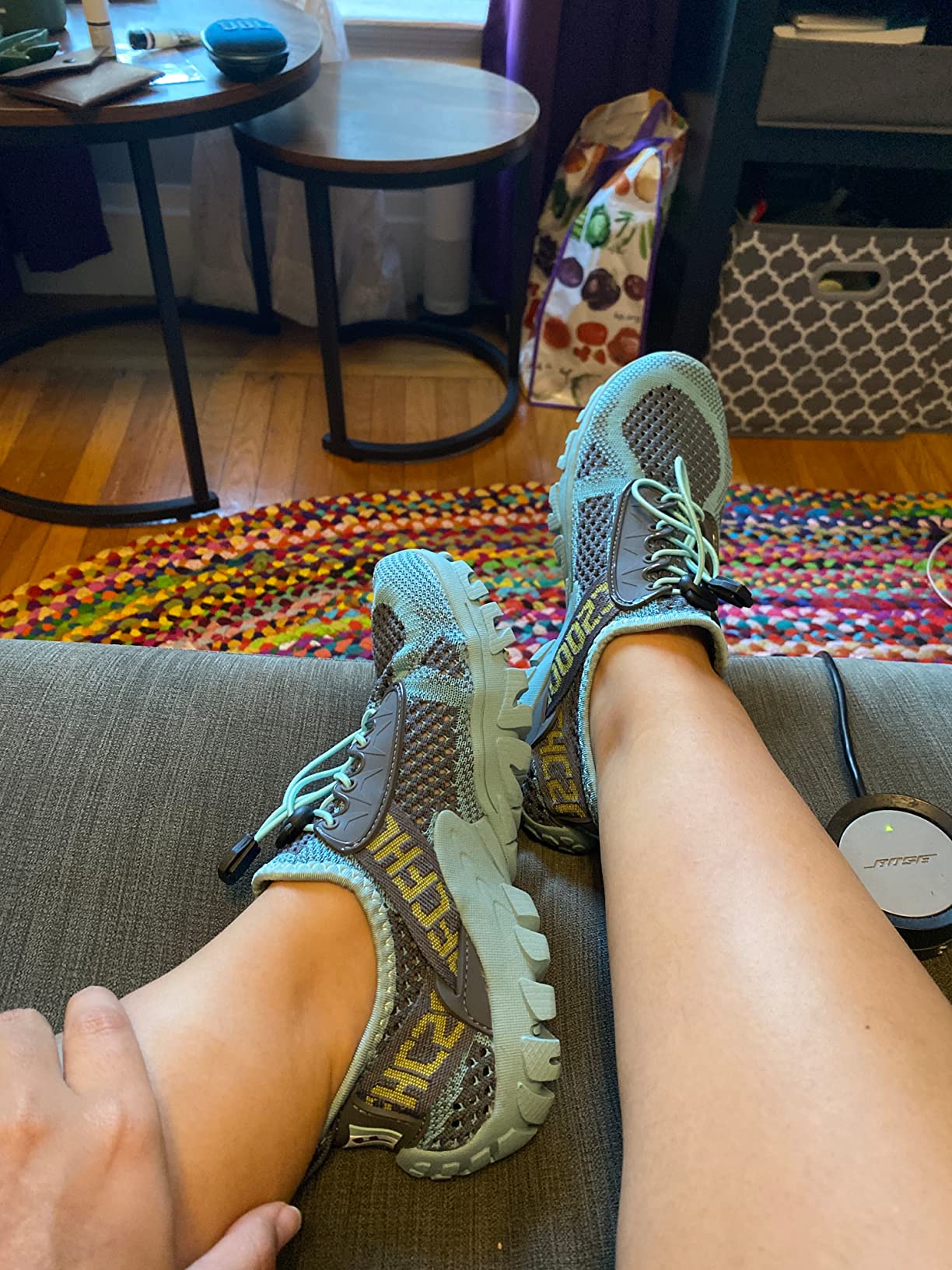
After all the sizing caveats and toggle complaints, this section is where the SOBASO story shifts. The quick-dry claim? Legitimately accurate.
After pool sessions with my kids, I’d toss these in the car and they’d be noticeably dry by our next stop — roughly 30 to 45 minutes in warm conditions. That’s not instant-dry performance like a $80 Merrell Wildwood Aerosport might deliver, but for the price class? It’s impressive. My previous budget water shoes would stay damp for hours, making the drive home uncomfortable and the car smell questionable.
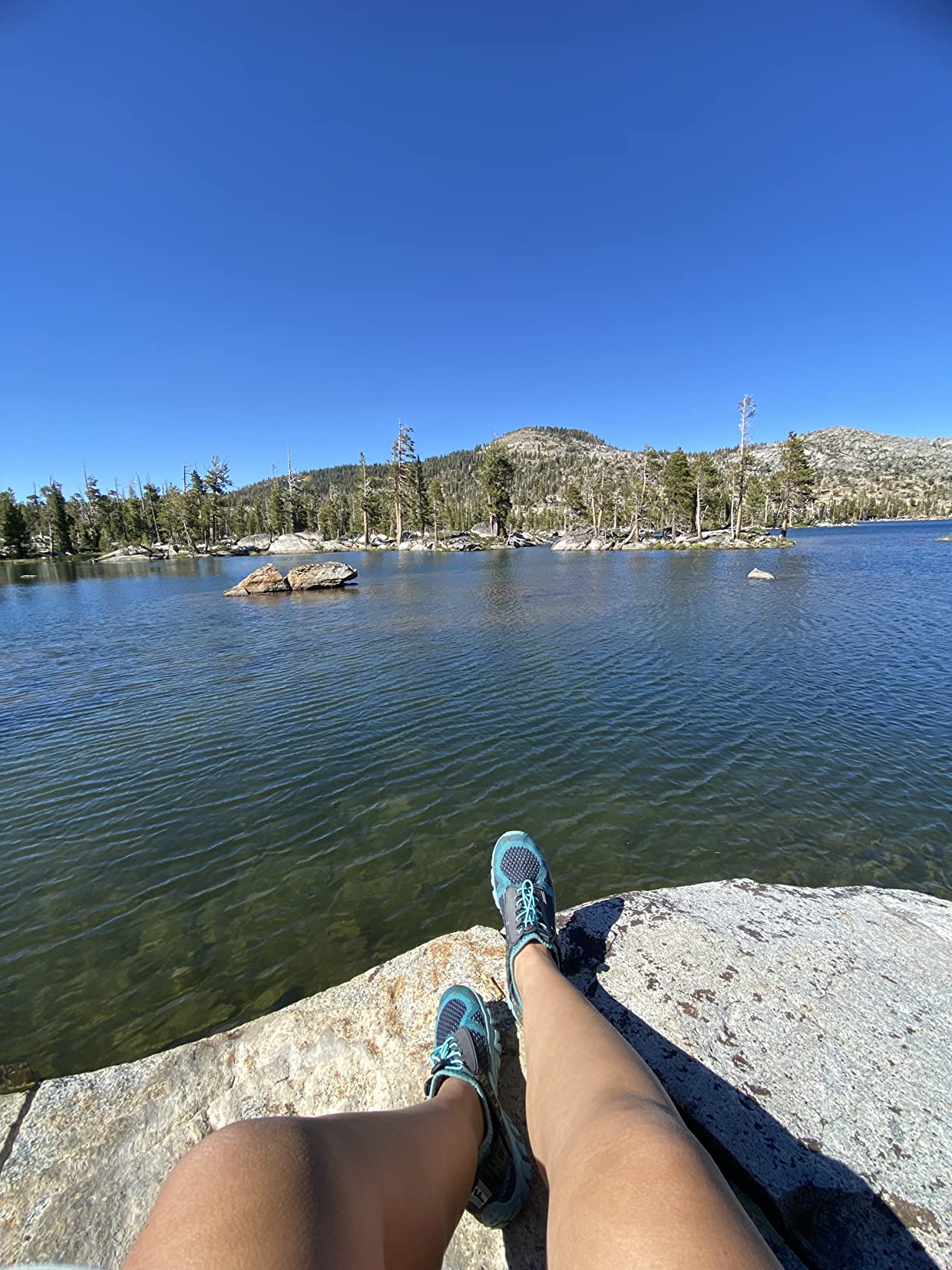
In actual water — lake swimming at Tahoe, wading through surf at Capitola, pool deck walking — the shoes feel planted and protective. The rubber sole keeps its cushioning even fully submerged, which isn’t always the case with foam-based water shoes that go flat when waterlogged. And the traction surprised me most: walking across algae-slicked rocks at the lake’s edge, navigating a rain-wet boat dock, crossing a slippery pool deck carrying a toddler — zero slip incidents across three months of use.
The aggressive tread pattern genuinely grips. I felt confident enough to let my guard down on surfaces where I’d normally be shuffling cautiously in other shoes.
Terrain Testing — From Beach Sand to Mountain Creeks
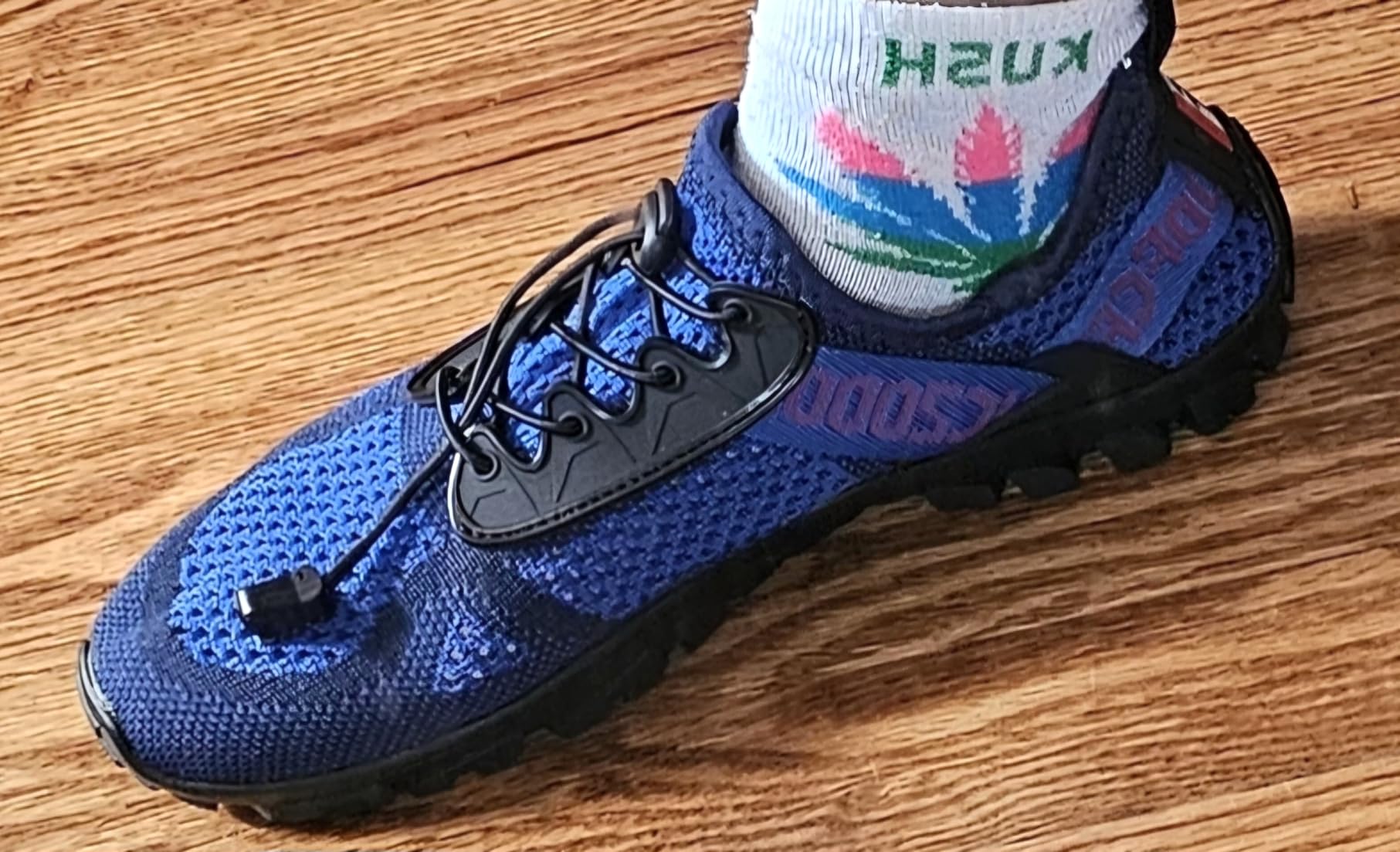
Beaches: Monterey Bay and Capitola
Hot sand protection is real — the thick sole keeps heat at bay, and wet packed sand feels stable underfoot. Walking through shallow surf, water drains efficiently and the shoes don’t become anchors. Fine sand does work its way through that open mesh during longer walks, but here’s the thing: a quick shake and most of it falls right back out. With my old water shoes that had tiny drainage holes, sand went in and stayed permanently trapped. I’ll take the shoes that shed sand over the ones that hoard it.
Rocky Terrain: Muir Woods Creek Crossings
This genuinely caught me off guard. Taking a $35 water shoe onto rocky hiking trails and creek crossings felt like asking for trouble. Instead, the thick rubber sole handled sharp rocks without any foot discomfort — I kicked a few accidentally during creek crossings and didn’t feel a thing through the sole. The tread held steady on wet, uneven surfaces.
Not hiking boot territory. The ankle support isn’t there, and on seriously technical terrain you’d want something more substantial. But for the creek crossings and rocky shorelines that pop up during family hikes? More than adequate. Better than I had any right to expect from this price point.
Pool and Water Exercise
For water aerobics and pool walking, these became my go-to. The drainage means you’re not sloshing around in waterlogged shoes, the sole cushions against hard pool decks, and the fit (once you’ve sized down properly) keeps them planted on your feet during exercises. Shower-to-pool-to-car transitions are quick with the slip-on design — or at least they were before my toggles broke.
Checking the Marketing Against Reality
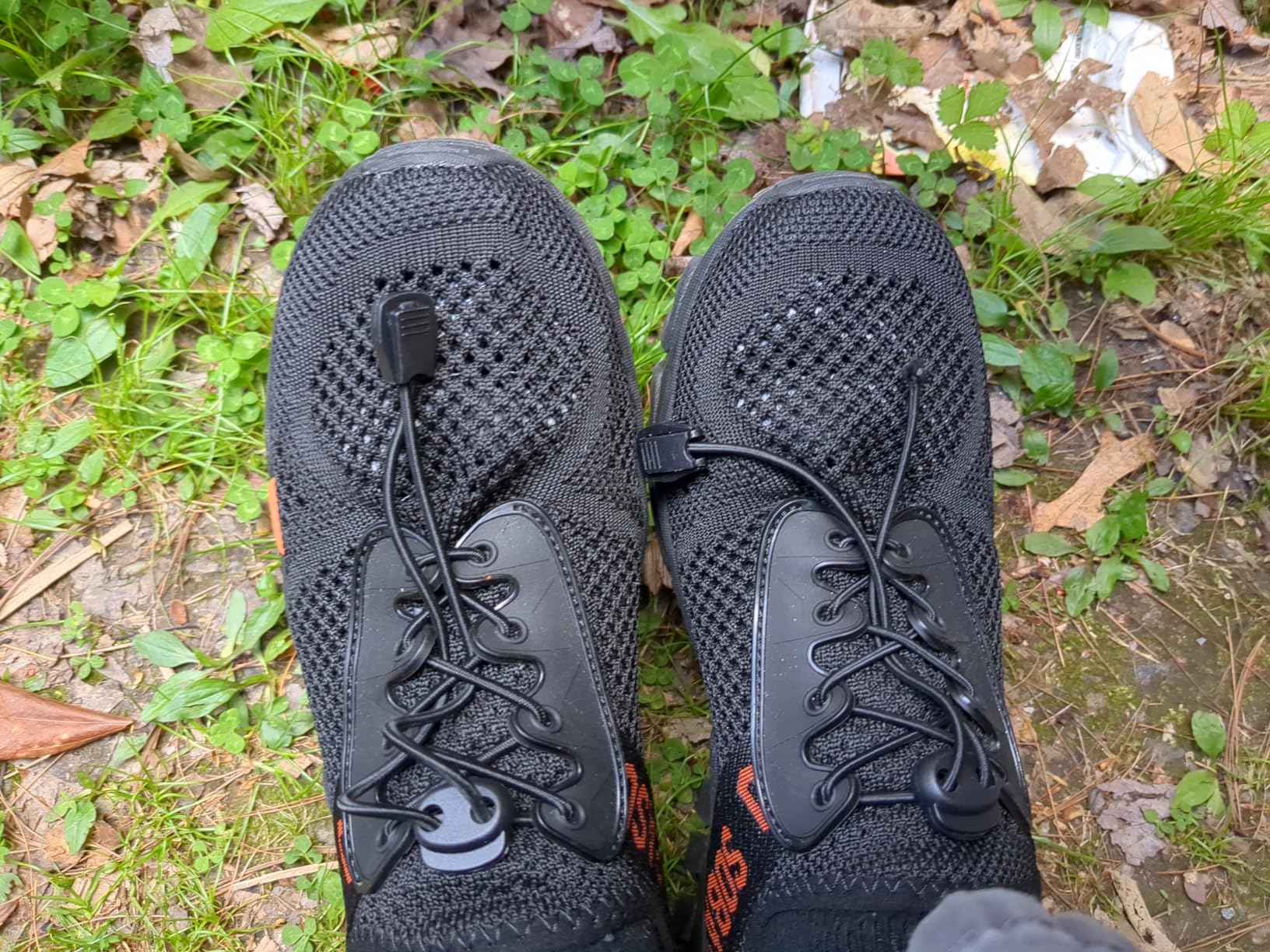
Quick Drying & Breathability — Confirmed. The mesh-plus-EVA-drainage system works. Not the fastest-drying water shoe on the market, but genuinely effective for the price. Thirty to forty-five minutes to wearable dryness in warm conditions is a practical timeline for family activity days.
Lightweight & Protective — Mostly confirmed. At 8.2 ounces for a women’s 8, these aren’t the lightest water shoes you can find. But that weight buys you actual sole protection — something ultra-light water socks sacrifice entirely. Fair trade for anyone walking on rocky beaches or hot pavement.
Easy to Wear — Mixed. When the toggle works, the elastic lacing system is genuinely fast and convenient. When it breaks — and based on my experience plus community reports, it probably will — you lose that convenience. The shoes still function fine with manually tied laces, but the marketed “easy” factor takes a hit.
Versatile Multi-Activity — Confirmed. Beach, pool, creek, light trails, water aerobics, casual errands — tested across all of them. The shoe adapts well to varied terrain and activities. It doesn’t excel at serious hiking or technical water sports, but for the family adventure spectrum? Solidly versatile.
Scoring Breakdown
| Category | Score | Notes |
|---|---|---|
| Comfort | 8.5/10 | Roomy toe box and EVA cushioning make extended wear pleasant — once you nail the sizing |
| Water Performance | 9.0/10 | Strong drainage, verified quick-dry, reliable wet traction, maintains cushion when submerged |
| Durability | 6.5/10 | Shoe body holds up well for the price; toggle lacing drags the score down significantly |
| Versatility | 9.0/10 | Beach to pool to trails — handles family activity variety with minimal fuss |
| Value | 8.0/10 | Genuine performance uplift over $15 basic shoes at a fraction of premium pricing |
| Traction | 8.5/10 | Confident grip across wet pool decks, slimy rocks, boat docks — no slip events in testing |
| OVERALL | 8.1/10 | Recommended for families and casual water enthusiasts with clear caveats |
Reading through hundreds of reviews paints a consistent picture that matches my experience. Families appreciate the comfort and versatility. The quick-dry performance earns genuine praise. And the toggle complaints echo across platforms — it’s the shoe’s one predictable failure point. Most owners report getting 6-12 months of solid use before needing a replacement, which tracks with what I’d expect from seasonal family water shoes at this price.
Who Should Buy These — And Who Shouldn’t
Solid Choice For:
- Families juggling beach trips, pool days, and summer adventures who need one shoe that handles everything
- Casual water enthusiasts who value quick-drying comfort over technical performance
- Budget-minded buyers looking for a real step up from $15 disposable water shoes without spending $80+
- Pool regulars — water aerobics, lap swimming, poolside walking — where drainage and deck traction matter
- Parents who need shoes their kids can slip on fast (just accept the toggle will eventually break)
Look Elsewhere If:
- You need precision fit for technical water sports or competitive activities
- Serious hiking with ankle support and technical terrain capability is the priority
- Lacing reliability matters more than price — spring for shoes with proven strap or traditional lace systems
- You need arch support — there’s zero in these, and no aftermarket insole will fit the shallow interior well
- Daily heavy-duty use is planned — the 6-12 month casual lifespan compresses to 2-4 months under daily wear
Better Alternatives by Need
For serious water sports, neoprene booties in the $60+ range offer better securing systems and won’t come loose mid-activity. For trail-heavy hybrid use, Merrell and KEEN make water-hiking crossovers with genuine ankle support. For everyday heavy rotation, premium water shoes with proven durability offer better cost-per-month despite higher upfront investment.
Final Verdict
The SOBASO Water Shoes are a genuinely capable budget water shoe with one frustrating flaw. The water performance is legitimately good — fast drainage, honest quick-dry timeline, and traction that exceeded every expectation I had for a $35 shoe. The thick sole provides real protection on surfaces where cheap alternatives leave your feet vulnerable.
Size down half a size. Accept that the toggle will probably break and you’ll end up tying the laces manually. Set realistic expectations on lifespan — one active season of family use is a reasonable target.
For our summer of beach trips, pool sessions, Tahoe weekends, and Muir Woods creek crossings, these shoes earned their spot in the family gear rotation. At $35, even factoring in the toggle annoyance, the cost-per-adventure math works out comfortably. That midnight purchase? Turned out better than most of my well-researched daytime decisions.
Frequently Asked Questions
Do SOBASO water shoes actually dry quickly?
Yes — and I timed it. After full submersion, they reached wearable dryness in 30-45 minutes when left in a warm car or sunny spot. That’s slower than premium water shoes that dry in 5-12 minutes, but meaningfully faster than fabric-based budget alternatives. For families bouncing between pool and car and beach, the dry time works.
What size should I order?
Size down at least half a size from your normal sneaker size. I wear 8.5 normally, ordered an 8, and still had room to spare. If you’re between sizes, pick the smaller one. The roomy toe box means even a slightly snug order will feel comfortable once the mesh relaxes.
How long before the toggle lacing breaks?
My first toggle snapped within weeks; the second lasted about two months. Community feedback confirms this is widespread, not a fluke. The good news: tying the elastic laces manually works perfectly fine. Budget for this eventuality rather than hoping yours will be different.
Can I hike in these?
Light hiking and creek crossings — absolutely. I wore them on Muir Woods trails and rocky shorelines without issues. The sole protection is genuine. But for serious trail hiking with elevation changes, rocky scrambles, or anything longer than a few miles, you’ll want shoes with ankle support and a stiffer platform.
How bad is the sand problem?
Less bad than you’d think. Sand does enter through the large mesh openings — that’s unavoidable with this design. But it also exits easily with a quick foot shake, unlike shoes with tiny holes where sand gets trapped permanently. After testing on multiple California beaches, I’ll take “sand passes through” over “sand stays forever” every time.
What’s the realistic lifespan?
For casual family use — summer weekends, vacation trips, occasional pool days — expect 6-12 months before the sole or mesh shows real wear. Daily use compresses that to 2-4 months. The toggle will likely fail before the shoe itself does, but that’s a fixable annoyance rather than a shoe-ending failure.
Are these comfortable for all-day wear?
Once sized correctly, yes. The EVA insole and roomy toe box make extended wear comfortable for beach days or water park visits. Two caveats: there’s no arch support at all, so anyone with flat feet or arch sensitivity will feel it after a few hours. And the sizing must be right — an oversized pair creates heel rubbing that turns a comfortable shoe into a blister factory.
Can I use these for water aerobics?
They’re excellent for it. Good pool deck traction, secure fit during exercises (when sized down properly), fast drainage so you’re not sloshing, and the cushioned sole protects against hard pool surfaces. This is actually one of the strongest use cases for the SOBASO — better suited for pool activities than open-water adventures where the loose toggle could cause issues.
Be the first to review “SOBASO Water Shoes Women Men Quick Drying”
Related products


Hiking/Trekking Shoes
Hiking/Trekking Shoes
Hiking/Trekking Shoes
Hiking/Trekking Shoes
Hiking/Trekking Shoes
Hiking/Trekking Shoes

Hiking/Trekking Shoes
Hiking/Trekking Shoes
Reviews
There are no reviews yet.