
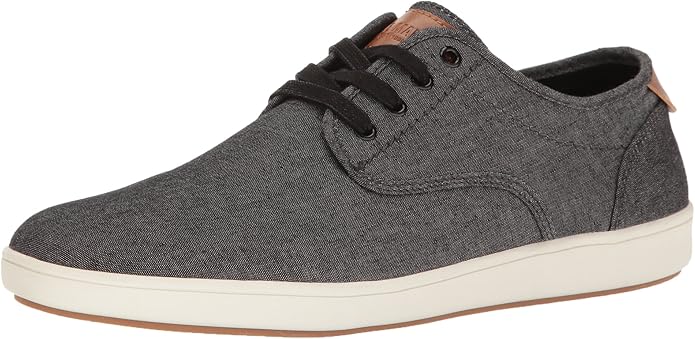
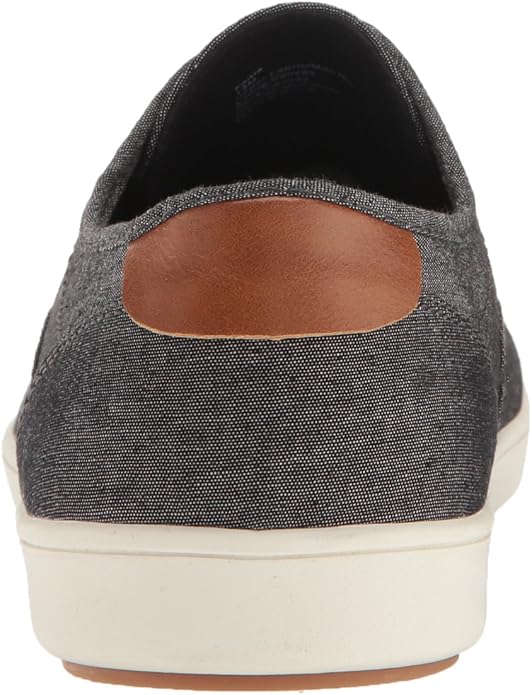
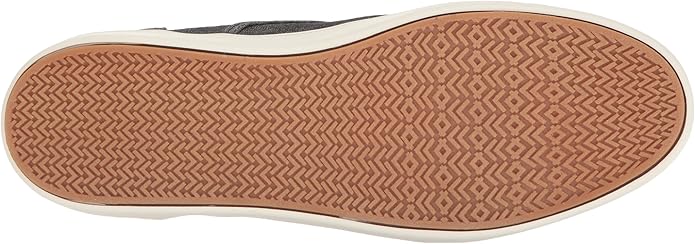
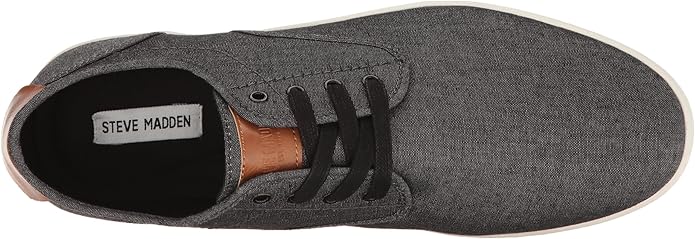
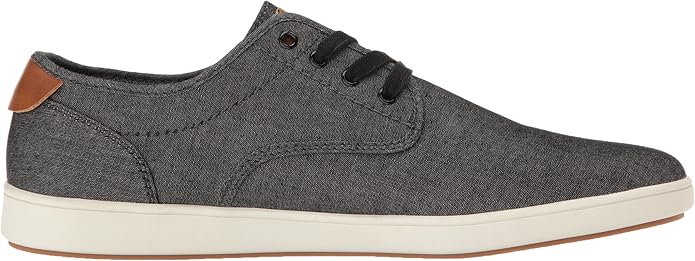
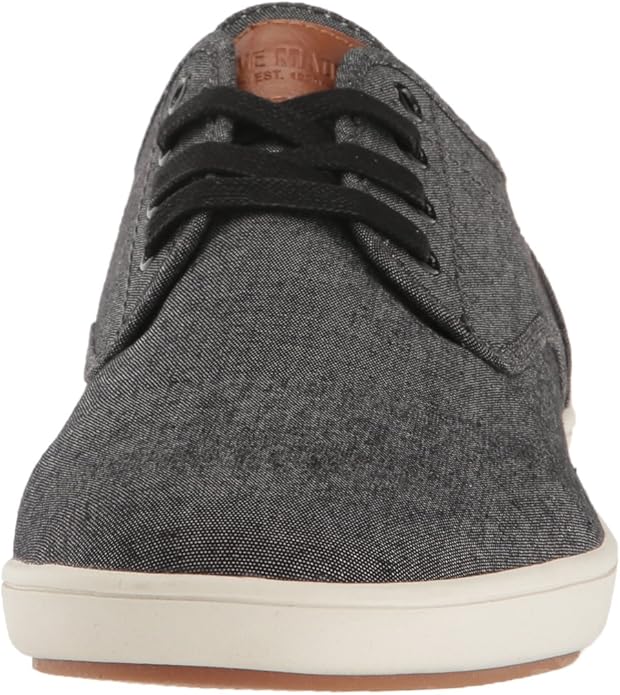
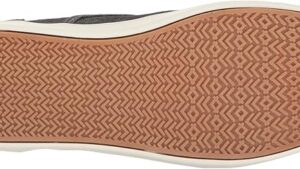
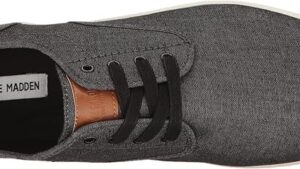
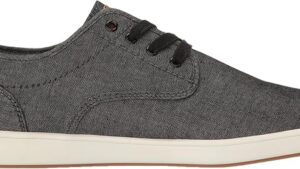
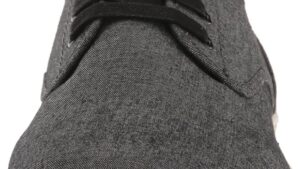
Bottom line first: the Steve Madden Fenta is a lifestyle sneaker that looks like it costs twice what it does — and falls apart in roughly half the time you’d hope. At $49.92, it earns a 6.2/10 overall. For a rotation piece you wear to the office two or three times a week, that’s a defensible buy. For anything more demanding, the math stops working fast.
Quick Specs
- Model: Steve Madden Men’s Fenta Fashion Sneaker
- Category: Lifestyle / Dress Sneaker (low top)
- Upper: 100% Fabric (textile upper and lining)
- Outsole: Rubber
- Closure: Lace-up (4 metal eyelets)
- Toe Shape: Round, low-profile
- Water Resistance: None
- Sizes: Standard men’s + extended 14–17 M US
- Price: ~$49.92 (check current pricing below)
- Overall Score: 6.2/10
Why People Keep Buying This Shoe
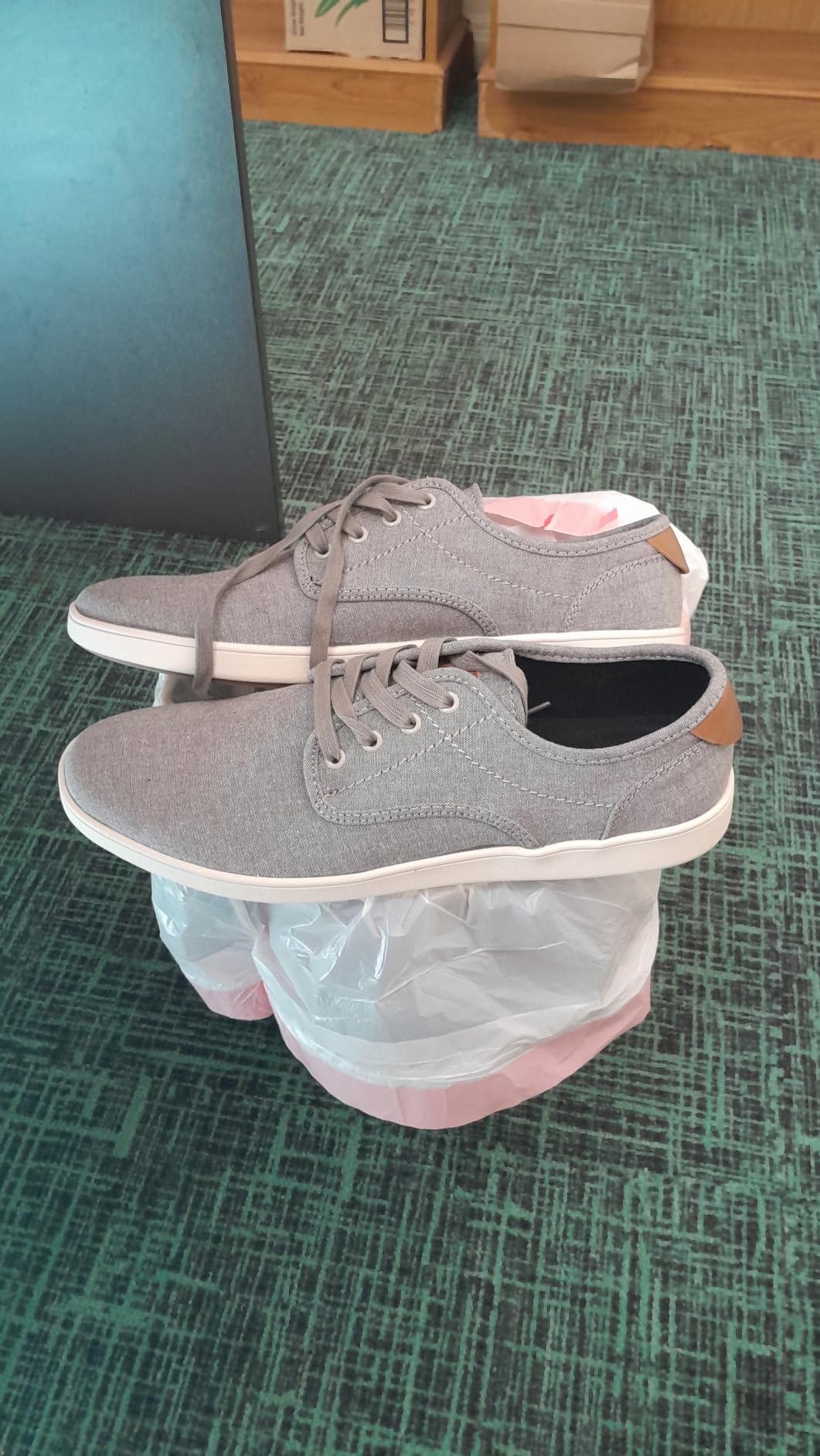
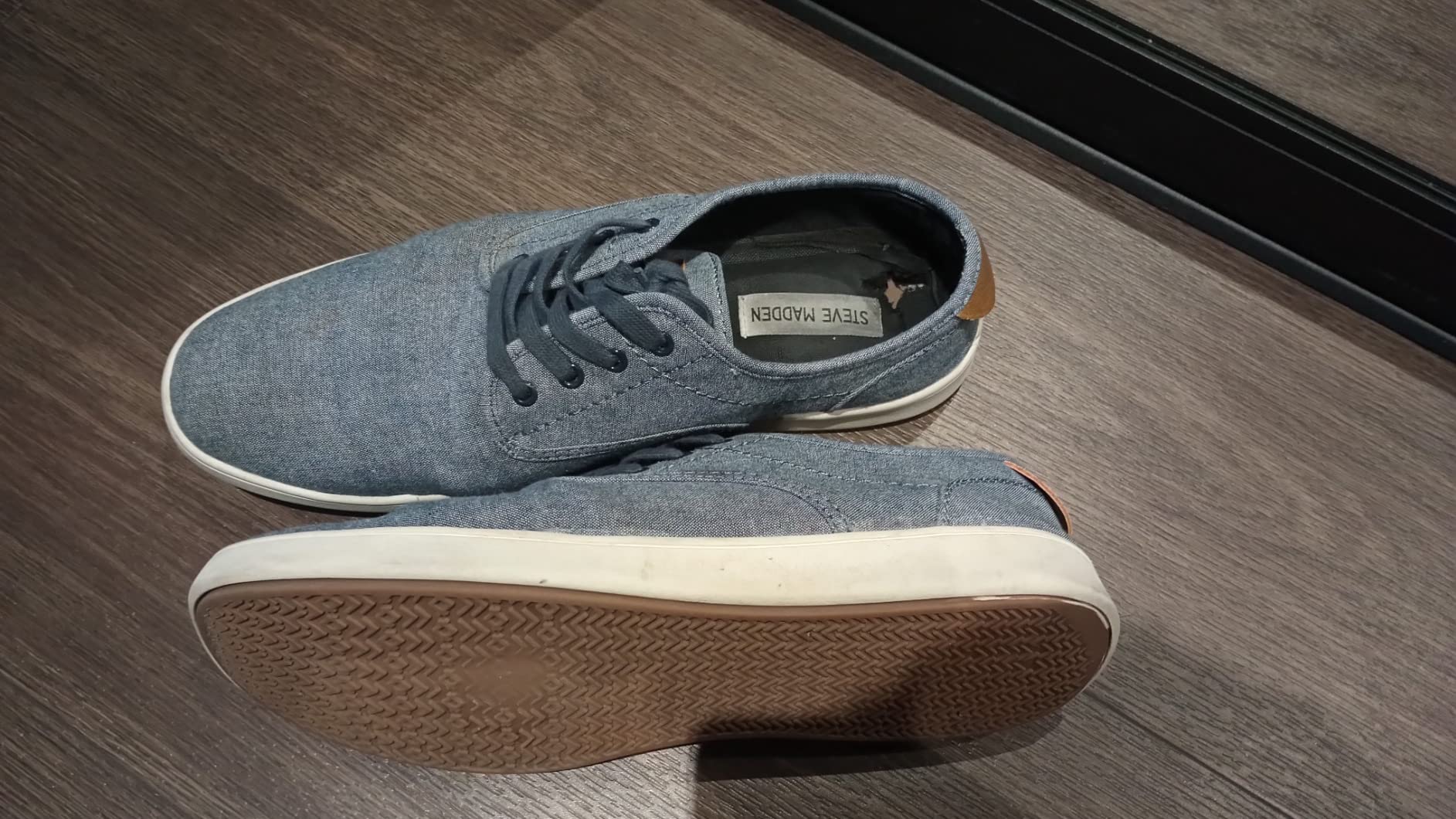
Spend five minutes reading reviews and the same phrase keeps surfacing: “I got so many compliments.” That’s not a coincidence. The Fenta has a genuinely strong design instinct — slim silhouette, round toe, no logo overload, fabric that photographs well. It lands in that useful middle ground between casual and business-casual, pairing equally naturally with dark jeans for dinner as with chinos and a button-down for office Fridays.
Style score: 9.0/10. That’s not charity — it’s what the data says, and it checks out visually. For a sub-$50 shoe, the aesthetic punches well above its weight.
The other pull is the extended size range. Men in sizes 14 through 17 US have very few fashion-forward options. Most brands stop at 13. The Fenta goes up to 17M, which is genuinely rare at this price point. That’s a real gap it fills — though, as we’ll cover, the execution in larger sizes has its own complications.
There’s also the weight: the textile upper keeps this light enough that it doesn’t feel like a commitment. Slip it on, lace it up, and go. First wear is almost always positive. The problem comes later.
Fit and Sizing: The Narrow + Long Problem
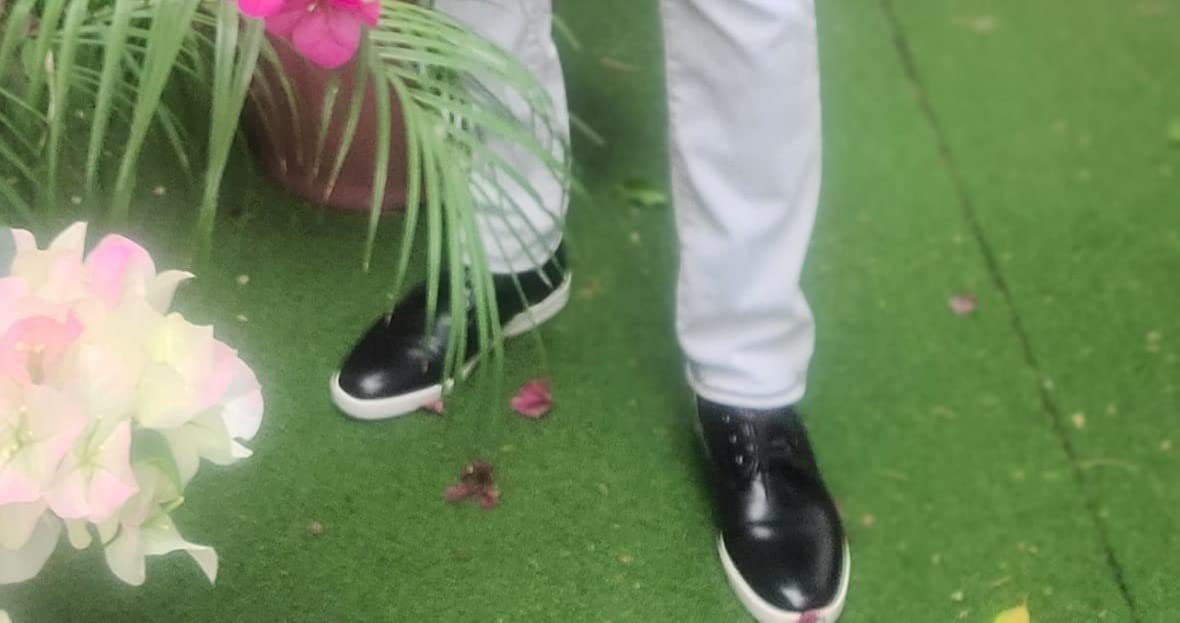
This is where things get counterintuitive. Most shoes run either slightly long or slightly narrow. The Fenta does both simultaneously, which flips the standard sizing logic.
The recommendation: size down, not up. If you’re between sizes, go half a size down from your usual. If your feet are on the narrower side, go a full size down without hesitation. If you have wide feet, stop here — no size adjustment fixes a fundamentally narrow last, and sizing up makes the length problem worse without solving the width issue.
Sizing Decision at a Glance
| Foot Type | Recommendation | Notes |
|---|---|---|
| Standard width | Size down 0.5 | Most common adjustment; heel fit stays snug |
| Narrow width | Size down 0.5–1 full size | Go full size if previous size felt long |
| Wide width | Skip this shoe | No wide options; sizing up compounds length problem |
| Between sizes | Go smaller size | Unlike most shoes, low-volume feet = size down |
The large size reality deserves its own mention. Buyers in sizes 15 and above reported an odd proportion issue: the toe box gets extended to accommodate the length, but the tongue height and ankle collar don’t scale proportionally. The result is a shoe that looks elongated even when worn, and the fit around the ankle and midfoot doesn’t feel anchored the way it should. If you’re shopping in the 15–17 range, this is worth trying before committing — the extended sizing is a genuine plus in theory, but the execution may disappoint in practice.
One more detail on lacing: if you step into the shoe without fully loosening the laces, the heel counter takes the hit. It can collapse or crease permanently, which both looks bad and sets up the heel fraying that multiple buyers documented later. Loosen before you slip in. It matters more here than on most shoes.
The Comfort Ceiling: About Three Hours
The Fenta’s comfort story has a clear arc, and the arc isn’t upward.
Out of the box, it feels decent. The textile-covered insole has a bit of give, the upper molds quickly, and for the first couple of wears you might think the comfort concerns were overstated. They weren’t — they just take a few wears to materialize.
The flat, thin insole is the structural issue. There’s no contour, minimal foam depth, and essentially no arch support (4.5/10). For a two-hour office commute where you’re sitting most of the day, that’s manageable. For standing events, walking-heavy days, or anything approaching 30,000 steps, buyers consistently reported sore feet, hotspots, and fatigue that set in earlier than they expected.
Comfort by Timeframe
| Duration | Comfort Rating | What to Expect |
|---|---|---|
| 0–3 hours | 7.5/10 | Light, responsive, no issues — this is where the Fenta shines |
| 3–5 hours | 5.5/10 | Arch fatigue starts; forefoot pressure increases |
| 5–8 hours | 4.0/10 | Noticeable foot soreness; not recommended |
| Week 2–3 | 7.0/10 | Insole has settled; comfortable at short durations, slightly less plush than week one |
| Month 2+ | 5.5/10 | Insole flattened; fatigue arrives earlier; arch relief is minimal |
There’s also a traction wrinkle for new pairs. Several buyers noted a slippery feel on smooth tile during the first wear — the outsole has a light fibrous coating that hasn’t scuffed in yet. It improves after about a mile on pavement, but if you’re walking into a conference room or building lobby with polished floors on day one, it’s worth being aware of. On dry pavement, traction is adequate (7.0/10).
If arch support is genuinely important to your daily wear, an aftermarket insole like Sof Sole Athlete Insoles can help, but it doesn’t compensate for the shallow heel cup or the durability issues discussed next.
Where the Fenta Falls Apart: A Documented Failure Pattern
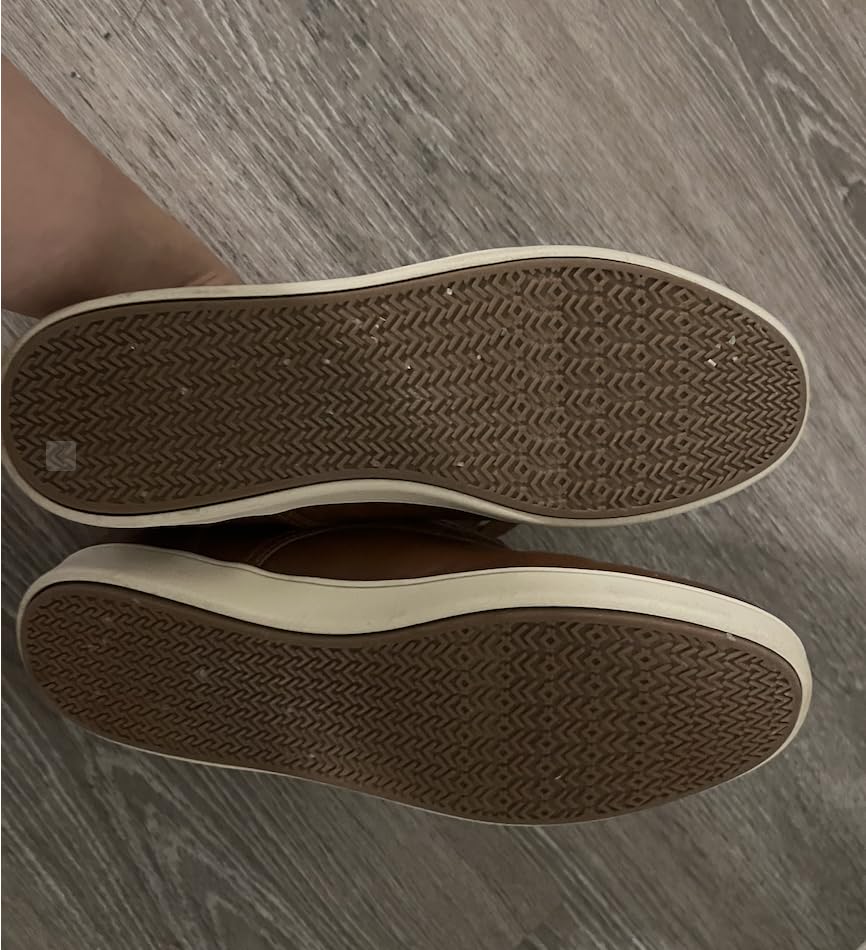
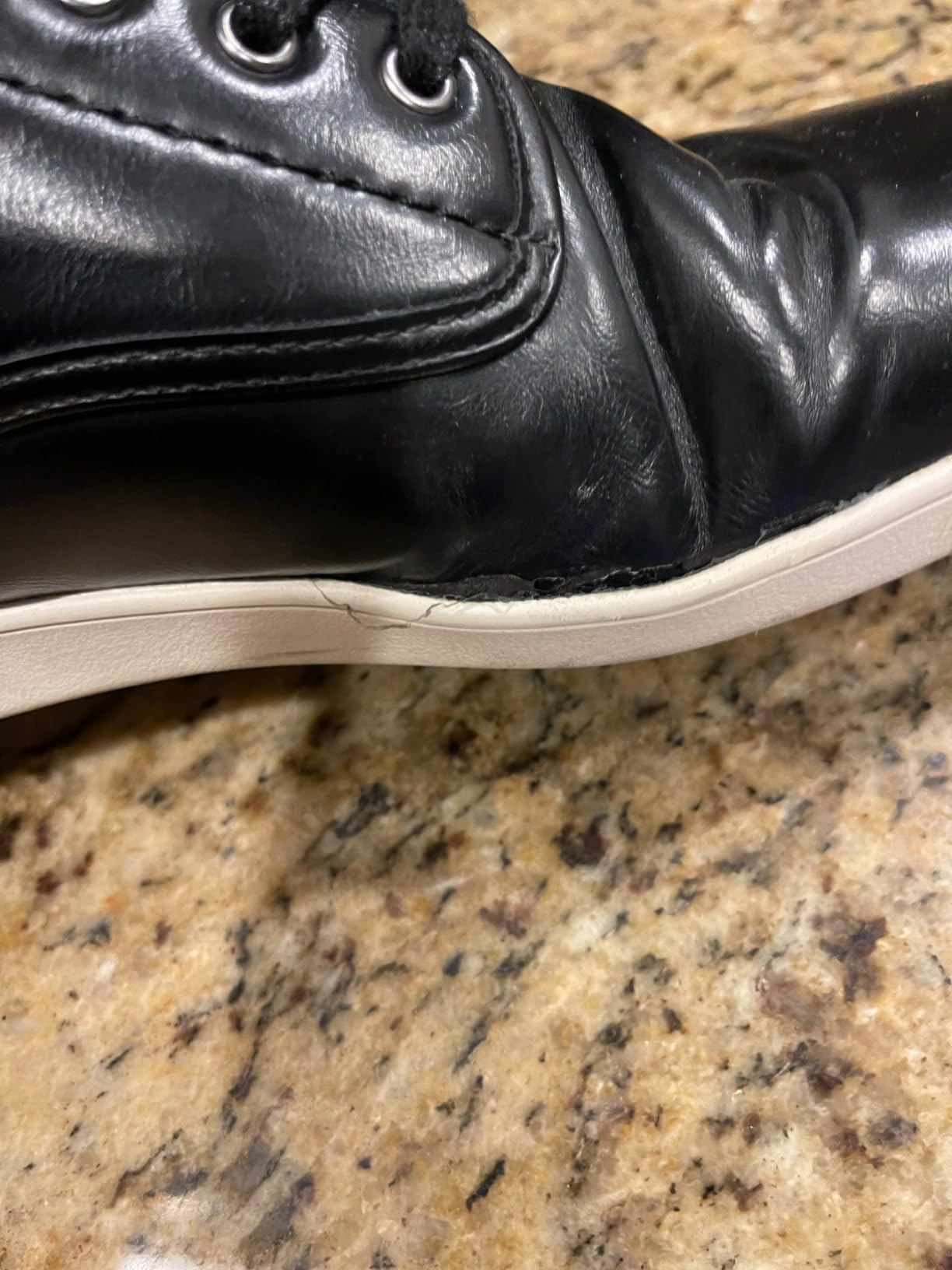
This is the section that most competitor reviews skip. They cover the style, note the comfort as “decent,” and move on. The buyer data tells a different story — and the images make it hard to argue with.
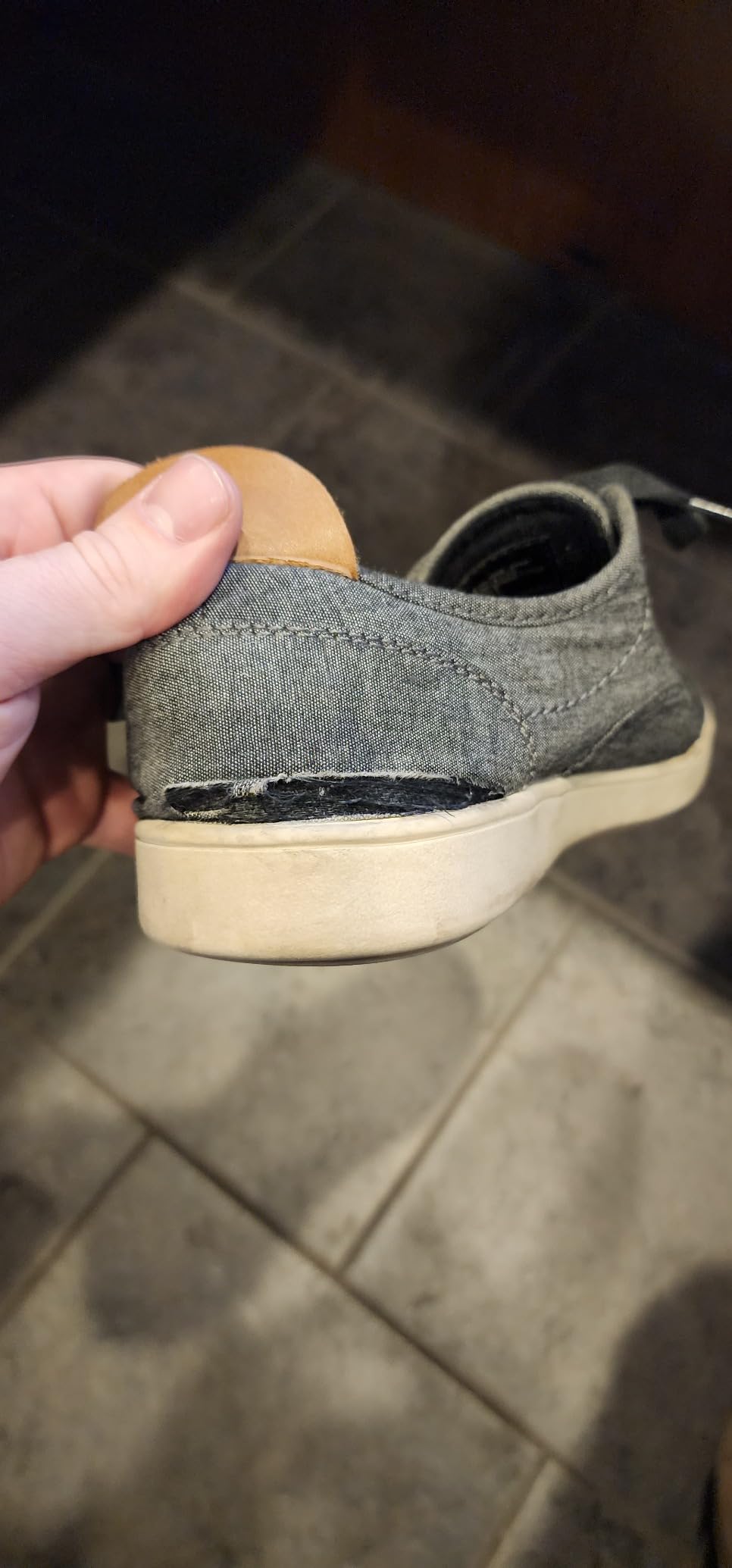
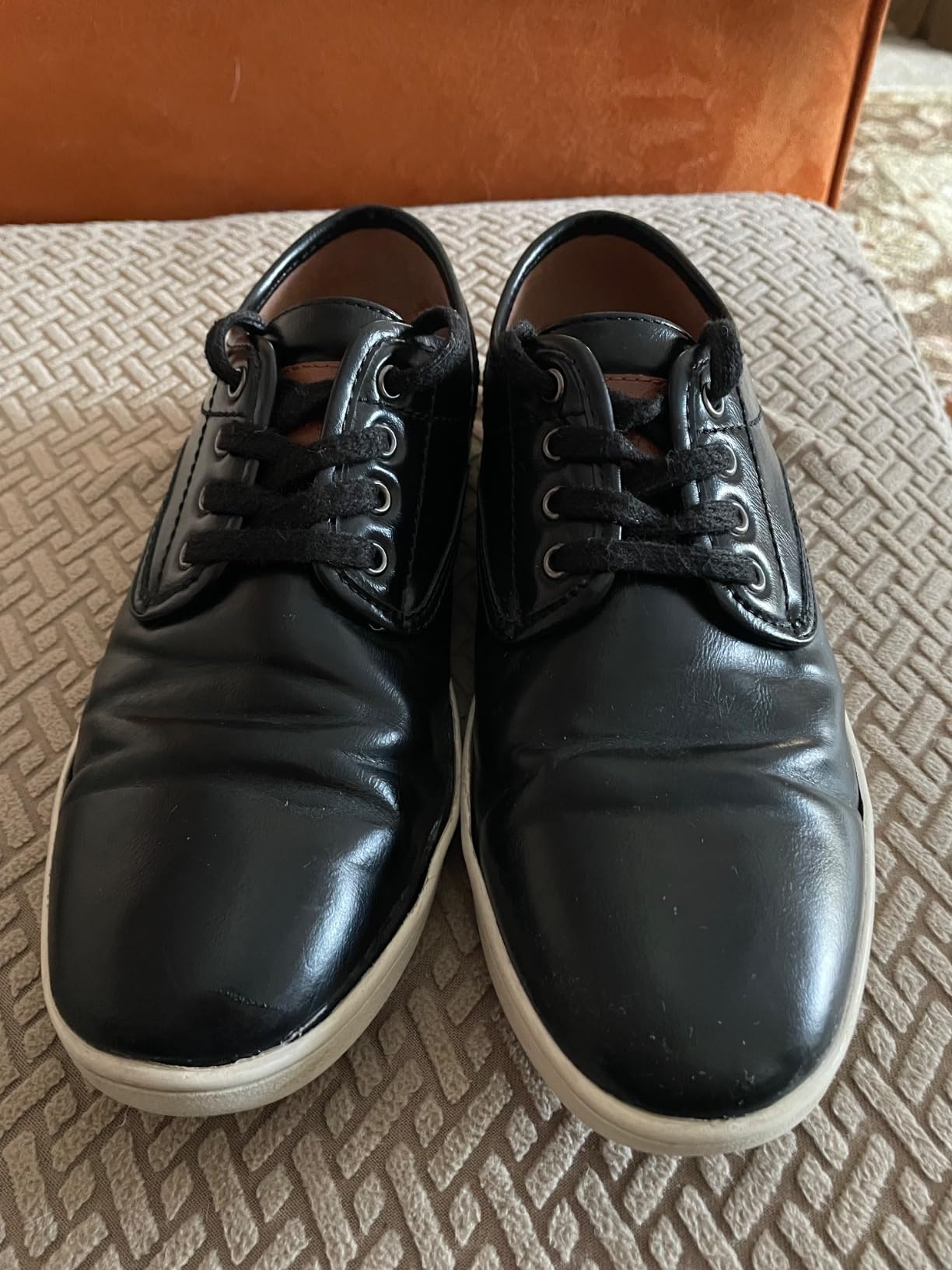
The failure mode is consistent enough that it doesn’t qualify as bad luck. It’s a pattern. Here’s the timeline buyers documented:
- Weeks 2–4: Stitching near the lace area shows first signs of looseness. Edge of the outsole begins separating at the perimeter.
- Weeks 4–8: Heel fabric fraying becomes visible. Outsole adhesion degrades at pressure points.
- Month 2–3: Sole-to-upper separation progresses. For buyers wearing these daily, the shoe becomes functionally compromised.
- Month 3–4: Structural failure is widespread for daily wearers. Office rotation users (2–3x/week) get 5–6 months before the same endpoint.
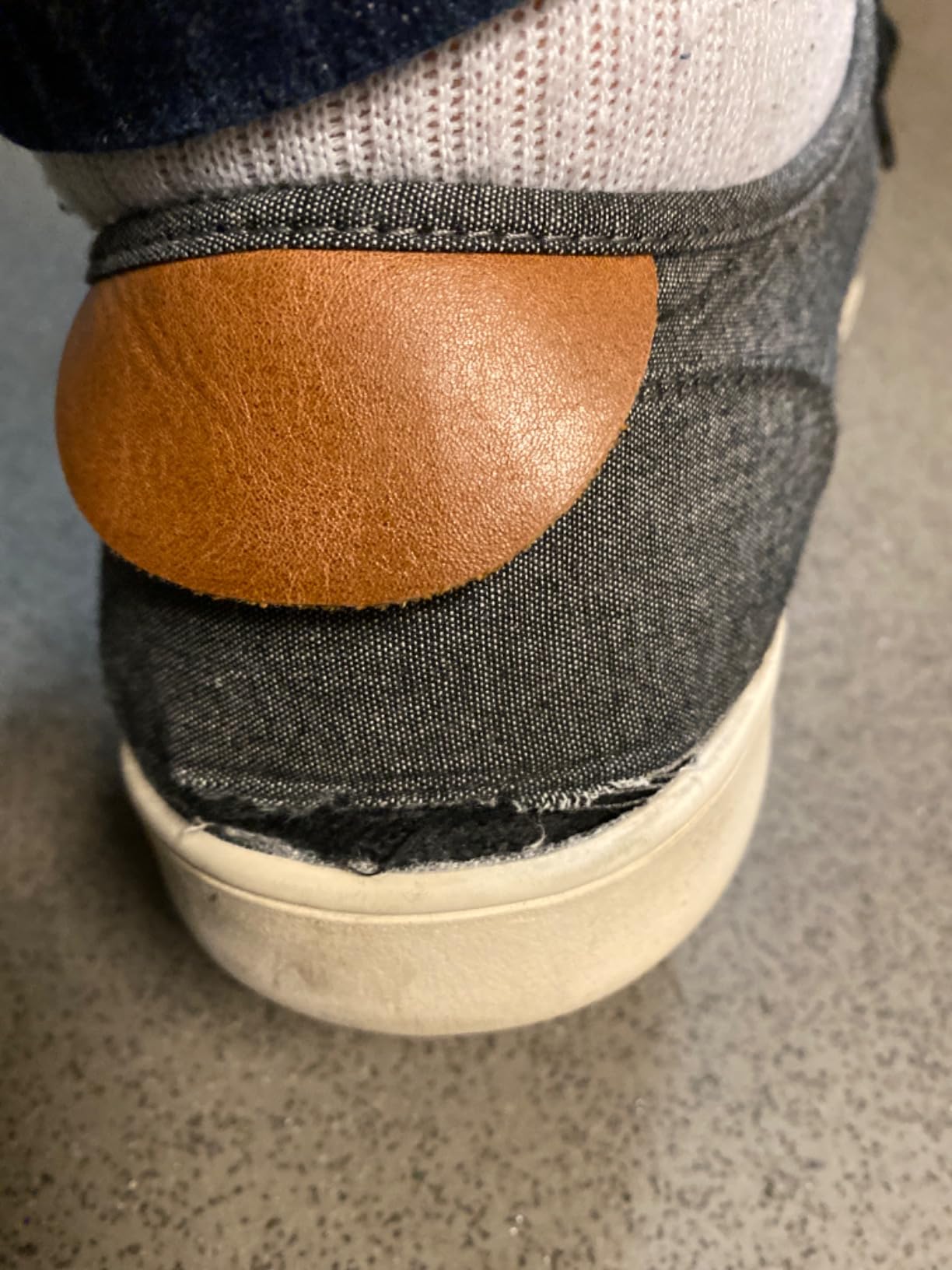
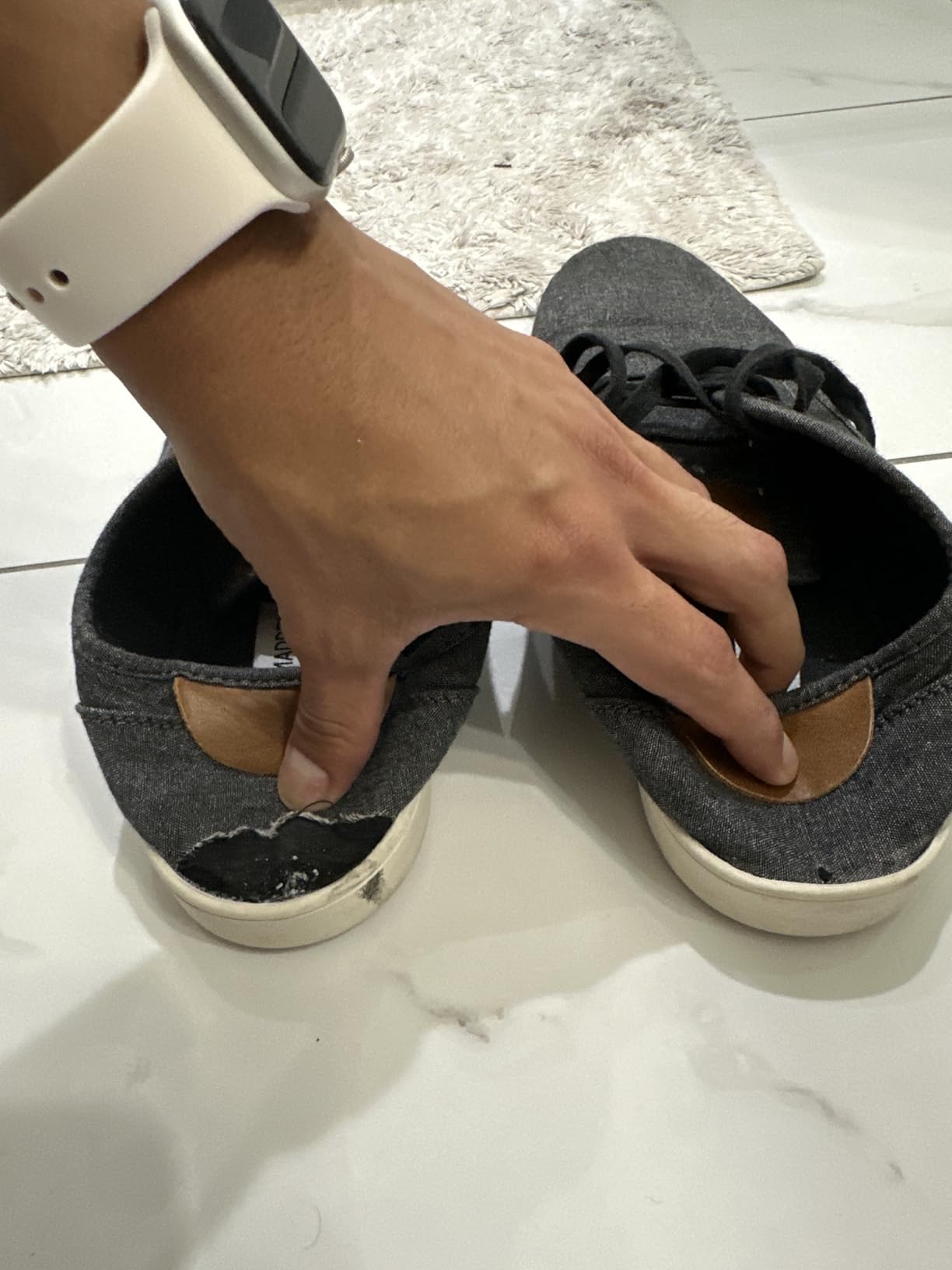
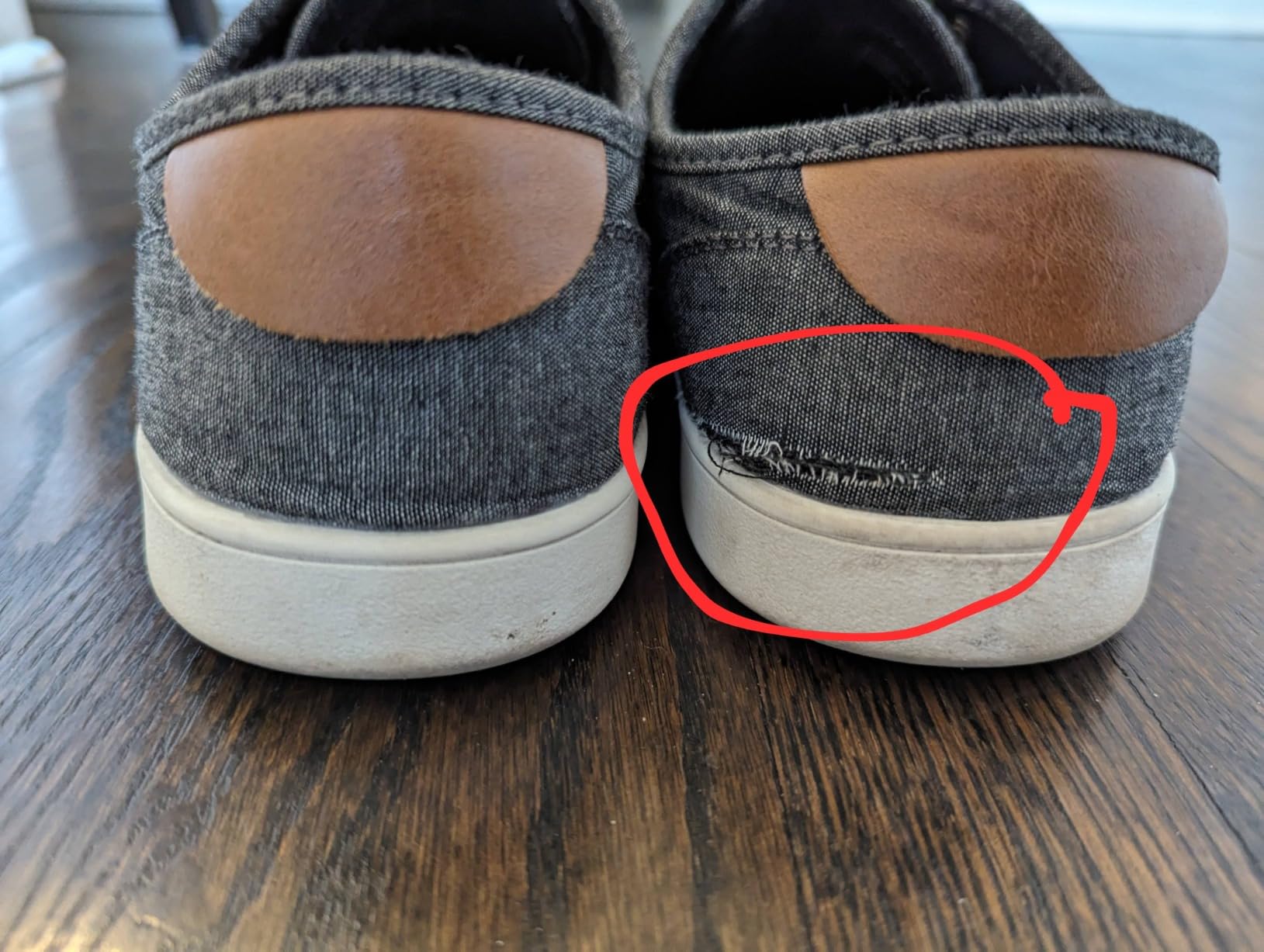
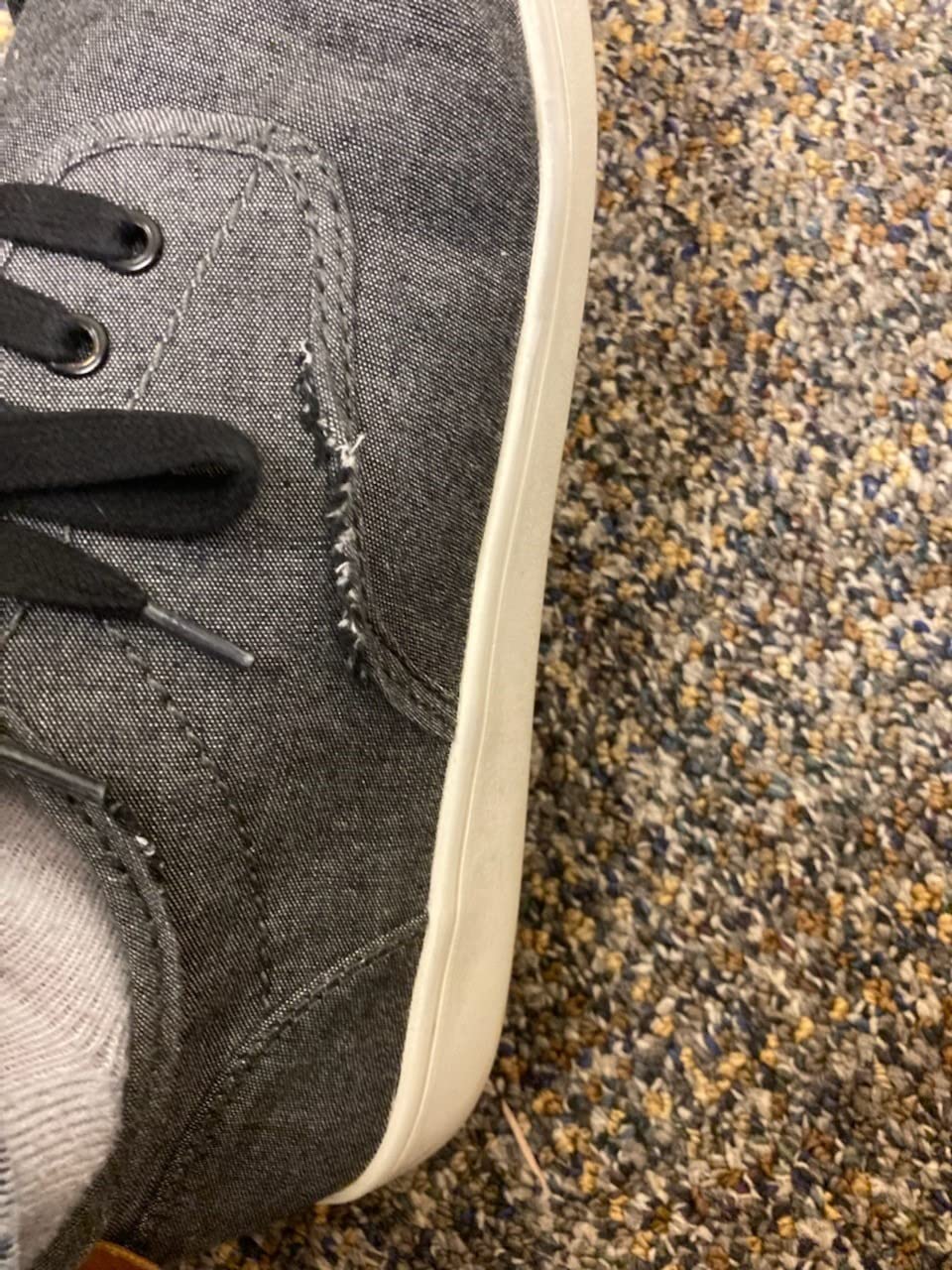
The root cause isn’t a mystery. A thin textile upper bonded to a rubber sole with a minimal adhesive layer is a structural compromise. Every time the toe box flexes or the heel makes contact with hard ground, that bond takes stress. At $49.92, the materials budget doesn’t leave room for the industrial-grade bonding agents that performance footwear uses.
Build quality consistency scores 5.0/10 — reflecting both the pattern of failures and the QC lottery aspect. Some buyers got 6–7 months out of office rotation pairs. Others saw sole separation in the first four weeks. The range is wide, which makes it hard to plan around.
The Real Cost Per Wear
Cost math: $49.92 ÷ ~120 wears over 5 months ≈ $0.42/wear ($8.32/month). A Bruno Marc Dress Sneaker at ~$60 with a 9–12 month lifespan runs $5.00–6.67/month. Cheaper upfront isn’t always cheaper per wear.
Where the Fenta Works — and Where It Doesn’t
Being honest about a shoe’s actual use window matters more than a generic verdict. The Fenta has real success scenarios. They’re just narrower than the marketing suggests.
The Good Zone
- Office commute rotation (1–3x/week): This is the Fenta’s home turf. Light use, mostly sitting, occasional walking from parking to desk. The 5–6 month lifespan at this frequency is acceptable, and the style makes the rotation worthwhile.
- Dinners and casual evening out: Three to four hours of wear at a time, mix of sitting and walking. Comfort holds fine in this window, and the compliment factor is real.
- Travel rotation: Packing a lightweight shoe for casual destination days, where it’ll see light wear across a few outings before coming home.
The Bad Zone
- Daily driver: Daily wear compresses the lifespan to 3–4 months and pushes the all-day comfort ceiling hard. The cost-per-wear math stops working.
- Walking-heavy days: 10,000+ steps, city tourism, trade show floor hours — the flat insole and minimal cushioning fail this scenario consistently.
- Wet weather: Fabric absorbs moisture. Light rain can mean damp socks within minutes. Light colors yellow after spot cleaning. This shoe needs dry conditions or a protectant coating.
- Wide feet: No path to a good fit. Skip it.
Alternatives Worth Knowing
| If You Need… | Consider This | Why |
|---|---|---|
| Better durability at similar price | Bruno Marc Maxflex Dress | 9–12 month lifespan; similar dress-sneaker style |
| Arch support with casual style | Dr. Scholl’s Time Off Sneaker | Built-in cushioning platform; better all-day comfort |
| Wide toe box in men’s casual | Yolark Casual Dress Shoes | Wider construction; extended width options |
| Casual sneaker with more daily durability | Adidas Daily 3.0 | Proven durability; similar casual profile; ~$55 |
| Cushioned support for all-day wear | Under Armour Charged Speed Swift | Charged cushioning; 8–10 month lifespan |
| Clean canvas casual option | Hello Basics Canvas Sneakers | Simple, lightweight; predictable durability |
Keeping It Looking Good (Spoiler: It Requires Effort)
The Fenta rewards attentive care. Neglect it and the already-marginal durability timeline compresses further.
Light-colored pairs (white, cream, grey): Avoid spot cleaning with water — the fabric has a tendency to yellow unevenly. Use dry sneaker wipes for quick surface cleaning. If you need a deeper clean, hand-wash with minimal soap and air-dry completely away from heat sources. Machine washing accelerates material breakdown and causes color bleeding or yellowing.
Dark colors (black, navy): More forgiving on visible staining, but moisture sensitivity is the same. Avoid submersion; wipe down after wet conditions.
Pre-treatment: Apply a fabric protector spray on day one. It won’t make the shoe waterproof, but it buys you meaningful protection against light rain and everyday moisture exposure.
Lace tension: Don’t overtighten. The stitching near the lace eyelets is a documented weak point. If the laces feel too short or the eyelets stress-crease, swapping to a slightly longer replacement lace (try flat oval athletic laces) distributes tension more evenly.
Heel entry: Fully loosen the laces before putting the shoe on. Forcing the heel counter with a tight lace setup is how you start the fraying clock early. A shoe horn makes this non-issue if you’re rotating multiple pairs.
Rotation strategy: Wearing these every other day instead of consecutive days meaningfully extends the outsole bond life. Two to three wears per week is the sweet spot for maximum lifespan.
FAQ: What Buyers Actually Ask
Should I size down?
Yes. The Fenta runs both long and narrow — an unusual dual-axis misfit. For most buyers, half a size down is the right call. If your feet are on the narrow side or you’re already between sizes, go a full size down. Do not order your normal size expecting it to work out.
How long will these last?
At office rotation frequency (2–3 times per week), expect 5–6 months before meaningful structural failure. Daily wear shortens that to 3–4 months. Some buyers get more; some get less. The QC variance is real.
Are they water-resistant?
No. The fabric upper absorbs moisture readily. Light rain or wet grass will leave you with damp socks. Pre-treat with a protectant spray and avoid wearing these on rainy days without a backup option.
What about arch support?
Minimal at best (4.5/10). If you have flat feet or need real arch support, this is not the shoe — not even with aftermarket insoles. Look at something like the Dr. Scholl’s Time Off instead.
Can I wear these all day?
Not comfortably. The comfort ceiling is around 3 hours of active wear. For desk-heavy office days it can stretch to 5–6 hours, but standing events, trade shows, or city walking days will leave your feet sore. Not designed for all-day use.
Why does the sole separate?
Thin adhesive bond between textile upper and rubber outsole. The material budget at $49.92 doesn’t support the bonding quality that running or training shoes use. Every toe-off cycle stresses that interface. It’s a known limitation of the construction, not a batch defect.
How do I clean light-colored pairs?
Dry cloth or sneaker wipes for routine cleaning. Avoid wet spot cleaning — yellowing is documented on white and light grey pairs. No machine washing.
Are these good for wide feet?
No. The toe box is narrow by design, and no wide-width option exists. Sizing up only adds length without adding width. Wide-foot buyers should look elsewhere — the Cosidram Casual Sneakers/Loafers offer a roomier fit at a similar price.
What about the extended sizes (14–17)?
They exist, which is genuinely useful since few fashion sneakers reach size 17. However, buyers in size 15 and above noted proportion inconsistencies — the toe box extends farther than the ankle collar and tongue scale, creating an awkward fit even when sized correctly. Worth being aware of if you’re in that range.
Is $49.92 good value?
For a rotation piece used 2–3 times per week, it’s acceptable. For daily wear or any sustained use, you’re paying ~$8.32 per month for a shoe that lasts 4–6 months. Adidas Advantage 2.0 at a similar price point lasts considerably longer. Value depends entirely on how you use it.
Score Summary
| Category | Score | Notes |
|---|---|---|
| Style | 9.0/10 | One of the best-looking shoes in the sub-$50 category |
| Short-Wear Comfort (≤3 hrs) | 7.5/10 | Good for office commutes, dinners, casual outings |
| All-Day Comfort | 5.0/10 | Flat insole limits; arch fatigue past 4 hours |
| Arch / Support | 4.5/10 | Minimal contour; no support structure |
| Breathability | 7.0/10 | Textile upper allows airflow |
| Traction (dry pavement) | 7.0/10 | Adequate grip on regular surfaces |
| Traction (smooth tile, new) | 5.5/10 | Fibrous coating wears off; improves after first mile |
| Build Quality Consistency | 5.0/10 | QC variance; documented early failure across units |
| Durability | 4.5/10 | 4–6 month lifespan; sole/heel/stitch failure pattern |
| Value for Money | 6.0/10 | Style value high; longevity value low |
| Fit Accuracy | 6.0/10 | Runs narrow + long; requires deliberate sizing down |
| Water Resistance | 3.0/10 | Fabric absorbs moisture; no treatment |
| Overall | 6.2/10 | Style-first rotation piece with durability trade-offs |
Final Take
The Steve Madden Fenta is a shoe that lives and dies by its first impression. It looks great, it’s light, and for the office commute or the Saturday dinner out, it fills its role without complaint. The style genuinely delivers, and at $49.92 the visual quality-to-price ratio is hard to argue with.
But if you’re buying this expecting it to be a reliable daily driver for 12 months, you’ll be disappointed by month three. The sole will start separating. The heel will show wear. The stitching will loosen. That’s not a fluke — it’s the construction reality of a fabric-over-rubber build at this price point.
Buy it if: you want a rotation piece for light office or casual use, you’re willing to size down 0.5–1 full size, you have standard or narrow-width feet, and a 4–6 month lifespan at 2–3 wears per week fits your expectations.
Skip it if: you need all-day comfort, real arch support, durability past 6 months, any water resistance, or a fit that accommodates wide feet. Your money works harder in those cases with something like the Bruno Marc Maxflex Dress Sneaker or the Adidas Daily 3.0.
DataDog’s take: Six categories below 6.0/10, one above 9.0/10 — that’s a specific profile, not a general shoe. Buy it for the one thing it does well and know what you’re trading away for it.
Be the first to review “Steve Madden Men’s Fenta Fashion Sneaker”
Related products

Sneaker
Sneaker
Sneaker
Sneaker
Running Shoes

Sneaker
Sneaker
Sneaker
Reviews
There are no reviews yet.