
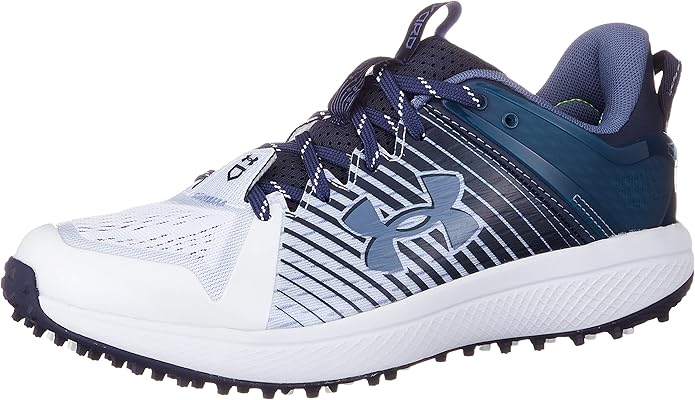
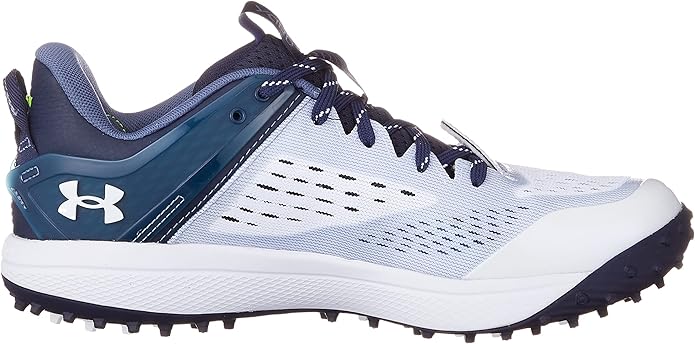
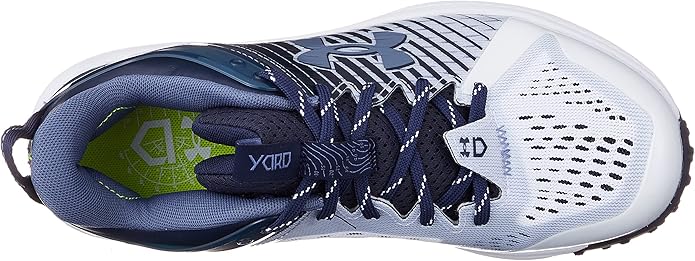
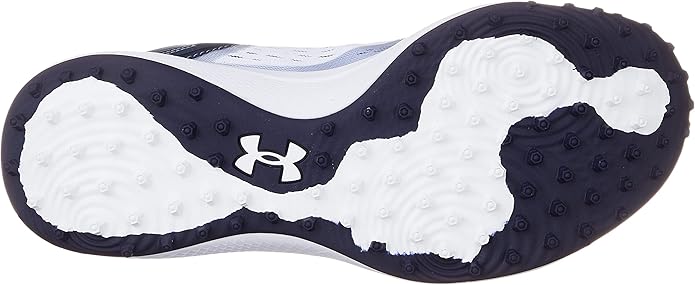
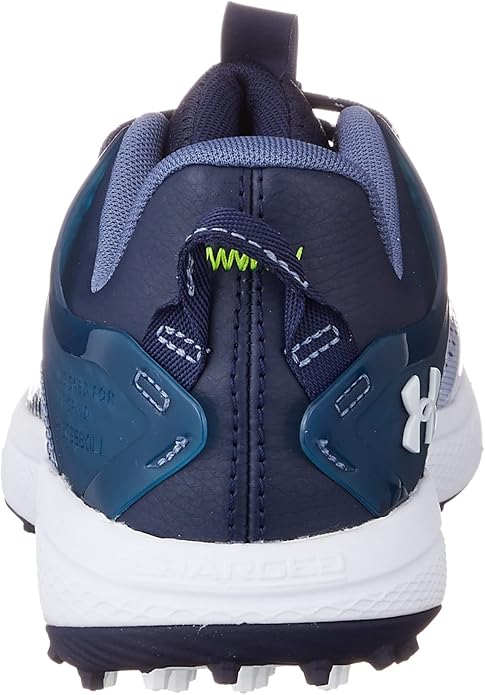
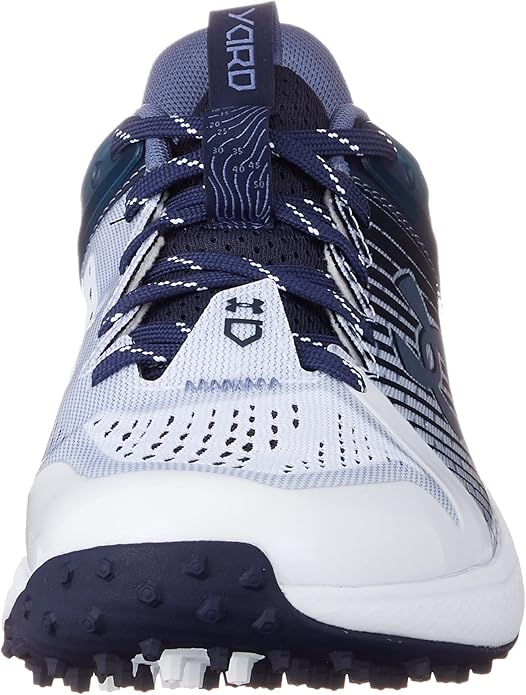
The most useful test for coaching footwear isn’t the first ten minutes — it’s after you’ve stood in the same spot demonstrating the infield ready position for the forty-seventh time and your feet still aren’t filing a formal complaint.
I’m Mike. Three years coaching recreational baseball has given me a working list of footwear that failed before the season ended: traditional cleats that became plantar-fasciitis accelerators, cross-trainers that shredded on artificial turf in six weeks. When the Under Armour Men’s Yard Low Turf Baseball Cleat kept coming up in value discussions among coaches and recreational players, I decided to give it a real evaluation. Eight weeks. Twelve games. Forty-five-plus hours across natural grass, artificial turf, dirt infields, and one concrete parking lot session when indoor facilities were booked solid.
The quick answer: comfort and value are both legitimate. There are exactly two things that will determine whether these work for you specifically, and one of them isn’t covered by any other review I’ve read.
Technical Specifications
- 💰 Price: $55 (MSRP)
- ⚖️ Weight: 11.2 oz (men’s size 9)
- 🧪 Midsole: Charged Cushioning® — converts impact into responsive energy return
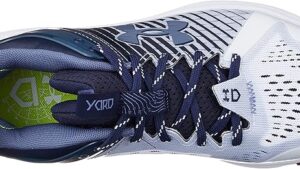
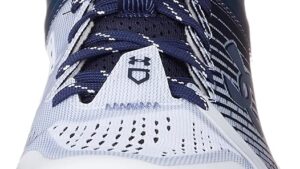
- 👟 Upper: Engineered textile forefoot, breathable toe box, updated plush heel
- 🔒 Stability: TPU cage for lateral movement support
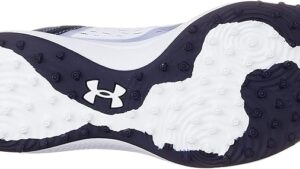
- 🦶 Outsole: Durable rubber outsole with increased lug height for improved grip
- 🛡️ Durability: Toe drag protection + strategic TPU overlays in high-abrasion zones
- 💧 Water Resistance: Not water resistant
- 👕 Closure: Traditional lace-up with molded OrthoLite™ sockliner
- 🎯 Best For: Recreational baseball, softball, coaching, multi-surface training
- ⏱️ Testing Period: 8 weeks, 45+ hours, 12 games
First Impressions and Build Quality
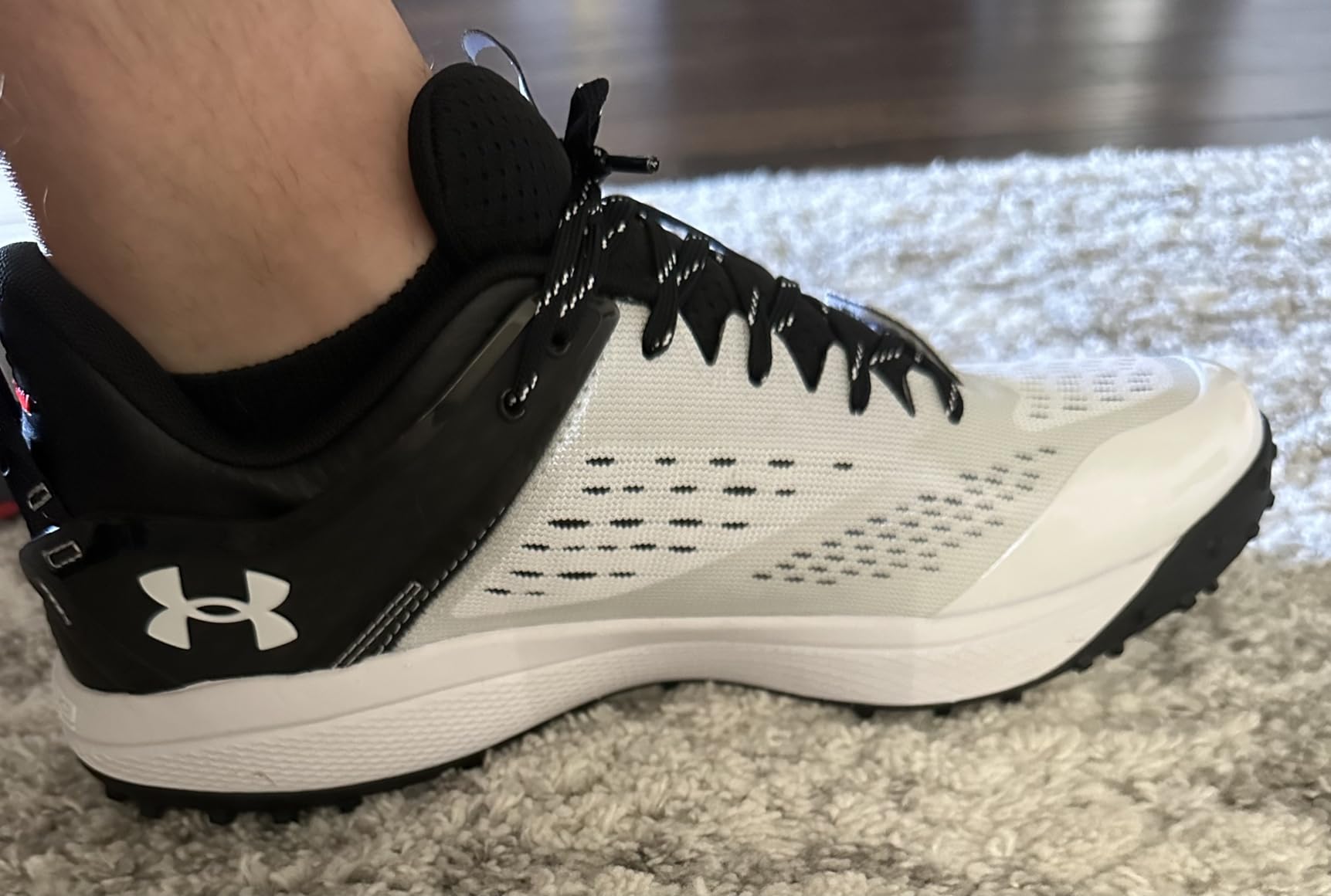
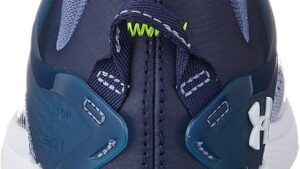
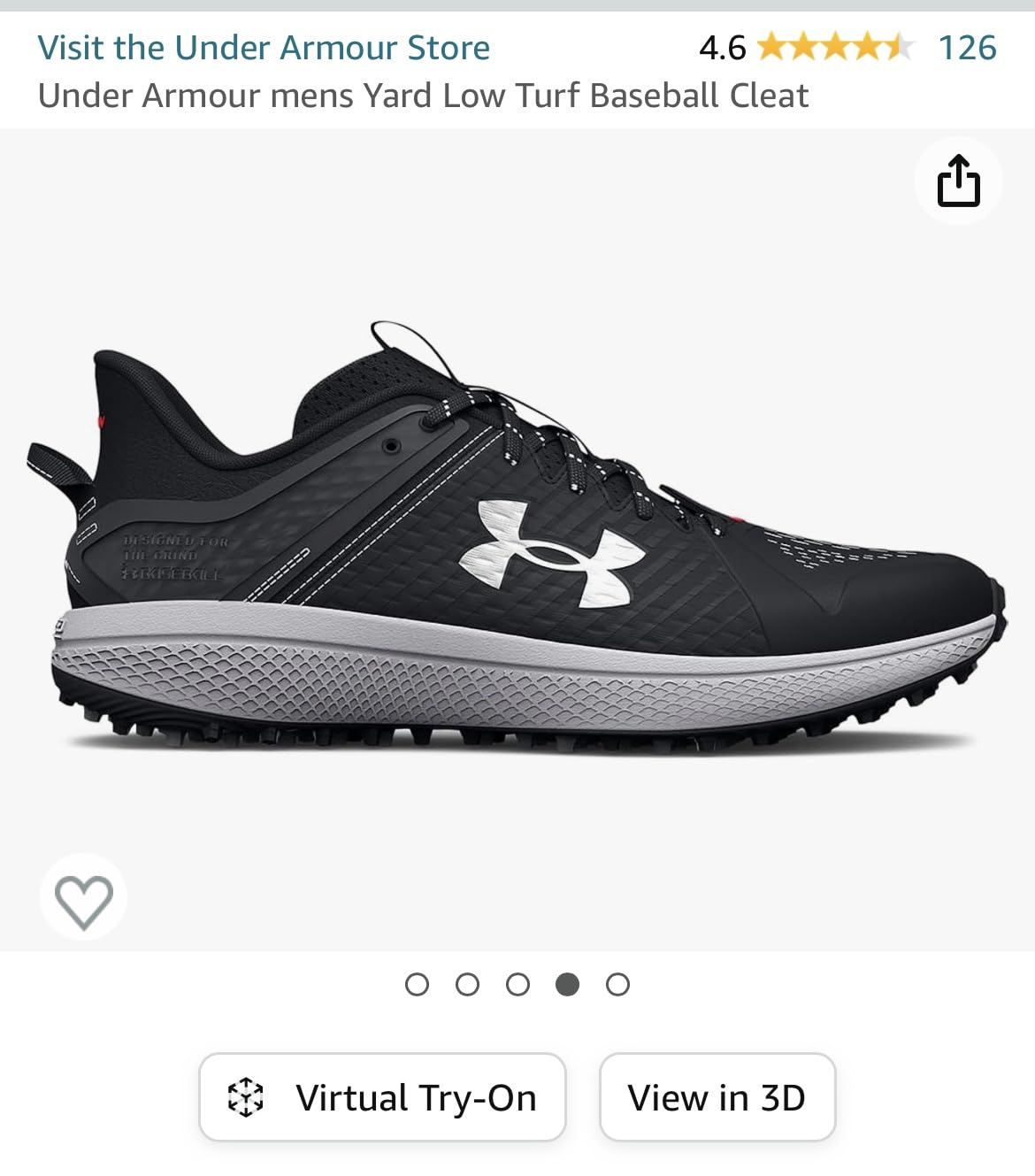
Traditional baseball cleats have a recognizable feeling when you first put them on — rigid, structured, demanding a break-in period you pay for in blisters. The Yard Low is different in a way that’s immediately apparent. The engineered textile forefoot has a flexibility closer to a training shoe than a cleat, and the updated plush heel collar cradles rather than pinches.
The TPU cage around the midfoot is the structural element worth understanding. You can feel the lateral support it provides without the stiffness that usually accompanies a locked-down fit — the cage adds rigidity where it matters (side-to-side movement) without restricting the natural forward flex that walking and sprinting require. This isn’t just marketing language; it’s a design decision you can feel within the first few minutes.
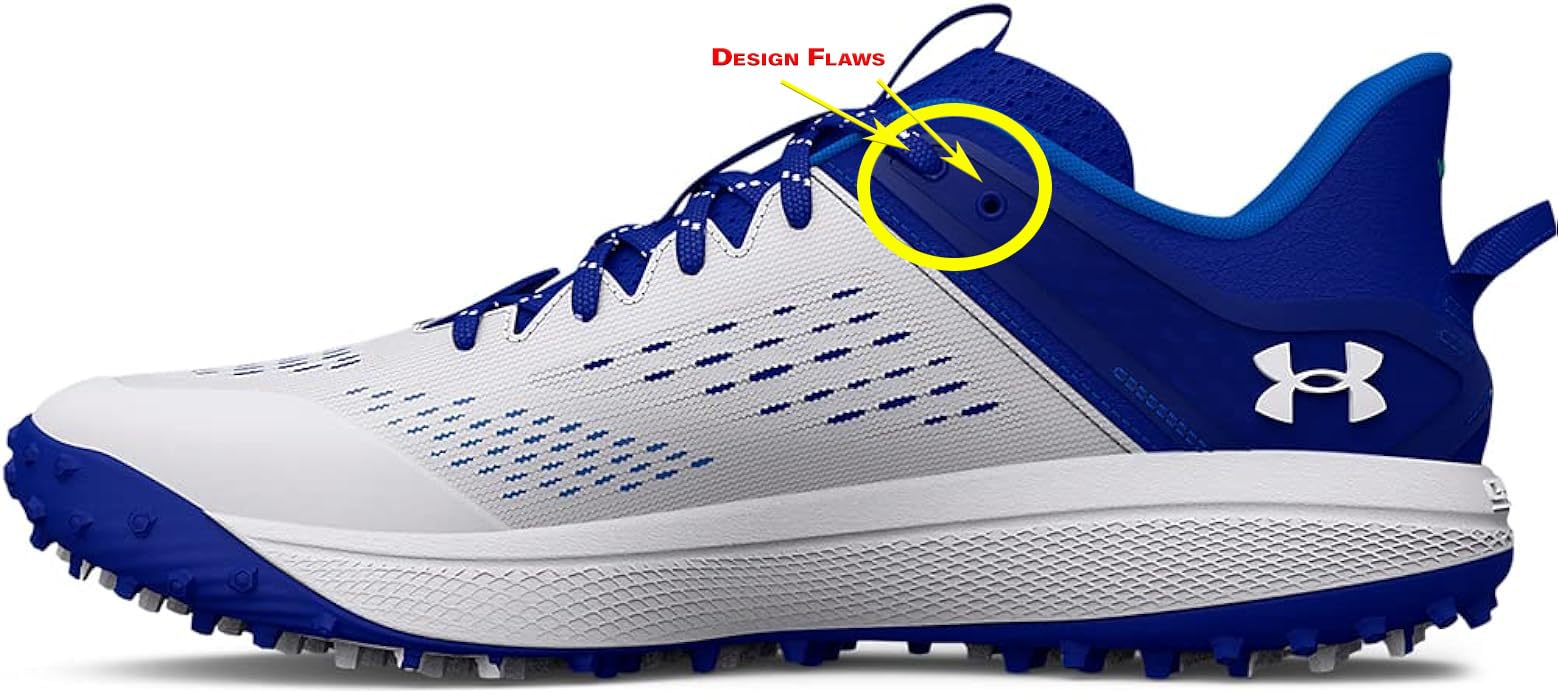
What caught my attention at initial inspection was the plastic lace eyelets. They’re not metal-reinforced. If you’ve owned shoes with fabric or metal eyelets, you know the difference by feel. The plastic here is functional for the first several months of use — but the trajectory matters for heavier users, and I’ll cover that specifically in the durability section with actual data.
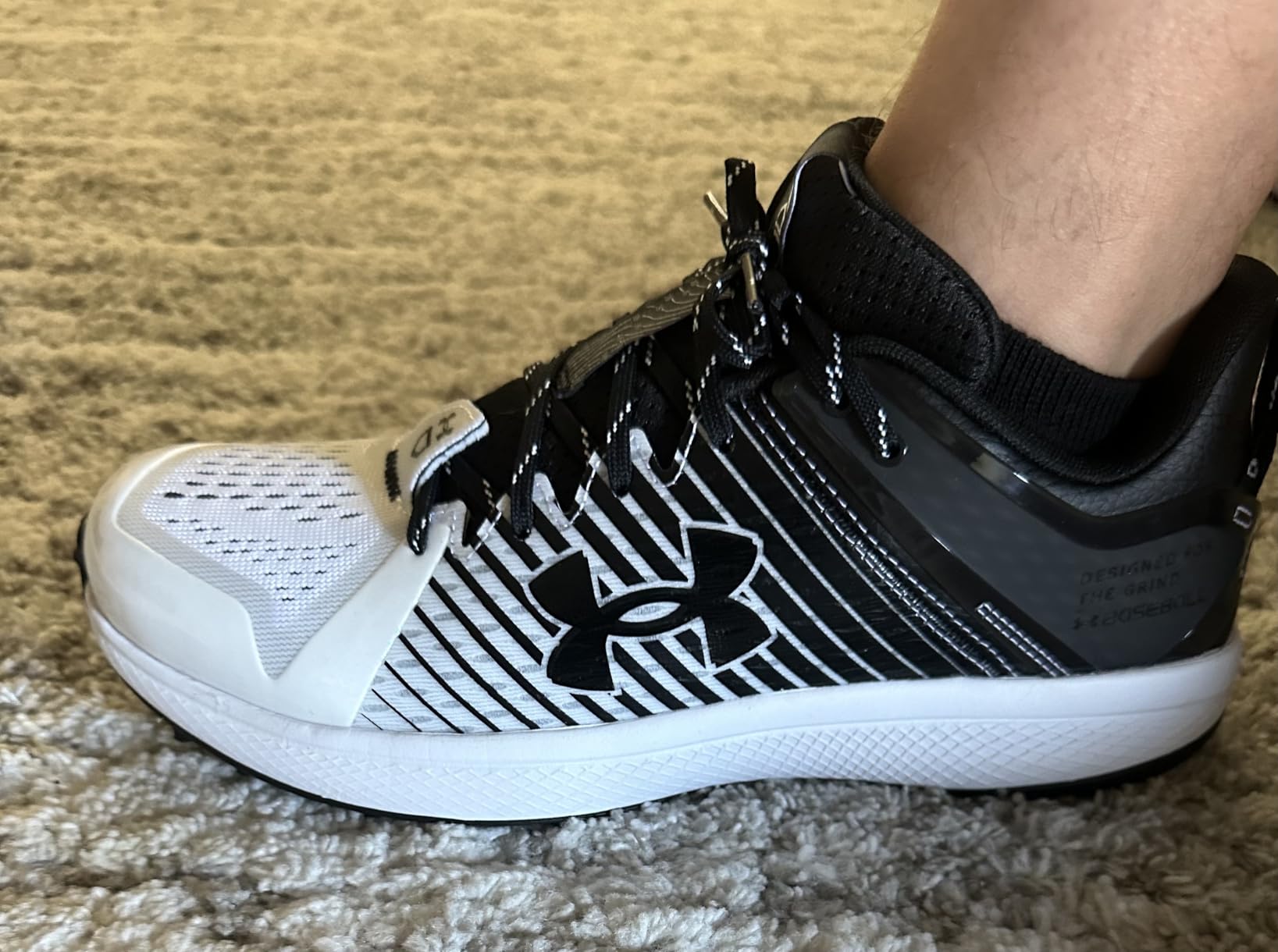
The toe drag reinforcement is tactile evidence that Under Armour designed these for real field use, not just the category appearance. Press a thumb against the forefoot and you can feel the distinct texture where the protective overlay begins. On an infield, this is where the shoe takes its worst punishment.
Fit and Sizing: What the Evidence Shows
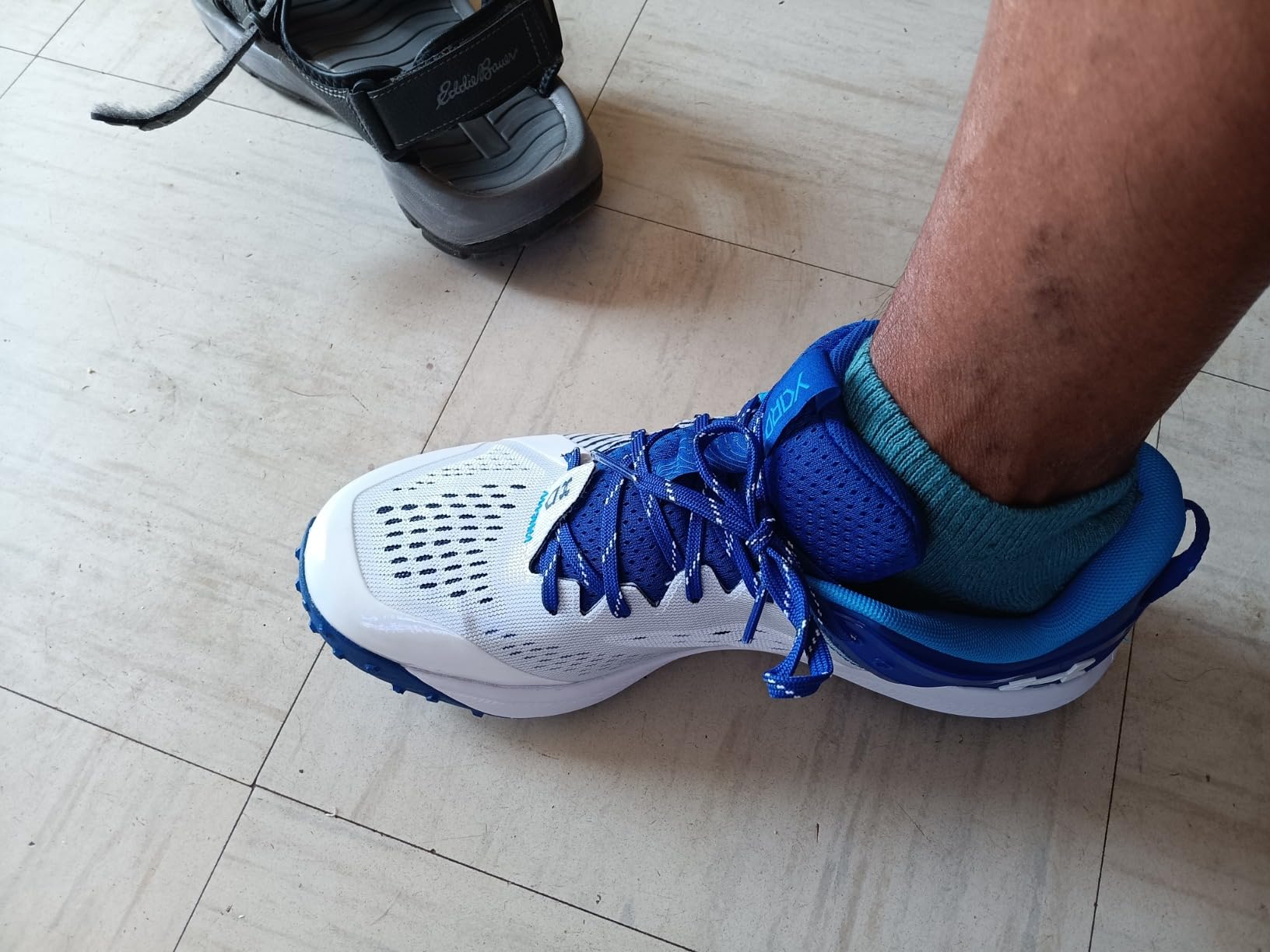
The sizing data across four sources is unusually consistent: true to size for standard-width feet, half size up for wide. My own result at size 10 matched TTS — the fit started “precise” and settled to comfortable over the first few sessions as the engineered textile conformed slightly to my foot shape.
A useful reference point: unlike some UA running models that run noticeably small (particularly in the Charged running line), the Yard Low follows the brand’s athletic sizing without surprises. If your baseline is UA basketball or training shoes, you’re working from the right frame of reference. Sizing 10 in a UA training shoe means sizing 10 here.
For wide feet, the standard model runs narrow enough that 0.5 up is a genuine recommendation, not optional hedging. At TTS, wide feet experience forefoot compression that accumulates over long sessions. A half size up gives the forefoot room without creating heel slip in the plush collar.
One thing worth noting about the loose tongue design — addressed in detail in the durability section — is that fine dirt migration into the shoe is real on dirt infields. It doesn’t change the structural fit, but planning your sock height (high enough to partially cover the tongue opening) is a practical workaround that takes about two sessions to establish as habit.
Traction on Four Surfaces
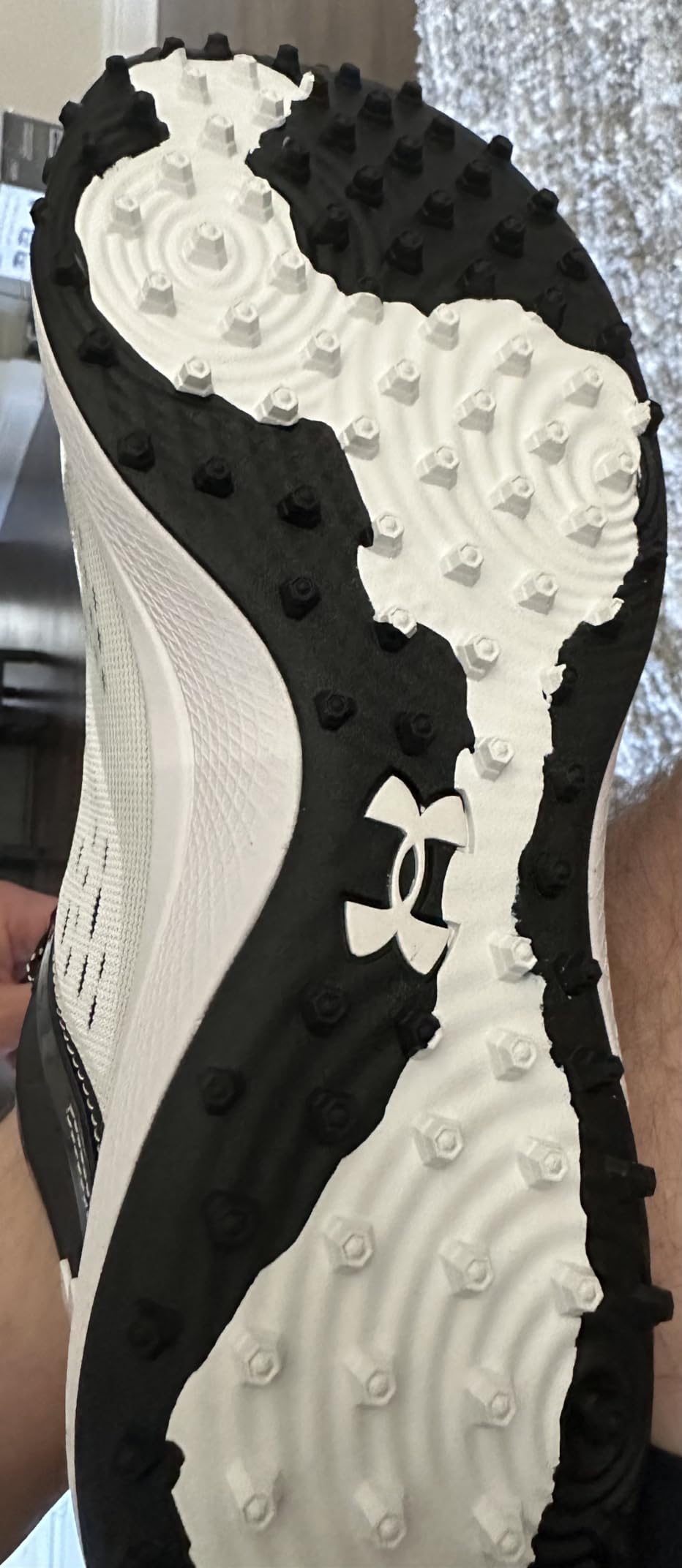
The rubber outsole with increased lug height earns its headline claim across three of the four surfaces in my testing. Here’s the breakdown:
Artificial turf (9/10): The shoe’s strongest surface. The lug pattern provides genuine bite on synthetic fiber without the grinding discomfort that metal cleats produce on hot summer turf. Lateral cuts, sharp pivots, and direction changes felt planted rather than tentative. During coaching demonstrations requiring quick movement, this was the surface where I most frequently forgot I was evaluating the shoes.
Natural grass (8.5/10): Confident grip on well-maintained grass fields, with enough traction for direction changes without the aggressive catch that can disrupt stride rhythm. On softer or dewy grass, the grip is adequate without being exceptional — these aren’t optimized for wet natural conditions.
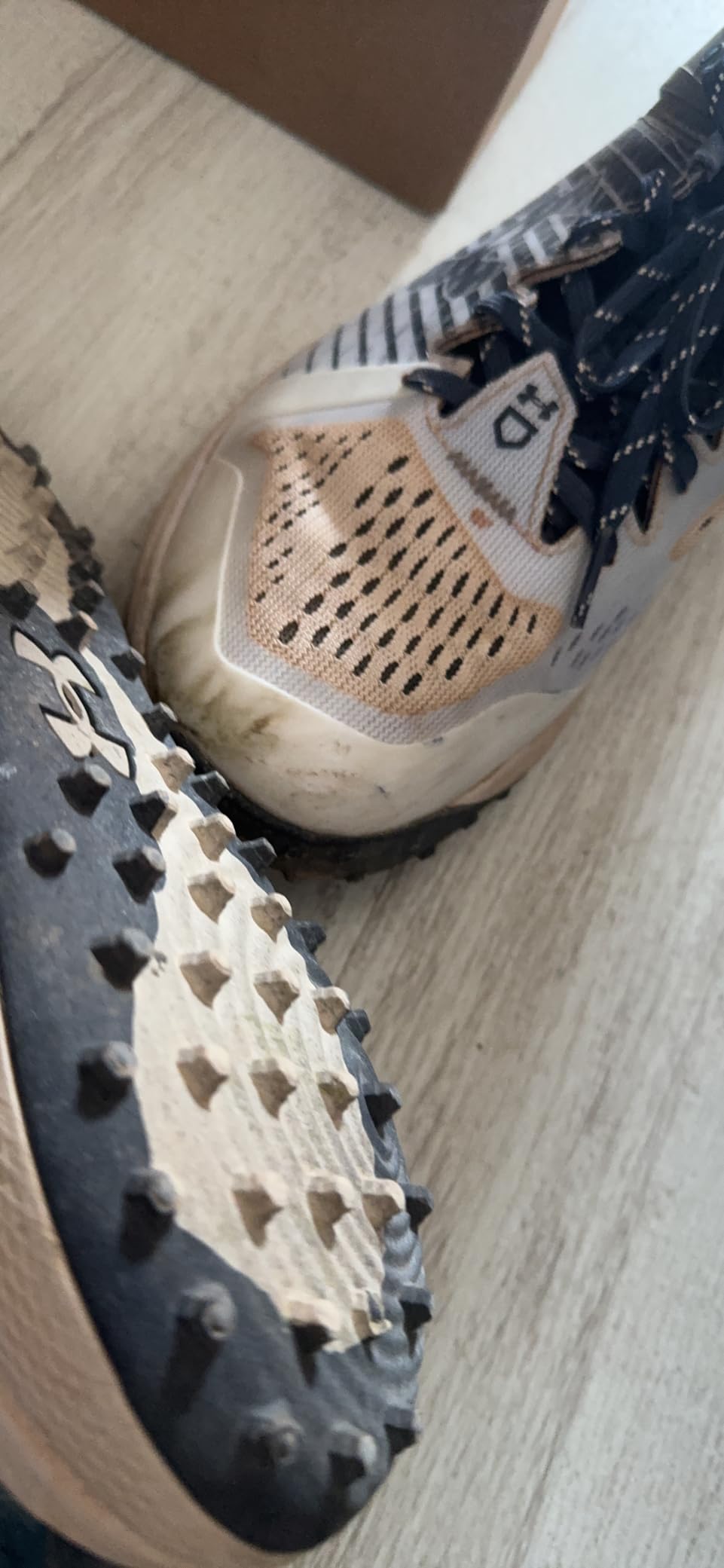
Dirt infields (8.5/10 traction, 6/10 convenience): The traction and stability on packed dirt are genuinely good. The problem is the tongue design. The collar isn’t sewn completely around the opening, which means fine dirt works into the shoe during lateral movements, slides, and any contact with loose infield dirt. I emptied both shoes after every dirt-infield session. It’s a manageable maintenance habit, but it’s a real quirk you should anticipate rather than discover mid-game.
Concrete (7/10): Functional for coaching drills in facilities that use concrete or asphalt surfaces. The rubber compound handles it without the slipping you’d get from an aggressively turf-optimized pattern. The outsole does show faster wear with concrete exposure, so if concrete is a significant part of your regular surface rotation, factor that into the durability timeline.
Cushioning and Comfort: The Coaching Standard
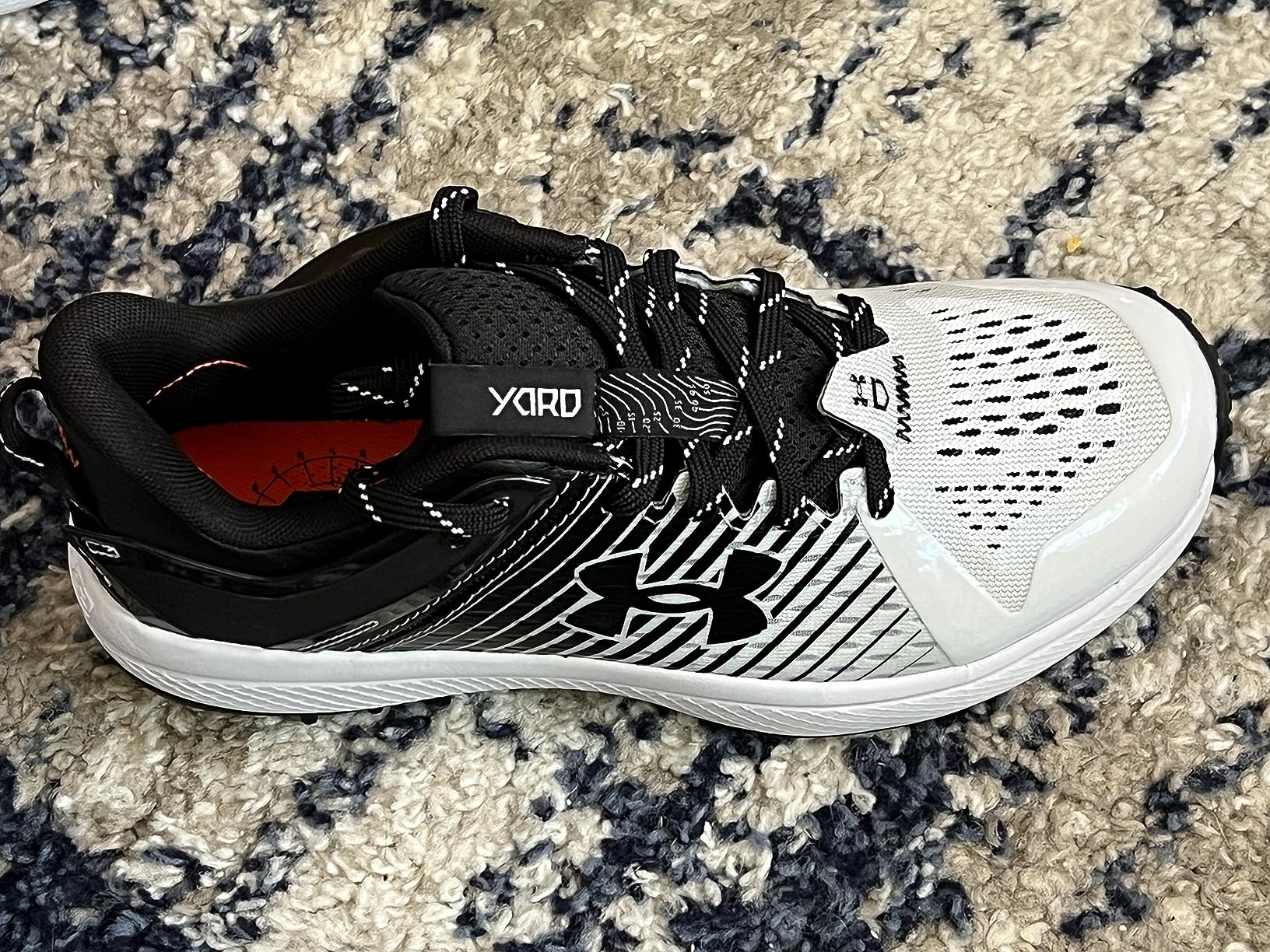
Under Armour’s description of the Charged Cushioning as converting “impact into explosive speed and power” is the kind of language that sounds impressive in marketing and means something more specific in practice. What the midsole actually delivers: adequate impact attenuation for field use, responsive energy return on acceleration and push-offs, and sustained performance that doesn’t collapse into dead foam feel as the session extends.
This is not running-shoe cushioning. It’s not meant to be. The Charged Cushioning in a training context is designed for quick bursts, stops, and lateral movements — not the sustained forward-motion efficiency that a dedicated running midsole prioritizes. Once I stopped evaluating it against running shoe standards, the performance made complete sense.
After a three-hour coaching session — baseline instruction, fielding demonstrations, the kind of sustained standing with intermittent quick movement that coaching actually involves — my feet were functional. Not fresh, not without fatigue, but free from the sharp heel pain and forefoot pressure I’d been managing with my previous setup. That’s the relevant standard for coaching footwear.
OrthoLite compression check: At eight weeks, the sockliner showed minimal height reduction compared to the week-one feel. The generic foam liners in comparably priced alternatives typically pack down noticeably by month two. The OrthoLite’s compression resistance is a meaningful durability feature, not a marketing placeholder.
OrthoLite removability: The sockliner is bonded to the insole bed — not a simple pull-out. With patient effort (it took me about 15 minutes of careful prying the first time), it comes out cleanly without damaging the shoe. The footbed underneath is flat and compatible with standard custom orthotics. If you need custom insoles, these will work — just plan for the extraction process. Alternatively, thin aftermarket insoles can be layered on top of the OrthoLite without removal.
Tournament test: Five games over a weekend, split between coaching duties and actual playing time. Day two, late afternoon of game five — feet registered cumulative fatigue, clearly. But the comparison point is previous seasons when two days of intensive field time produced the kind of foot pain that made driving home uncomfortable. With the Yard Low, I drove home with awareness of tired feet, not the sharp edge of something that needed attention.
Temperature ceiling: Below 75°F in direct sun, the breathability is adequate — airflow through the textile forefoot is real and functional. Above 80°F in sustained outdoor sessions, the synthetic overlays hold heat at the forefoot noticeably. It’s not a shutdown situation, but it was a consistent observation across afternoon summer sessions. Morning practices and indoor facilities are the ideal context.
Durability: The Honest 8-Week Report
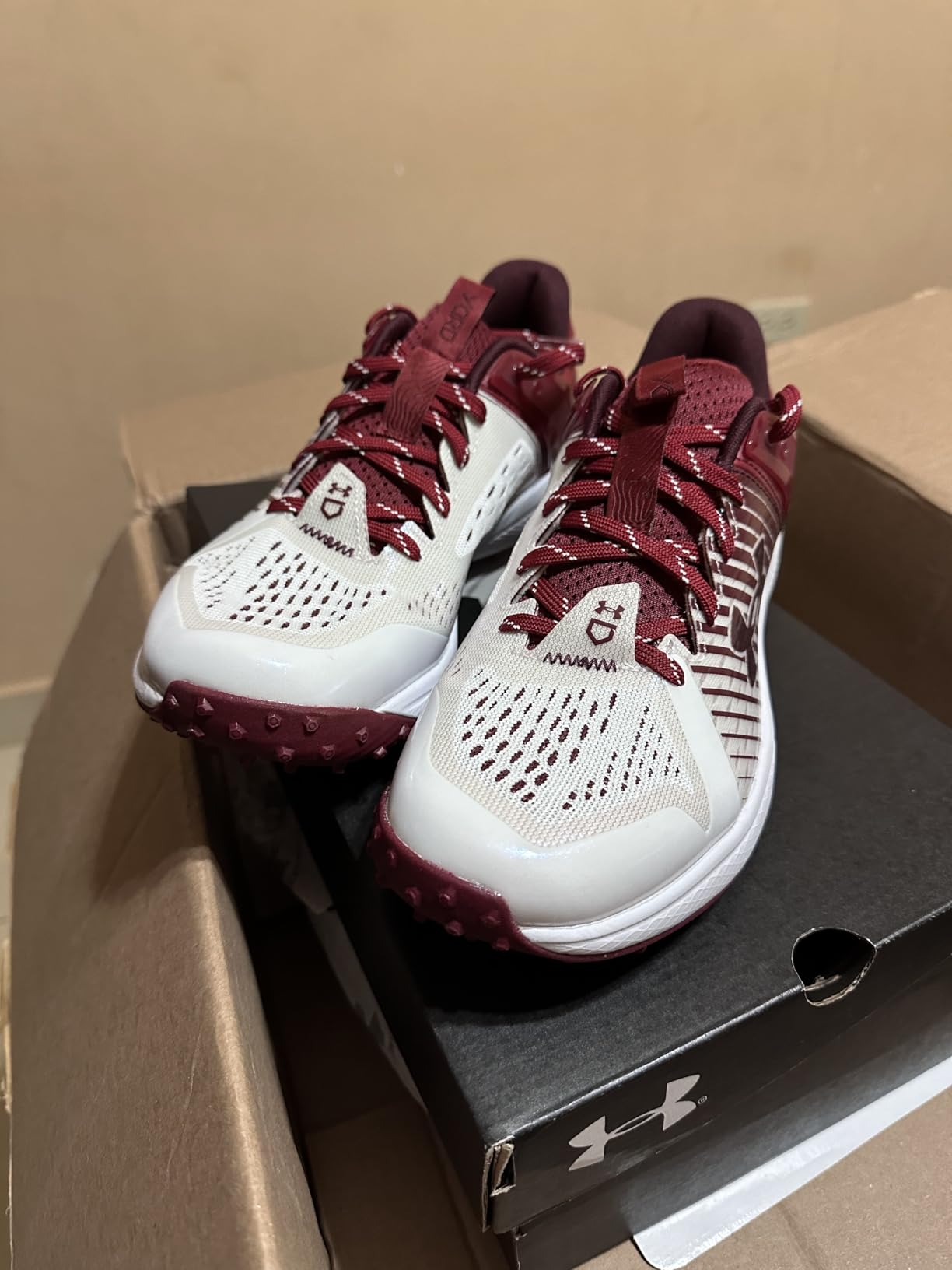
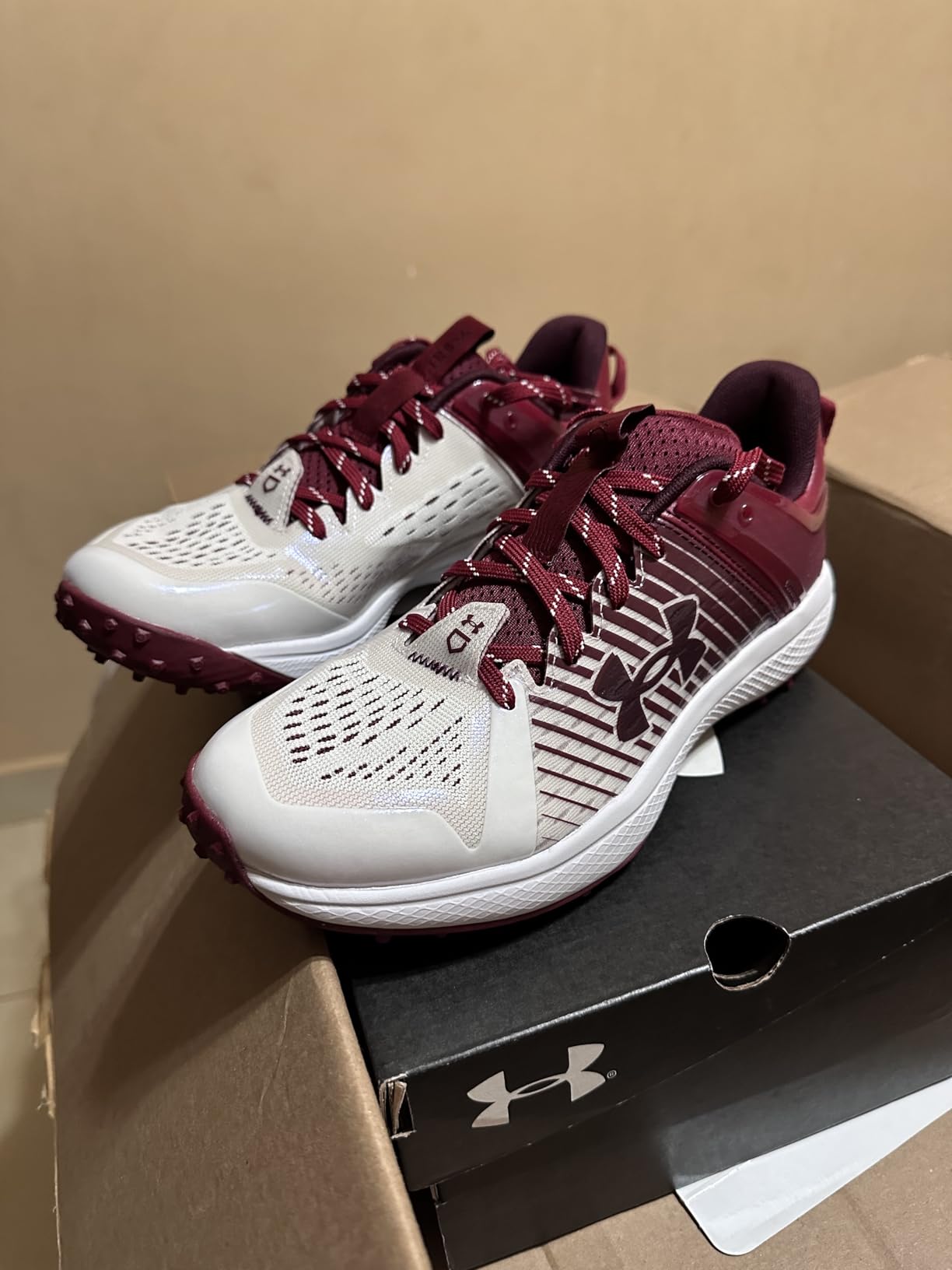
At eight weeks, the Yard Low is wearing where you expect durable field footwear to wear — which means the protective elements are working.
What’s held up: TPU overlays in the lateral forefoot and midfoot show minimal degradation. The toe drag protection zone is visibly scuffed from infield contact but structurally intact. The rubber outsole shows gradual, even wear across the contact zones — no delamination starting at the edges, no unusual tread pattern that would suggest biomechanical issues.
The plastic eyelet concern — with actual timeline data: The most consistent concern across sources is eyelet durability, but nobody gives you the timeline. Here’s what the evidence shows.
At eight weeks under 4-5 sessions per week, I can see lace-contact wear beginning where lace threads against each eyelet. The plastic softens with the friction of repeated lace tightening and loosening. It’s not a failure at eight weeks — the eyelets are fully functional. But the wear trajectory is clear.
Based on the eight-week observation and community reports:
– Light use (1-2 sessions/week): Eyelet wear becomes visible around month 5-6; becomes a structural concern around month 10-14
– Moderate use (3 sessions/week): Visible wear around month 4; concern window month 7-10
– Heavy use (4-5+ sessions/week, coaching intensity): Visible at 8 weeks (confirmed); meaningful concern starting month 4-6
The practical question: at casual recreational use, eyelet wear will likely outlast the rest of the shoe. At coaching intensity or daily training use, plan for potential eyelet failure in the back half of a full season.
The tongue and dirt: The loose tongue design is a deliberate trade-off — comfort over containment. The unsewn collar sections allow natural movement and prevent the bunching that fully sewn tongues create. The cost is dirt ingestion on infield surfaces. Workaround: socks pulled up high enough to partially cover the tongue gap, plus a post-session shake-out ritual. This takes about two sessions to become automatic.
Weather and Conditions Reality
“Not water resistant” is a designation that ranges from “slightly less water resistant than average” to “soaks immediately.” The Yard Low lands toward the soaks-immediately end of that spectrum.
During one evening practice that started dry and ended in 20 minutes of consistent light drizzle, the engineered textile upper was saturated through to my sock within 12 minutes of continuous rain exposure. Not through to skin yet, but visibly soaked and noticeably heavier. These are unambiguously fair-weather shoes.
What happens after they get wet: the upper dries in 4-5 hours at room temperature, faster in direct sunlight. The rubber outsole doesn’t delaminate from moisture exposure. The textile returns to its original form without the stiffness that leather develops after wetting and drying cycles. So wet-and-dried is not the same as ruined — but playing in rain is not a category these cover.
Cold weather behavior: Below 45°F, the engineered textile upper stiffens noticeably. The Charged Cushioning midsole also firms up with cold — standard behavior for foam-based midsoles, common across the category. For most recreational seasons in temperate climates, this won’t be a frequent condition. For early spring or late fall play in cold climates, the stiffening is real enough to factor in.
Hot weather ceiling: Comfortable in moderate outdoor conditions below 75°F. Above 80°F in sustained direct sun, heat accumulates at the forefoot. The breathable toe box does work — it’s not a closed system — but the synthetic overlays limit the airflow in the zones where it matters most during peak heat. Indoor facilities or morning outdoor sessions represent the shoe’s comfort ceiling; hot summer afternoon outdoor games are the edge of that ceiling.
Who Should Buy the Under Armour Yard Low
Before the recommendation boxes: cost per game, which no other review calculates.
At $55 with a realistic 1 to 1.5 season lifespan at 2-3 sessions per week:
– 24 sessions (1×/week for 6 months): $2.29/session
– 48 sessions (2×/week for 6 months): $1.15/session
– 72 sessions (3×/week for 6 months): $0.76/session
At $0.76–$1.15 per session for moderate recreational use, the Yard Low competes with shoes costing $20–$40 more on pure cost-per-use math.
✅ Buy These If You:
- Coach or play recreational baseball or softball primarily on artificial turf or well-maintained grass
- Need immediate comfort with no break-in period — these work from session one
- Want genuine multi-surface capability without surface-specific commitments
- Have standard or slightly narrow feet (TTS works; wide feet need 0.5 up)
- Play in fair-weather conditions and don’t need wet-weather protection
- Want to explore whether custom orthotics improve your experience (OrthoLite is removable with effort)
- Play across multiple sports — the turf sole handles softball, cricket, and general field training
❌ Skip These If You:
- Train at 4-5+ sessions per week and need eyelets to survive a full season reliably
- Play in consistently rainy conditions or on wet natural grass where traction matters
- Have wide feet and won’t size up — the standard model runs narrow enough to matter
- Need ankle support beyond low-cut profile provides (catchers and players with ankle history may need more structure)
- Want one shoe to cover both competitive-level natural grass and artificial turf play
How It Compares
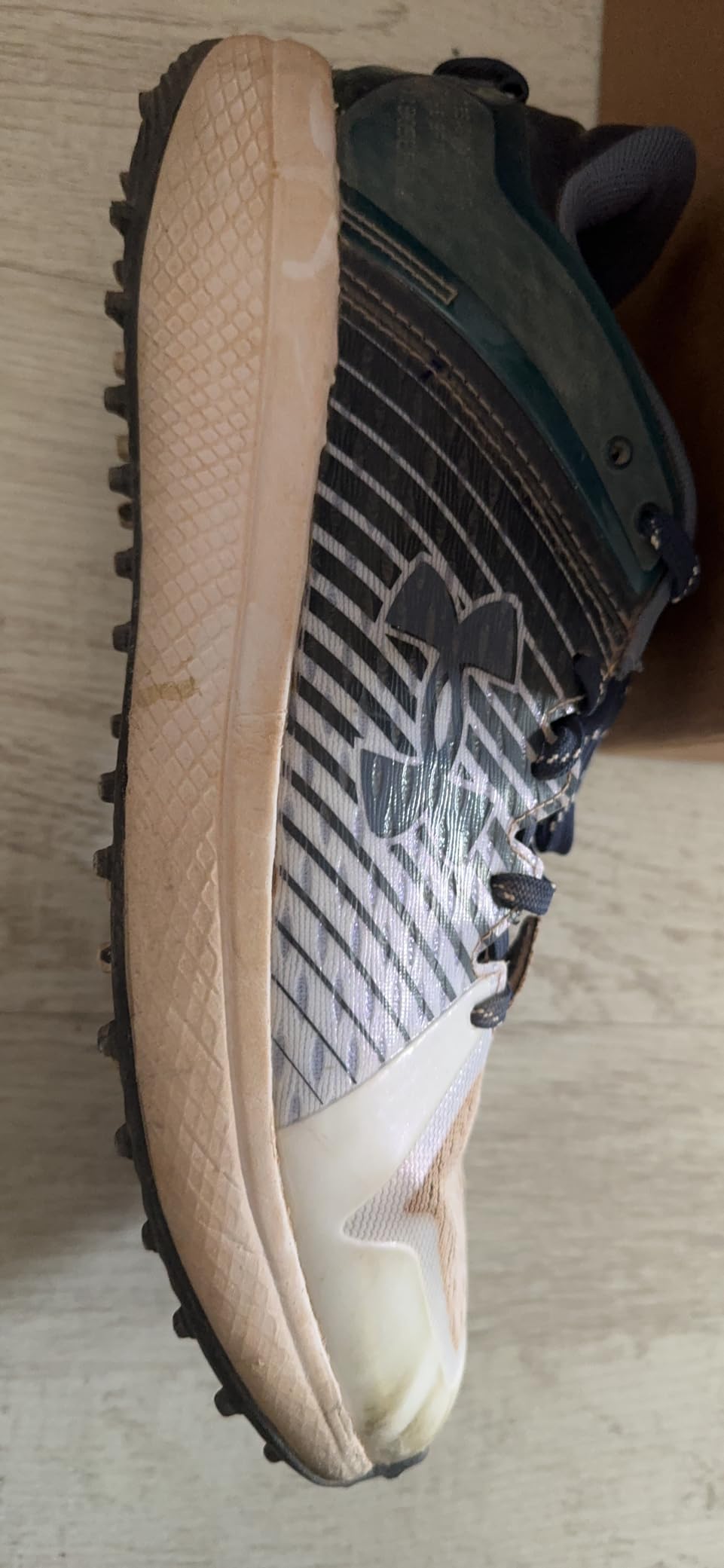
UA Yard Low Turf vs. UA Leadoff Low RM 3.0: The Leadoff uses molded rubber cleats (actual protruding studs) rather than the Yard Low’s flat turf-lug pattern. If you play primarily on natural grass, particularly in contexts where metal cleats aren’t allowed but molded are, the Leadoff RM 3.0 is the right tool. On artificial turf and dirt infields, the Yard Low’s cushioning and comfort advantage is clear. These address different primary surfaces — not a direct upgrade/downgrade relationship.
UA Yard Low Turf vs. UA Leadoff Mid 3.0: If ankle support is a consideration — for catchers, players returning from ankle injuries, or anyone who prefers a higher collar — the mid version of the Leadoff is worth comparing. The Yard Low’s low-cut profile optimizes agility at the cost of ankle coverage.
UA Yard Low Turf vs. Nike Mike Trout Turf (~$120): At more than double the price, the Mike Trout turf option offers improved cushioning technology and premium materials. The meaningful question is whether the performance gap justifies the price gap for your use case. For competitive players who train five or more times per week and need footwear to survive a full season of that intensity, the premium is defensible. For recreational players and coaches at 2-3 sessions per week, the Yard Low gives you 80-85% of the performance at less than half the cost.
Budget alternative — Adidas Goletto Turf: If the $55 price point is still a stretch, the Goletto Turf provides basic field capability at a lower price. Build quality and cushioning are both lighter-duty — the Charged Cushioning and OrthoLite combination in the Yard Low is a meaningful step up for coaches or players who care about foot fatigue over extended sessions.
For players who primarily run: If running is a significant part of your training (beyond the sprint segments in field sports), a dedicated running shoe is the right choice. The Yard Low’s turf sole isn’t designed for running economy. The UA Charged Assert 9 or similar running-specific options handle that use case better.
For gym and conditioning work: The Charged Cushioning and low-profile design work adequately for gym sessions between field days. The UA HOVR Rise 4 handles dedicated training sessions with better cushioning for HIIT and strength work specifically.
Frequently Asked Questions
Do these run true to size, and what do wide feet need to know?
For standard-width feet: true to size, reliable across sources. For wide feet: size up 0.5 — the standard model runs narrow enough at the forefoot that TTS creates cumulative discomfort over full sessions. If you’re between sizes and have standard-width feet, TTS is still the right call; the textile forefoot will accommodate slight variation.
How quickly do the plastic eyelets actually show wear?
At 4-5 sessions per week (coaching intensity), lace-contact wear is visible at 8 weeks — confirmed in my testing. For casual recreational use at 1-2 sessions per week, wear becomes visible around month 5-6 and becomes a structural concern around month 10-14. Eyelet wear is the primary failure mode to monitor at any use intensity; it’s not a reason to avoid the shoe, but it’s a real tracking point.
Can I actually use these in light rain or is “not water resistant” a dealbreaker?
“Not water resistant” is not an understatement here. In 20 minutes of consistent light drizzle, the engineered textile upper was saturated through to my sock within 12 minutes of active movement. These are unambiguously fair-weather shoes. If your season regularly includes rain games or wet-grass conditions, look at water-resistant options in the UA Leadoff line or elsewhere. Post-rain, the upper dries in 4-5 hours without stiffening — so a rain delay doesn’t ruin them, but playing through rain consistently will.
How long will they last at 2-3 sessions per week?
One to one-and-a-half seasons (approximately 6-9 months of regular recreational use) is the realistic window at 2-3 sessions per week. Primary failure modes in order of likelihood: (1) outsole rubber wear, particularly at the forefoot, (2) eyelet wear reaching structural concern, (3) OrthoLite compression reaching noticeable reduction. The TPU overlays and toe drag protection outlast everything else in the construction.
Can I remove the OrthoLite sockliner to use my own custom orthotics?
Yes, but it requires effort — the OrthoLite is bonded to the insole bed, not a simple pull-out. With patient prying (plan about 15 minutes the first time), the sockliner comes out cleanly without damaging the footbed. The underlying footbed is flat and compatible with standard custom orthotics. Alternatively, thin aftermarket insoles can be added on top of the OrthoLite without removal — this works for minor arch support additions but not for full-depth custom orthotics.
Are these good for full-day coaching, or just game-time use?
Three-hour coaching sessions — the realistic long end of a single practice day — produced functional feet, not fresh ones. The Charged Cushioning and OrthoLite combination outperform cheaper alternatives for sustained standing and intermittent movement. For full tournament weekend use (5 games over two days), the shoes held up with day-two afternoon fatigue that was tolerable rather than limiting. They’re better than traditional cleats for coaching use specifically; not as good as a dedicated walking or comfort shoe for all-day standing.
Do these work for softball, and what about multi-sport use?
Softball: confirmed — the turf outsole handles both baseball and softball surfaces identically. Multi-sport: the rubber lug pattern works for general field sports including cricket and lacrosse training on appropriate surfaces. The UA Women’s Glyde 2.0 RM is the corresponding option for women’s softball specifically if you’re outfitting a team.
How does the $55 price point hold up against the $120 alternatives?
At $55, the Yard Low delivers around 80-85% of the performance of premium $120 alternatives at 46% of the cost. For recreational players and coaches with 2-3 sessions per week, that value ratio is excellent — the performance delta doesn’t justify the price delta at moderate use intensity. For competitive players training five or more times weekly and prioritizing maximum durability and performance, the premium alternatives earn their price. The math gets clearer with the cost-per-session comparison: $0.76-$1.15/session for the Yard Low vs. roughly $1.25-$1.67/session for a $120 shoe at comparable lifespans.
Final Verdict
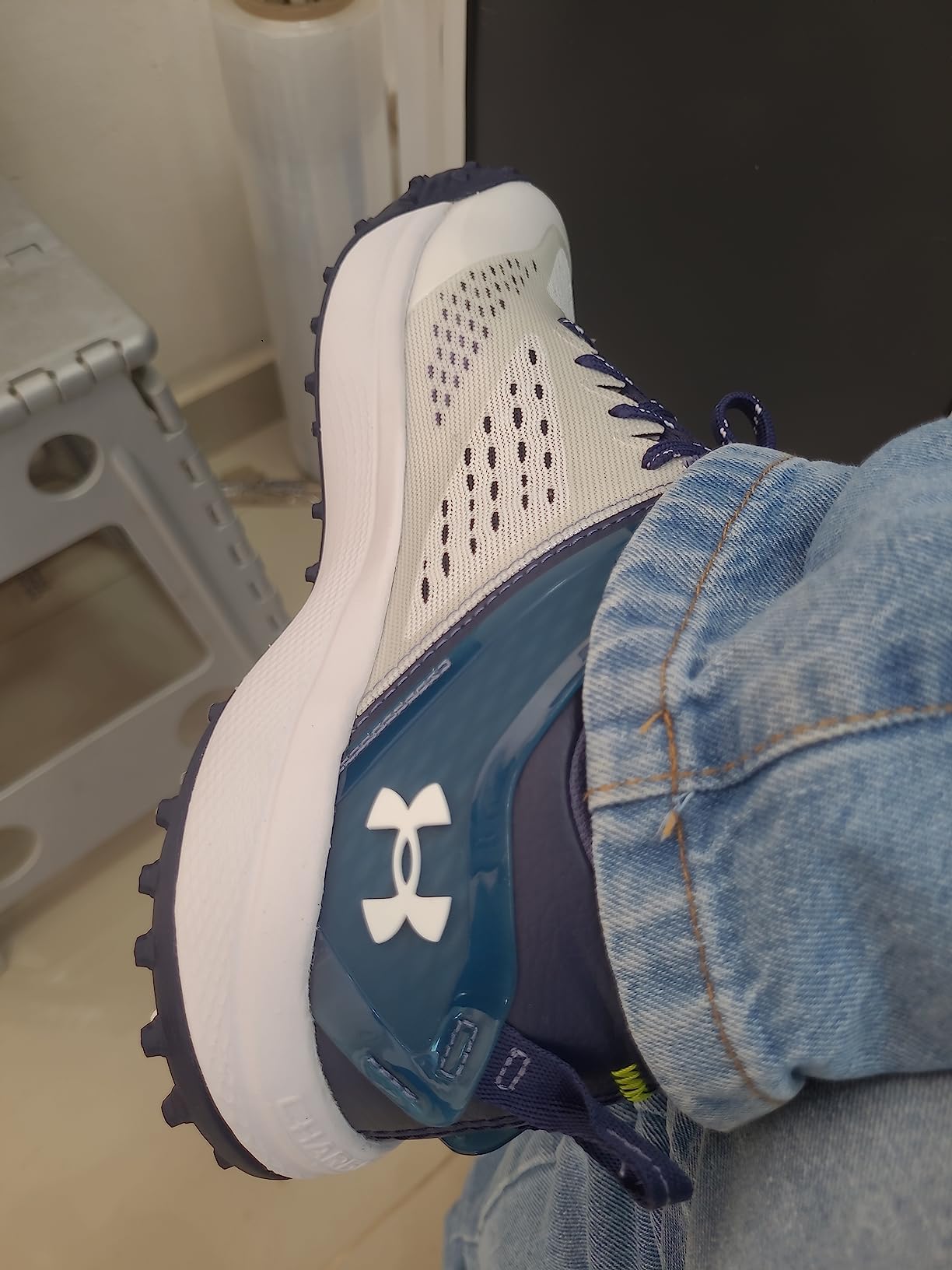
The Under Armour Men’s Yard Low Turf is a genuine value shoe — not in the discount sense, but in the sense that what you pay for is actually what you get. The Charged Cushioning delivers field-appropriate performance that outlasts cheap foam alternatives. The OrthoLite holds its shape. The traction on artificial turf is the best in the $55-$65 price bracket I’ve tested.
The trade-offs are real and specific: plastic eyelets that require monitoring under heavy use, a loose tongue that demands maintenance on dirt infields, and waterproofing that doesn’t exist. These aren’t fatal flaws — they’re the honest costs of the price point. Know them going in and they’re manageable.
At $0.76–$1.15 per session at typical recreational use, this is an easy recommendation for coaches, recreational players, and multi-sport athletes who want reliable, comfortable field footwear without the $120 premium. Wide feet and heavy trainers know the specific adjustments they need going in.
Detailed Scoring
| Under Armour Men’s Yard Low Turf Baseball Cleat — Performance Scores | ||
|---|---|---|
| Comfort & Fit | 8.5/10 | Immediate out-of-box comfort; OrthoLite holds compression; 3-hour coaching sessions validated |
| Traction & Performance | 8.5/10 | Excellent on artificial turf (9/10) and natural grass (8.5/10); tongue design limits dirt-infield convenience |
| Durability & Construction | 7.0/10 | TPU overlays and toe drag protection hold well; plastic eyelets are the monitored failure point |
| Value for Money | 9.0/10 | $0.76–$1.15/session at moderate use; best cost-per-use in the under-$60 turf category |
| Versatility | 8.0/10 | Baseball, softball, multi-sport field use confirmed; limited by wet conditions and ankle support gaps |
| Style | 7.5/10 | Clean, functional aesthetic; versatile enough for casual transition; not a standout colorway |
| OVERALL | 8.1/10 | Genuine value at $55 with honest, specific trade-offs |
Available at footgearusa.com: Check the Under Armour Men’s Yard Low Turf here
Be the first to review “Under Armour Mens Yard Low Turf Baseball ShoeBaseball Shoe”
Related products
Basketball Shoes
Basketball Shoes
Basketball Shoes
Basketball Shoes
Basketball Shoes
Nike mens Lebron Witness VI Basketball Trainers Cz4052 Shoes
Basketball Shoes
Basketball Shoes
Reviews
There are no reviews yet.