
There’s a specific kind of spending guilt that hits when you blow $70 on sneakers that look exactly like the $19 pair your neighbor’s kid just got. Last spring, killing time in the parking lot while my daughter’s soccer practice ran over, I found myself deep in Amazon rabbit holes — the kind where you start looking at shin guards and somehow end up at canvas high-tops. The ZGR Women’s High Top Canvas Sneakers stopped my scrolling. At $19, they looked suspiciously identical to the name-brand pair I’d been eyeing for months. This is Sarah, and I’ve made enough impulsive shoe purchases to know that “looks great on screen” and “survives real life” are two very different things. So I ordered a pair, wore them for eight weeks across every situation I could throw at them, and took notes. Here’s the honest version.
Quick Specs
- 👟 Upper material: Breathable canvas
- 🧪 Sole material: Thick anti-slip vulcanized rubber
- 🔒 Closure: Traditional lace-up
- 📏 Size range: US 5.5–11
- 🎯 Best for: Daily casual wear, errands, casual outings, light social activities
- ⏱️ Testing period: 8 weeks, daily wear scenarios
- 📦 Available colors: Black/white, floral embroidery variants, plus multiple colorways
First Impressions: What You Actually Get for $19
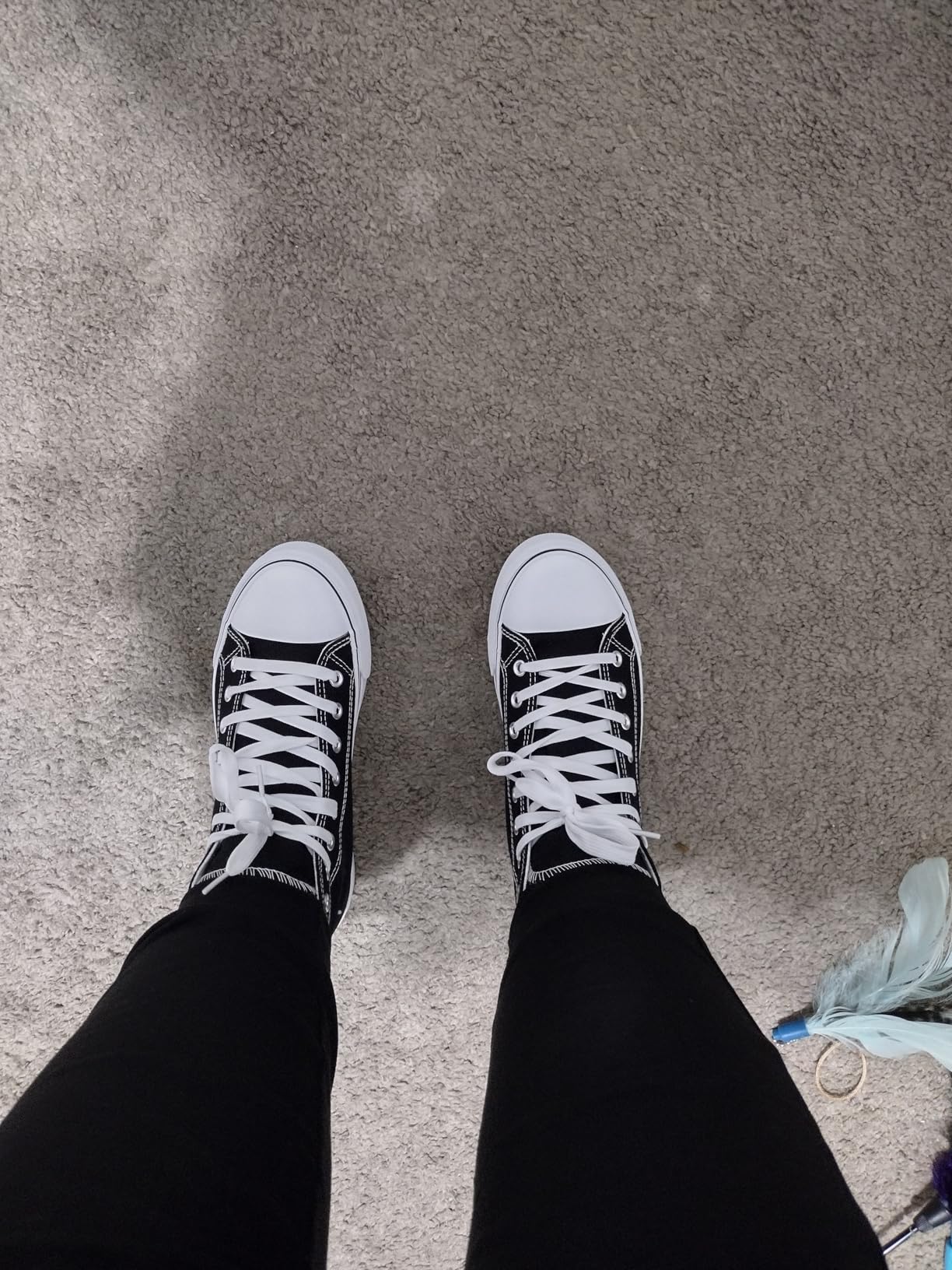
The box arrives, you pull them out, and the first thing you notice is that they actually look like the photos. That sounds obvious, but with budget shoes it genuinely isn’t — half the time what shows up looks like a distant relative of what you ordered.
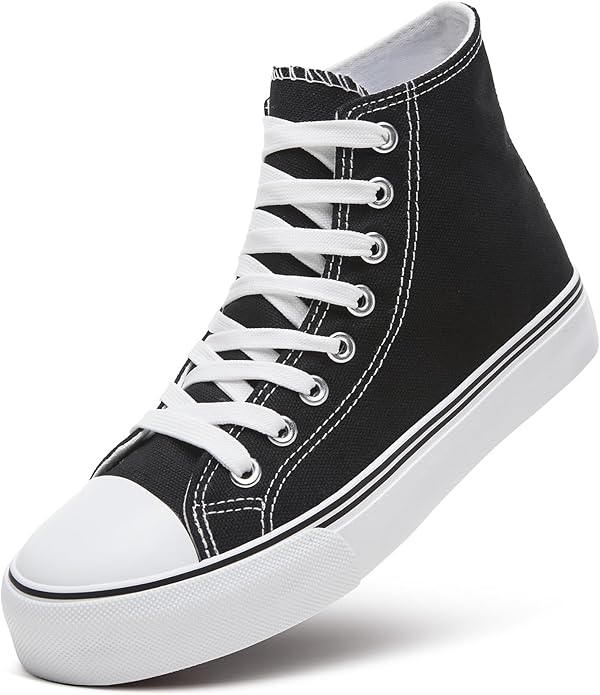
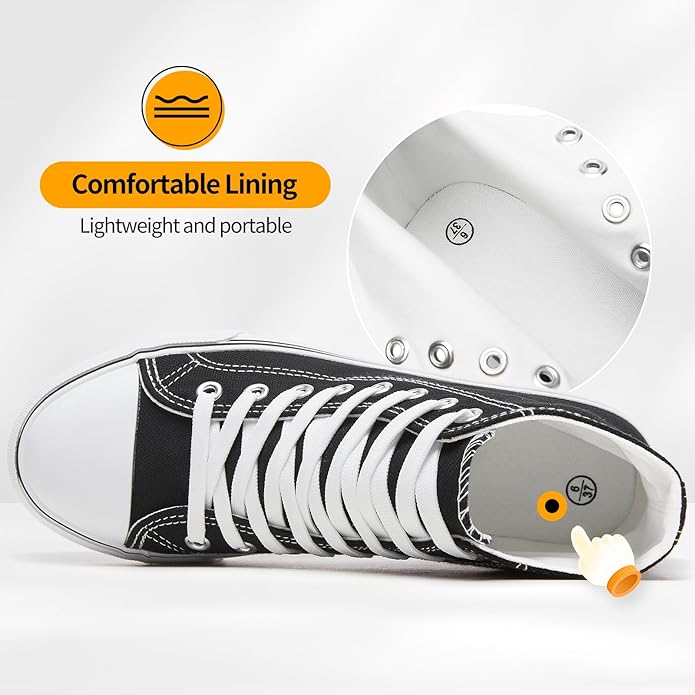
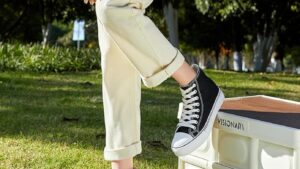
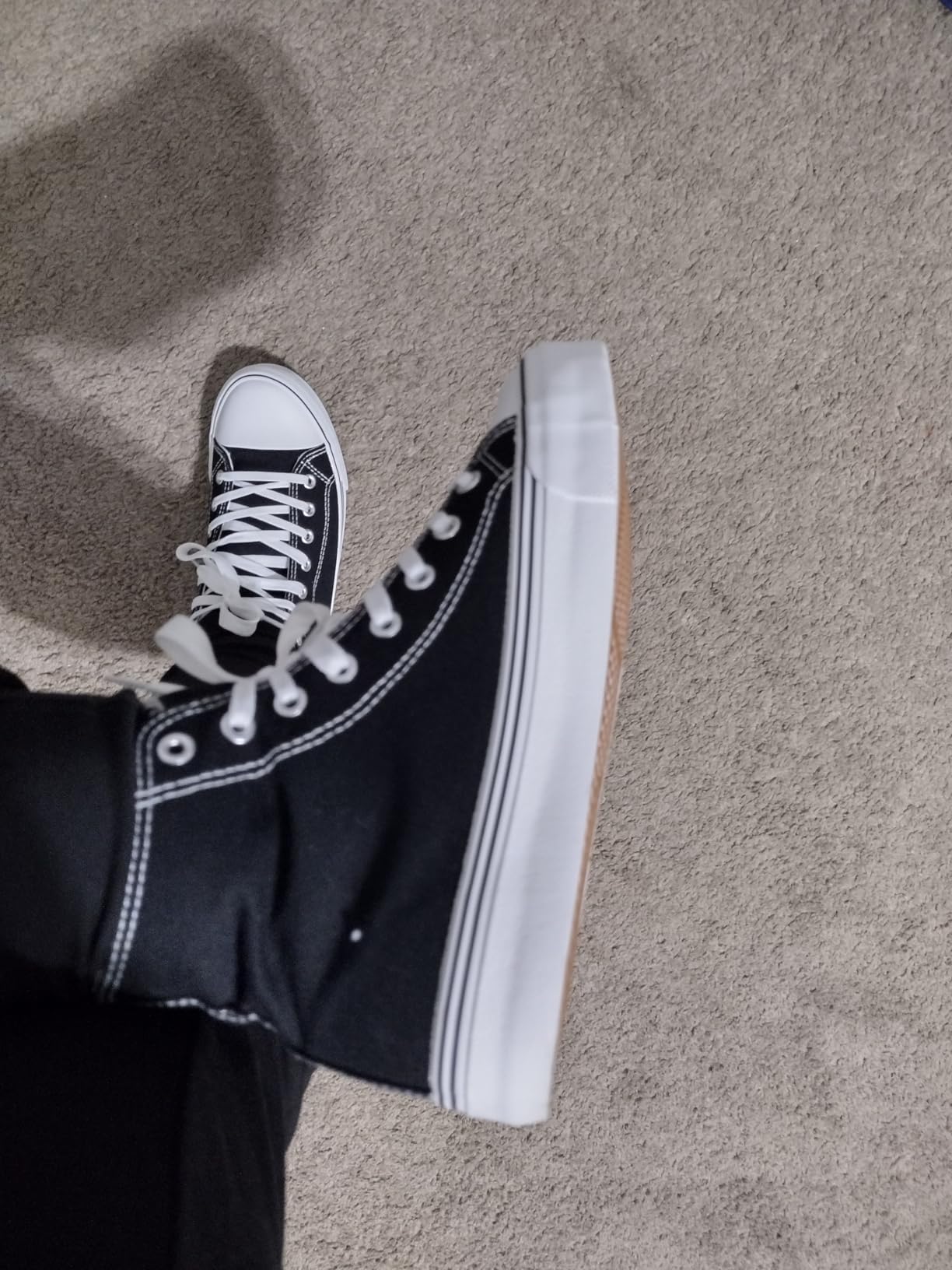
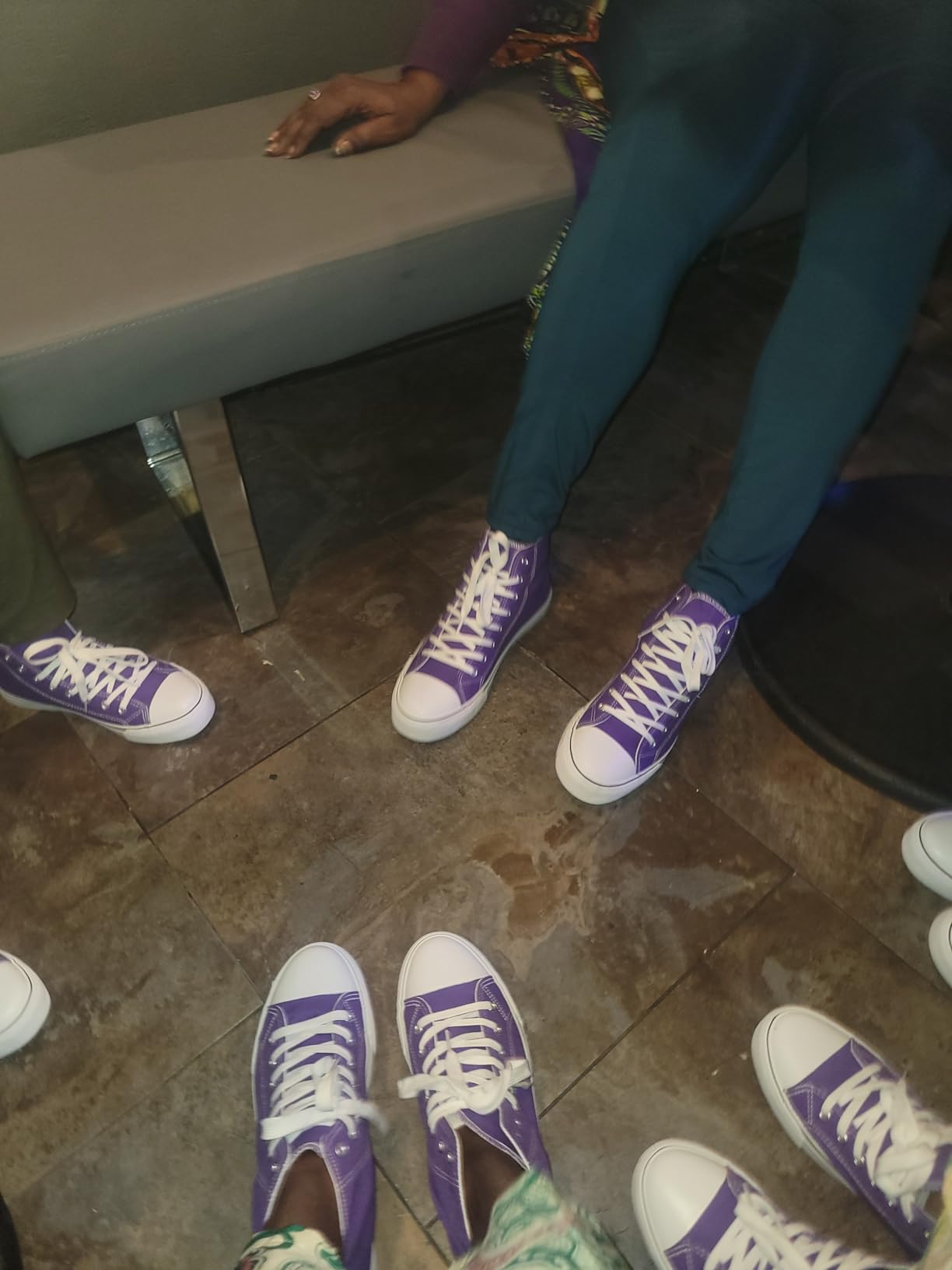
These are a direct visual reference to the classic high-top canvas silhouette that’s been a cultural staple for decades. The canvas feels solid — not tissue-paper thin like some budget alternatives I’ve tried. There’s visible stitching around the toe cap and heel that appears well-executed, and the padded ankle collar gives the shoe some structural presence without making it feel restrictive.
The Sole Surprise
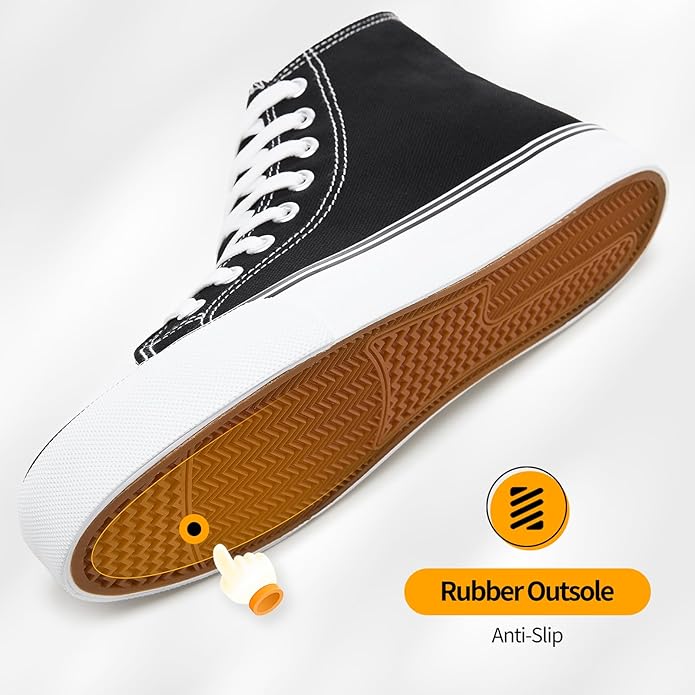
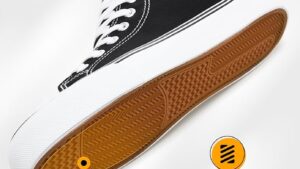
Flip them over and you’ll notice something: the rubber outsole is thicker than you’d expect at this price. It has real weight and density, the kind that bounces back slightly when you press it. This isn’t the hollow plastic-feeling stuff that shows up on a lot of cheap canvas shoes. Multiple reviewers across different platforms noted the same thing — the sole is legitimately one of ZGR’s strongest selling points and a genuine quality differentiator versus other budget canvas options.
The QC Disclaimer (Read This Part)
Here’s where I need to be upfront: not every pair arrives in perfect condition. Mine came out of the box looking great, but documented reports from other buyers include visible glue lines along the seam where the rubber toe cap meets the canvas, minor scuffs, and occasionally pre-bent or misshapen laces. You might get a perfect pair, or you might get one with small cosmetic quirks. At $19 ordered through Amazon, the return process is easy — that’s genuinely part of the value proposition here. Open them immediately after arrival and do a quick inspection.
Comfort, Fit, and What Nobody Tells You About the Insole
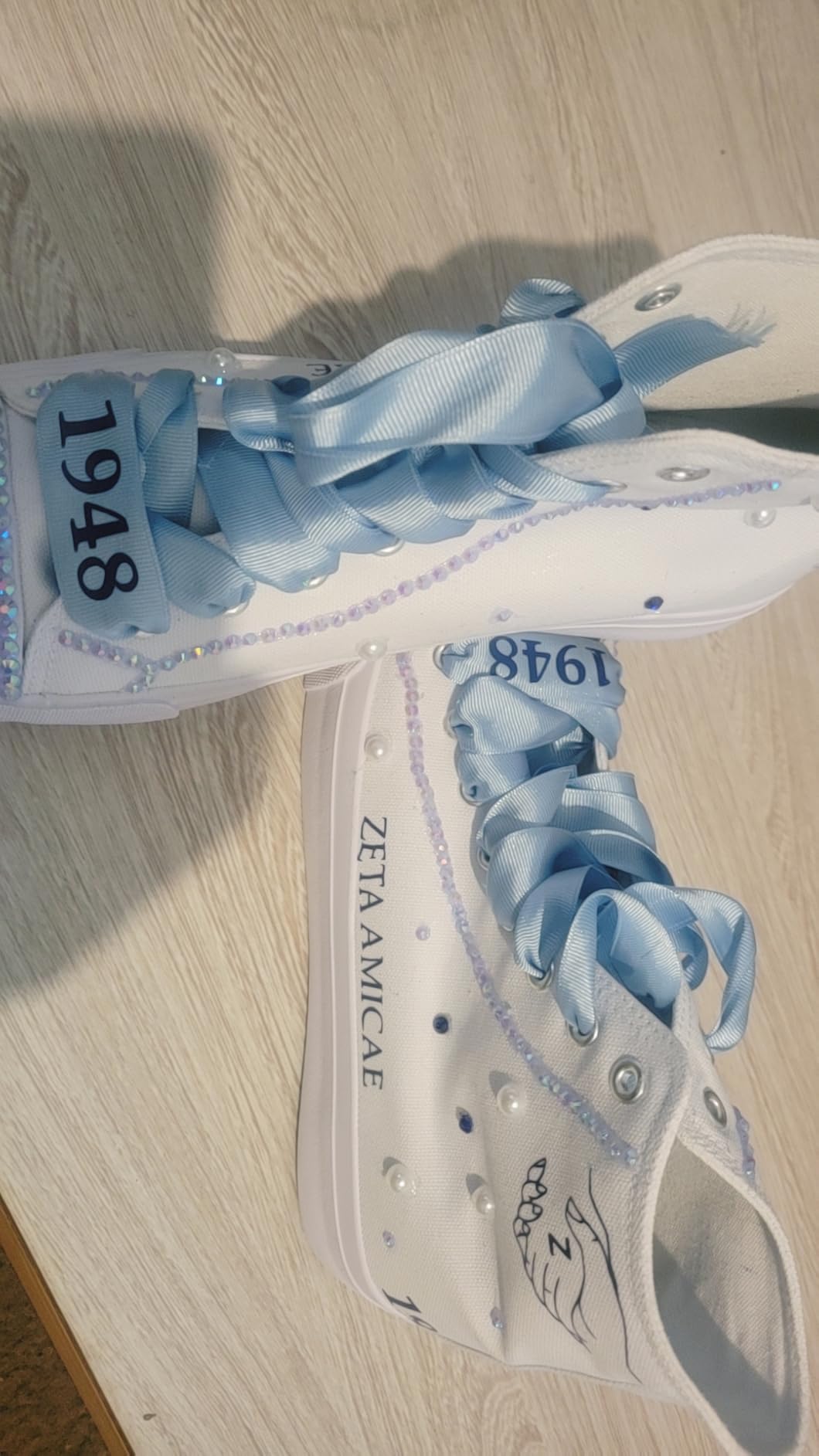
Sizing Reality
True to size is the honest answer for most people. I’m a 7.5, ordered 7.5, and they fit without any adjustment period. The canvas is pliable enough that there’s essentially no break-in — first day was comfortable from the first hour. Standard width fits well; if you have genuinely wide feet, width may be snug but manageable. No wide variant exists in this line, so extra-wide feet should take note.
A small minority of reviews mention running slightly large, but the overwhelming consensus (and my own experience) points to ordering your normal size.
Comfort Ceiling: The Honest Timeline
Day one, wearing these through a grocery run, a parent-teacher conference, and an afternoon at the playground: feet felt fine. Not pampered, but comfortable enough that I forgot I was wearing them for stretches. That’s actually meaningful for a $19 shoe.
The comfort ceiling shows up around the four-to-six hour mark of continuous walking. A full day at an outdoor festival — six hours across concrete, grass, and gravel — had my feet feeling the limitations somewhere around hour five. Noticeable but manageable. The cushioning is better than you’d expect, but it’s still basic foam, not the energy-return systems in premium kicks.
The Insole Problem (Don’t Skip This)
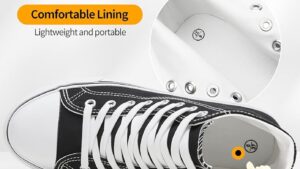
The product listing mentions memory foam insole. There is one, and it provides decent initial cushioning. Here’s what the listing doesn’t tell you: after about two to three weeks of regular wear, the insole starts migrating. It slides to the side, creates uneven pressure, and — for some buyers — eventually comes out entirely. This isn’t a rare defect. It’s consistent enough across multiple independent reviewers that it qualifies as a design characteristic rather than a manufacturing fluke.
The fix is simple and cheap: swap the stock insole for a quality aftermarket option. A pair of Sof Sole Athlete Insoles runs around $15-20 and transforms the experience dramatically. Or if you need orthopedic support, Valsole Orthotic Insoles work well for flat-foot or high-arch scenarios. Budget that replacement into your real cost: $19 shoe + $15 insole = $34 total, still well below what you’d pay for comparable canvas alternatives.
The Tongue Problem (Also Nobody Mentions This)
The tongue has no loop, no stitching anchor — nothing to keep it centered under the laces during extended wear. For shorter outings, you won’t notice. For anything past three or four hours of active wear, the tongue slowly migrates sideways and creates a pressure point on one side of your foot. It’s not immediately uncomfortable, but it becomes persistently annoying. The fix is tighter lacing, which helps significantly. Some wearers also tape the tongue lightly to the canvas. Not elegant, but effective.
Eight Weeks of Real-World Testing
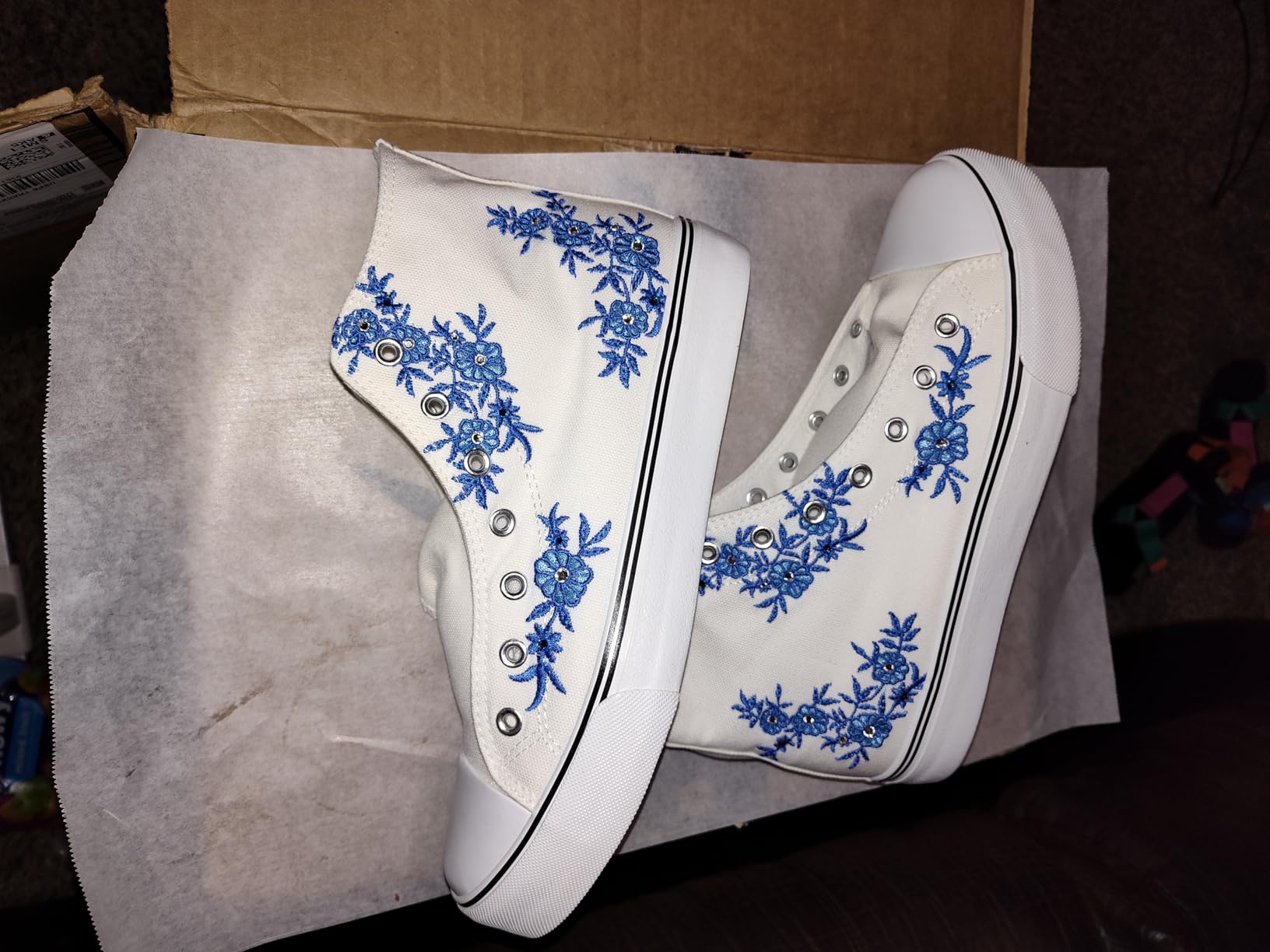
School drop-offs, grocery runs, weekend farmers markets, a full day outdoor festival, casual dinner dates, and a couple of light nature trail walks that weren’t exactly what these were designed for. Here’s what I found across all of it.
Traction Performance
Dry pavement and tile: solid. I never felt unstable or like I was working to grip the ground. Packed dirt and gravel: adequate. Wet surfaces: proceed with caution. The rubber provides reasonable grip in light rain, but it’s not engineered for wet-surface confidence. If you’re regularly walking on wet tile or polished floors, add some traction awareness to your mental checklist.
Not a professional-grade non-slip sole — restaurant workers or anyone needing ASTM-rated slip resistance should look elsewhere. For standard casual walking across typical daily surfaces, they perform as expected.
Breathability: The Genuine Advantage
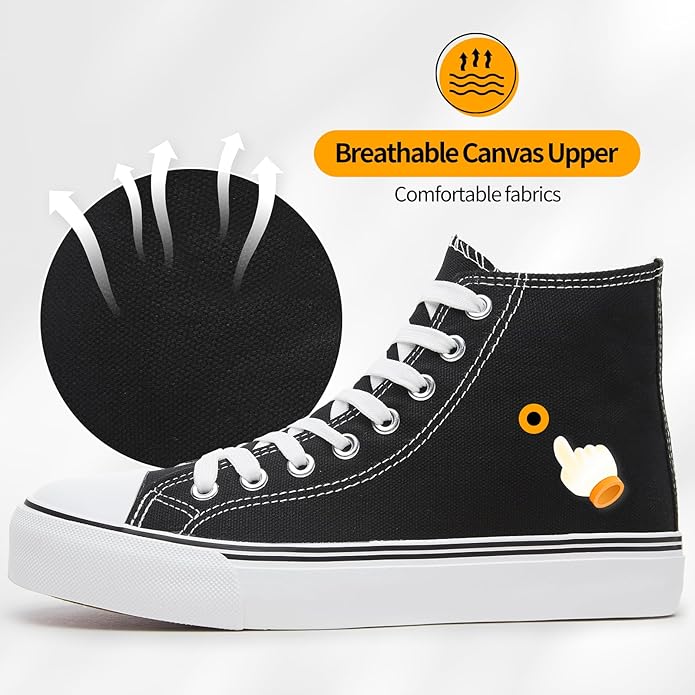
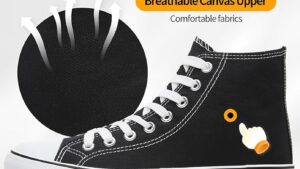
Canvas breathes better than synthetic uppers, full stop. During a stretch of hot weather in the mid-80s°F, my feet never felt like they were trapped in a greenhouse. The airflow through the canvas material is noticeably better than the mesh-synthetic blends I’ve worn in similar casual shoes. If you run warm or live somewhere with hot summers, this is a real comfort win.
Weather: Light Rain Is Fine, Heavy Rain Is Not
Tested in a brief summer shower — canvas handles light rain reasonably well, dries quickly, and doesn’t hold odors afterward. Walked through standing water during a heavier rainfall: soaked within minutes. These are canvas shoes. They’re not waterproof and don’t claim to be. For rainy climates or daily wet-weather commutes, a different material choice is genuinely necessary.
Durability: Where the Budget Shows
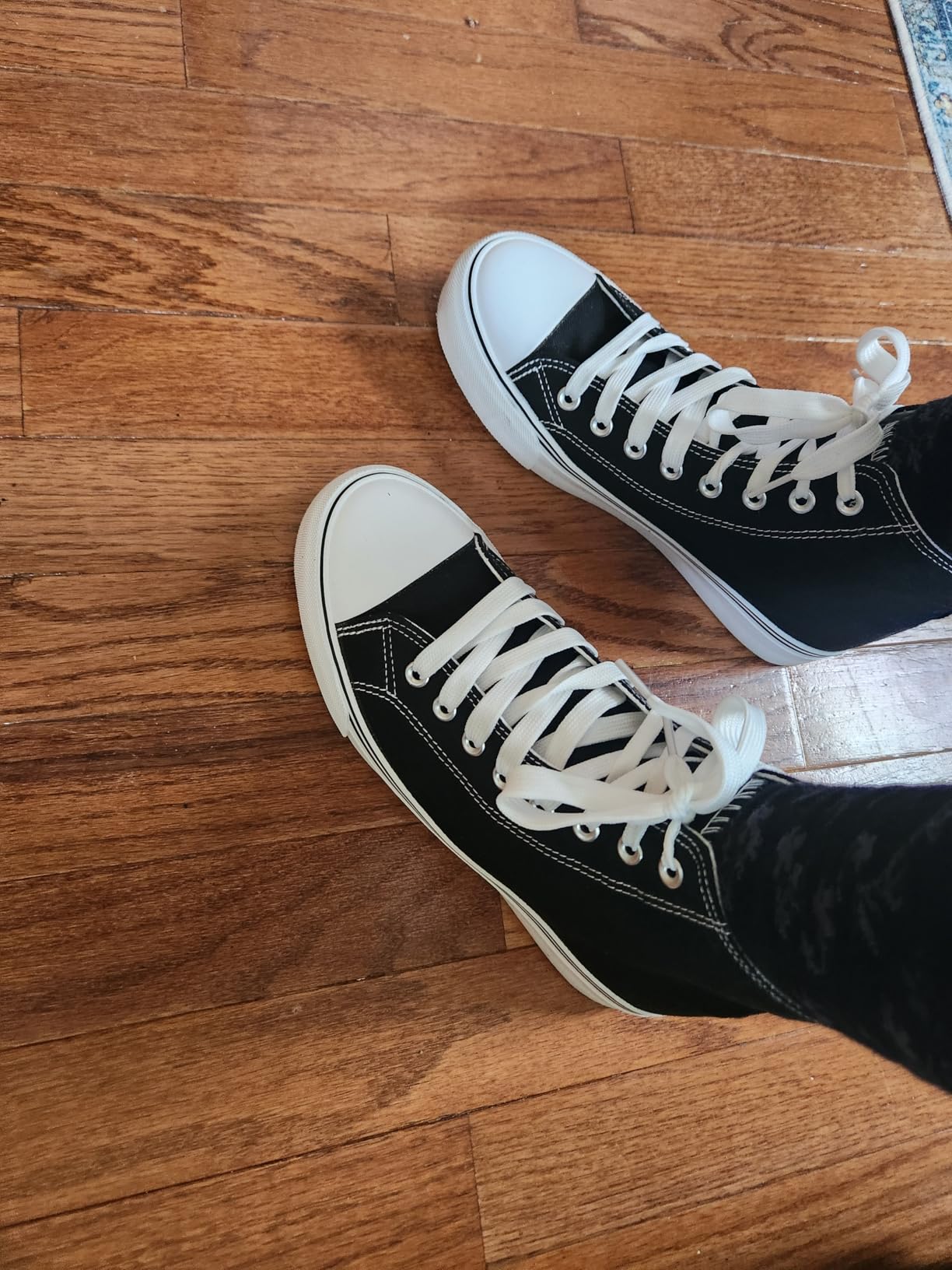
The canvas upper and rubber sole are where ZGR spends its quality budget. After eight weeks of wear at four to five days per week, the canvas shows no significant wear — stitching intact, upper holding its shape, no separation at the seams. The sole shows minimal wear marks, consistent with the thicker rubber construction. For the expected lifespan of these shoes, the main structural components will probably outlast the hardware.
The Hardware Problem
The metal eyelets are a quality lottery. Some buyers report eyelets popping out within days of purchase. Others report no issues after eighteen months of regular wear. It’s batch-dependent, which is the frustrating part — there’s no reliable way to predict which outcome you’ll get. If an eyelet fails, replacement hardware costs under $10 and installation is straightforward, but it’s an annoyance.
The laces are also variable. The stock laces are thinner than they should be for the eyelet setup. Most pairs hold up fine for months of regular use, but documented cases of early fraying exist. Replacing laces costs $3-5 and takes two minutes. Worth keeping a backup pair, especially if you buy the shoe for an event.
Sole Flex Point Under Athletic Stress
For casual daily wear, the sole performs well beyond its price class. There’s one documented failure mode worth knowing about: under heavy athletic use — specifically, using these as daily gym sneakers over extended periods — the sole can split at the flex point. This appears after roughly a year of gym-specific use, not typical daily casual wear. If you’re planning to use these primarily for lifting or gym sessions long-term, the durability math changes. For their intended casual use case, that failure mode is unlikely to affect most buyers.
Does ZGR Deliver on Its Claims?
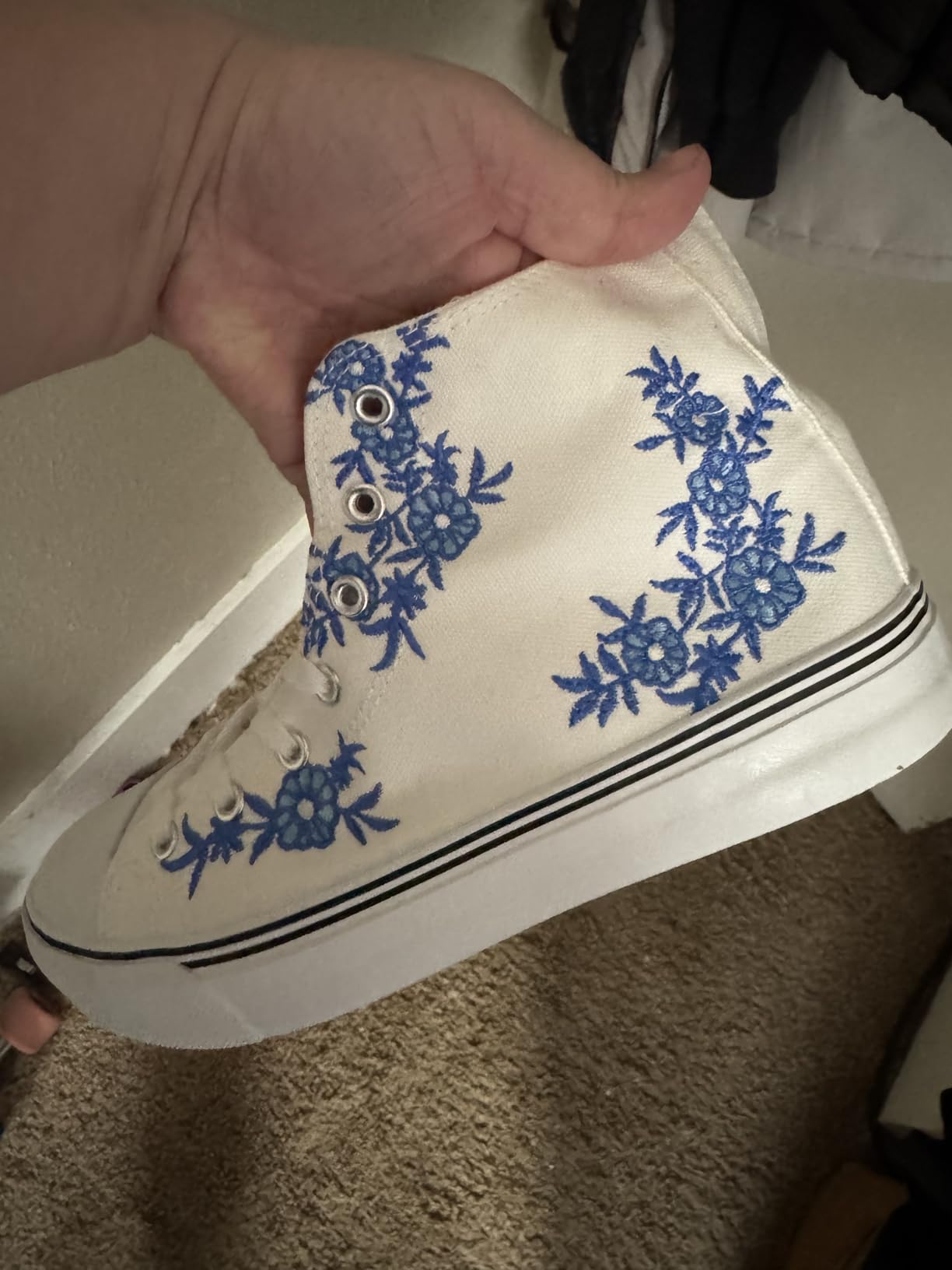
| Claim | Verdict | Reality |
|---|---|---|
| Breathable Canvas Upper | ✅ Accurate | Canvas genuinely allows airflow; noticeably better than synthetic uppers in heat. |
| Anti-slip Rubber Sole | ⚠️ Mostly Accurate | Reliable on dry surfaces and packed dirt. Cautious on wet tile. Not commercial non-slip grade. |
| Memory Foam Comfort | ⚠️ Partial | Basic foam provides adequate cushioning initially. Insole migrates sideways at 2–3 weeks — aftermarket replacement recommended. |
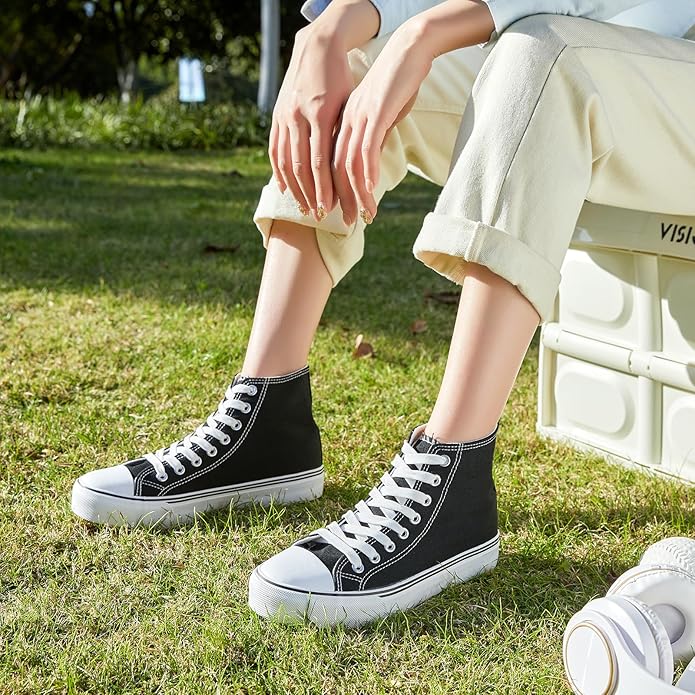
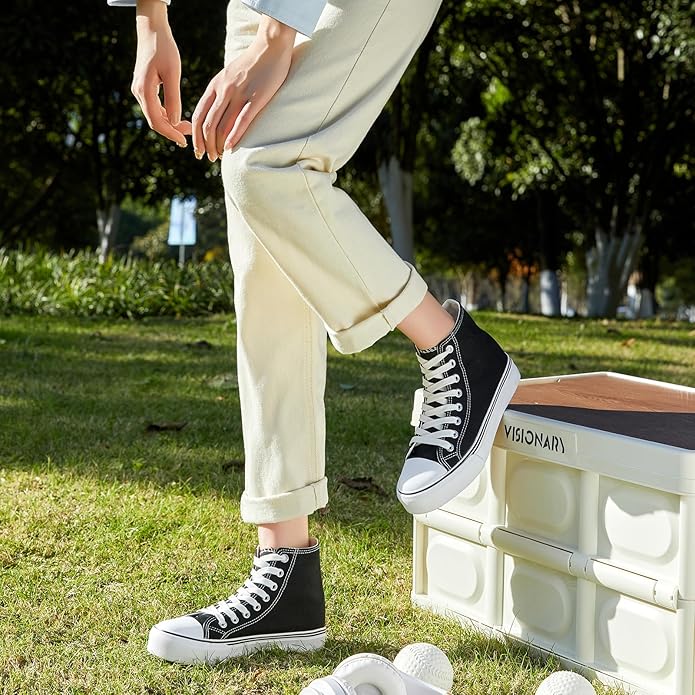
| Well Match with All Kinds of Clothes | ✅ Accurate | Classic colorway pairs with jeans, leggings, casual dresses, shorts — genuinely versatile. |
| Suitable for Walking, Running, Gym | ⚠️ Partial | Walking ✓ Light gym ✓ Serious running ✗ Competitive gym ✗ Sole flex weakness under heavy athletic use. |
| All-Day Comfortable | ⚠️ Conditional | 4–6 hours comfortable. Fatigue starts at 5–6 hours of active walking. Tongue migration adds discomfort in extended wear. |
The Value Math
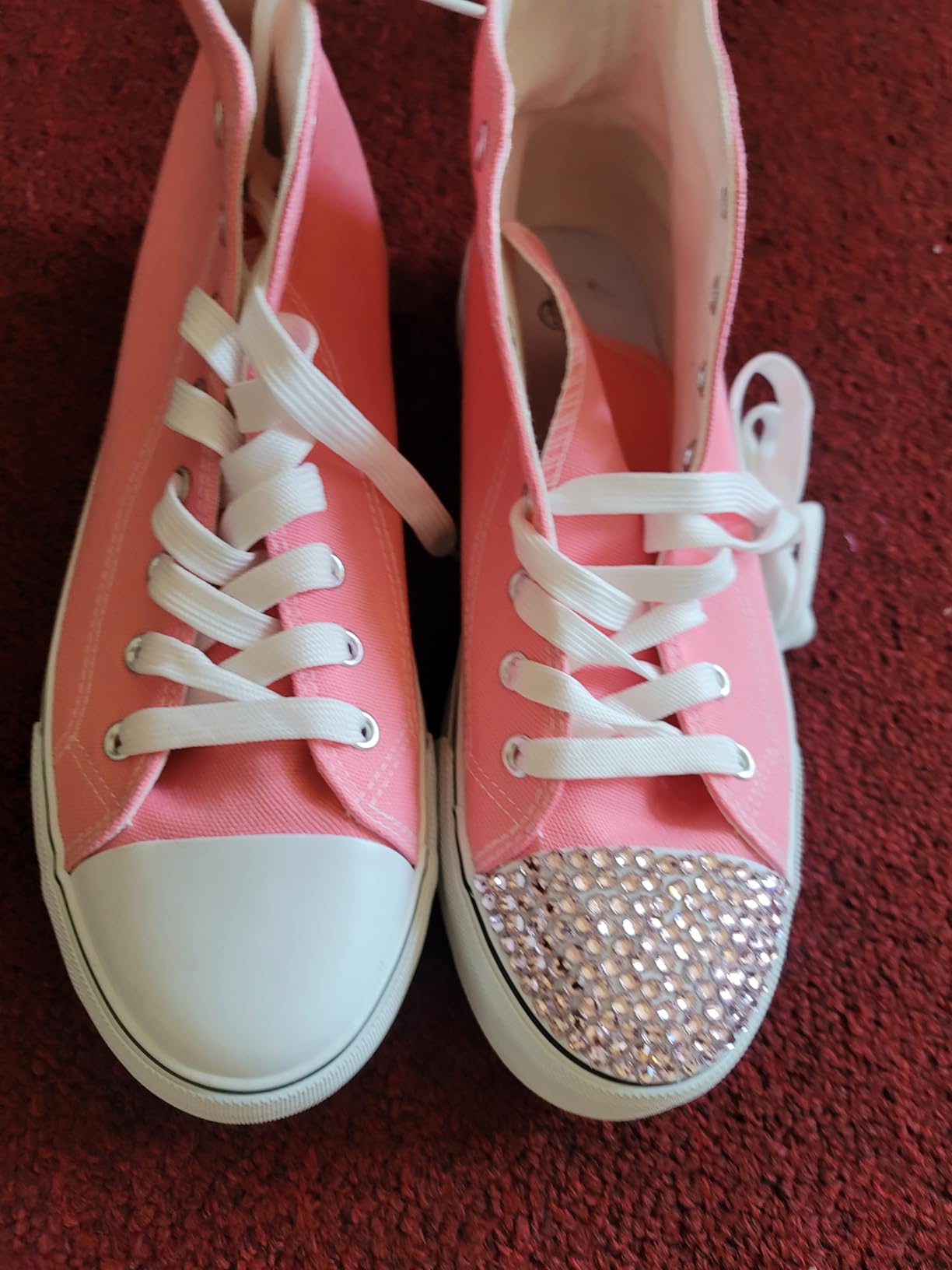
At $19, you’re paying roughly one-third of what Converse Chuck Taylors cost ($65–80 depending on colorway). What you get is somewhere around 90–95% of the aesthetic — from a normal conversational distance, most people won’t distinguish them from the name-brand version. I had multiple people assume I was wearing Converse during the test period.
Cost-Per-Wear Breakdown
- Light use (1–2x/week, casual outings): ~$0.07/wear over 12 months
- Moderate use (4–5x/week daily wear): ~$0.08–0.16/wear over 6–12 months
- Comparison — Converse Chuck Taylor ($70, 12 months moderate use): ~$0.29/wear
The math makes buying multiple pairs in different colors ($38-57 for 2-3 pairs) more economically efficient than one pair of Converse. Several buyers do exactly this, rotating colors while staying well under the cost of a single name-brand pair.
Best Use Cases for Maximum Value
- Seasonal rotation shoe — wear through spring and summer, replace in fall
- Event-specific buy — wedding, festival, trip where you want the look but don’t want to risk your expensive shoes
- Color experimentation — try a floral or bold colorway before committing to a pricier version
- Backup pair — keep in the car or at the office for unexpected situations
- Teen/college student shoes — budget-friendly for someone who’ll outgrow or wear out shoes quickly
How ZGR Compares to the Alternatives
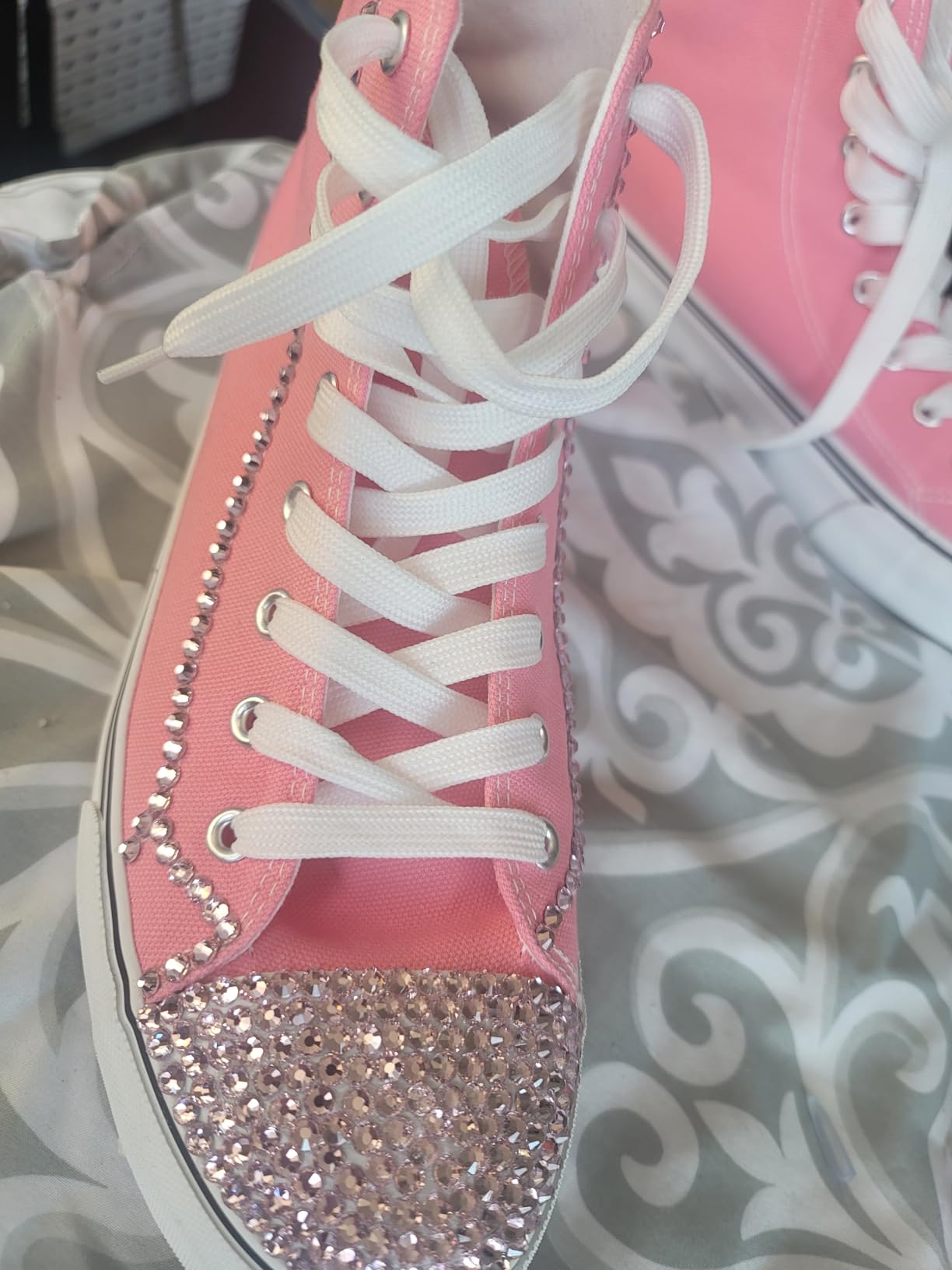
vs. Converse Chuck Taylor All Stars ($65–80): Visually nearly identical from a distance. Converse has slightly better canvas quality, more reliable hardware, and brand recognition. ZGR’s rubber sole is arguably thicker and denser. If budget is the constraint, ZGR delivers the aesthetic at a fraction of the cost. If you want Converse to last years of heavy daily wear, pay for Converse.
vs. Keds Women’s Champion Lace-Up ($40–60): Keds sits in the middle ground — more refined finish than ZGR, better QC consistency, still classic canvas styling. If you can extend your budget to $40–50 for daily wear, Keds offers meaningful quality improvements. For seasonal or occasional use, the $20-40 price gap may not justify the upgrade.
vs. Lucky Step Women’s Retro Fashion Sneakers: Similar budget range, comparable canvas construction. ZGR’s thicker sole remains a genuine differentiator in the sub-$30 canvas sneaker category.
vs. Skechers Summits: If all-day support and arch comfort matter more than the canvas high-top aesthetic, Skechers is the better choice. Different product category, different performance promise — not a direct comparison.
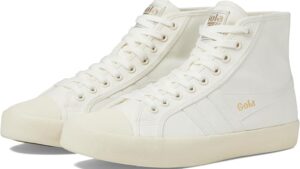
vs. Gola Coaster High: Gola offers a slightly more premium retro canvas experience with better European-style construction. Worth considering if you want to step up from budget canvas without jumping to full Converse pricing.
Other budget canvas options like Yageyan exist in the same price range — based on available reviews, ZGR’s sole quality is a consistent advantage over most direct competitors.
Quality Control: A Realistic Assessment
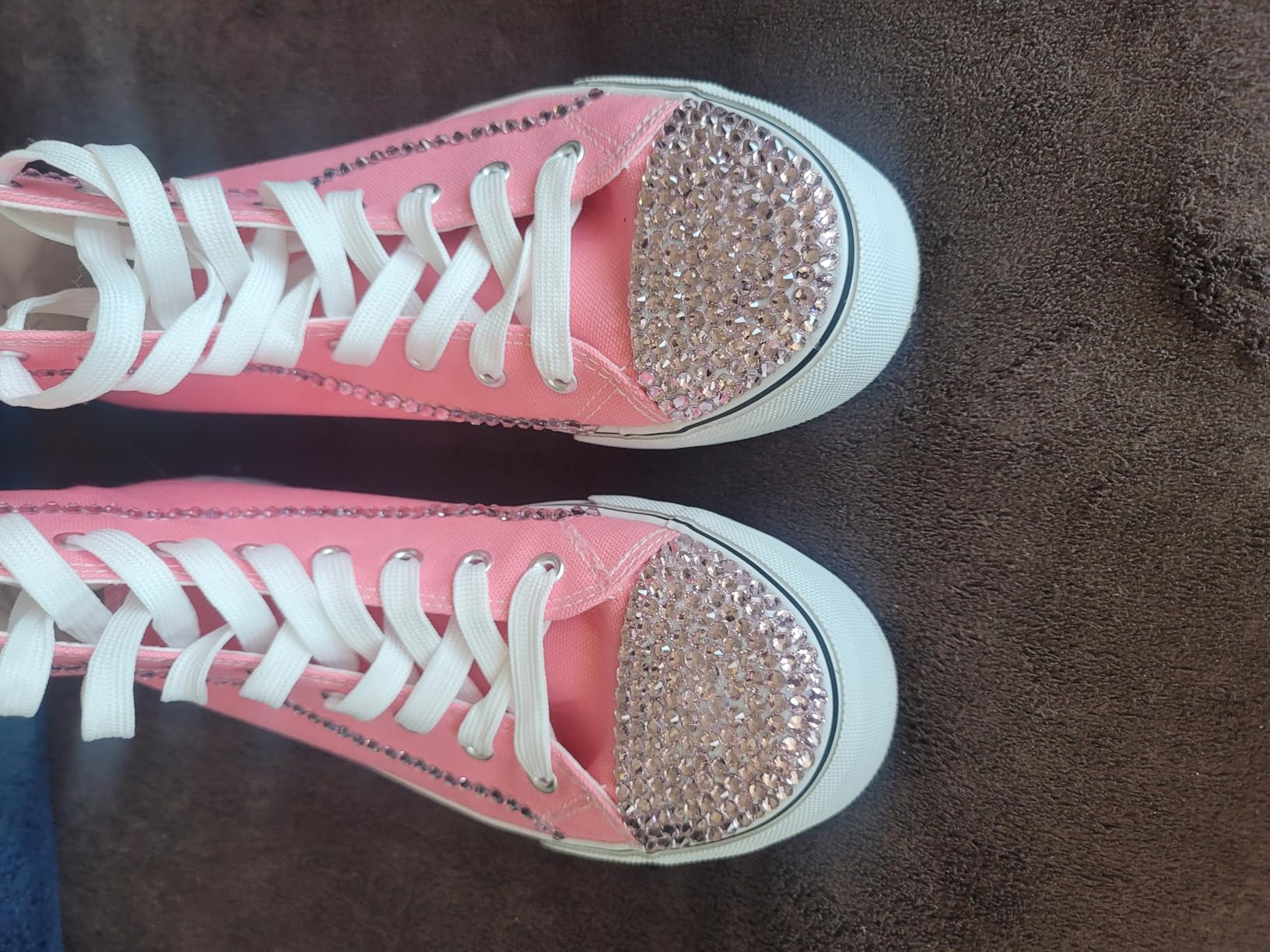
The QC story on ZGR follows a familiar pattern for budget manufacturing: most units are fine, some have cosmetic issues, a small percentage have functional problems.
Arrival inspection items to check:
- Glue line visibility at rubber-to-canvas seam (cosmetic, common)
- Scuffs or discoloration on the canvas or toe cap
- Eyelet integrity — gently test each one with the laces before heavy use
- Lace condition — check for fraying at tips
If any of these are present on arrival, Amazon’s return window covers it without issue. The recommendation is to order from Amazon specifically for that protection, and to open and inspect the shoes on the day they arrive rather than storing them for later.
Keeping Gripexx Sneaker Wipes handy for canvas cleaning maintenance is worth considering, especially for lighter colorways where dirt shows more prominently. White canvas in particular requires active spot cleaning to maintain its appearance. The Sneaker Balls Shoe Fresheners are also worth tossing in after longer wear sessions — canvas holds odors more than synthetic uppers, especially in hot weather.
Who Should (and Shouldn’t) Buy These
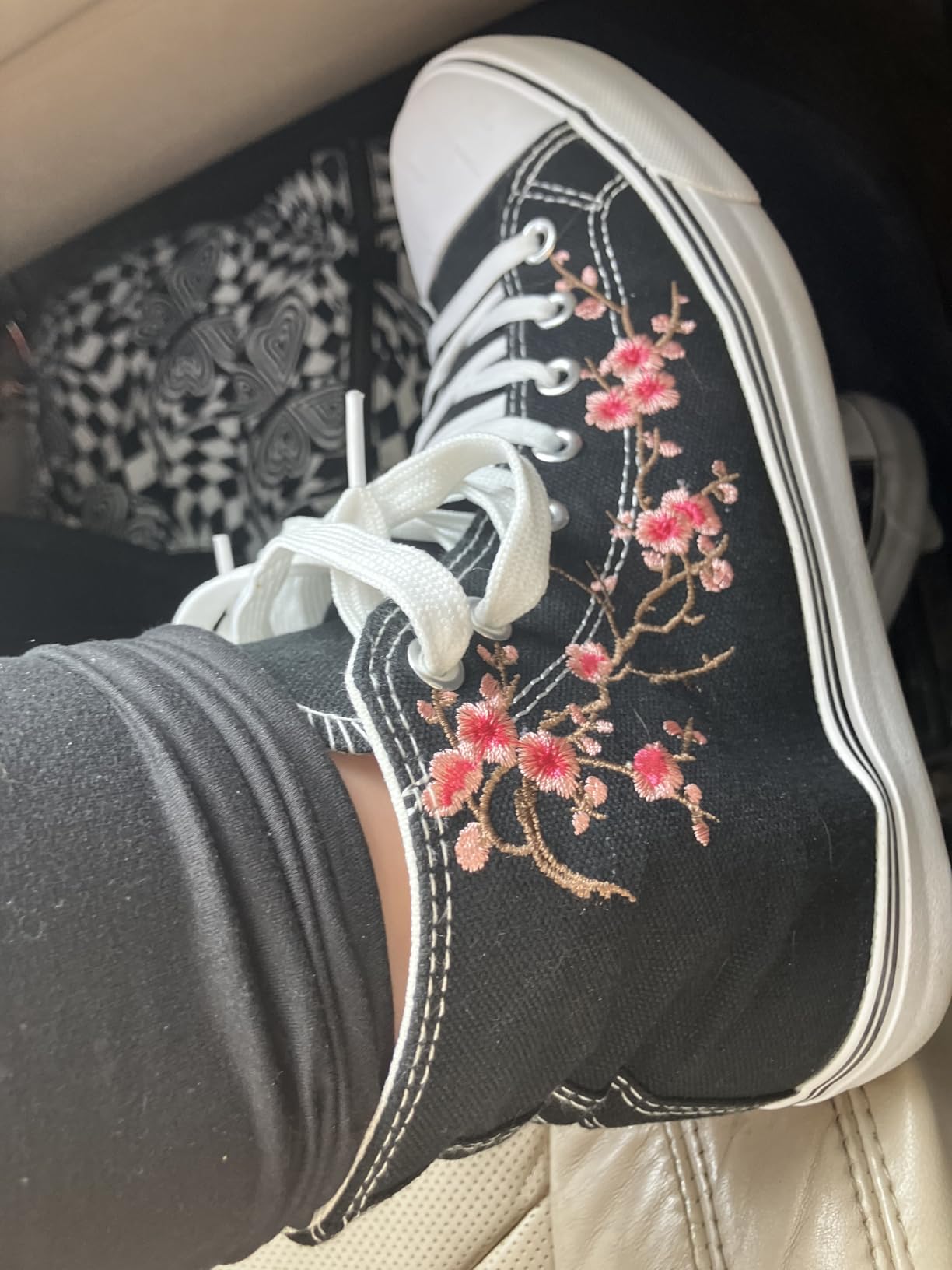
These are the right shoe if:
- You want the canvas high-top look without committing $65+ to test if you’ll actually wear it
- You need a presentable casual shoe for a specific event, trip, or season
- You’re buying for a teenager who’ll outgrow or trash shoes regardless of cost
- You want color variety and buying three pairs still costs less than one Converse
- You’re comfortable with modest comfort for 4–6 hour outings and don’t need all-day cushioning
Look elsewhere if:
- You need serious arch support (look at Skechers Go Walk Arch Fit or add orthotic insoles to any shoe)
- You’re planning daily heavy use for years — invest in Converse or Keds
- You need actual athletic performance (running, HIIT, court sports)
- You have extra-wide feet — no wide variant available
- You need slip-resistant certification for work environments
Overall Scoring
| Category | Score | Notes |
|---|---|---|
| Comfort | 7.5/10 | Good for 4–6 hours of casual wear. Insole migrates after 2–3 weeks; aftermarket replacement recommended. Tongue shifting adds annoyance during extended wear. |
| Style & Appearance | 9.0/10 | Classic design is nearly indistinguishable from premium canvas high-tops at casual distance. Works with virtually any casual outfit. |
| Value for Money | 9.5/10 | One-third the price of Converse with 90–95% of the visual result. Outstanding cost-per-wear for casual and seasonal use. |
| Durability | 6.5/10 | Canvas upper and rubber sole perform well. Hardware (eyelets, laces) are the weak points. 6–12 month lifespan for moderate casual use. |
| Versatility | 8.5/10 | Pairs with jeans, dresses, shorts, leggings. Wide color range. Casual-only — not for formal settings or serious athletic use. |
| Quality Control | 6.0/10 | QC lottery on hardware and cosmetic finish. Most pairs arrive fine; some have visible glue, scuffs, or early eyelet issues. Buy from Amazon for easy returns. |
| OVERALL SCORE | 7.8/10 | Excellent value for its intended purpose. Know the limitations going in, and this is a genuinely satisfying purchase at $19. |
Frequently Asked Questions
Are these really as close to Converse as they look in photos?
From a normal social distance, yes — most people won’t tell the difference unless they’re specifically looking. The silhouette, proportions, and colorway are a near-perfect match. Up close, the finish is less refined (stitching is looser, canvas weave is slightly coarser), but that matters a lot less in real life than it sounds in a review. I received compliments assuming I was wearing Converse on multiple occasions during testing.
What size should I order?
Your normal size. The vast majority of buyers confirm true-to-size fit. The canvas is pliable and doesn’t require sizing up for comfort. If you’re between sizes, standard sizing should work. No half-sizes are available in all colorways, so check the size chart for your specific variant.
How long will they last?
Honest answer:
- Light casual use (1–2x per week): 12–18 months
- Regular daily wear (4–5x per week): 6–12 months
- Heavy daily use or frequent gym: 3–6 months
The limiting factors are hardware (eyelets, laces) and insole degradation, not the canvas upper or sole, which tend to outlast both.
Can I use these for working out?
Light gym activities like weightlifting, casual gym sessions, or walking the treadmill: yes, they’ll work. Running, HIIT, or any high-impact athletic activity: no. The cushioning and sole construction aren’t designed for repetitive impact loading. Under heavy athletic use, the sole can split at the flex point over extended periods.
What about the tongue sliding around?
It’s a real issue during extended wear — the tongue has no stitched loop to anchor it, so it drifts sideways after several hours. The practical fix is snug lacing technique; some wearers use a small piece of double-sided fashion tape to anchor the tongue to the upper. Works well enough that it stops being a problem.
Should I replace the insole right away?
Not necessarily on day one, but plan for it around week two to three. The stock insole is adequate initially but starts migrating within a few weeks of regular wear. Having a replacement ready — SOLE Performance Medium Insoles are a solid option — means you can swap before the problem becomes annoying rather than reacting to it.
What about machine washing?
Spot cleaning is the safer route for longevity — a damp cloth for the canvas, a brush for the rubber sole. Some buyers have success with gentle machine washing (cold water, laundry bag, air dry). The risk is accelerating adhesion failure between the canvas and rubber components. If the shoes are already older and you’re considering a machine wash anyway, the risk is lower.
Are there other ZGR canvas styles worth considering?
ZGR makes several canvas variants — low-top versions, embroidery styles, and platform designs. The rubber sole quality appears consistent across their line. If you want the ZGR construction in a different silhouette, the low-top or floral embroidery variants are worth looking at. The sneaker category on footgearusa.com has additional canvas options if you want to compare similar alternatives.
Are these worth buying in multiple colors?
The math is compelling. Two pairs in different colorways costs $38 — still less than one pair of Converse at retail. For someone who wears casual canvas sneakers regularly, color rotation also extends the life of each pair by reducing per-shoe wear frequency. Worth considering if you like the look and want variety without the premium price.
Final Verdict
The ZGR Women’s High Top Canvas Sneakers do exactly what a $19 shoe should do: look better than they should, work well enough for their intended use, and leave you feeling like you made a smart call rather than a compromise.
The caveats are real — the insole needs replacing, the tongue will drift, the hardware is a lottery, and “daily heavy use for years” isn’t what these are built for. But none of that changes the core value proposition: you’re getting 90–95% of the Converse aesthetic for about a quarter of the cost. For casual daily wear, seasonal rotation, event shoes, or color experimentation, that’s a genuinely compelling trade.
Be the first to review “ZGR Womens High Top Canvas Sneakers”
Related products
Running Shoes

Sneaker

Sneaker
Sneaker
Sneaker
Reviews
There are no reviews yet.