
WHITIN Men’s Amphibious Water Shoes
$36.99
- ⚖️ Weight: 8.2 oz (men’s size 9)
- 📏 Heel-to-toe drop: 0mm (zero drop)
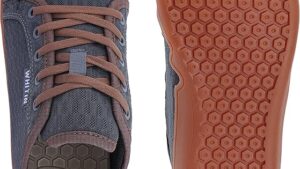
- 🧪 Midsole material: Skin-EVA with raised texture pattern, removable insole
- 👟 Upper material: Hydrophobic mesh with synthetic overlays
- 🏊♂️ Category: Amphibious water shoe / barefoot-style
- 🎯 Best for: Water activities, casual wear, travel
Two pairs of Keens, two river trips that ended with delaminating soles — that’s what pushed me to start looking harder at the water shoe category. Mike here, and the thing that kept frustrating me wasn’t waterproofing or grip. It was that every functional water shoe looked exactly like a water shoe: clunky, rubbery, and aggressively outdoorsy in a way that made me feel ridiculous walking into a restaurant post-creek. When WHITIN’s Amphibious Water Shoes showed up on my radar at $35, claiming both serious water performance and casual sneaker styling, I was skeptical enough to run them through six weeks of real-world testing across creek crossings, a beach day, and more urban walking than I expected. Here’s what 24 sessions actually revealed.
First Impressions: Does It Actually Look Normal?
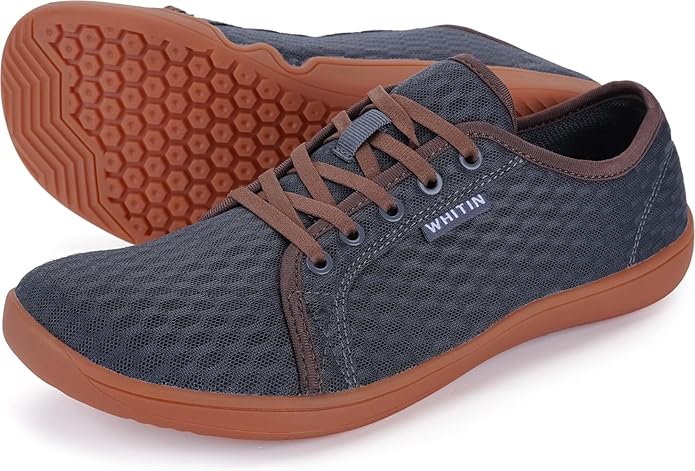
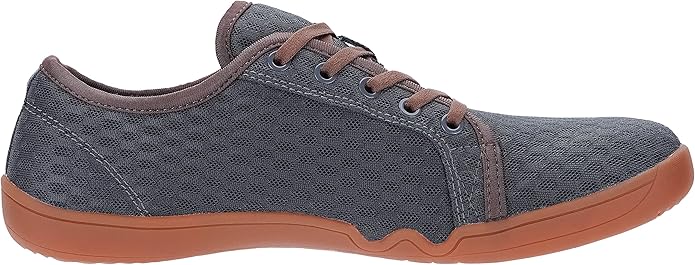
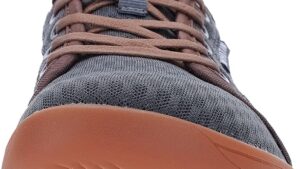
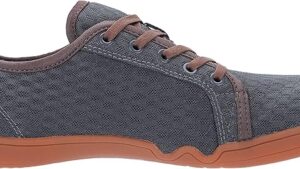
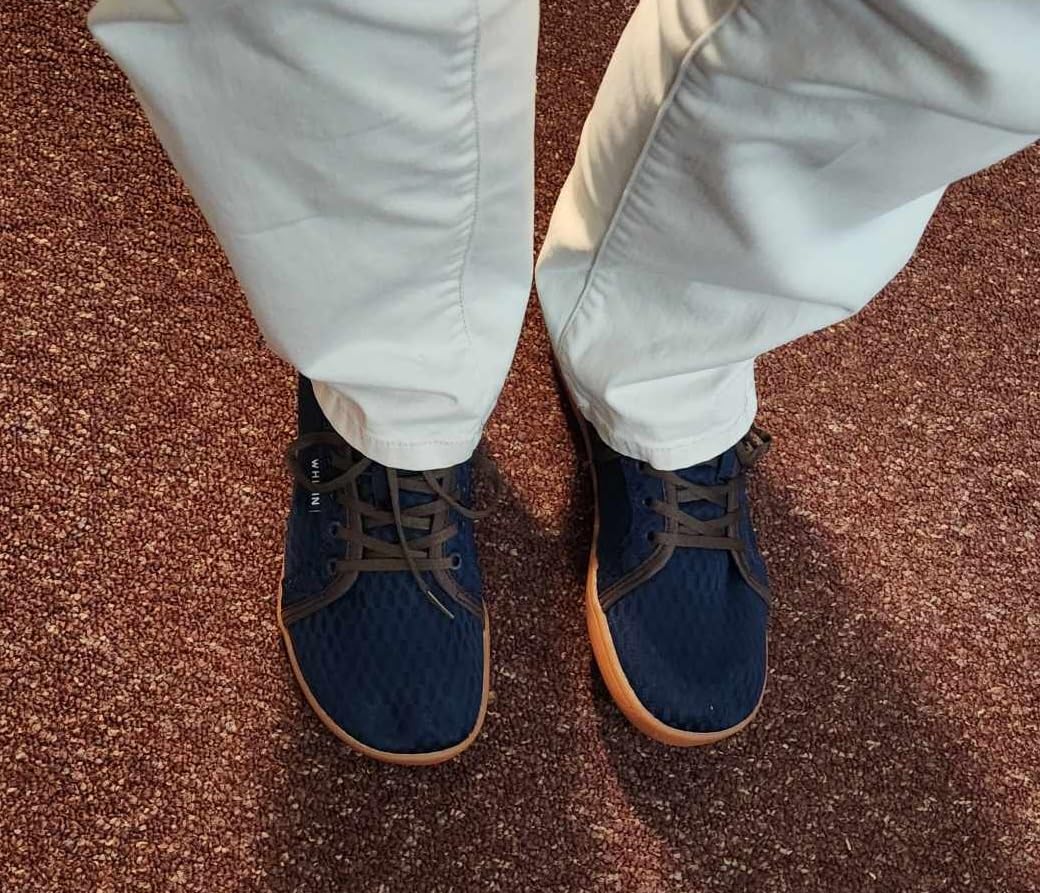
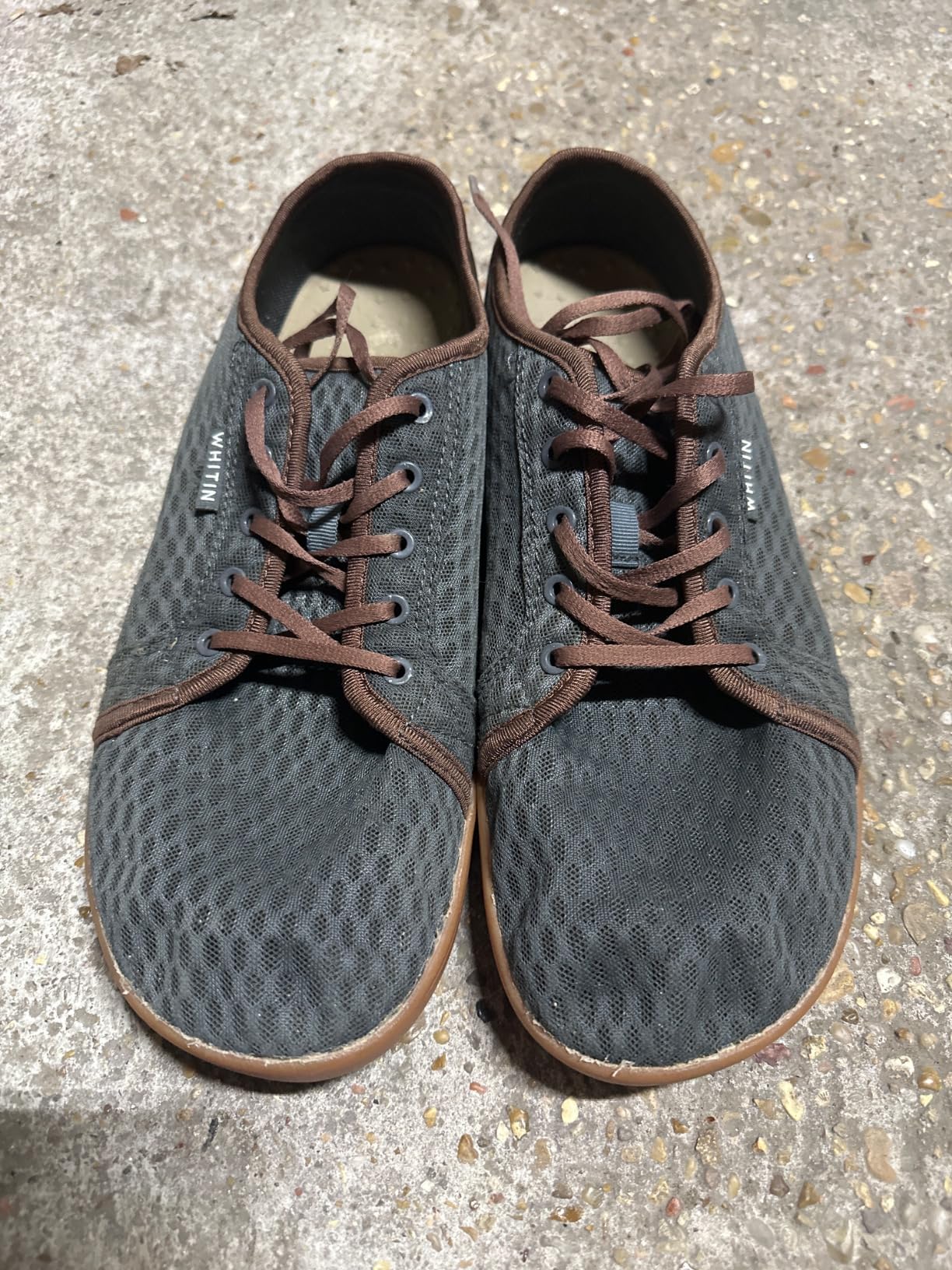
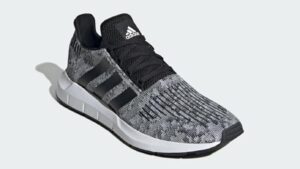
Pull these out of the box and the first thing you’ll notice is that they don’t look like water shoes. They look like casual sneakers — clean, minimalist, with a grey gum colorway that works across outfits without announcing itself. I wore them into a restaurant after a creek session on my second week of testing, and the person I was meeting complimented them before I said a word about what they actually were.
The hydrophobic mesh upper was the first marketing claim I decided to test properly. “Hydrophobic finish” gets thrown around casually in product descriptions, so I went into this expecting the usual disappointment. After dunking these in a creek, I watched water bead and roll off the surface rather than absorbing immediately into the material. That’s real. The mesh still allows water to pass through eventually — it’s a shoe, not a dry bag — but the coating makes a genuine difference in initial resistance and how quickly the surface sheds water when you step out.
Construction Details That Matter
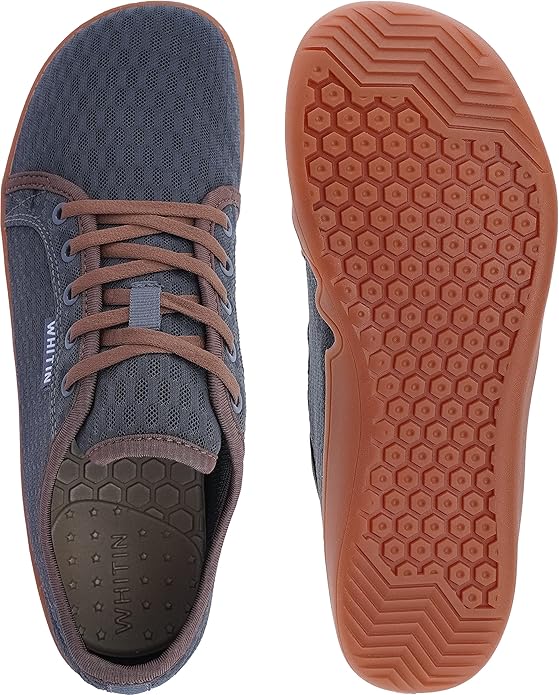
The W-shaped drainage grooves running along the shoe’s sidewalls became one of my favorite features after I actually watched them do their job. Step out of water and you can see it streaming through those channels — the grooves sit low enough on the shoe that gravity handles the physics without any intervention from you. What they won’t do is filter: pebbles and sand take the same path inward that water takes outward, which becomes significant in beach conditions (more on that shortly).
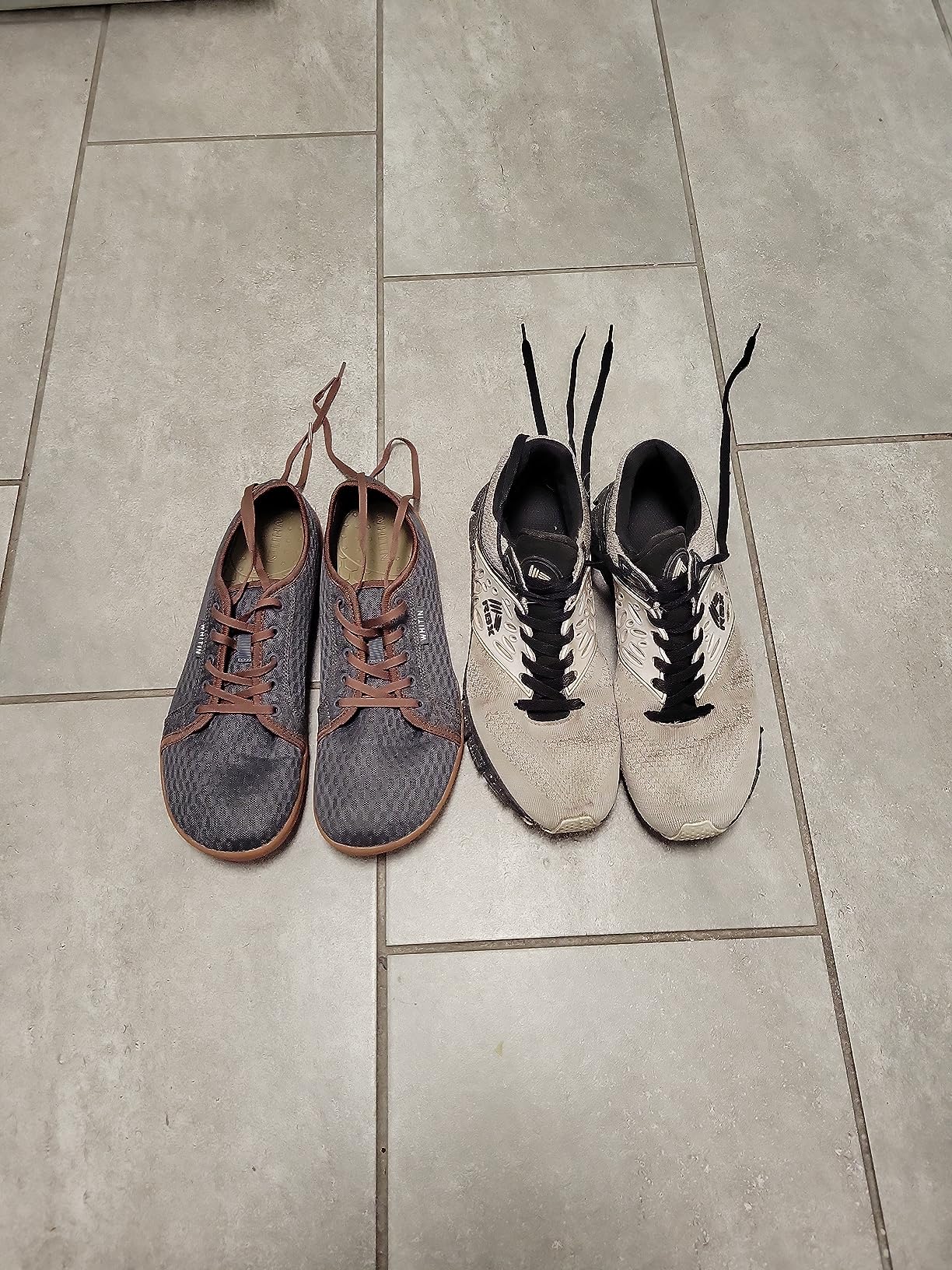
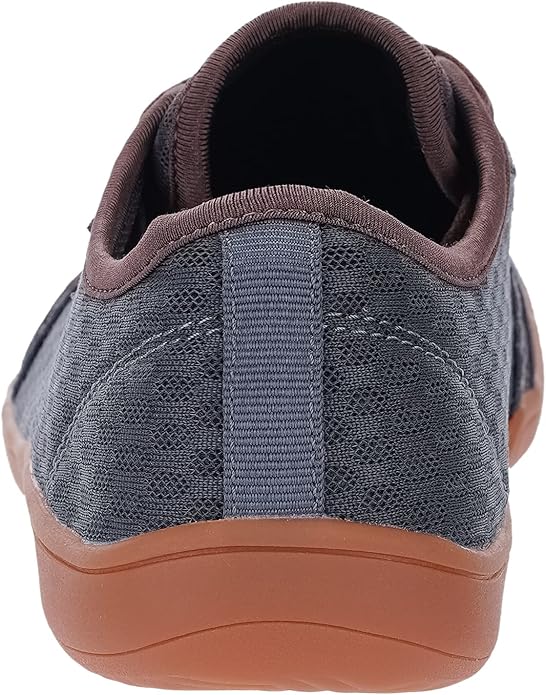
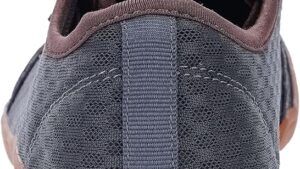
The heel counter is more structured than you’d expect from a shoe at this price point. At 180 lbs, I noticed this during lateral movements on uneven creek banks — there’s enough rigidity here to prevent the sloppy, rolling sensation you get with fully minimalist designs under load. Standard lace-up closure gives you a customizable fit, though it becomes a minor annoyance when you’re transitioning in and out of water multiple times in a day.
Barefoot Feel Without Barefoot Commitment
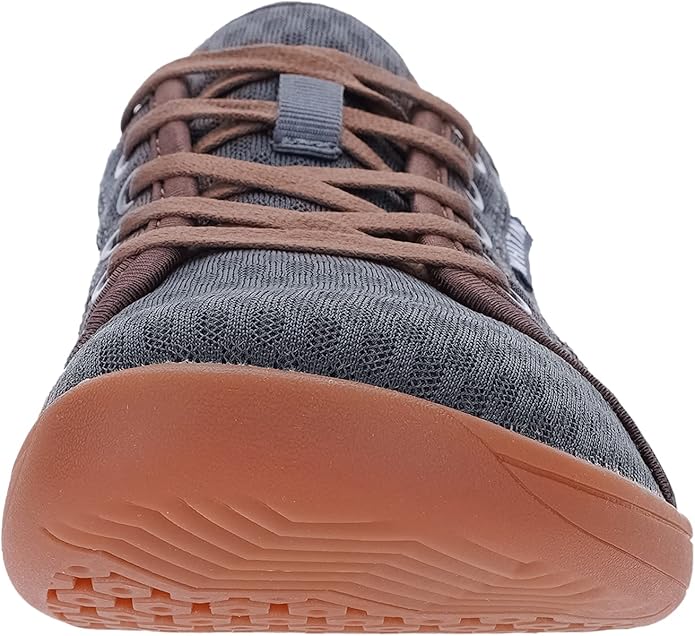
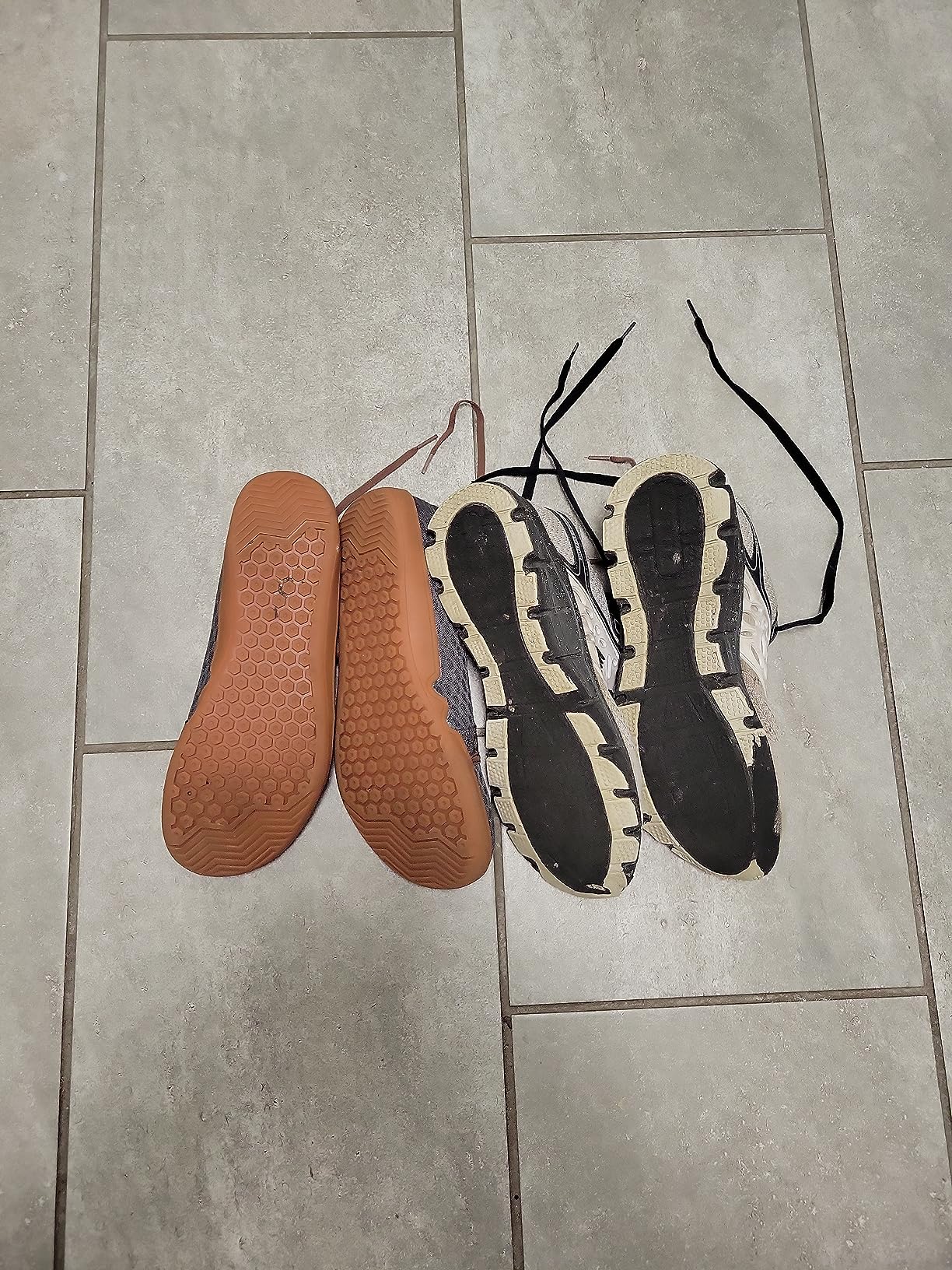
These occupy an interesting middle ground if you’re curious about barefoot-style footwear but not ready to commit to a true zero-cushion design. The Skin-EVA midsole provides real cushioning that you won’t find in dedicated barefoot shoes — it buffers rocky surfaces while still letting you feel the terrain beneath you. The zero-drop platform is the genuine barefoot benefit here, keeping your heel and forefoot level and encouraging natural foot mechanics.
Wide toe box is another legitimate claim: my toes could spread without any crowding or compression, even during multi-hour sessions. For anyone who usually struggles with the narrow toe boxes common in conventional water shoes, this is worth taking seriously.
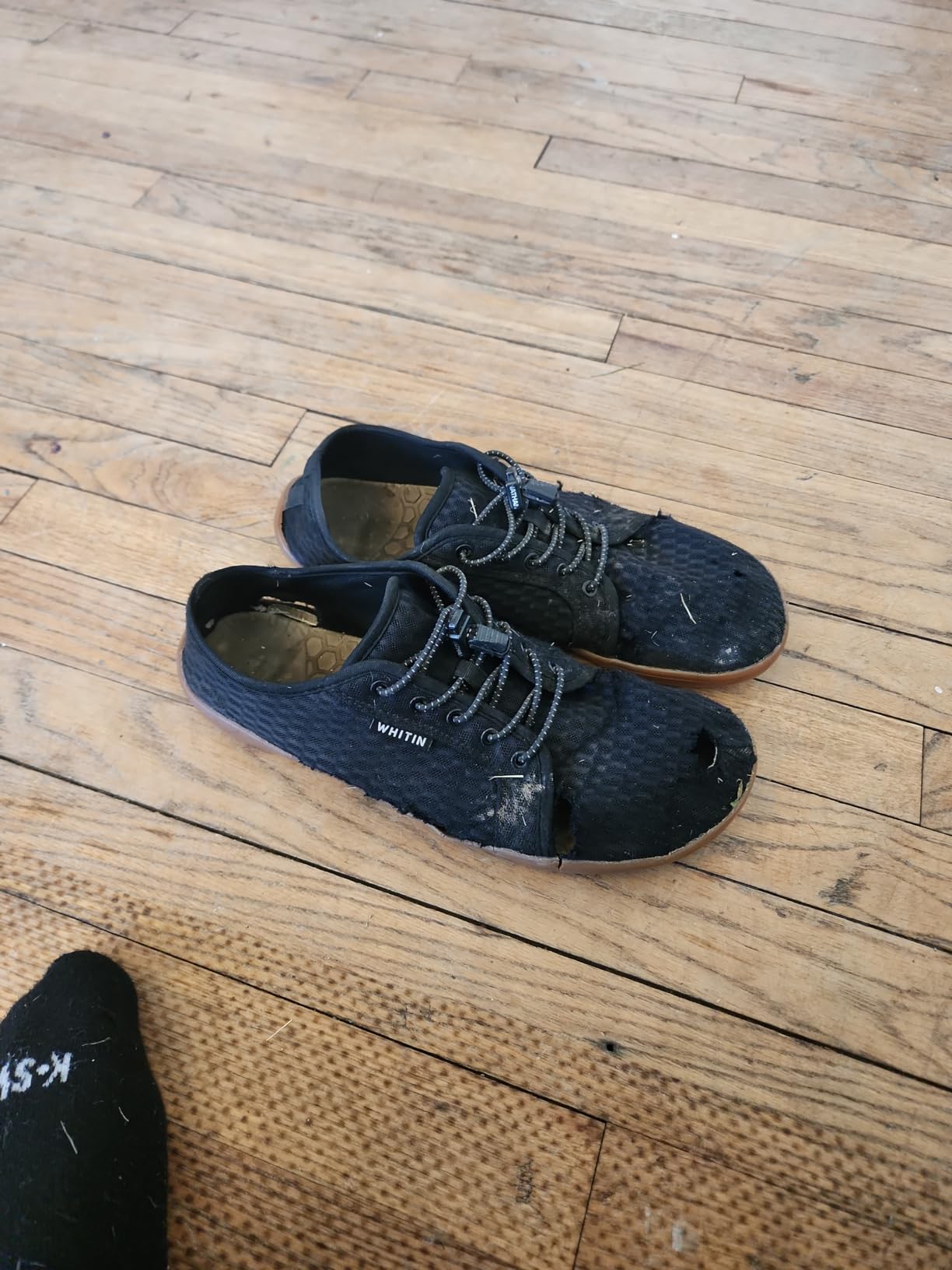
Six Weeks of Real-World Testing
Creek and River Performance
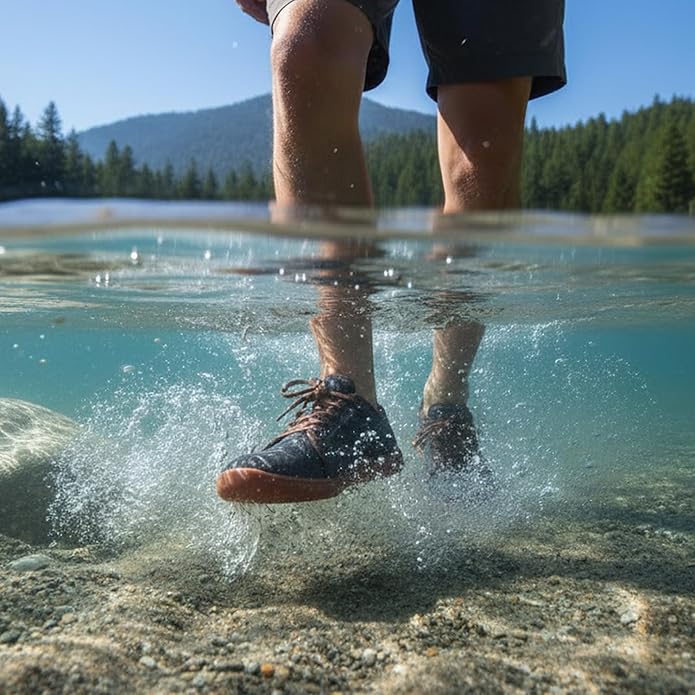
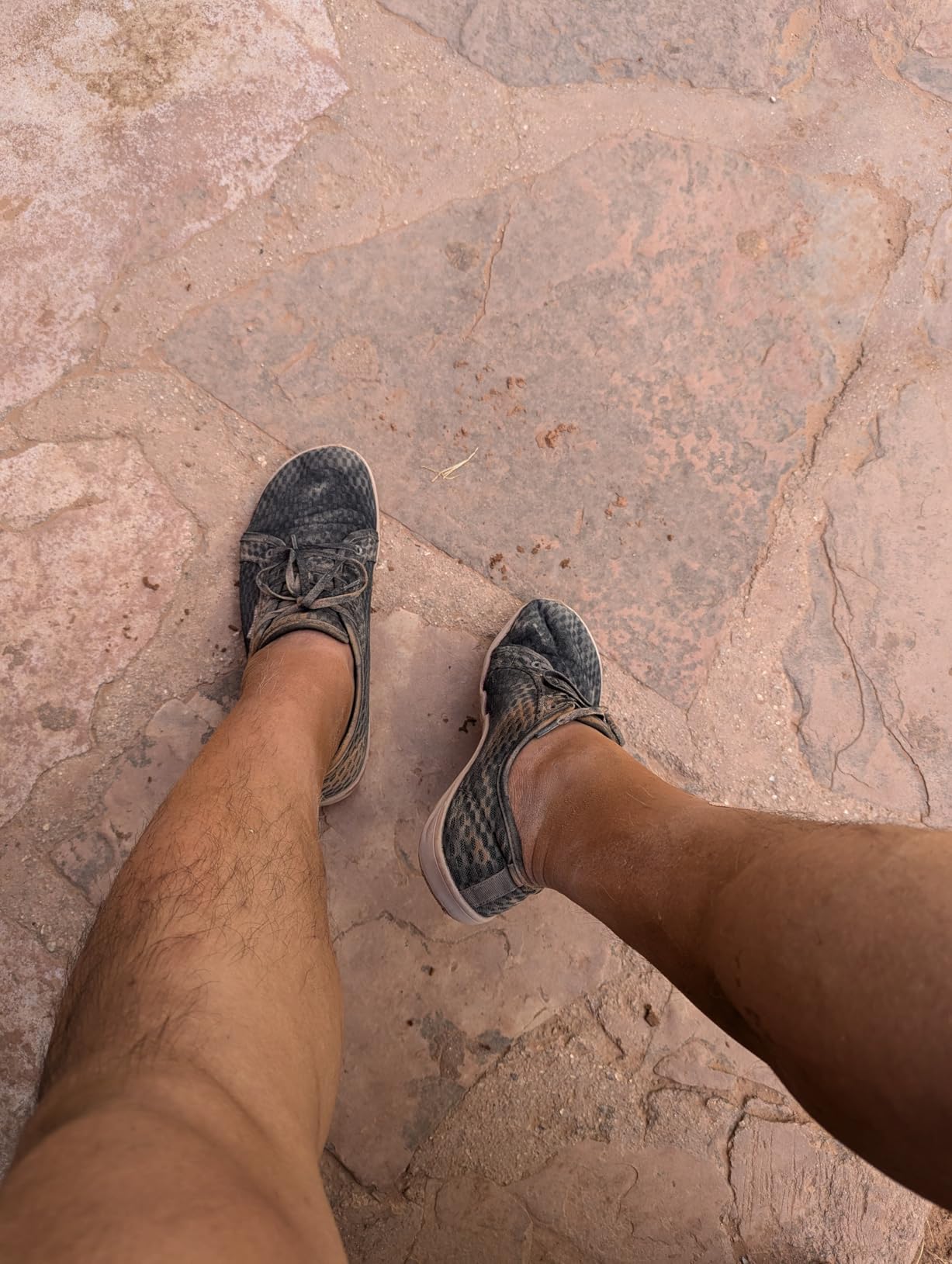
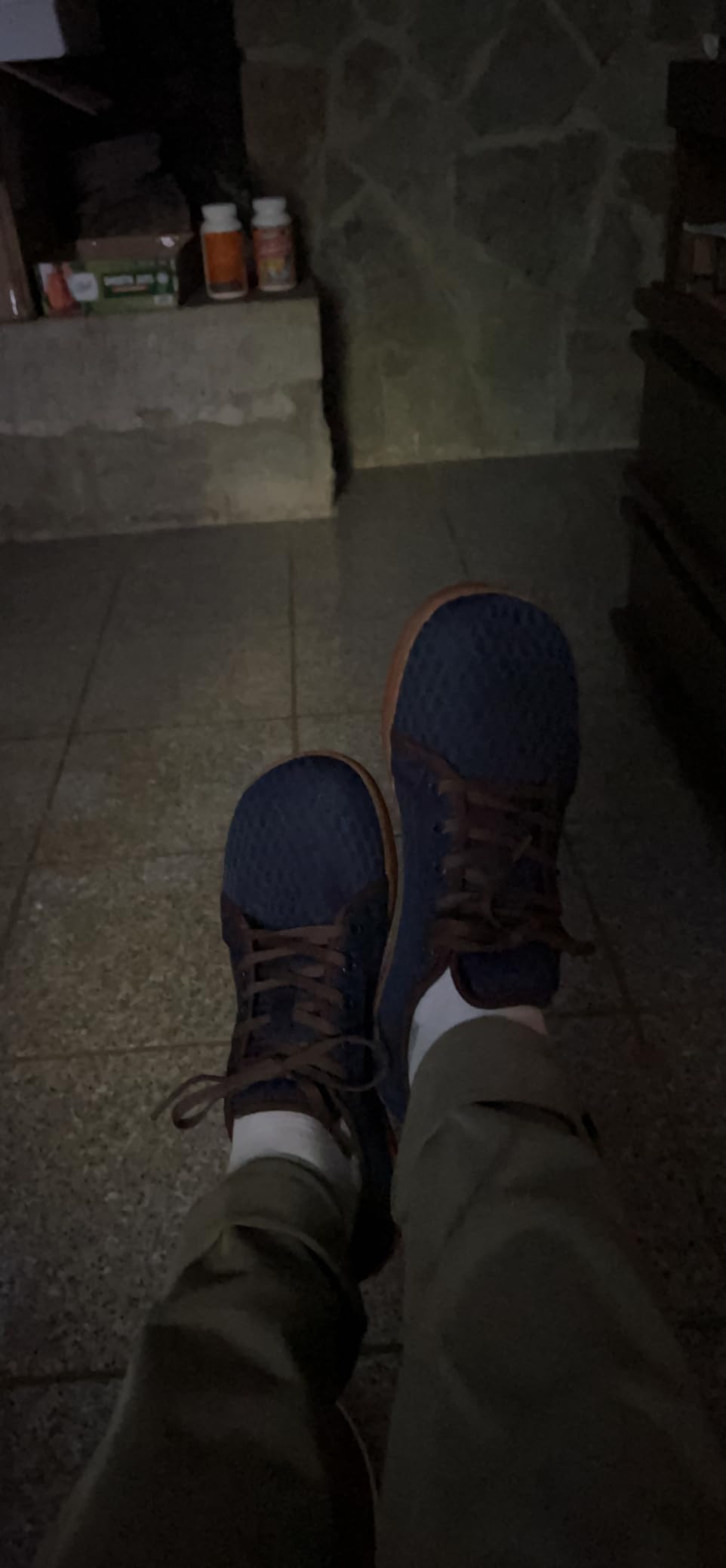
My local creek has a mix of smooth rocks and a pebbled bottom — not a controlled lab environment, but a representative test of what most recreational users actually encounter. The rubber outsole provided enough friction for careful movement across submerged rocks without the white-knuckle anxiety I’d had with cheaper alternatives. Grip on standard wet rock: reliable. On algae-covered surfaces, that confidence dropped noticeably; I had to slow down and step more deliberately to compensate for the reduced traction.
A weekend camping trip was the extended test, wearing these exclusively for three days of creek crossings and riverside travel. They handled submerged surfaces well and the drainage system worked consistently. The shoes became wearable again faster than I expected after crossings — though I’ll address the actual dry-time numbers in the claims section, because they’re more nuanced than the marketing suggests.
Beach: The Honest Limitation
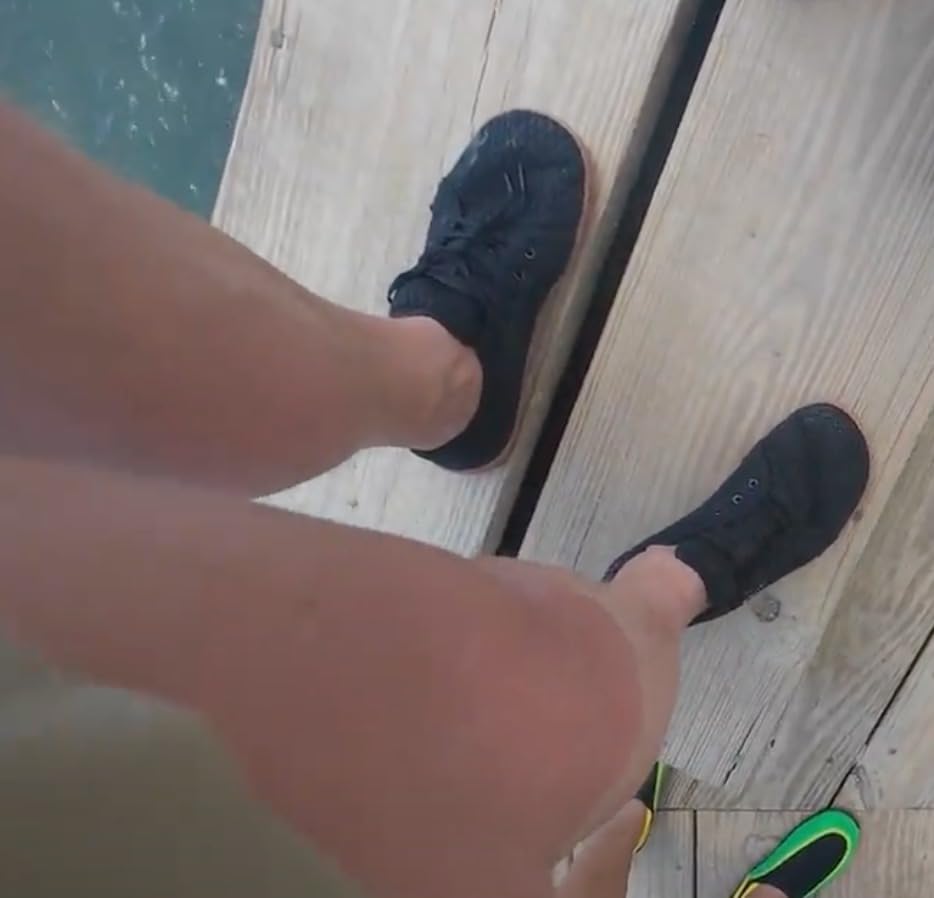
This is where the design trade-offs become tangible. The same breathable mesh that performs so well in creek and city conditions turns into a sand trap at the beach. One full day of coastal exposure meant stopping four or five times to remove the shoes and clear accumulated sand — and even after thorough rinsing, I kept finding particles working their way out for days. The lace-up closure that I appreciated for fit precision makes this cleanup process more cumbersome than it would be with slip-on alternatives like Watelves Water Shoes or SOBASO Water Shoes, which are built with beach sand specifically in mind.
The hydrophobic treatment does help initially — sand doesn’t immediately stick to the surface — but once it finds the mesh openings, it’s in for the duration. If beach days are your primary use case, these aren’t the right tool.
Urban Walking: Where These Actually Shine
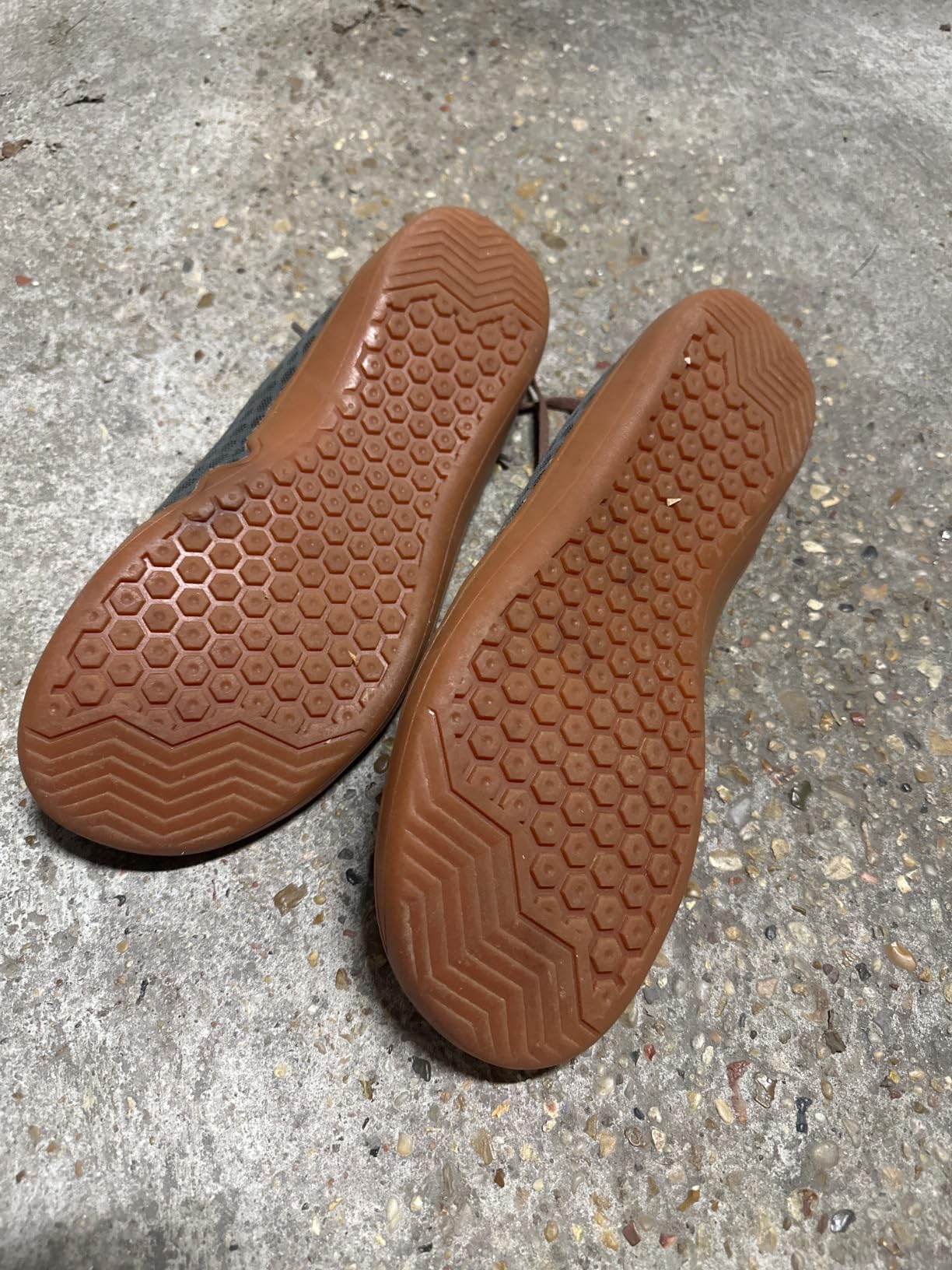
Full days of city walking — coffee to dinner, roughly 8–10 hours — revealed the strongest use case for these shoes. Comfort held throughout without the cramping or fatigue I associate with narrow water shoe designs. The breathability is genuinely excellent in warm weather; these never got stifling the way enclosed athletic shoes do in summer heat. And the styling meant I never felt out of place regardless of where I ended up.
The zero-drop design required about a week of adjustment coming from traditional sneakers. Coming from a conventional heel-raised shoe, your calf muscles and Achilles tendon feel this shift during the first several sessions. Once adapted — and the adaptation curve is gentler than with true barefoot shoes — the natural foot positioning is actually more comfortable for extended pavement walking than most conventional designs. The wide toe box eliminates the accumulated cramping that usually sets in around hour five with narrower shoes.
Does WHITIN Deliver on Their Claims?
Quick-Drying Capability
Claim: “Quick-drying for any flatwater adventure”
Reality: The exterior surface dries in roughly 30 minutes in warm conditions — that part of the claim holds. The problem is the Skin-EVA insole, which retains moisture for 2–3 hours after full immersion. If you’re making water-to-dry transitions and want to walk into a store without squishy footsteps, pull the insoles and let them air separately. With that workaround, the system dries much faster. Without it, “quick-drying” overstates the reality.
Casual Style
Claim: “Won’t look out of place strolling down city streets”
Reality: Accurate. I received compliments. Nobody identified these as water shoes. Whether that matters to you depends on your use case, but for travelers or anyone who wants one shoe for mixed environments, this claim is legitimate.
Barefoot Shoe Benefits
Claim: Wide toe box and zero-drop platform
Reality: Both delivered as described. What you’re giving up versus true barefoot designs is ground feel — the EVA cushioning layer buffers more than something like Oranginer Men’s Barefoot Shoes would. For most users this is a feature, not a bug. Purists who want maximal ground sensation will find this too padded.
My Overall Assessment
After six weeks, the WHITIN Amphibious Water Shoes have settled into a specific niche: casual water protection with genuine urban credibility. They’re not the best water shoe I’ve tested, and they’re not the best casual shoe either. They’re a competent, honest compromise between those two worlds, which is precisely what “amphibious” should mean.
Detailed Performance Scores
What the Broader User Base Is Reporting
Beyond my own six weeks: whitewater guides and paddlers tend to rate these highly for their protection-to-ground-feel balance at the price point. Beach users are more critical, consistent with the sand accumulation issue I documented. A segment of users has adopted these as daily casual wear, drawn by the wide toe box and barefoot-adjacent design — that group reports the strongest satisfaction. Durability variance is real: community reports range from 2–3 months of heavy daily use to 6+ months for casual rotation, with the outsole rubber wearing down as the typical failure point. WHITIN’s other footwear lines, including their Men’s Minimalist Trail Running Shoes, show a similar brand pattern.
The $35–$45 Value Calculation
Dedicated water shoes from established brands run $50–$80. Quality barefoot or minimalist shoes often exceed $100. At their price point, the WHITIN Amphibious shoes deliver functional performance in both categories — not maximal in either, but genuinely useful in both. For recreational users who don’t need specialized gear in any single category, this math makes sense. The caveat is durability: casual users will get a year or more out of these; daily heavy use may cut that to three or four months.
Final Verdict
What Works
- Style holds up as a real casual shoe — not a water shoe compromise
- Wide toe box is genuine, not marketing language
- Drainage system works visibly and quickly
- Zero-drop platform rewards the adjustment period
- Comfortable for extended land wear after adaptation
- Lightweight enough to pack without thinking twice
- Value at $35–$45 is hard to beat for this use case
What Doesn’t
- Sand accumulation at beach is persistent and annoying
- Insole drying takes 2–3 hours — “quick-dry” claim needs an asterisk
- Algae grip drops noticeably; extra caution required
- Lace-up closure becomes friction during frequent water transitions
- Durability varies — outsole is the limiting factor
- Limited arch support for users accustomed to significant cushioning
Who Should Buy These
Good fit for:
- Travelers who want one shoe across multiple environments
- Men with wider feet who find most water shoes cramped
- Budget-conscious buyers who want casual + water capability without two separate pairs
- Anyone curious about barefoot-style shoes who isn’t ready to spend $100+
- Urban residents who encounter water activities occasionally rather than regularly
Skip these if you need:
- A dedicated beach shoe — the sand issue is real
- Maximum durability for daily heavy use
- Technical grip for whitewater or aggressive terrain
- Slip-on convenience when transitioning frequently
Better Options for Specific Needs
If the WHITIN’s limitations are dealbreakers for your specific use case, these are worth considering:
For serious water sports and technical terrain: Merrell Wildwood Aerosport offers more aggressive outsole grip and dedicated water construction at roughly double the price — and significantly less casual-compatible.
For beach and sand environments: WateLves Barefoot Water Shoes in slip-on format handles repeated sand removal more gracefully. SOBASO Quick Dry Water Shoes are another budget option designed with beach sand in mind.
For similar amphibious category at this price point: HUMTTO Men’s Amphibious Water Shoes and Racqua Water Shoes are worth comparing before you commit. MAYZERO Water Shoes is another budget option if you prioritize quick-dry over structure.
For pure barefoot ground feel: The EVA cushioning here is a meaningful buffer. If you want maximal ground sensation without it, dedicated barefoot water shoes like L-RUN Barefoot Water Shoes or the ATHMILE Barefoot Water Shoes strip that cushion out entirely.
Frequently Asked Questions
Do these shoes run true to size?
Generally yes. I wear a 9 in most sneakers and the 9 fit correctly — the wide toe box means you don’t usually need to size up the way you would with narrow water shoes. One third-party reviewer noted the W75 runs slightly small, which aligns with WHITIN’s brand-wide pattern. If you’re between sizes or have a wider midfoot, going half a size up is a reasonable call. Standard-width feet can safely order their usual size.
How long do they actually take to dry?
Two separate answers: the exterior mesh dries in approximately 30–45 minutes in warm conditions, which is genuinely fast. The Skin-EVA insole is the problem — it holds moisture for 2–3 hours after full immersion. Remove the insoles and let them air separately, and the system becomes wearable-dry much faster. Leave them in, and “quick-drying” isn’t an accurate description of the experience.
Can you wear them without socks?
Yes, and they’re designed for it. The mesh breathes well enough that sockless wear stays comfortable in heat. The textured insole grips enough to prevent sliding. You’ll notice the texture pattern for the first session or two; after that it fades into the background.
Are they suitable for hiking?
Light hiking on established trails, yes. The wide toe box and zero-drop platform are comfortable for distance walking, and the outsole handles basic trail surfaces well. What’s missing is ankle support and aggressive lug tread for technical terrain. Think established footpaths and nature walks — not scrambles or off-trail terrain.
How do they compare to dedicated barefoot shoes?
You’re getting the structural benefits — wide toe box, zero-drop, sockless design — at a fraction of the cost. What you’re giving up is ground feel: the Skin-EVA midsole provides significantly more cushioning than pure barefoot designs. For someone testing whether barefoot-style footwear works for their feet, this is an inexpensive entry point. For someone who’s already committed and wants maximal ground sensation, the cushioning layer will feel like a compromise.
Do they stay on while swimming?
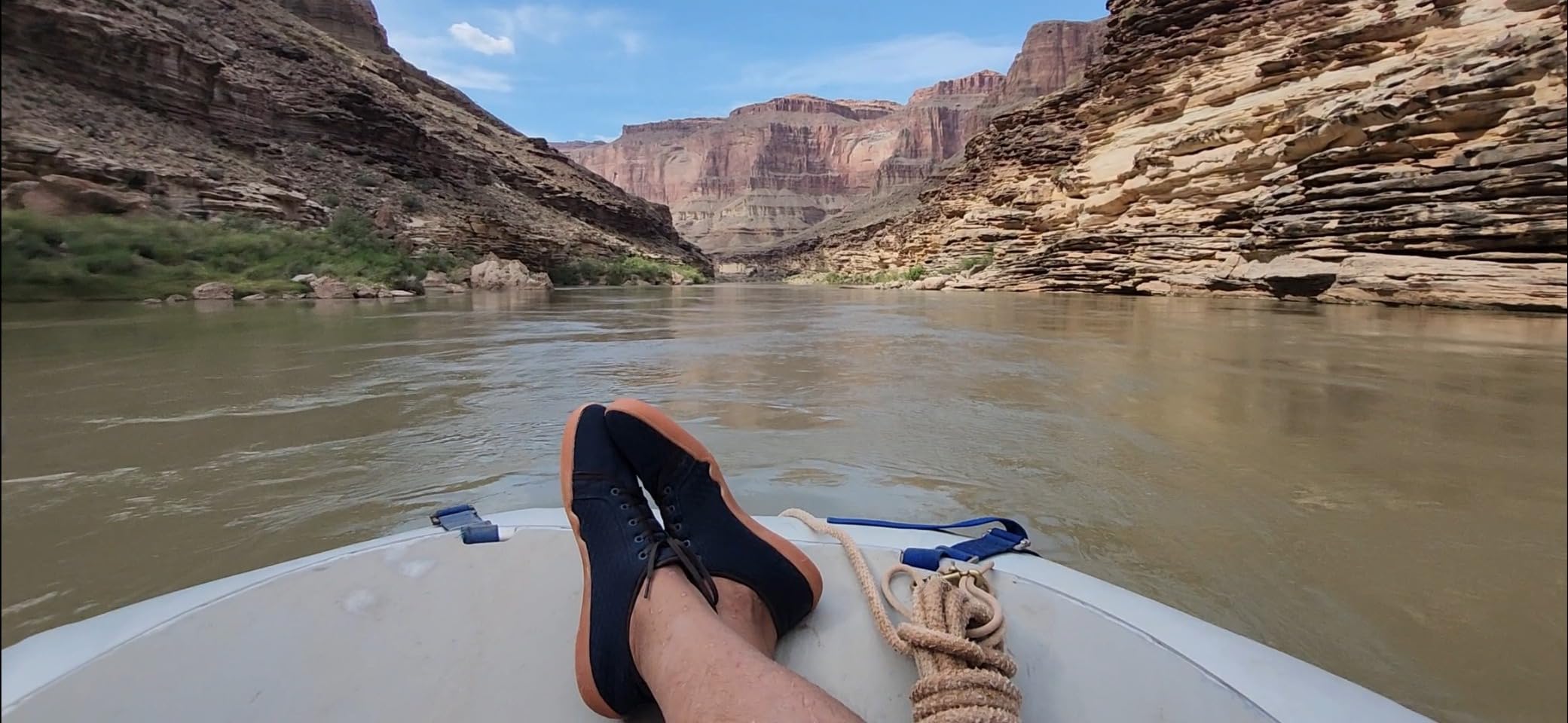
The lace-up closure keeps them on your feet in water, and they protect pool decks, rocky lake entries, and similar surfaces. They’re not designed for swimming performance — the extra material creates drag compared to going barefoot. For poolside and casual water entry, they’re fine. For actual lap swimming, take them off.
How do you clean them properly?
Fresh water rinse after every use is the single best maintenance habit, especially after beach or creek exposure — it extends the lifespan meaningfully. The insoles are removable for separate cleaning. Hand washing beats machine washing because the adhesives that hold the construction together can break down with repeated machine cycles. Simple routine, but worth doing consistently.
Are they good for people with flat feet?
The zero-drop platform and minimal arch support can actually benefit some flat-foot users by allowing more natural foot mechanics than heavily cushioned, elevated designs. If you rely on significant structured arch support, the transition should be gradual — these won’t provide what a supportive orthotic insert does. If you’re already comfortable with neutral or minimal support, these work well. Either way, consult a healthcare provider if you have a diagnosed foot condition before making significant changes to your footwear.
Review Scoring Summary
The WHITIN Men’s Amphibious Water Shoes earn their 7.8 on the strength of what they do right: genuine style credibility, a wide toe box that accommodates natural foot mechanics, and functional water performance at a price point well below what dedicated alternatives cost. The build quality score and the beach limitations are honest downgrades — durability varies, sand accumulation is a real problem, and the quick-dry claim needs qualification. Go in knowing those trade-offs, and you’ll likely get exactly what you paid for.
Be the first to review “WHITIN Men’s Amphibious Water Shoes”
Related products
Running Shoes
Hiking/Trekking Shoes
Hike Footwear HF Signature Healthy & Non-Slip Breathable Barefoot Shoes
Tennis/Squash Shoes
Basketball Shoes
Running Shoes
Tennis/Squash Shoes
Hiking/Trekking Shoes
Running Shoes
Reviews
There are no reviews yet.