
It was 11:47 PM on a Wednesday when I found myself scrolling through Amazon shoe reviews again, nursing aching feet after another long day bouncing between meetings and grocery runs. I wasn’t planning to review the ZOVE Wide Toe Box Shoes—honestly, I was just desperate for relief from the constant toe-cramping I’d accepted as normal. But something about the customer photos caught my attention: real women with genuine relief on their faces, not the polished stock imagery you usually see. Four weeks and 50+ hours of actual wear later, here’s what I learned about these $45 shoes that promise extra room for wide feet.
First Impressions: Sock-Like, Not Sneaker-Like
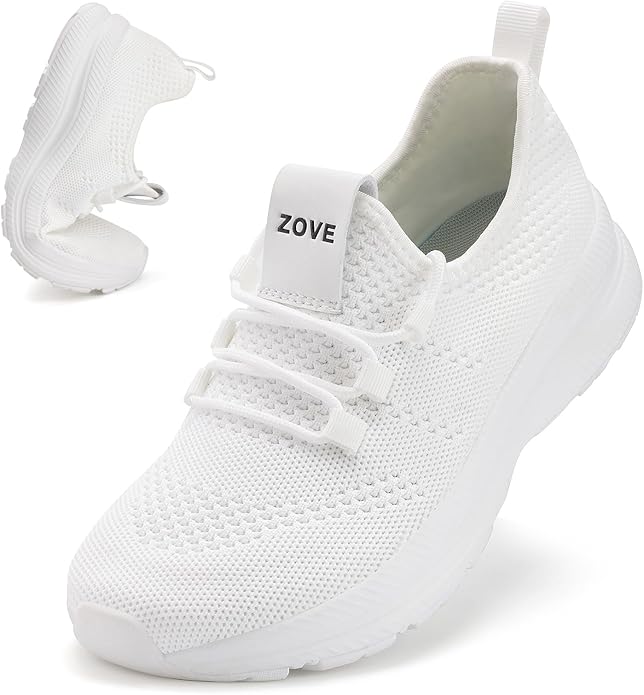
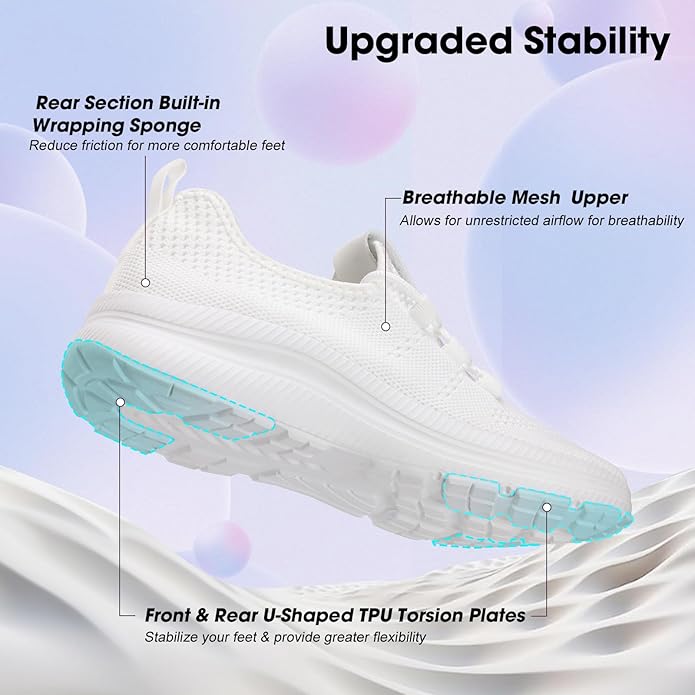
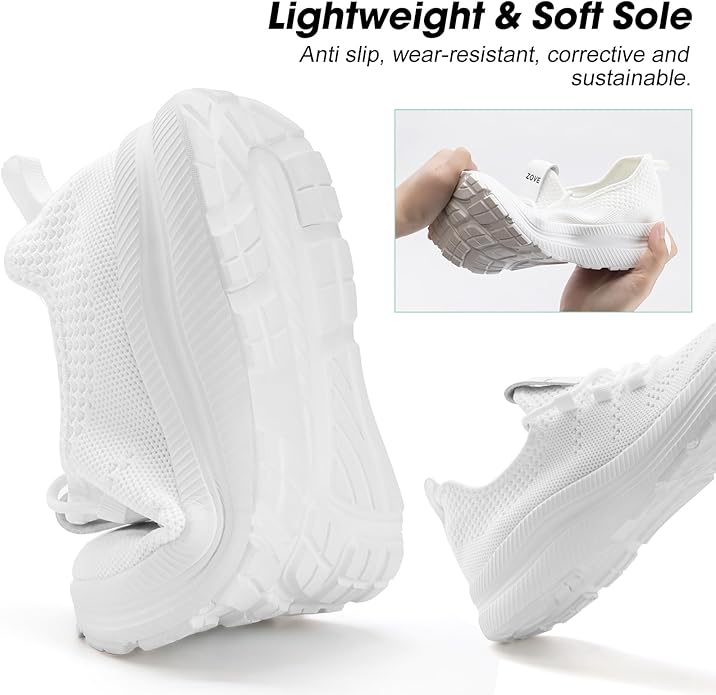
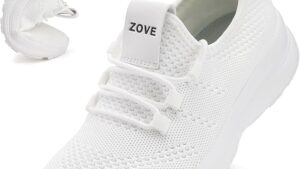
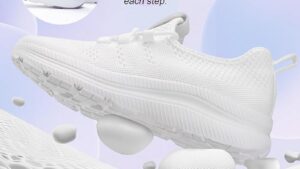
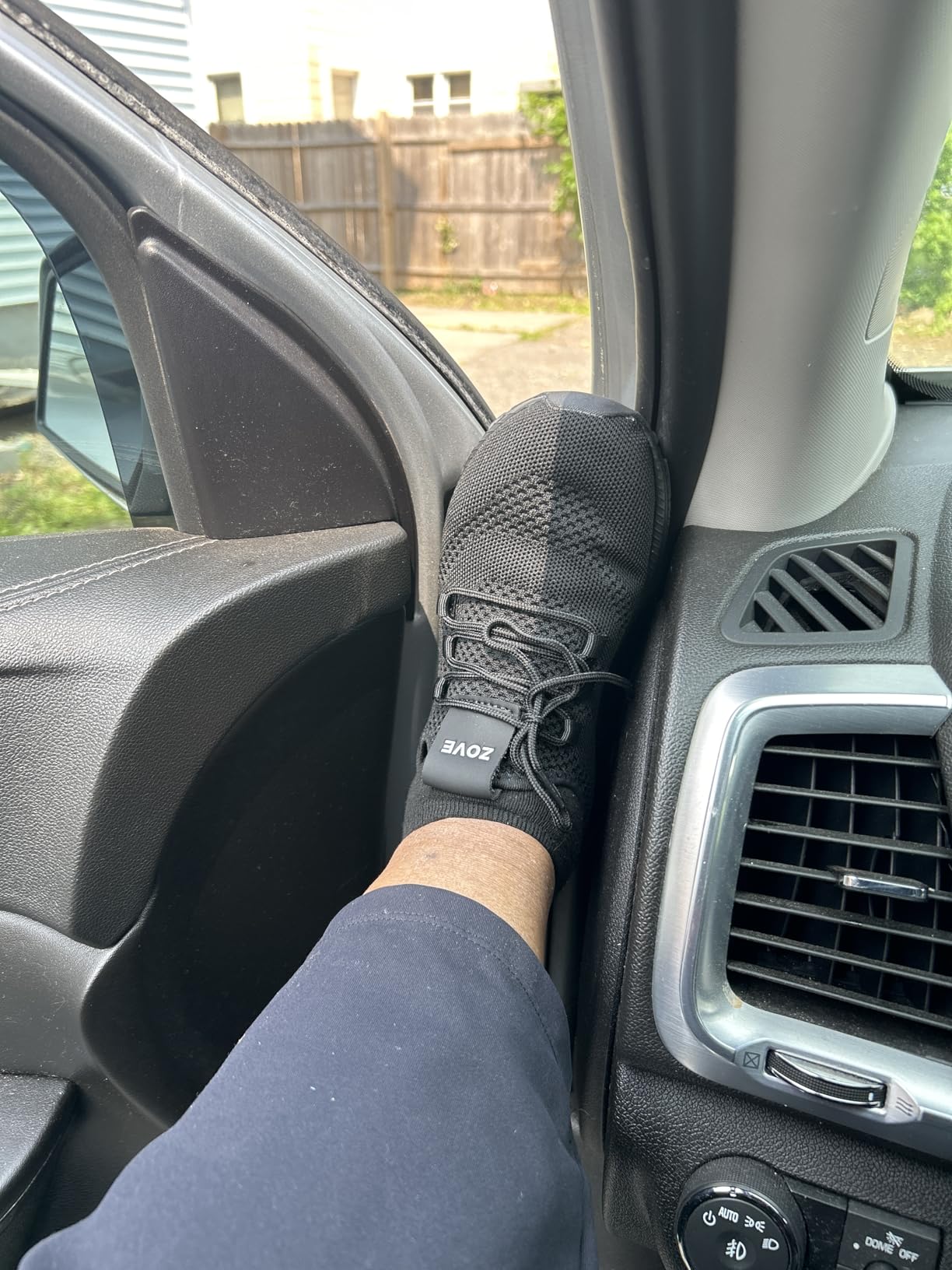
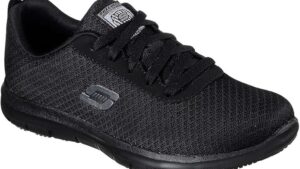
The moment I pulled these from the box, I knew they’d set different expectations than traditional sneakers. They look almost sock-like—the knit mesh upper is surprisingly stretchy, almost like wearing a thick athletic sock attached to a sole. Holding them at 8.1 ounces, they felt noticeably lighter than the Skechers I’d been rotating through.
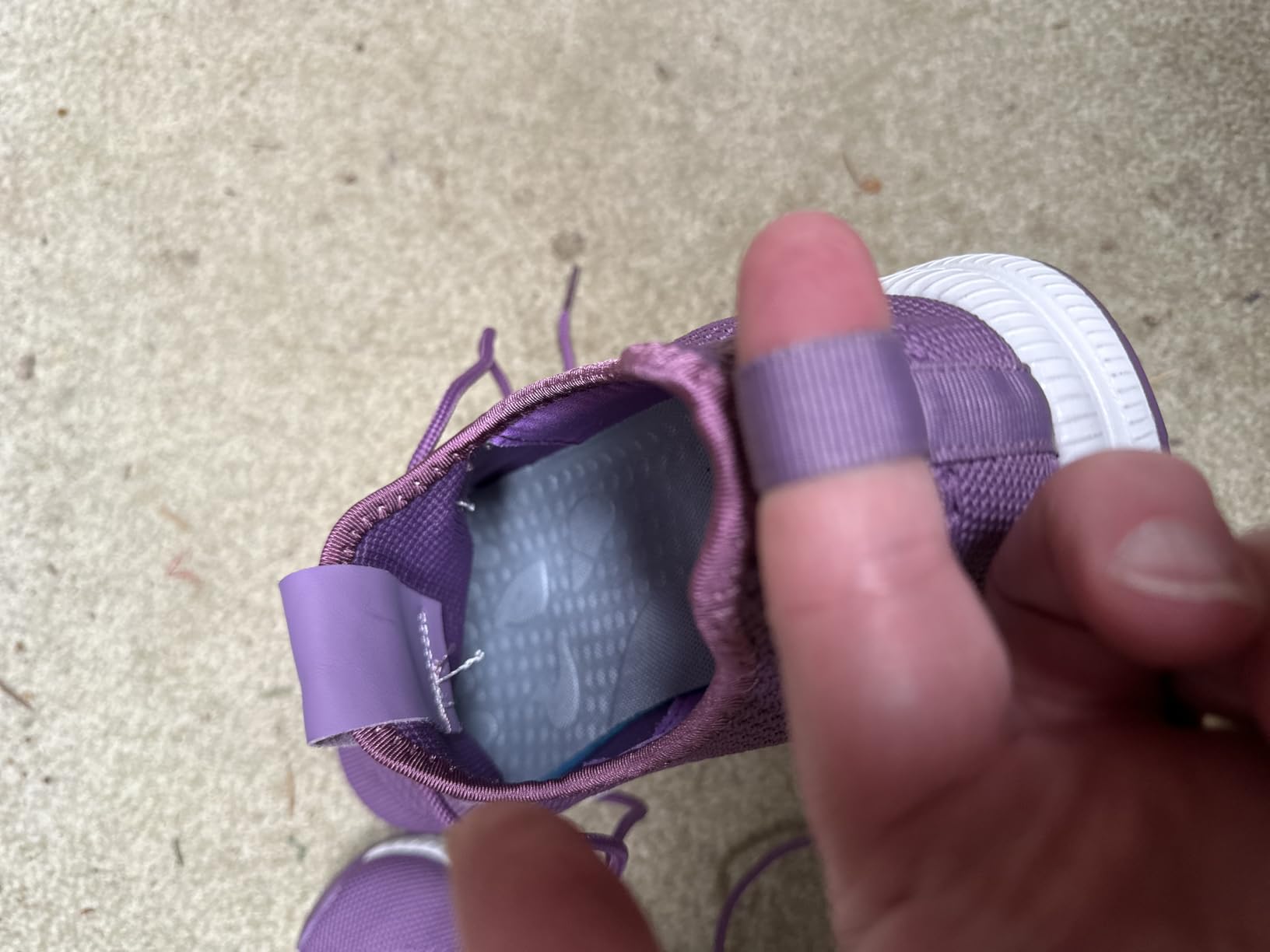
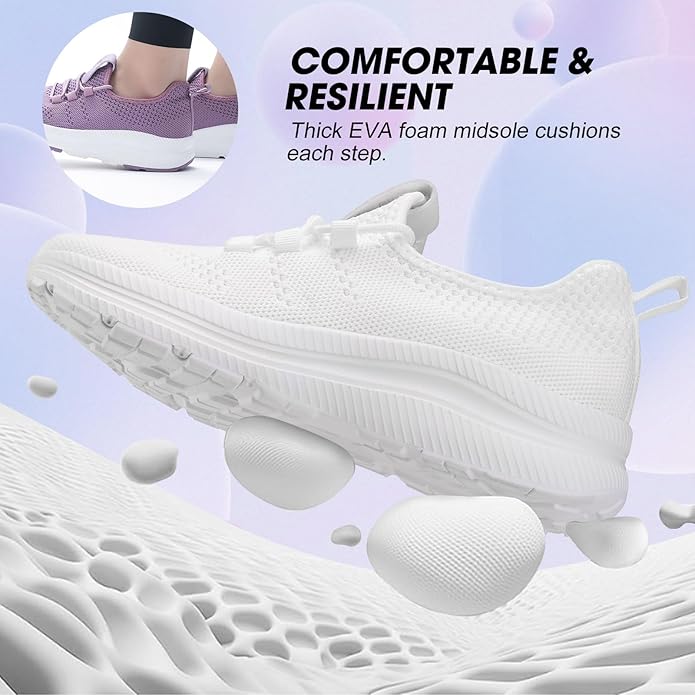
The construction feels purposeful rather than premium—there’s no pretense of luxury here. At my 150 pounds, I wondered if the EVA midsole would support a full workday. The heel loops stood out immediately; I didn’t realize then how essential they’d become to the whole experience.
The Wide Toe Box Promise—Does It Actually Deliver?
Testing the Core Claim
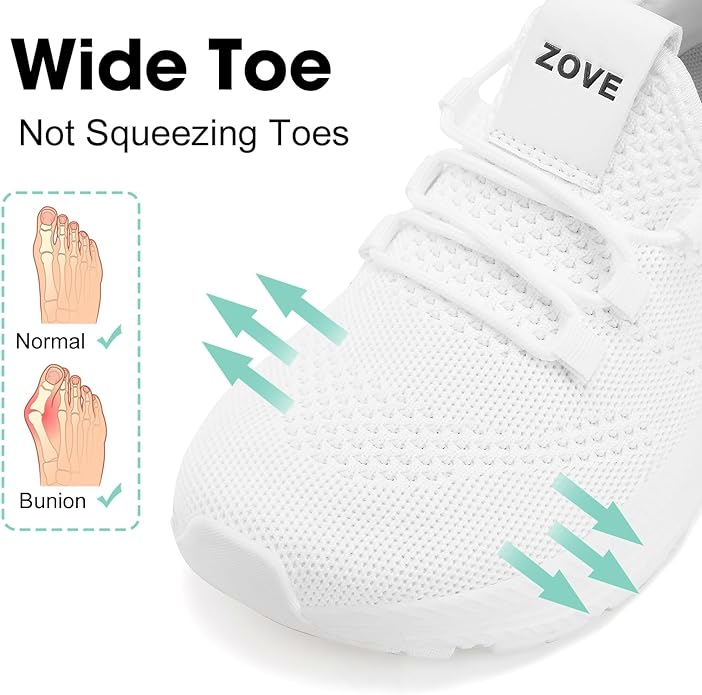
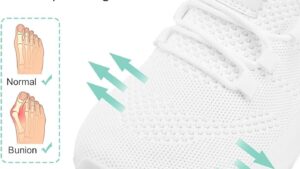
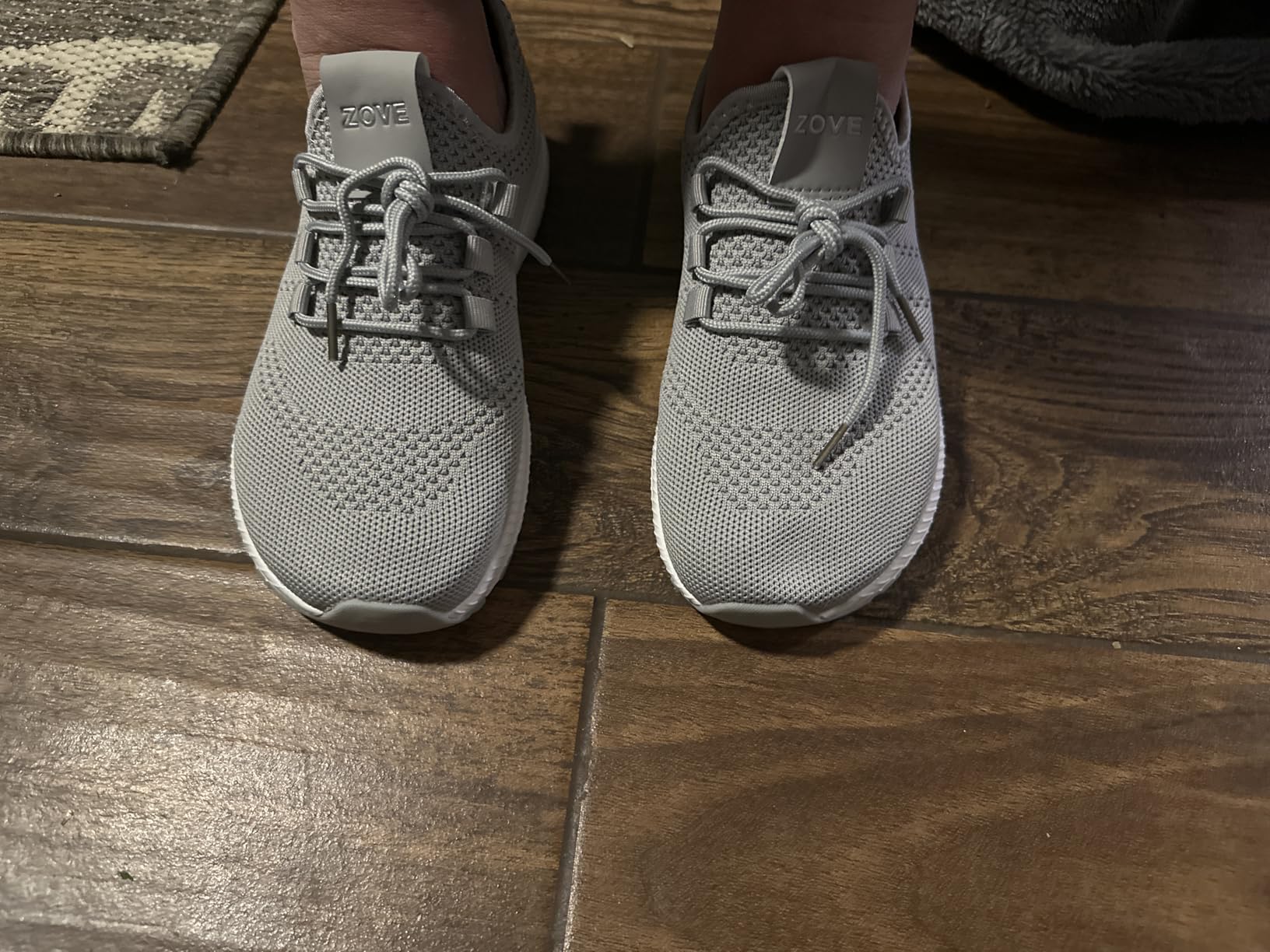
I’ve been dealing with early-stage bunion formation on both feet, which means I’m acutely aware of toe box squeeze. Over years of cramming my wide forefoot into “normal” width shoes, I’d almost forgotten what natural toe spread felt like. The ZOVE reminded me within the first hour of wear.
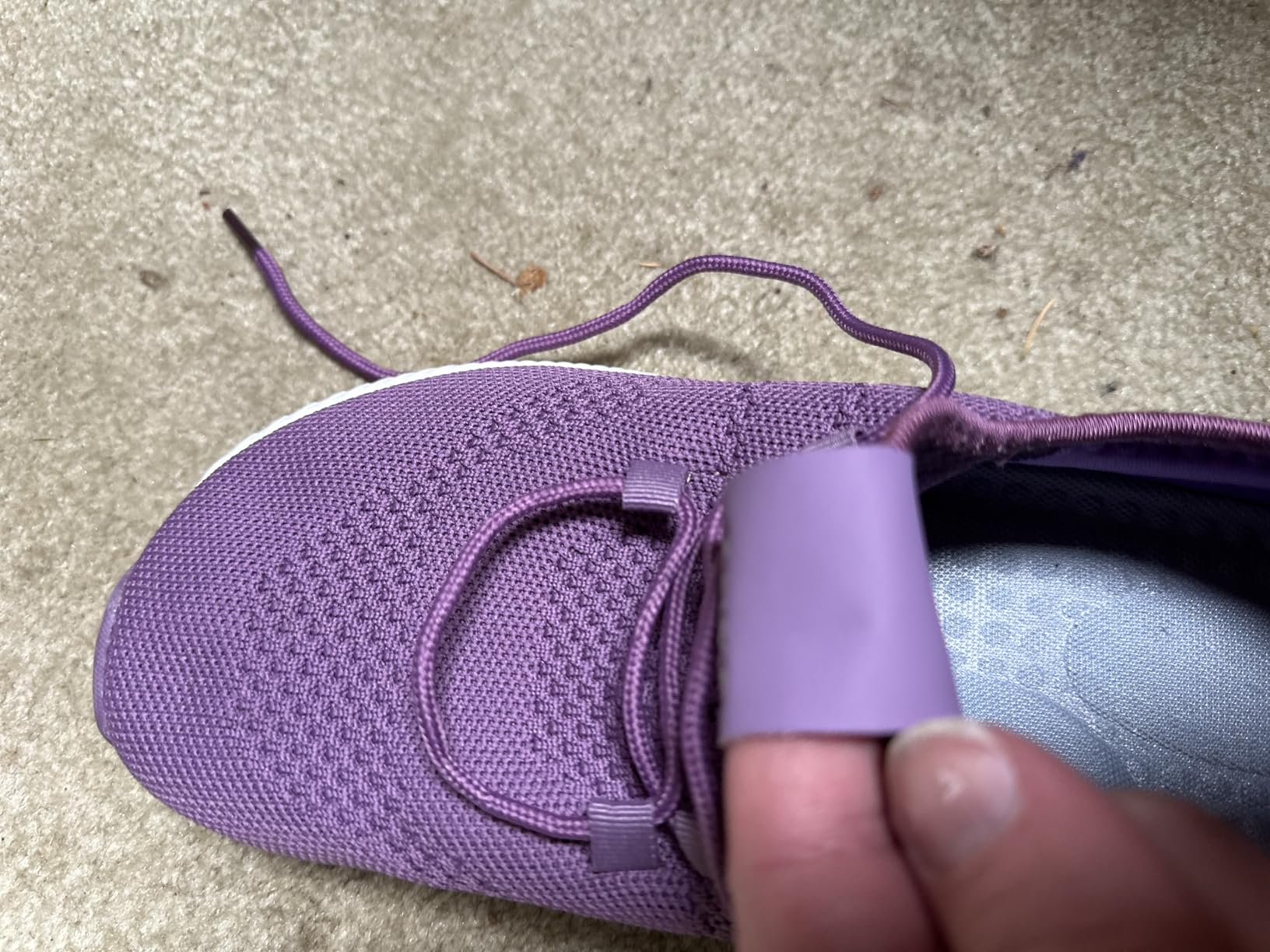
My toes could spread naturally. Not just “more room than before,” but genuinely accommodating—even after an 8-hour office day standing through presentations and moving between conference rooms, I wasn’t dealing with that familiar end-of-day toe cramping. For someone who’d accepted compression as normal, this was the immediate relief that made me curious enough to test thoroughly.
The Sizing Complexity Nobody Warns You About
Here’s where reviews get messy, and after testing, I understand why. These shoes accommodate different foot shapes differently—it’s not a universal fit despite the wide-toe claim.
I’m a true size 8 with a wide forefoot but average heel width. The 8 fit perfectly lengthwise, and the toe box delivered. But reading through customer feedback, women with narrow heels consistently mentioned slippage issues. This isn’t a quality control problem—it’s a design characteristic. The shoe prioritizes forefoot width, which means if your heel is proportionally narrow, you’ll feel looseness there.
My advice: TTS works if your feet are wide throughout or if you have wide forefoot with standard heel (like me). If you’re narrow-heeled, size up slightly in length but expect some heel movement. If your feet are narrow overall, these likely aren’t your shoes—the wide accommodation will feel sloppy no matter what size you try.
The Pull-On Reality: Easy After You Learn the Trick
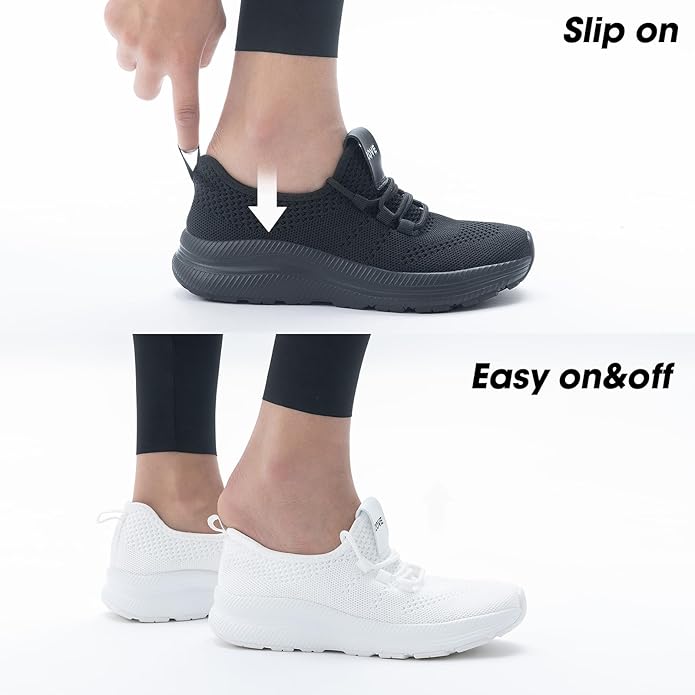
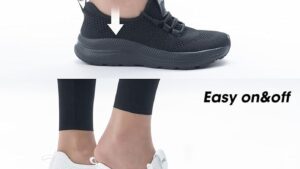
ZOVE markets these as “easy on or off,” and technically that’s true—after week two. Week one told a different story.
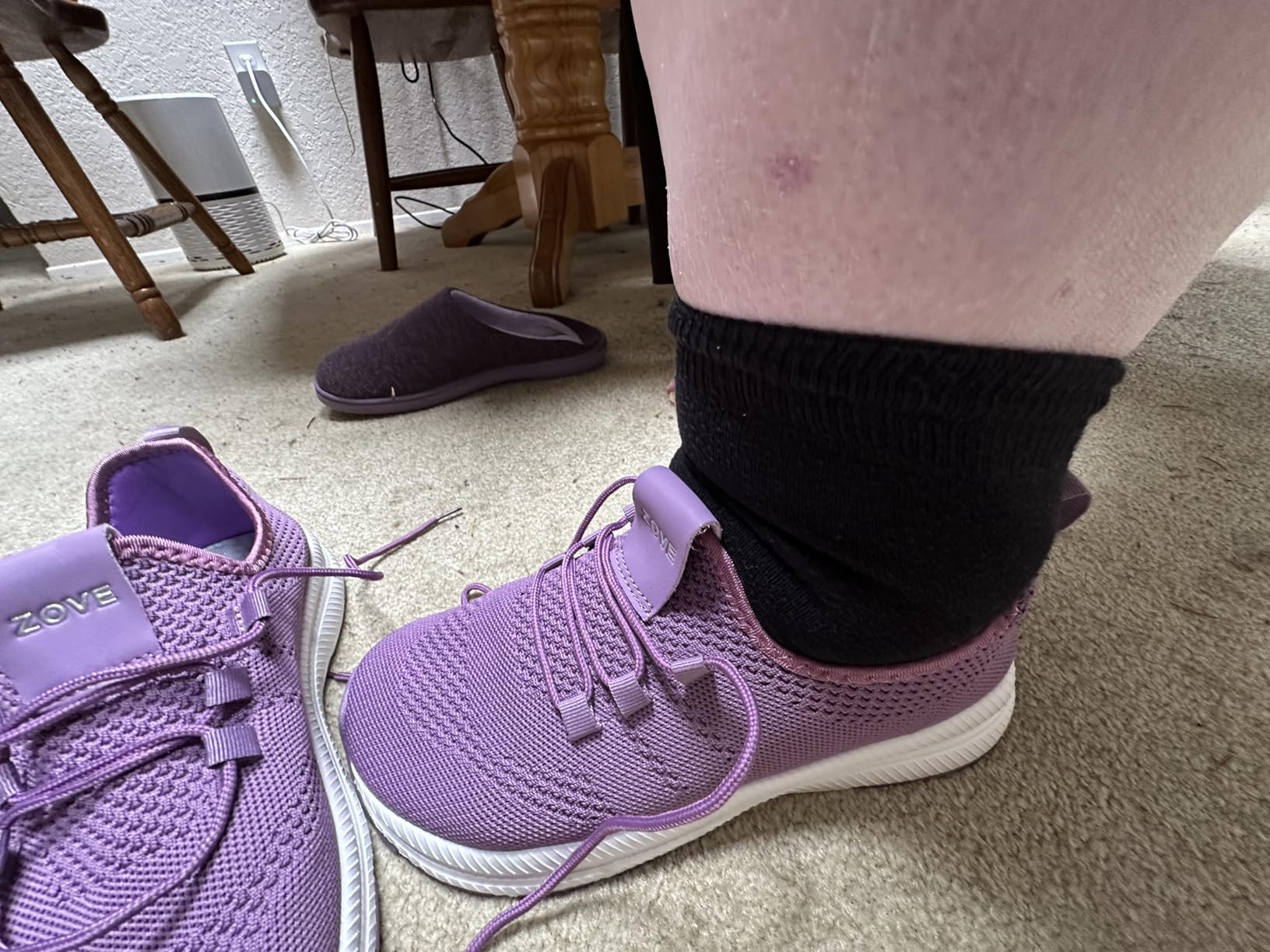
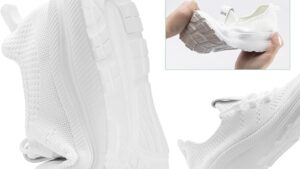
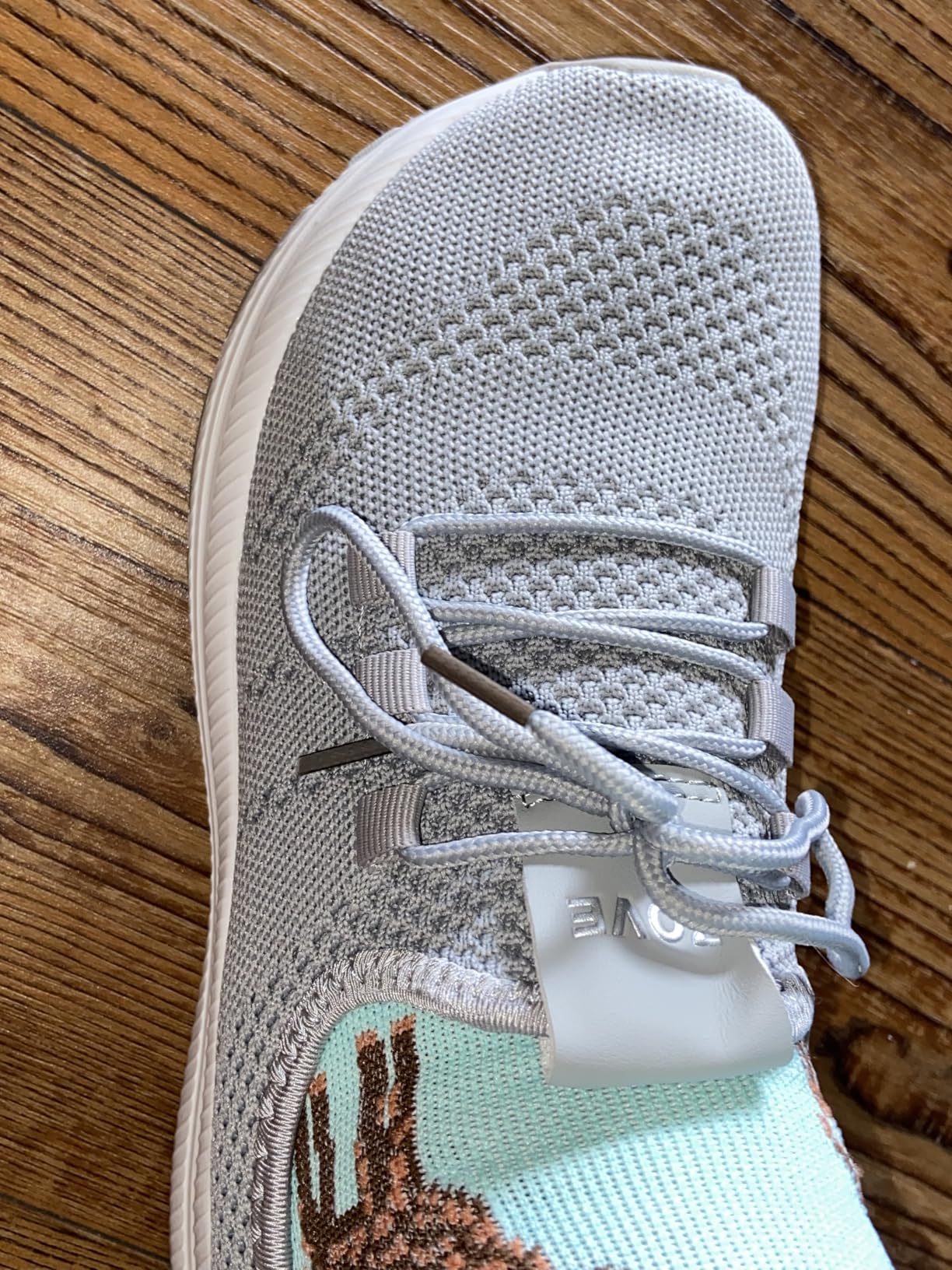
Those heel loops aren’t decorative. They’re essential. The first few mornings, I struggled to get my foot through the opening, pulling awkwardly at the fabric. By day three, I’d discovered that slightly dampening my hands improved grip on the loops, and by week two, the whole motion became second nature. Now I can slip them on in under 10 seconds without thinking.
But this learning curve matters. If you have arthritis, limited hand mobility, or simply want truly effortless shoe wear from day one, these will frustrate you initially. By contrast, once you’ve mastered the technique, they’re genuinely convenient—no laces to tie, no bending awkwardly to adjust straps.
Real-World Performance: Office, Walking, Errands, Heat
The All-Day Office Test
My office role involves moving between meetings, standing at presentation boards, and occasionally sitting at my desk. The cushioning provided consistent support without feeling mushy—at 150 pounds, the EVA midsole held up through full workdays. During one particularly stressful presentation (pitching new project timelines to skeptical stakeholders), I realized my feet weren’t on my mind at all. That’s the sign of adequate comfort: you forget you’re wearing shoes.
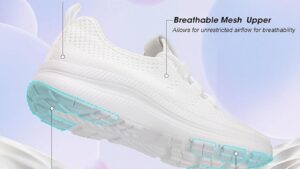
The breathability showed up during afternoon stress sessions. Even with my feet slightly sweating from presentation anxiety, the knit mesh kept air flowing. No sweaty sock feeling by 5 PM, which was a noticeable improvement over my previous athletic shoes with synthetic uppers.
Neighborhood Walking—Cushioning Ceiling at Mile 3?
I tested these on my usual 45-minute walking route three times per week. The lightweight design (8.1 oz) became apparent here—after a full circuit covering roughly 2.5 miles, my feet felt fresher than usual. The midsole cushioning held up well for this distance, though I noticed it felt slightly firmer by mile 3 compared to the springy first mile.
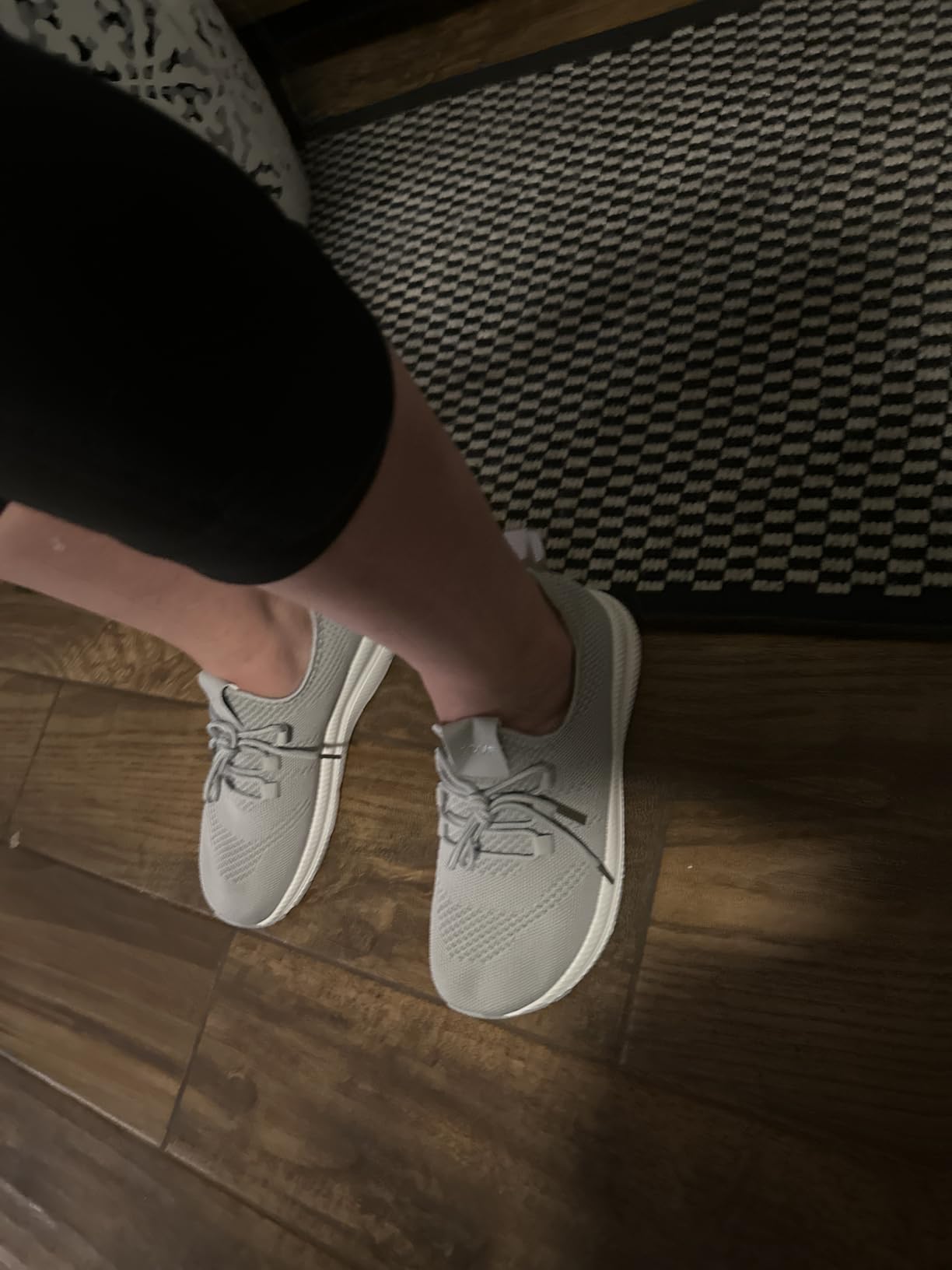
One rainy Tuesday morning, I dashed from my car across a wet parking lot. The TPU outsole patches provided legitimate grip—I felt confident on slick pavement, not cautious. The claim about slip resistance holds up for walking scenarios, though I wouldn’t trust these for serious hiking or trail conditions.
Retail Therapy Marathon: Target + Groceries + Farmers Market
Weekend errand days test shoes differently than pure walking. You’re standing, browsing, pushing carts, shifting weight constantly. During one Saturday that stacked a Target run, grocery shopping, and a farmers market visit into four consecutive hours, the shoes stayed comfortable through hour three. By hour four, I started noticing the minimal arch support—my feet weren’t hurting, but they weren’t as fresh as hour one.
The insoles did shift slightly during extended wear, especially after squatting to grab items from lower shelves. Not enough to cause discomfort, but enough that I’d notice them settling differently when I stood up. This seems to be a design characteristic rather than a defect—the insoles aren’t glued down, and the pull-on construction doesn’t hold them rigidly in place.
The Heat Test: 85°F and Humid
Southern humidity in late spring provided the thermal stress test. During those muggy 85-degree afternoons running errands, my feet stayed noticeably cooler than they had in my old athletic shoes. The mesh isn’t just marketing—it genuinely breathes. By the end of a humid afternoon, my socks were dry, not damp.
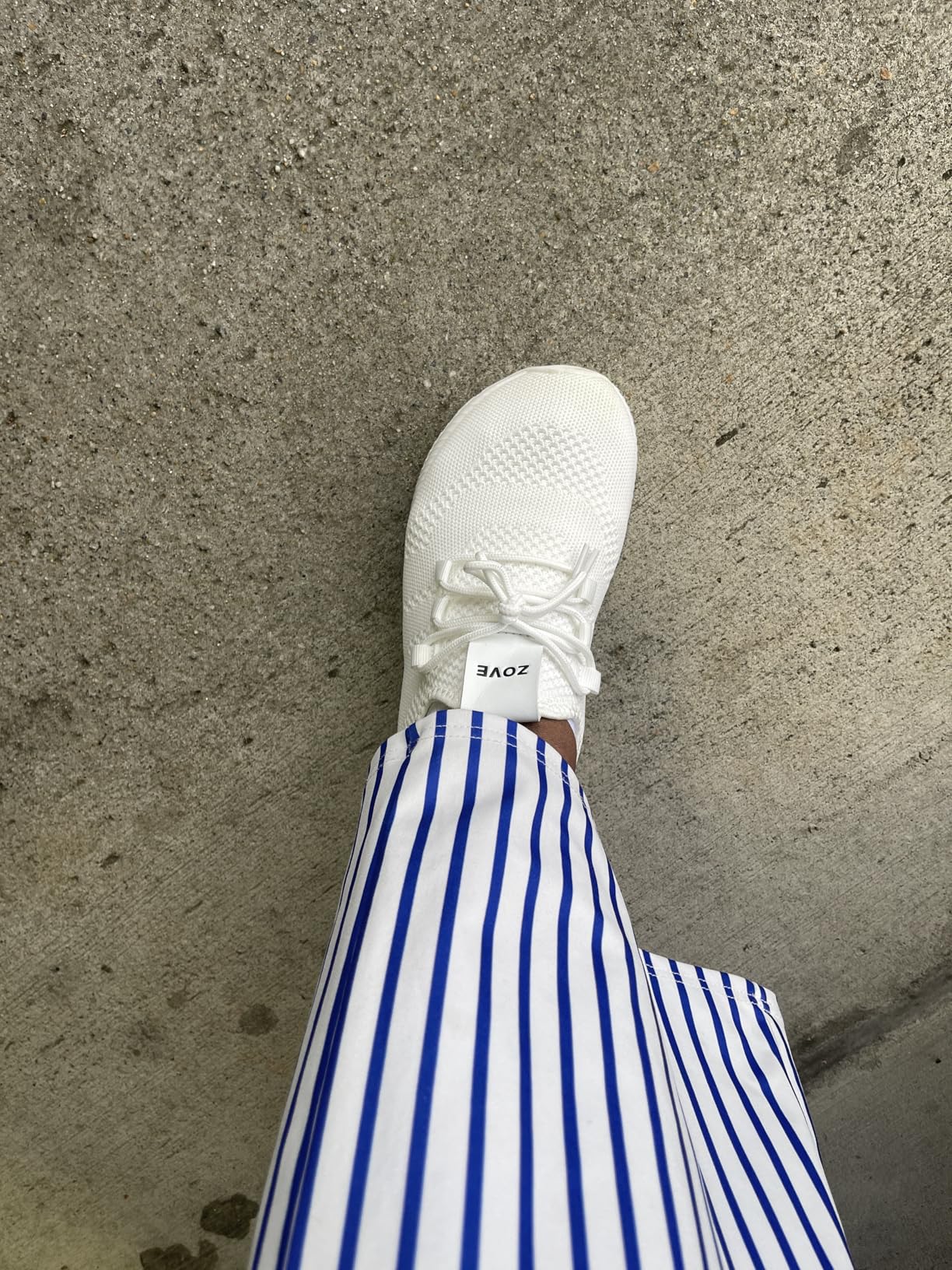
The flip side: this breathability means zero cold-weather protection. Anything below 60°F, and you’ll want thicker socks. Below 50°F, I’d honestly look for different shoes unless you’re indoors most of the time.
Durability Signals After 4 Weeks
Four weeks isn’t long enough to judge full lifecycle durability, but patterns emerge. The insole shifting I mentioned started within the first week and hasn’t worsened—it’s stable at “slightly mobile” rather than progressing to “completely loose.” The mesh upper shows no pilling or stress points yet, even around high-flex zones at the toe.
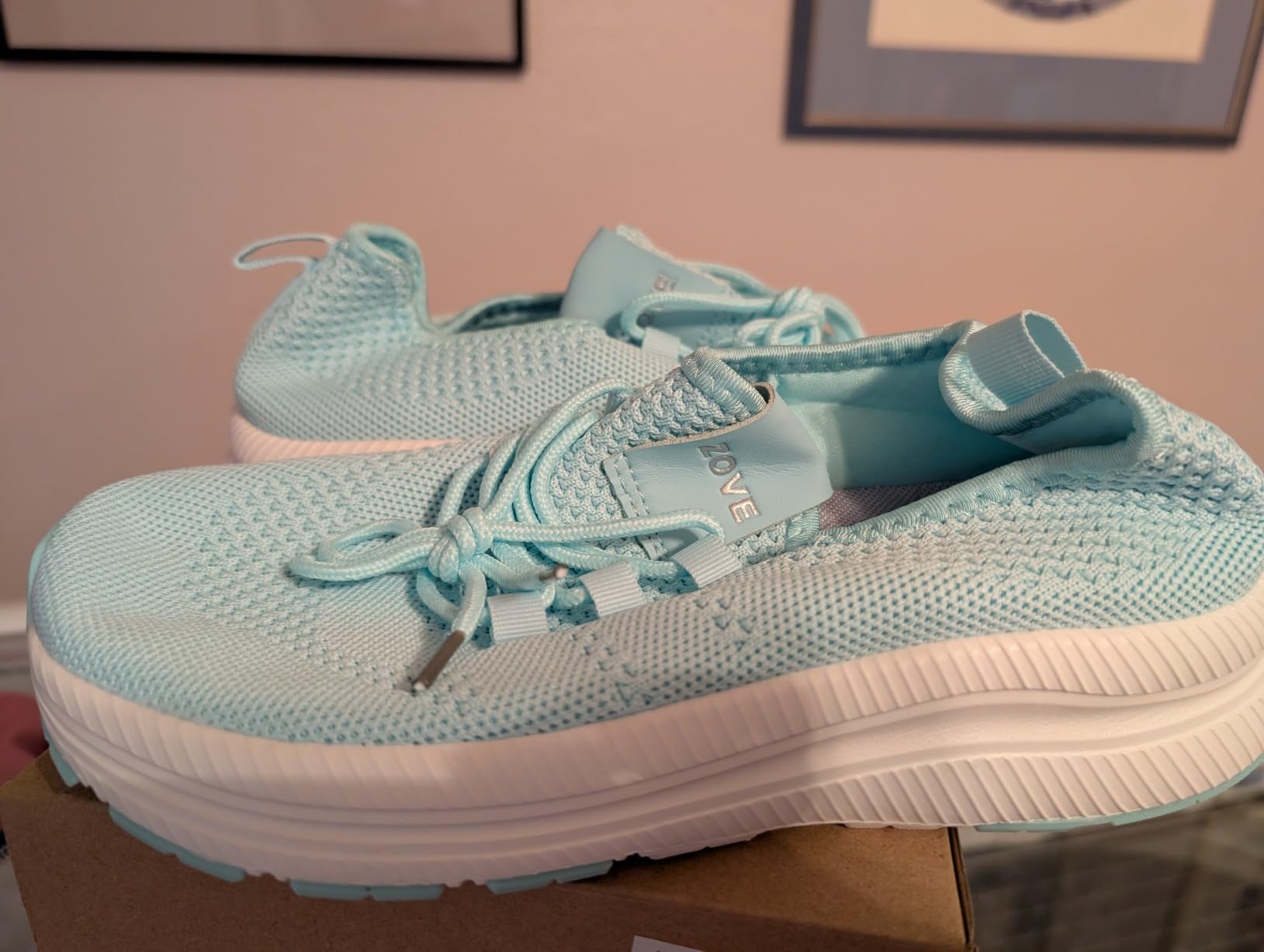
The sole edges show minimal wear after 50+ hours. No separation at the toe box junction, which is often the first failure point on budget shoes. Based on customer review patterns and my own observations, I’d project 6-12 months of lifespan for casual use (3-4 times per week). Daily intensive wear might compress that to 4-6 months, particularly if you’re heavier than my 150 pounds or have a harder gait strike.
Cost math matters here: $45 divided by 9 months average equals $5 per month. A $120 shoe lasting 18 months runs $6.67 per month. The gap isn’t as dramatic as the sticker price suggests, but the ZOVE’s lower entry cost makes replacement less painful psychologically.
Claims vs. Reality Check
| Marketing Claim | Testing Reality | Verdict |
|---|---|---|
| Extra width for wide feet | Genuine wide toe box, but sizing complexity for narrow-heel users | ✅ Delivers (with caveat) |
| Good absorption & slip resistant | Adequate cushioning for walking, TPU grip tested on wet pavement | ✅ Delivers |
| Easy on/off | Week 1 learning curve, then genuinely easy | ⚠️ Half-truth |
| Breathable upper | 85°F tested, feet stayed cool and dry | ✅ Delivers |
| Ultra light | 8.1 oz confirmed, noticeable in extended wear | ✅ Delivers |
| Suitable for various activities | Works for walking/office/casual; NOT for running/serious sport | ⚠️ Oversell |
Week-by-Week Comfort Progression
Week 1: Pull-on technique learning. Immediate toe box relief noticed. Insole shifting discovered but stable. Sizing fit confirmed for my foot shape (wide forefoot, average heel).
Week 2: Pull-on became second nature (heel loops + damp hands = 10-second slip-on). Breathability validated during 85°F afternoon errands. Wet pavement slip resistance tested successfully.
Week 3: Extended wear sessions (full Saturday: yoga class, errands, dinner prep). Lightweight benefit apparent—feet felt fresher at day’s end. Customer review patterns researched: durability expectations set at 6-12 months.
Week 4: Comfort ceiling tested on 8-hour office days. Insole still shifting but hasn’t worsened. No sole separation visible. Audience fit assessment confirmed: foot shape matching critical for satisfaction.
Who Should Buy These—And Who Shouldn’t
Perfect Fit
- Women with genuinely wide feet (proportionally wide, not just wide forefoot)—this is the primary use case
- Bunion/hammertoe sufferers seeking relief from toe compression
- Budget shoppers at $45 price point testing wide-toe concept before committing to $120+ premium brands
- All-day standing workers (office, retail, service industry) needing comfort over performance
- Warm climate users who’ll benefit from exceptional breathability
- Casual walkers covering 2-3 miles at moderate intensity
My own use case fits here: working mom managing office days and weekend errands, wide forefoot with average heel, 150 pounds, warm climate.
Not Ideal
- Narrow-footed users (the wide accommodation will feel sloppy regardless of size)
- High-impact athletes (running, jumping, court sports—construction prioritizes comfort over performance)
- Heavy daily users needing maximum durability (projected 4-6 month lifespan under intensive wear)
- Arch support seekers without custom insoles (minimal built-in arch support)
- Mobility-limited users (week 1 pull-on learning curve could frustrate)
- Fashion-first buyers (these prioritize function over aesthetics)
If you’re a narrow-heeled runner needing 500+ miles of durability, look toward Altra Lone Peak 7 or similar performance models instead.
Sizing Decision Framework
Skip the generic “true to size” advice. Here’s what actually matters:
- Wide forefoot + average/snug heel: True to size (my experience—size 8 fit perfectly)
- Proportionally wide (forefoot AND heel): True to size, or half-size down if you’re between sizes
- Wide forefoot + narrow heel: True to size for length, but expect heel slippage (caveat: I didn’t personally test this pattern)
- Narrow feet overall: Skip these or size down full size—but honestly, you’ll likely still feel looseness
Amazon’s easy return policy makes sizing less risky. Order your normal size, wear them indoors for an hour, assess fit before committing.
Price Context: Where ZOVE Sits
At $45, these occupy the budget wide-toe category. For context:
- Same tier ($40-50): Generic Walmart brands offer similar pricing but typically lack the genuine wide toe box
- Mid-tier ($80-100): Skechers Go Walk Joy offers better durability and more support, though slightly narrower toe box
- Premium tier ($120-160): Brooks Revel 7, Hoka, Allbirds provide superior durability and performance, but at 3x the cost
ZOVE’s value proposition: comfort and toe room at unmatched accessibility. You trade durability and structure for entry price. If the shoes last 6 months and you replace them, you’re still spending less annually than one pair of premium shoes.
Would I personally upgrade after these wear out? Depends on how they fail. If the sole separates at month 6, I might invest in mid-tier Skechers Go Walk Arch Fit for better longevity. If they make it to month 12 with just cosmetic wear, I’d buy ZOVE again in a different color.
Frequently Asked Questions
Do these run true to size?
It depends on your foot shape more than size number. If your feet are wide throughout (forefoot and heel), true to size works. If you have wide forefoot but narrow heel like many reviewers mentioned, you’ll get correct length but heel slippage. My advice: order your normal size first, use Amazon’s return window if fit doesn’t work. I’m a size 8 with wide forefoot and average heel—the 8 fit perfectly.
Will they help with bunions or foot pain?
I have early-stage bunion formation, and the toe box relief was immediate—no cramping even after 8-hour days. Many customer reviews echo similar relief. But comfort isn’t medical treatment. If you’re dealing with serious pain, see a podiatrist. These provide space and accommodation, not corrective support. You can add custom insoles if you need arch support beyond what the shoe provides.
Can I wear these for exercise or running?
For walking and light gym work (weights, yoga), yes. For actual running, no—the construction prioritizes comfort over athletic performance. I tested them on 2.5-mile walks and felt cushioning fatigue by mile 3. For serious runners, look at Altra Via Olympus 2 or similar performance models with wide toe boxes.
How long do they actually last?
Based on 4 weeks of testing and customer review patterns, expect 6-12 months for casual use (3-4 times per week). Heavy daily wear might compress that to 4-6 months. Variables include your weight, gait pattern, and surface type. At my 150 pounds with moderate use, I’m projecting 9-10 months before I’d want to replace them. Signs to watch: insole compression, sole edge wear, potential separation at toe box junction.
Are they waterproof?
No. The mesh upper breathes exceptionally well, which means water penetrates easily. Light rain for 10-15 minutes? The mesh will get damp but dries quickly. Heavy rain or puddle stepping? Your feet will be soaked. If you live in a rainy climate, consider waterproof alternatives. The quick-dry mesh means they recover fast if they do get wet, but there’s no barrier preventing water ingress.
What about arch support?
Minimal. The EVA insole provides basic cushioning but no structured arch support. If you need serious arch support, plan to add aftermarket insoles ($15-30 range). The insoles do shift slightly during wear, so removability for orthotics might be possible, though I didn’t test custom inserts myself. For built-in arch support at similar price points, check Dr. Scholl’s Women’s Nova.
Can I machine wash these?
Several customer reviews mention successful machine washing on gentle cycle with air drying. I hand-washed mine once after a muddy farmers market trip—the mesh cleaned easily and dried within 4 hours. If you machine wash, use cold water, gentle cycle, and definitely air dry (no dryer). The mesh handles washing better than the glued components would handle heat.
Do I need to wear socks?
Not required—the soft knit interior feels comfortable against bare skin, and the breathability helps with moisture. That said, I wore thin socks for all my testing to extend shoe lifespan and manage any moisture. Without socks, expect faster wear on the interior and potential odor buildup depending on your foot biology.
My Final Verdict
What Works
- Genuinely wide toe box accommodates bunions and wide forefeet
- Lightweight at 8.1 oz—noticeable comfort during extended wear
- Exceptional breathability (85°F tested, feet stayed cool)
- Legitimate slip resistance on wet pavement
- $45 price enables accessible entry to wide-toe category
- Pull-on convenience (after week 1 learning curve)
- Multiple color options available
What Doesn’t
- Sizing complexity—foot shape matters more than size number
- Week 1 pull-on learning curve (not immediately “easy”)
- Limited durability (6-12 months projected, not 18-24)
- Minimal arch support without custom insoles
- Not suitable for running or high-impact activities
- Insoles shift during wear (stable but noticeable)
- No waterproofing (mesh breathes but saturates in rain)
Bottom Line
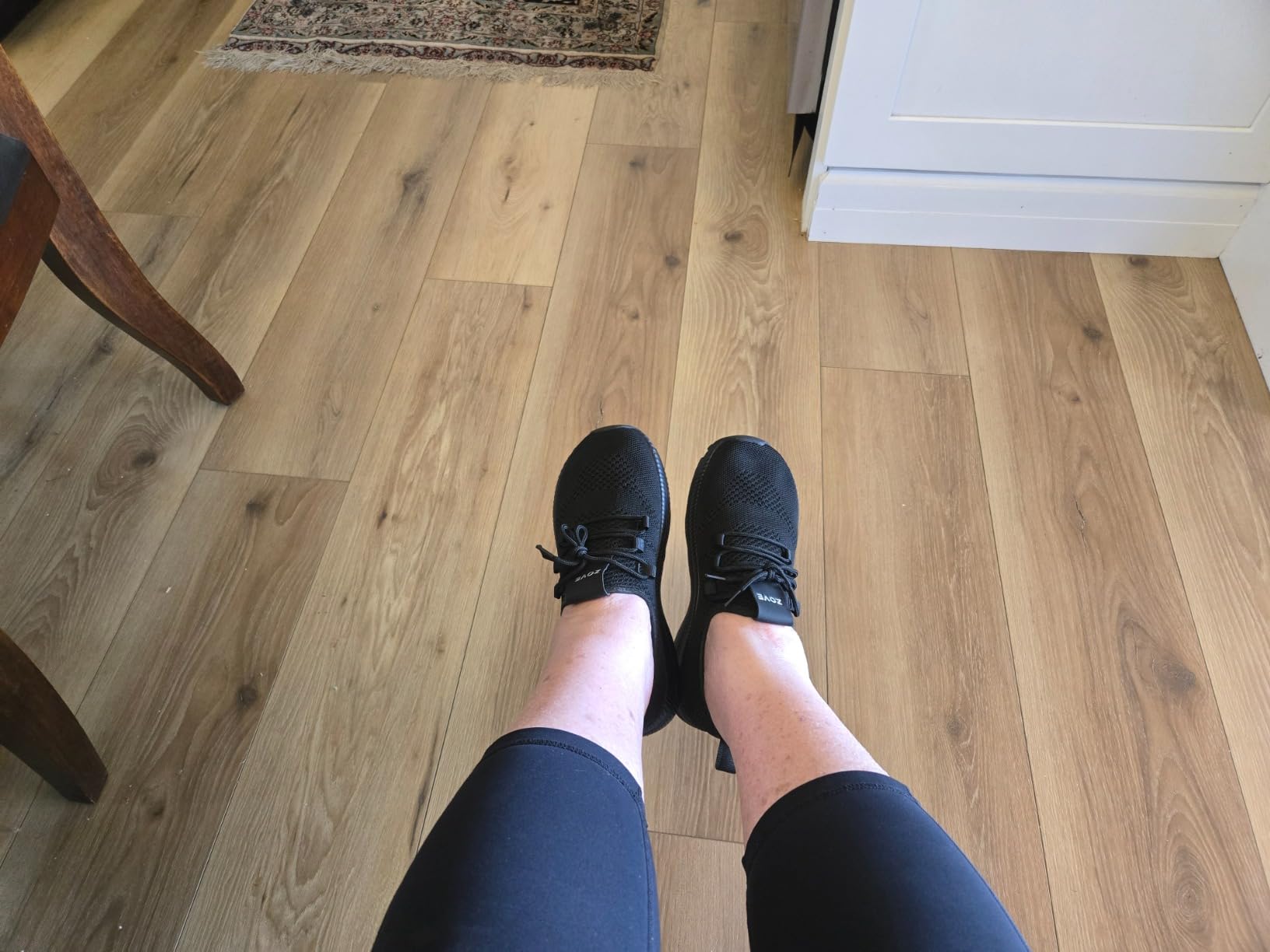
For women struggling with wide feet, bunion pain, or the frustration of never finding comfortable shoes, the ZOVE Wide Toe Box Shoes deliver genuine relief at an accessible price. They’re not perfect—the sizing can be tricky, durability is adequate rather than exceptional, and the pull-on design has a learning curve. But they succeed at their core promise: extra toe room that makes 8-hour days bearable.
At $45, they’re worth trying, especially with Amazon’s return policy as backup. For many women dealing with chronic foot discomfort, these could be the comfortable daily shoes they’ve spent years searching for. Just match your foot shape to the sizing guidance, set realistic durability expectations, and give yourself a week to master the pull-on technique.
My rating: 7.7/10 — Solid choice for budget-conscious women with wide feet seeking all-day comfort
Would I buy again? Yes—already considering a second pair in a different color for rotation, which would extend each pair’s lifespan and amortize the cost further.
| Overall Rating | 7.7/10 |
|---|---|
| Best For | Women with wide feet seeking comfortable daily walking shoes |
| Price Point | Excellent value at $45 (6-12 month lifespan = $3.75-7.50/month) |
| Key Strength | Genuine wide toe box relief for bunions/wide feet |
| Main Limitation | Durability adequate not exceptional; sizing complexity |
| Testing Duration | 4 weeks, 50+ hours real-world wear |
| Would I Recommend? | Yes — for target audience of wide-footed women seeking budget relief |
| Would I Buy Again? | Yes — considering second pair for rotation strategy |
Be the first to review “ZOVE Wide Toe Box Shoes Women Extra Wide Width Sneakers”
Related products

Running Shoes
Sneaker
Sneaker
Sneaker
Sneaker
Reviews
There are no reviews yet.