
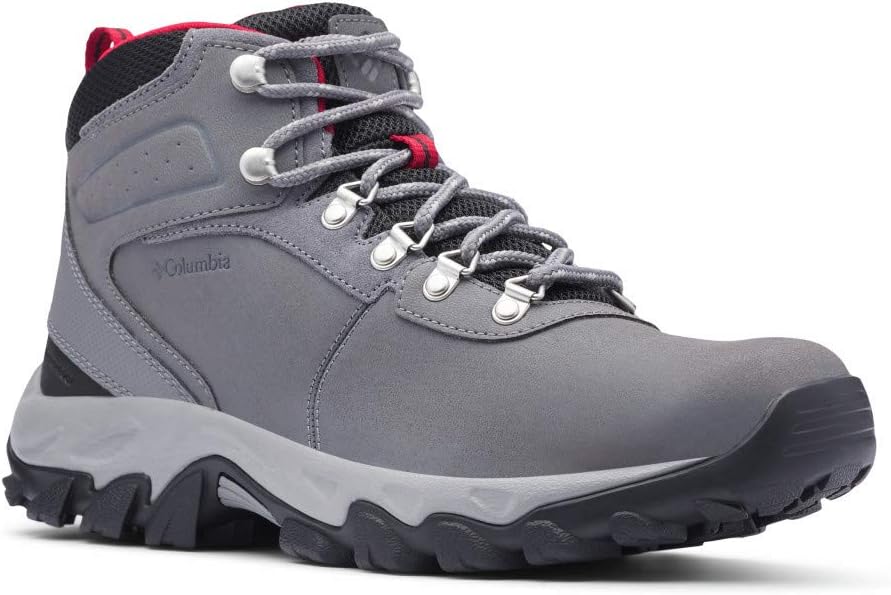
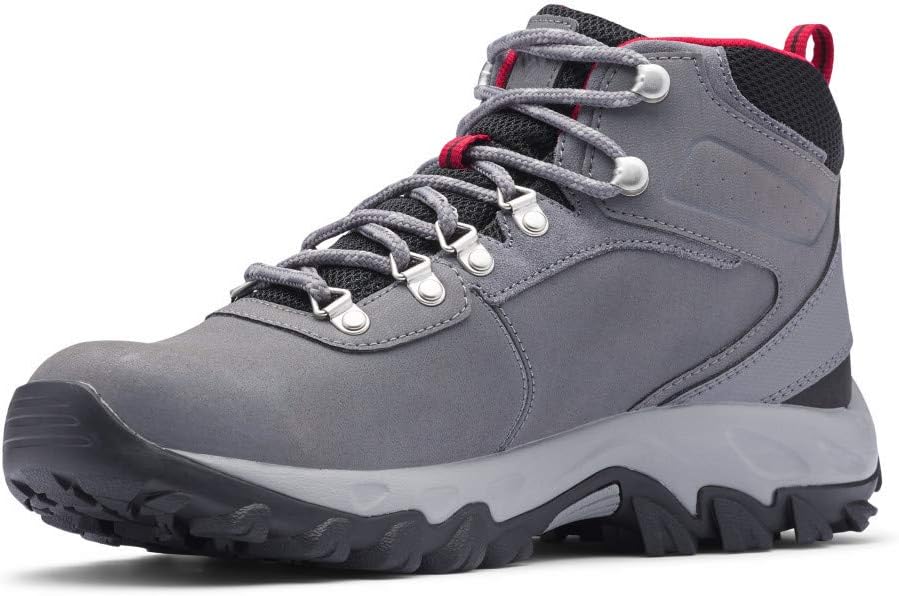
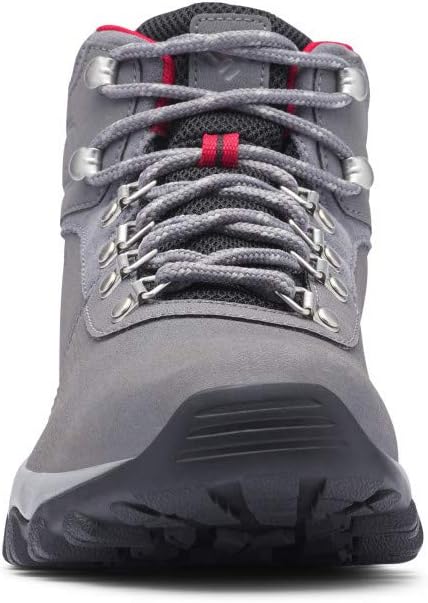
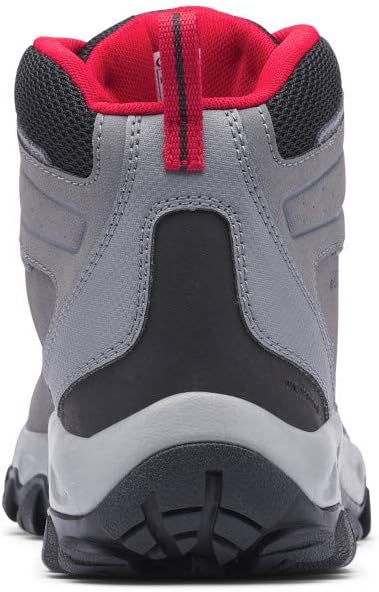
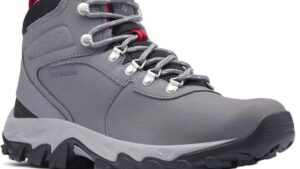
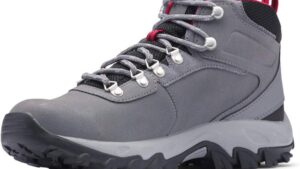
The third time I watched Jake’s hiking boots delaminate mid-trail — sole peeling away from the upper like the world’s worst sticker — I decided I needed a reliable, affordable option that wouldn’t require a post-hike surgery kit. Mike here, and I came into this Columbia Men’s Newton Ridge Plus II test with real skepticism. Two pairs of “premium” boots, $200-plus spent, 14 combined months of regular use before both quit. Four weeks and 85-plus miles later, here’s the honest version of whether this $75 boot earns its reputation.
Technical Specifications
- 💰 Price: ~$75 (check current pricing at footgearusa.com)
- ⚖️ Weight: ~1.2 lbs per boot (men’s size 9; Columbia official: 15.9 oz)
- 🧪 Midsole: Techlite lightweight EVA — 50.2 AC hardness (firm, stability-focused)
- 👟 Upper: PU-coated full-grain leather + strategic mesh panels
- 🥾 Shaft height: 5 inches (mid-cut)
- 🌧️ Waterproofing: Omni-Tech seam-sealed breathable membrane
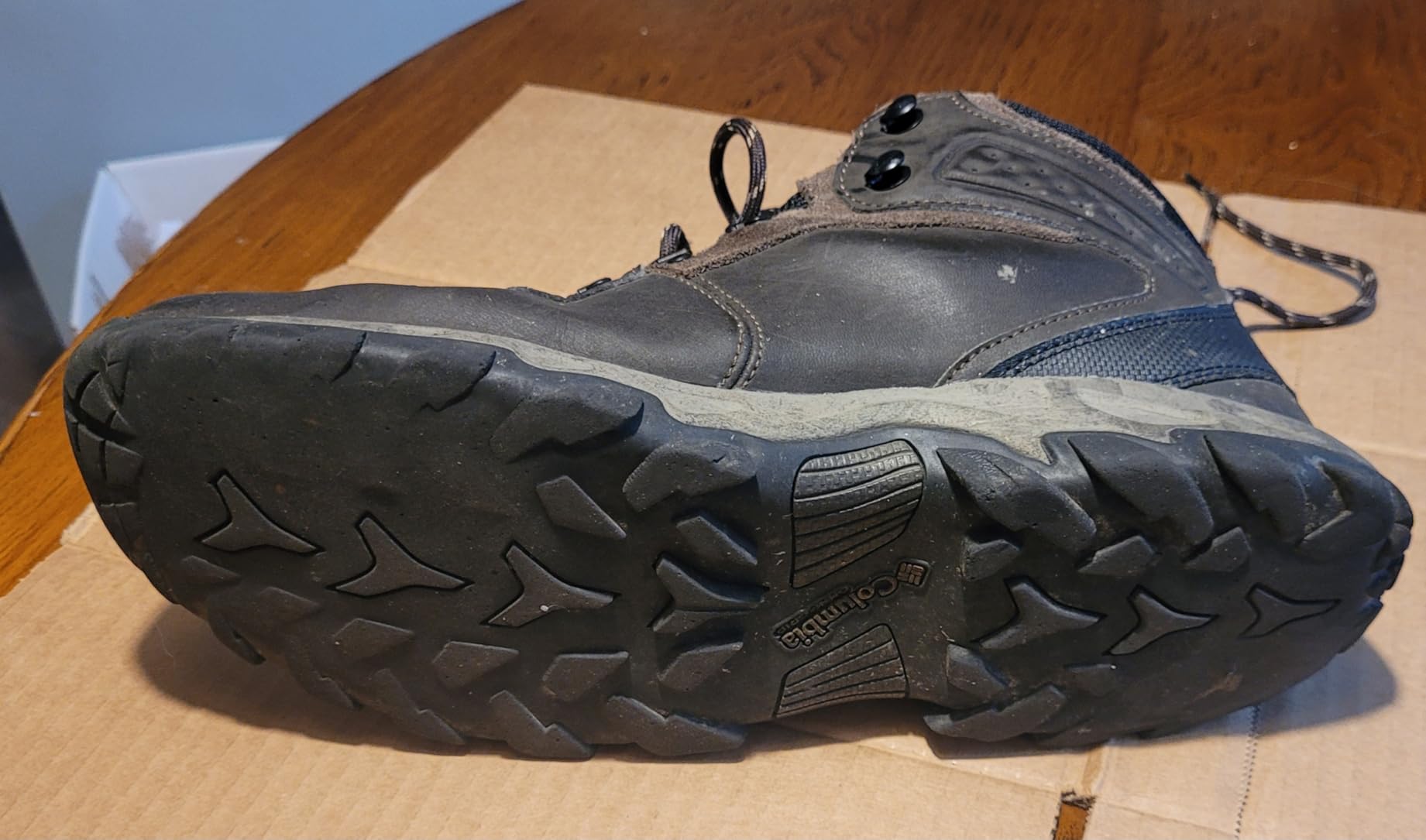
- 🦶 Outsole: Omni-Grip non-marking multi-terrain rubber, multi-directional lug pattern
- 🔬 Lab data (RunRepeat): 91 SA shock absorption (moderate), 56% energy return (above-average for hiking boots)
- 🎯 Best for: Day hiking, weekend backpacking, light trail work
- ⏱️ Testing period: 4 weeks, 85+ miles, varied terrain and conditions
Design, Build Quality & First Impressions
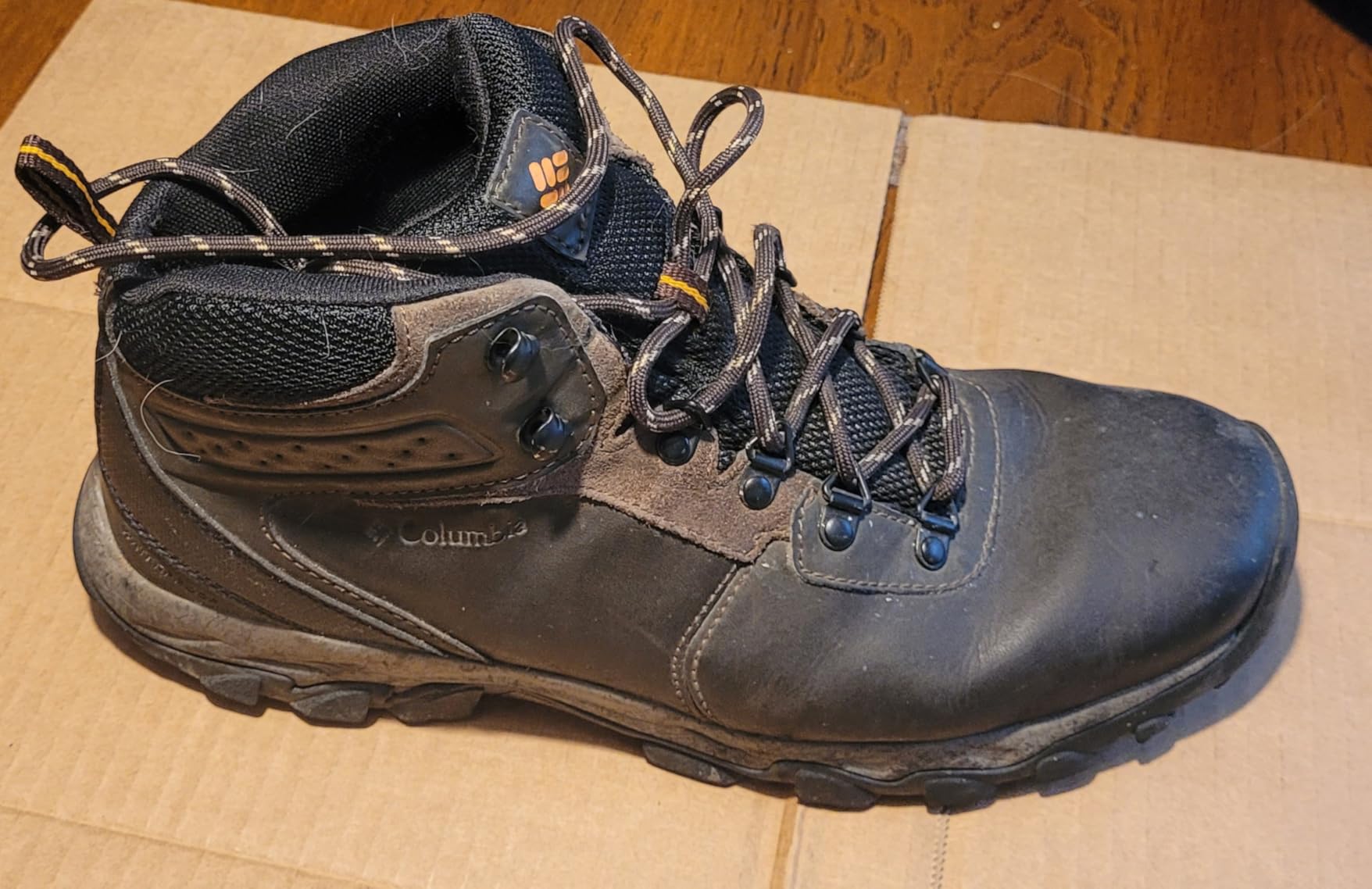
The hand feel on these straight out of the box was more reassuring than I expected. The PU-coated full-grain leather upper resists finger pressure in a way that signals actual construction rather than marketing padding. Columbia placed the mesh panels where ventilation matters — along the sides and tongue — not scattered decoratively across the boot. That’s a small thing that indicates someone thought about real-world performance rather than catalog photography.
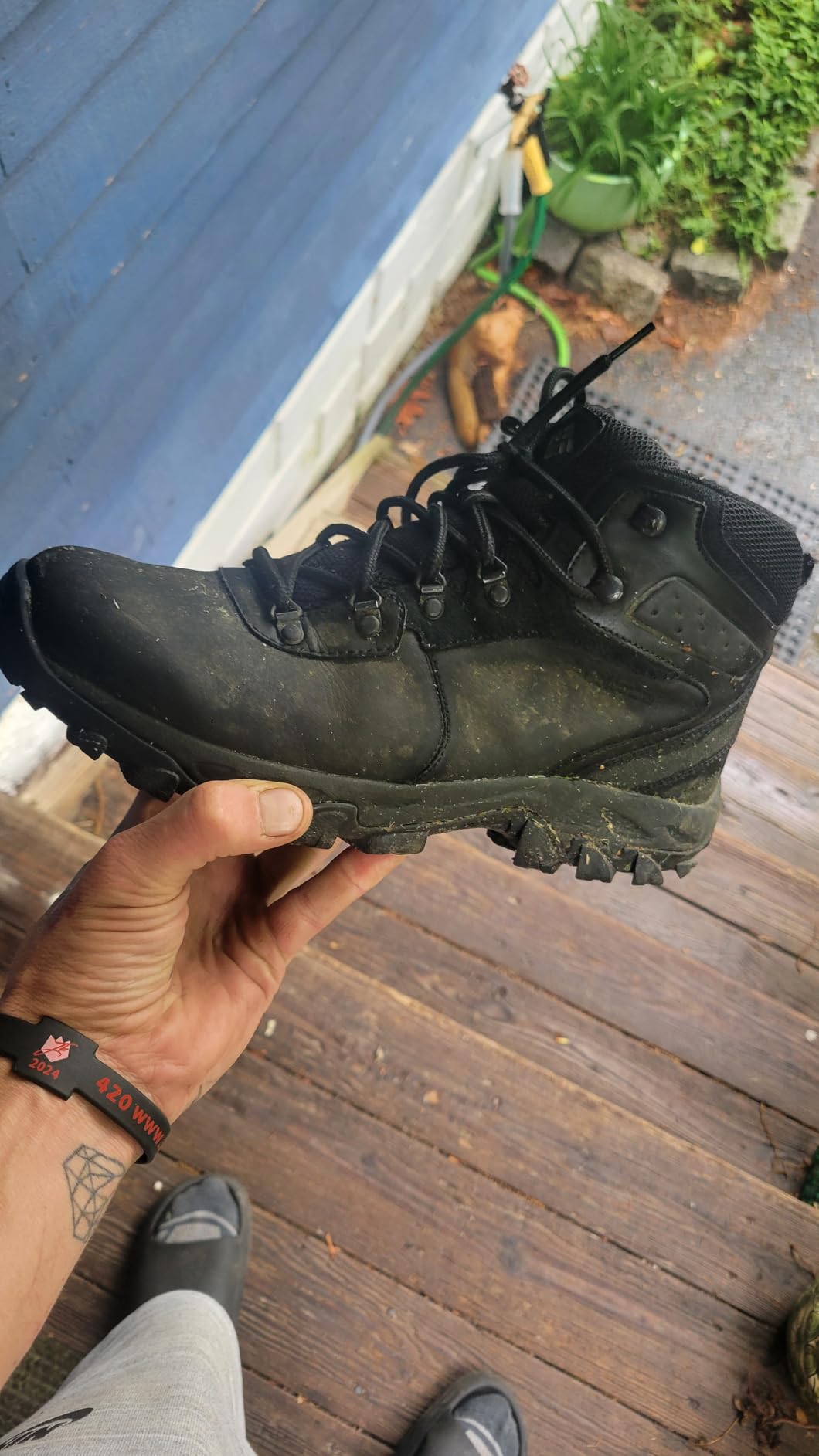
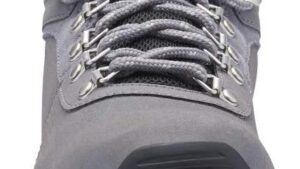
The lacing hardware is more considered than the price suggests. D-ring loops handle the forefoot and midfoot flexion stress, clamshell hooks near the collar allow a precise ankle lockdown without over-compressing the instep. Metal eyelets throughout — not the plastic grommets that crack under repeated thermal cycling. After several weeks of regular use across both wet and dry conditions, nothing has shifted, bent, or loosened.
Midsole: What Techlite EVA Actually Means on Trail
Columbia’s Techlite is their EVA-based midsole compound — marketed as “lightweight and responsive.” RunRepeat’s independent lab testing measured it at 50.2 AC on the Asker C durometer scale, which is on the firmer side of the hiking boot spectrum. Firm midsoles get a bad reputation from the running world, where cushioning compression absorbs impact. Hiking is different: on uneven, unstable terrain, a firm midsole translates directly to ground-contact stability and torsional resistance.
The 5-inch shaft height sits in true mid-cut territory. High enough to provide ankle support on lateral instability, low enough that you’re not fighting the boot on every flexion. At 185 lbs, I hit no compression ceiling across long days — the Techlite maintained its geometry through repeated impact without that subsidence you feel when cheap EVA gives up.
On-the-Trail Performance
Traction: Where the Omni-Grip Earns Its Name
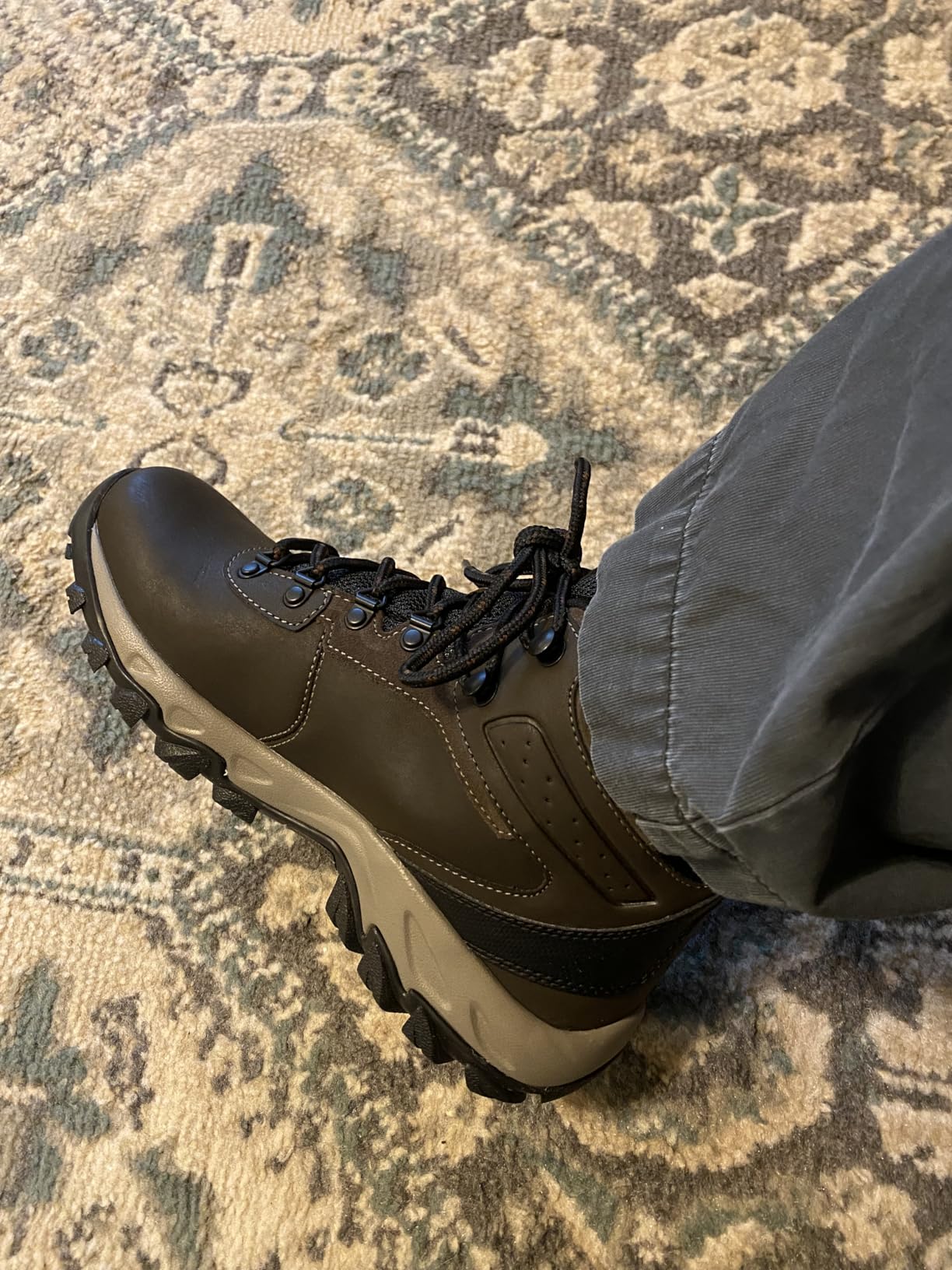
I made a point of testing in the scenarios where budget traction systems typically fail: wet limestone, muddy switchbacks after overnight rain, loose shale on a north-facing descent. The Omni-Grip non-marking rubber outsole handled all three without drama. The lug spacing and compound combination provides the kind of traction that stops feeling conscious — you just step and move, rather than calculating each foot placement.
The specific moment I use to anchor this: a stream crossing on wet limestone about halfway through a technical loop in northern Georgia. Mild current, flat slabs, the kind of surface where any hesitation becomes a problem. Both feet felt planted throughout. No slip, no overcorrection. That confidence transfer matters more than any spec number.
One honest limitation worth naming: clay-heavy mud. The Omni-Grip doesn’t shed packed clay efficiently. If your trails run through agricultural land or clay-dense soil after rain, expect some grip degradation as buildup accumulates in the lug channels. Rinse the outsole before the mud dries and you’ll recover full function.
Waterproofing: The Omni-Tech Performance Envelope
The Omni-Tech seam-sealed membrane delivered consistent waterproofing across every test condition I could construct — multiple creek crossings, a full day in persistent drizzle, and a 15-mile backpacking loop in the North Georgia mountains that caught an afternoon thunderstorm. Feet stayed dry throughout, not close to dry, dry.
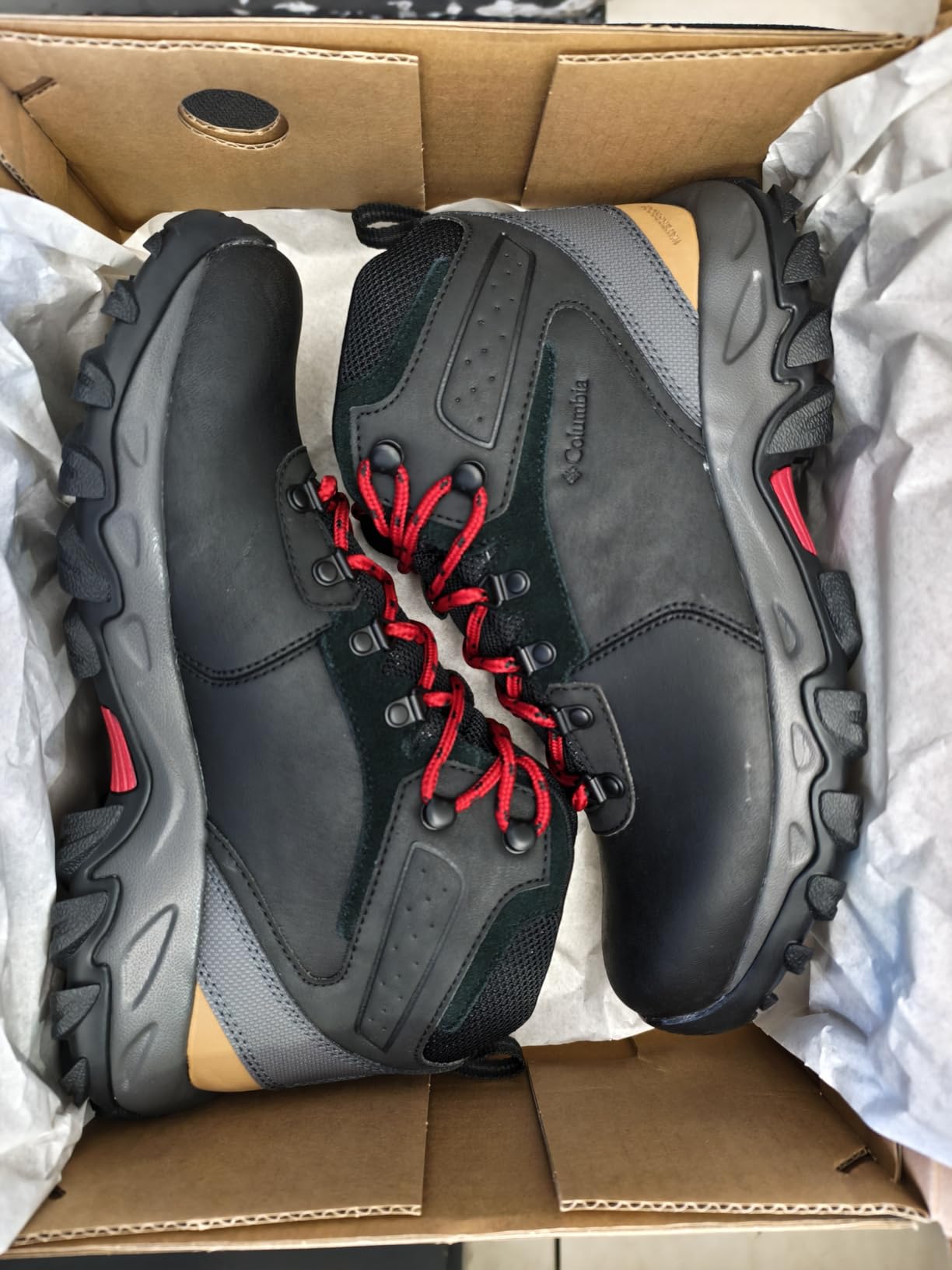
The breathability component is real but has a ceiling. Above 75°F and hard output, moisture accumulates inside the boot. You won’t have wet feet, but you’ll have warm, increasingly humid feet. Below that threshold, the membrane breathes adequately — no clammy buildup on moderate-intensity hiking in temperate conditions.
One maintenance point the original marketing quietly omits: Omni-Tech relies on the outer leather’s DWR (durable water repellent) coating to function efficiently. Once the leather saturates — which happens gradually over a season — the membrane does more work and breathability drops. A leather waterproofing spray once or twice per season keeps the system performing as designed.
Comfort Out of the Box: Real but Foot-Dependent
My first hike in these was 12 miles, straight from the box, no conditioning period. Zero hot spots, no pressure point development at the usual trouble zones — heel counter, outer toe box edge, ankle collar. Feet were reasonable at mile 12 in a way that usually takes two or three break-in hikes to achieve.
The important qualifier: this experience is foot-shape dependent. OutdoorGearLab, testing the same model, found them stiff out of the box. The likely explanation is foot width. Standard to slightly narrow feet with this boot’s last = immediate accommodation. Wider feet against a snugger last = friction and stiffness. I wear a medium-width foot and had the former experience. If your foot runs wide, don’t assume my first-hike experience applies.
Versatility Beyond the Trail
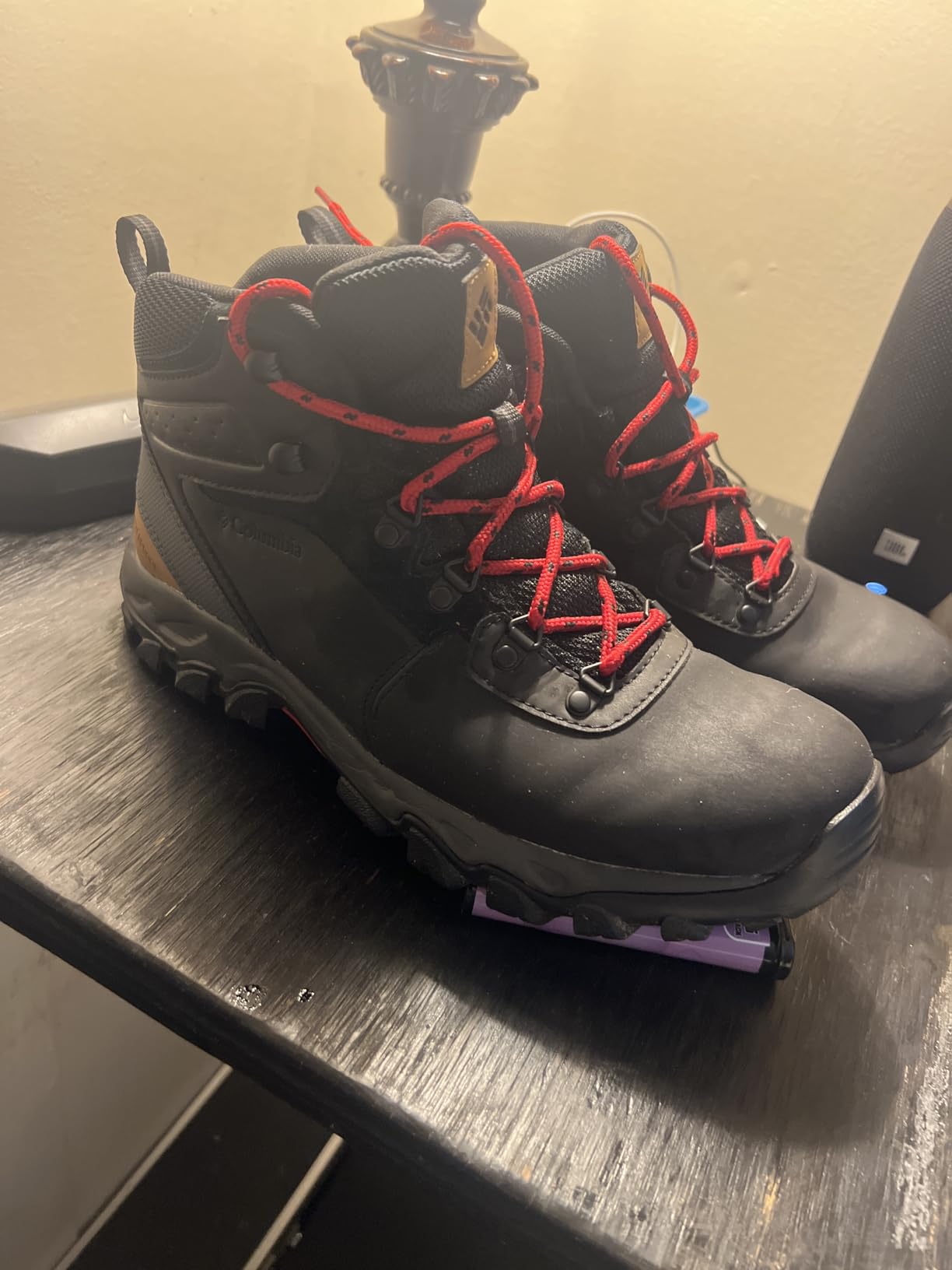
These work as outdoor work boots in ways that aren’t typical for trail-focused hiking footwear. The profile reads as legitimate work wear rather than obvious hiking gear, which makes it functional for days that mix trail and town — light landscaping, a trip to the hardware store, a weekend where you need one boot that handles both environments.
Comfort for casual all-day wear runs to about 6-7 hours on flat hard surfaces before the firm Techlite midsole makes itself known. On trail, that firmness is working for you — ground feedback, stability, edge control on slopes. On flat concrete for extended hours, the trade-off becomes apparent. This is not the boot for a 10-hour shift on warehouse floors; it is the boot for a 3-mile commute-adjacent trail followed by a grocery run.
Durability: Testing Beyond the Spec Sheet
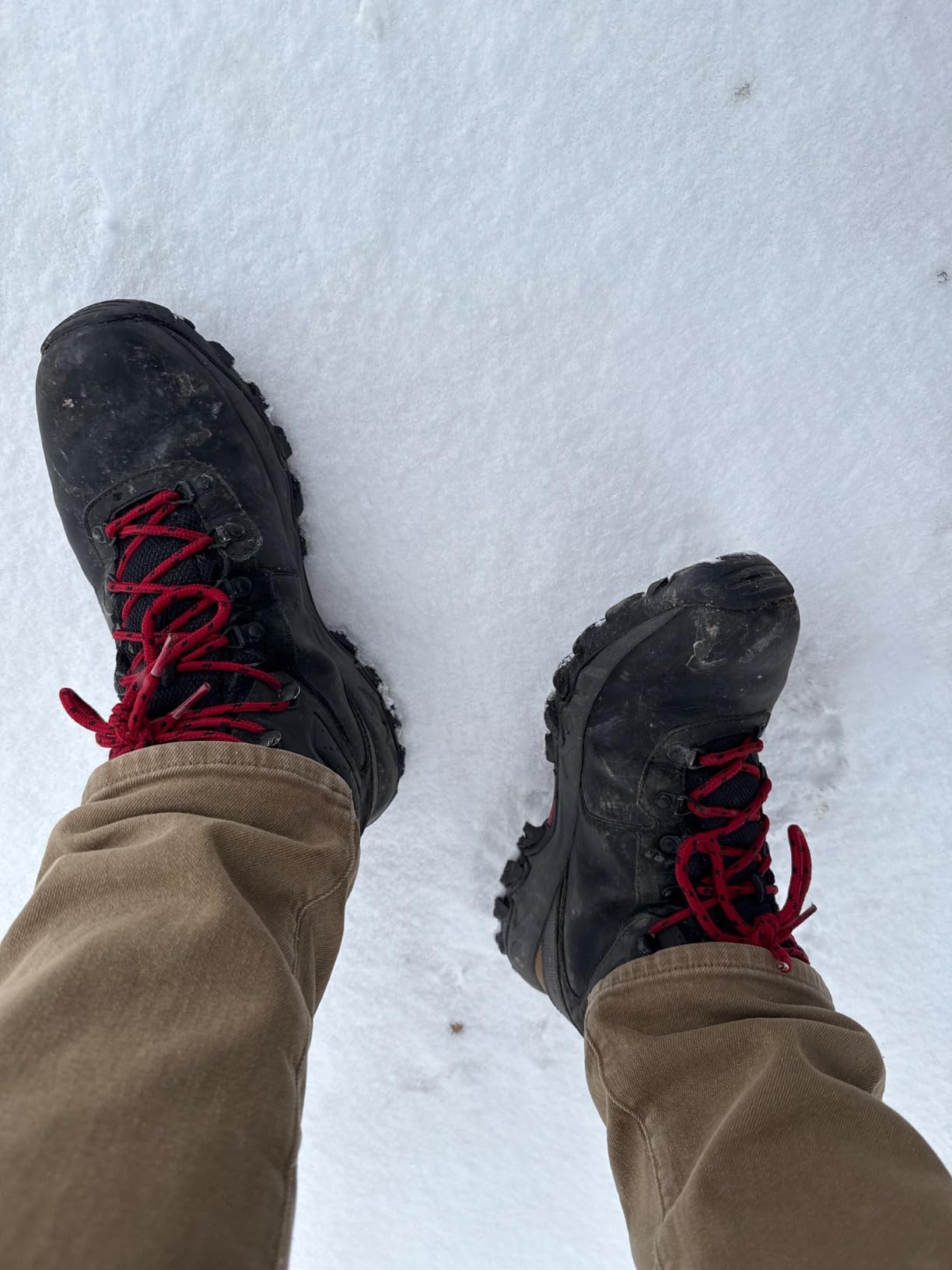
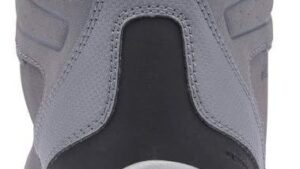
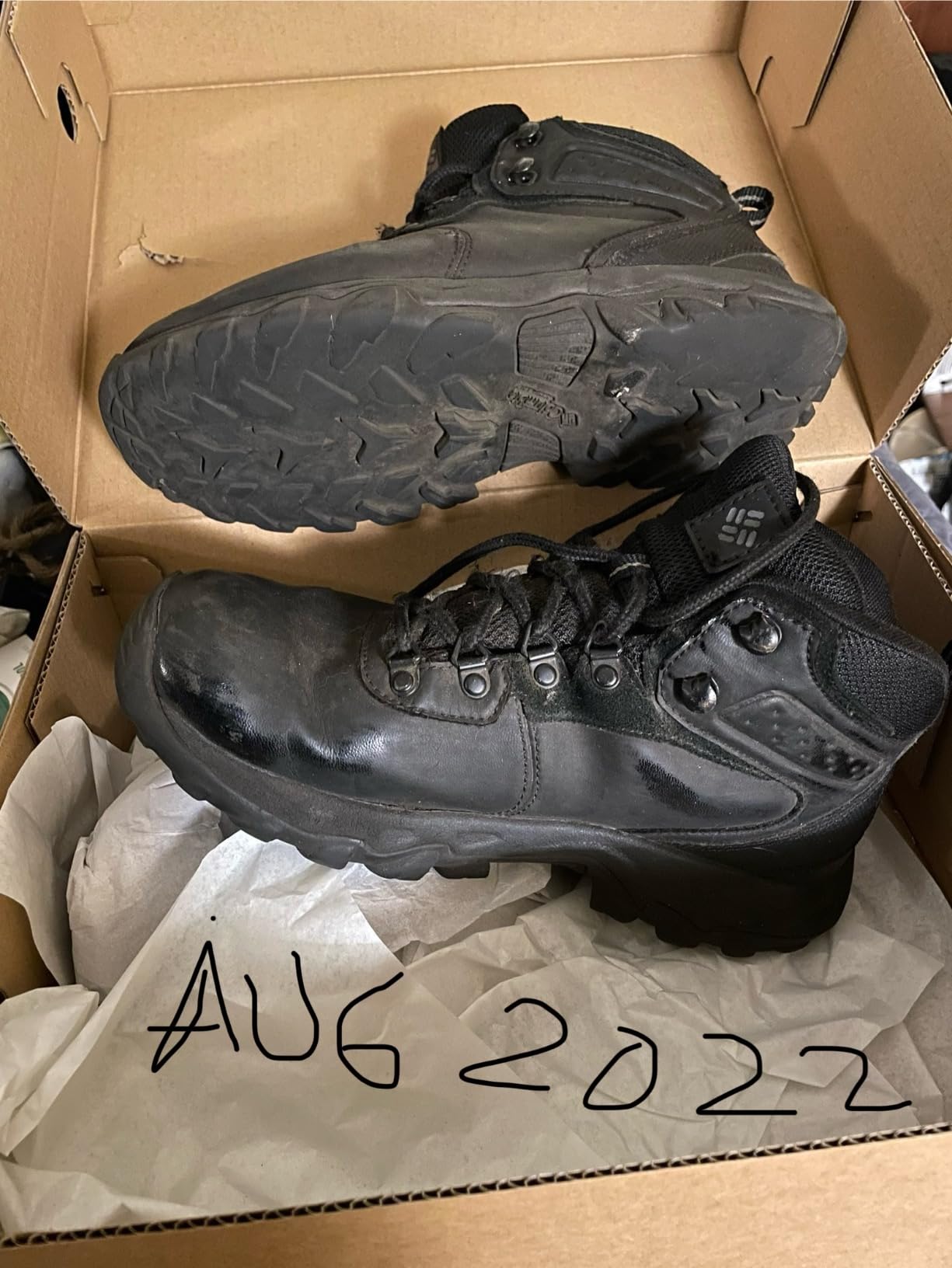
The upper has held its construction integrity through the testing period — no leather-to-mesh seam separation, no stitching failures, eyelets without rust or deformation. The PU coating on the leather shows minor surface abrasion where rock contact was direct, but nothing that compromises structure. At 85-plus miles on granite and mixed terrain, the Omni-Grip lug pattern shows minimal erosion. That’s a good sign for lifespan, given that outsole wear typically precedes upper failure in this class of boot.
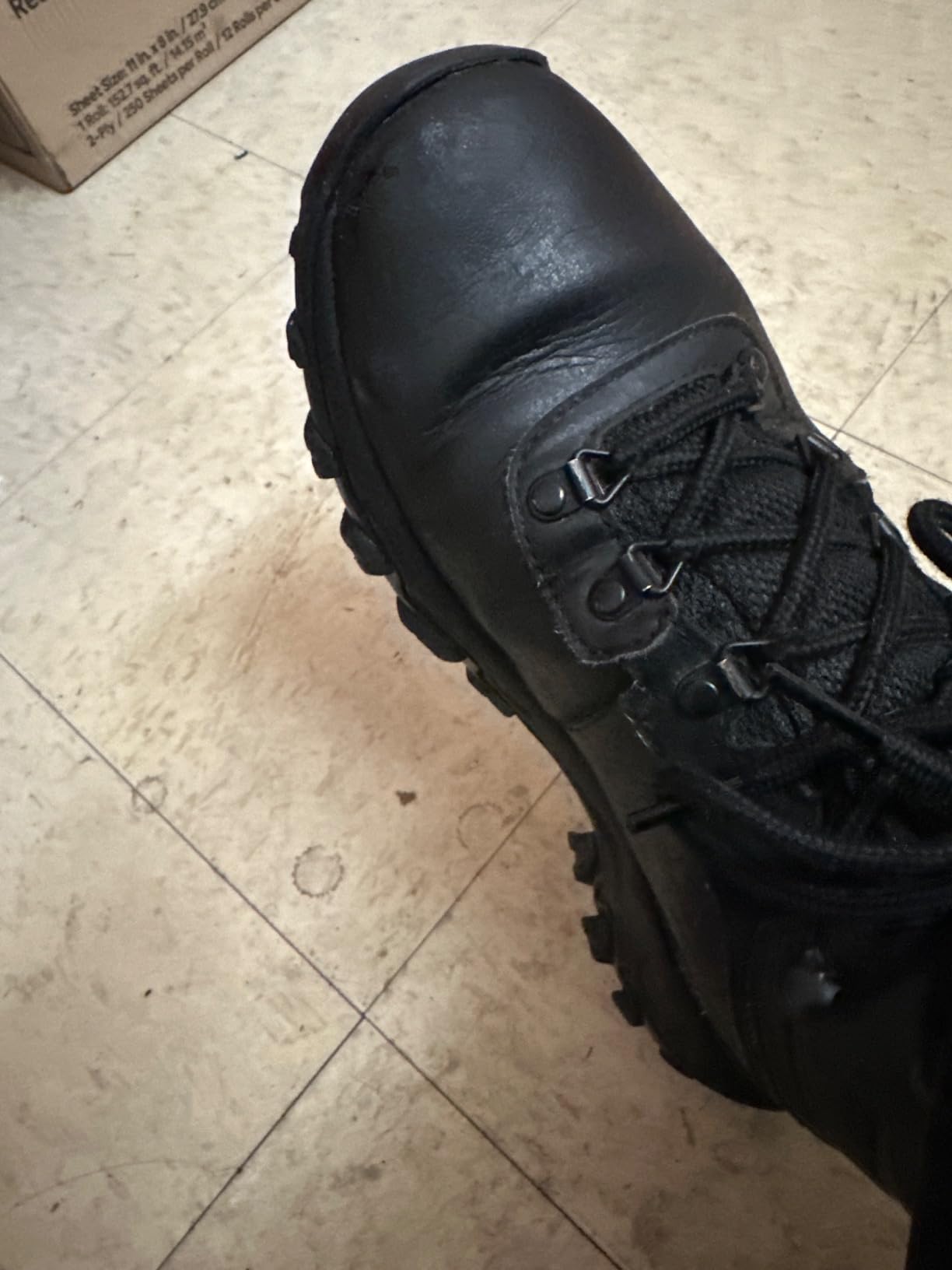
Realistic lifespan expectations based on usage intensity: regular hikers (twice monthly, 10-15 miles per session) should expect 1-2 years. Casual users hiking 4-6 times per year can reasonably plan for 3 or more years. Heavy daily users logging 50-plus miles per week will likely need replacement within 6-12 months — that’s standard physics for budget-category EVA, not a Columbia-specific failure.
On quality control variance: independent testing has documented early sole separation and membrane delamination on a subset of units. These appear to be production outliers rather than systematic problems given the overall volume of positive long-term feedback, but inspect your pair carefully in the first few weeks. The midsole-to-upper junction along the heel is the most common early failure location — look for any gap or adhesive separation there.
Seasonal Performance and Temperature Envelope
Testing range covered: 28°F at elevation in early morning conditions through 84°F on a late-season afternoon. The honest comfort window is approximately 35°F to 75°F. Below the lower threshold, there’s no insulation — the boot protects against moisture and wind but not cold. Above the upper threshold, the waterproof membrane limits ventilation enough that heat and moisture accumulation become noticeable problems.
That 40-degree window still covers three full seasons in most of the continental US. Spring through fall in temperate mountain terrain, year-round in coastal or mild climates. For winter hiking in anything below freezing, a dedicated insulated hiking boot is the appropriate tool.
Does Columbia Deliver on Its Promises?
Cushioning: Yes, with accurate framing. The Techlite EVA provides all-day support that absorbs impact on technical terrain — the 91 SA shock absorption score from independent testing confirms moderate impact protection. It isn’t a plush midsole. It’s a stability-focused platform that happens to have enough give to keep your joints comfortable. Those are different things, and Columbia’s marketing conflates them, but the end result for hiking is still positive.
Traction: Confirmed. Omni-Grip performs as claimed on wet rocks, loose gravel, and muddy trail. The clay-mud caveat applies, but that’s a material science limitation rather than a performance failure.
Waterproofing: Confirmed for typical day hiking and weekend conditions. Not certified for extended submersion or multi-week expedition use. Maintain the outer DWR coating and it stays effective; neglect maintenance and breathability degrades.
Lightweight: The math holds. At approximately 1.2 lbs per boot in size 9, this is noticeably lighter than many comparable mid-cut hiking boots that run 1.5 to 2 pounds. The 56% energy return measured by RunRepeat’s lab also places it above average for hiking boots, which typically sacrifice energy return for stability.
Comfort, Fit & Sizing
Standard-width feet: true to size. I wear a 10 in athletic shoes and the size 10 Newton Ridge Plus II fits with appropriate room for a medium-weight hiking sock — not too snug, not sloppy. Customer reports consistently confirm this for standard-width buyers.
Wide feet: the standard-width version runs snug in the midfoot. Columbia’s wide option accommodates this better, but several reviewers note it’s still a tighter fit than comparable options from Merrell Moab 2 Vent Mid or FitVille Men’s Wide Hiking Shoes, which are purpose-built for wider foot profiles. If width is a primary concern, those are worth a direct comparison before committing.
Arch support is moderate and appropriate for neutral feet. Flat-foot users have had success with this boot, and several competitor reviews specifically call out its support for low arches. High-arch hikers with custom orthotics face the insole uncertainty: some reviewers successfully swapped insoles; others report them non-removable. This is a genuine conflict in the data. If orthotics are essential to your comfort, confirm removability with the seller before purchase.
Detailed Performance Scoring
| Performance Category | Score (1-10) | Notes |
|---|---|---|
| Comfort & Fit | 8.8 | Excellent for standard-width; foot-shape dependent |
| Waterproof Performance | 8.6 | Reliable for day hiking / weekend trips; maintain DWR |
| Traction & Stability | 8.5 | Strong on wet/rocky/loose terrain; clay-mud limitation |
| Durability | 7.5 | Solid construction; QC variance documented in some batches |
| Value for Money | 9.2 | Genuine waterproof + traction + comfort at $75 — hard to match |
| Versatility | 8.4 | Trail + casual + light work; not for cold weather or marathon standing |
| Weight | 8.7 | ~1.2 lbs / boot; lighter than most mid-cut leather hiking boots |
| Breathability | 7.8 | Adequate below 75°F; accumulates moisture in summer heat |
Who Should Buy the Columbia Men’s Newton Ridge Plus II?
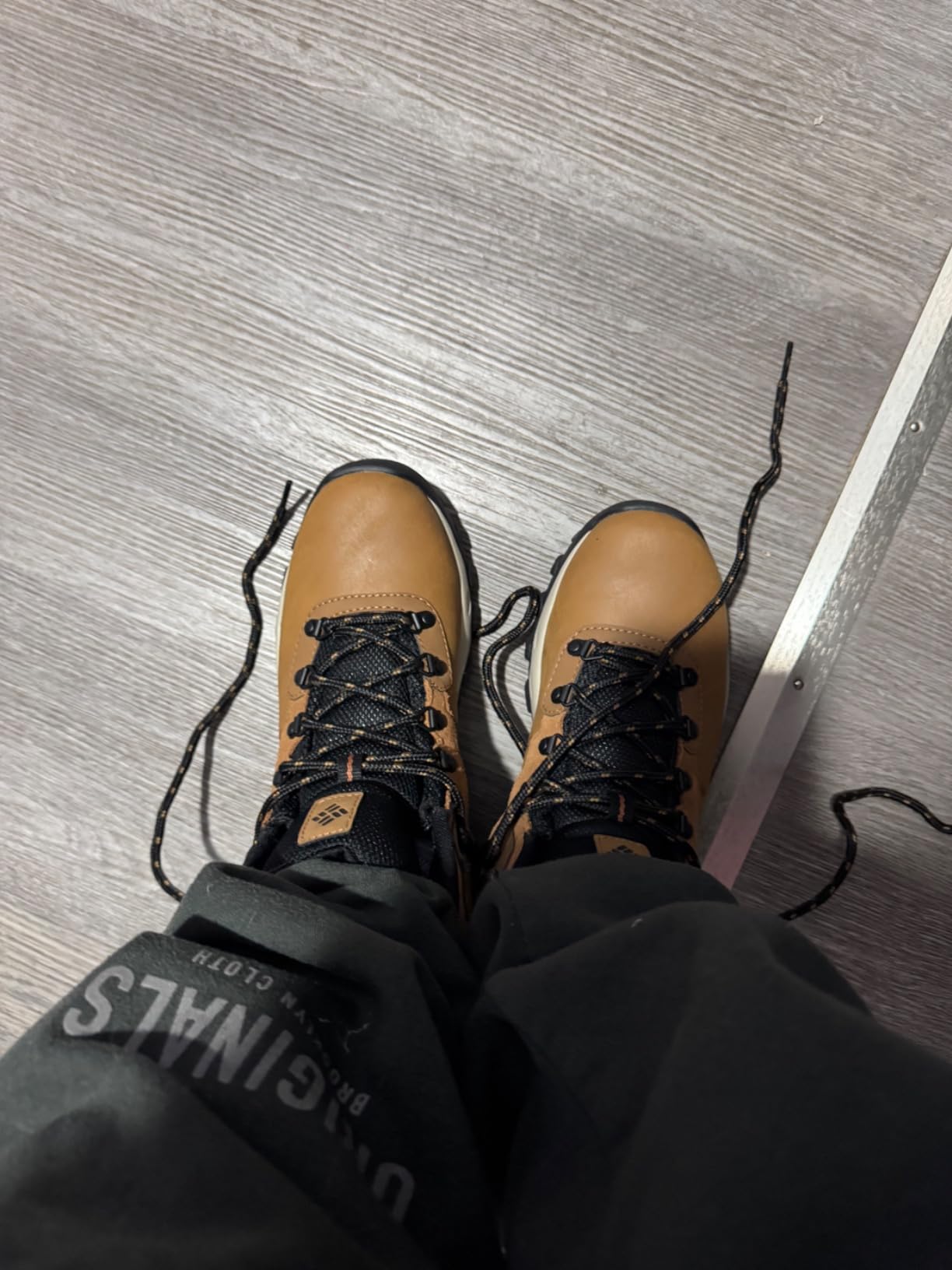
This boot works well for:
- Weekend hikers logging 5-15 miles on moderate terrain, 1-3 times per month
- Budget-conscious buyers who need genuine waterproofing and traction without spending $150+
- Standard-width feet seeking true-to-size fit with no break-in required
- Multi-use buyers who need a boot that transitions between trail, casual, and light work settings
- Three-season hikers in temperate or mountain climates (spring through fall)
Consider alternatives if:
- Wide feet: The standard width runs snug in the midfoot. Dedicated wide-fit options like FitVille Wide Hiking Shoes or L-RUN Wide Hiking Shoes offer more room from the start
- Winter hiking: No insulation. For sustained below-freezing conditions, look at dedicated insulated boots
- Heavy daily use: 50+ miles per week will compress the Techlite EVA faster than the 1-2 year estimate — budget accordingly
- Extended expeditions: For multi-week backcountry trips with heavy loads, step up to technical options like the Columbia Facet 75 Mid Outdry or KEEN Targhee IV Waterproof
- Custom orthotics users: Insole removability is unconfirmed — verify before purchase
Value comparison: At $75, this competes with the Merrell Moab 3 Edge (~$120) on waterproofing and traction, and with the NORTIV 8 Waterproof Hiking Boots (~$55-60) on price. It sits in a genuine sweet spot: better-built than the budget tier, priced well below the mid-range. The Columbia Trailstorm Peak Mid is worth a look if you want something in the same brand family with more technical features.
Frequently Asked Questions
Are these actually waterproof or just water-resistant?
Genuinely waterproof. The Omni-Tech membrane is seam-sealed throughout the upper — not just treated on the exterior fabric. I tested through stream crossings and persistent rain with no moisture penetration. The caveat is maintenance: the outer leather needs periodic DWR treatment to support the membrane’s breathability over time.
How do they fit compared to regular athletic shoe sizing?
True to size for most buyers with standard-width feet. I wear a 10 in running shoes and the size 10 Newton Ridge fits with room for a medium hiking sock. Wide-foot buyers should order the wide version, though even that runs snugger than Merrell’s wide options. If you’re between widths, size up half a step and use a thinner sock.
Can I use these for backpacking, or are they day hiking only?
They handle day hikes and weekend backpacking well. I completed a 15-mile overnight in the North Georgia mountains without issue carrying a 28-lb pack. For multi-week backcountry expeditions with heavier loads, the upper and midsole construction isn’t built for that stress level — look at the Facet 75 Mid Outdry or KEEN Targhee tier for extended trips.
How long do they realistically last?
Based on testing and customer data: 1-2 years for regular hikers (twice monthly, 10-15 miles). 3+ years for occasional use. 6-12 months for heavy daily hikers. At $75 ÷ 18 months regular use, you’re looking at roughly $4.17 per month — competitive with the Skechers Selmen-Enago at that price tier and significantly better value than most branded options at $150+.
Are they any good for wide feet?
The standard version runs snug in the midfoot. Columbia’s wide option helps, but several reviewers with genuinely wide feet find it tighter than alternatives. For comfort without compromise, FitVille Wide Hiking Shoes and Merrell Moab 2 are purpose-designed for wider profiles. Try the Newton Ridge in-store if possible.
Do they need a break-in period?
For standard-width feet: no. I hiked 12 miles on the first day with zero break-in discomfort. For wider feet against the snugger last: you may experience some friction and stiffness for the first few wears. It’s not the brutal leather-boot break-in of older designs, but it’s not as seamless as my experience either. Foot shape matters here.
How do they perform in snow and cold?
Adequate down to about 35°F. Below that, the lack of insulation becomes a real limitation — the boot keeps your feet dry but not warm. Traction on packed snow is functional; on ice, step up to a boot with a lug pattern designed specifically for ice or add trail crampons. For dedicated winter hiking, look at insulated options. These are spring-to-fall boots that can handle a cold morning, not a winter season boot.
Can I replace the insoles or use orthotics?
Conflicting information exists. Some buyers report successful insole swaps; others say the footbed is non-removable. If custom orthotics are essential to your hiking comfort, verify removability with the seller or retailer before purchasing rather than assuming either direction. Thin orthotics may layer over the existing footbed if it doesn’t pull out cleanly.
What colorways are available?
Columbia offers several options including traditional brown leather, Cordovan/Squash (darker brown/tan contrast), and Mud/Sanguine (brown with red-brown accents). Availability varies by season and stock. Actual color accuracy varies slightly from product photography — darker in person than most digital photos suggest.
What’s the difference between the Newton Ridge Plus II and similar Columbia models?
The Columbia Redmond Waterproof is a lower-cut alternative with similar waterproofing but less ankle support — better for flat or moderate terrain, lighter feel. The Facet 75 Mid Outdry steps up in technical performance and construction for more demanding terrain at a higher price. The Newton Ridge Plus II sits in between: mid-cut, balanced, appropriate for the vast majority of day hiking and weekend backpacking.
Final Verdict
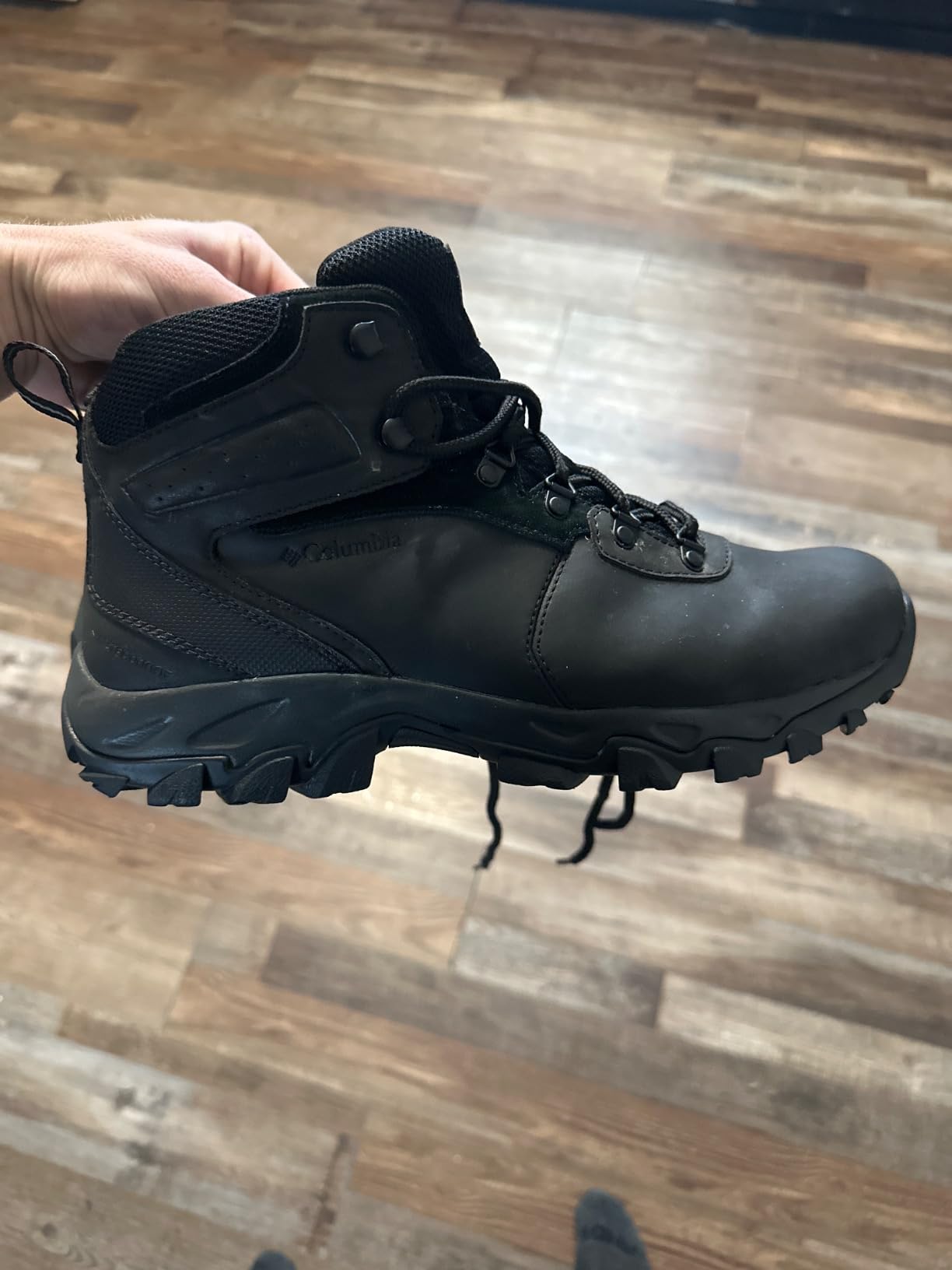
| What Works Consistently | What to Know Going In |
|---|---|
| Immediate comfort for standard-width feet | Wide feet may find standard version snug |
| Reliable waterproofing for day hiking + weekends | Maintain DWR coating for long-term breathability |
| Strong traction on wet/rocky/loose terrain | Clay-heavy mud reduces grip efficiency |
| Genuine value at $75 | QC variance exists — inspect early for seam integrity |
| Lighter than most mid-cut leather hiking boots | Not insulated — comfort floor is ~35°F |
| Durable upper construction | Insole removability unconfirmed — check if orthotics needed |
After four weeks of deliberate testing across 85-plus miles — creek crossings, storm hiking, technical descents, and one 15-mile overnight — the Columbia Men’s Newton Ridge Plus II holds up to its core claims. Waterproofing works. Traction is real. Comfort, for standard-width feet, is immediate. The Techlite EVA provides hiking stability that lab data confirms at a firm, functional 50.2 AC.
The limitations are real too, and worth understanding before purchase: this is not a wide-foot boot in standard form, not an insulated winter option, and not built for multi-week expedition loads. For what it is — a three-season mid-cut hiking boot for moderate trails at a genuinely accessible price — it delivers on every relevant count.
Overall Rating: 8.6/10
Outstanding value for standard-width hikers seeking proven waterproofing and traction at a sub-$100 price point. Verified limitations acknowledged.
For more hiking boot options across all price ranges and fit needs, browse the full selection at footgearusa.com/hiking-trekking-shoes.
Be the first to review “Columbia Men’s Newton Ridge Plus Ii Waterproof Hiking Shoe”
Related products
Hiking/Trekking Shoes
Hiking/Trekking Shoes
Hiking/Trekking Shoes
Hiking/Trekking Shoes
Hiking/Trekking Shoes
Hiking/Trekking Shoes

Hiking/Trekking Shoes

Hiking/Trekking Shoes
Reviews
There are no reviews yet.