
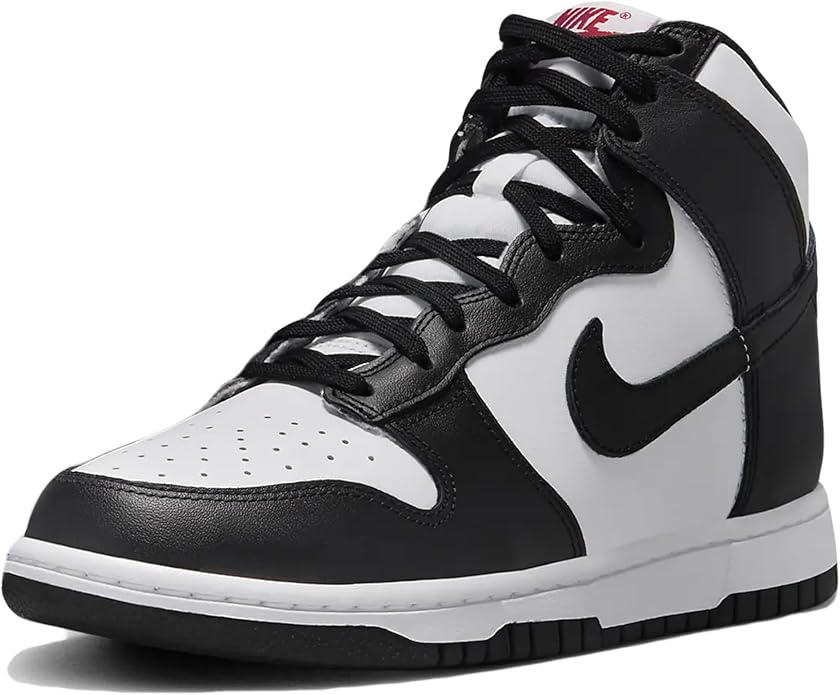
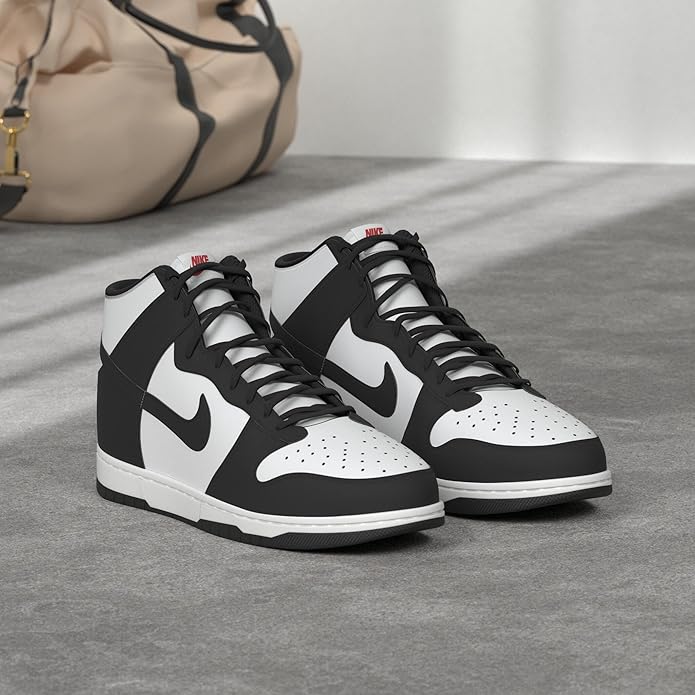
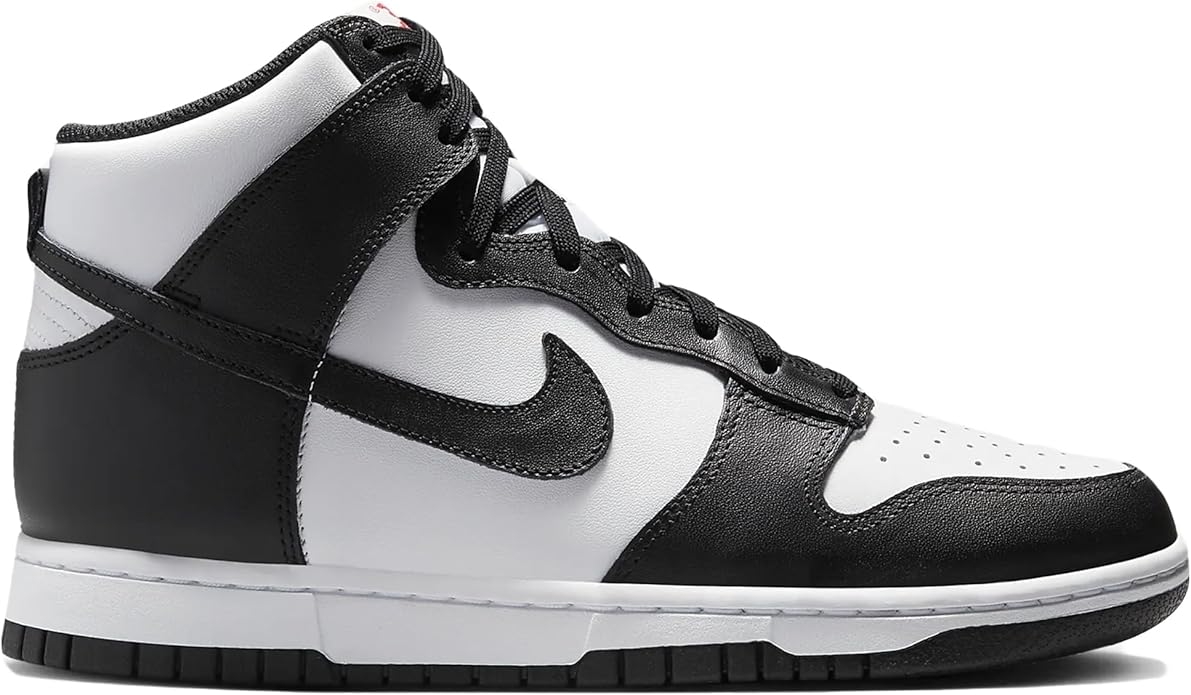
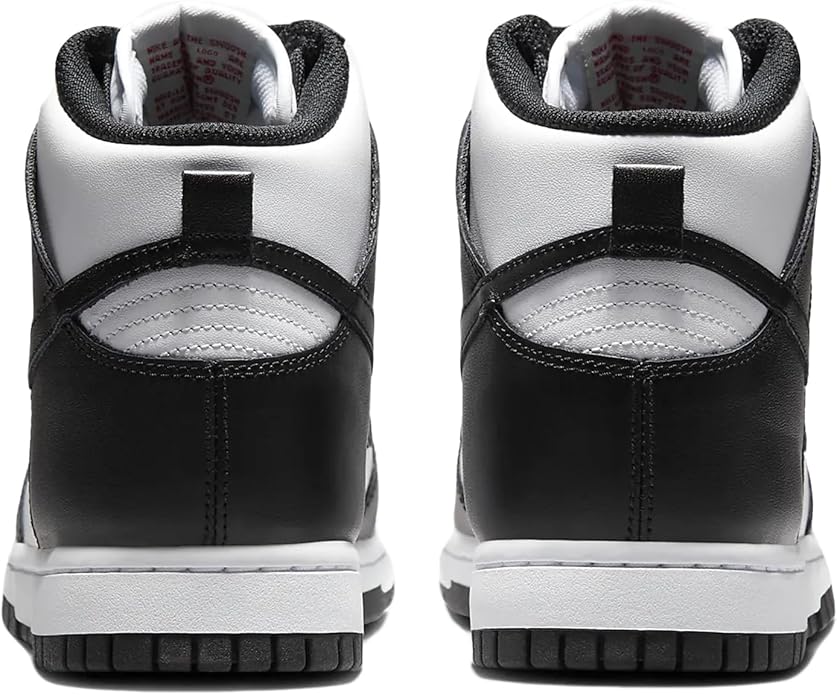
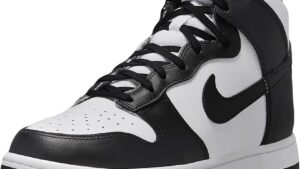
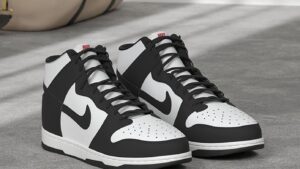
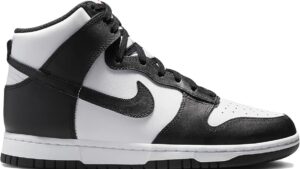
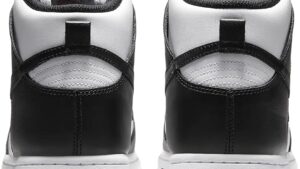
Six weeks ago, I was deep in an Instagram rabbit hole of sneaker posts, comparing the Nike Women’s Dunk High to every other retro high-top on the market. Sarah here. Between the hype, the resell prices, and the constant debate about sizing, I almost talked myself out of buying them. Then I did — and then I wore them relentlessly for 40+ days to find out what the fuss was actually about. Here’s the honest version.
Quick Specs
| Spec | Details |
|---|---|
| 💰 Price | ~$130 retail (varies by colorway; limited releases higher) |
| ⚖️ Weight | ~12.3 oz (women’s size 8); lab-tested at 14.4 oz in larger size |
| 🧪 Midsole | Foam (responsive, 32.3 HA — 12% firmer than category average) |
| 📏 Heel stack | 22.6mm (vs. 30.7mm avg — very low, ground-feel design) |
| 📐 Drop | 7.7mm heel-to-toe |
| 👟 Upper | Real leather with perforations (decorative only — layer underneath) |
| 🔒 Closure | Lace-up (standard eyelet system) |
| 📏 Width | 89.9mm at widest (slightly narrow vs. 92.5mm average) |
| 👣 Sizing | True to size (76-vote consensus) |
| 🌧️ Weather | Not water resistant |
| 🏀 Heritage | 1980s basketball shoe; made in Vietnam |
| ⏱️ Testing | 6 weeks, 40+ days, multiple 10–12 hour daily wear sessions |
One note before we dive in: you may see some sources (including an earlier version of this review) listing the closure as “Hook & Loop / Velcro.” That’s incorrect — every official source, including Nike.com and Amazon’s own listing, confirms the Dunk High uses a standard lace-up system. More on why that actually matters in the comfort section.
Design and Build Quality
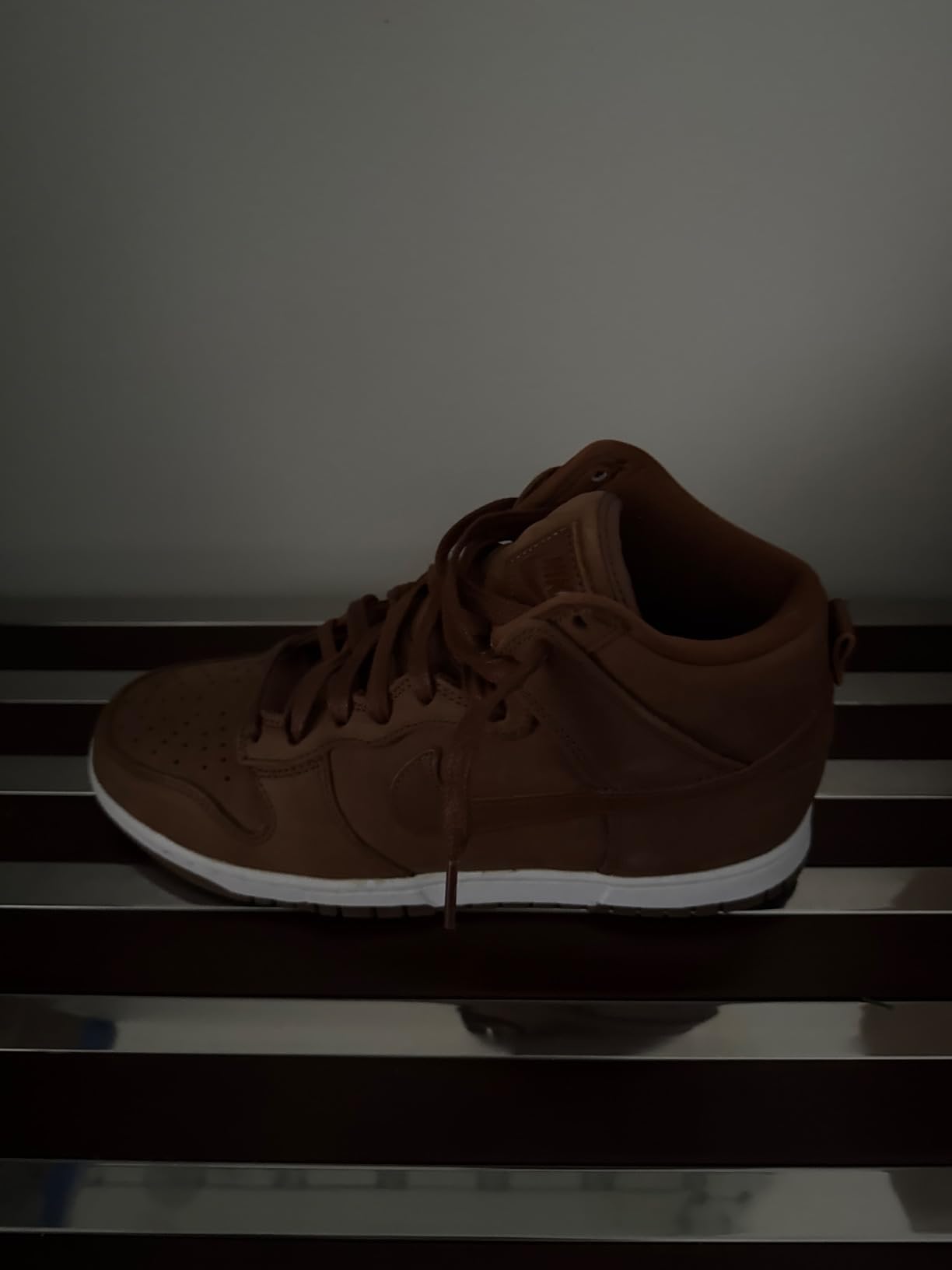
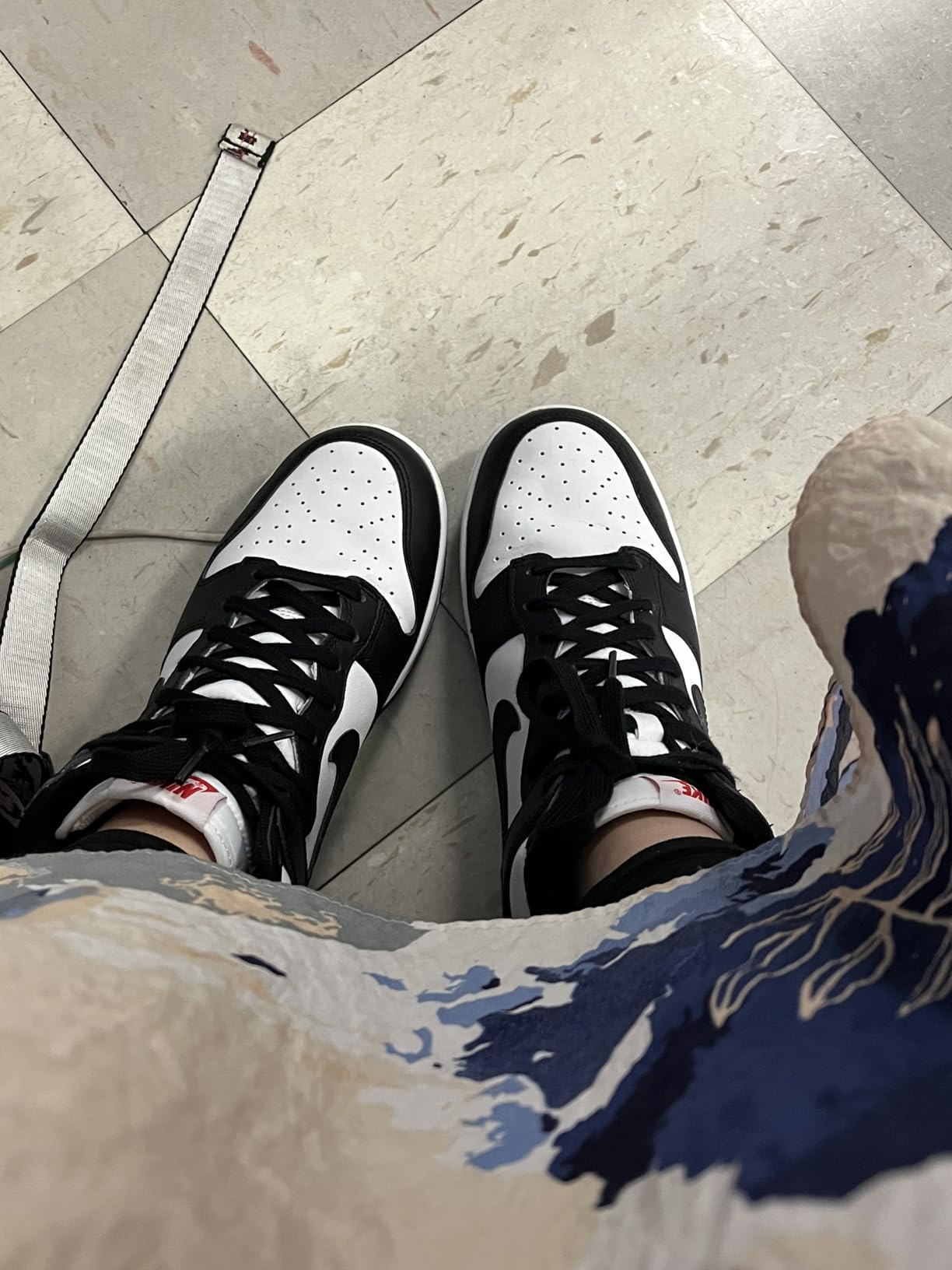
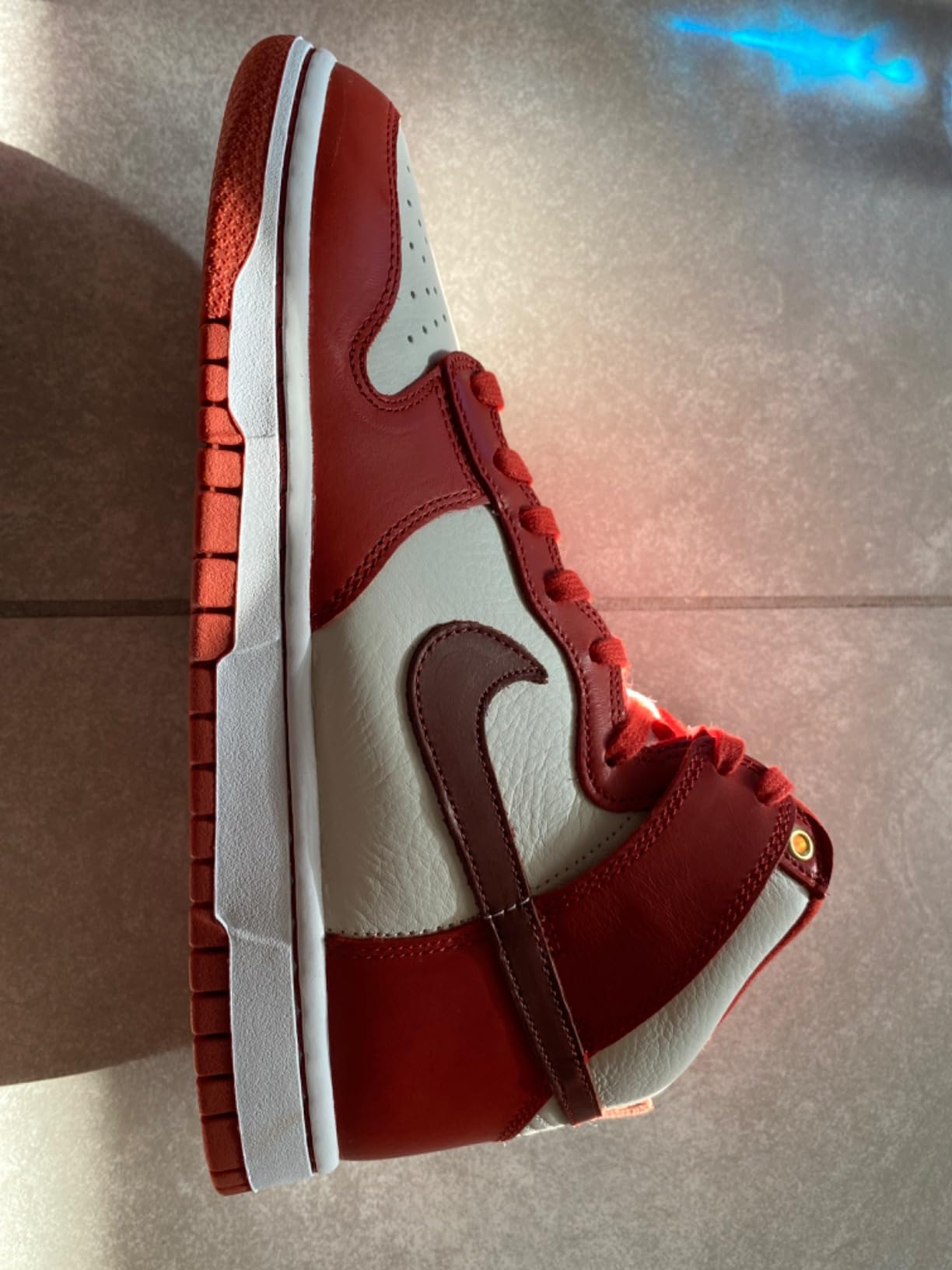
The first thing you notice out of the box is that the leather feels genuinely substantial. Not vinyl-coated plastic that passes as leather in a lot of lifestyle sneakers — actual smooth leather with a clean, tight grain. Nike describes it as “crisp leather with durable overlays,” and that’s accurate. The overlays at the toe box and collar add structure without feeling bulky.
RunRepeat confirmed real leather in their lab test, and after six weeks of regular wear, I can vouch for it. The leather has started developing a light patina in the vamp area — that faint crease pattern you get from walking. Plenty of people in comments sections treat creasing like a defect. It isn’t. It’s what real leather does, and it actually looks better than the pristine box condition after a few weeks. If you want sneakers that stay crease-free forever, synthetic is your answer, but then you’re also getting synthetic longevity (which is a tradeoff, not an upgrade).
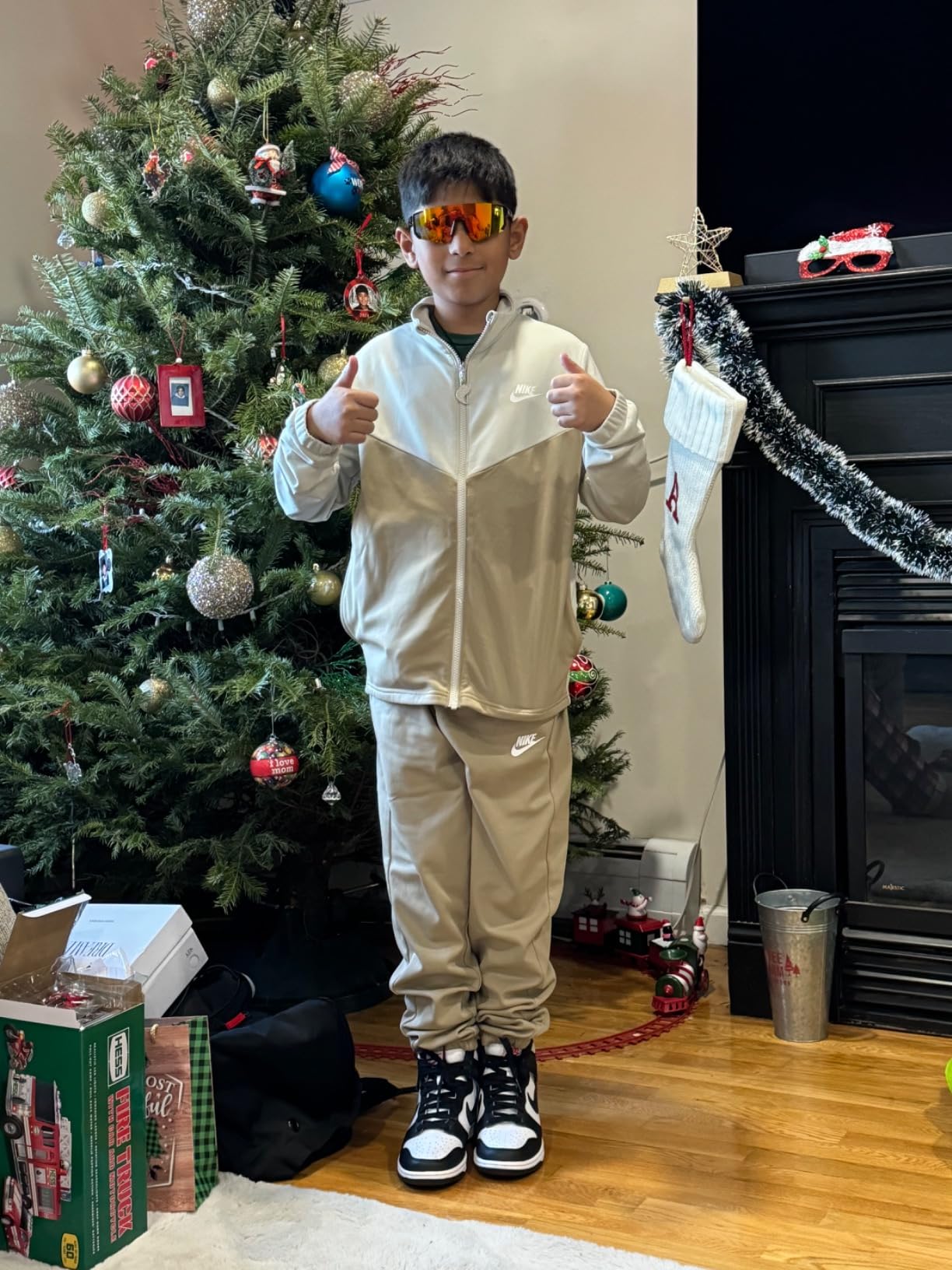
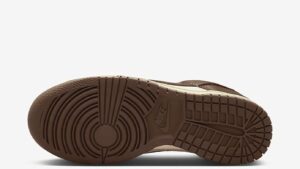
The rubber outsole carries the classic basketball “pivot circle” design — the reinforced circle under the forefoot where 1980s guards would plant during direction changes on the hardwood. Today, it’s a signature detail that gives the outsole a distinctive look and contributes to grip on tile, concrete, and pavement. RunRepeat rated the outsole durability as “Good,” which matched my six weeks of testing — no visible wear, no separation.
A quick observation about the toe box perforations: they look like ventilation holes, but RunRepeat’s microscope test revealed there’s a solid layer underneath each perforation. No airflow goes through them. The breathability you get (3/5, which is average) comes mainly from the tongue and lacing area. I mentioned this to a friend who also has a pair and she’d assumed the perforations were functional. They’re purely decorative — and knowing that actually makes the shoe more interesting, not less. The design is paying homage to the original 1980s b-ball silhouette rather than trying to engineer airflow.
Comfort and Break-In
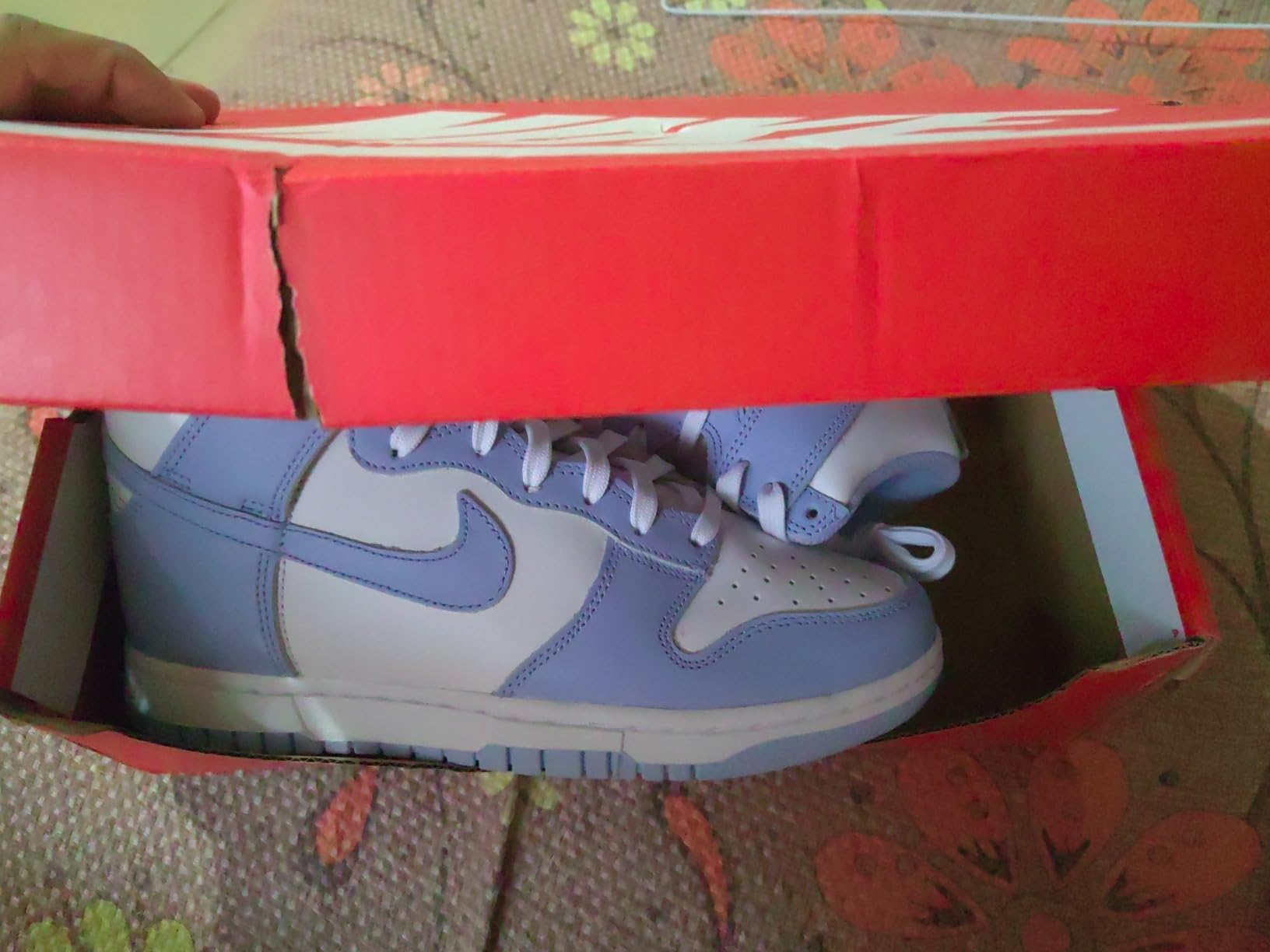
Real leather needs time. This is the part where I’d normally say “oh it just takes a day or two” but I’d rather be specific because it makes a difference in how you approach the first week.
Days 1–2: The ankle collar is noticeably stiff. The leather hasn’t softened yet, and if you wear no-show socks, there’s friction at the collar. Wear crew socks and lace them slightly looser than your usual preference. No blisters for me, but the stiffness is real.
Days 3–4: Something shifts. The leather starts flexing more naturally at the forefoot. The collar stops feeling rigid. By day four I was wearing them comfortably with regular athletic socks without any irritation.
Day 7: The leather had fully molded to my foot. The padding in the tongue and collar had settled into a comfortable position. This is when I started doing full 10-hour days in them.
After that first week, comfort became genuinely excellent. I wore these to a 10-hour day that included a morning grocery run, a two-hour client meeting downtown, an afternoon at my daughter’s soccer practice (lots of standing on grass), and dinner out. Feet felt stable and supported at hour 10.
The foam midsole registers at 32.3 HA on RunRepeat’s durometer — that’s 12% firmer than the average lifestyle sneaker. Some people hear “firmer” and assume uncomfortable. In practice, it means the cushioning doesn’t compress flat halfway through the day. The 22.6mm heel stack keeps you grounded and close to the pavement, which translates to less wobble and more stability over time. If your feet feel better on marshmallow foam, the Skechers Go Walk Joy or a dedicated running shoe like the Nike Air Winflo 9 will serve you better. The Dunk High is built for a different kind of comfort — grounded, stable, responsive rather than plush.
One underrated feature: the insole is removable. If you use custom orthotics, this shoe accommodates them without a fight.
Fit and Sizing
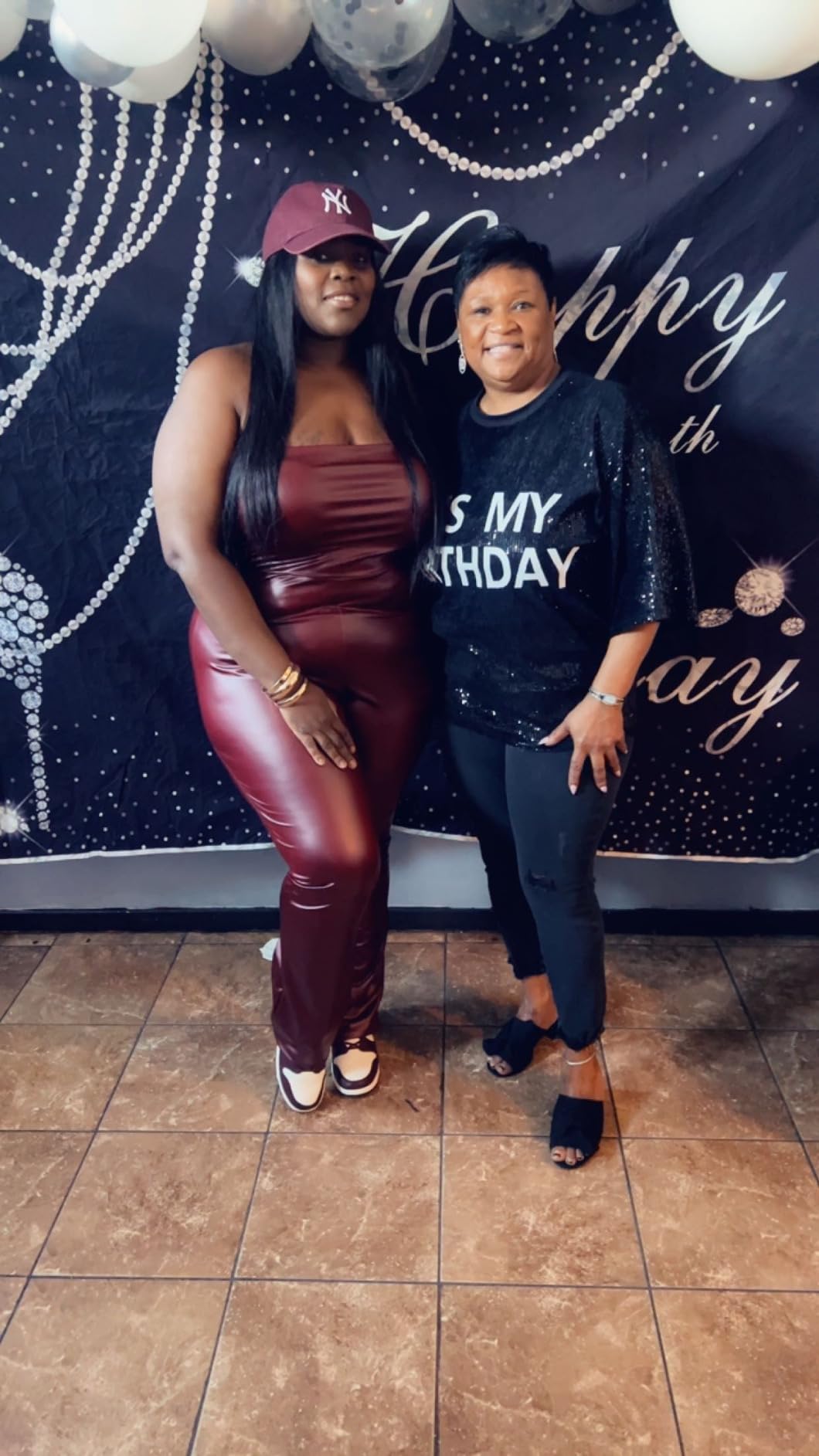
Seventy-six RunRepeat voters say true to size, and that matches my experience. I ordered my usual size and the length is spot-on.
The width is where things get nuanced. RunRepeat measured the shoe’s internal width at 89.9mm — about 2.6mm narrower than the 92.5mm category average. The toebox near the big toe is actually 70.1mm, slightly wider than average, which means the toe box isn’t the bottleneck. It’s the midfoot that runs slightly snug.
How to size yourself:
- Standard or narrow feet → Order your normal size. The fit will be secure without being tight after the leather softens.
- Wide feet → Size up half a step first. If the midfoot still feels restricted, size up a full step. The leather won’t stretch much, so don’t bank on “it’ll loosen up.”
- Between sizes → Round up. Leather molds but doesn’t grow.
- Coming from Converse → Same size. Both are vintage hoops heritage shoes and run comparably.
If you have particularly wide feet and need serious width accommodation, the New Balance 574 or the Somiliss Wide Toe Box sneakers are worth looking at — they’re built with more generous width proportions.
The padded high-top collar takes a little getting used to in terms of fit at the ankle. During break-in it feels snug; after a week it settles into a comfortable position. The lace-up closure lets you dial this in precisely — something that’s worth noting if you’ve seen “Velcro” mentioned in connection with this shoe. Lace-up is actually the better system here: you can loosen the top two eyelets for walk-around comfort and tighten them for active use. I appreciated that flexibility more than I expected.
Style and Versatility
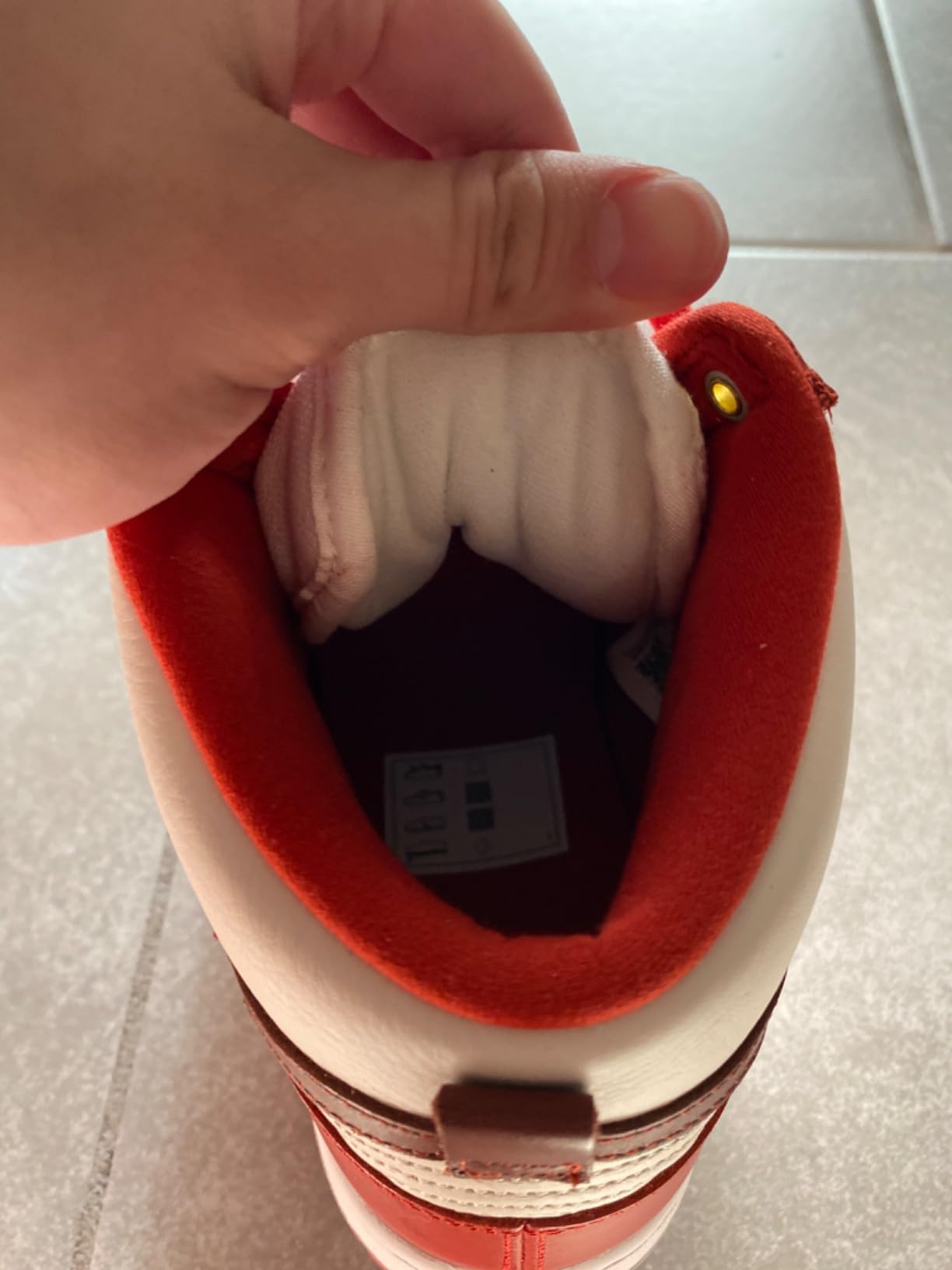
This is where the Dunk High earns its Instagram reputation, and I’ll admit the hype isn’t entirely wrong.
The silhouette has a genuinely timeless quality because it’s not trying to be modern. It’s a 1980s basketball shoe that made it off the court because the design was strong enough to stand alone. The high-top collar creates a statement that most lifestyle sneakers can’t replicate — low-tops blend in, high-tops command the outfit. That’s a styling consideration worth thinking about before you buy.
Over six weeks, I wore these in four genuinely different outfit contexts without planning to write about it. Leggings and a sports pullover to run errands on a Tuesday — the white leather read clean and intentional, not athletic. Cropped trousers and a blazer to a client meeting — the high-top actually made the business-casual look sharper, not sportier. A sundress to dinner — unexpected pairing, worked entirely because the white leather felt refined rather than gym-ish. And back to soccer sideline in full gym wear — came full circle to the athletic origin.
The key styling mechanic: the high-top draws attention to the ankle-to-shin line. That means it works best with cropped pants, shorter skirts, or anything that shows the shoe’s height. Full-length pants hide the high-top entirely, which defeats the point. If you’re planning to mostly wear these tucked under straight-leg jeans, a Nike Gamma Force or a lower-profile sneaker might serve you better aesthetically.
Colorway matters more than usual here. The white/neutral variants are the most versatile — they behave like a neutral accent and play well with most color palettes. Bold variants (the enamel green 1985 edition, the black/rosewood) make the shoe the focal point of the outfit, which either works or doesn’t depending on your wardrobe. If you’re unsure, start with white or black.
Real-World Performance
Weather and Surface Traction
The rubber outsole with its hoops pivot circle design provided solid traction across dry pavement, tile, and grass. I tested these during a rainy week in October and had no slipping concerns on wet concrete.
Rain is a different story once you’re talking about the leather itself. The shoe is explicitly “not water resistant,” and that’s accurate. A short drizzle — maybe five minutes of light rain — the leather shed most of it. A longer downpour left the leather visibly damp and required about four hours of air-drying before it felt fully normal again. These are not rain shoes. If you live somewhere with frequent heavy rain, you’ll want to rotate them with something waterproof, or invest in a leather protector spray before the wet season.
Temperature-wise, they were comfortable in 45–75°F conditions. Above that, the leather traps warmth noticeably — the decorative perforations don’t ventilate as you might expect. They’re not winter boots either, but moderate temperatures are their sweet spot.
Durability at Six Weeks
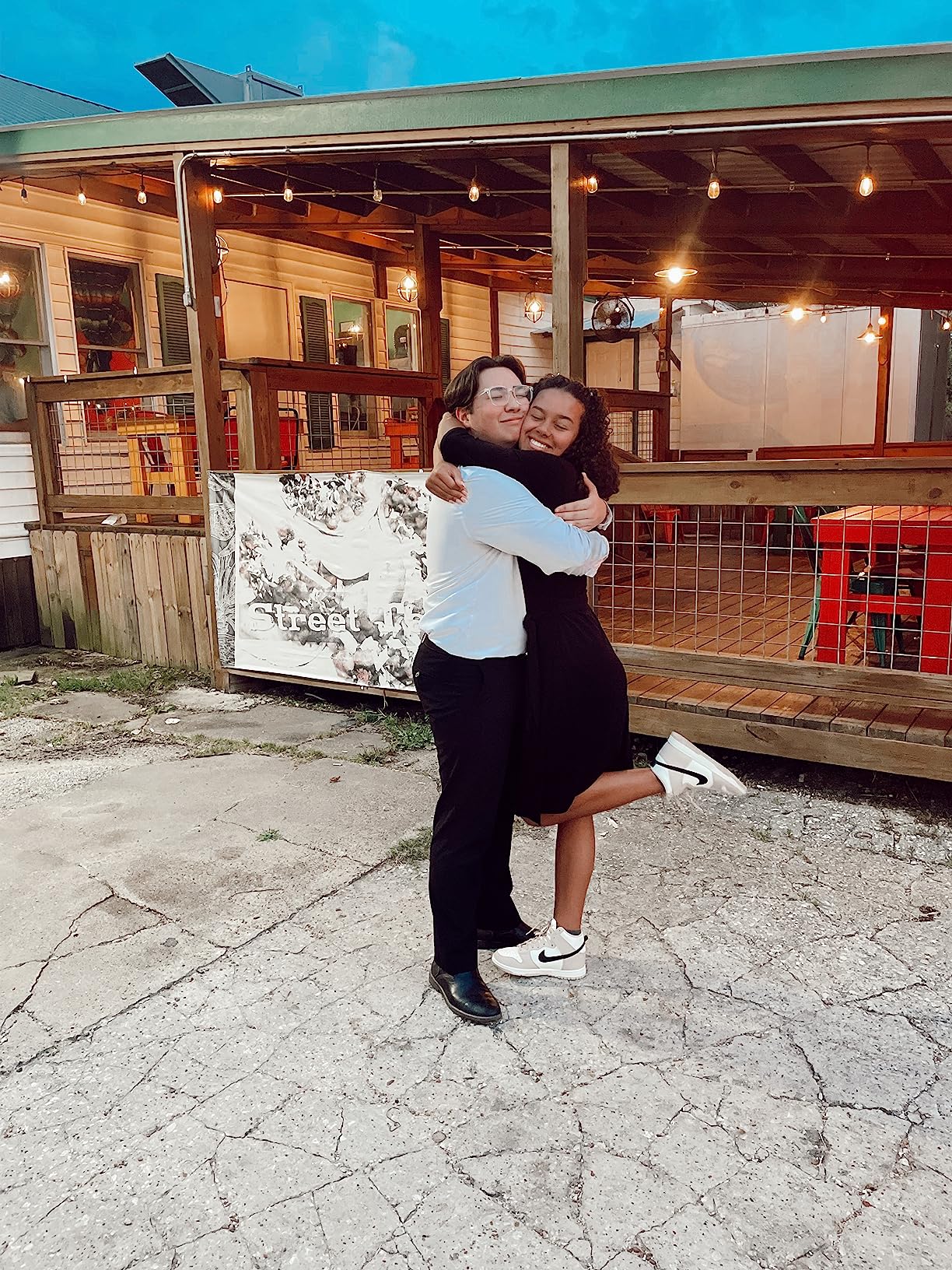
After 40+ days: stitching fully intact, no loose threads. Outsole showing zero separation. The laces are original and still in good condition — though I’d expect they’ll need replacing around the 6–9 month mark if you’re wearing these regularly. Collar padding hasn’t compressed flat.
The leather has developed those characteristic break-in creases at the vamp flex point, which is normal and looks intentional on a shoe like this. No cracking or discoloration beyond natural patina.
Based on the RunRepeat “incredibly durable” assessment, SoleLabReviews’ similar take, and six weeks of clean performance on my end, my estimate for longevity is:
- Casual rotation (1–2x week): 18–24 months before noticeable degradation
- Regular wear (3–4x week): 12–15 months
- Daily wear: 6–9 months before outsole or lace wear becomes the first failure point
Leather conditioning every 2–3 months extends the upper’s lifespan significantly. Air-dry after rain exposure. Replacing laces at first fray (around the 6-month mark for regular wearers) is cheaper than it sounds — a set of VSUDO flat shoe laces works well in the Dunk High’s eyelets.
Buying Authentic: Where to Shop
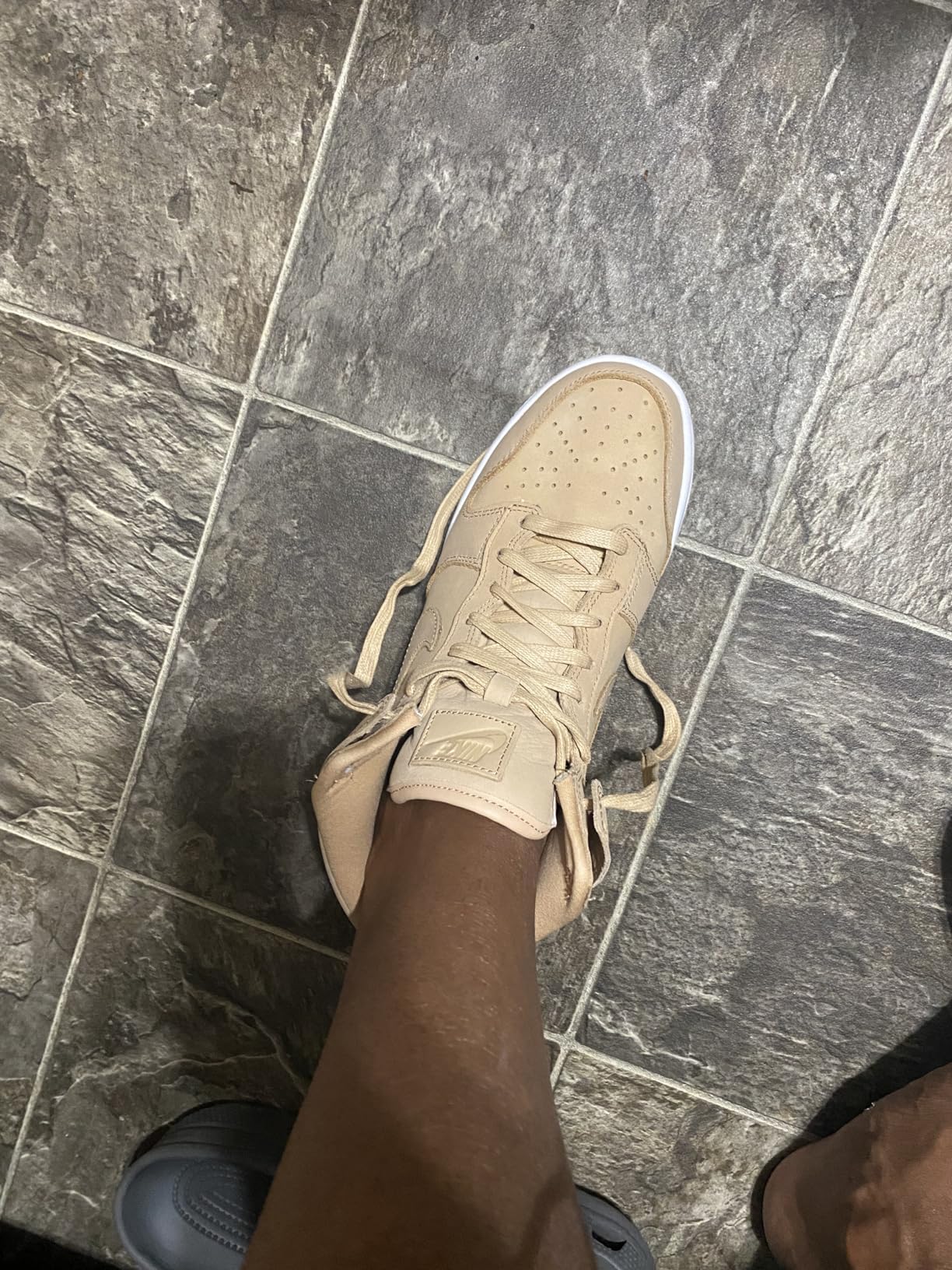
I want to flag this because I’ve seen multiple reviews mention receiving questionable products. Buy from Nike.com, authorized retailers (Foot Locker, ASOS, Zappos), or the official Nike storefront on Amazon. Third-party Amazon sellers are a lottery on popular colorways. The shoe’s retail price is ~$130; if you’re seeing significantly below that, investigate before buying.
Quick authenticity check: real Dunk Highs have consistent stitching on the overlays, a clean Nike tag with production country listed, and a box label that matches the shoe’s style code. The leather texture is smooth and matte — fakes often have a shiny synthetic look even when listed as leather.
Overall Scores
| Category | Score | Notes |
|---|---|---|
| Style & Aesthetics | 9.2/10 | Timeless silhouette, works across multiple outfit contexts |
| Comfort & Fit | 8.5/10 | Excellent after 1-week break-in; stable for 10+ hour days |
| Build Quality | 8.8/10 | Real leather confirmed; solid construction; stitching held at 6 weeks |
| Performance | 7.8/10 | Excellent for lifestyle; no weather protection; not an athletic shoe |
| Value for Money | 7.5/10 | $130 justified by real leather + longevity; premium positioning |
| OVERALL | 8.4/10 | Strong lifestyle sneaker for style-conscious women with standard-width feet |
Who Should Buy (and Who Shouldn’t)
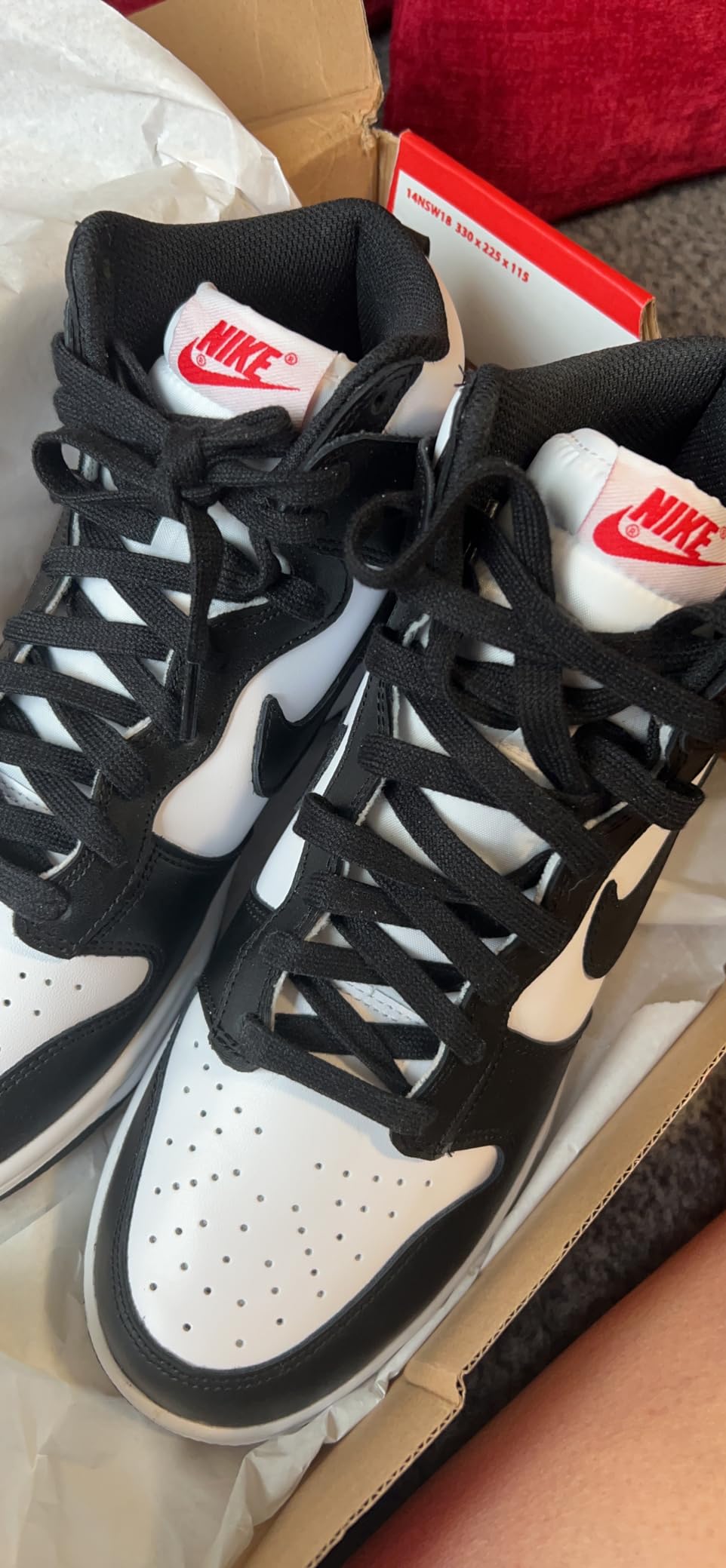
Buy these if:
- You want a versatile lifestyle sneaker that transitions from casual to business-casual to evening without feeling out of place
- Standard or narrow feet — the fit locks in cleanly at TTS
- You appreciate real leather aging over time versus a sneaker that looks the same until it doesn’t
- Retro basketball heritage aesthetics are your thing and you want something with actual history behind the design
- $130 is workable and you’re buying from Nike direct or an authorized retailer
- Dry climate, or you’re willing to treat the leather and rotate during wet weather
Skip these if:
- Wide feet — the 89.9mm midfoot width will feel snug and sizing up may not fully resolve it. The New Balance 574 has more generous width accommodation, or consider the Somiliss Wide Toe Box sneakers if fit is a consistent challenge
- You want maximum cushioning — look at the Skechers Go Walk Joy or a dedicated running shoe category for plush foam
- You need waterproof or weather-resistant footwear daily
- Under $100 budget — budget retro options include the Lucky Step Women’s Retro Fashion Sneakers or the Adidas Run 70s 2.0
- Athletic performance is the priority — the Dunk High is a lifestyle shoe with basketball shoe heritage, not a training tool. The Nike Metcon 9 is purpose-built for that
- You dislike lace-up shoes entirely — there’s no Velcro or slip-on variant of the Dunk High
Frequently Asked Questions
Do they run small, large, or true to size?
True to size, backed by 76 RunRepeat votes and consistent community consensus. The caveat is width: standard and narrow feet fit perfectly at TTS. Wide feet should size up half a step.
How long is the break-in period?
About one week of regular wear. The first two days have some ankle collar stiffness — wear crew socks to reduce friction. By day 4 the leather starts softening noticeably. By day 7 most people hit the “it just clicked” moment. After that, very comfortable.
Are they comfortable for all-day wear?
Yes, after break-in. I logged several 10–12 hour days across varied activities. The 22.6mm low heel stack and firm midsole won’t give you the floaty feeling of a running shoe, but they provide consistent, stable support that doesn’t degrade across a long day.
Is the closure actually Velcro?
No. The Nike Women’s Dunk High uses a standard lace-up closure with traditional eyelets. Some earlier source material incorrectly listed it as Hook & Loop/Velcro — all official sources (Nike.com, Amazon official listing) confirm lace-up. Good news: lace-up lets you customize tension throughout the shoe, which is a genuine comfort advantage.
Are the perforations actually ventilation?
No. RunRepeat’s microscope test confirmed there’s a solid layer underneath each perforation — no airflow passes through them. Breathability comes from the tongue and lacing area (rated 3/5, which is average for a leather sneaker). The perforations are a design callback to the original 1980s shoe aesthetic.
Are they good for wide feet?
Challenging. At 89.9mm internal width (vs. 92.5mm average), the midfoot runs snug. Wide feet should size up 0.5 first. If that’s still tight, the fit won’t resolve with sizing alone — consider a shoe built with wider construction. The New Balance 574 offers more generous proportions.
Are they waterproof or water-resistant?
No. The Amazon listing explicitly says “Not Water Resistant.” Light drizzle is manageable — the leather sheds brief moisture reasonably well. Heavy rain will saturate the leather. For regular wet-weather use, apply a leather protector spray before the season and air-dry completely after exposure.
What’s the best way to clean them?
Damp cloth for surface dirt and scuffs. Mild soap (a tiny amount of dish soap on a damp cloth) for stubborn marks on the leather. Avoid soaking. Let them air-dry — no heat sources. A leather conditioner every 2–3 months keeps the upper supple and helps prevent cracking as the leather ages.
Can I use custom orthotics in these?
Yes. The insole is removable, confirmed by RunRepeat’s lab test. If you use custom orthotics, pull out the stock insole and swap in your own. The internal volume accommodates standard orthotic thickness without altering the fit significantly. This is an underrated feature for the price point.
How do they compare to the Air Jordan 1 Mid?
Both are retro basketball high-tops with real leather construction. The AJ1 Mid is taller, heavier (17.7 oz vs. 14.4 oz), and has a higher heel stack (29.4mm vs. 22.6mm). The Dunk High sits lower to the ground and feels more grounded; the AJ1 Mid feels slightly more cushioned and premium. Price: Dunk High at ~$130, AJ1 Mid at ~$160. Both are worth the investment in different ways — it comes down to silhouette preference and whether you want more cushion height or more ground connection.
Final Verdict
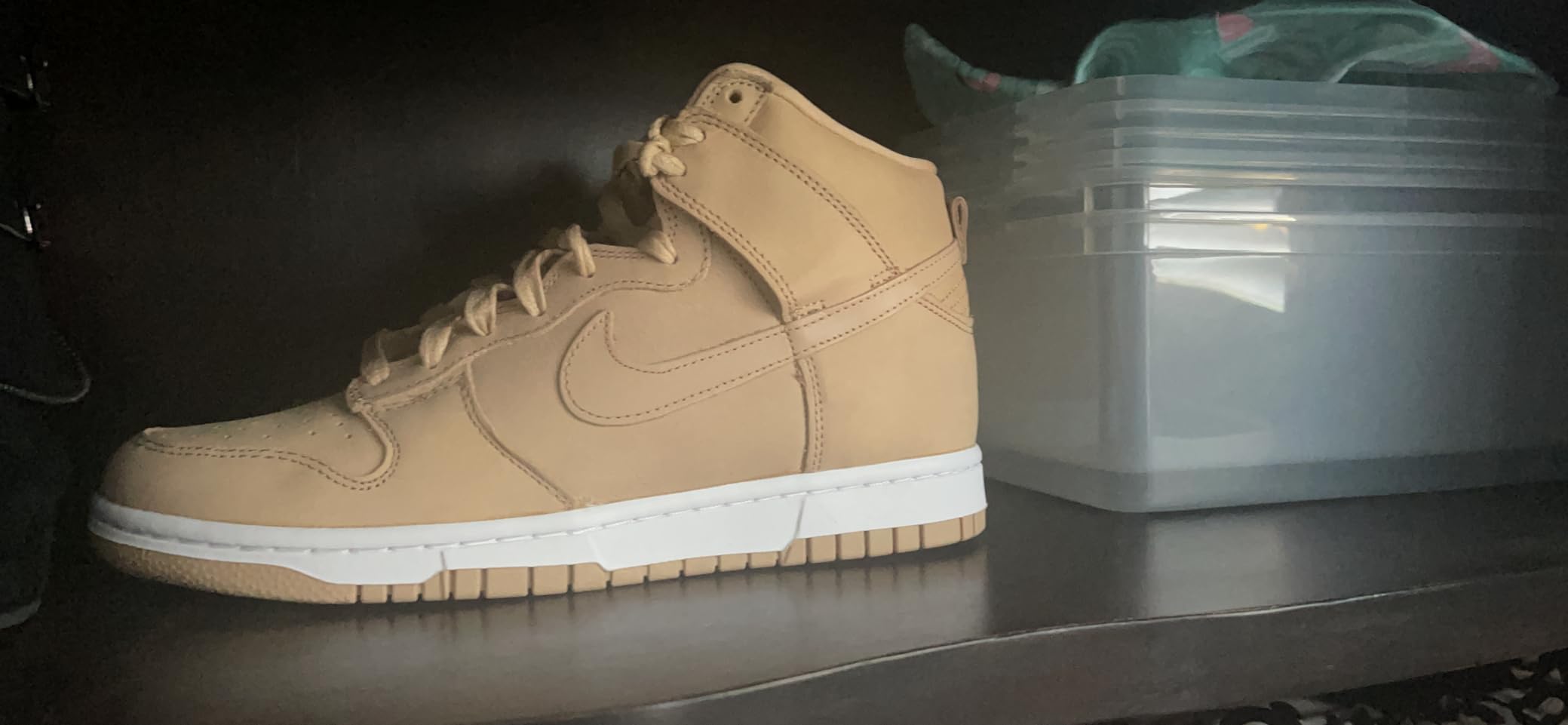
Six weeks ago I was skeptical. The Instagram hype around retro sneakers can make it hard to know what you’re actually buying versus what the aesthetic promises.
Here’s what 40+ days of real use showed me: the Nike Women’s Dunk High delivers on the three things that matter most for a lifestyle sneaker. The build is genuine — real leather that ages with character, not synthetic material that masks itself as premium. The comfort, after that first week of breaking in, is genuinely sustainable for long days across varied activities. And the style versatility is real — I didn’t expect to wear these to a client meeting and have them feel appropriate, but the clean leather and classic silhouette earned it.
The limitations are real too. It’s slightly narrow, which is a dealbreaker for wide feet rather than a minor inconvenience. It’s not waterproof. The break-in week requires patience. And at $130, it’s not a casual impulse buy.
But if you have standard-width feet, want a shoe that earns its keep across daily life contexts, and you’re buying from a legitimate source — the Instagram hype, in this case, was justified.
8.4/10. Buy from Nike.com or Foot Locker. Take care of the leather. Enjoy the next two years.
Be the first to review “Nike Women’s Dunk High Sneaker”
Related products
Basketball Shoes
Basketball Shoes
Basketball Shoes
Socviis Men’s Air Running Shoes Breathable Tennis Basketball
Basketball Shoes
Basketball Shoes
Basketball Shoes
Adidas Unisex-Child Donovan Mitchell Issue 4 Basketball Shoes
Basketball Shoes
Basketball Shoes
Reviews
There are no reviews yet.