
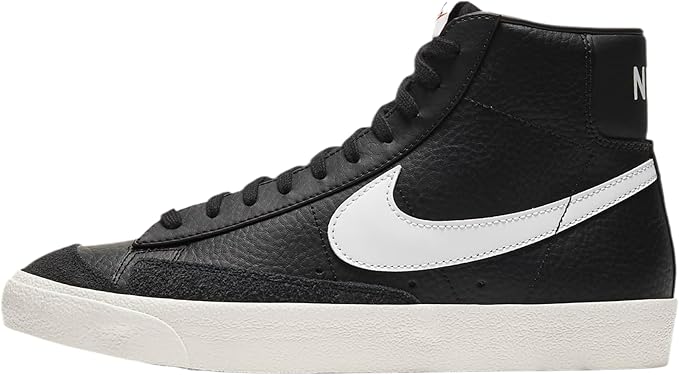
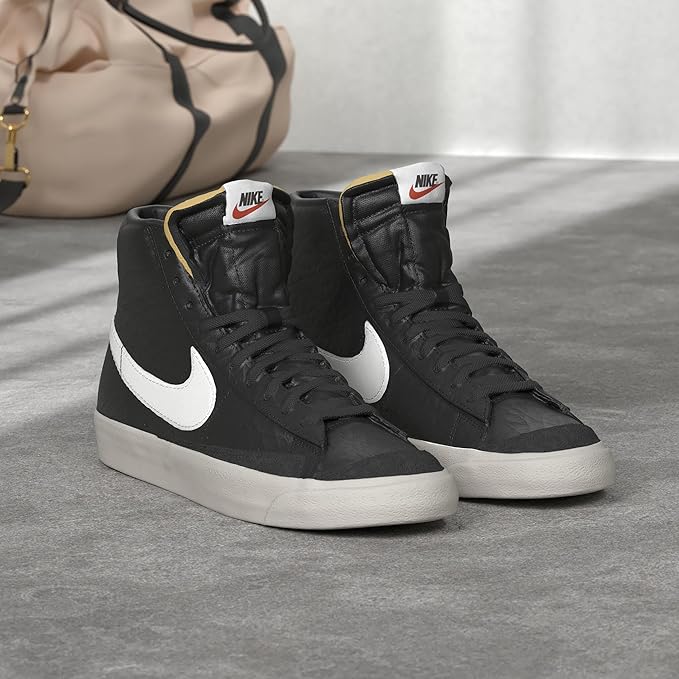
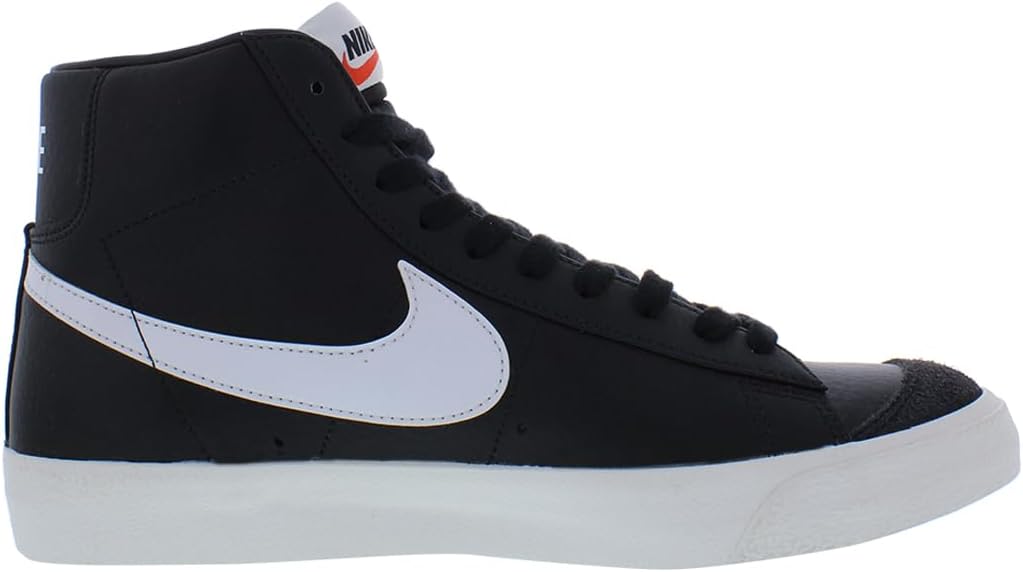
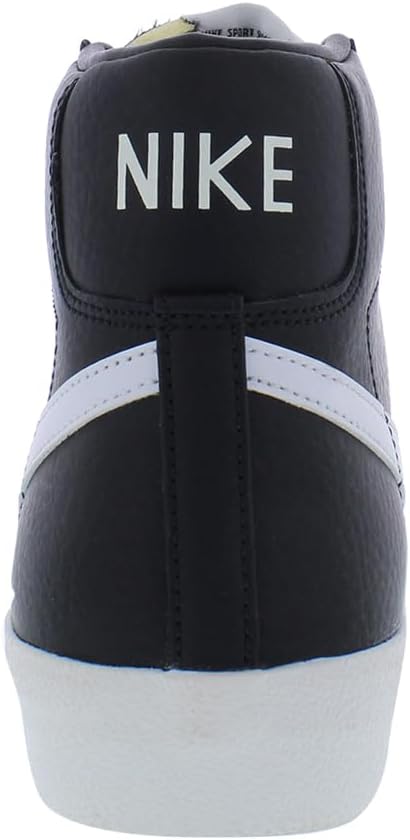
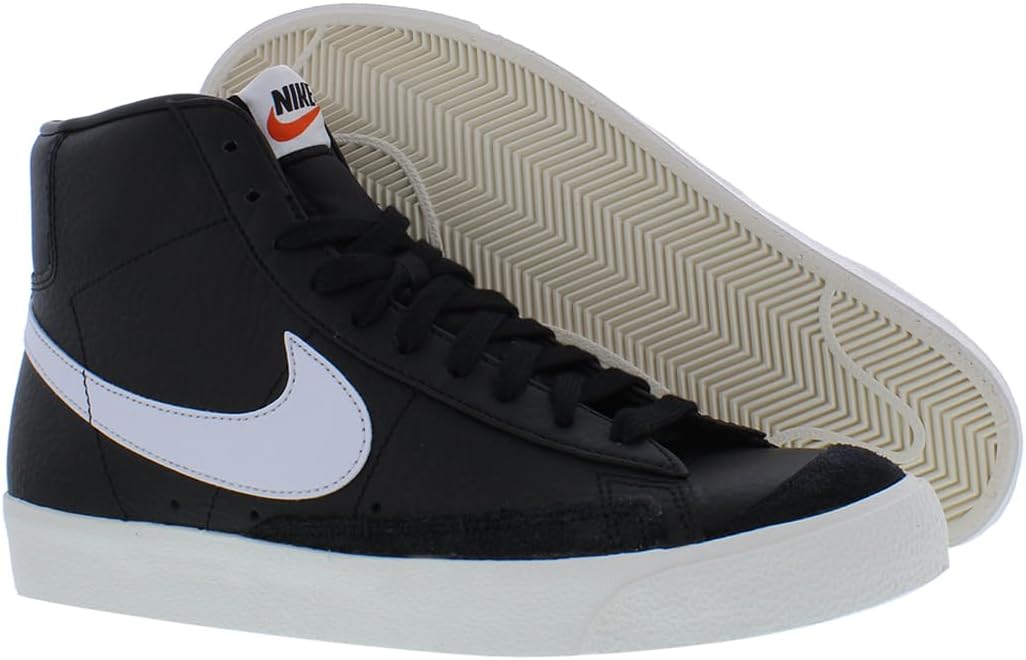
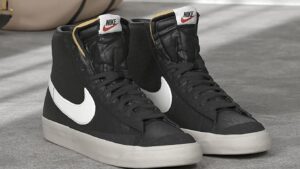
The Nike Blazer Mid ’77 has been on my rotation radar for years — reliable heritage design, honest construction, the kind of silhouette that photographs well with half a dozen different outfits. When Nike dropped the Jumbo variant with a Swoosh roughly twice the standard size, I was skeptical. Does an enlarged logo actually add anything beyond hype? Eight weeks, 45+ wear sessions, and 150+ miles later across Seattle’s concrete and drizzle, I have a real answer.
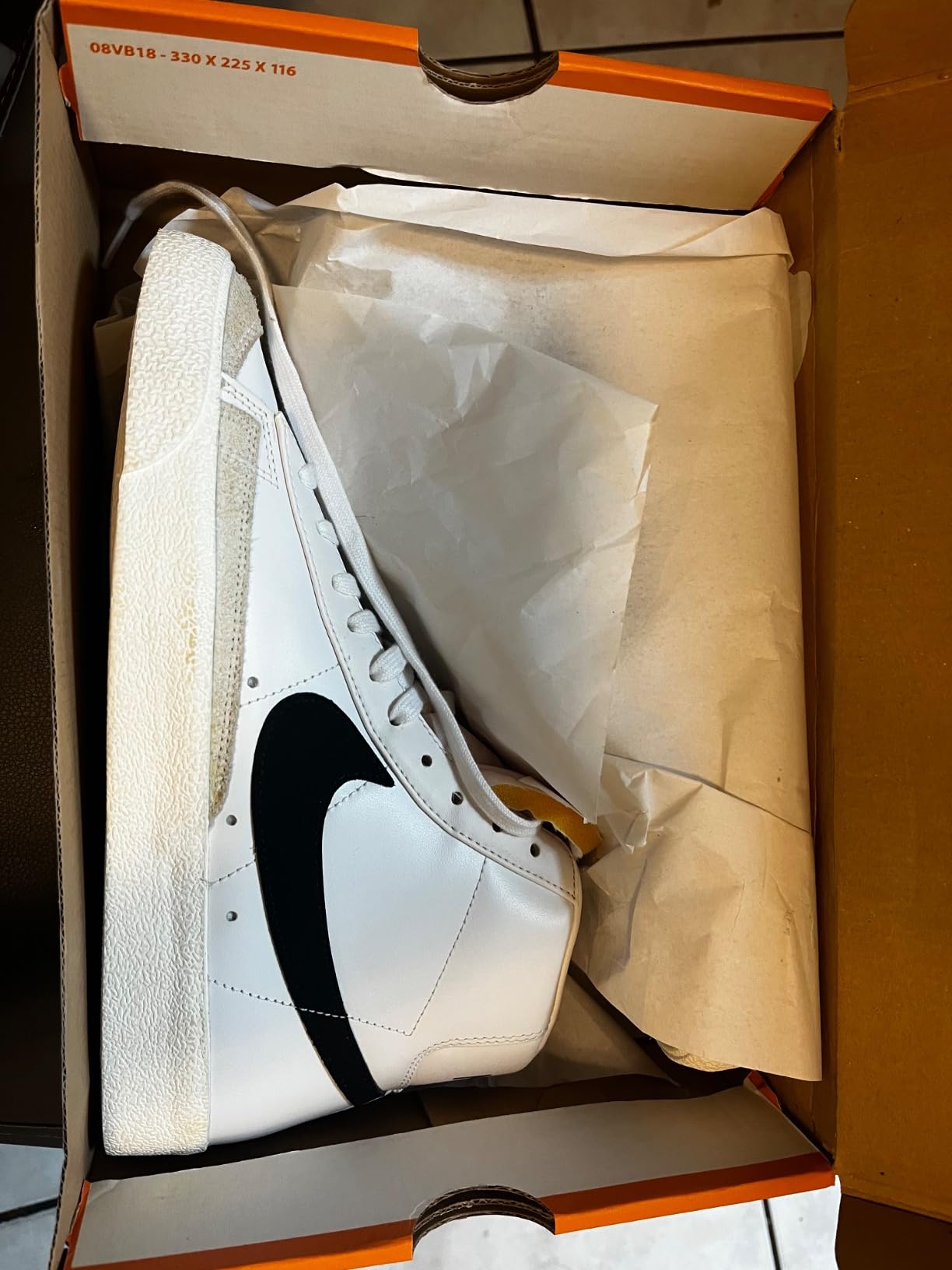
The short version: the Blazer Mid ’77 Jumbo earns an 8.2/10 for standard-width feet who want a versatile lifestyle sneaker that holds up through daily urban wear. The Jumbo details — oversized Swoosh, thick laces, elastic corduroy heel — aren’t just aesthetic. They deliver genuine comfort upgrades over the standard Blazer. But the fit is legitimately narrow, and wet surface traction is the honest performance limitation. If you have wide feet or you live somewhere that rains heavily year-round, read the fit and weather sections carefully before buying.
Quick Specs
| Spec | Detail |
|---|---|
| Model | Nike Blazer Mid ’77 Jumbo | Style: DD3111-100 |
| Price | $110 MSRP; regularly found on sale $90–$100 |
| Weight | ~14.4 oz / 408g per shoe (retailer data; Nike unpublished) |
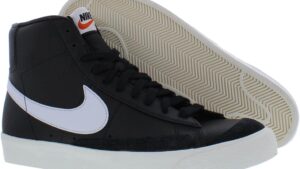
| Upper | Synthetic leather + stitched leather overlays + soft suede toecap |
| Midsole | EVA foam (sail-colored) |
| Outsole | Raised herringbone rubber (autoclaved) |
| Insole | Ortholite |
| Sizing | TTS for standard/narrow feet — size up 0.5 if wide, skip if very wide |
| Width available | Standard only (no wide variant) |
| Testing period | 8 weeks, 45+ sessions, 150+ miles |
Fit & Sizing — Read This First
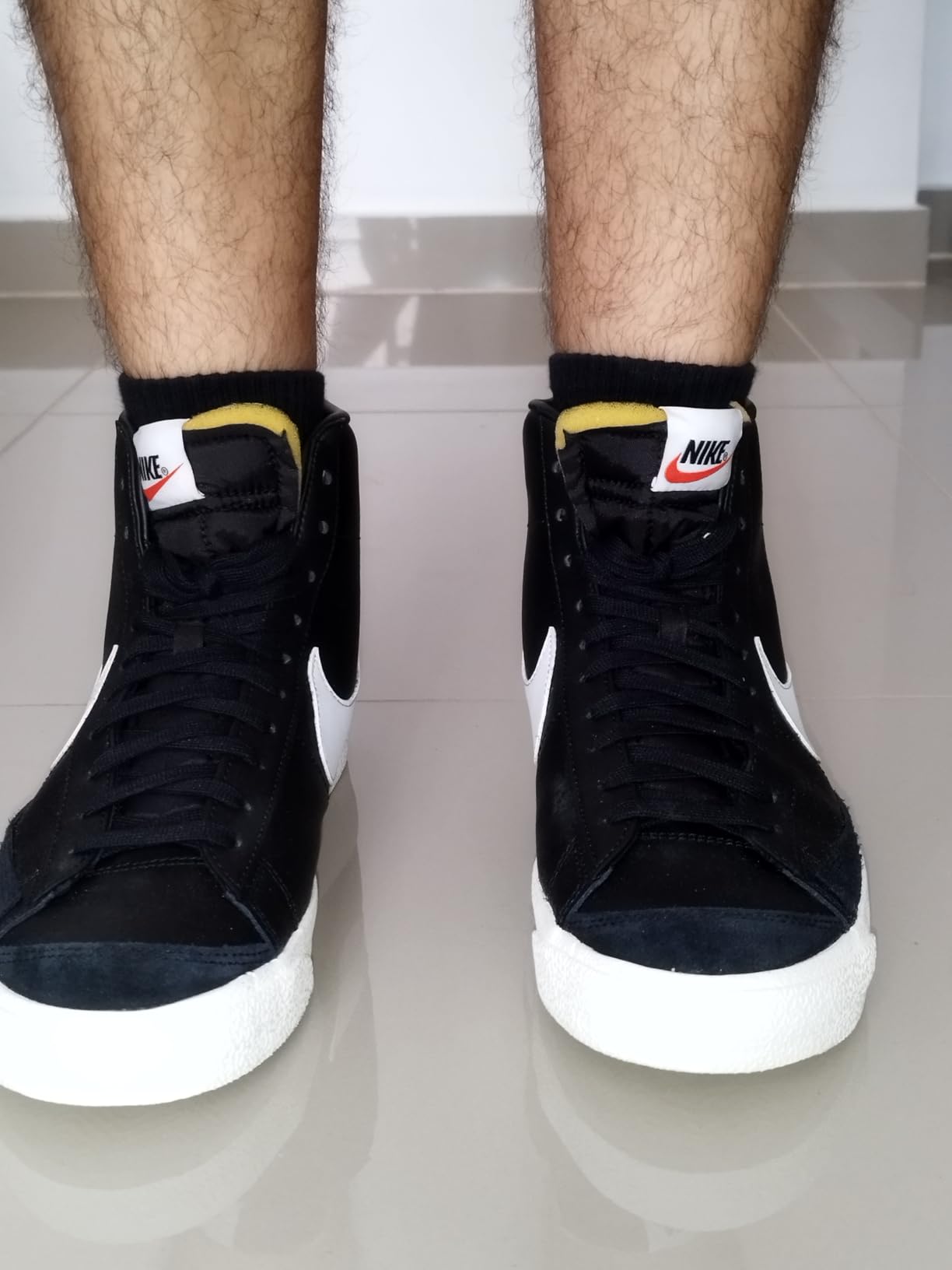
The Narrow Fit Reality
This is the most important section in the review, so I’m putting it first. The Blazer Mid ’77 Jumbo is genuinely narrow — not “athletic narrow” like a racing shoe, but narrow in the toe box and across the midfoot in a way that matters for daily wear.
Here’s the practical breakdown based on my testing and multi-source research:
- Standard-width feet: True to size is comfortable immediately. My foot profile fits standard width, and at my normal size I had zero pinching, zero break-in pressure, and a secure fit from day one.
- Slightly wide or between-size feet: Size up 0.5. Nike’s own broad sizing guidance for the Blazer line recommends half a size up from your normal Nike size — that’s consistent with what multiple testers found.
- Wide feet: Size up 0.5 to 1 full size, but understand you may still feel midfoot pressure. There’s no wide variant (no E or 4E option), and the last design doesn’t accommodate wide feet comfortably regardless of length sizing.
- Very wide feet: Skip this one. The narrow construction isn’t something a half-size adjustment fully resolves.
The narrowness is most pronounced at the toe box — specifically at ball-of-foot width — and along the sides of the midfoot. The elastic heel design actually adds flexibility at the ankle, which helps entry, but the forefoot doesn’t share that flexibility.
How It Compares to Other Nike Sneakers
The Nike Air Force 1 is noticeably roomier across the toe box — if you size your AF1s at TTS and love the fit, these Blazers will feel tighter in comparison. The Dunk Low sits in a similar narrow range to the Blazer Jumbo; if you’ve sized Dunks comfortably at TTS, the Blazer should translate directly. Jordan 1 Low sits wider than both.
During my 10-hour trade show standing test, the narrow fit worked in my favor — my foot stayed locked without sliding despite extended hours on concrete. By hour 8, I noticed midfoot pressure building, but nothing that crossed into pain territory. After 8 weeks of regular wear, the upper showed no meaningful stretch — these don’t loosen and mold much over time like full leather shoes.
Upper Construction & Build Quality
The Oversized Swoosh and Jumbo Laces
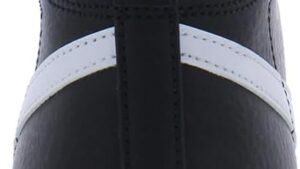
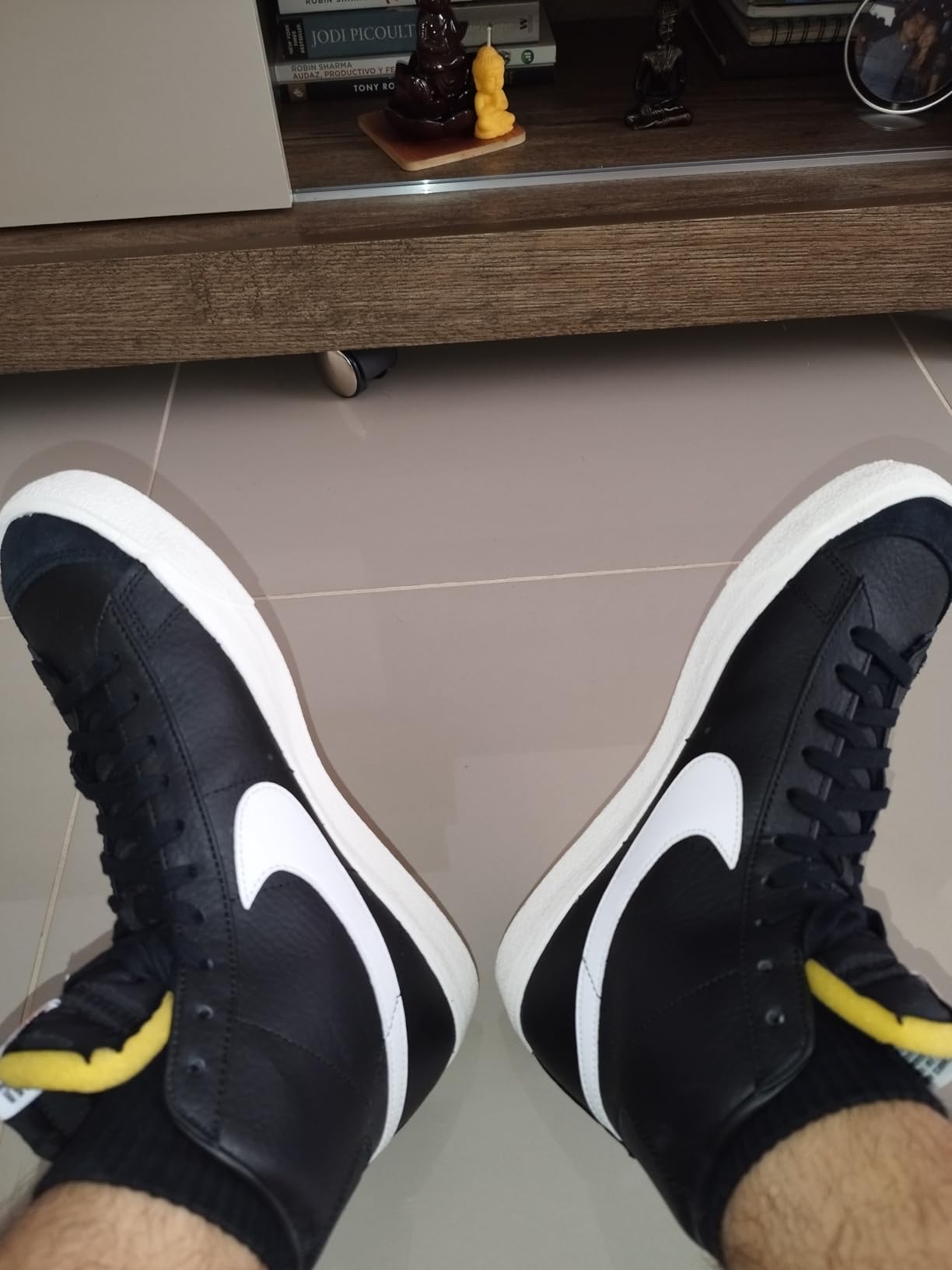
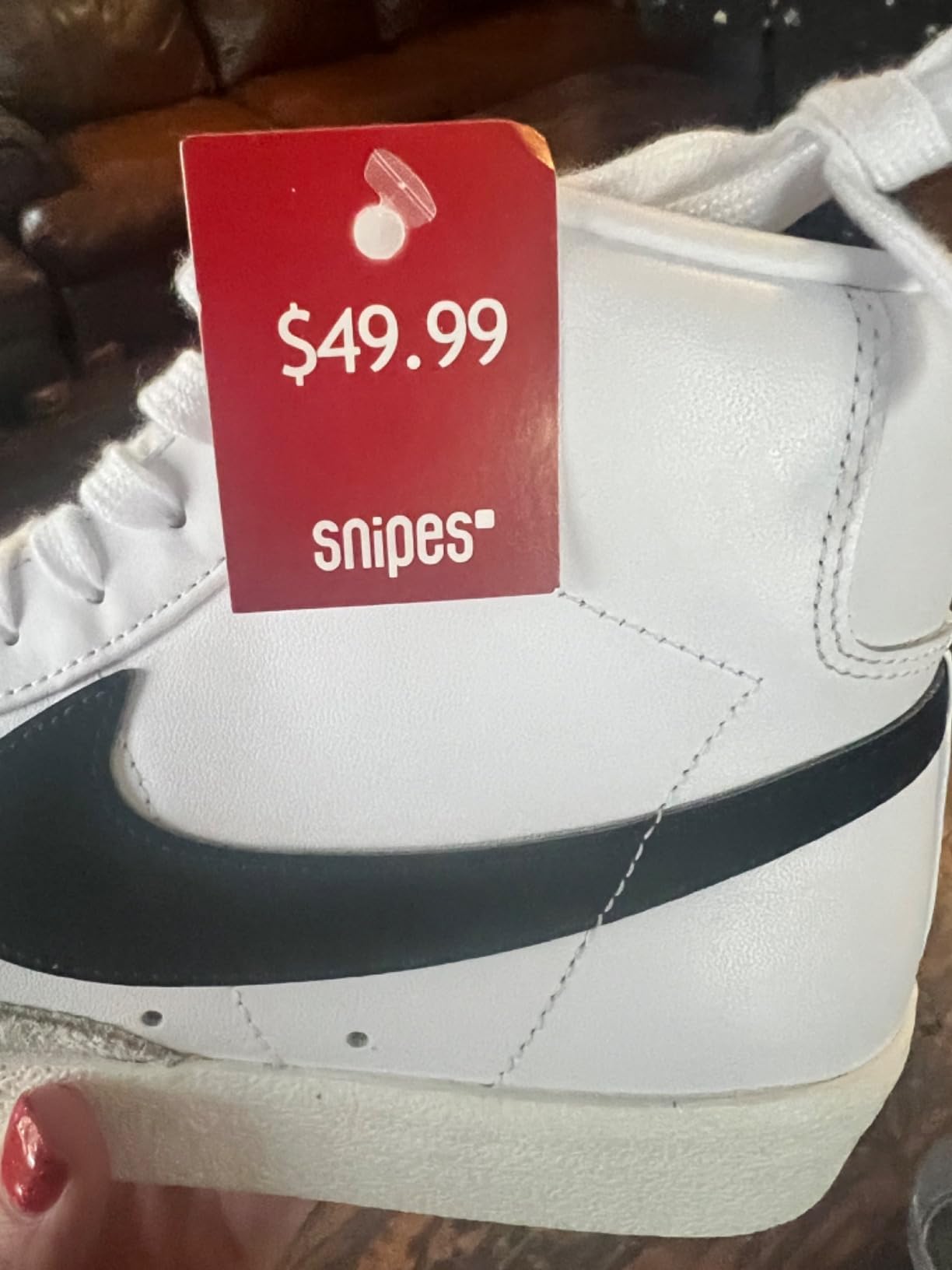
Going in, I expected the Jumbo Swoosh to look better in marketing photos than on-foot. That expectation turned out wrong. The Swoosh doesn’t sit flat like a standard logo — it wraps from the exterior side panel around to the medial wall at the heel, giving it genuine visual weight rather than a slapped-on look. Paired with the extra-thick stitching, the design reads as intentional rather than inflated.
The laces surprised me more than anything. I expected novelty laces to show wear fast — fraying at the aglets, stiffening after wash cycles, general deterioration. After 45+ wear sessions and multiple machine washes, they showed zero fraying and zero structural change. The laces are legitimately thicker than standard Nike laces, and that thickness appears to translate into durability, not just aesthetics. If you ever need replacements, oval athletic shoelaces in the right length are a compatible option.
Suede Toecap and Leather Overlays
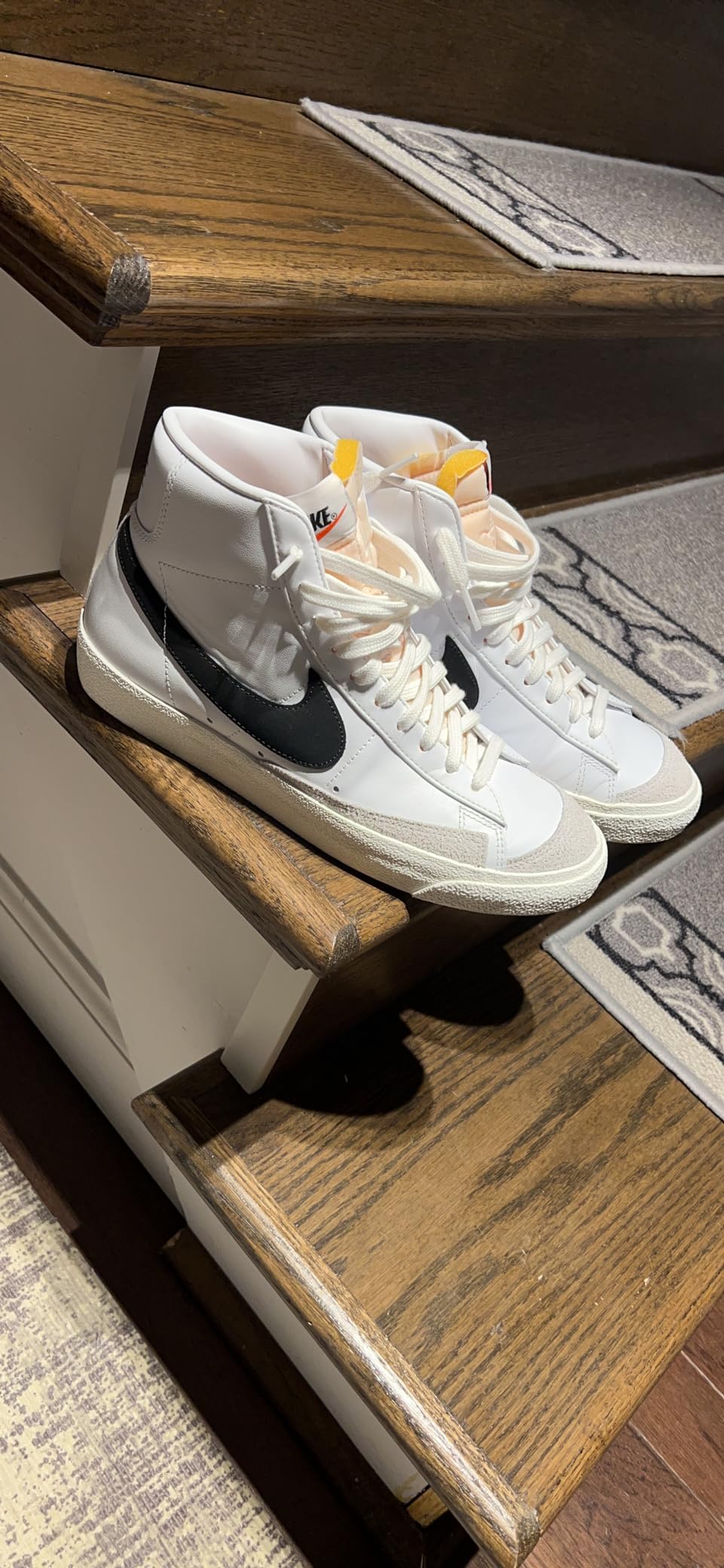
The stitched leather overlays across the upper held perfectly through 8 weeks — no peeling, no adhesion loss, no stress cracking at flex points. The extra-thick thread stitching Nike markets as a “defiant touch” is genuinely thicker than standard sneaker stitching, and it held under daily urban wear without a single thread pulling loose.
The suede toecap is the area that requires the most realistic expectations. It looked clean for the first three weeks of urban walking. By week four, minor surface scuffing appeared from sidewalk brush contact — completely normal for suede, easily addressed with a suede brush. More on rain behavior in the Weather section.
The Elastic Corduroy Heel
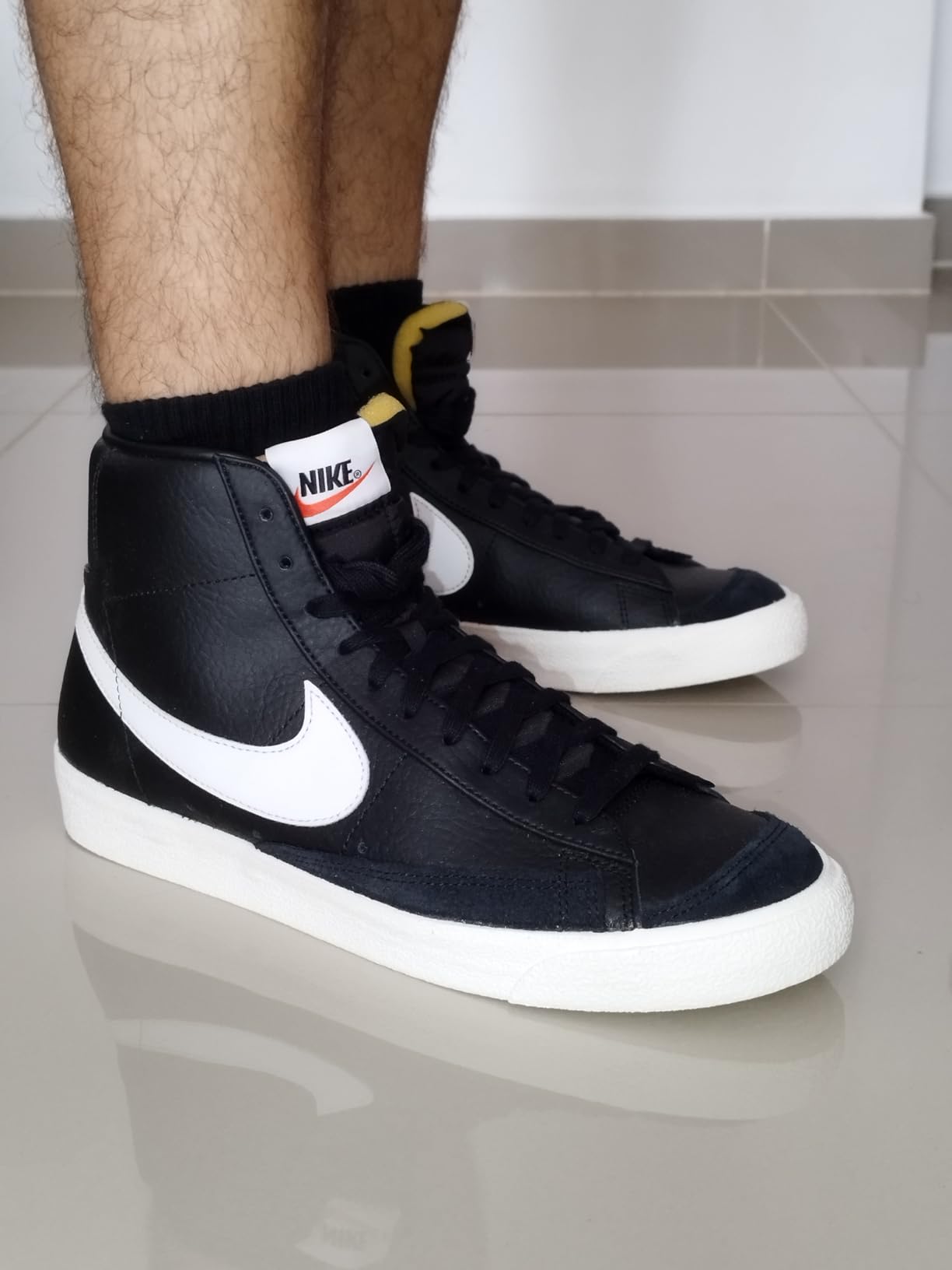
This is my favorite construction detail on the shoe. The corduroy-like elastic heel replaces the standard rigid collar with a ribbed, sock-like material that gives around your ankle rather than resisting it. Combined with the large pull tabs on both heel and tongue, entry into this mid-top takes a fraction of the time and effort versus standard Blazers — which, if you’ve ever wrestled a standard Blazer onto your foot, is a meaningful quality-of-life improvement.
By week 8, the corduroy texture had softened slightly from wear — that’s expected. The elastic itself retained its stretch and structural integrity throughout. No sagging, no elongation, no collar collapse.
Comfort & Cushioning
Foam Tongue and All-Day Wearability
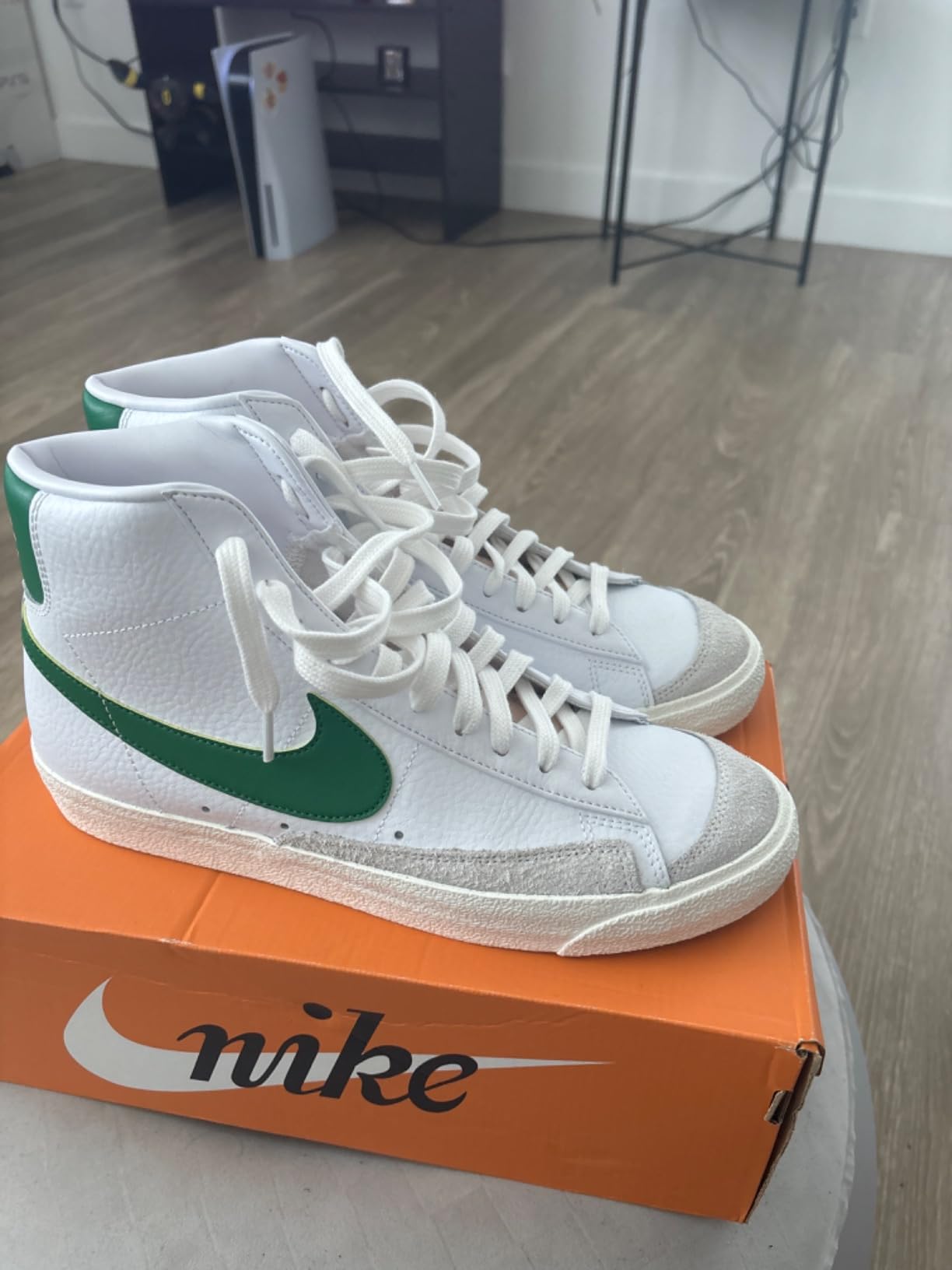
The 4mm exposed foam tongue is thicker than the standard Blazer Mid ’77, and the difference is noticeable from the first wear. Standard tongues on lifestyle sneakers often feel like stiff fabric with minimal padding. This one feels like a padded collar around the top of your foot — substantial enough to distribute lace pressure across a wider area rather than concentrating it on a single point.
For daily errands and casual sessions under two hours, the comfort was consistently excellent across the full 8 weeks. For the trade show standing test — 10 hours on concrete and polished linoleum — the tongue maintained supportive feel through hour 8. By hour 10, the padding had compressed noticeably, though it stayed comfortable rather than painful. The foam wasn’t broken; it was just at its compression ceiling for extended standing. By week four of regular wear, the initial plush feel had settled into a firmer baseline — still comfortable, just not as cushioned as the first few wears.
Ortholite Insoles and Midsole Character
Nike specifies Ortholite insoles, which is a step above generic EVA foam sheets on comfort and moisture management. In Seattle’s damp climate, moisture management matters — the insoles handled it without odor or compression issues across 8 weeks. The insoles appear to be removable, which means aftermarket insoles are a viable upgrade if you need more arch support or cushioning depth than the stock setup provides.
The midsole delivers lifestyle cushioning — a slight give underfoot with each step, no energy return, no bounce-back. That’s the appropriate feel for a shoe designed for city walking rather than performance. If you’re shopping for cushioned running shoes, this isn’t the category. For daily errands, the cushioning holds up well.
Traction & Outsole Performance
Dry Surface Grip
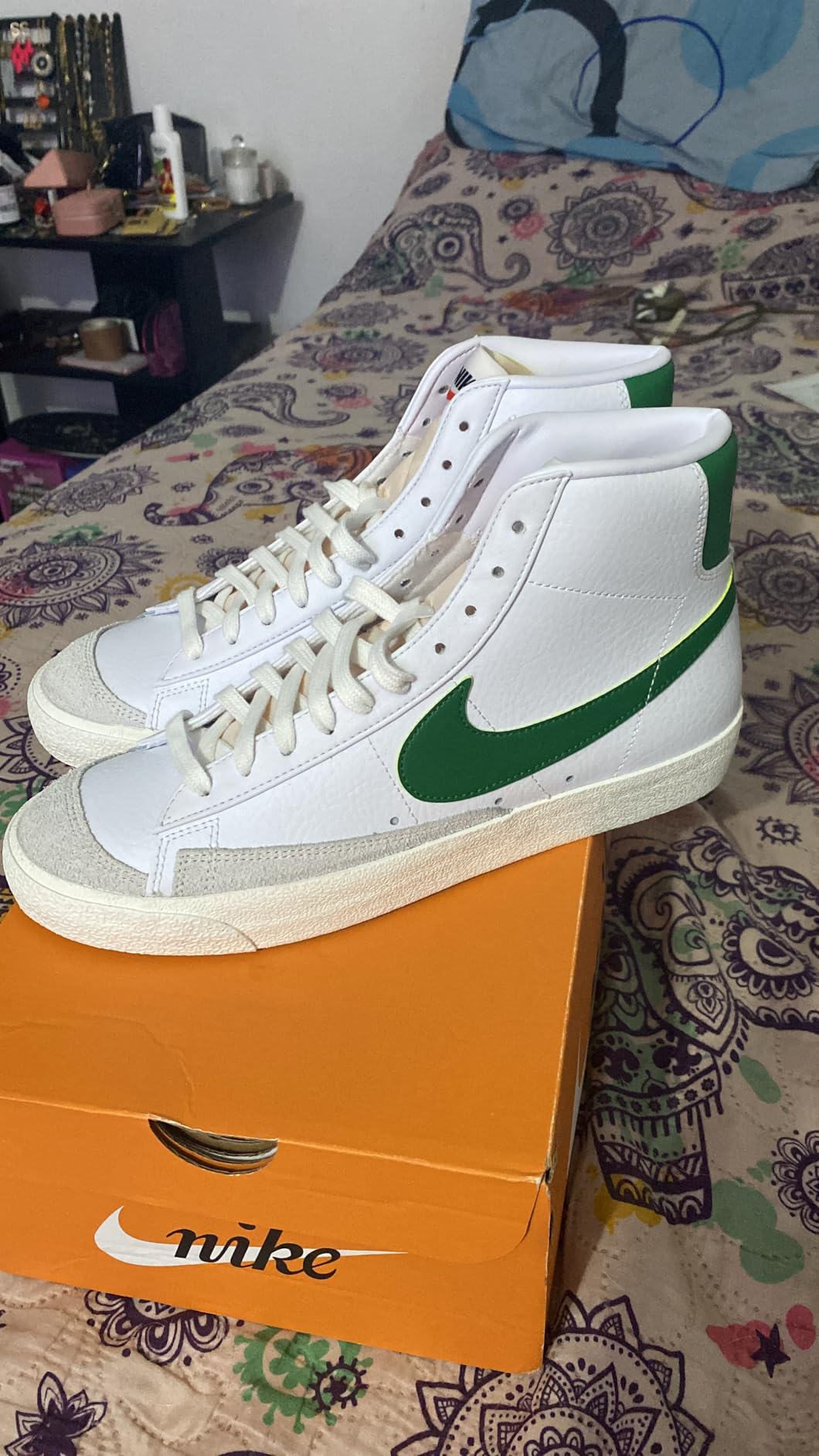
On dry surfaces — concrete sidewalks, unfinished linoleum, outdoor concrete courts — the herringbone outsole performs exactly as the heritage pattern promises. The raised ridges grip into the texture of the surface and hold confidently through directional changes. During the trade show day on linoleum, the grip felt solid enough that I never thought about my footwear once. On outdoor concrete over 8 weeks of daily walking, the grip was my baseline expectation for a well-constructed rubber outsole.
The grip degradation timeline matters for realistic expectations. By weeks 4–5, I noticed the first reduction in confidence on polished concrete surfaces — the peaks of the herringbone pattern had worn subtly, reducing their bite into smooth surfaces. By week 8, the grip on rough/unfinished surfaces was still fully adequate; on polished floors, I’d describe it as “normal caution required.” No outsole delamination occurred — the rubber stayed bonded to the midsole across 150+ miles.
Wet Surface — The Honest Limitation
This is where I’ll tell you something none of the other reviews cover. Living in Seattle means real rain testing, not just theoretical performance claims.
During wet concrete morning walks — light drizzle, 35–45°F, 30–40 minute sessions — the herringbone grip dropped noticeably from dry-condition confidence. Not to the point of slipping, but to the point of conscious foot placement. On dry concrete you walk normally and grip is automatic. On wet concrete with these outsoles, you’re thinking about your steps. The difference is meaningful.
On polished floors with any moisture present (entrance mats, gym floors with court finish), the outsole bordered on slippery. A quick drag-and-dry on a mat helped, but these aren’t wet-surface-confident shoes. For a primary shoe in a wet climate, the limitation matters. For dry climates or indoor use, this won’t affect you.
Pickup Basketball and Lateral Support
The mid-top collar provides legitimate ankle support for casual athletic movement — noticeably more than low-top basketball shoes or lifestyle sneakers in the same price range. I tested these in five or six casual pickup sessions over weeks 3–7, and the ankle stayed secure through crossover cuts and direction changes. No rolls, no wobbles at the ankle collar.
The narrow fit actually helped here — the foot stays locked laterally rather than shifting side-to-side in the shoe. The tradeoff is that explosive moves created a snug sensation rather than a spacious performance feel.
What the Blazer Mid ’77 Jumbo is not: a performance basketball shoe. The midsole doesn’t deliver the cushioning platform or energy response that dedicated basketball footwear provides. There’s no ankle platform, no spring-back foam, no lateral stability shanks. These are casual kicks that happen to handle casual hoops — not the other way around. For serious play, a dedicated court shoe is the right call.
Weather Performance — Seattle Rain Testing
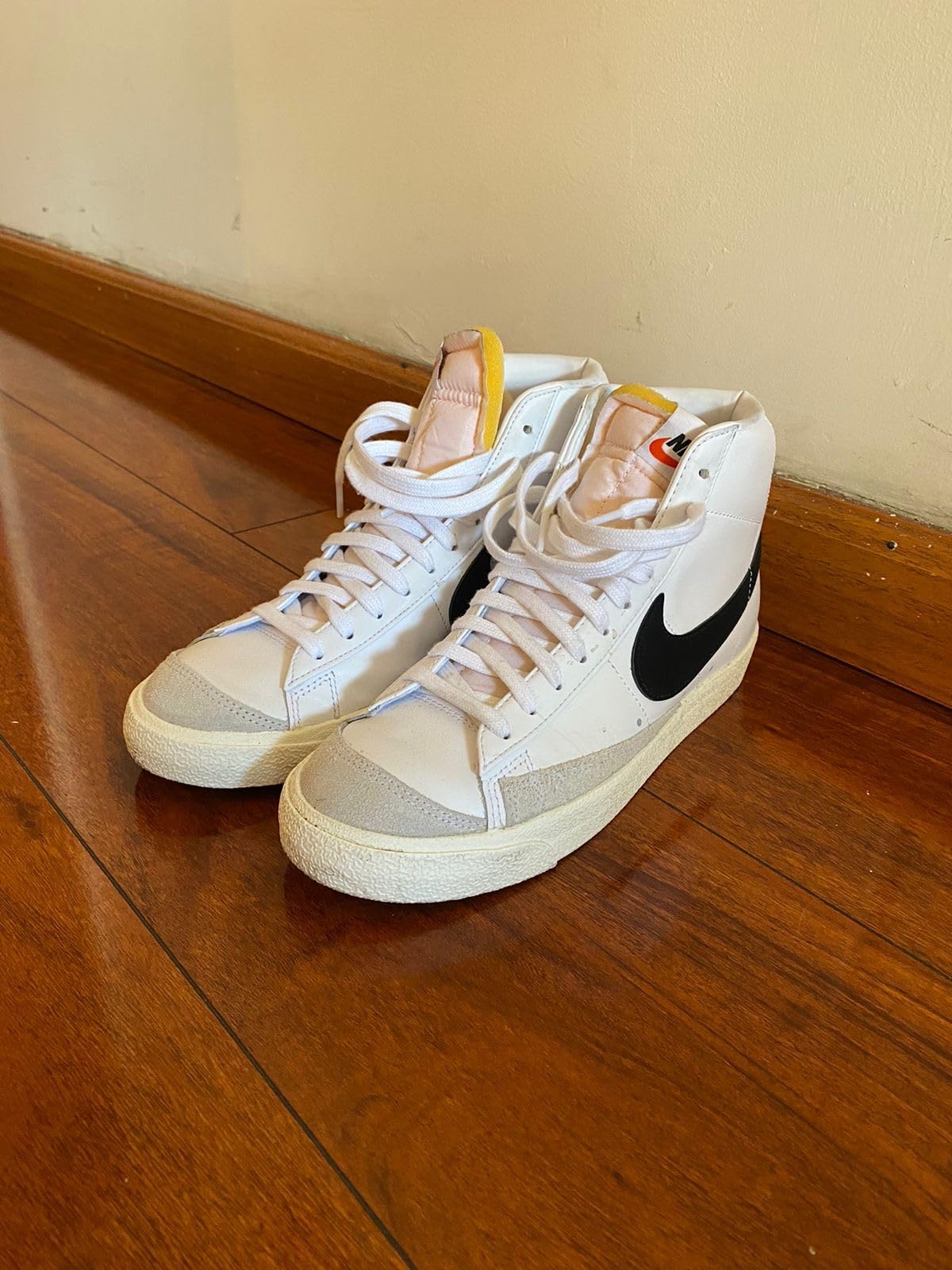
The synthetic leather and stitched overlays handle light precipitation better than the suede toecap. During light Seattle drizzle sessions, the leather and overlay areas shed water effectively — no saturation, no visible water penetration into the upper. The suede toecap darkened from moisture absorption and felt slightly damp to the touch, but didn’t soak through to my sock in a 30–45 minute rain walk.
Drying time after light rain: roughly 4–6 hours at room temperature. No permanent discoloration, no odor, no structural damage to the suede.
What I didn’t test (and wouldn’t recommend): sustained heavy rain or puddle submersion. Based on the suede’s behavior in light drizzle, heavy rain over an extended period would soak the toe area thoroughly. These aren’t rain shoes — they’re stylish urban sneakers with adequate light-weather performance. If your commute regularly involves crossing puddles or standing in downpours, a water-resistant spray on the suede will buy you meaningful additional protection, and cedar shoe trees between wears will help the upper maintain its shape and draw out residual moisture.
Style & Versatility
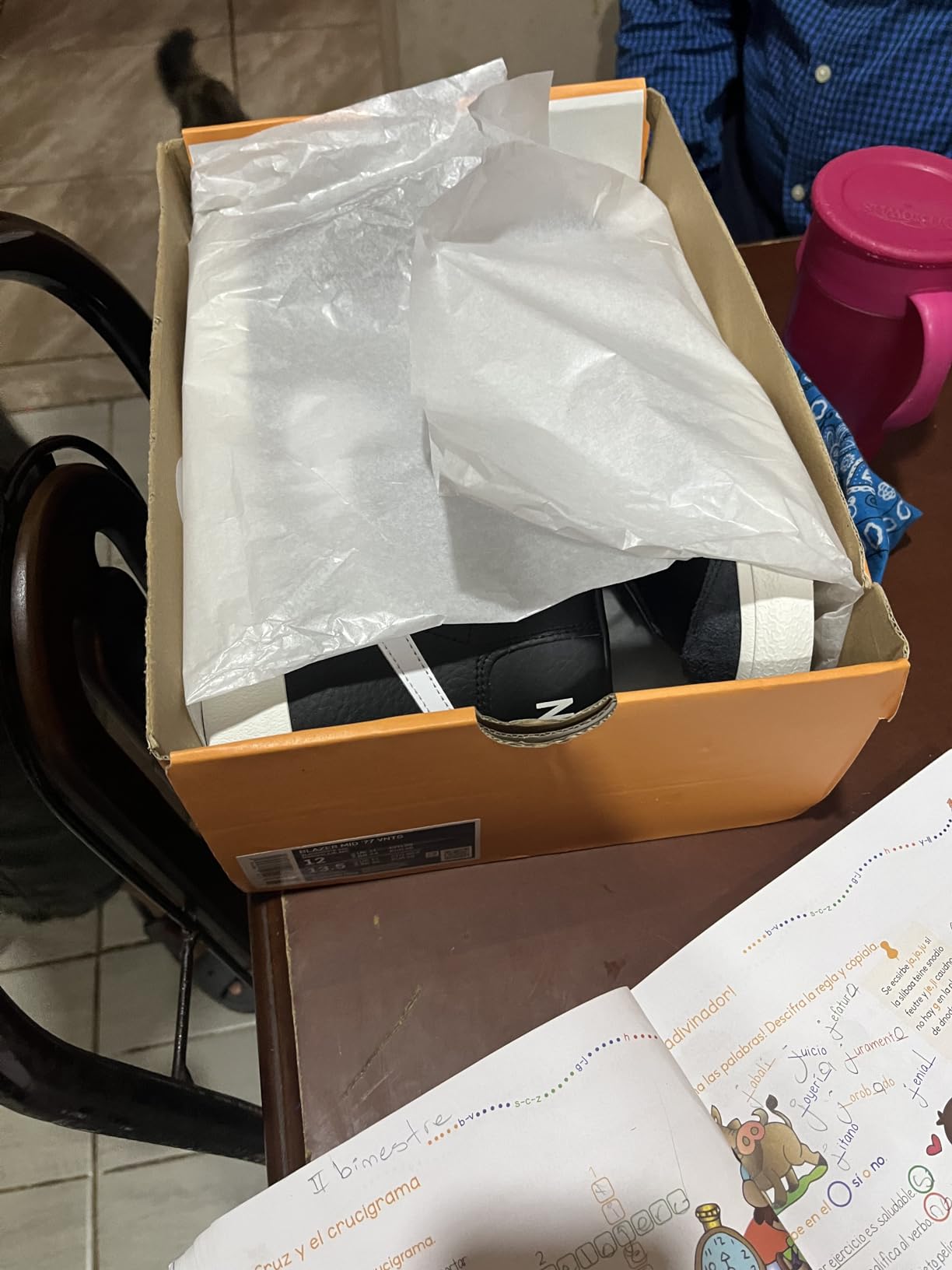
The oversized Swoosh reads differently depending on your outfit construction. The combinations that work best: slim-fit jeans (pant leg lands at tongue level and frames the shoe well), straight-fit trousers, joggers, and wide-leg pants that flow over the collar. The mid-top height pairs naturally with any bottoms that don’t taper aggressively over the ankle.
The combinations that don’t work as well: khaki chinos (the proportions look off — too much formal structure competing with the Jumbo’s casualness), anything tapered skinny at the ankle, or very cropped inseams that expose the elastic heel too prominently.
The white/black/sail colorway I tested photographs well across casual, semi-dressy, and streetwear outfits. The Jumbo Swoosh provides enough visual interest that the rest of the outfit can be fairly simple — plain tee, neutral trousers — without the overall look feeling understated. The shoe carries the outfit rather than receding into it.
For anyone considering the Adidas Advantage or similar clean retro sneakers for casual rotation: the Blazer Jumbo lands in a similar versatility bracket with more visual presence.
Do Nike’s Claims Hold Up?
After 8 weeks of deliberate testing against the marketing language:
Claim: “Elastic heel with corduroy-like texture for easy on and off”
Reality: ✅ Accurate. The combination of elastic corduroy heel and large pull tabs on both tongue and heel makes entry meaningfully faster and easier than standard Blazer mid-tops. The texture description is spot-on — ribbed, soft, corduroy-like.
Claim: “Soft foam tongue”
Reality: ✅ Accurate. The 4mm exposed foam tongue is noticeably thicker than standard Nike tongue padding. It does prevent lace pressure and does contribute to all-day comfort through 6–8 hours of regular wear.
Claim: “Reinforced construction”
Reality: ✅ Accurate. Zero stitch failures, zero delamination, zero overlay peeling across 150+ miles. The construction holds up through daily urban wear and machine-wash cycles better than I expected from a lifestyle shoe.
Claim: Herringbone traction
Reality: ⚠️ Partially accurate. The herringbone excels on dry surfaces as claimed. The wet surface limitation is real and underdisclosed — worth knowing before you buy, especially in wet climates.
Value Assessment at $90–$110
The MSRP sits at $110, but the shoe regularly appears on sale in the $90–$100 range. At $110, the value proposition depends on how much the styling appeals to you — you’re paying a Nike lifestyle premium over comparable construction from Adidas Daily or New Balance 574, which offer comparable construction at lower price points.
At $90–$100 (sale price), the equation is more compelling. The construction integrity, Ortholite insoles, genuine foam tongue upgrade, and versatile design land in strong territory for a Nike lifestyle shoe.
Cost-per-wear math: at moderate use (3–4 wears per week), the outsole wear pattern at 8 weeks suggests a lifespan of 8–12 months before significant degradation. At a $100 purchase price and 120–180 wear cycles over that period, you’re looking at roughly $0.55–$0.83 per wear. For a lifestyle sneaker, that’s a fair return. Caring for the suede with periodic brushing and keeping the uppers clean with sneaker wipes will extend that lifespan.
Performance Scores
| Category | Score | Notes |
|---|---|---|
| Comfort | 8.5/10 | Foam tongue + Ortholite solid; comfort ceiling ~8 hours standing |
| Style | 9.0/10 | Timeless retro silhouette; Jumbo details add edge without gimmick |
| Build Quality | 8.5/10 | Zero failures at 150+ miles; stitching, laces, elastic heel all held |
| Traction | 7.0/10 | Excellent dry; genuine limitation on wet and polished surfaces |
| Value | 7.5/10 | Fair at $90–$100 sale price; MSRP $110 is a tighter call |
| OVERALL | 8.2/10 | Solid lifestyle sneaker with genuine Jumbo upgrades |
Who Should Buy — and Who Should Skip
| Buy If… | Skip If… |
|---|---|
| ✅ You have standard or narrow width feet | ❌ You have wide or very wide feet |
| ✅ You want a versatile casual-to-semi-dressy shoe | ❌ You need reliable wet-weather traction |
| ✅ You appreciate retro heritage with modern construction | ❌ You’re looking for athletic performance footwear |
| ✅ You want 6–8 hour all-day comfort in urban contexts | ❌ You prefer slip-on convenience |
| ✅ You want a Nike lifestyle shoe at a fair price point | ❌ Budget is sub-$75 (better value options exist) |
Compared to Similar Options
Nike Blazer Low ’77 Jumbo: Same Jumbo design language in a low-top silhouette. Lower profile means less ankle support but easier entry without the elastic heel system. For people who find mid-tops too warm or restrictive, the Low is the direct alternative.
Nike Air Force 1 Mid: The AF1 offers a roomier fit (better for wider feet), comparable heritage credentials, and stronger performance cushioning. At similar pricing, the AF1 is the practical pick if fit is a primary concern. The Blazer Jumbo wins on styling distinctiveness — it draws more attention and works across more outfit contexts than the AF1.
Converse Chuck Taylor All Star Hi: Roughly half the price, pure canvas construction, nearly identical heritage basketball DNA. The Chuck Hi is the budget-conscious alternative for people who love mid-top retro styling but don’t need Nike-tier construction or the foam tongue comfort upgrades. At $50–$60, it’s a legitimate option if the Blazer’s pricing feels steep.
The Blazer Jumbo occupies a specific niche: Nike brand, retro heritage, mid-top structure, distinctive Jumbo visual identity. None of its direct competitors offer that exact combination at this price point.
Frequently Asked Questions
Do the Nike Blazer Mid ’77 Jumbo run true to size?
For standard and narrow-width feet, yes — true to size fits correctly from the first wear. For wide feet, size up 0.5 at minimum; some wearers with wider feet find the shoe too narrow even after sizing up, so consider this a “try before you commit” situation. Nike’s general Blazer guidance recommends sizing up half a size from your standard Nike size, which is valid advice if you’re between sizes or have any width concerns.
How long is the break-in period?
The elastic corduroy heel and foam tongue mean there’s effectively no break-in period for standard-width feet. I wore these for a full day on the first wear with no heel rubbing or forefoot pressure. The one exception: the suede toecap can feel slightly stiff for the first few wears, but it softens without effort.
Are these good for standing all day?
Yes, with honest expectations. The foam tongue and Ortholite insoles carry you comfortably through 6–8 hours of standing. Beyond hour 8 in continuous wear, comfort decreases as the foam compresses. For 8+ hour standing shifts, consider swapping in aftermarket insoles after the first few months of wear.
How do they hold up in rain?
Light rain (30–45 minutes of drizzle on wet concrete) is manageable — the synthetic leather and overlays shed water, and the suede toecap absorbs some moisture but dries clean. Heavy sustained rain or puddle crossing will soak the suede. These aren’t waterproof shoes. For wet climates, treat the suede with a water-resistant spray and rotate them during rainy stretches.
How do you clean them?
The synthetic leather cleans well with mild soap and water or sneaker wipes — works for most scuffs and surface dirt. The suede toecap needs a dry suede brush for light scuffs; avoid wet cleaning methods on suede as they can cause water staining. For white colorways, a magic eraser handles midsole yellowing and rubber outsole marks effectively.
Can I use these for basketball?
Casual pickup basketball, yes. The mid-top collar provides real lateral ankle support for recreational directional movement. For serious or competitive play, these fall short — the midsole doesn’t provide the cushioning depth or performance response that dedicated basketball footwear delivers.
Do the jumbo laces hold up?
Better than I expected. After 45+ wear sessions including multiple machine-wash cycles, the laces showed zero fraying and no structural degradation. The thickness that makes them visually distinct also appears to make them more durable than standard laces.
Do different colorways fit the same?
Yes — the fit profile is consistent across colorways since they share the same last and construction. The sizing guidance (TTS for standard, up 0.5 for wide) applies across the Jumbo lineup. Buy from authorized retailers rather than resale marketplaces to ensure consistent sizing and authentic construction.
What pants work best with these?
Slim-fit and straight-fit pants are the strongest pairings — the pant leg lands naturally around the tongue without covering the Swoosh or overwhelming the collar. Wide-leg pants also work well. Tapered skinny fits can look disproportionate with the Jumbo’s visual bulk. Khakis and formal trousers tend to clash stylistically with the shoe’s casual-retro identity.
Final Verdict
Eight weeks of Seattle concrete, drizzle, trade floors, and pickup courts gave me a clear picture of what the Nike Blazer Mid ’77 Jumbo actually is: a well-built lifestyle sneaker with genuine Jumbo upgrades that aren’t just marketing. The elastic corduroy heel works. The foam tongue works. The construction held through daily wear without a single failure point. The oversized Swoosh grew on me faster than I expected.
The limitations are real too. Narrow fit excludes wide feet entirely — no workaround exists. Wet surface traction requires caution in rainy climates. The comfort ceiling sits around hour 8 for heavy standing.
For standard-width feet, urban casual contexts, and a taste for heritage basketball aesthetics done contemporary: 8.2/10. Worth buying at the $90–$100 sale price. At $110 MSRP, I’d wait for a discount unless the specific colorway you want is hard to find.
Browse more men’s lifestyle sneakers at FootGearUSA for additional options across different fit profiles and price points.
Be the first to review “Nike Men’s Blazer Mid ’77 VNTG Basketball Shoes”
Related products
Basketball Shoes
Basketball Shoes
Basketball Shoes
Adidas Unisex-Child Donovan Mitchell Issue 4 Basketball Shoes
Basketball Shoes
Basketball Shoes
Basketball Shoes
Basketball Shoes
Basketball Shoes
Reviews
There are no reviews yet.